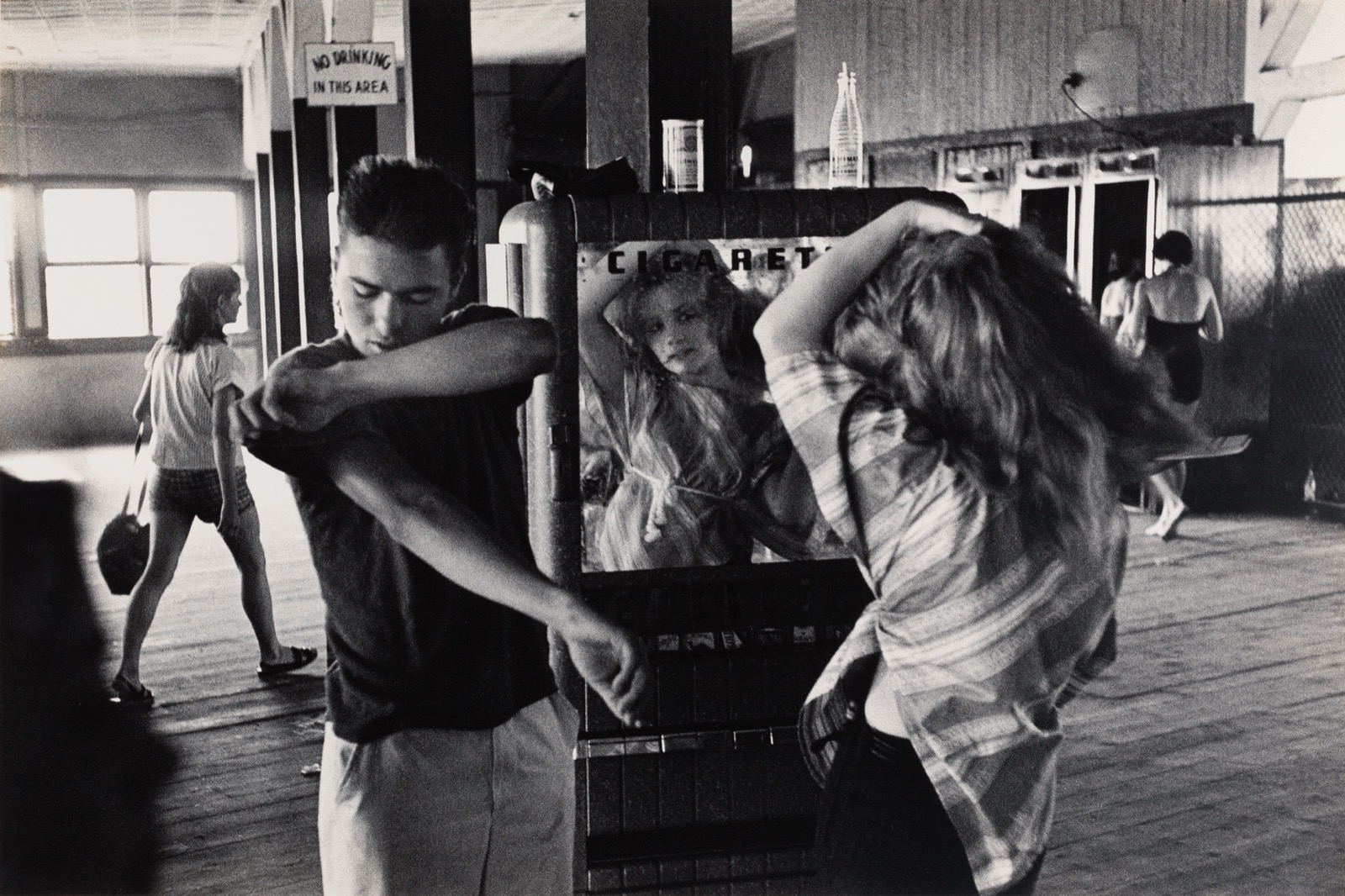
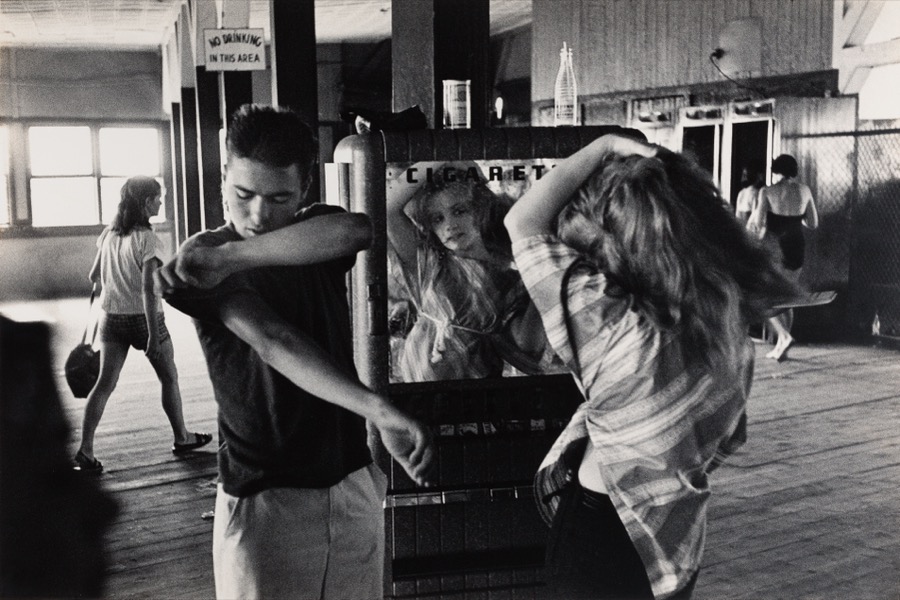
 Bruce DavidsonGang members, Brooklyn, New York City, 1959.A boy lifts his bent arm to comb or shield his face; across the cigarette machine a girl rakes both hands up through her hair.
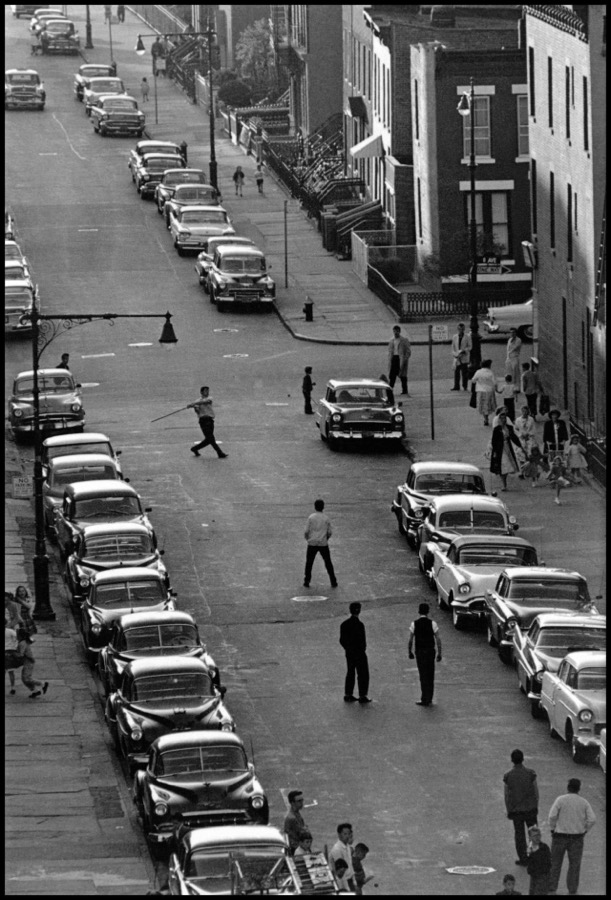 Bruce DavidsonPlaying stickball on 17th Street and 8th Avenue, Brooklyn, NY (Brooklyn Gang), 1959.From above, the avenue narrows into a corridor of chrome and tar.
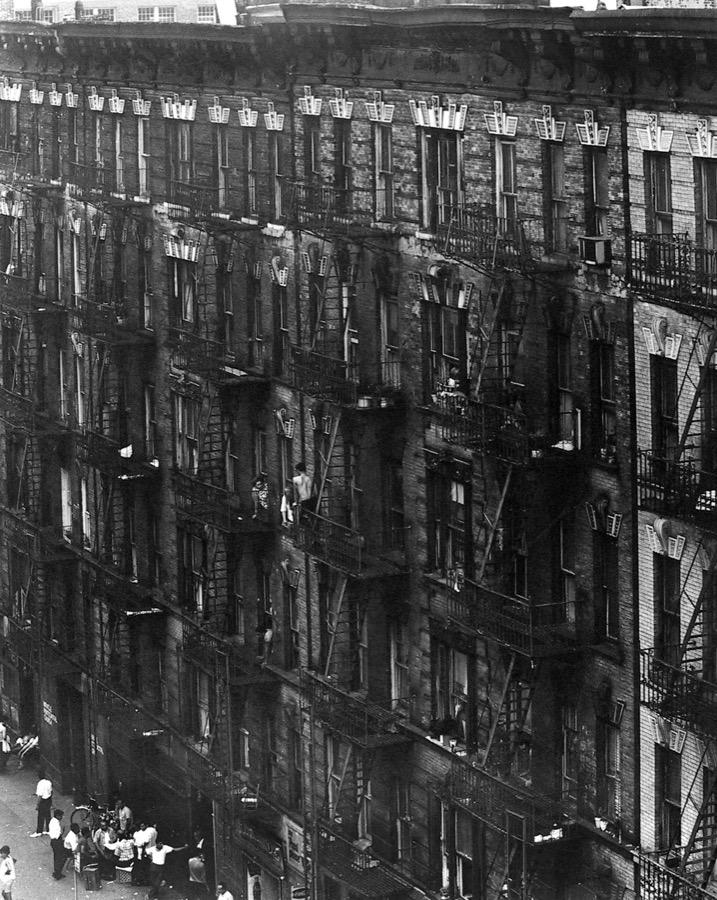 Bruce DavidsonEast 100th Street Facade, c. 1966.The whole frame is given over to a single tenement wall, photographed from across the street at a slight downward tilt so the brick rises and recedes at once, edge to edge, with no sky to release it.
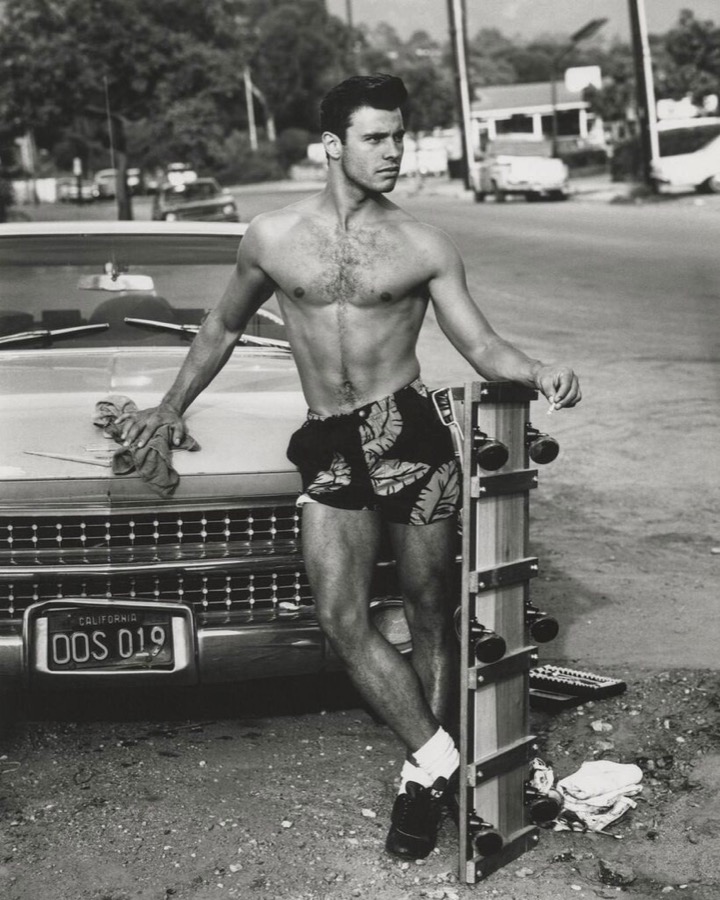 Bruce WeberA member of the Outrigger Canoe Club, Waikiki, Hawaii, 1982.He leans against the fender of a big convertible with a rag in one hand and a cigarette in the other, bare-chested, in printed swim shorts, white socks and black shoes.
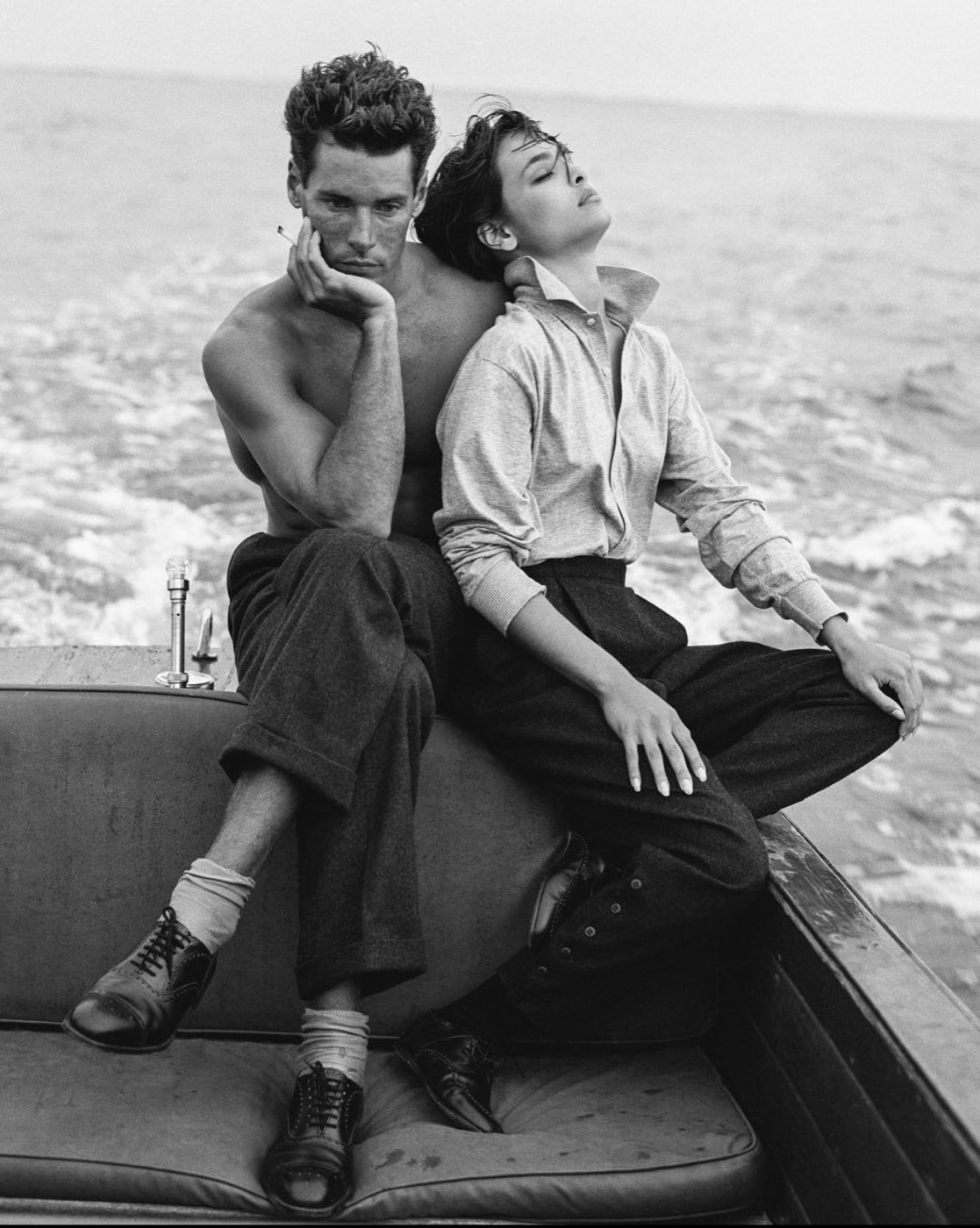 Bruce WeberBruce and Talisa on my Chris-Craft, Bellport, NY, 1982.Who are these two to each other—lovers, siblings, the same beautiful idea photographed twice?
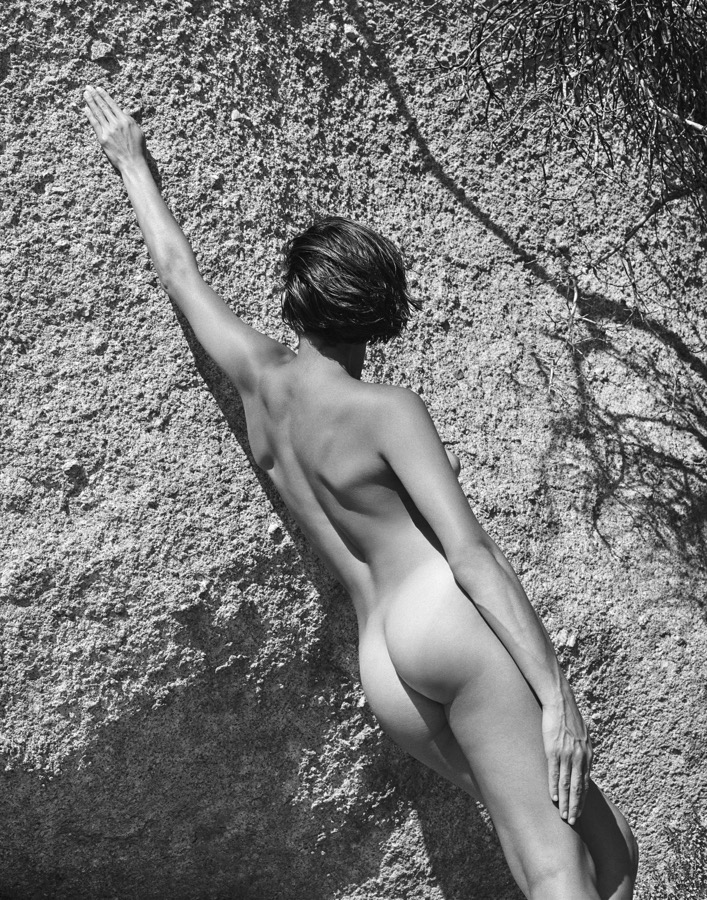 Bruce WeberNathalie Gabrielle, Arizona, 1982.The nude pressed to living rock is one of modern photography’s founding equations, the body and the stone traded for one another until each borrows the other’s substance; Edward Weston made it a…
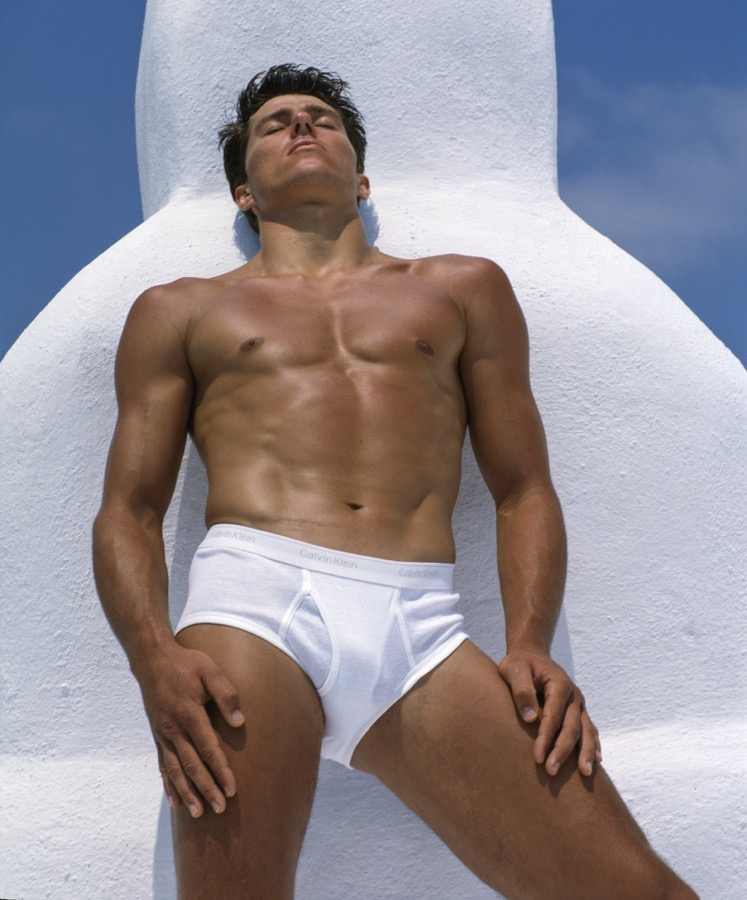 Bruce WeberTom Hintnaus, Santorini, Greece, 1982.To photograph the male body in 1982 was to inherit a problem photography had spent a century not having to solve: how to offer a man to the look that advertising had trained on women.
 Bruce WeberAndy Minsker, Colorado Springs, 1983.What a portrait usually grants us, the sitter’s returning look, is here withheld.
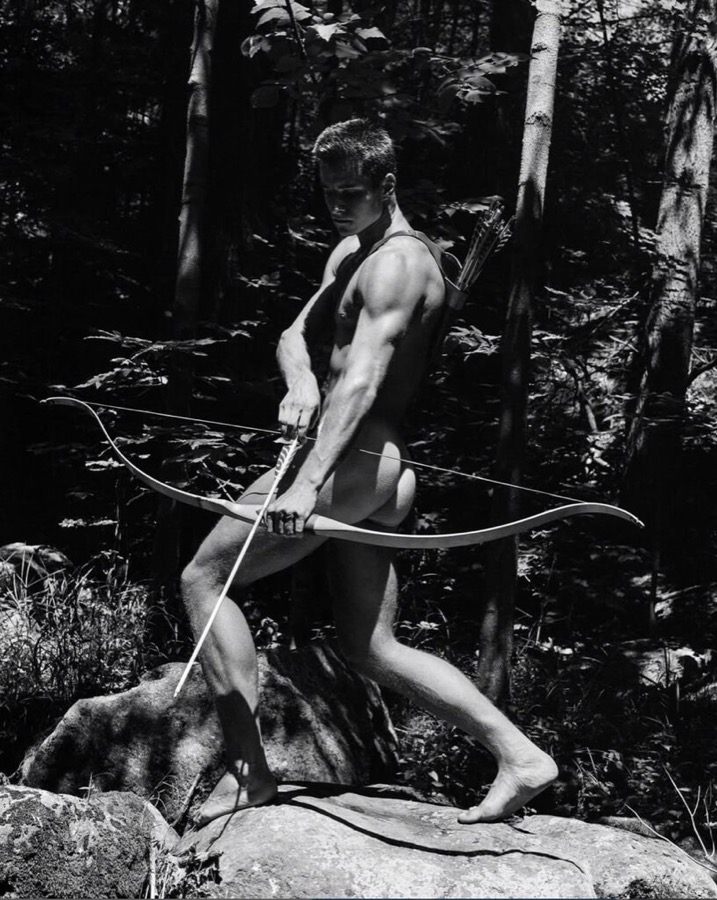 Bruce WeberGeorge, Upper Saranac Lake, Adirondacks, New York, 1983.Is he a god, or a young man named George standing on a rock in the Adirondack woods?
 Bruce WeberGreg Louganis, Los Angeles, California, 1983.Three white letters ride at the hip of his dark briefs, USA, and they change everything.
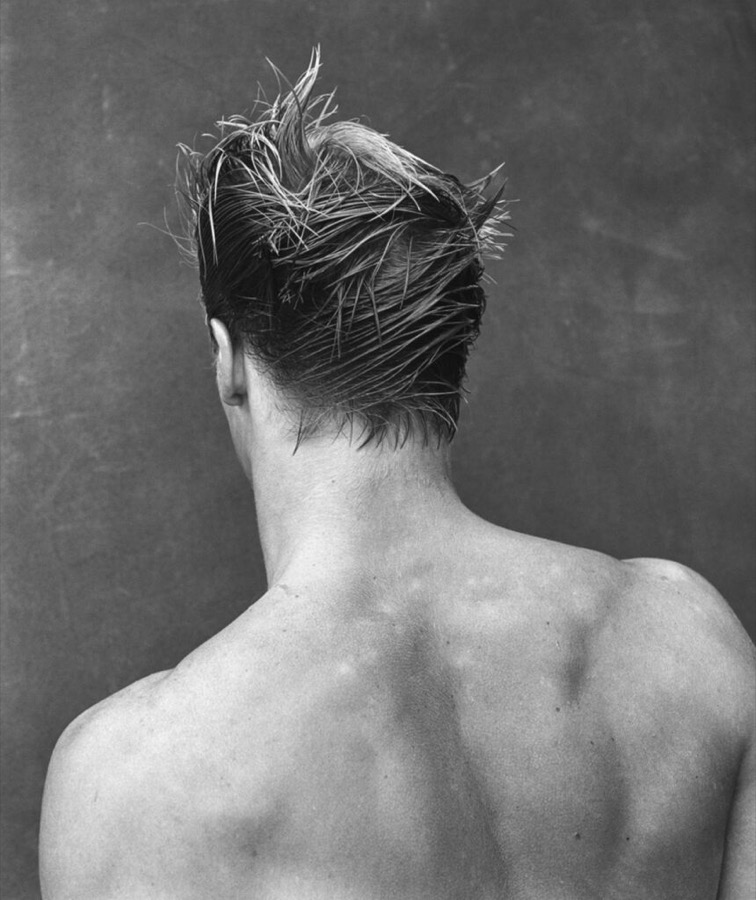 Bruce WeberJohn Sauerland, Olympic Swimmer, Hall of Fame Pool, 1983.Wetness is the whole subject: hair darkened and plastered into filaments that fan from the crown, each strand separated and glistening as if drawn with a fine dark pen.
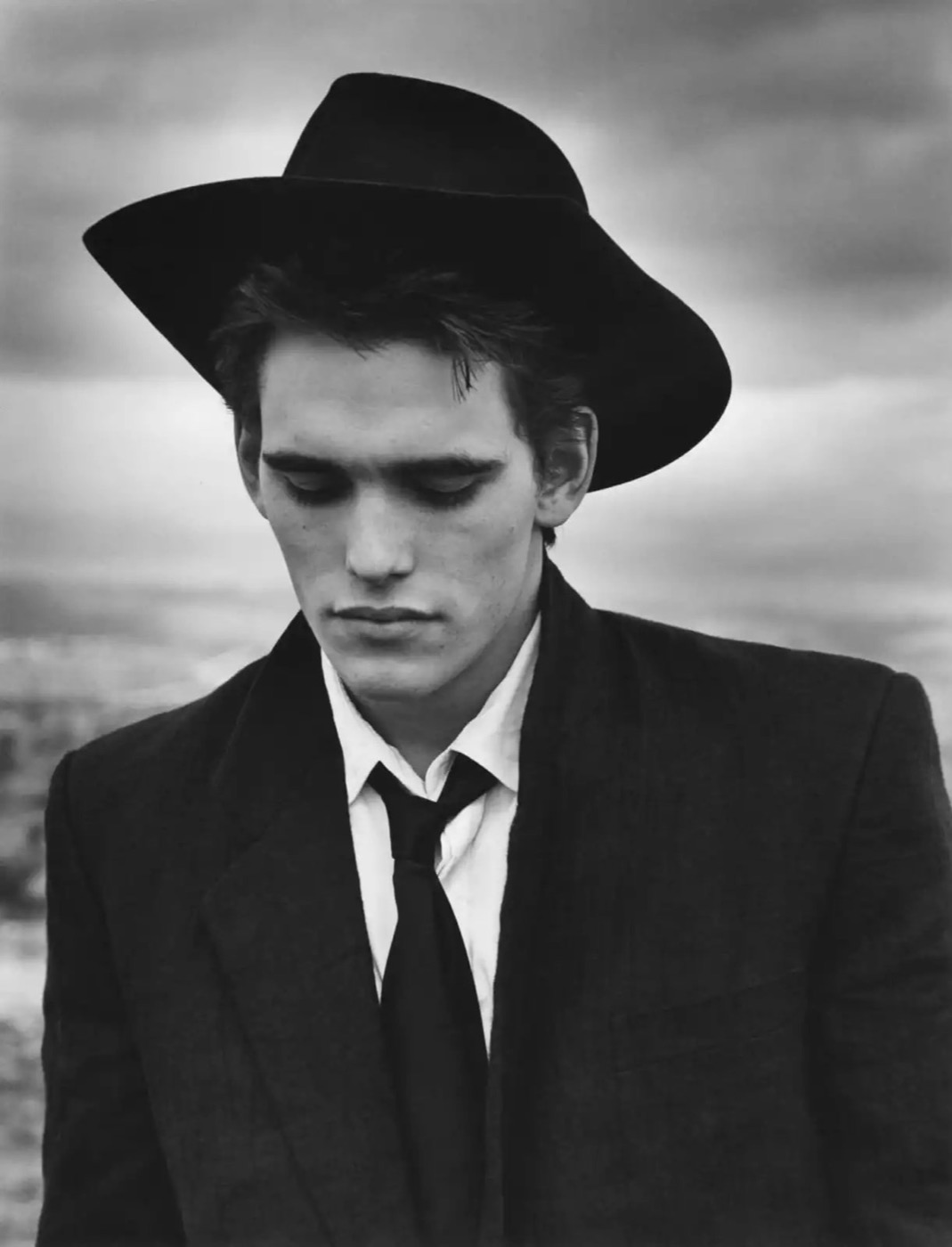 Bruce WeberMatt Dillon, Los Angeles, California, 1983.Bruce Weber’s “Matt Dillon, Los Angeles, 1983” captures a moment poised between innocence and self-recognition.
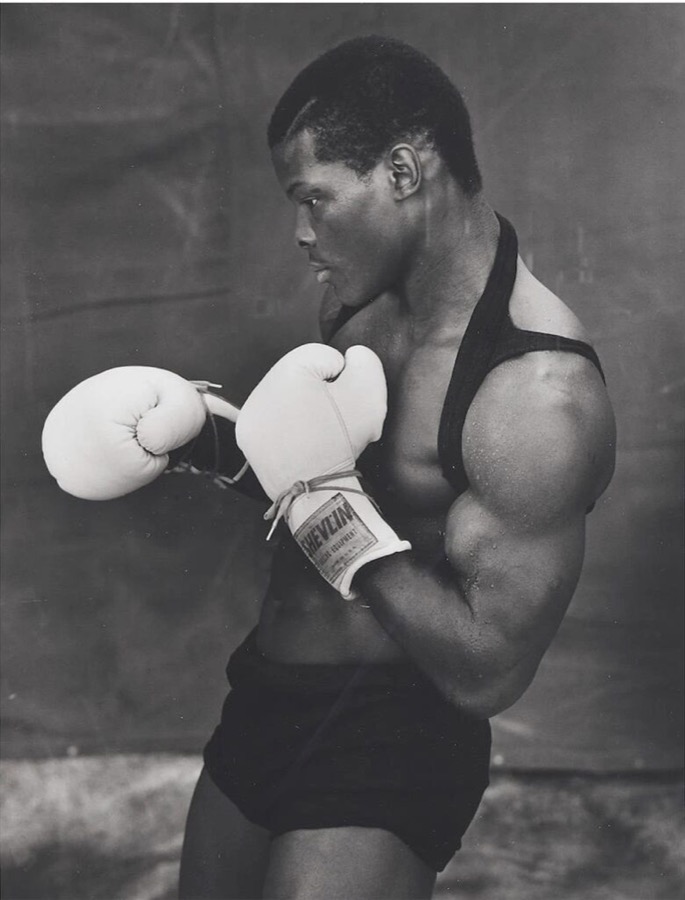 Bruce WeberRicky Womack, Boxer, Colorado Sports Festival, 1983.A young boxer stands in profile against a hung canvas, gloves raised in a loose guard, the laces of the near glove trailing free, EVERLAST stamped across the wrist.
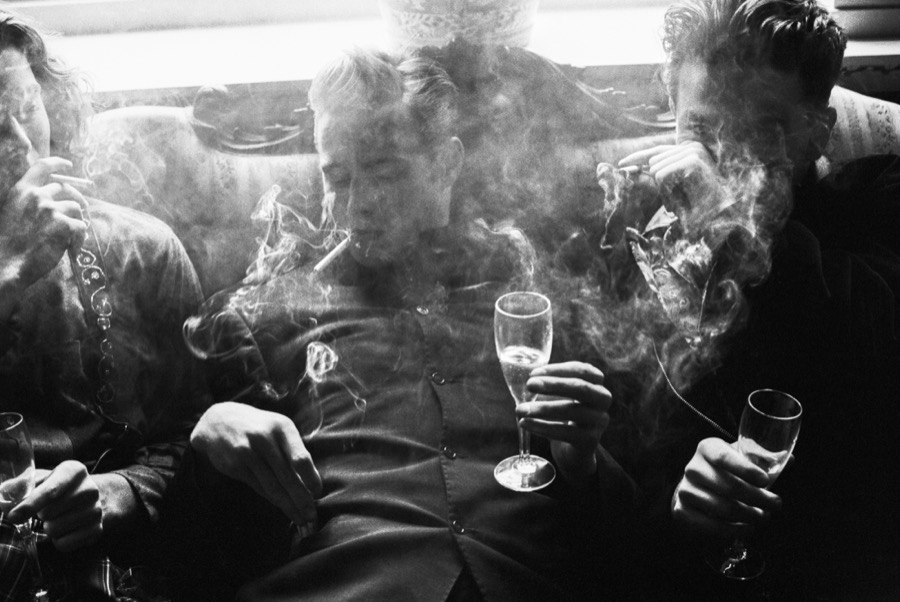 Bruce WeberEton Boys, London Deb Party, 1984.Bruce Weber is one of the great mythmakers of American photography — the eye behind the most indelible campaigns of the 1980s and 90s, from Calvin Klein to Ralph Lauren, an artist who turned…
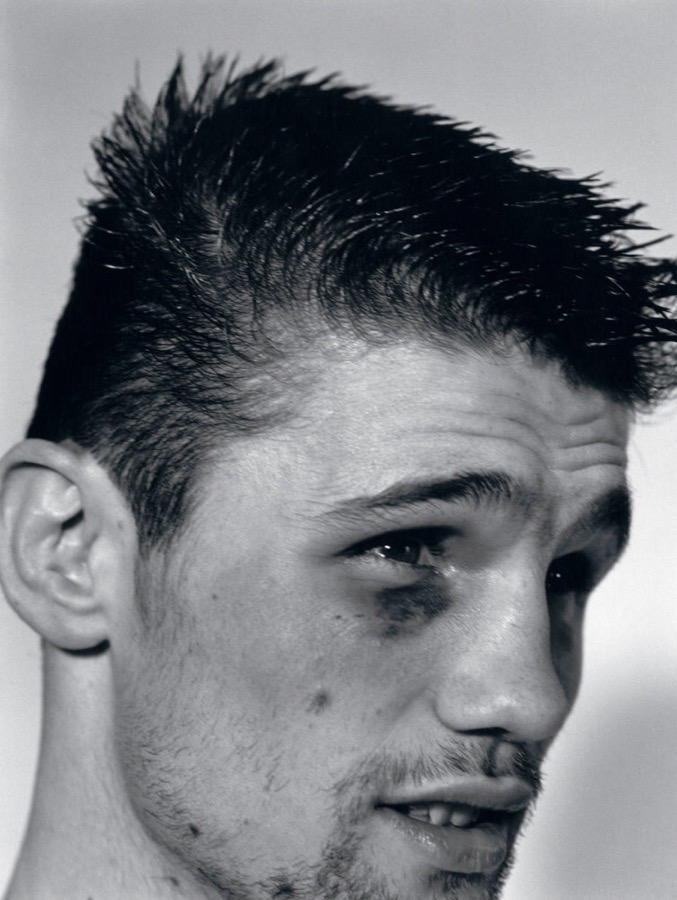 Bruce WeberAndy Minsker, 1985.The head fills the frame at a three-quarter turn, cropped so that one ear sits hard against the left edge and the far cheek runs off the right.
 Bruce WeberChet Baker at the Shangri La, Santa Monica, CA, 1985.By 1985, when Bruce Weber gathered Chet Baker at Santa Monica's Shangri La for the sittings that fed his film Let's Get Lost, the trumpeter had already outlived his own legend by two decades.
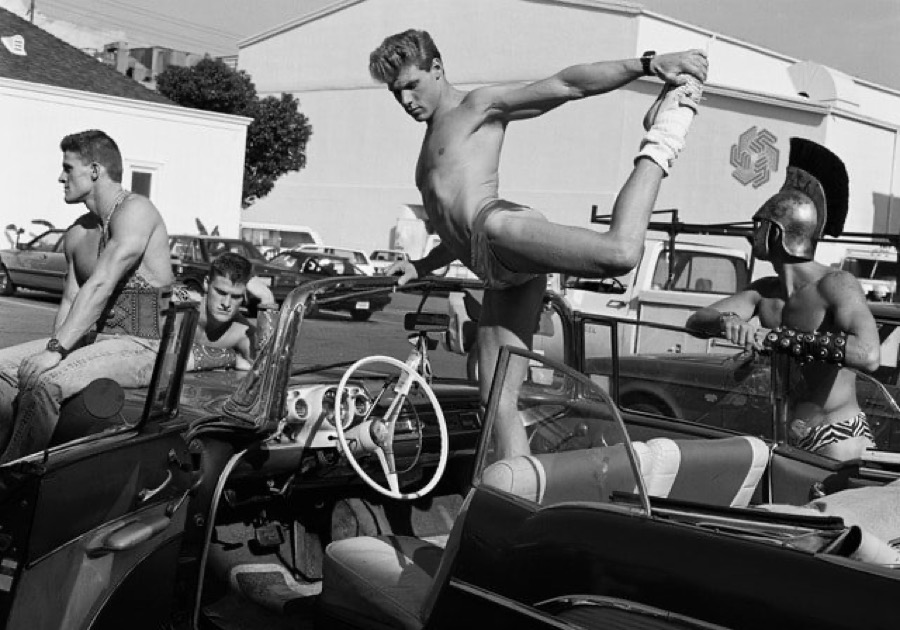 Bruce WeberExtras at Zoetrope Studios, Hollywood, California, 1985.To photograph the overlooked is to confer a value the world withheld.
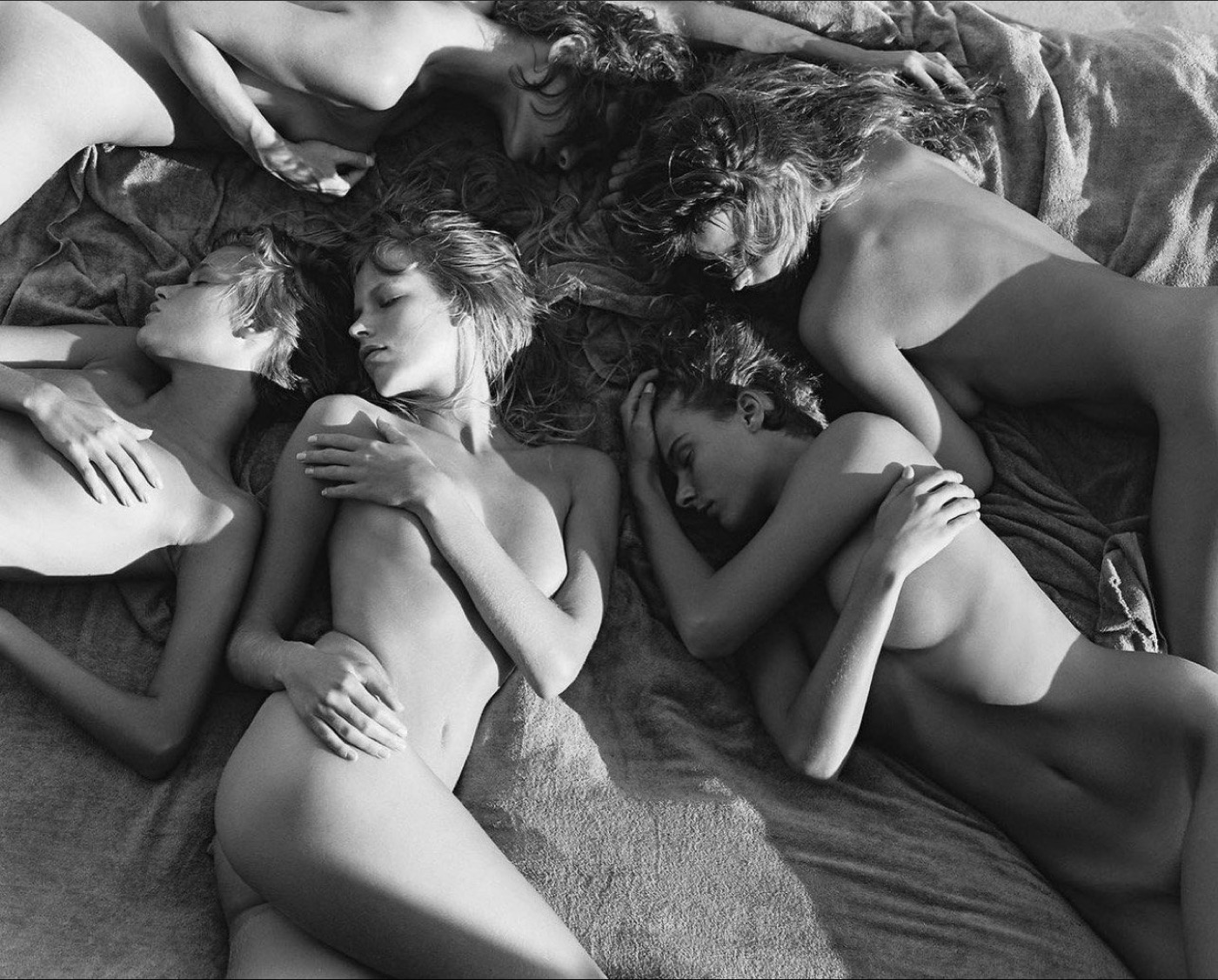 Bruce WeberOn the Rooftop of the Shangri La, Santa Monica, CA, 1985.Five women lie on towels, photographed from directly above, so that the picture reads as a single mass of limbs and hair before it resolves into people.
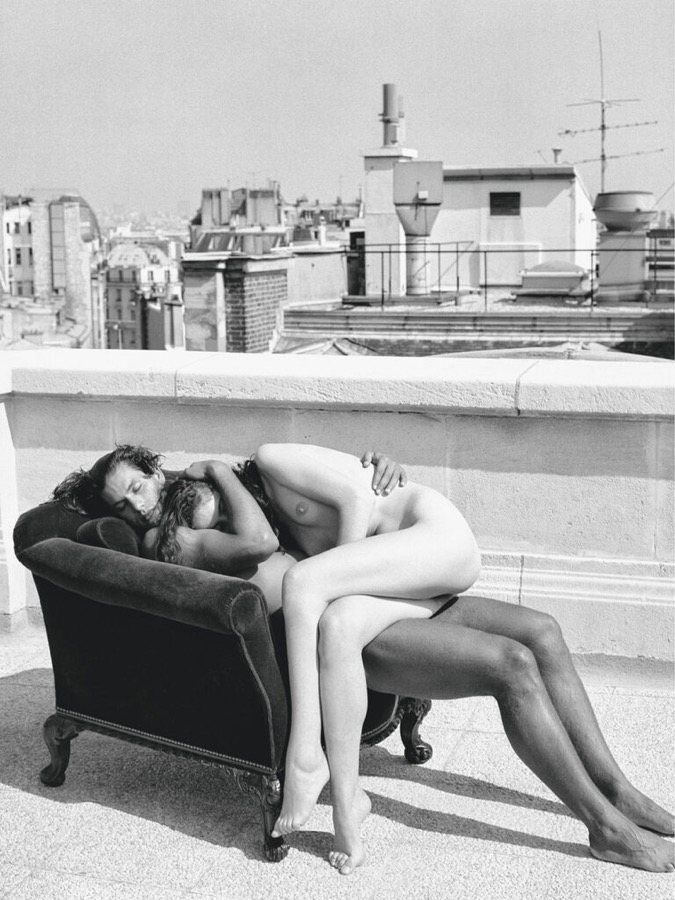 Bruce WeberParis, France, 1985.The carved wooden foot of the armchair grips nothing but the gritty gravel of a Paris rooftop, a claw where you expect a parquet floor.
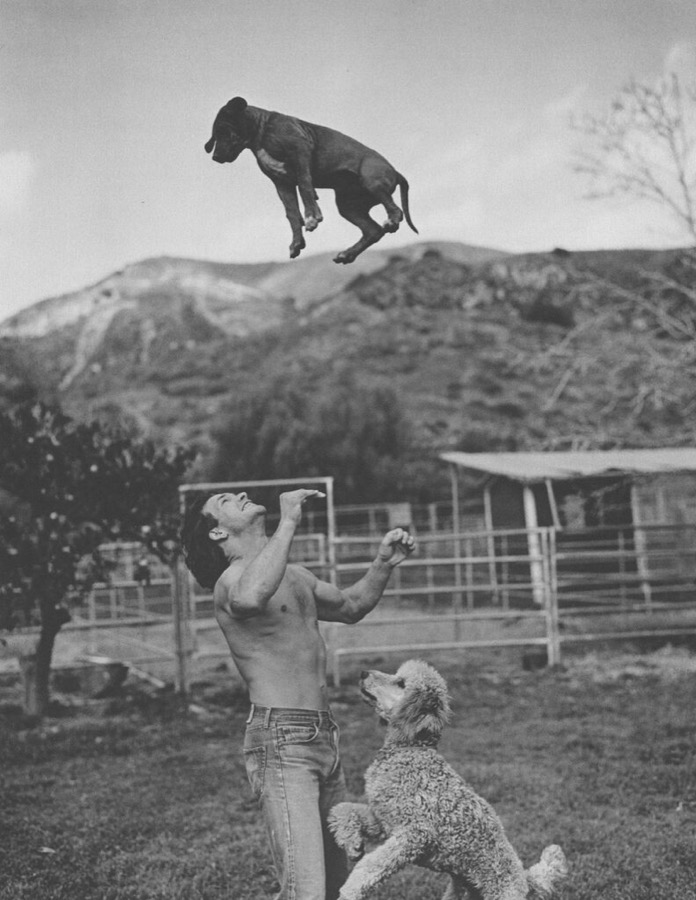 Bruce WeberPatrick Swayze, 1985.The landing itself is withheld. A dark dog hangs at the top of its arc against a pale sky, paws gathered, tail streaming, and we are not shown whether it drops back into the waiting hands below.
 Bruce WeberRodney, Shangri La Hotel, Santa Monica California, 1985.Silver does most of the talking here — a length of lamé knotted low and falling in liquid pleats, the one molten surface in a picture otherwise built from chain-link diamonds and the long pale smear…
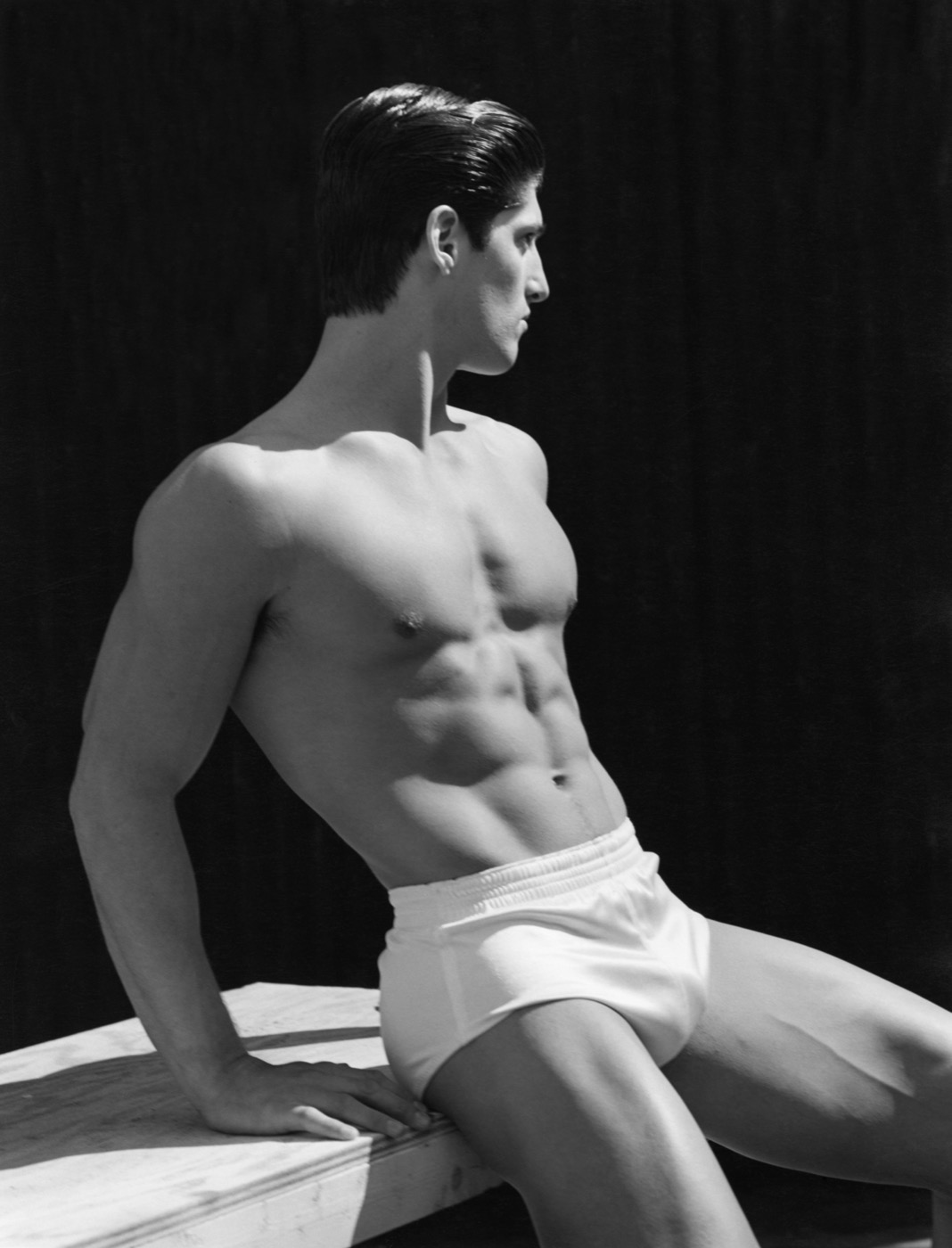 Bruce WeberTony Ward on the roof, NYC, 1985.Look at the profile first — Tony Ward turned dead away from us, chin lifted, that wet sweep of hair combed back off the brow like a matinee idol smuggled out of the 1930s.
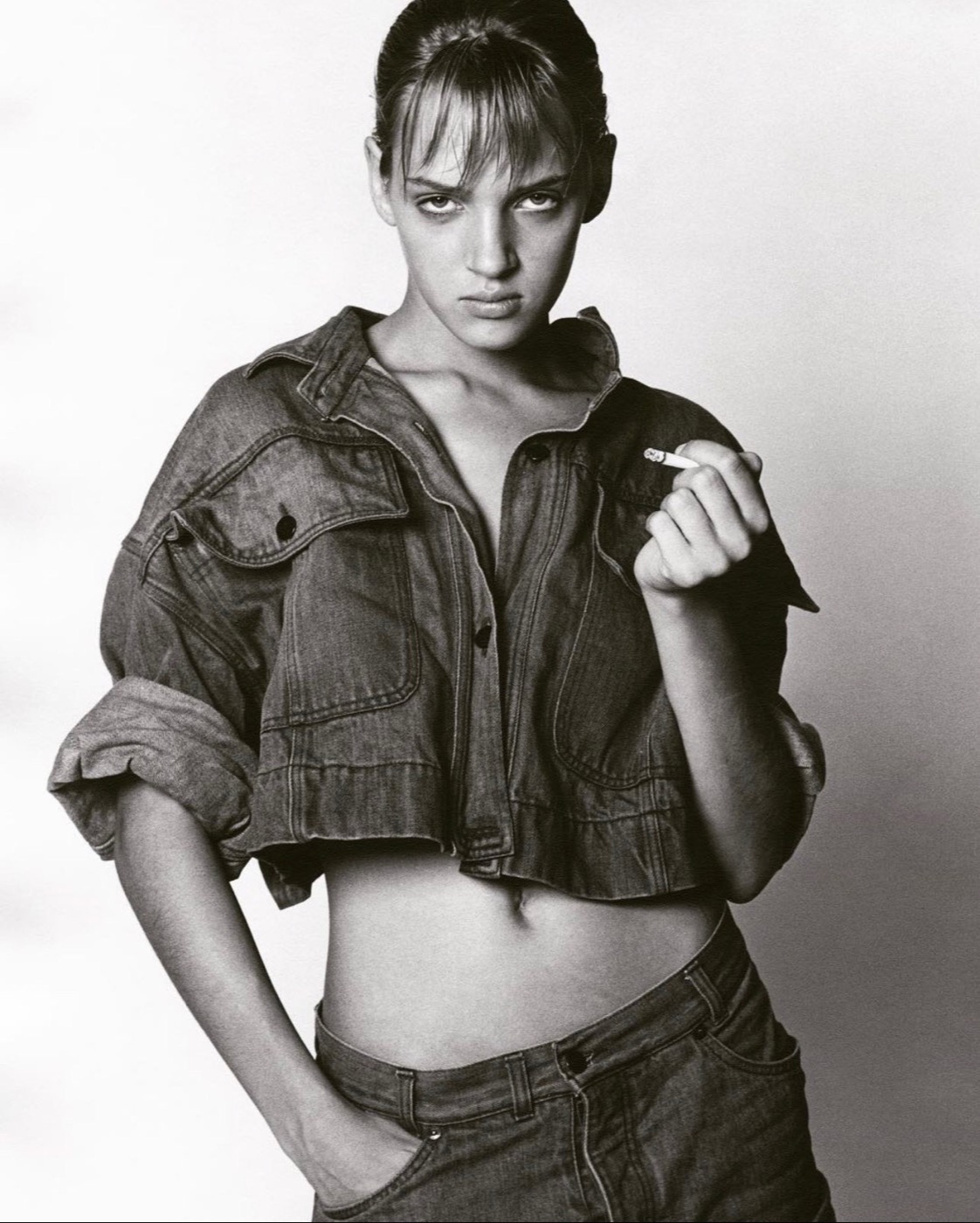 Bruce WeberUma Thurman, New York, 1985.How old is the girl in the denim jacket, and who decided she should look like this?
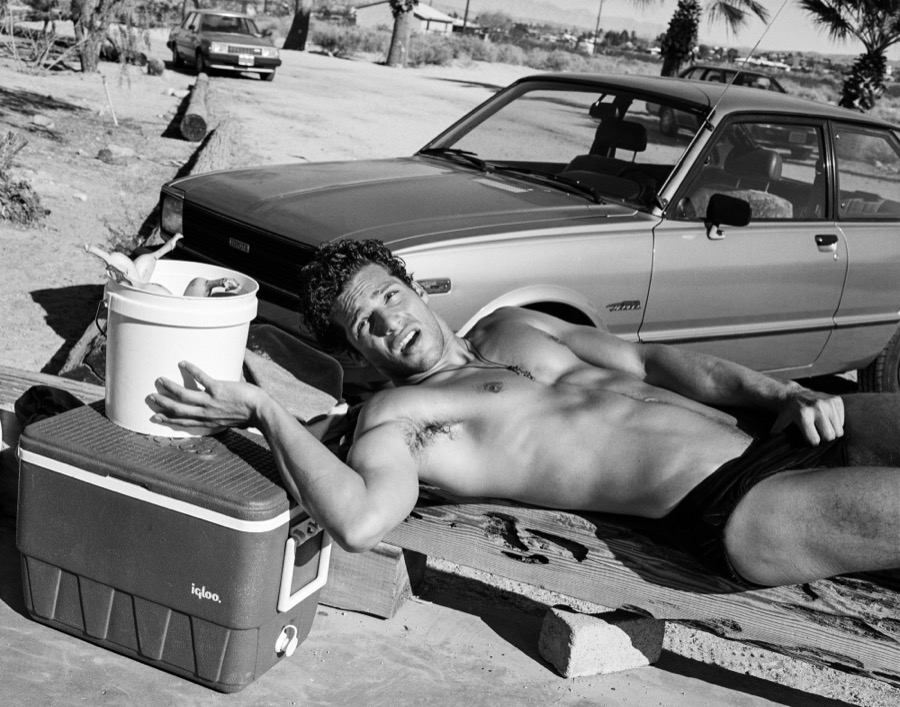 Bruce WeberDave at 29 Palms Parking Lot, California, 1986.What is he laughing at, this boy stretched out on a strip of carpet in a Twentynine Palms parking lot?
 Bruce WeberDoug Meyer, NYC, 1986.He is turning his face out of the picture, away from us and up toward the source of the light, at the exact instant the shutter closes on him.
 Bruce WeberJean Luiz and Luiza, Copacabana Palace, Rio de Janeiro, 1986.In a second she will either lower her mouth to his or straighten up and the whole thing will dissolve into laughter; for now the picture holds them a breath short of the kiss.
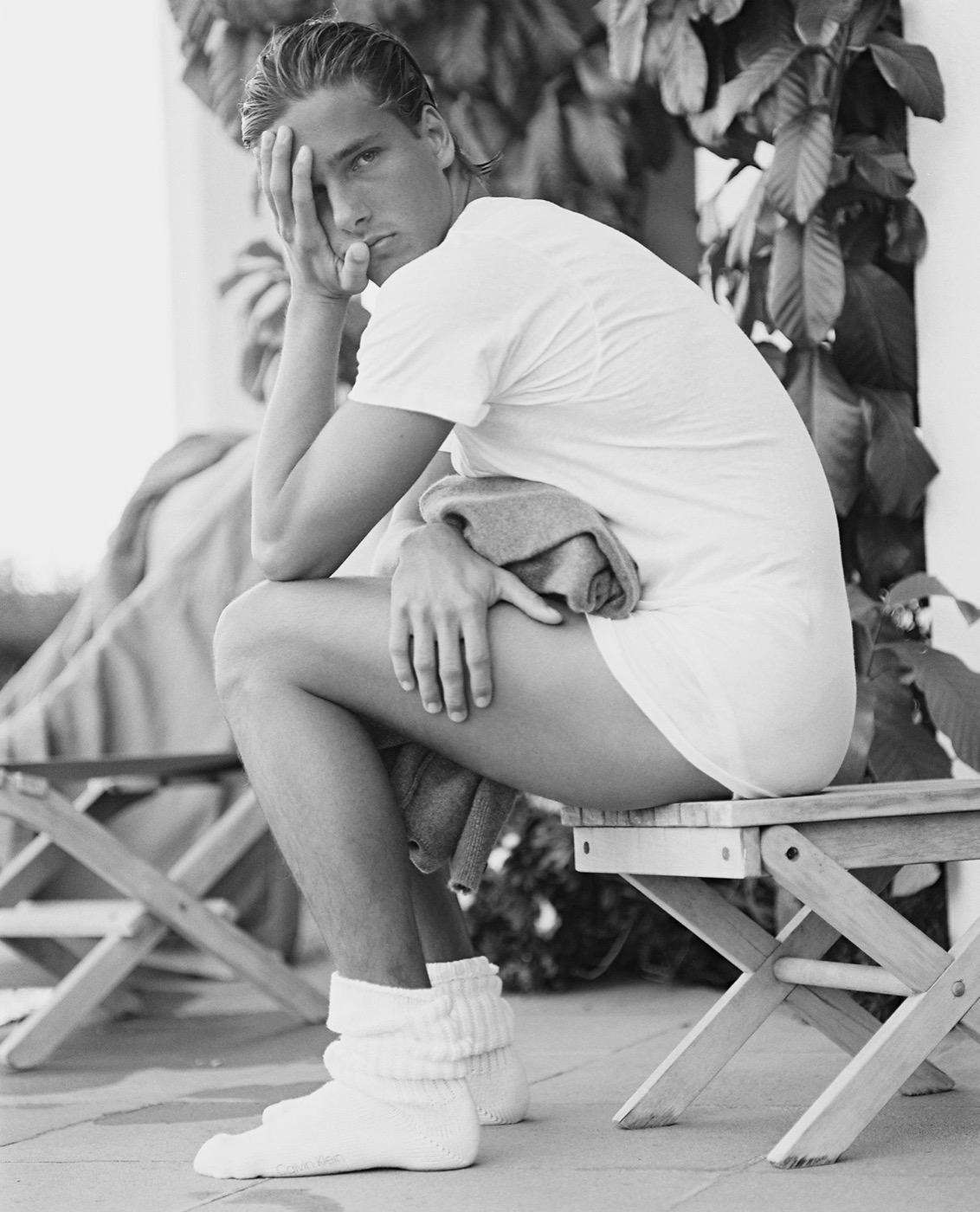 Bruce WeberJens-Peter Arvid Johnston for Calvin Klein, California, 1986.A young man sits on a wooden folding stool with his knees drawn up, wearing a plain white T-shirt and white briefs, one hand pressed flat against the side of his face so that it covers his eyebrow…
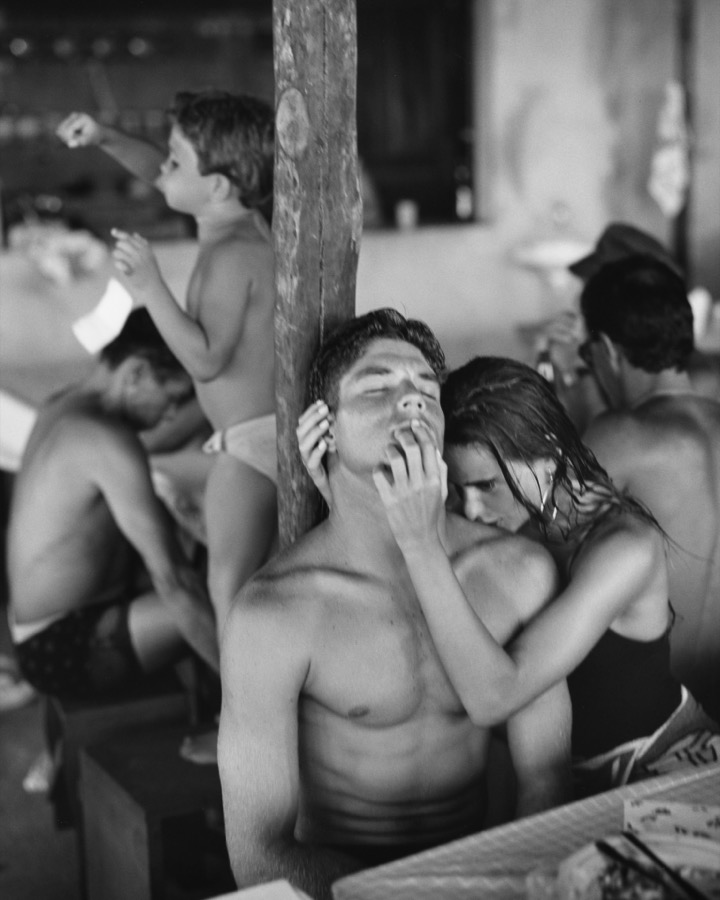 Bruce WeberJorge and Luchiana at Tia Penha, Rio de Janeiro, Brazil, 1986.Heat undresses a crowd faster than desire ever could, and a packed Rio bar proves the point.
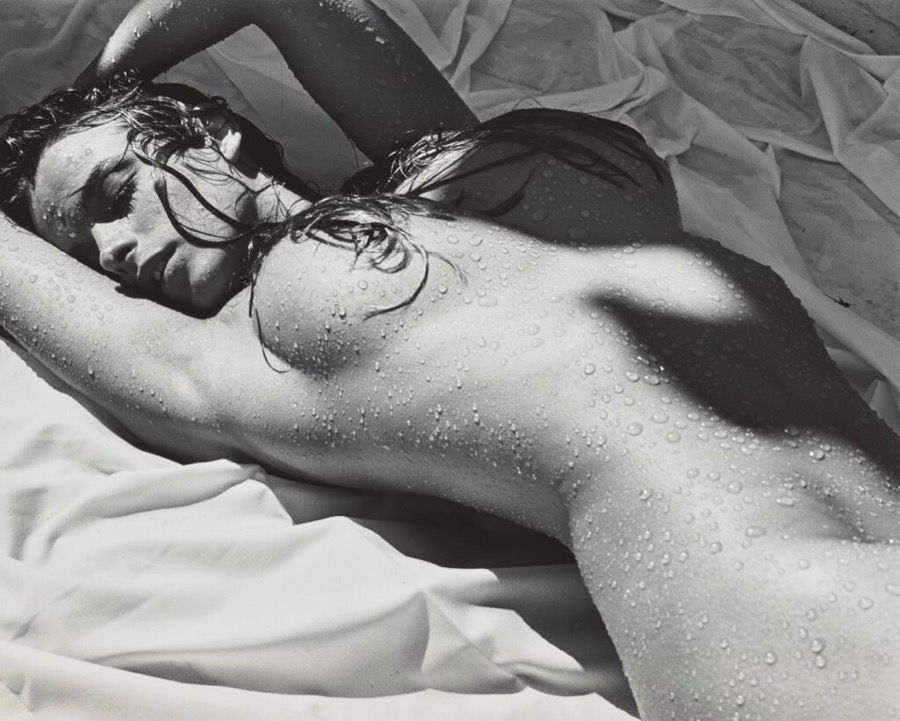 Bruce WeberLisa Marie, Palm Beach, 1986.Light is the real subject here: a hard Florida sun that has dried some of the water and left the rest standing in beads across her back, each drop a small lens throwing its own bright point.
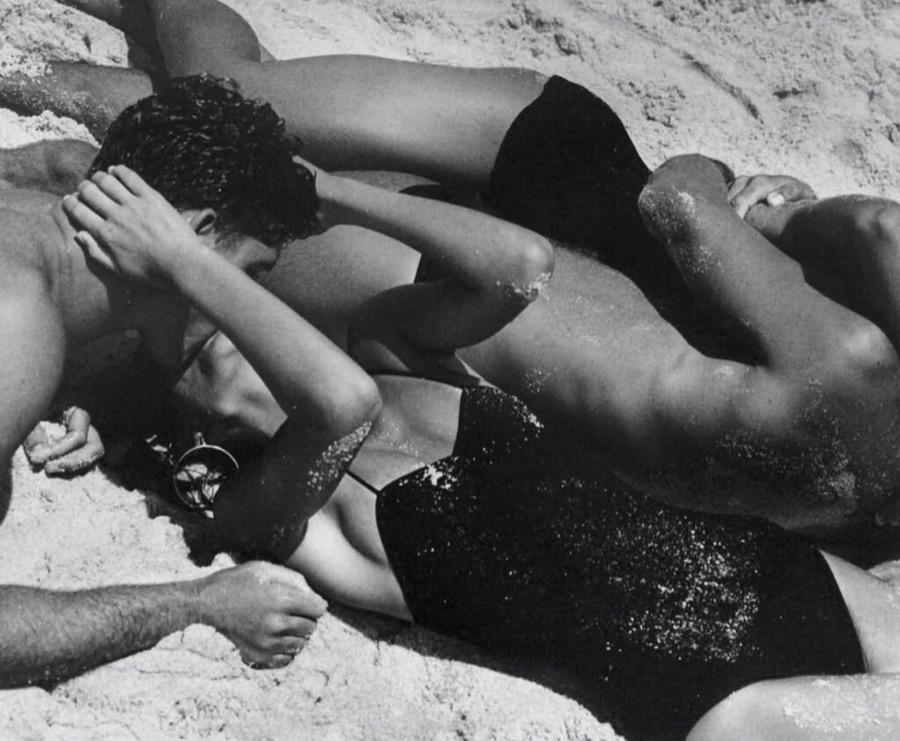 Bruce WeberLovers, Prainha Beach, Rio de Janeiro, Brazil, 1986.A small round dial rests half-buried in the white sand, its faint markings the only inscription in a picture otherwise built entirely from skin.
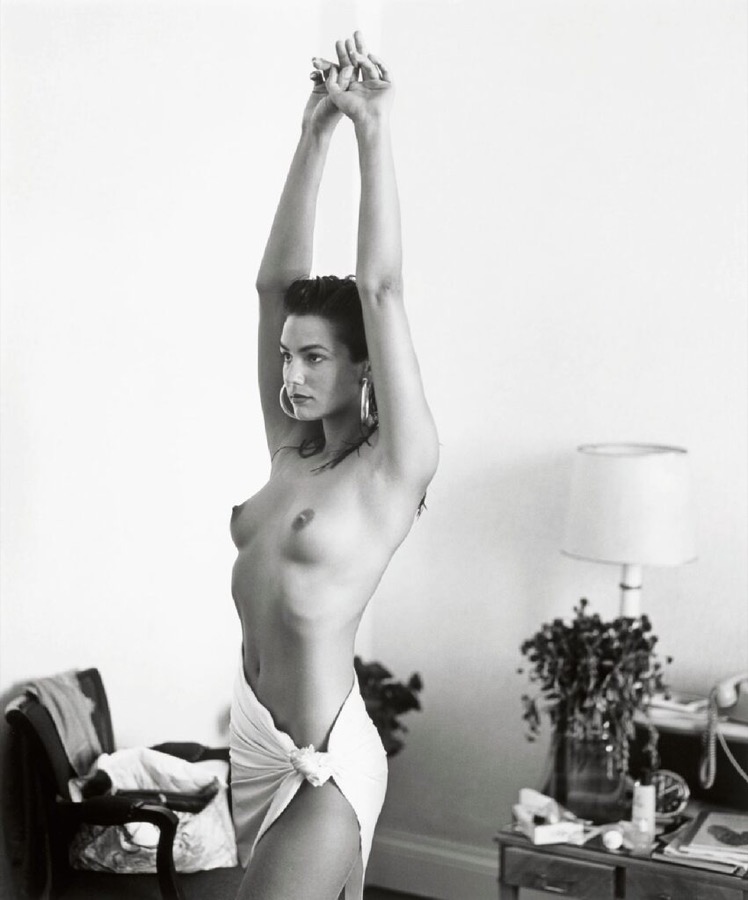 Bruce WeberLuiza Brunet, Room 500, Copacabana, Rio, 1986.One thing the picture most wants to explain, it withholds: a reason for the raised arms.
 Bruce WeberMadonna, Life Magazine, 1986.The vantage is a backstage dressing-table mirror, and it turns one platinum-blonde head into two.
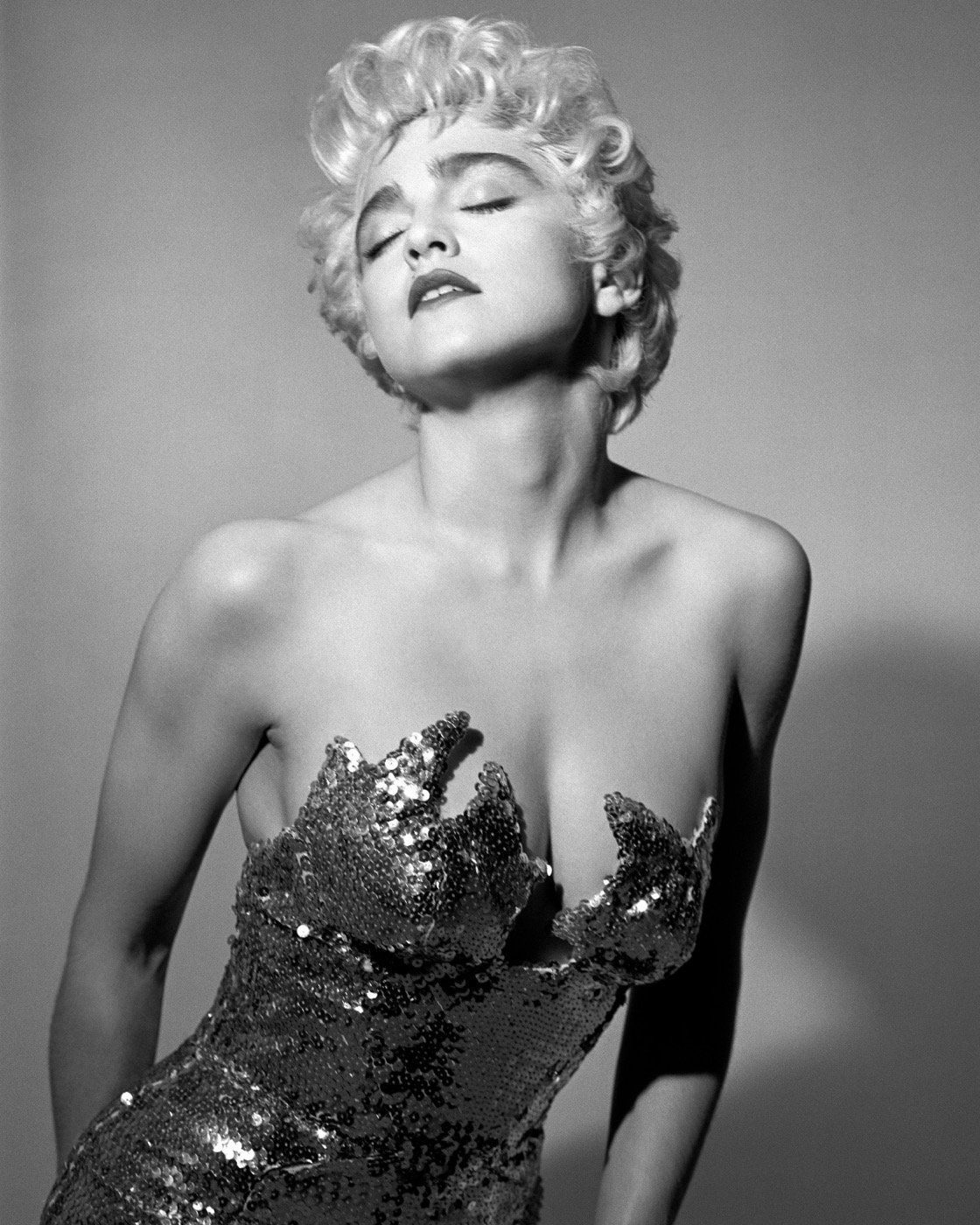 Bruce WeberMadonna, New York City, 1986.Nothing in the room but a sheet of seamless paper and the long bruise of shadow it throws to one side — the oldest furniture in the fashion business, a void priced by the hour.
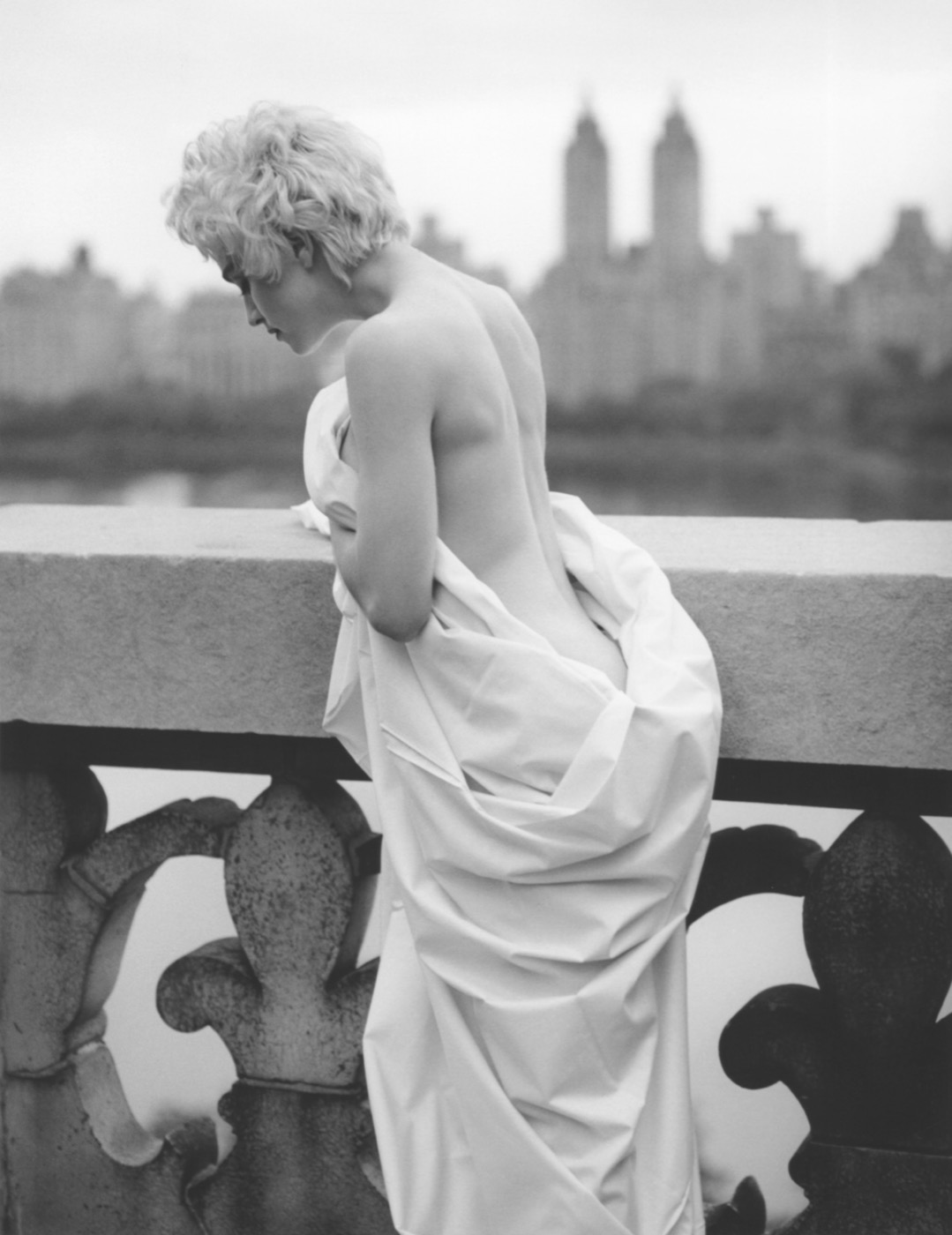 Bruce WeberMadonna, New York City, 1986.Fame turns the body into a place others believe they already know.
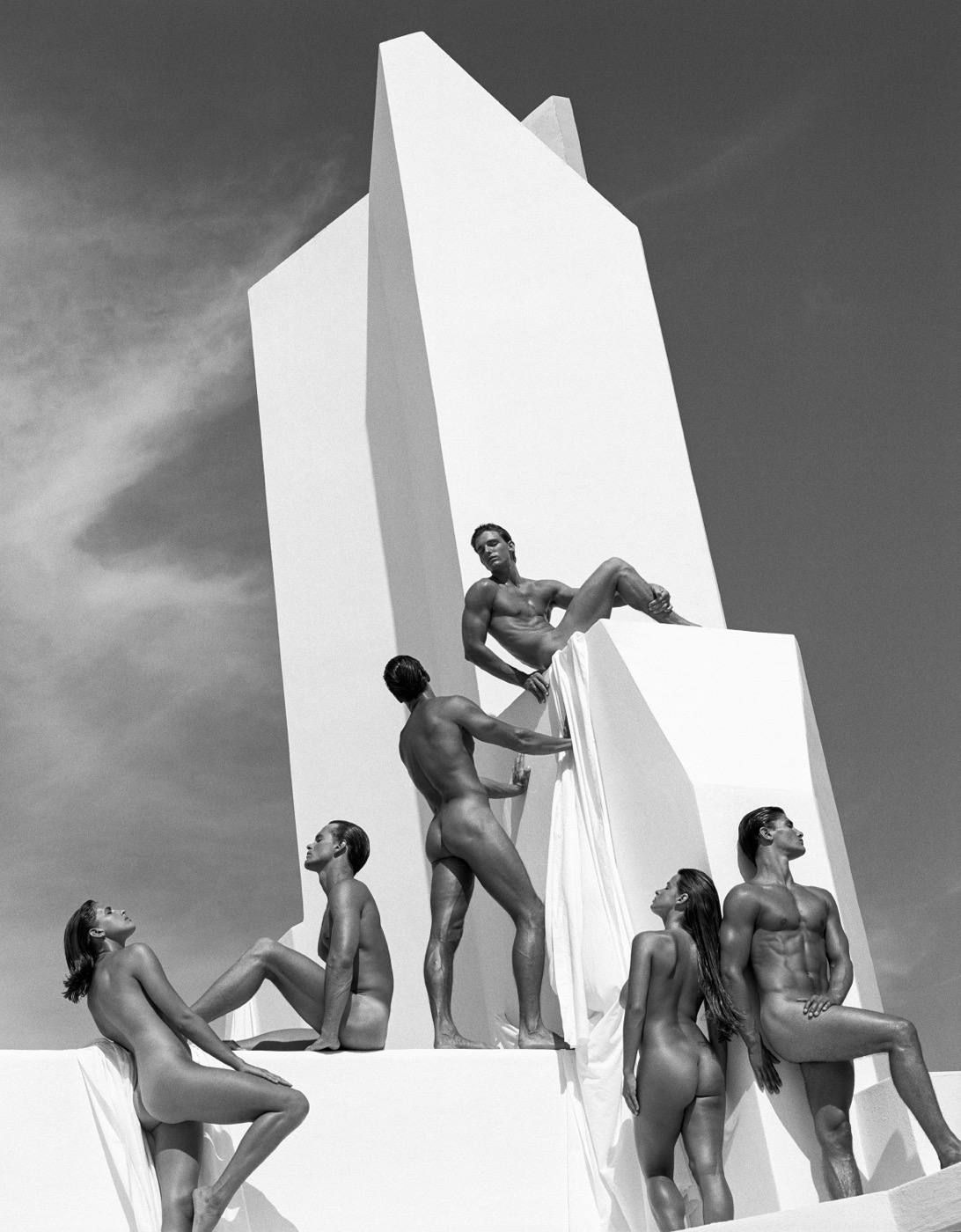 Bruce WeberOn the set for “Obsession for the Body” by Calvin Klein, Miami, FL, 1986.Look at the man perched at the apex, one knee drawn up, a length of white cloth slipping from his fingers like a flag of surrender to the Miami sky.
 Bruce WeberRickson and Jorge fighting, Rio de Janeiro, Brazil, 1986.Two men in black trunks, working at each other in flat Rio sunlight.
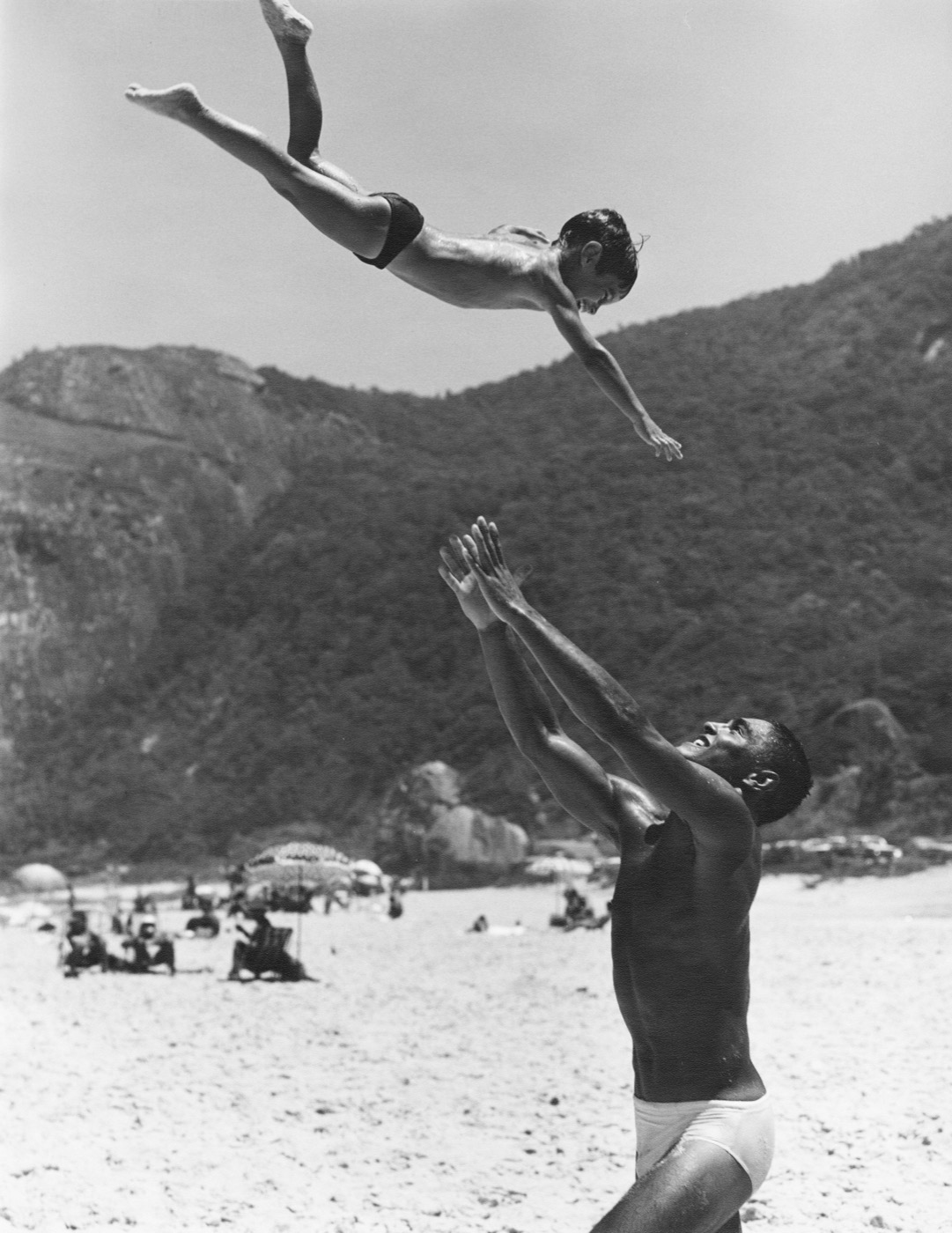 Bruce WeberRickson Gracie and his son Rawkson, Prainha Beach, Rio, 1986.A man stands on the sand with both arms straight up, fingers spread, watching a boy who is airborne above him, arms and legs extended, mid-flight and unafraid.
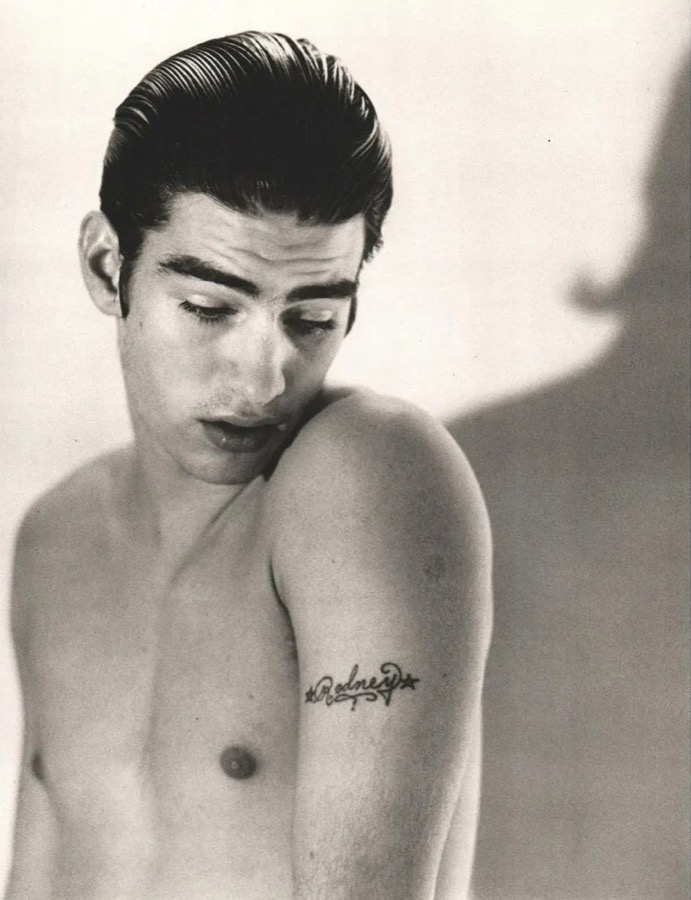 Bruce WeberRodney Harvey, Actor, 1986.To photograph a beautiful young man is to make a claim about time, and to lose it.
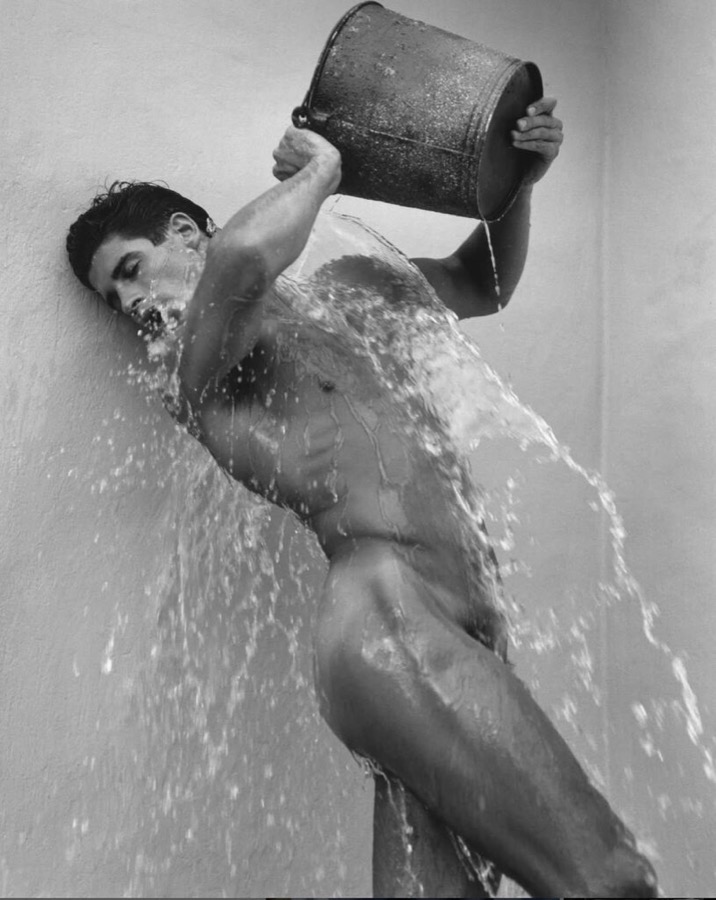 Bruce WeberBlake, Palm Beach, Florida for Calvin Klein Obsession, 1987.Water is the oldest way of starting over, and here a young man pours a whole bucket of it over his head as if to be, for one second, new.
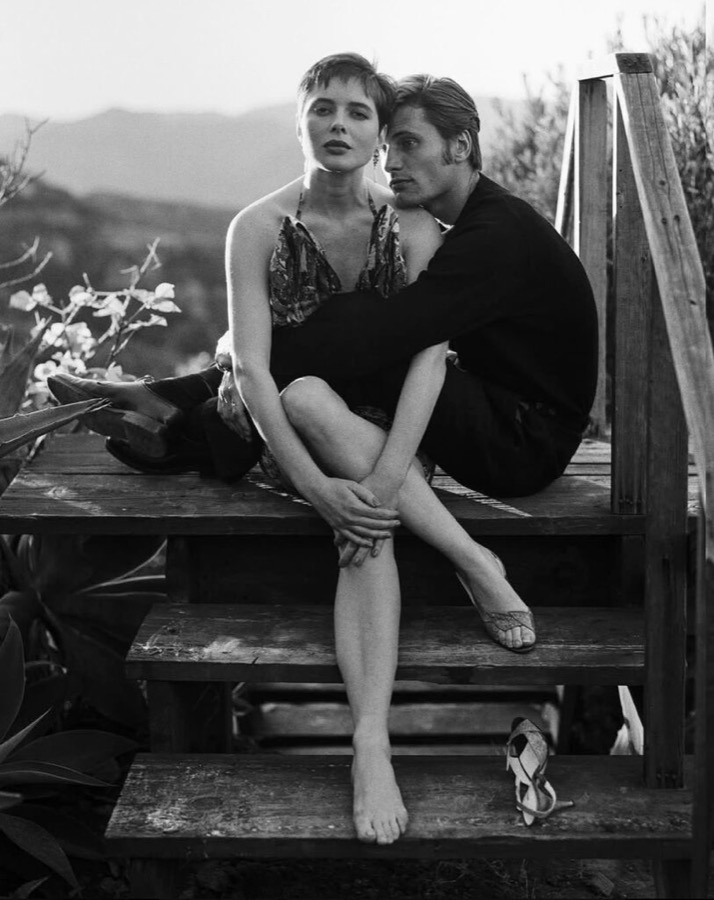 Bruce WeberIsabella Rossellini and Viggo Mortensen, 1987.Isabella has kicked off one sandal, and it lies on the step below her like an abandoned argument, its thin straps still holding the shape of the foot that left it.
 Bruce WeberMarco De Conciliis and Rodney Harvey filming “Let’s Get Lost,” Cannes, France, 1987.One boy leans in and presses his mouth to the other’s temple, eyes shut, while a raised hand pushes up through his own dark hair, two gestures caught in the same instant, one given, one self-absorbed.
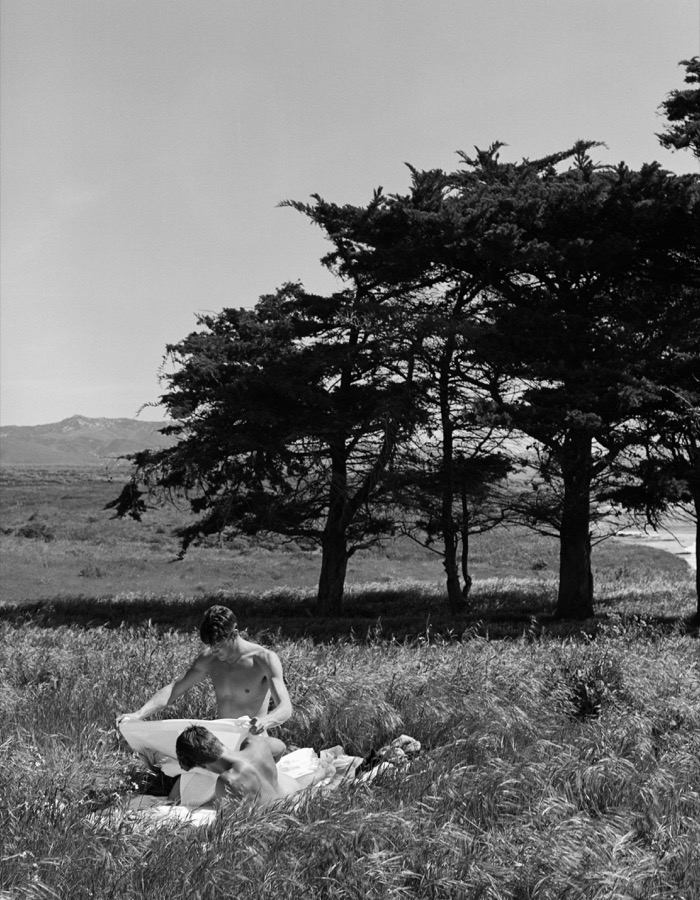 Bruce WeberMax and Ken, Point Conception, Santa Barbara, California, 1987.Two boys in a field of dry grass, and a white sheet between them.
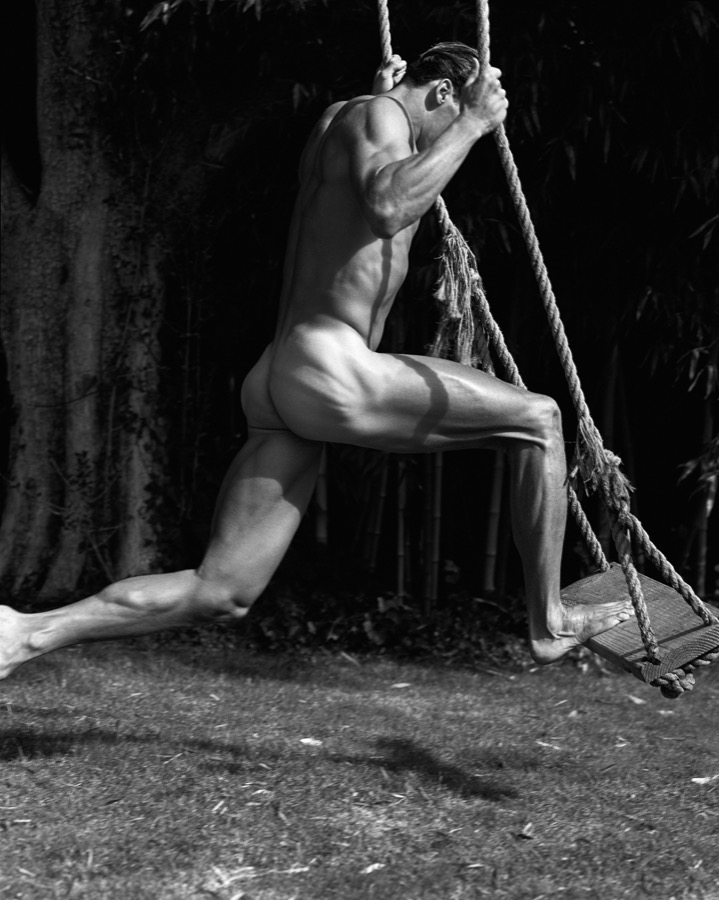 Bruce WeberRic Arango, Villa Tejas, Santa Barbara, California, 1987.Start with the bare foot, toes curled over the edge of a wooden plank swing, taking a little weight.
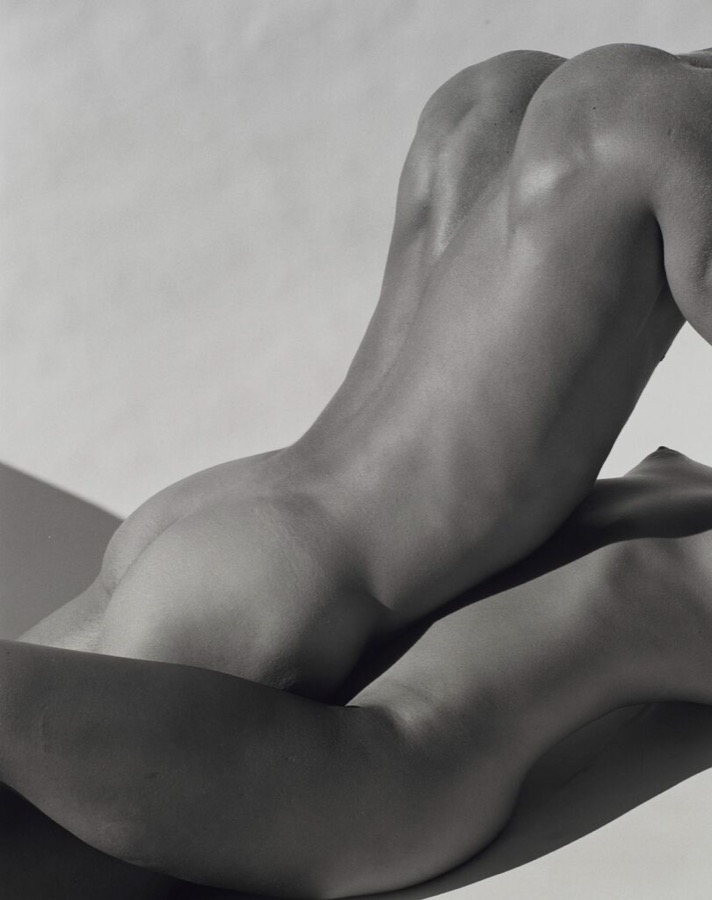 Bruce WeberRick and Luisa, Point Conception, Santa Barbara, California, 1987.In the years when American advertising discovered that a body could sell anything, and fashion photographers found their pictures moving from the magazine page to the gallery wall, Weber was making…
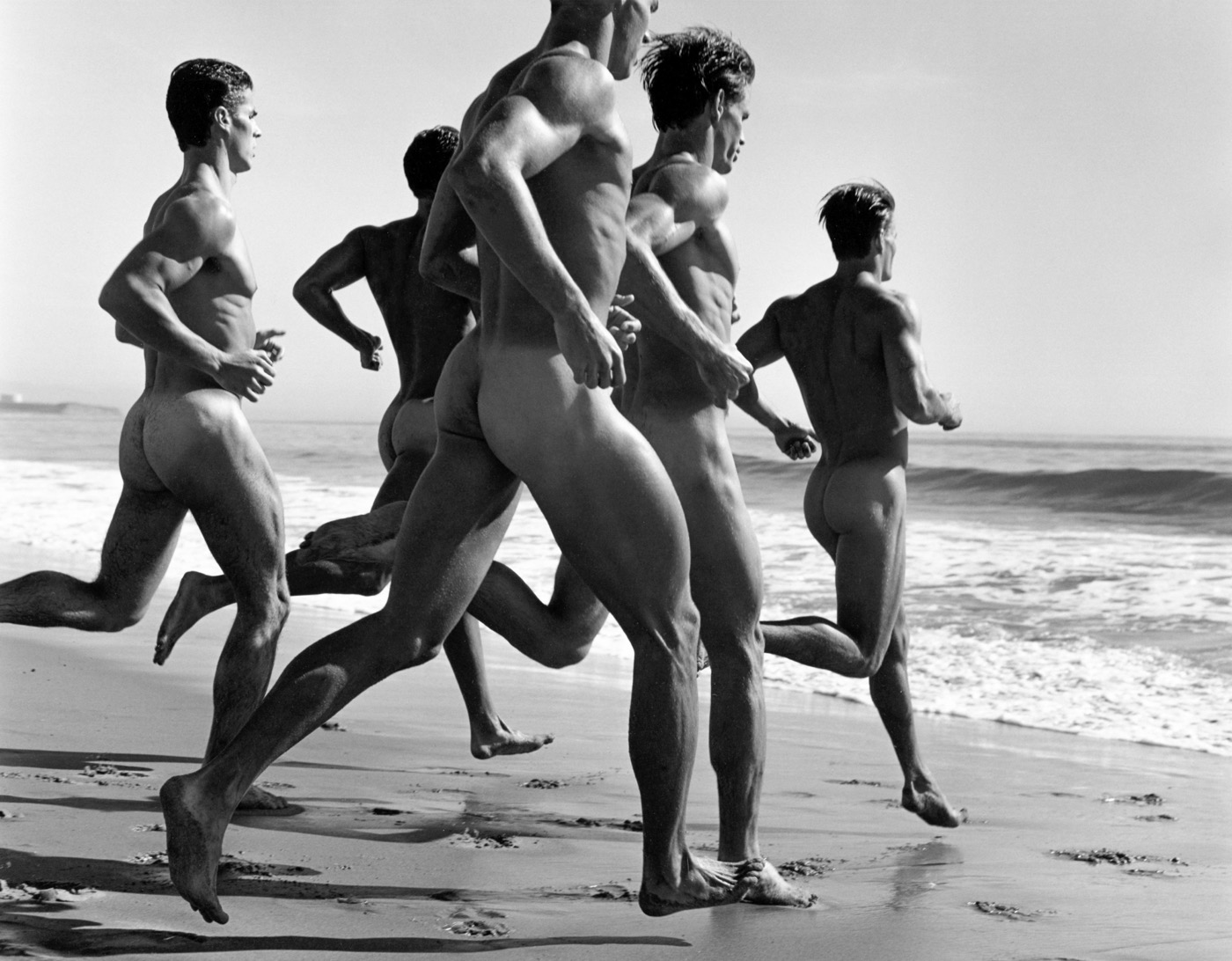 Bruce WeberRunning at Point Conception, California, 1987.Five men run at the waterline, left to right, and no two are at the same point of the stride.
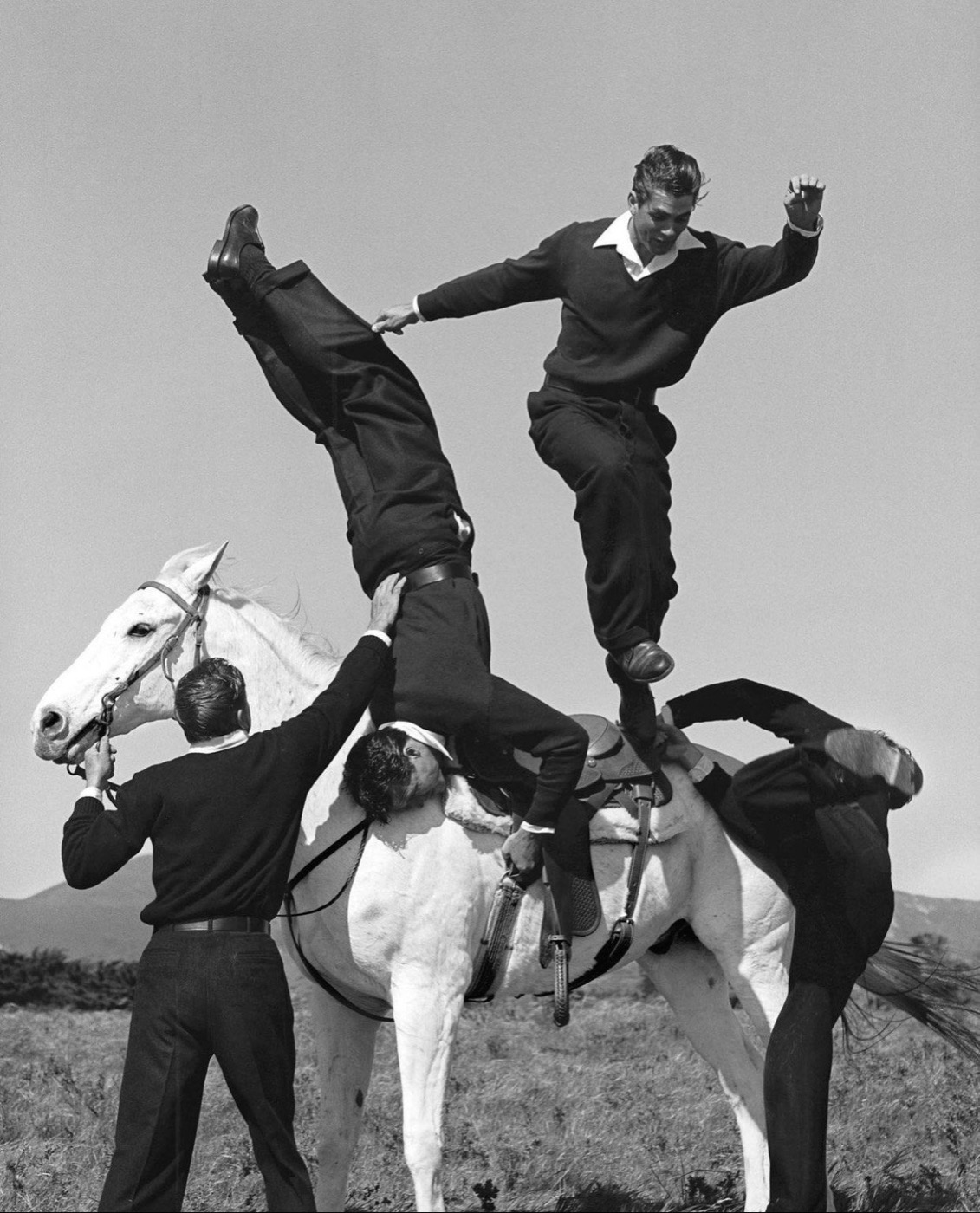 Bruce WeberStuntmen, Point Conception Beach, Santa Barbara, CA, 1987.One man stands upright on the saddle of a white horse, arms thrown wide, while a second hangs inverted against his chest, a polished dress shoe pointed at the sky where a head should be.
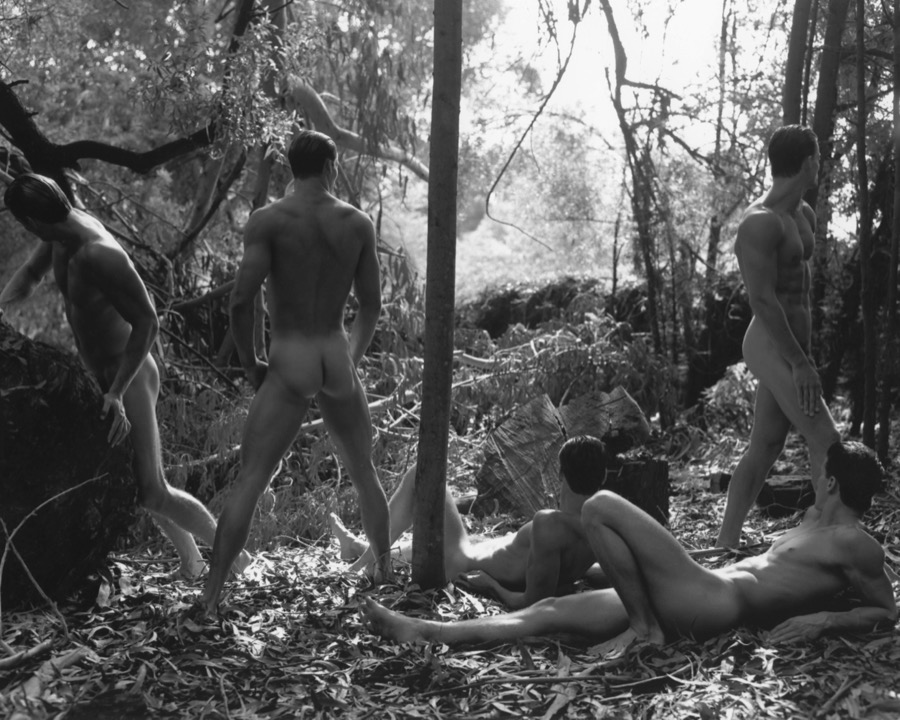 Bruce WeberVilla Tejas, Santa Barbara, California, 1987.In a Californian grove, leaves ankle-deep and the light falling in broken patches through the canopy, five men have taken off their clothes and arranged themselves among the trees.
 Bruce WeberChristy Turlington for Calvin Klein Eternity, Martha's Vineyard, Massachusetts, 1988.Martha's Vineyard is named in the title and visible nowhere.
 Bruce WeberPaul Wadina, Lower St. Regis Lake, New York, 1988.This luminous photograph epitomizes Bruce Weber’s revolutionary vision of masculine beauty.
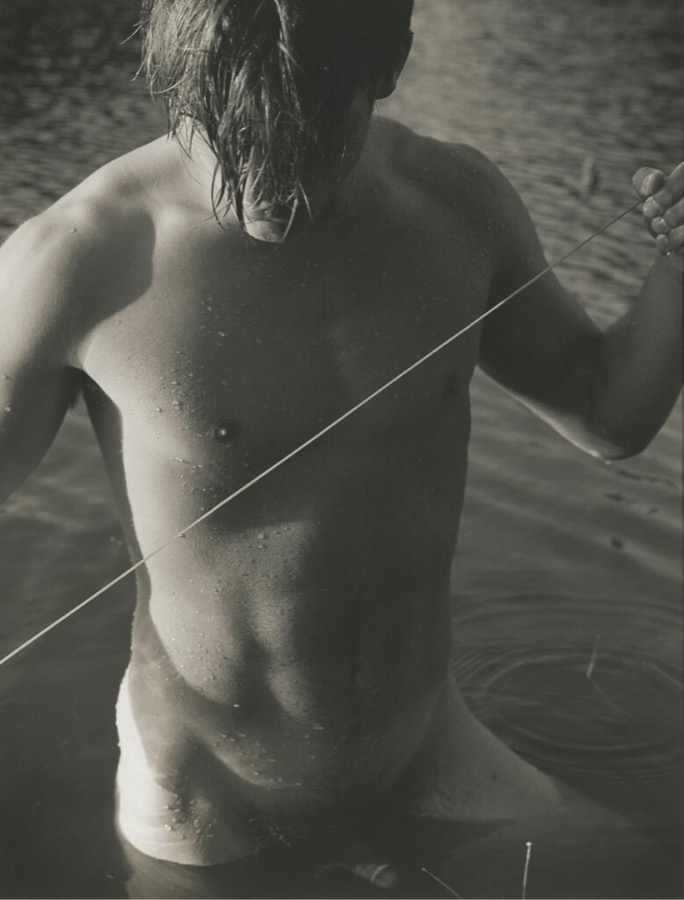 Bruce WeberTom, Bear Pond, Adirondack Park, 1988.A single taut line crosses the whole frame on the diagonal, thin and bright as a scratch drawn into the emulsion, running from the young man’s raised hand down toward the dark water where a ring of…
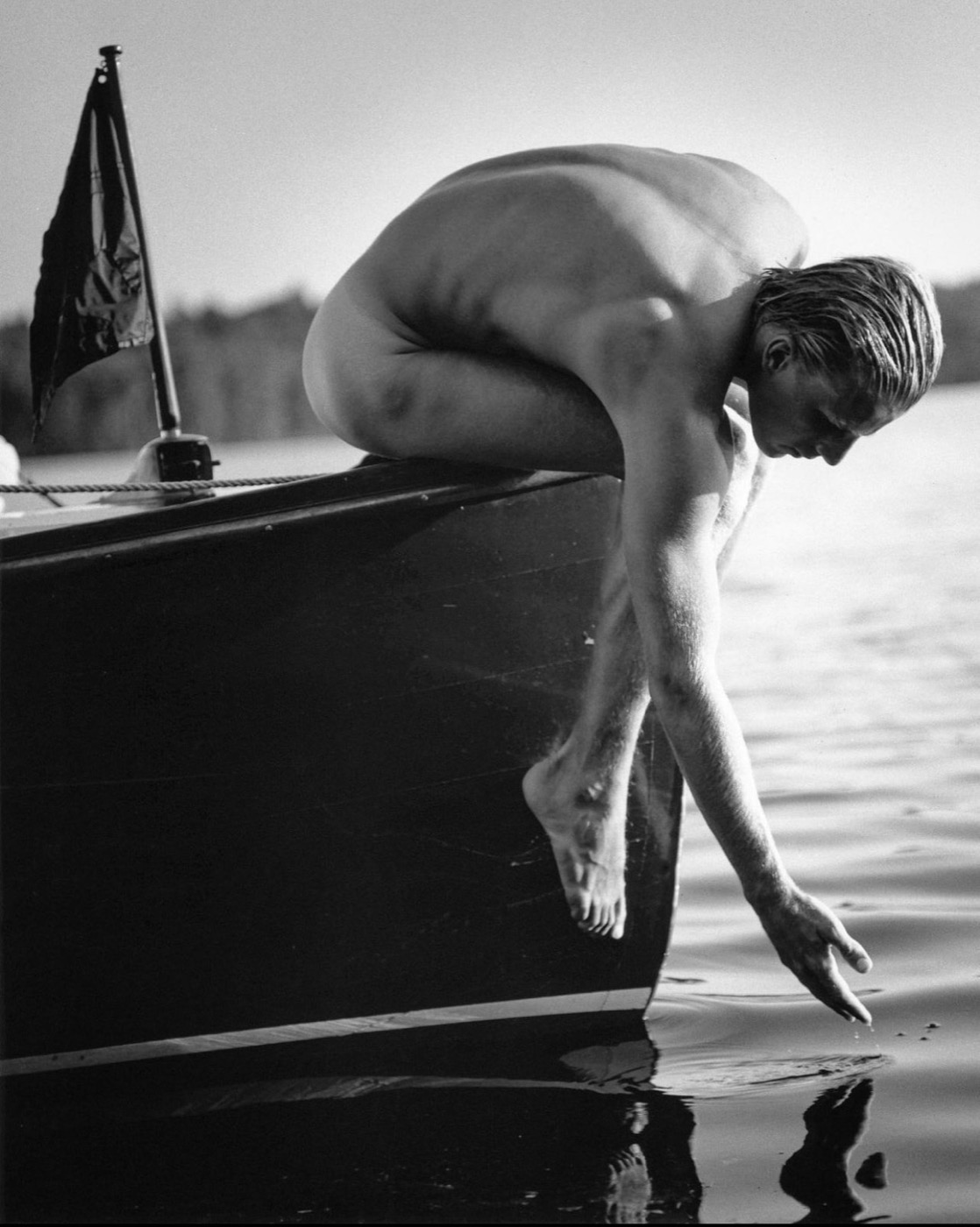 Bruce WeberTyke on the Work Boat, Lower St. Regis Lake, Adirondacks, NY, 1988.One fingertip breaks the lake, and everything in the frame leans on that single point of contact.
 Bruce WeberUntitled, 1988.A single-masted sailboat leans hard into a gust, mainsail and jib both bellied taut, cutting close along a fringe of white pine that crowds in from the right edge of the frame.
 Bruce WeberVilla Tejas, Montecito, California, 1988.The sun here is the great leveler: it lies with the same even generosity on bare skin, on the lichen-spotted stone of the balustrade, and on the dense clipped hedge that closes the frame like a dark…
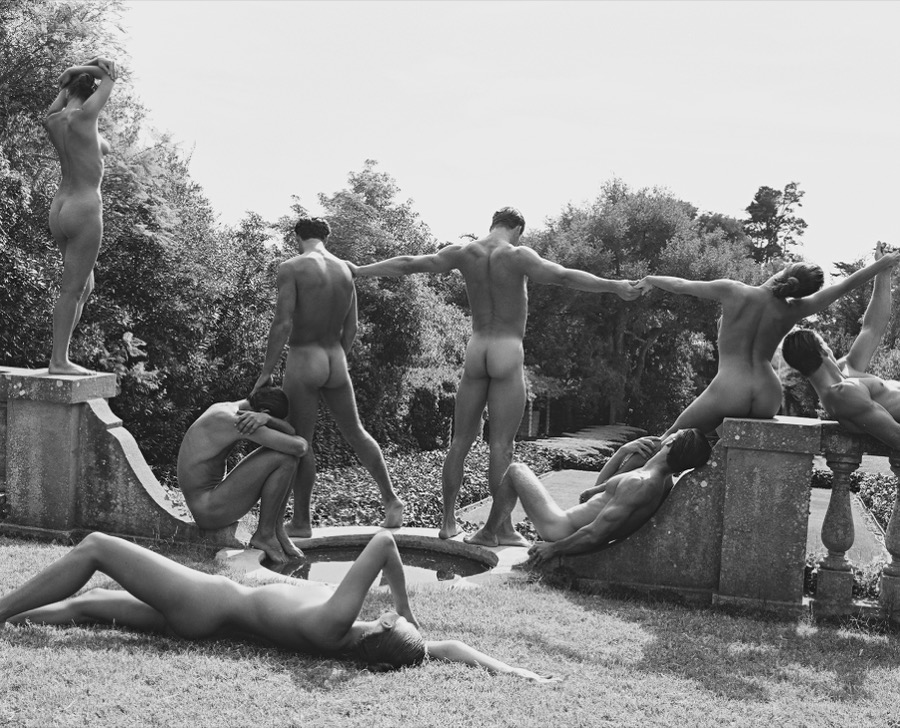 Bruce WeberVilla Tejas, Montecito, California, 1988.Two men reach across the gap between them, fingers just meeting above a shallow stone pool, and the whole scattered company of nudes seems to hang from that single clasp.
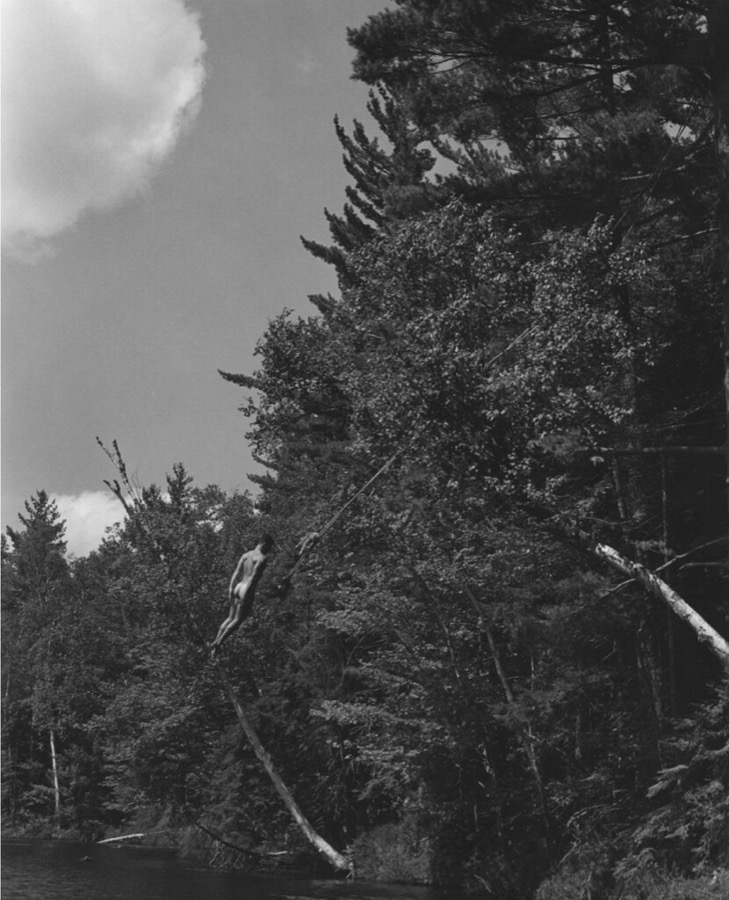 Bruce WeberBear Pond, ca. 1989.The figure occupies perhaps a fortieth of the frame: a pale body dropping through the dark mass of the trees, arms flung back, legs together, still holding the shape of the swing that let it go.
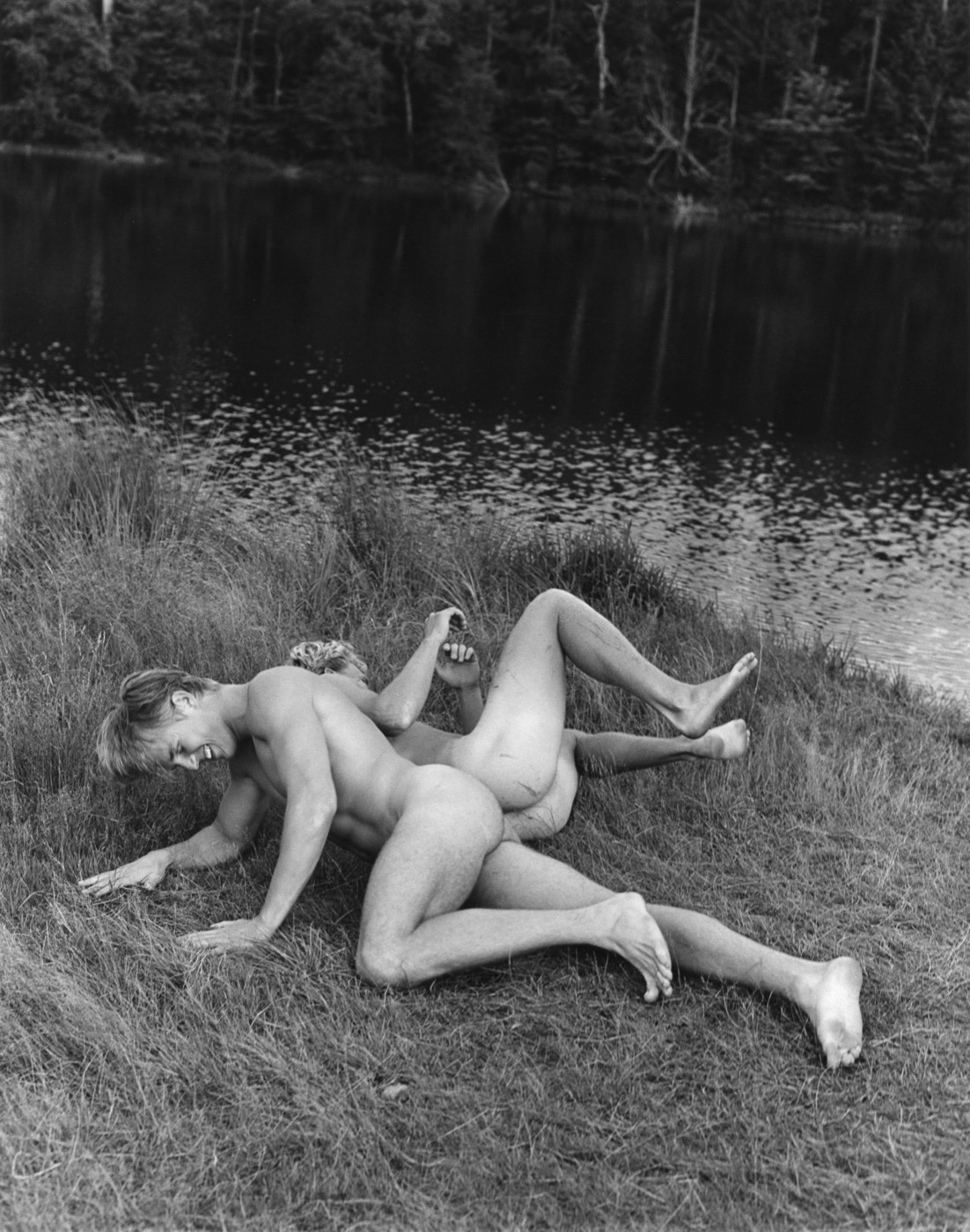 Bruce WeberJason and Christian on the island at Bear Pond, Adirondack Park, New York, 1989.Two men wrestling in long grass tie a knot no sculptor would dare invent.
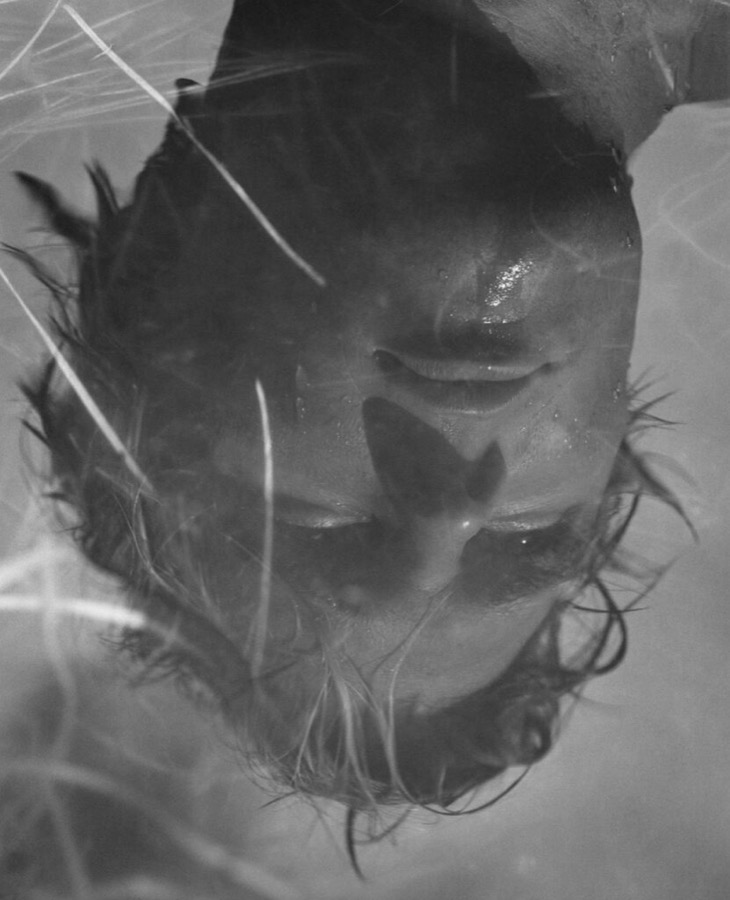 Bruce WeberJason, Bear Pond, Adirondack Park, 1989.The face arrives upside down: mouth above, eyes below, the brow at the bottom edge and the wet hair rising in dark points along the top.
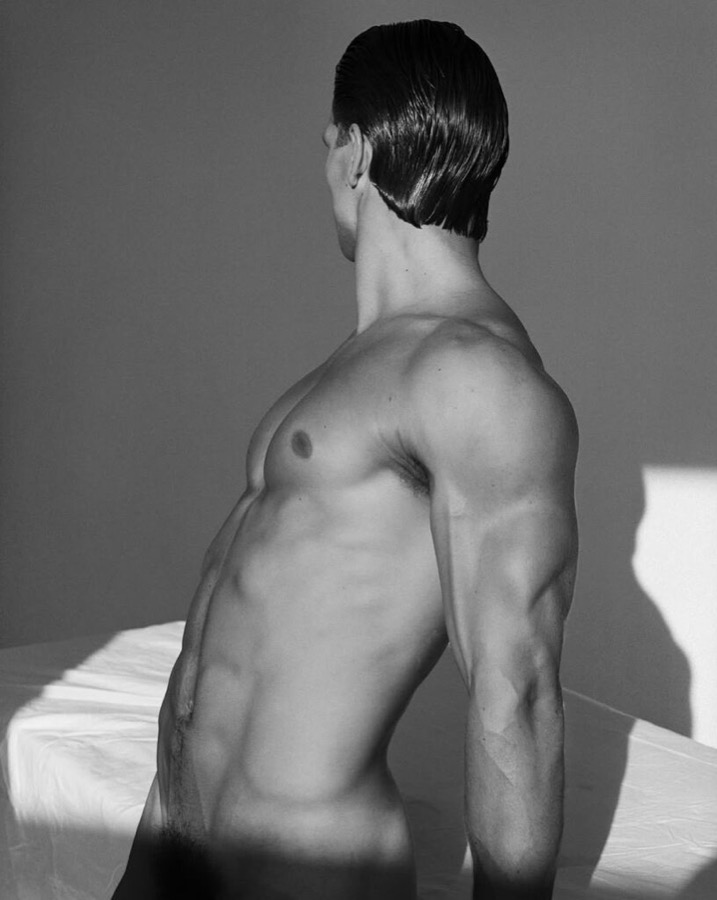 Bruce WeberMark Kletner, Laguna Beach, California, 1989.The comb has left its signature in the wet hair, parallel furrows still dark with water, drawn straight back from the crown.
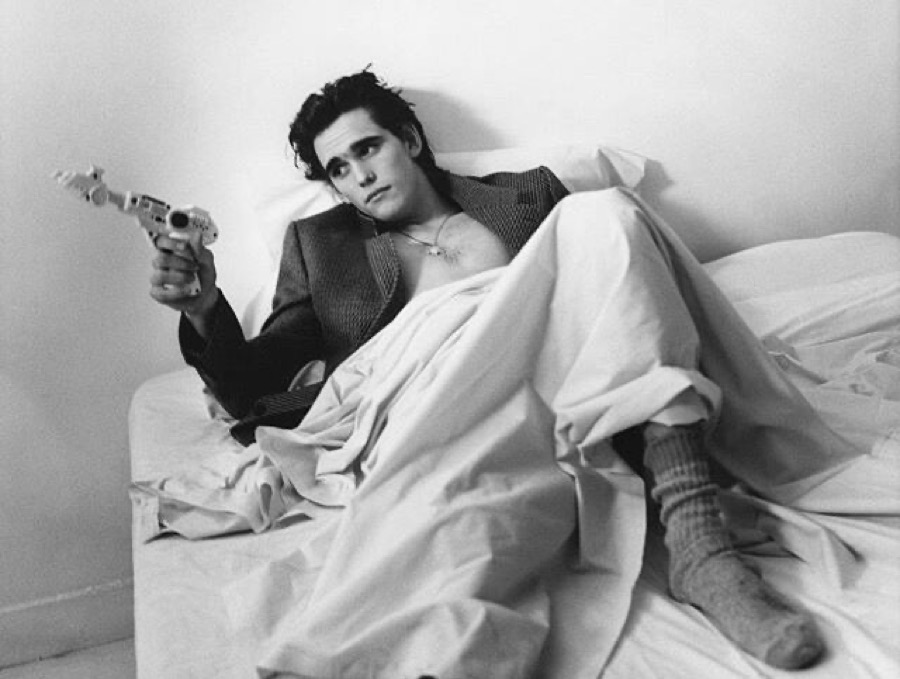 Bruce WeberMatt Dillon, 1989.Everything here is white but two things: the dark herringbone of the jacket and the grey wool of the socks.
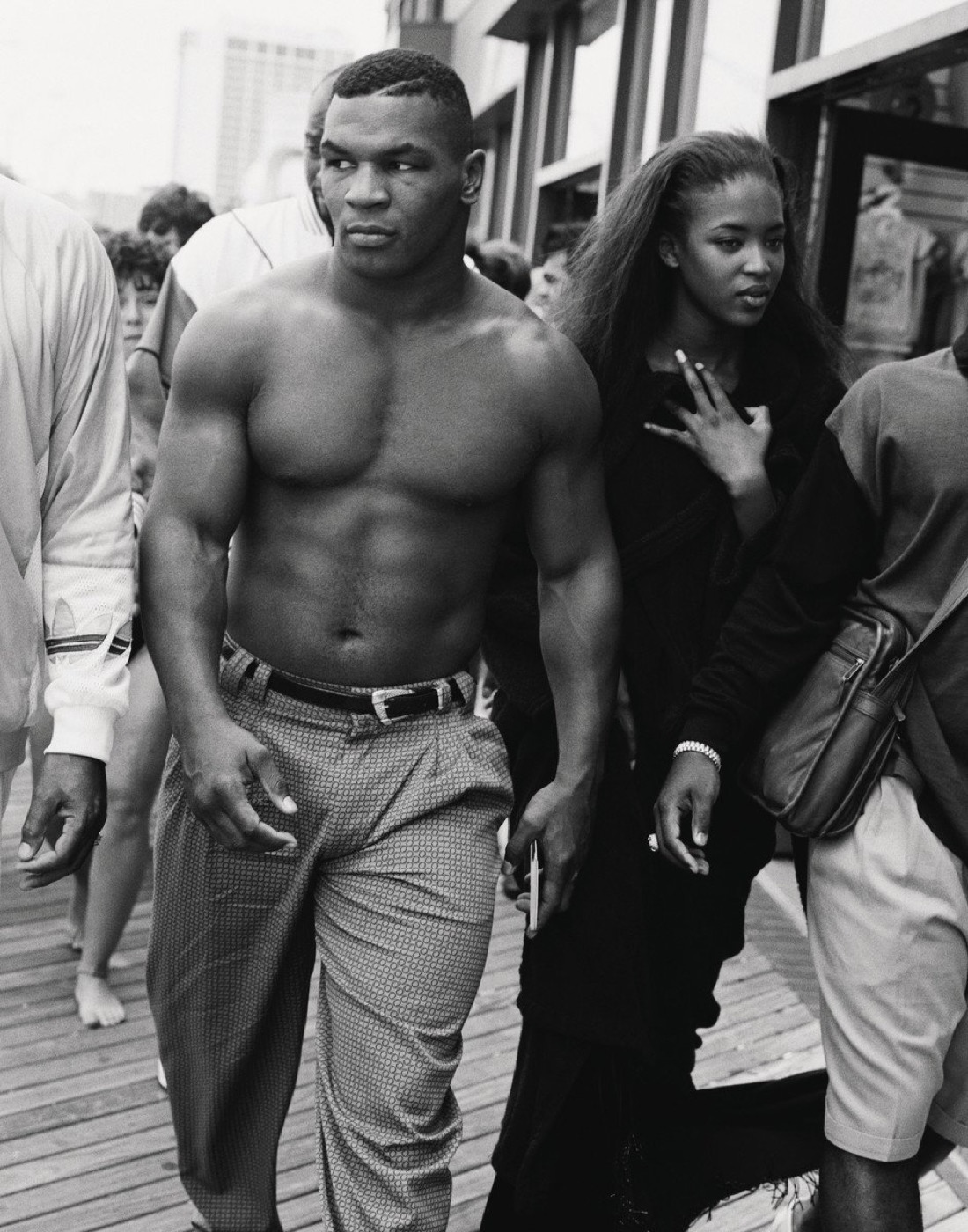 Bruce WeberMike Tyson and Naomi Campbell, Atlantic City, NJ, 1989.Everyone on this boardwalk is dressed. The man at the center is not.
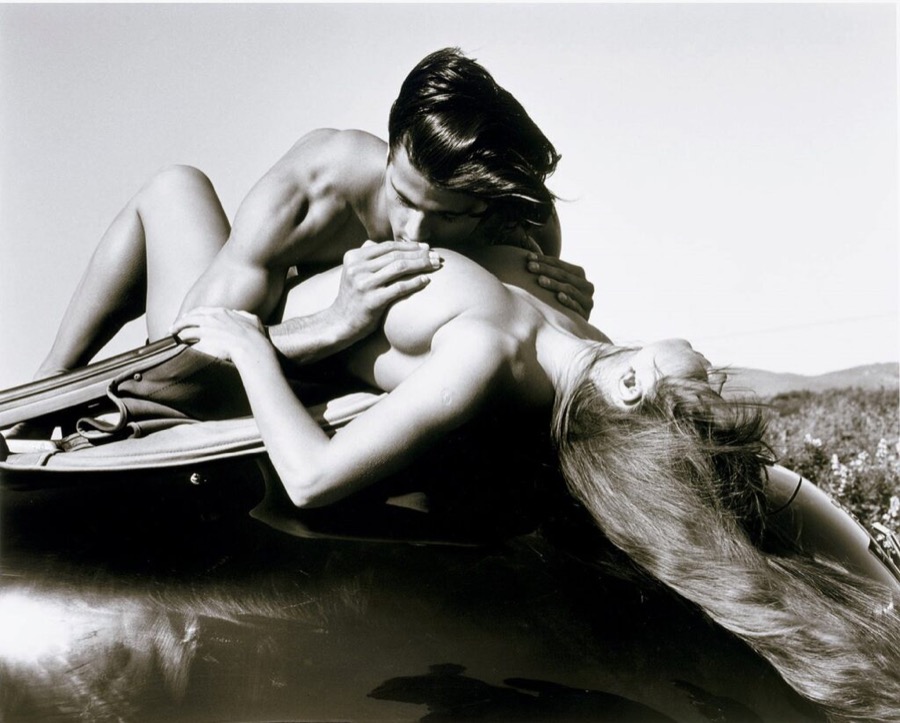 Bruce WeberOn Top of the Porsche, Lisamarie and John, Santa Barbara, 1989.Two nudes on the flank of a Porsche in the middle of a California hillside gone to lupine: he crouches over her, mouth to her mouth, one hand cupping her far shoulder; she lies back along the curve…
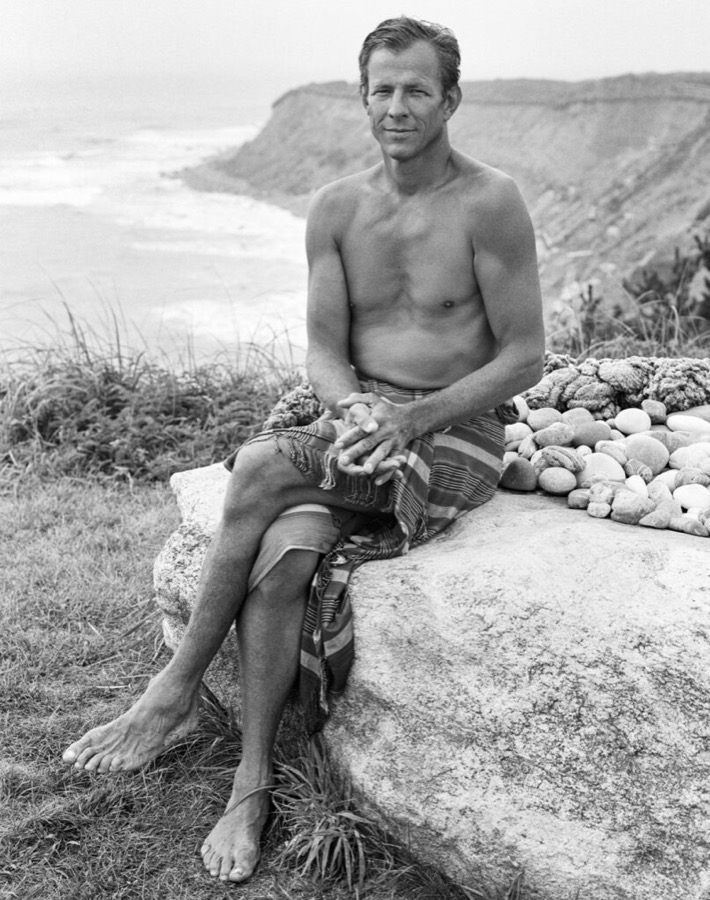 Bruce WeberPeter Beard, Montauk, New York, 1989.From a shelf of granite above the Montauk bluffs, the land gives way to water in long soft grays, and a man sits where the rock is broadest.
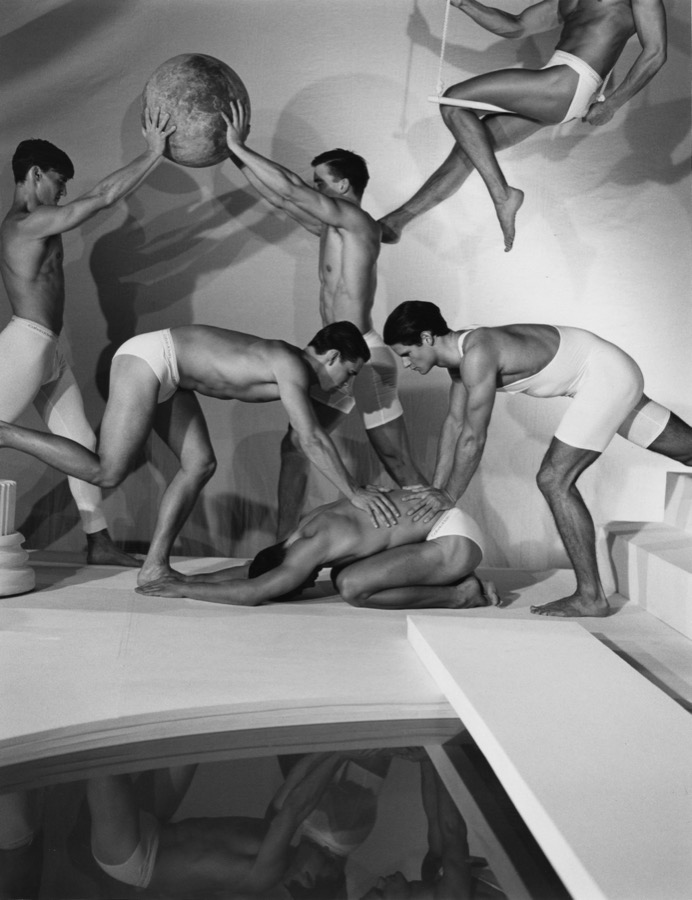 Bruce WeberCalvin Klein men’s underwear campaign, Silver Cup Studios, Long Island City, New York, 1990.On the raised white platform at Silver Cup Studios, six young men have been arranged into a living frieze, and the floor drops away at the front into a shallow film of water that returns their legs…
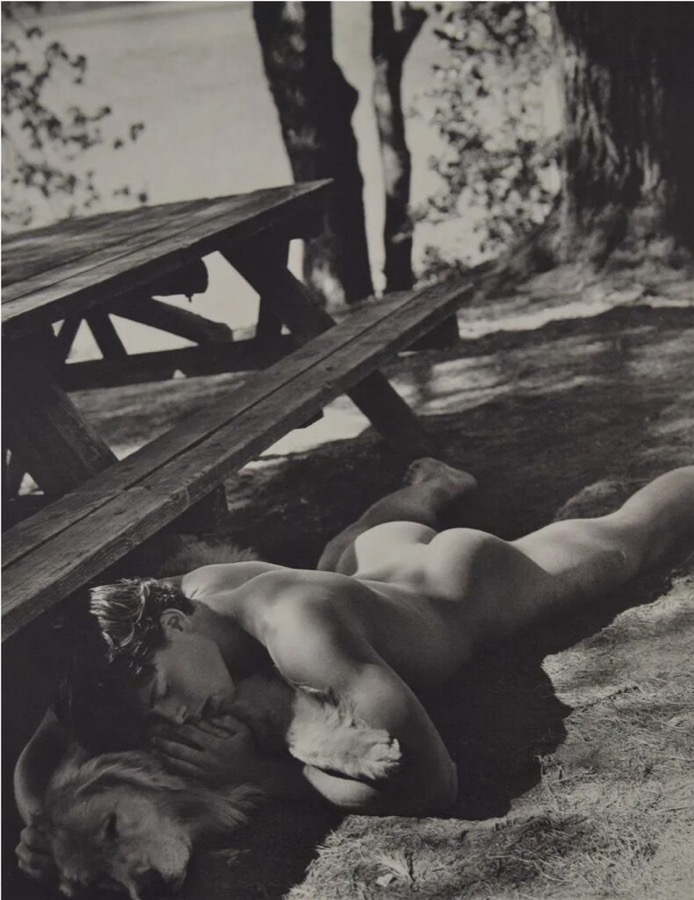 Bruce WeberClaes and Little Bear at Campground on Bear Pond, Adirondack Park, 1990.Late sun comes in low under the trees and lands in long stripes on the ground, and in one of those stripes a young man lies asleep, face down, naked, one arm across a golden retriever who is also…
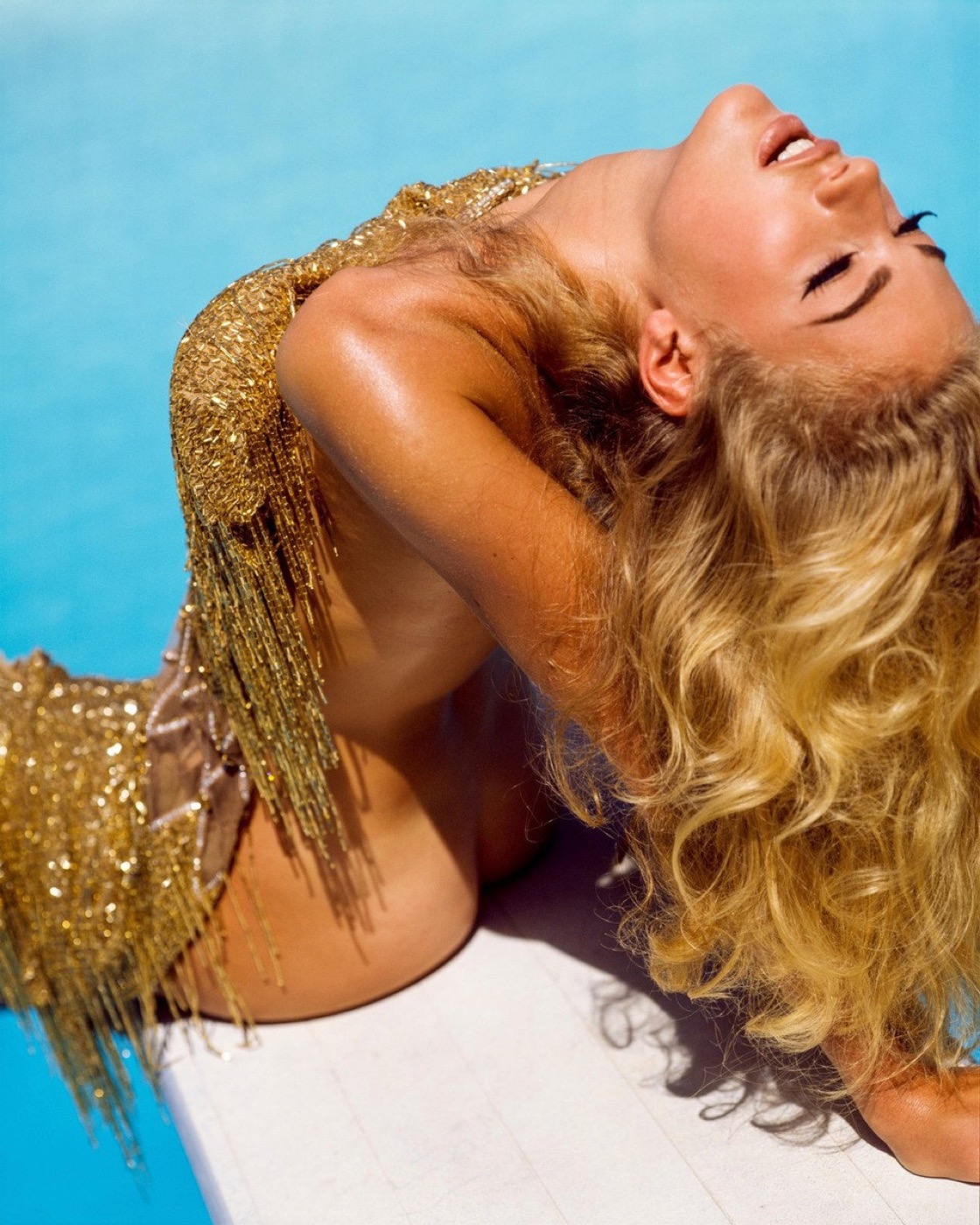 Bruce WeberElaine Irwin for Vogue Paris, Miami, FL, 1990.Follow the gold fringe to its ends, where each strand of beading tapers into a bright bead and stops, and the ornament begins to read as something poured rather than sewn.
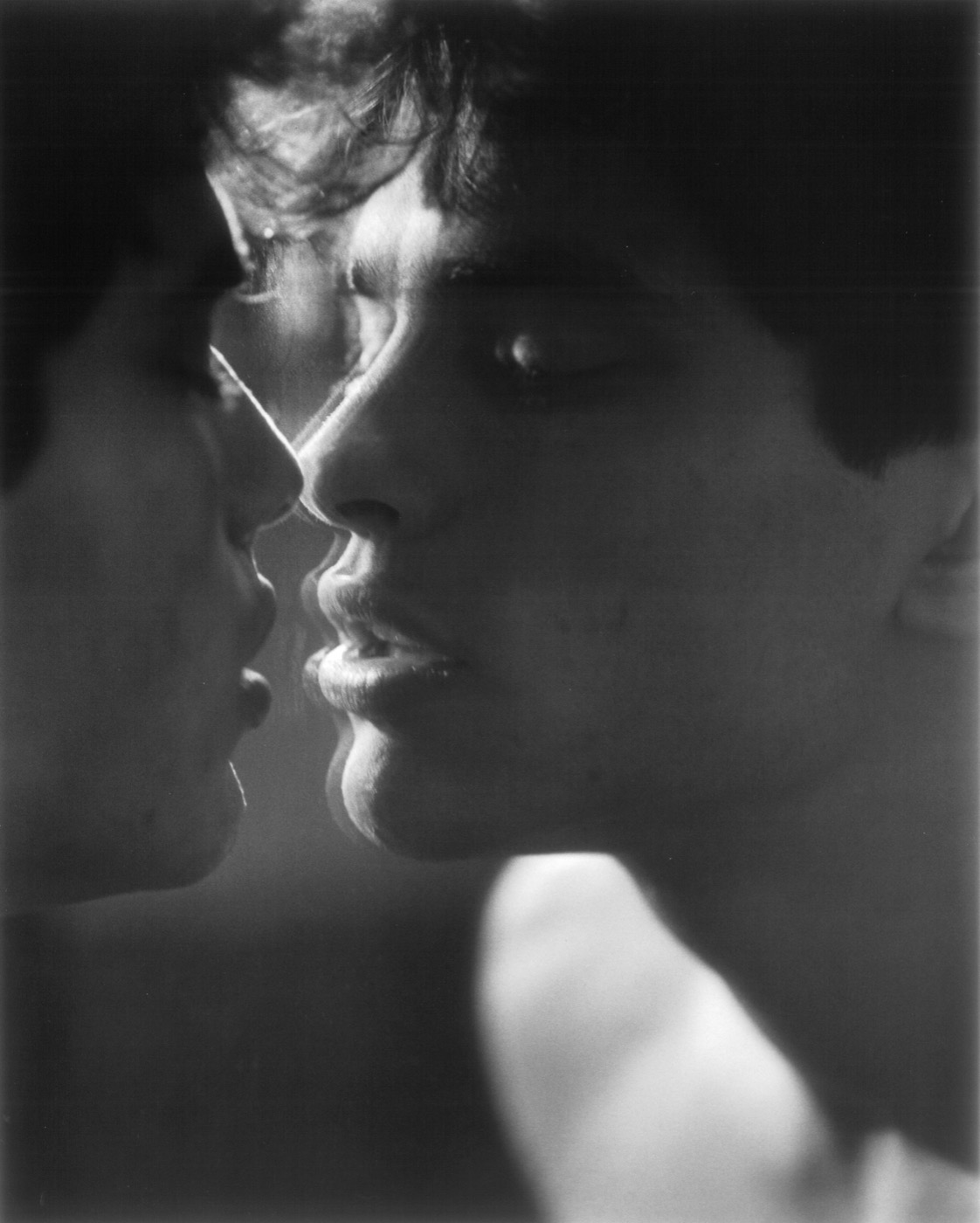 Bruce WeberJonathan Schnek, Actor, Santa Barbara, California, 1990.The picture reaches straight back to the Hollywood portrait studios of the thirties, to the hard raking key light that George Hurrell used to carve a face out of blackness, leaving only a bright edge…
 Bruce WeberNaomi Campbell in Azzedine Alaia, Paris, France, 1990."Azzedine Alaïa asked me to film and photograph his collection in 1989.
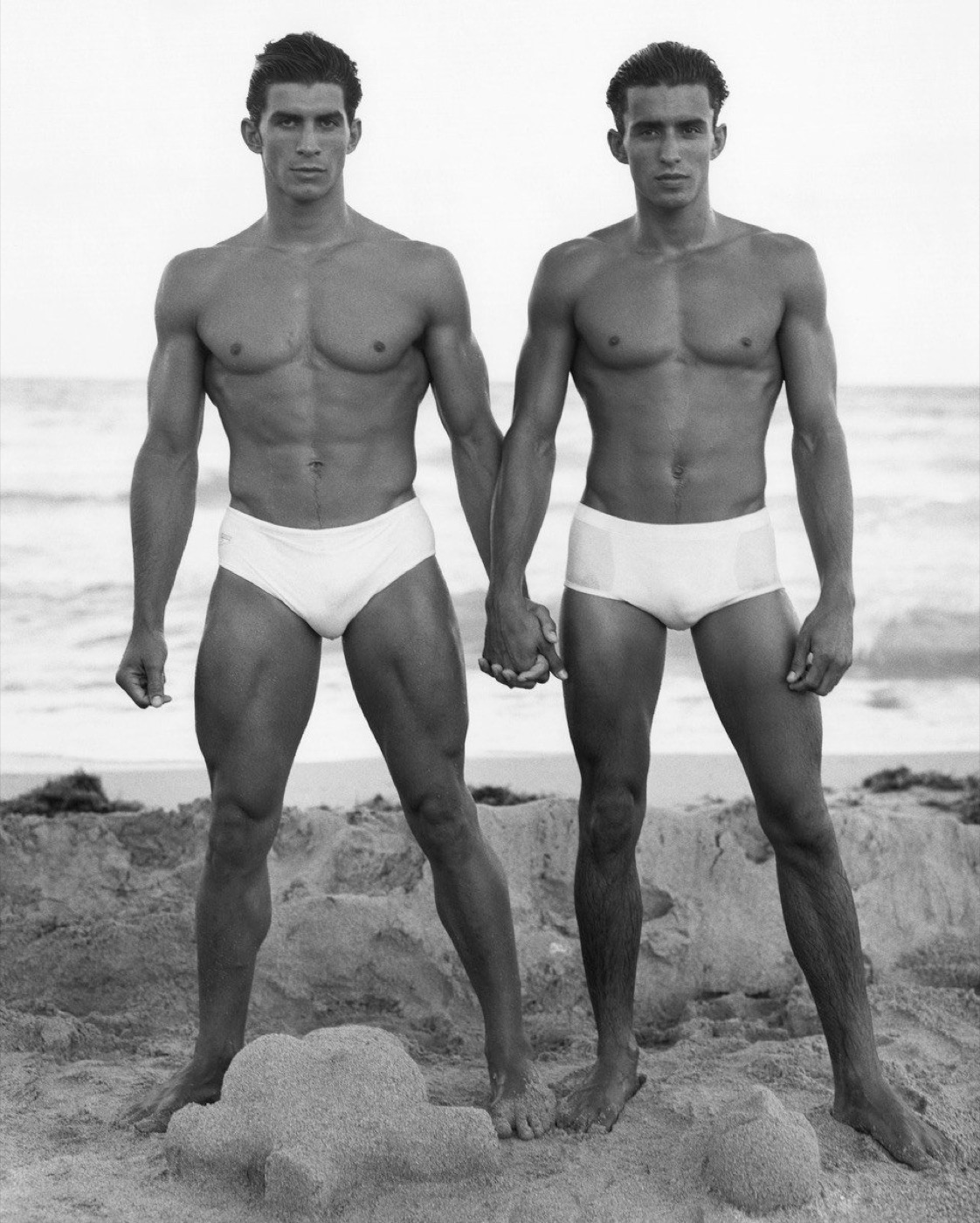 Bruce WeberNestor and Patrick, Golden Beach. Florida, 1990.Late in an overcast Florida afternoon, the coast gives a light without a single hard shadow, a soft even brightness that comes off the water and the pale sky at once and lays itself evenly across two…
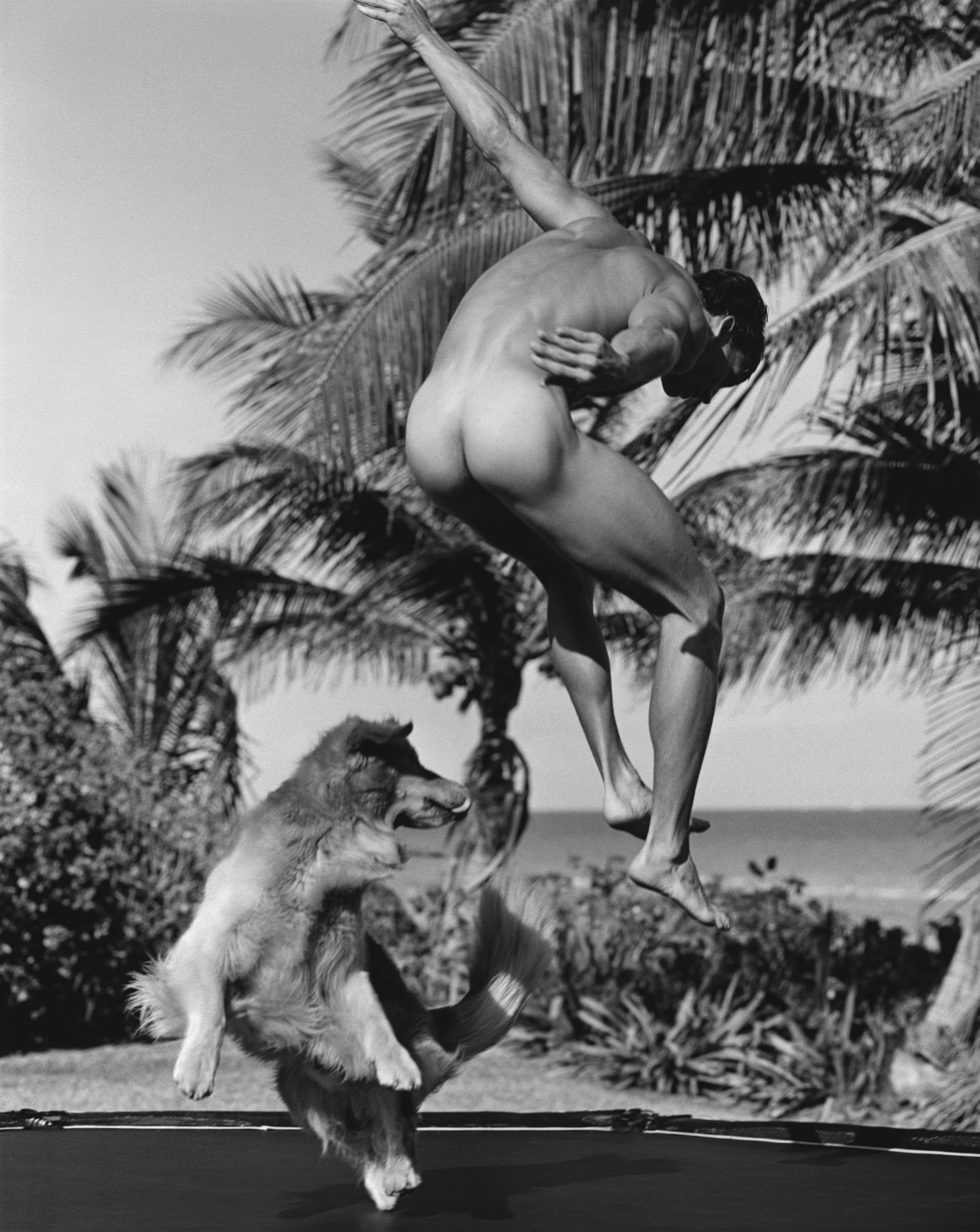 Bruce WeberRic and Rowdy, Golden Beach, Florida, 1990.Both of them are airborne, and neither will quite catch the other.
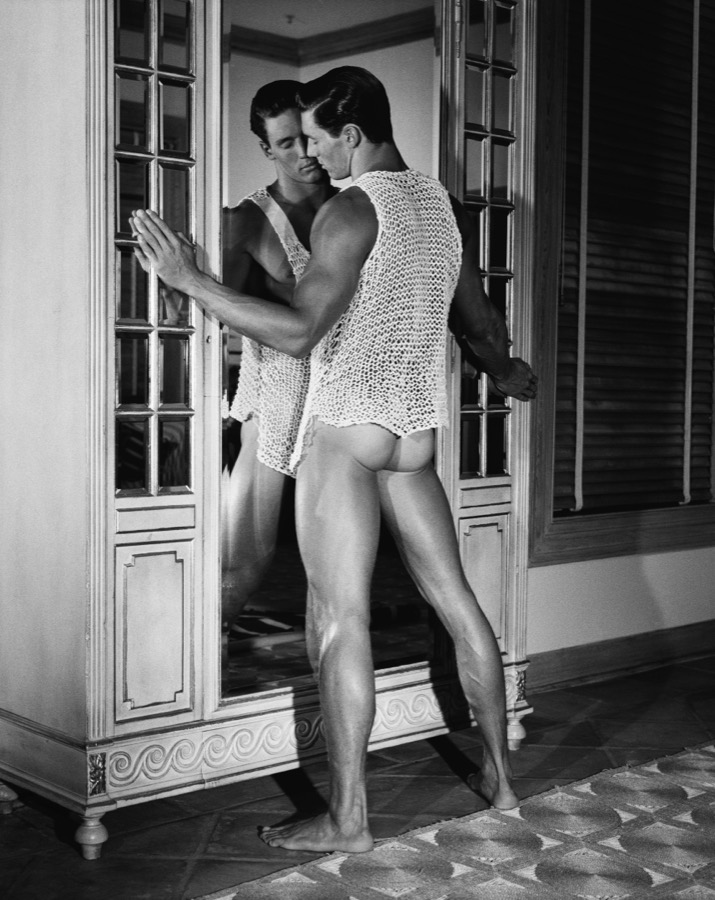 Bruce WeberRic, Golden Beach, Florida, 1990.A man in a white crocheted tank top, naked from the waist down, leans into the mirrored door of a painted armoire until his face nearly meets its double.
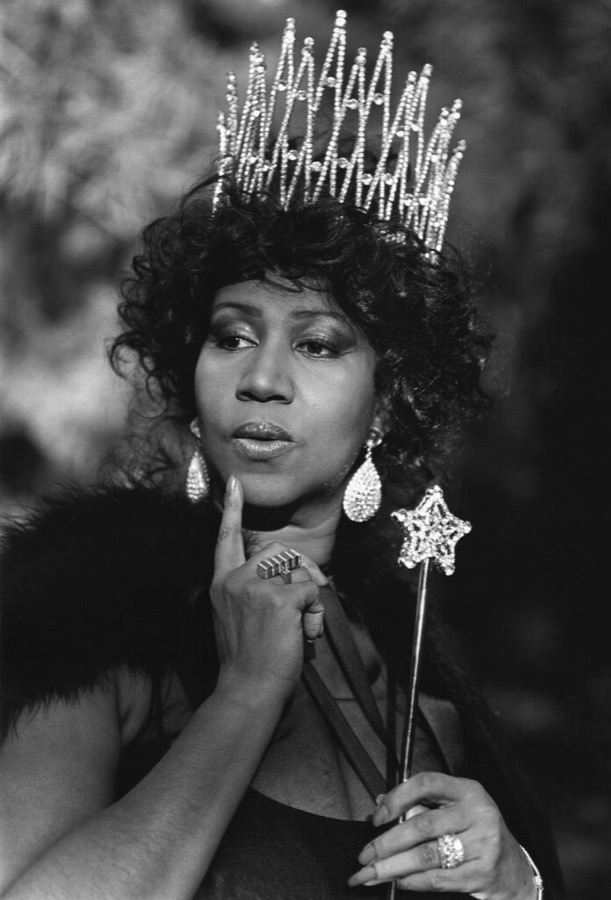 Bruce WeberAretha Franklin, Bellport, NY, 1991.How do you photograph someone the culture has already crowned?
 Bruce WeberCarré Otis, San Francisco, California, 1991.A short fringe of leather trails from each handlebar grip, an afterthought of a detail, and yet it is where the whole photograph starts to move.
 Bruce WeberCast photo from "My Own Private Idaho", River Phoenix and Keanu Reeves, Los Angeles, CA, 1991.Two faces crowd the frame, and only one of them looks at us.
 Bruce WeberHelmut and June Newton, Hollywood, CA, 1991.They lean in and kiss, mouths meeting exactly at the center where their two profiles almost mirror one another, her arm curling around his shoulder, his hand pressed flat to her lapel.
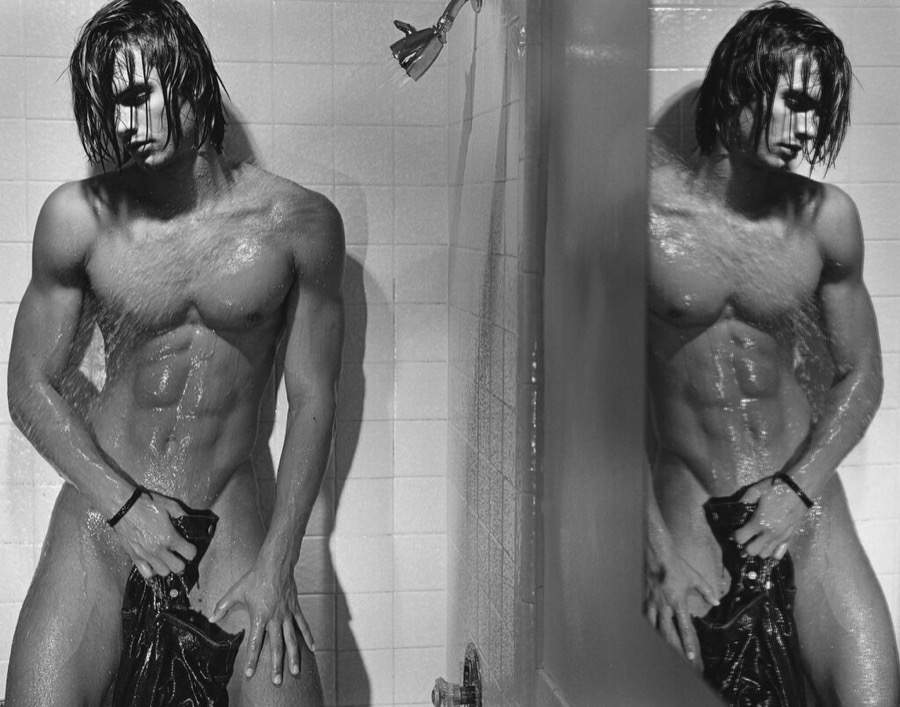 Bruce WeberMarcus Schenkenberg, 1991.Why does the picture give us the same man twice?
 Bruce WeberMy Own Private Idaho,”Michael Parker and Shawn Jordan, Los Angeles, CA, 1991.Look at the hands. One boy presses a knuckled fist into the other's bare shoulder; the second answers by jabbing a single finger toward his rival's waist, just above the unbuttoned denim.
 Bruce WeberDrew Barrymore, Bellport, NY, 1992."I took this photograph of Drew Barrymore at our house in Bellport on Long Island in 1992 for Interview Magazine.
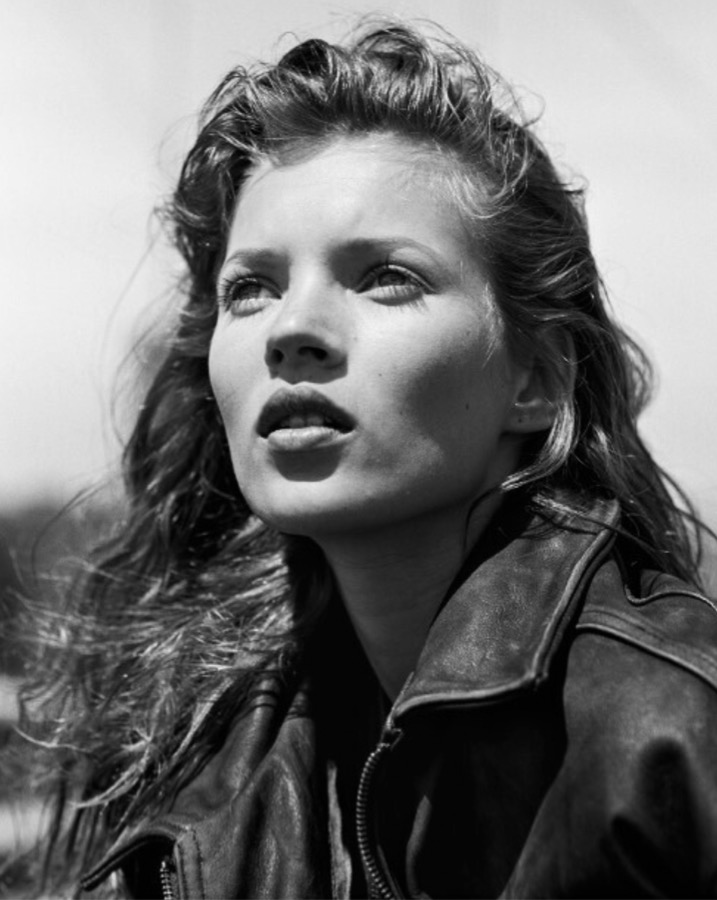 Bruce WeberKate Moss, New York, 1992.A second earlier her lips were closed and the wind had her hair the other way; a second later she will squint fully against the sun and the look will be gone.
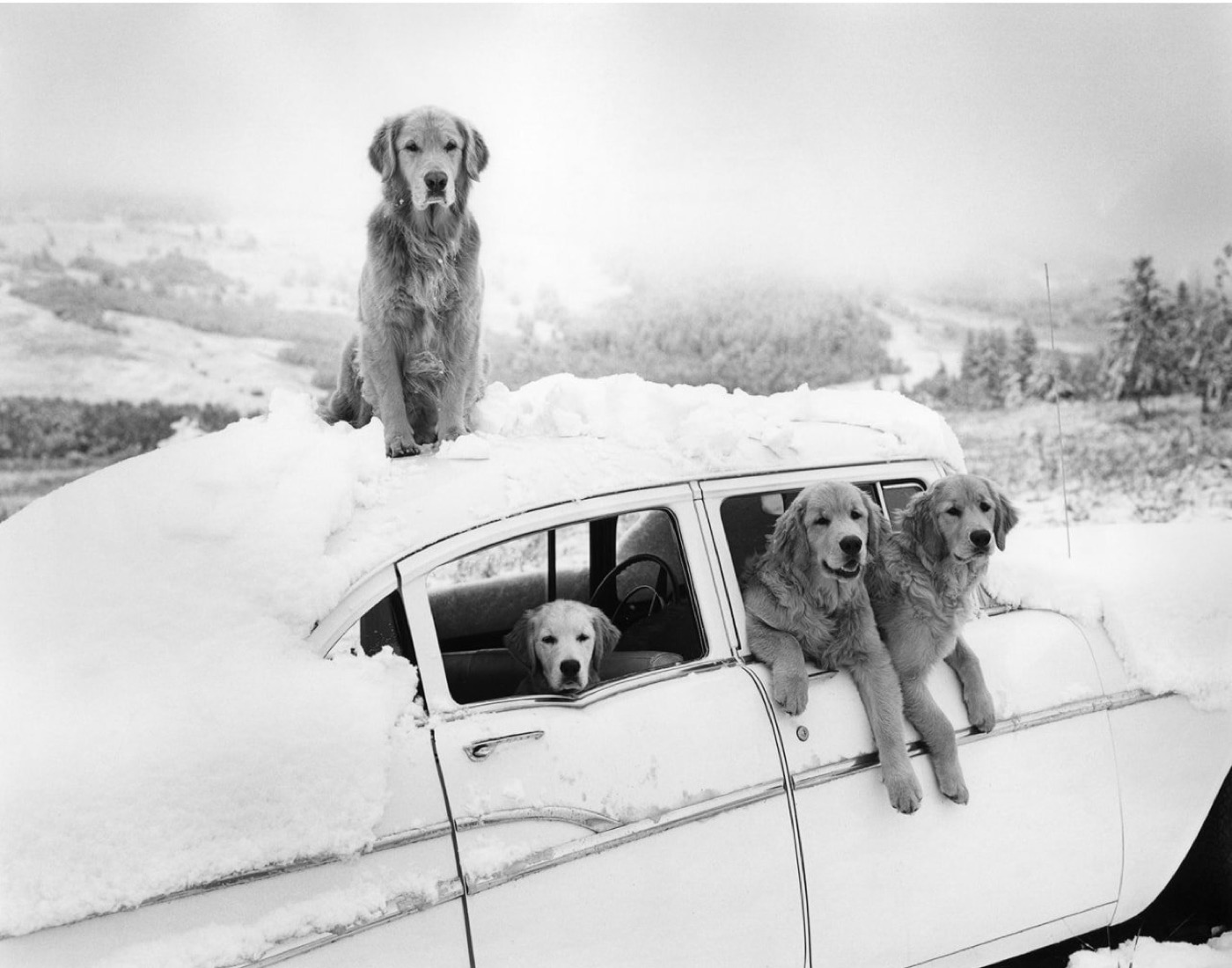 Bruce WeberSummer Snowstorm, Little Bear Ranch, McLeod, MT, 1992.One golden retriever has commandeered the roof of a buried sedan and sits there bolt upright, a wet little flag of fur at its chin, surveying the McLeod valley like a bandleader who knows the…
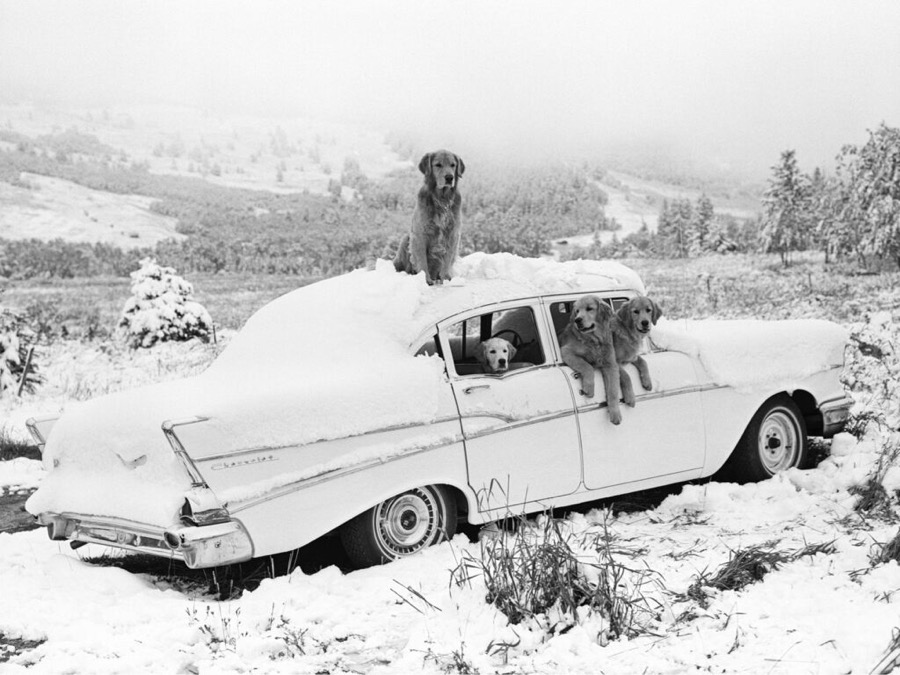 Bruce Weber“The Gang,” Freak Snowstorm in August, Little Bear Ranch, Montana, 1992.The one word the picture insists on is Chevrolet, spelled in cursive chrome along the rear fender, half-swallowed by the snow that has laid itself over the whole car.
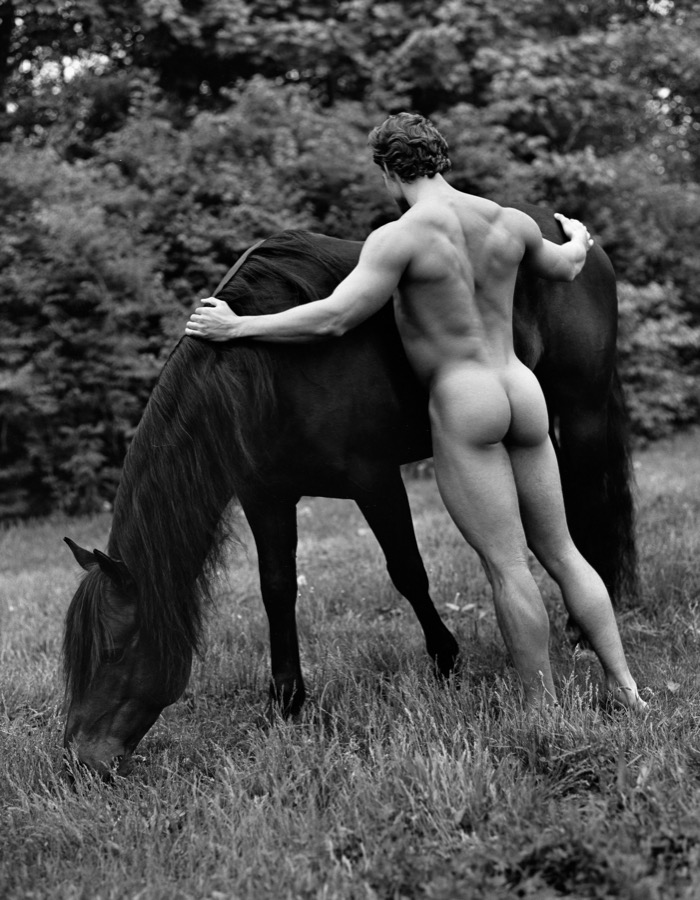 Bruce WeberA guy named “special,” Old Westbury, Long Island, 1993.A naked man seen from behind, his arms laid along the neck and rump of a dark horse that has lowered its head to graze.
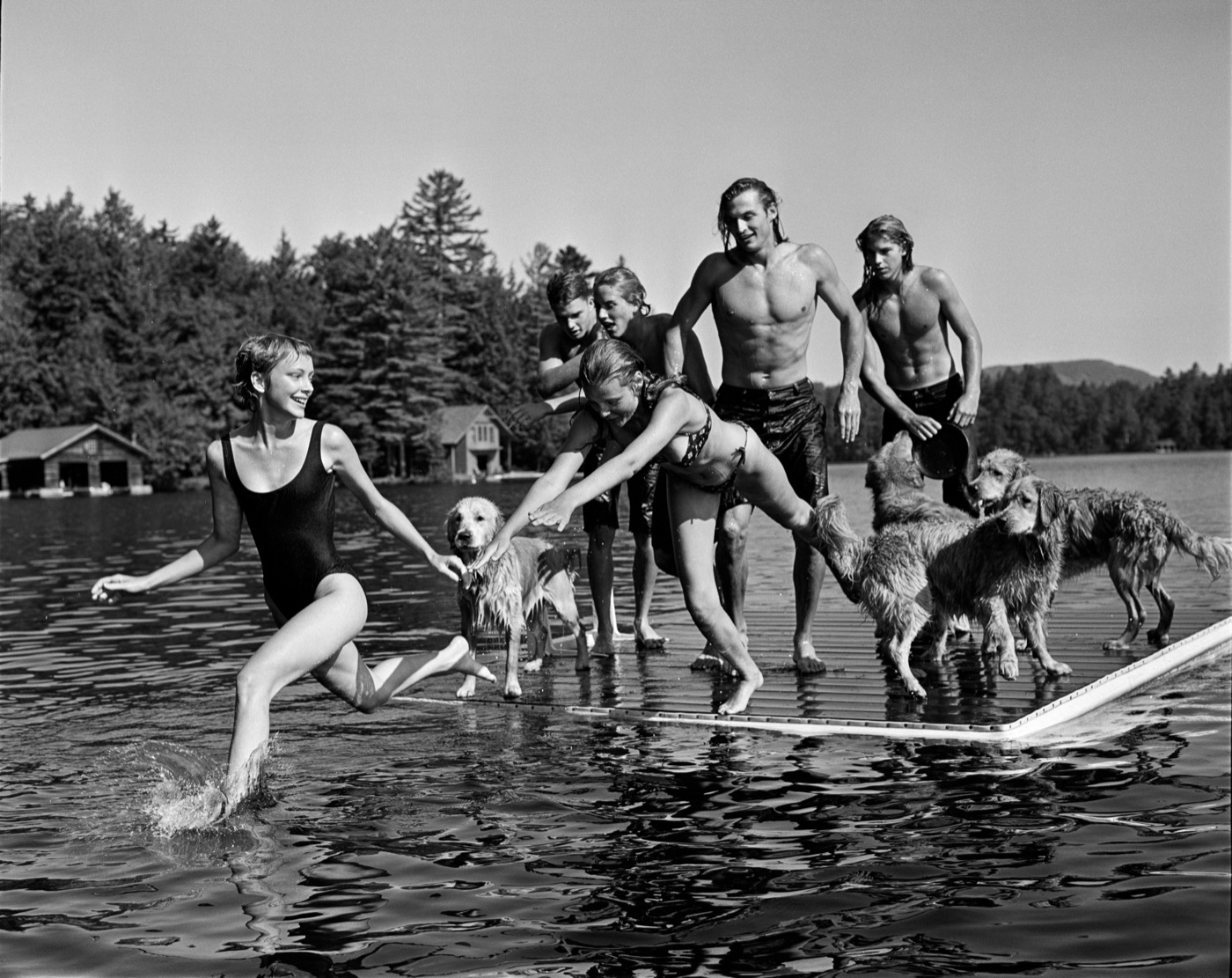 Bruce WeberCamp Longwood, Upper St. Regis Lake, NY, 1993.Two hands reach for each other across a gap of a few inches and do not quite meet, one girl already airborne off the dock, the other bent double trying to catch her.
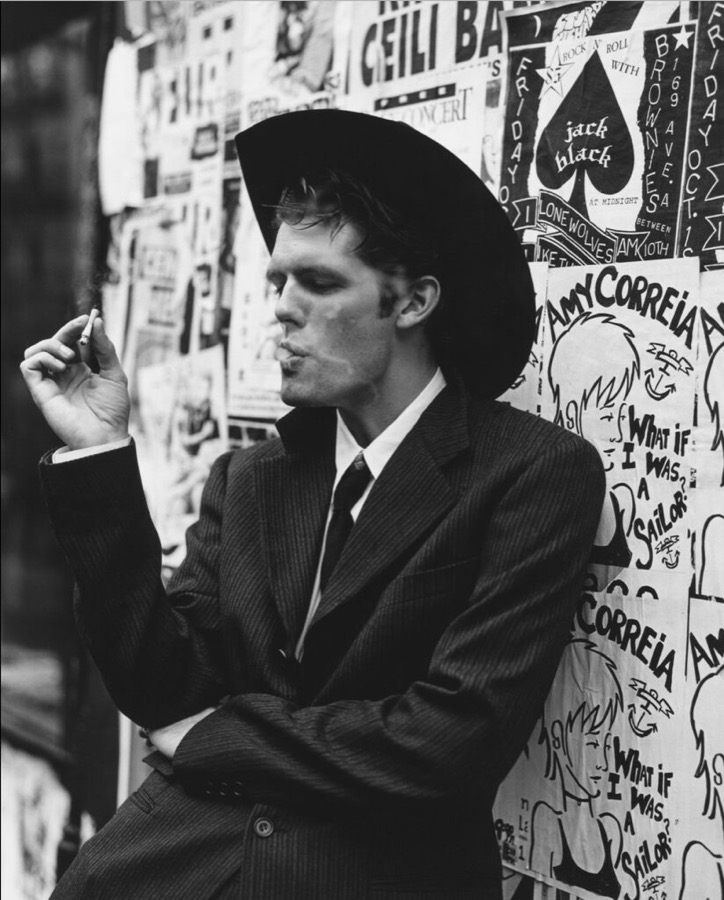 Bruce WeberCharlie Sexton, NYC, 1993.The wide black hat brim keeps his eyes for itself, tilting a band of shadow across the upper face so that Charlie Sexton meets us only from the cheekbones down.
 Bruce WeberDrew Barrymore, Jamie Walters and Blue, Bellport, New York, 1993.Warmth is the hardest thing to photograph, yet here it is, pressed into the grass: two people and a big pale dog folded into one drowsy heap on a summer lawn.
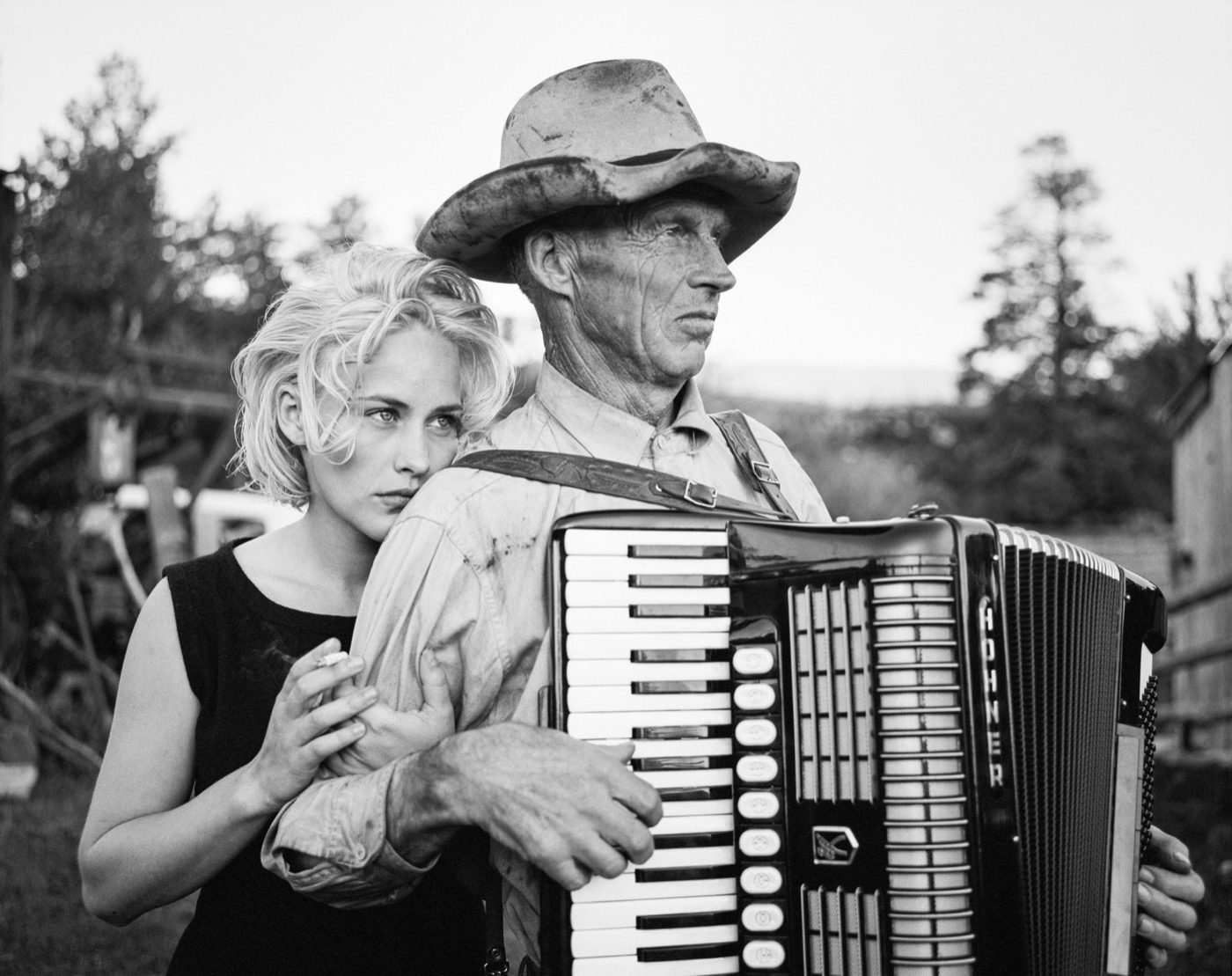 Bruce WeberPatricia Arquette and John Holland, McLeod, MT, 1993.Fashion photography had gone looking for the American West again, for weathered faces and real work, and it found this rancher in Montana with his battered Hohner accordion.
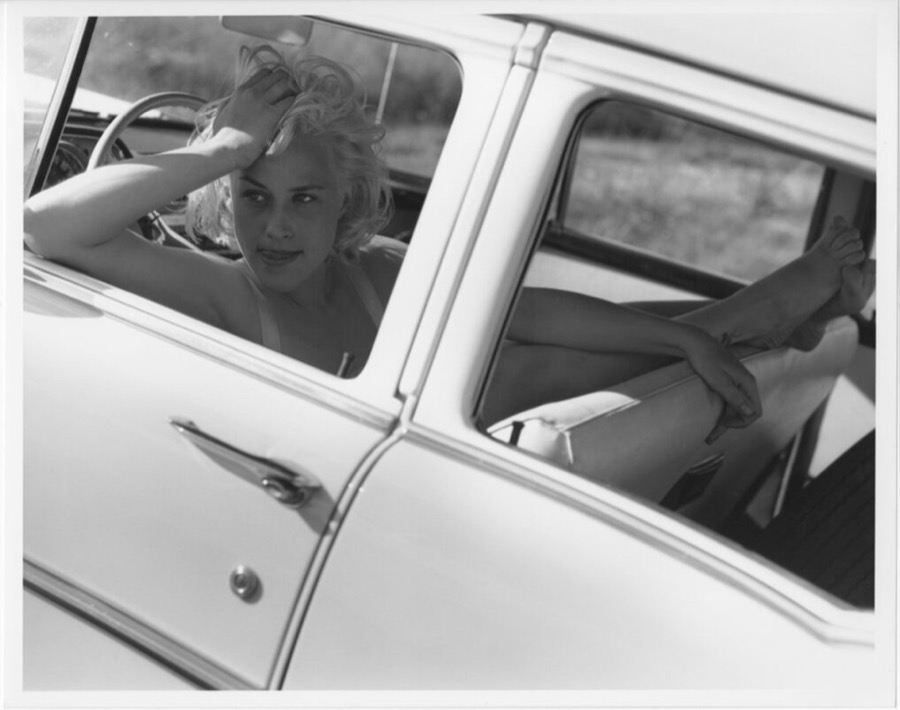 Bruce WeberPatricia Arquette, McLeod, Montana, 1993.Whose are the bare legs crossed in the back seat, feet propped in the open rear window, while Patricia Arquette leans out of the driver’s door with one hand pushing through her platinum hair?
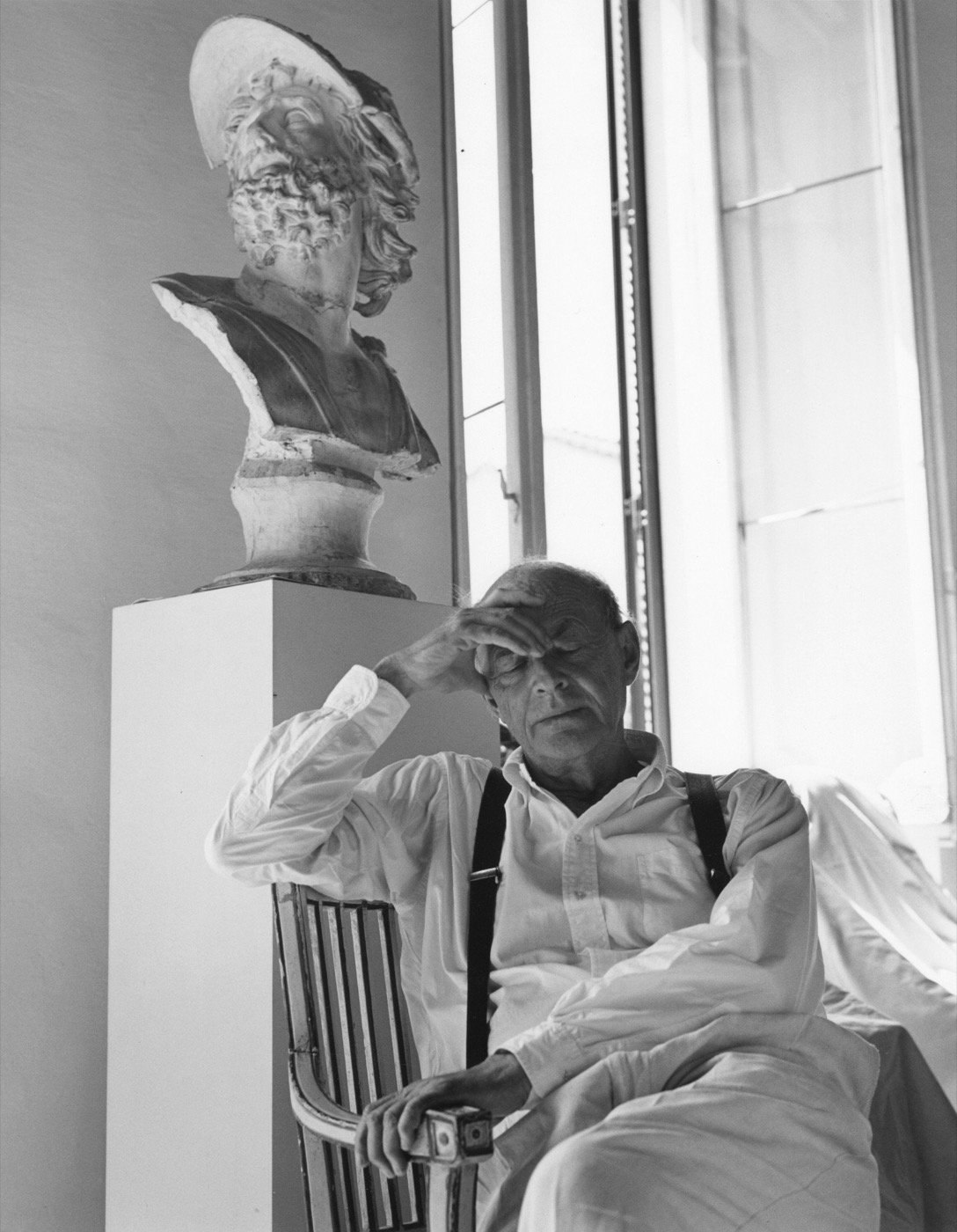 Bruce WeberCy Twombly, Rome, Italy, 1994.An old man sits in a bentwood chair beside a tall white plinth, in a room with shuttered windows and a great deal of light coming through them.
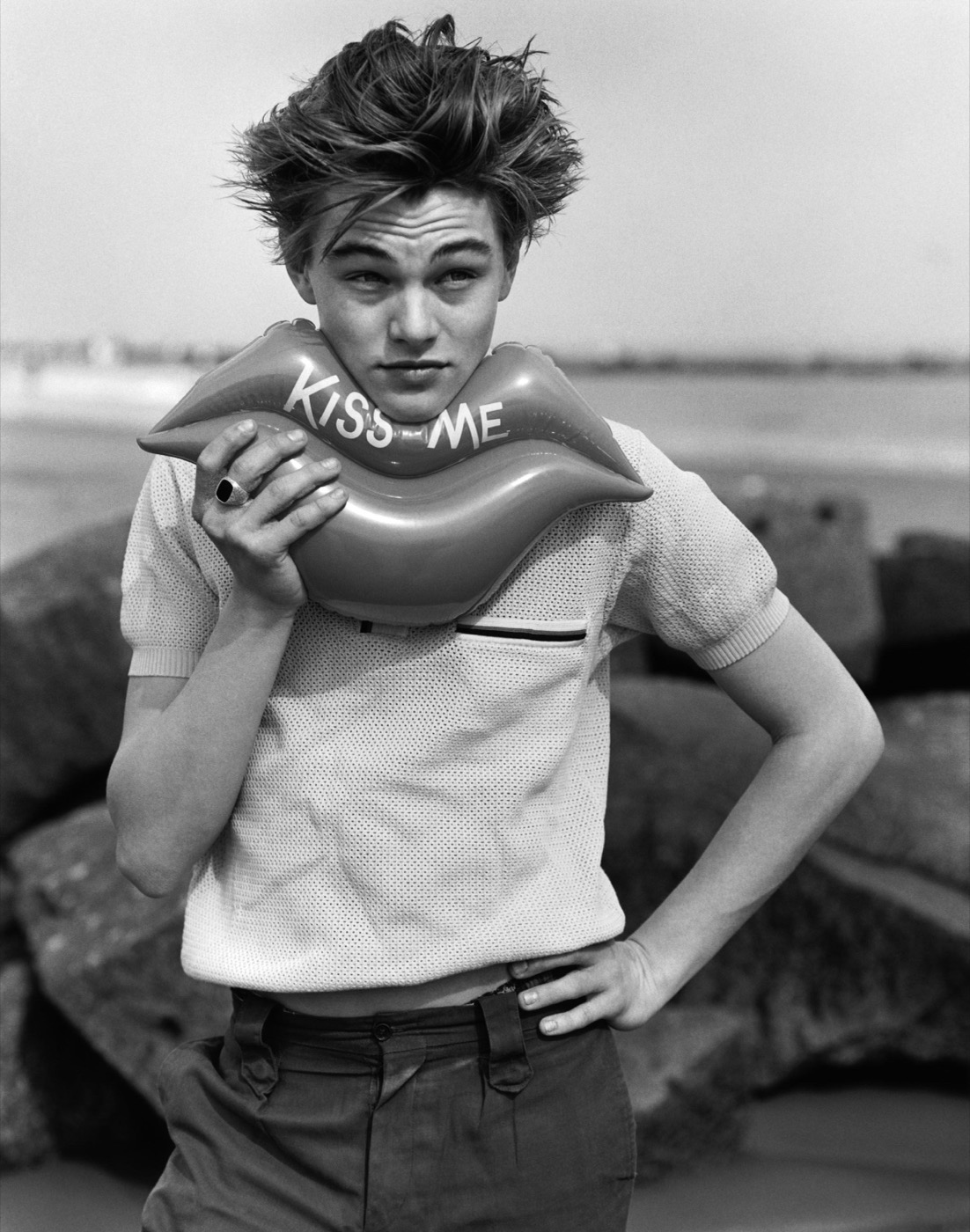 Bruce WeberLeonardo DiCaprio, Coney Island, NY, 1994."This sitting with Leonardo DiCaprio for Interview Magazine was a revelation to me.
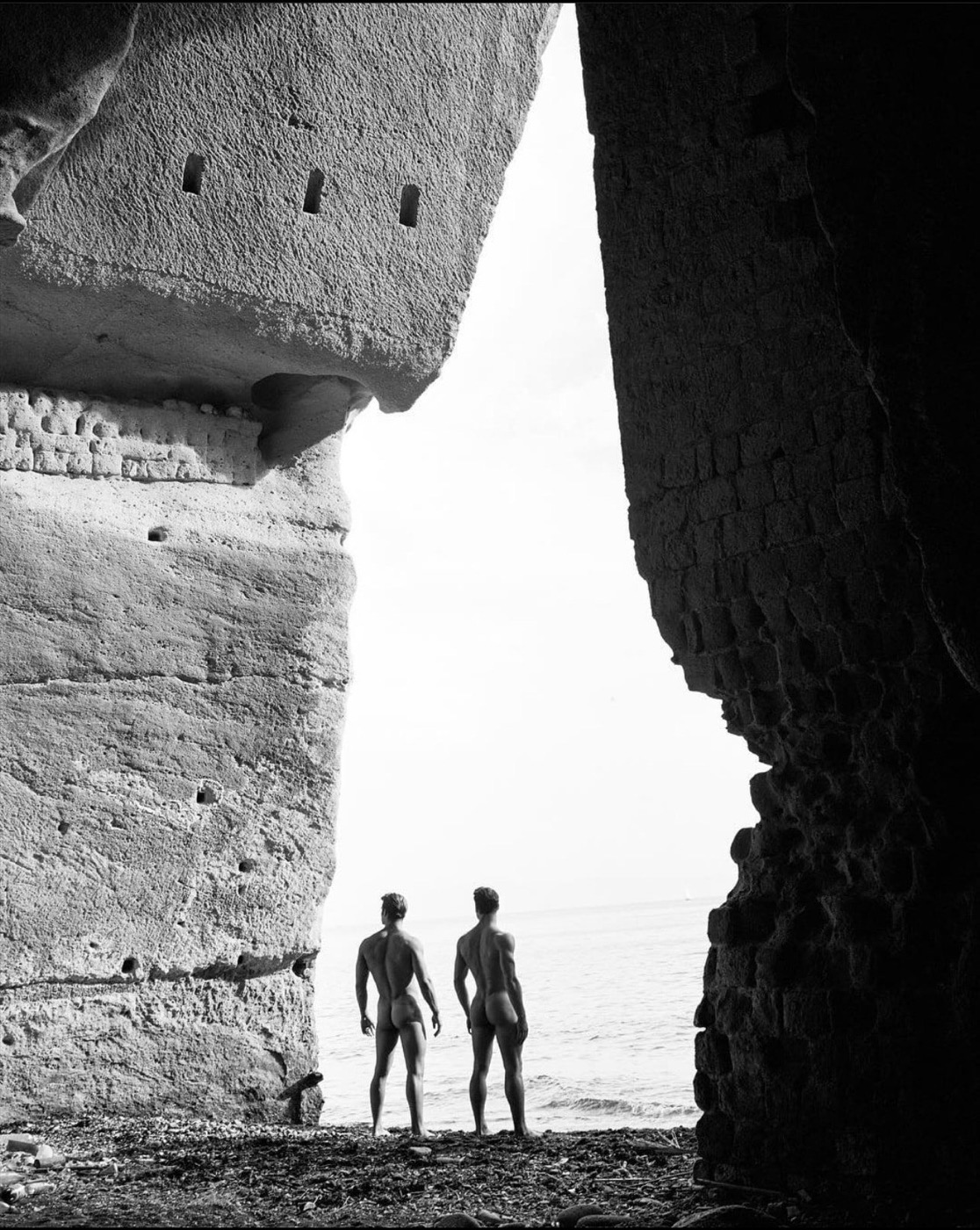 Bruce WeberNaples, Italy, 1994.Their faces are the one thing this photograph refuses us: two bathers at the tideline, backs turned, held in the seam of white light between a pale cliff of worked stone and its shadowed twin.
 Bruce WeberNino, Capri, 1994.We are standing above it all, where the rocks give way to a made thing: a bathing platform poured like grey batter into Capri’s shoreline, its steps worn pale, and a naked young man descending them…
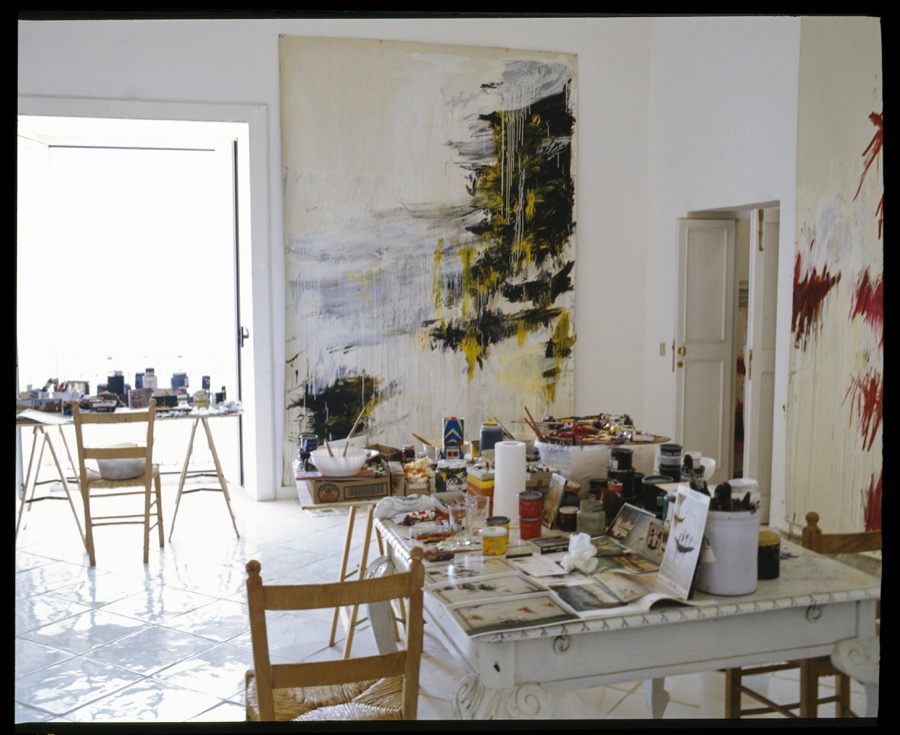 Bruce WeberTwombly's studio, Rome, Italy, 1994.Bruce Weber photographs Cy Twombly’s Rome studio in 1994 as a room caught mid-thought: a monumental unstretched canvas tacked to the wall, its dark storm of black and yellow shedding thin white…
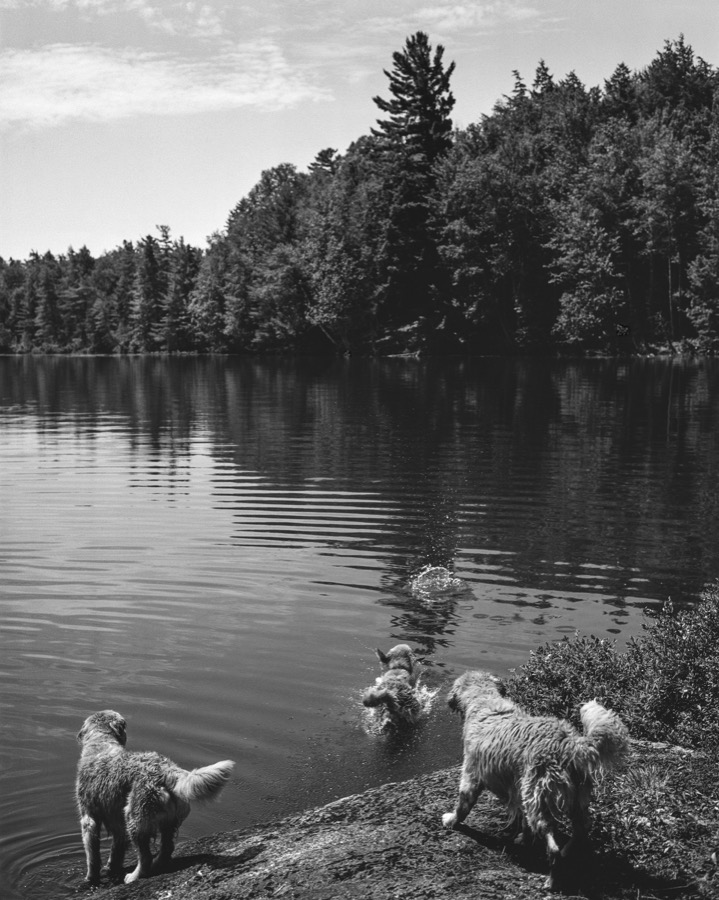 Bruce WeberCamp Longwood, Adirondack Park, New York, 1995.The water was a mirror a second ago; now a dog has broken it, and the ring of ripples is still widening toward the far pines.
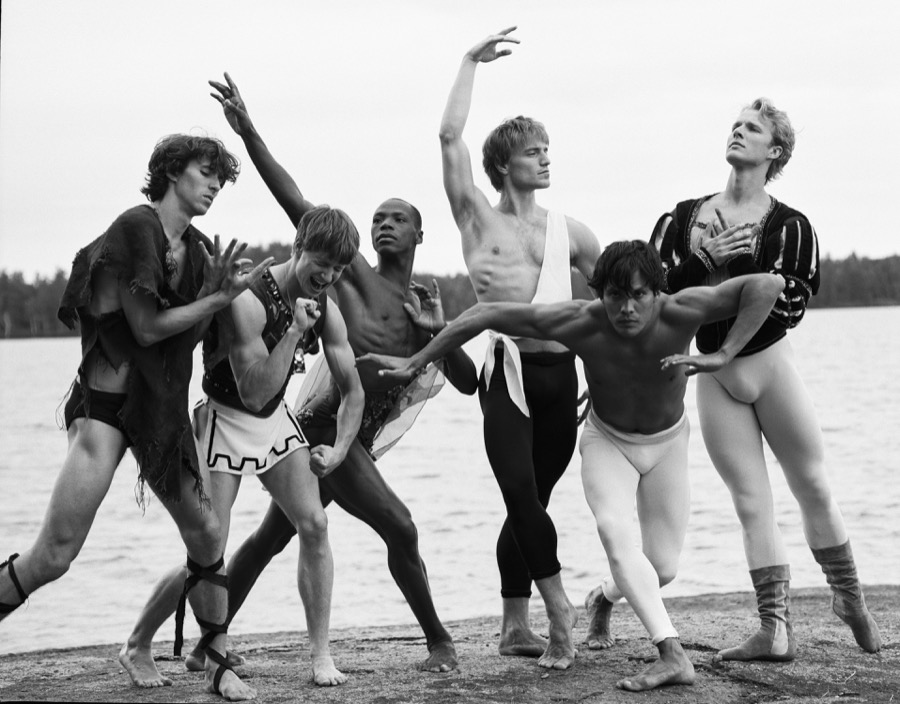 Bruce WeberDamien Woetzel, Ethan Stiefel, Albert Evans, Nickolaj Hubbe, Jock Soto, and Nilas Martins. Adirondacks, NY, 1995.A Greek key runs along the hem of one dancer’s short white skirt, that ancient meander stitched as a border, and it tells you at once what code the picture is speaking: classicism, theatre, the body…
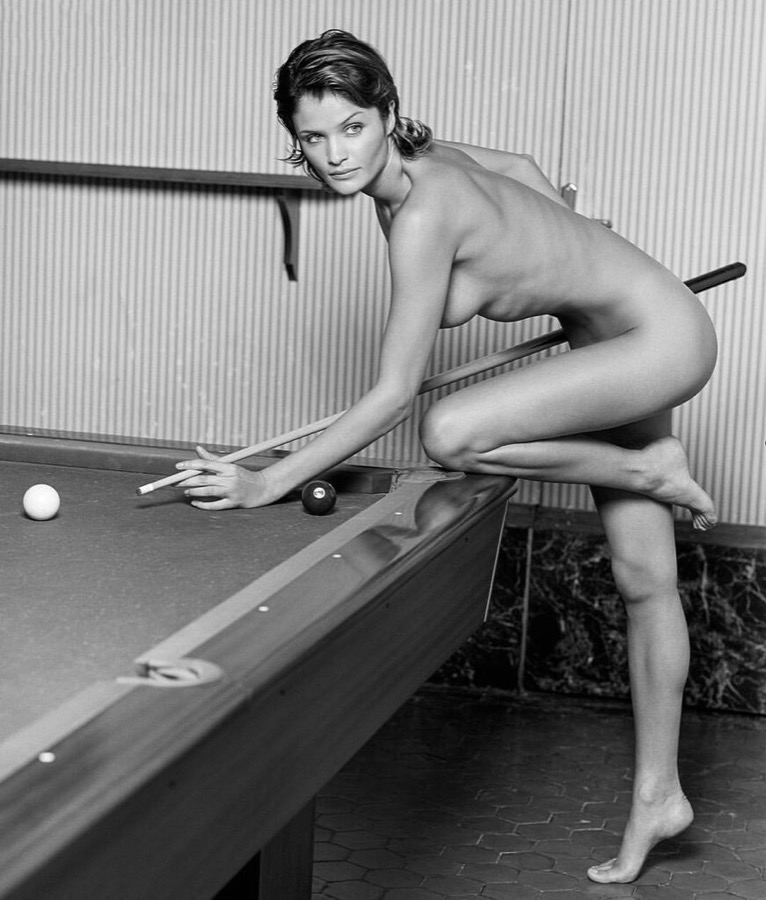 Bruce WeberHelena Christensen, Capri, 1995.The picture refuses to tell us the score, or the story, or why a woman should be playing billiards with nothing on.
 Bruce WeberIman and David Bowie, Cape Town, South Africa, 1995.The vantage is intimate, close as an embrace, pressed against a whitewashed column that holds up the right edge of the frame.
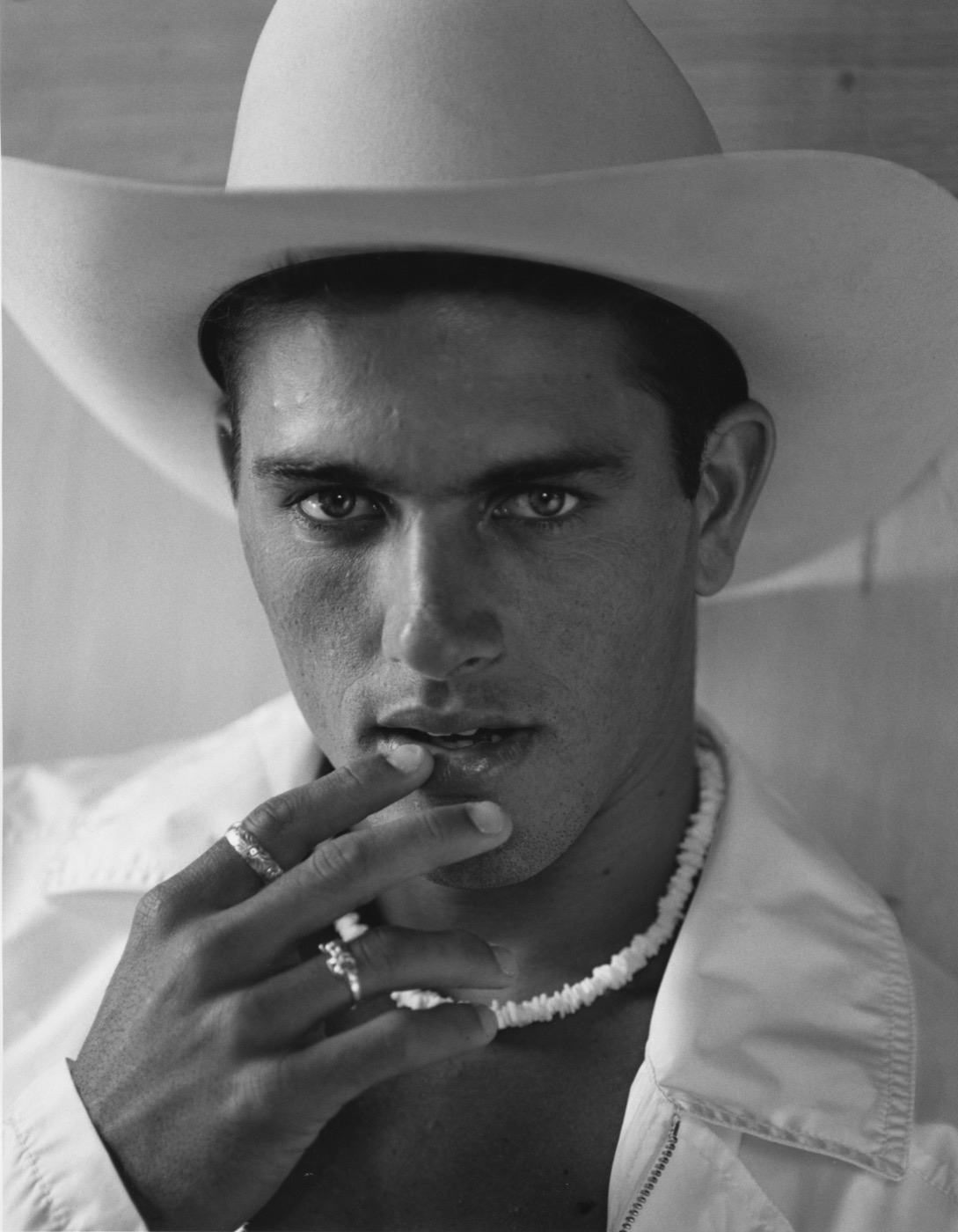 Bruce WeberKelly Slater, Surfer, NYC, 1995.Every disguise is also a confession. A world surfing champion sits for the camera in a borrowed white cowboy hat, a shirt open to the chest, a string of puka shells at his throat, and the costume…
 Bruce WeberSean Penn, Little Bear Ranch, MT, 1995.In Weber’s portrait, Penn leans over a worn table, cigarette in hand, a glass resting by his elbow.
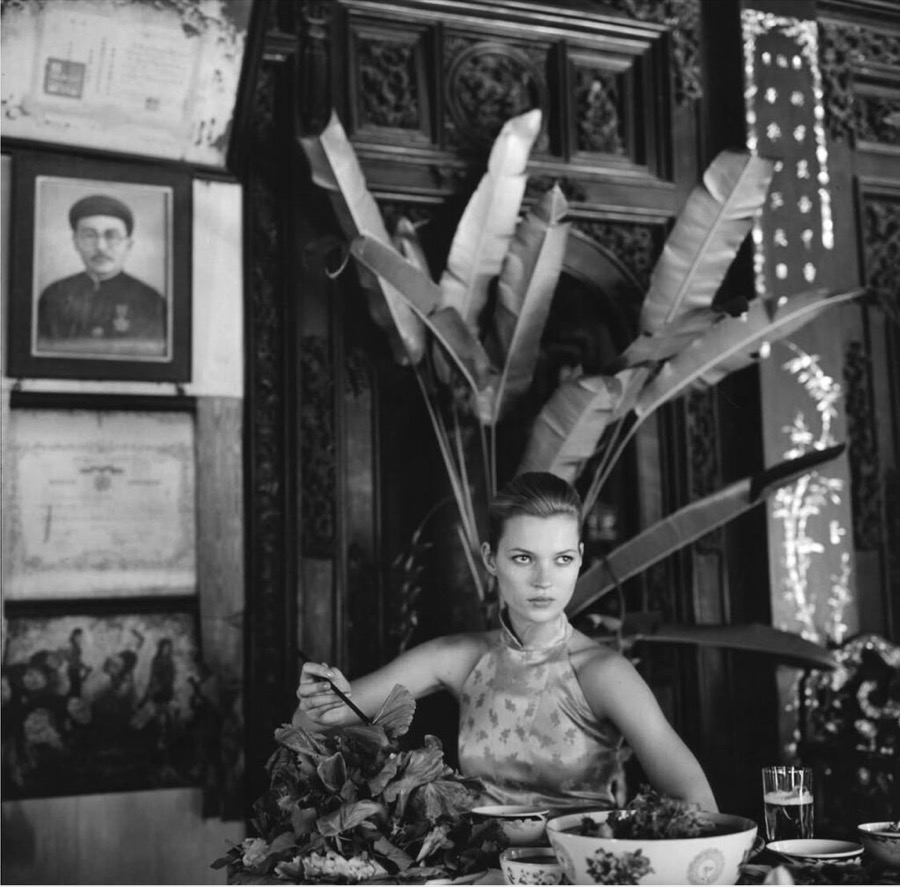 Bruce WeberKate Moss, 1996.A dining room in some grand old Chinese house: carved panels going black with age, a framed photograph of a man in a cap and round glasses with his medals catching what light there is, and beneath…
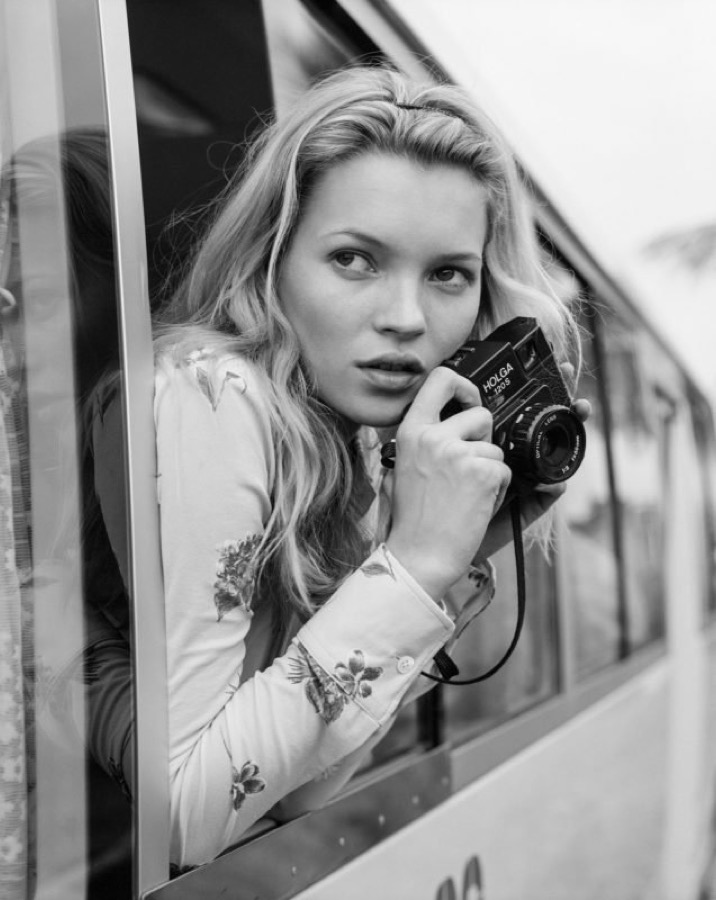 Bruce WeberKate Moss, Vietnam, 1996.Hand the most photographed woman of her generation a cheap plastic camera, point her back at us, and what does the picture become?
 Bruce WeberWorking Class Heroes, 1996.Three young men at a hotel pool, all shirtless, all in work trousers and belts.
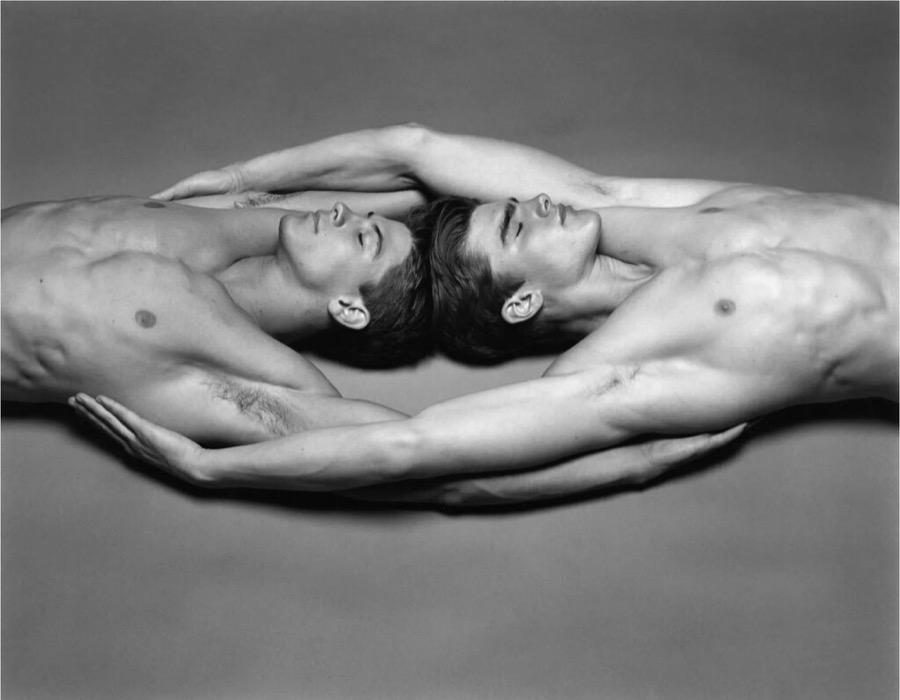 Bruce WeberHunter and Peter, NYC, 1997.Where does one body end and the other begin, when the crowns of two heads press together and the arms curve outward into a single closed loop?
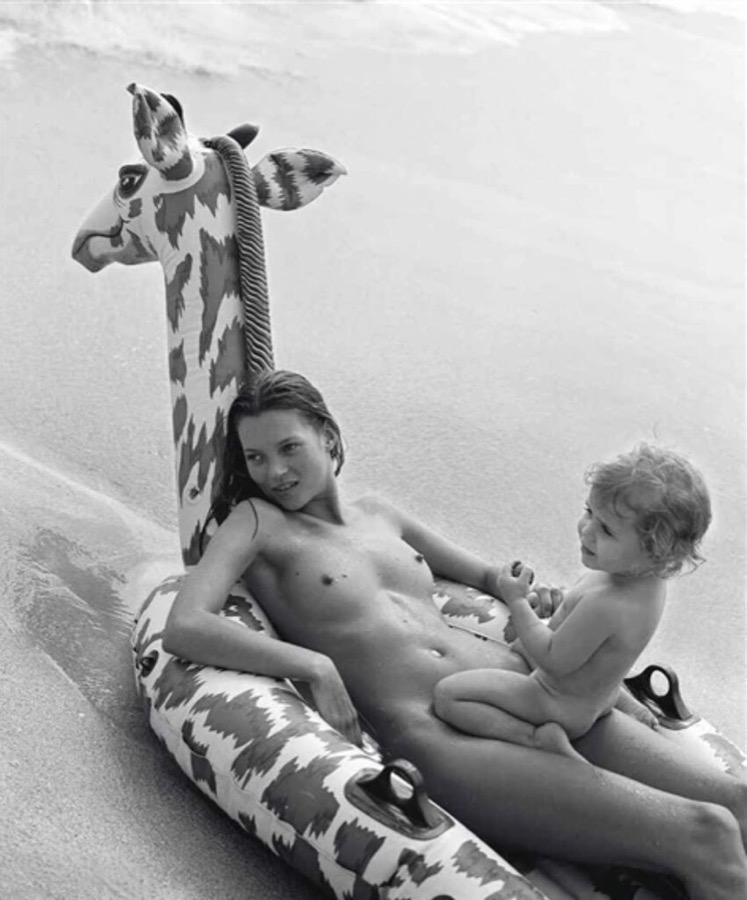 Bruce WeberKate and Jane, Golden Beach, Florida, 1997.The inflatable float was probably still bobbing in the shallows a moment ago; a moment from now the toddler may squirm off it into the sand.
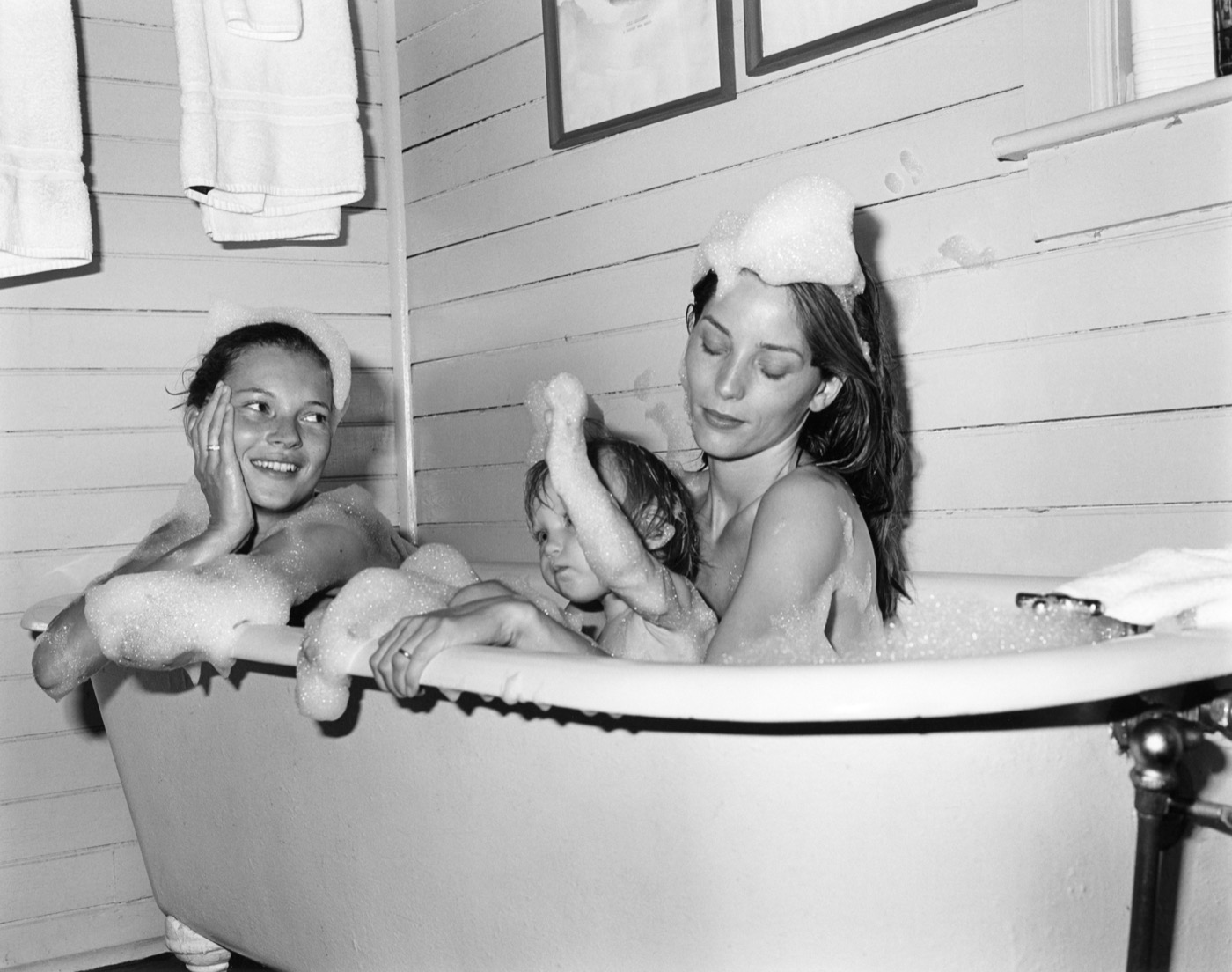 Bruce WeberKate and Lucie and her daughter Ella, Cabin 4, Camp Longwood, Adirondack Park, NY, 1997.Everything here is lather: suds bank in glassy cells along the rolled lip of the enamel tub, cap the wet hair of all three bathers, and catch the light in a thousand convex mirrors.
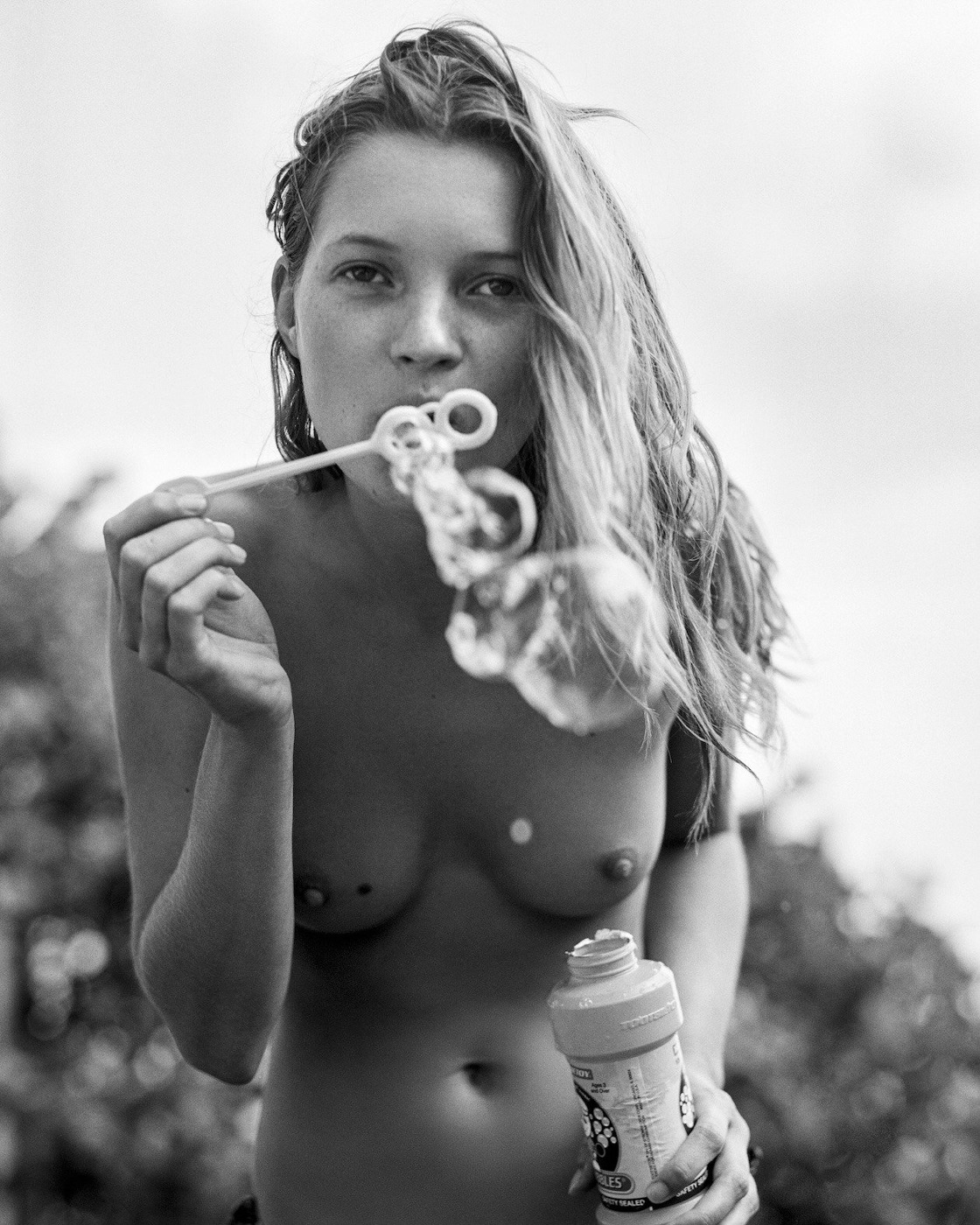 Bruce WeberKate Moss, Golden Beach, Florida, 1997.Blowing bubbles is one of the oldest jokes in Western art, a tradition of vanitas paintings in which a child exhales a glistening sphere to remind us that life is exactly that brief and iridescent.
 Bruce WeberLouise Bourgeois, 1997.She comes to the sitting already a monument, and Weber answers by setting a jagged black paper crown on her white hair, half coronation, half joke shared between one maker and another.
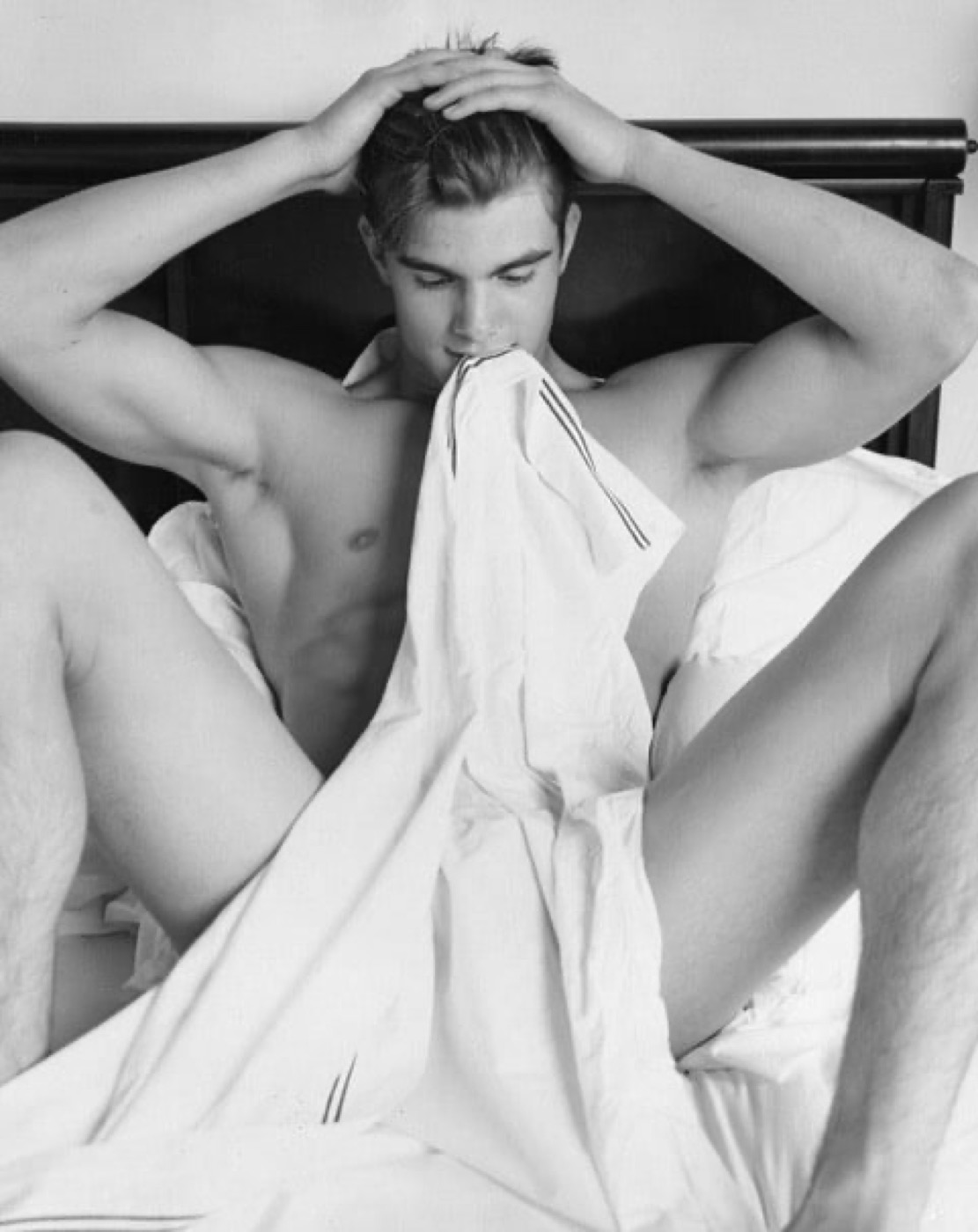 Bruce WeberPeter at my loft, NYC, 1997.The light is morning light, low and lateral, the kind that comes into a loft through one tall window and lies along a body before the day has decided anything.
 Bruce WeberPeter Johnson and Murray, New York City, 1997.What the picture keeps from us is the young man’s gaze: his eyes are shut, his face half-covered by a leathery hand, so that the one human we might read is turned inward and unavailable.
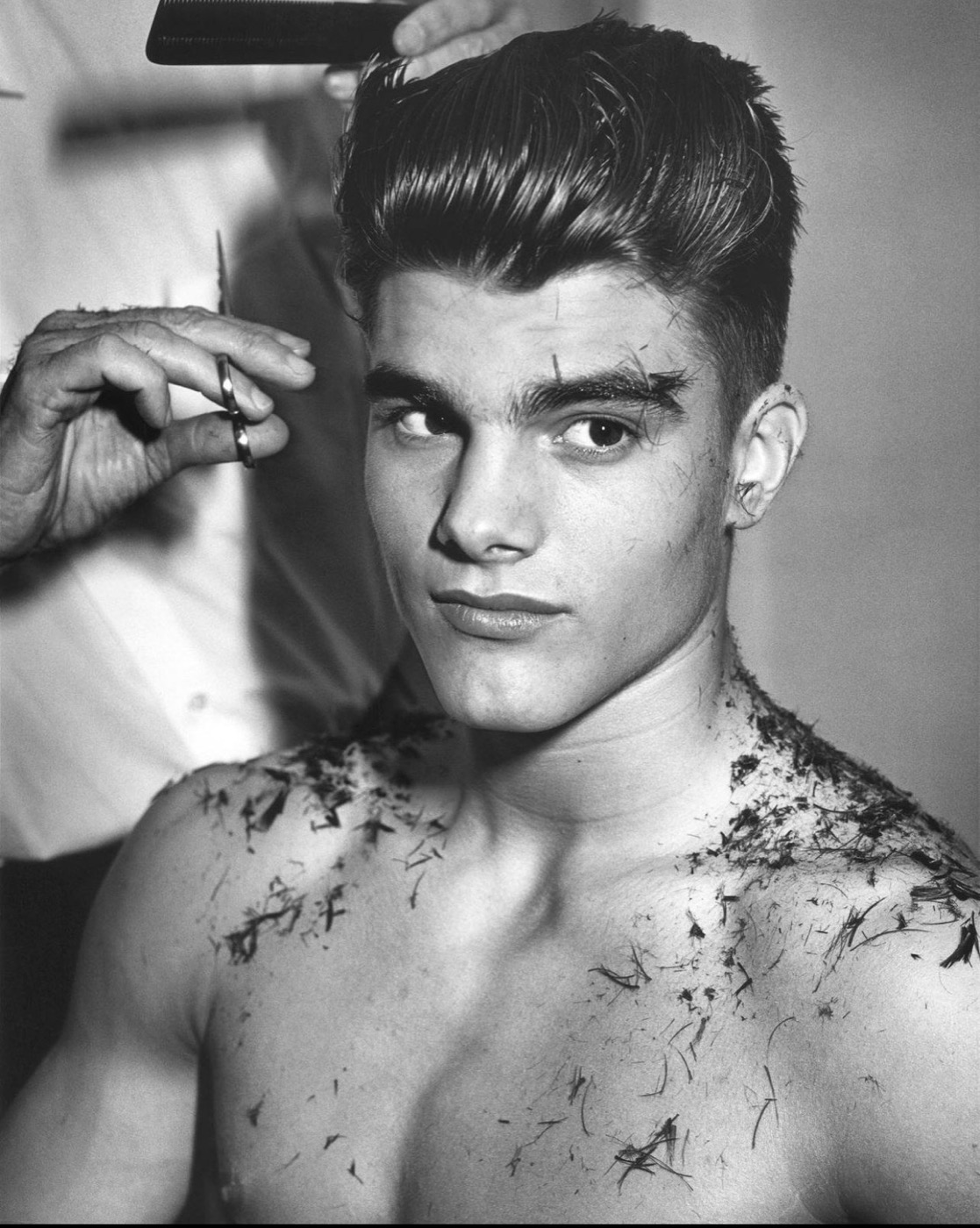 Bruce WeberPeter Johnson, haircut, Palm Springs, CA, 1997.The barber’s hands hover above the young man’s crown, one steadying a black comb through the freshly built pompadour, the other pinching small scissors mid-snip.
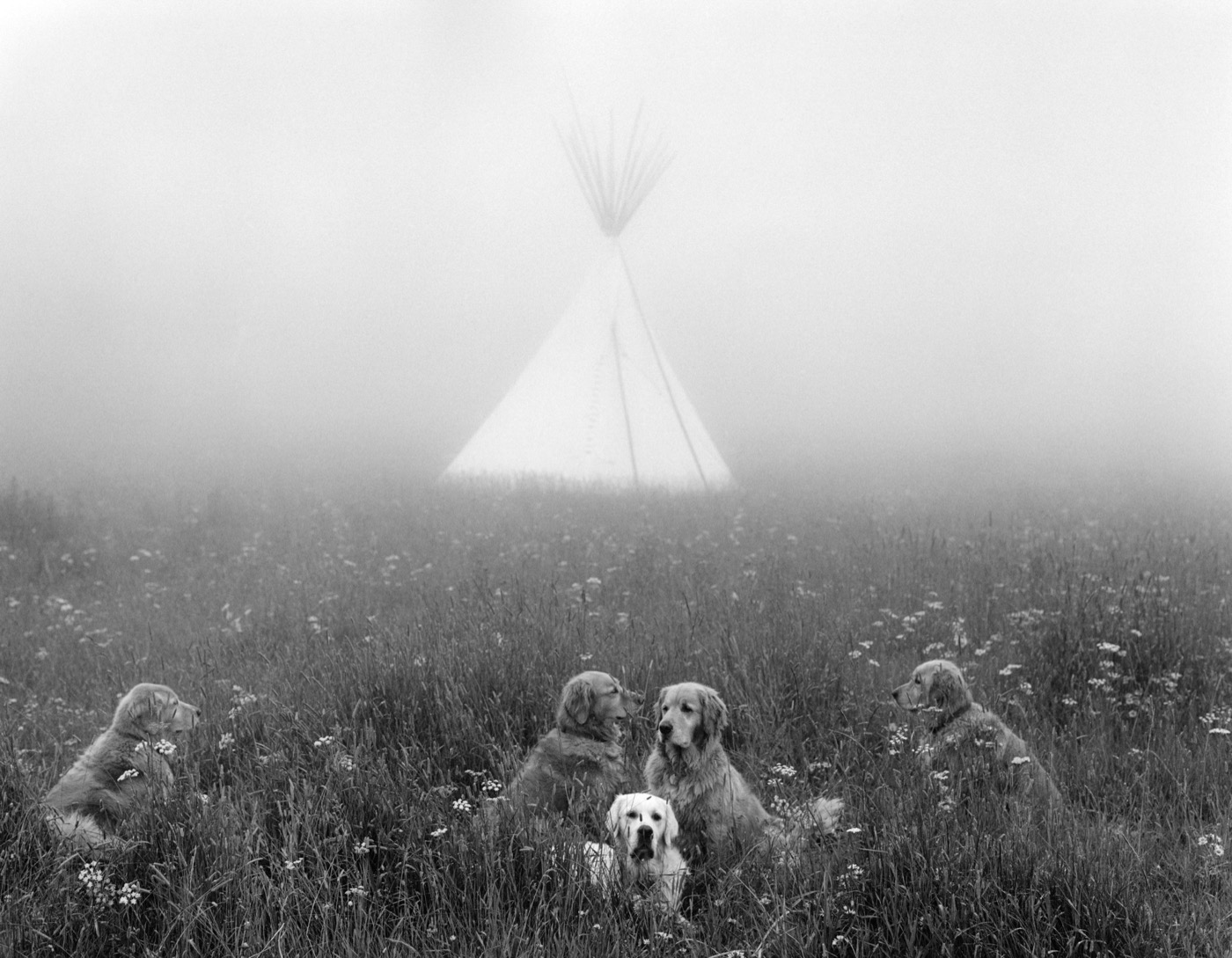 Bruce WeberThe Gang in Big Sky Country, Little Bear Ranch, McLeod, Montana, 1997.Count the dogs and you've already misread the picture.
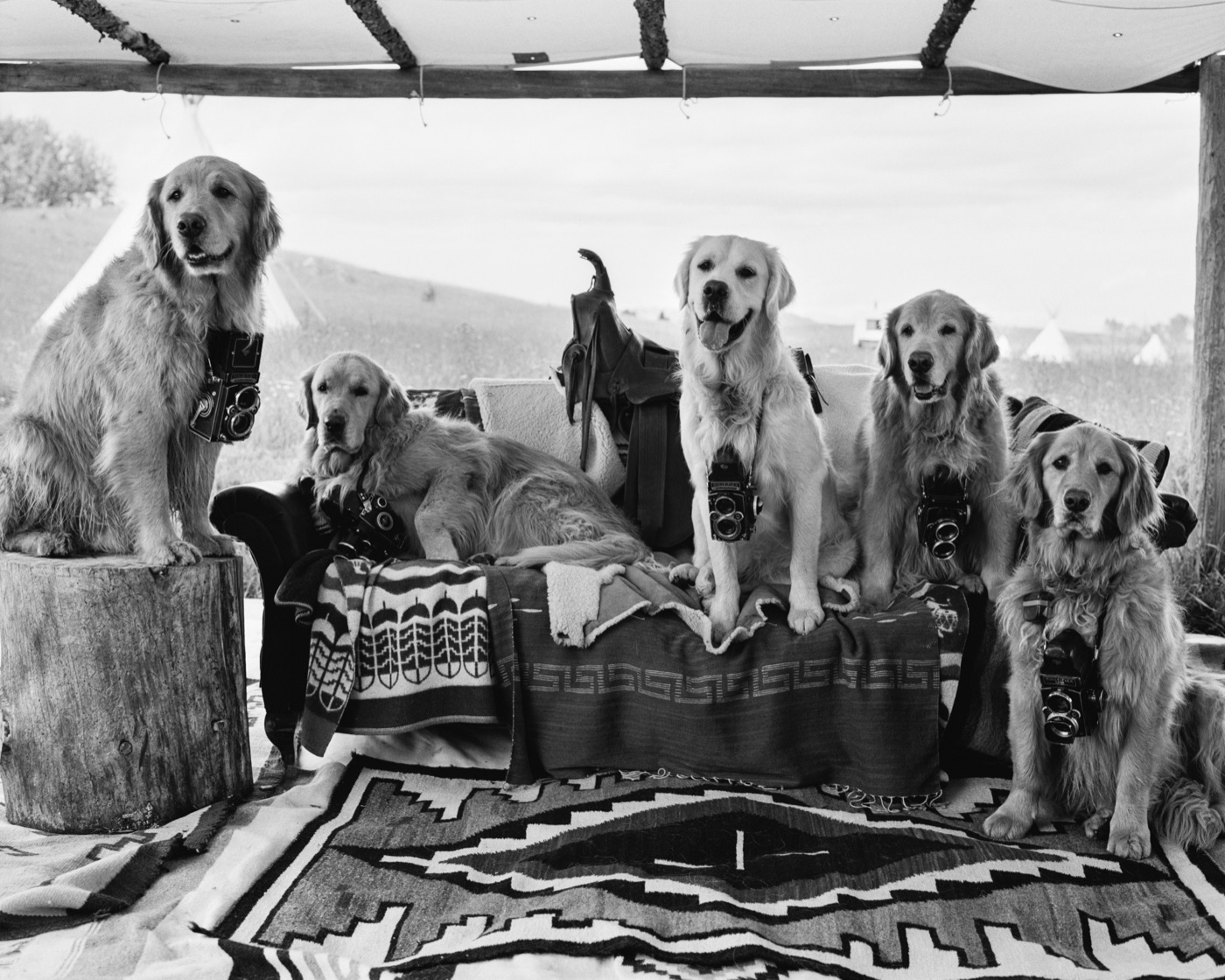 Bruce WeberThe Official Meeting of the Montana Rolleiflex Camera Club, Little Bear Ranch, Montana, 1997."When I first started taking pictures back in the early '70s, I traveled a lot with my sister Barbara Dewitt, who managed musicians on tour like Frank Zappa, Ike and Tina Turner, Iggy Pop and David…
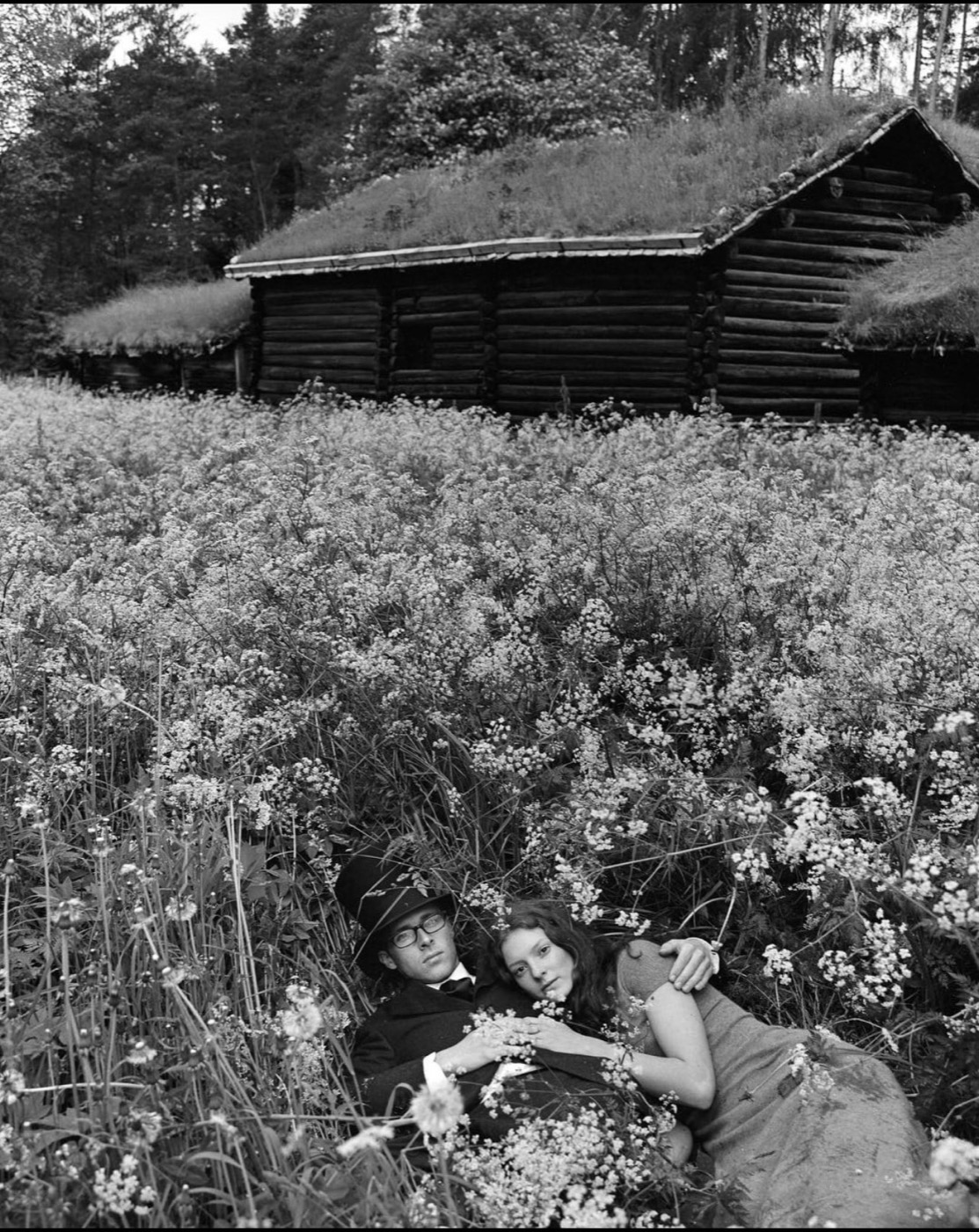 Bruce WeberAlesund, Norway, 1998.Any minute now one of them will sit up, brush the pollen from a dark lapel, and the meadow will close over the shape they made.
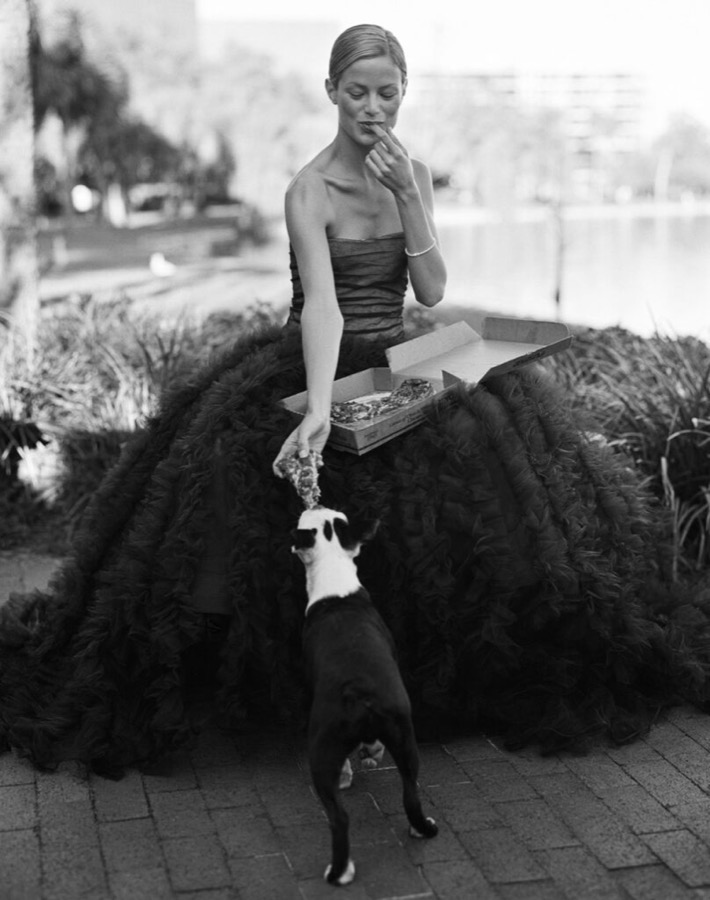 Bruce WeberCarolyn Murphy sharing a pizza with her dog, Orlando, Florida, 1998.Start with the greasy wedge of pizza she has lowered almost to the brick, pinched between two fingers, and the whole preposterous equation of the picture clicks into place.
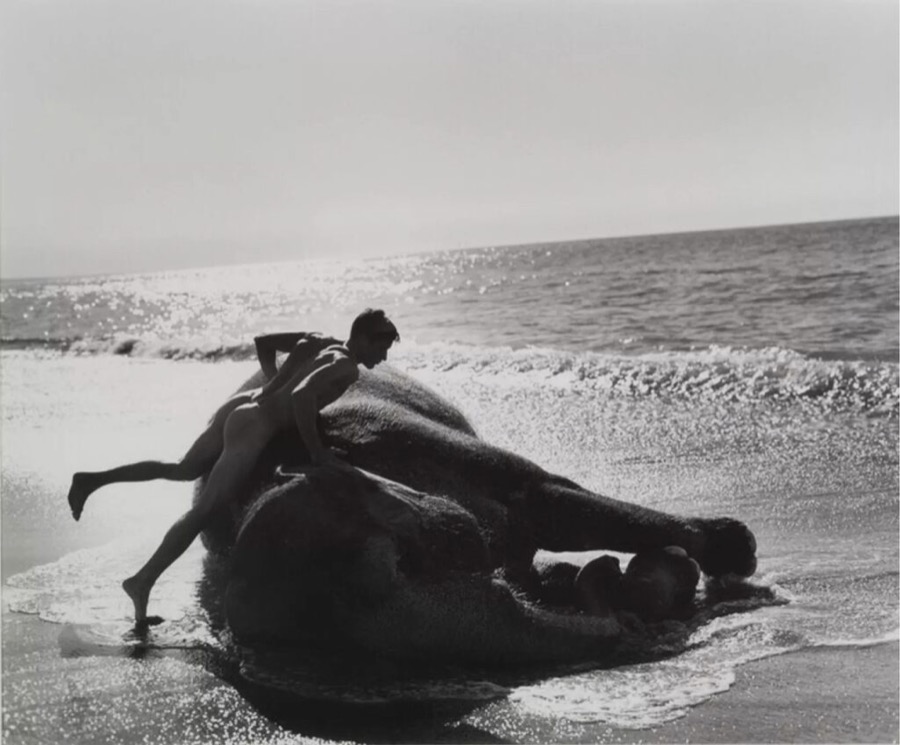 Bruce WeberChris and Fai, San Onofre, CA, 1998.The light arrives from behind, low and off the water, breaking into a thousand hard sparks along the crest of a wave and spreading a pale silver haze across sky and sea.
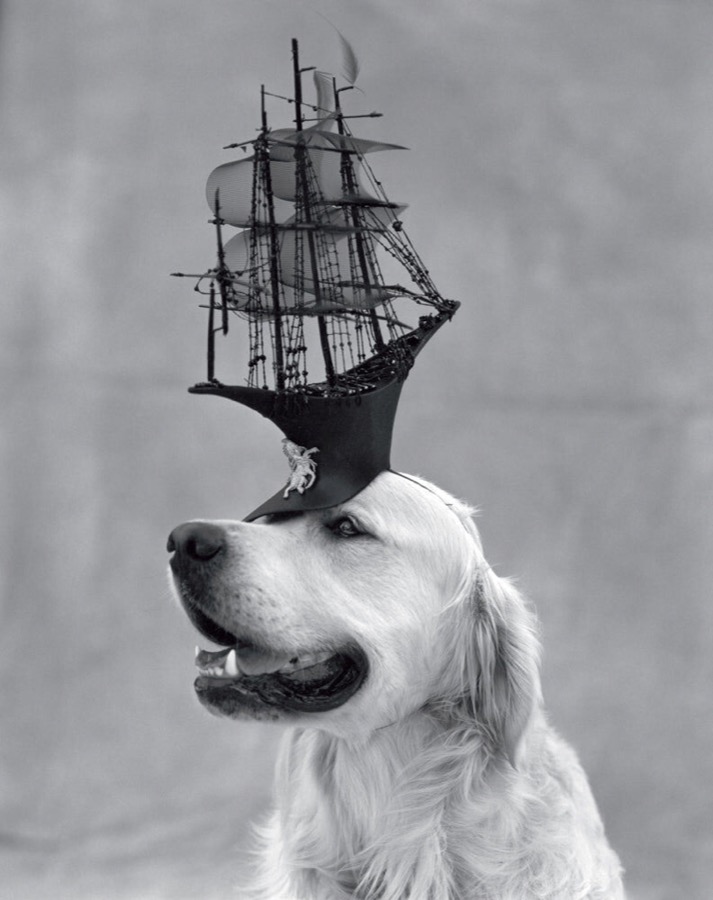 Bruce WeberSkye wearing a Philip Treacy hat, Golden Beach, Florida, 1998.The sitter is a golden retriever named Skye, shot in three-quarter profile against a plain grey studio ground, mouth open in what any dog person reads as pleasure and any editor reads as a smile.
 Bruce WeberCarlson Twins, 1999.Grass, dark water and two entangled bodies place this picture squarely in an American tradition that runs back to Eakins and his swimmers at the old mill pond.
 Bruce WeberCate Blanchett, Backstage, West End, London, 1999.Propped against the mirror, just behind a palette of half-used eyeshadows, stands a small photograph of another woman, a profile borrowed from an earlier era of glamour.
 Bruce WeberCharlize Theron, ca. 1999.The star is exactly what the picture withholds: no red carpet, no couture, just a young woman face-down on bare earth beside a golden dog.
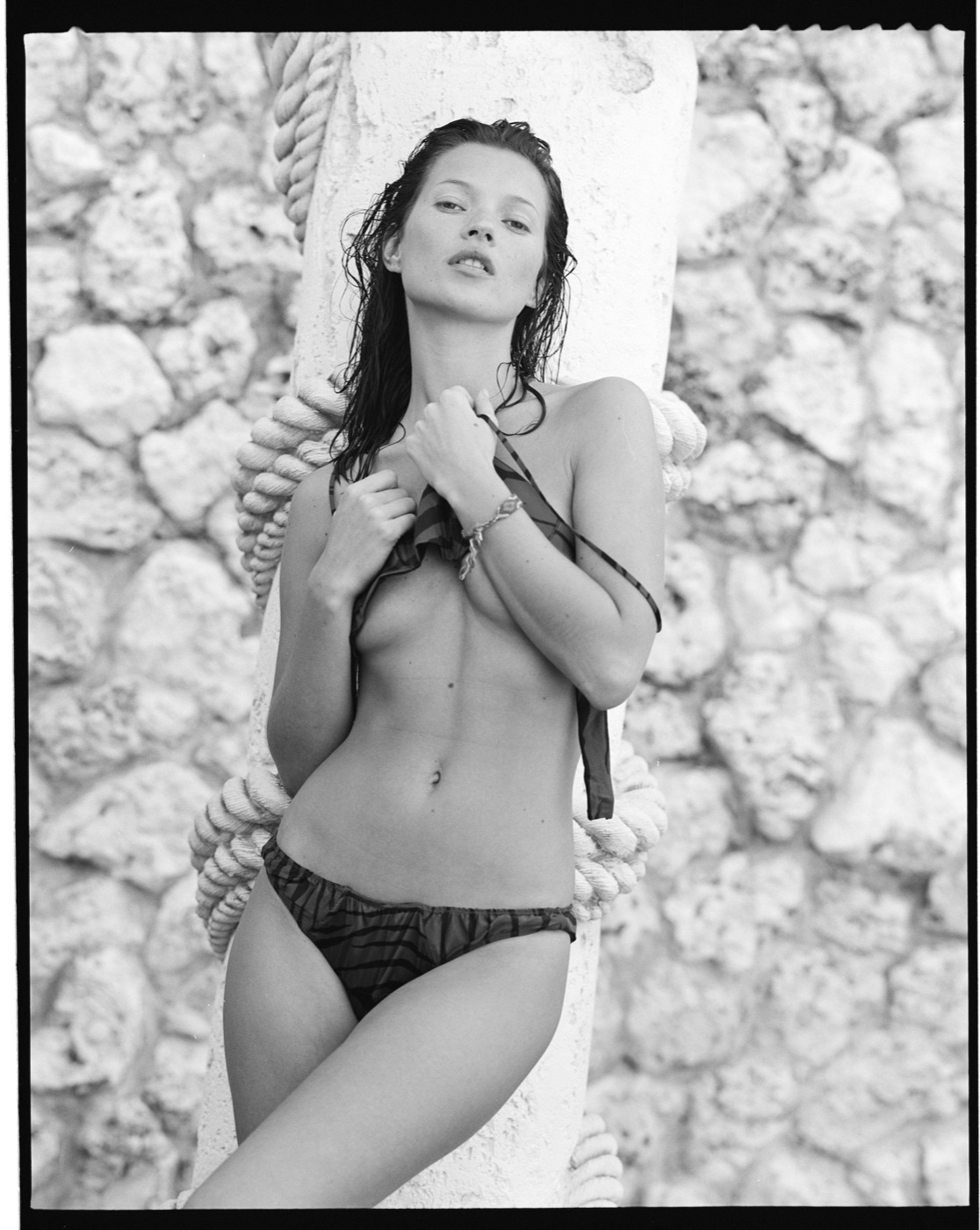 Bruce WeberKate Moss, Everglade City Florida, 1999.She leans back against a white square column that has been wrapped at two heights with heavy nautical rope.
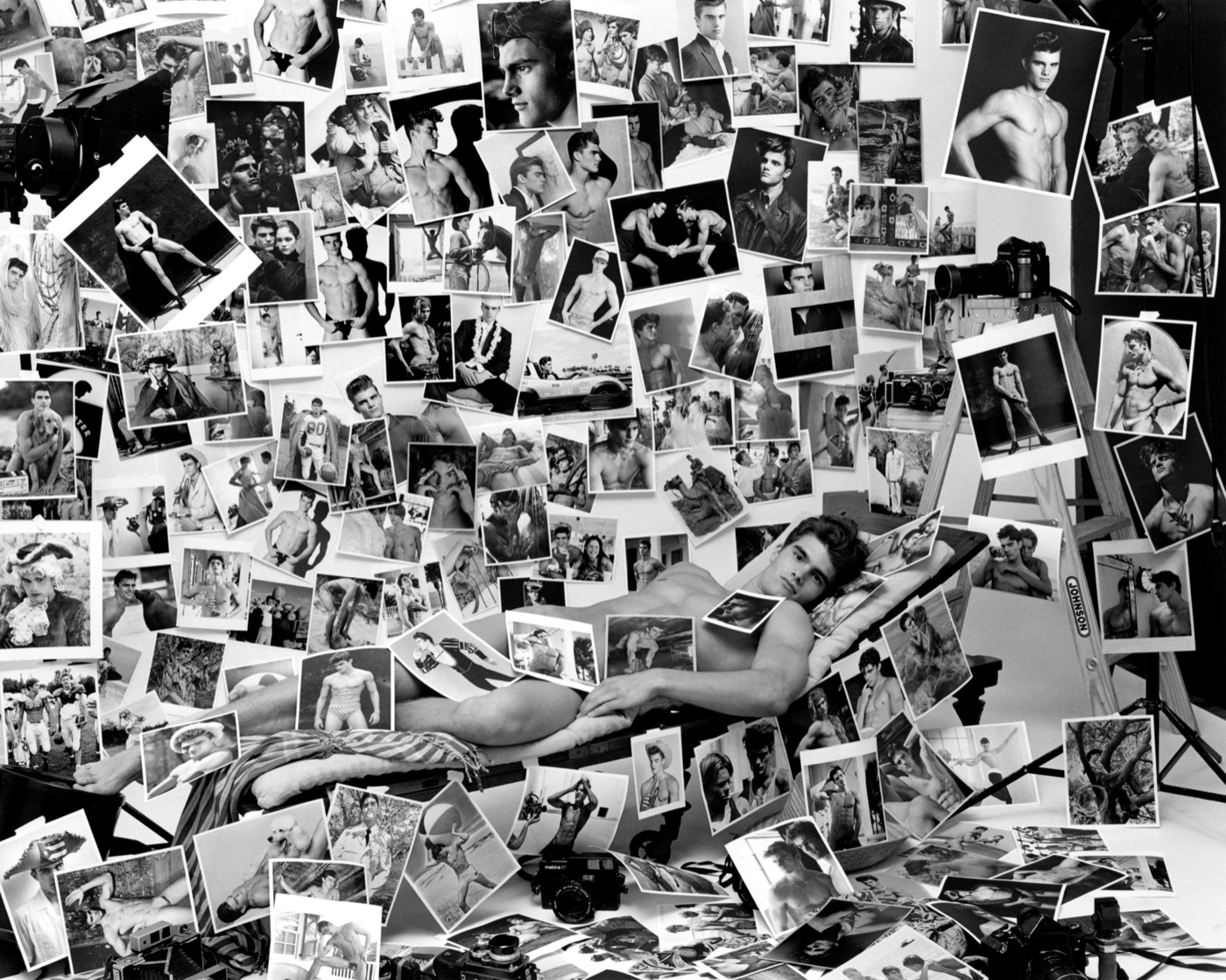 Bruce WeberPeter at the Chop Suey Club Studio, New York City, 1999.A man lies along the bottom of the frame, naked, his body the one continuous thing in a wall papered edge to edge with photographs of other men.
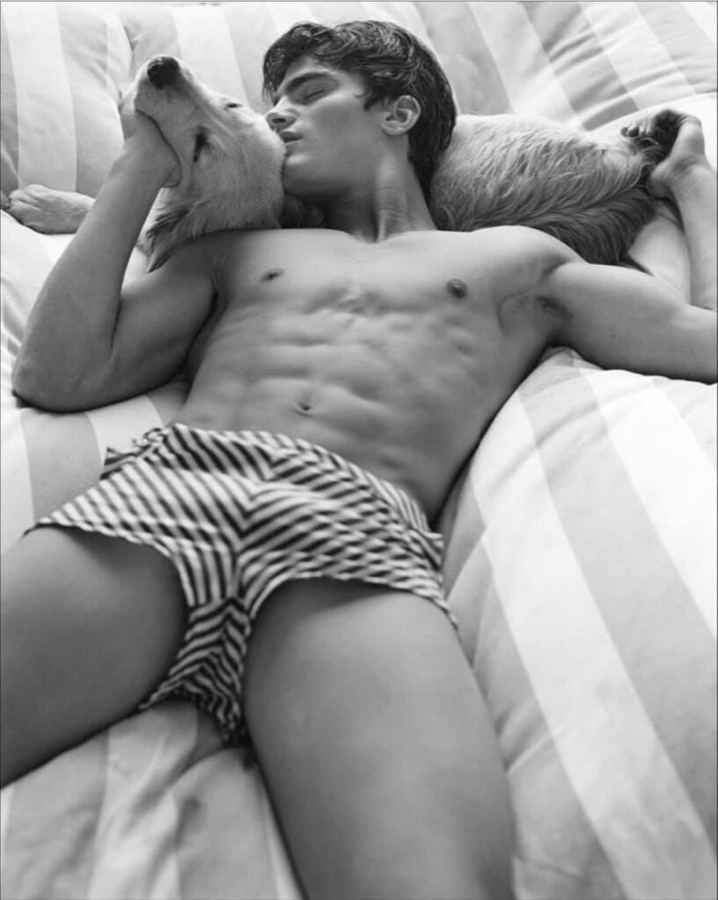 Bruce WeberPeter Johnson and True, Golden Beach, Florida, 1999.The beach named in the title never appears.
 Bruce WeberBrothers, Lane and Kyle, Golden Beach, Florida, 2000.Notice the single wet hand that rises out of the water to cradle the second boy’s own head, the only limb the picture allows above the surface.
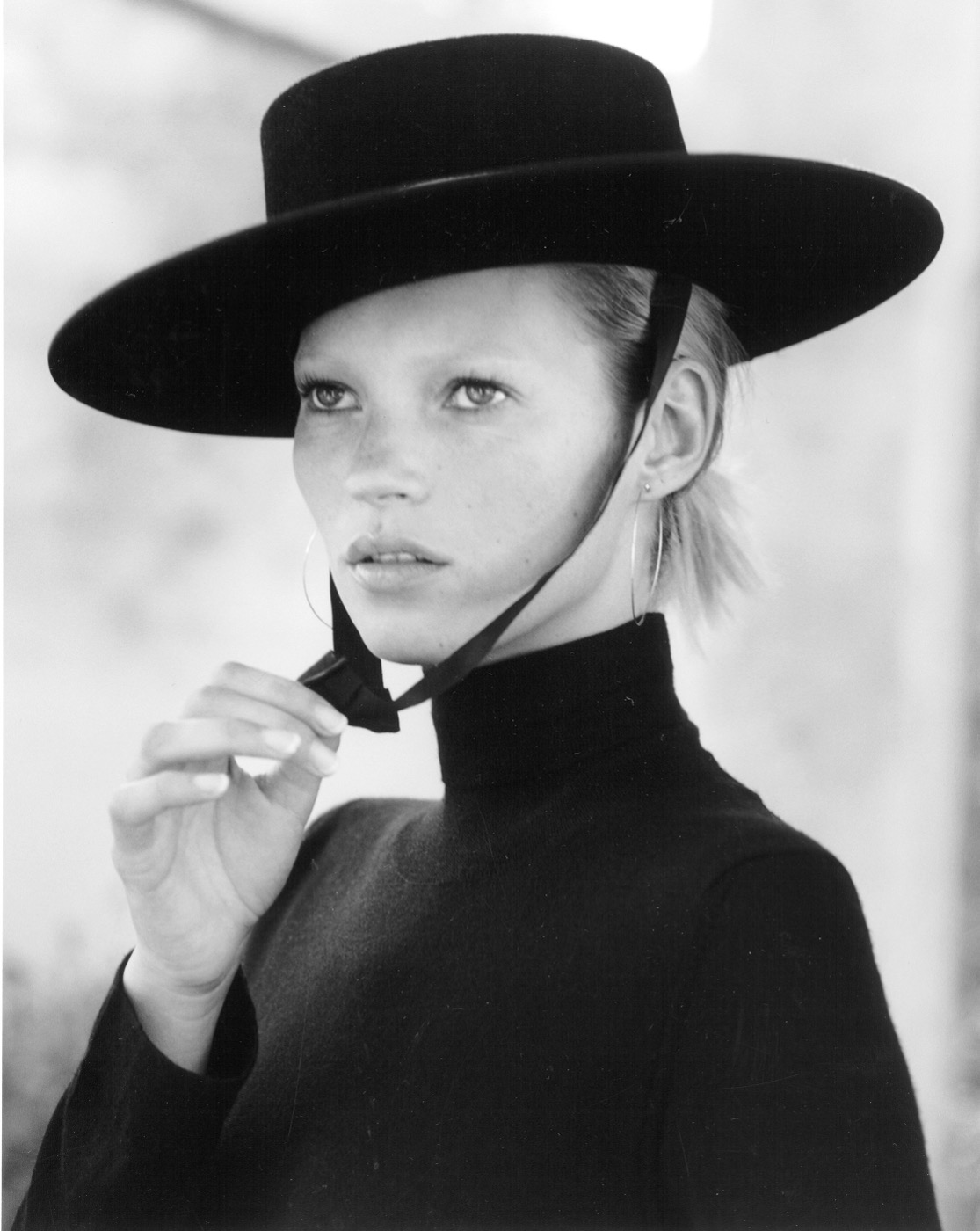 Bruce WeberKate Moss in Jil Sander, Sevilla, Spain, 2000.We stand near enough to read the nap of the felt, the wide flat brim of a Spanish hat throwing its underside into shadow, near enough to count the freckles under her eyes, the small white crescents…
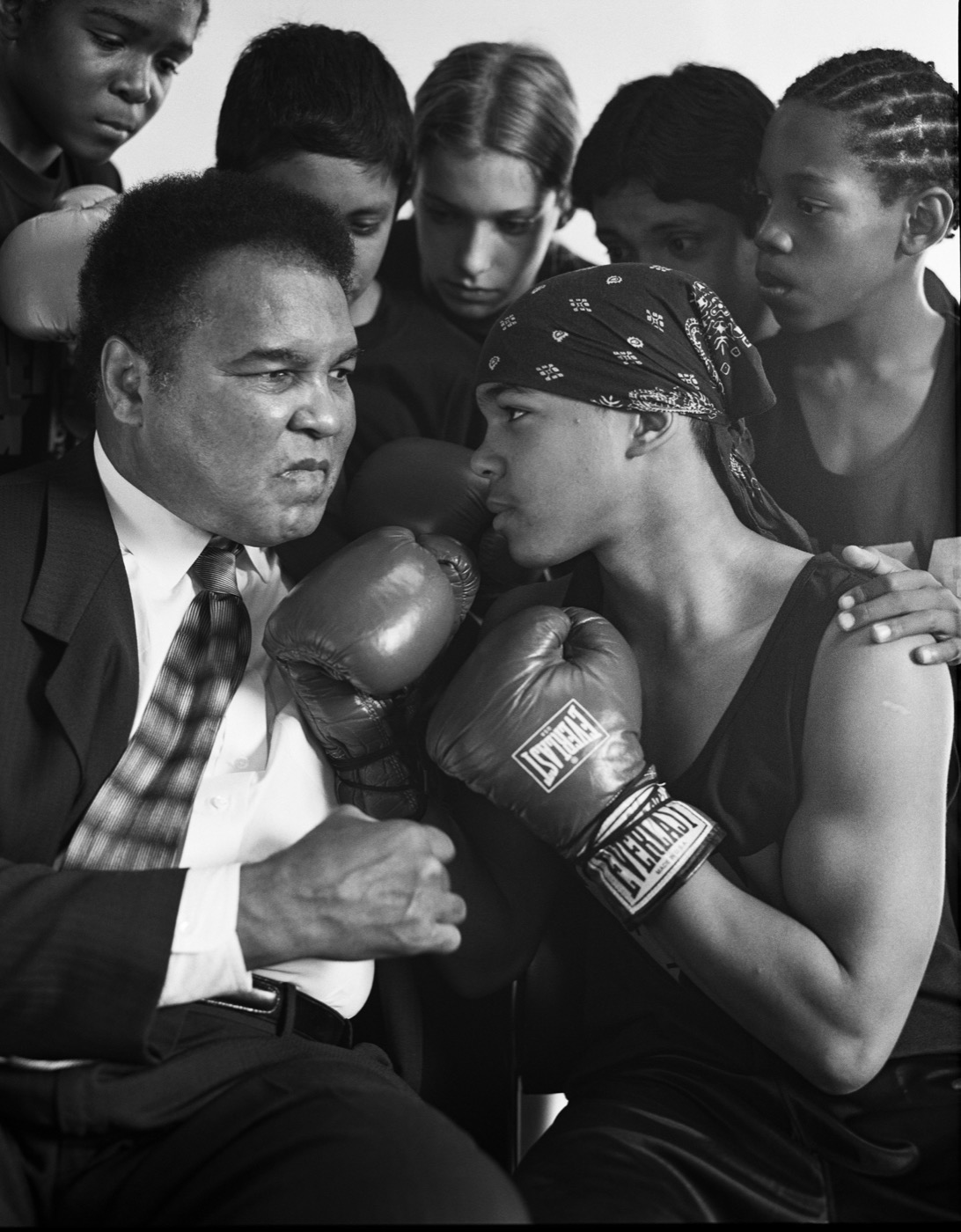 Bruce WeberMuhammad Ali and sparring partners at Gleason’s Gym, Brooklyn, New York, 2001.A boxing glove is a comic prop as often as a weapon, and here the greatest fighter of his century uses one to clown.
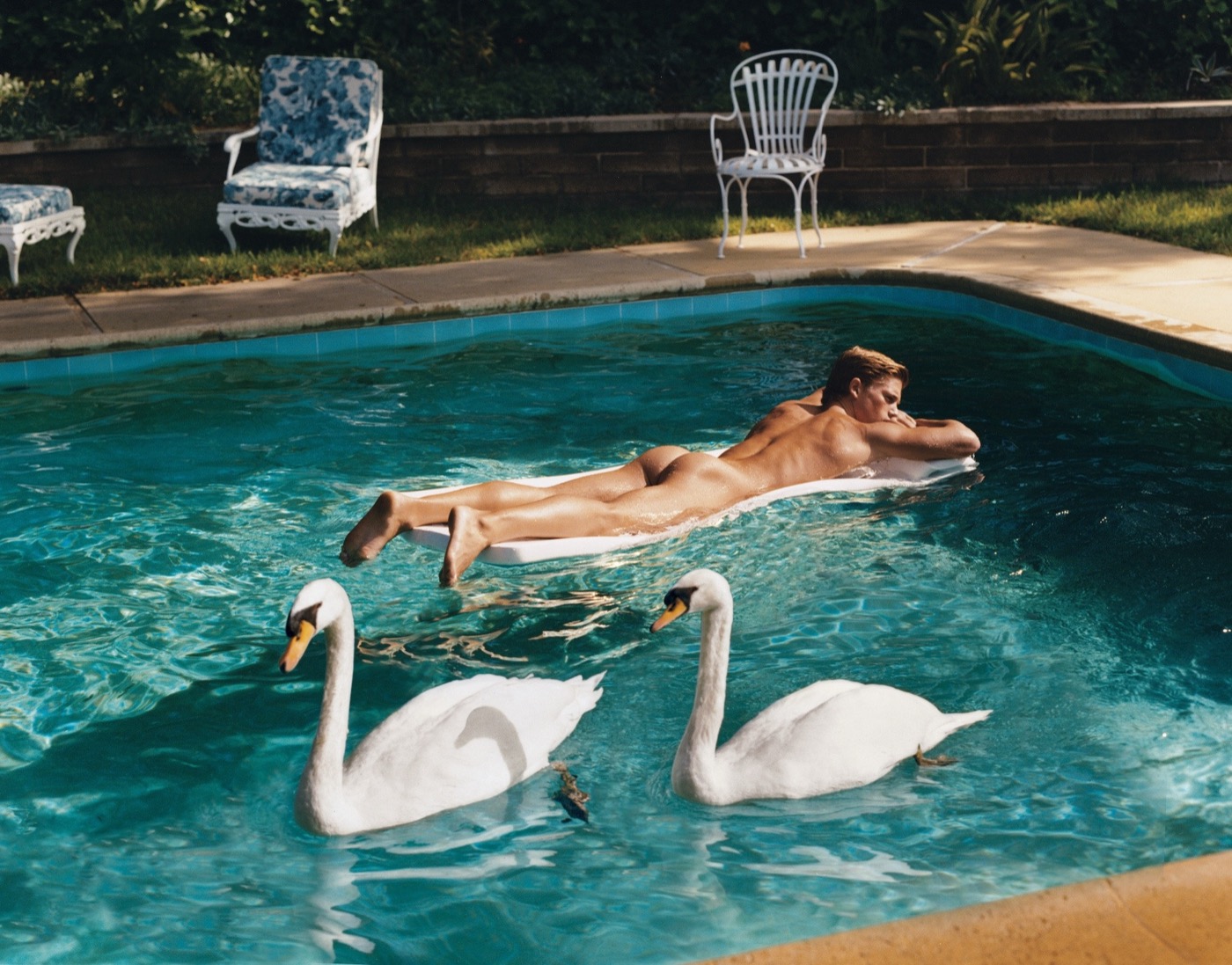 Bruce WeberSanta Barbara, California, 2001.A turquoise pool in hard Californian sun.
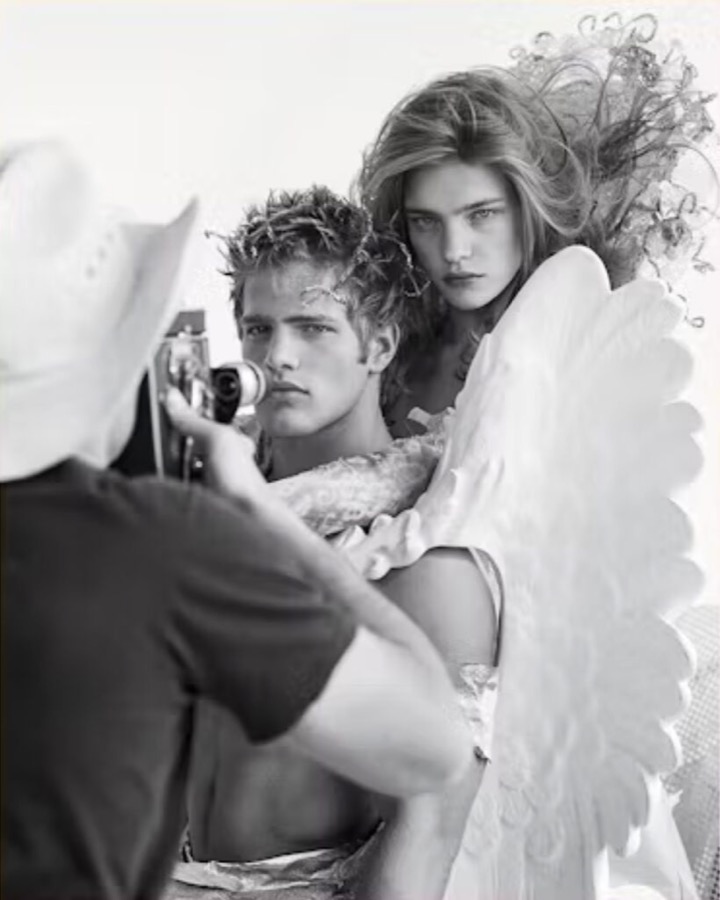 Bruce WeberJoseph Sayers & Natalia Vodianova being filmed by Lance Accord for the Pet Shop Boys video ‘I Get Along/Email’, Boylan Studios, NYC, 2002.A single strand of Vodianova’s hair has escaped the wind and drawn a dark loop against the white ground, and once you notice it the whole photograph reorganizes around such filaments: the boy’s damp…
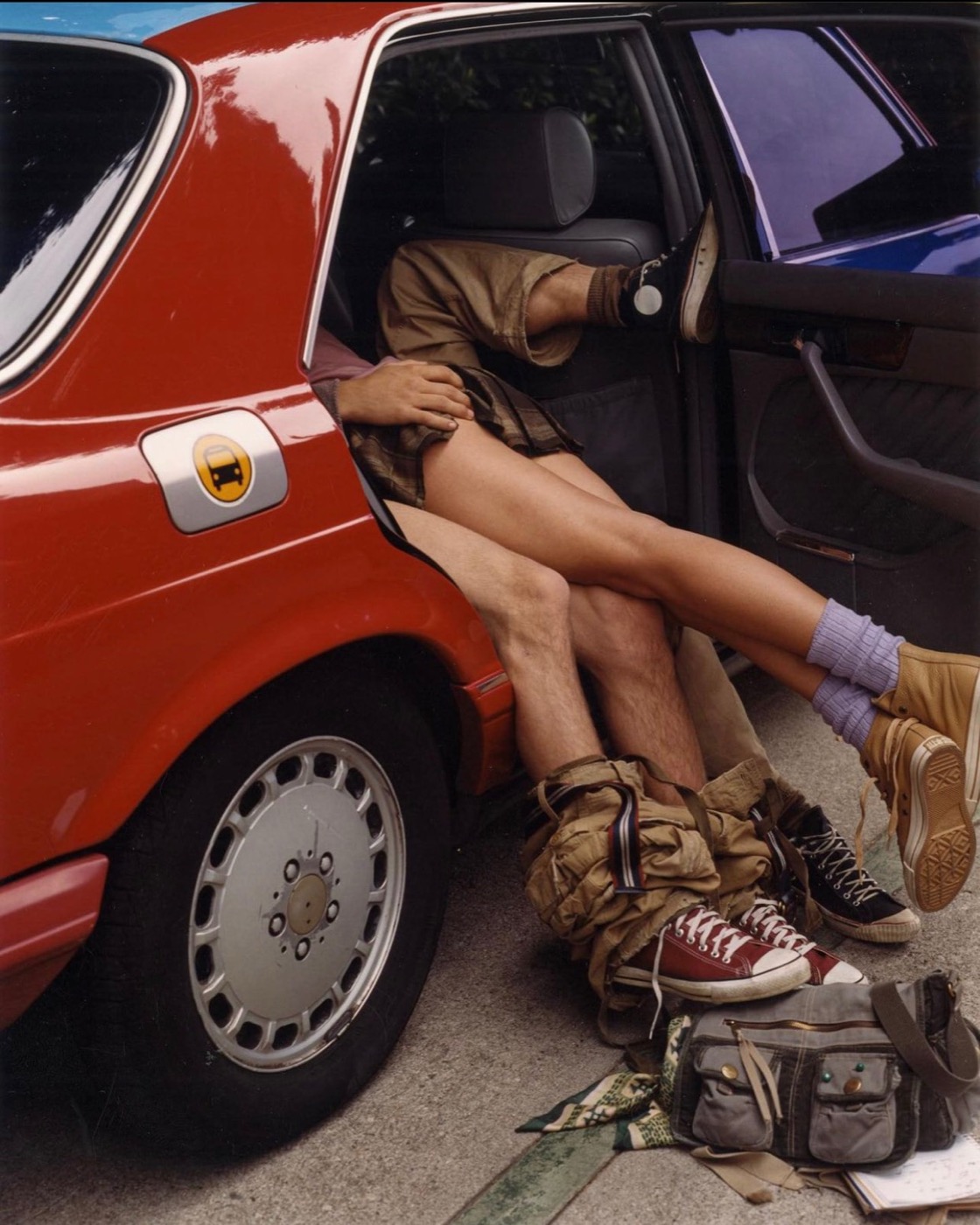 Bruce WeberSanta Barbara, California, 2003.The rear door of a red Mercedes stands open and two people are tangled together across the back seat, half out of it.
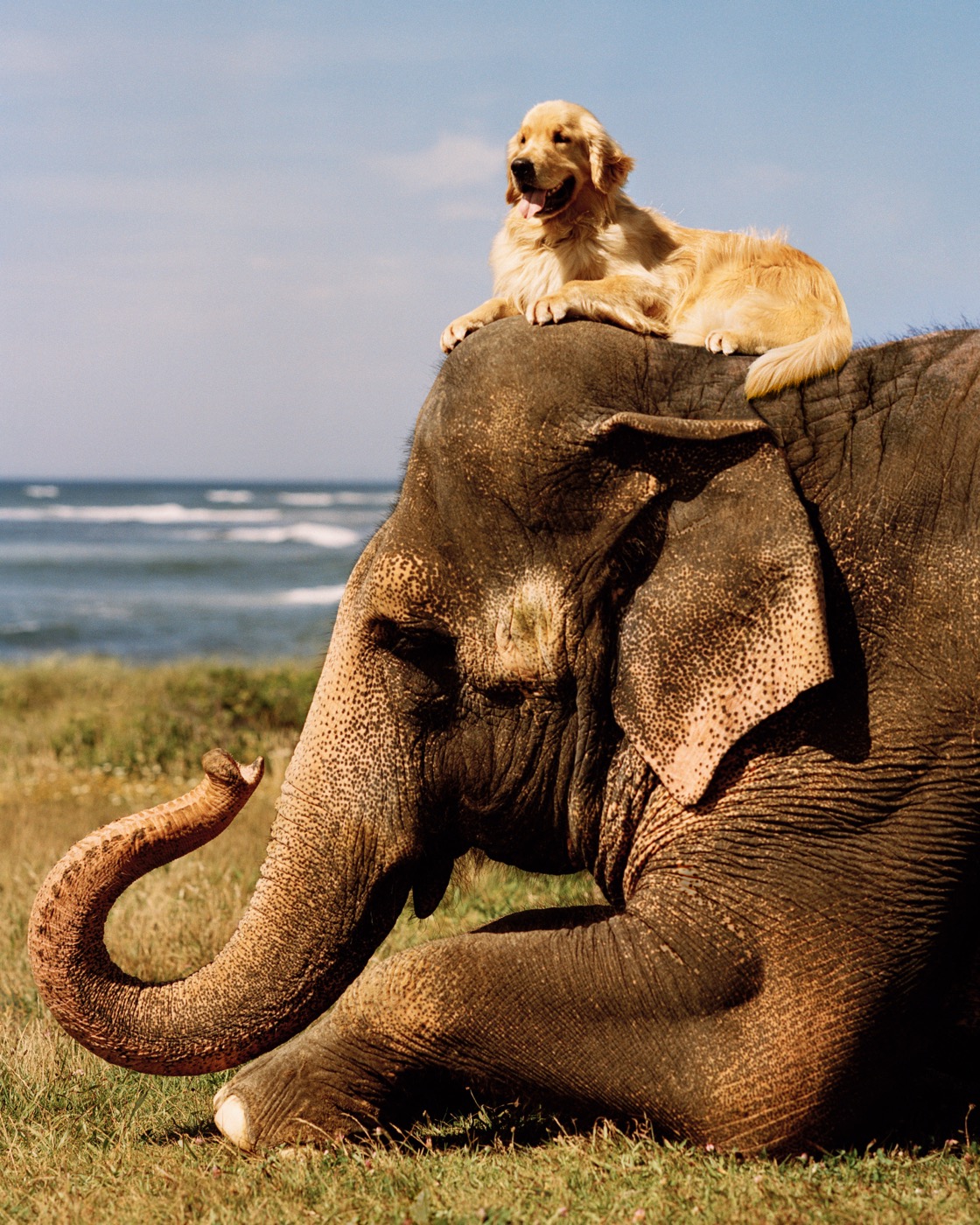 Bruce WeberTrue and Tai, Montauk, NY, 2003.A golden retriever has arranged himself along the dome of an elephant's skull the way a stole gets thrown across a chair — boneless, entitled, both front paws dangling over the great creased brow as…
 Bruce WeberTrue and Tweet, Golden Beach, FL, 2003.How does a giraffe come to be standing on a suburban Florida lawn, lowering its improbable neck to greet a golden retriever enthroned in a white Adirondack chair?
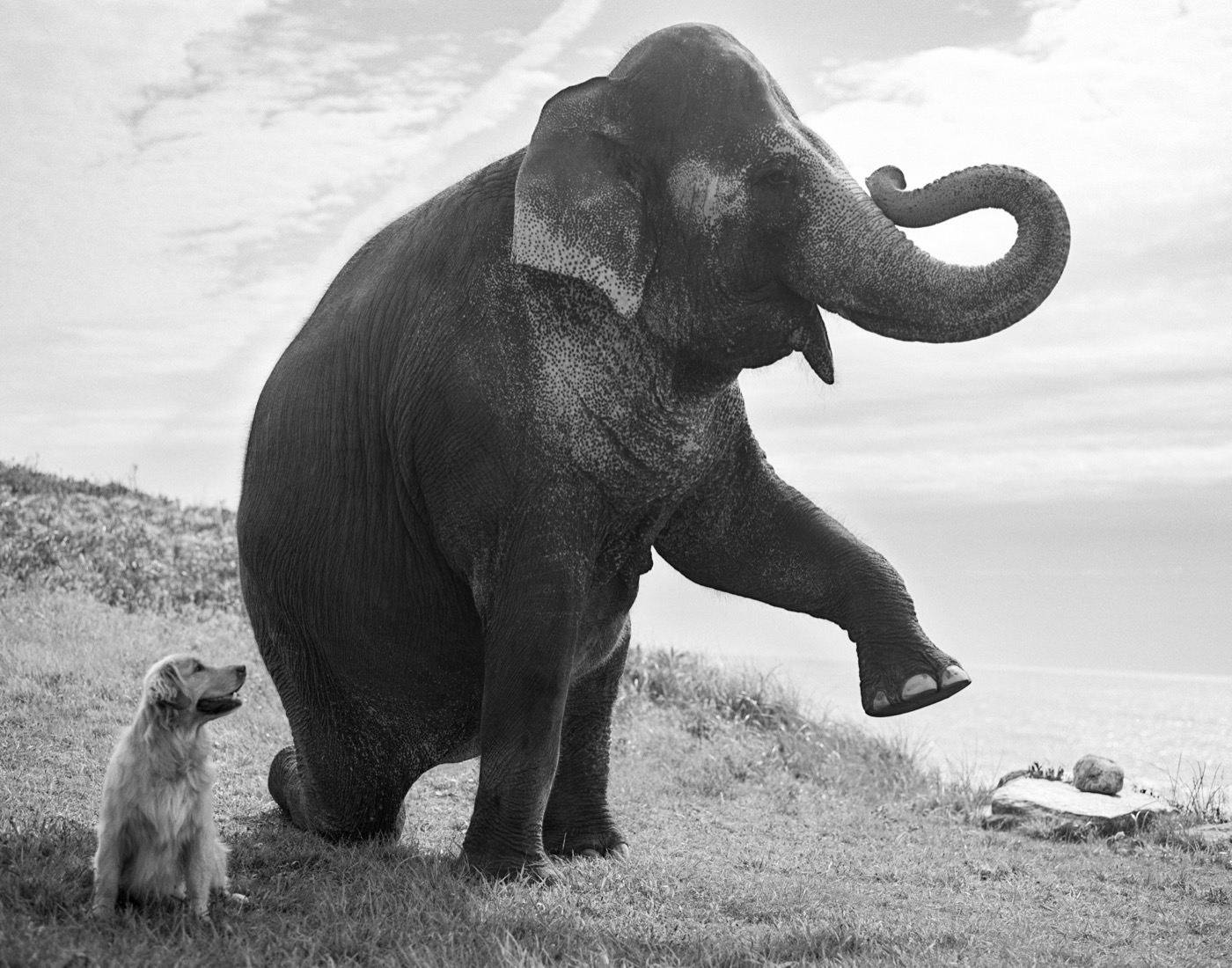 Bruce Weber“A Letter to True,” True and Tai, Montauk, New York, 2003.Look at the gap between them: a small golden retriever planted in the grass at the left edge, ears up, muzzle tilted skyward, and across a yard of empty clifftop the vast kneeling bulk of an…
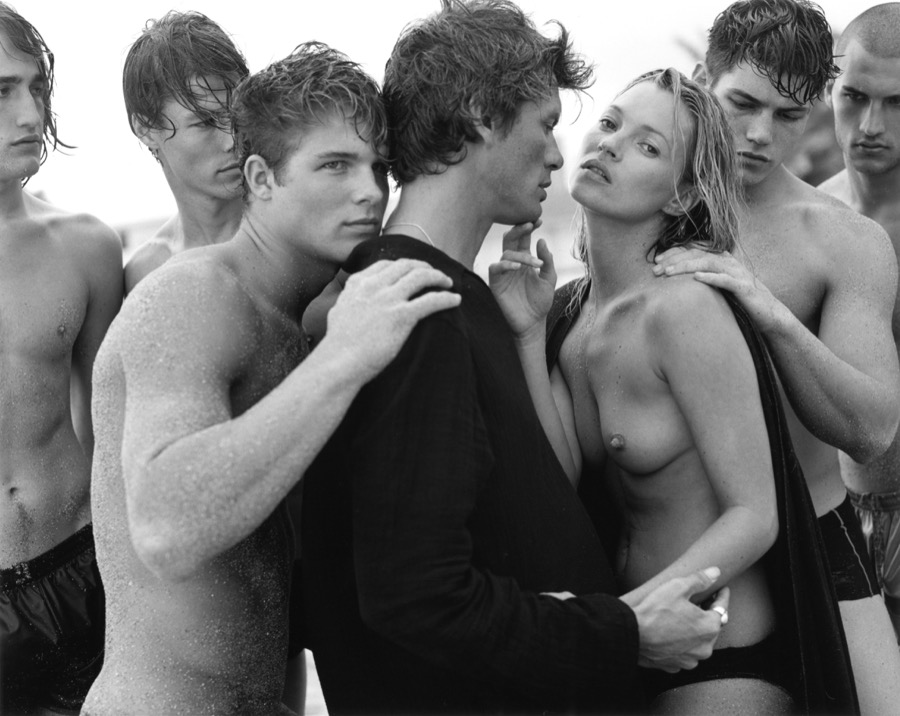 Bruce WeberJeff, Charlie and Kate with the boys, Golden Beach, Florida, 2006.Salt has dried to a fine grit across every shoulder, catching the light in a thousand small points so that the wet skin seems dusted with silver.
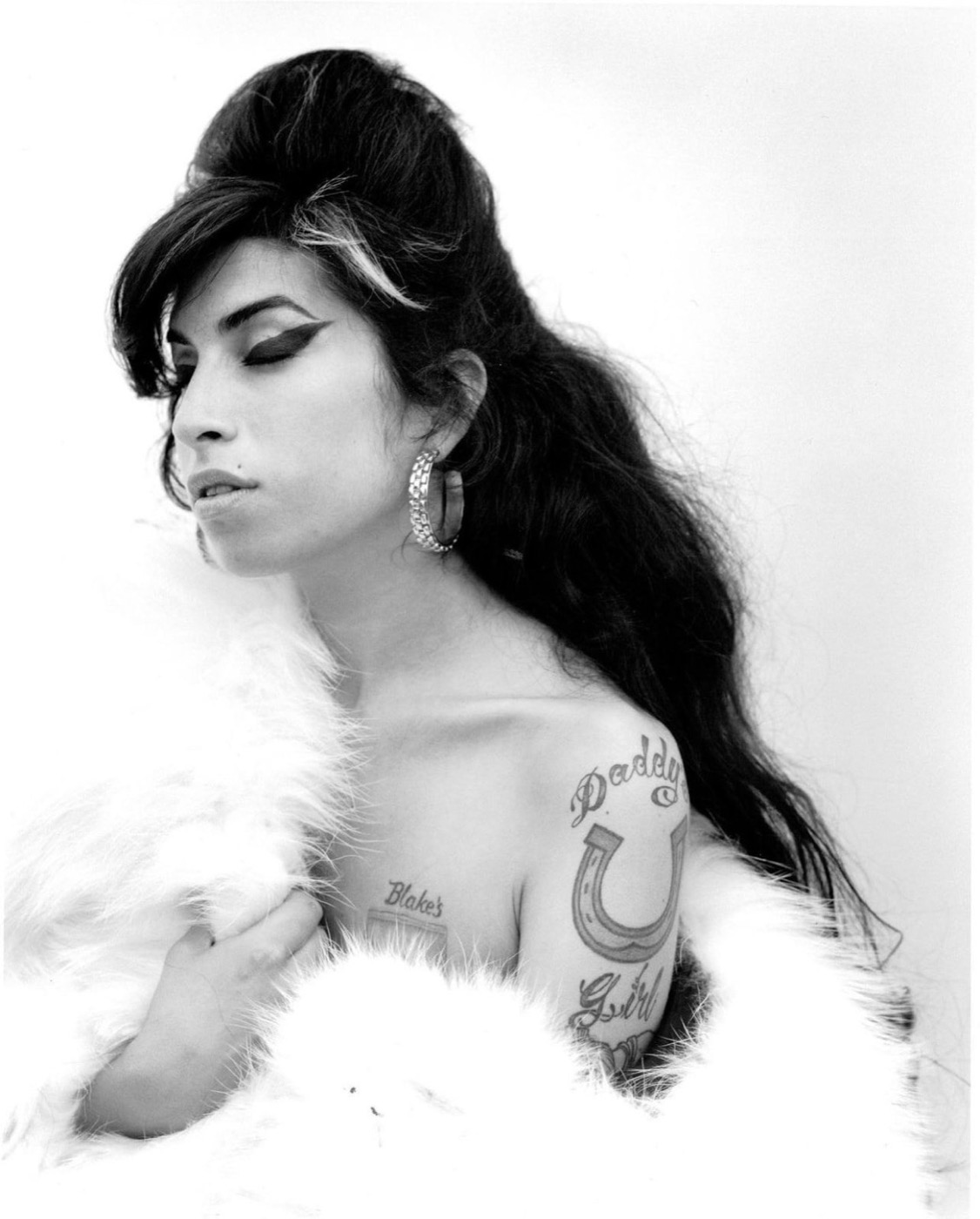 Bruce WeberAmy Winehouse, Miami, Florida, 2007.The horseshoe rides high on her shoulder, its open end turned up to hold what luck it can, and above it the cursive word Daddy’s.
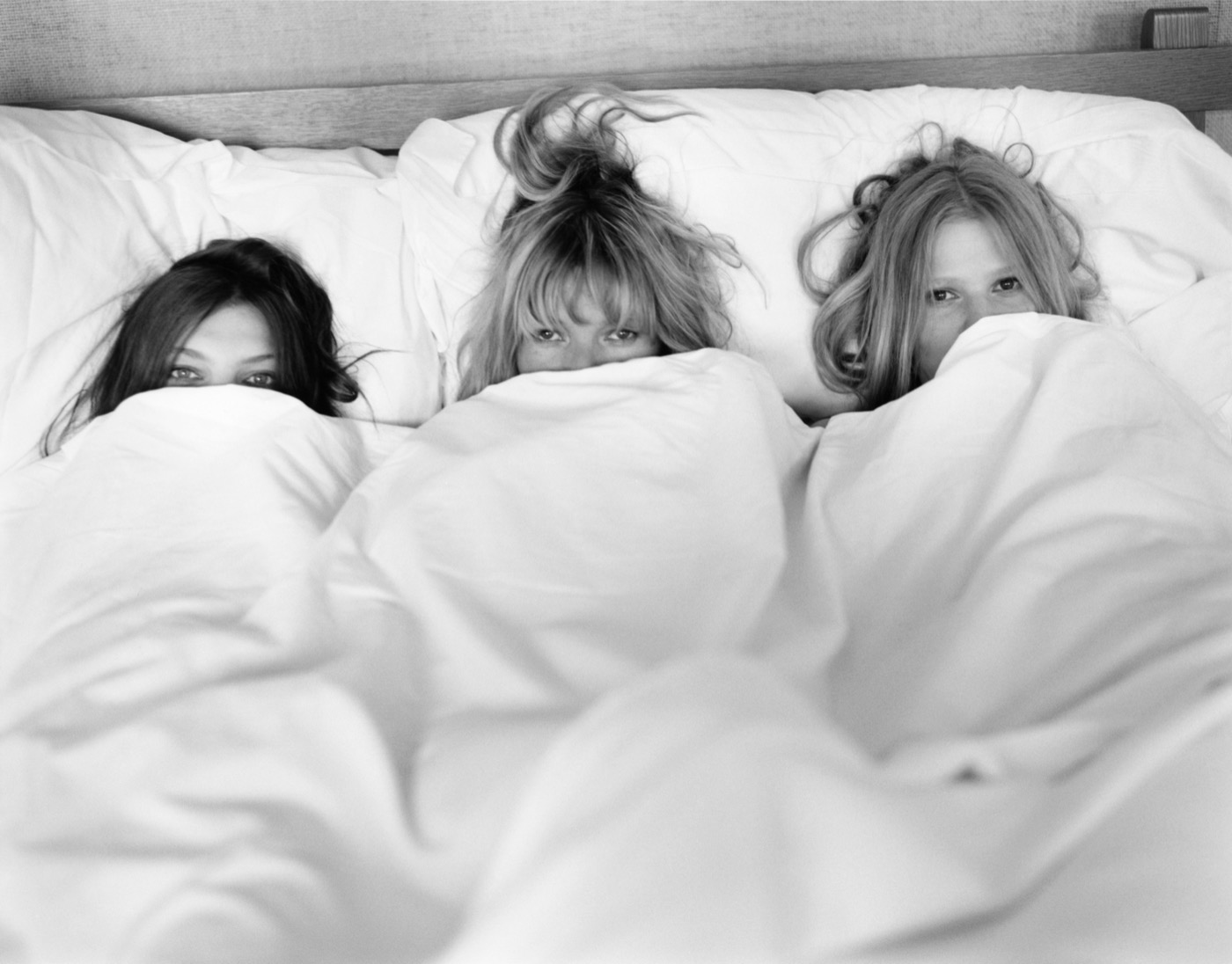 Bruce WeberDaria, Kate and Lara, Miami, Florida, 2008.Two thirds of the frame is nothing but white cotton, a slack landscape of duvet and pillow whose folds carry every gradation the paper can hold, from the bright crest of a wrinkle to its faint grey…
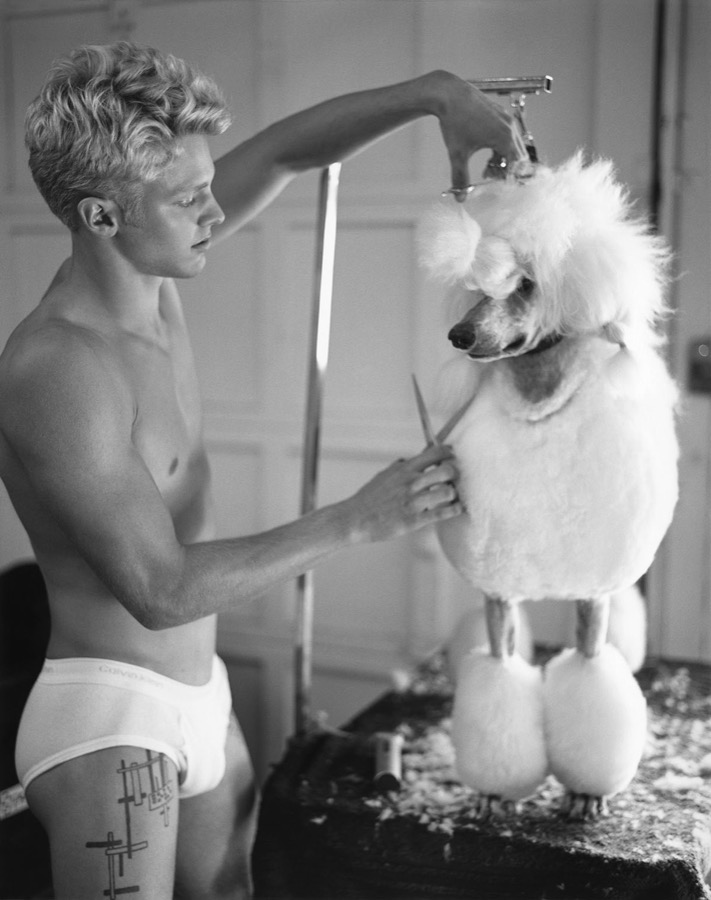 Bruce WeberClark Bockelman grooming a French poodle, Golden Beach, Florida, 2013.The grooming of a show poodle is an old theatre, shears and topiary treating a living animal as a thing to be sculpted, and here it is staged in a Florida room with a bare-chested youth cast as the…
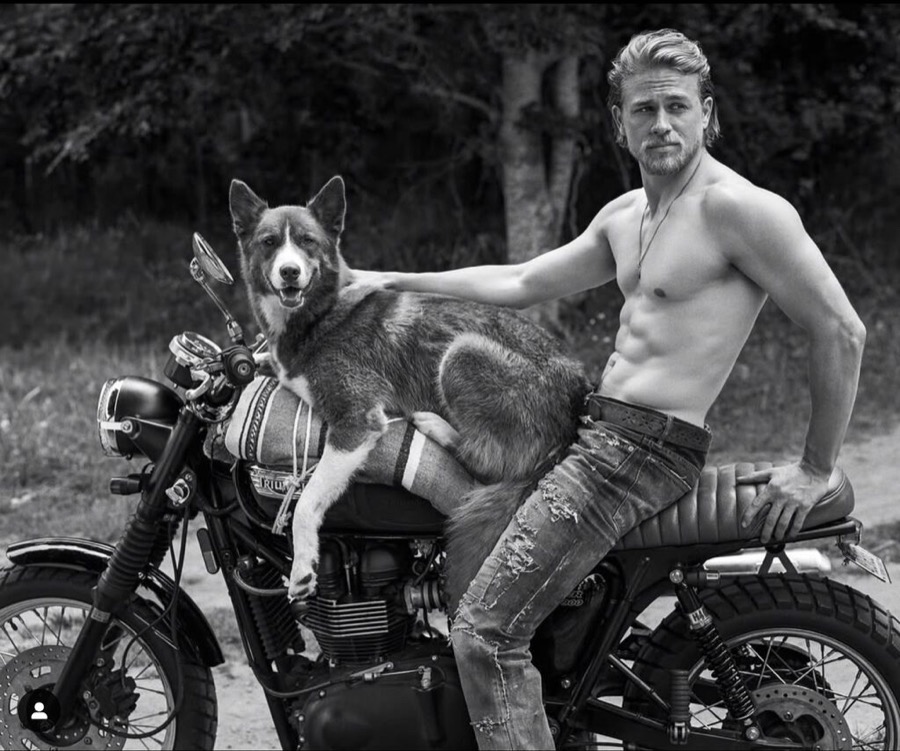 Bruce WeberCharlie Hunnam with Aki, East Hampton, New York, 2014.Nothing here is going anywhere — the motorcycle is a Triumph, built for speed, but its kickstand is down and its rider half-dismounted, leaning against the saddle, one boot in the East Hampton dirt…
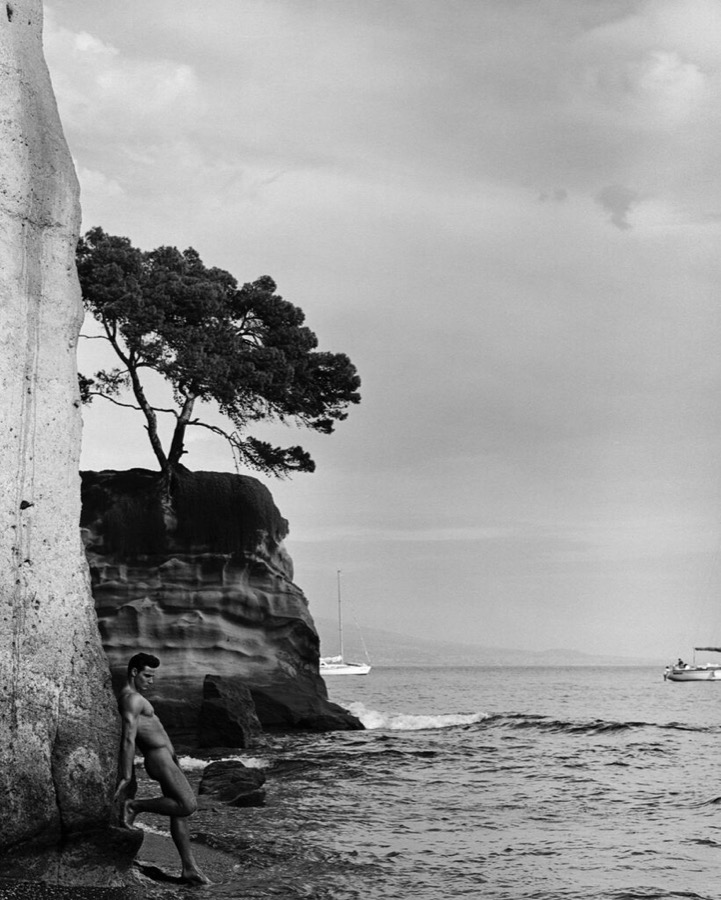 Bruce WeberCapri, 2020.A cliff fills the left third of the frame, pale and sheer.
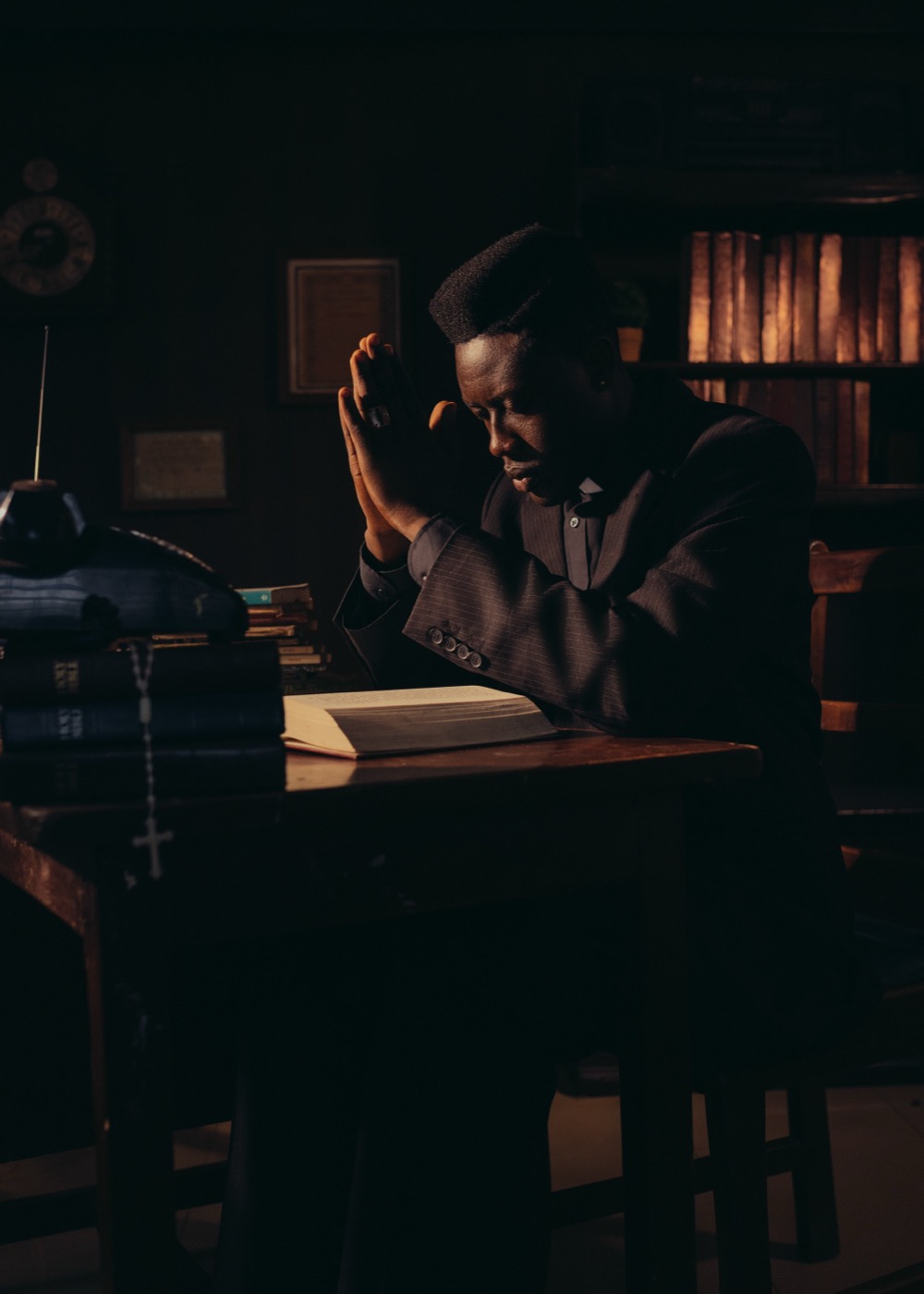 Carlos Idun-TawiahAmen I, Accra, Ghana, 2022.A young man bows over an open book with his palms pressed flat together, fingertips at his lips, his eyes closed.
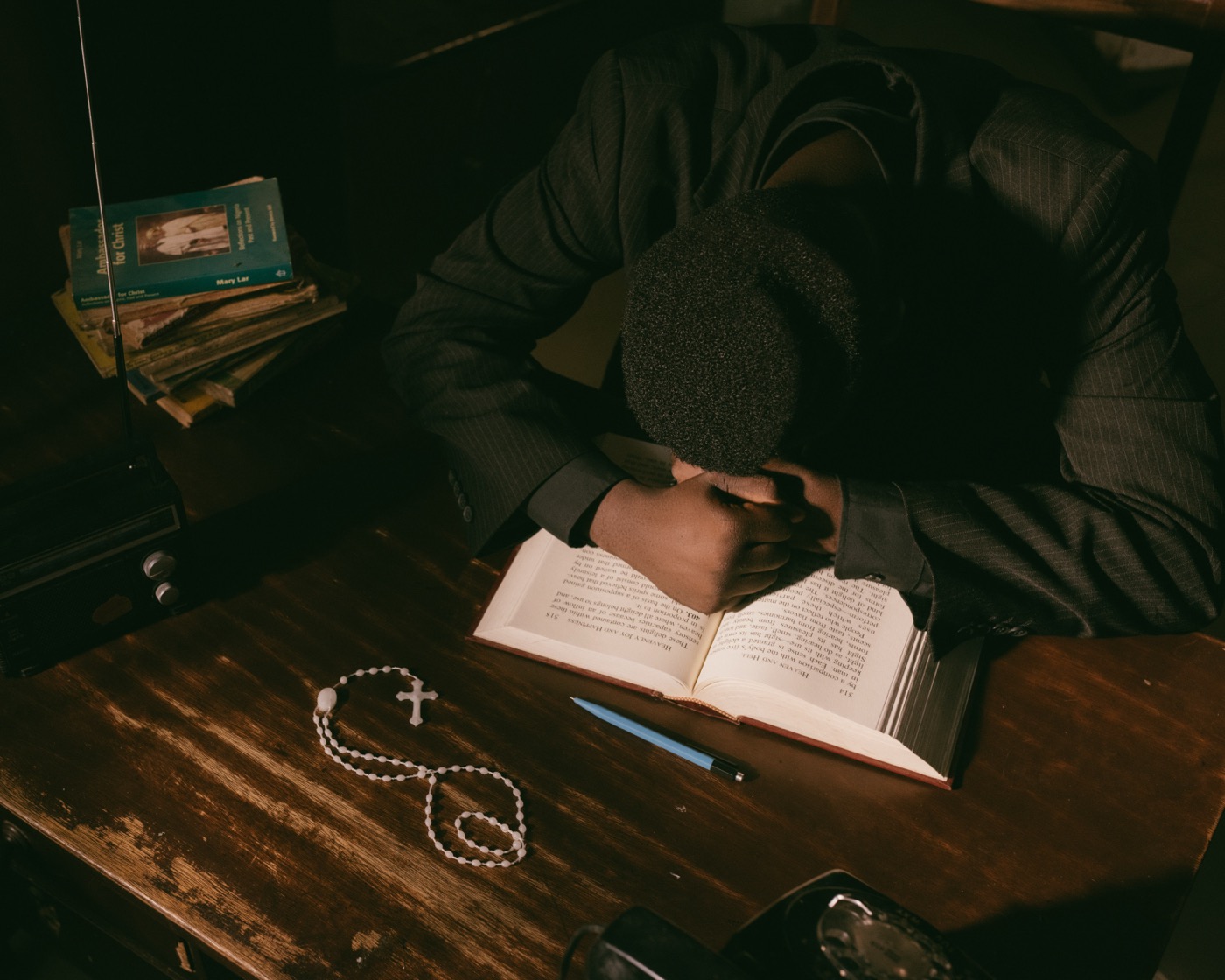 Carlos Idun-TawiahAmen II, Accra, Ghana, 2022.Amen II, Accra, Ghana, 2022 captures an intimate moment of spiritual reflection through Carlos Idun-Tawiah's distinctive vernacular photography style.
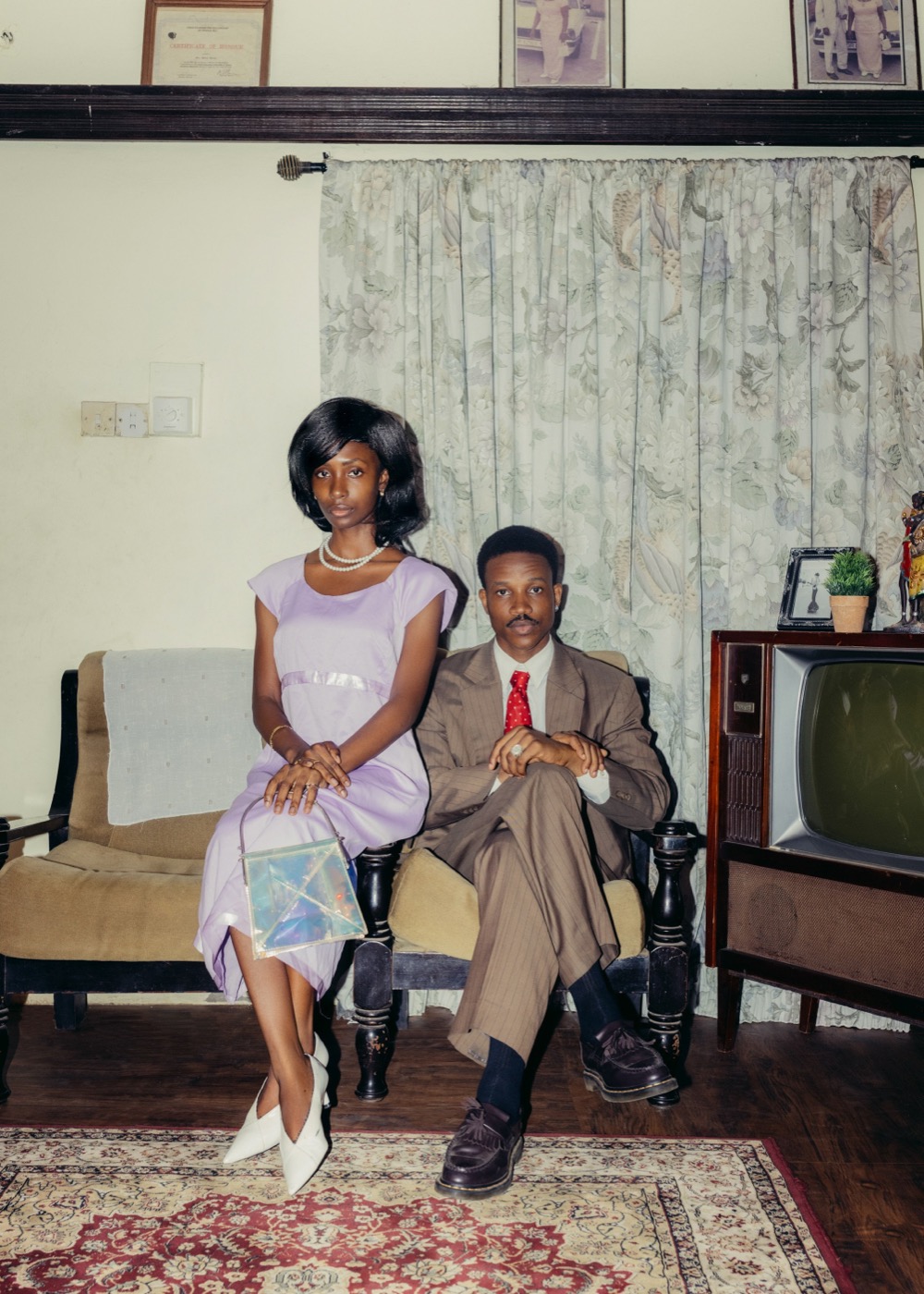 Carlos Idun-TawiahDaddy's Polaroid, Accra, Ghana, 2022.A room in Accra, and two people who have agreed to be looked at.
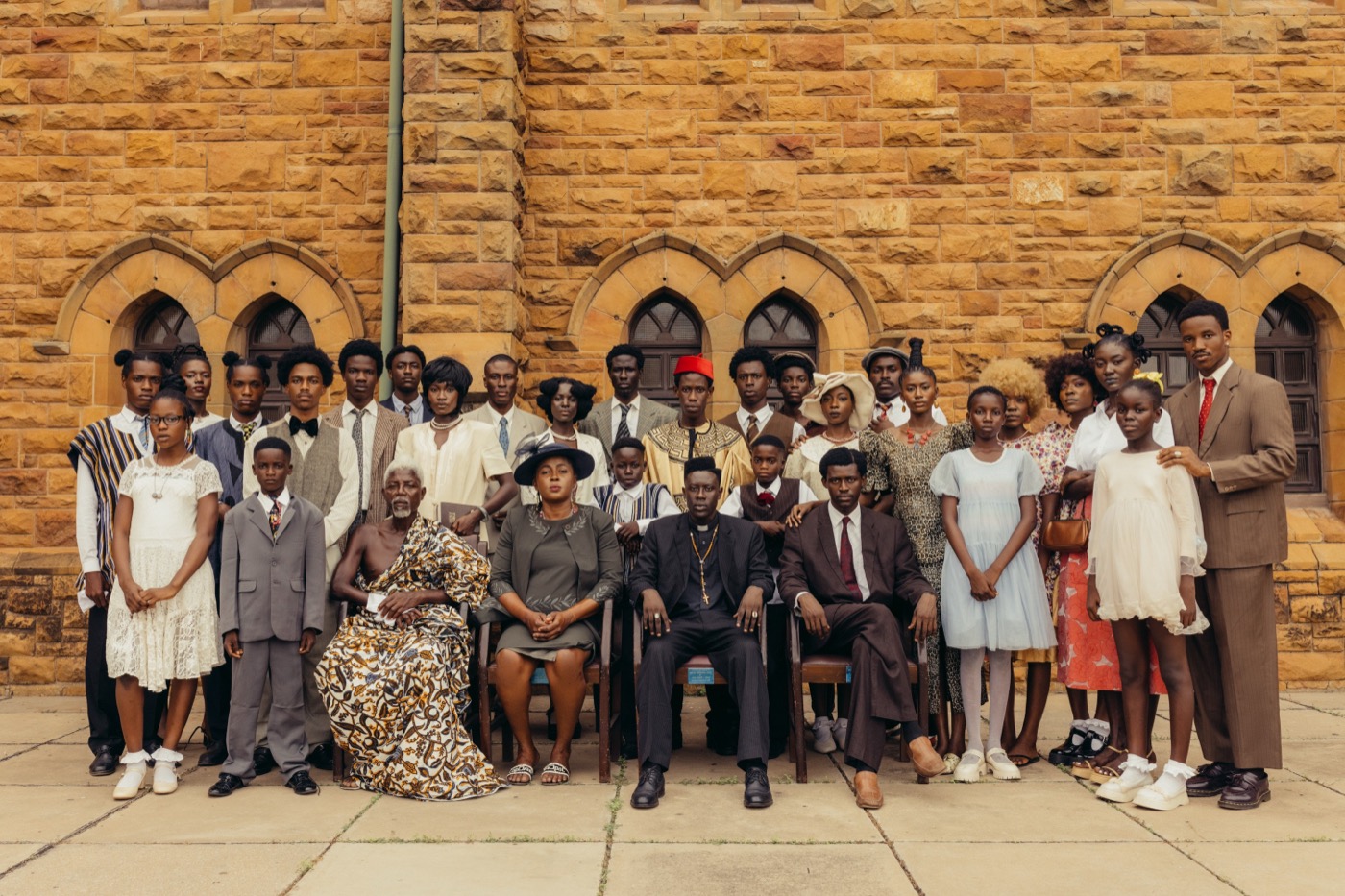 Carlos Idun-TawiahDon't Say Cheese, Accra, Ghana, 2022.A group portrait usually asks for the smile, that small contraction held just long enough for the shutter.
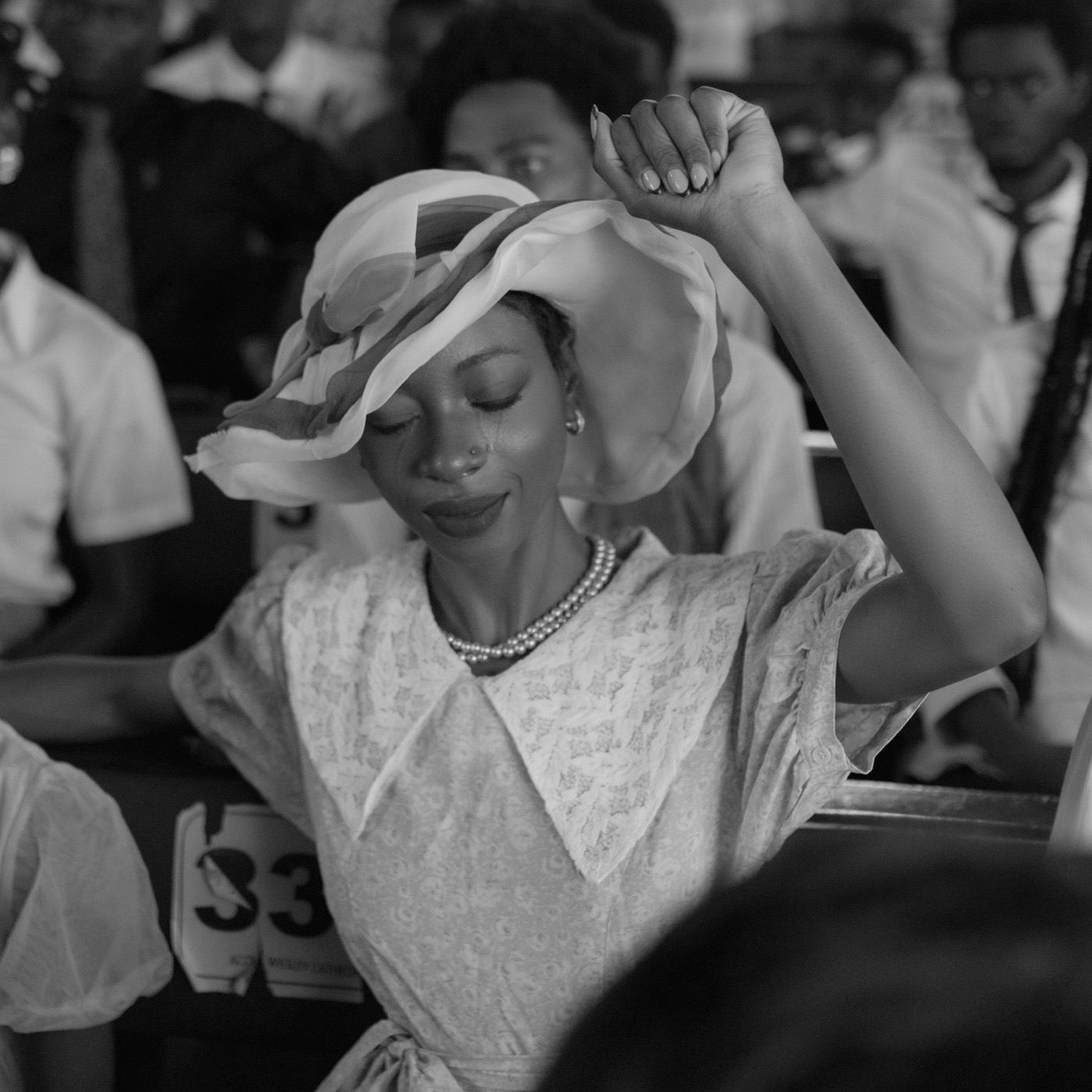 Carlos Idun-TawiahGrace Flows Like a River Accra, Ghana, 2022.A photograph is first a description and only afterward a statement, and this one rewards the distinction.
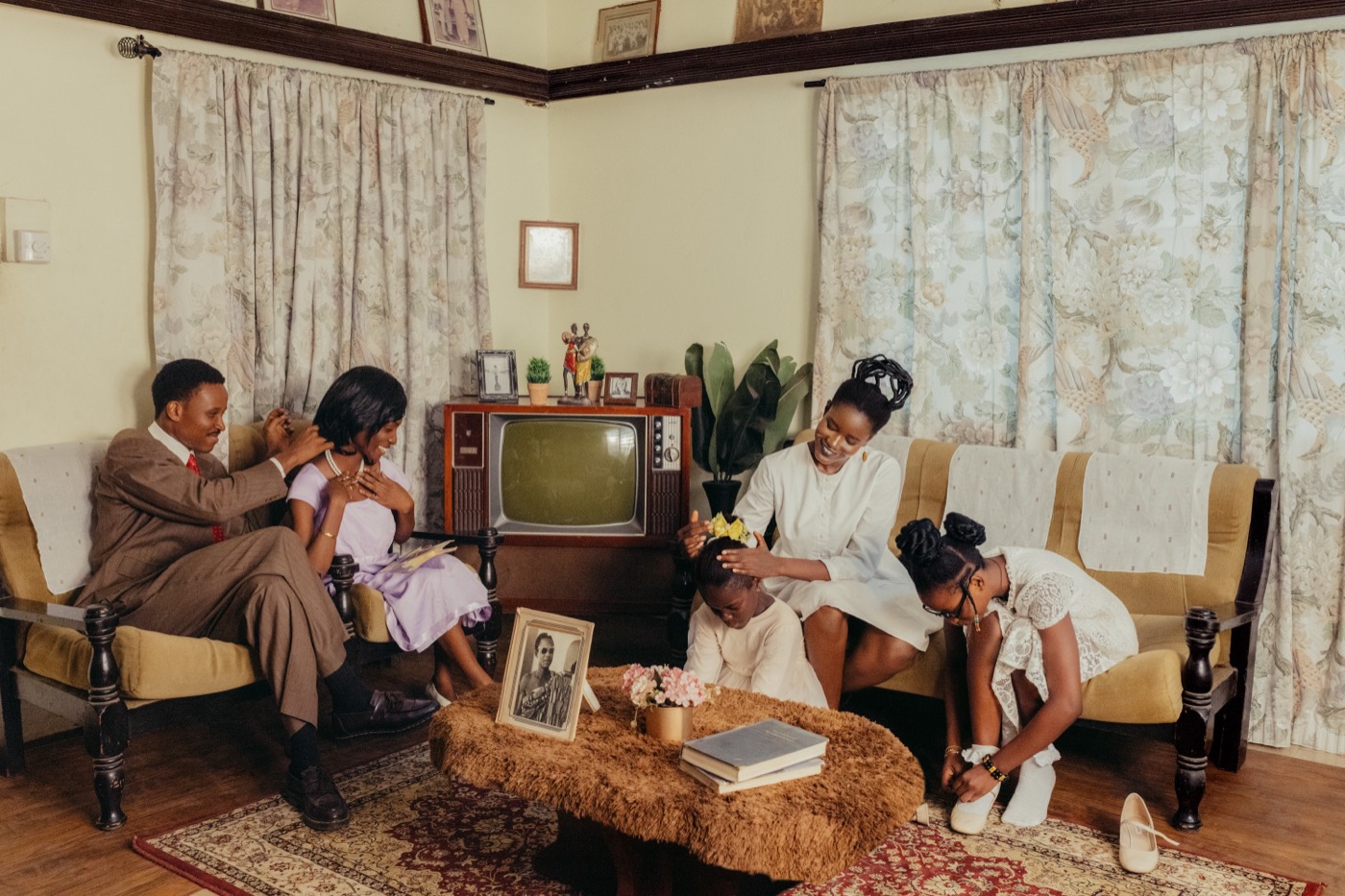 Carlos Idun-TawiahHome Sweet Home, Accra, Ghana, 2022.In Carlos Idun-Tawiah's photograph from his Sunday special series, home transcends its physical walls.
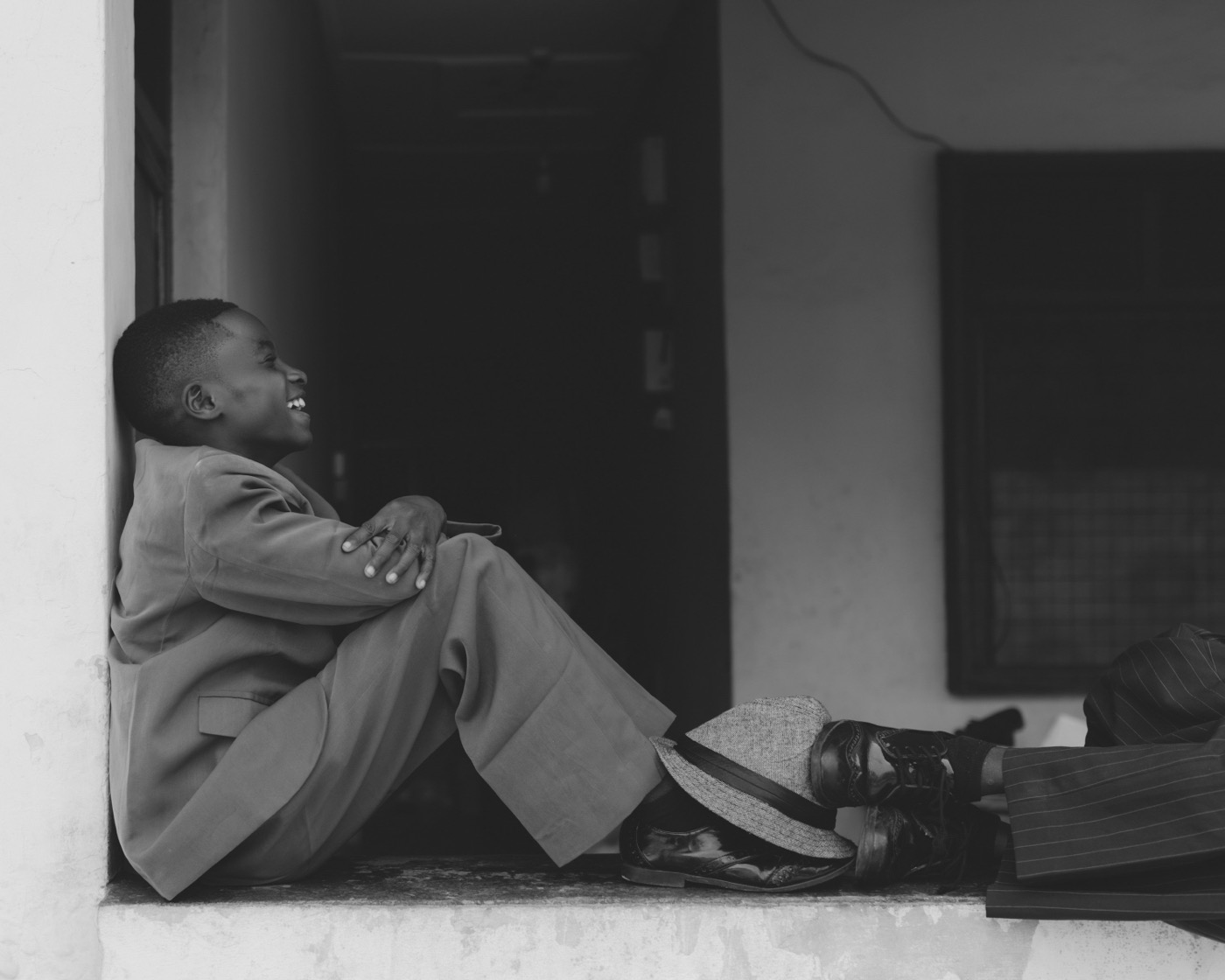 Carlos Idun-TawiahJoy Comes in the Morning, Accra, Ghana, 2022.Chalk and wool, first of all. The wall behind him is whitewashed and scuffed to the grey of old plaster, and against it the suit reads as a single soft expanse of grey flannel, too large by years…
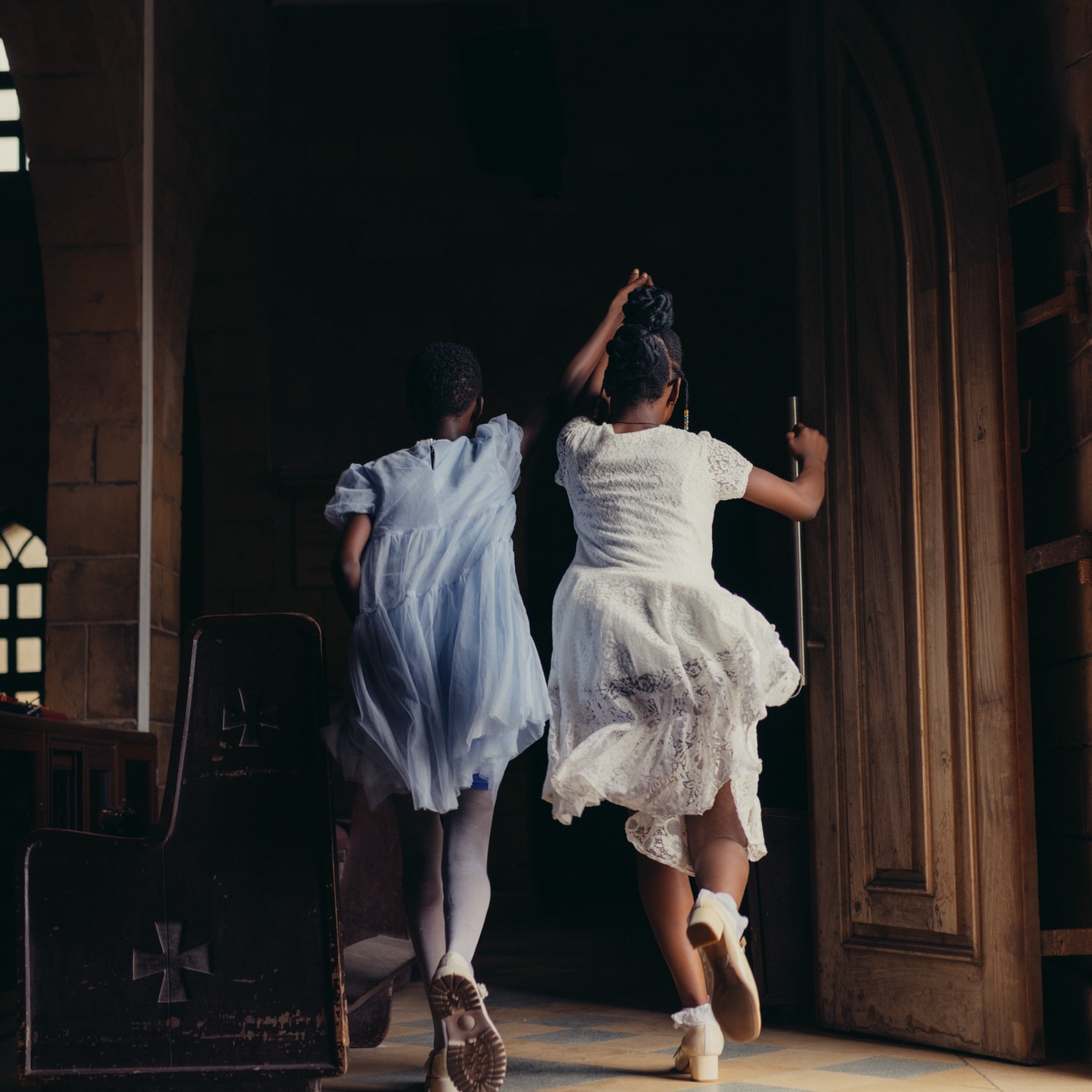 Carlos Idun-TawiahLet the Little Children Come to Me, Accra, Ghana, 2022.A hand has found the edge of the great wooden door and is pushing it open.
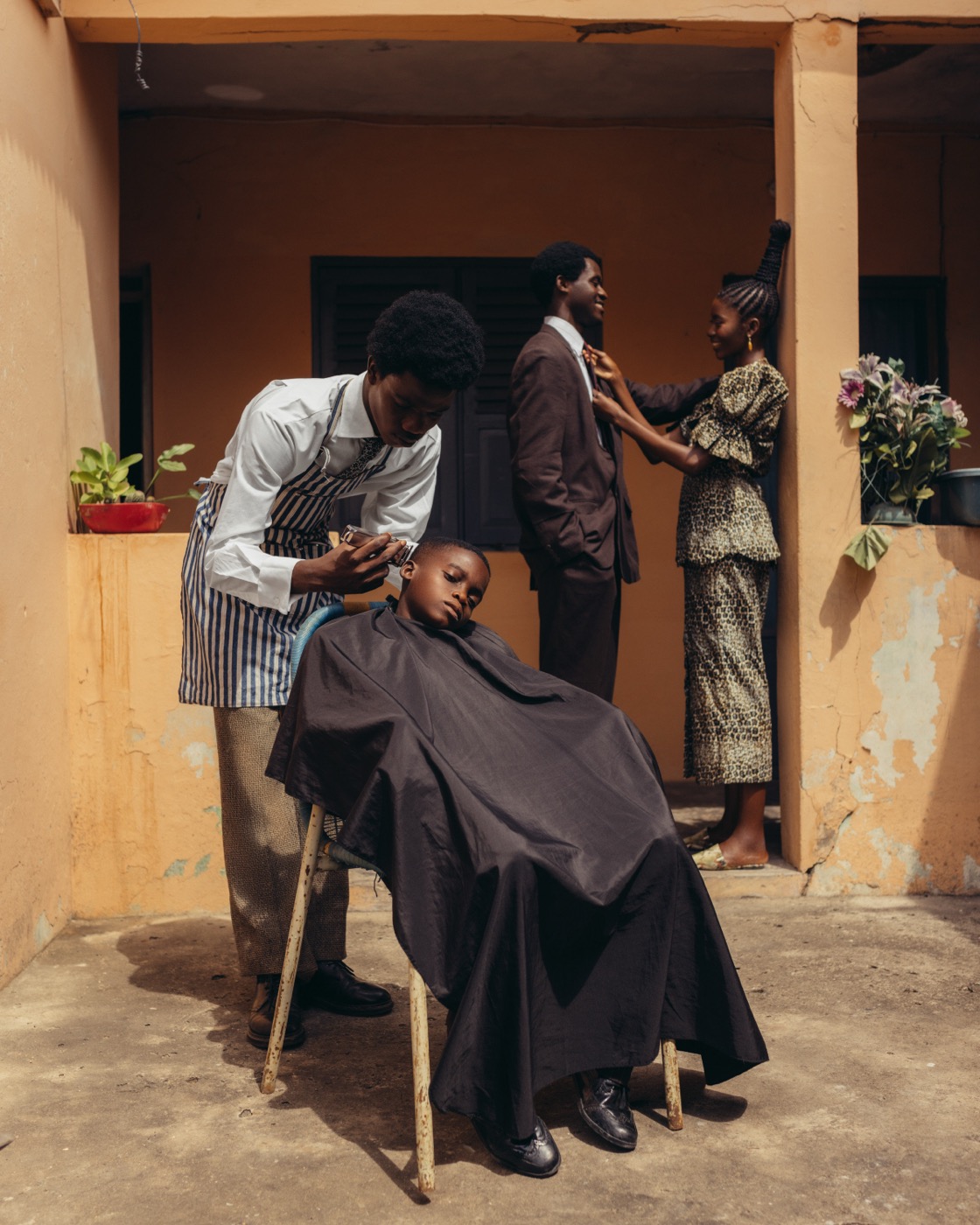 Carlos Idun-TawiahLike Father, Like Son, Accra, Ghana, 2022.A courtyard in Accra, sunlit and softly decaying, becomes a stage for the small labour of becoming presentable.
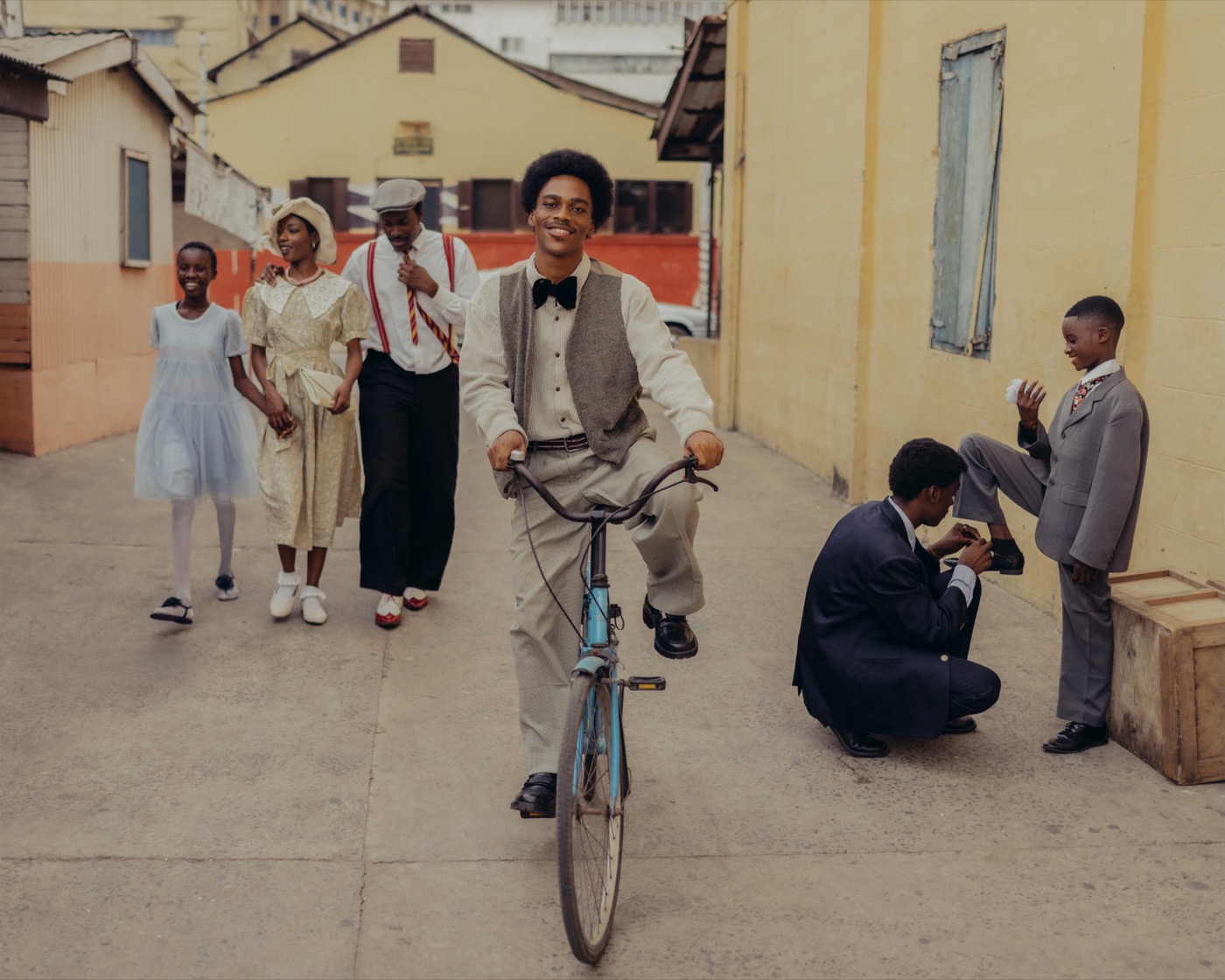 Carlos Idun-TawiahMany Reasons to Live Again, Accra, Ghana, 2022.This photograph is part of a broader effort in my practice to use fiction as a way of returning to the past, and confronting erasure in both the archive and our own memories.
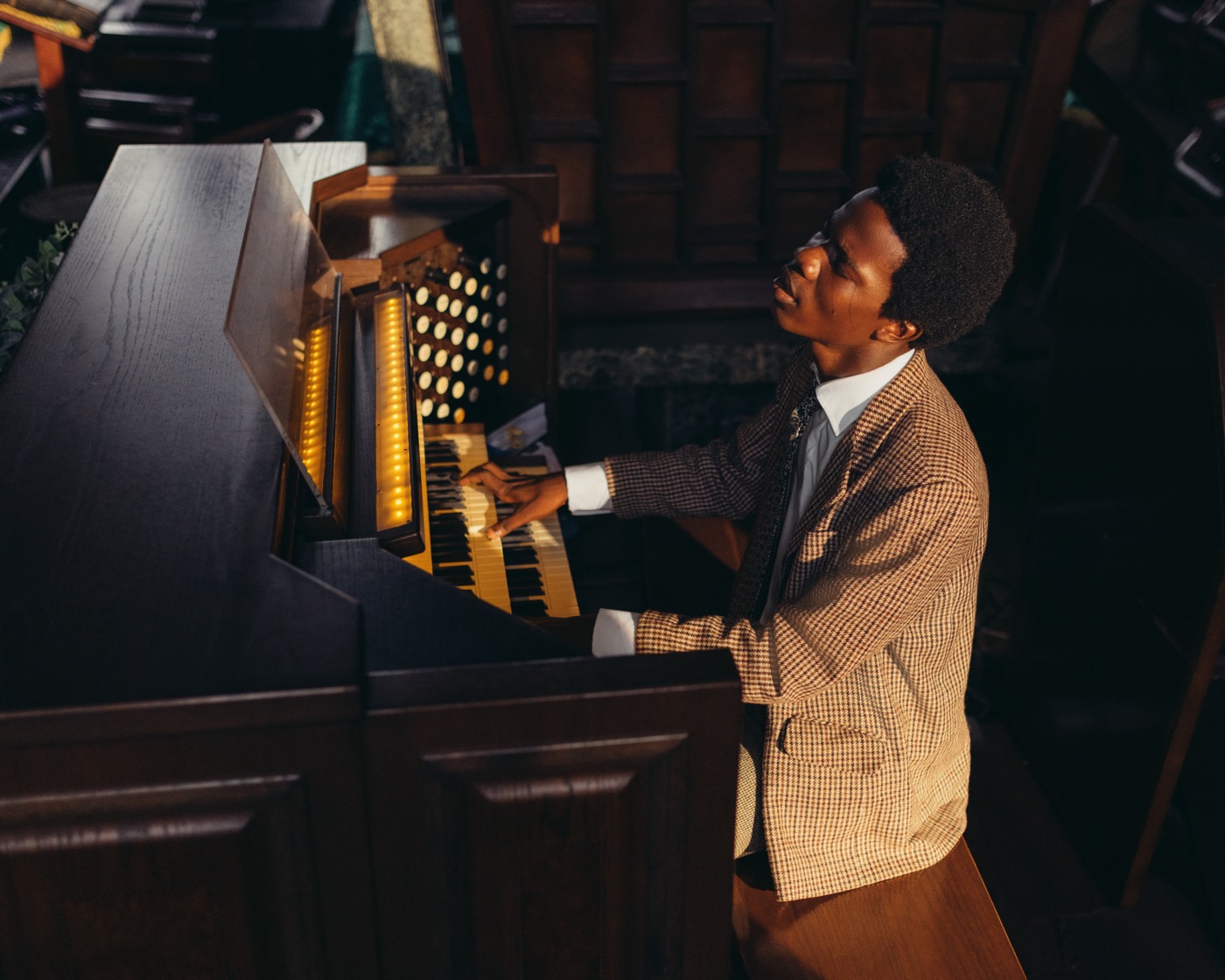 Carlos Idun-TawiahMr Bilson, Play On, Accra, Ghana, 2022.Seen from above and a little behind: a young man at the console of a pipe organ.
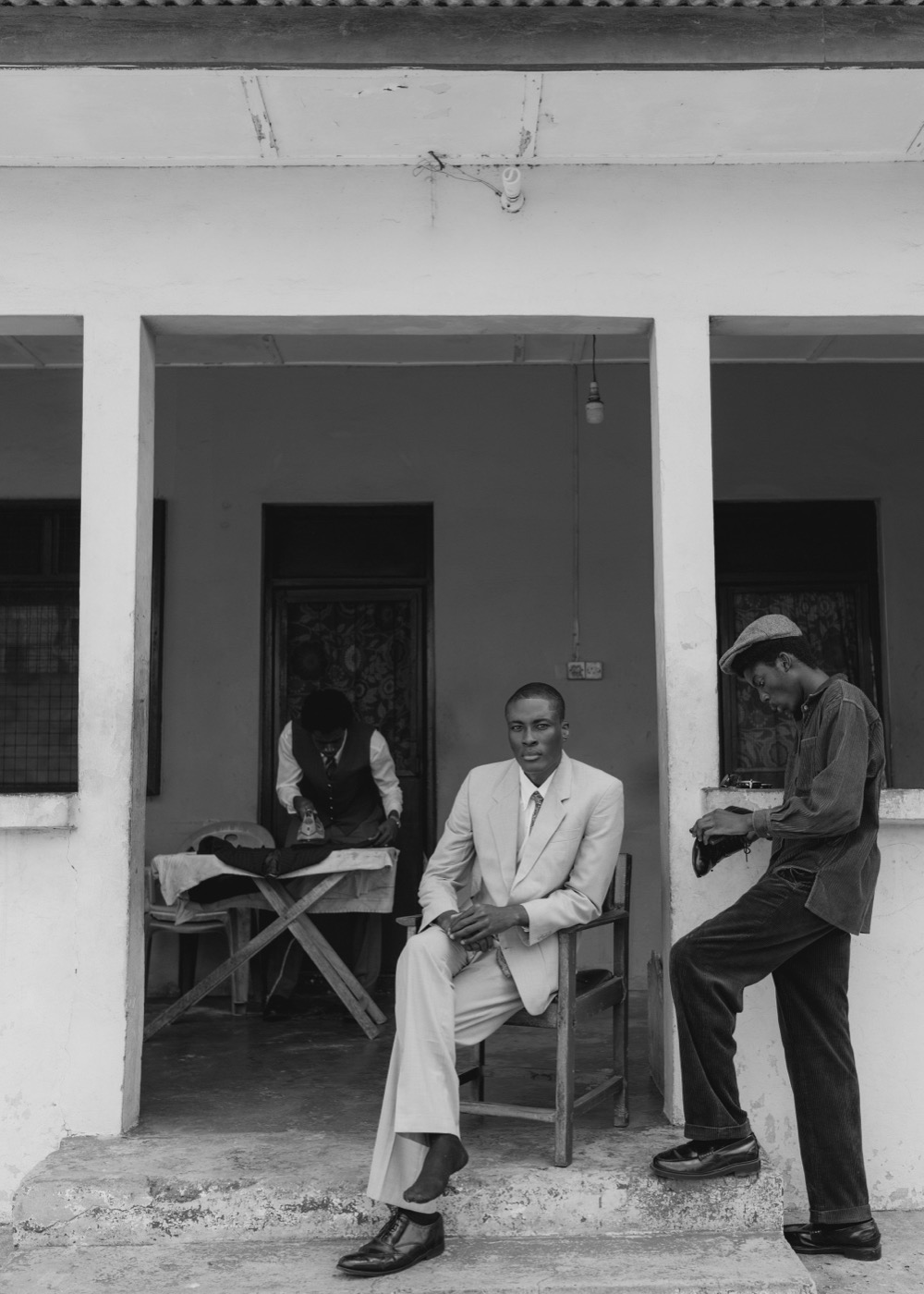 Carlos Idun-TawiahMy House, My Rules, Accra, Ghana, 2022.A whitewashed colonnade in Accra, three pillars carrying a long band of shade, and beyond them a doorway opening onto a patterned dark.
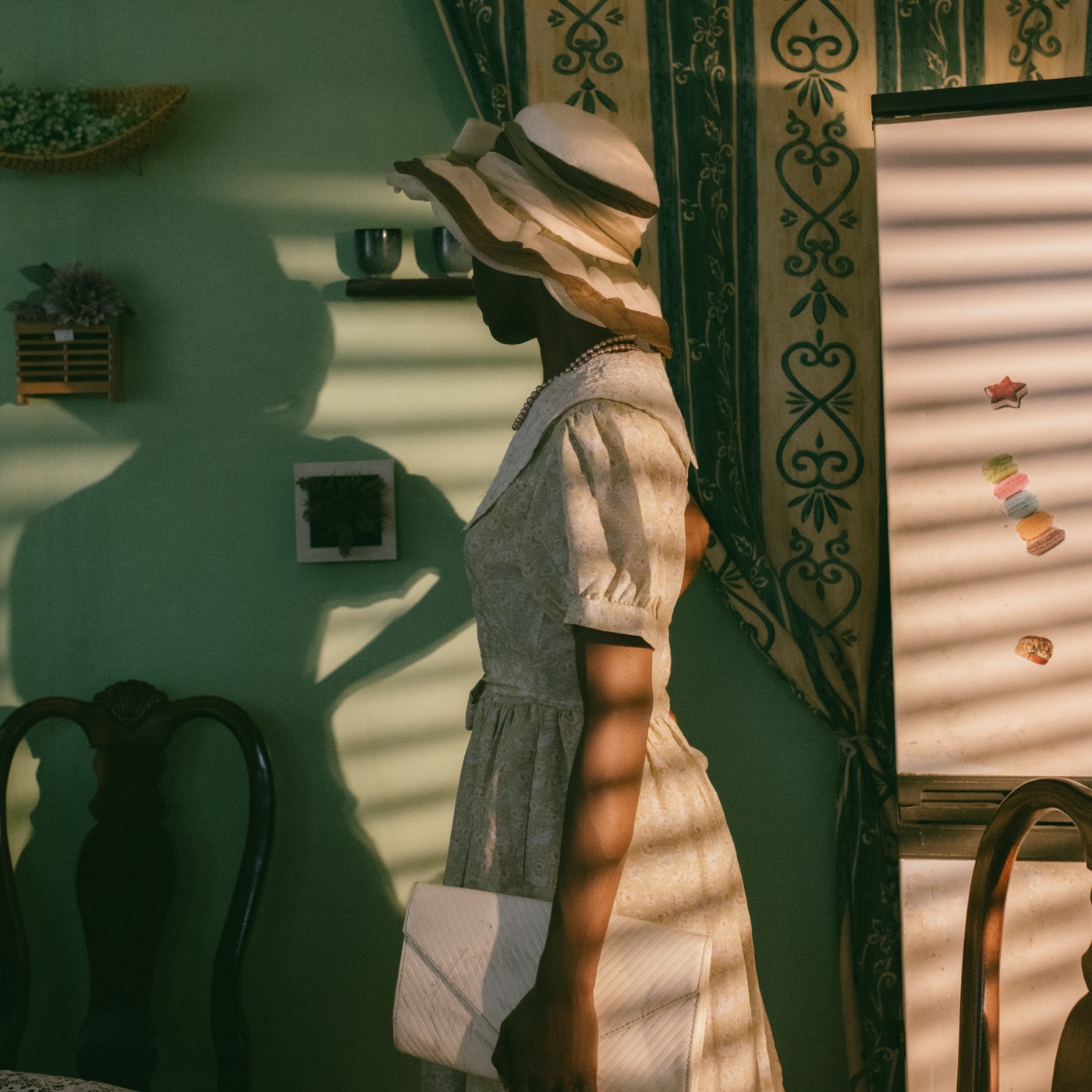 Carlos Idun-TawiahOh Grace, Accra, Ghana, 2022.She does not face us, and that is the first kindness of the picture.
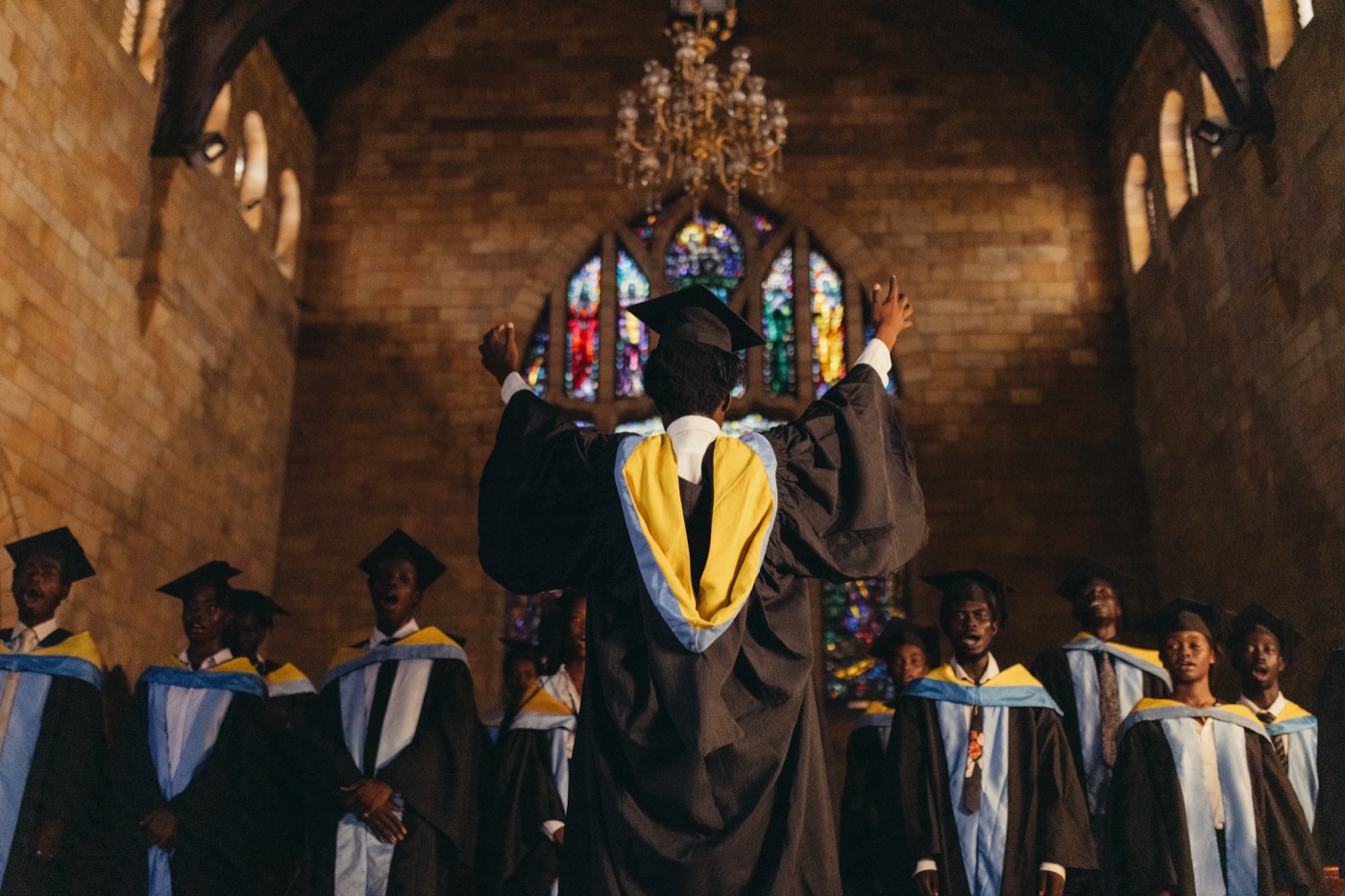 Carlos Idun-TawiahOne Thousand Hallelujahs, One Thousand More, Accra, Ghana, 2022.A stone chapel, a stained-glass window, a chandelier hanging low over everything.
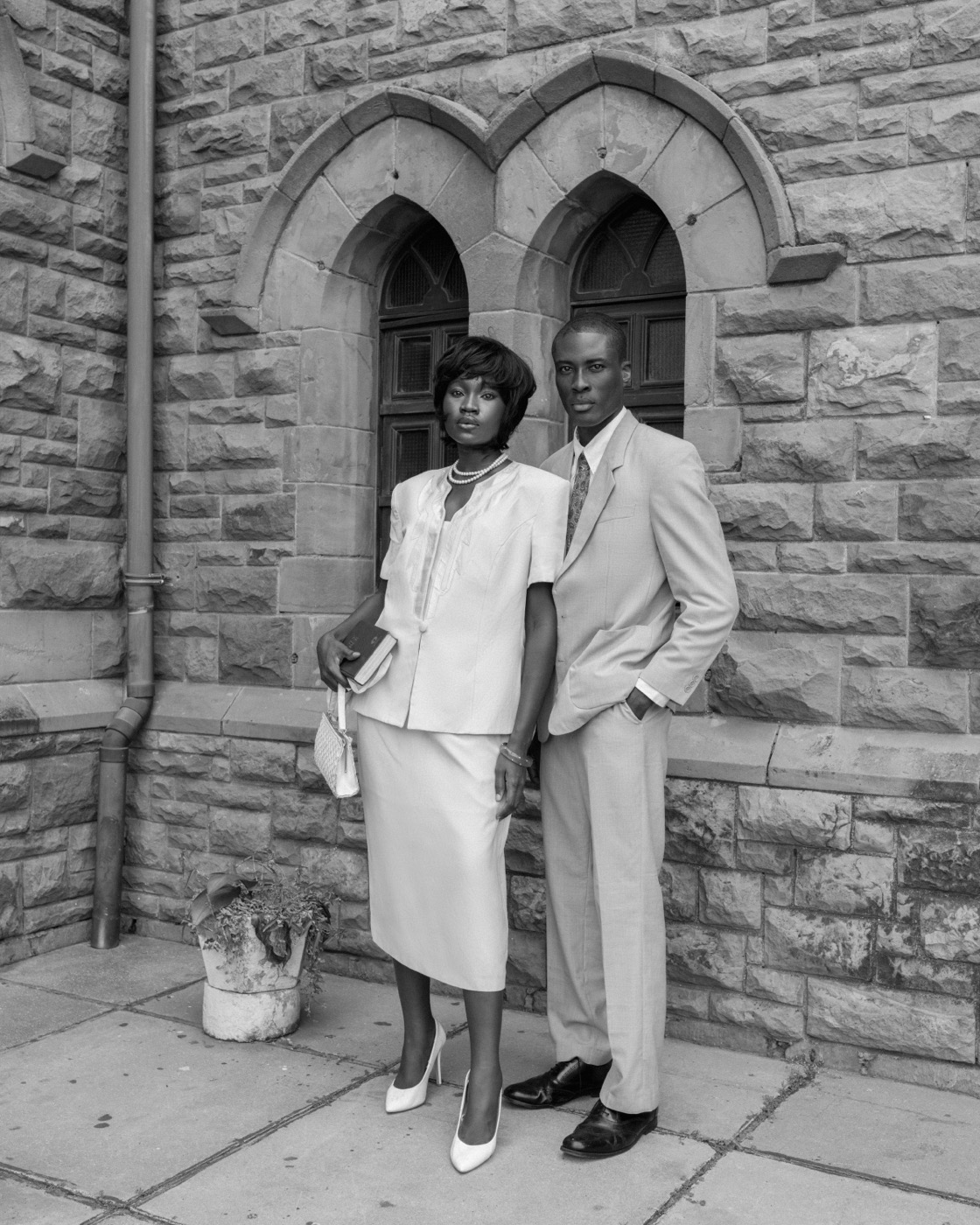 Carlos Idun-TawiahThe Family Photograph I, Accra, Ghana, 2022.The stone comes first. Two pointed arches rise over the doorway, each one filled with dark wood, and the rough-coursed masonry around them holds an even, overcast light, the kind that flatters…
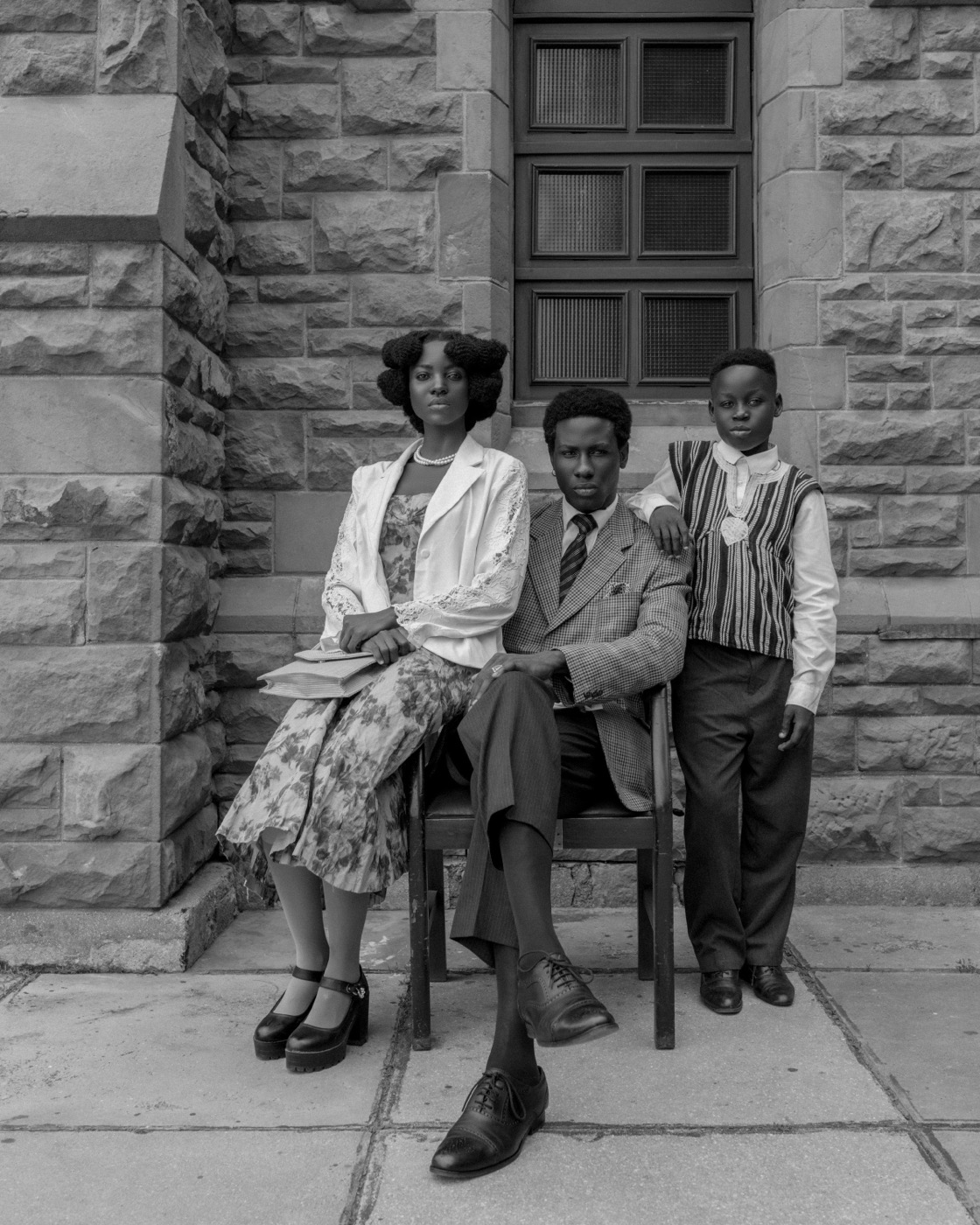 Carlos Idun-TawiahThe Family Photograph II, Accra, Ghana, 2022.The grammar here is the grammar of the studio backdrop, only the studio has been turned inside out.
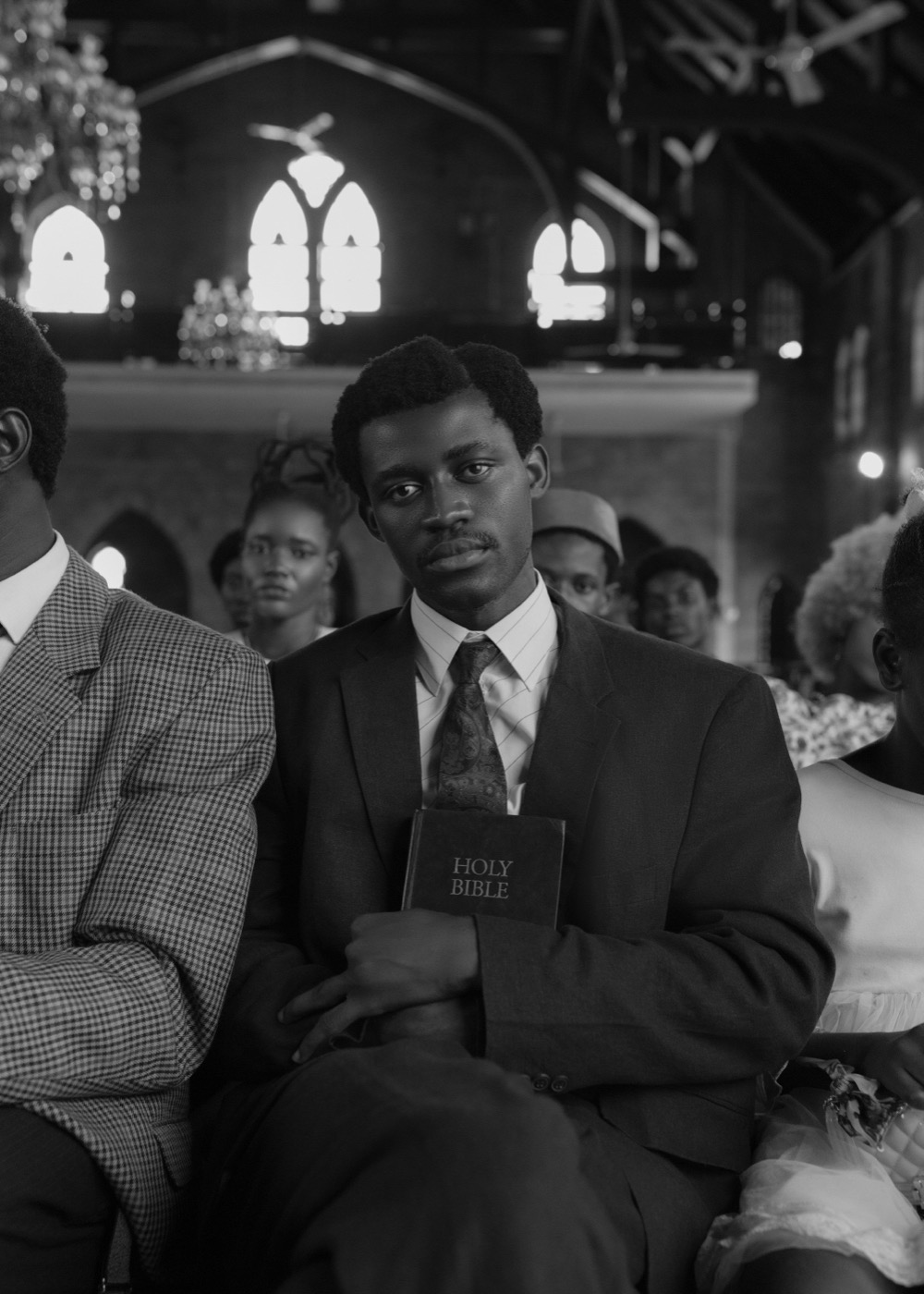 Carlos Idun-TawiahThe Good Book, Accra, Ghana, 2022.What he keeps from us is the book itself.
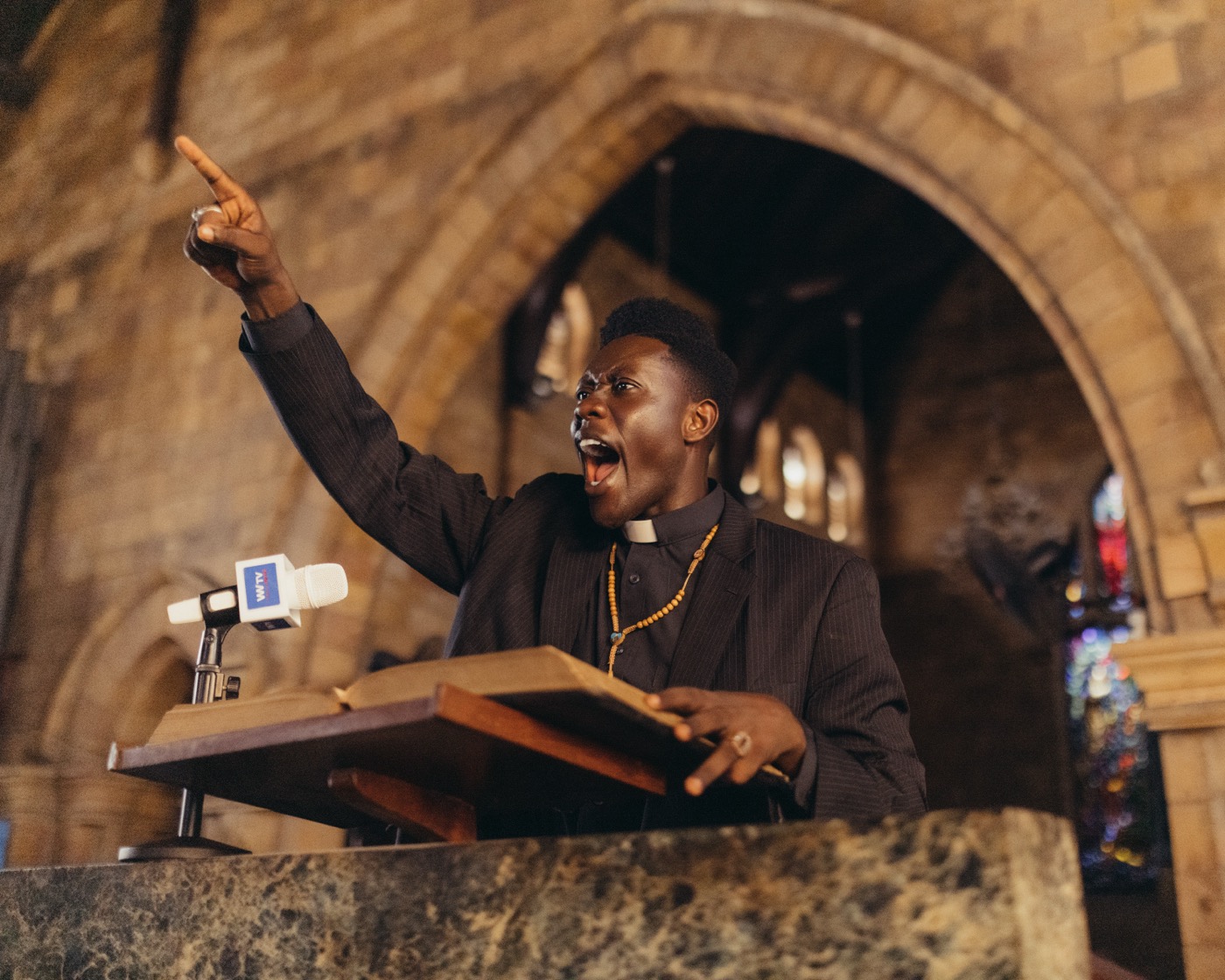 Carlos Idun-TawiahThe Gospel, Accra, Ghana, 2022.A young preacher throws one arm to the heavens, mouth open mid-cry, an open Bible beneath his hand and the stone arches of the church rising into shadow behind him.
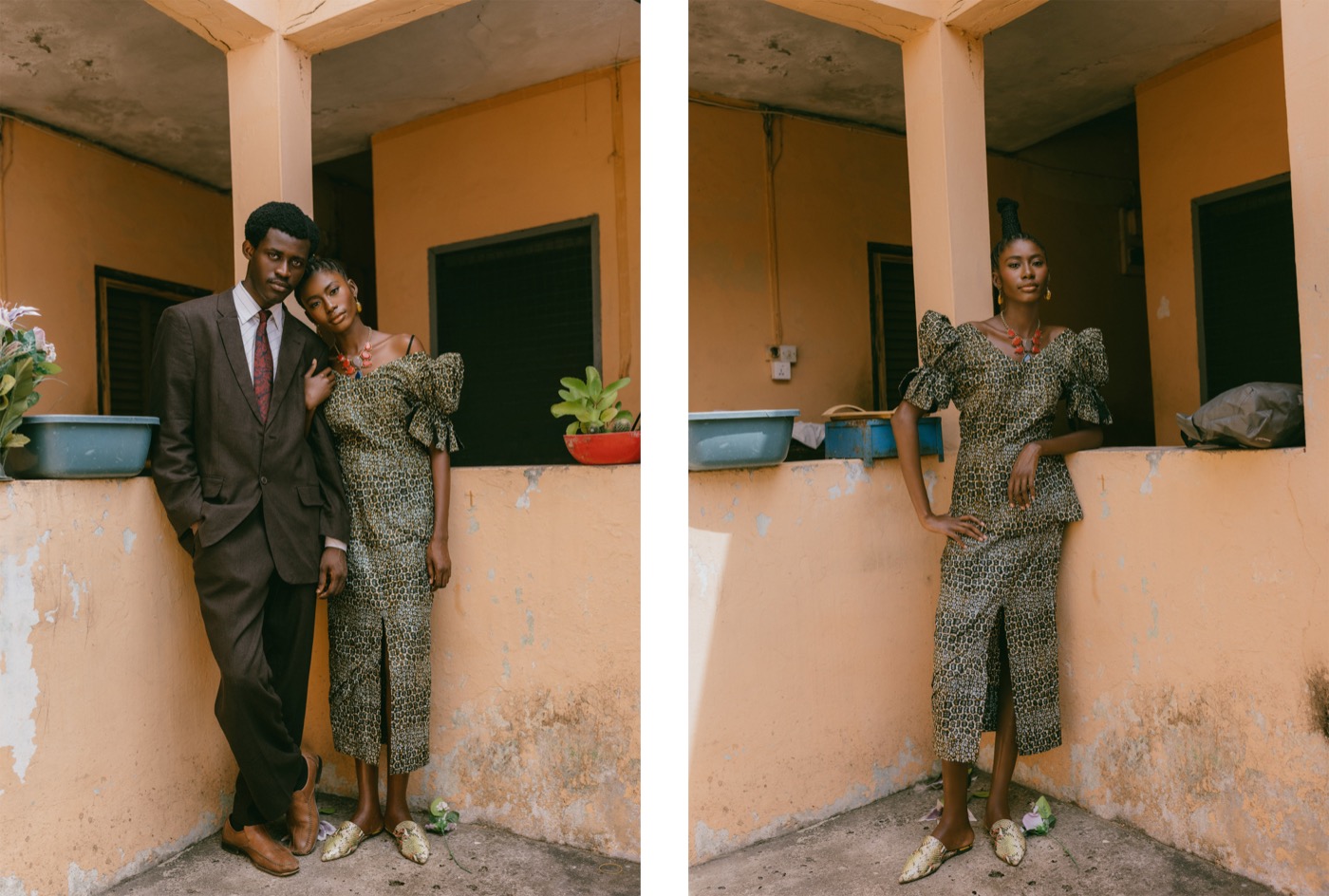 Carlos Idun-TawiahTill Death Do Us Part (Diptych), Accra, Ghana, 2022.In two frames the same courtyard appears twice, and the difference between them is the whole subject.
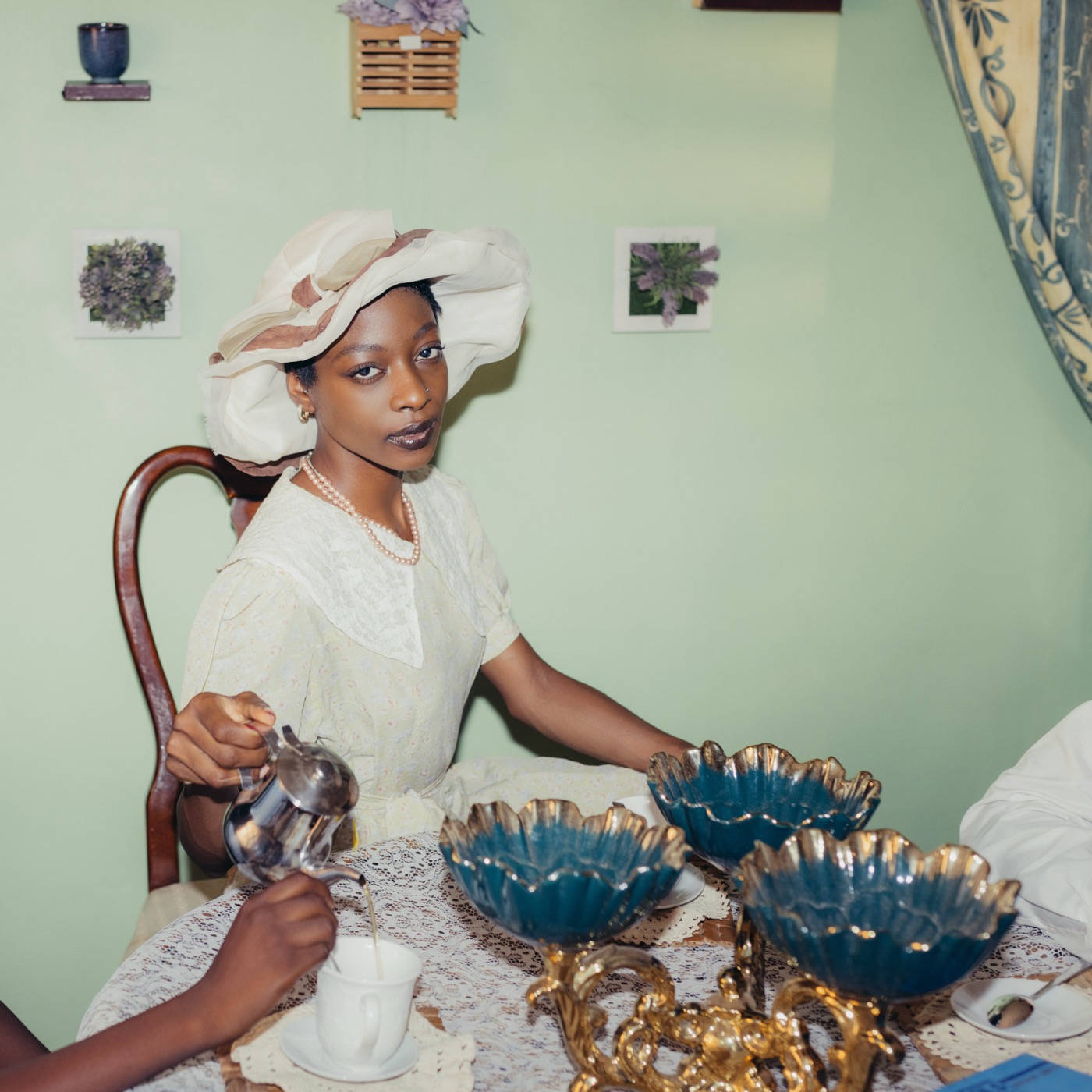 Carlos Idun-TawiahYour Cup of Tea, Accra, Ghana, 2022.She is the one being served, yet her own hand rests on the silver pot, mid-pour into a single white cup at the table's lip — the gesture that organizes the whole picture.
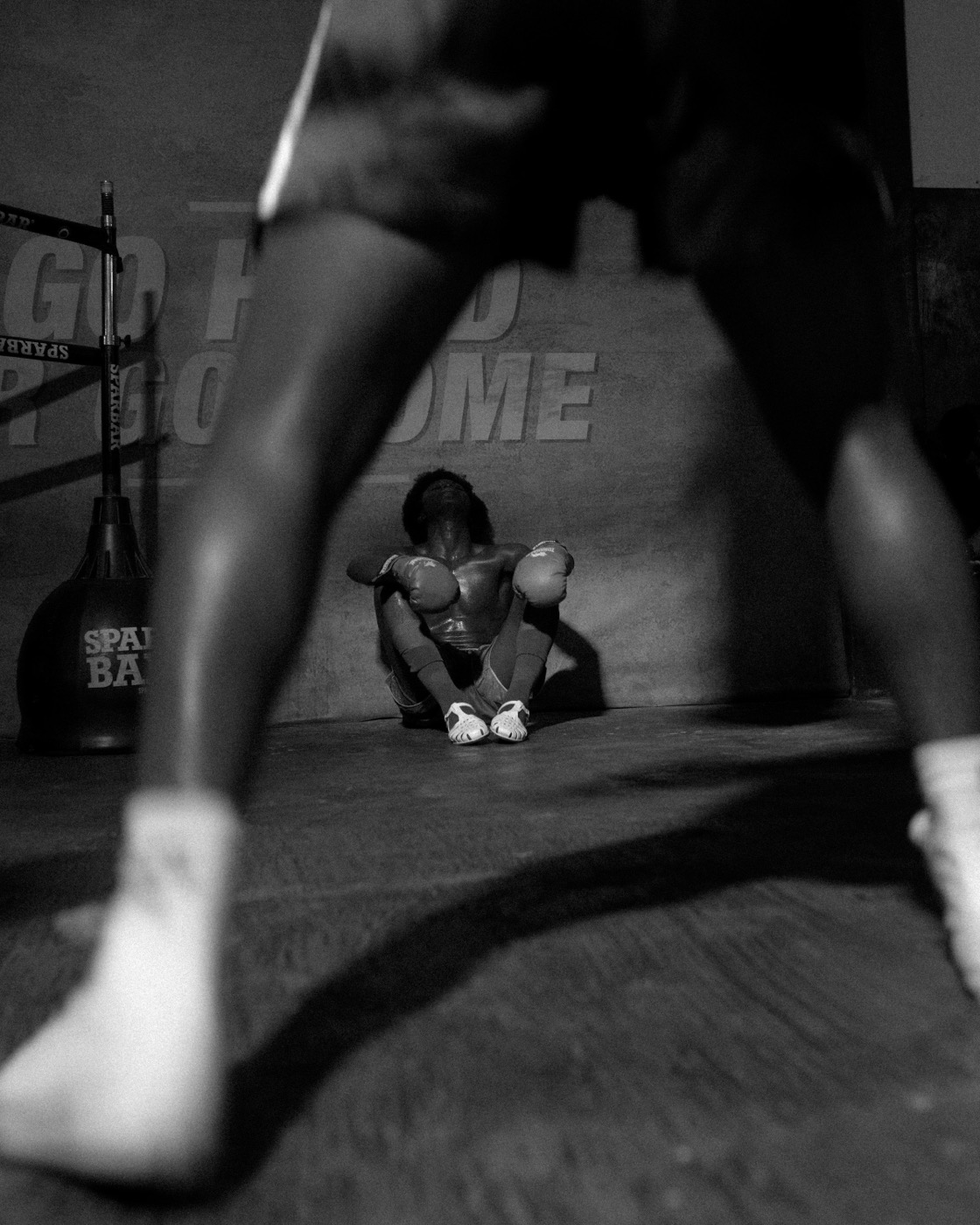 Carlos Idun-TawiahBrothers Fight, Accra, Ghana, 2023.To photograph a fighter at rest is to photograph the cost of the thing we came to watch.
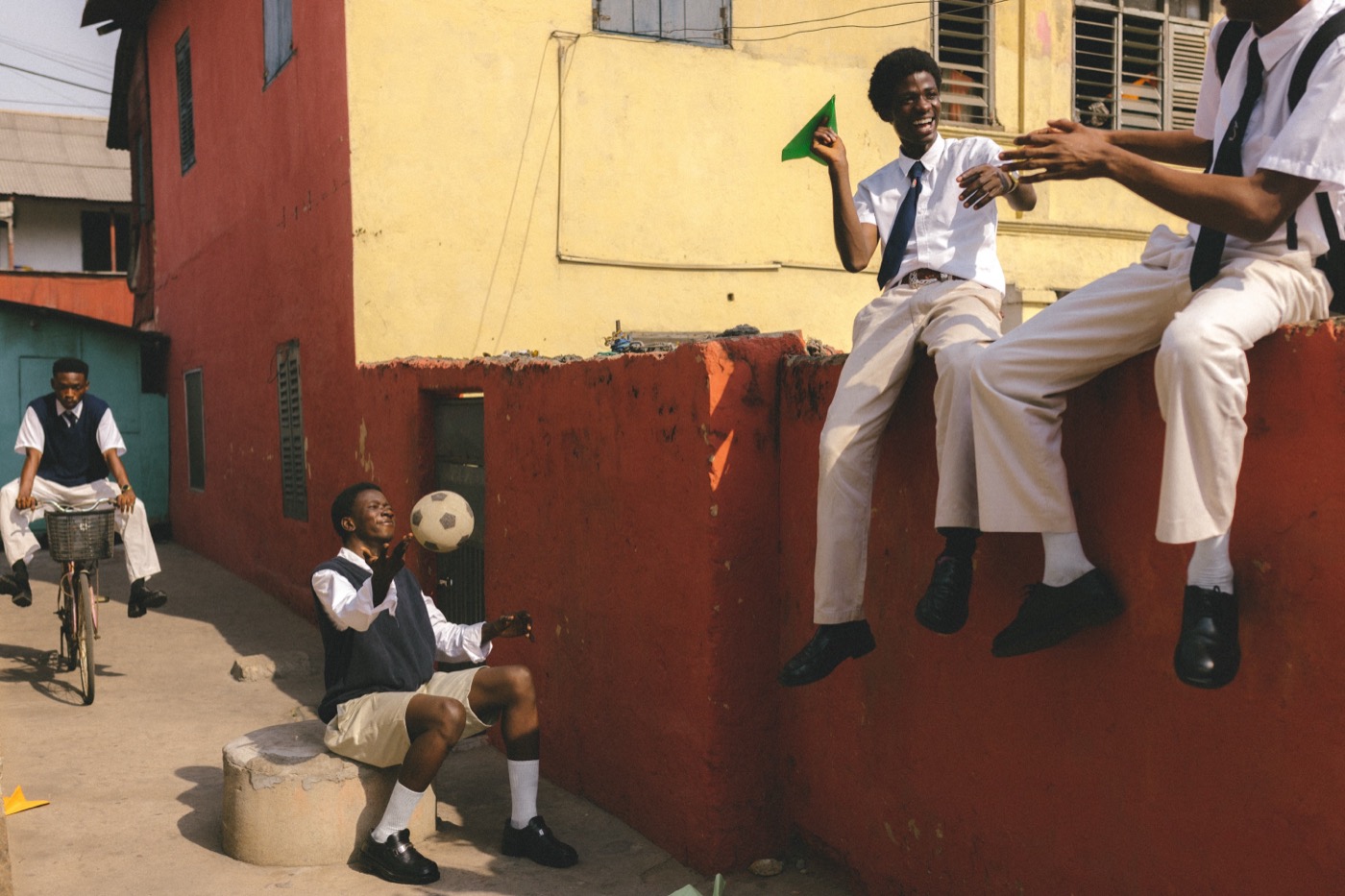 Carlos Idun-TawiahCan we Take the Long Way Home? II, Accra, Ghana, 2023.A low red wall crosses the picture like a stave, and the boys are placed against it like notes.
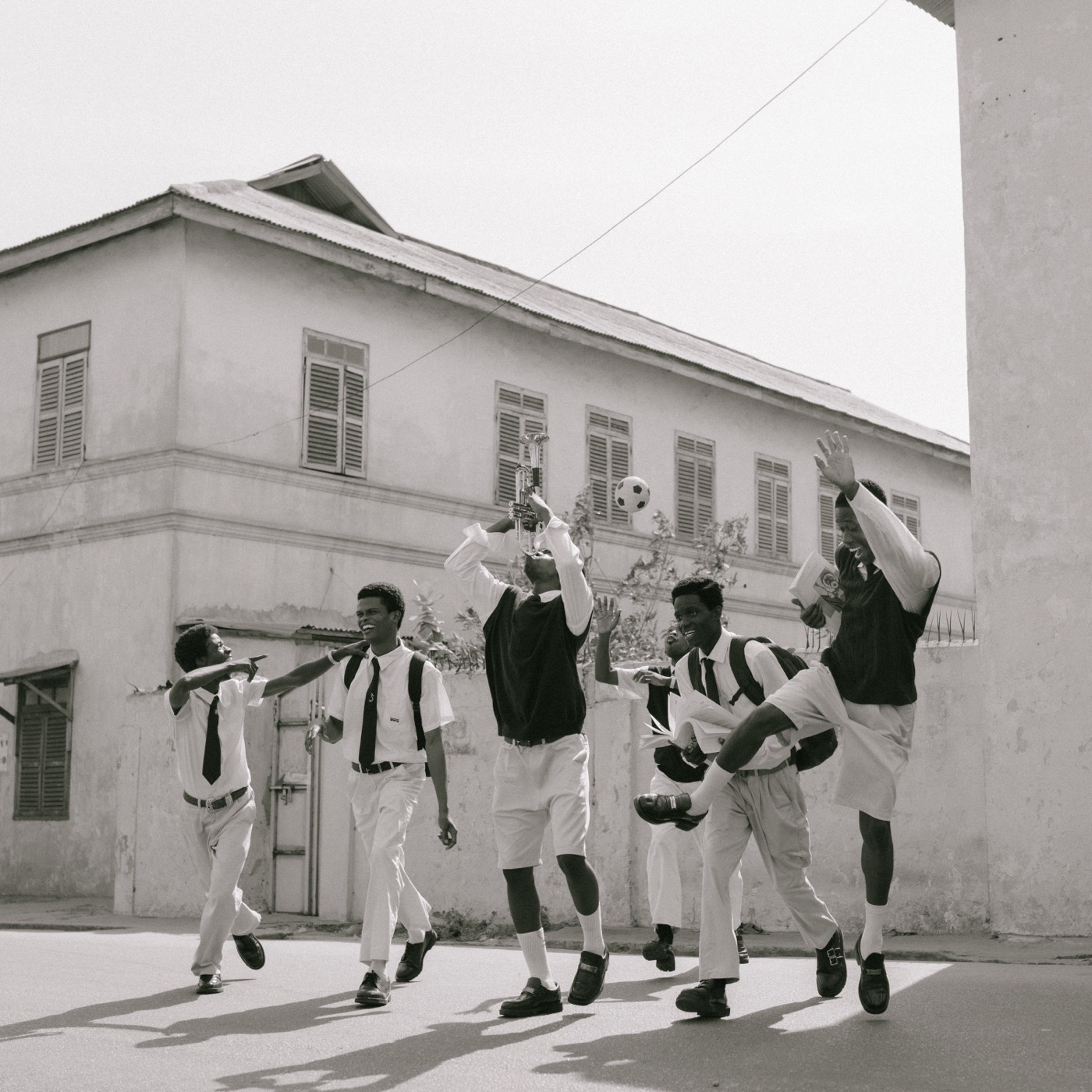 Carlos Idun-TawiahCan we Take the Long Way Home?, Accra, Ghana, 2023.A white soccer ball hangs against the chalky façade, exactly at the apex of its arc, and the whole frame is built to hold it there.
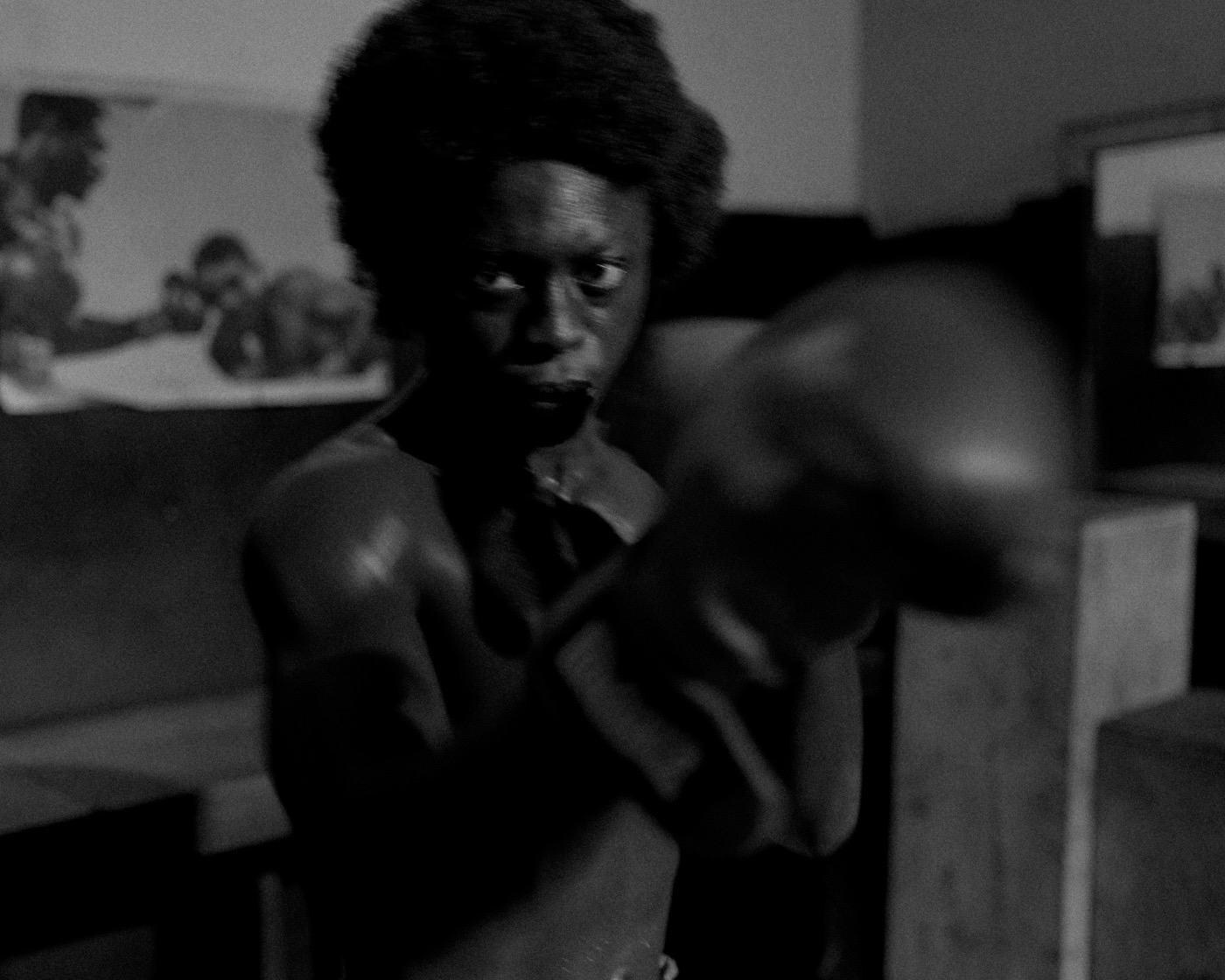 Carlos Idun-TawiahFight Night, Accra, Ghana, 2023.Carlos Idun-Tawiah’s photograph from the series “Boys Will Be Boys: Fight Night, Accra, Ghana, 2023” vibrates with raw immediacy and nostalgia, immersing viewers in the pulse of youth.
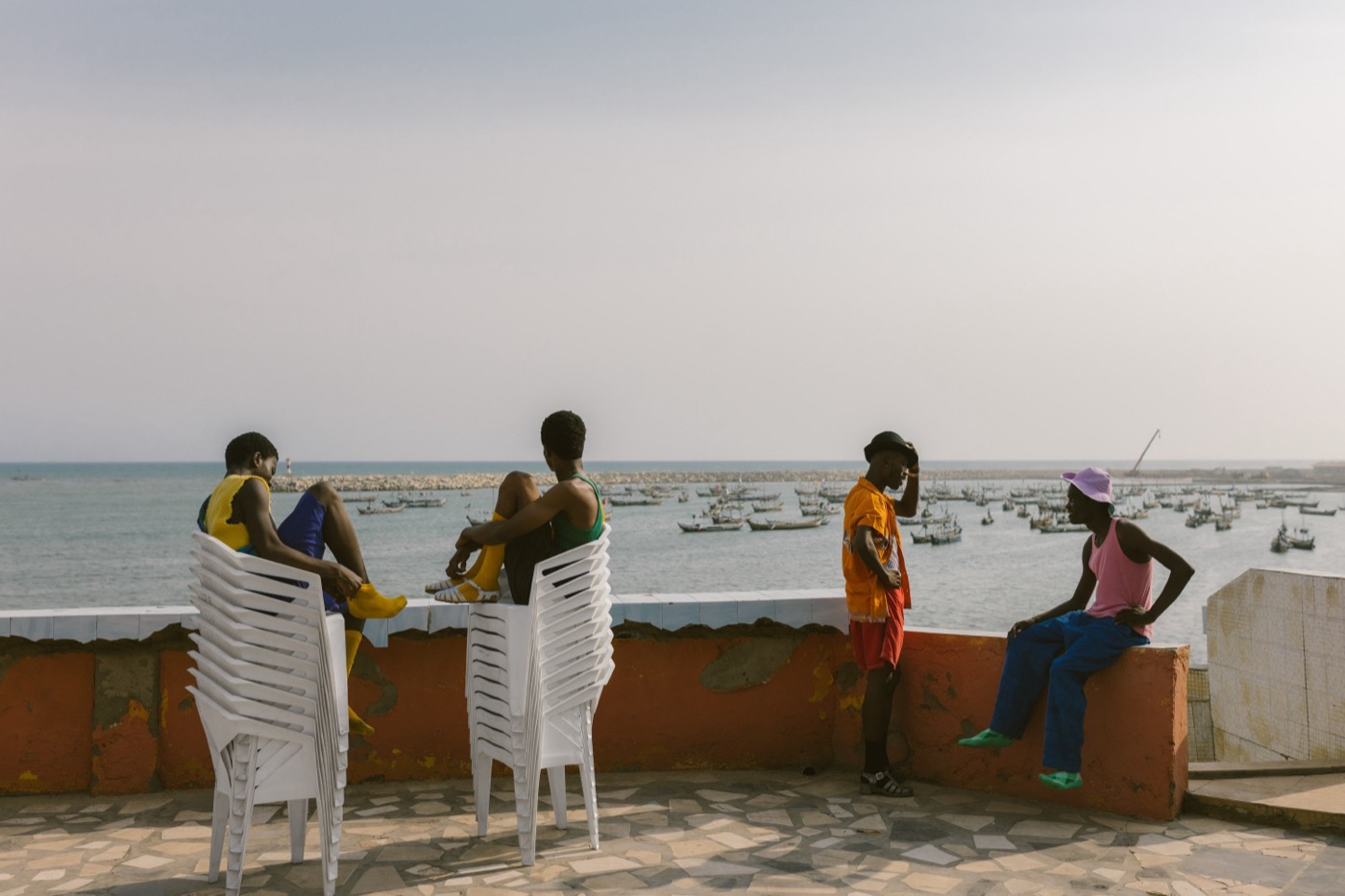 Carlos Idun-TawiahGreener Pastures, Bluer Oceans, Accra, Ghana, 2023.Four young men gather on a tiled terrace above a harbour, the sea behind them crowded with the slim wooden fishing boats of the Ghanaian coast, dozens riding at anchor toward a grey breakwater and…
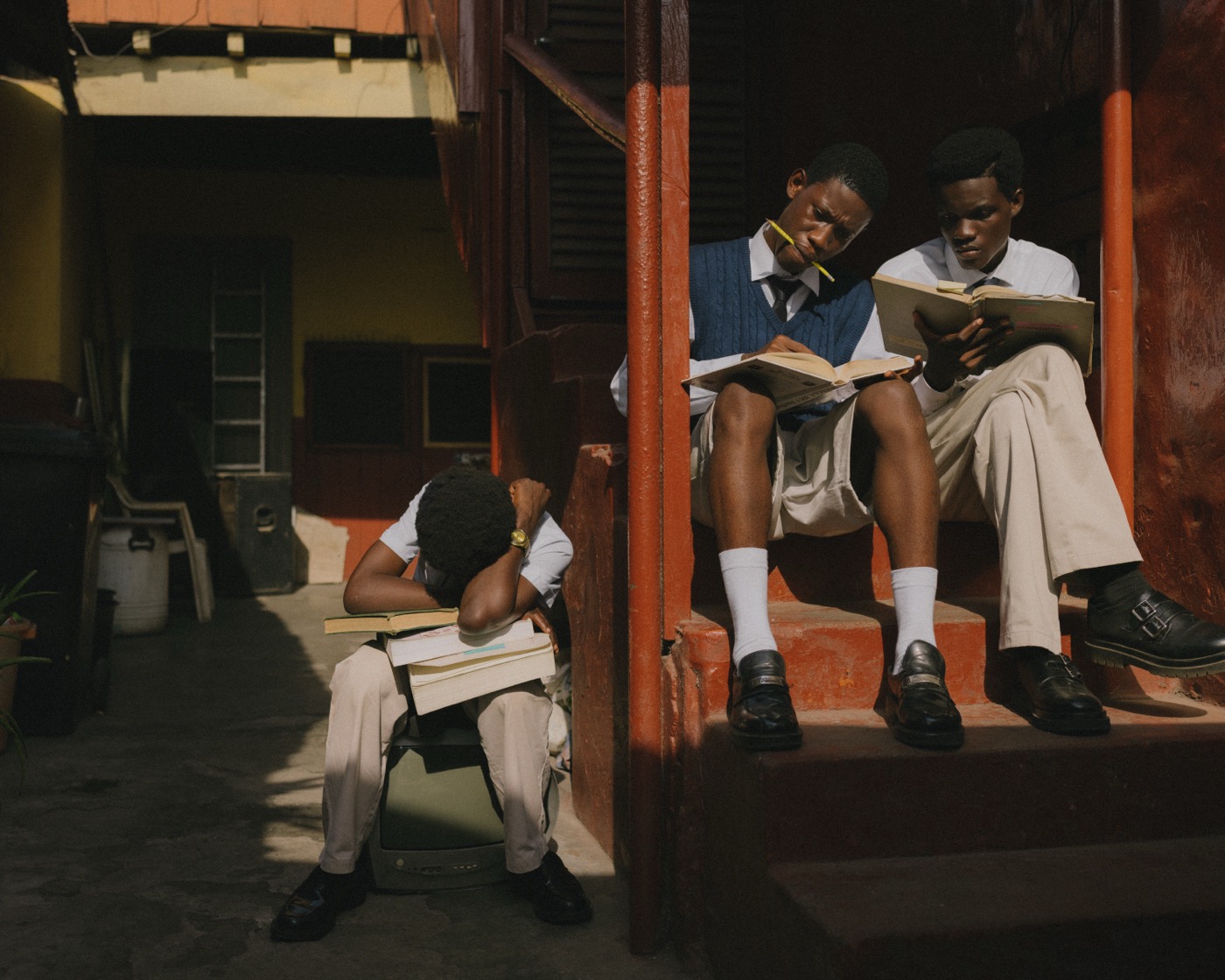 Carlos Idun-TawiahTaya Man no be Lazy Man, Accra, Ghana, 2023.A yellow pencil is clamped between one boy's teeth, freeing both his hands for the open textbook on his lap.
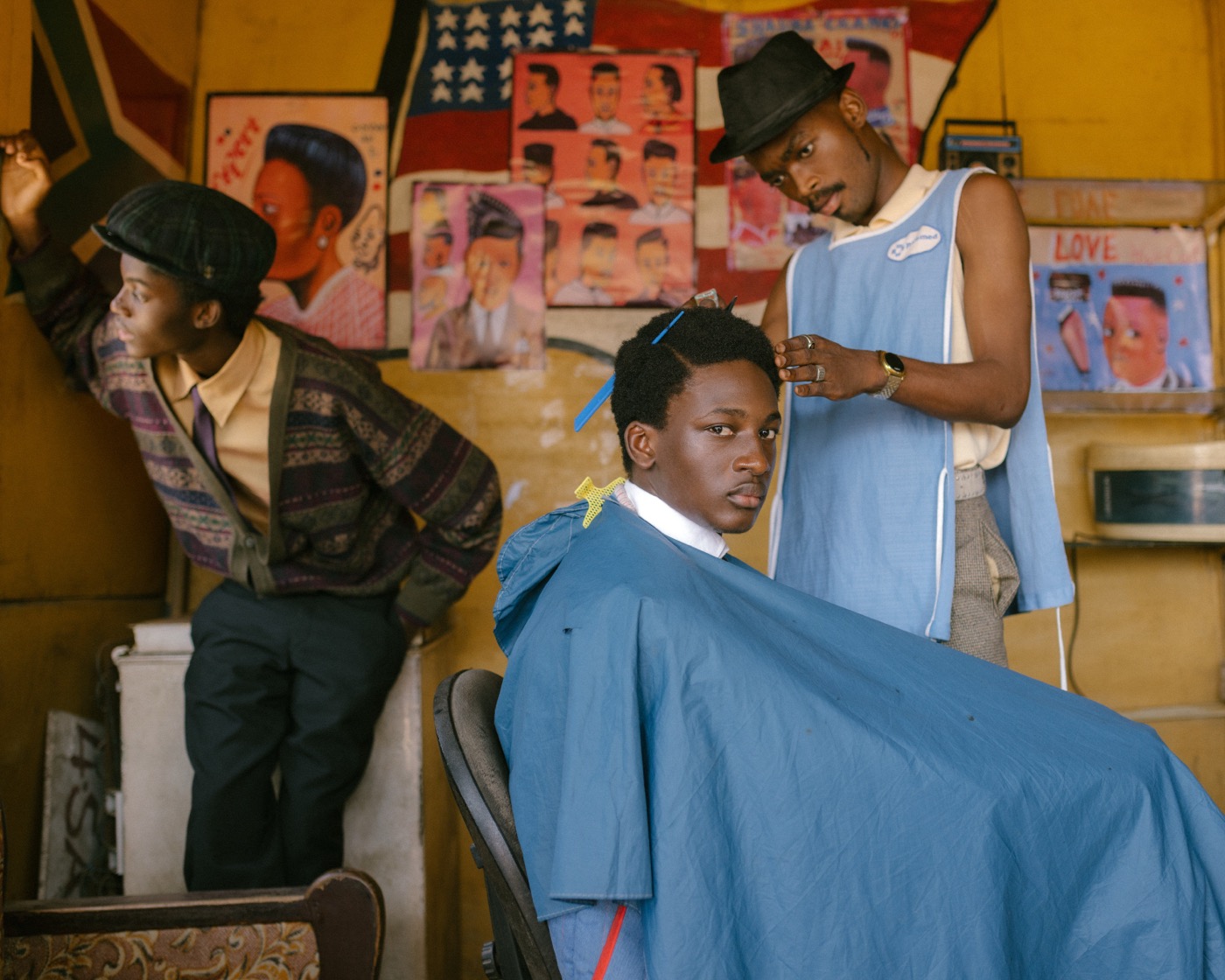 Carlos Idun-TawiahThe Barbershop, Accra, Ghana, 2023.The boy in the chair gives us the full weight of his gaze — the steadiest thing in the room.
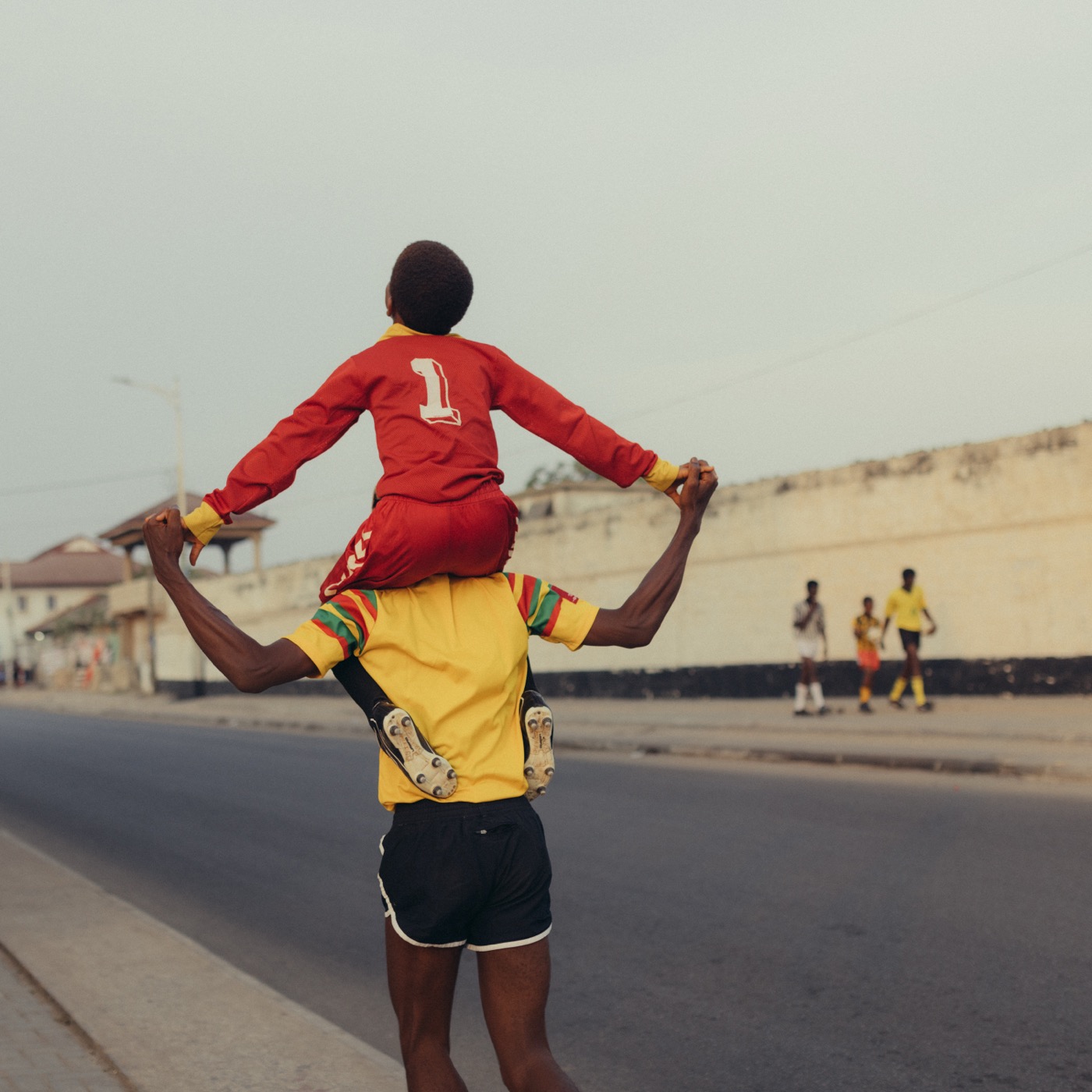 Carlos Idun-TawiahWhat Are Brothers For?, Accra, Ghana, 2023.In Accra’s unmistakable sunlight, Carlos Idun-Tawiah seizes a moment that balances innocence and strength.
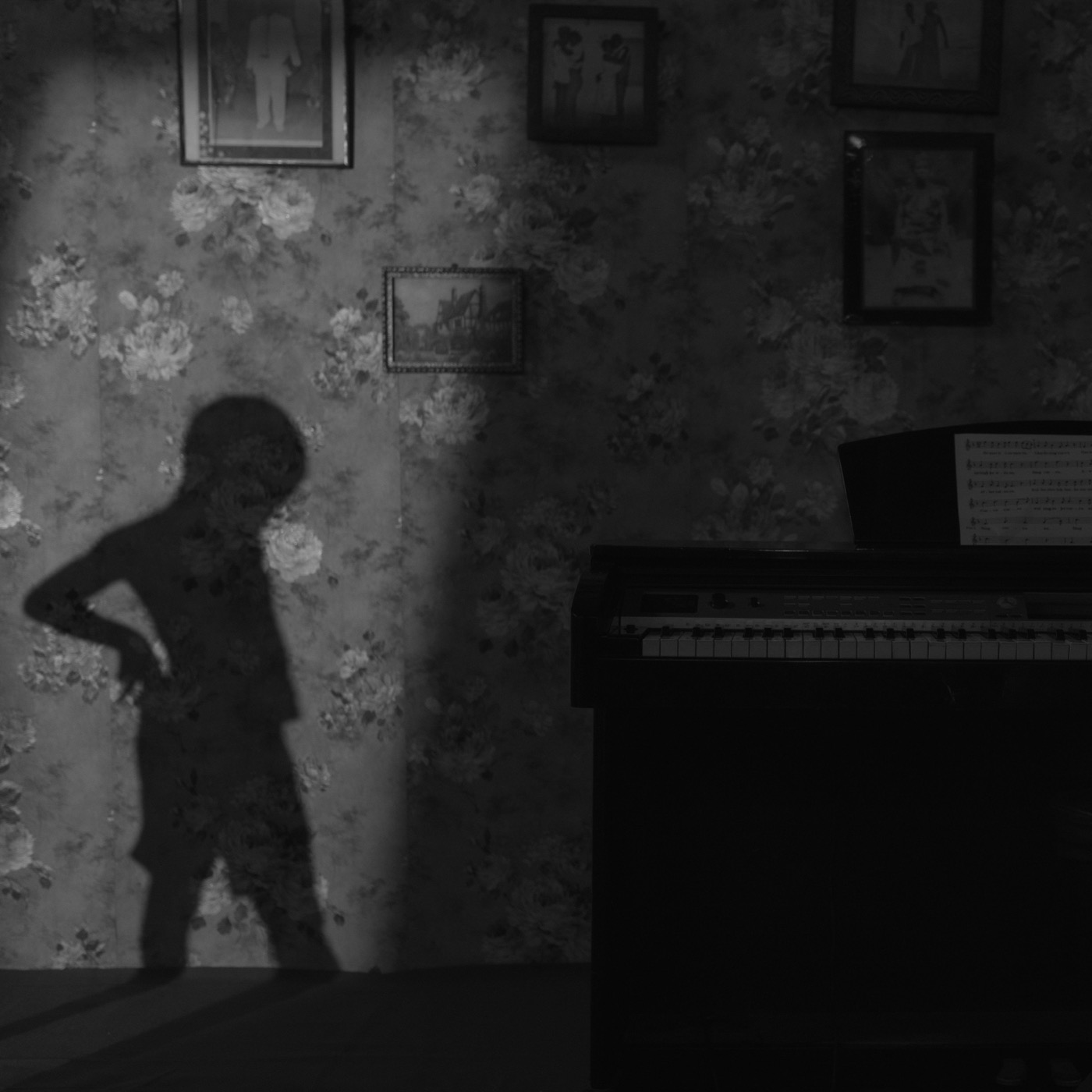 Carlos Idun-Tawiah9th March, Accra, Ghana, 2024.The figure is not in the room. What stands against the flowered wallpaper, hand cocked on one hip, is only the shadow a child throws—a silhouette pressed flat among the framed portraits, the small…
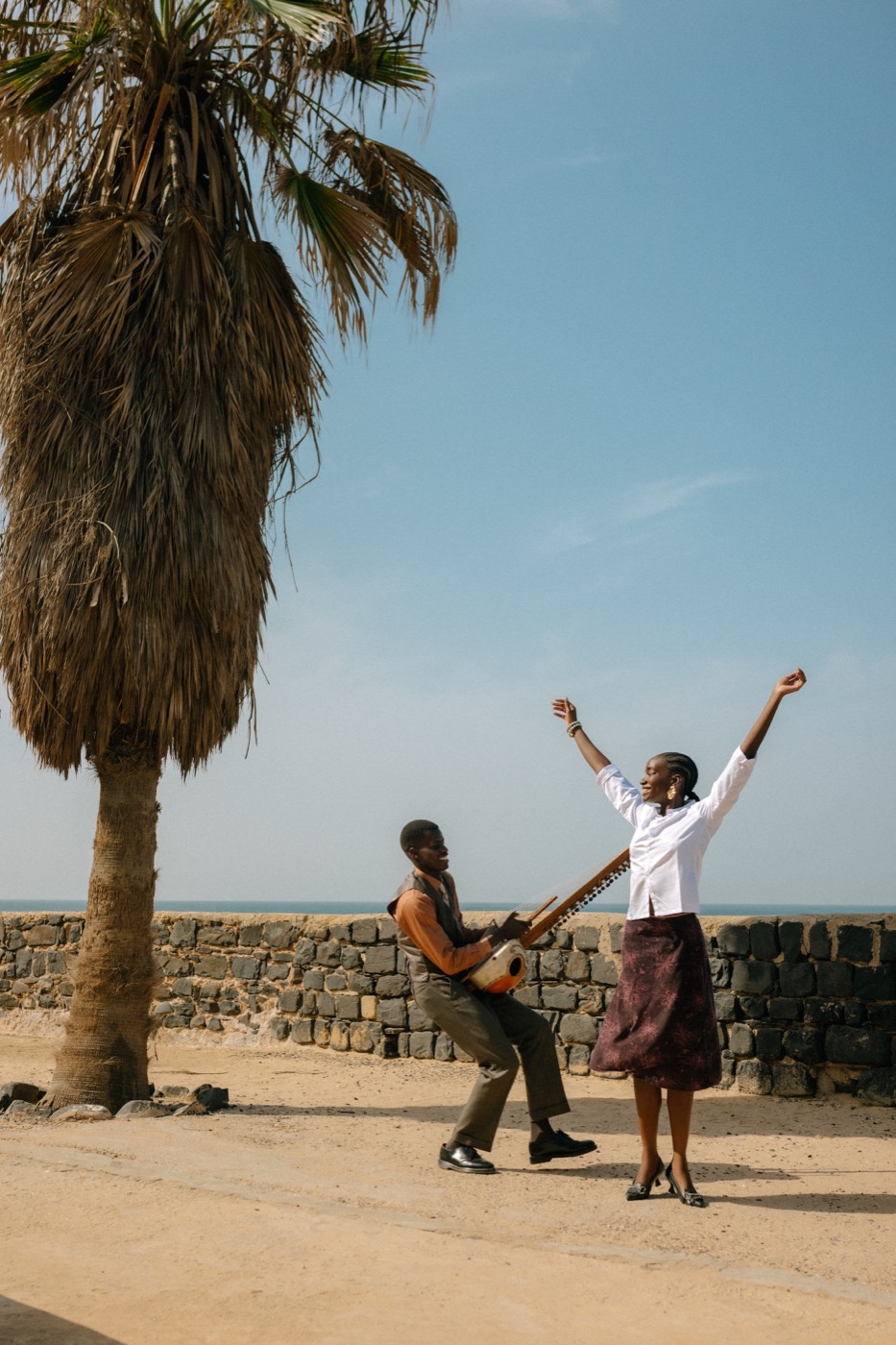 Carlos Idun-TawiahA Song to Build A Dream On, Saint Louis, Senegal, 2024.The sea is a thin bright line behind a dark stone wall, and against it two young people make a music the photograph cannot hold but insists we somehow hear.
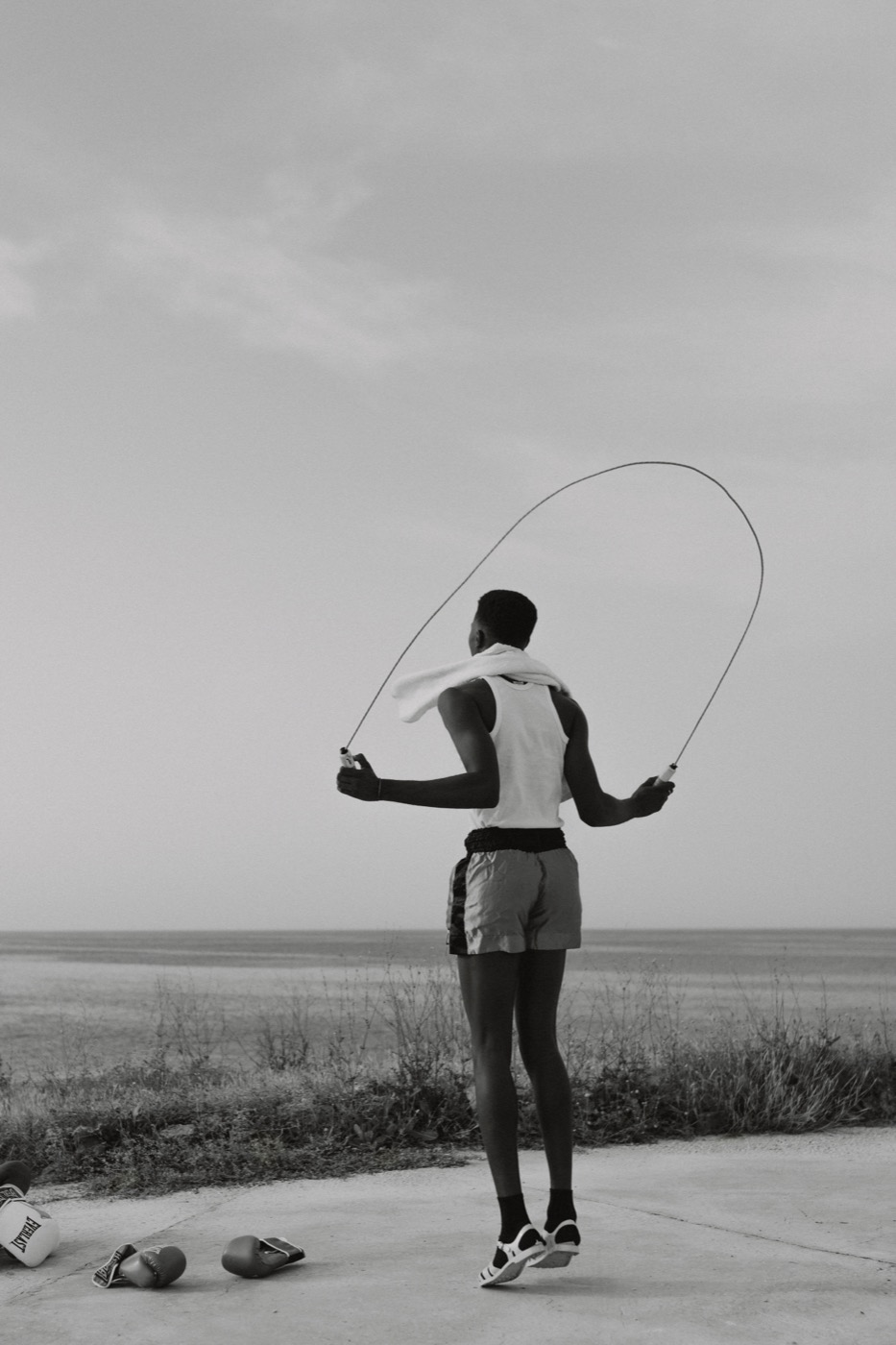 Carlos Idun-TawiahAlone, Not Lonely, Saint Louis, Senegal, 2024.A young man skips rope alone on a concrete slab at the edge of the sea, his back to us, caught at the very top of a jump.
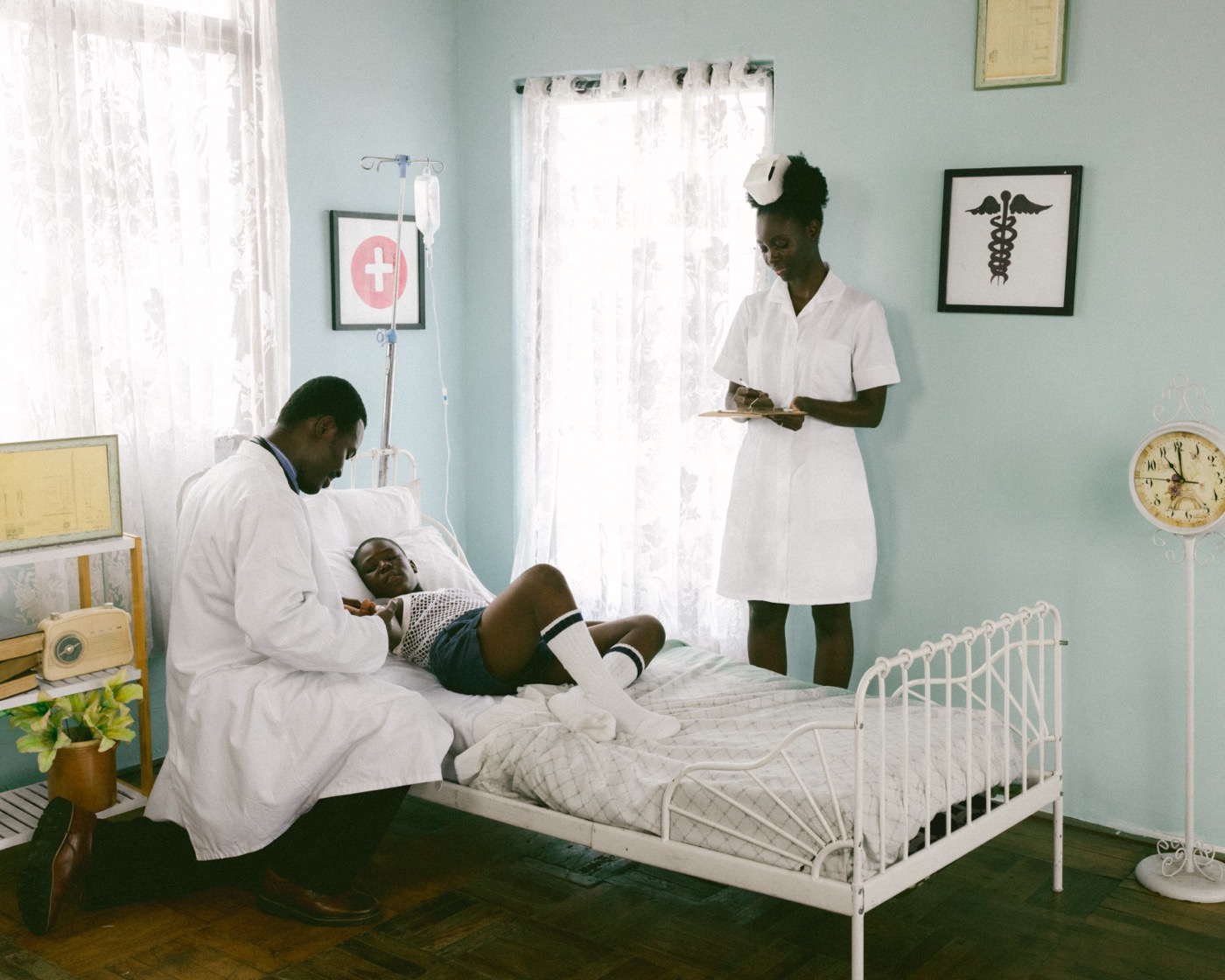 Carlos Idun-TawiahAn Apple A Day, Accra, Ghana, 2024.Nothing in this room was found; everything was placed.
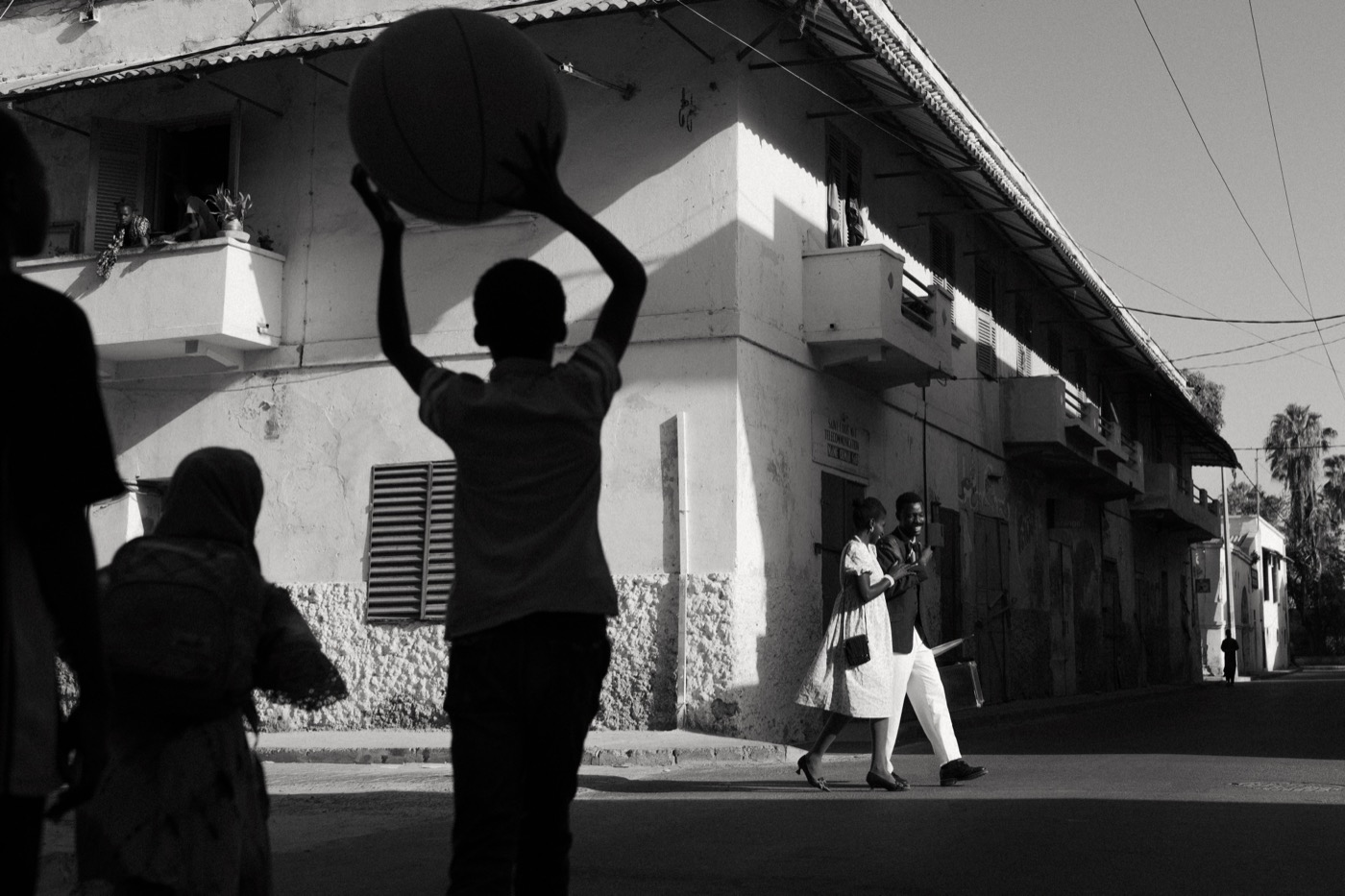 Carlos Idun-TawiahAre We There Yet, Saint Louis, Senegal, 2024.The boy in the foreground is pure silhouette, back to us, a basketball hoisted overhead in both hands as though he means to hurl it at the sky.
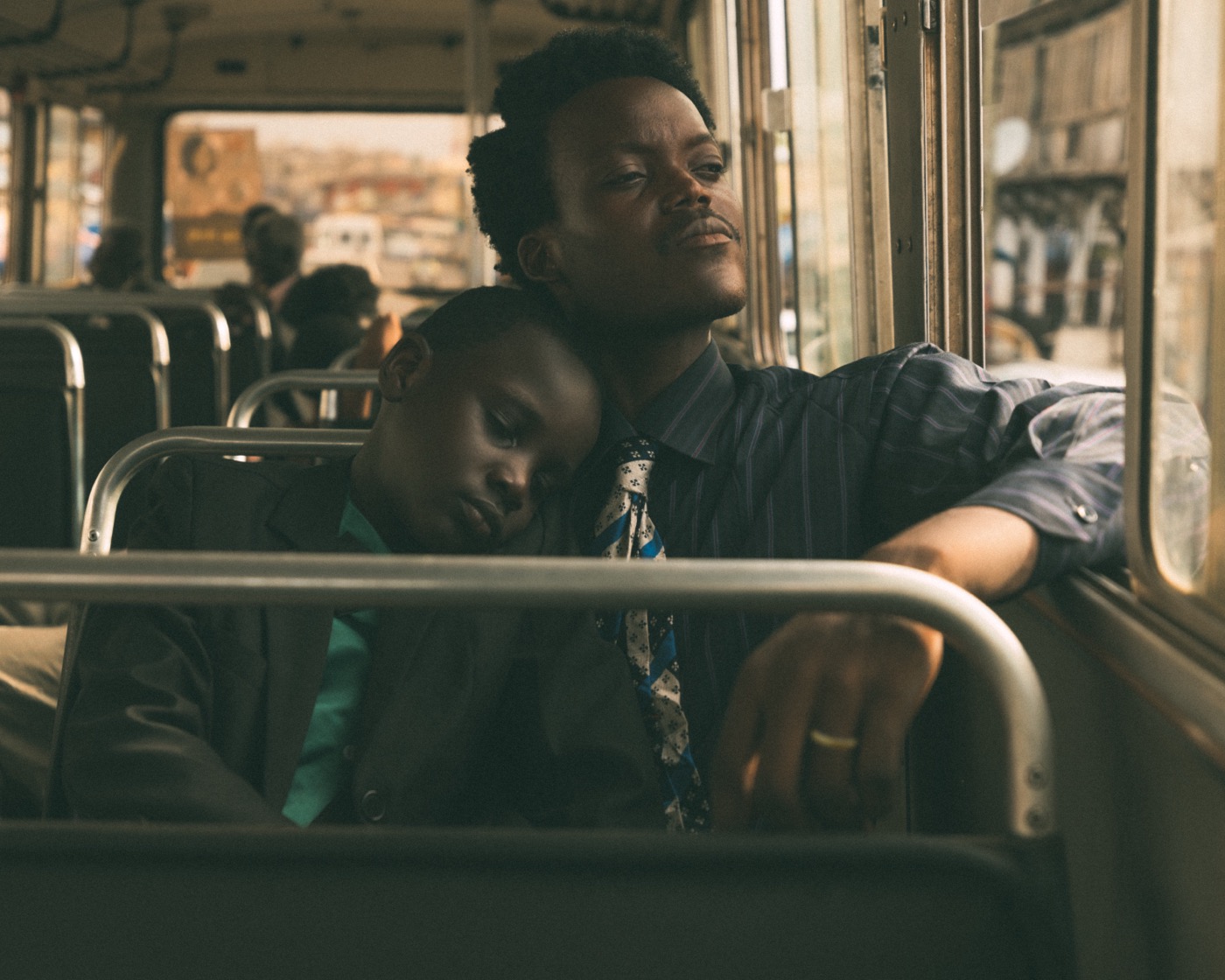 Carlos Idun-TawiahBetter Left Unsaid, Accra, Ghana, 2024.Notice the hand. The man's right arm is slung along the window rail, wrist loose, and a plain gold band catches the only hard light in the frame.
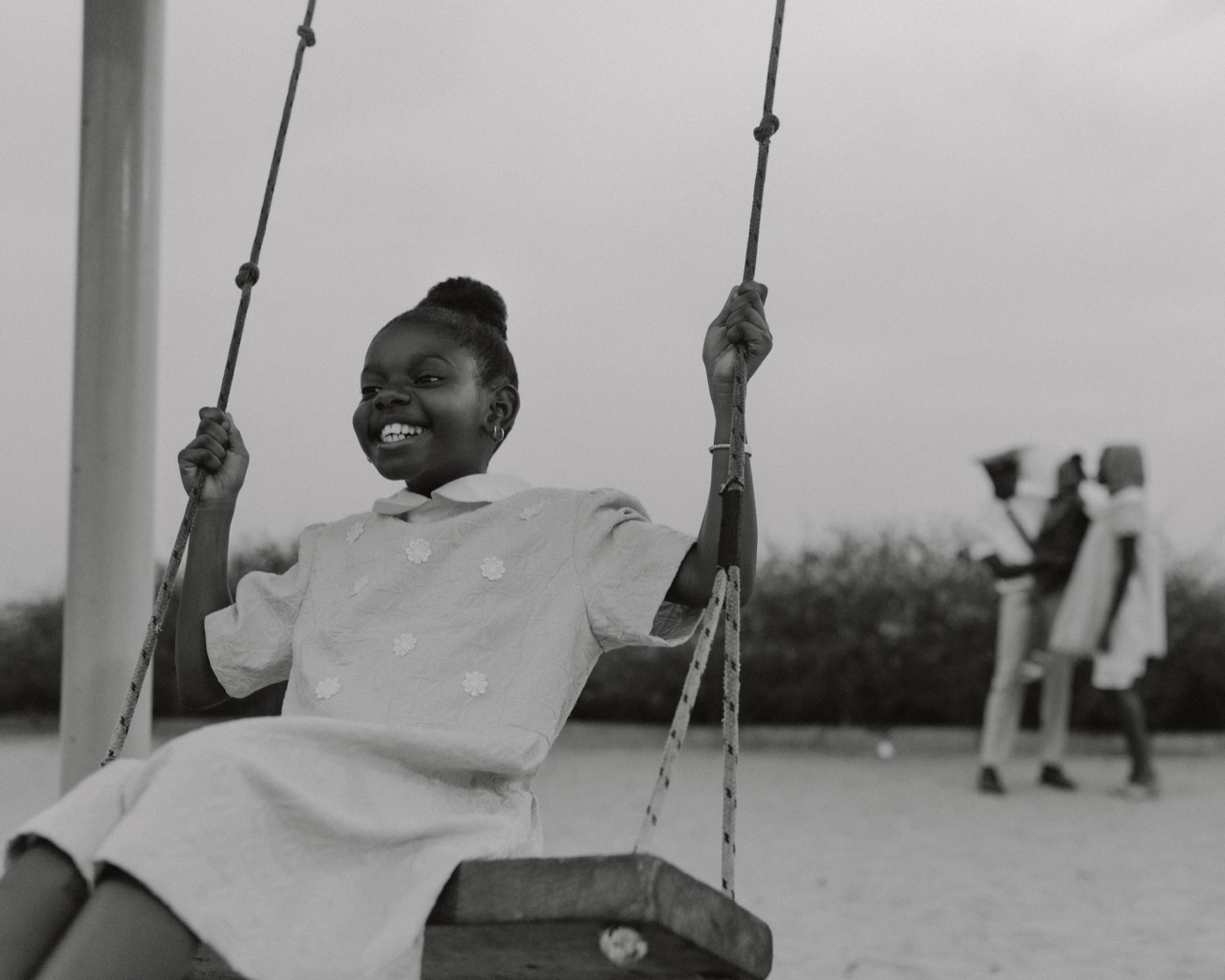 Carlos Idun-TawiahBetween Earth and Sky, Saint Louis, Senegal, 2024.A girl on a plank swing, both hands up on the ropes, laughing so hard that her whole face has given way to it.
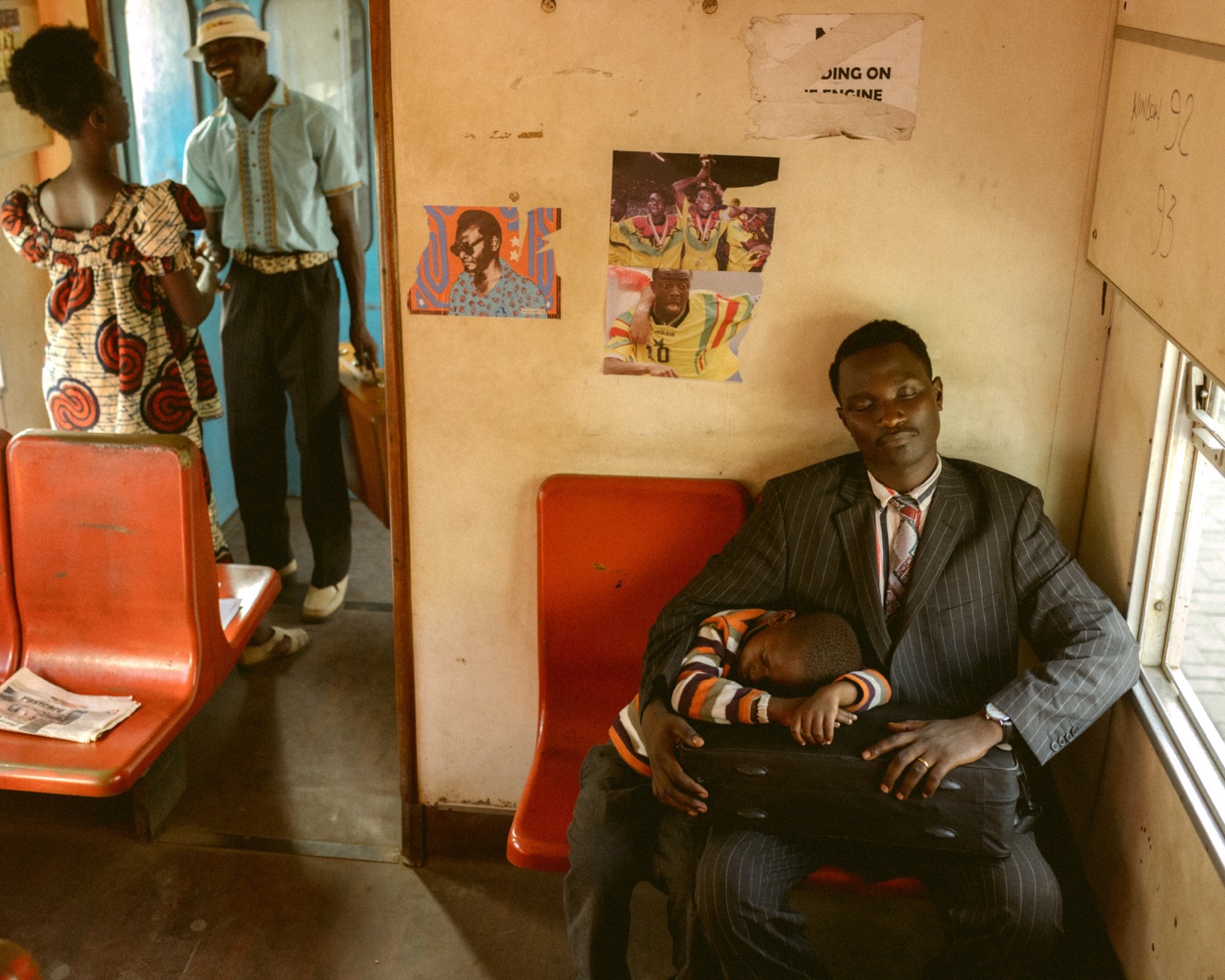 Carlos Idun-TawiahBetween Stations, Accra, Ghana, 2024.A man in a grey pinstripe suit has fallen asleep sitting upright in a railway carriage.
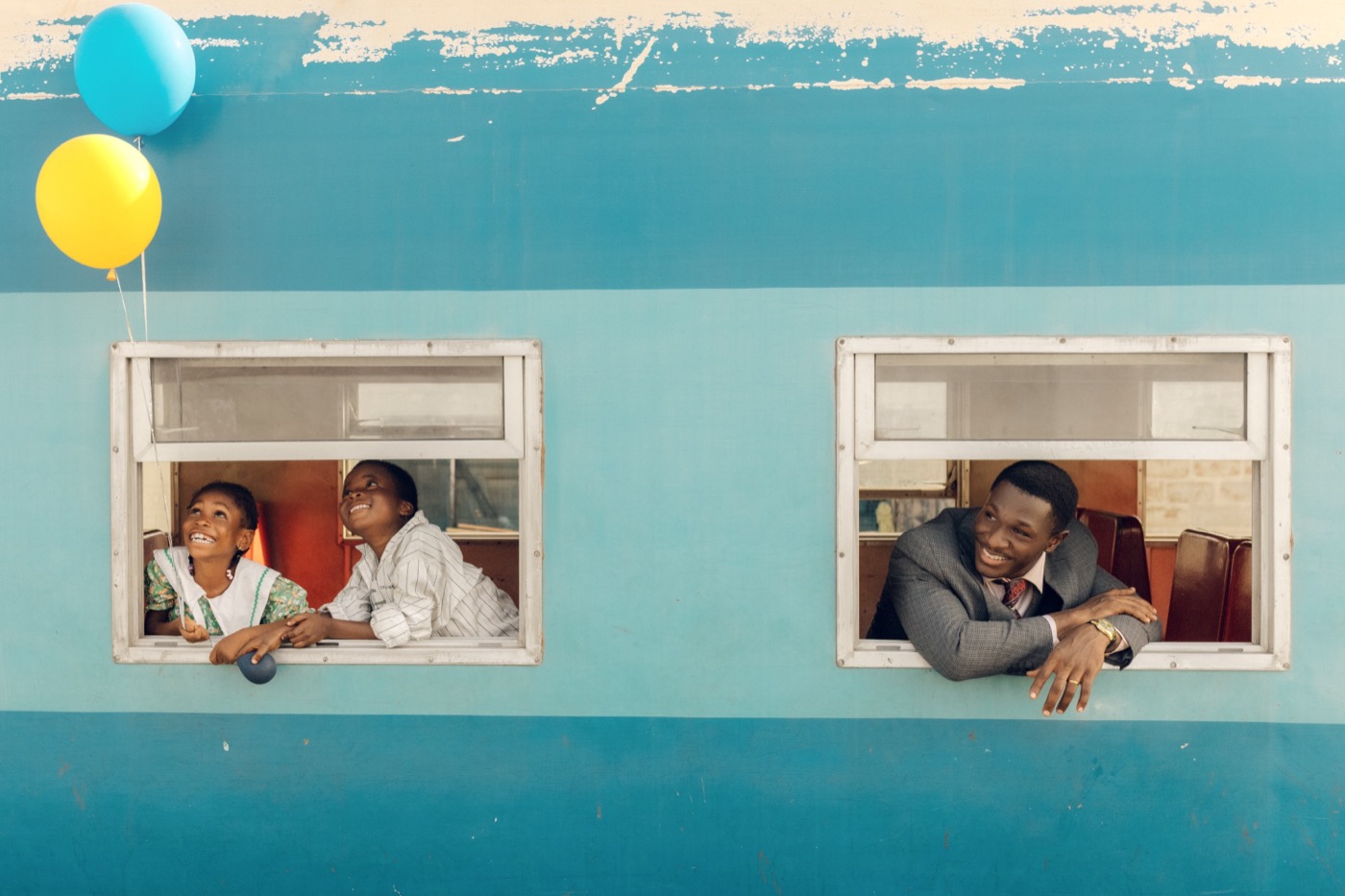 Carlos Idun-TawiahBlue, Accra, Ghana, 2024.Everything in Blue is built around a refusal to let the two windows speak to each other directly.
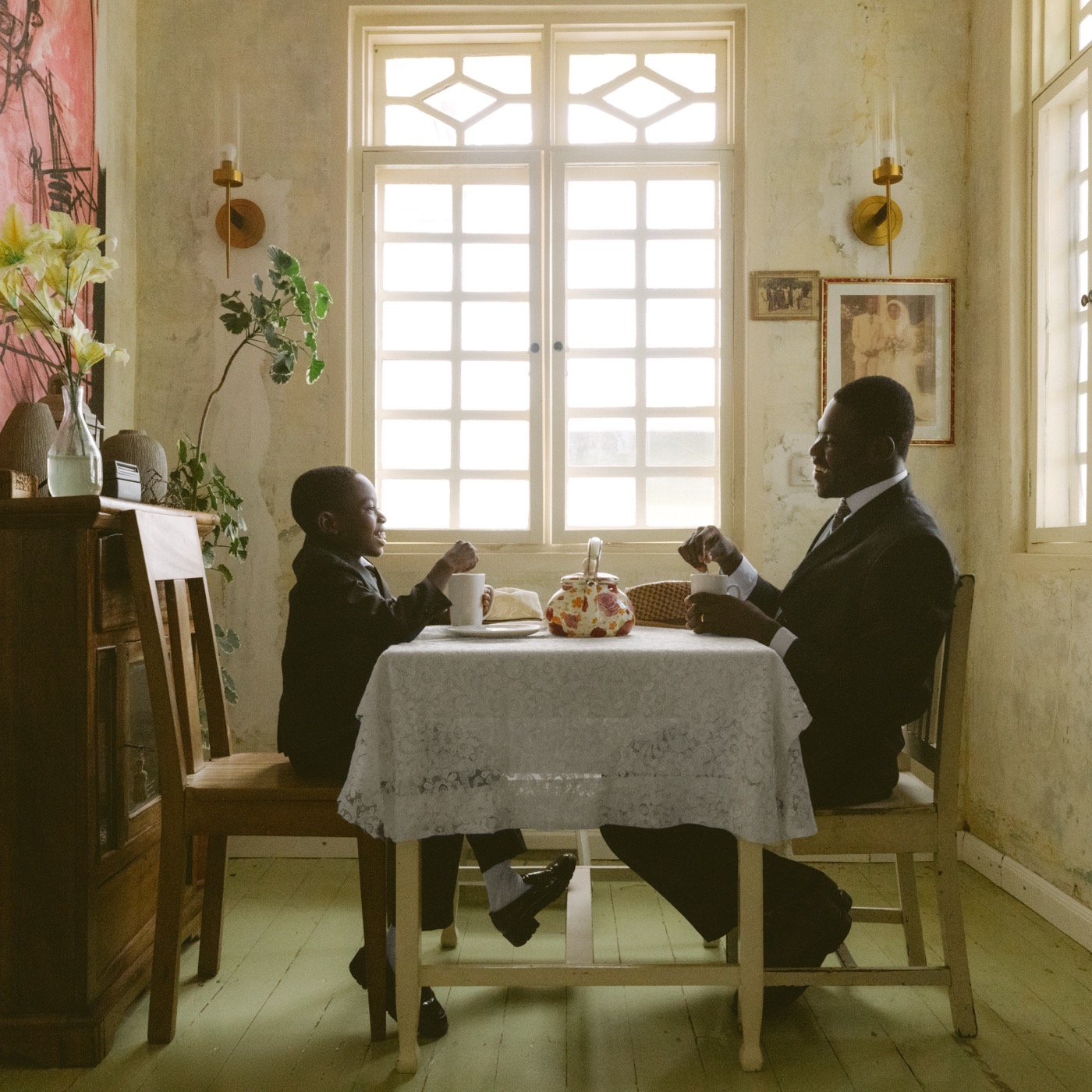 Carlos Idun-TawiahBroken Bread, Accra, Ghana, 2024.A man and a small boy sit across a lace-covered table, both in their best dark suits, sharing tea and bread in the flat morning light of a Ghanaian room.
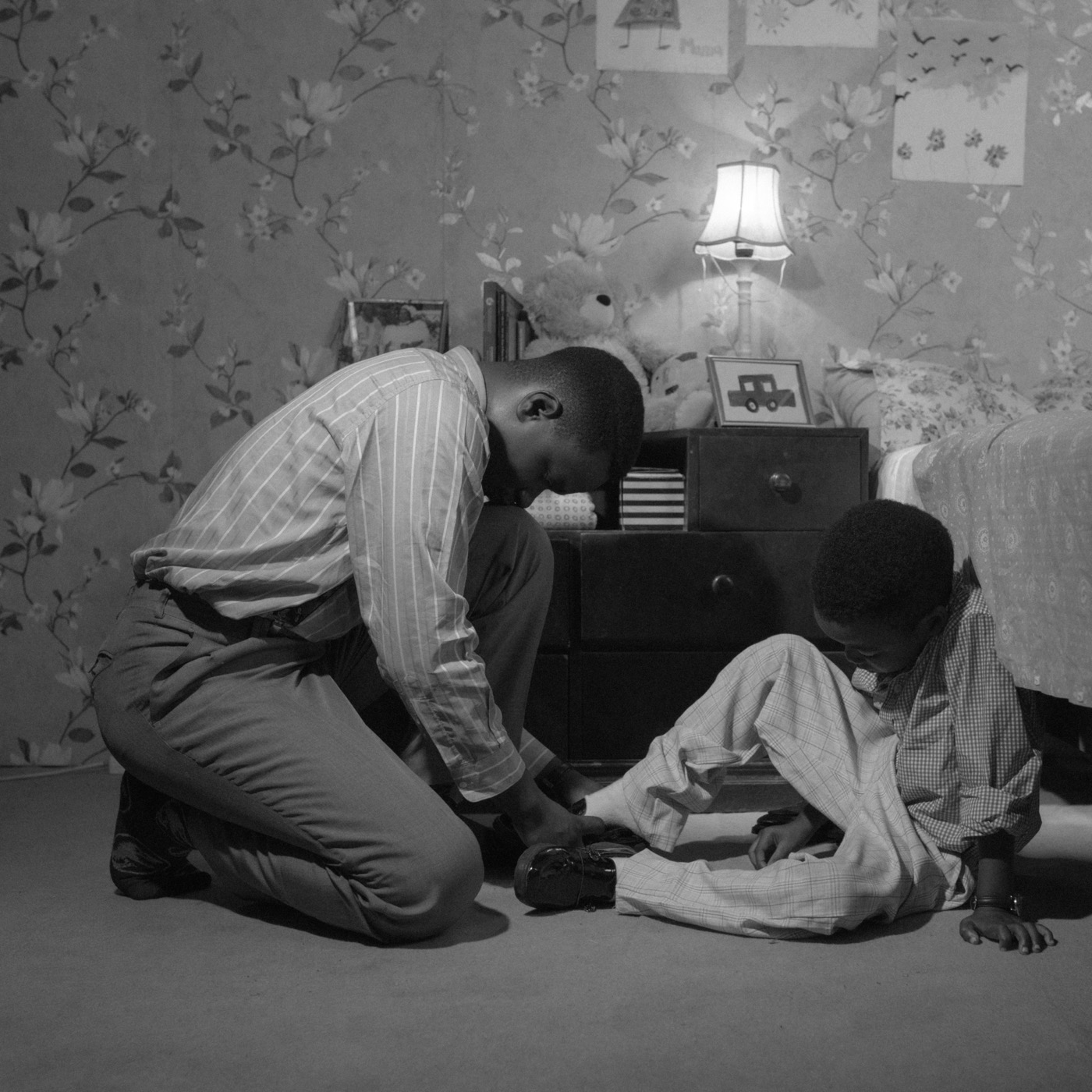 Carlos Idun-TawiahChristmas Shoes, Accra, Ghana, 2024.A child's bedroom in black and white, with floral wallpaper covering every inch of the wall behind.
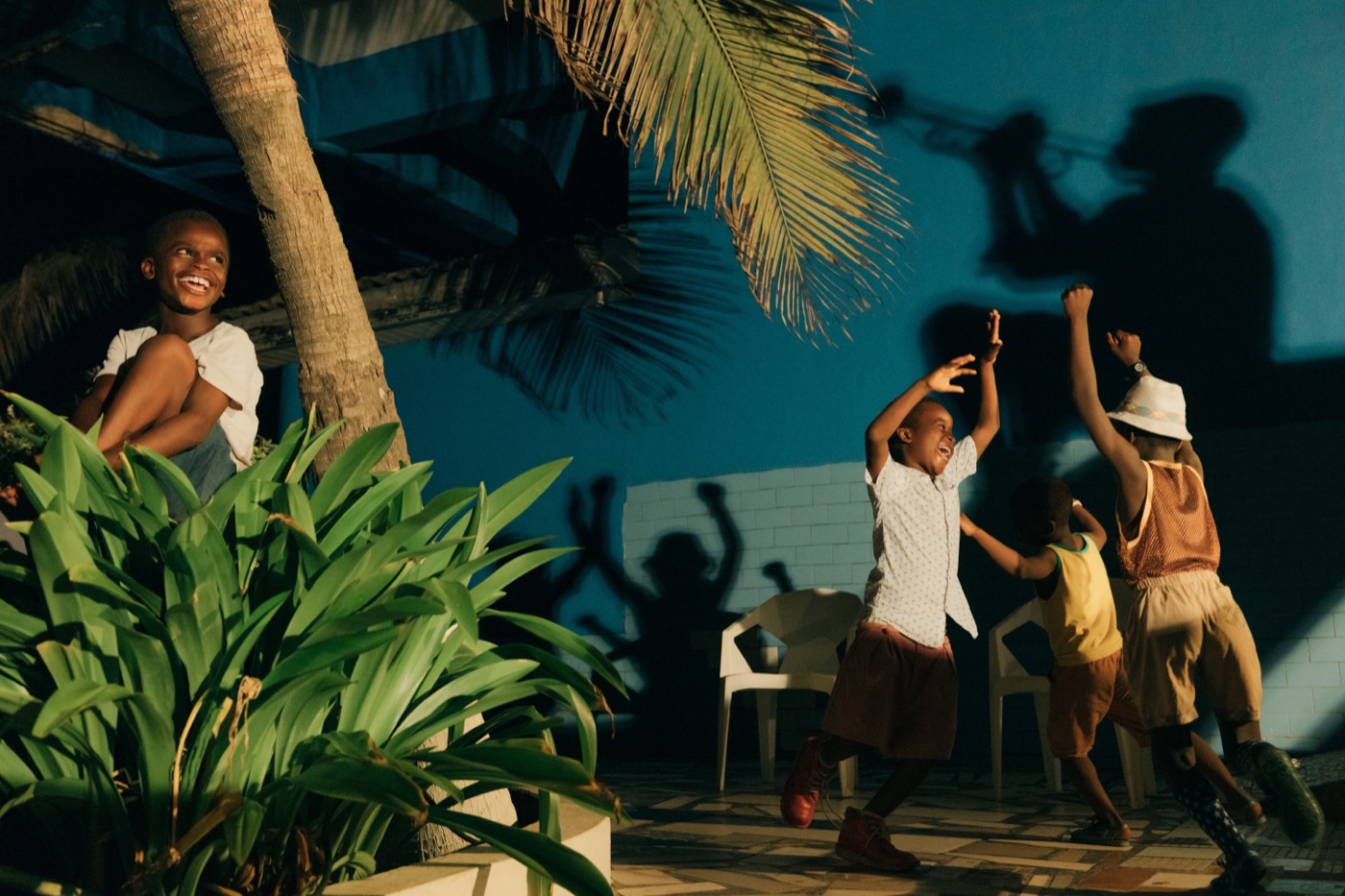 Carlos Idun-TawiahDance with my Father, Accra, Ghana, 2024.The photograph captures a luminous moment of intergenerational connection set against the vivid blue wall of an Accra compound.
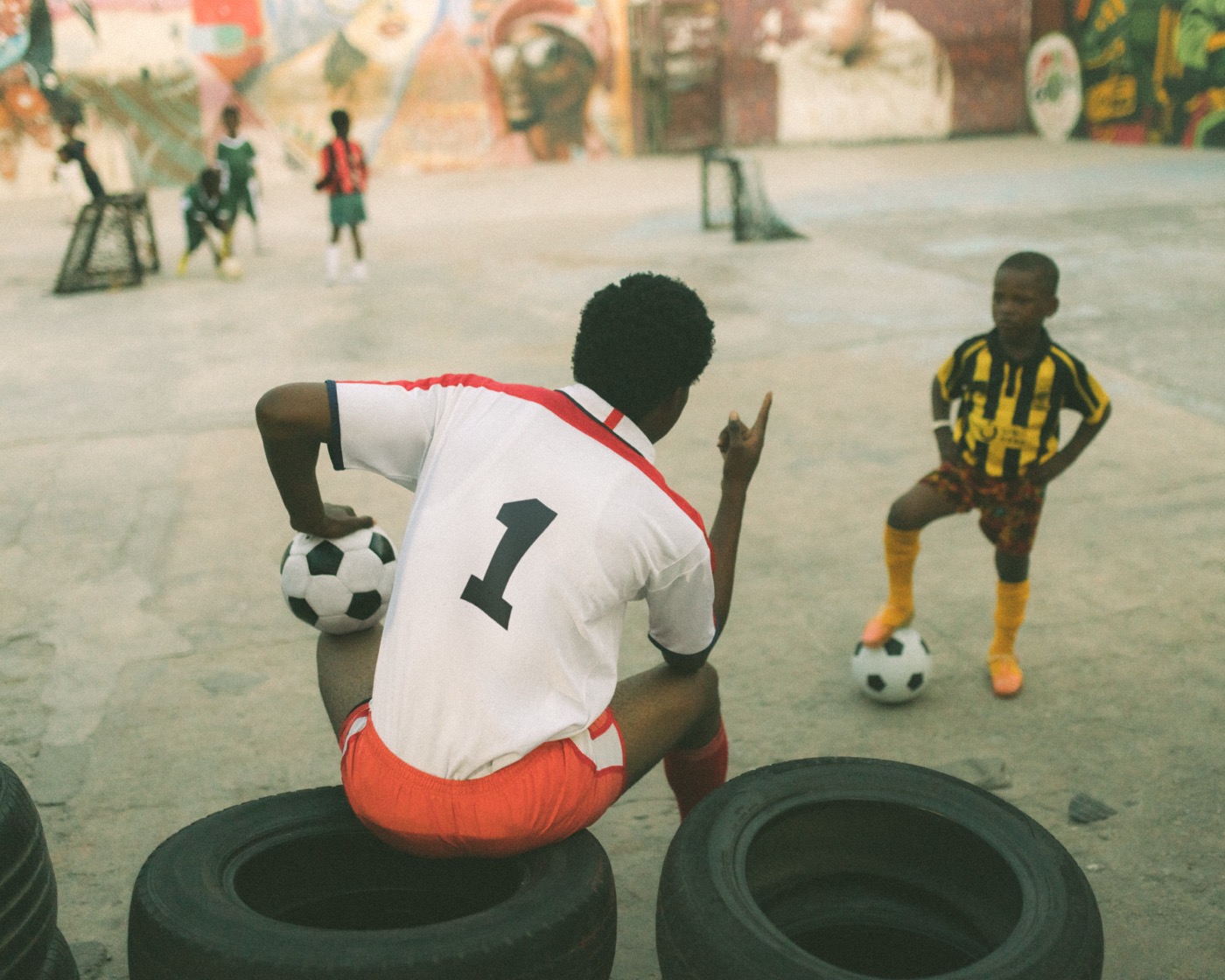 Carlos Idun-TawiahDay One, Accra, Ghana, 2024.A concrete yard with a wall painted end to end in murals.
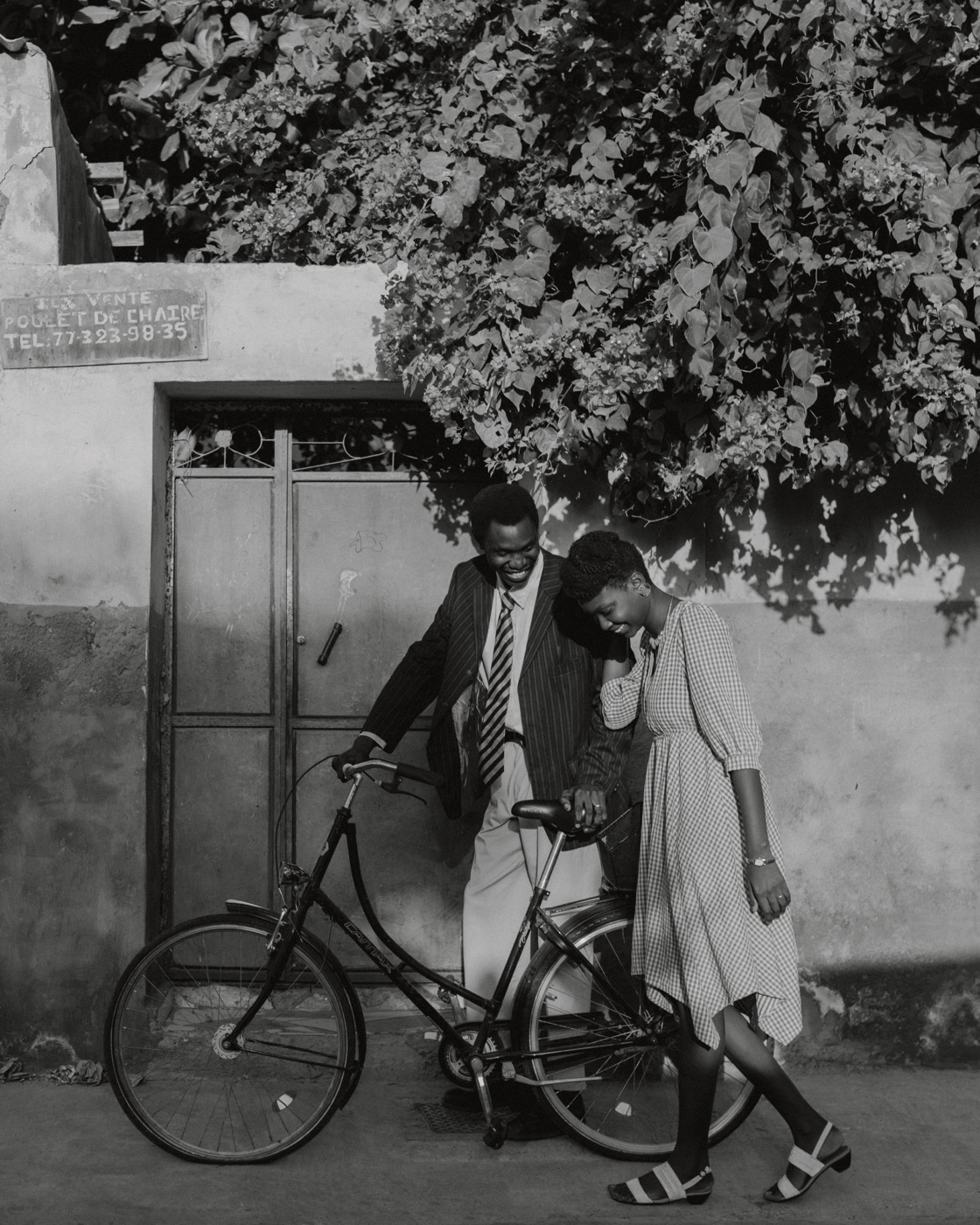 Carlos Idun-TawiahDown the Street, Saint Louis, Senegal, 2024.What one notices first, in black and white, is the tailoring.
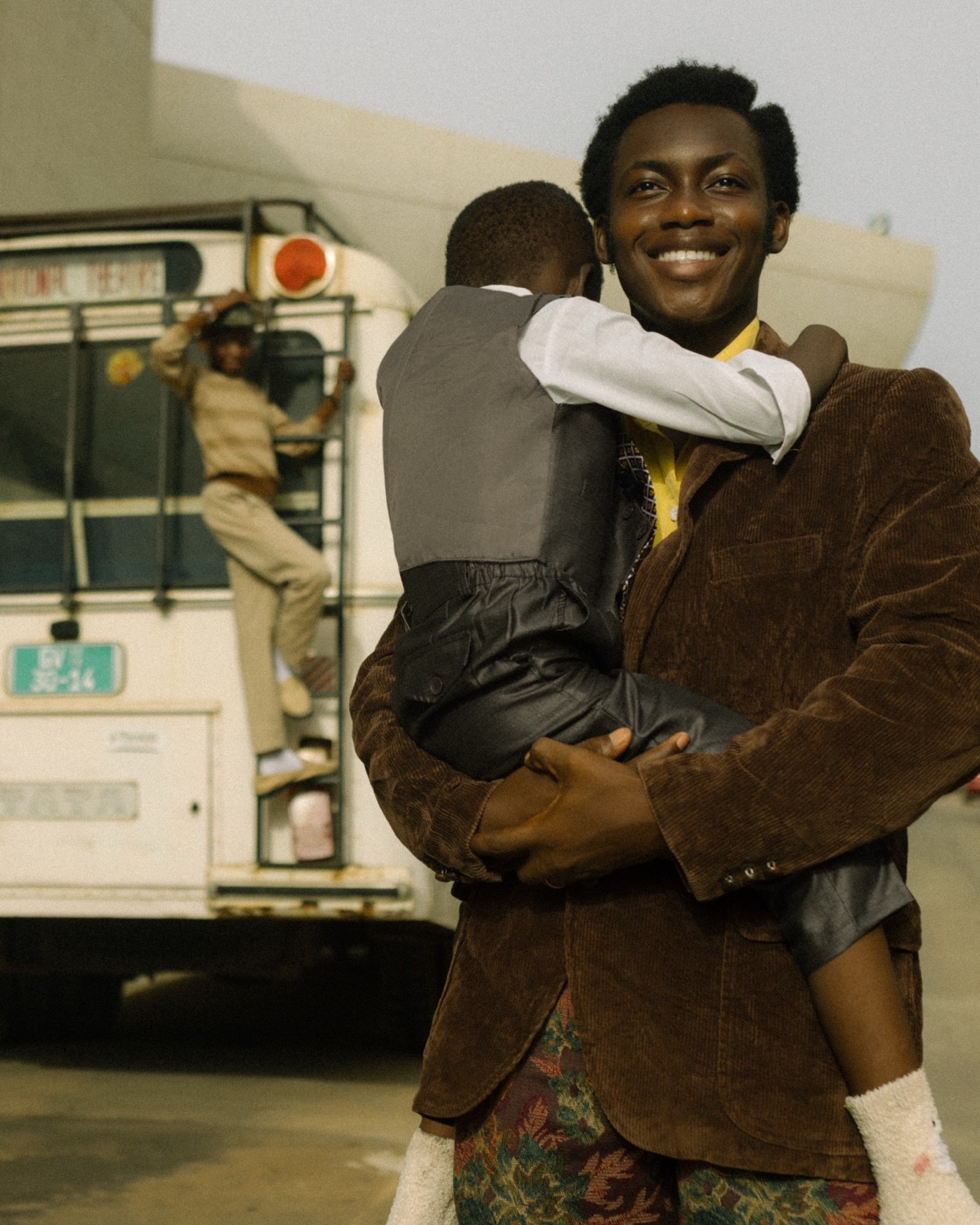 Carlos Idun-TawiahDreams from my Father, Accra, Ghana, 2024.A young man in a brown corduroy jacket stands in an open lot holding a child against his chest.
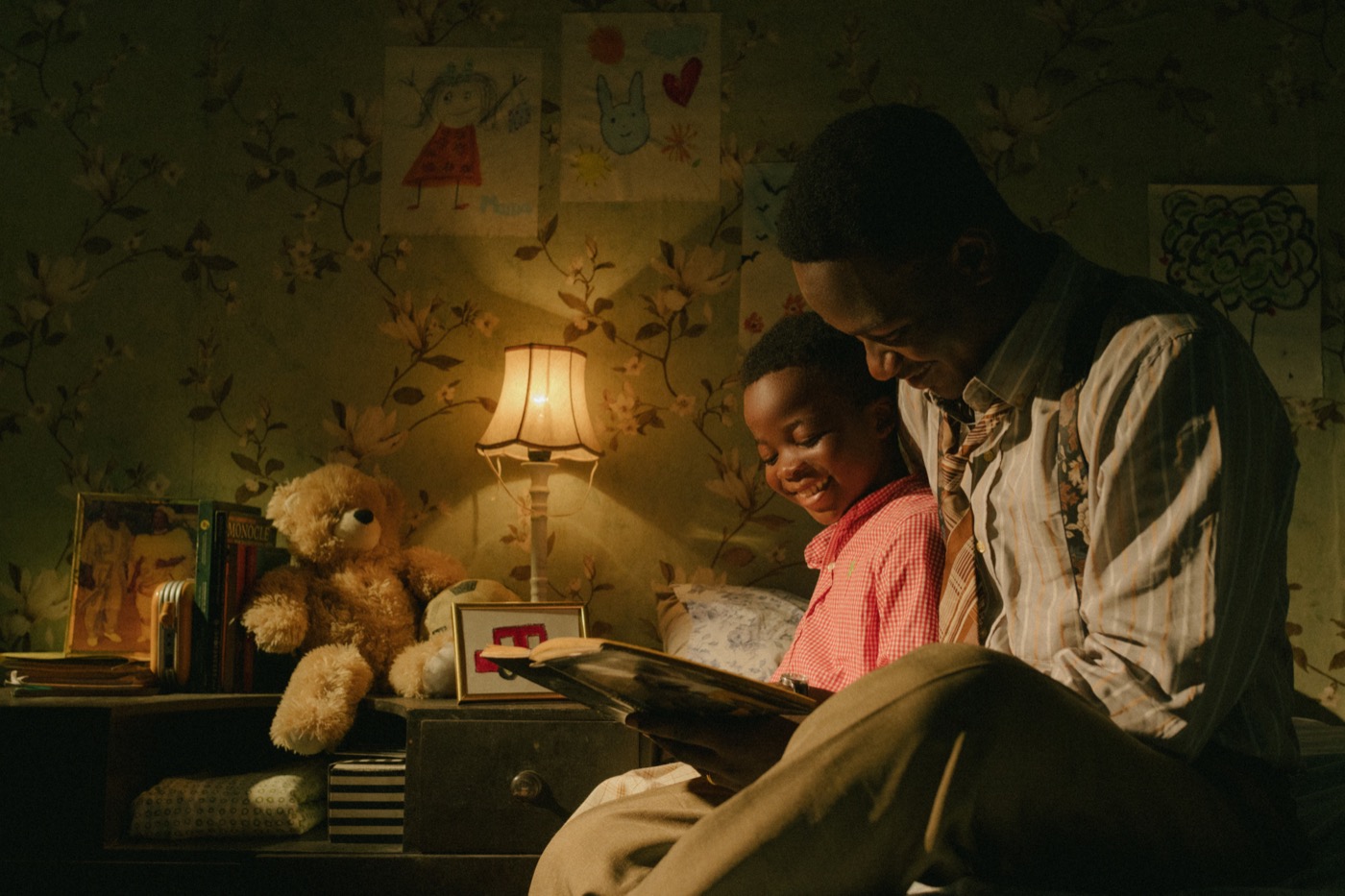 Carlos Idun-TawiahFather and Griot, Accra, Ghana, 2024.The boy's gingham shirt is the loudest thing in the room — a small red music against the honeyed gloom — and yet he has gone quiet, his chin tipped down toward the open book balanced across his…
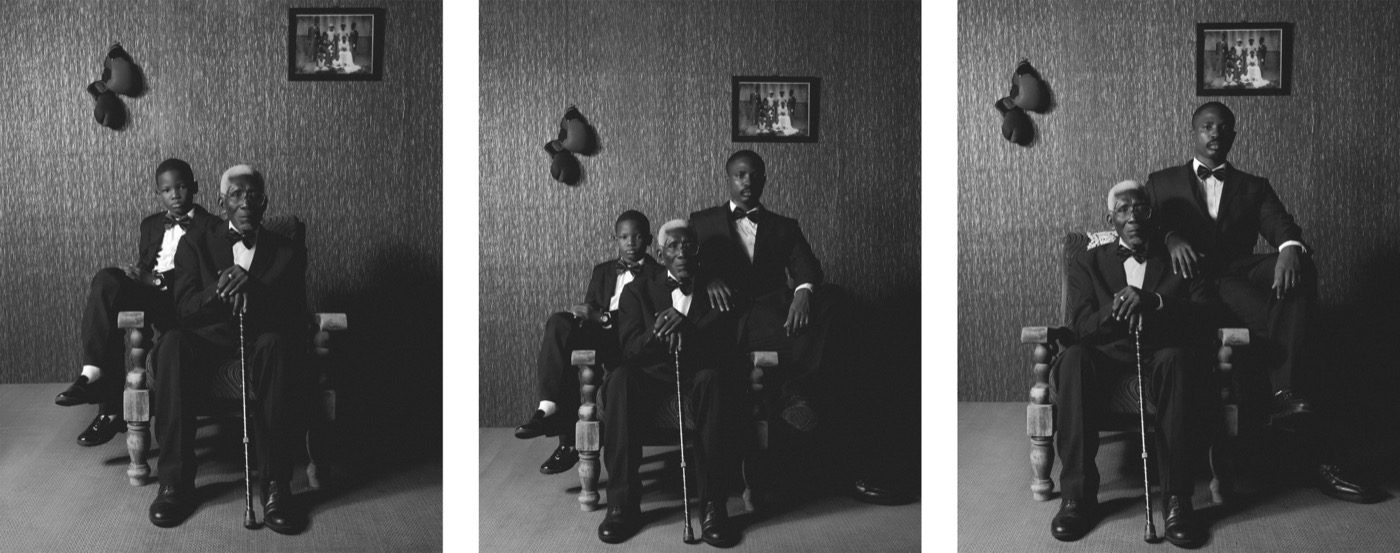 Carlos Idun-TawiahGenerations, (Triptych), Accra, Ghana, 2024.Read left to right, the triptych stages a family across time using a single vocabulary of props: a carved wooden armchair, textured wallpaper, a pair of boxing gloves hung high on the wall, a framed…
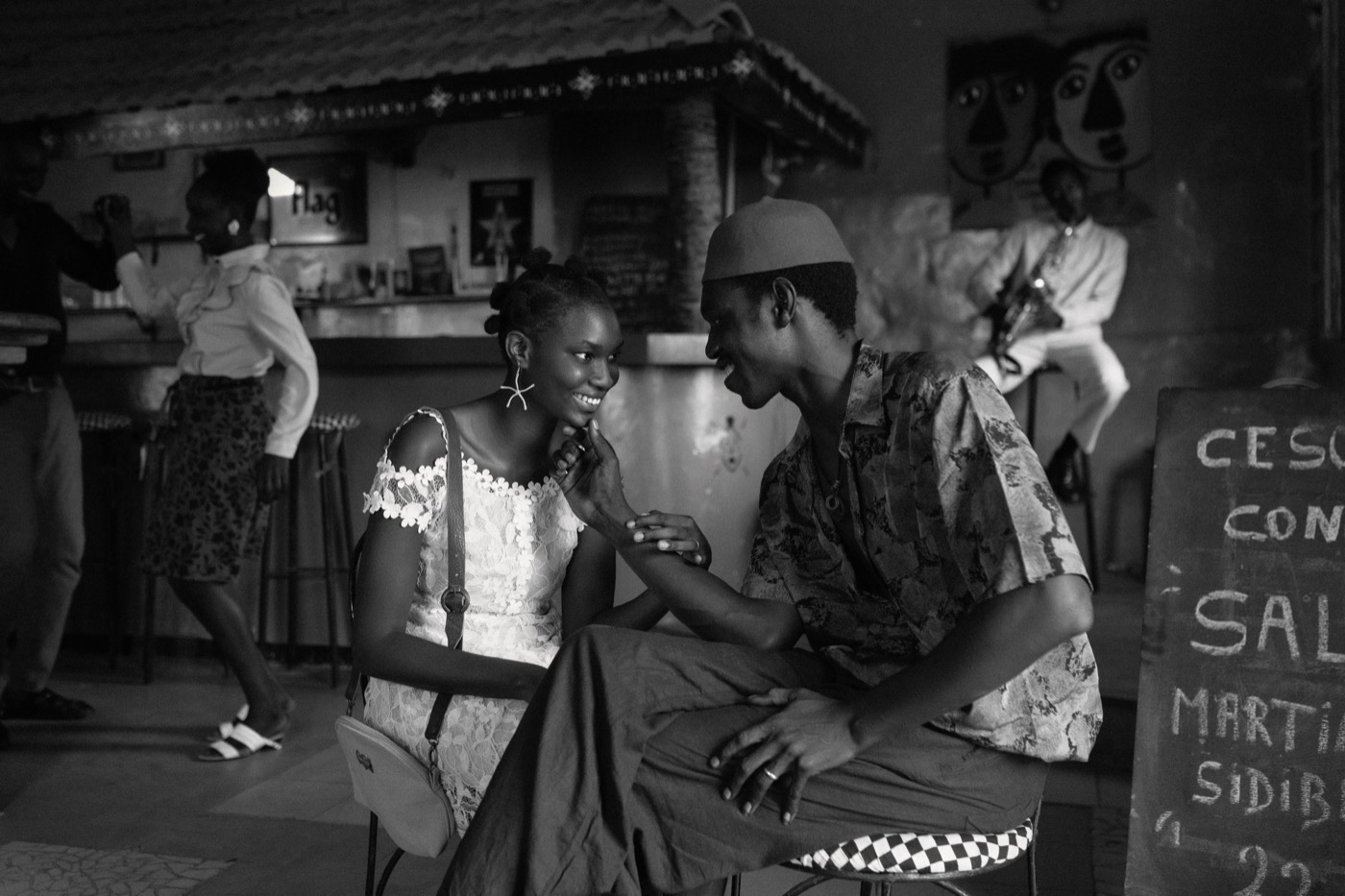 Carlos Idun-TawiahHave I Ever Sold You A Dream, Saint Louis, Senegal, 2024.In a dim bar, a young woman and a young man sit close at the corner of a table.
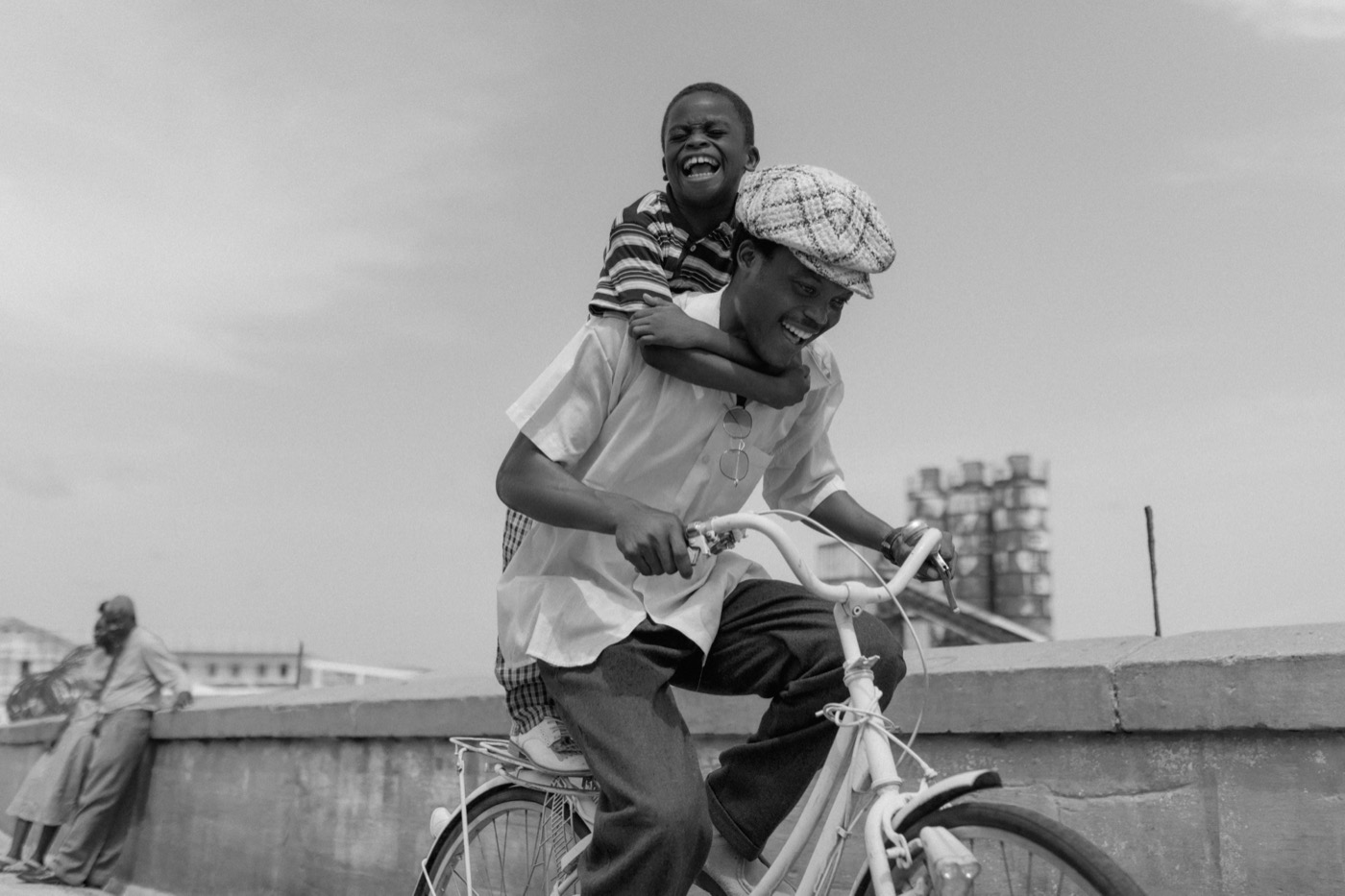 Carlos Idun-TawiahHold Me Close, Accra, Ghana, 2024.The wind seems to carry them forward, two bodies moving as one, the bicycle less a machine than a shared heartbeat.
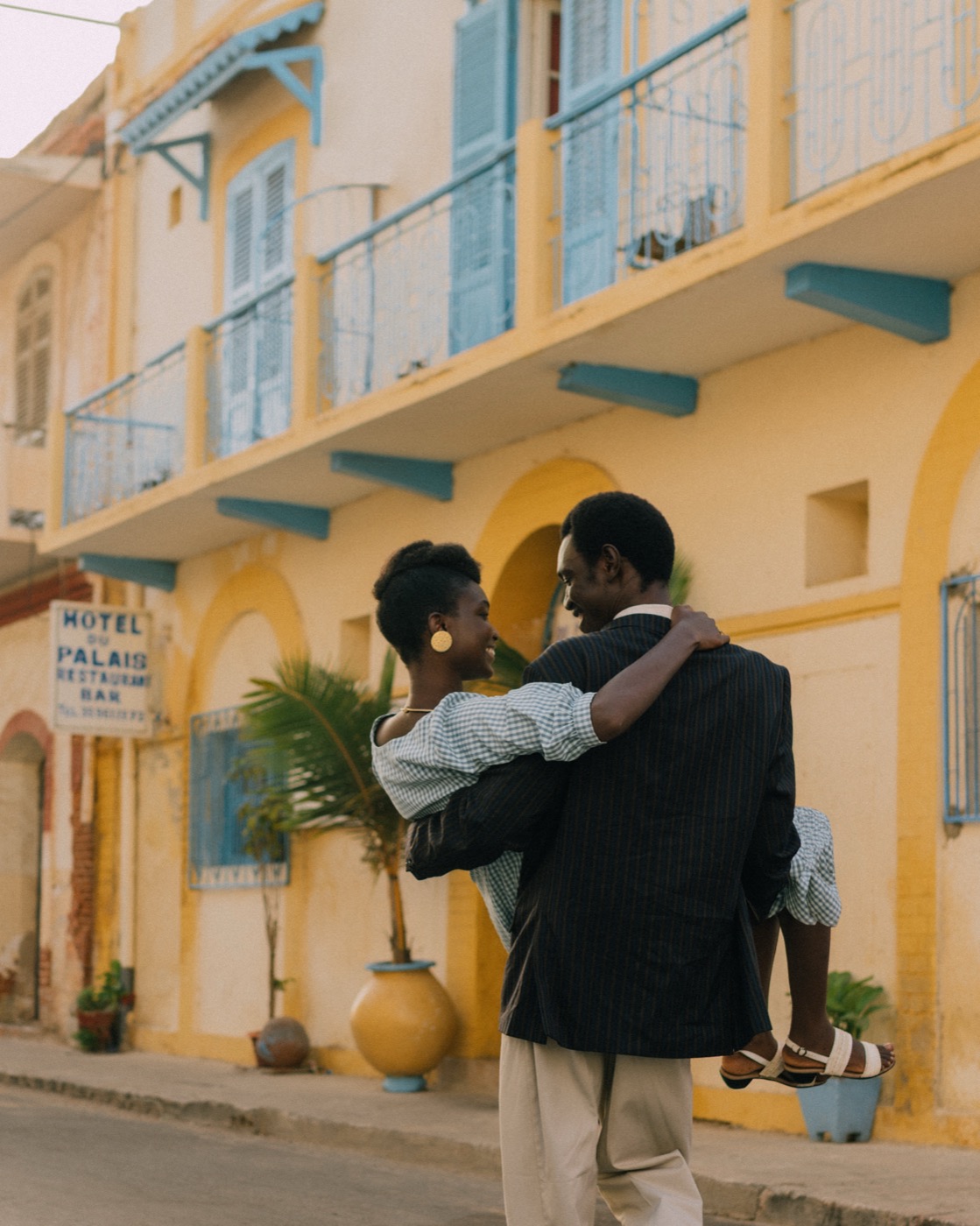 Carlos Idun-TawiahHotel du Palais, Saint Louis, Senegal, 2024.The decision that makes the picture is the turned back.
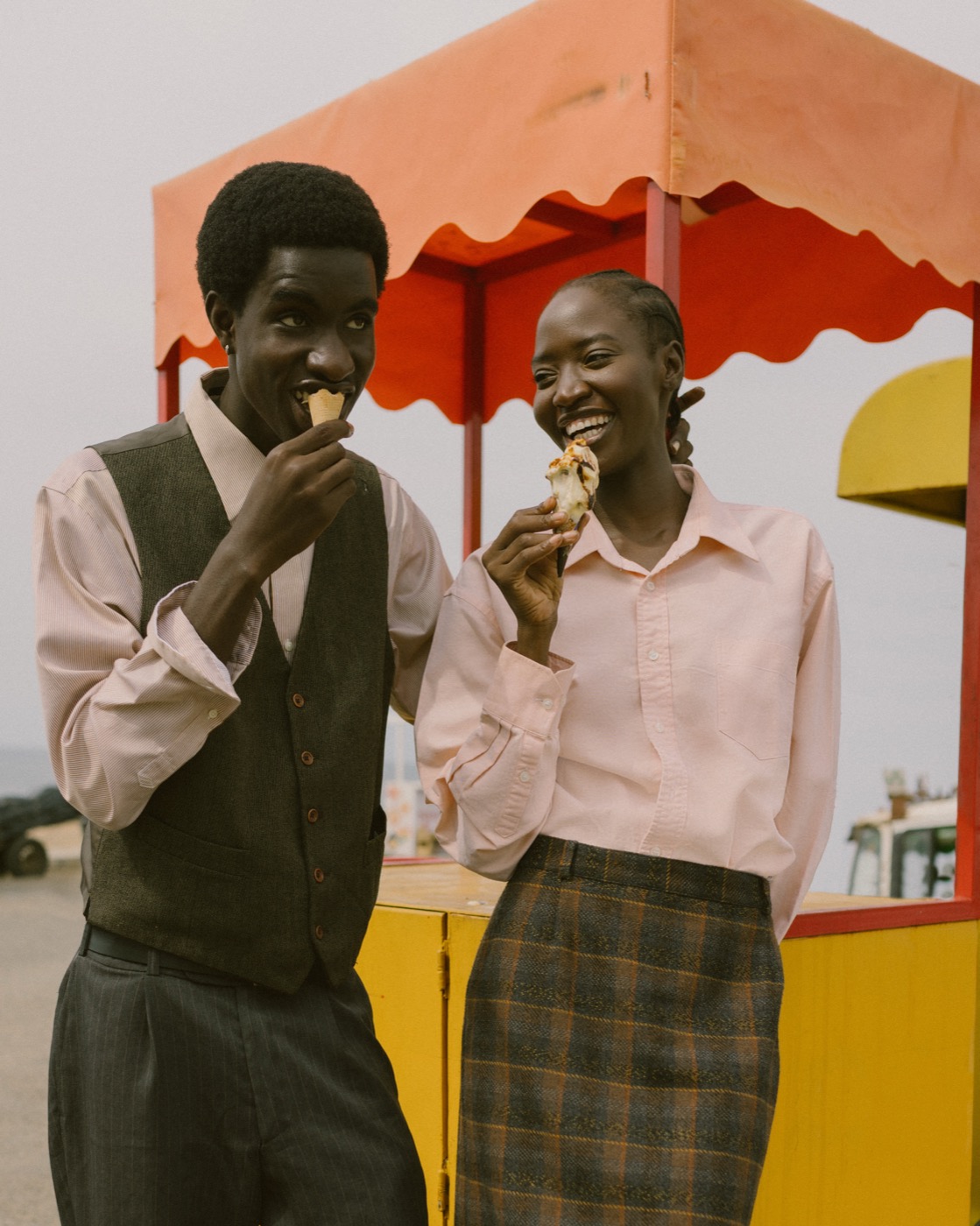 Carlos Idun-TawiahIce-cream for Two, Please, Saint Louis, Senegal, 2024.Two young people share the simplest luxury — a cone apiece — in front of a candy-striped seaside stall, and Carlos Idun-Tawiah dresses the moment to the nines.
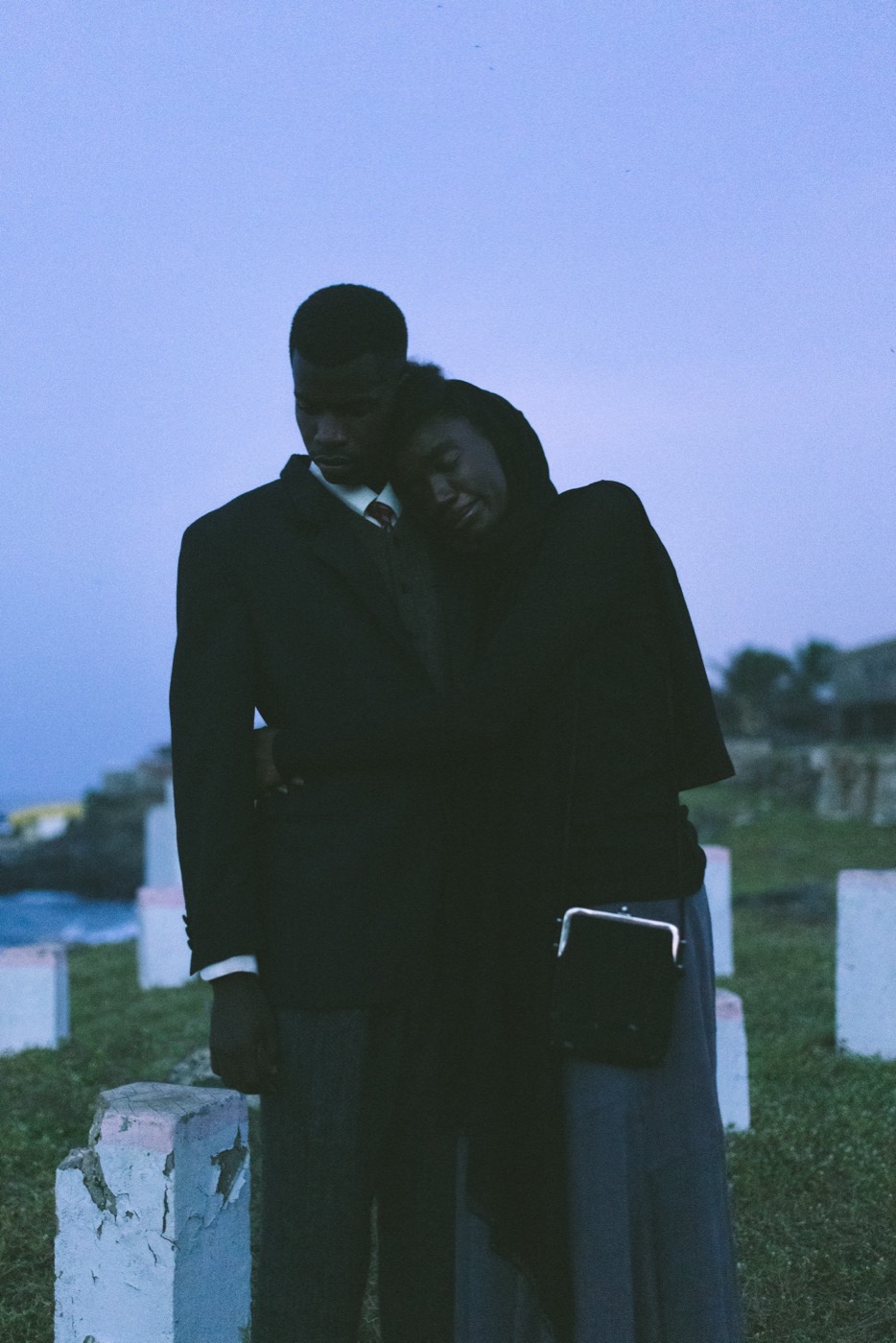 Carlos Idun-TawiahIn the Field of Memory, Saint Louis, Senegal, 2024.Blue hour on a headland above the water, and the light has gone the colour of a bruise healing.
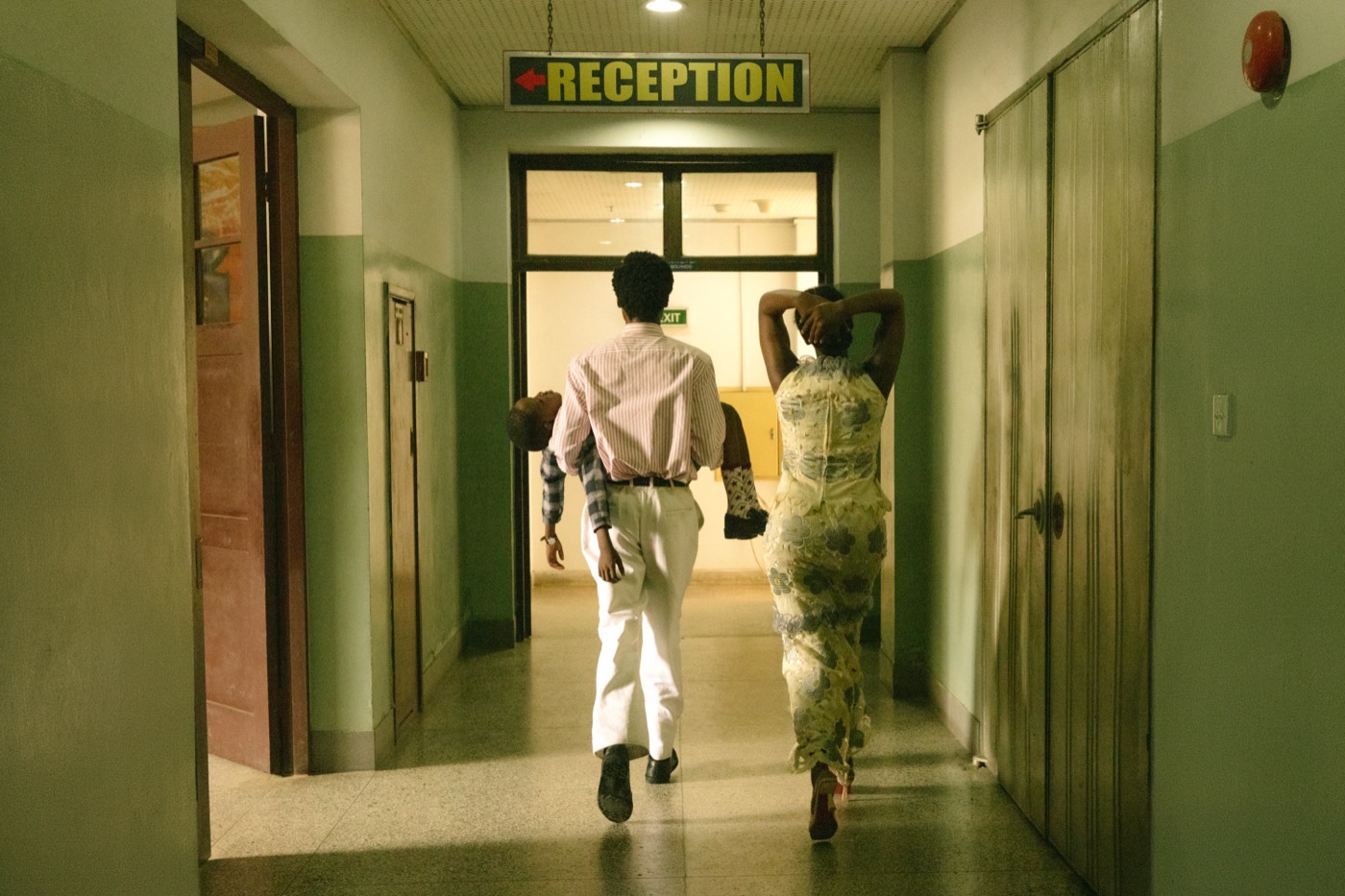 Carlos Idun-TawiahIn The Hand Of The Father, Accra, Ghana, 2024.Idun-Tawiah photographs three people from behind, walking away down an institutional corridor toward a lit doorway and a hanging sign that reads RECEPTION, its yellow letters and red arrow the…
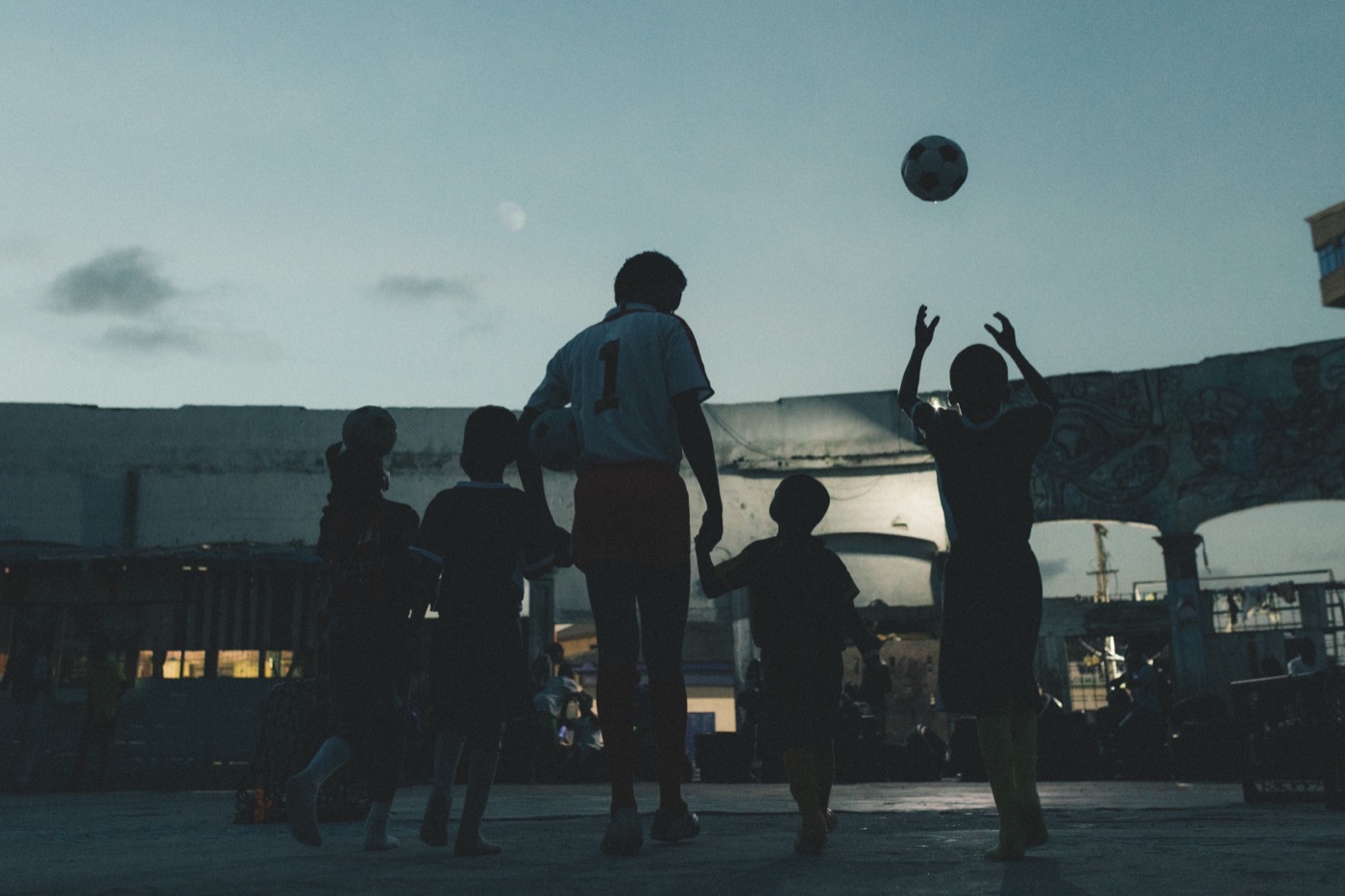 Carlos Idun-TawiahIn the Moonlight, Accra, Ghana, 2024.It is the blue hour in Accra, and Idun-Tawiah has turned his figures into silhouettes.
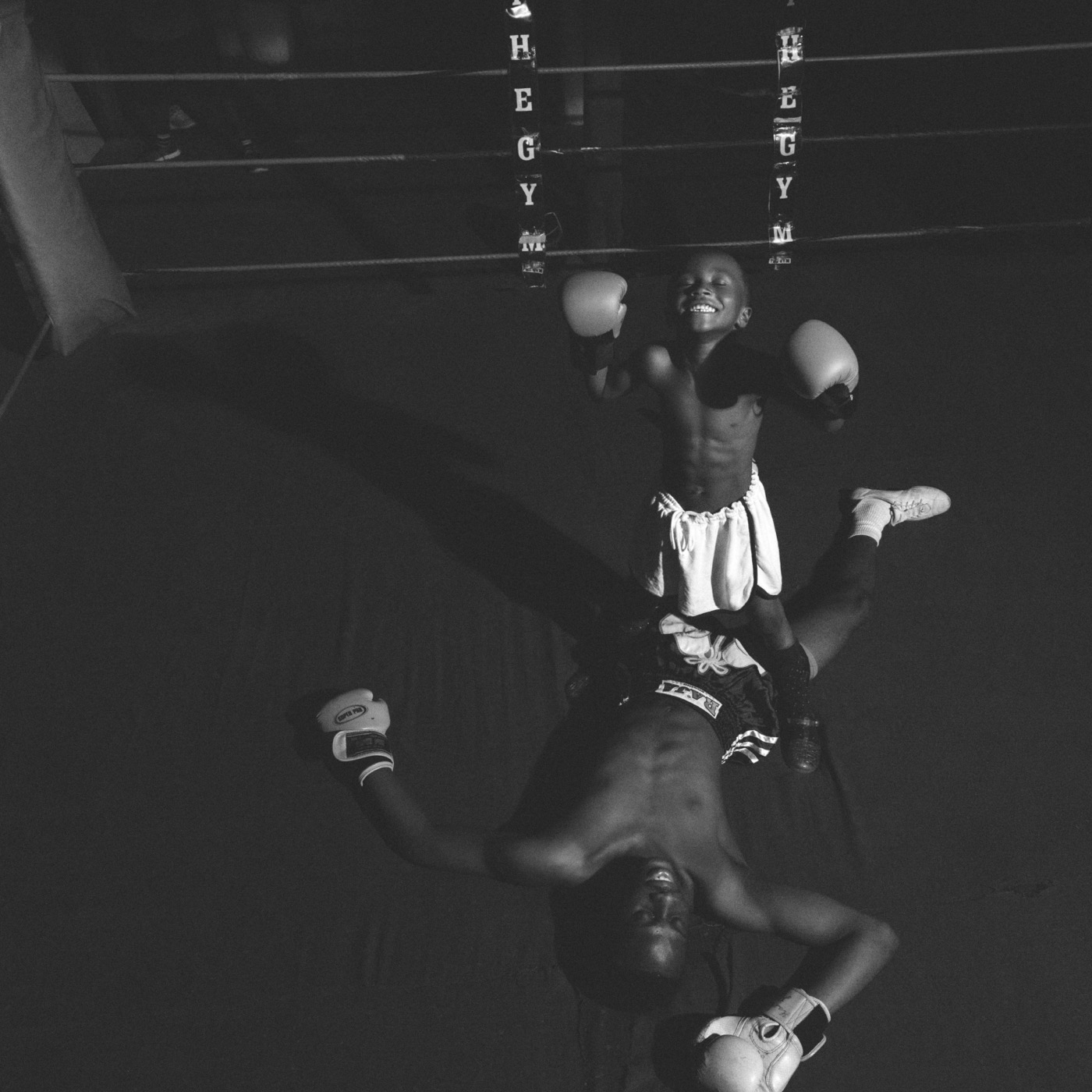 Carlos Idun-TawiahIron Fist, Accra, Ghana, 2024.From above, the boxing ring becomes a dark stage where a private myth is being written.
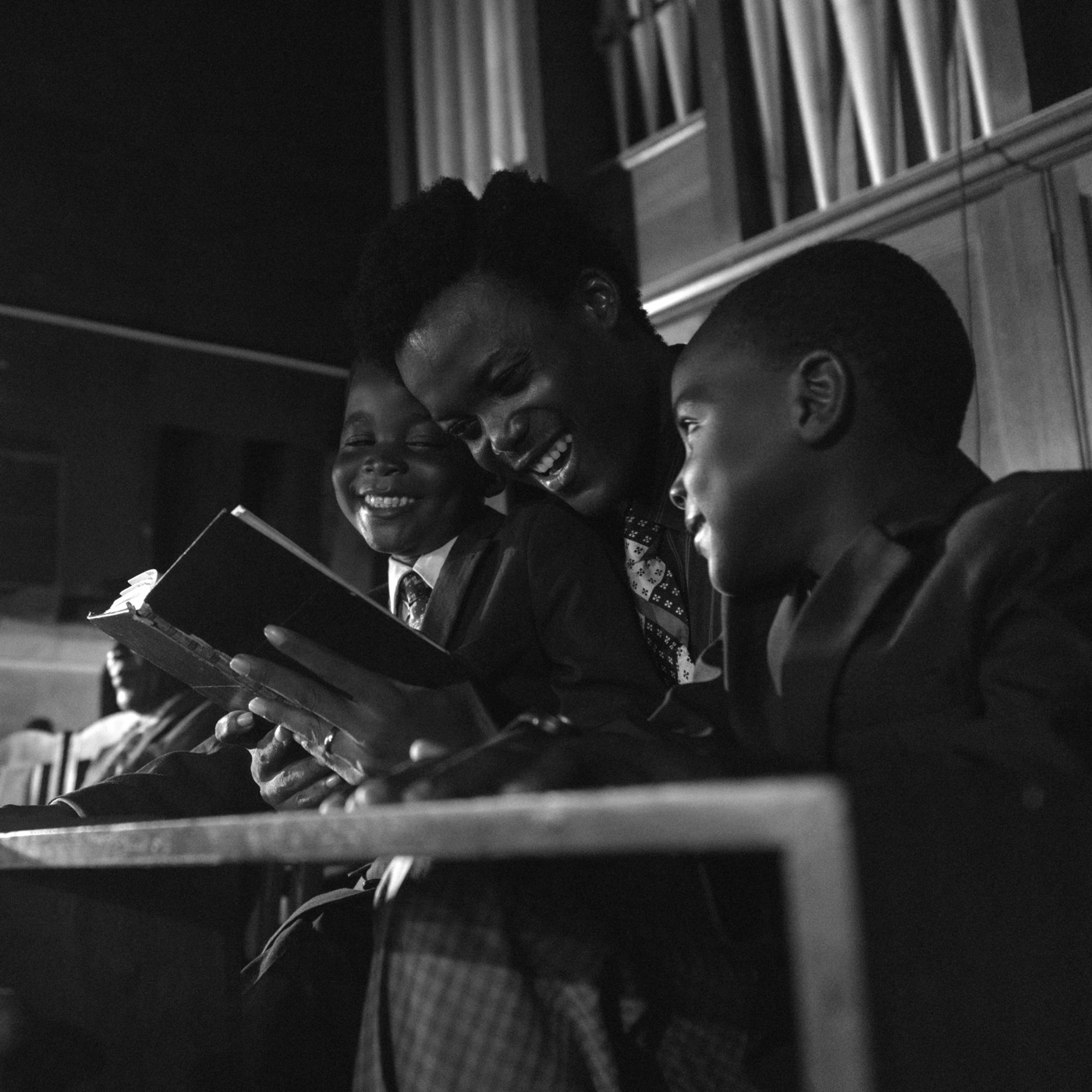 Carlos Idun-TawiahIt is Written, Accra, Ghana, 2024.In the soft glow of intimate interior space, three figures converge around a shared text, their faces illuminated by the warm light that seems to emanate from the pages themselves.
 Carlos Idun-TawiahLost in her Charm, Saint Louis, Senegal, 2024.They are dancing, or rather he has just turned her, and she is caught pivoting on the ball of one foot, her white skirt swinging, her cream jacket bright against the terracotta wall behind them.
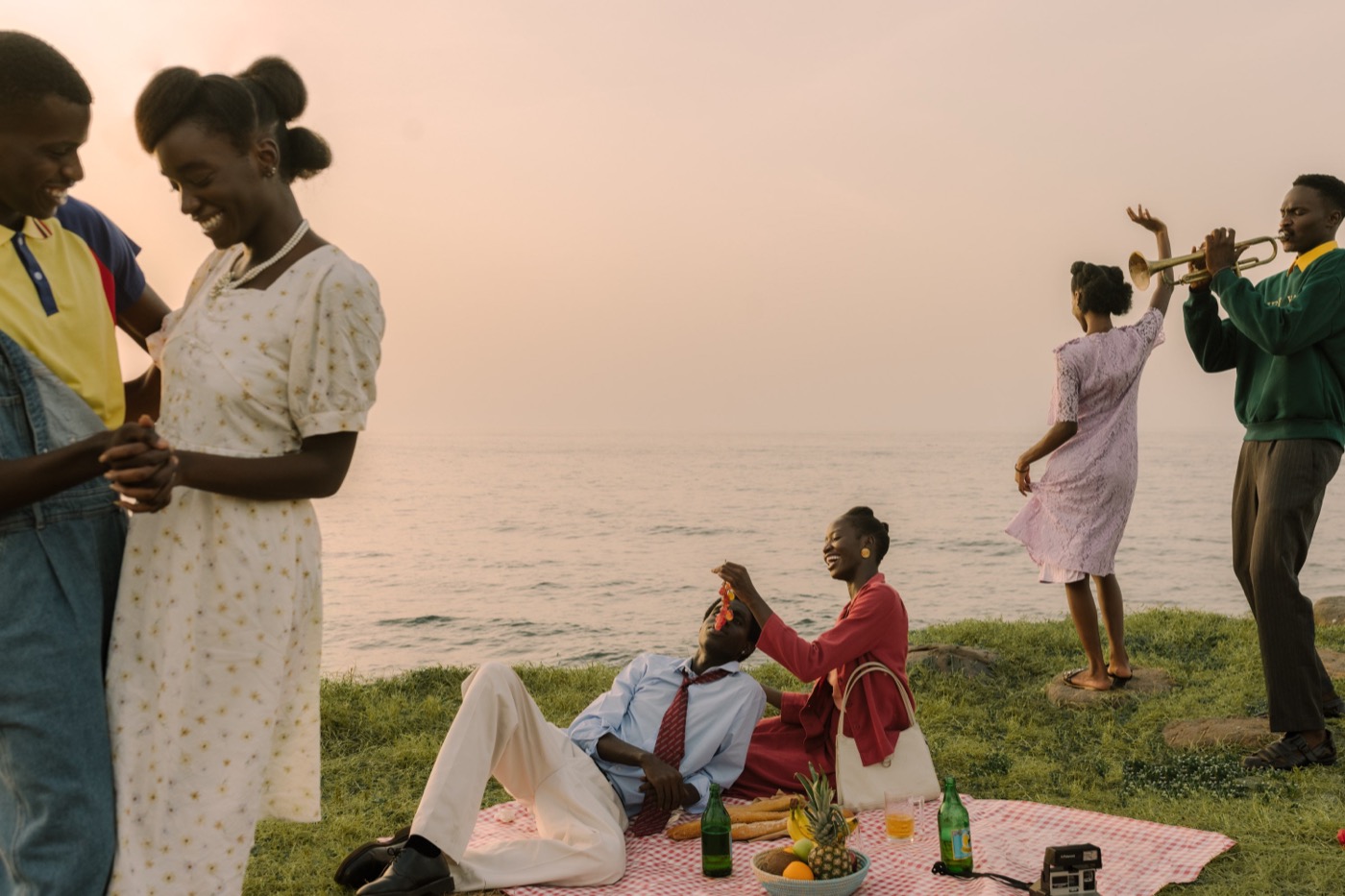 Carlos Idun-TawiahLove is a Picnic, Saint Louis, Senegal, 2024.Look at the lower right corner of the blanket: an instant camera lies face-up among the green bottles and the bowl of pineapple, switched off, waiting.
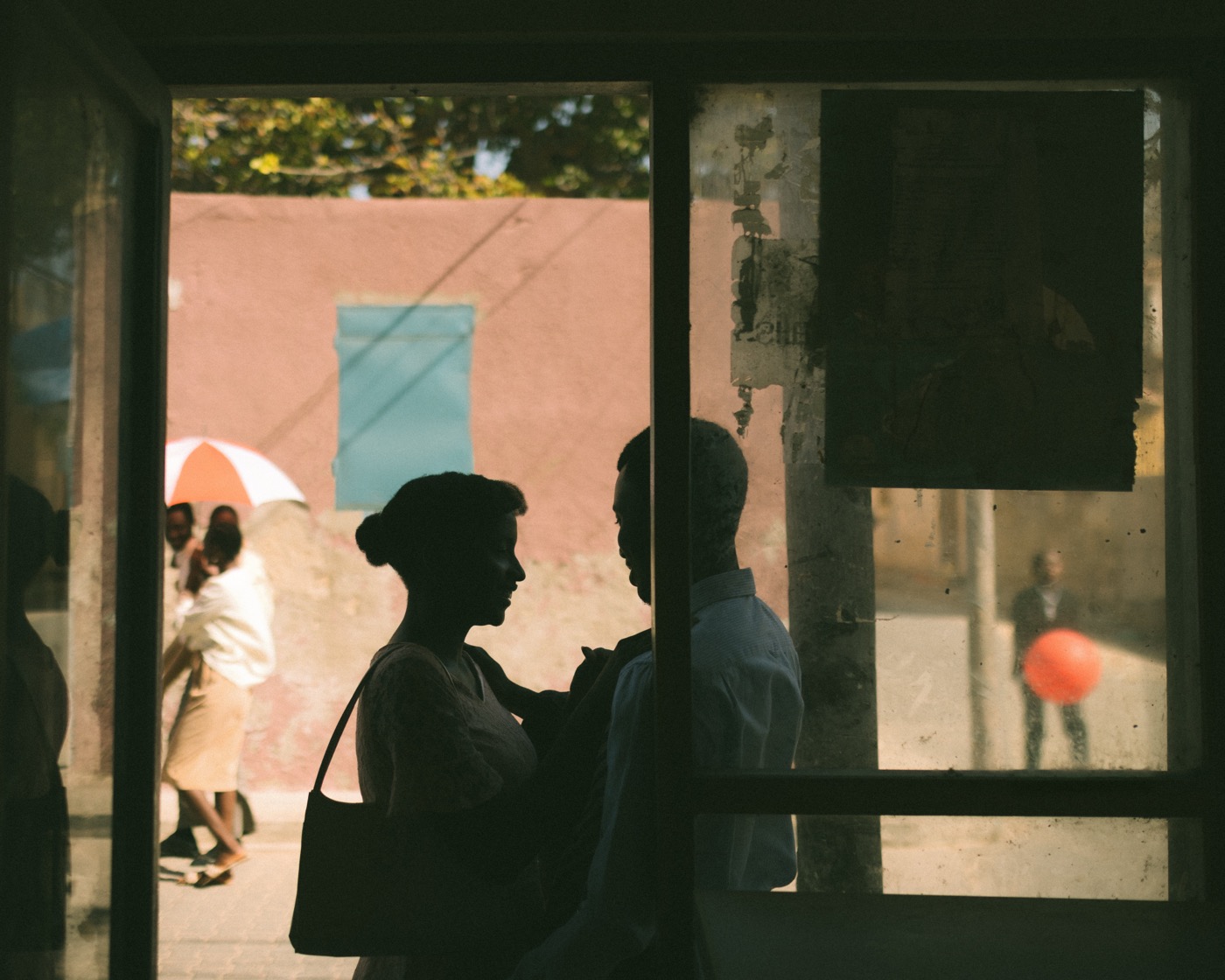 Carlos Idun-TawiahLover's Shade, Saint Louis, Senegal, 2024.Everything here is seen through a filthy pane.
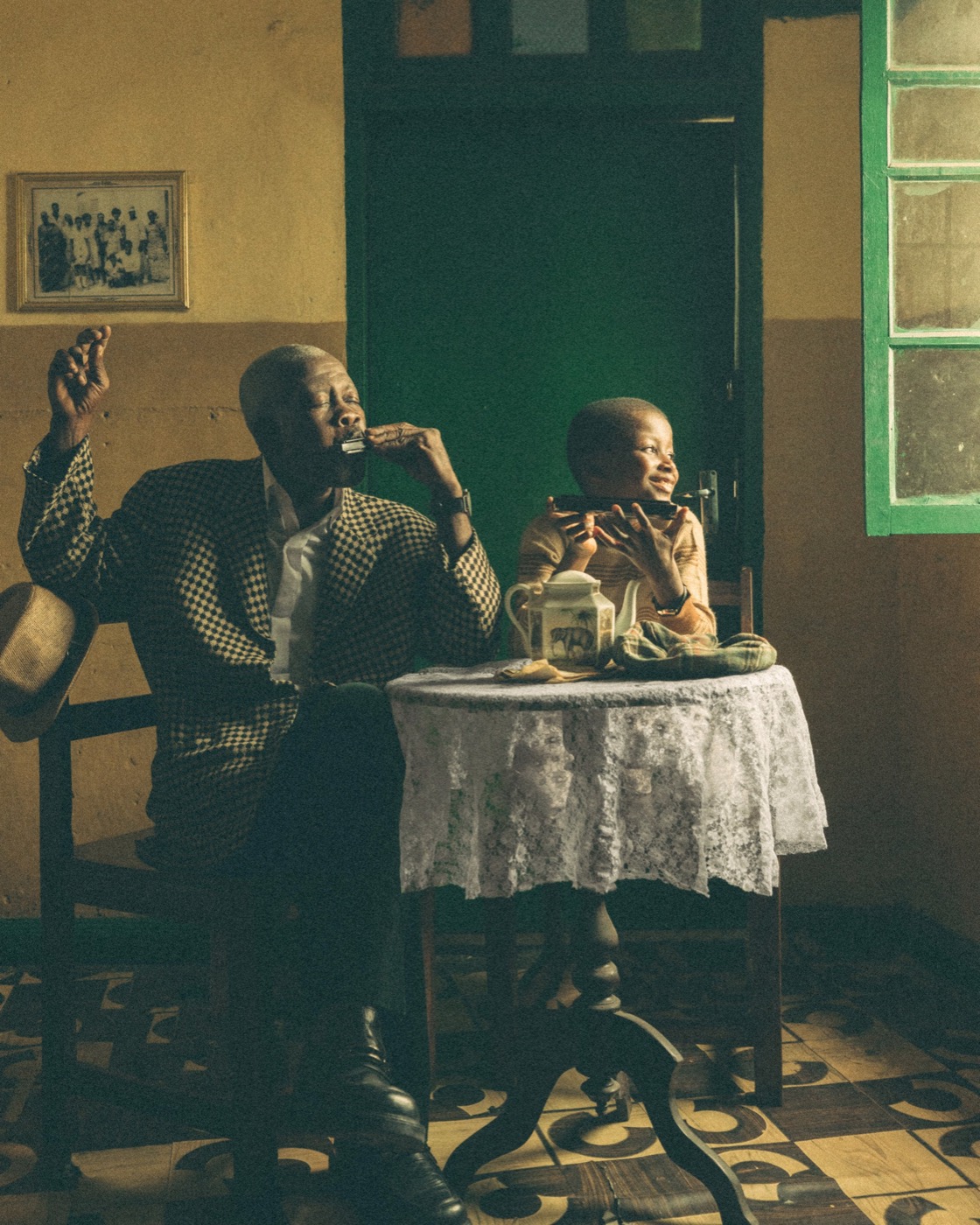 Carlos Idun-TawiahMaking Melodies in My Heart, Accra, Ghana, 2024.Two harmonicas, one interior, a great deal of gold.
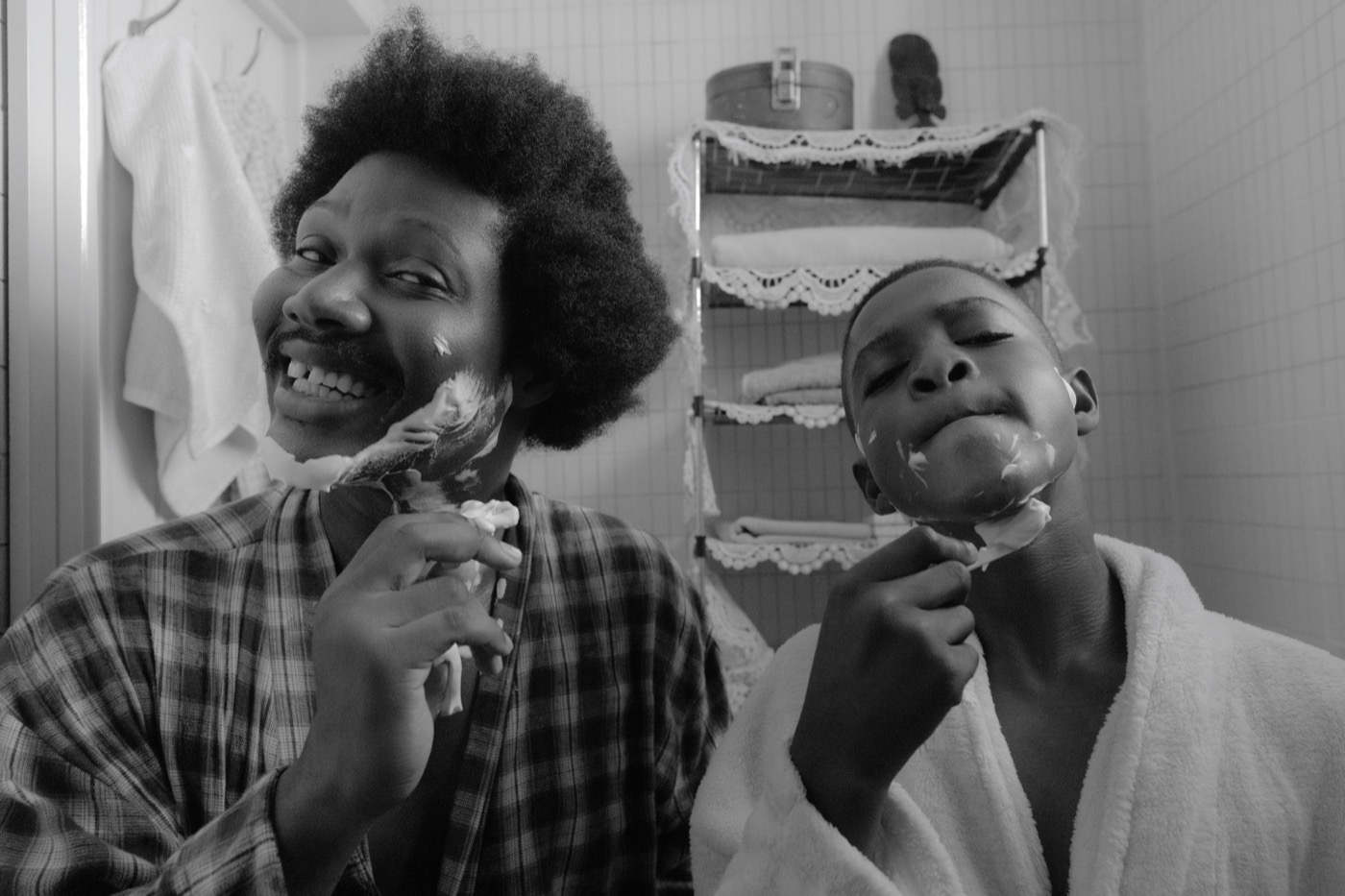 Carlos Idun-TawiahMorning Face, Accra, Ghana, 2024.Black and white, close in, the two of them shoulder to shoulder and mugging at us: a man with a full afro and mustache, grinning wide in a plaid flannel robe, beside him a boy in white towelling…
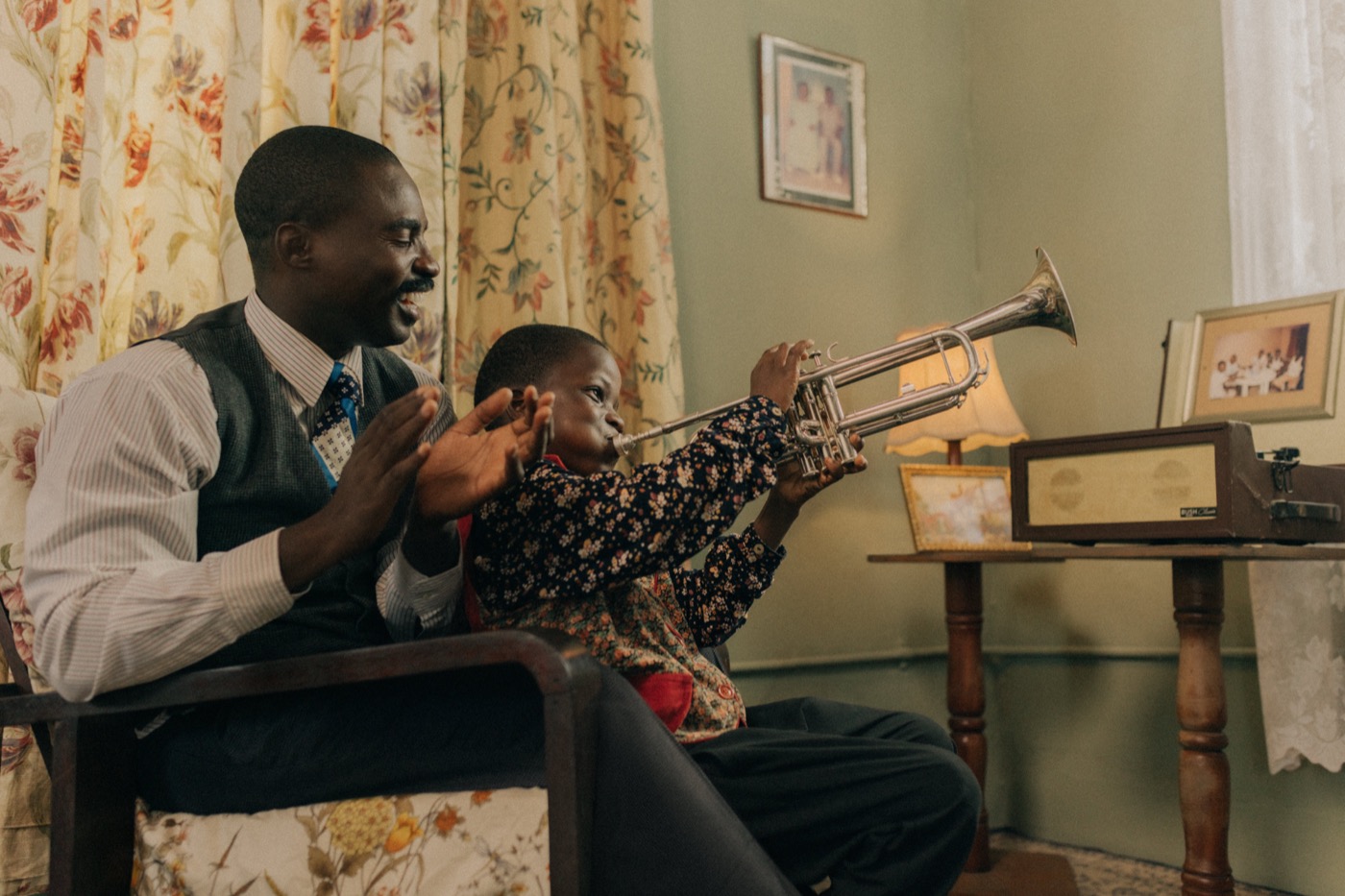 Carlos Idun-TawiahMouthpiece, Accra, Ghana, 2024.What you notice first is the trumpet, a bright silver diagonal cutting across the warm green room, its bell flaring toward the window light.
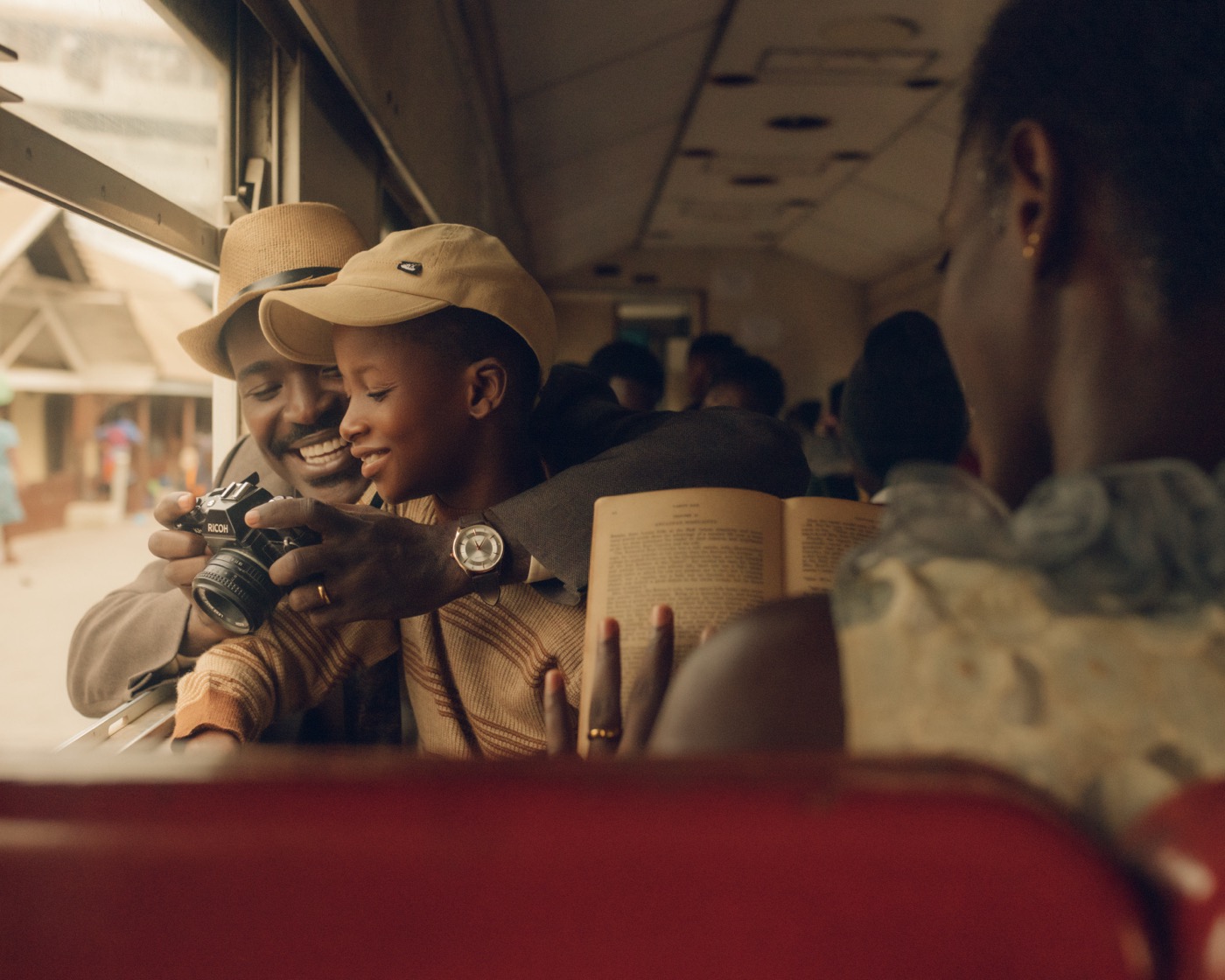 Carlos Idun-TawiahMy first Photograph, Accra, Ghana, 2024.Two hands cradle a small black camera, tilting it toward the window light of a bus, and a child in a tan cap leans in close enough to breathe on the lens.
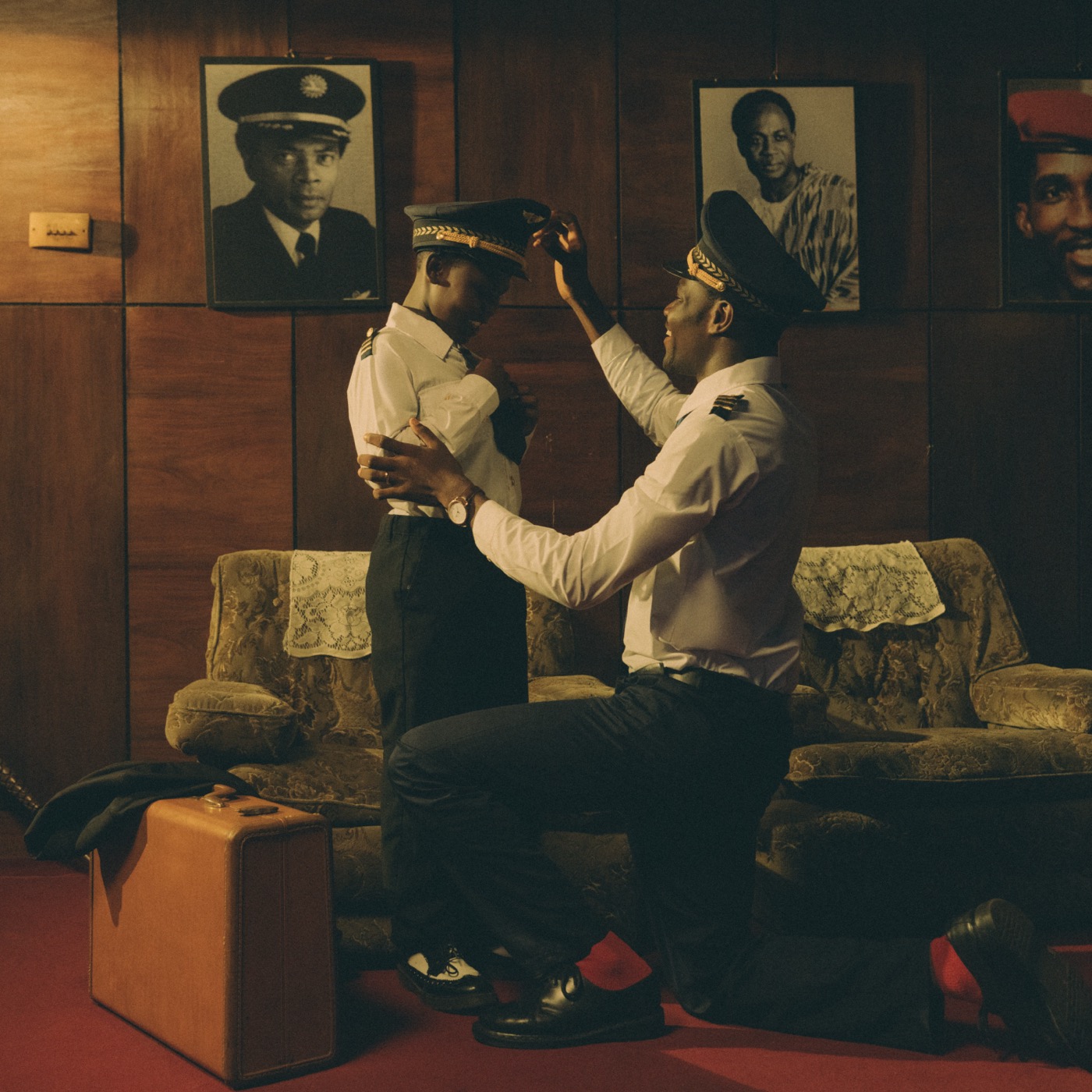 Carlos Idun-TawiahMy Only Ticket Home, Accra, Ghana, 2024.A wood-panelled room. A man in a pilot's white shirt with epaulettes kneels on one knee in front of a boy dressed in the same shirt with the same epaulettes, and lowers a peaked cap onto his head.
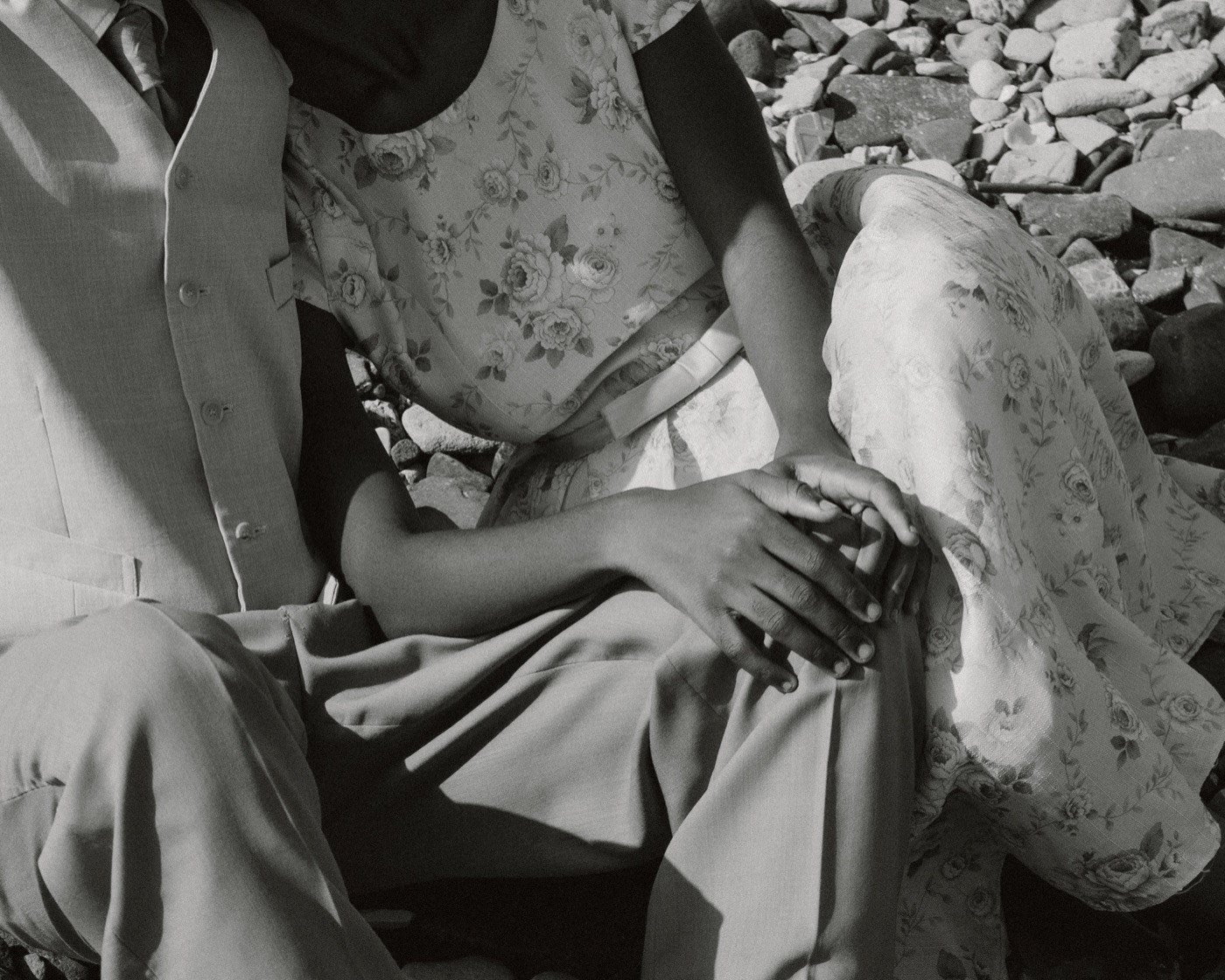 Carlos Idun-TawiahNothing said on Purpose II, Saint Louis, Senegal, 2024.Idun-Tawiah crops the faces away entirely and lets cloth and skin and stone carry the whole photograph.
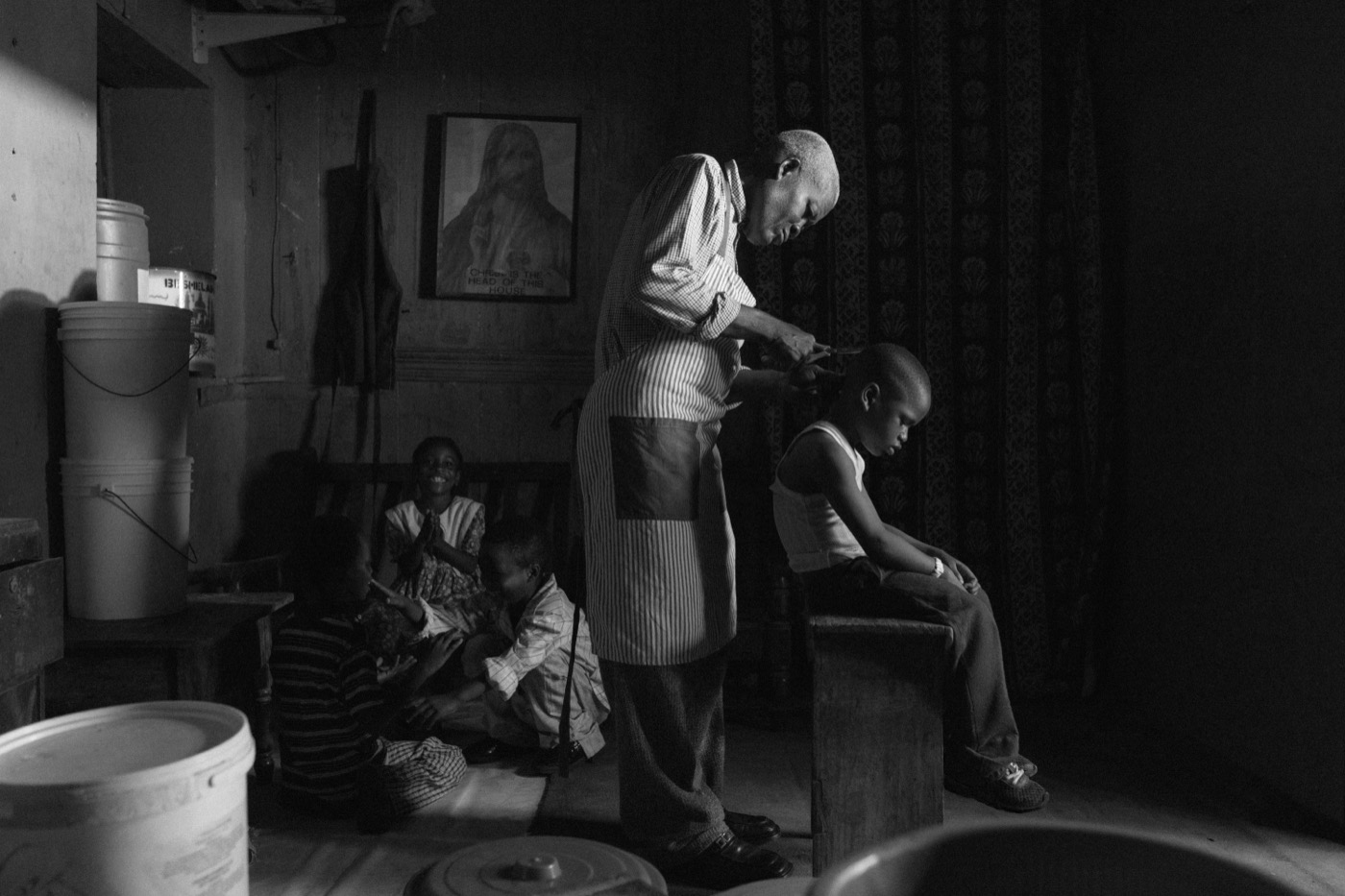 Carlos Idun-TawiahOnce Upon A Younger Year, Accra, Ghana, 2024.The room is dark in the way rooms are dark before an eye adjusts, and then the light picks out what matters: a boy’s bare shoulder, the white of his singlet, the barber’s hands at work above him.
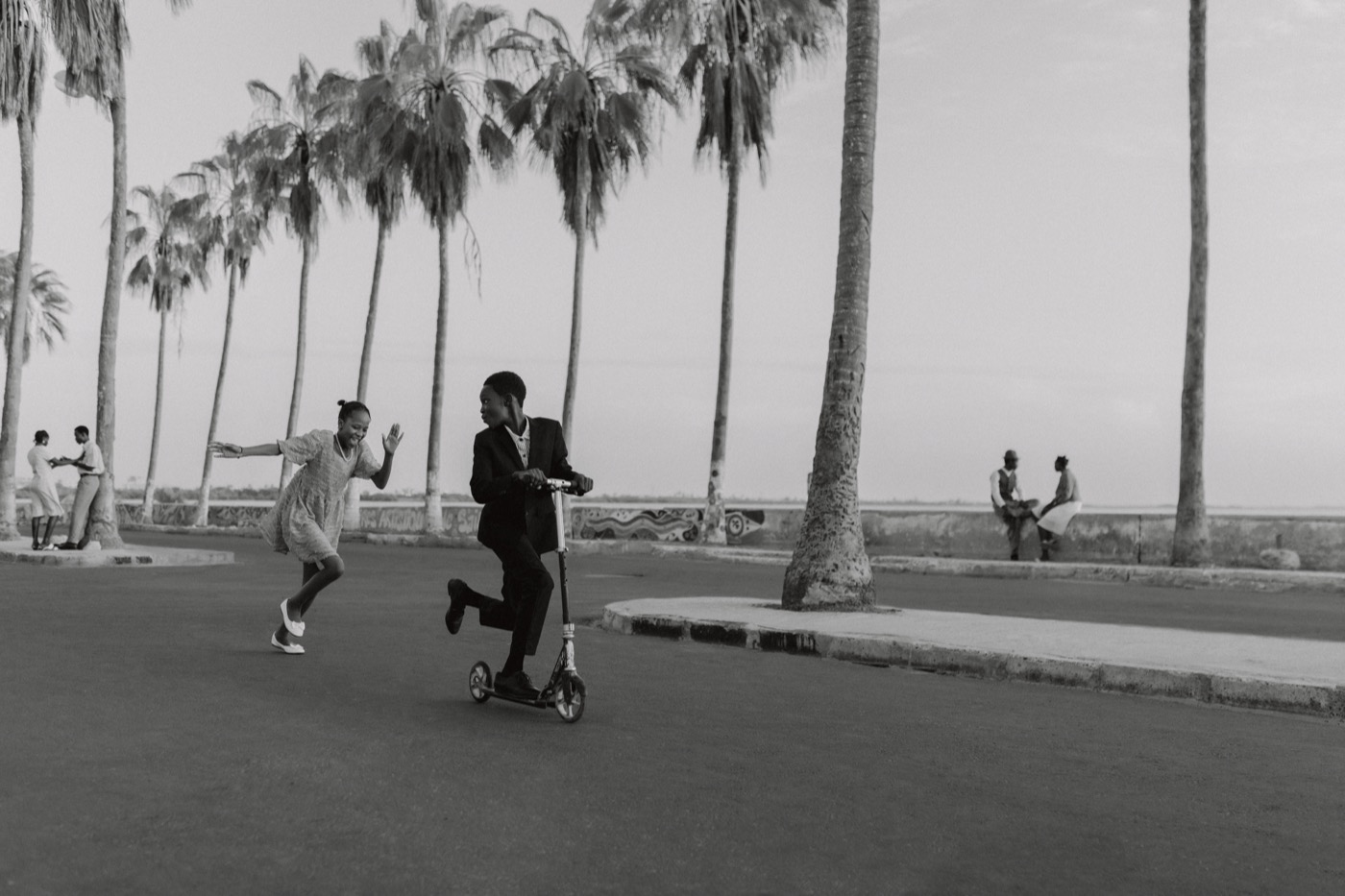 Carlos Idun-TawiahOur Little Drama, Saint Louis, Senegal, 2024.There is a particular kind of running that only children do, all arm and abandon, the body flung out after the feet, and here it is: a girl in a light dress tearing across an empty seafront road, one…
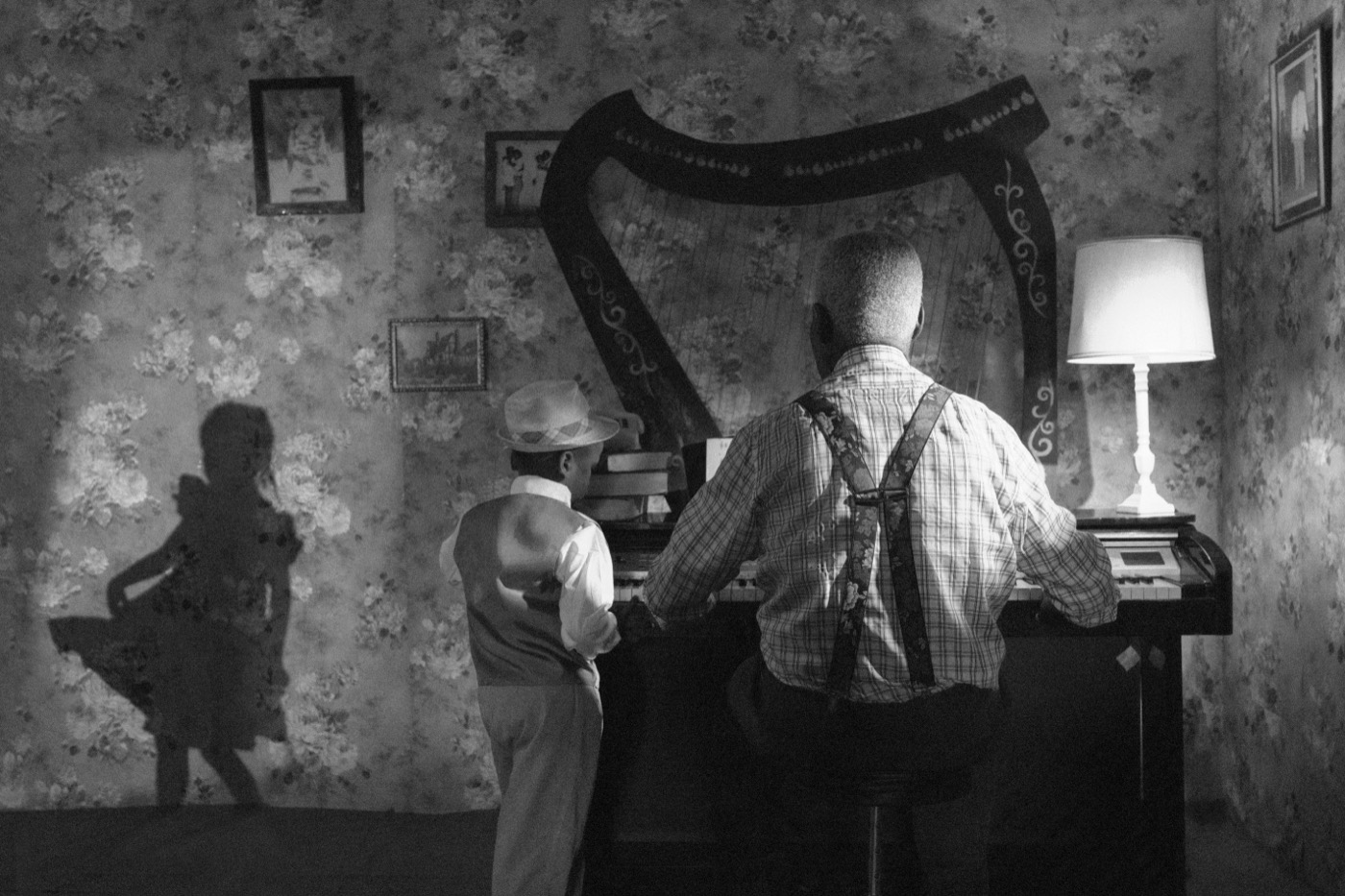 Carlos Idun-TawiahOwn this Sound Forever, Accra, Ghana, 2024.A photograph cannot hold sound, and Carlos Idun-Tawiah knows it.
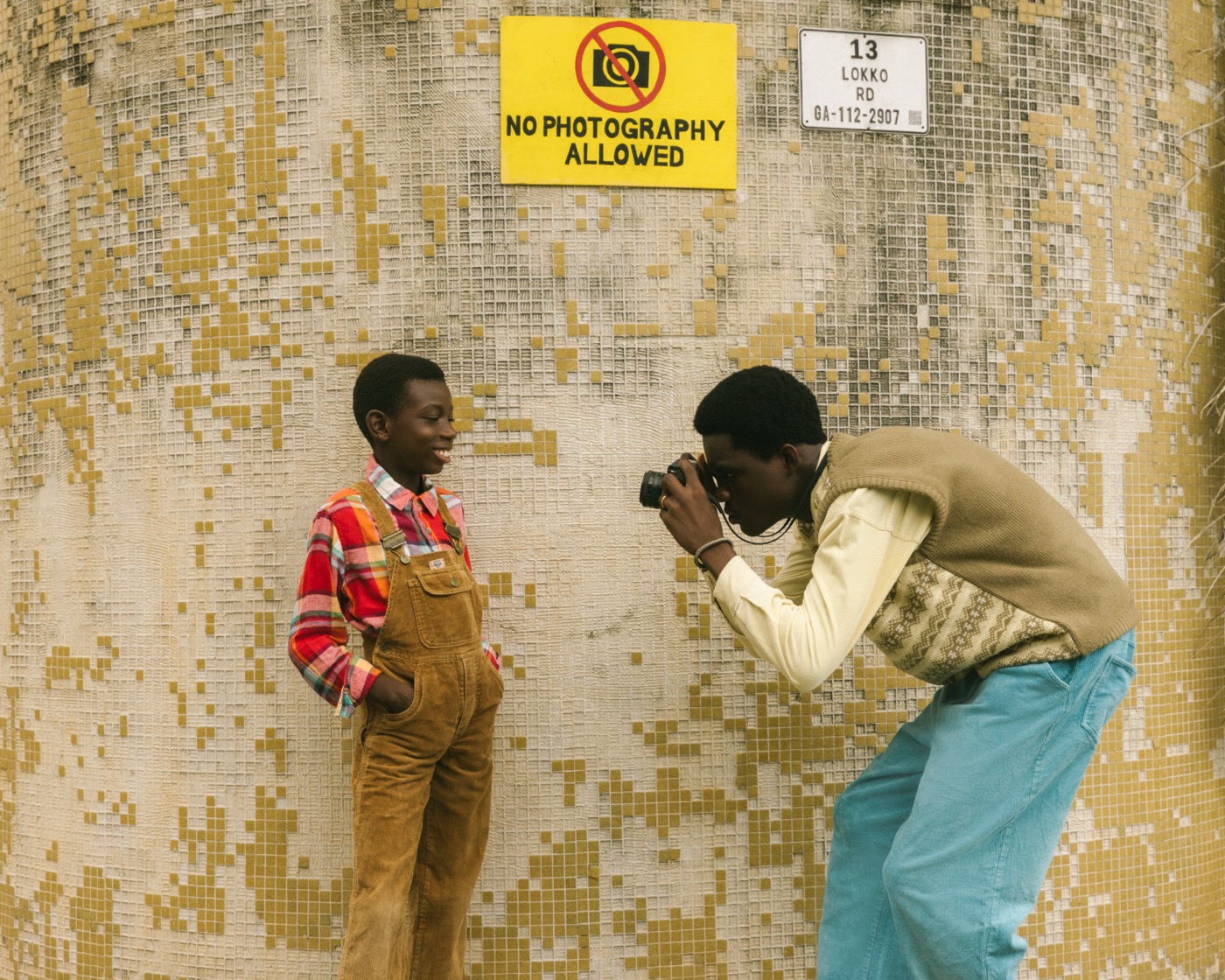 Carlos Idun-TawiahRight Wrong, Accra, Ghana, 2024.This photograph from Carlos Idun-Tawiah’s series Hero, Father, Friend turns a simple contradiction into a quietly powerful scene.
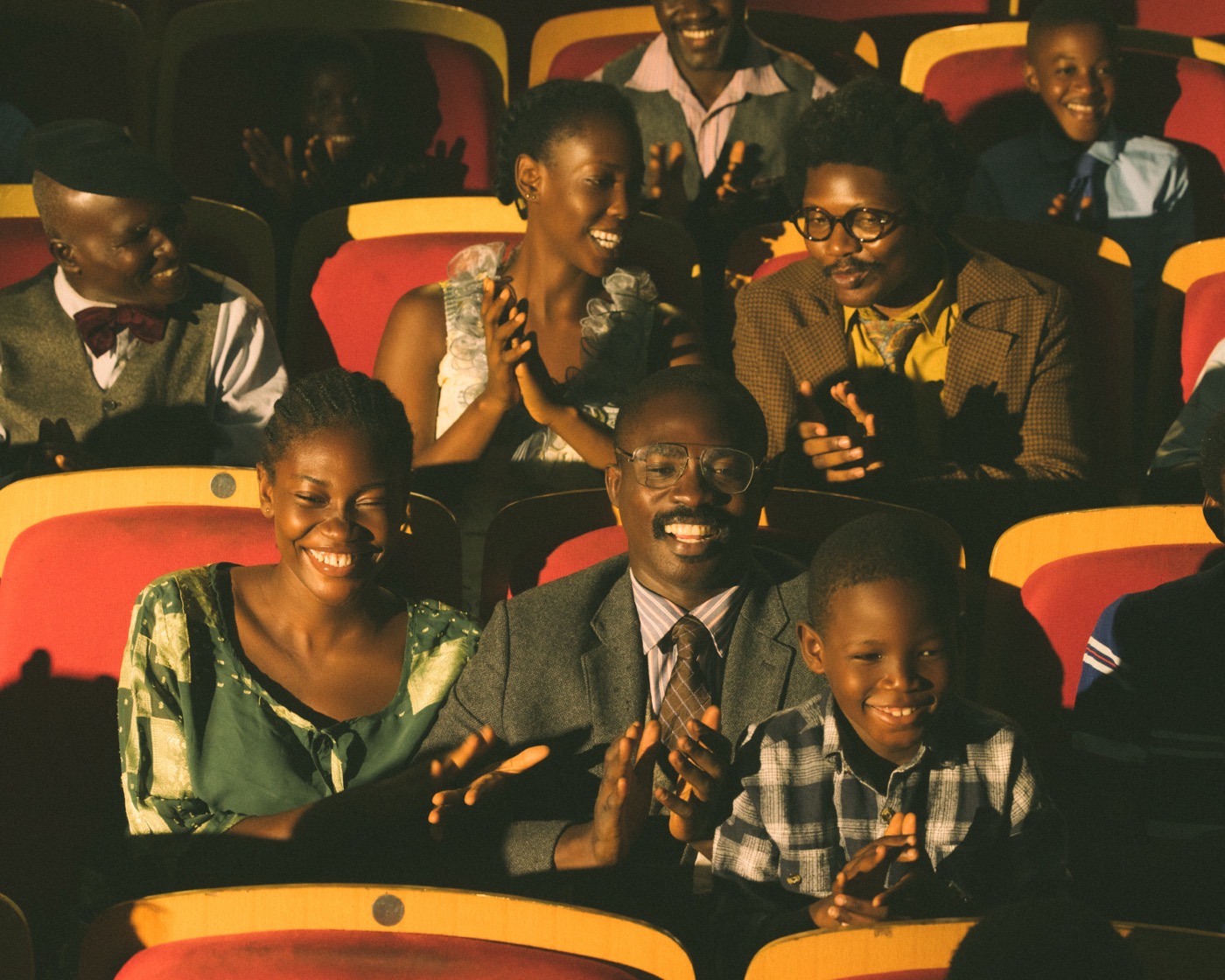 Carlos Idun-TawiahRound Of Applause, Accra, Ghana, 2024.There is a tradition of painters who turned away from the stage to study the faces watching it — Daumier in the loges, Renoir's theatre boxes, Hopper's lone usherette in the aisle's amber wedge.
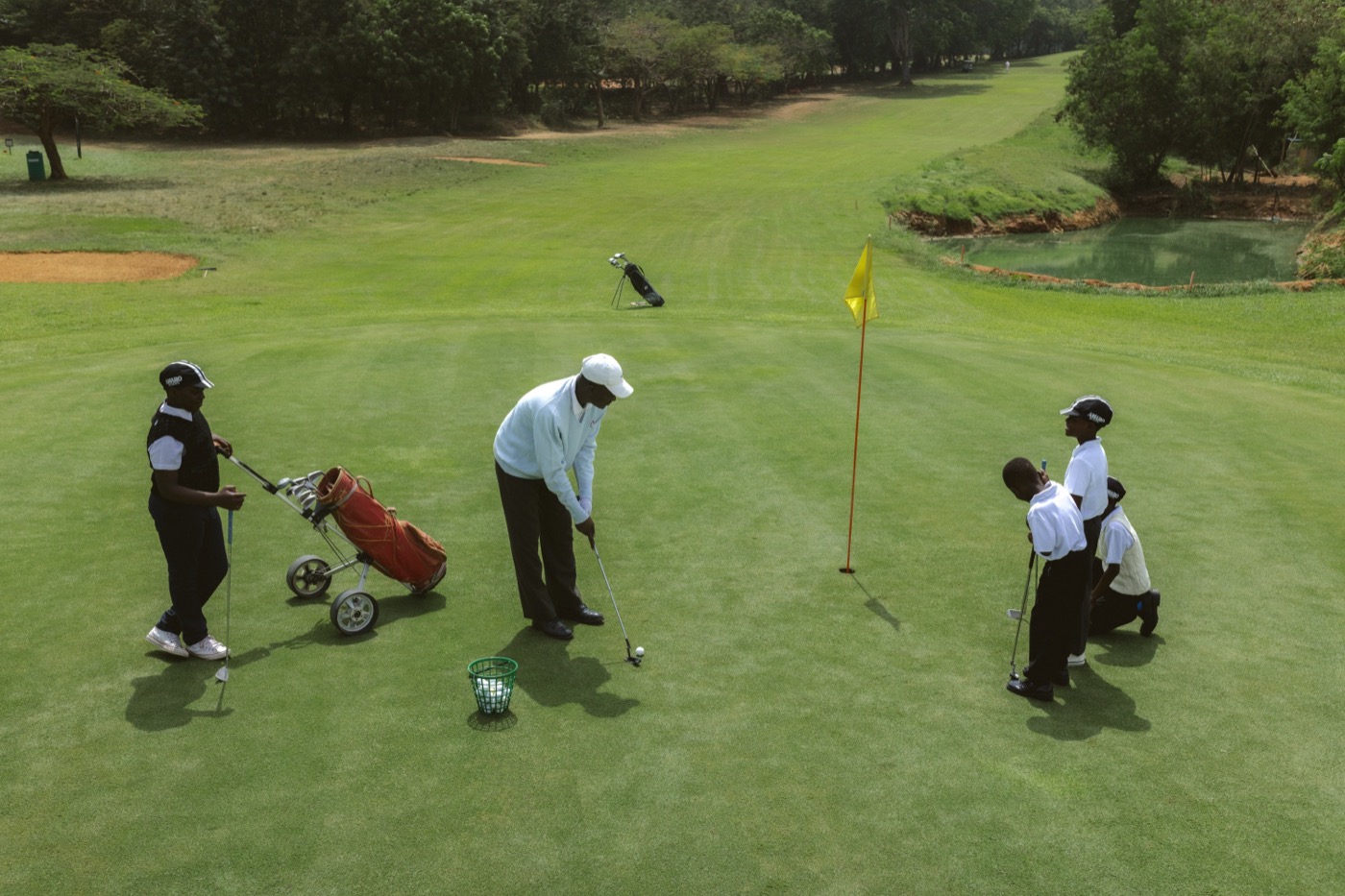 Carlos Idun-TawiahThe Grass is Greener Where my Father is, Accra, Ghana, 2024.A small wire basket of practice balls sits in the grass at the centre of the frame, and it is the giveaway.
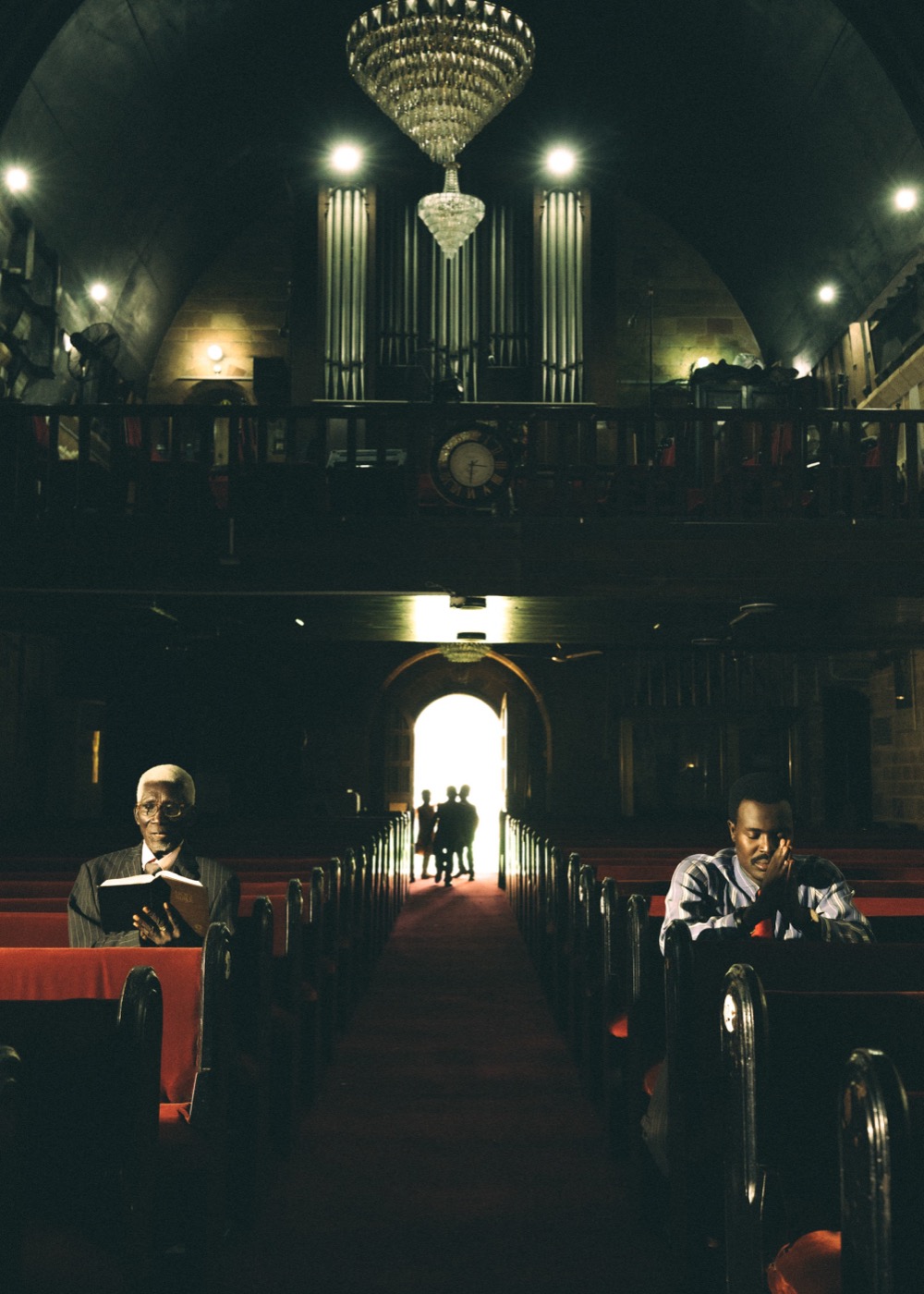 Carlos Idun-TawiahThe Lord’s Prayer, Accra, Ghana, 2024.Two men hold the lower corners of the frame like the weights at the bottom of a net, and between them the aisle runs back into a doorway of pure daylight.
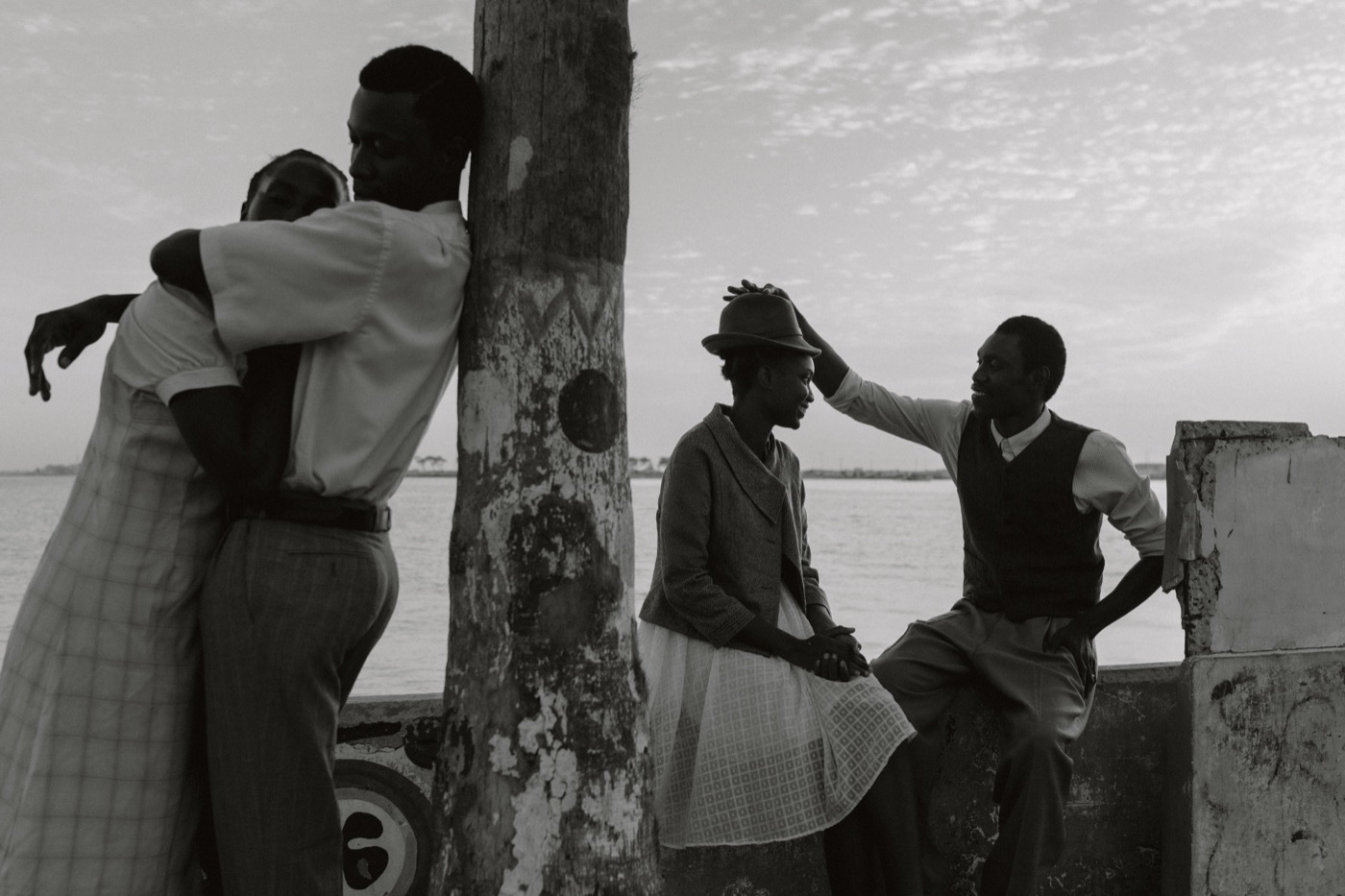 Carlos Idun-TawiahThe way You Wear Your Hat, Saint Louis, Senegal, 2024.By the water at Saint-Louis, at the flat grey hour near dusk, two couples occupy the same photograph without quite sharing it.
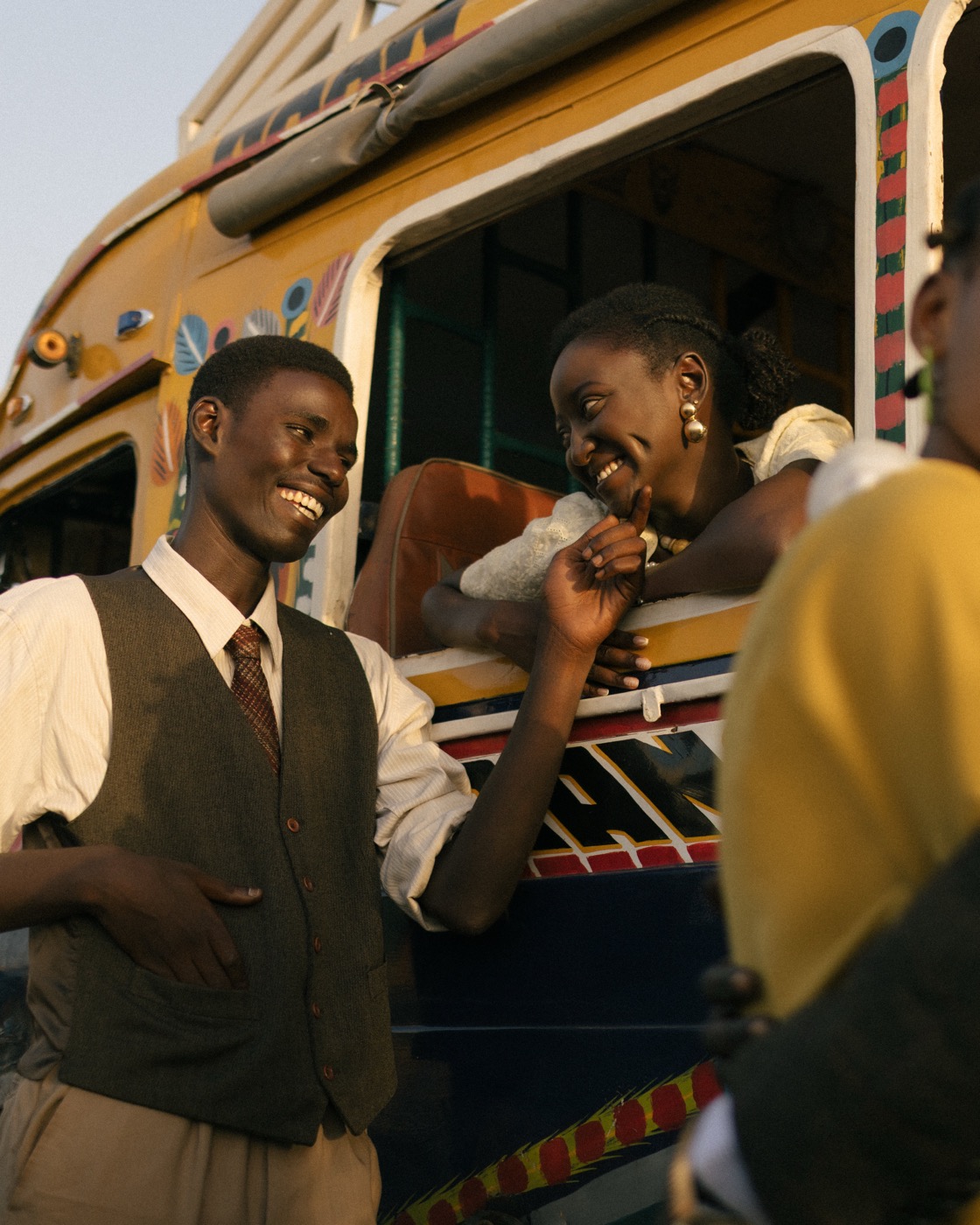 Carlos Idun-TawiahThere are Diamonds in Colobane, Saint Louis, Senegal, 2024.Colobane is a name that carries freight, and the title knows it.
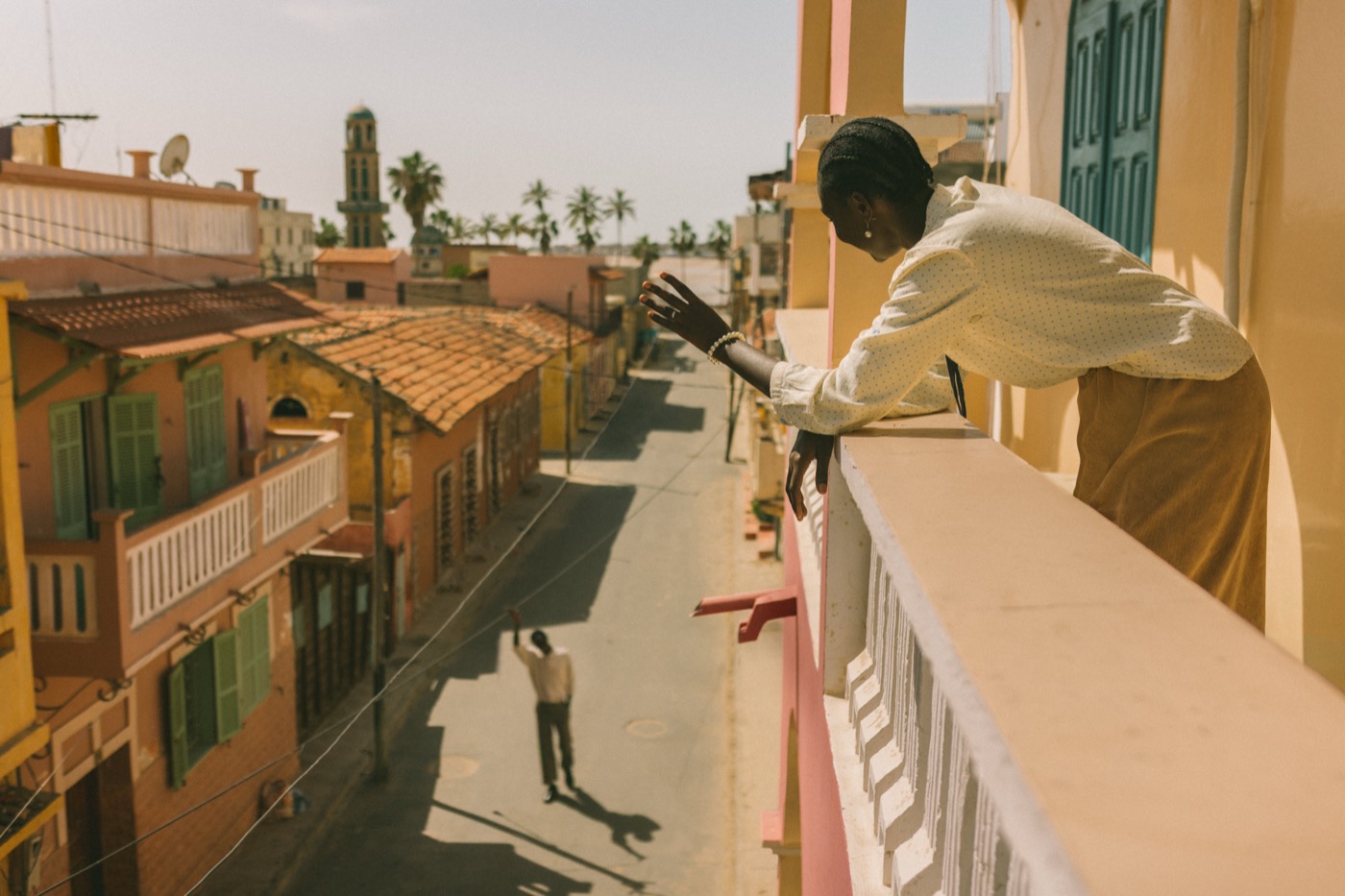 Carlos Idun-TawiahUntil Soon, Saint Louis, Senegal, 2024.A woman leans far out over a balcony rail in Saint-Louis, one arm extended, palm open, a beaded bracelet at her wrist and a ring catching the sun.
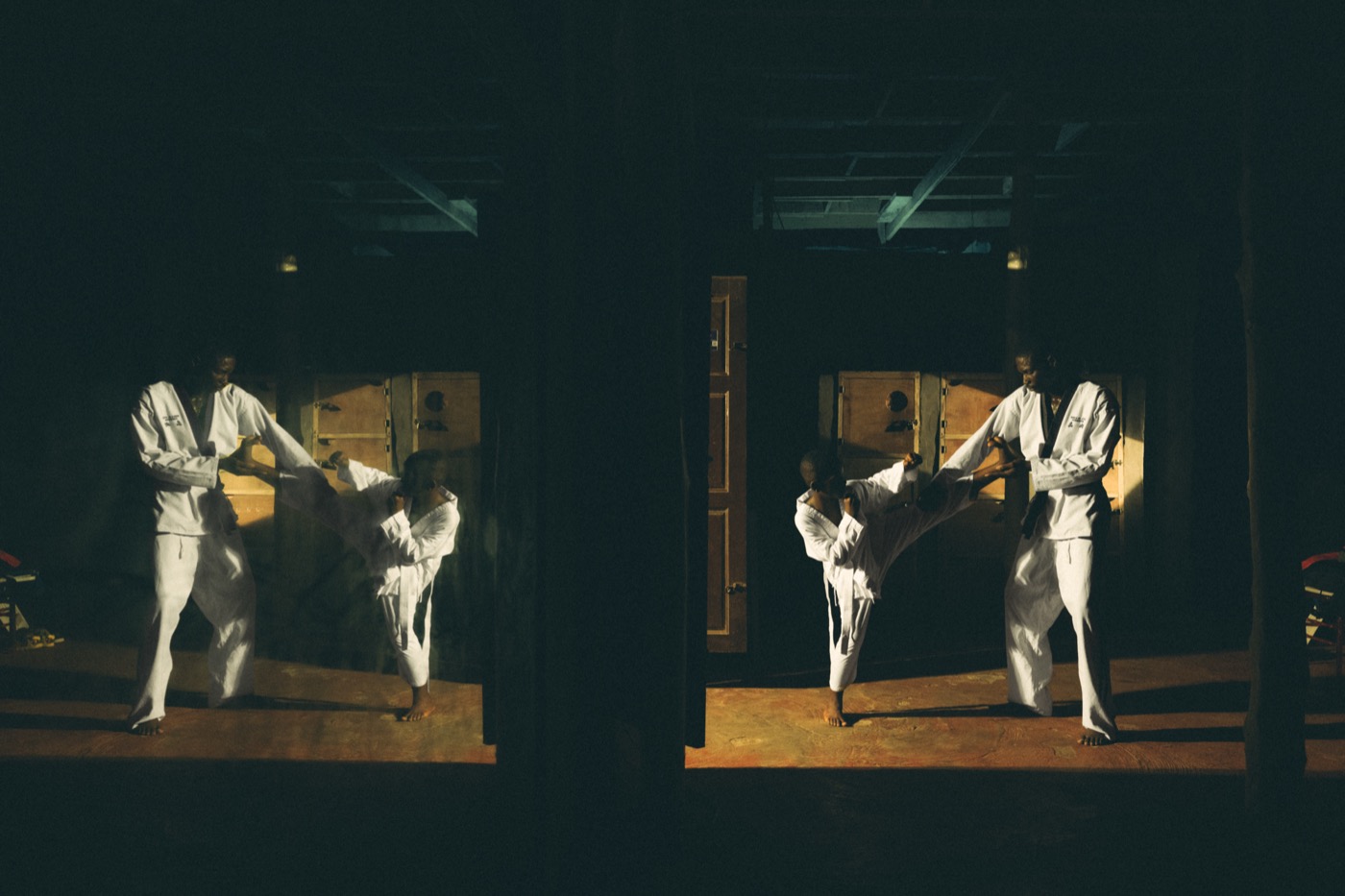 Carlos Idun-TawiahWhite Belt, Accra, Ghana, 2024.Idun-Tawiah has built the picture as a pair, two panels of the same lesson side by side, and the doubling is the first thing the eye must reason with.
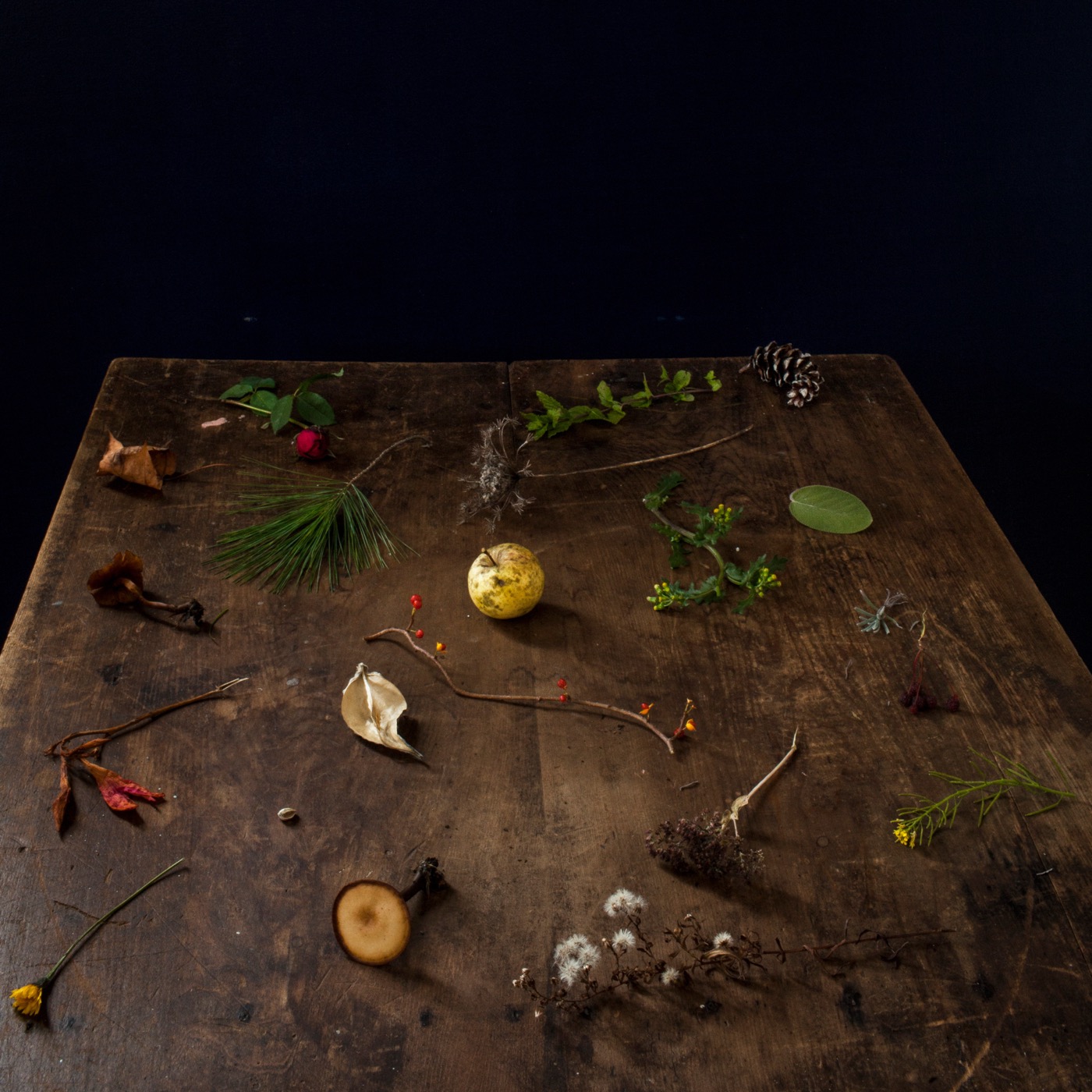 Cig HarveyFall Table, Rockport, Maine, 2013.What sits at the center of Cig Harvey's Fall Table is a question of strategy as much as a yellow apple.
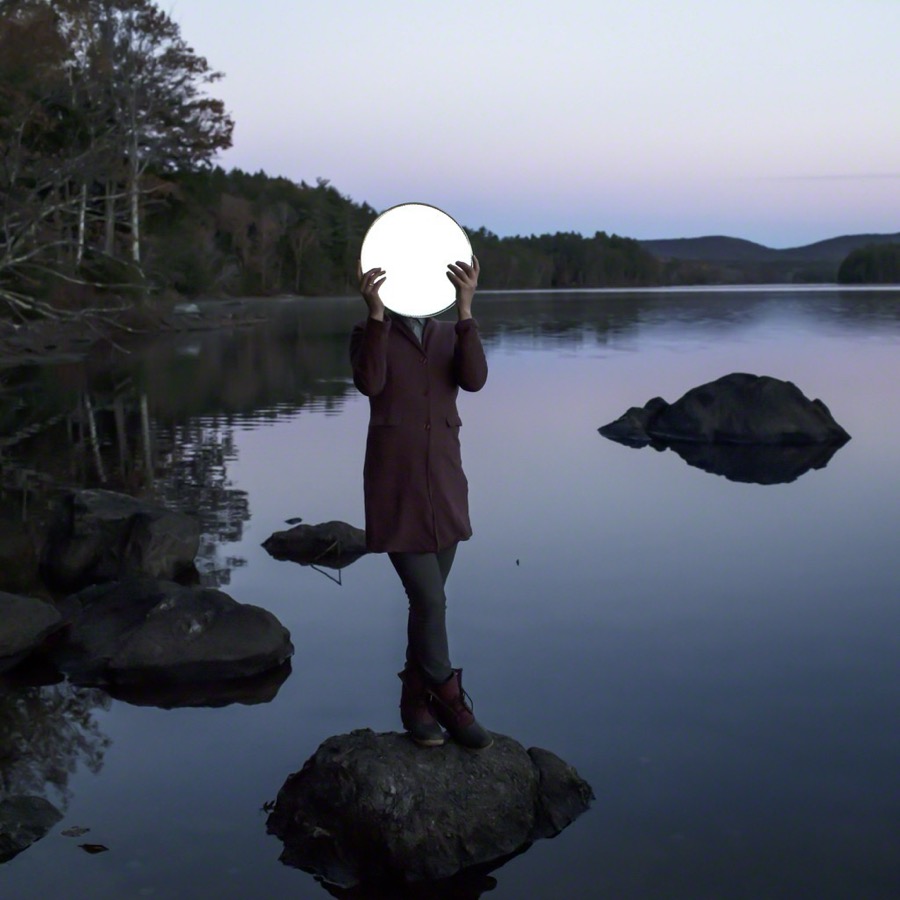 Cig HarveySadie & the Moon, Lake Megunticook, Maine, 2013.Long before the camera, people learned to hold a bright disc against the failing light and let it stand in for a face, a god, a full moon summoned early.
 Cig HarveyNorth Haven, High Tide, Maine, 2018.A single pale wrist, lifted just clear of the black water, bent back behind the head: it is the smallest thing in the frame and it governs everything.
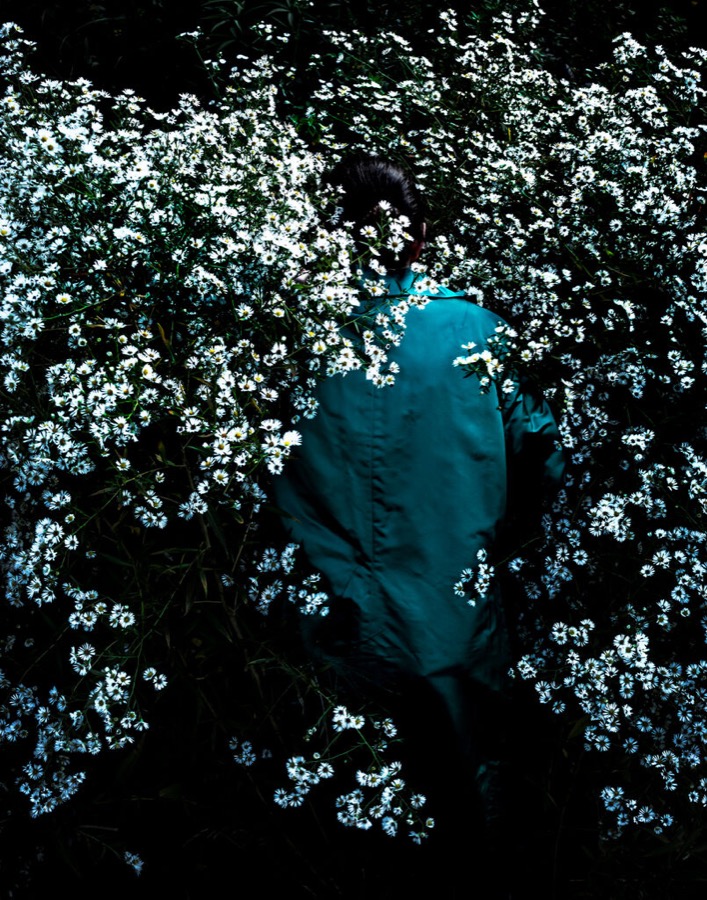 Cig HarveyBoltonia Asteroides, Union, Maine, 2019.Where is she going, this woman in the petrol-blue coat, turning her back on us and walking into a black field that seems lit only by its flowers?
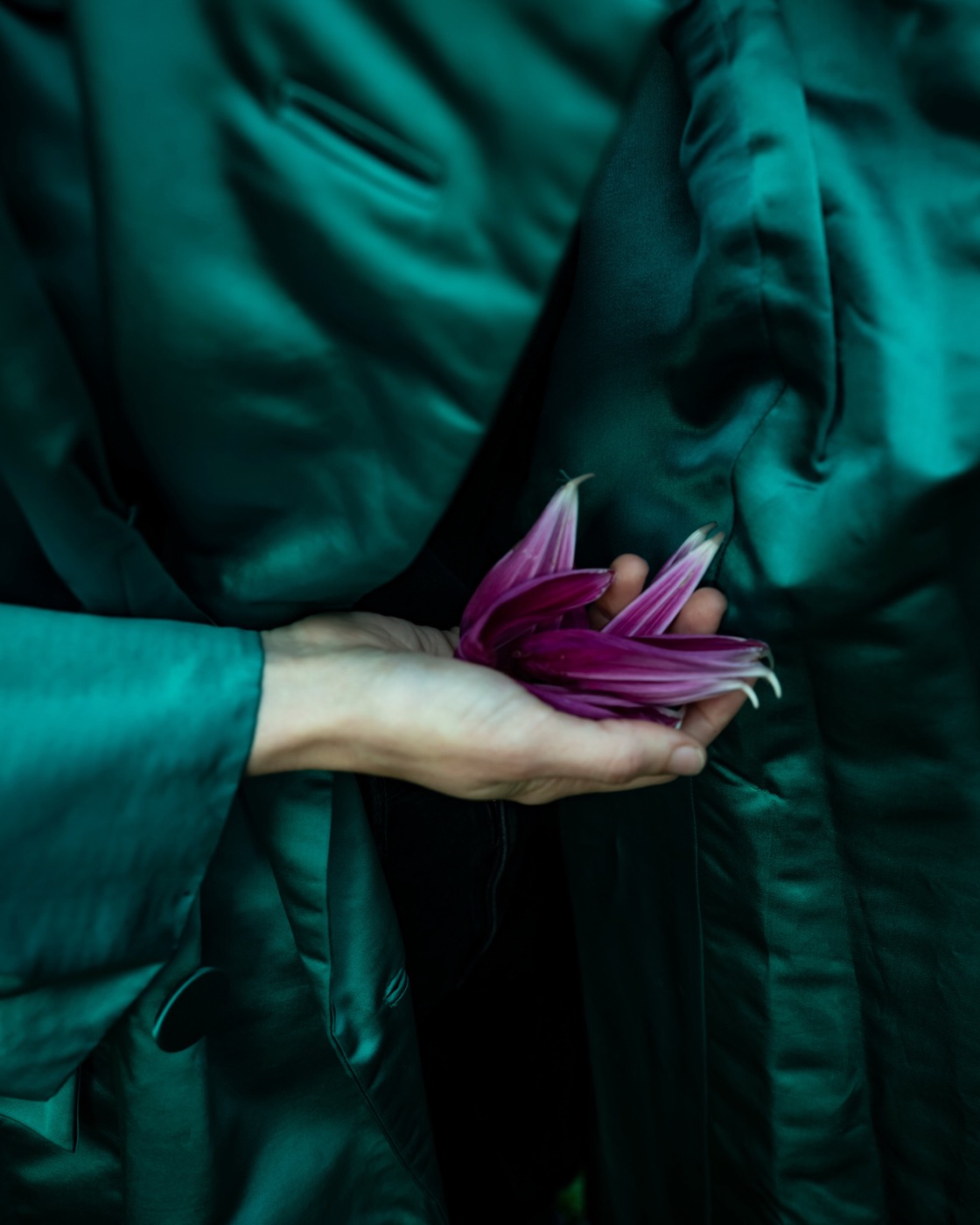 Cig HarveyEmerald Coat with Dahlia Petal, Union, Maine, 2019.A hand reaches from the folds of an emerald satin coat to cradle a fistful of magenta dahlia petals, jewel against jewel, the cool green and the hot pink vibrating at the point where they meet.
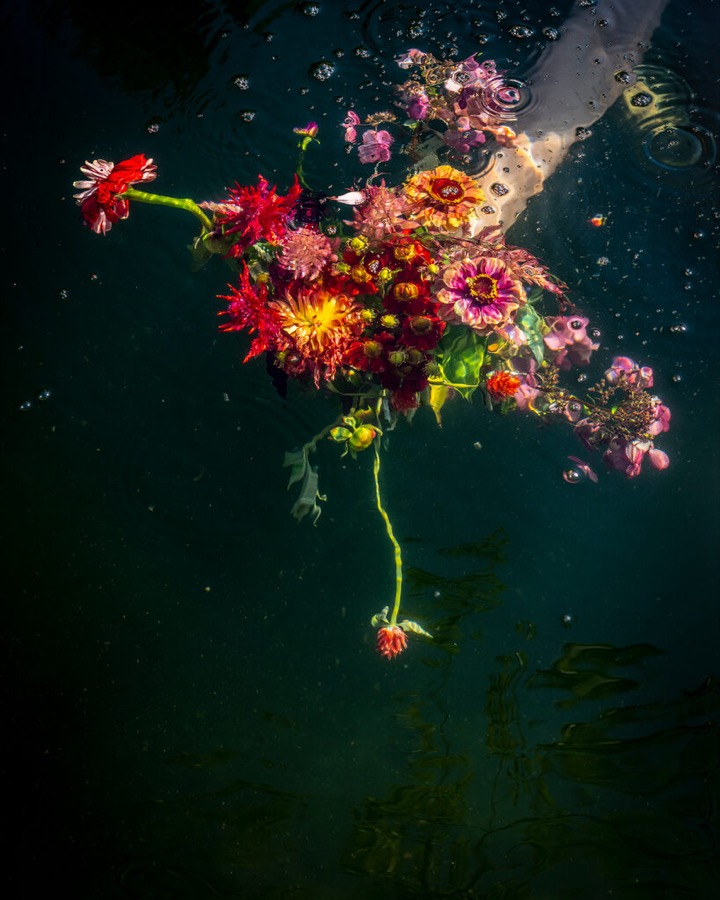 Cig HarveyPink is a Touch, Red is a Stare, St George, Maine, 2019.Red arrives as a shout and pink as a whisper, both floating on water so darkly green it reads as black.
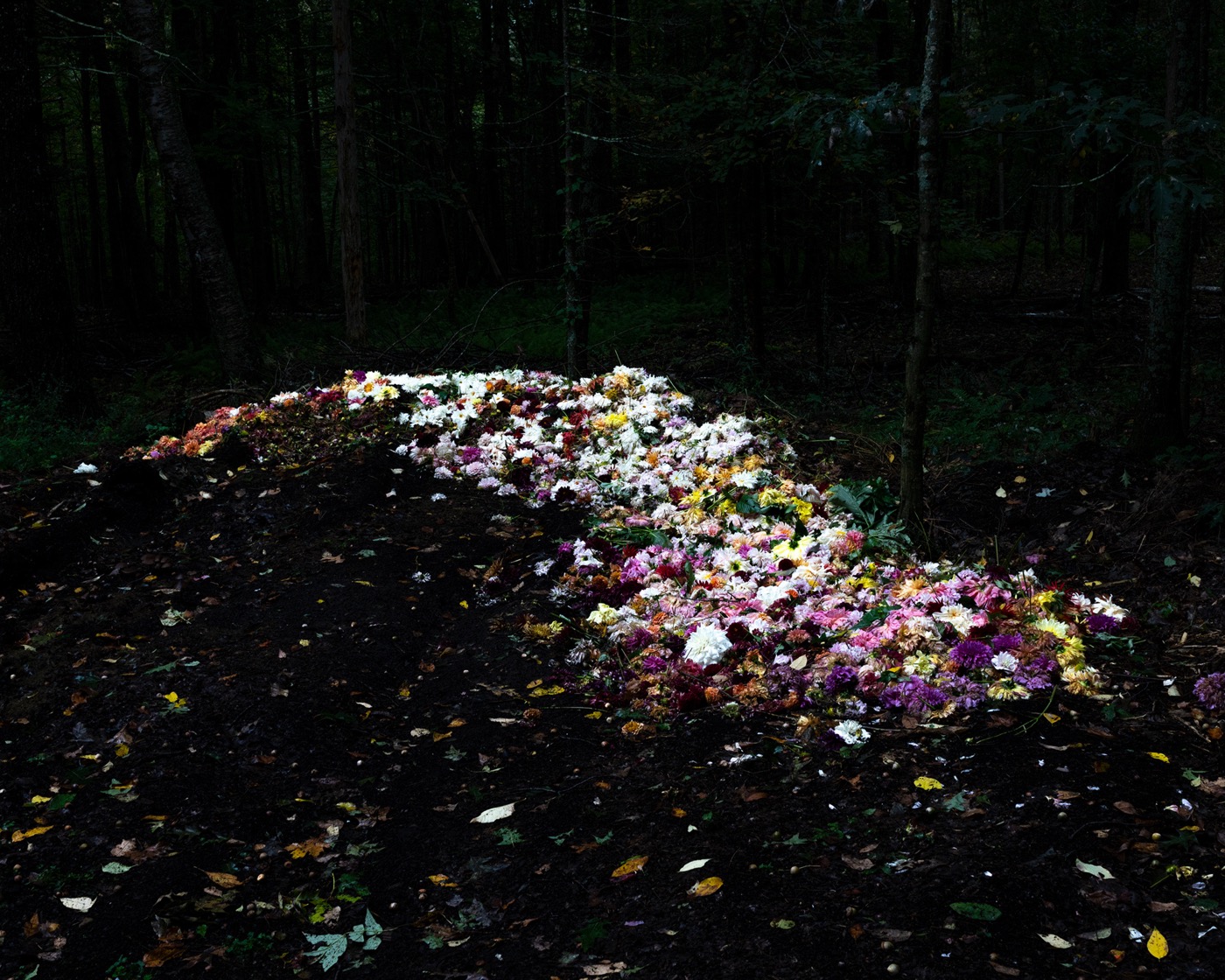 Cig HarveyThe Compost Heap, Camden, Maine, 2019.A river of flowers cuts through the dark of the forest, a sudden flare of color in a place that seems almost soundless.
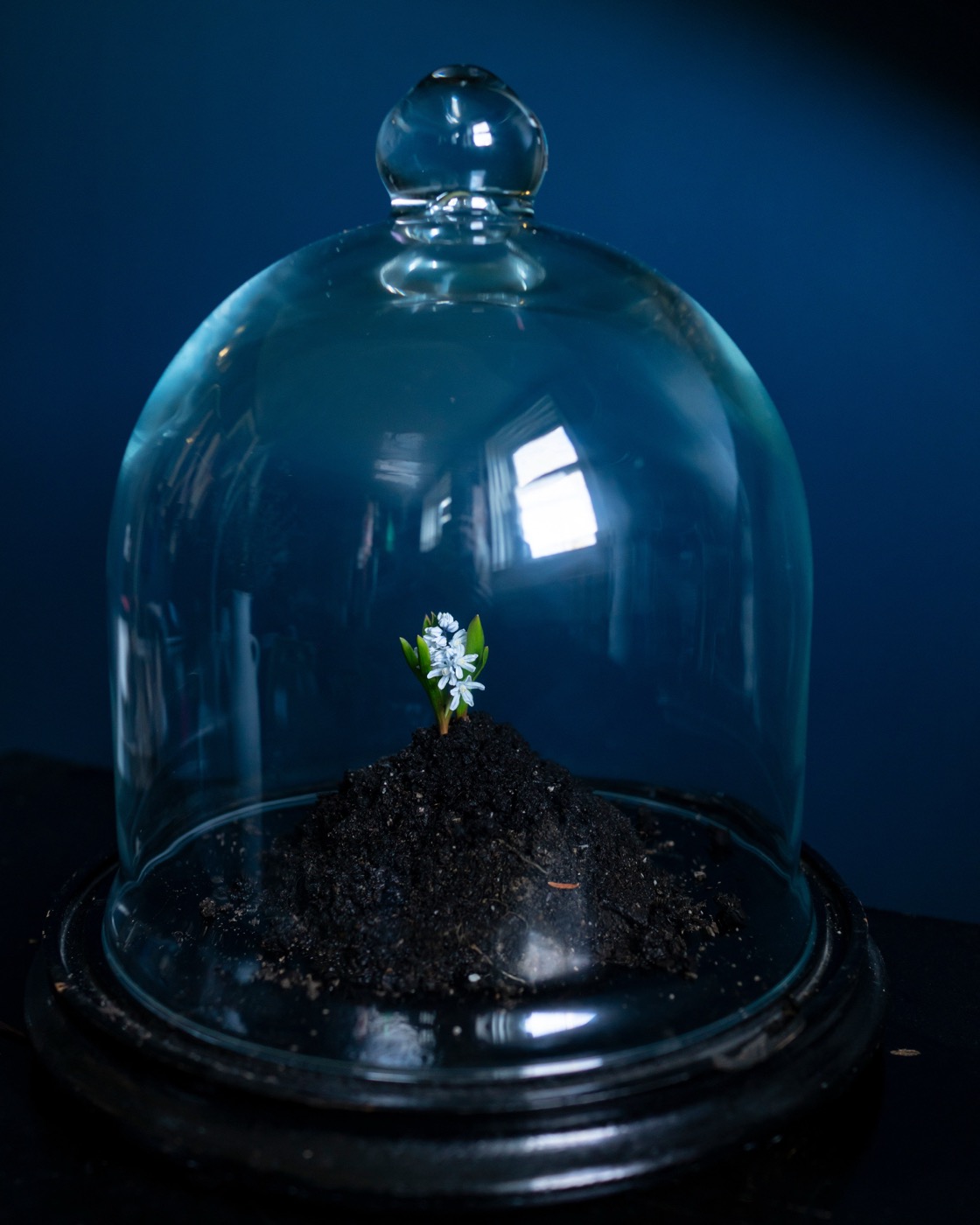 Cig HarveyEarly Stardrift, Rockport, Maine, 2020.Early Stardrift positions itself squarely within the constructed still life that has become one of contemporary photography's most articulate genres — the tabletop tableau, lit and staged, that knows…
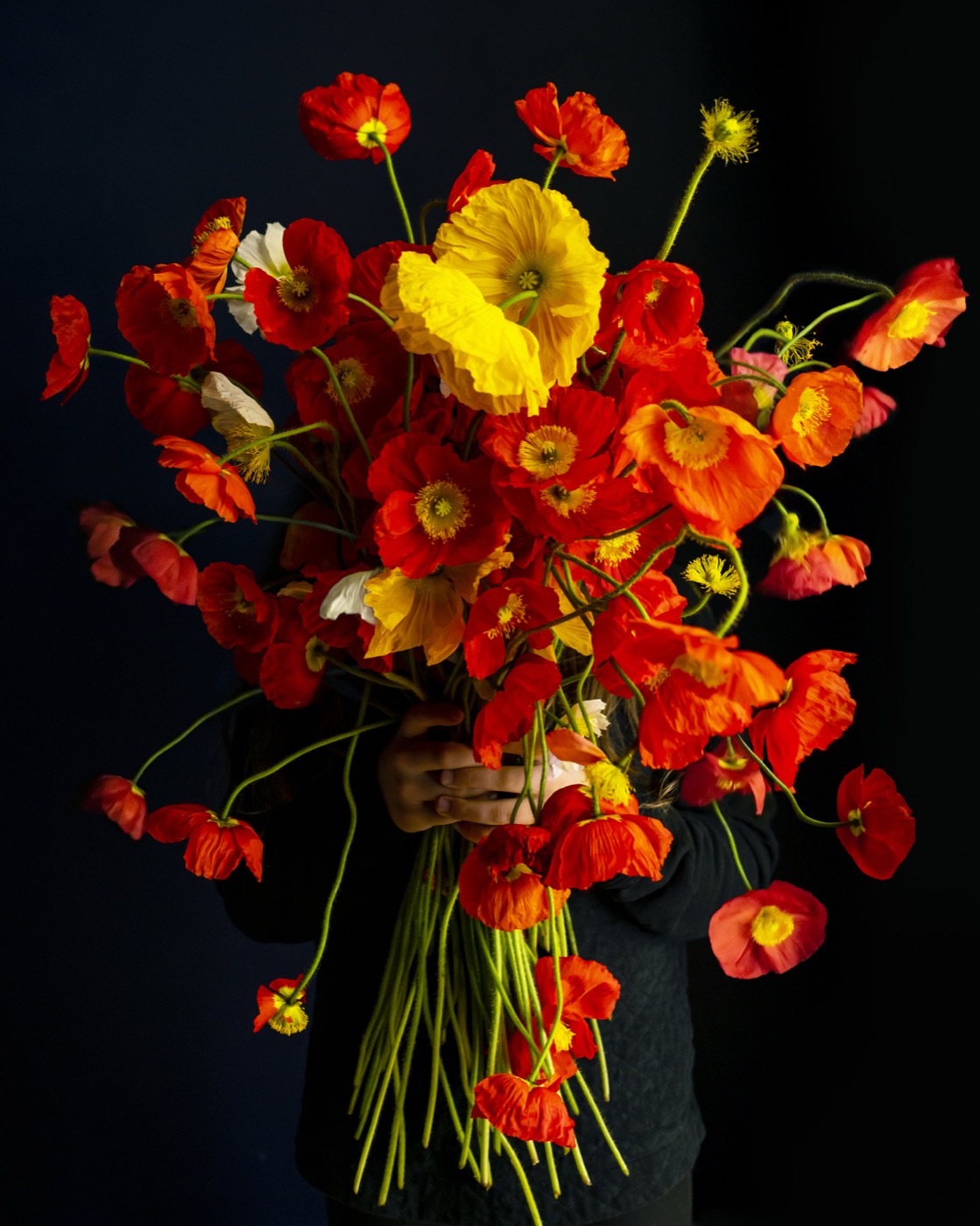 Cig HarveyPoppies (Exploding), Rockport, Maine, 2020.Cig Harvey makes photographs you seem to feel before you finish seeing them.
 Cig HarveyPoppies (Sinking), Rockport, Maine, 2020.One white poppy sits just off-center, ringed by its own meniscus of light, the only bloom in the frame that has not surrendered its colour to the surrounding red.
 Cig HarveyChive Blossoms, Rockport, Maine, 2021.That blue — a wet, voltaic, just-past-dusk blue, the kind that exists only in the ten minutes after the sun quits — is the whole event here.
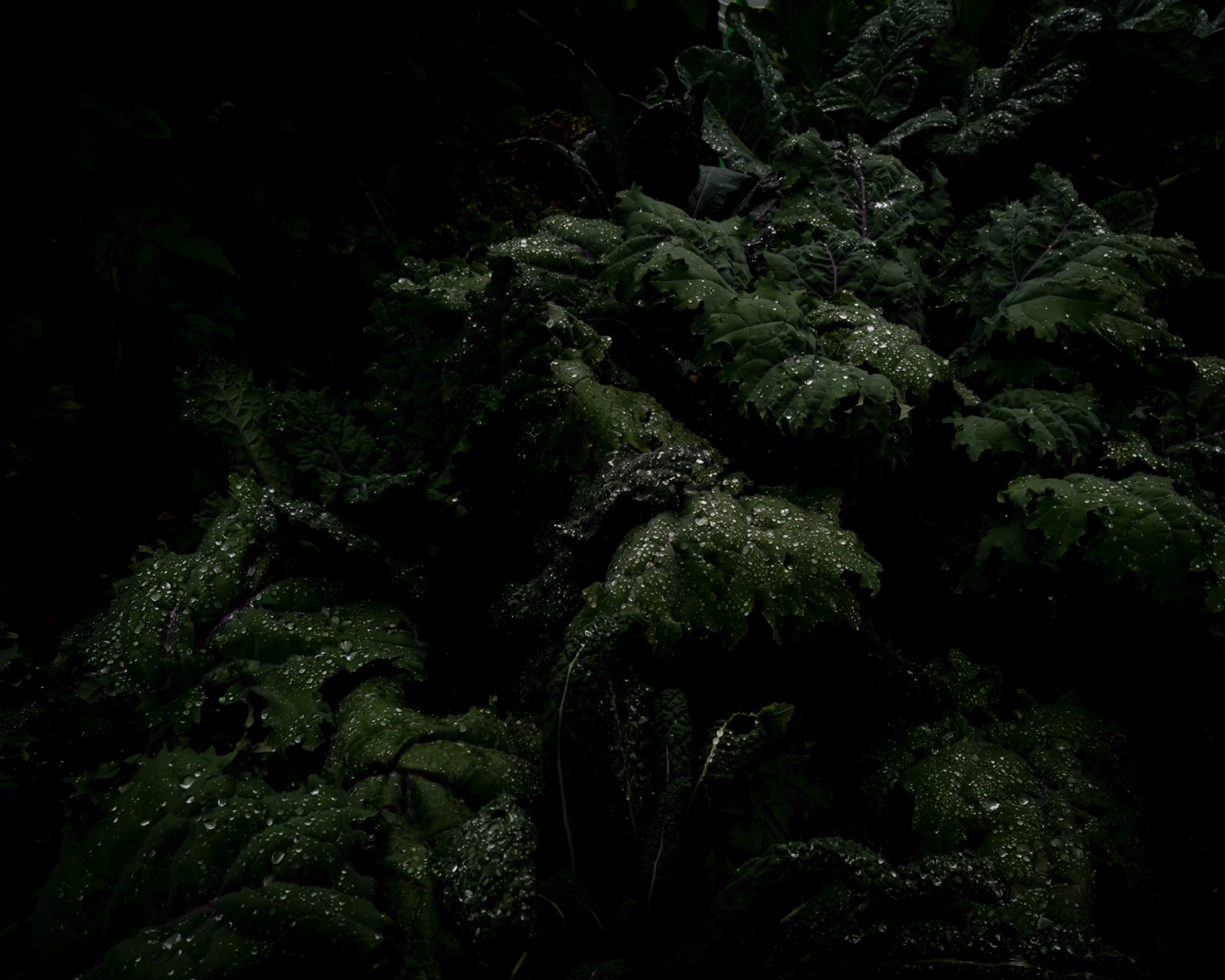 Cig HarveyNight Garden, Eagle Island, Maine, 2021.Kale, at night, filling the frame from edge to edge.
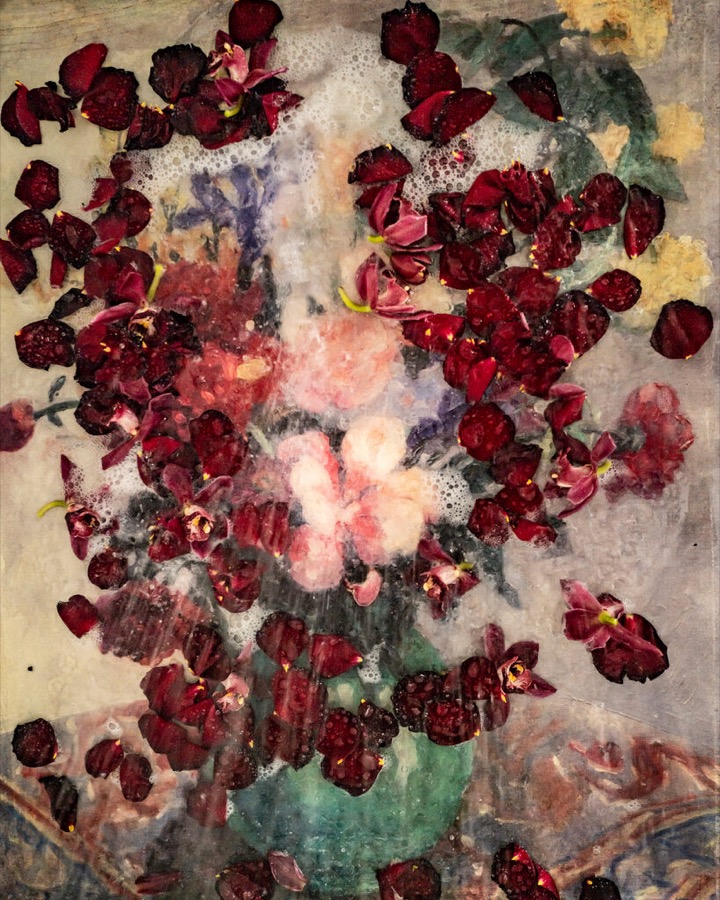 Cig HarveyOrchids, Roses, & Oil painting (Soaking) Rockport, Maine, 2021.The weather inside this picture is flood.
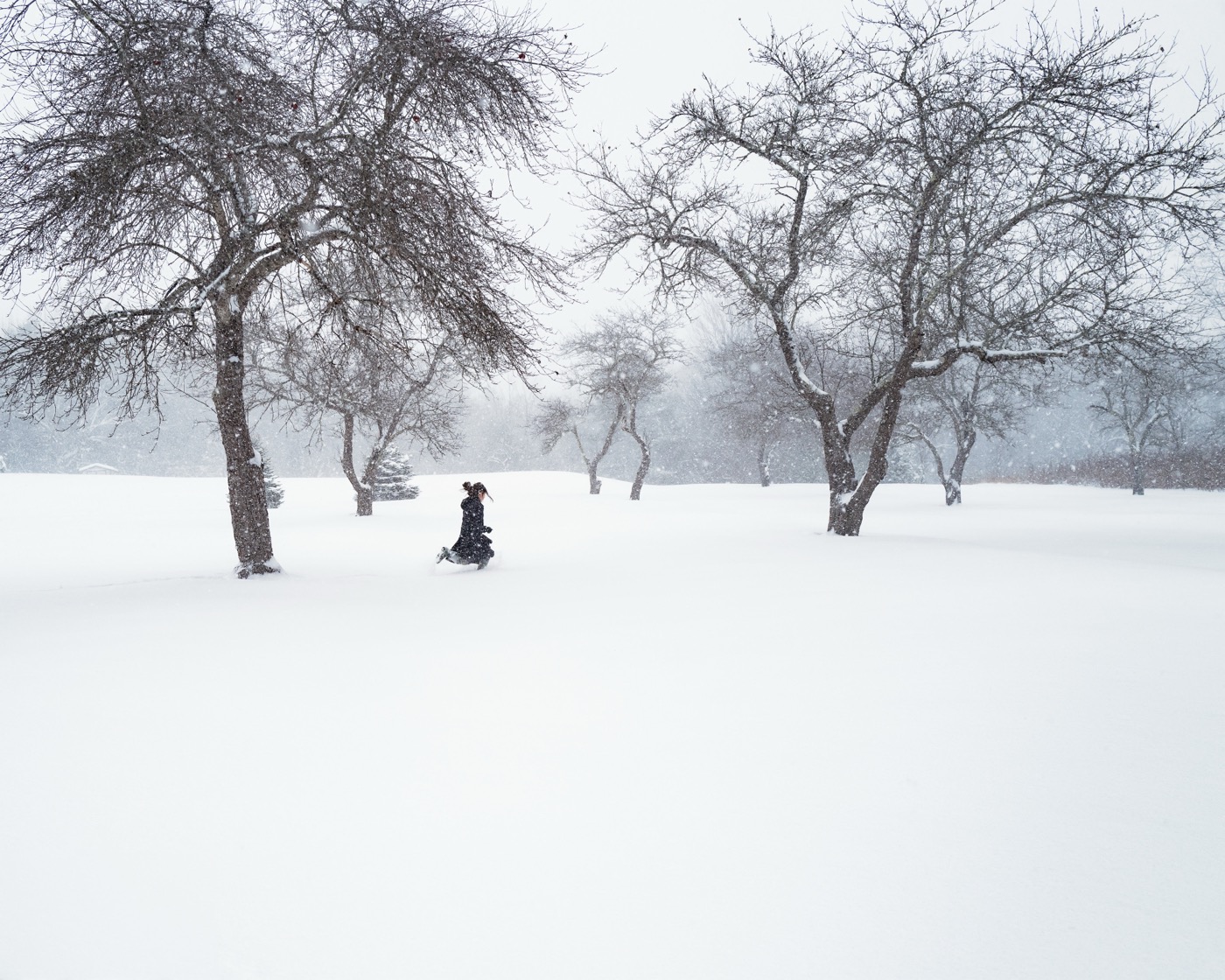 Cig HarveyScout in the Apple Orchard, Rockport, Maine, 2021.In this luminous photograph, Scout moves through a snow-blanketed apple orchard near Rockport, Maine, her dark silhouette framed against an expanse of white.
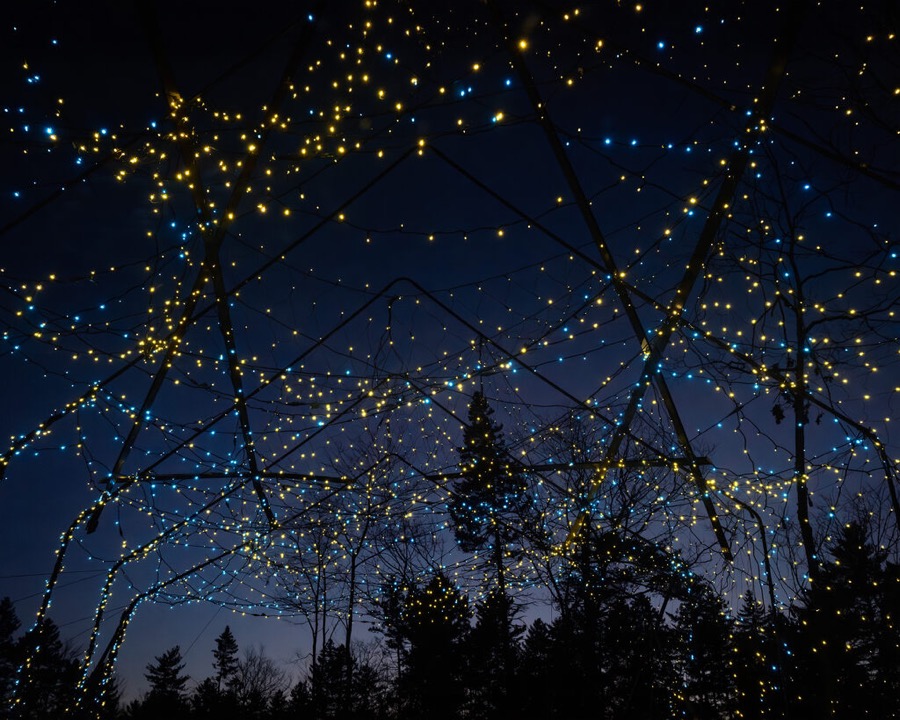 Cig HarveySkyline, Rockport, Maine, 2021.We have reached a moment when the night sky, for many of us, is furnished more reliably by strings of small bulbs than by stars, and this photograph makes the substitution its subject.
 Cig HarveyThe Meadow, Rockport, Maine, 2021.This is a constructed image that knows exactly which genres it is borrowing from.
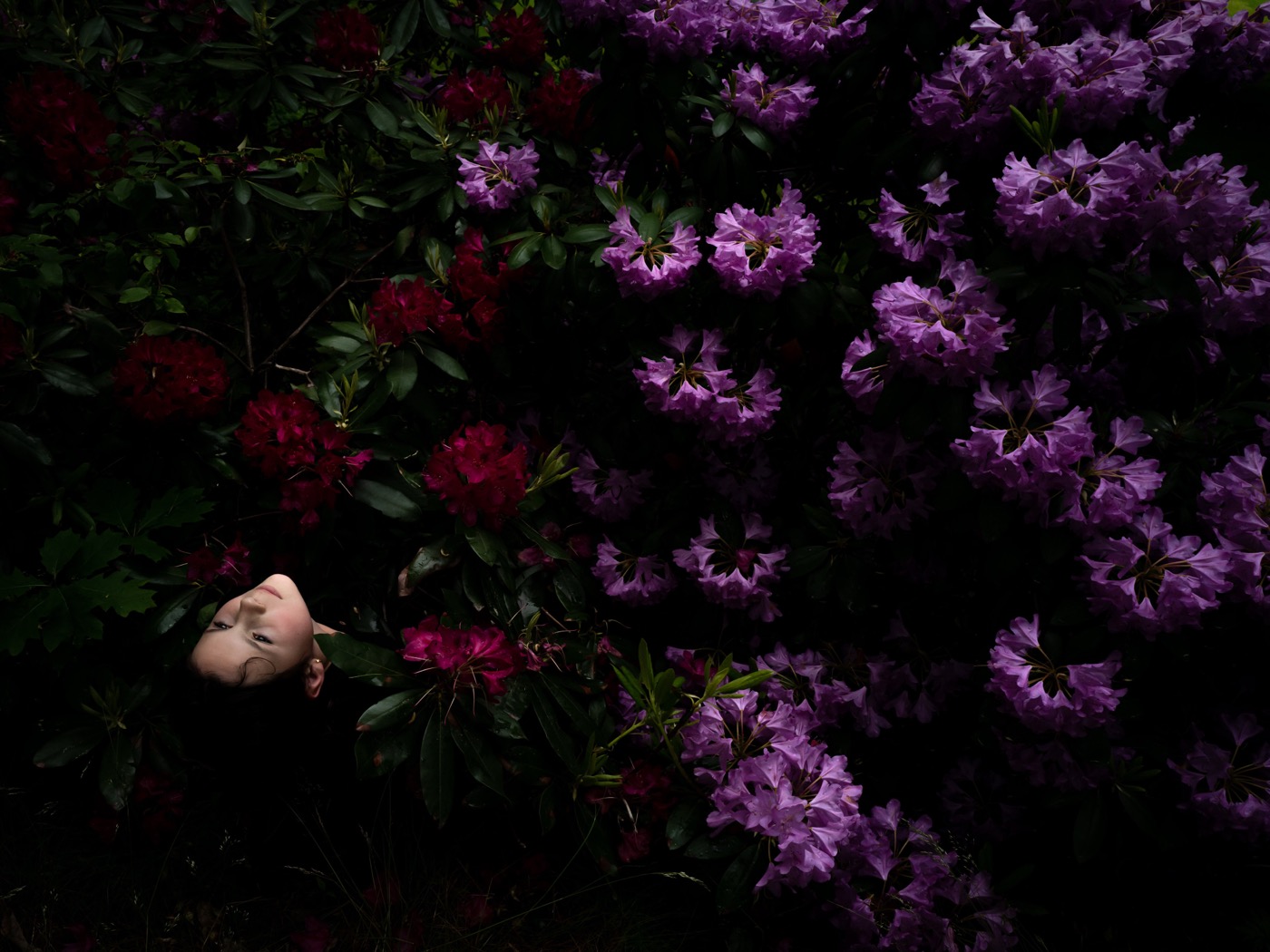 Cig HarveyRhododendrons /Scout), Camden, 2022.Rhododendrons in flower, dense to every edge of the frame.
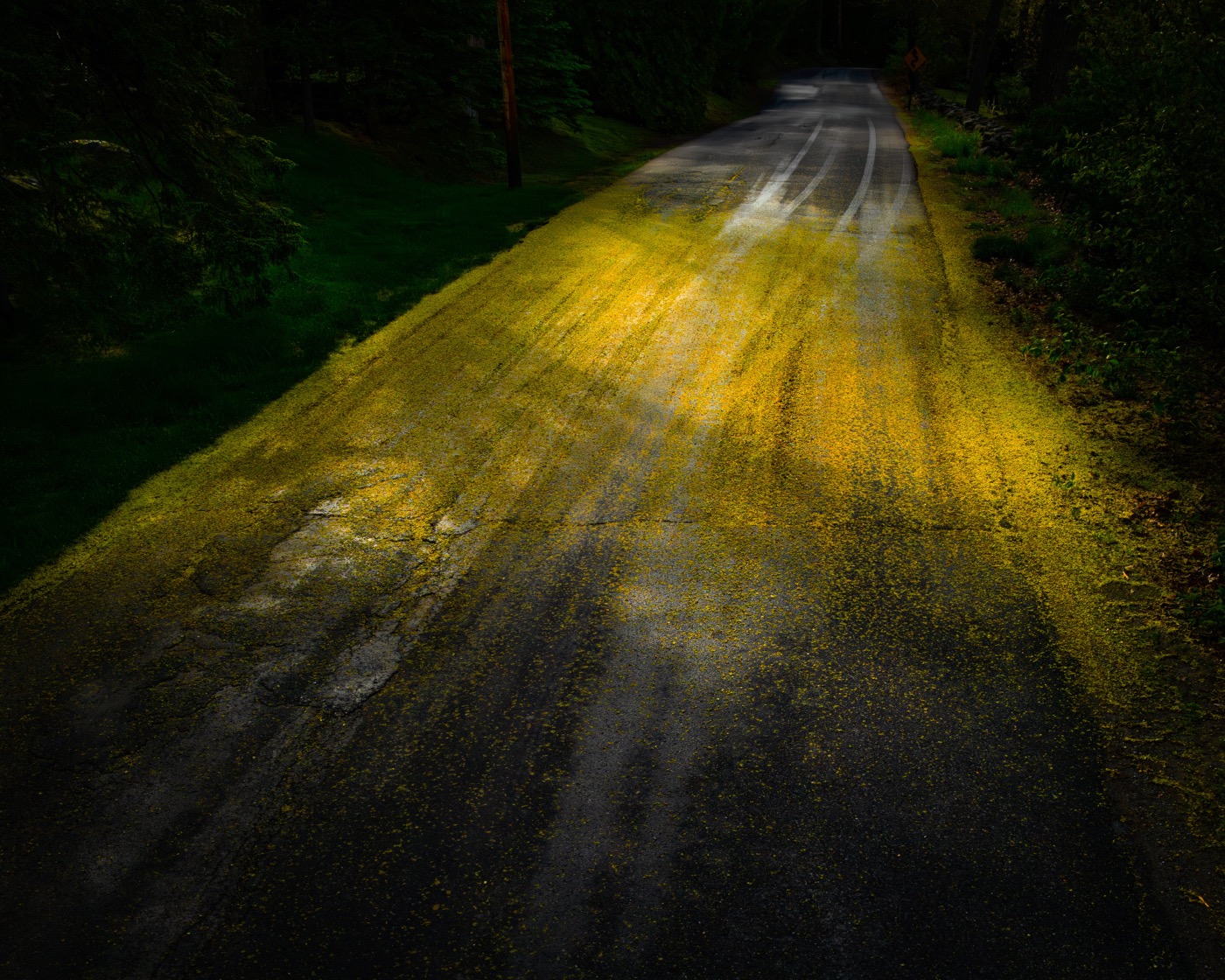 Cig HarveyGold Road, Camden, 2023.The road declines to show us where it goes.
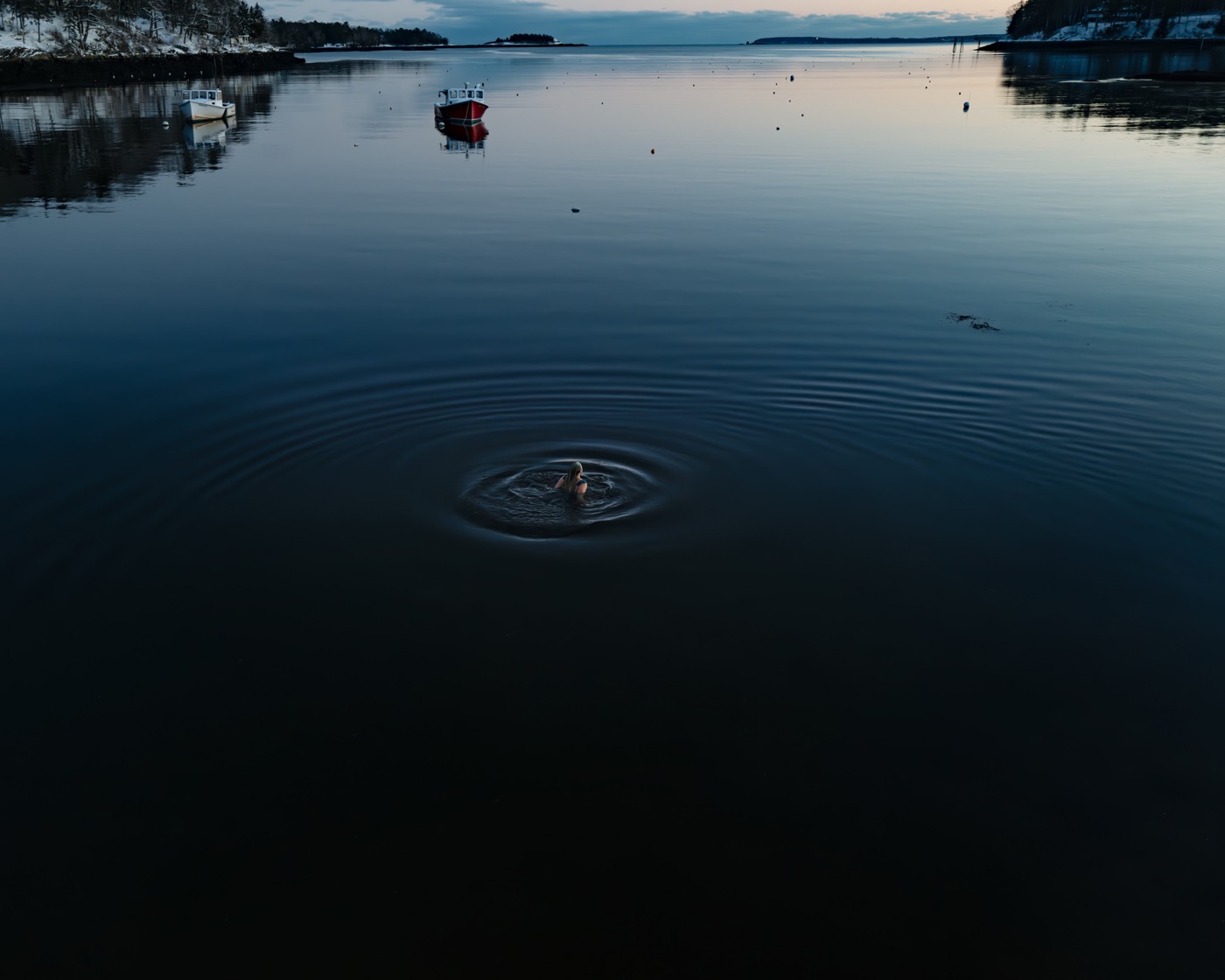 Cig HarveyJanuary Swim, Rockport Harbor, 2023.A harbour at dusk, seen from a little above.
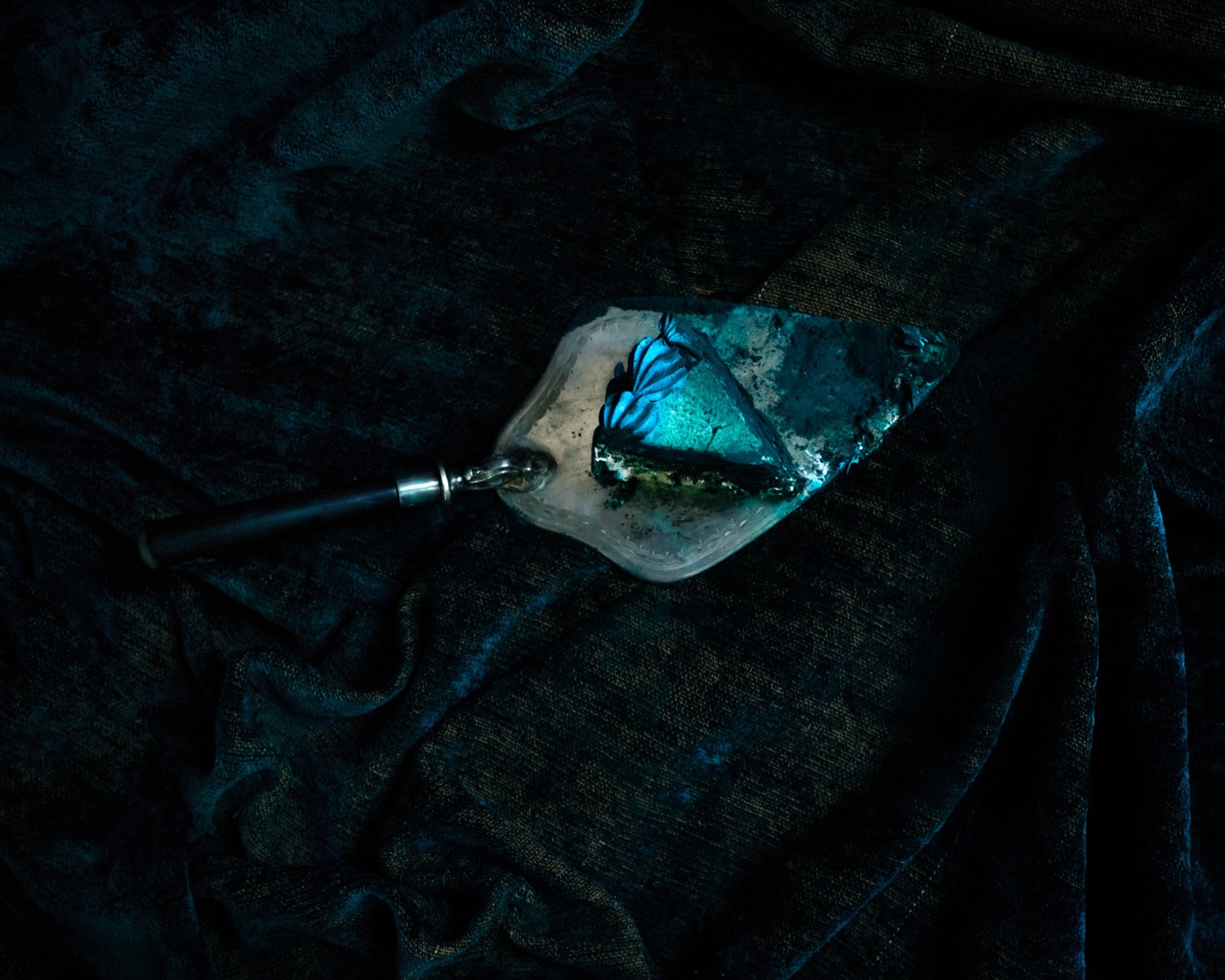 Cig HarveySlice of Cake, Rockport, Maine, 2023.Notice first the cake server: a plain steel triangle, its handle running off into the dark like a tool left mid-task, lifting a wedge of cake as if to offer it across the table.
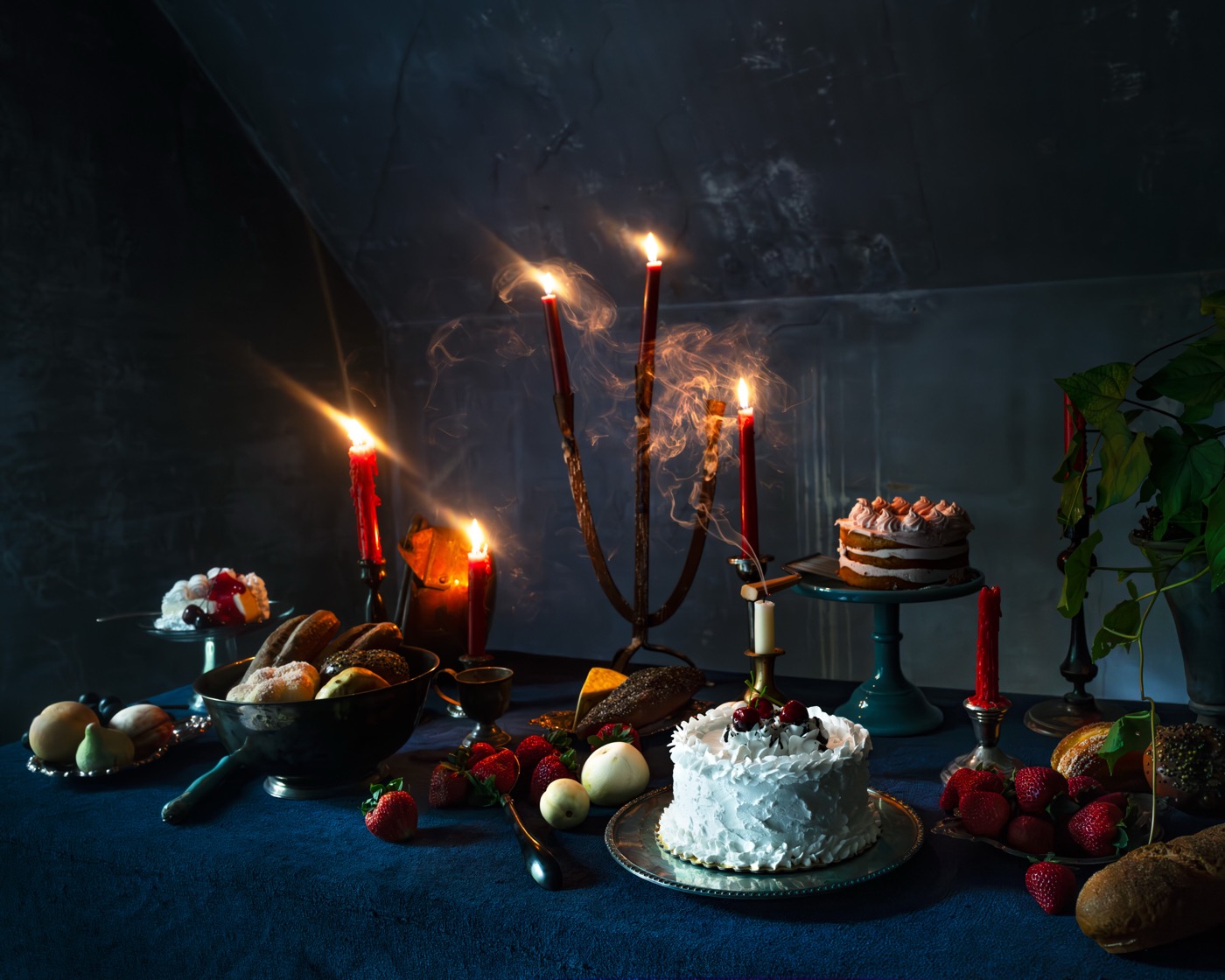 Cig HarveyThe Banquet, Camden, Maine, 2023.Made in Camden, Maine, in 2023, this is a picture that knows exactly which genre it is reanimating.
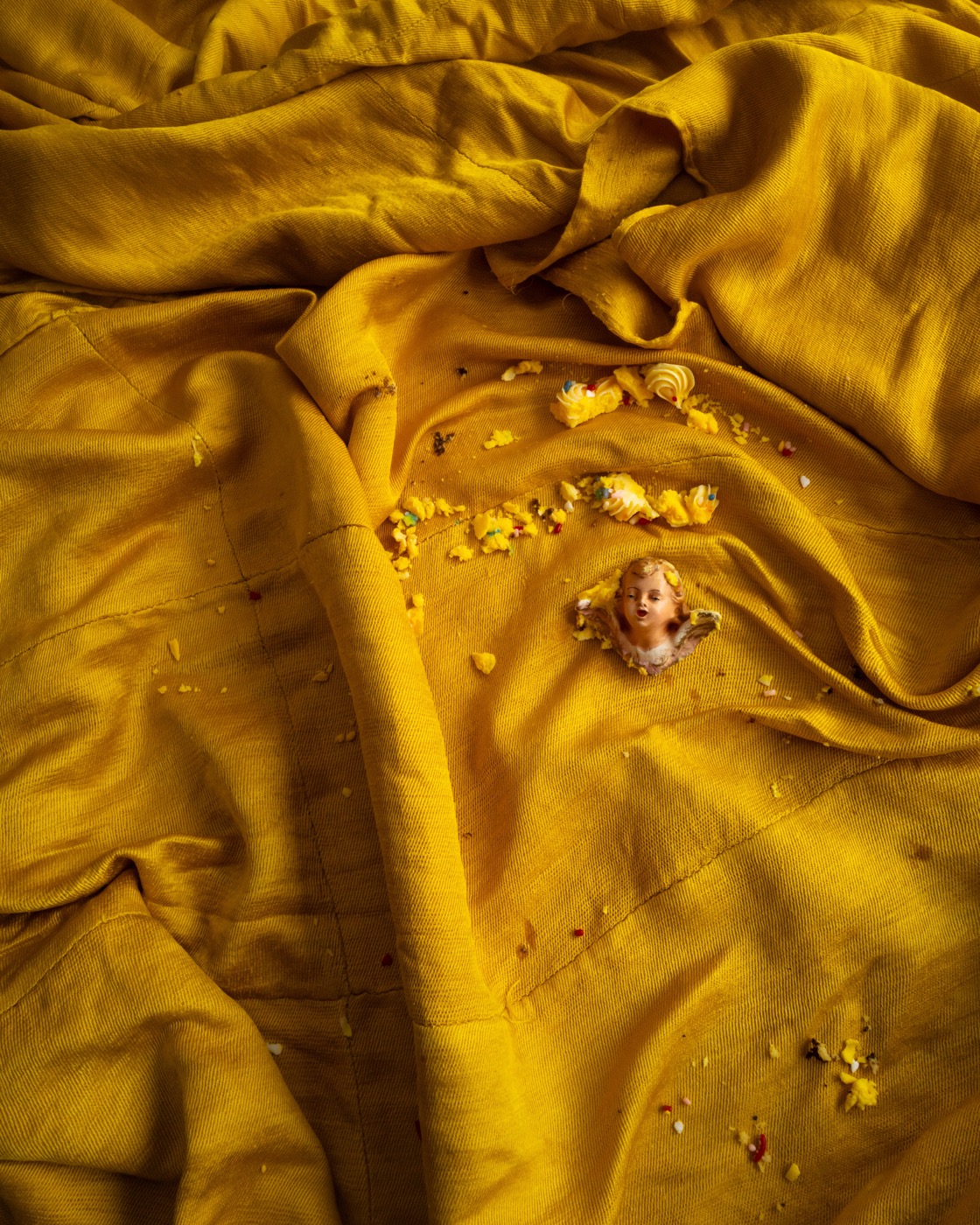 Cig HarveyThe Cake That Fell from the Sky, Rockport, Maine, 2023.One colour fills the frame: a heavy golden cloth, rumpled, its seams showing, running out past every edge.
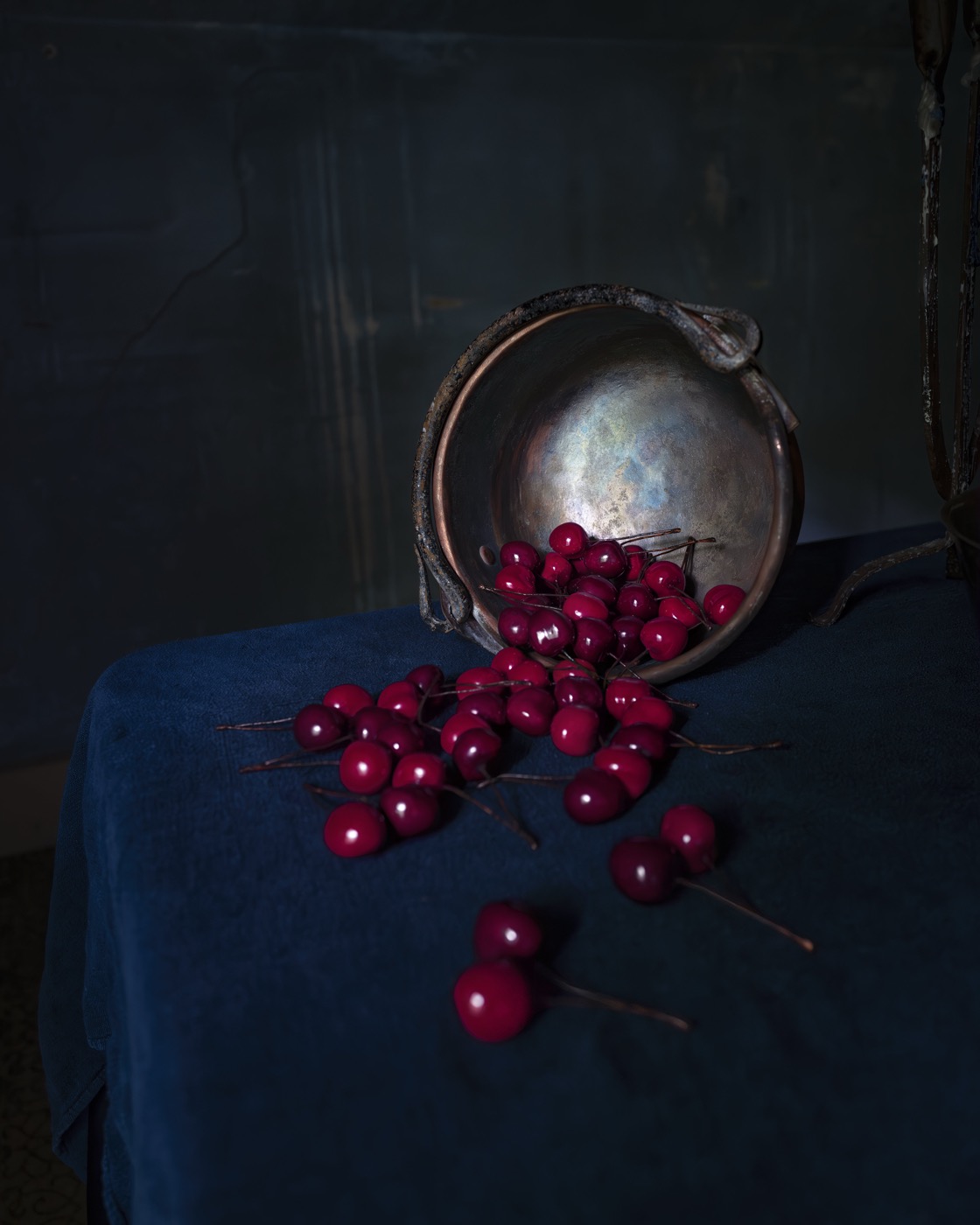 Cig HarveyThe Cherries, Rockport, Maine, 2023.Why does photography keep coming back to the table?
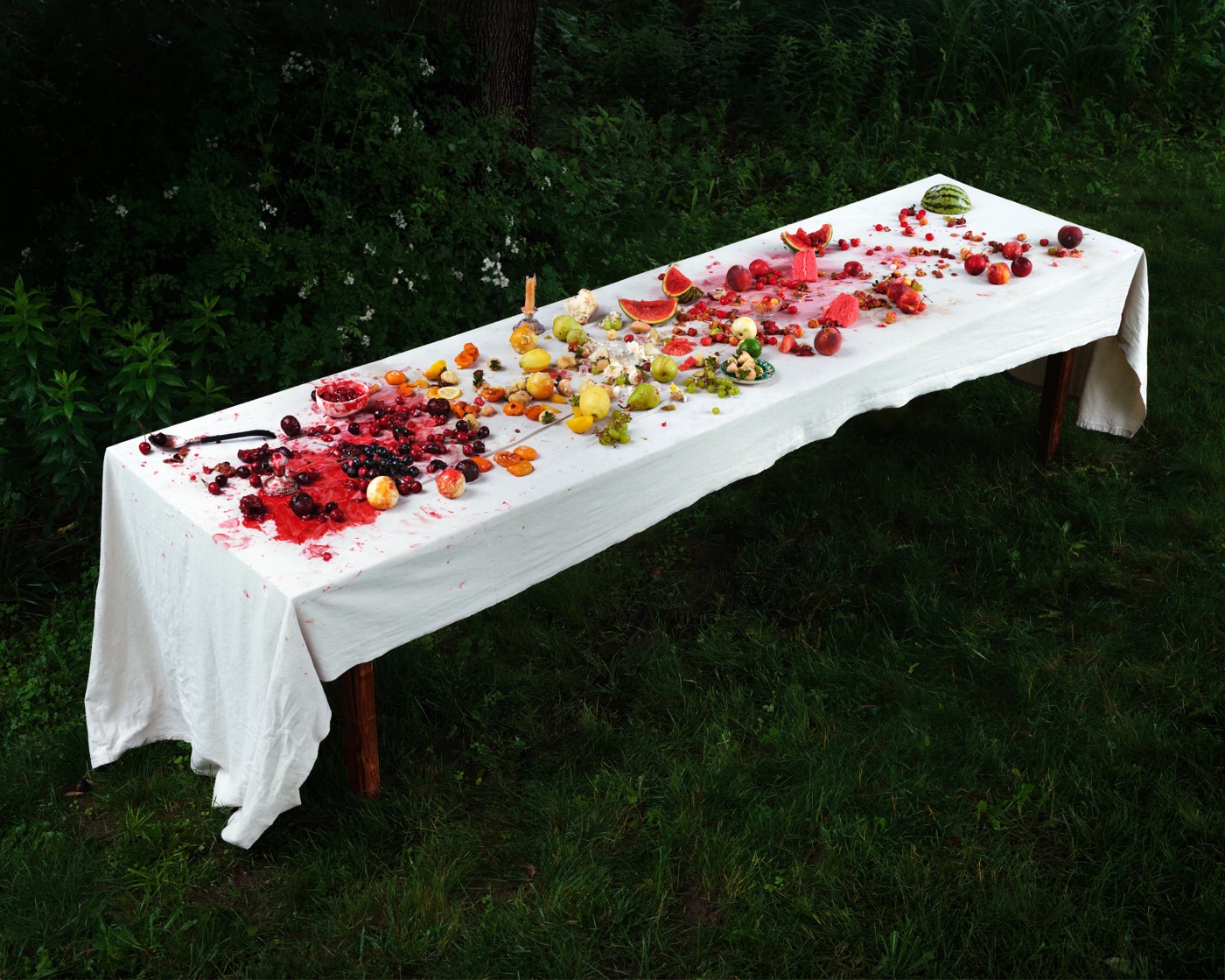 Cig HarveyThe Midnight Feast, Rockport, Maine, 2023.Who has just left this table? The cloth is spread the length of a banquet, white in the bruised dusk of the Maine woods, and the answer arrives not in a face but in the stain: at the near end the…
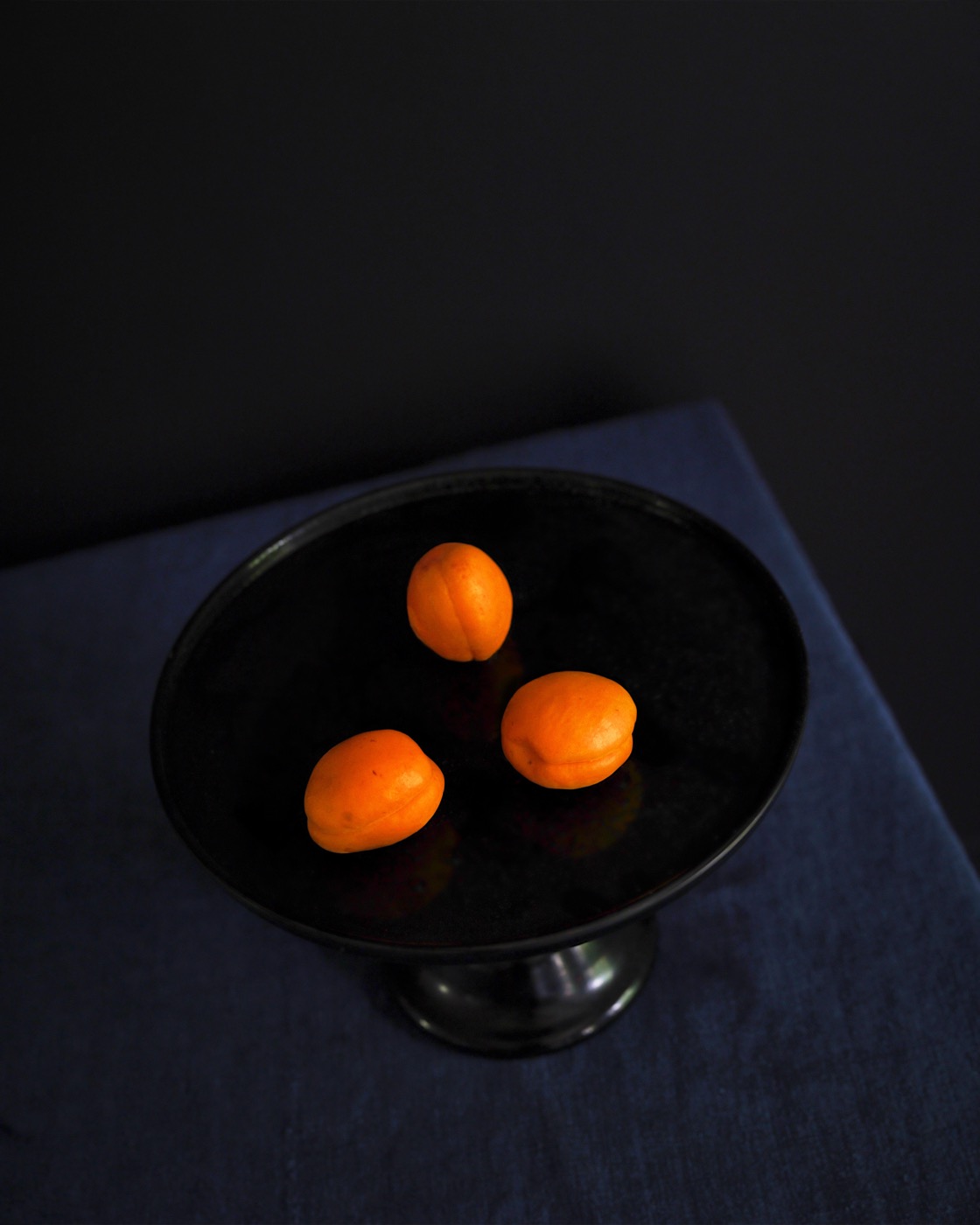 Cig HarveyThree Apricots (Wet), 2023.Three apricots, and the seam down the side of each one — that soft cleft where the fruit was once attached to the branch, to the stone, to the idea of growing — turned toward the light as if it were…
 Cig HarveyTwo-Tiered Pink Layer Cake, Camden, 2023.Spotlighting a confection in a room that has clearly been emptied for the purpose, the picture stages its small pink subject the way a vitrine stages a relic.
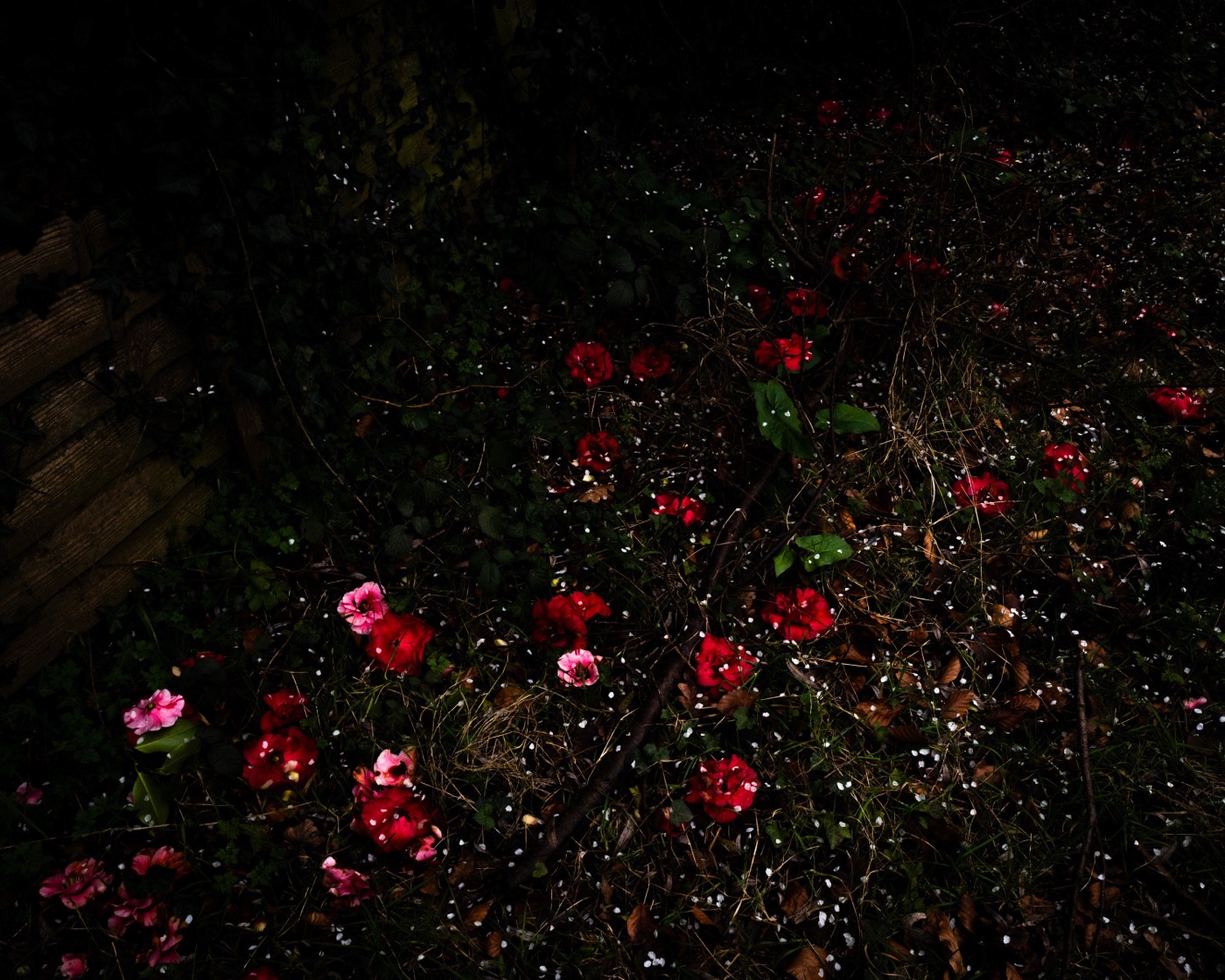 Cig HarveyHawthorn Blossoms & Camelias, Devon, England, 2024.In the 1830s, in a damp English country house, photography began as a branch of botany: William Henry Fox Talbot pressing leaves and petals onto sensitized paper, fixing the shadows of plants because…
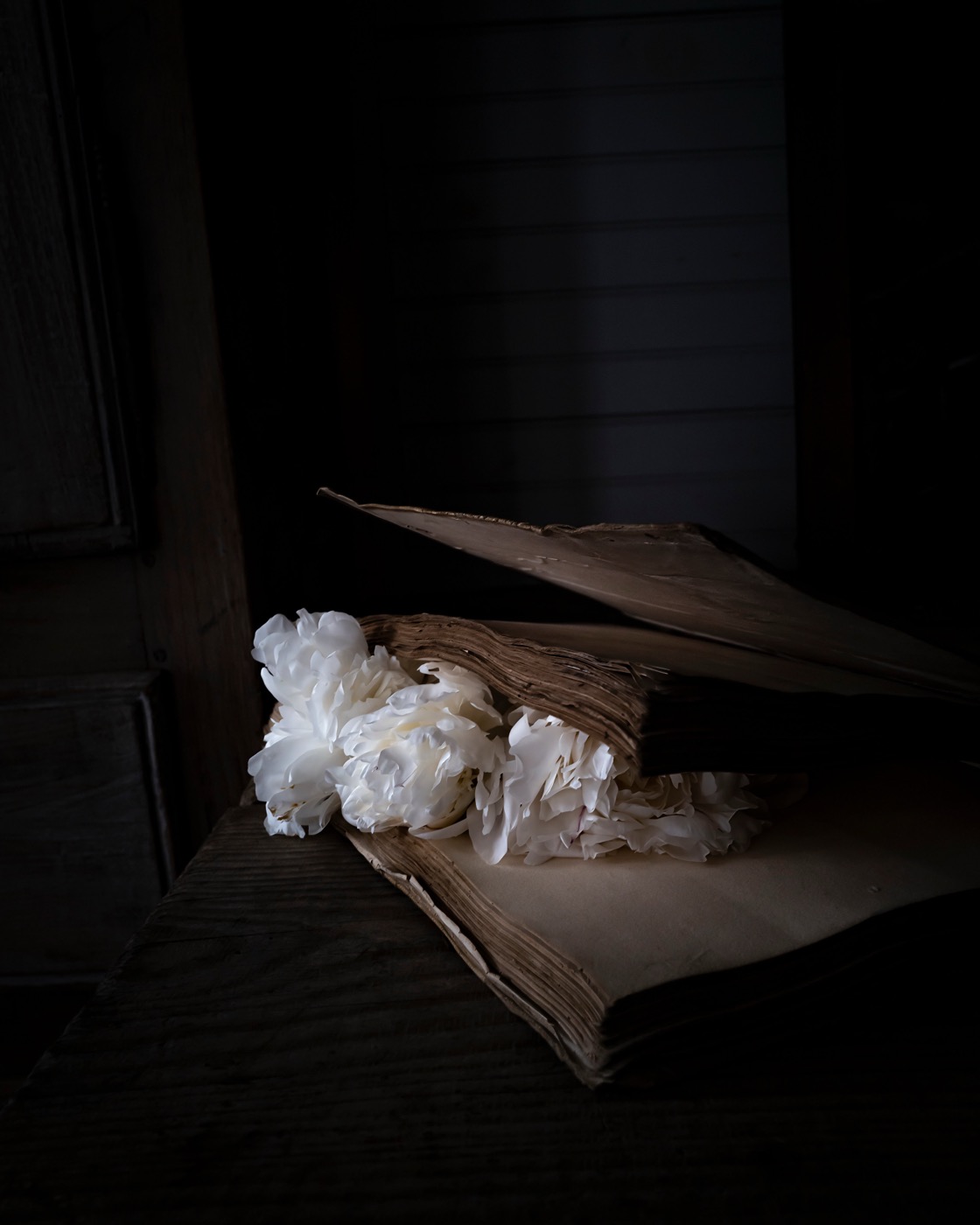 Cig HarveyFlowers, When We Have No Words, White Peonies, Vinalhaven, 2025.Cig Harvey's "White Peonies" emerges from shadow like a whispered confession, its crumpled petals unfurling from aged pages in luminous defiance of darkness.
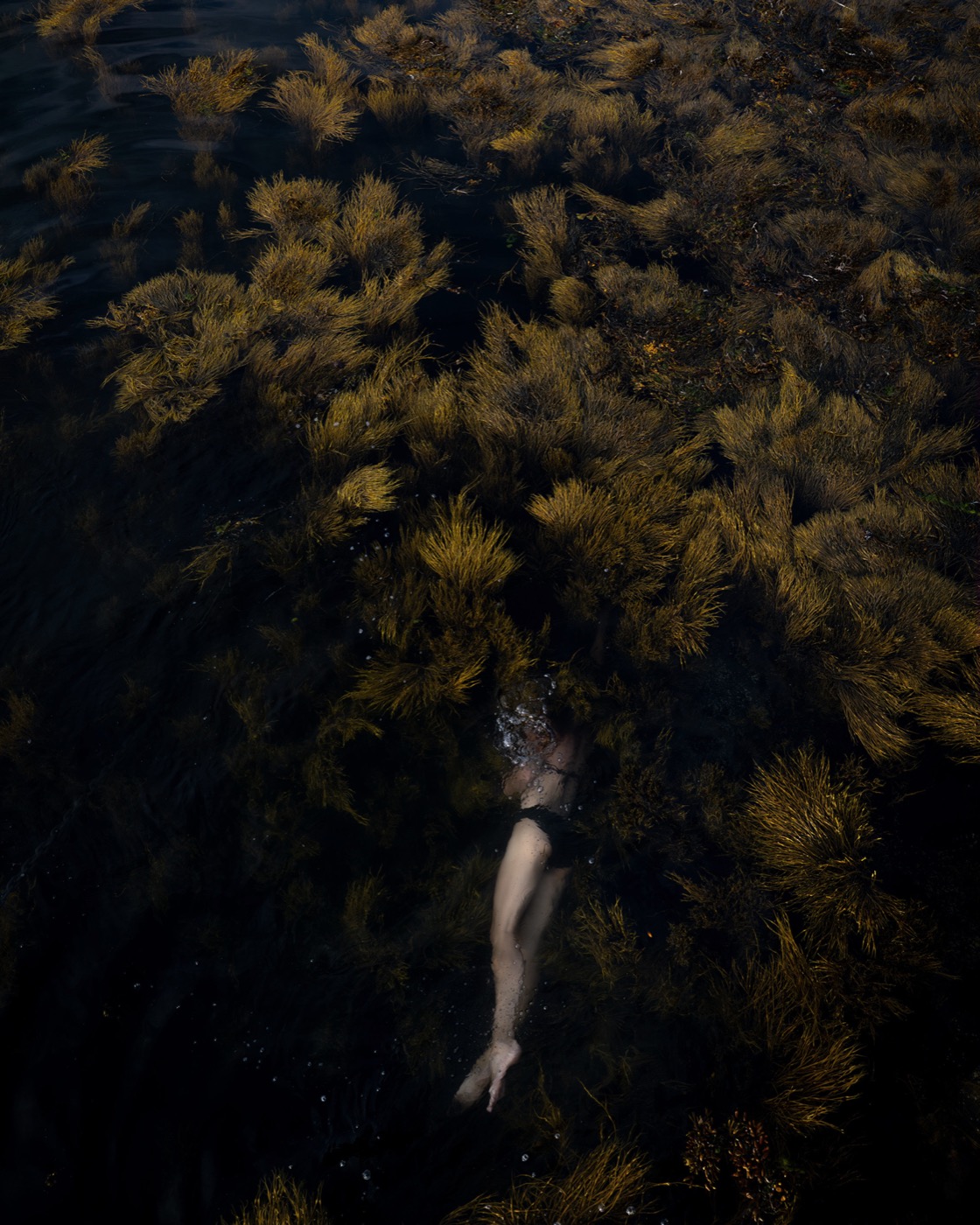 Cig HarveyWinged Kelp and RockWeed, Elizabeth, 2025.Seen from directly above: black water, and floating on it dense olive-gold clumps of kelp and rockweed, so thick across the top of the frame that the water barely shows.
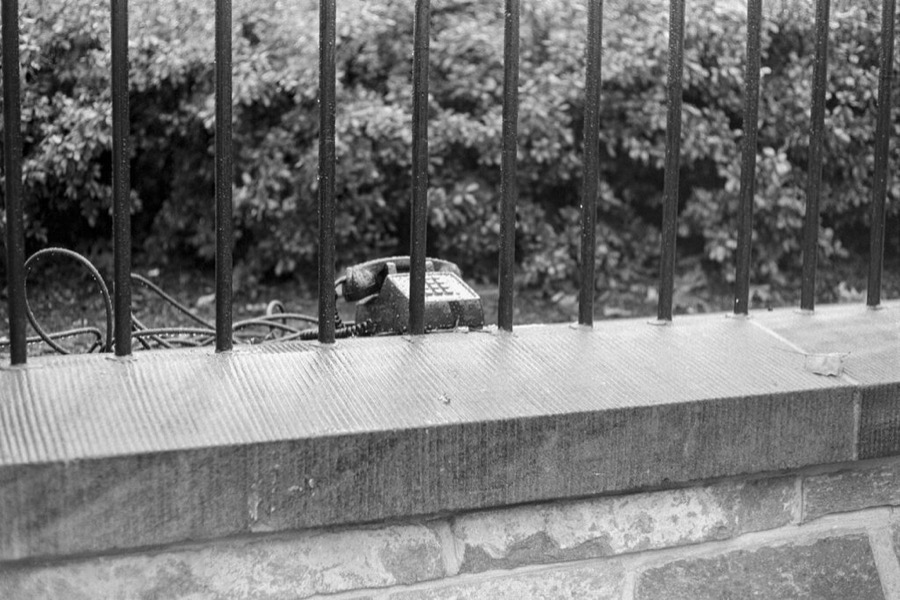 Clark WinterPhone, White House Lawn, 1970.The White House is nowhere in this photograph, though its lawn is named; what I am given instead is a run of iron palings, a hedge gone soft with shade, and a black telephone set down on the ground…
 Clark WinterPolice, Ohio, 1970.In this striking black and white photograph by Clark Winter, we're transported to a quintessential American scene from 1970 - a Delaware Police car parked at a Burger Chef drive-in during the night…
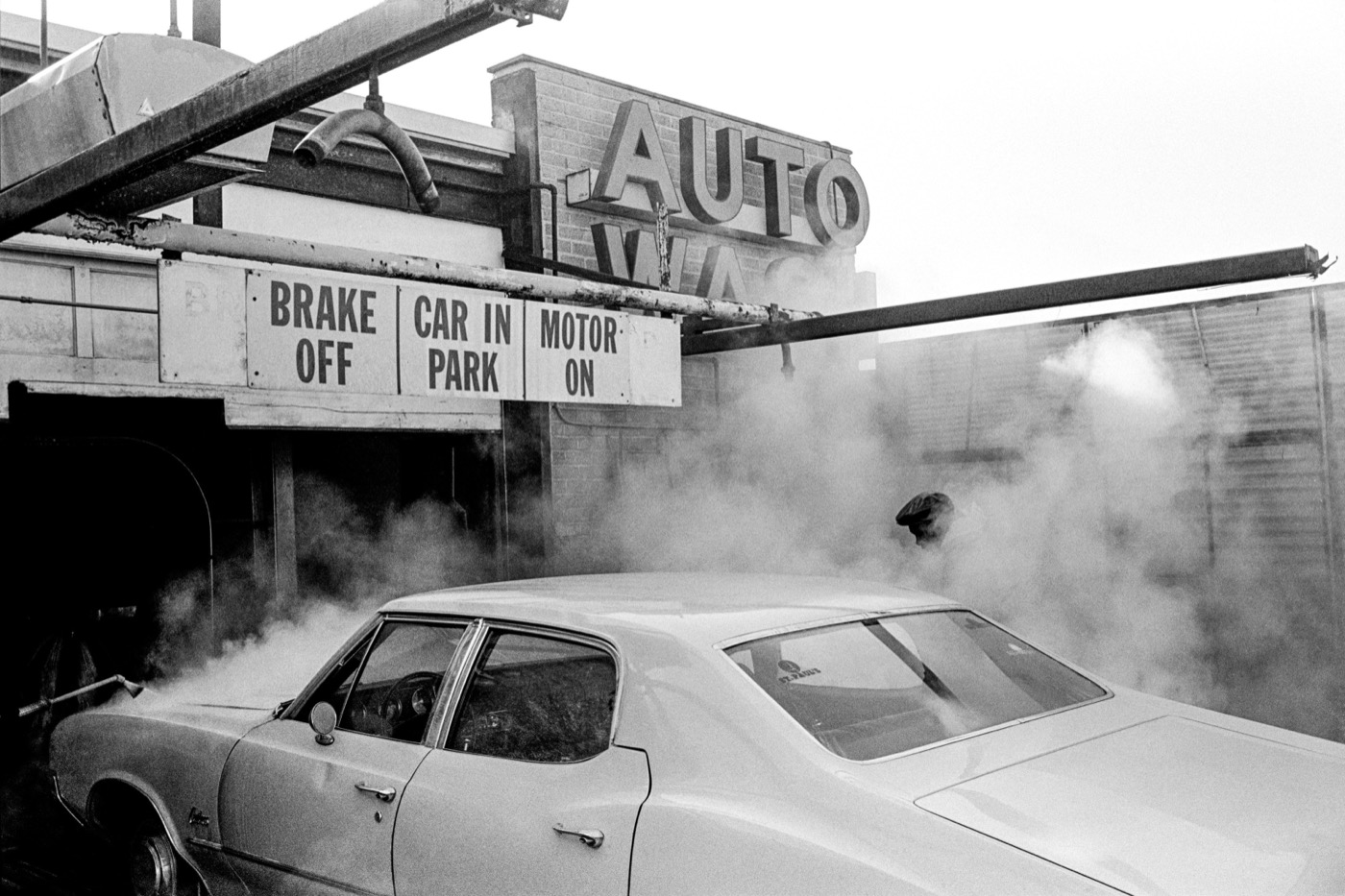 Clark WinterAuto Wash, New York City, 1971.Three panels of hand-lettered instruction hang at eye level across the top of the frame—BRAKE OFF, CAR IN PARK, MOTOR ON—and it is on those words that Clark Winter has built the picture.
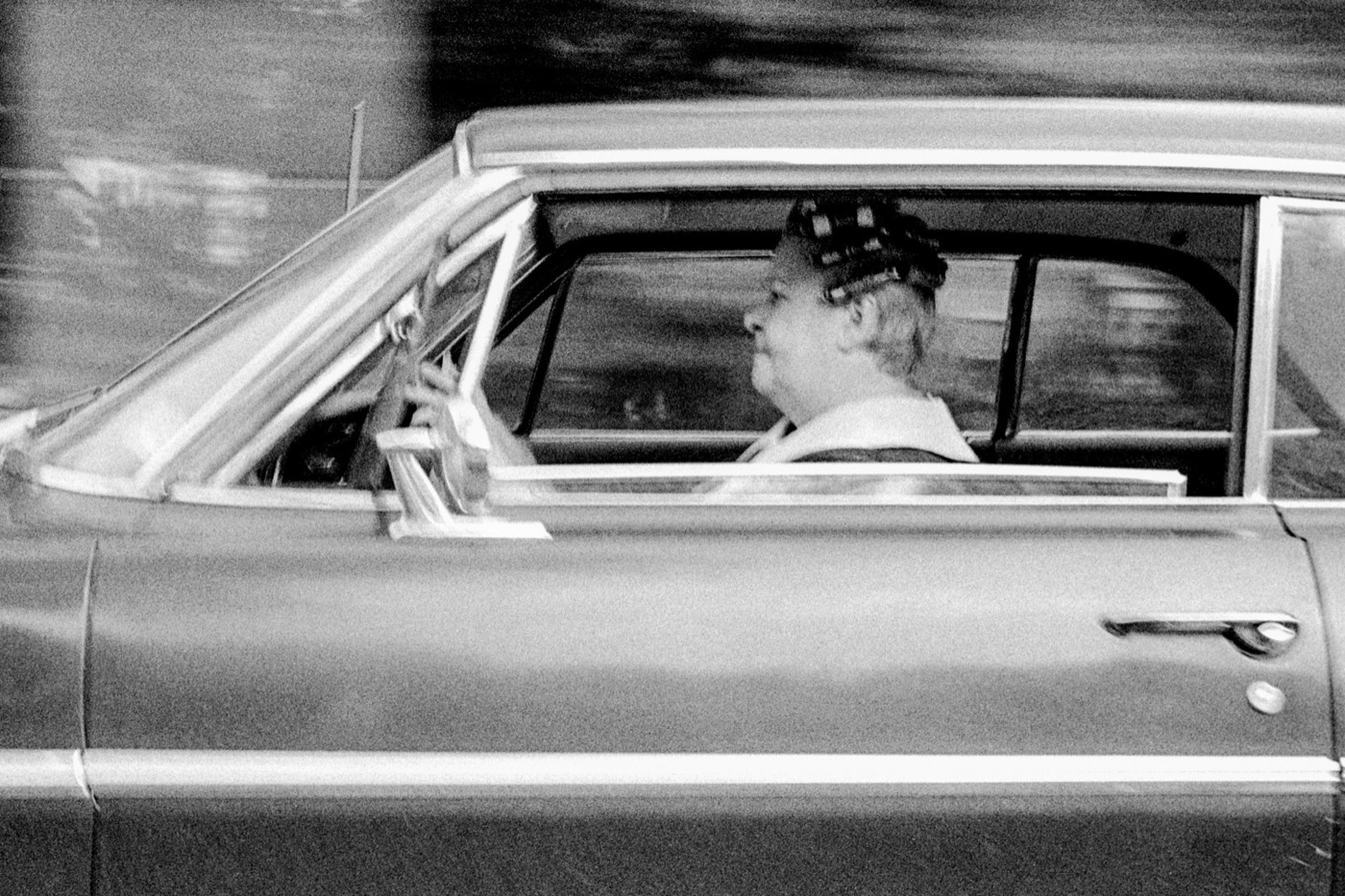 Clark WinterCurlers, Ohio, 1971.A car passes, and the camera holds still long enough to let it smear: the flanks of the sedan dissolve into a gray wash of reflected trees, while the woman inside stays sharp.
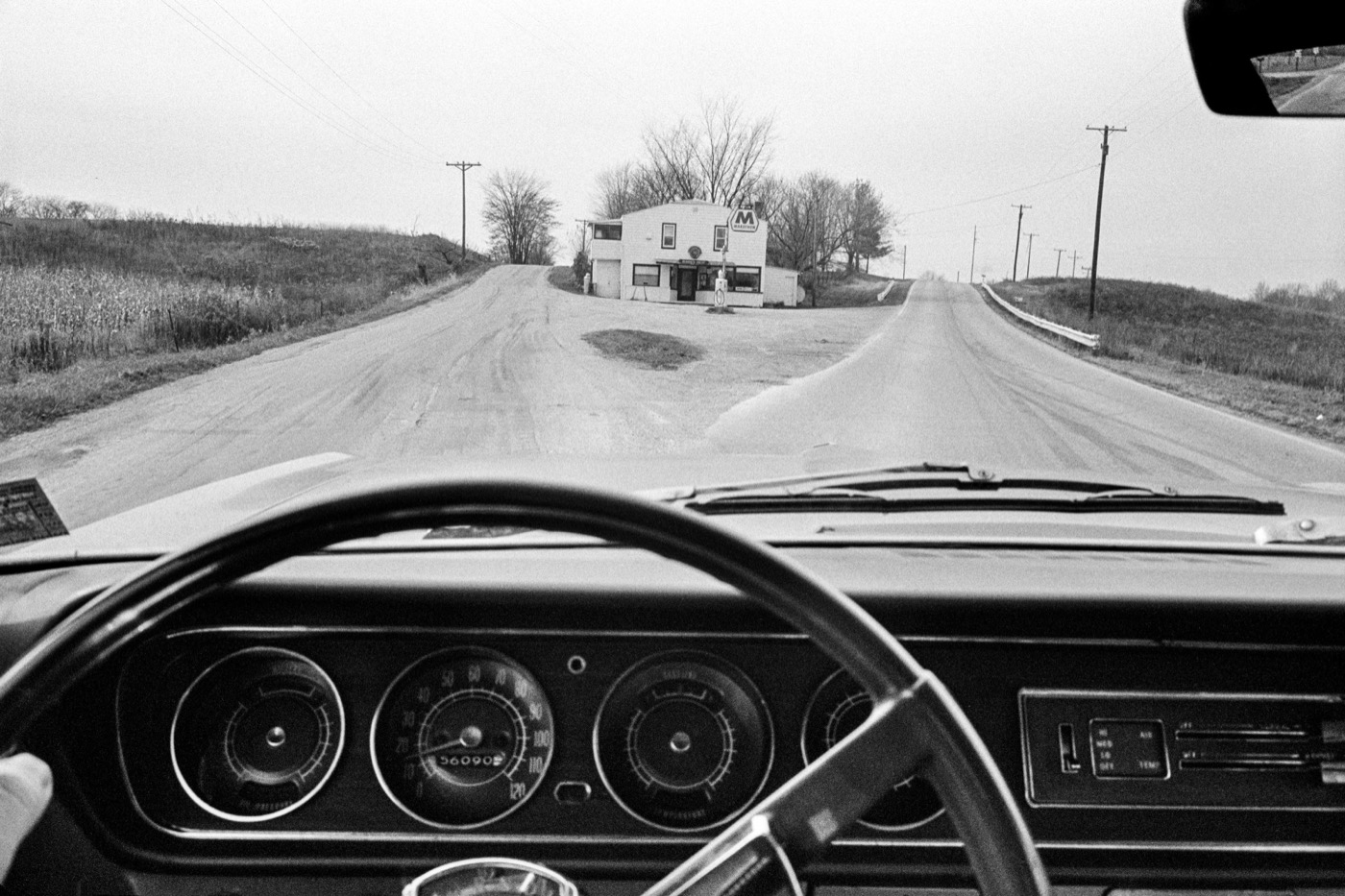 Clark WinterDecision Time, Ohio, 1971.The road forks ahead, and a lone roadside store sits in the crook of the Y, its Marathon sign the only landmark for miles of flat Ohio farmland.
 Clark WinterFilling Station, Sparta, Ohio, 1971.The Shell logo is the giveaway. Not the word SHELL, which any forecourt in America had, but the actual scallop hanging off a bracket bolted to the roof ridge, swinging slightly the way those things…
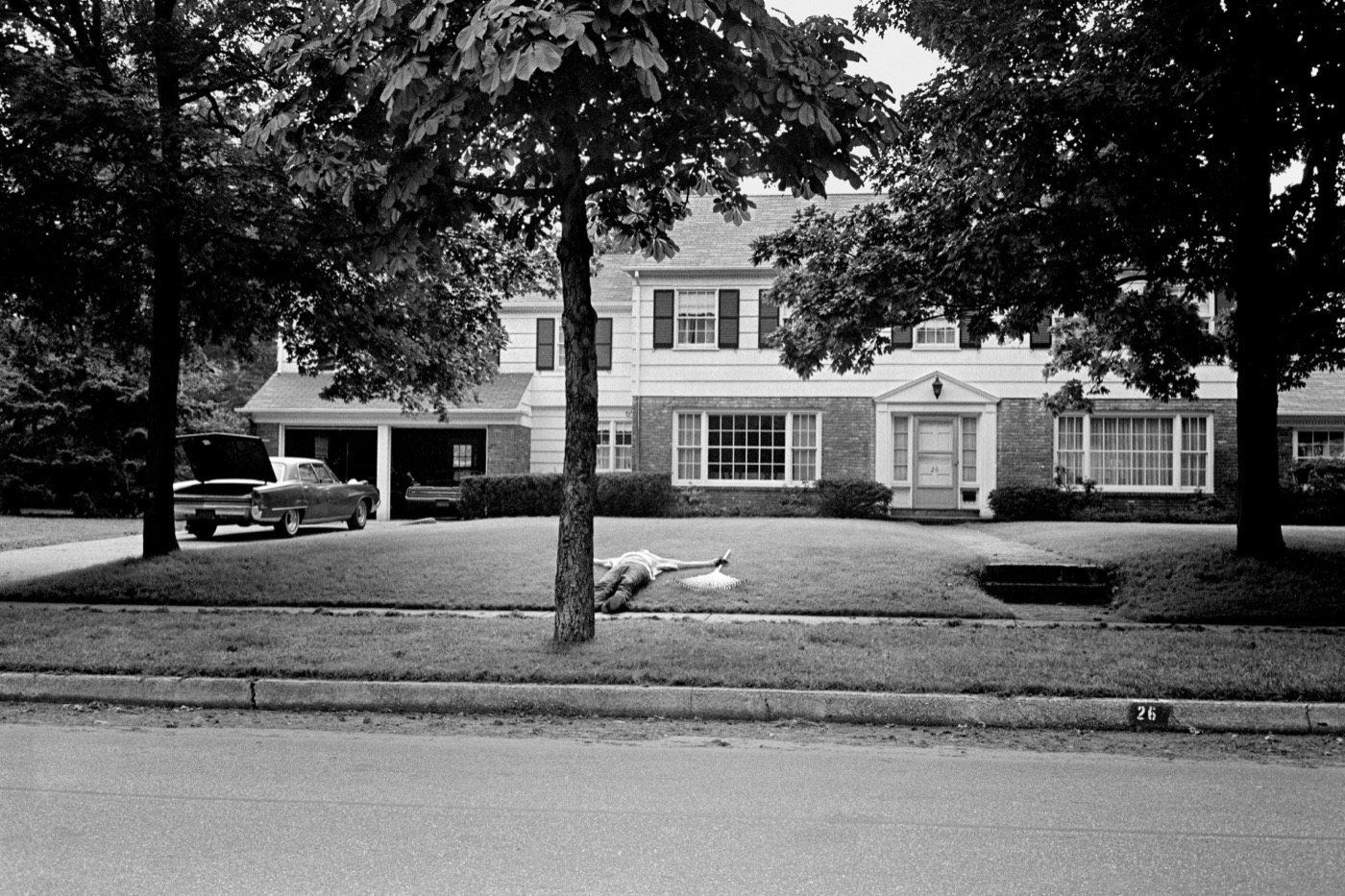 Clark WinterGardener, Garden City, New York City, 1971.Born October 27, 1951, Winter was merely twenty years old when he captured this image, demonstrating extraordinary artistic maturity.
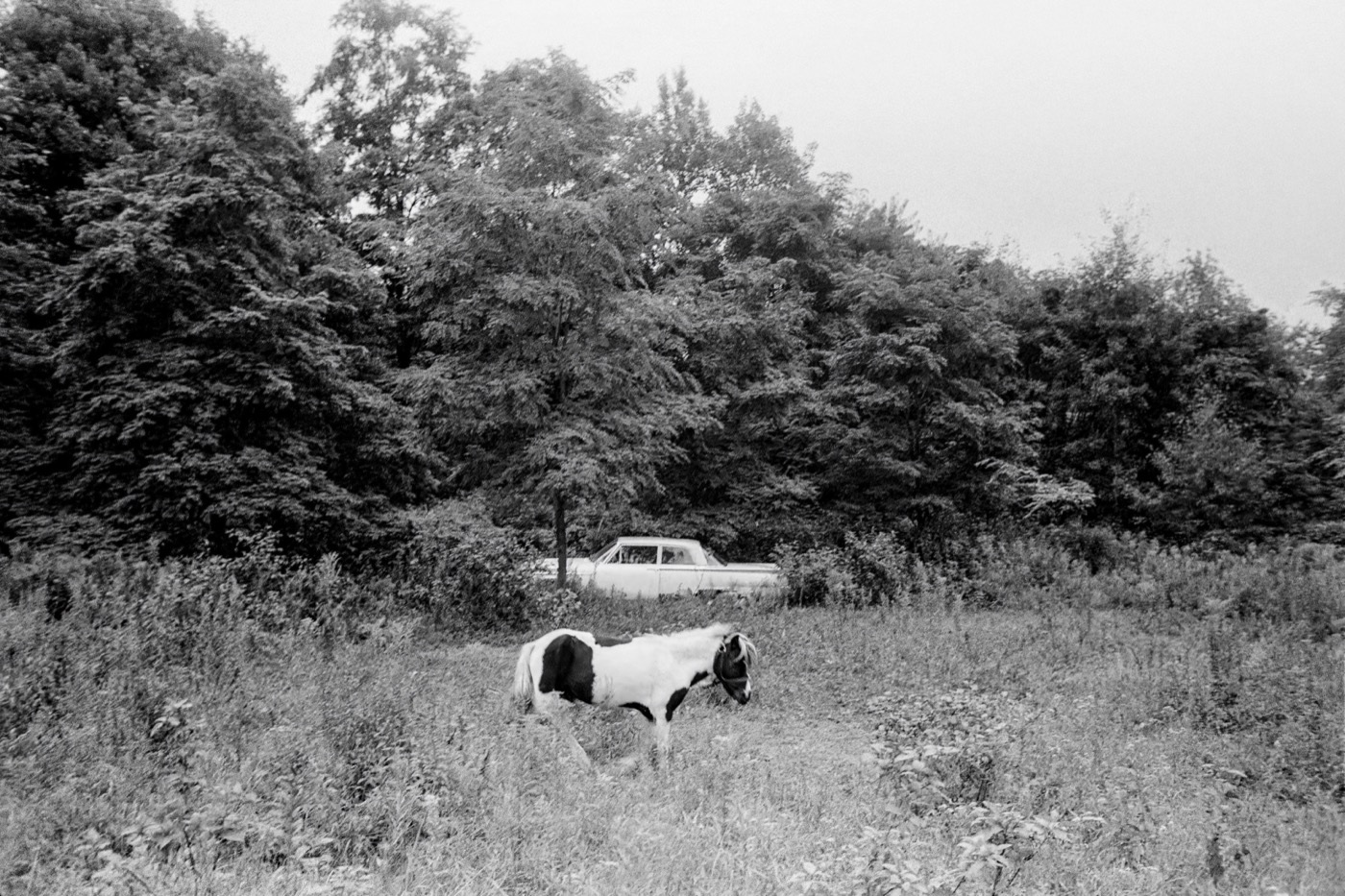 Clark WinterPasture, New Hampshire, 1971.A piebald pony grazes in a meadow of tall summer grass, and just behind it, half-swallowed by the trees, sits an old American car, its pale body marooned where the field meets the woods.
 Clark WinterRomance, 1971.A fairground after dark is a machine built to manufacture intimacy, and Winter’s picture takes the proposition at its word.
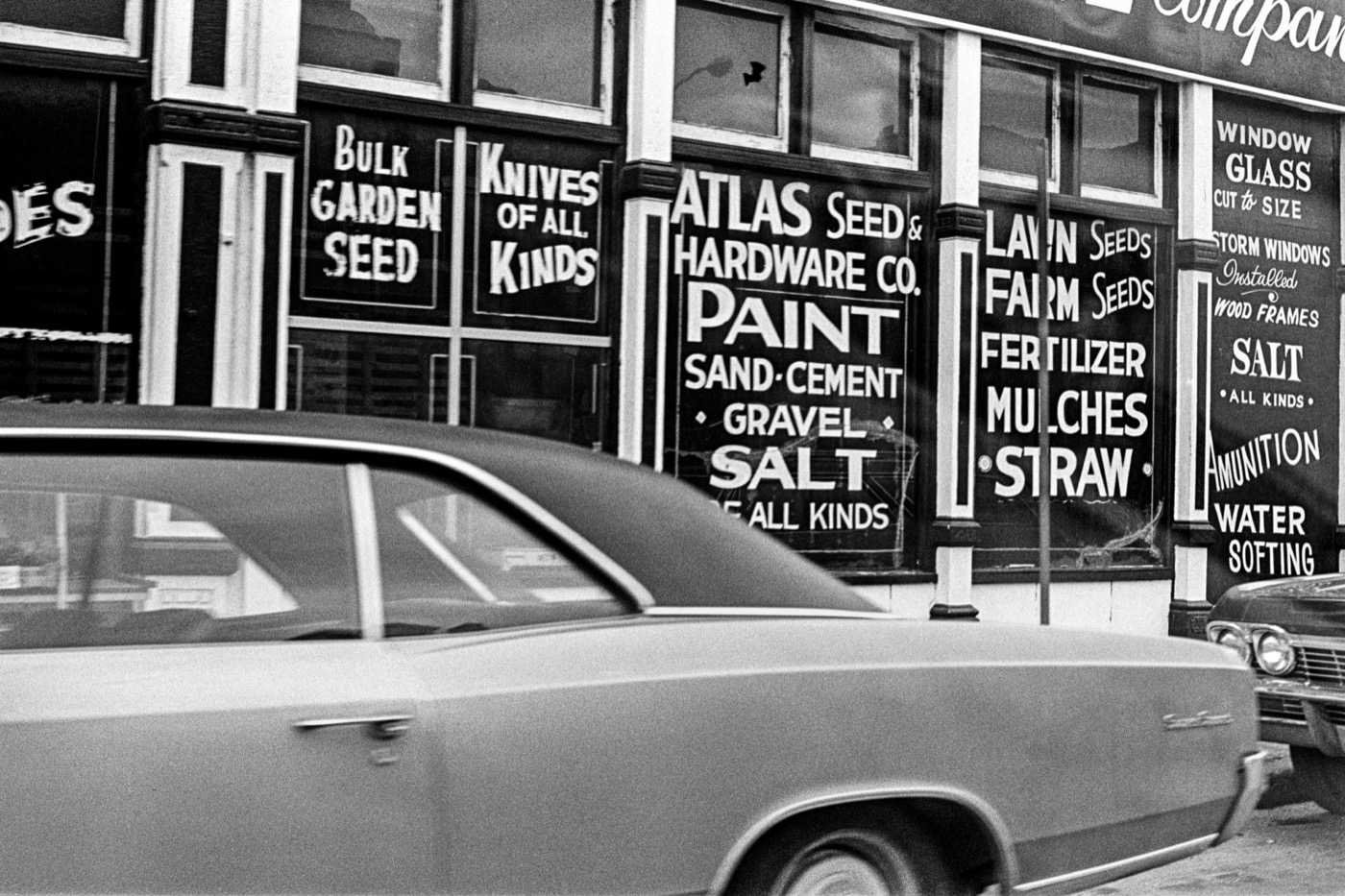 Clark WinterAtlas Seed, Mount Liberty, Ohio, 1972.The car gets there first. Its dark roof and the long curve of a door fill the bottom third of the frame, a smooth unlettered shape that the camera has rendered almost as pure tone, and behind it the…
 Clark WinterDavos, Switzerland, 1972.What fixes this picture is not the tree but the glass in front of it.
 Clark WinterDrive-In Church, Ohio, 1972.An empty stage is already a complete work of theatre.
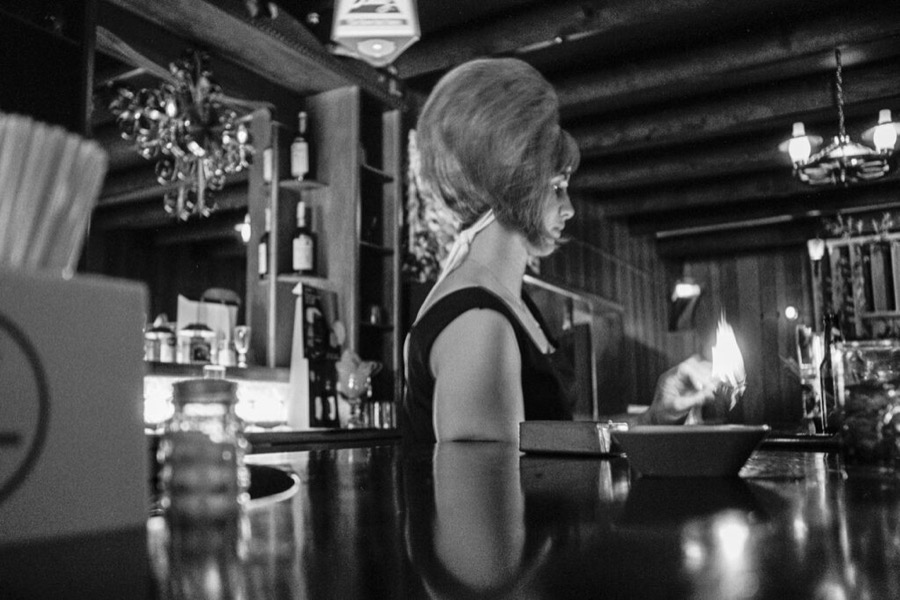 Clark WinterFire, 1972.Almost everything here is brown going to black: the varnished bar top, the beamed ceiling, the ranked bottles receding into shadow, the woman’s dark sleeveless dress.
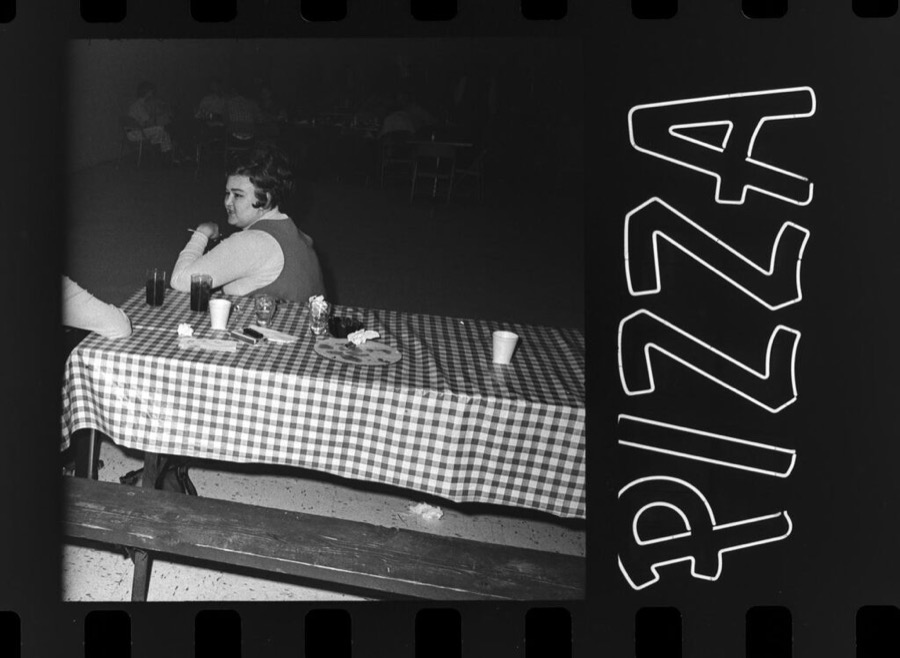 Clark WinterPizza, 1972.Two kinds of light divide this frame between them.
 Clark WinterPolitics, Florence, Italy, 1972.The thing you can't stop reading is the little Fiat 500 parked dead centre, the cream one, because somebody has taped VOTA COMUNISTA right across its rump, just below the rear window, as if the car…
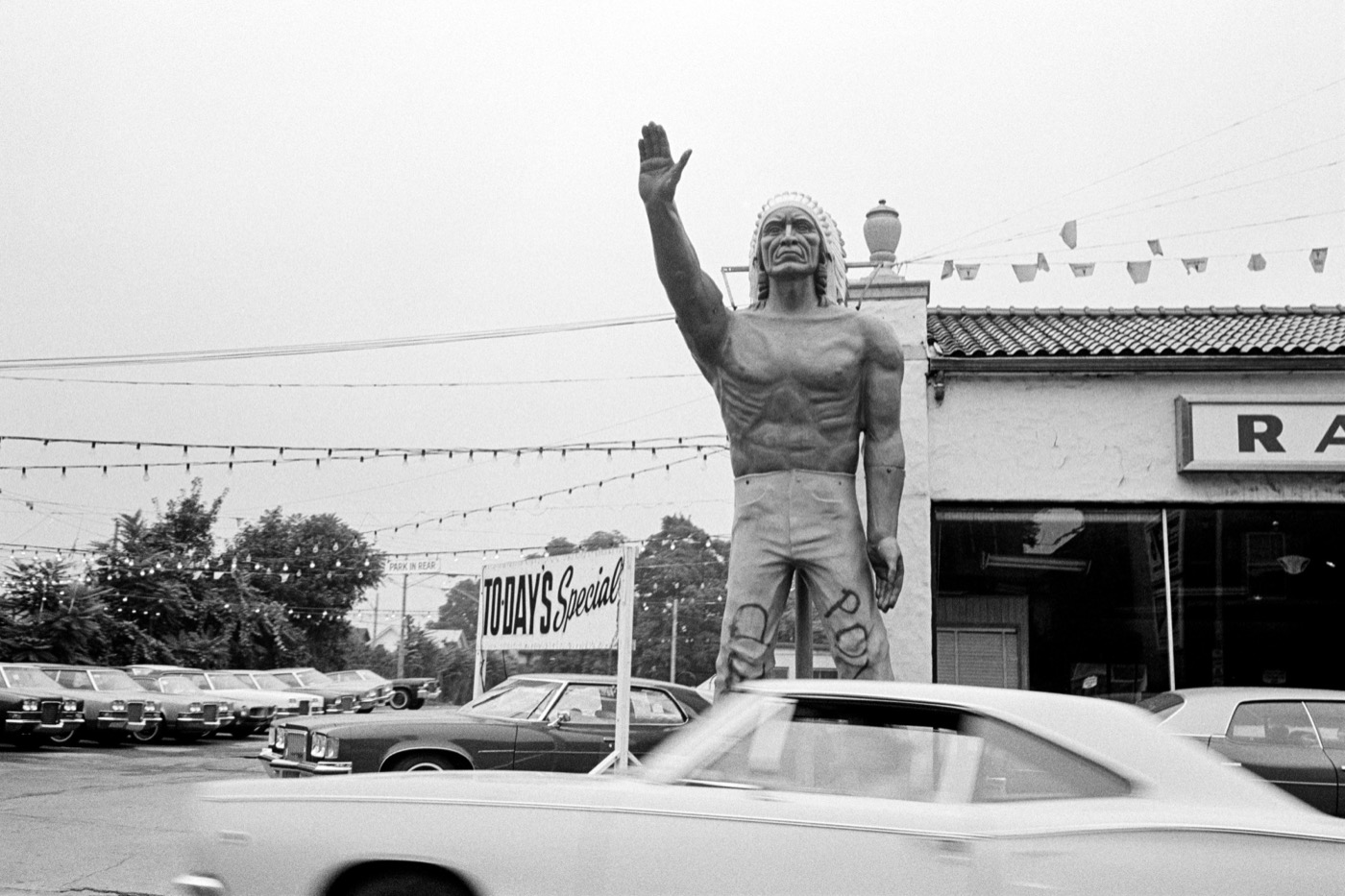 Clark WinterToday's Special, Albion, New York, 1972.TO-DAY’S Special, promises the sign, the hyphen a holdover from an older America, the script flourish borrowed from a diner menu.
 Clark WinterVota Gucci, 1972.Whose name is on the ballot? The one running for office across this Roman-looking street is GUCCI, spelled out in fat chrome capitals above a shopfront sealed behind corrugated shutters.
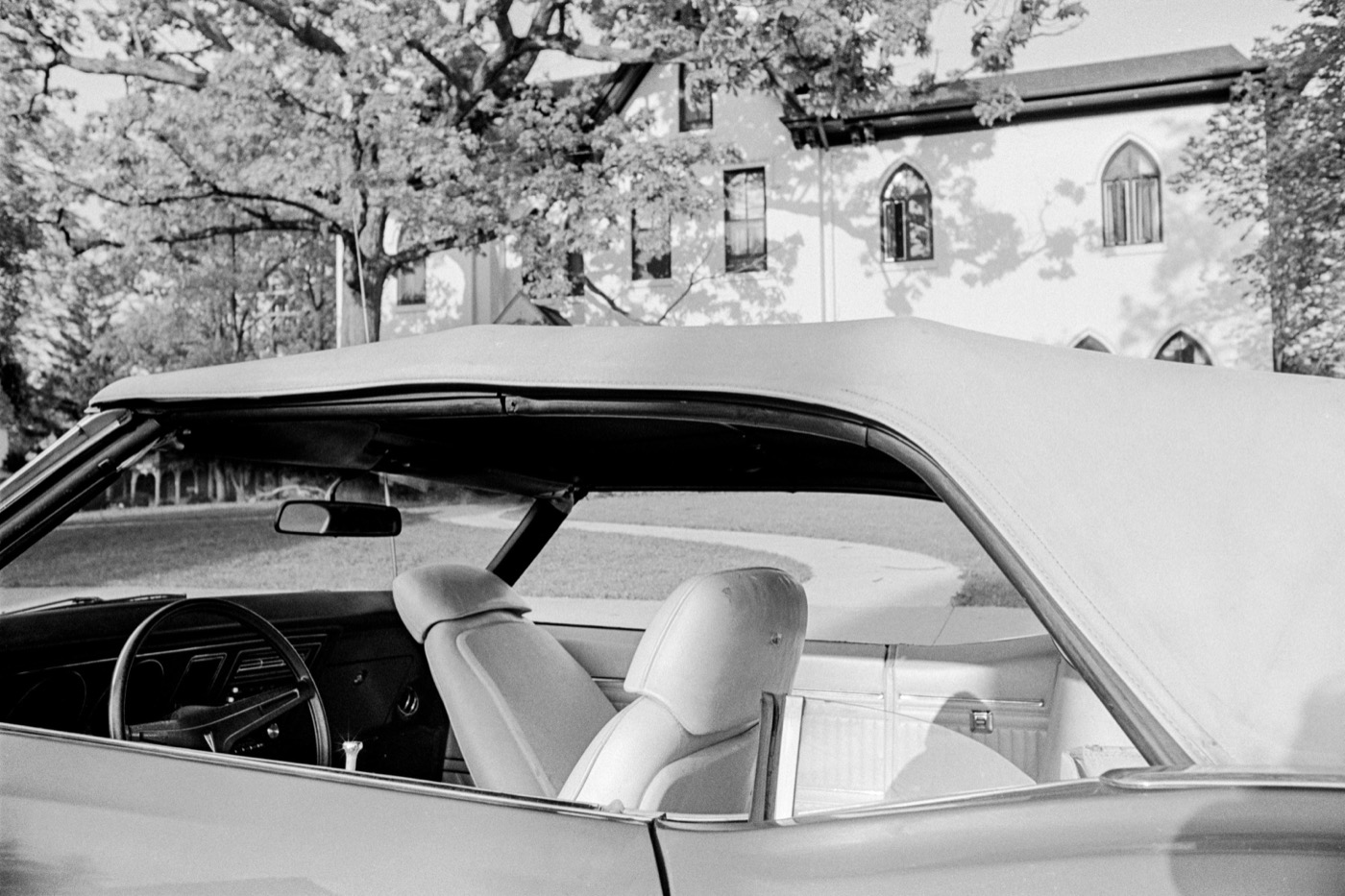 Clark WinterWhite Top, Ohio, 1972.The whole picture turns on a single rhyme: the taut white vinyl of the convertible's raised top and, behind it, the pale plastered wall of a church whose lancet windows lift into pointed arches.
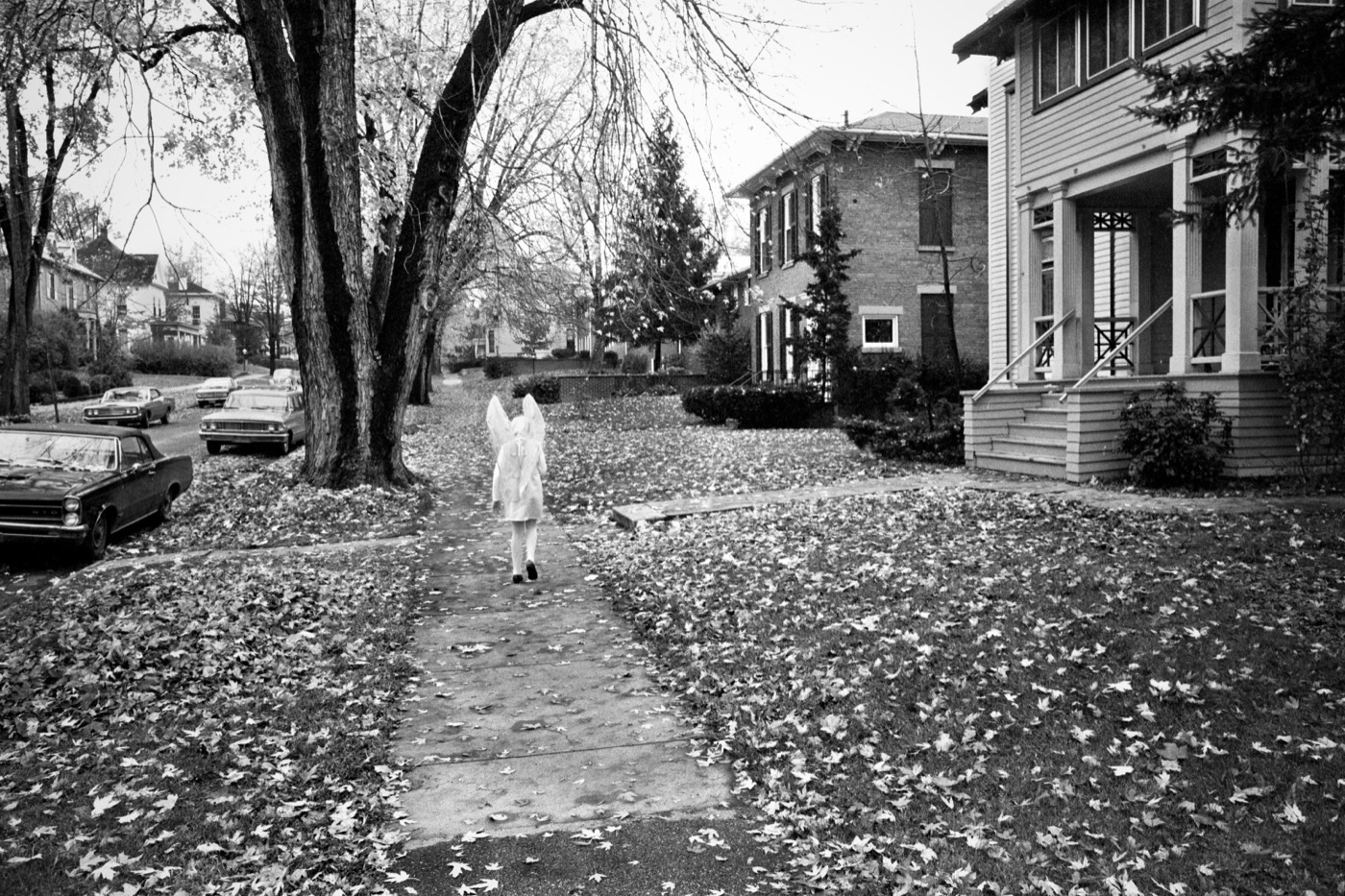 Clark WinterHalloween, Delaware, Ohio, 1973.“Halloween, Delaware, Ohio, 1973”. Clark Winter captures a poignant moment in American cultural history-a child walking alone on a chilly autumn evening in the early 1970s.
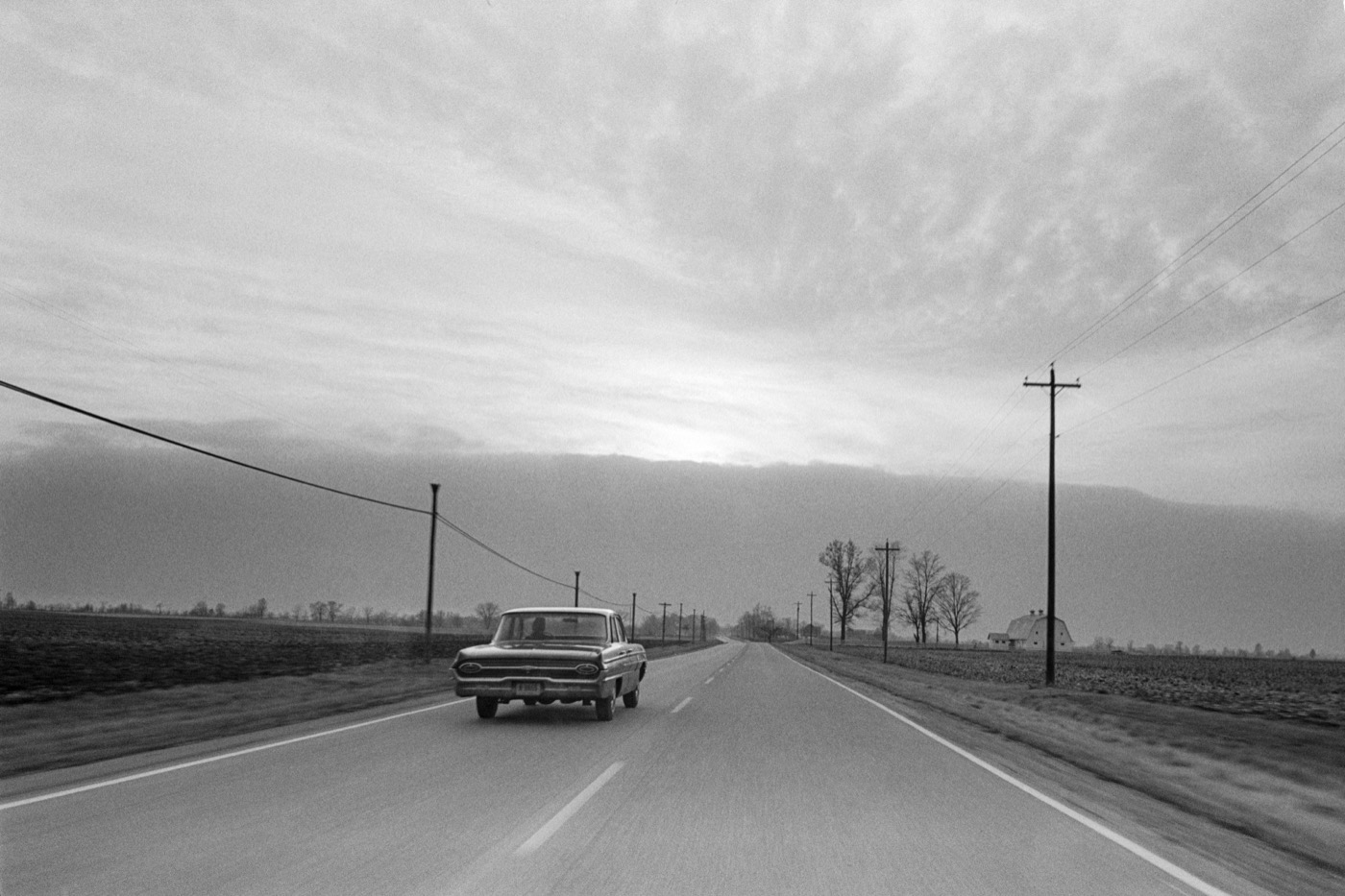 Clark WinterPassing Car, Illinois, 1973.Which way is the car actually going? Away from us, it turns out — drifting over into the oncoming lane, already half-past, two heads behind the windshield who will never know they became the subject…
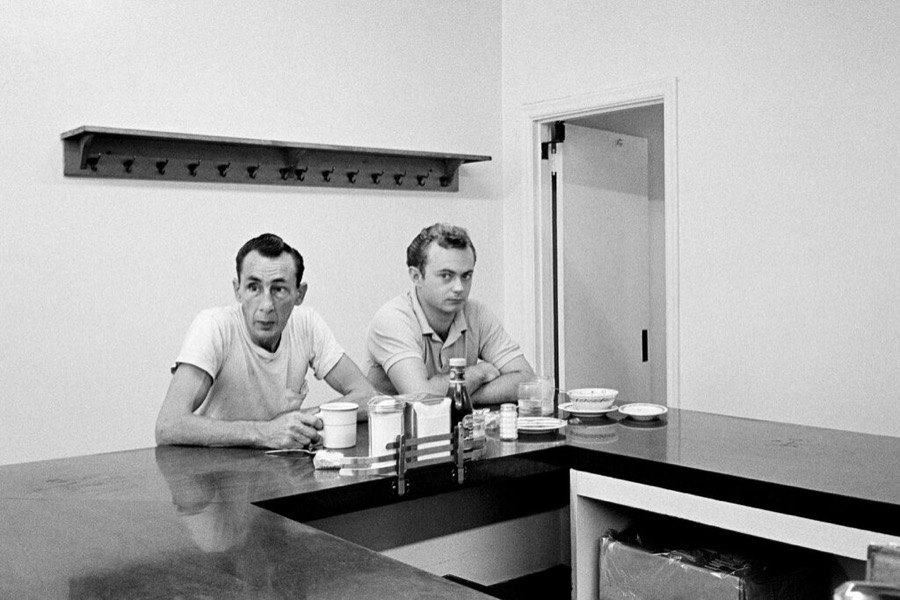 Clark WinterPopeye and Pluto, 1973.The white-T-shirted man has just said something, or is about to; his mouth is parted, one hand lifted from his coffee mug as if to shape a word still in the air.
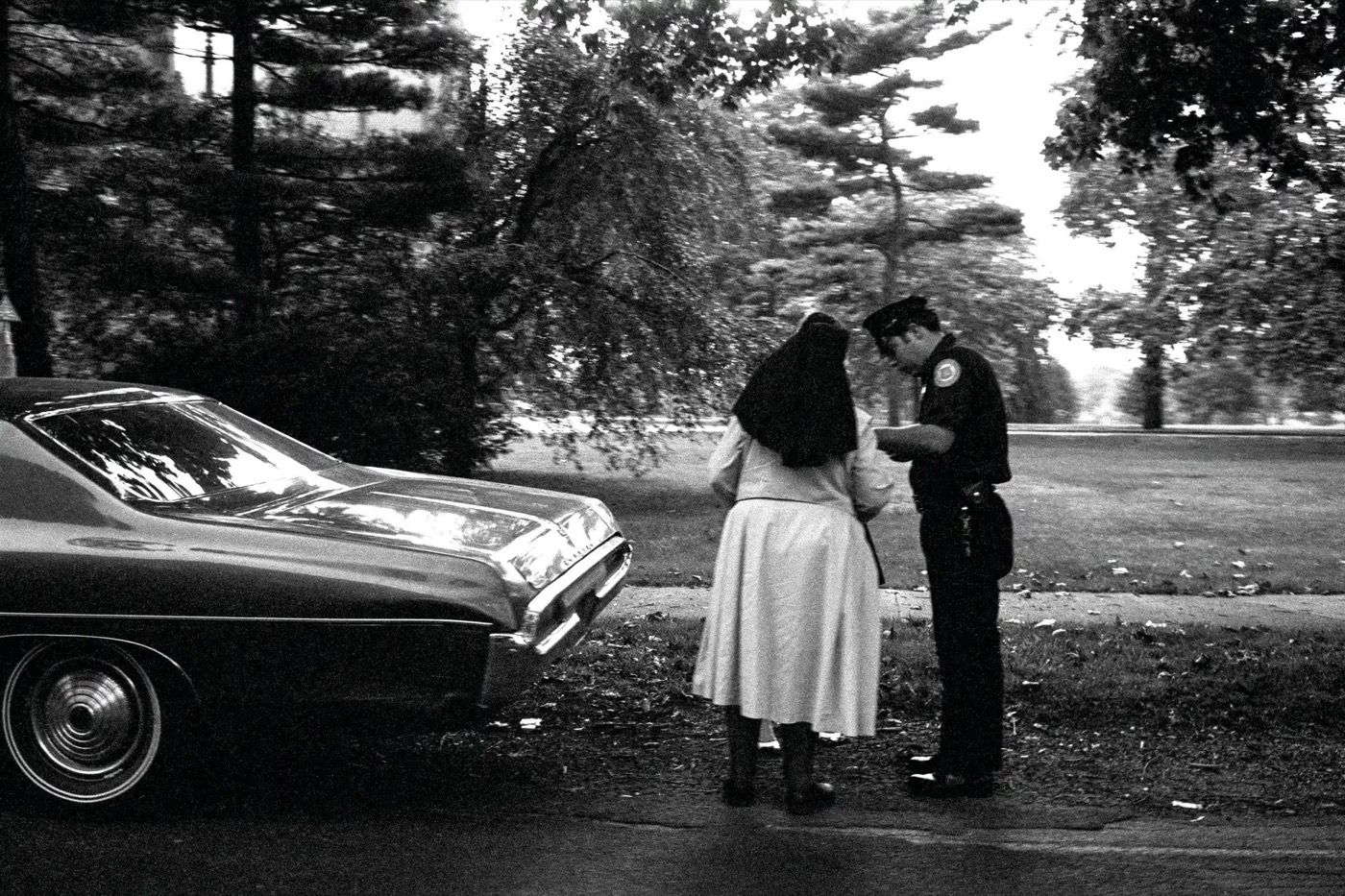 Clark WinterSpeed Trap, New York, 1973.A grass verge in New York, where the road curves politely through trees: here the ambush is set.
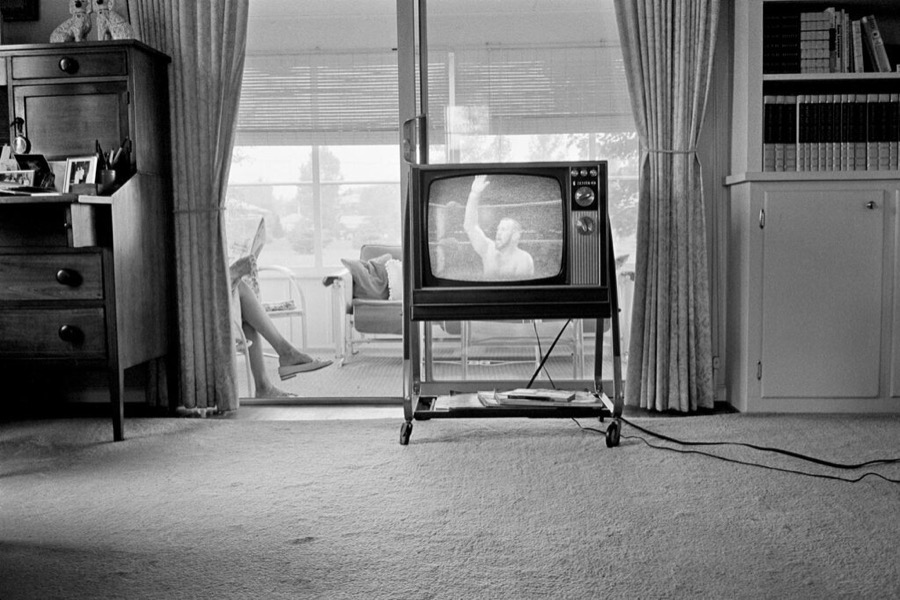 Clark WinterWrestling, 1973.It is the age of the console television, that piece of furniture on casters that arrived in the American living room and began performing to it around the clock.
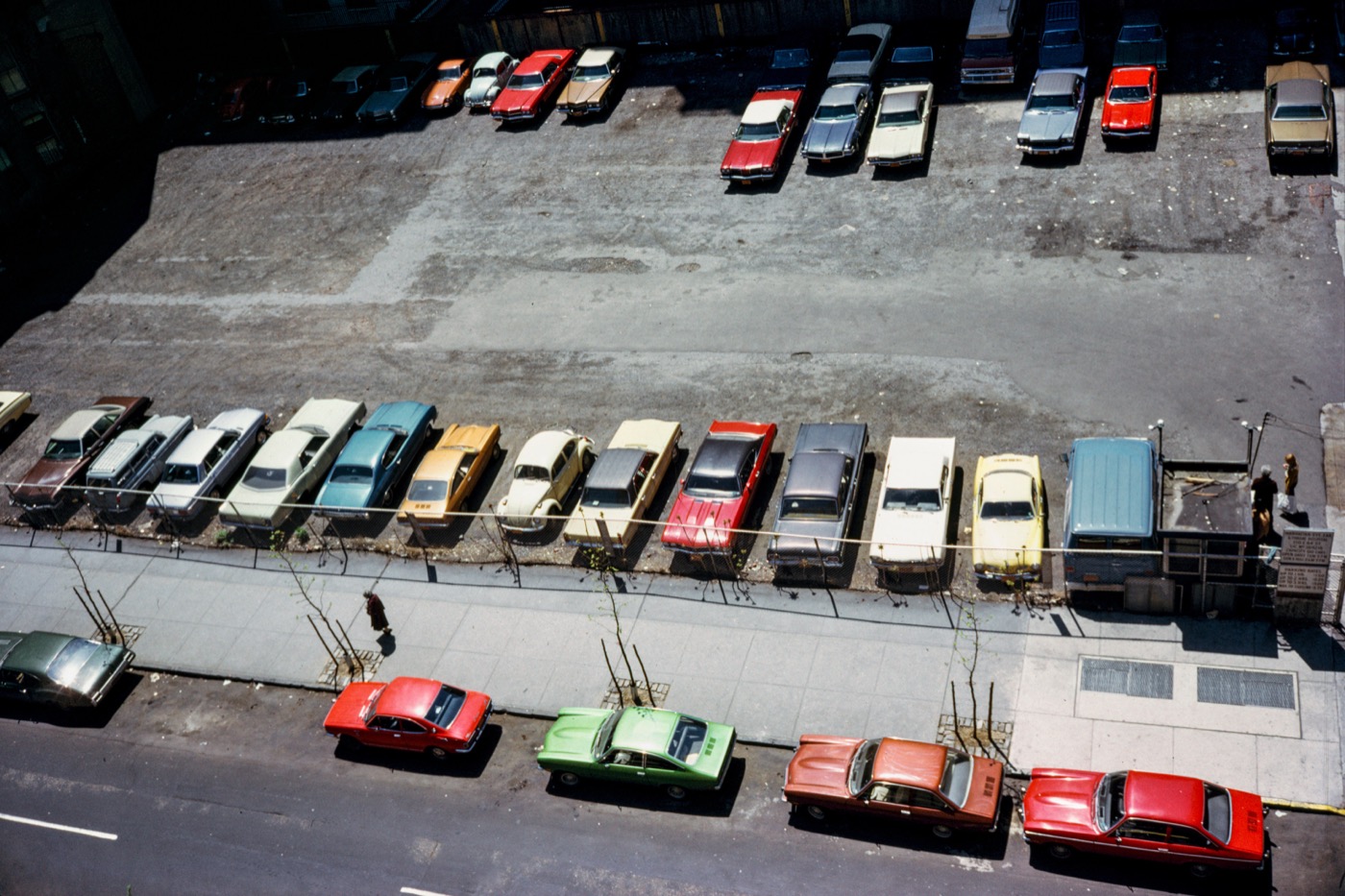 Clark WinterParking Lot, Manhattan, 1974.Asphalt Reverie: Clark Winter's "Parking Lot, Manhattan, 1974" Winter's photograph captures Manhattan during a pivotal moment—1974's oil crisis and fiscal emergency.
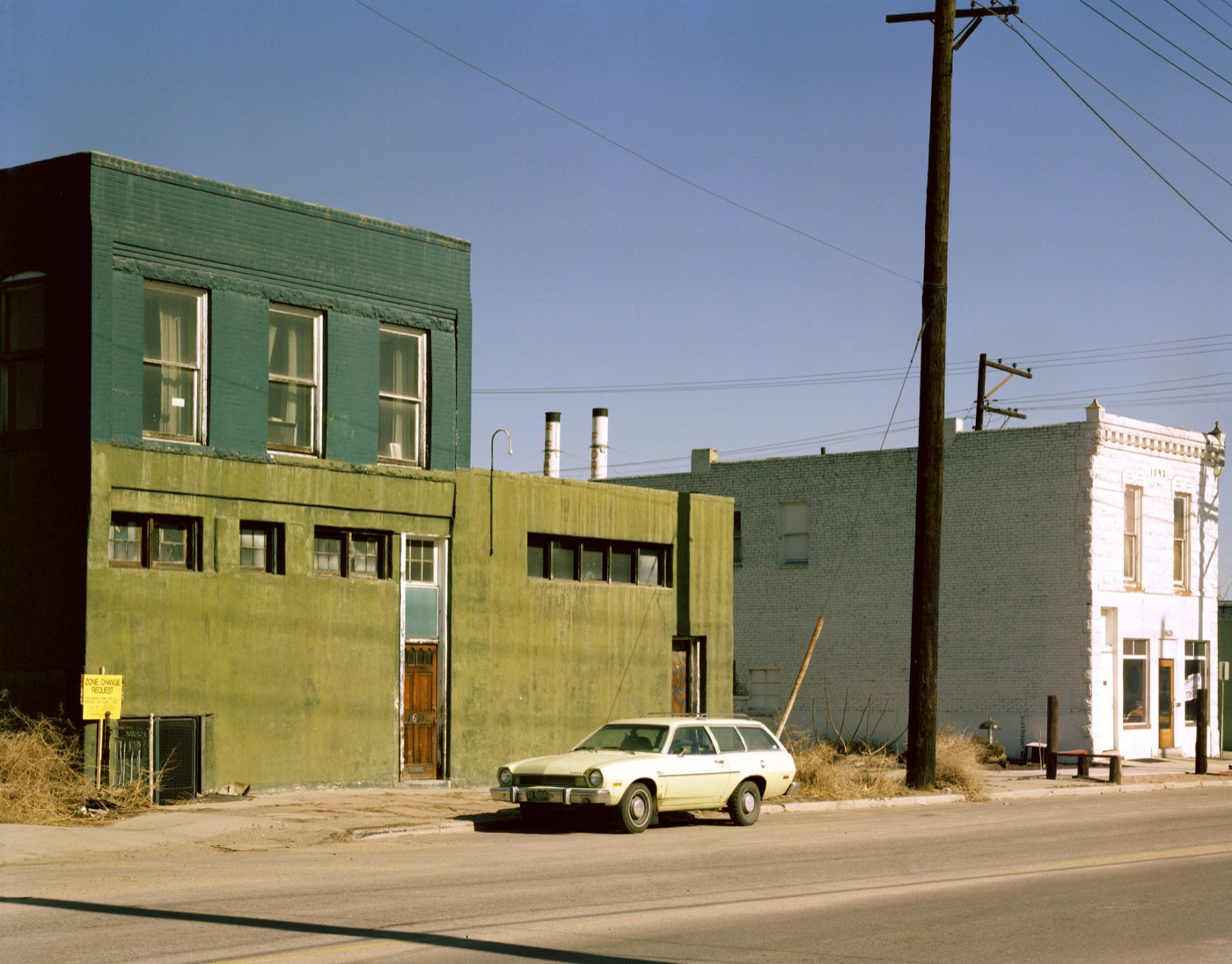 Clark WinterStreet Parking, Minnesota, 1982.Clark Winter's "Street Parking, Minnesota, 1982" masterfully captures the essence of American small-town life through documentary photography's unblinking eye.
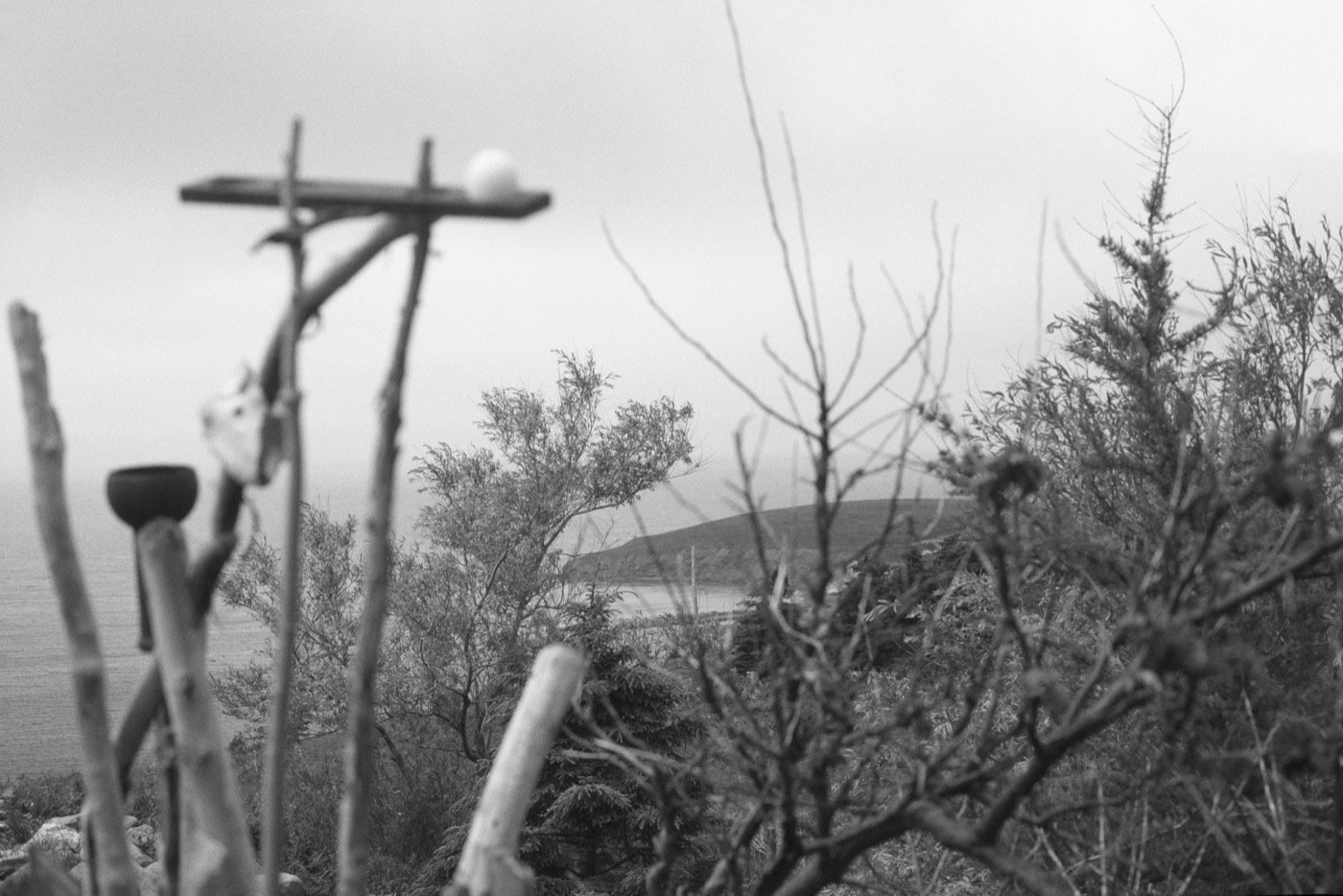 Clark WinterAirborne Egg, 1998.The thing about an egg is that it wants to roll.
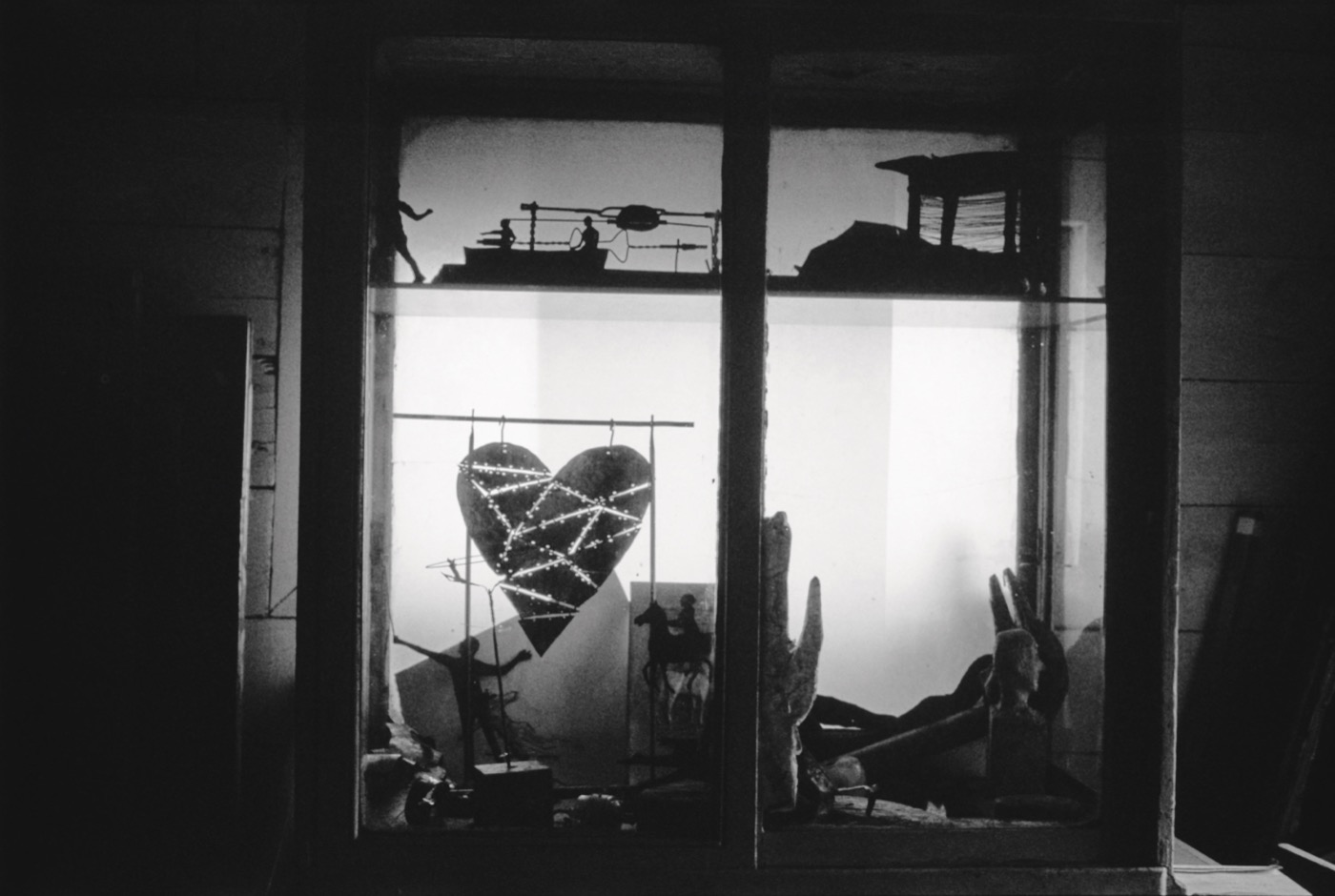 Clark WinterDancing Window, 1998.A window at night seen from outside, its panes lit from within by a flat white screen.
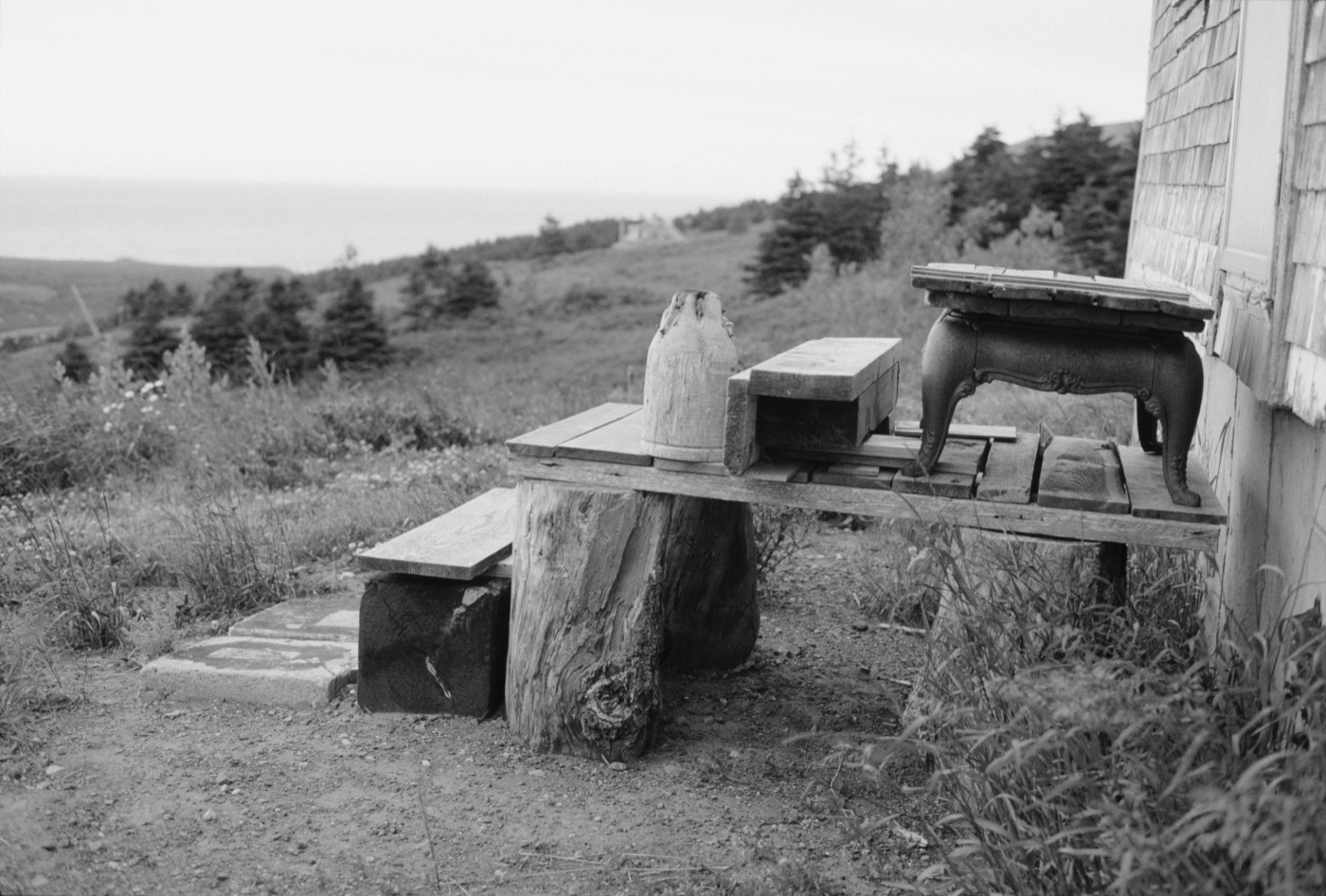 Clark WinterDriftwood Steps, 1998.The door is withheld. These steps — a stump, salvaged planks, a squared beam, two concrete slabs sunk into packed dirt — climb toward an entrance the frame declines to show, so the act of arrival…
 Clark WinterGathering West, 1998.André Kertész got whole novels out of the empty chairs of Paris parks, and Clark Winter works the same rich seam on a windier stage: a homemade twig armchair, a pedestal table, and a scatter of birch…
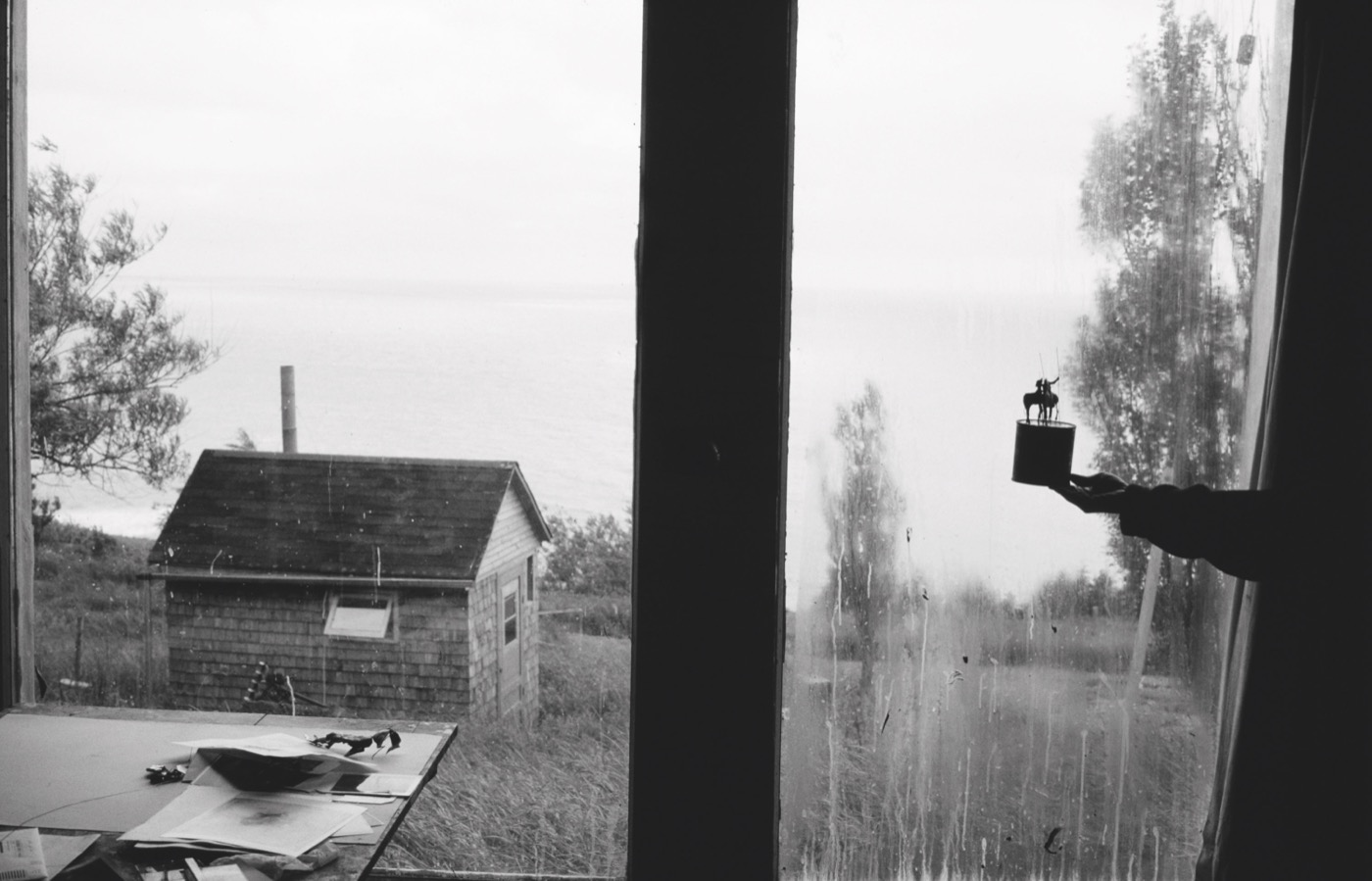 Clark WinterJune's Forge, 1998.A window, seen from inside, divided down the middle by a heavy dark mullion.
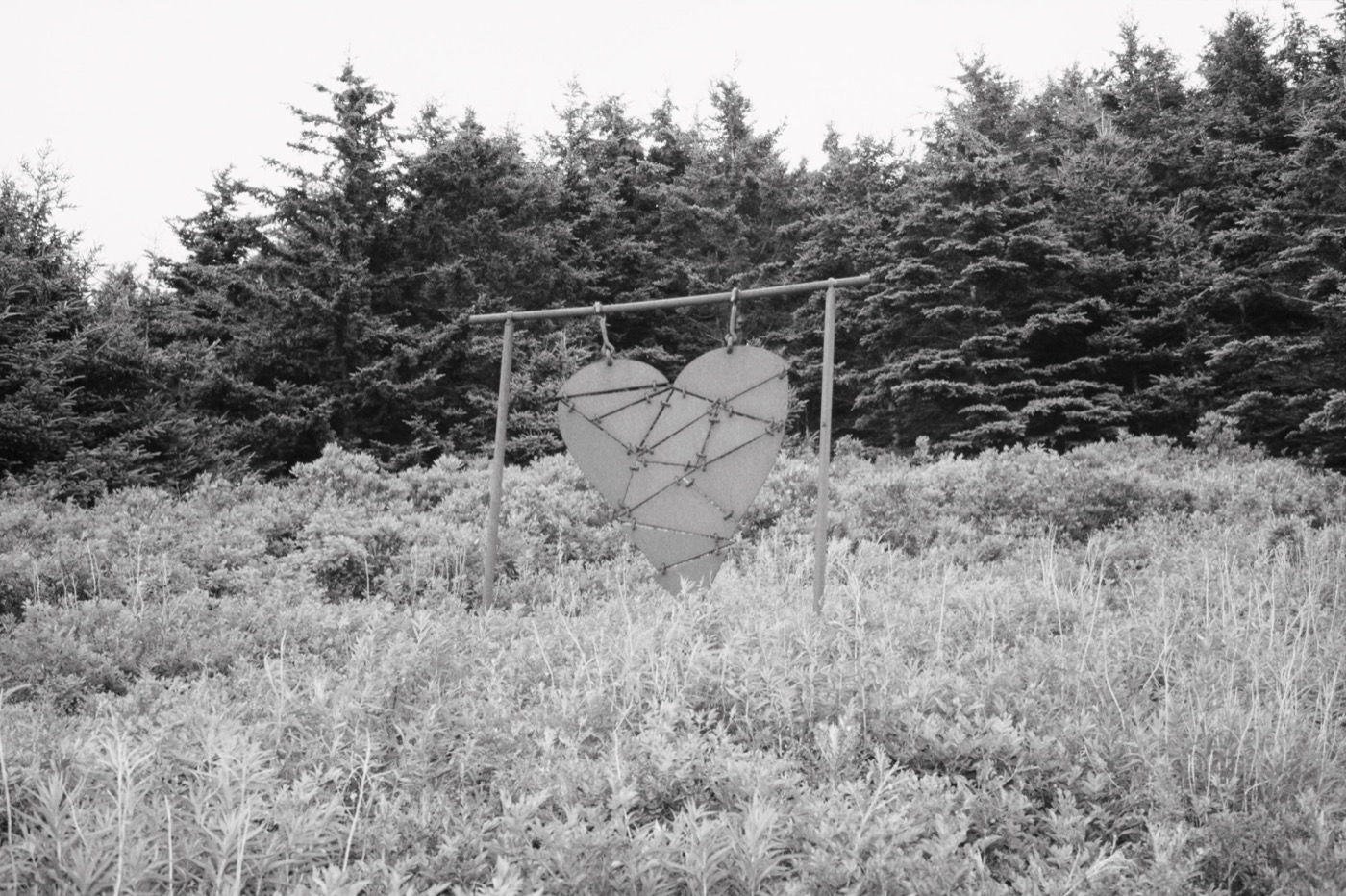 Clark WinterJune's Heart, 1998.Selenium cools a black-and-white print toward the mineral: blacks deepen until they are nearly blue, whites stay bone, and the greys between take on the finish of stone.
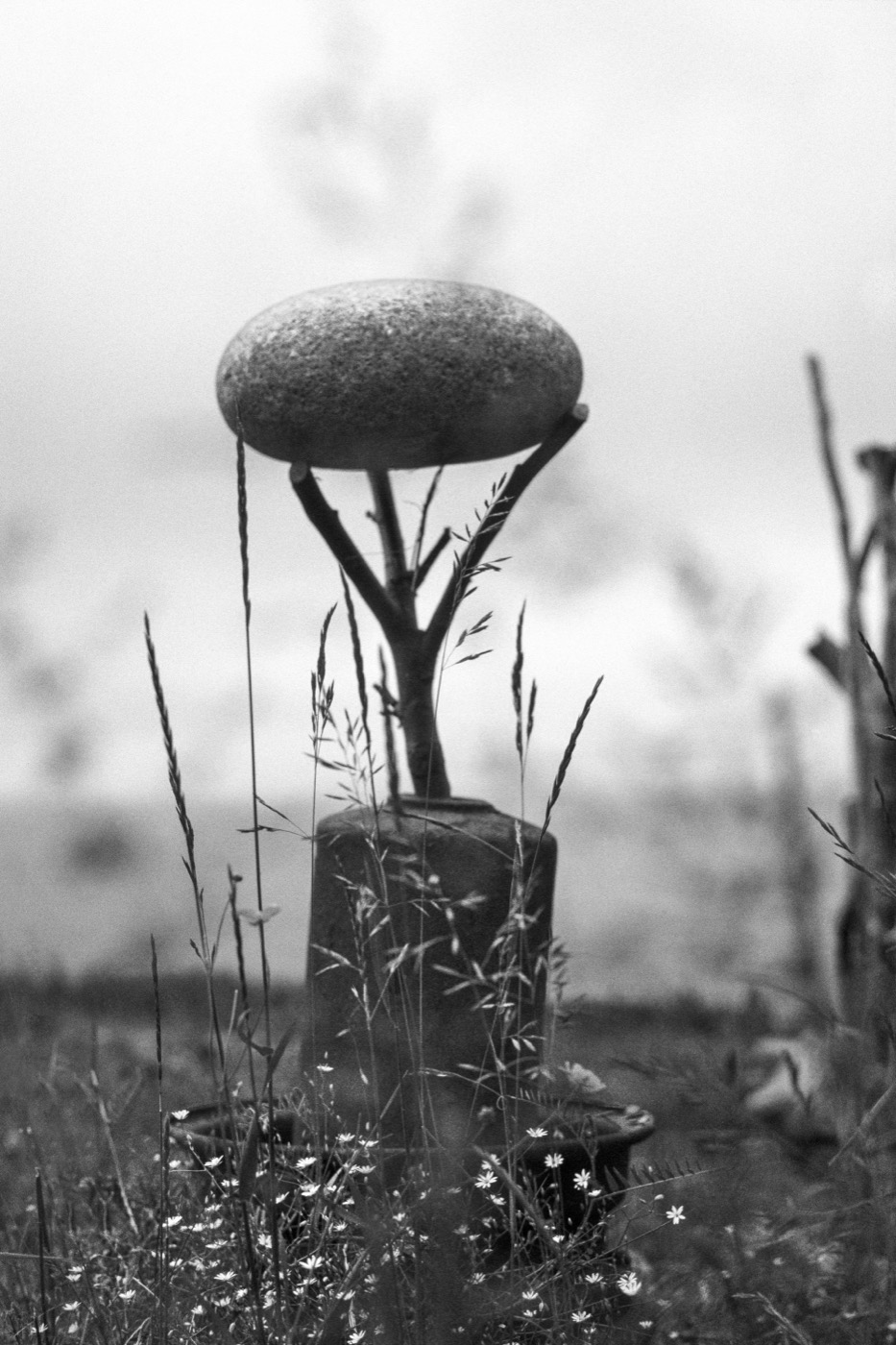 Clark WinterStone Egg, 1998.A large smooth stone, the shape and the colour of a goose egg, has been balanced on top of a forked stick.
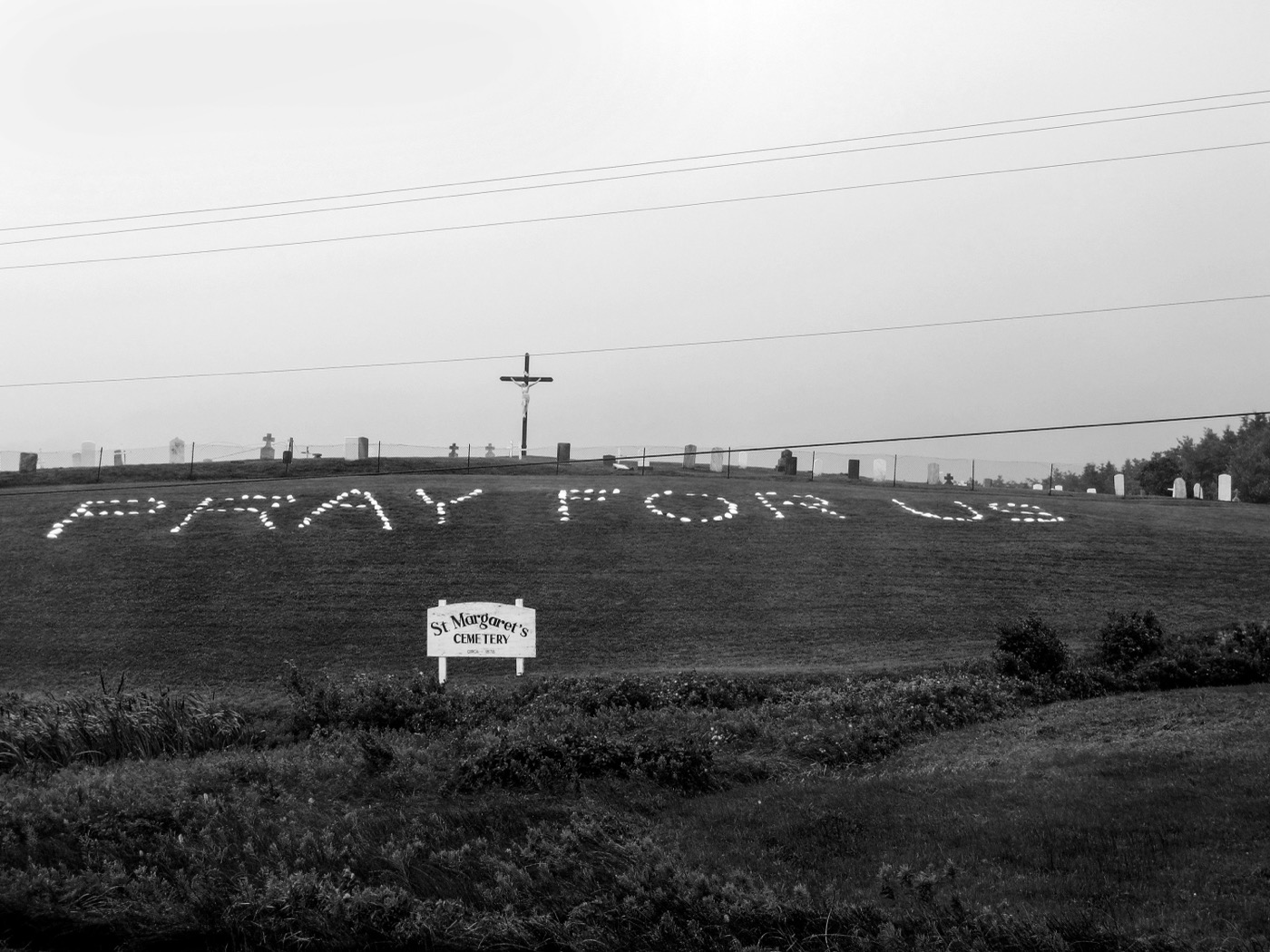 Clark WinterPray For Us, 2011.Someone climbed this hill with a sack of white stones and spelled PRAY FOR US across the slope, letter by letter, large enough to be read from the road.
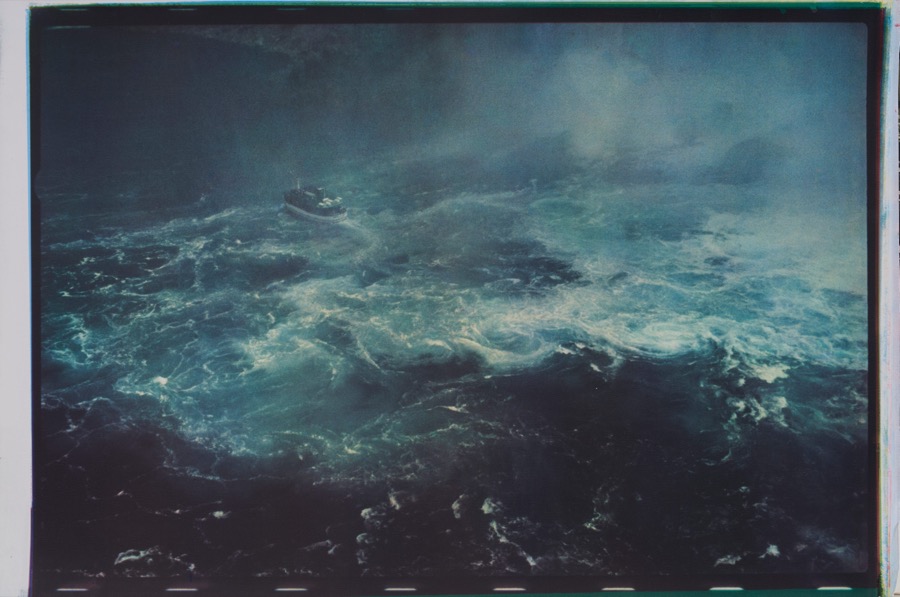 Dolorès MaratLe rafiot sous les chutes, Niagara, 1990.A single small craft, white-railed and toy-sized, idles in the upper-left quarter of the frame while the rest of the picture is given over to water — acres of churning teal and bottle-green swell…
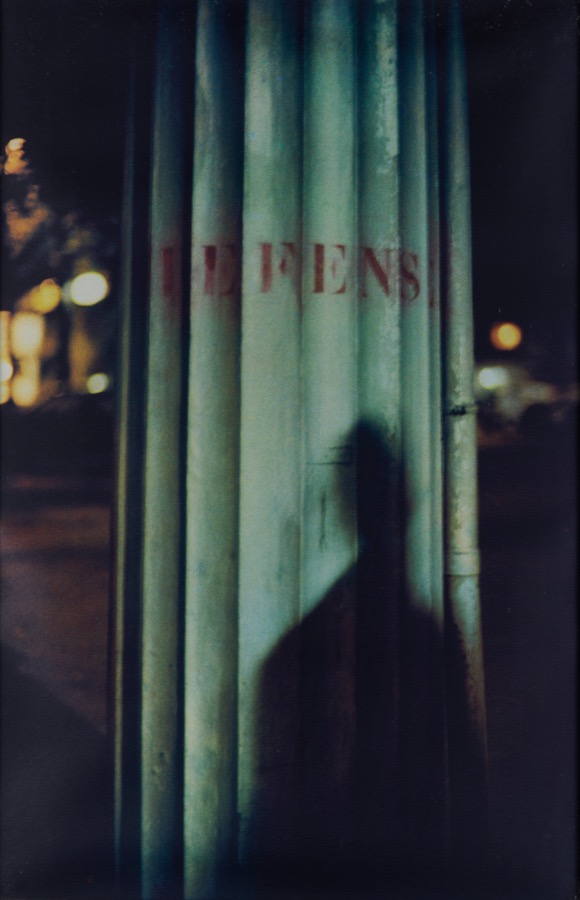 Dolorès MaratUntitled (Défense), circa 1990.The first thing is the green, that aquarium green washing down the fluted column at the centre of everything, a colour no ordinary film would give you and only the Fresson process, with its slow…
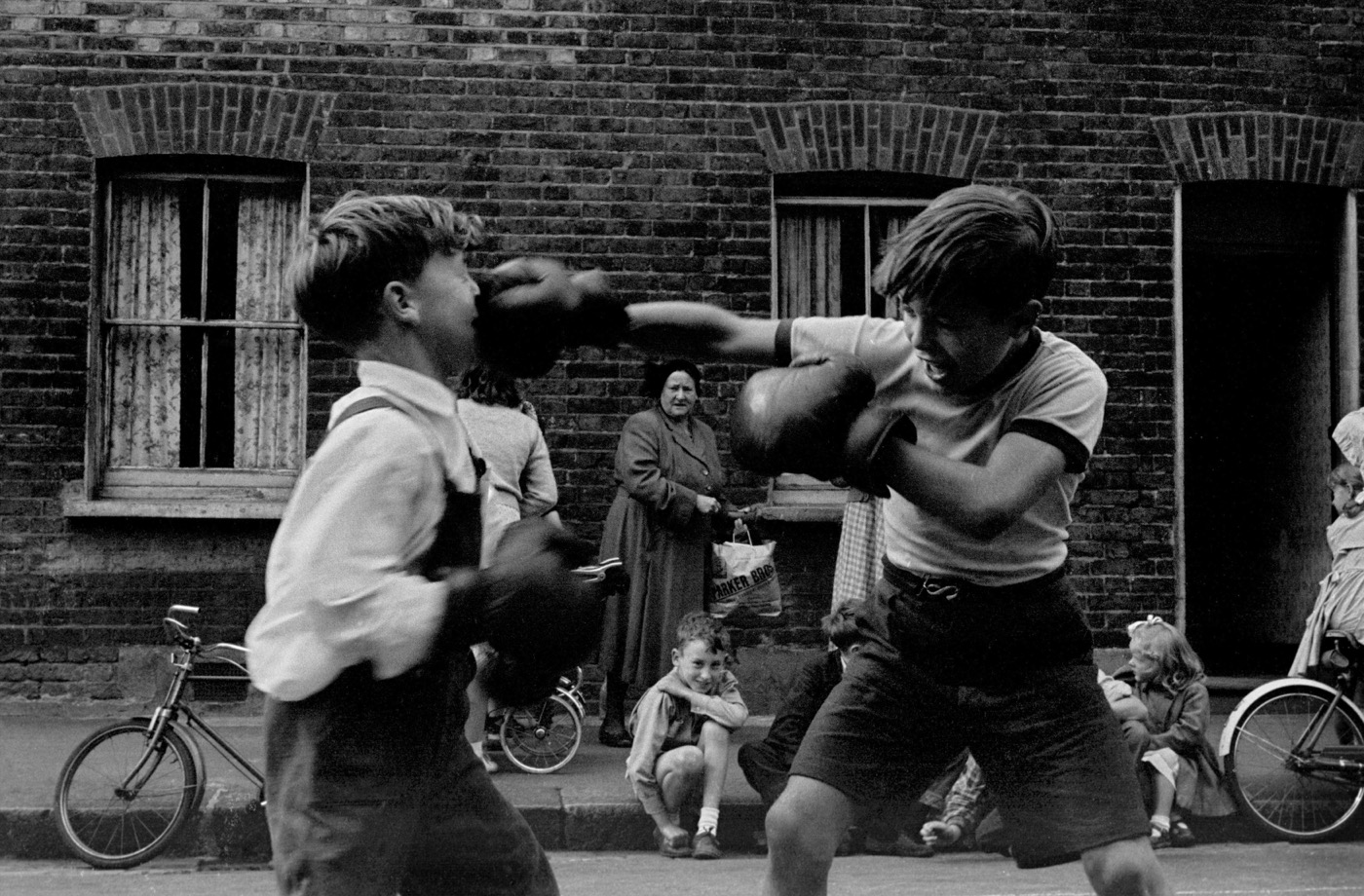 Frank HorvatBoxing boys, Lambeth, London, 1955.A glove has just landed. The boy at right has driven his right hand square into his opponent's jaw, snapping the blond head sideways, and Horvat releases the shutter at the instant the leather meets…
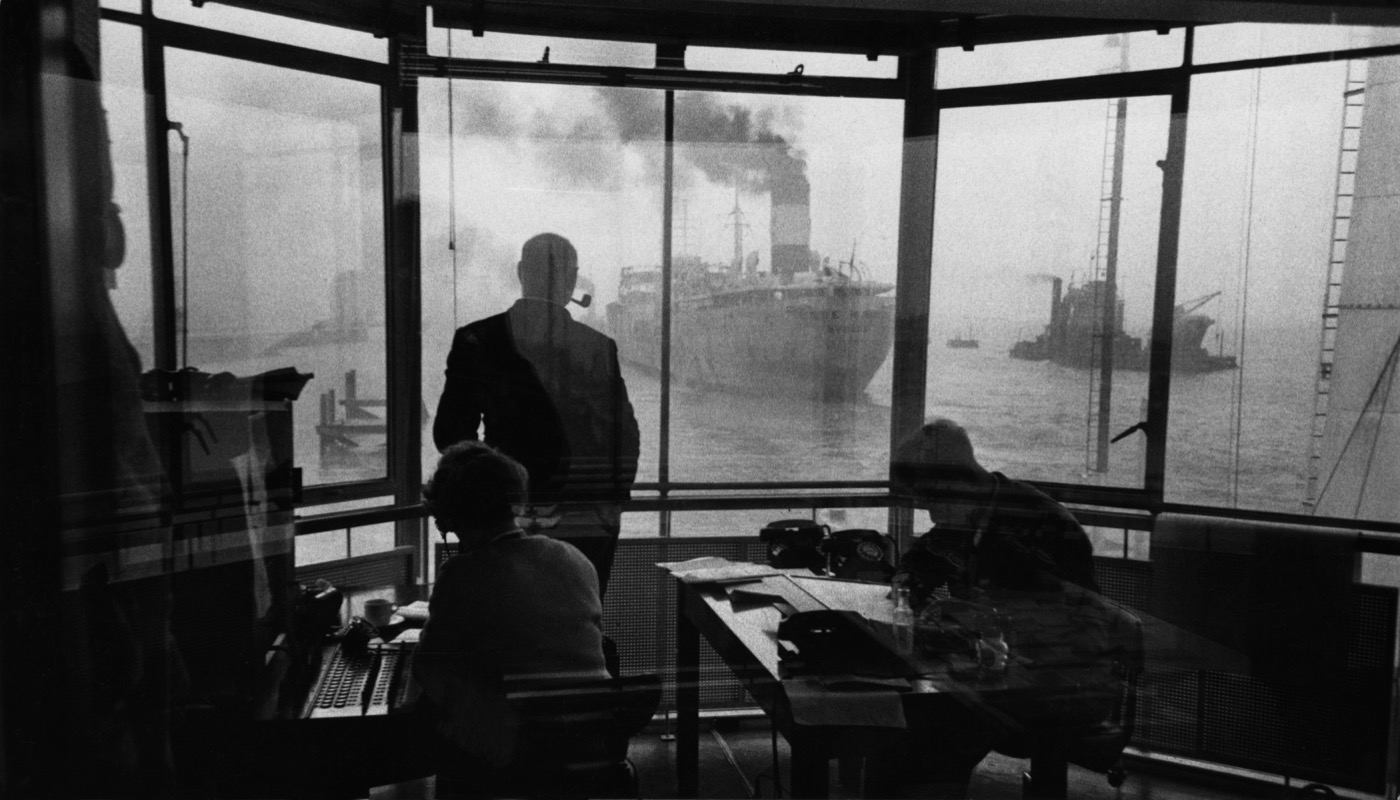 Frank HorvatManchester Ship Canal, United Kingdom, 1955.A glazed control cabin above the Manchester Ship Canal, its angled panes meeting at black mullions like the bridge of a liner.
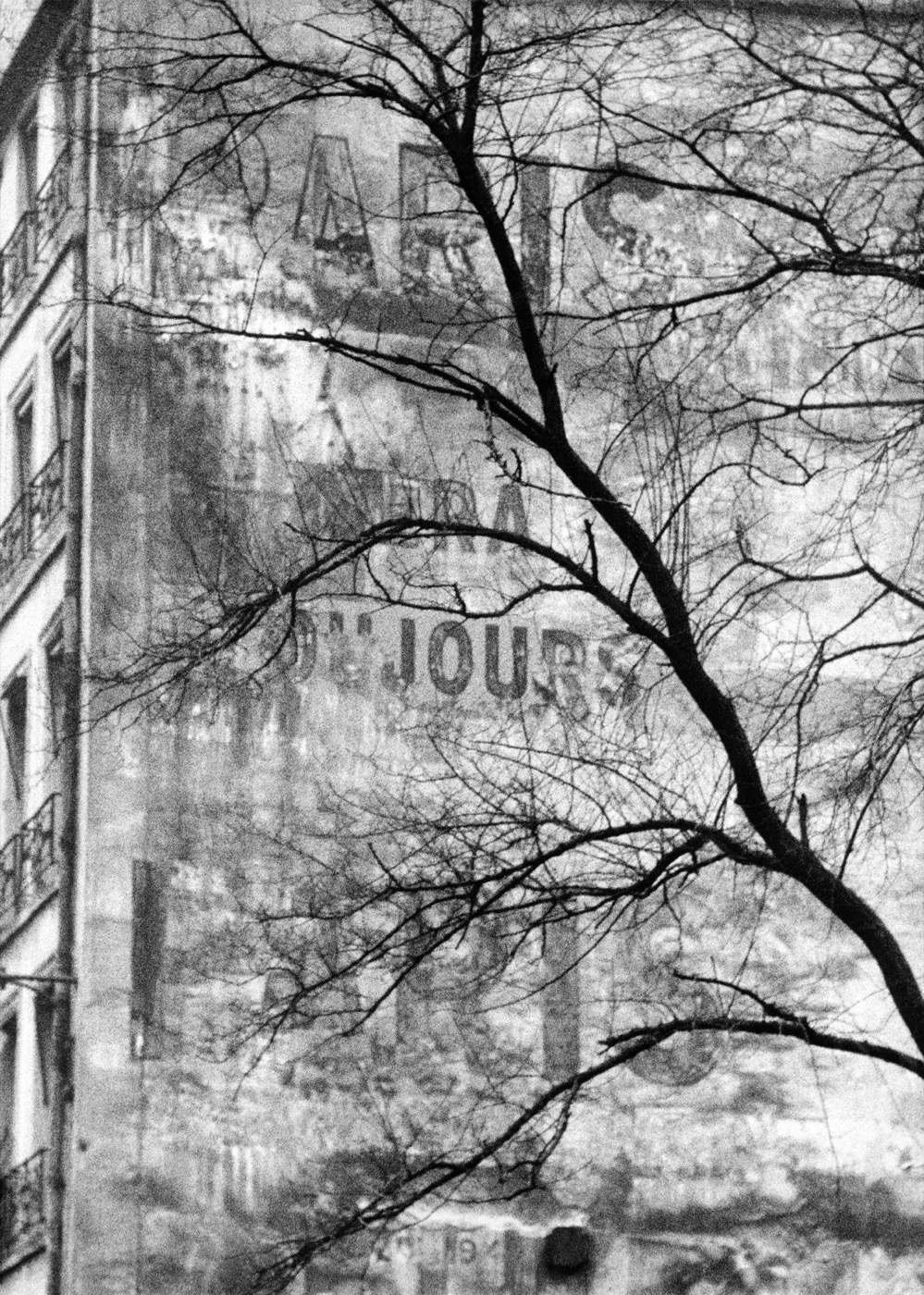 Frank HorvatOld advertising and bare tree, Paris, 1955.A blind wall in Paris, the tall gable end of an apartment block, and painted across the top of it, letter by fading letter, the word PARIS.
 Frank HorvatLittle girl, Saint Michel, Paris, 1956.Photographed from below, from the foot of a stone parapet.
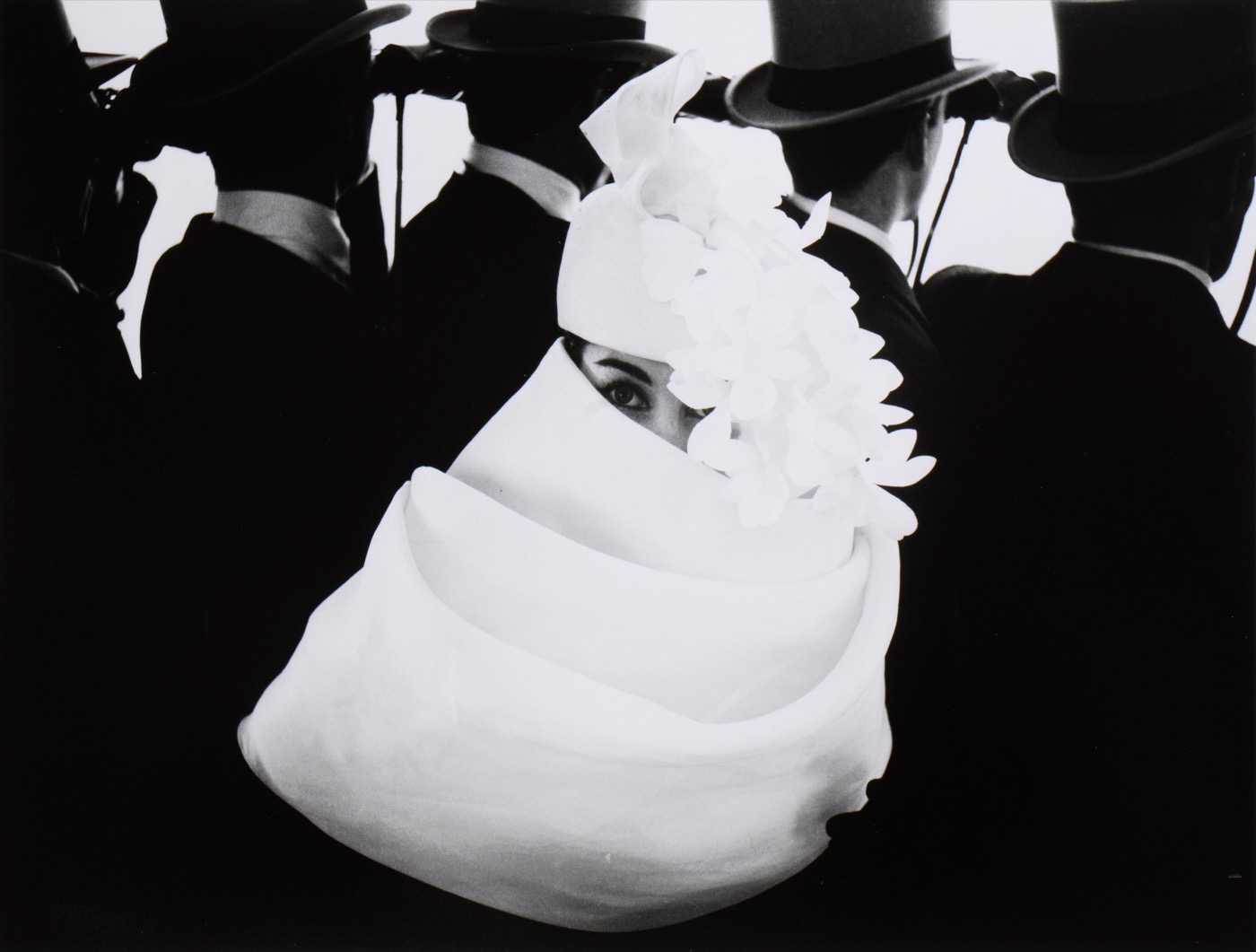 Frank HorvatGivenchy Hat A, Paris, 1958.A field of black: the backs of men in morning coats and top hats, a phalanx seen from behind against a burned-out white sky, the brim of each hat a hard ellipse.
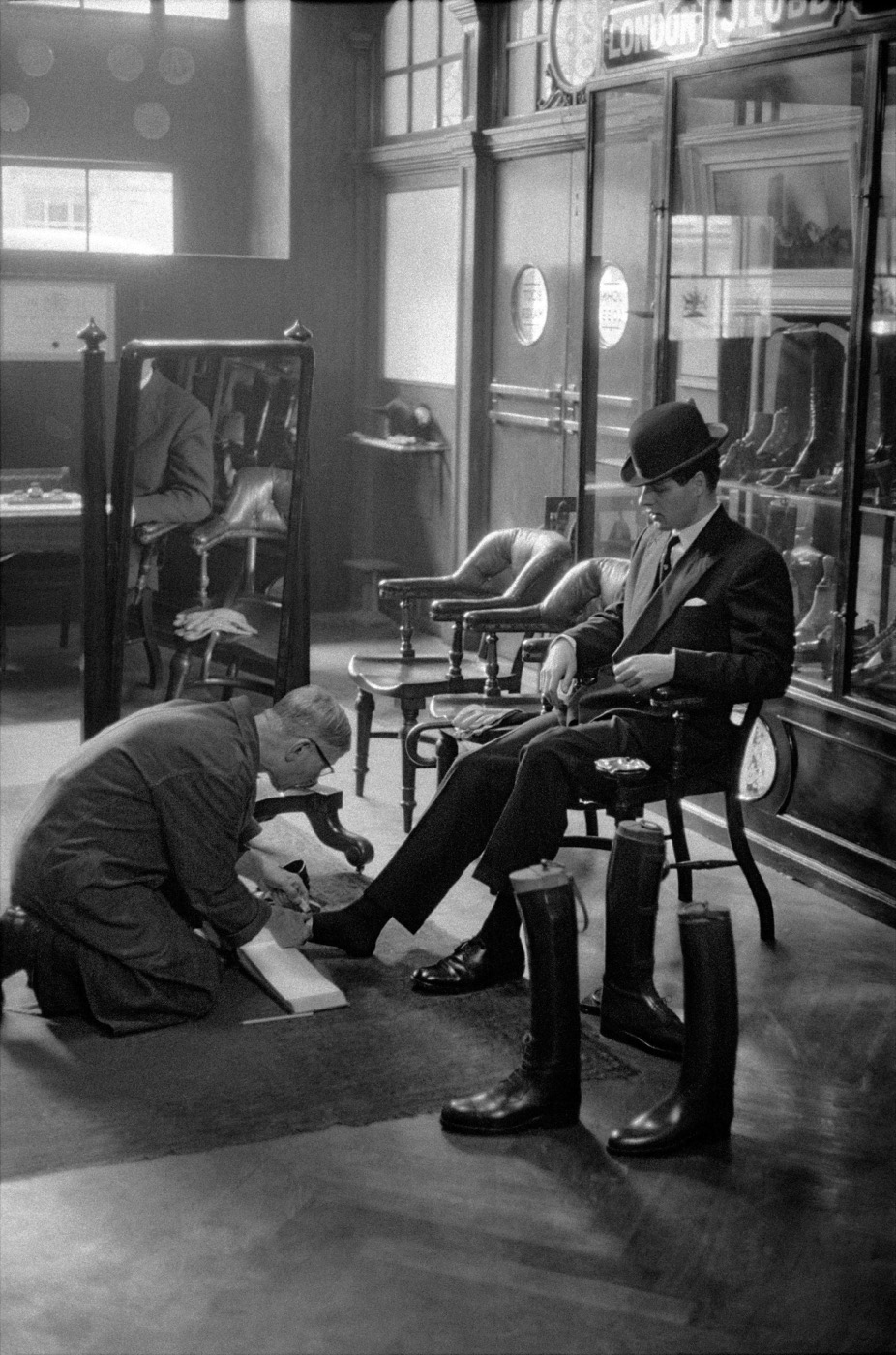 Frank HorvatCustomer at Lobb's shoe shop, London, 1959.A photograph this orderly is usually a photograph about work, and the work here is measurement.
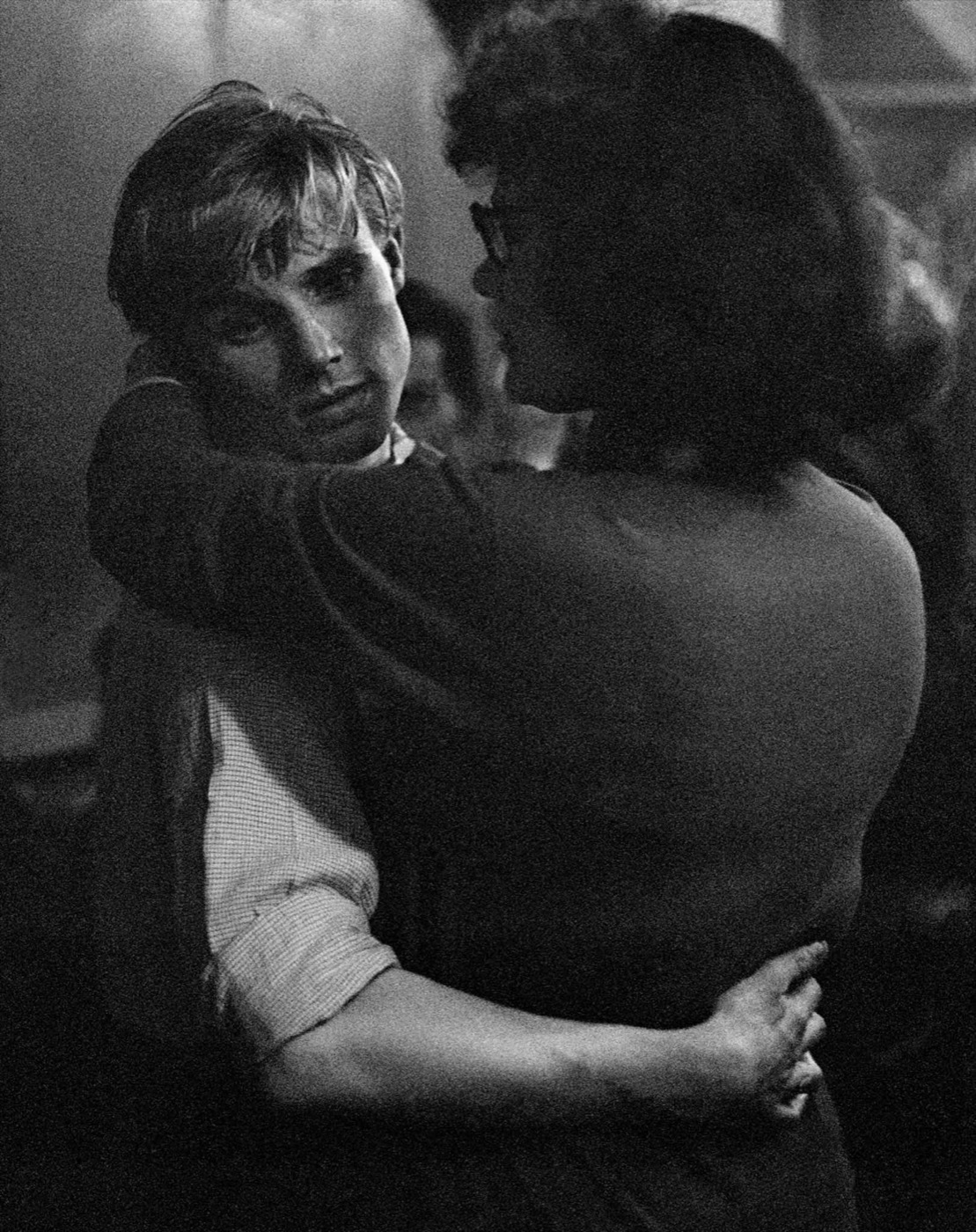 Frank HorvatDancing couple in Soho, London, 1959.Set this beside Brassaï's couples in the Paris dance halls a generation earlier and the lineage is plain: the same trust in available light, the same belief that a 35mm camera held close can describe…
 Frank HorvatAlessandra Ferlini for Vogue Italia, Paris, 1986.The chess set holds the key to this picture.
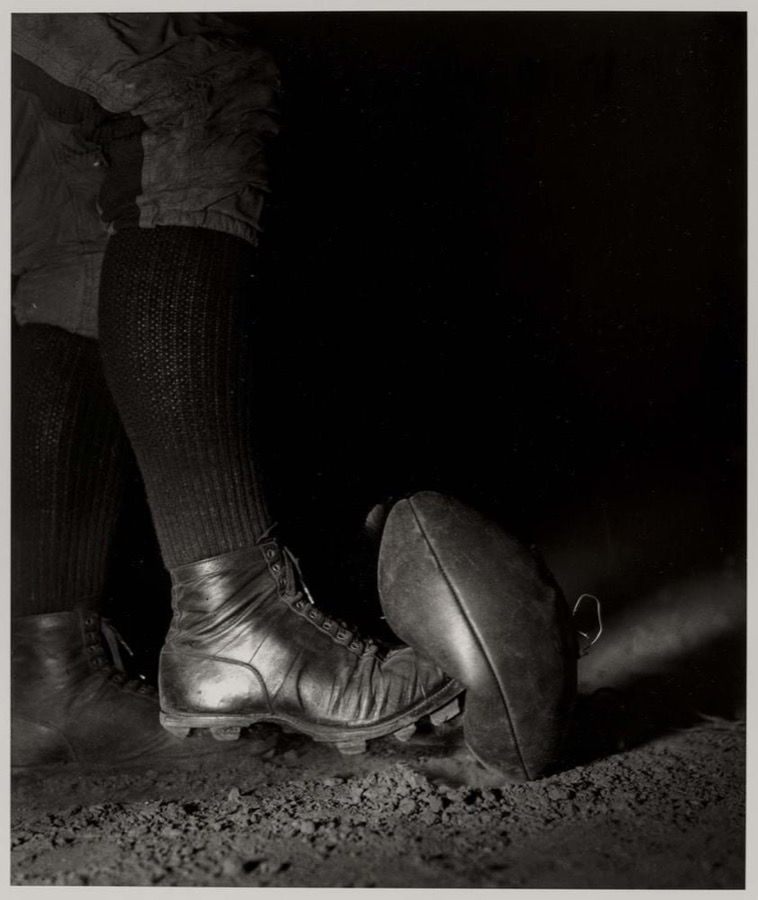 Harold Eugene EdgertonFootball Placement Kick, 1934.The picture is built from the ground up, and almost nothing in it stands above the knee.
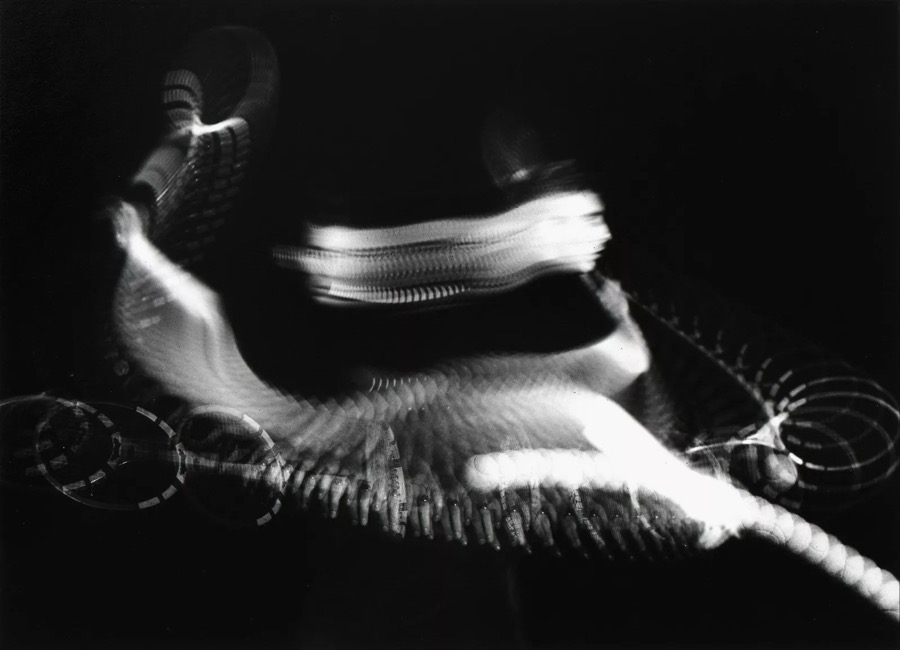 Harold Eugene EdgertonSwirls and eddies of a tennis stroke, 1939.The frame is almost entirely black, and that blackness is not absence but method.
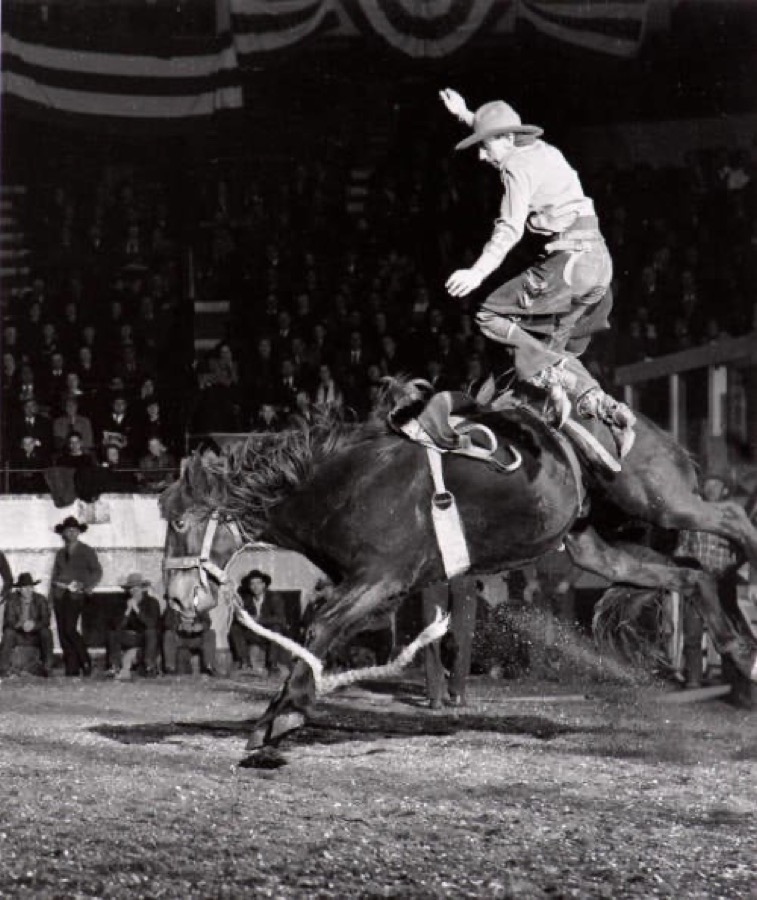 Harold Eugene EdgertonAction at the Rodeo, 1940.A bronc twists at the height of its buck, all four legs wrenched off the dirt, mane flying, while the rider rises clear of the saddle with one arm flung overhead and the other braced low.
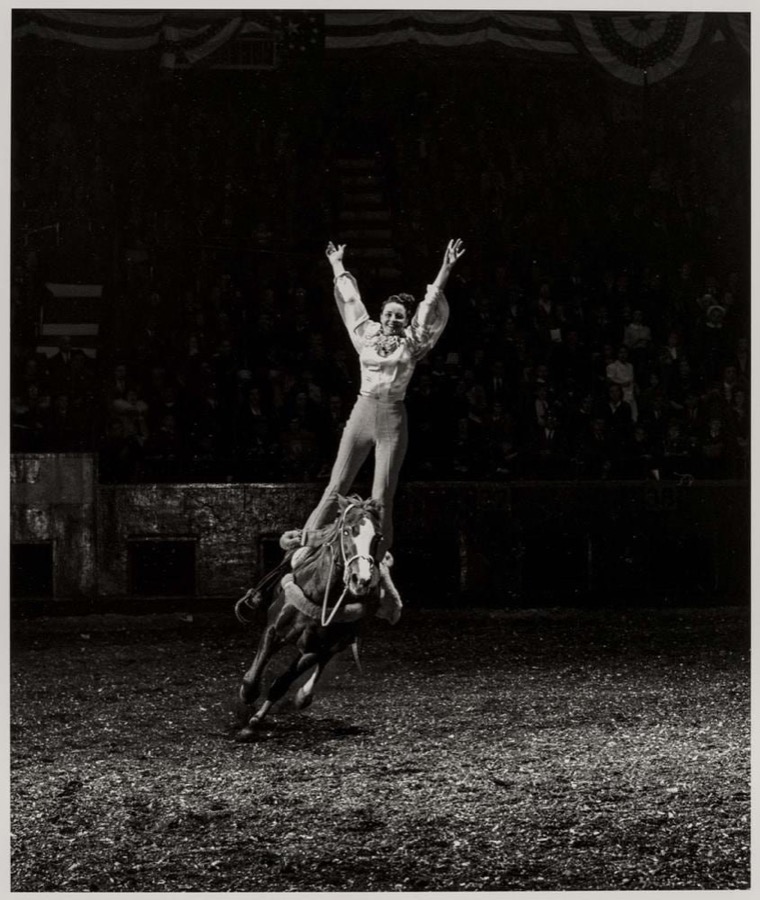 Harold Eugene EdgertonA Girl and her Horse, 1941.A young woman stands erect on the back of a galloping horse, arms flung into a wide V above her head, palms open to a darkness that swallows everything but her.
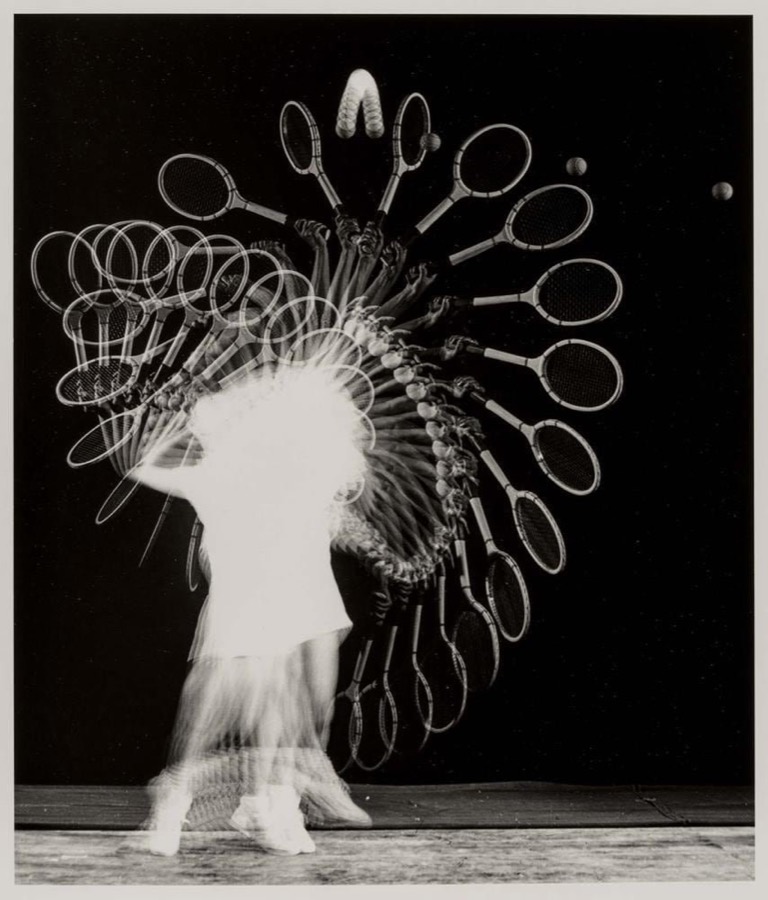 Harold Eugene EdgertonTennis Serve, 1952.Against pure black the camera has counted what no eye could keep pace with: a single tennis serve splayed into a fan of perhaps twenty rackets, each oval head a distinct rung climbing into the…
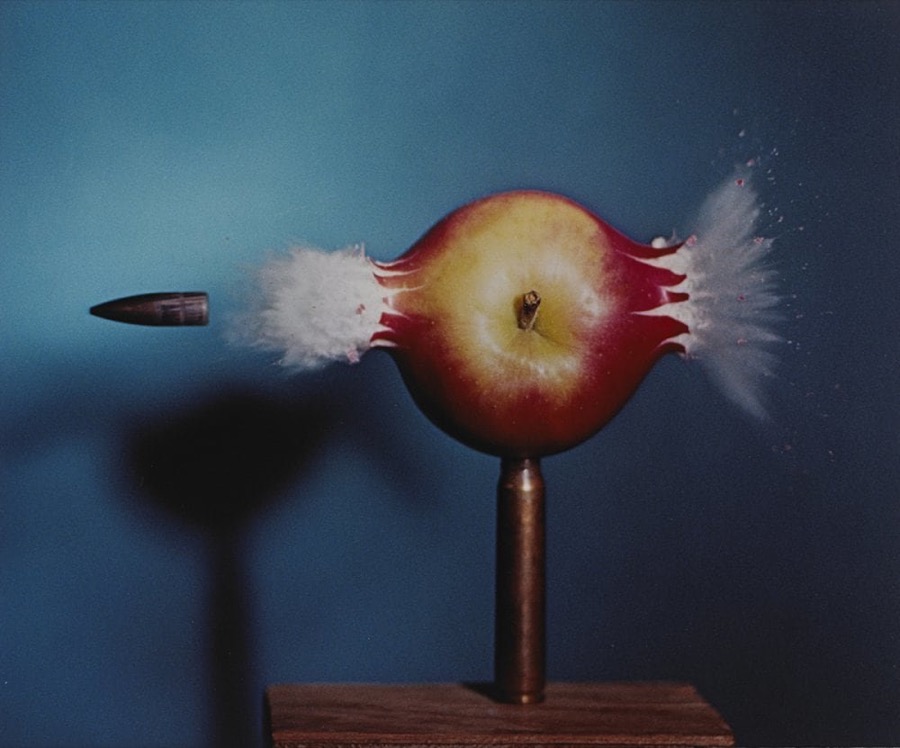 Harold Eugene Edgerton30 Caliber Bullet Piercing an Apple, 1964.A red-and-gold apple sits skewered on a spent brass cartridge, which in turn rises from a plain block of varnished wood, the whole modest apparatus set against a flat blue ground.
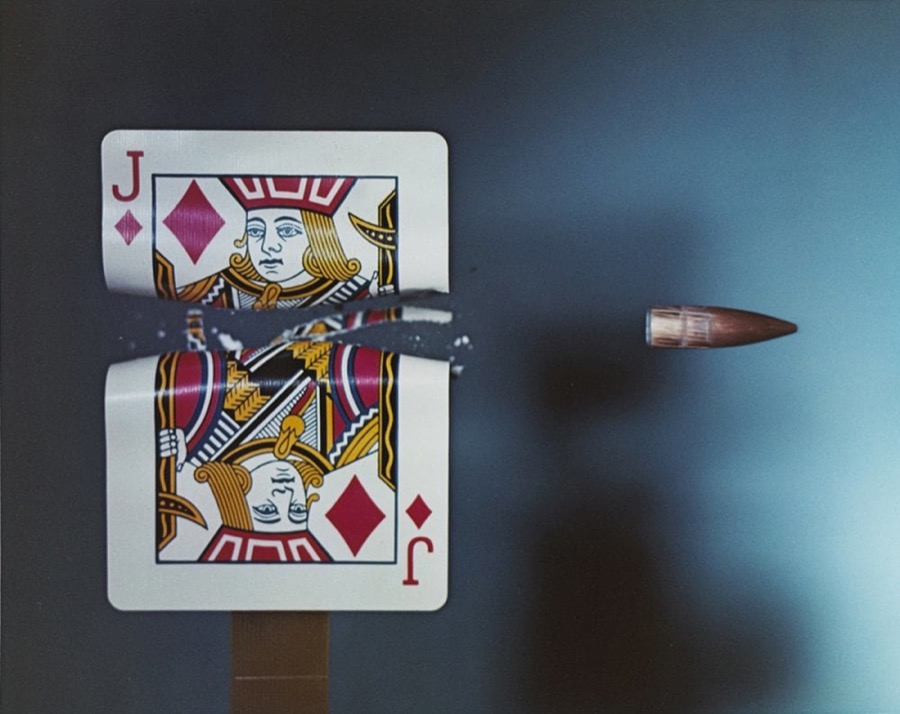 Harold Eugene EdgertonCutting the Playing Card Quickly, 1964.The picture divides cleanly into two unequal events.
 Harold Eugene EdgertonPole vaulter, David Tork, 1964.One vaulter becomes a sequence. A single sheet of film holds perhaps a dozen David Torks, each a discrete pulse of the strobe, climbing a diagonal staircase from the lower left of the frame to the…
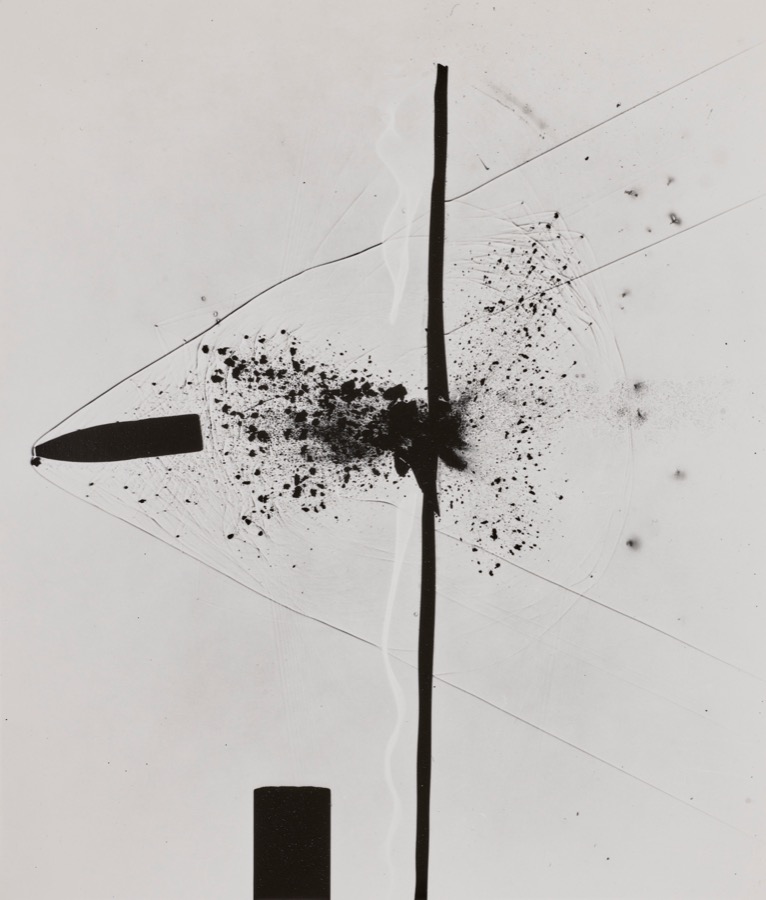 Harold Eugene EdgertonShock Waves from Impact, 1965.A dark ovoid enters from the left, its blunt nose already past contact, and meets a slender vertical rod that bisects the frame top to bottom.
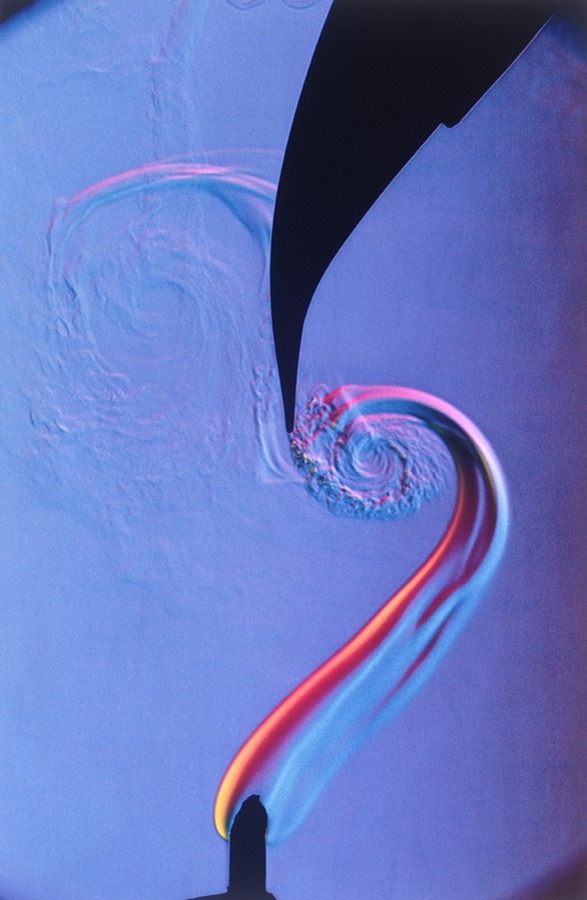 Harold Eugene EdgertonVortex at a fan blade tip with Kim Vandiver, 1973.To photograph is to make visible what the eye, left to itself, would never concede exists.
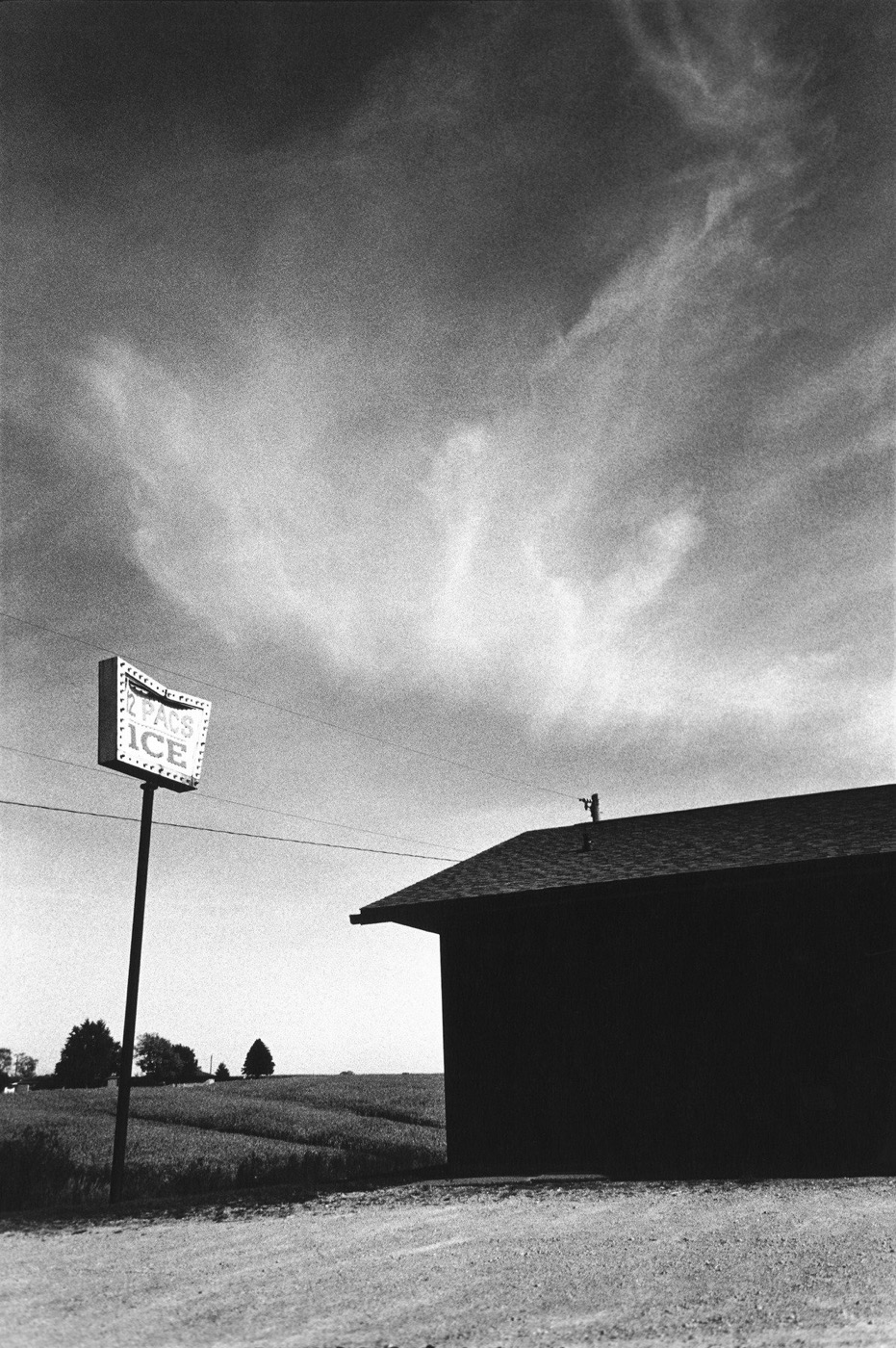 Jessica LangeIowa, from the series "Highway 61", 2011-18.Tilt the eye upward, as Lange does here, and the whole Iowa roadside reorganizes itself around the sky.
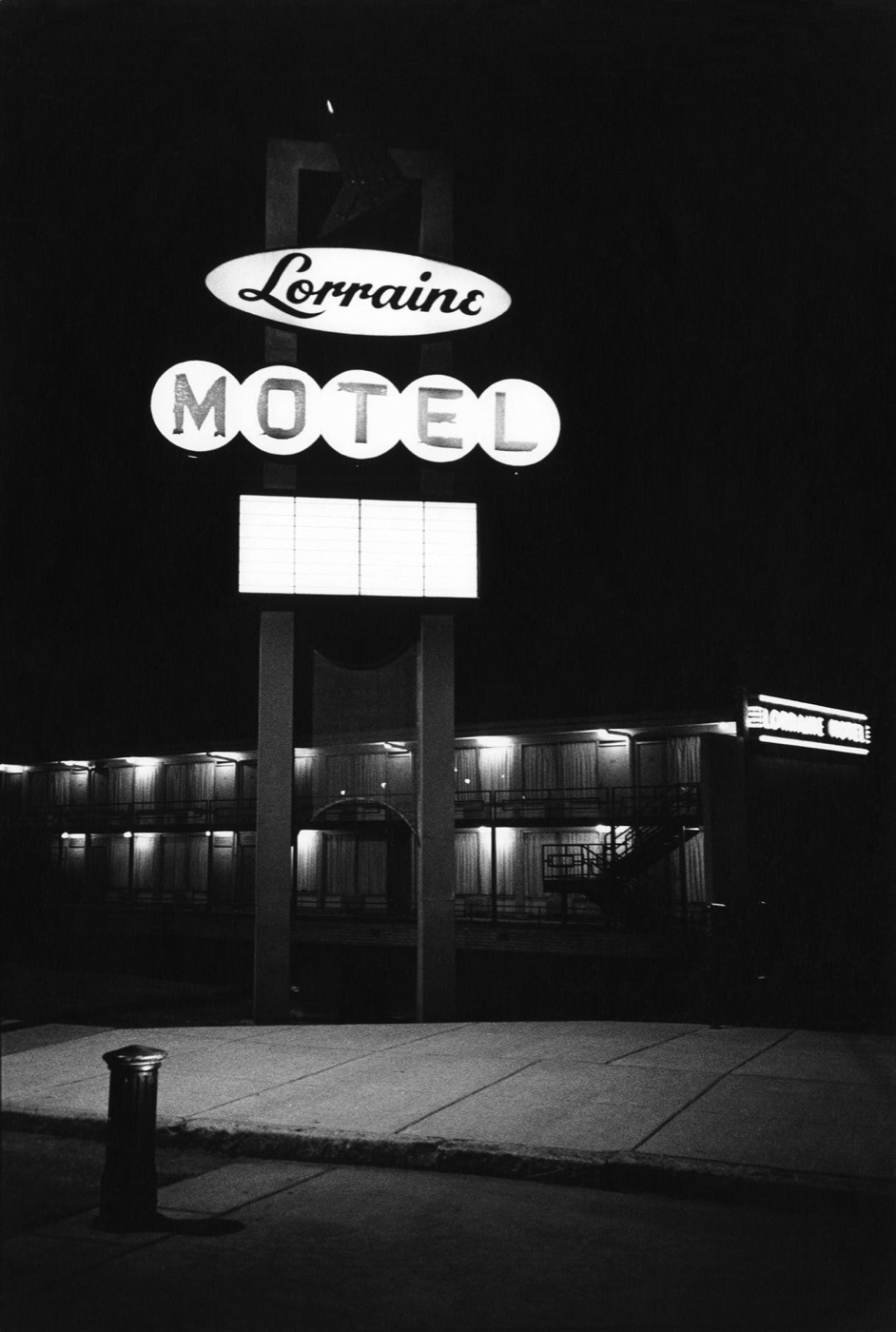 Jessica LangeMemphis, from the series "Highway 61", 2011-18.Grain is the first thing the night gives up here.
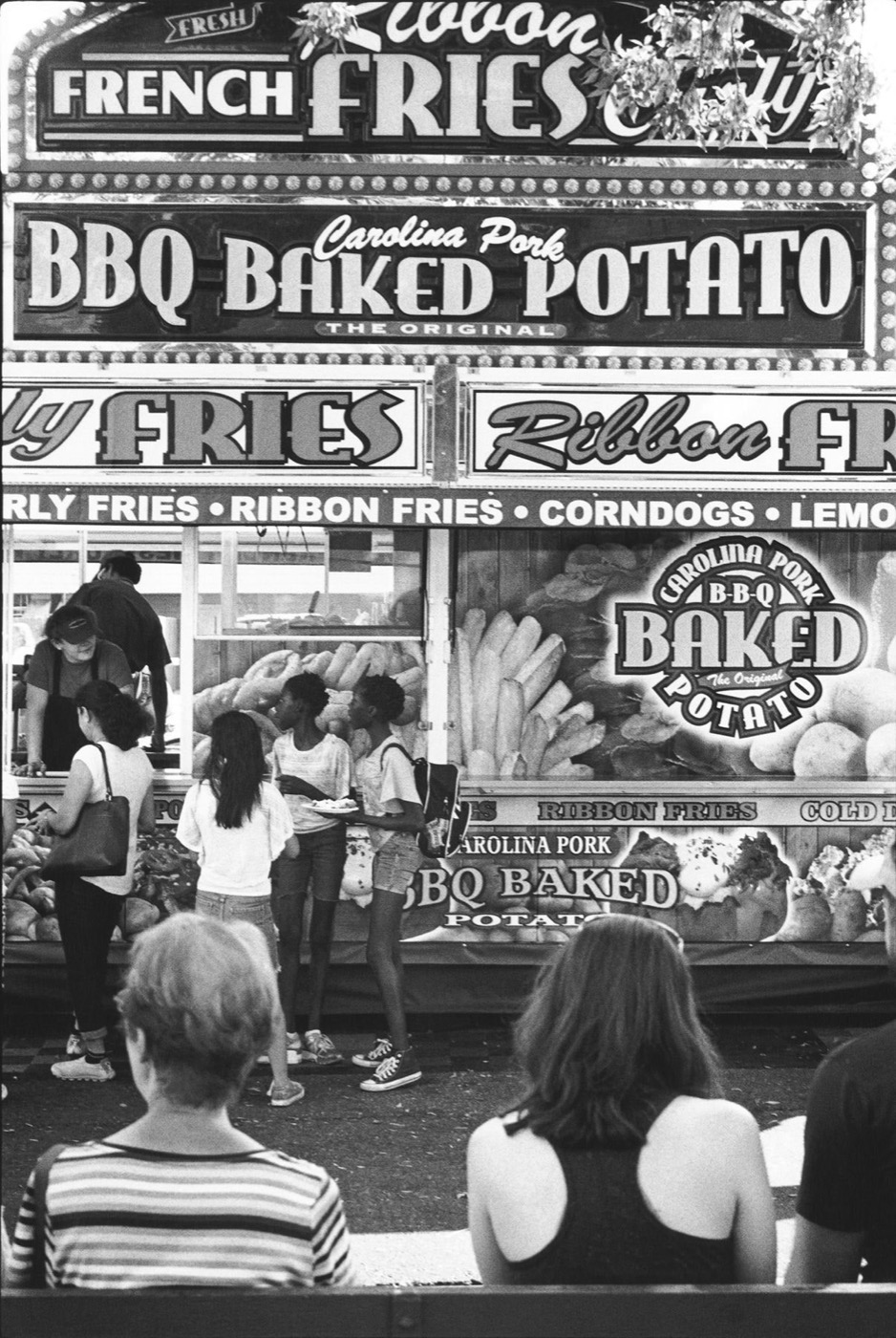 Jessica LangeMinnesota, from the series "Highway 61", 2011-18.A county fairground in Minnesota, where the food stand has eaten the entire frame.
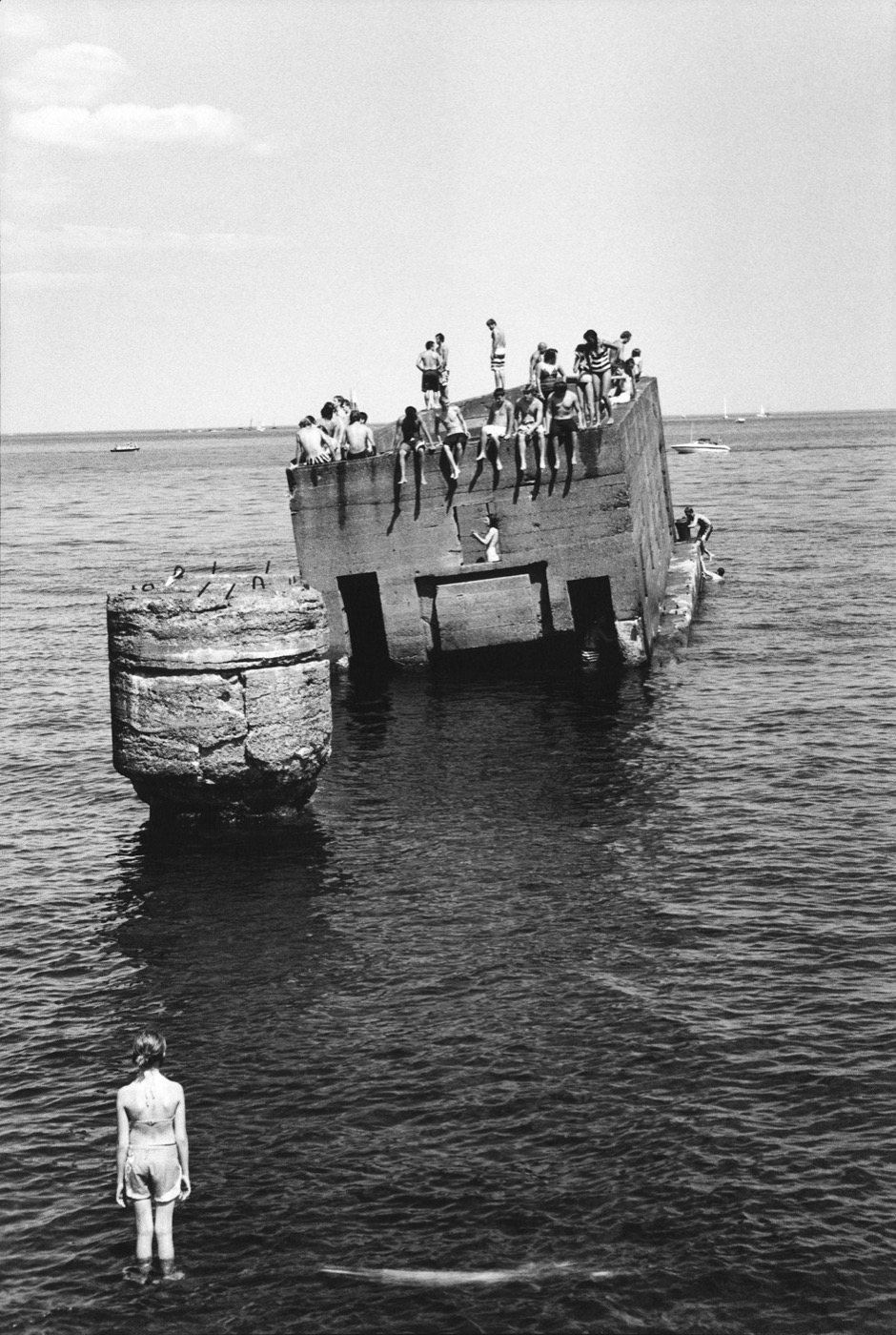 Jessica LangeMinnesota, from the series "Highway 61", 2011-18.Set this beside the bathers of Eakins or the lakeside boys of the old physique annuals and you feel the same heat coming off it, the same frank pleasure in young flesh stacked against summer light.
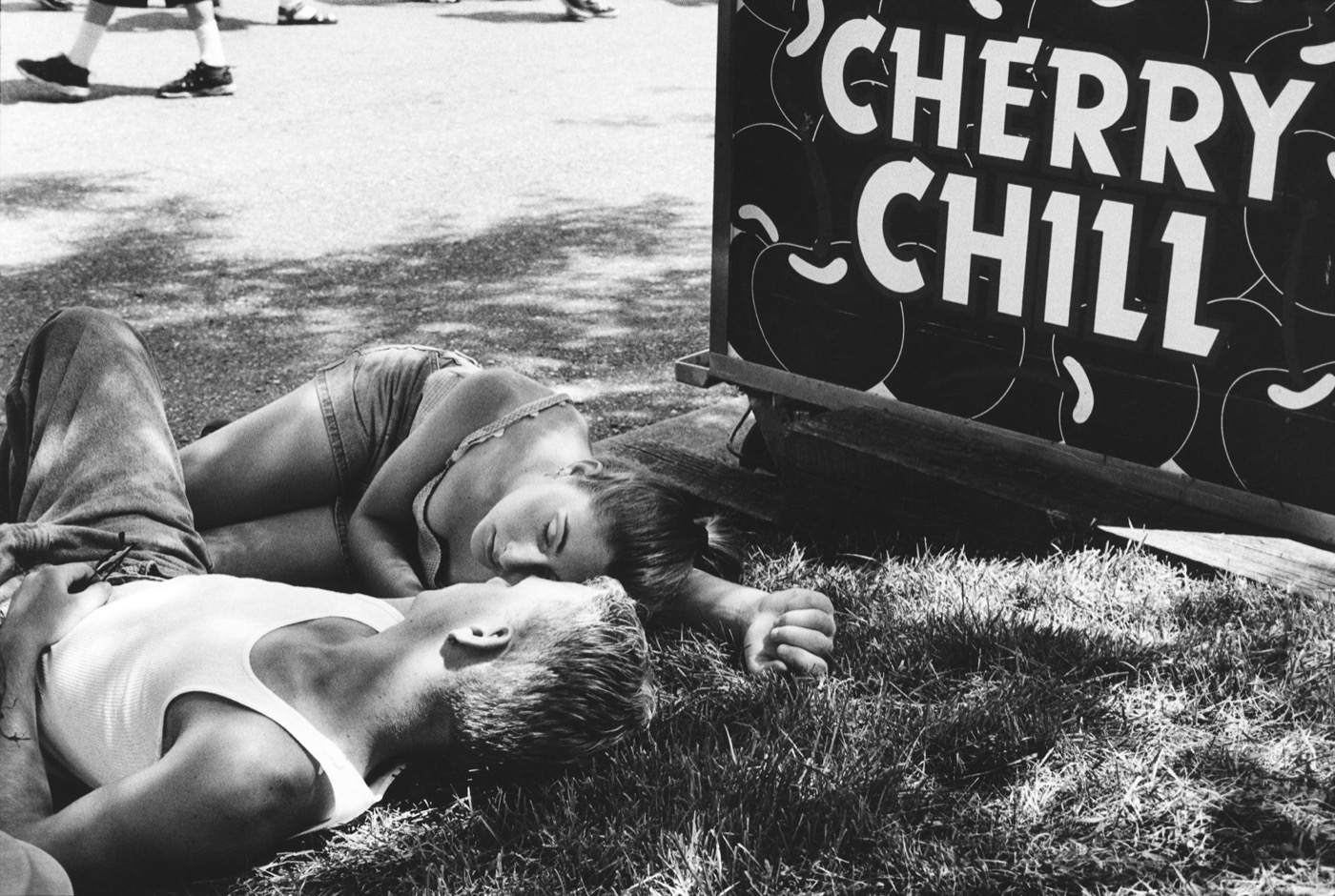 Jessica LangeMinnesota, from the series "Highway 61", 2011-18.The grays here do most of the work. Trodden summer grass, bright where the sun hits the blades and going to soft pewter in the shade, fills the lower half; behind the sleepers stands a painted wooden…
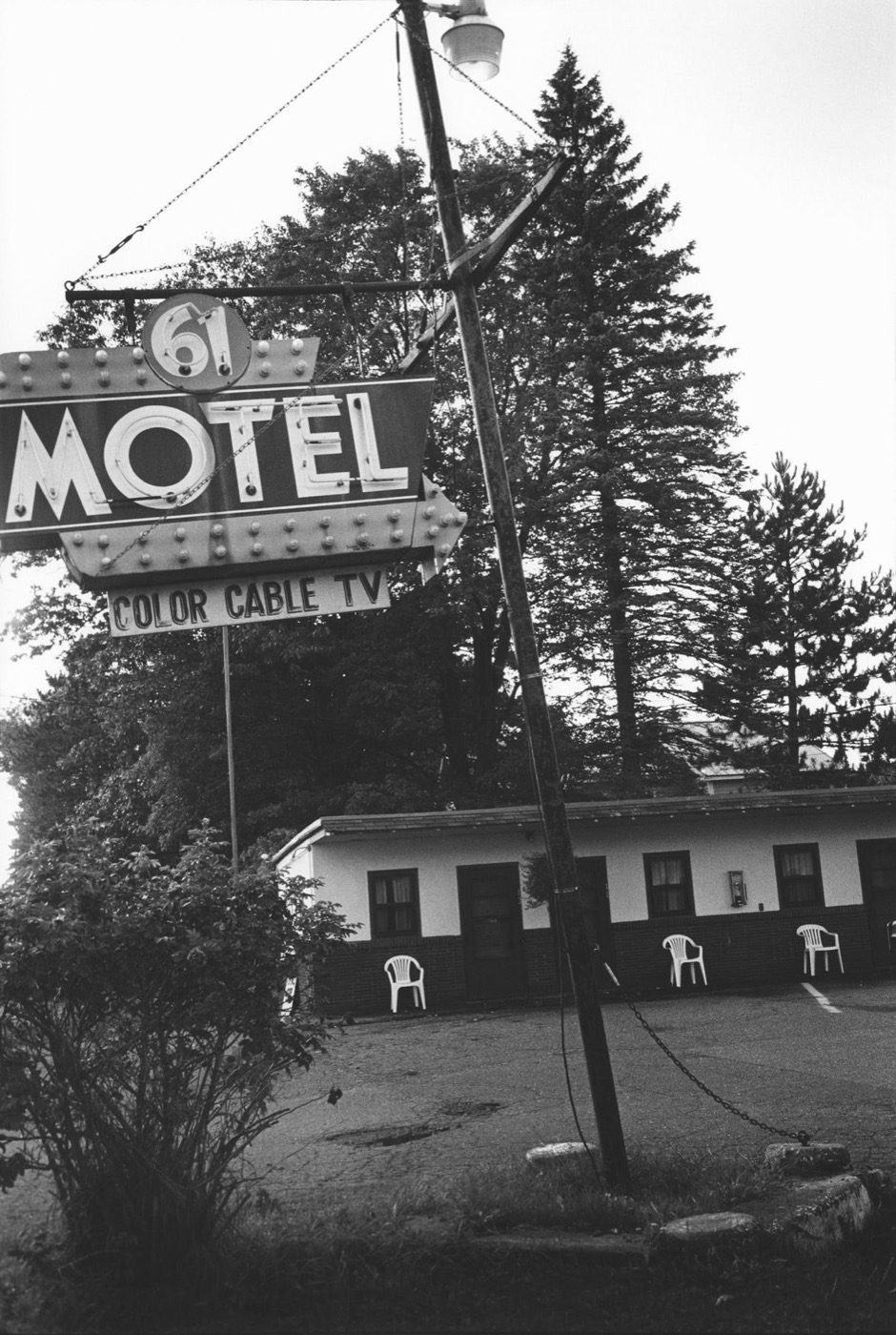 Jessica LangeMinnesota, from the series "Highway 61", 2011-18.You know the place before you've ever been there: a low motel set back from the road, a stand of dark pines crowding the building, and out front a sign that announces "61 MOTEL" in fat letters…
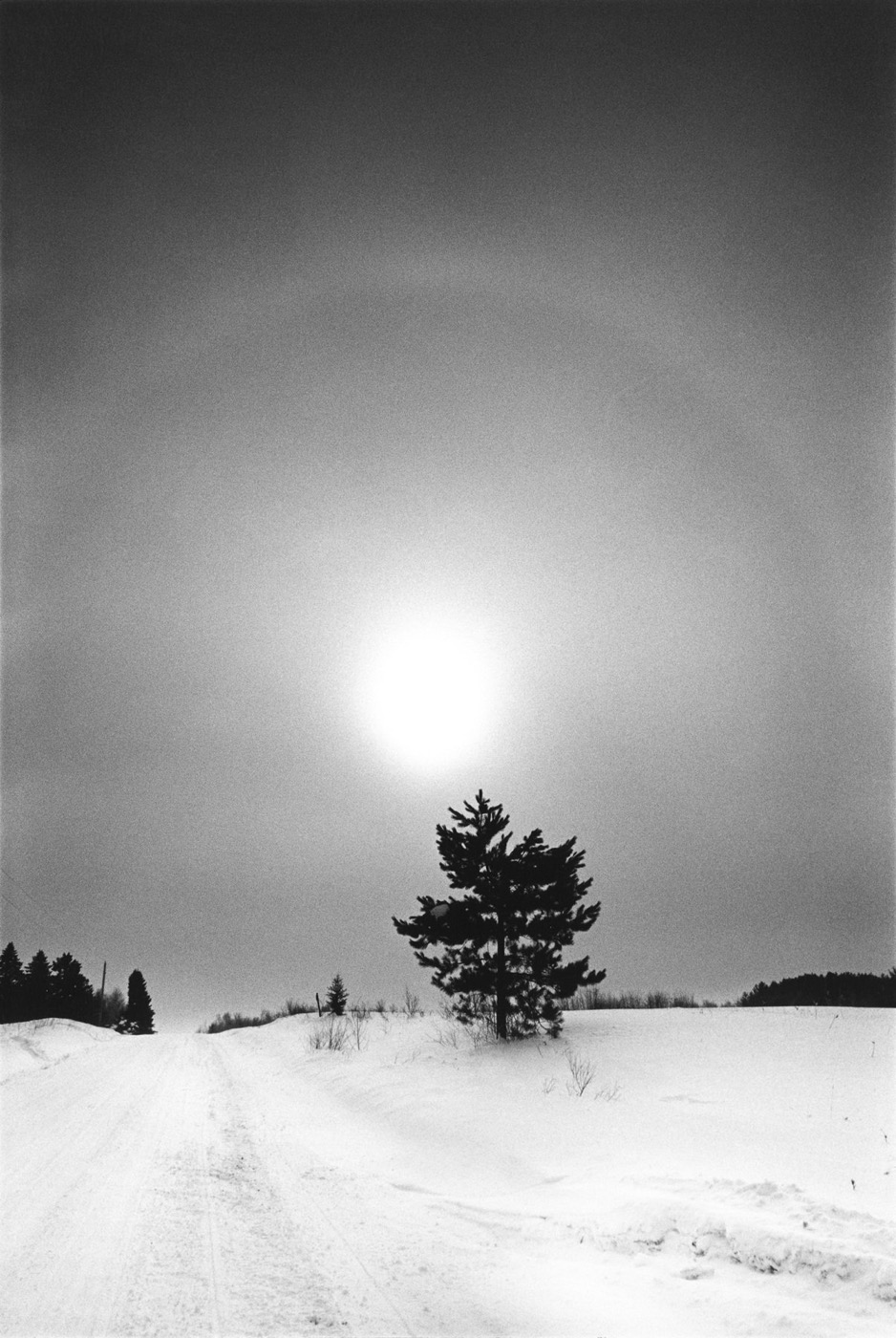 Jessica LangeMinnesota, from the series, "Highway 61", 2011-18.A snow road runs away from the bottom left corner with a set of tyre tracks down it.
 Jessica LangeMinnesota, from the series, "Highway 61", 2011-18.Where does one stand to make a slide look like this?
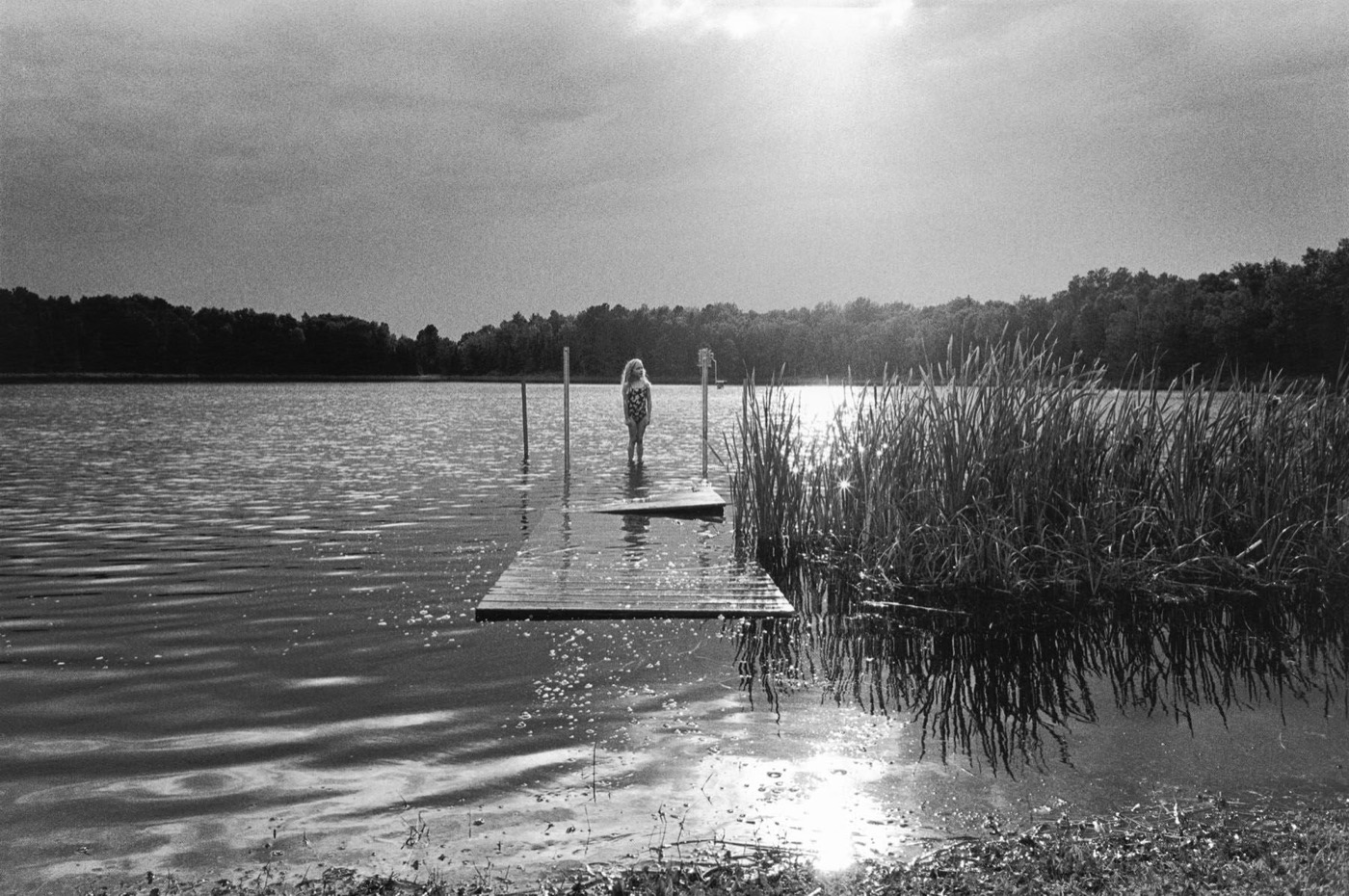 Jessica LangeMinnesota, from the series, "Highway 61", 2011-18.What the photograph won't tell me is her face.
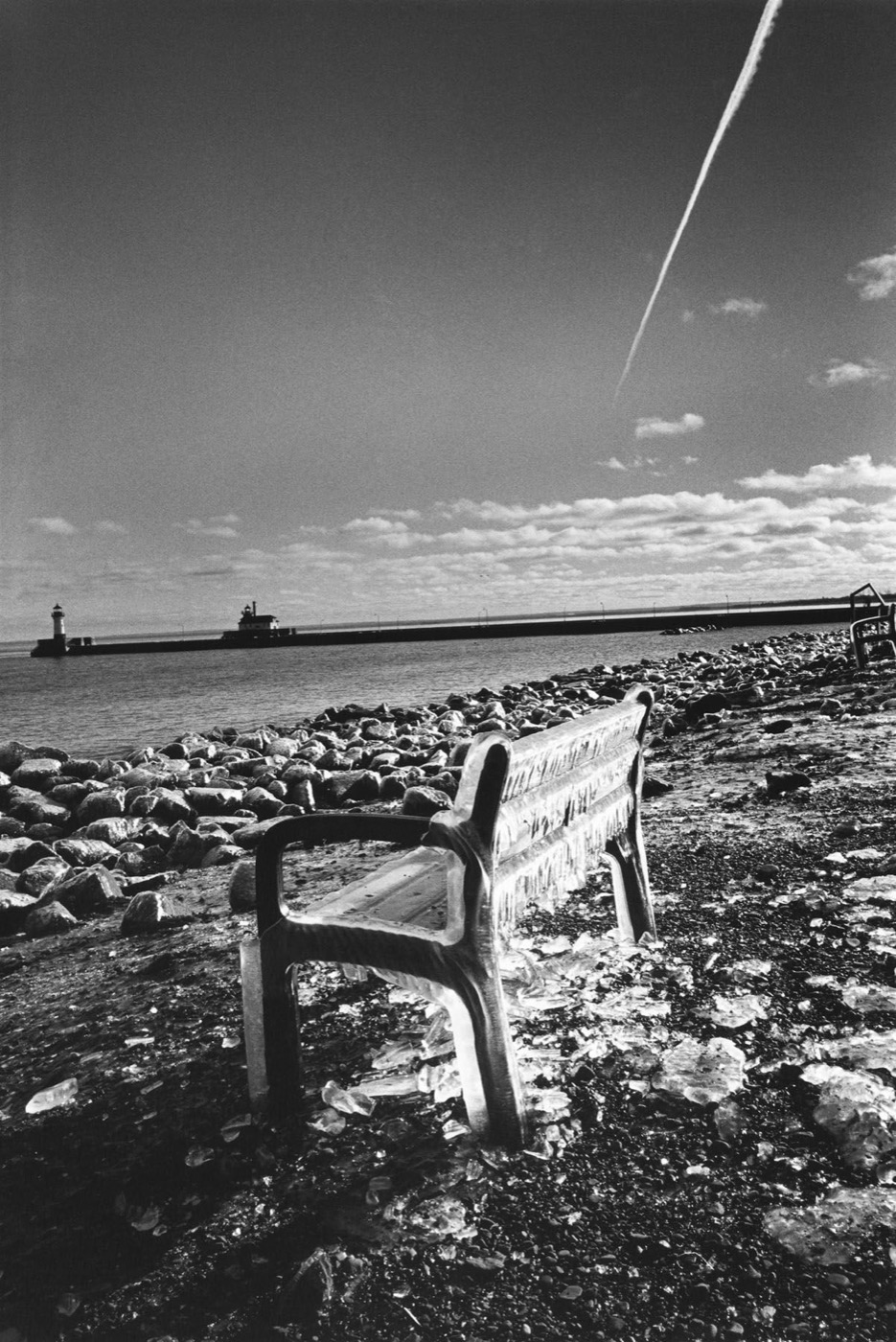 Jessica LangeMinnesota, from the series, "Highway 61", 2011-18.The ice has taken the bench whole. It hangs in fringed stalactites from the back slats, swells into a glassy boot around each leg, and fuses the seat to the cobbled shore so the thing reads less as…
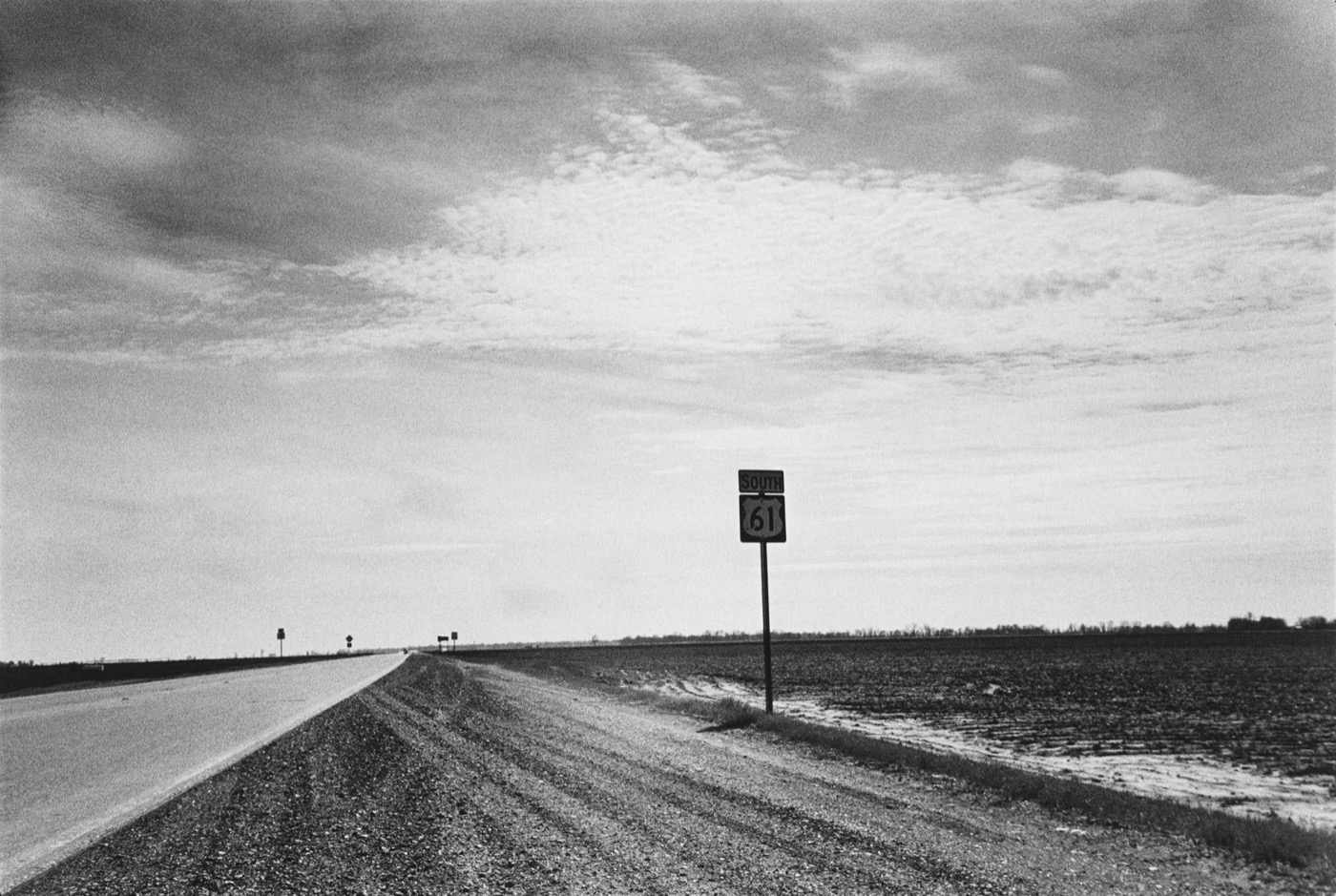 Jessica LangeMississippi, from the series "Highway 61", 2011-18.What does a road photograph promise that it never keeps?
 Jessica LangeMississippi, from the series, "Highway 61", 2011-18.Someone has already left. That is the event the photograph records — not a departure caught in the act, but its aftermath, the room some hours or years after the last person carried out what they…
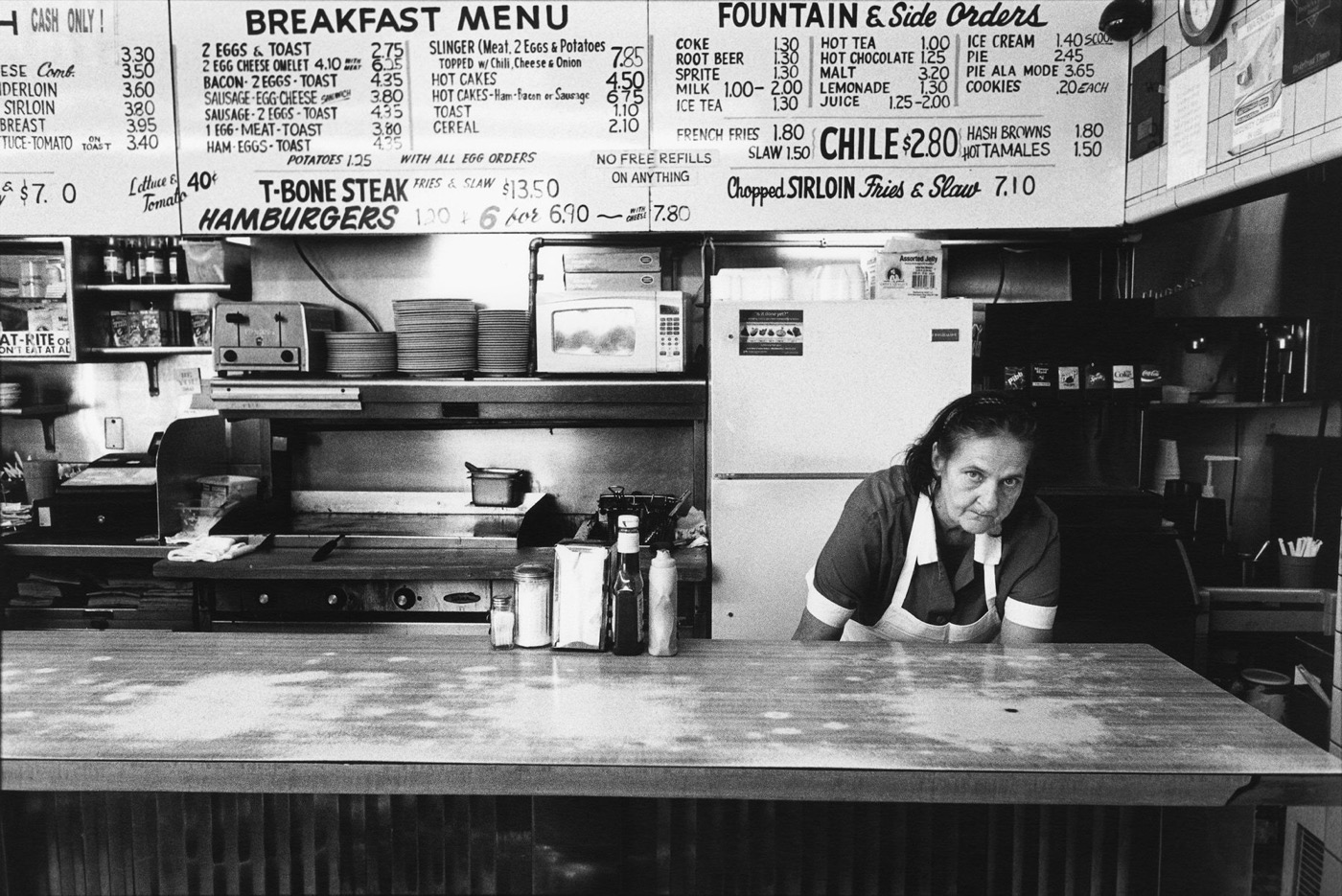 Jessica LangeMissouri, from the series "Highway 61", 2011-18.Somewhere in Missouri, a diner has been pinned to silver.
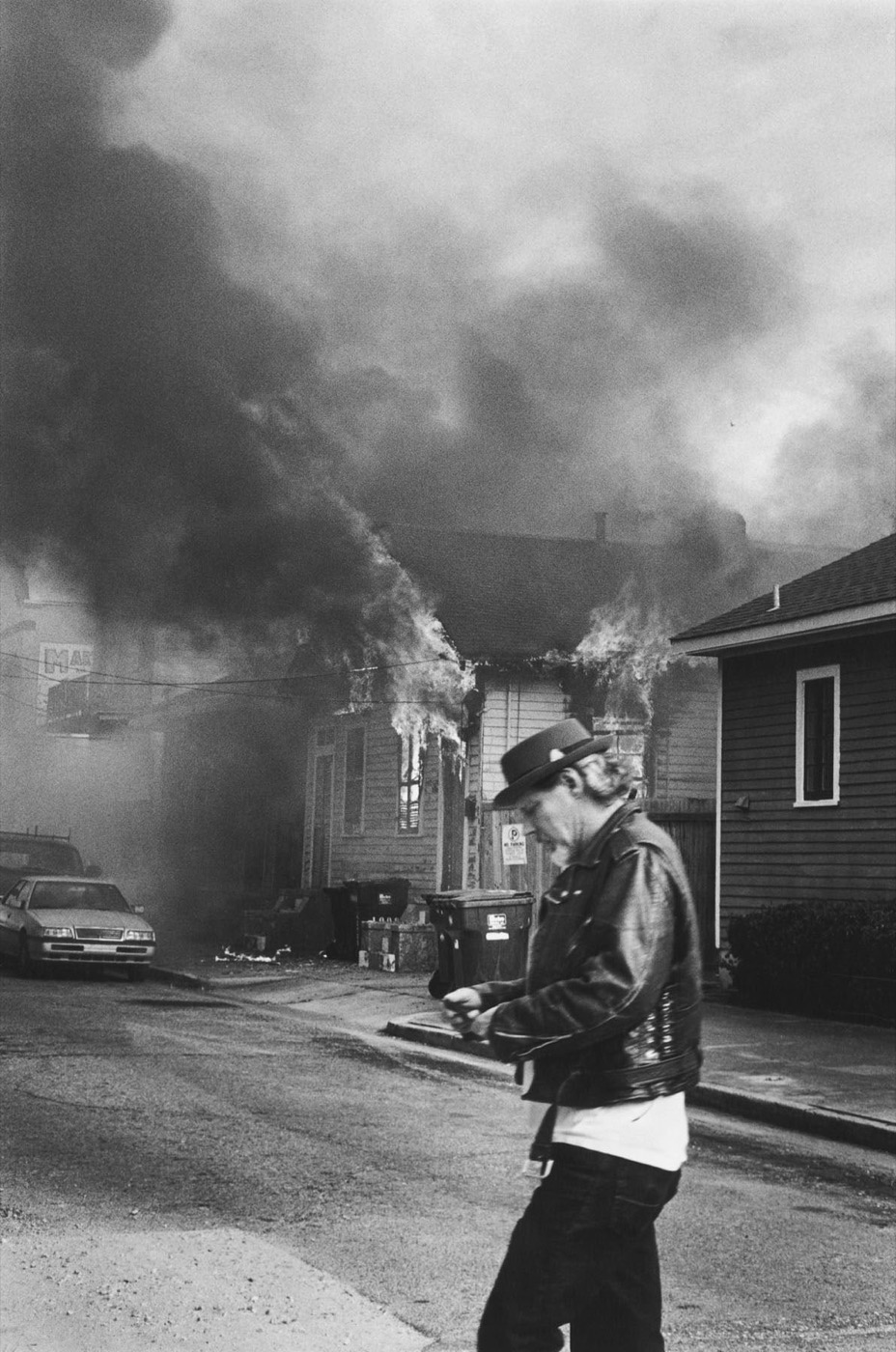 Jessica LangeNew Orleans, from the series, "Highway 61", 2011-18.Somewhere behind this man a building is burning, and he has decided it has nothing to do with him.
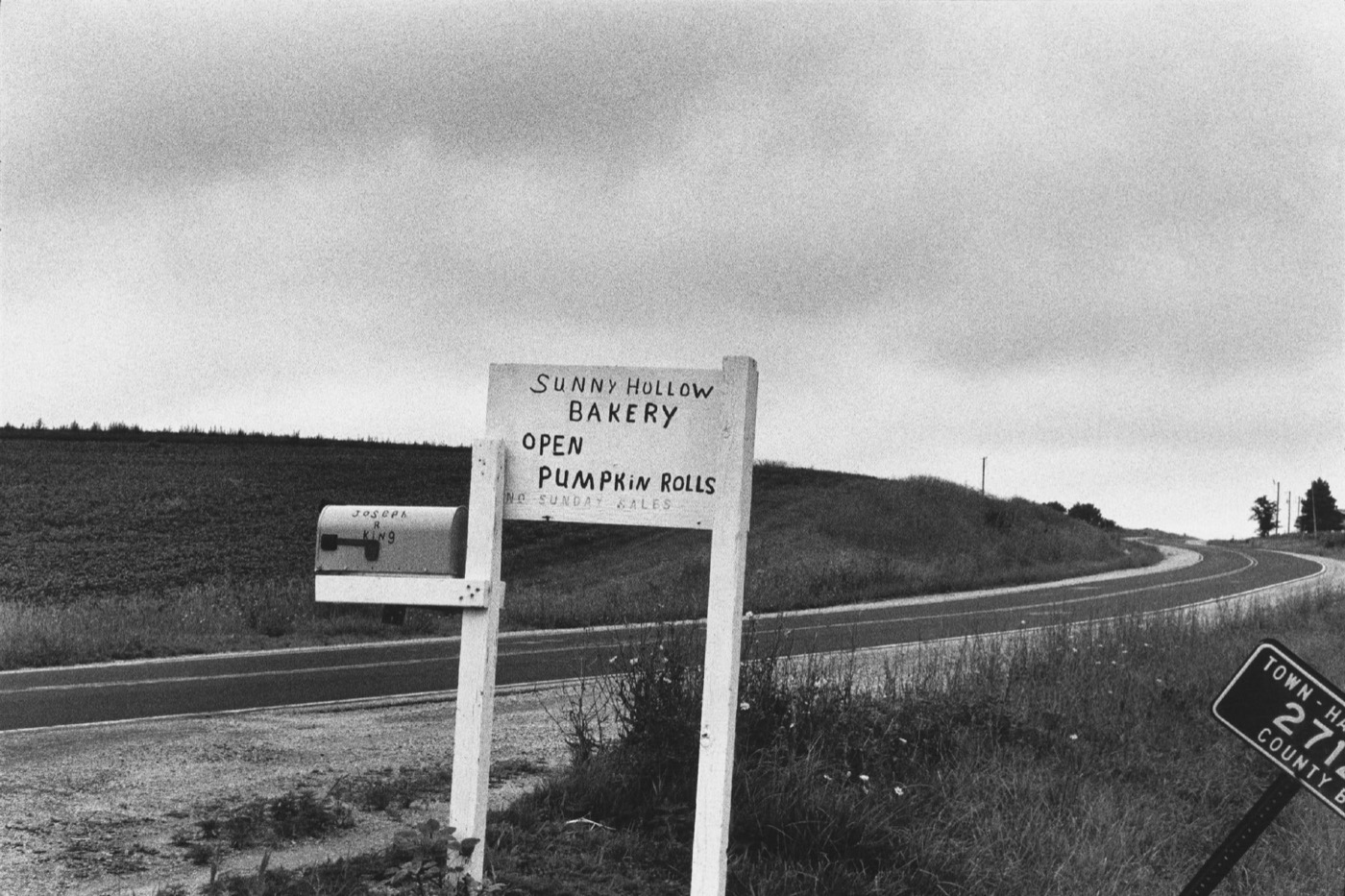 Jessica LangeWisconson, from the series "Highway 61", 2011-18.A country announces itself in its hand-lettered signs.
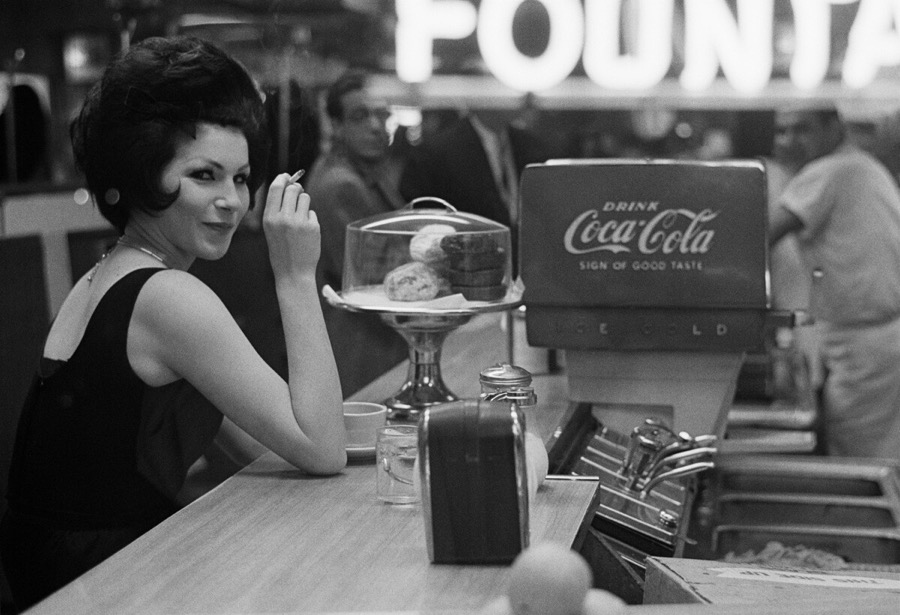 Joel MeyerowitzNew York, 1963.She has half-turned from the counter to meet the lens, cigarette poised near her cheek, her smile pitched between invitation and challenge.
 Joel MeyerowitzNew York City, 1963.A pane of glass, a chrome mullion, another pane behind it: the picture is built from thresholds, and behind the last one a child is crying.
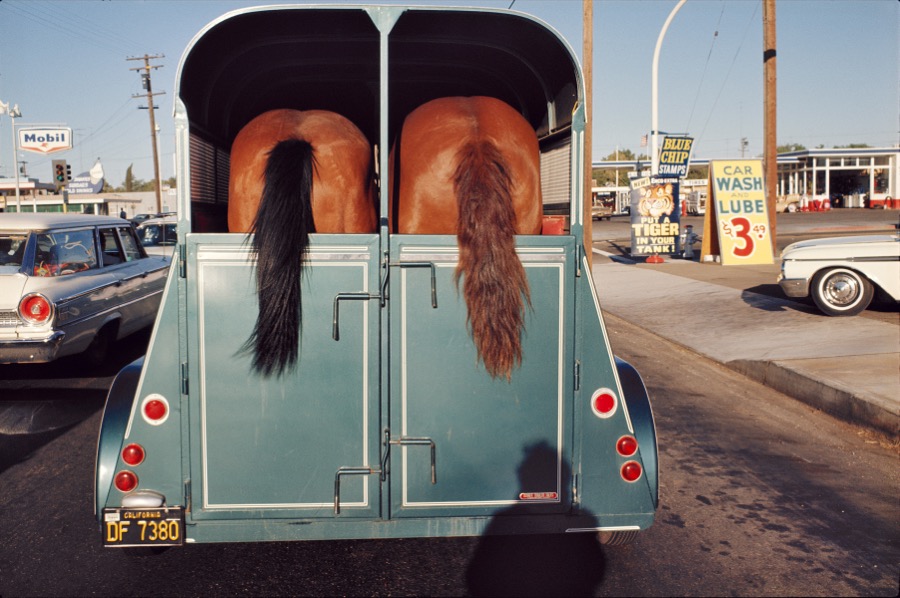 Joel MeyerowitzCalifornia, 1964.Two horses have been loaded into a trailer, and all we see of them is what they present to the traffic behind: two glossy chestnut rumps above the tailgate and two tails hanging down the painted…
 Joel MeyerowitzChicago, Illinois, 1964.A corner storefront in Chicago has been turned into a front porch.
 Joel MeyerowitzMalaga, Spain, 1965.A vertical post stands near the center of the frame, and the picture's whole argument hangs on it.
 Joel MeyerowitzNew Jersey Interior, 1965.The only weather in this room is on the screen.
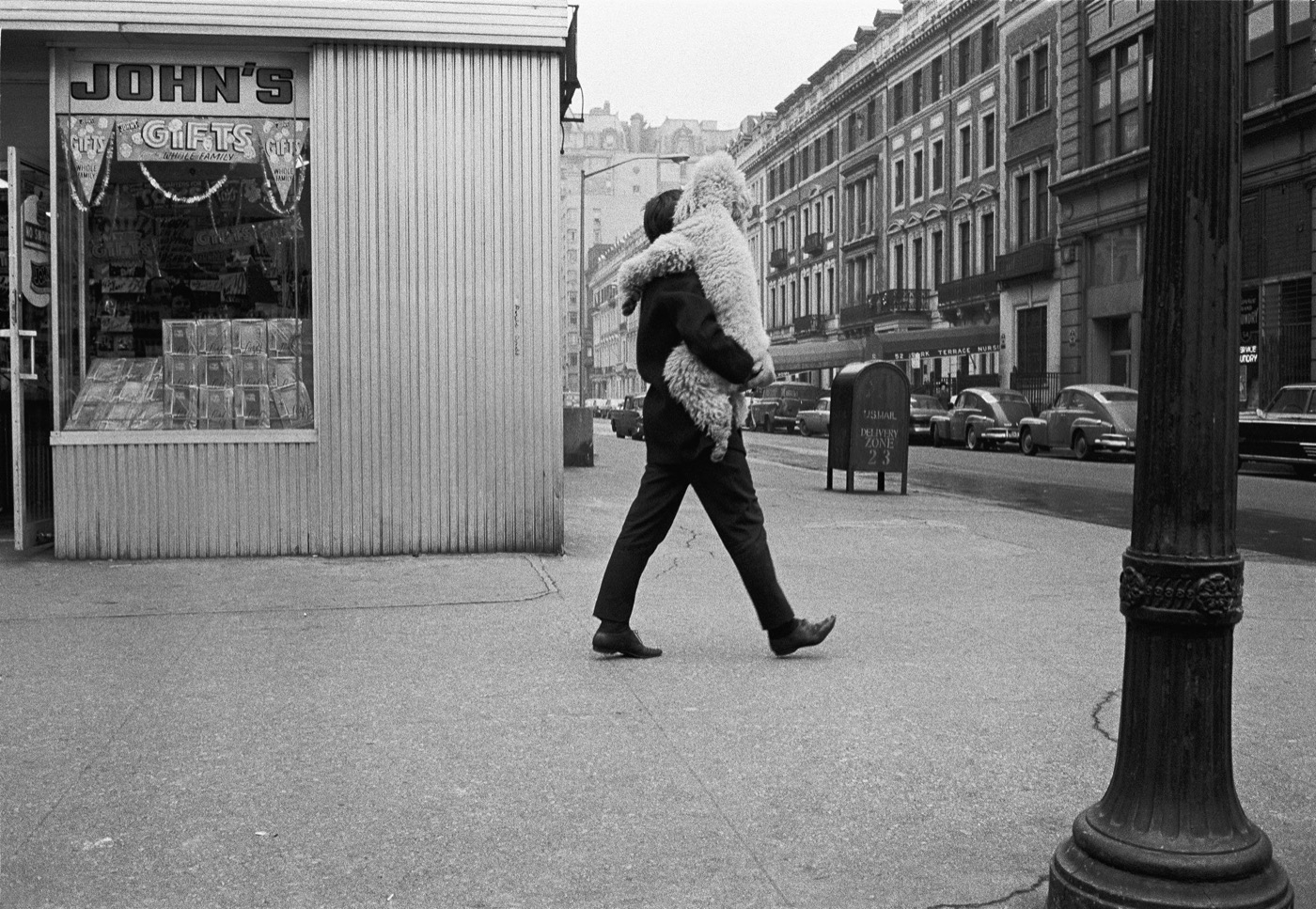 Joel MeyerowitzNew York, 1965.Joel Meyerowitz’s 1965 photograph from New York distills the vibrancy and contradictions of urban life into one unforgettable street scene.
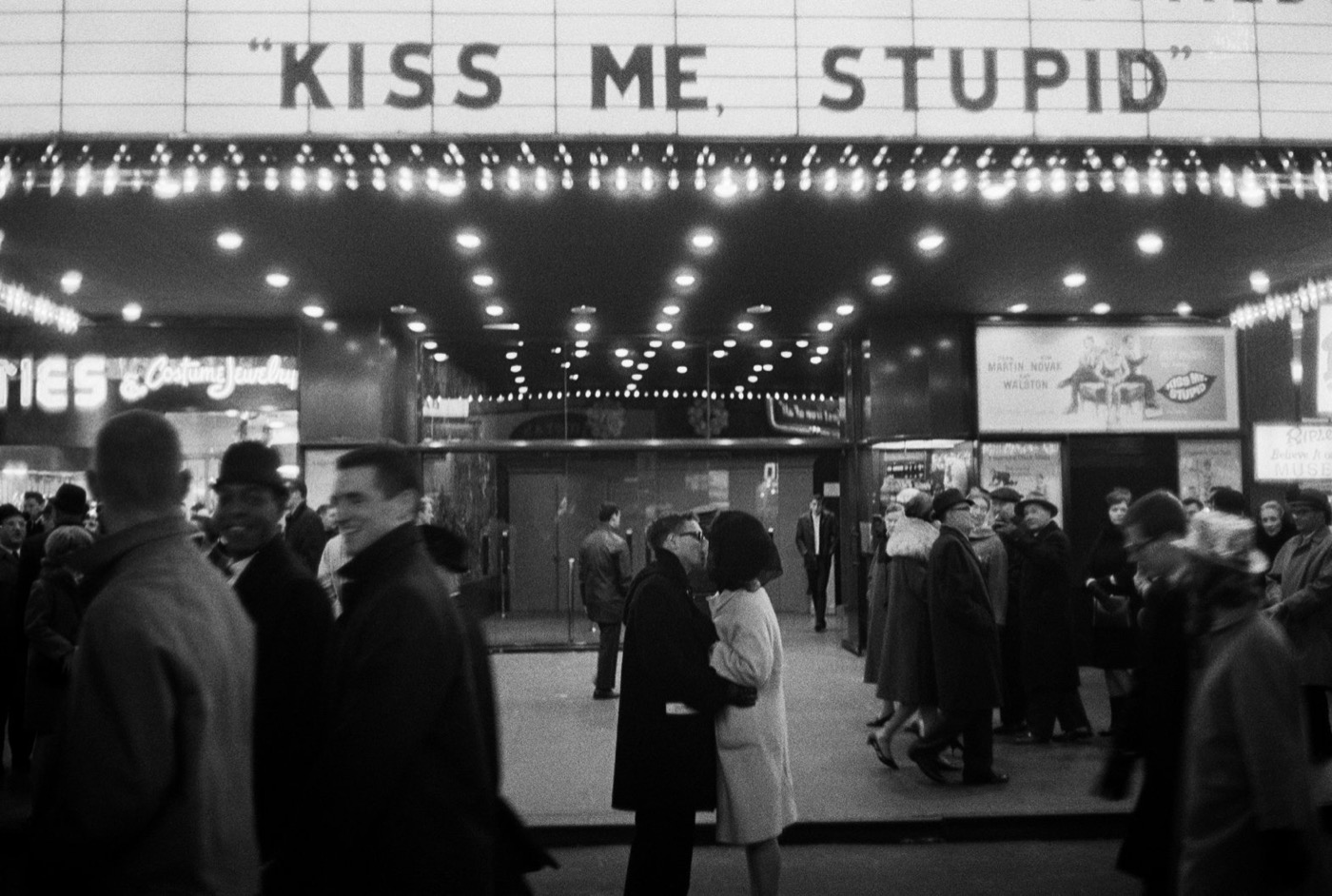 Joel MeyerowitzNew York City, 1965.You wait your whole life for a coincidence this good and then distrust it when it comes.
 Joel MeyerowitzCentral Park, New York City, 1966.Two women with bright red hair sit side by side on a straw mat in Central Park, both in mustard-yellow trousers.
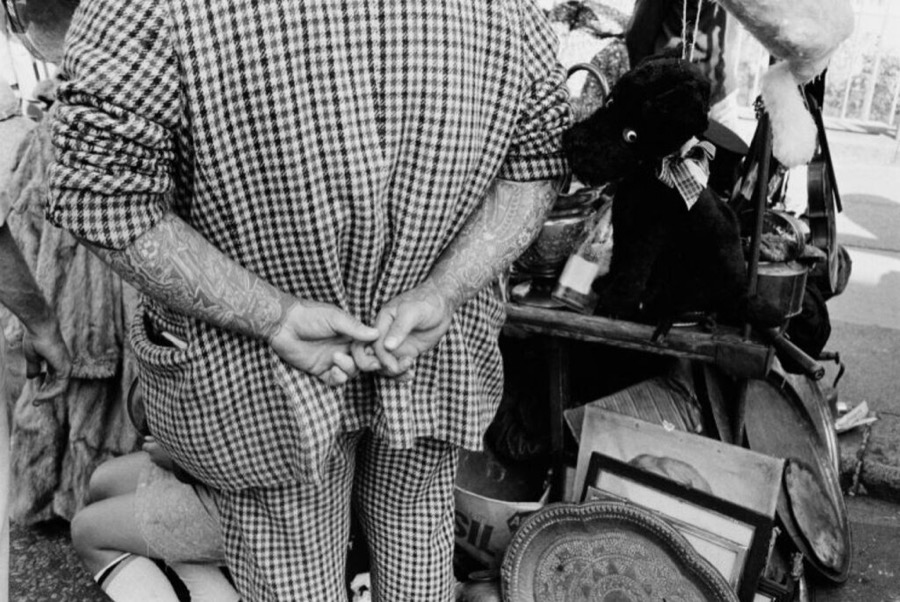 Joel MeyerowitzLondon, 1966.Long before photographers built their tableaux in the studio, the street handed them ready-made ones, and this houndstooth-suited back — turned squarely to us at a London junk stall — belongs to that…
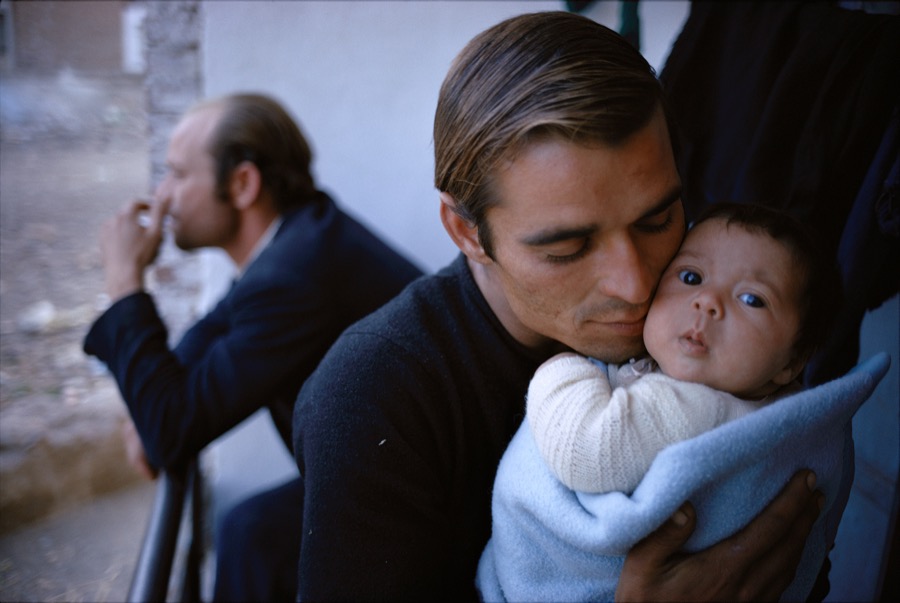 Joel MeyerowitzSpain, 1966.A young man with slicked-back hair and a dark sweater holds a baby against his cheek, his eyes lowered almost shut, his mouth pressed to the child's face.
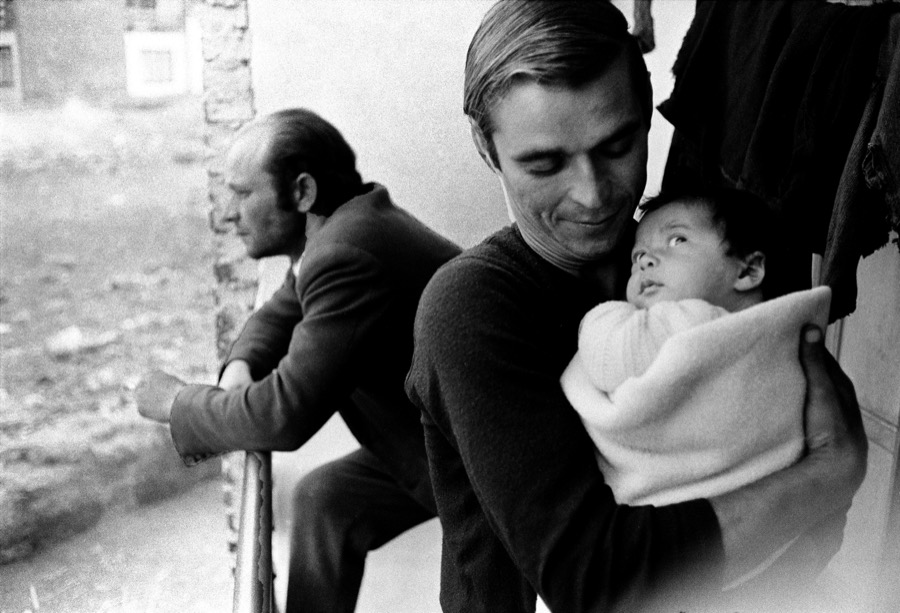 Joel MeyerowitzSpain, 1966.On a narrow balcony two men stand back to back.
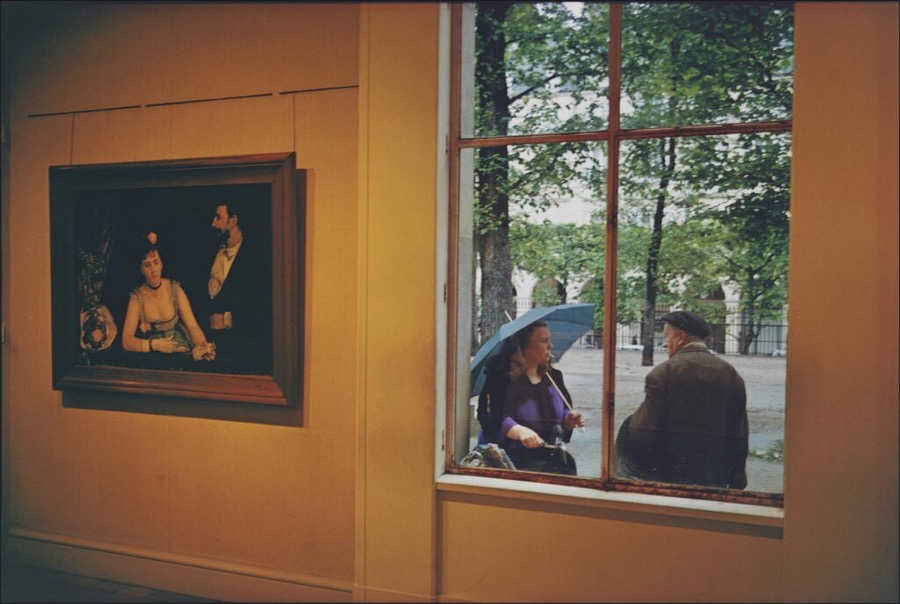 Joel MeyerowitzAfternoon at Jeu de Paume, 1967.Two pictures hang side by side on the same wall.
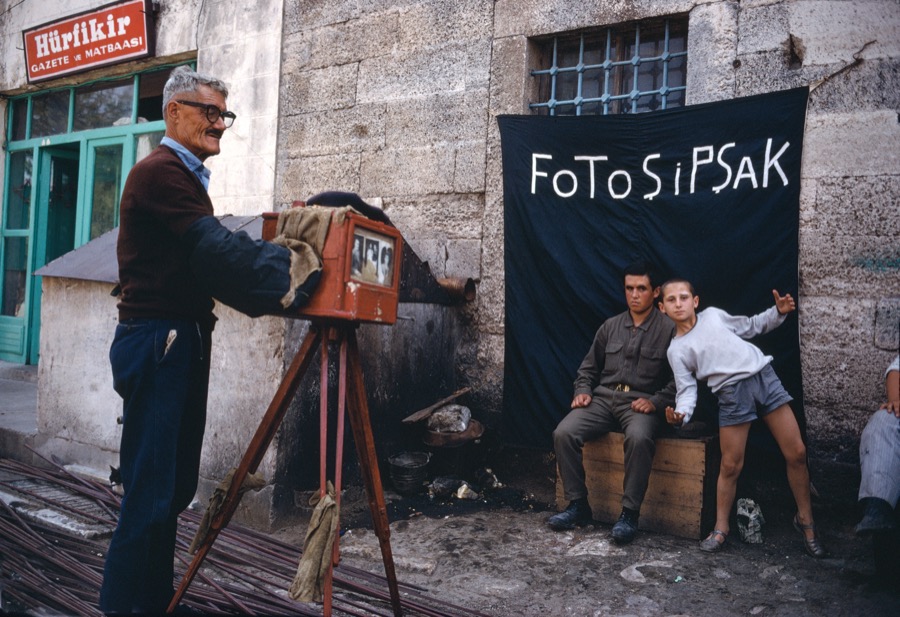 Joel MeyerowitzBulgaria, 1967.A street photographer is at work in front of a wall of big stone blocks.
 Joel MeyerowitzBulgaria, 1967.The painted cloth hangs beneath a barred window on a wall of heavy stone blocks, its white letters reading FOTO ŞİPŞAK, and this time the sitters face the lens squarely.
 Joel MeyerowitzCrossing The Atlantic Ocean, 1967.A man in a dark jacket and trousers, barefoot, tumbles head over heels into the swimming pool of a ship, caught upside down in a tight tuck a hand's breadth above the turquoise water, the soles of…
 Joel MeyerowitzCrossing The Atlantic Ocean, 1967.A man in a dark shirt and trousers, barefoot, falls sideways into a ship's swimming pool, one leg thrown straight up, the other stretched back towards the edge he has just left, his arms spread and a…
 Joel MeyerowitzFallen Man, Paris, 1967.A man lies on the Paris pavement behind a chain railing while the crowd at the bus stop looks elsewhere, and a single young man in a grey suit turns back with an expression poised between concern and…
 Joel MeyerowitzFlorida, 1967.A stocky man in blue trunks stands alone on a shuffleboard court, sandals planted, neck craned back to watch a Goodyear blimp cross a cloudless sky.
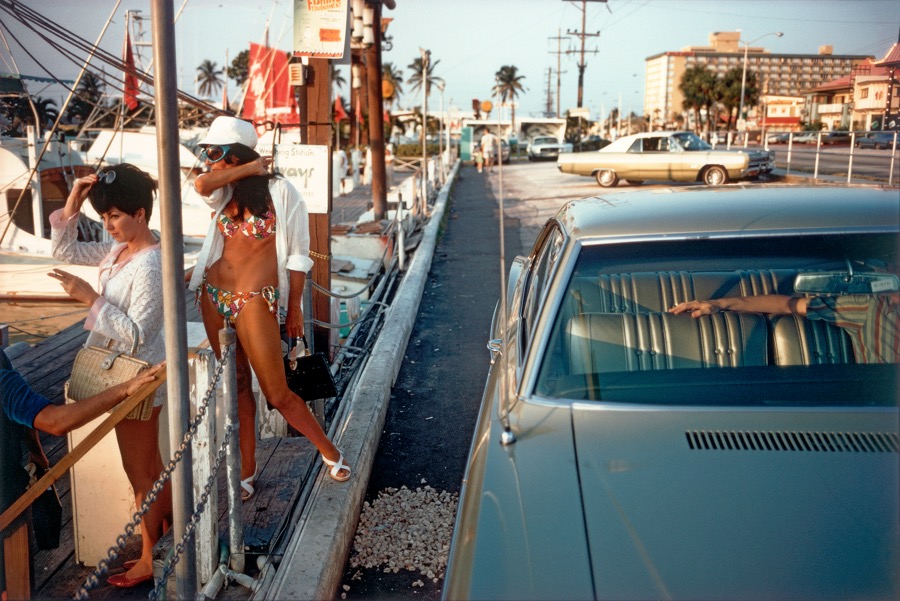 Joel MeyerowitzFlorida, 1967.At the edge of a wooden dock in Florida, beside a row of sport-fishing boats, two women have stopped in the late sun.
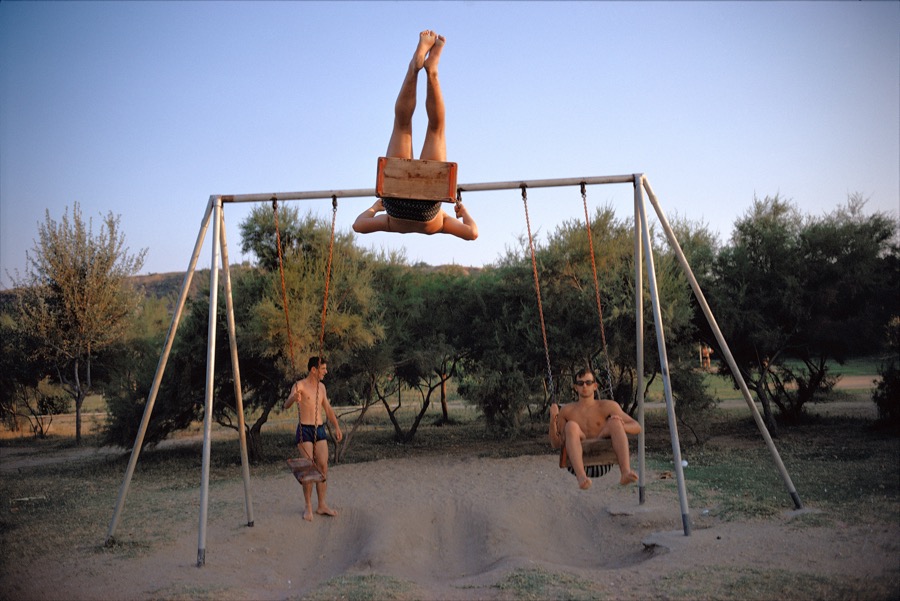 Joel MeyerowitzGreece, 1967.Above a steel swing set in a dry park, a swinger has gone so high that the seat appears above the crossbar.
 Joel MeyerowitzJoel Meyerowitz, Greece, Corfu, 1967.A hand curls around the steering wheel in the foreground, and everything we see is granted by that grip.
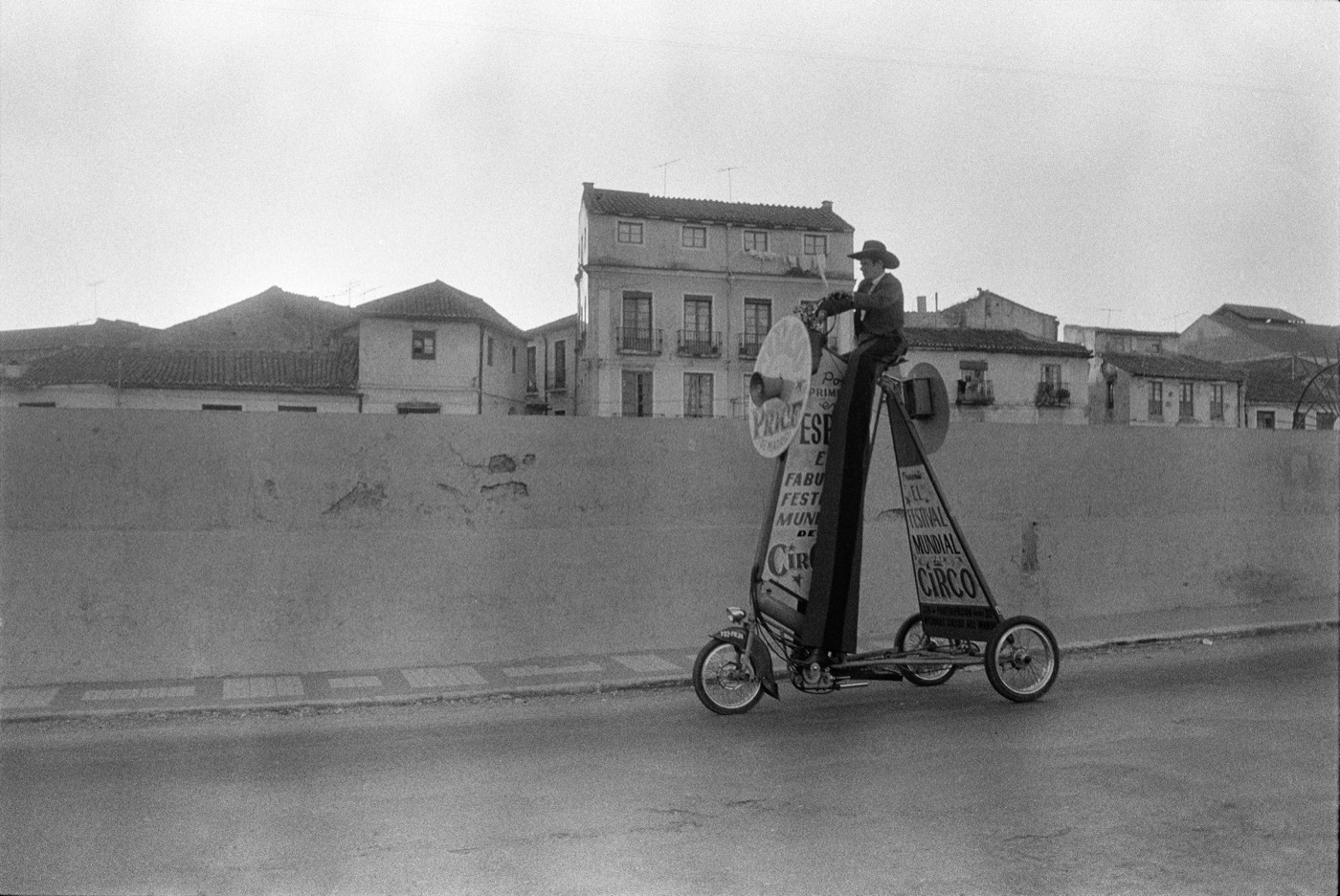 Joel MeyerowitzMalaga, España, 1967.The contraption is the whole event: a tall, spindly three-wheeler stacked into a kind of rolling tower, its placards crying El Festival Mundial del Circo while a man in a flat-brimmed hat sits…
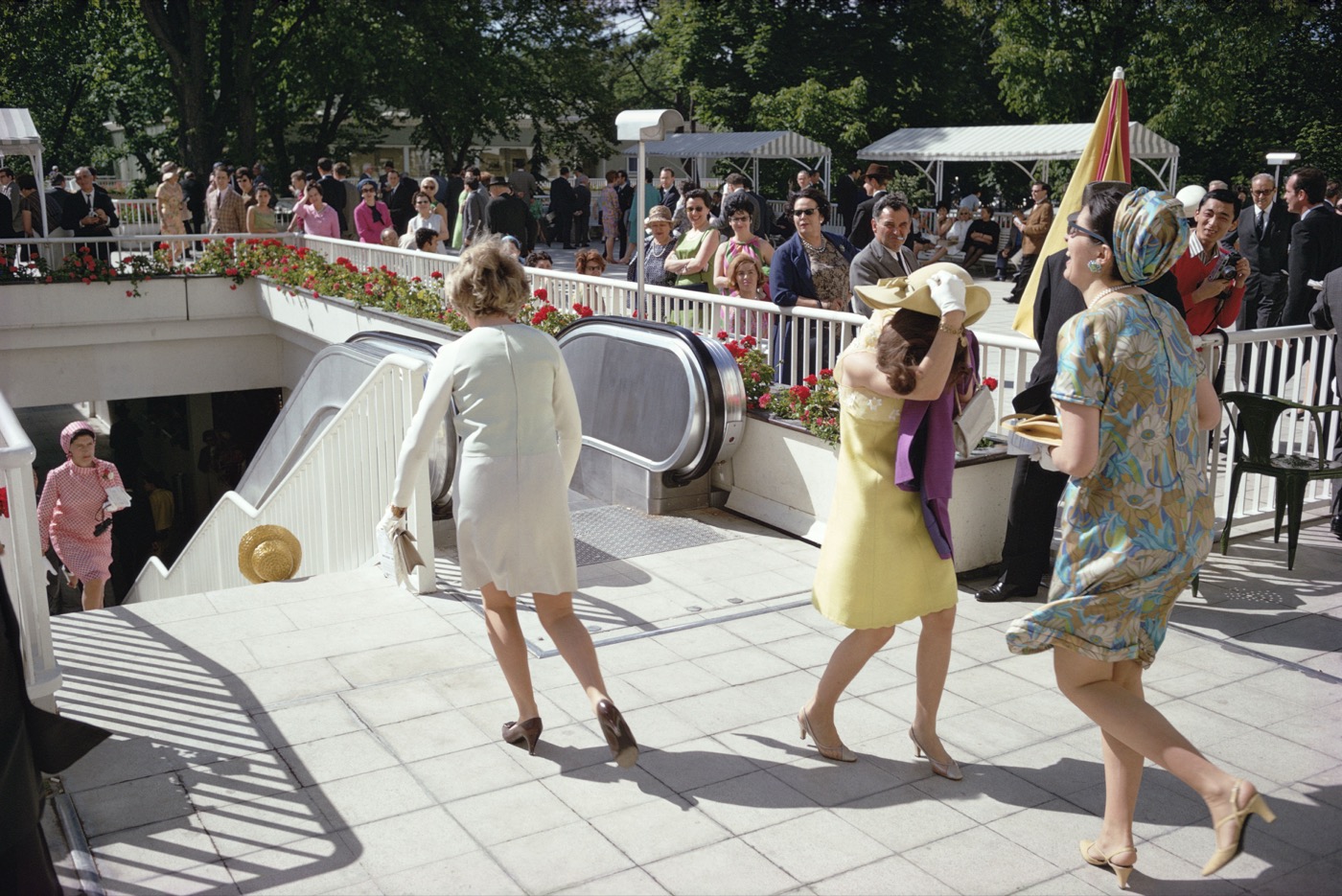 Joel MeyerowitzParis, 1967.Paris 1967: A Study in Anticipation In Joel Meyerowitz's luminous capture of 1960s Paris, three figures frozen mid-moment embody an era suspended between exuberance and restraint.
 Joel MeyerowitzParis, France, 1967.In a Paris garden, under horse chestnuts, a marble group stands on a tall pedestal: a muscular man flings up one arm and holds a serpent away with the other while two children cling to his legs.
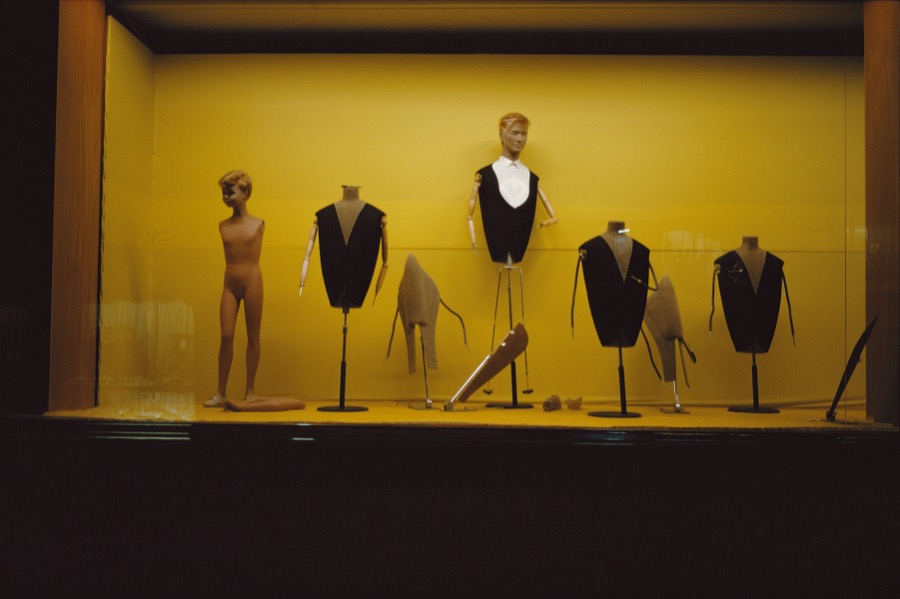 Joel MeyerowitzParis, France, 1967.A shop window in Paris fills most of the frame, a lit box of saturated yellow between wooden pilasters.
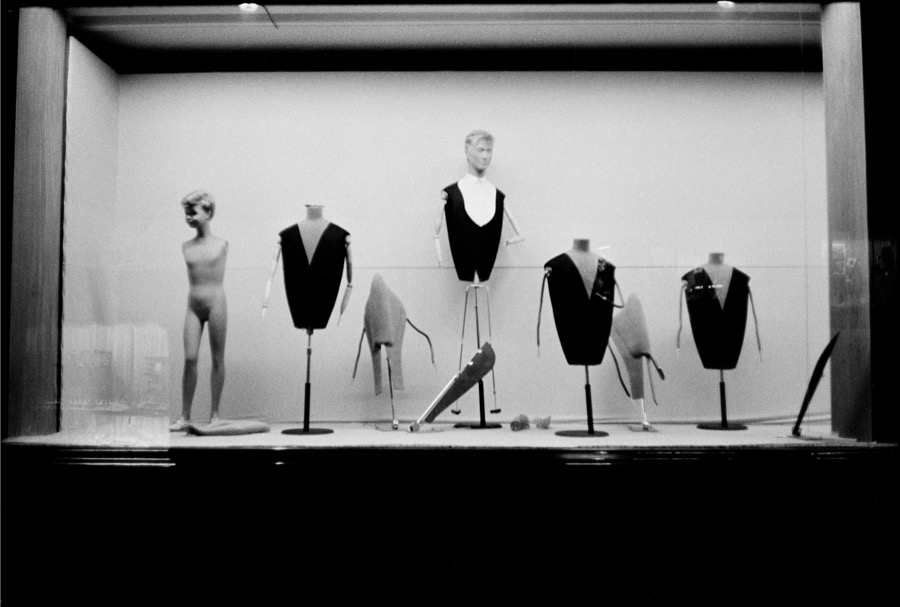 Joel MeyerowitzParis, France, 1967.A shop window in Paris, seen straight on in black and white, framed by two pilasters and a dark lintel, with two small lamps set into its ceiling.
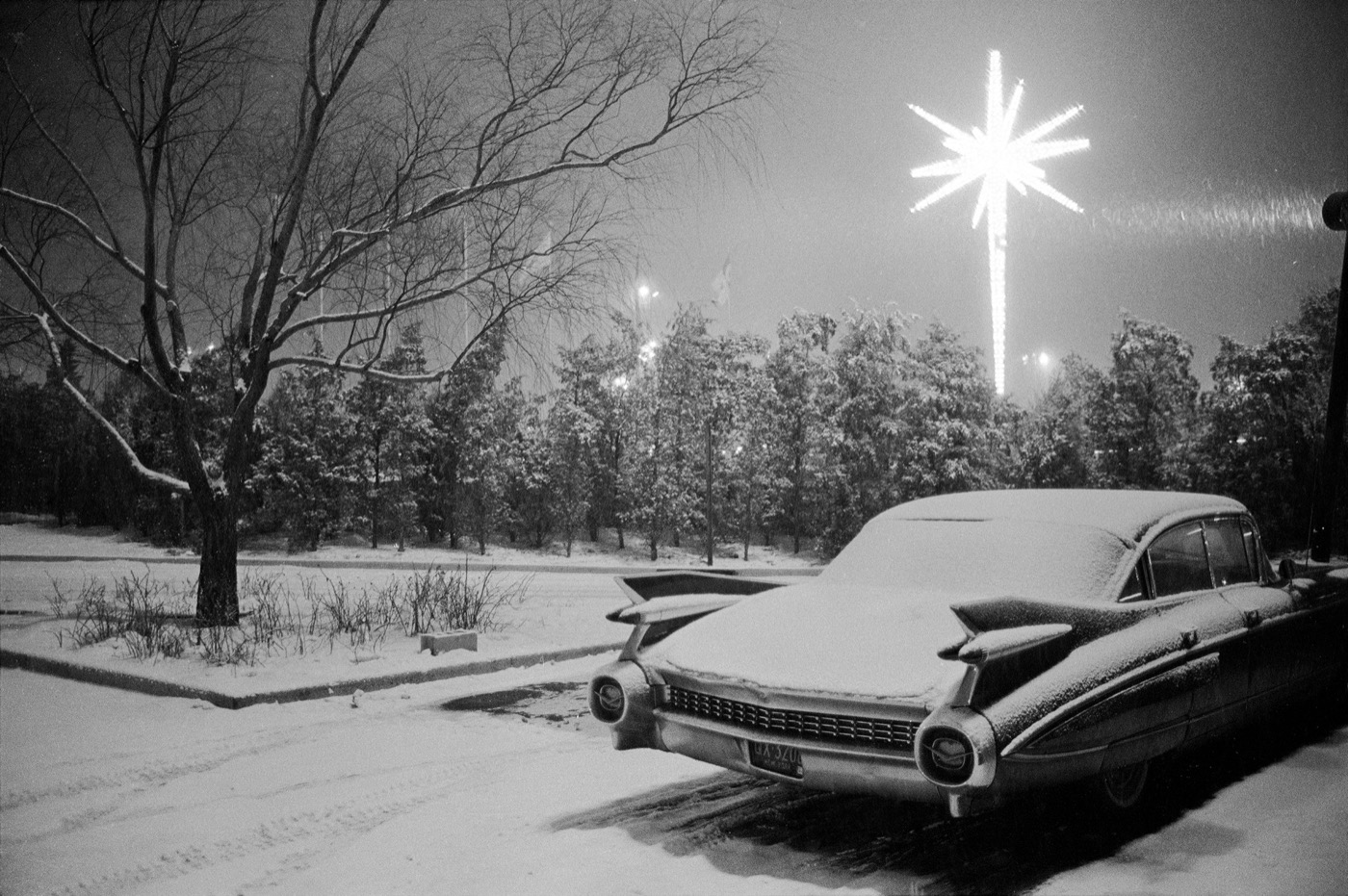 Joel MeyerowitzChristmas at Kennedy Airport, 1968.Christmas at Kennedy Airport belongs to the moment, around 1968, when Joel Meyerowitz was still working primarily in black and white and beginning to argue, against the grain of his peers, that the…
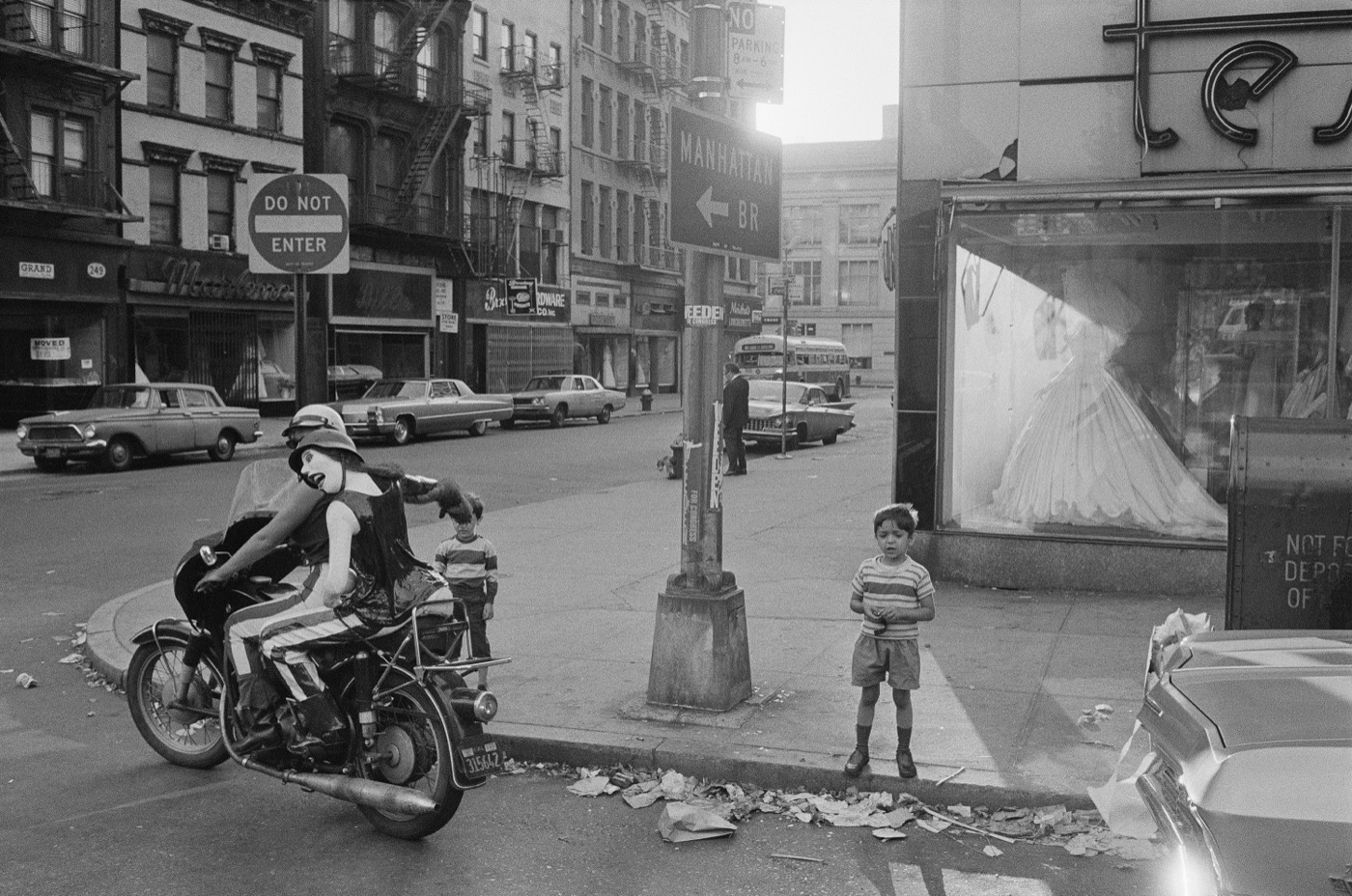 Joel MeyerowitzNew York City, 1968.The photograph New York 1968 fixes a fleeting intersection of fantasy and grit on a Lower East Side corner.
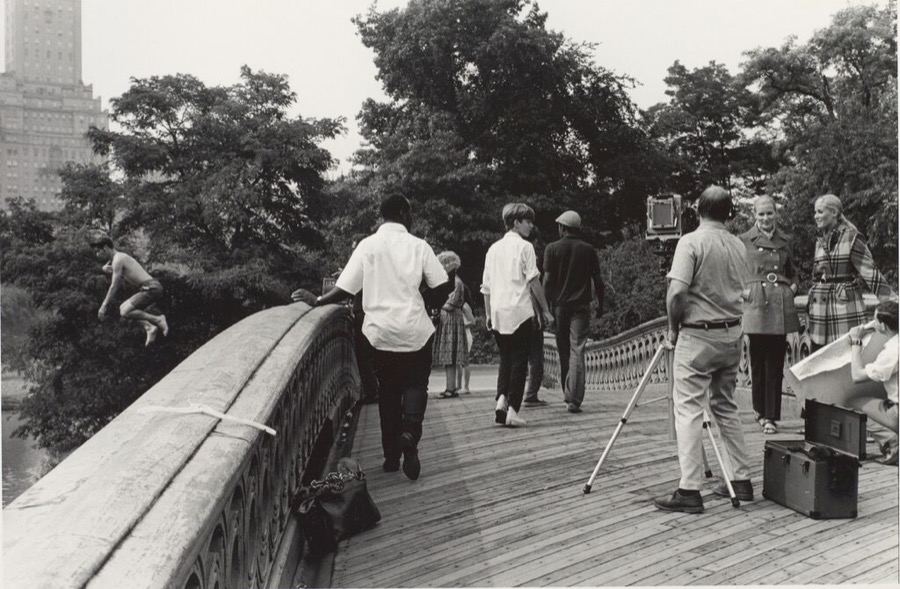 Joel MeyerowitzCentral Park, NYC, 1969.Worn planks run the length of the bridge over the Central Park lake, and a cast-iron balustrade curves off toward the bank where the summer trees close the view.
 Joel MeyerowitzCalifornia, 1971.Everything in this picture happens on a single plane of glass.
 Joel MeyerowitzSan Cristóbal de las Casas, México, 1971.The boy has laid himself out full-length on the grass and lifted a thin wooden cross above his face, holding it the way a child holds a found thing up to the light to study it.
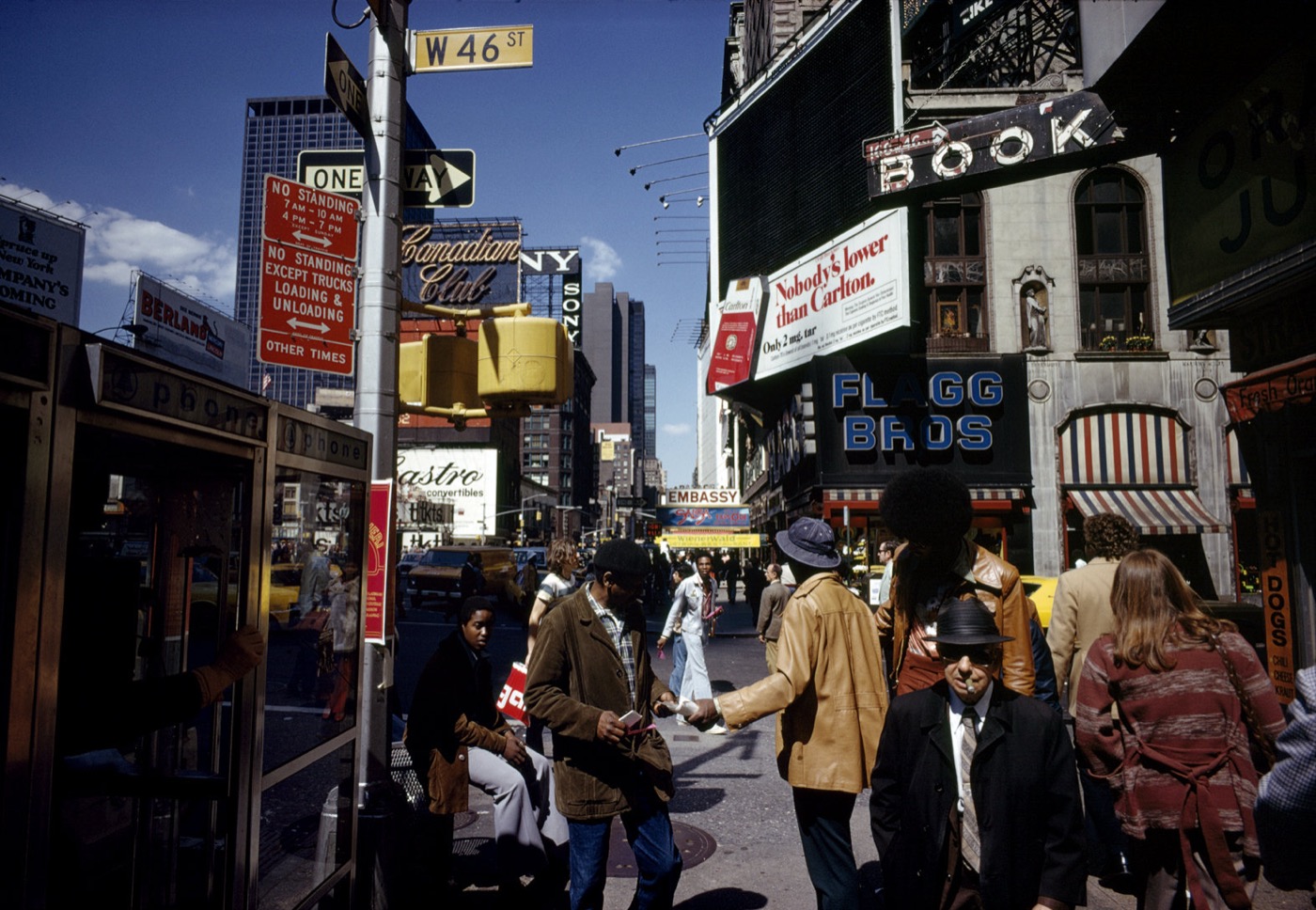 Joel Meyerowitz46th Street, New York City, 1974.A wedge of cloudless Kodachrome blue opens above West 46th Street, so saturated it reads almost as enamel, and beneath it the cross-street sign and a thicket of regulatory placards — ONE WAY, NO…
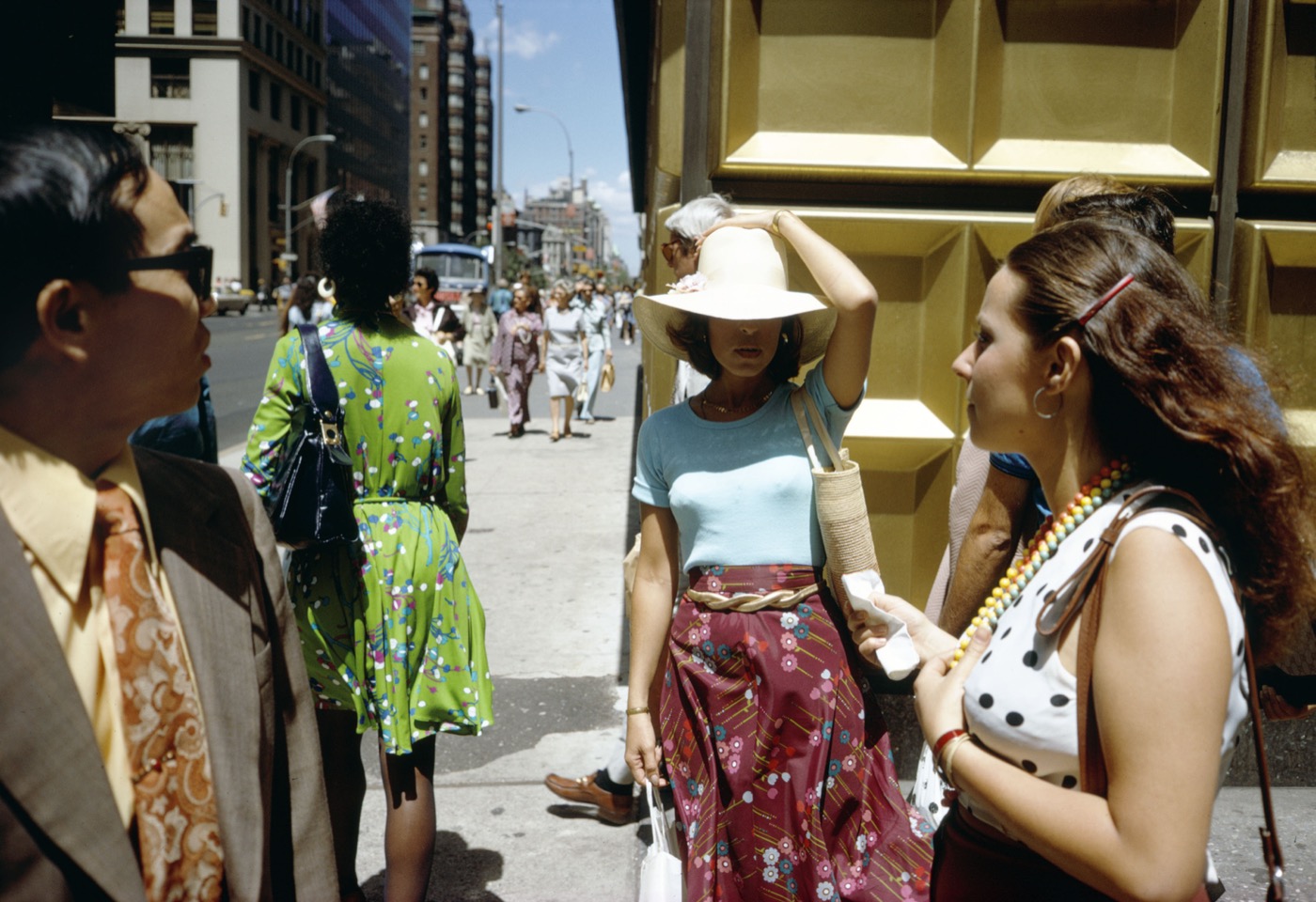 Joel MeyerowitzMadison Avenue, New York City, 1974.She's the only one not giving us her face, and of course she's the one I keep coming back to.
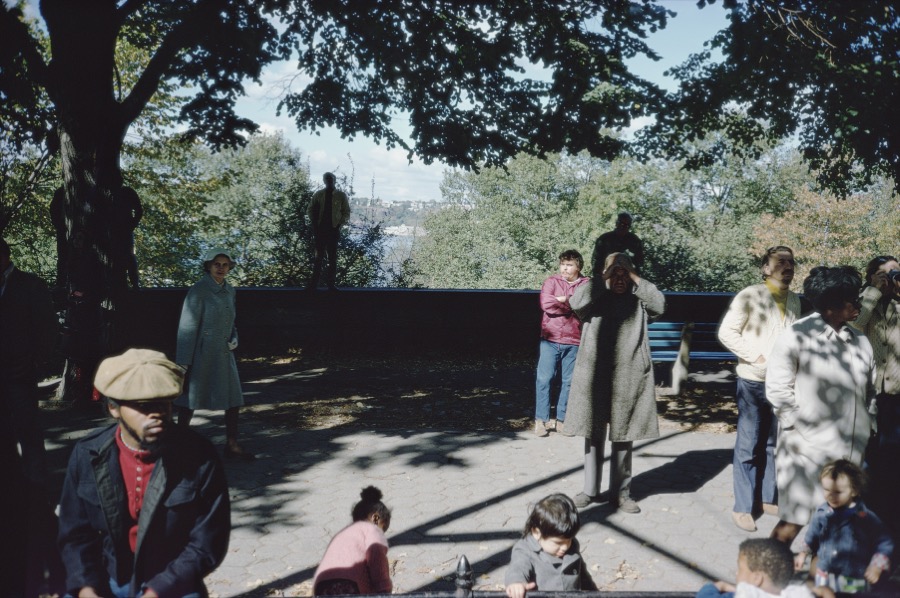 Joel MeyerowitzNew York City, 1974.A paved terrace above a river, in autumn light that falls through the leaves in patches.
 Joel MeyerowitzNew York City, 42nd Street and Fifth Avenue, 1974.A street photographer of the older, black-and-white persuasion would have made this a study in posture and gesture, a question of who leans where.
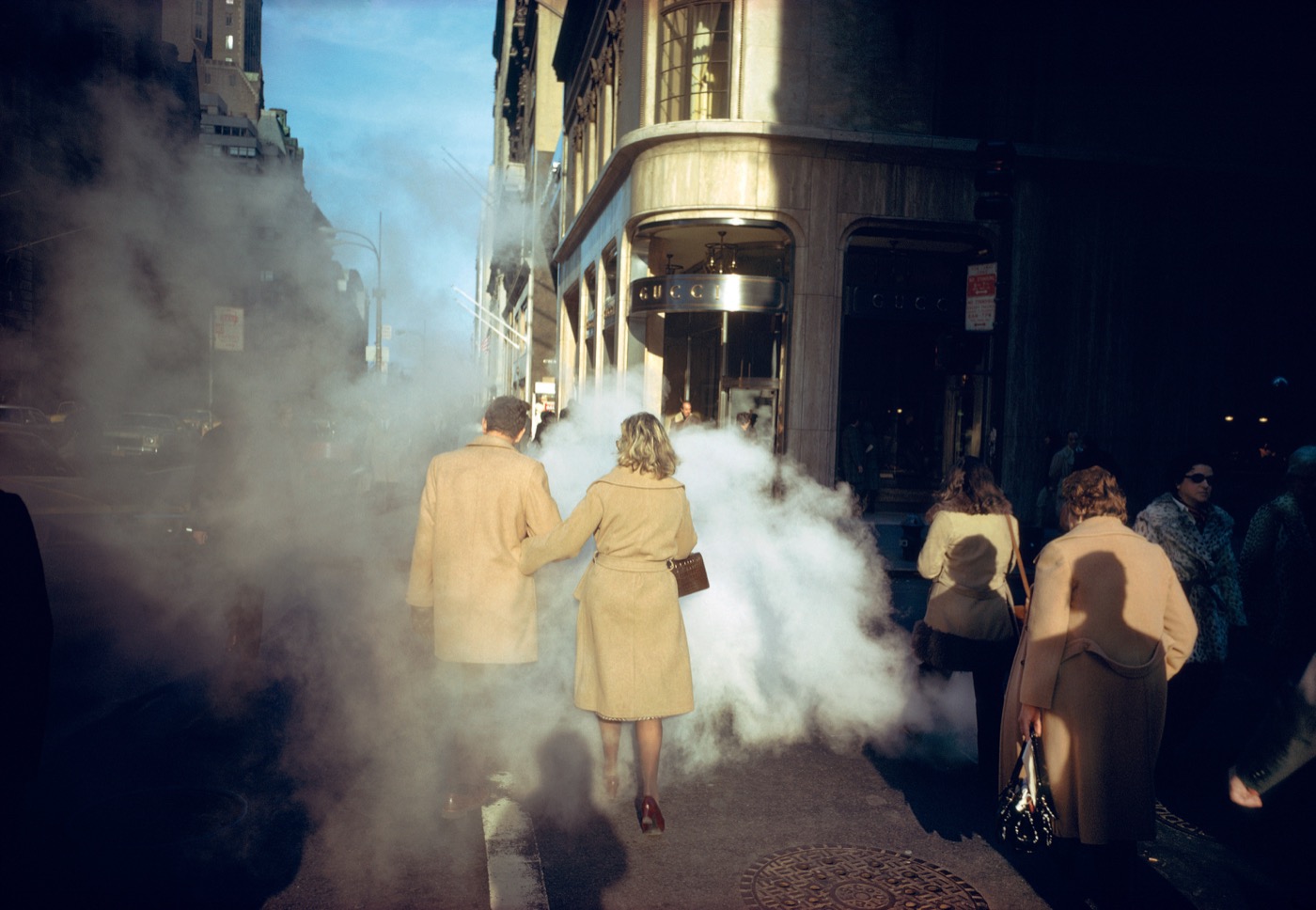 Joel MeyerowitzCamel Coats, New York City, 1975.Two camel coats, the same warm tan, move away from us into a wall of steam.
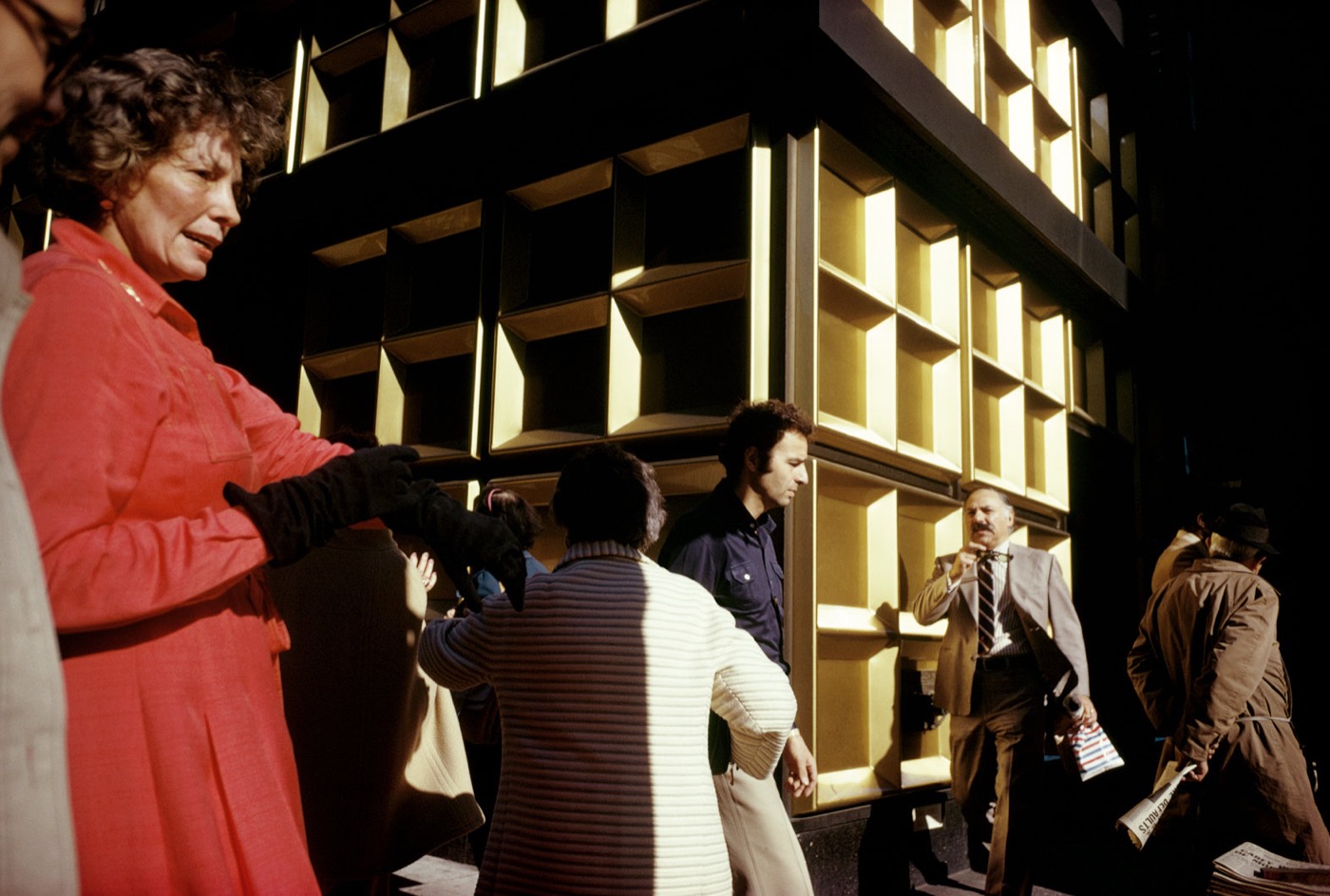 Joel MeyerowitzMadison Avenue and 60th Street, New York City, 1975.The building itself does the work here: a deep grid of gilded coffers, each recessed box catching the low Madison Avenue sun so that the facade reads less as architecture than as a wall of light…
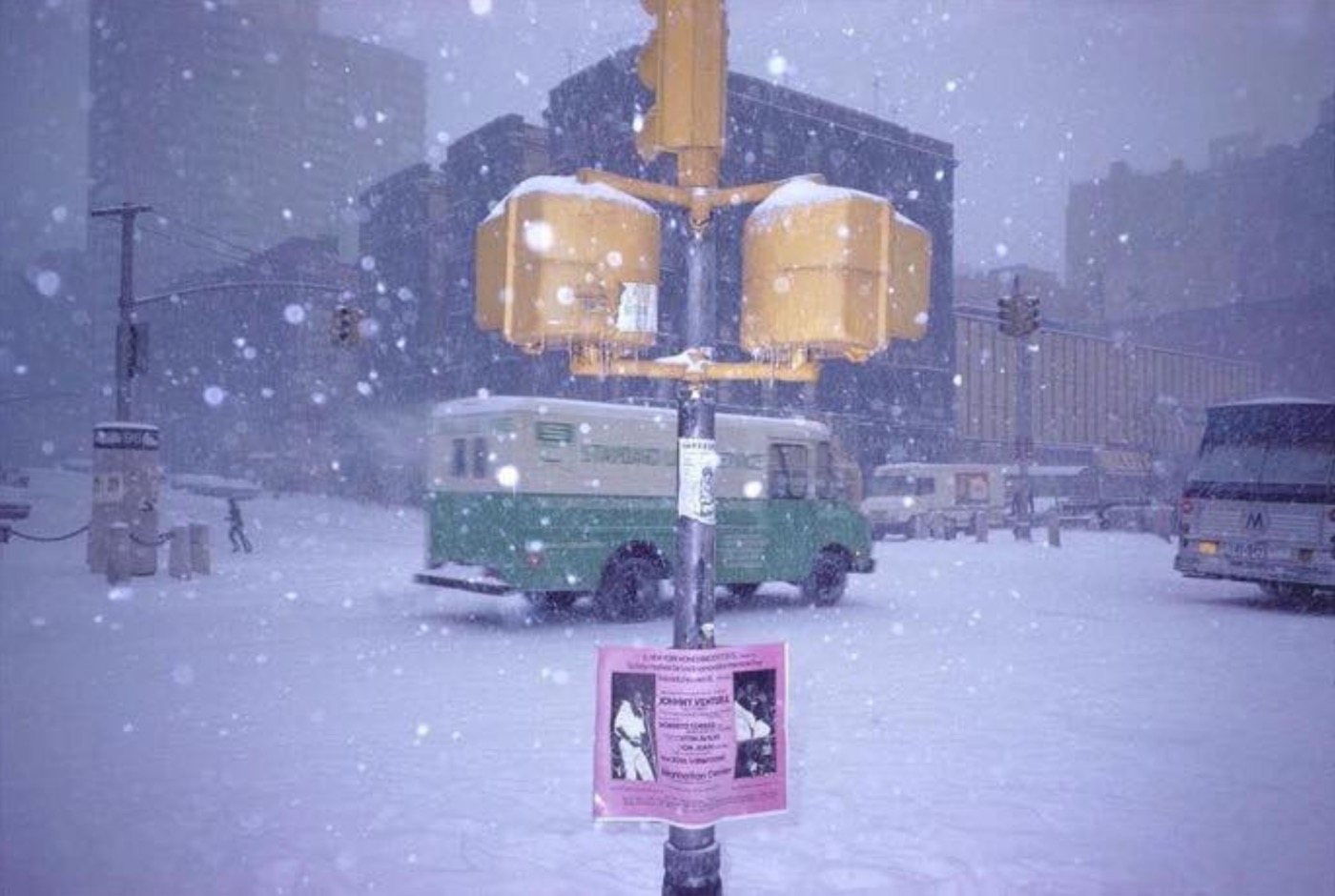 Joel MeyerowitzNew York City, 1975.A photograph made in a snowstorm gives up most of what a photographer usually relies on.
 Joel MeyerowitzNew York City, 1975.A corner in New York, crowded to the edges.
 Joel MeyerowitzCorn Hill, Truro, Cape Cod, 1976.Colour is the whole argument here, and it turns on a single opposition: the sky, a saturated storm-navy that all but blackens toward the top of the frame, set against the row of cottages catching a…
 Joel MeyerowitzCosmos, Provincetown, 1976.The subject, really, is that high clear Cape sky combed with cirrus and strung with telephone wires, pouring an even summer brightness onto everything below.
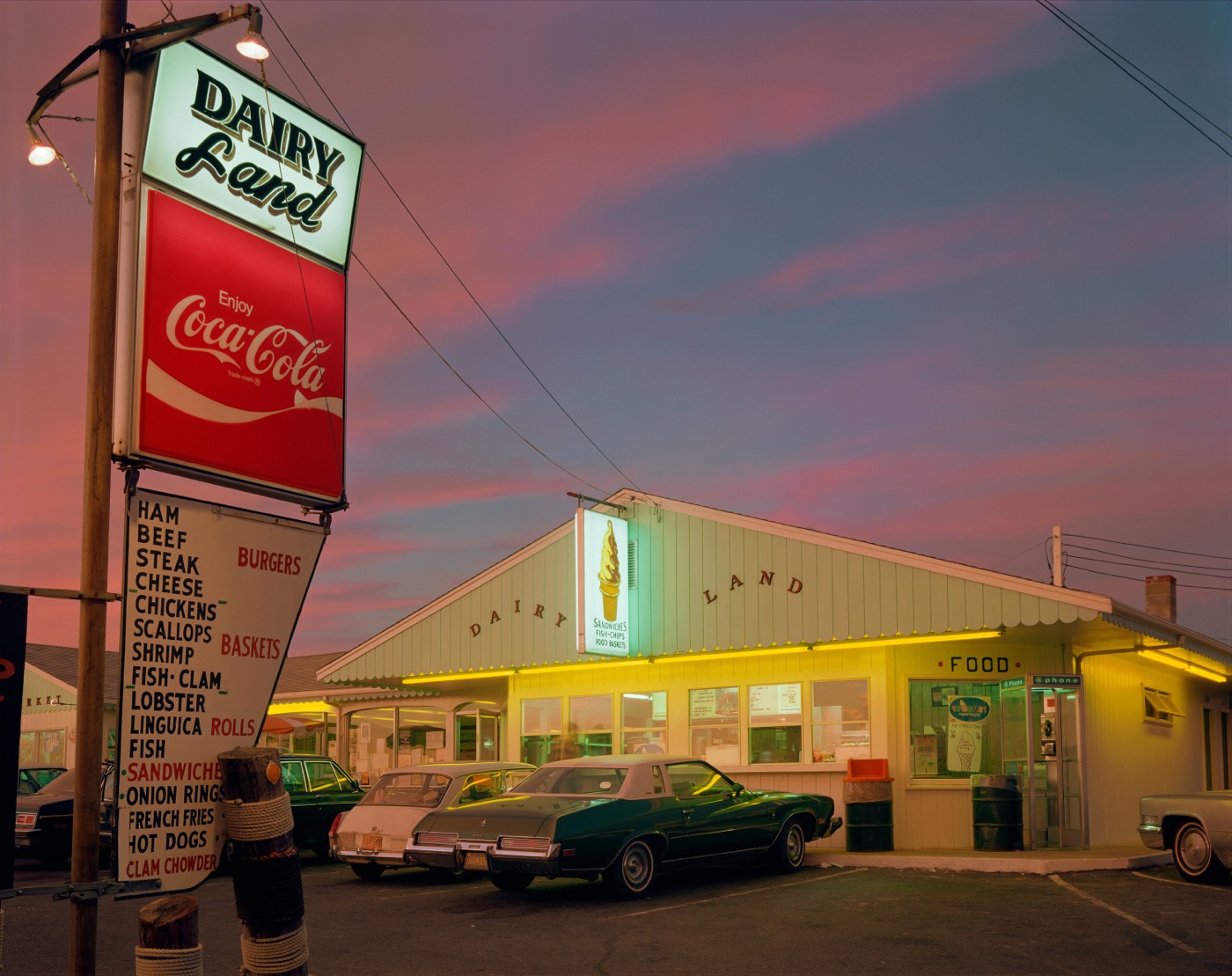 Joel MeyerowitzDairy Land, Provincetown, Massachusetts, 1976.Joel Meyerowitz revolutionized color photography when black-and-white dominated fine art.
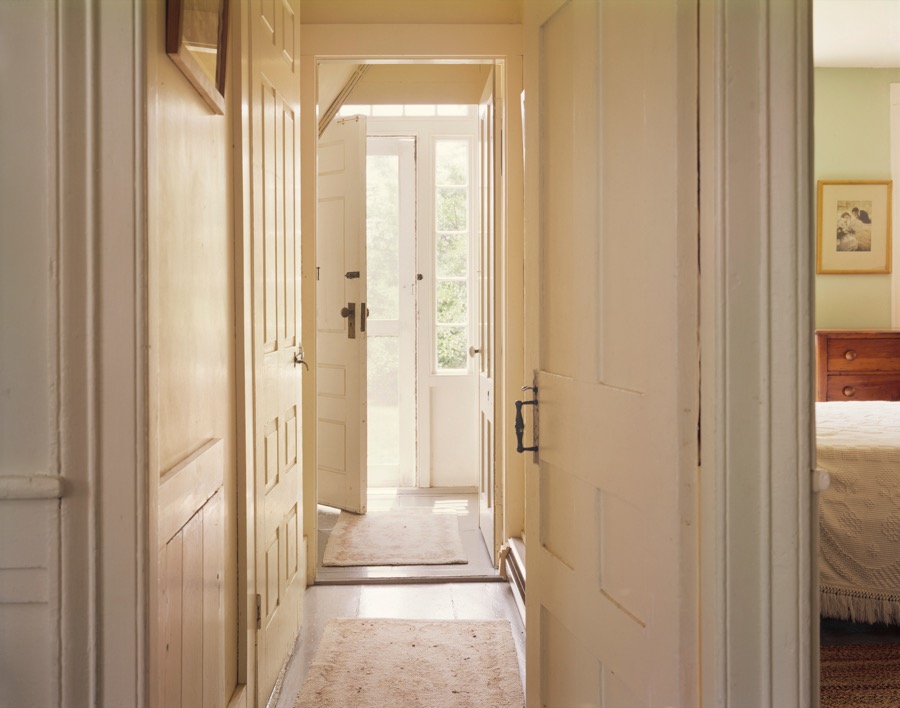 Joel MeyerowitzHartwig House, Truro, Massachusetts, 1976.From a narrow hallway we look through a sequence of open doors.
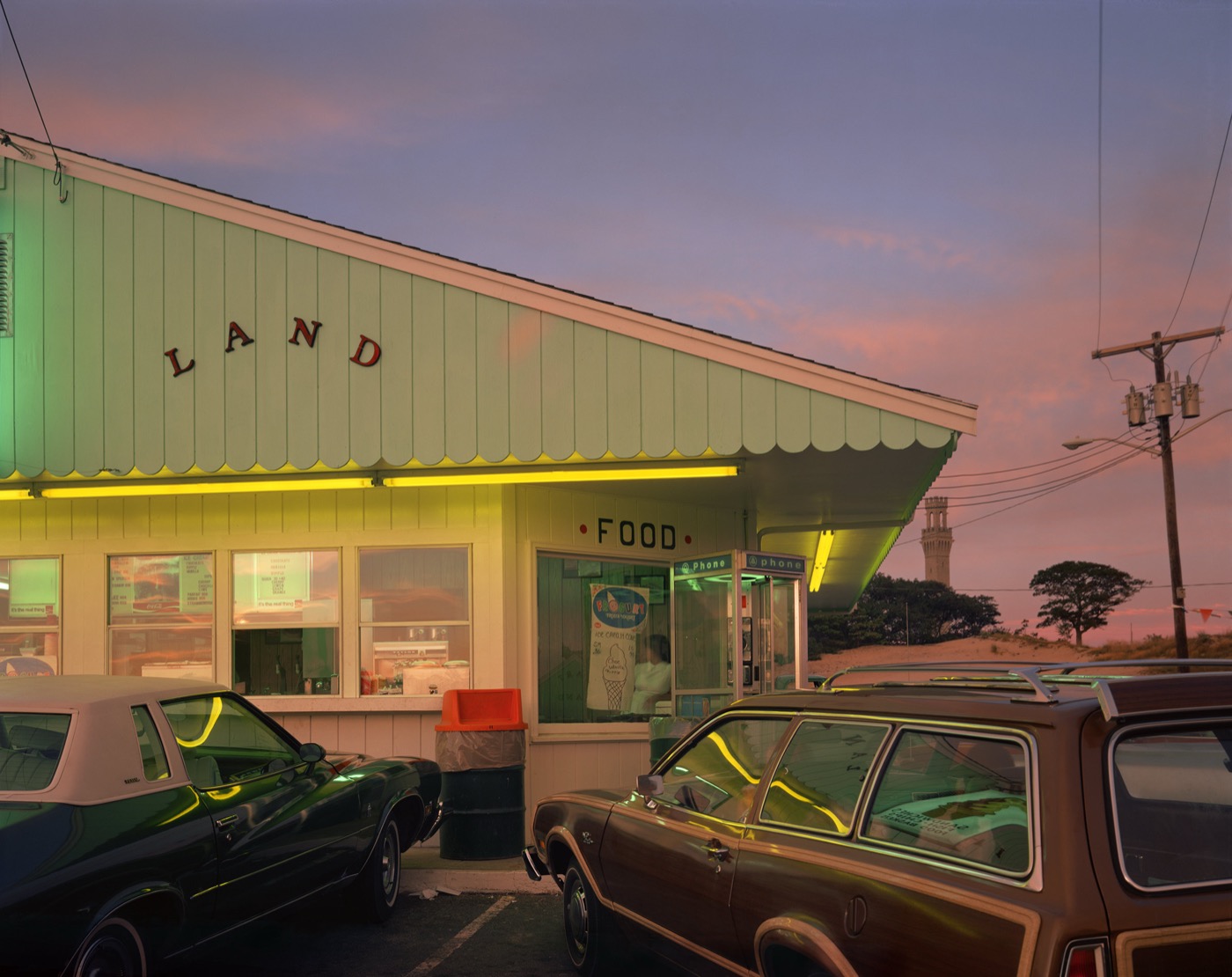 Joel MeyerowitzLand, Provincetown, 1976.A snack bar named LAND is the kind of joke only Provincetown could make with a straight face.
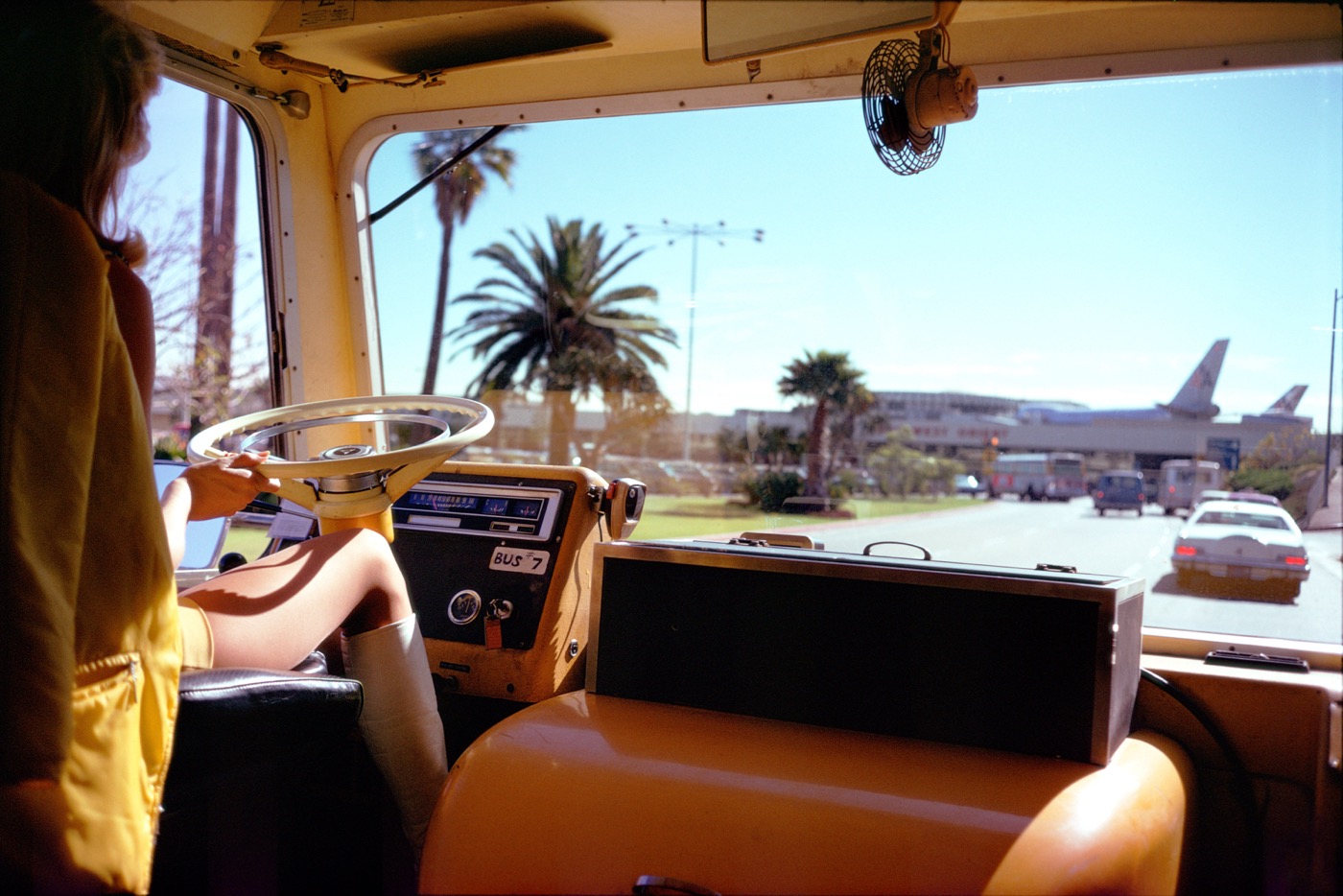 Joel MeyerowitzLos Angeles Airport, California, 1976.When Joel Meyerowitz boarded shuttle bus number seven at the Los Angeles airport in 1976, he was a decade into a project that would help redraw the boundaries of serious photography.
 Joel MeyerowitzProvincetown, Massachusetts, 1976.In 1976 Meyerowitz had not long traded the quick black-and-white of the street for a large-format camera and colour film, and Provincetown was where he went to learn what that swap actually cost and…
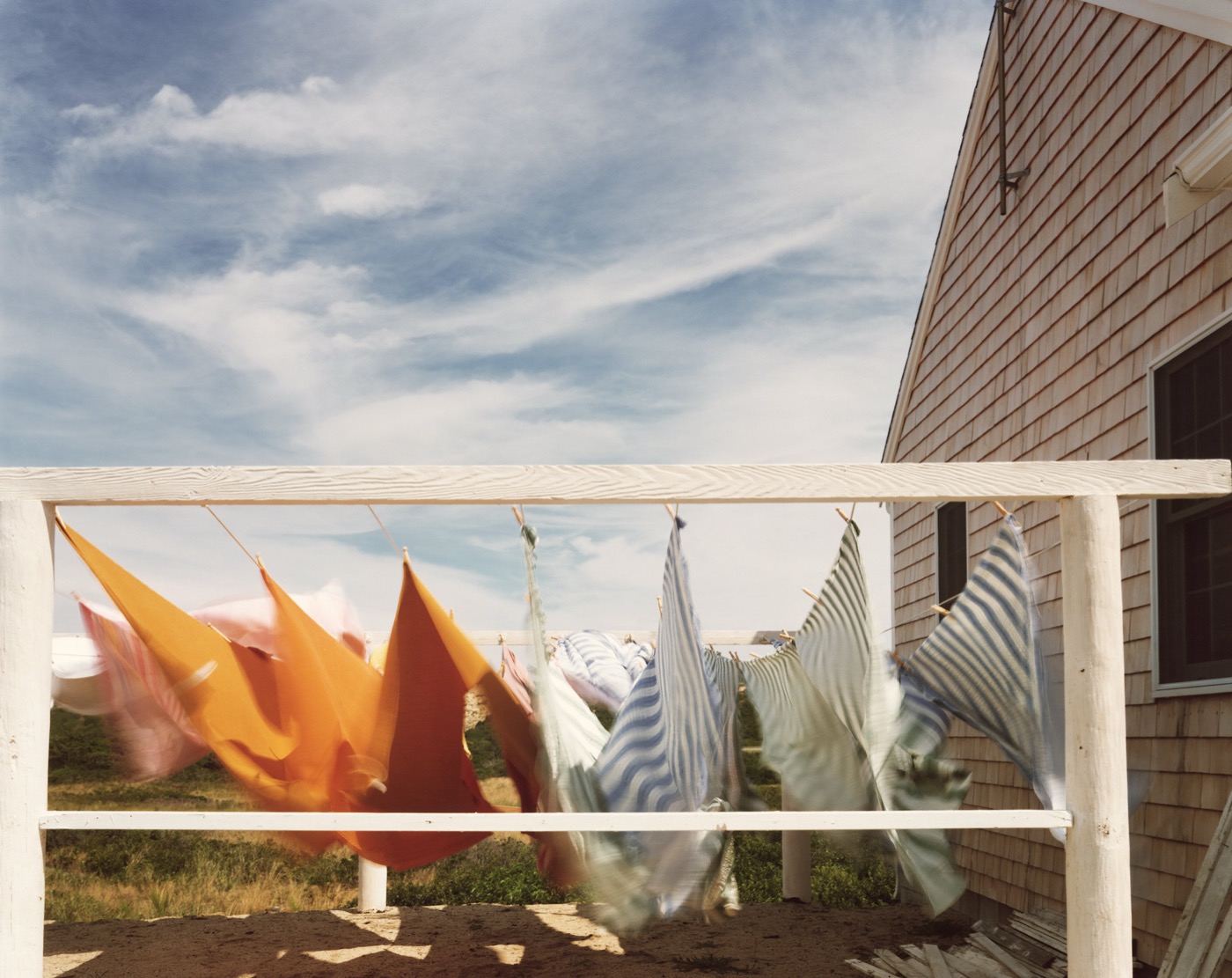 Joel MeyerowitzProvincetown, Massachusetts, 1976.The orange sheet is the event. The wind has caught it broadside and pulled it taut into a sail, and the camera, with its 8x10 patience, has held that gust still long enough to let us read every fold…
 Joel MeyerowitzRoseville Cottages, Truro, Massachusetts, 1976.There is a lineage of American dusk that runs from Hopper’s lit windows to the roadside nocturnes of colour photography, and this glowing telephone booth, green and red against a rose sky, takes its…
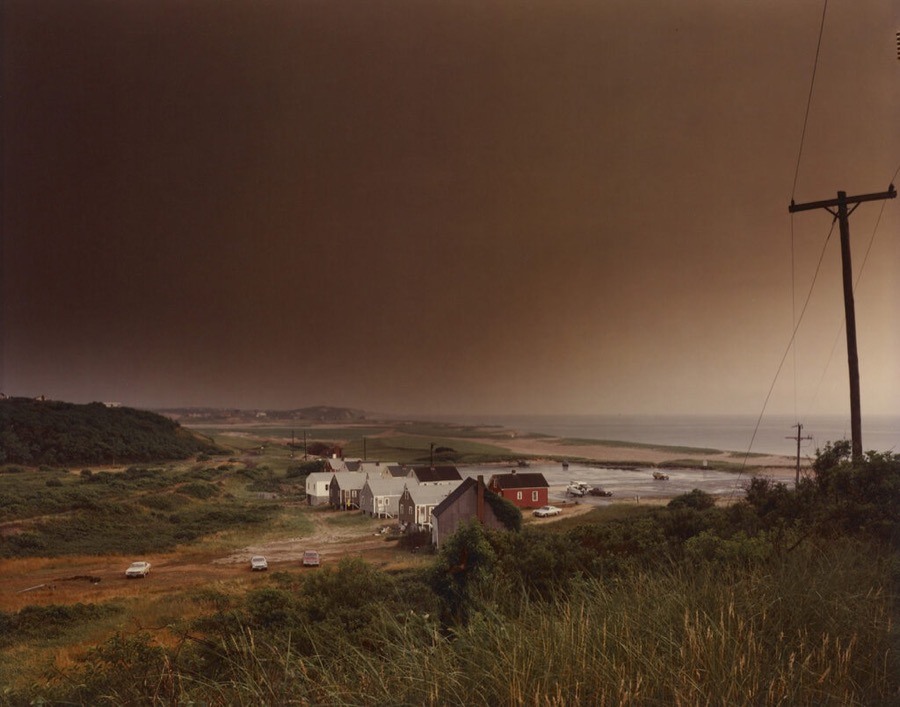 Joel MeyerowitzStorm Over Corn Hill Beach, Truro, Cape Cod, 1976.Down on the sandy track, two or three small cars have been left nose to tail as though the drivers only meant to pop in for milk.
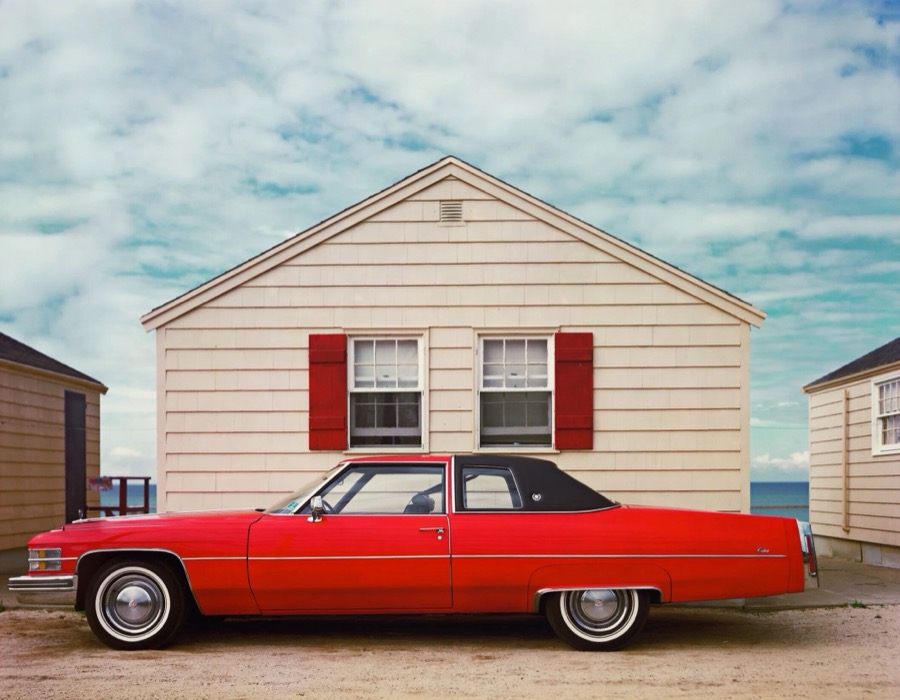 Joel MeyerowitzTruro, Massachusetts, 1976.Meyerowitz parks the picture as deliberately as someone has parked the car.
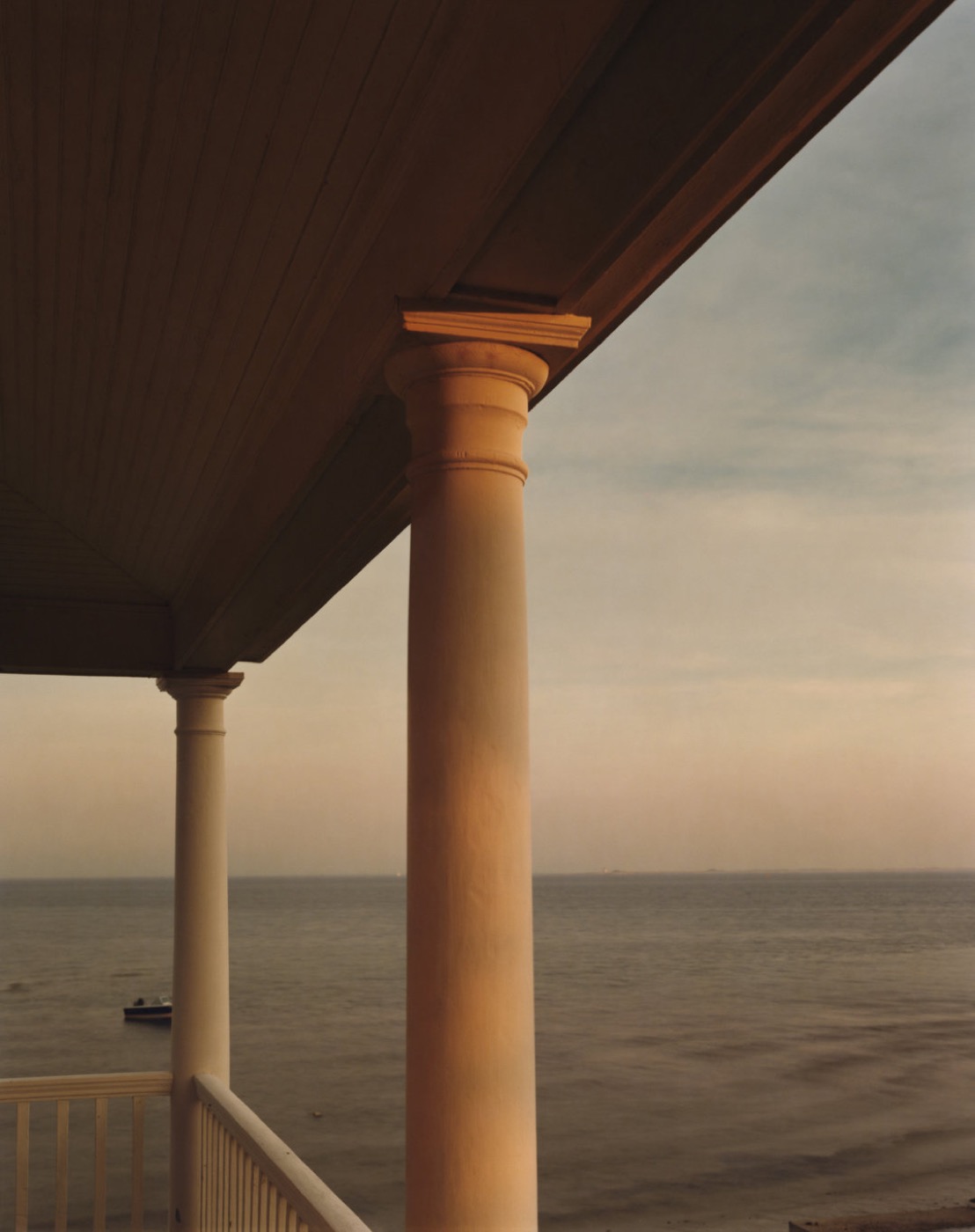 Joel MeyerowitzGold Column, Provincetown, Massachusetts, 1977.A single painted column catches the last gold of the day, and beyond it the sea dissolves into a sky of rose and pale grey, a lone boat resting on water gone perfectly still.
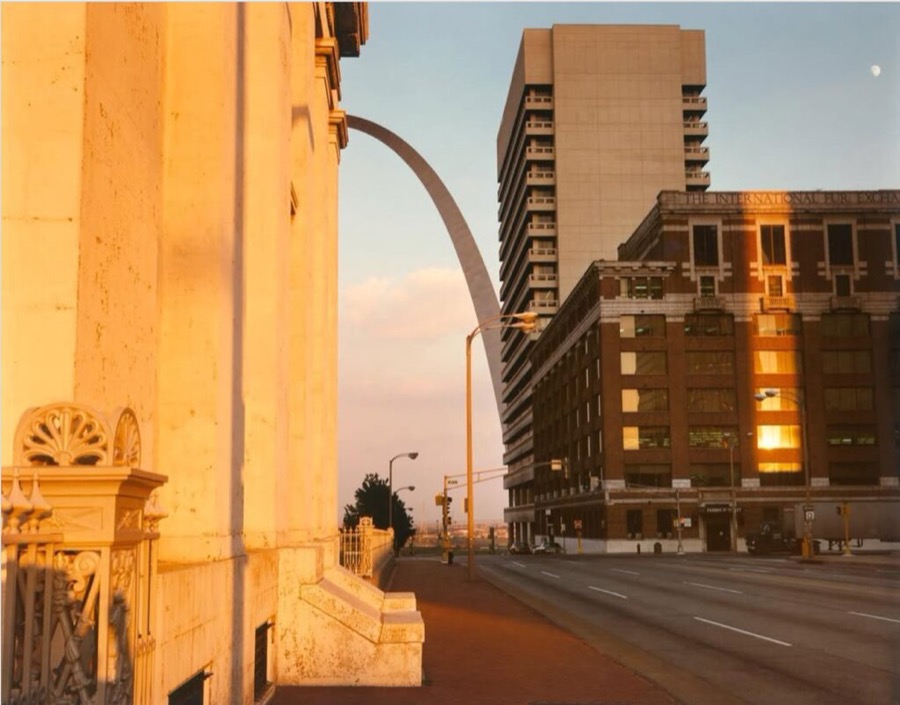 Joel MeyerowitzMoon and Arch, 4th and Market, St. Louis, Missouri, 1977.The steel arch springs out of the ground and vaults up beyond the top edge of the frame, caught here in the middle of a leap it will never finish for the eye.
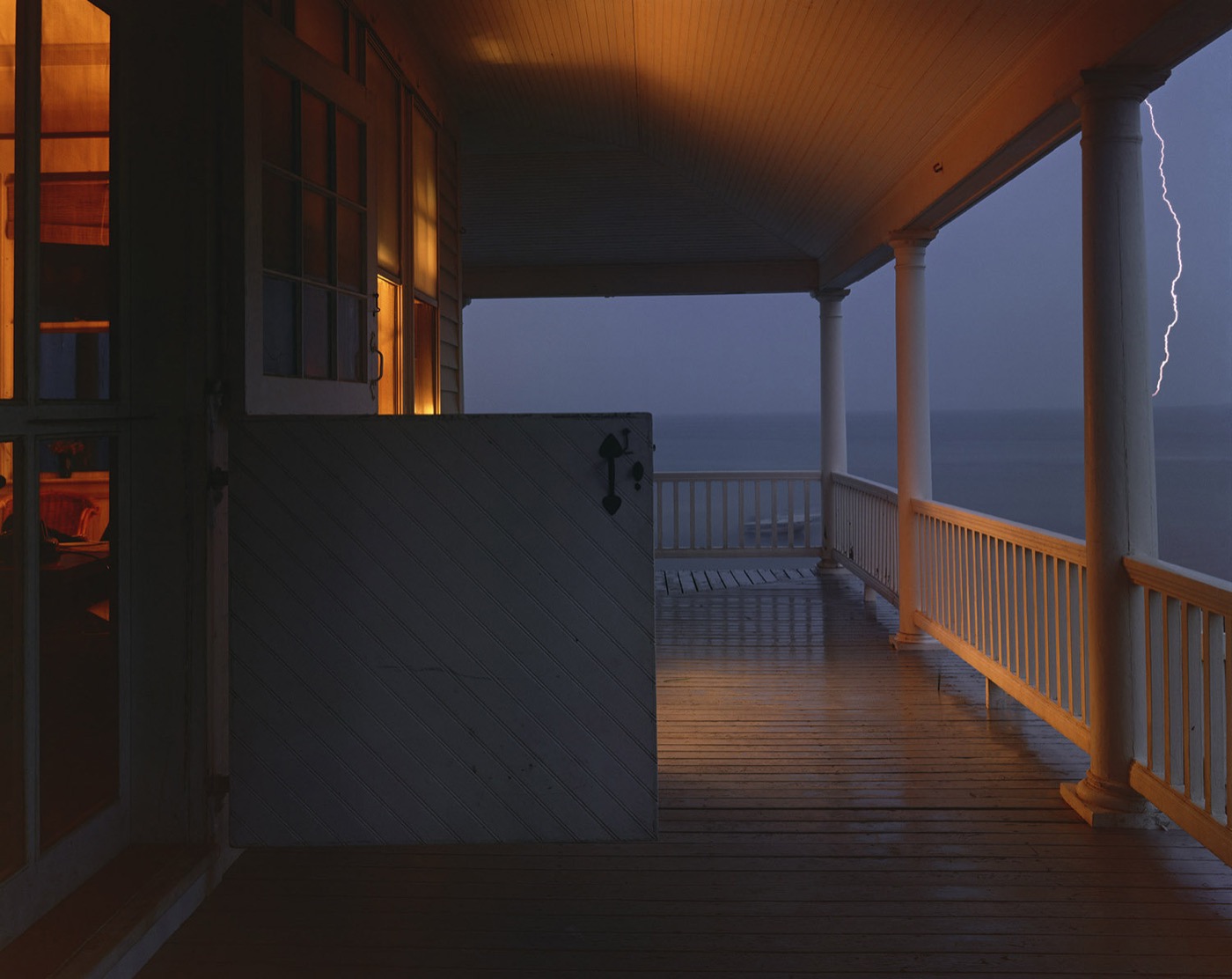 Joel MeyerowitzPorch, Provincetown, 1977.Leaning out toward the dusk, the porch opens its long throat of fir planks and lets the eye walk down it.
 Joel MeyerowitzRed Interior, Provincetown, Massachusetts, 1977.Provincetown after dark, a row of identical cottages strung along a sandy lot at the edge of the dunes.
 Joel Meyerowitz10th and St. Charles, St. Louis, Missouri, 1978.Two cars, caught mid-climb, noses tipped up at exactly the angle of a swimmer about to dive or a dog begging for a biscuit.
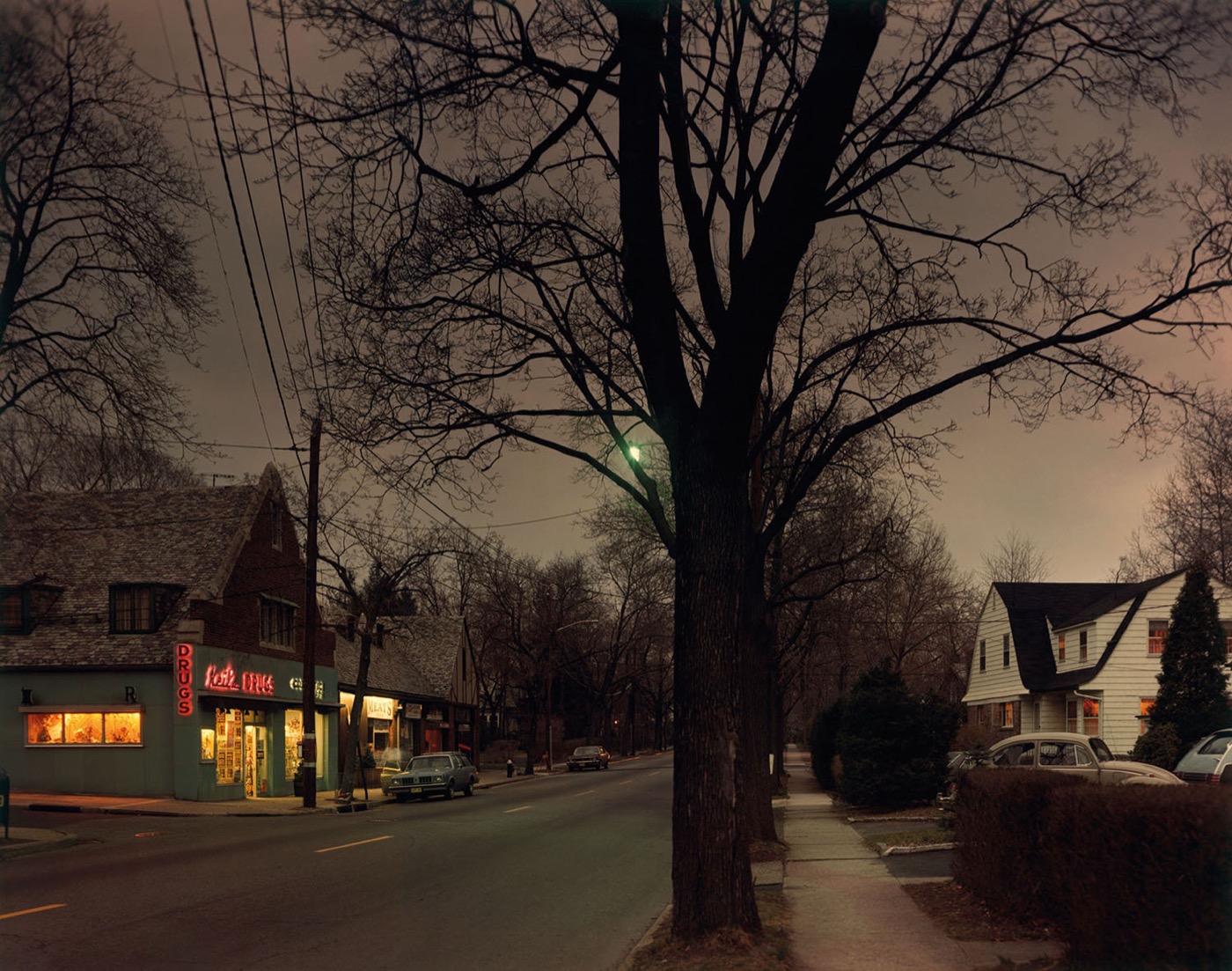 Joel MeyerowitzDusk, New Jersey, 1978.A bare tree stands almost dead center, and this is the whole problem the picture sets itself.
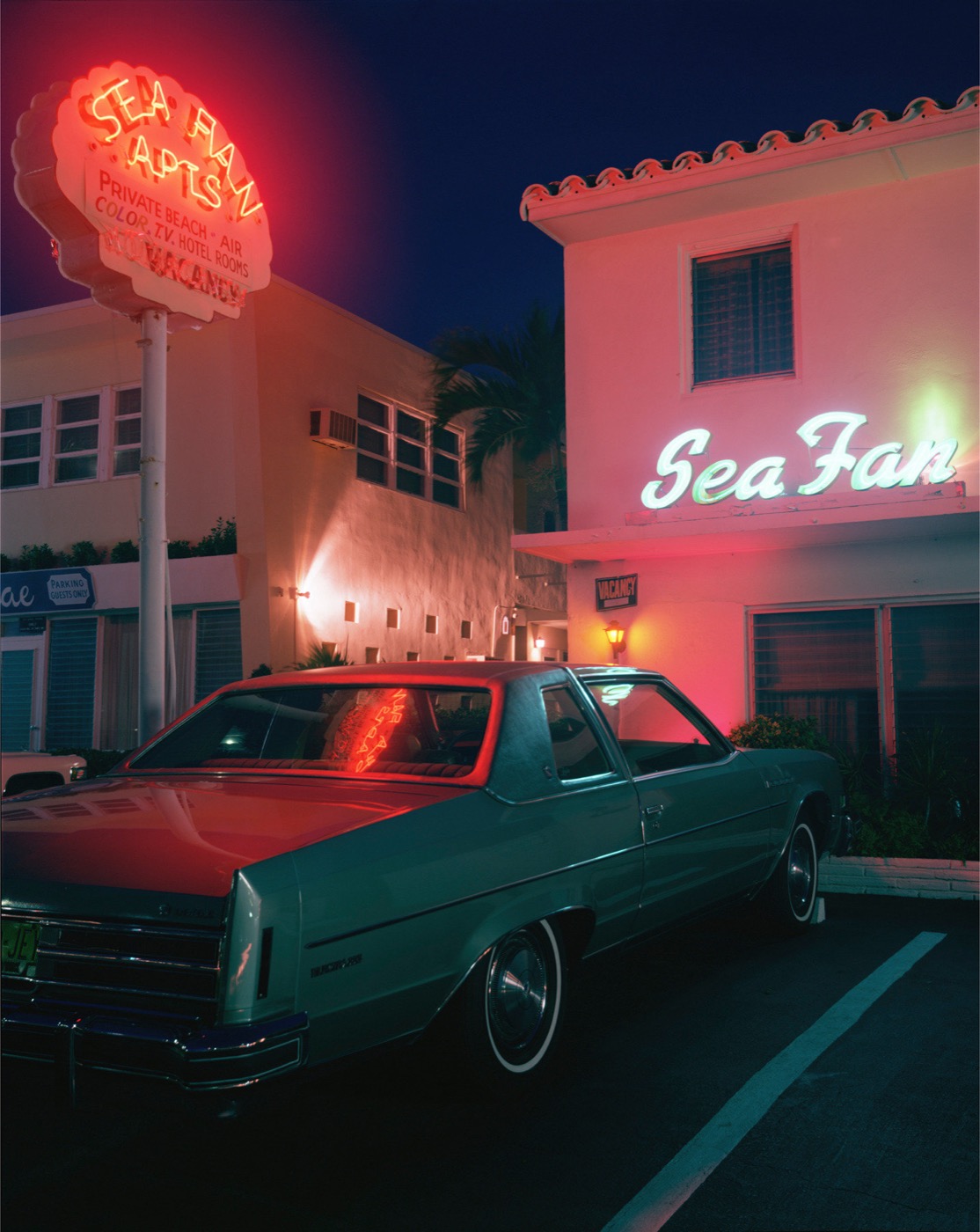 Joel MeyerowitzFlorida, 1978.The cursive "Sea Fan" sign is rewriting itself across the windshield of the sedan at the curb, its loops of neon migrating in miniature onto the dark glass, so that the parked car carries the motel's…
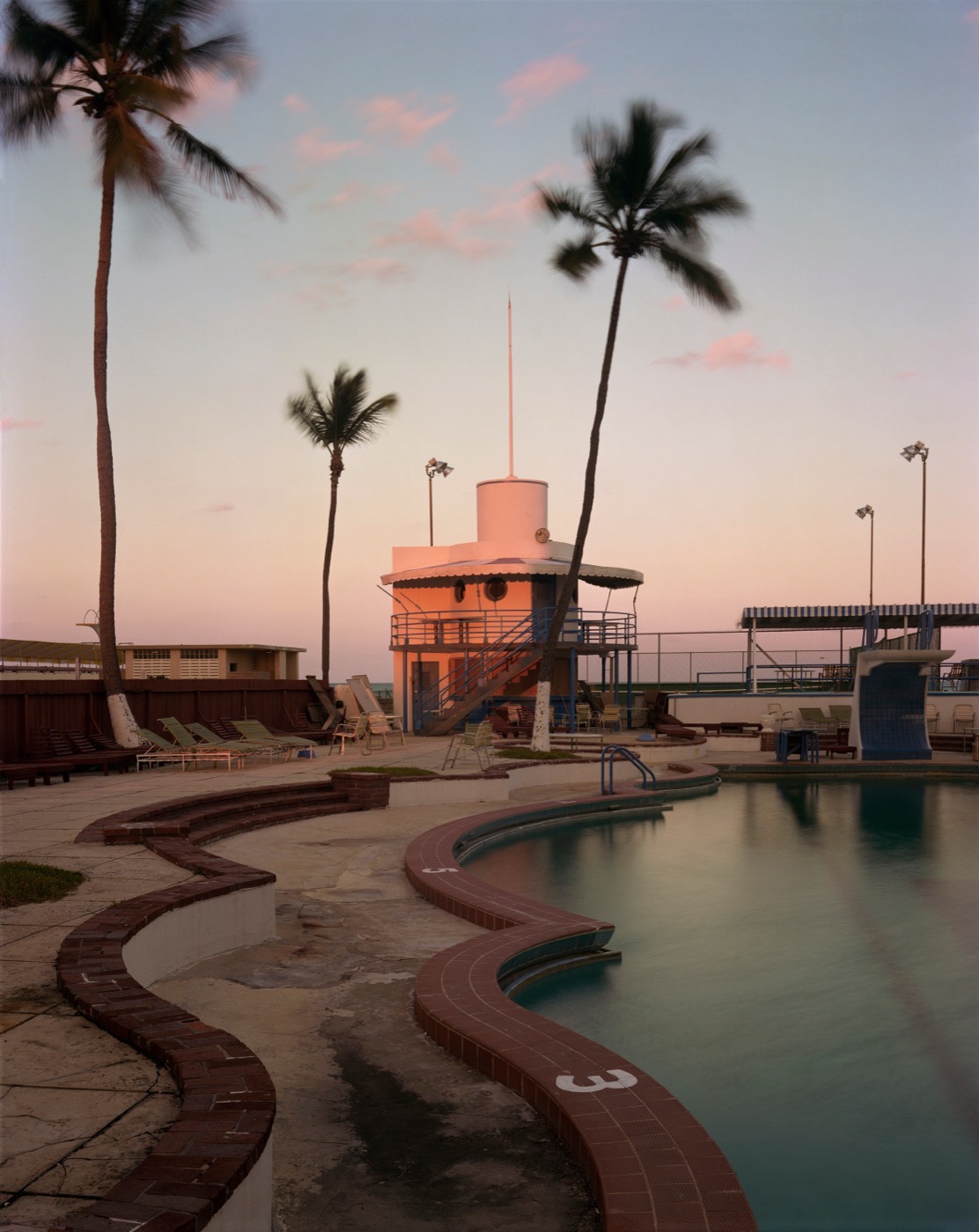 Joel MeyerowitzMiami Beach, Florida, 1978.How long does it take a colour to settle?
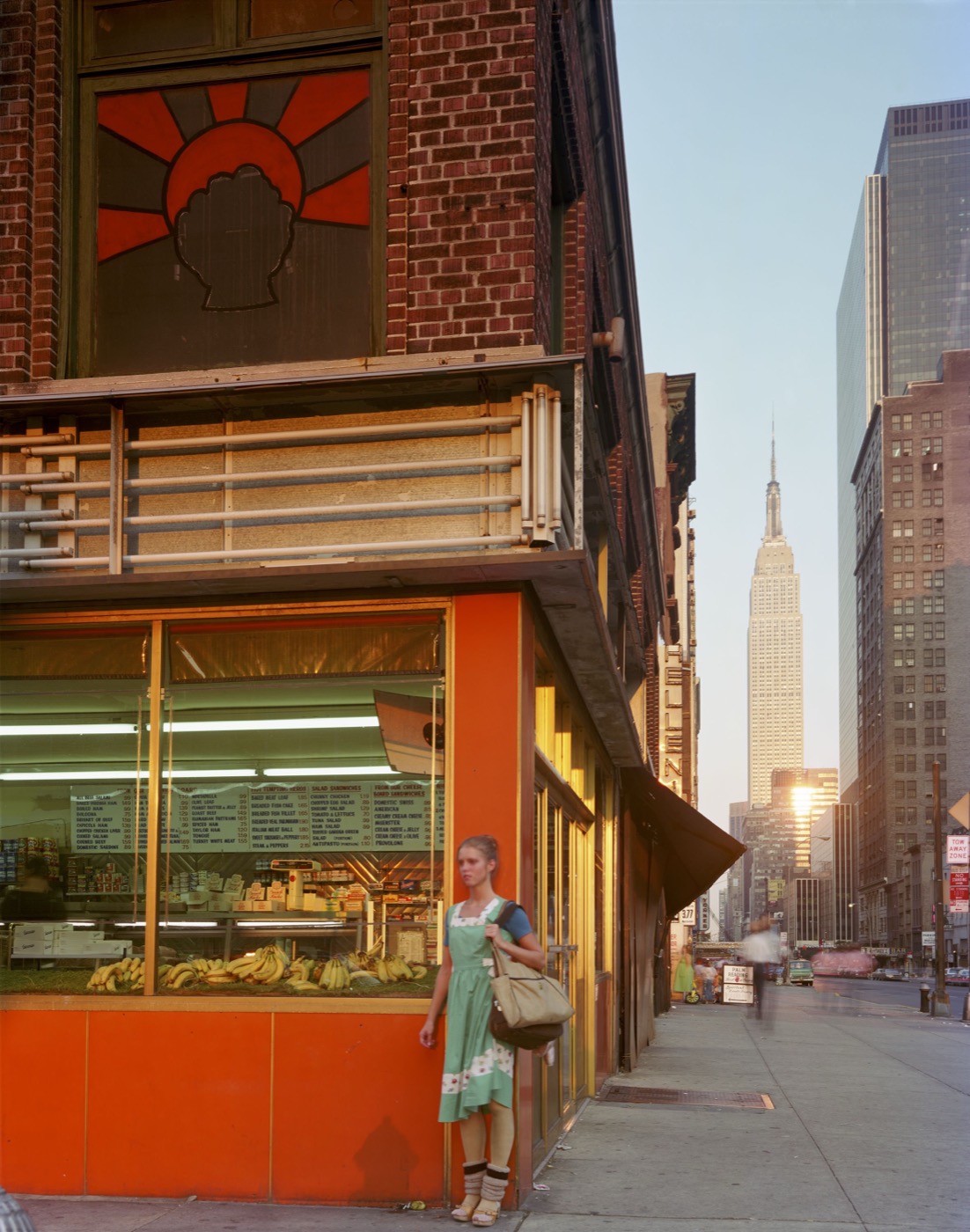 Joel MeyerowitzNew York City, 1978.Joel Meyerowitz’s “New York City, 1978,” from the Empire State series, is a quiet marvel of atmosphere and composition.
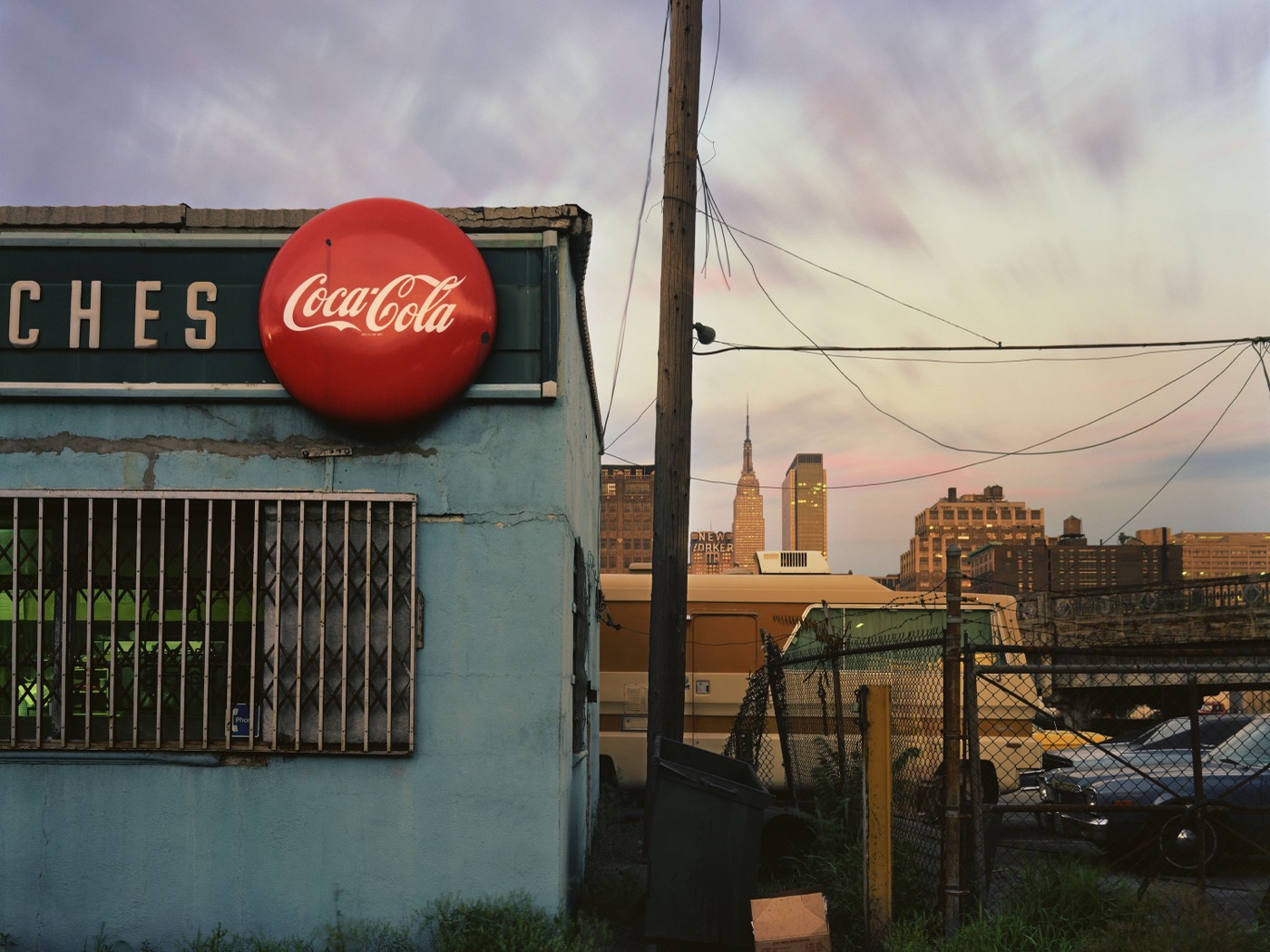 Joel MeyerowitzNew York City, 1978.In the summer of 1978, photographer Joel Meyerowitz transformed the overlooked underbelly of Manhattan into intimate studies of urban light and shadow.
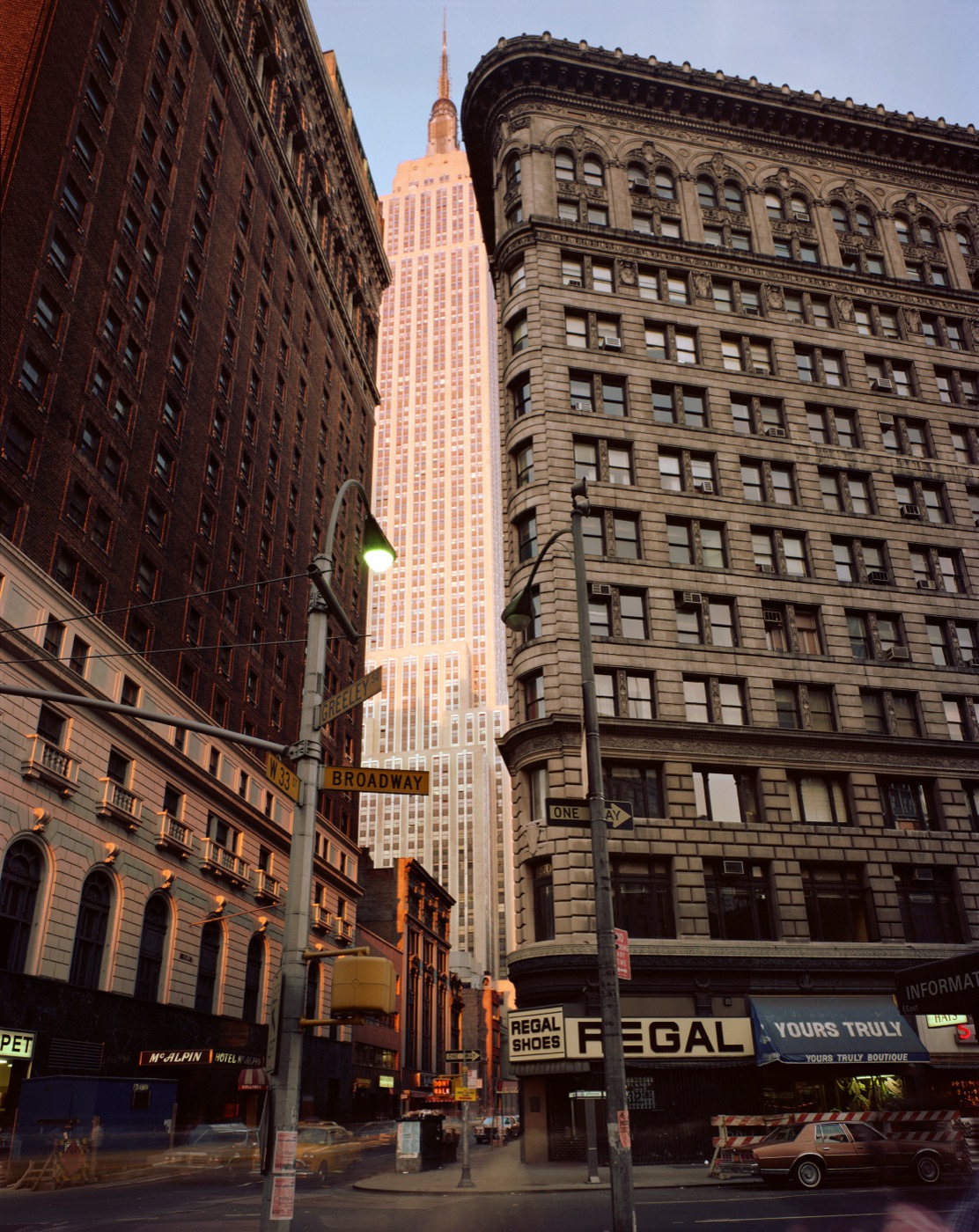 Joel MeyerowitzNew York City, 1978.The Empire State Building is here pinned into the narrow slot between two older masses of masonry, its summit caught in a clear, late wash of sun while everything beneath it cools into shadow.
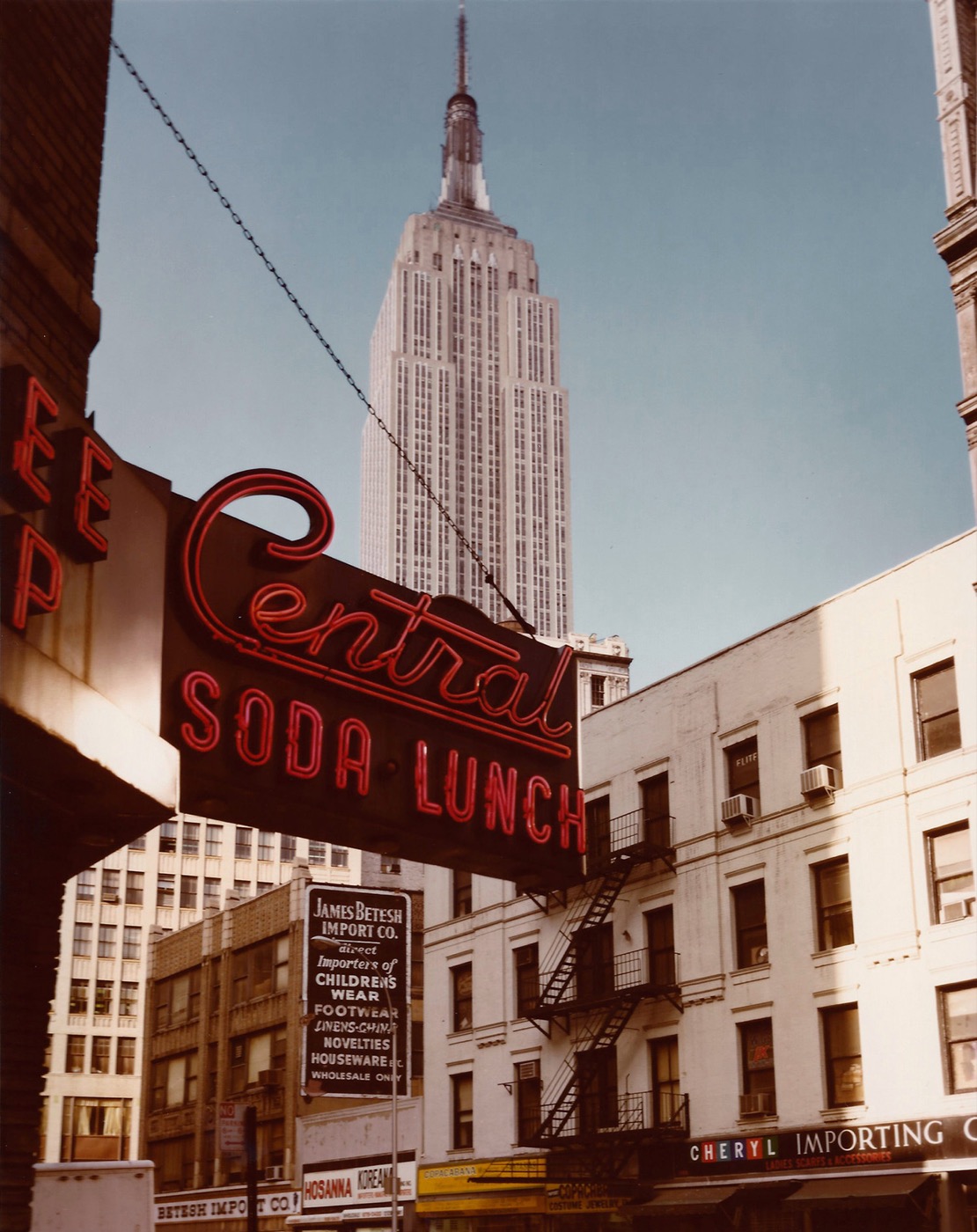 Joel MeyerowitzNew York City, 1978.By 1978 the Empire State Building had long stopped being news; it had become weather, a fact of the sky one walked beneath without raising the head.
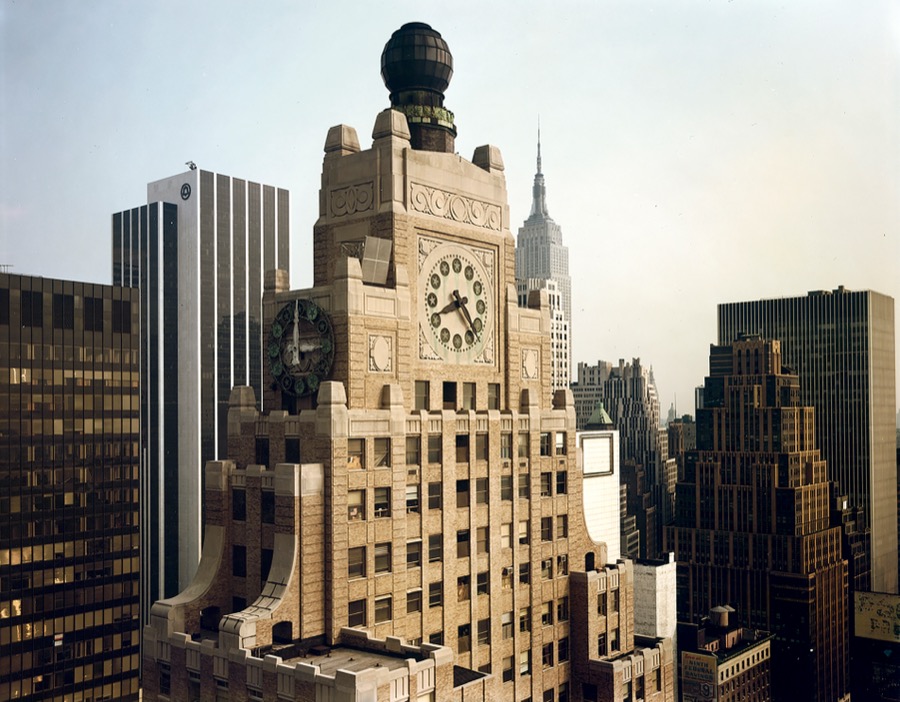 Joel MeyerowitzNew York City, 1978.From high above the street, a tower of pale stone rises through the middle of the frame in stepped setbacks, crowned by a dark globe of glass panes on a copper pedestal streaked with green.
 Joel MeyerowitzSt. Louis, McDonald's, Two Arches, 1978.The franchise had begun to promise that America could taste the same everywhere, and here is its liturgy in enamel: OVER 25 BILLION SERVED, the number recited beneath two golden arches that rise like…
 Joel MeyerowitzSt. Louis, Missouri, 1978.The paint here is a whole vocabulary of wear.
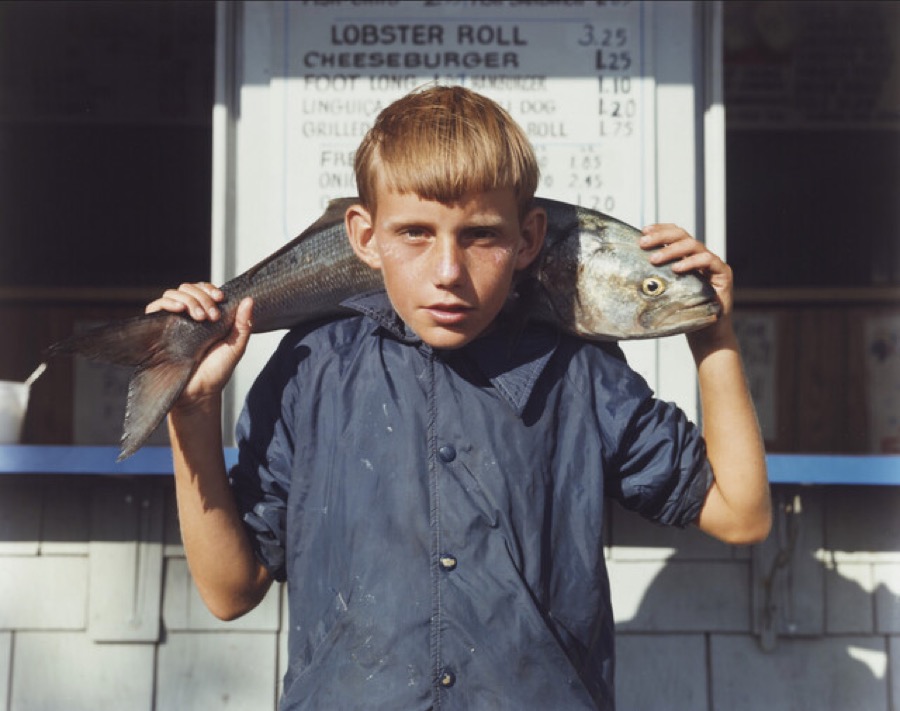 Joel MeyerowitzBoy with a Bluefish, 1980.We never see the water, the boat, or the moment the fish was pulled from the surf; all of that is kept off-frame, behind us or already over.
 Joel MeyerowitzDoorway to the sea, 1982.Every lit interior at dusk is a small promise made to whoever stands outside in the cooling air.
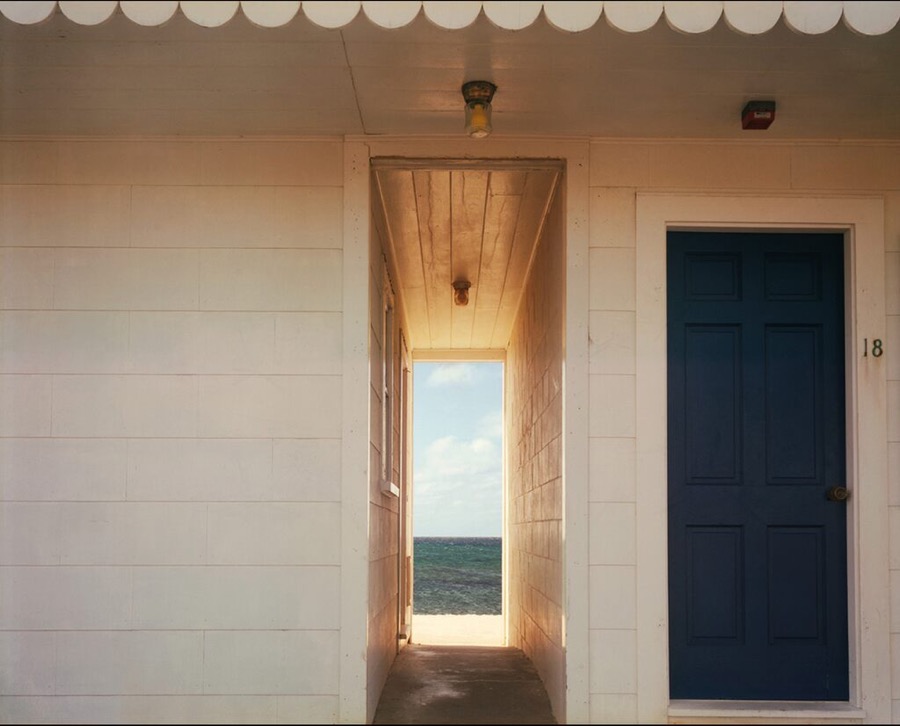 Joel MeyerowitzDoorway to the Sea, Provincetown, 1982.Stand at the front of this Provincetown motel and the architecture does the composing for you: a pale cream facade, a scalloped awning valance running along the top like a paper doily, and a navy…
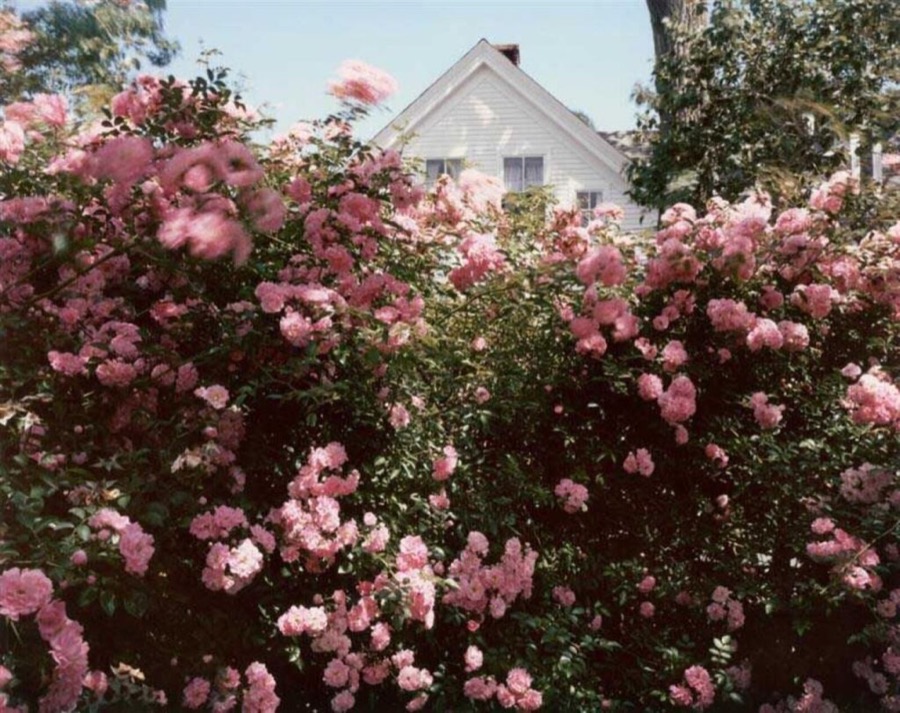 Joel MeyerowitzCape Cod Roses, 1983.How much pink can a photograph carry before it tips into sentiment?
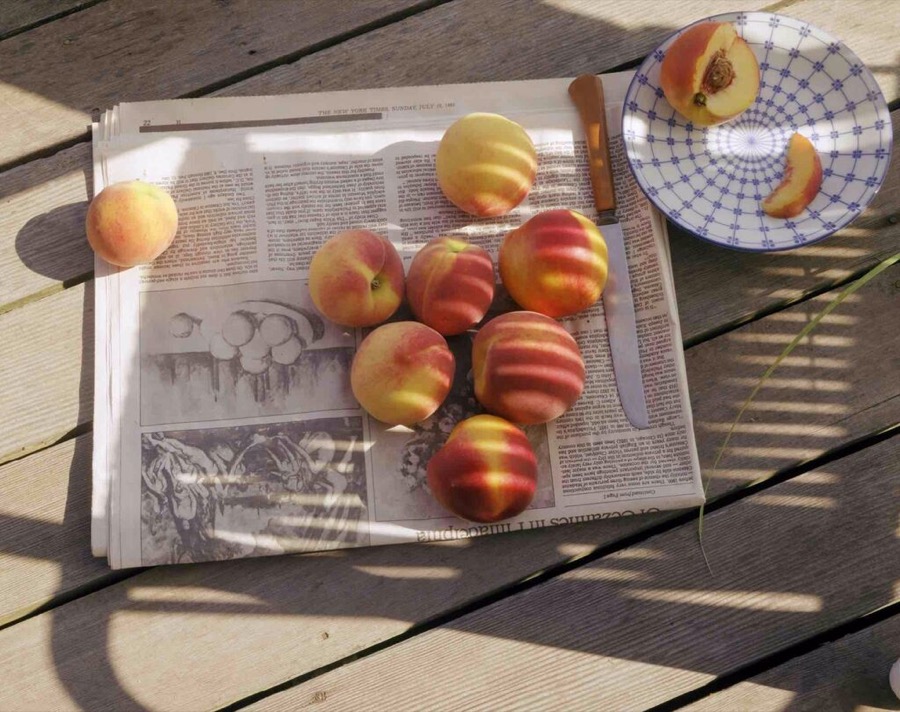 Joel MeyerowitzCape Light, Peaches, Provincetown, Massachusetts, 1983.Someone has laid the afternoon out to be looked at.
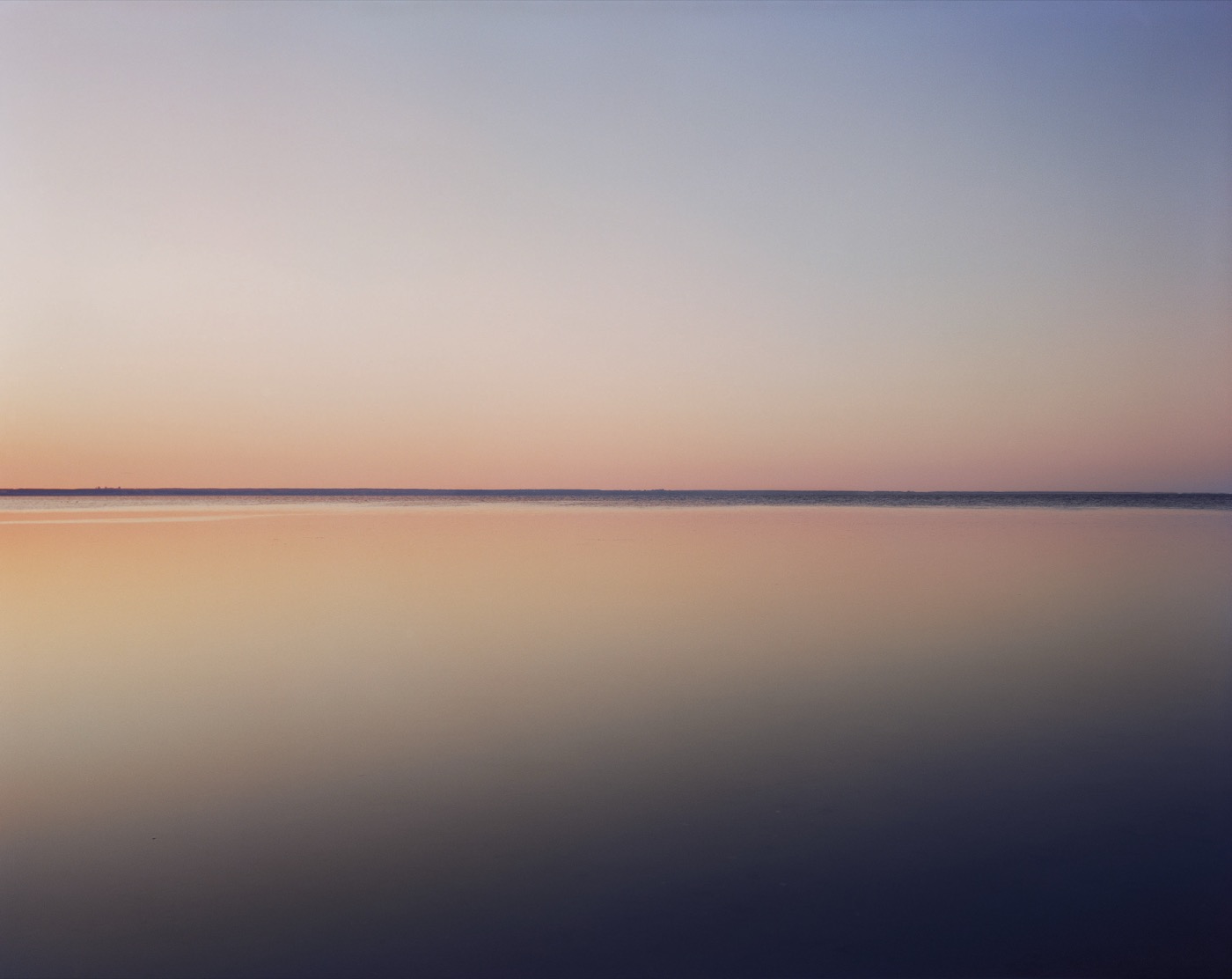 Joel MeyerowitzBay / Sky Provincetown, Massachusetts, 1984.Colour does all the structural work here, and it does so with no edge to lean on.
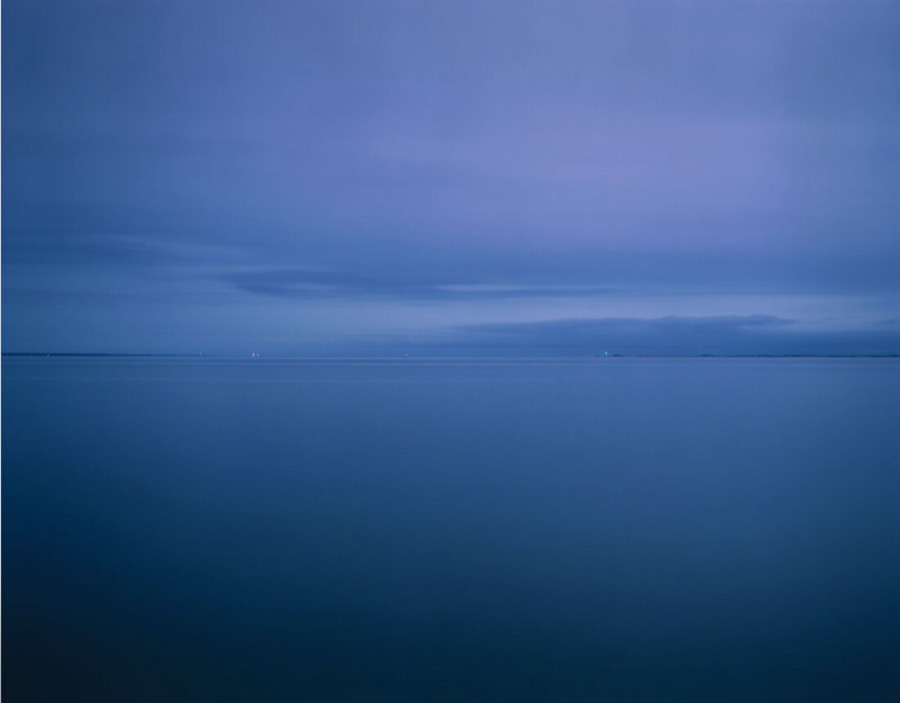 Joel MeyerowitzBay/Sky, Provincetown, Massachusetts, 1984.The horizon sits low, barely a third of the way up the frame, and everything above and below it dissolves into variations of a single blue: violet-tinged cloud banks stacked in the sky, a flat…
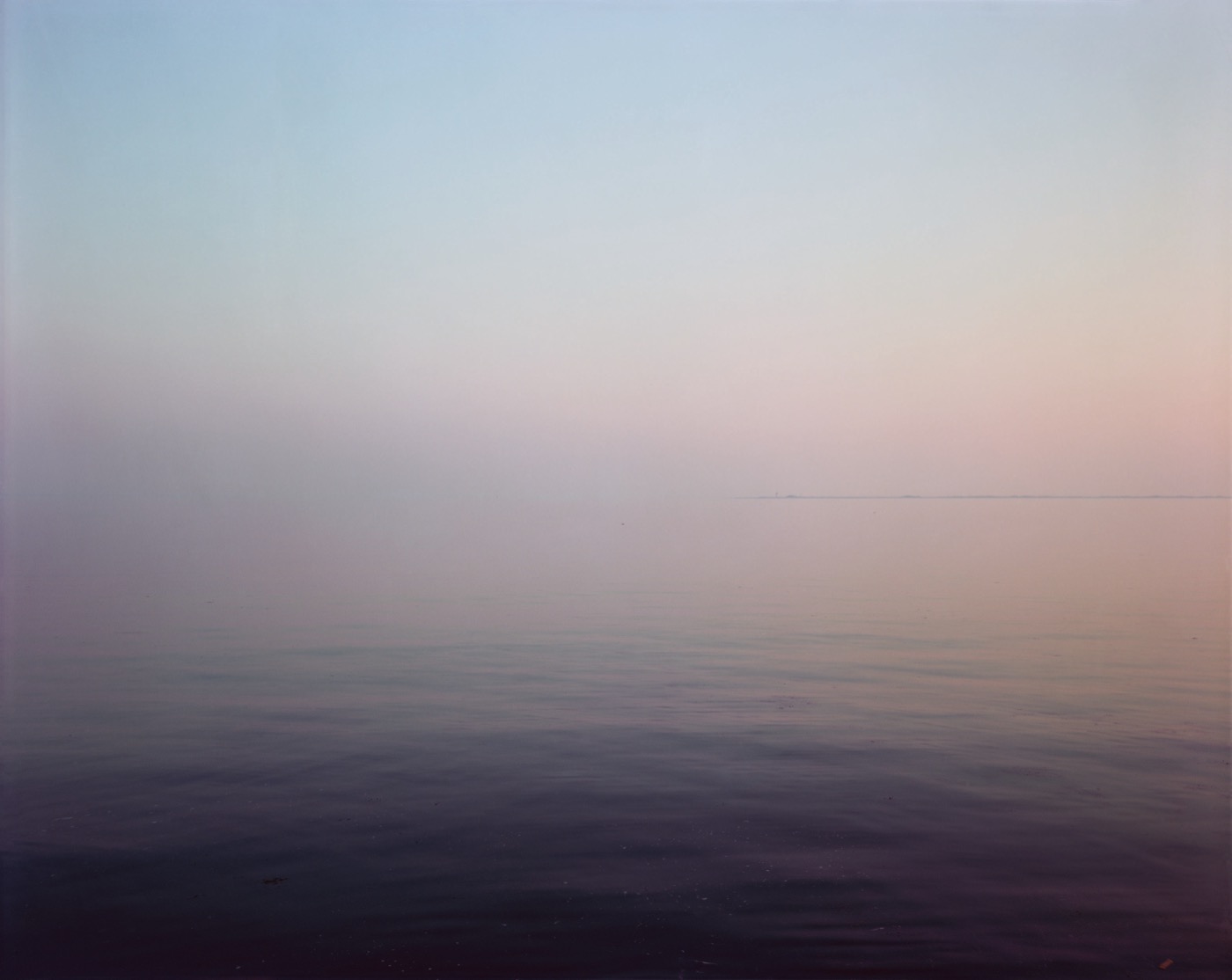 Joel MeyerowitzBay / Sky, Provincetown, Massachusetts, 1985.What this picture withholds is its own subject.
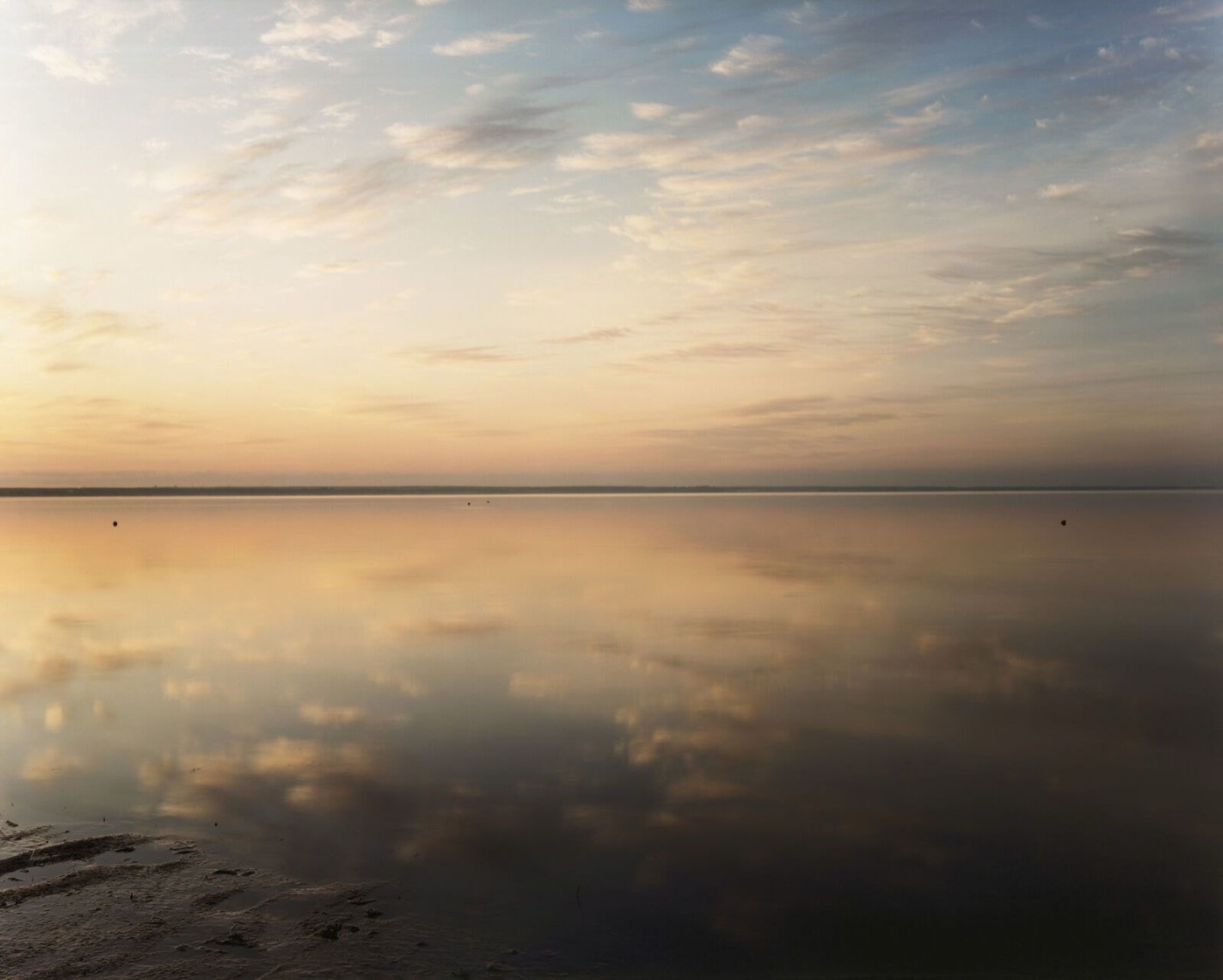 Joel MeyerowitzBay / Sky, Dawn, Provincetown, Massachusetts, 1986.There are mornings so still that the world seems to be holding its breath before consenting to begin.
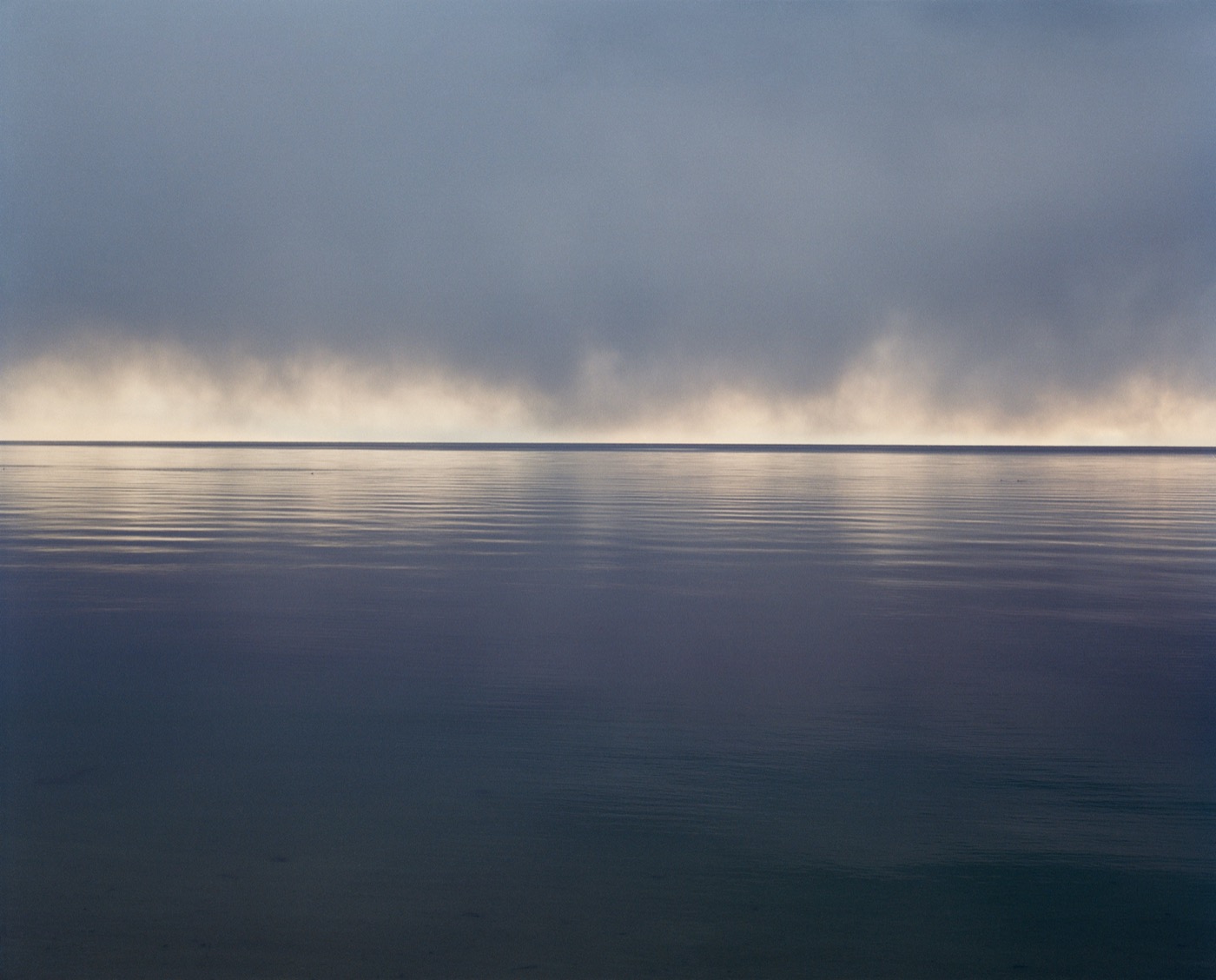 Joel MeyerowitzBay / Sky, Late Afternoon, Lifting Storm, Provincetown, Massachusetts, 1993.In 1976 Joel Meyerowitz set down the Leica he had carried through New York for fifteen years and climbed up to Cape Cod with an old 8x10 Deardorff view camera.
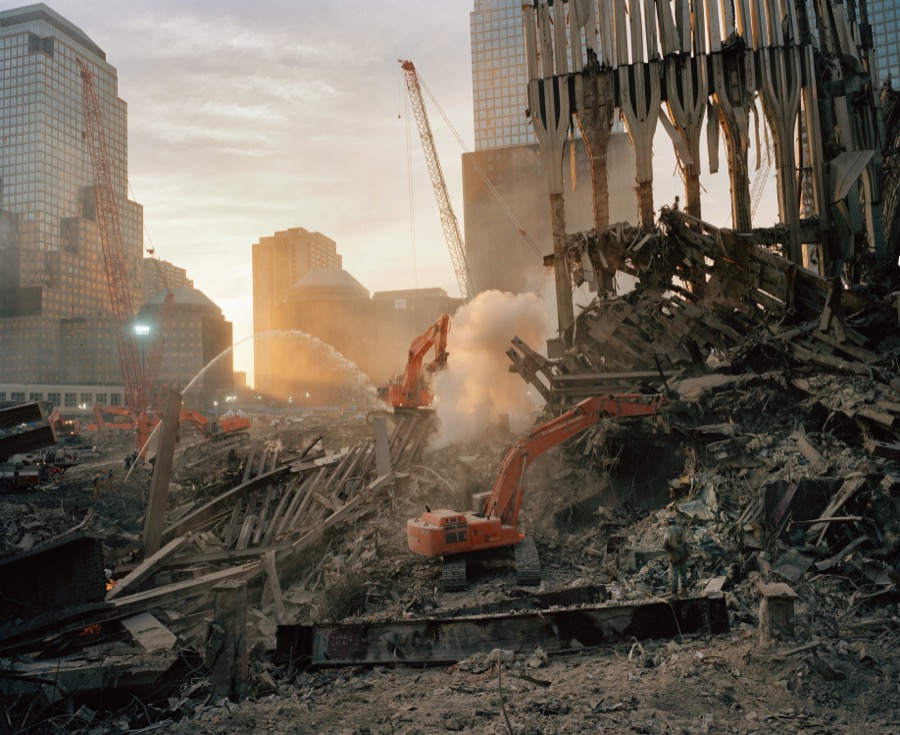 Joel MeyerowitzInside the Pile, Looking West, New York City, 2001.Lower Manhattan, looking west, the ground itself has become a quarry of what stood here.
 Joel MeyerowitzNew York, 2001.Dusk settles over lower Manhattan, and what should be a skyline reads instead as a wound: a mound of blackened debris fills the foreground, its silhouette jagged and low, while behind it a cloud of…
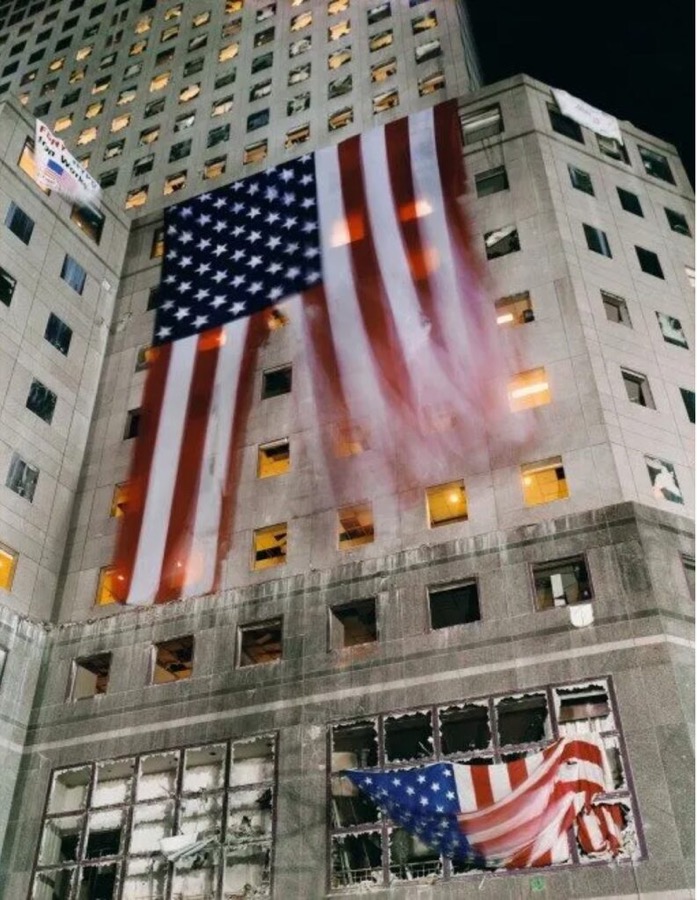 Joel MeyerowitzWorld Trade Center, 2001.Low in the frame, wedged into a row of blown-out windows, a second flag hangs torn and soot-darkened, far smaller than the great banner above it and easy to miss.
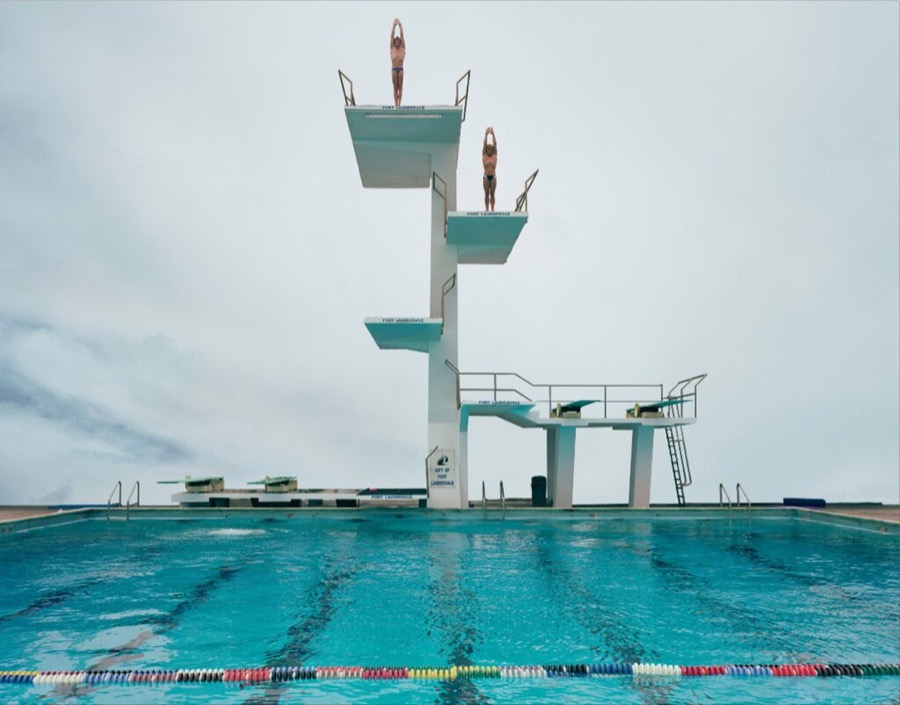 Joel MeyerowitzThe Elements: Air/Water, 2007.Aqua and chalk: the whole picture lives between the turquoise of the pool and the milky grey of an overcast sky that has all but erased the horizon.
 Joel MeyerowitzThe Elements: Air/Water 24 (Rising Diver - Male), 2007.Rising, breaking, climbing the blue — a body has just torn upward out of the water and the photograph keeps it suspended there, half made of flesh and half made of foam.
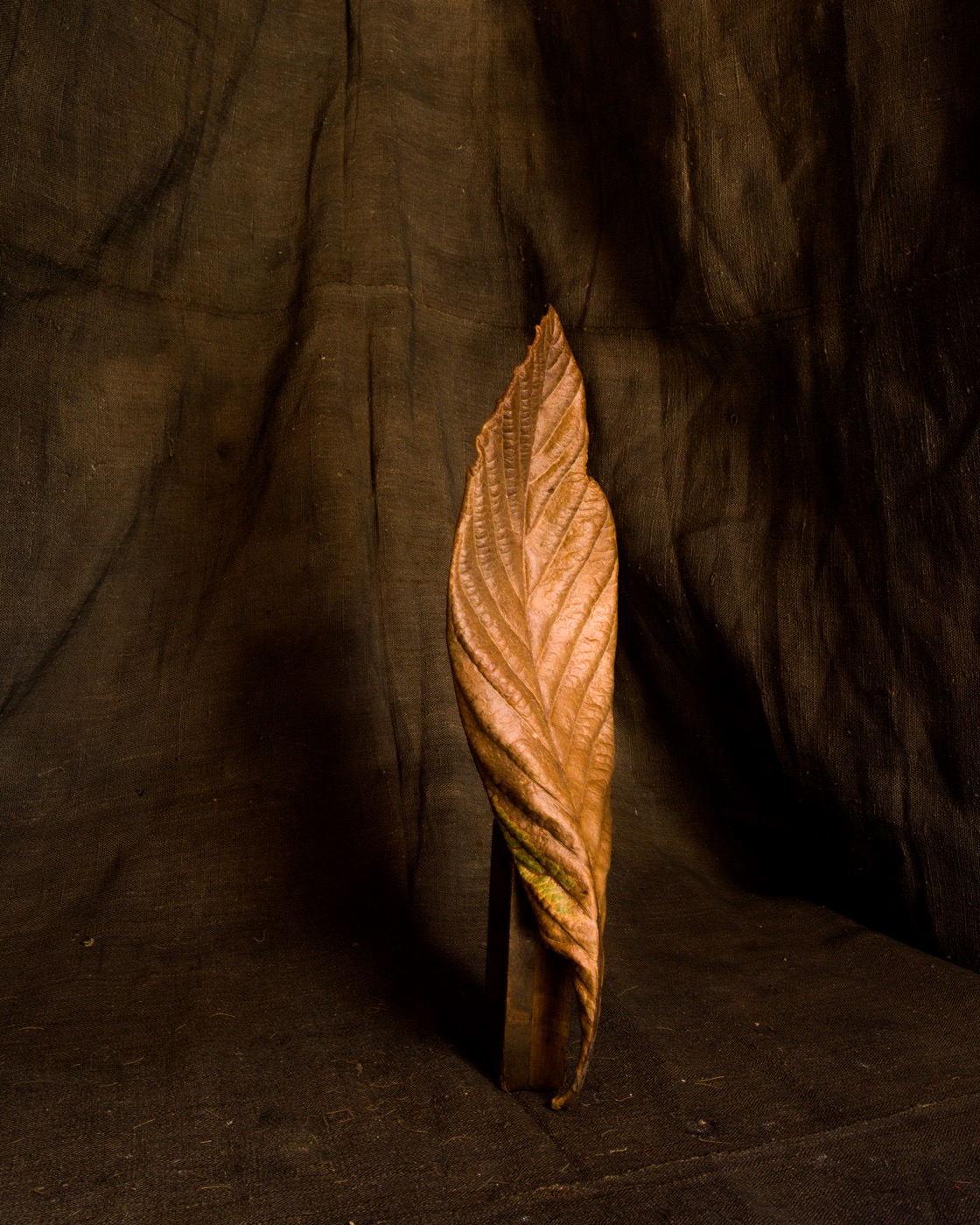 Joel MeyerowitzTeatrino, 2012.The thing leans. That's what gets me first — the leaf hasn't been pinned or floated or pressed flat under glass, it's been stood up on its own dried stem and tilted ever so slightly back against the…
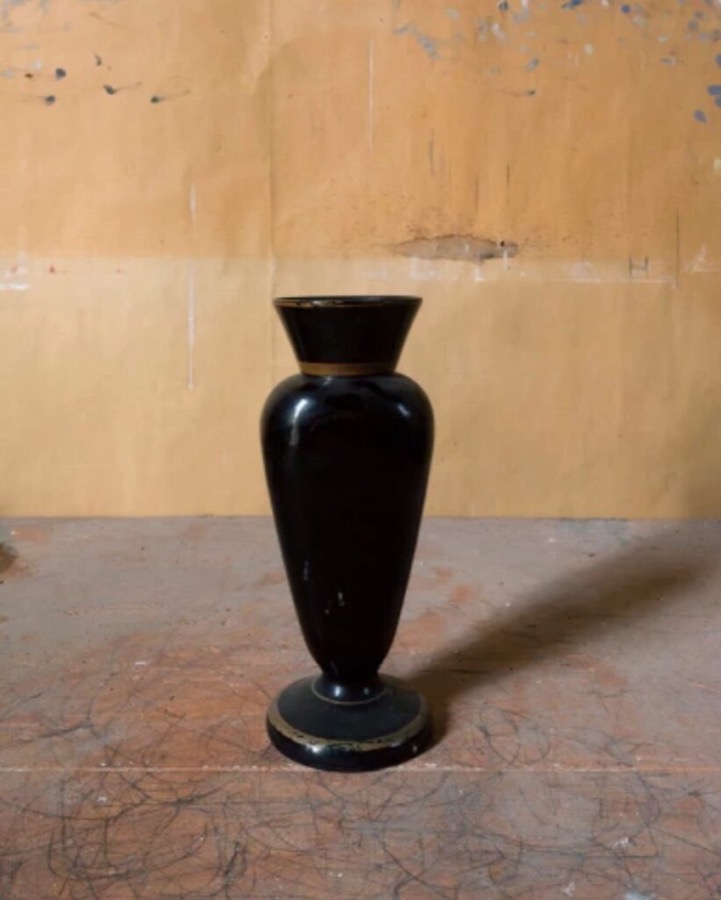 Joel MeyerowitzMorandi's Objects, 2015.In this room the light is the weather of a painter’s mind: soft, sourceless, falling from the left just enough to lay a faint shadow of the vase across the table and no more.
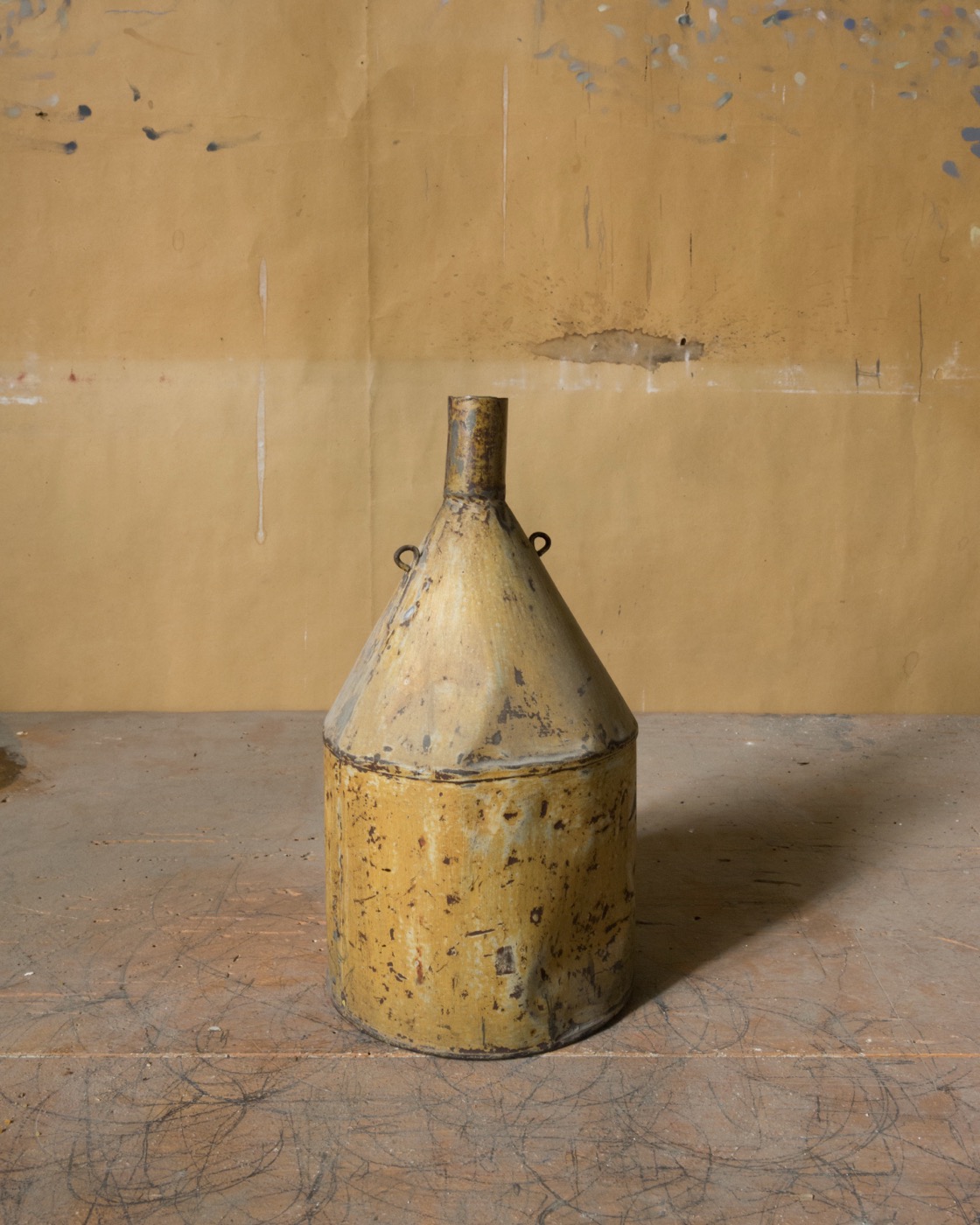
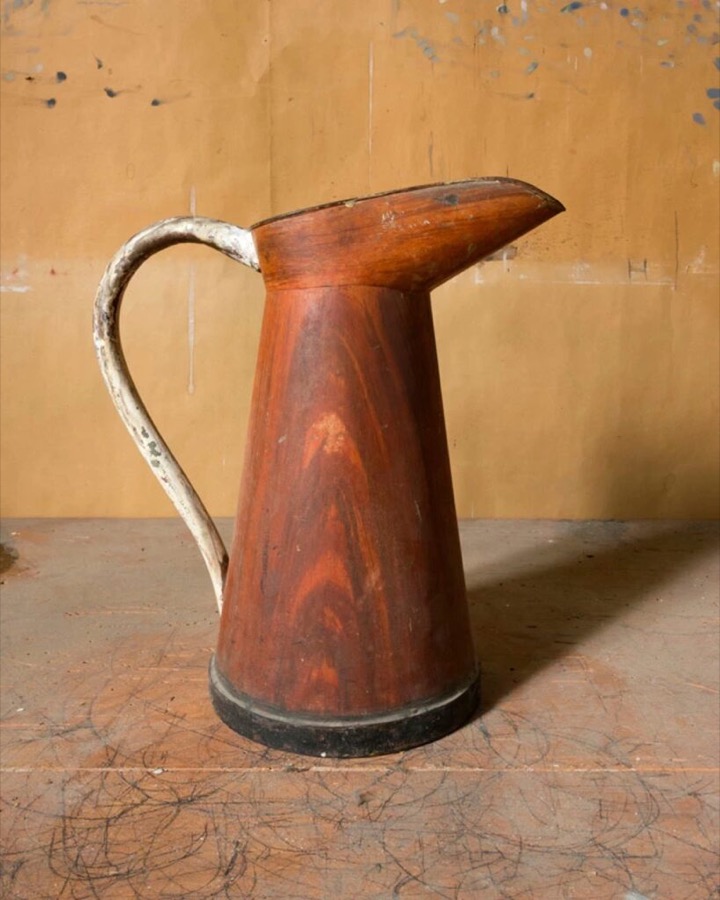 Joel MeyerowitzMorandi's Objects, 2015.A tall jug stands alone on a scarred table against an ochre wall.
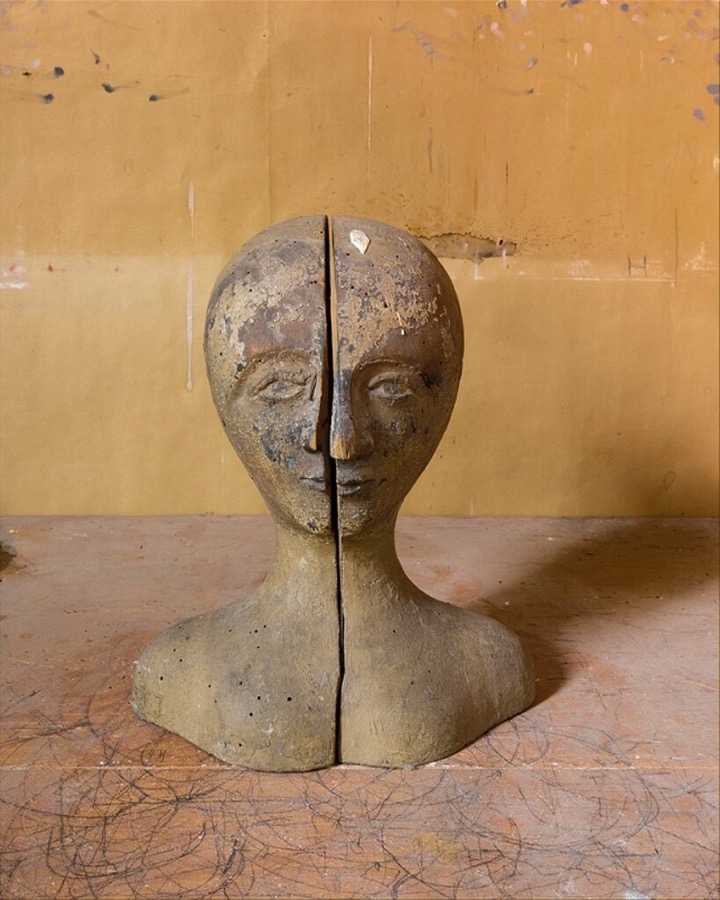 Joel MeyerowitzMorandi's Objects, 2015.A head modelled in pale clay sits on the table facing us: a smooth cranium, shallow eyes, a small closed mouth, a bust ending in a rounded shelf of shoulders.
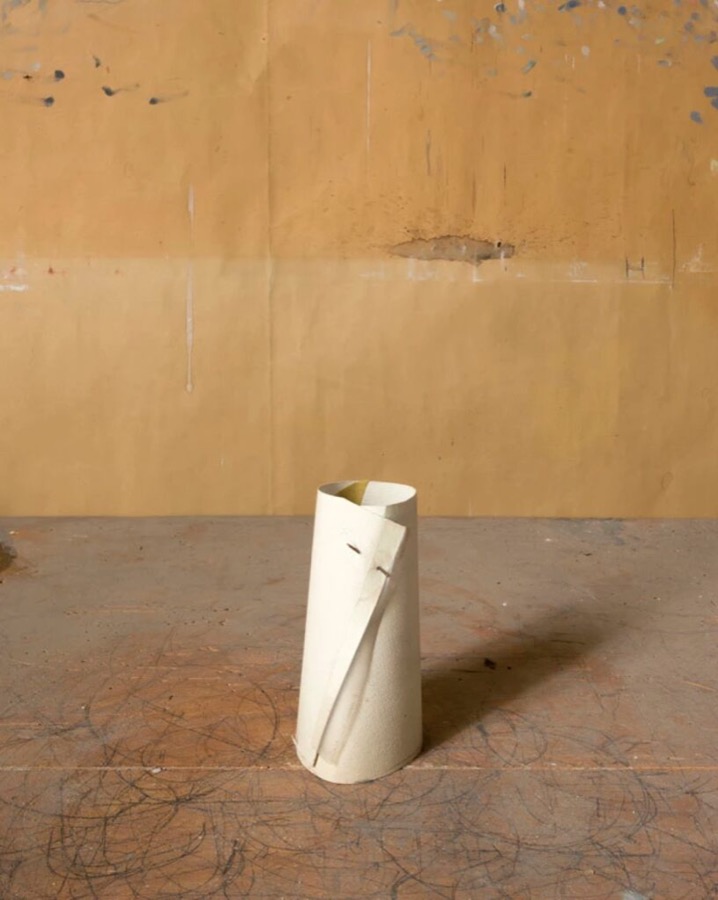 Joel MeyerowitzMorandi's Objects, 2015.A small cream-coloured vessel stands near the bottom of an otherwise empty frame.
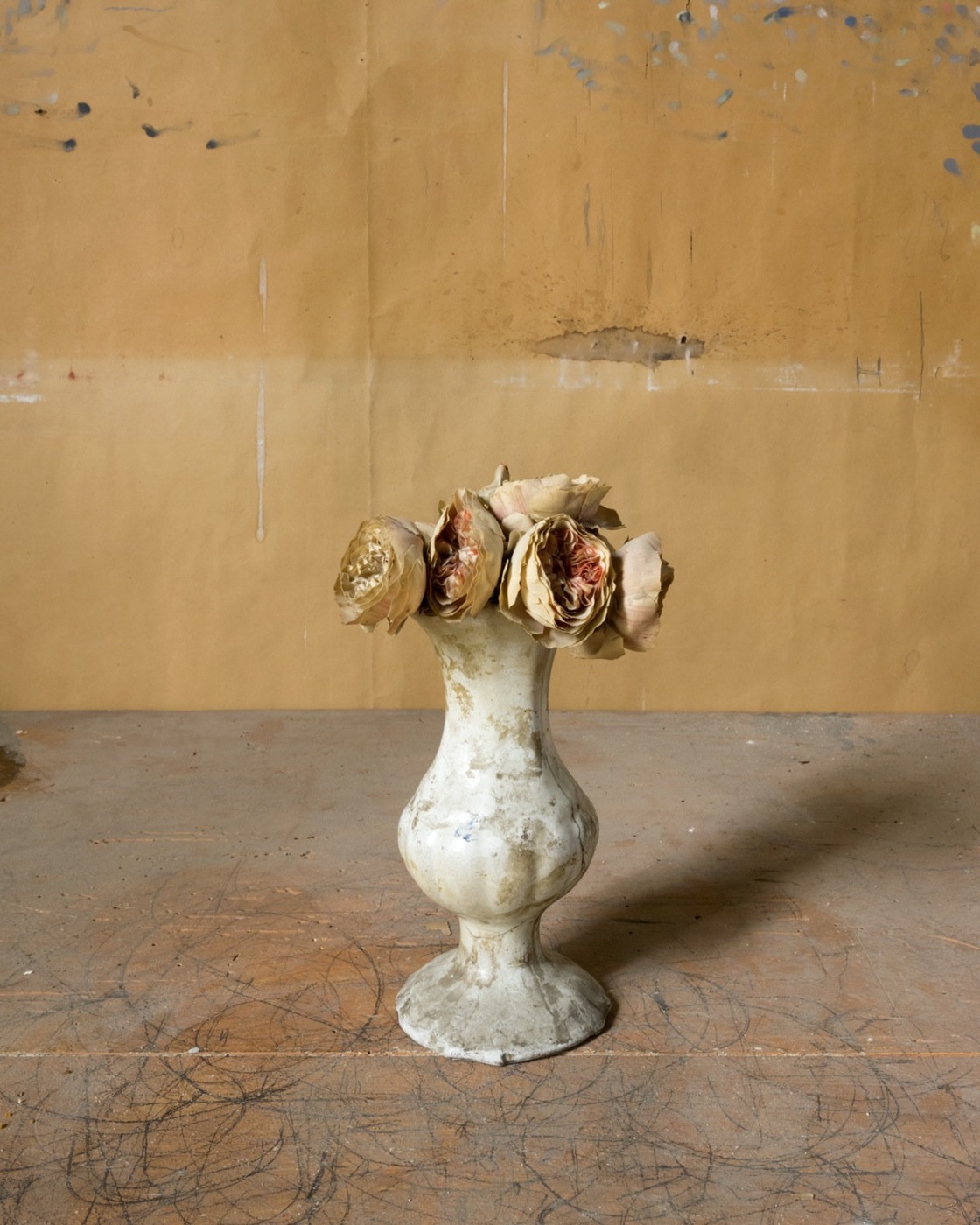 Joel MeyerowitzMorandi's Objects, Flowers in Vase, 2015.What is a photograph obliged to keep? Here the answer is the tabletop, covered in faint pencil arcs, the loops a hand made marking where things had stood, and the camera reads them as plainly as it…
 Joel MeyerowitzMorandi's Objects, The Last Object, 2015.What does it mean to call an object the last one?
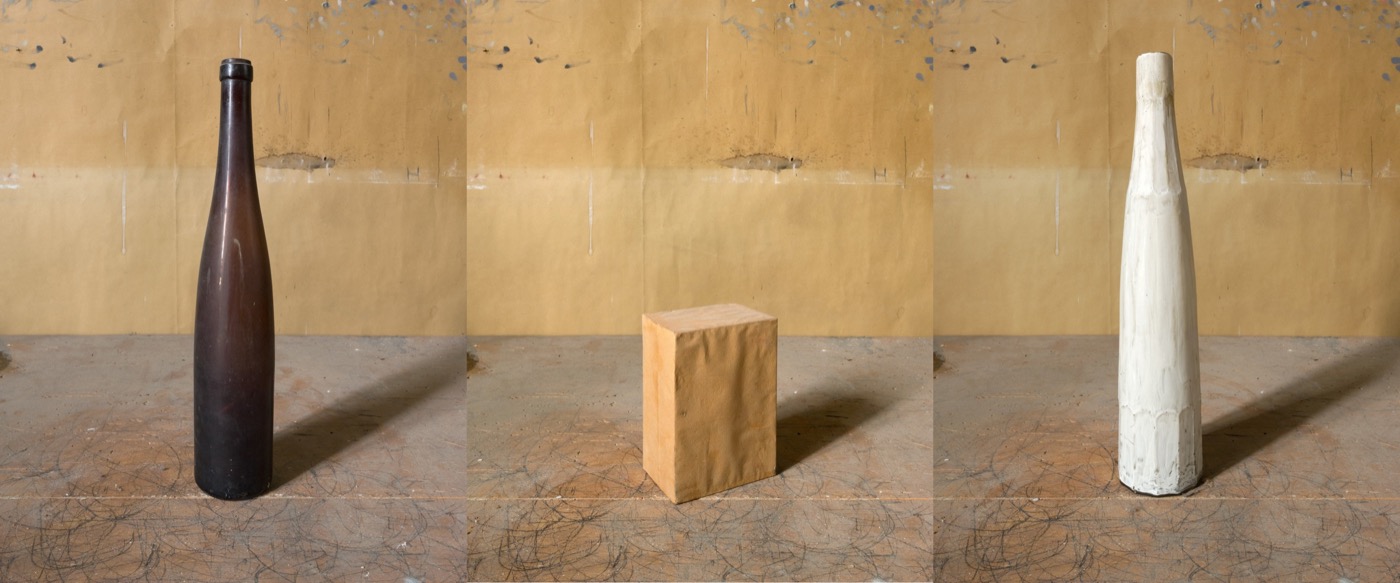 Joel MeyerowitzMorandi's Objects, Triptych One, 2015.Set this beside Morandi's own paintings and the lineage is plain — and plainly mischievous.
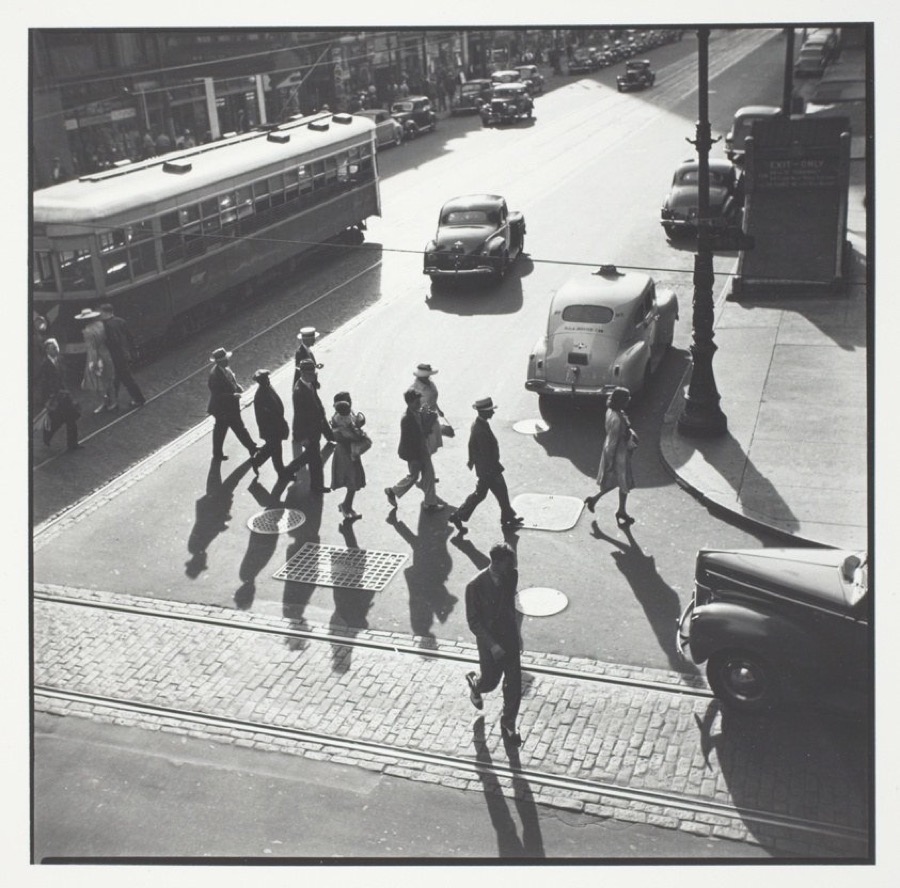 Louis FaurerPhiladelphia, 1937.Faurer made this picture from above, and the elevation changes everything.
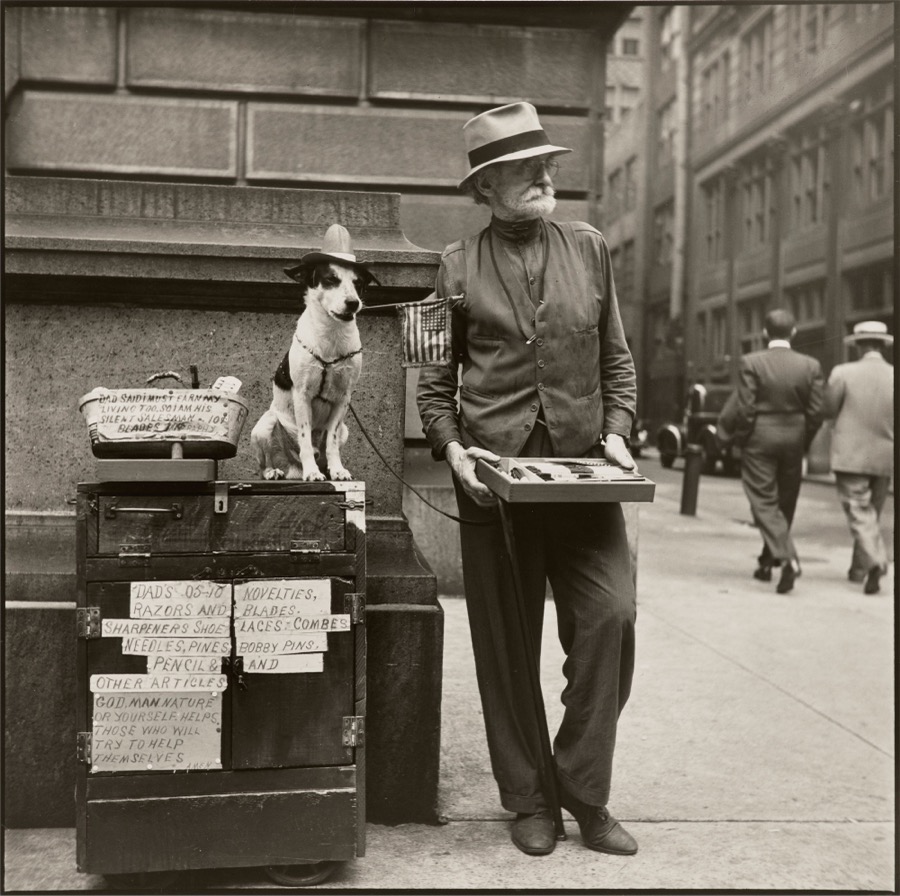 Louis FaurerSilent Salesman, Philadelphia, 1937.On a Philadelphia sidewalk, against the cut stone of some bank or courthouse, an old man has set up his entire economy: a battered trunk lettered by hand with the goods he sells—razors, blades…
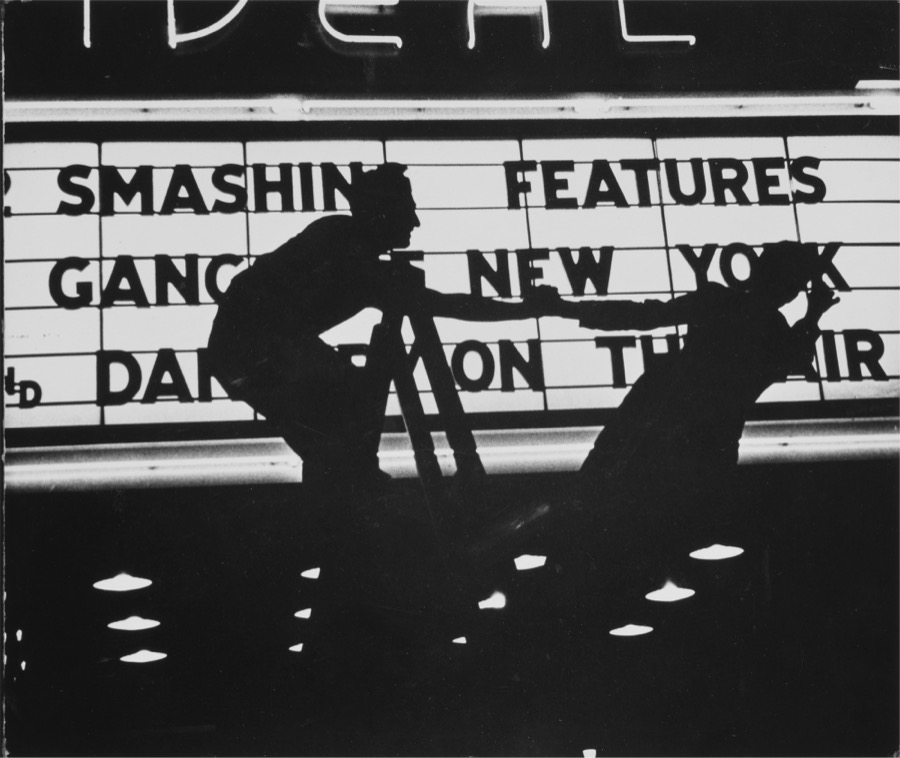 Louis FaurerIdeal Theatre, Philadelphia, 1938.Reaching across the lit grid of the marquee, two silhouettes pass a letter between them, hand to hand, as if completing a word the spectator will never finish reading.
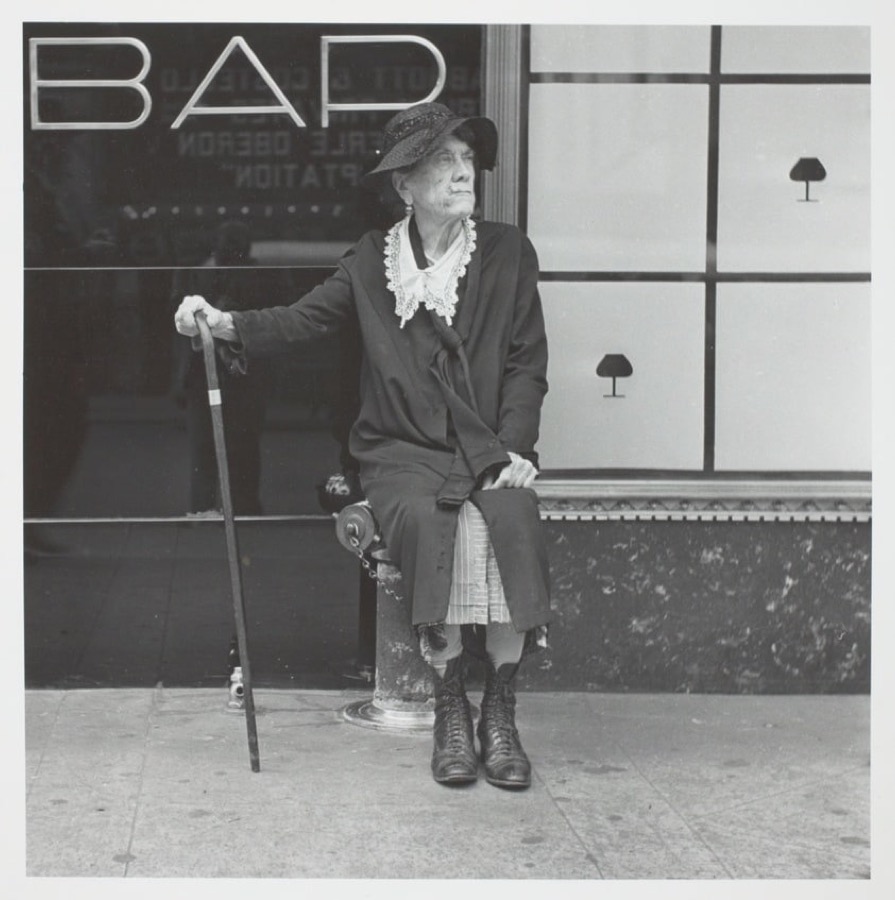 Louis FaurerLongchamps Restaurant, 42nd and Lexington Avenue, New York City, 1946.The greys here behave like nothing the eye expects of a city street.
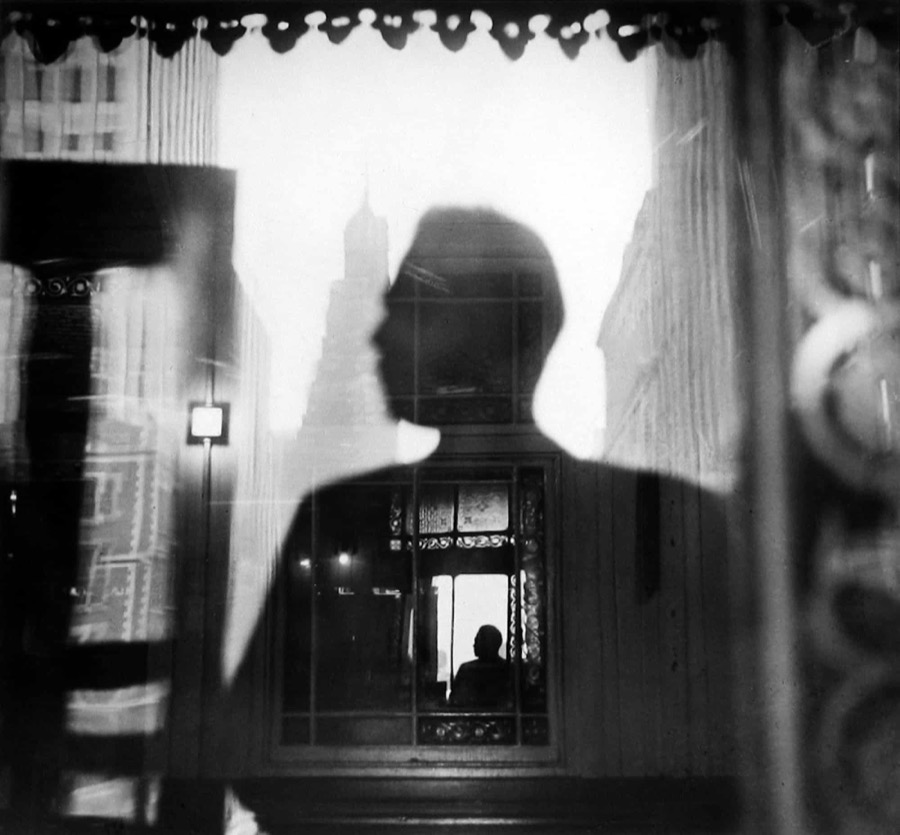 Louis FaurerSelf-portrait, 42nd Street and 3rd Avenue El Station Looking Toward Tudor City, New York, 1946.His own face is the thing he refuses to give us.
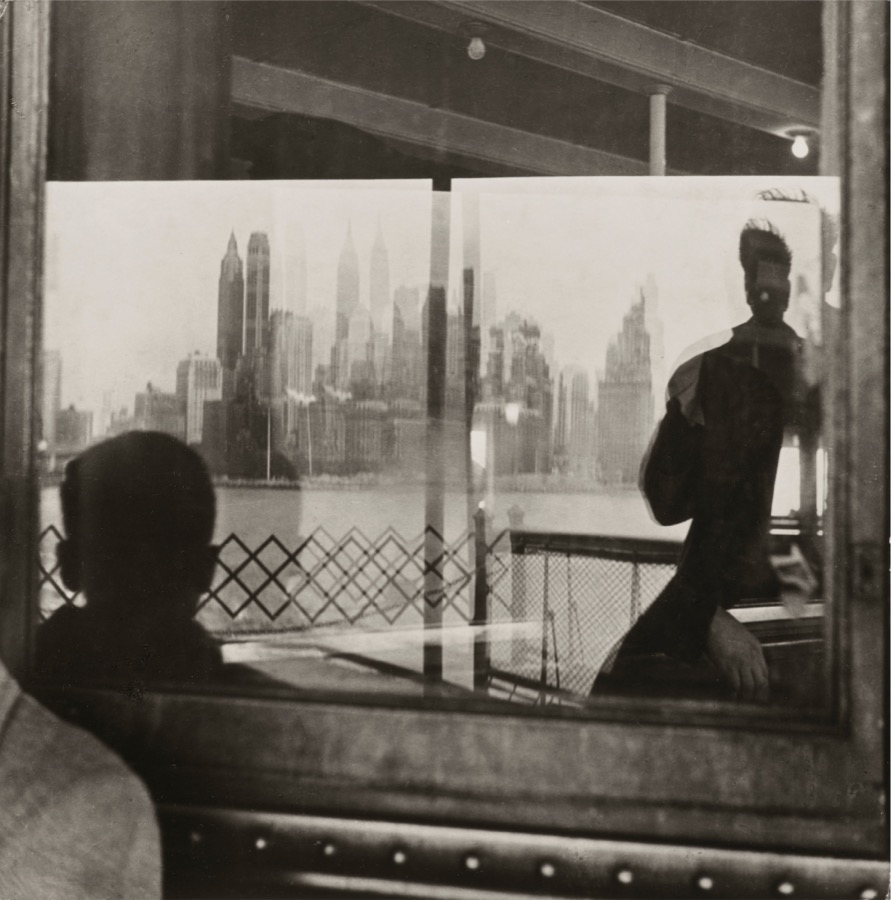 Louis FaurerStaten Island Ferry, New York, 1946.How many pictures are folded into this one?
 Louis Faurer14th Street, Horn & Hardart, New York City, 1947.What is the young man in the leather jacket protecting himself from?
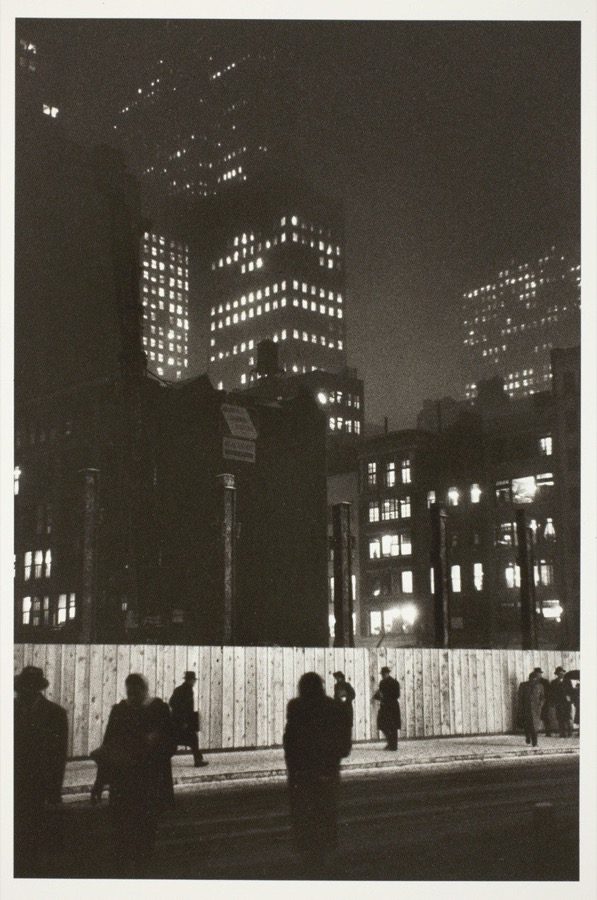 Louis FaurerNew York City, 1947.Stieglitz turned this same Manhattan skyline into a hushed cathedral; Faurer drags the night picture back down into the street, into the body.
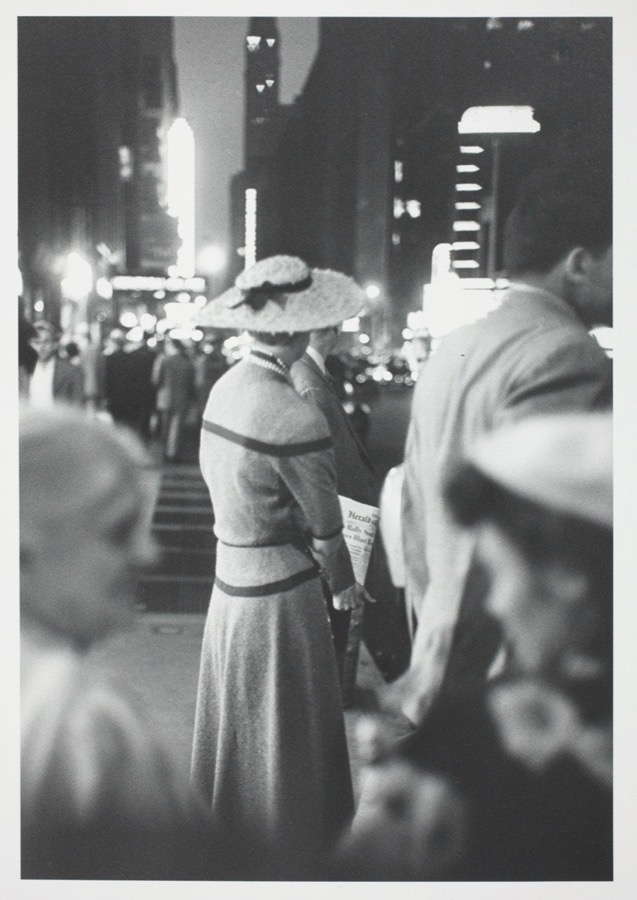 Louis FaurerNew York City, 1947.Midtown at night, the marquees burning, a woman pauses at the centre of a crowd that will not hold still for her.
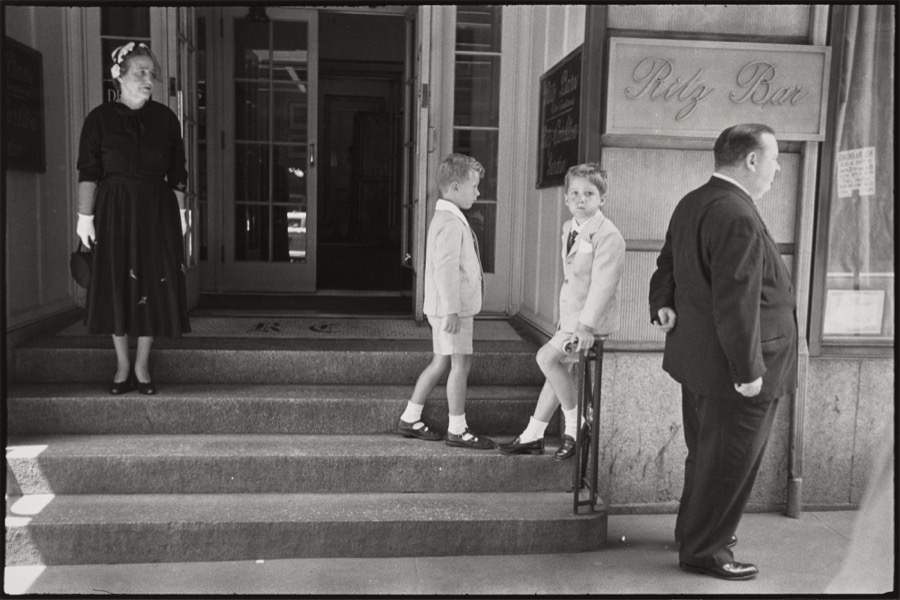 Louis FaurerNew York City, 1947.Postwar New York, 1947, in its uniform of decorum: outside the Ritz Bar, on broad stone steps, a small ceremony of class and childhood plays itself out for Faurer's camera.
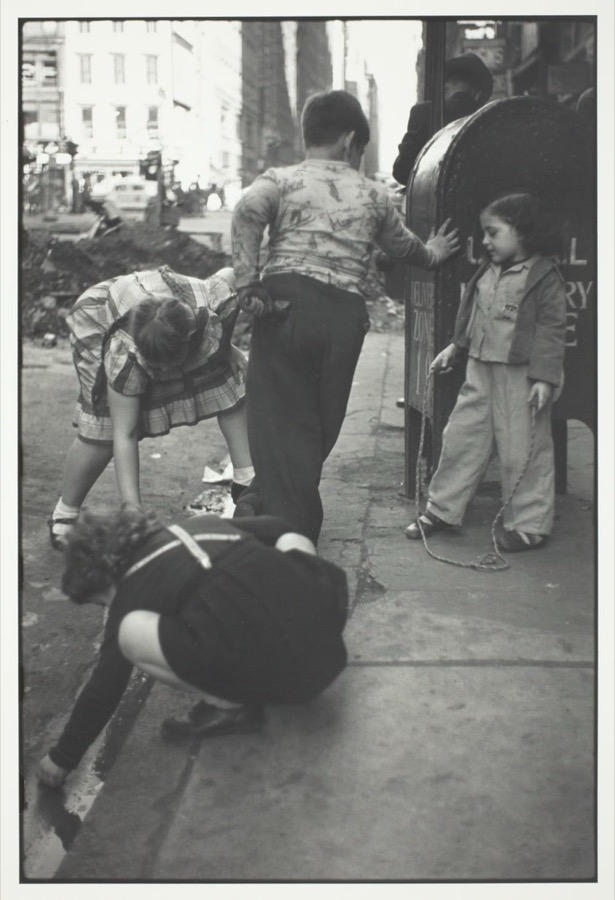 Louis FaurerPlayground, New York City, 1947.Four children improvise a playground out of a torn-up midtown block, stooping and reaching across the bare pavement.
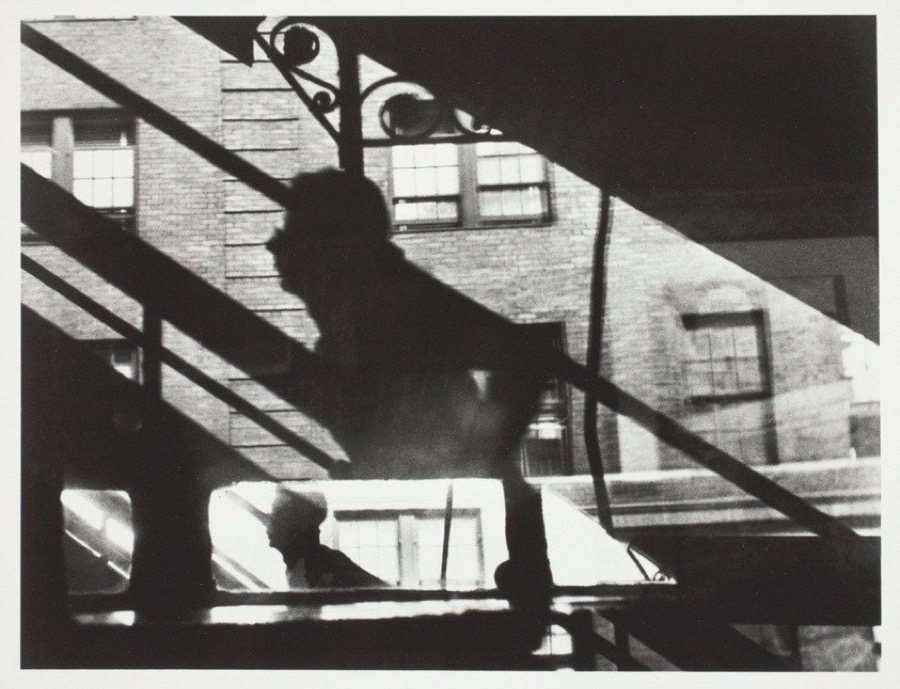 Louis FaurerWin, Place, and Show (3rd Avenue El), New York City, 1947.A photograph can be staged without a studio, and Faurer proves it here by treating a tenement backyard as a set already built for him.
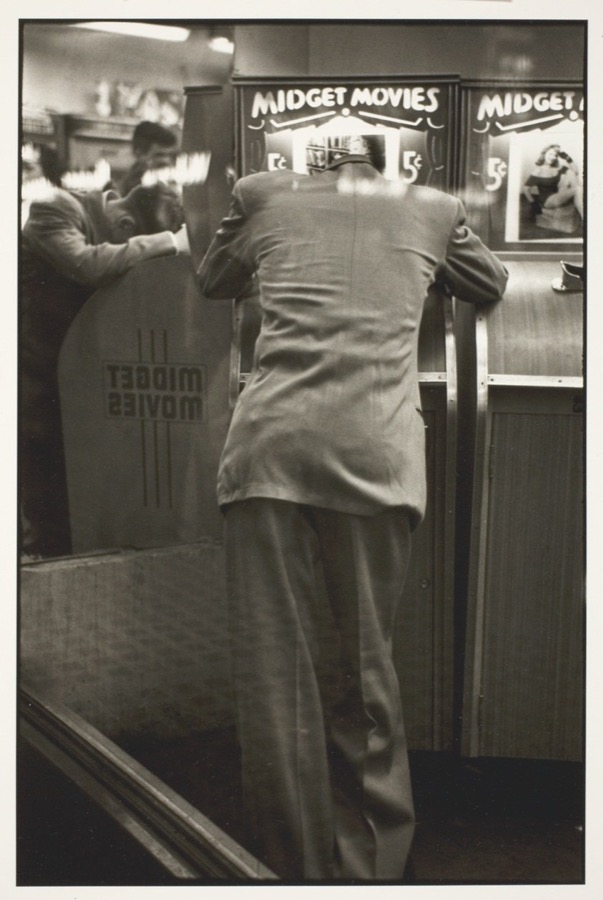 Louis Faurer42nd Street, New York City, 1948.Why would a grown man surrender his head to a coin-fed box on 42nd Street?
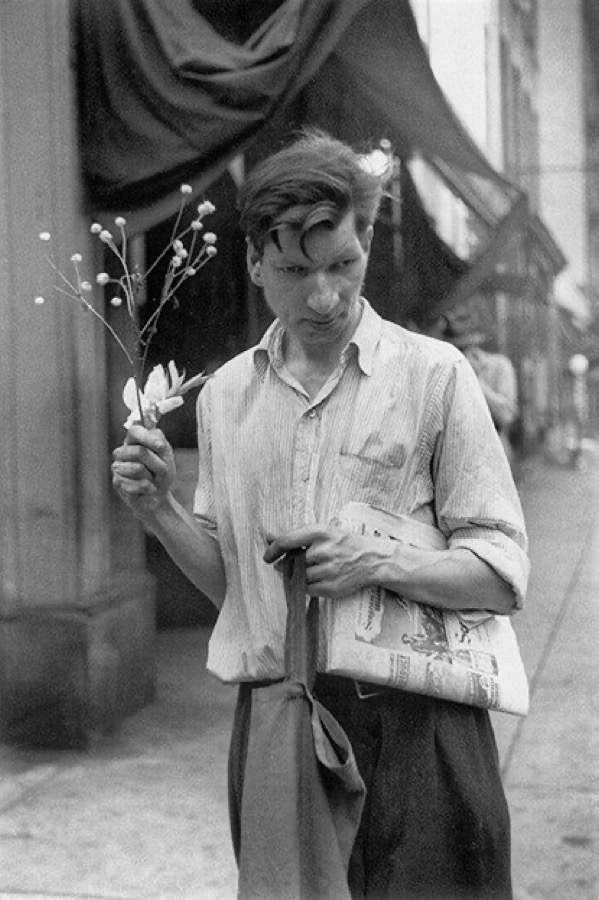 Louis FaurerEddie, New York City, 1948.A man can hold tenderness and ruin in the same two hands.
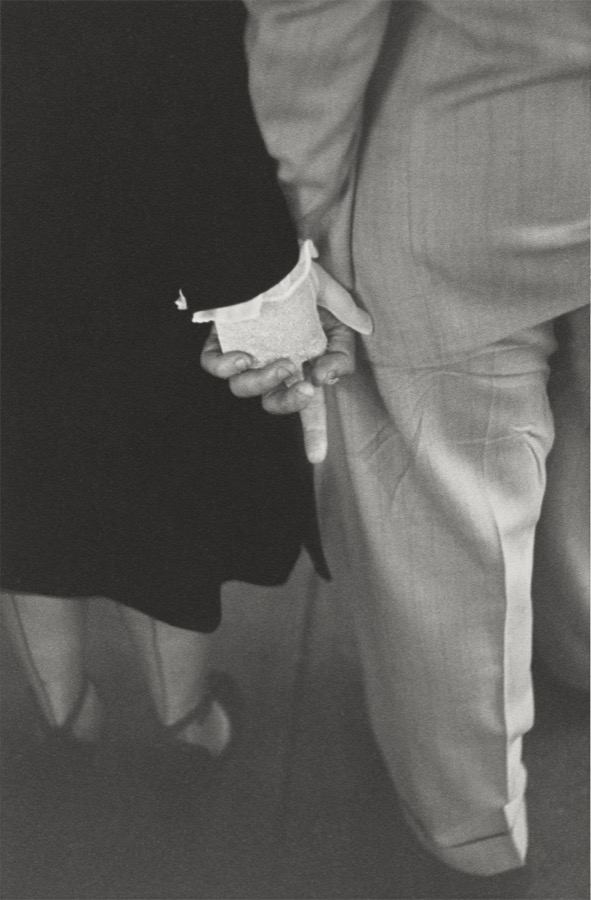 Louis FaurerFreudian Hand Clasp, New York City, 1948.Smooth pale gabardine, the nap of a man's summer trousers, fills the right half of the frame and catches the light along each crease and pleat.
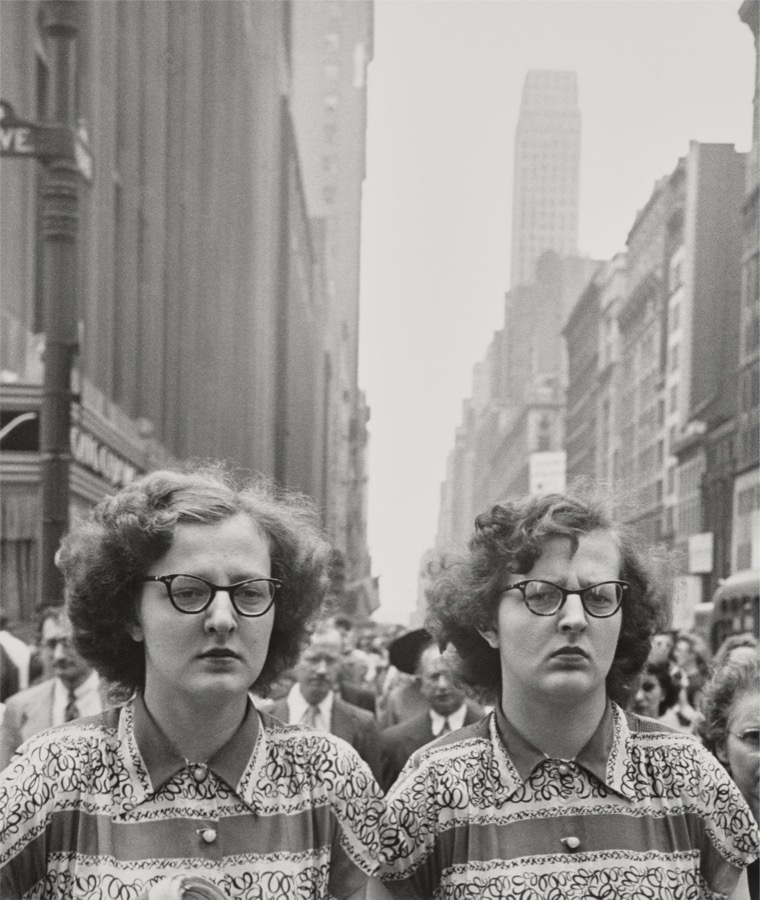 Louis FaurerNew York City, 1948.Whether they dressed alike on purpose is the one thing the two women refuse to give up.
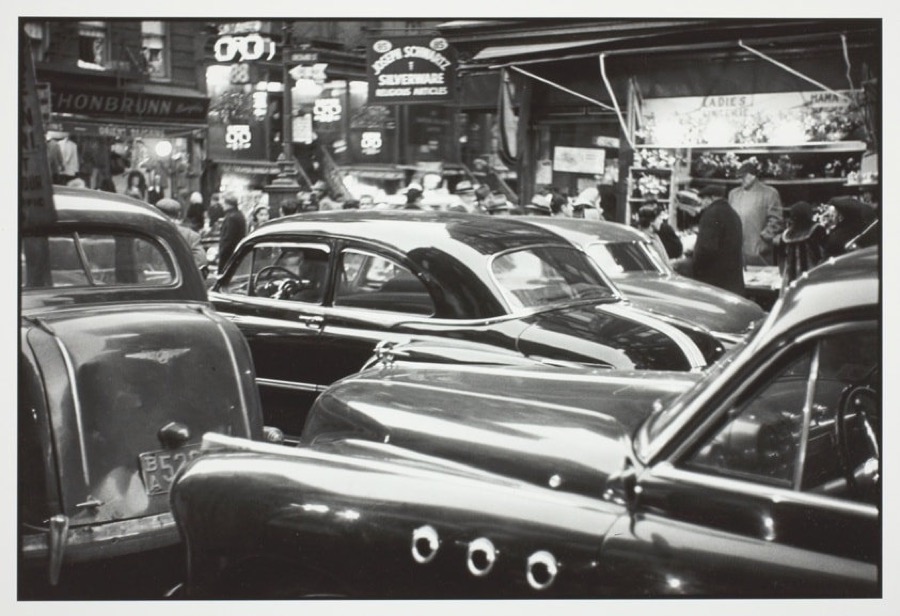 Louis FaurerOrchard Street, New York City, 1948.Set this beside the orderly street pictures of the period and it refuses their good manners.
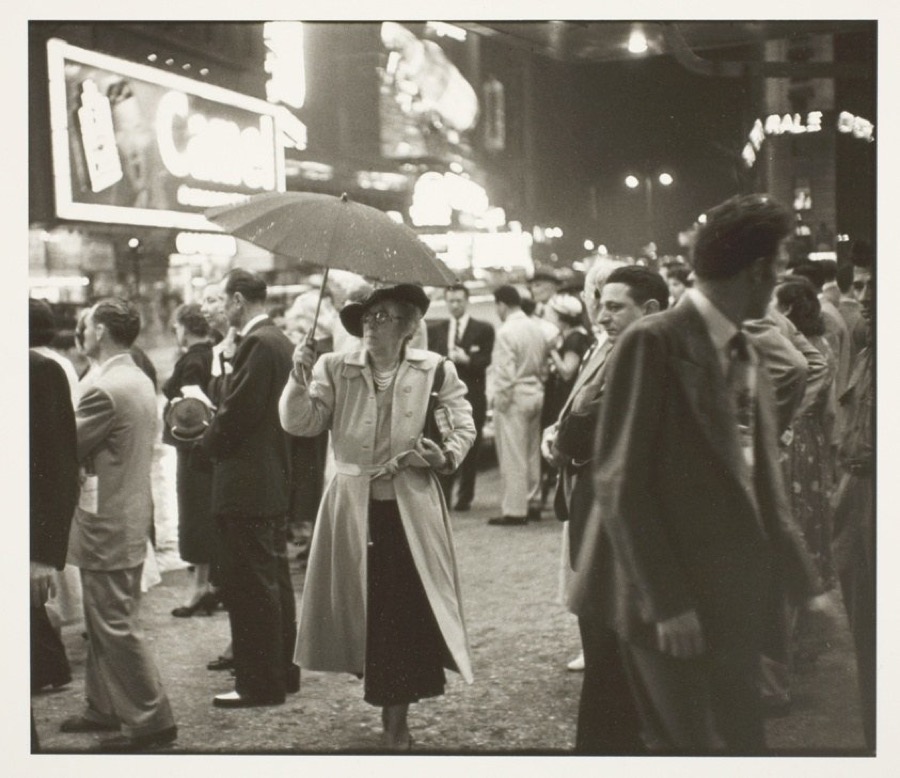 Louis FaurerTimes Square, New York, NY, 1948.Times Square at night, and Faurer drops us into the thick of it, shoulder to shoulder, the way you actually move through that crowd—jostled, half-turned, never given a clean line of sight.
 Louis FaurerUnion Square, New York City, 1948.Looking down, through a rain-streaked pane and the slatted reflection of an awning, Faurer turns the act of watching into the picture's whole proposition.
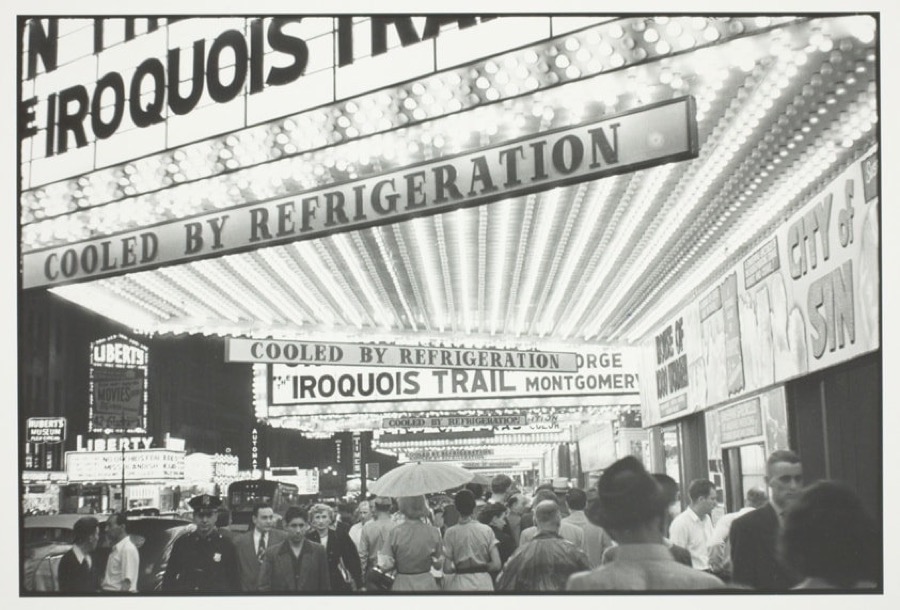 Louis FaurerIndian Summer New York City, 1949.What the marquee will not say, it repeats: COOLED BY REFRIGERATION, twice, three times, banner after banner, while the films themselves — IROQUOIS TRAIL, CITY OF SIN, a blur of LIBERTY — recede to…
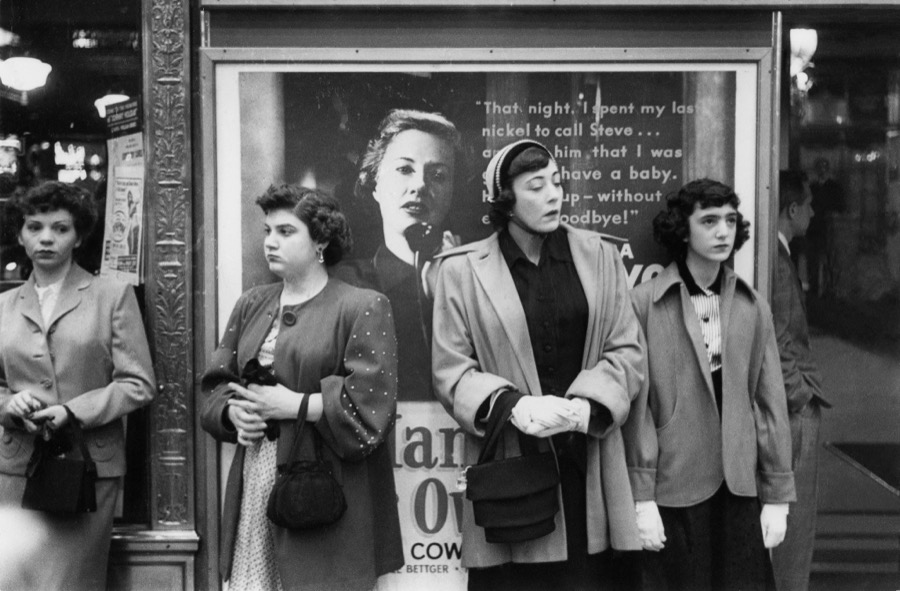 Louis FaurerNew York City, NY, (women in front of billboard), 1949.Waiting is what their bodies are doing — four women standing in a row against a lit theatre lobby in 1949, handbags clasped at the waist, faces turned in four different directions, none of them at…
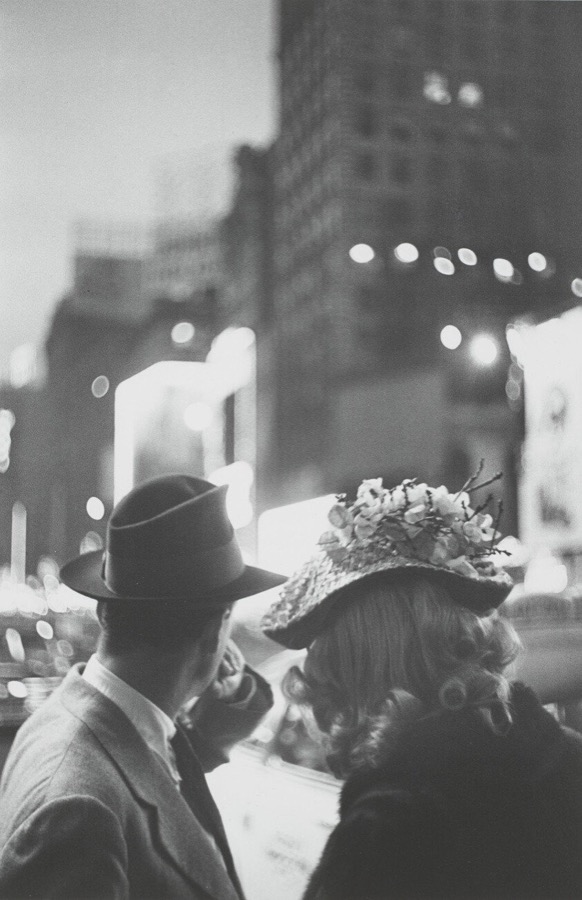 Louis FaurerNew York, New York, 1949.Somewhere in midtown, at night, two people stand close together with their backs to us.
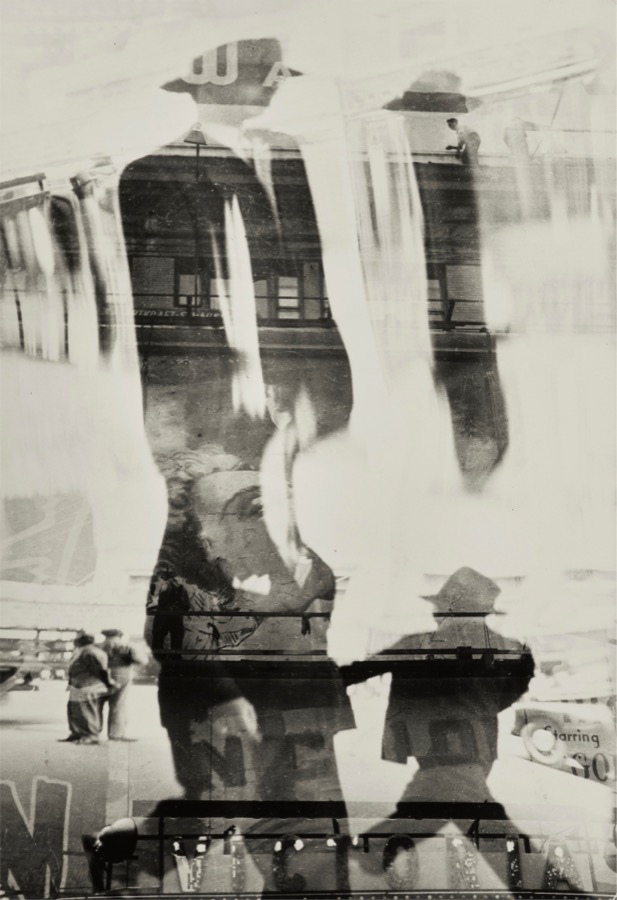 Louis FaurerRat Race, New York City, 1949.Several frames are pressed into a single negative here, the method Faurer turned to in 1949 once he had begun to distrust the lone, legible exposure as a way of recording a crowded, commercial city.
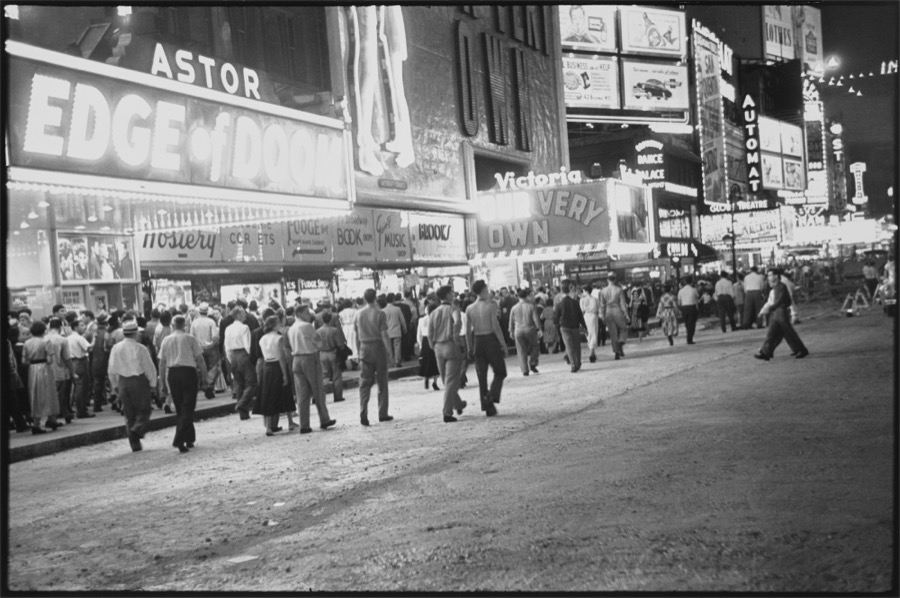 Louis FaurerRepaving Times Square, New York City, 1949.Gravel and broken asphalt fill the entire foreground, a torn dark field of rubble where Times Square is being repaved, and above it the marquees burn white—ASTOR, EDGE OF DOOM, Victoria, the Automat…
 Louis FaurerUntitled, New York City (woman stroking man's head), 1949.Tenderness, on a city street at night, almost always looks like surveillance from the wrong angle.
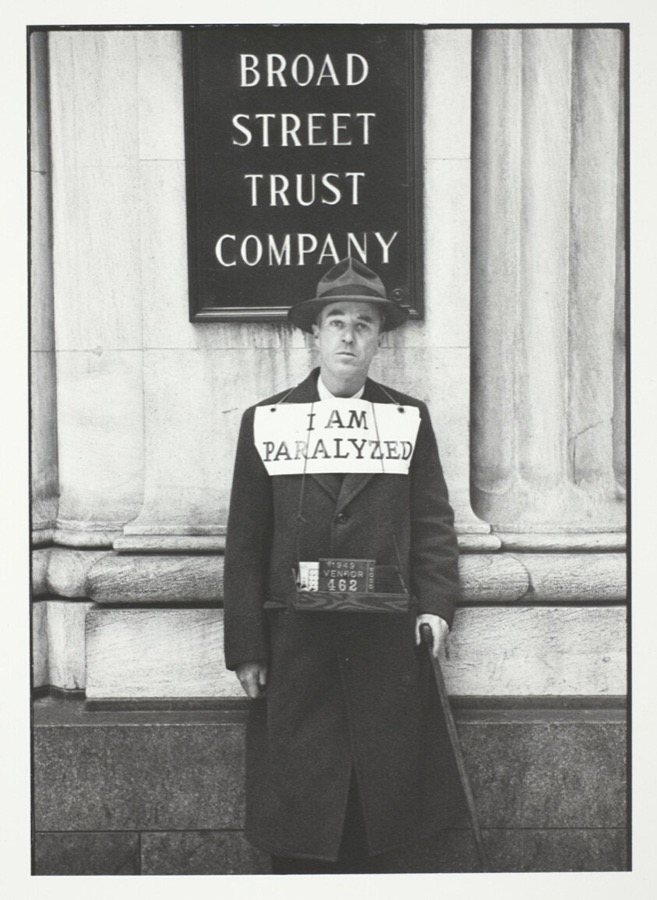 Louis FaurerUntitled, Philadelphia, PA, 1949.A typed placard reading I AM PARALYZED recalls the frontal portraits Walker Evans made of men against signage, and the lineage is plain enough, yet Faurer turns the convention toward something blunter.
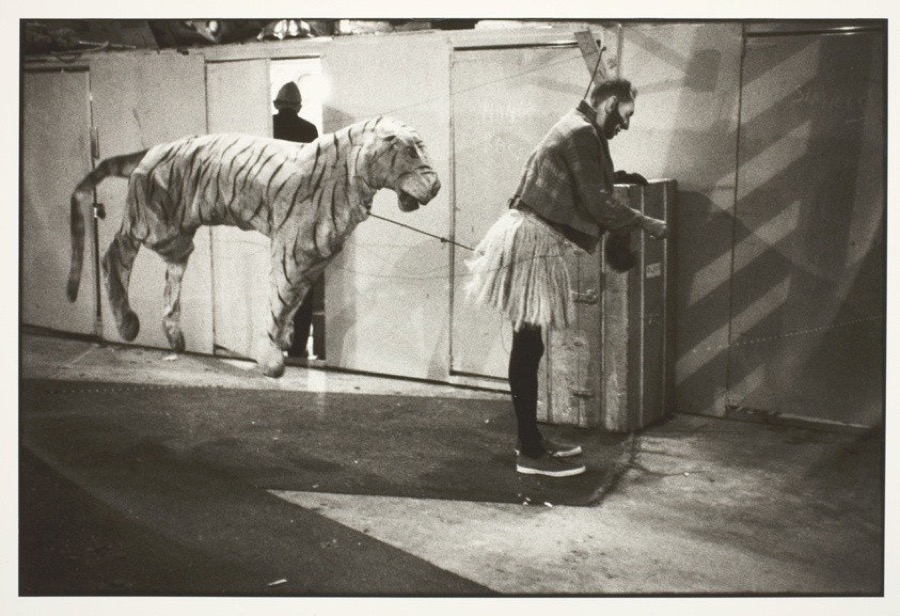 Louis FaurerBarnum and Bailey Dressing Rooms, New York City, 1950.Bending over a steamer trunk in a tutu, a circus performer rummages for something while a papier-mâché tiger leaps frozen at his back, and the whole improbable scene holds the stillness of a…
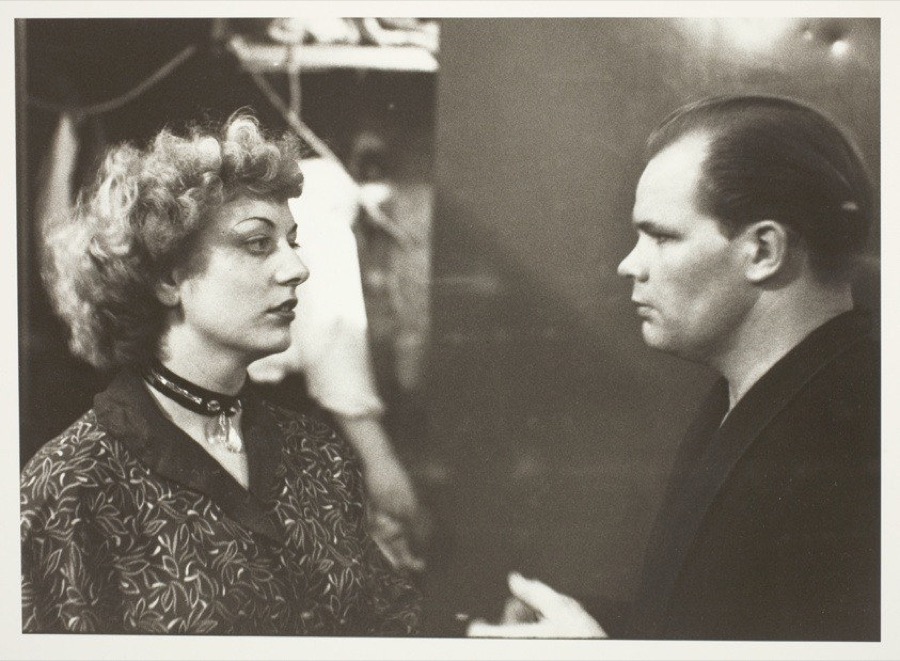 Louis FaurerBarnun & Bailey, Circus Performers, Old Madison Square Garden, New York, NY, 1950.Two faces, held in profile a breath apart, withhold as much as they reveal.
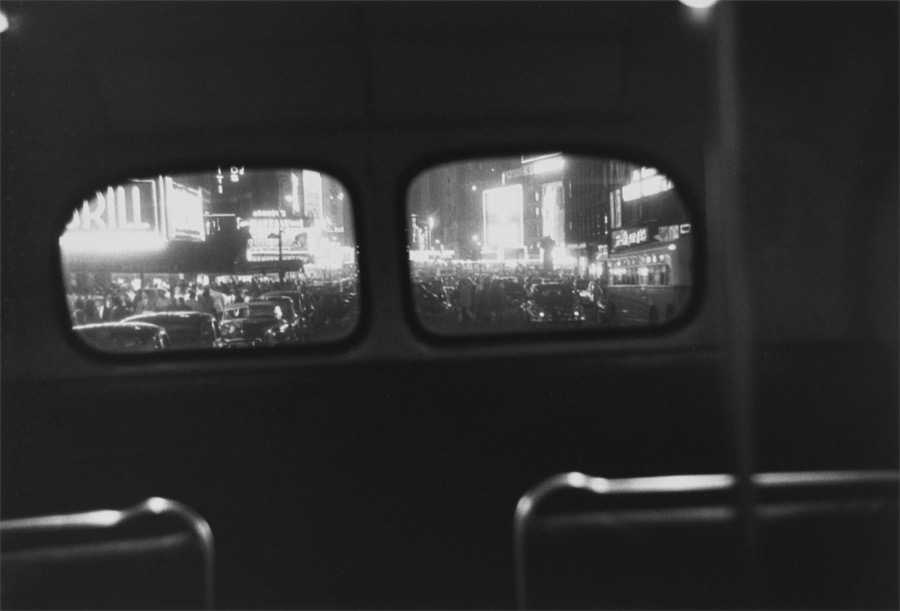 Louis FaurerBus number 7, New York, 1950.How do you photograph desire for a city from inside a moving box?
 Louis FaurerGarage, Park Avenue, New York, 1950.A row of parked sedans stands in near-total darkness.
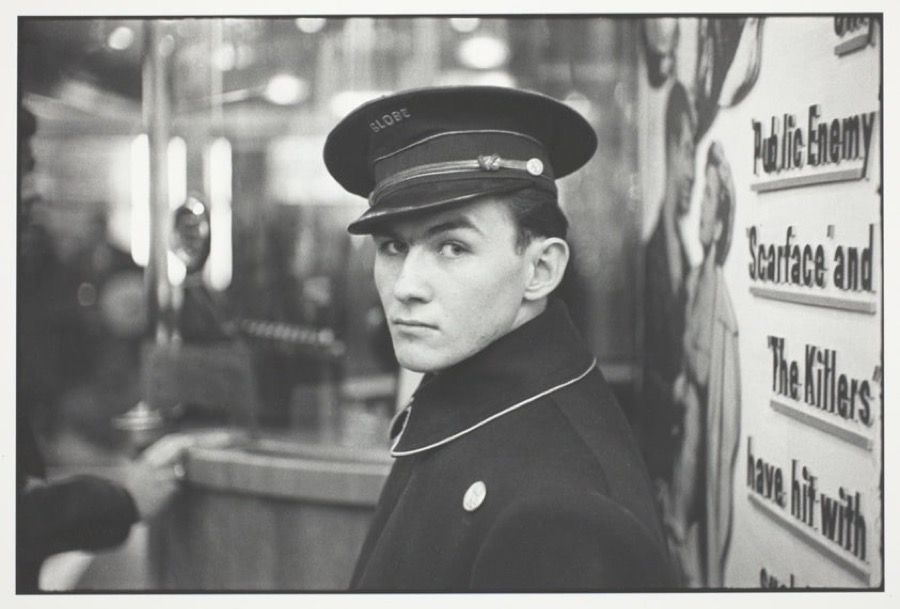 Louis FaurerGlobe Theatre, New York City, 1950.GLOBE, stitched in pale thread across the band of his cap, names both the theatre and the lineage this usher enters: Faurer's gallery of solitary young people, framed close, looking back at the lens…
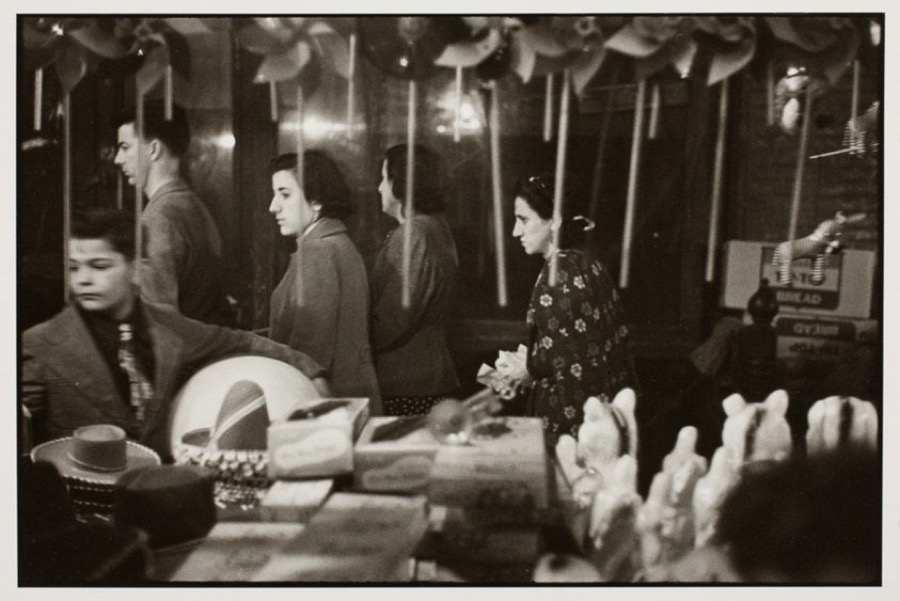 Louis FaurerSan Genaro Festival, New York City, 1950.A feast-day stall on a New York street at night, the San Genaro festival in 1950, is the ground on which Faurer assembles a small crowd of faces.
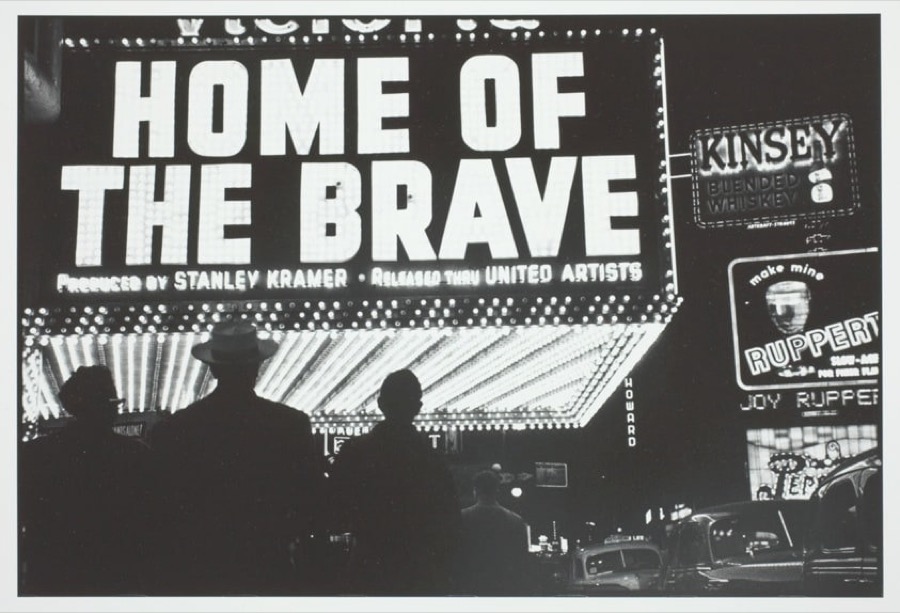 Louis FaurerTimes Square USA, (Home of the Brave), 1950.By 1950 Stanley Kramer's Home of the Brave had reached Times Square, and Faurer photographs its marquee at the instant the title became, for him, found language.
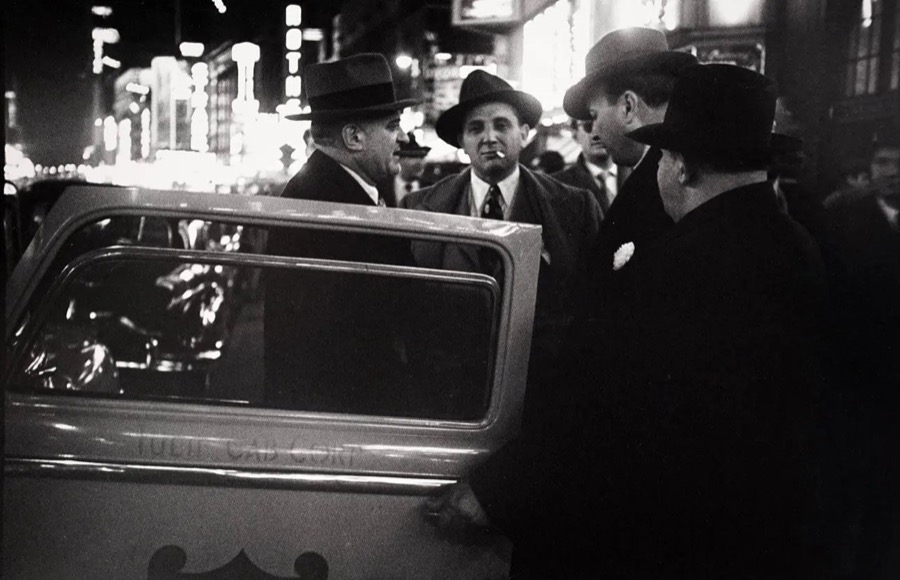 Louis FaurerUntitled, New York City (four men with cab door), 1950.Four men in overcoats and felt hats stand around the open rear door of a taxi at night.
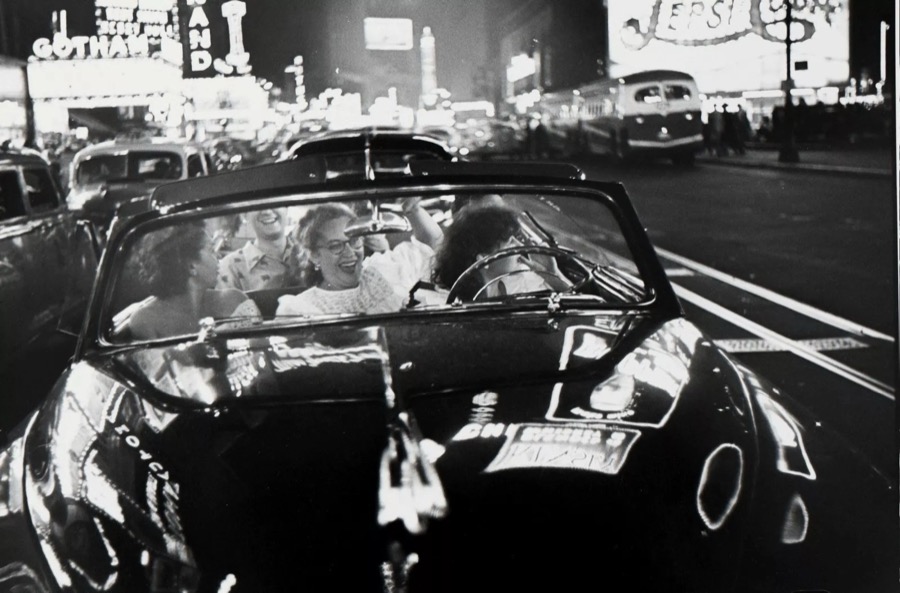 Louis FaurerUntitled, NYC, (three girls in black car - joyride), 1950.Black lacquer and white neon: the photograph's whole texture lives in that collision.
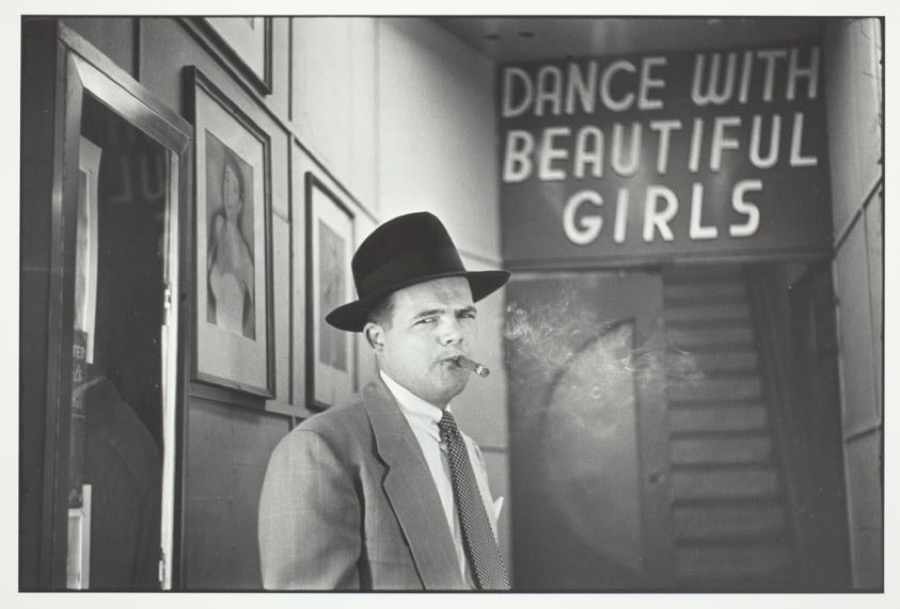 Louis FaurerSocial Patron, New York City, 1951.Is the man the subject, or is the sign? A heavyset figure in a dark hat and light suit stands at the entrance of a dance hall, a cigar clamped in his mouth, a plume of smoke drifting off into the…
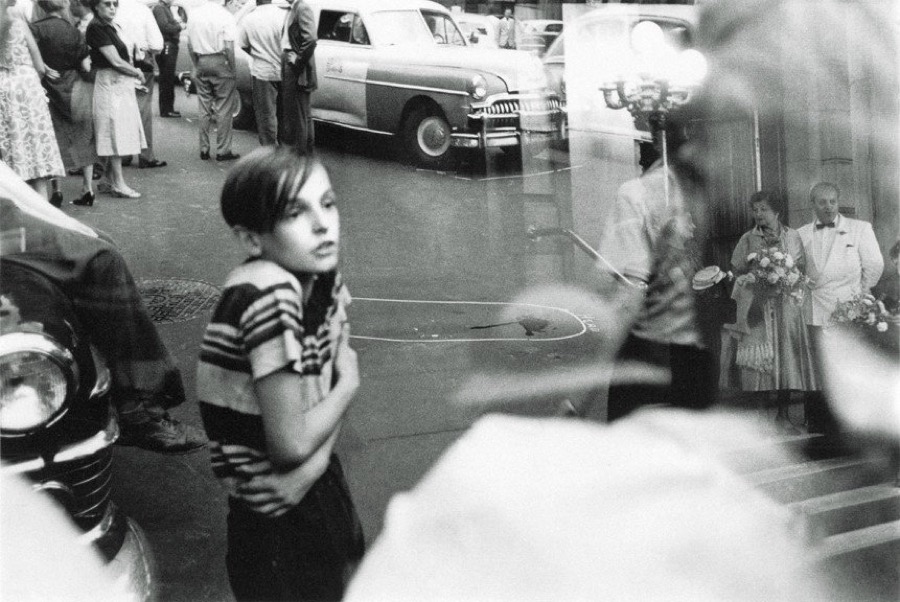 Louis FaurerAccident, New York City, 1952.A loop of chalk on the pavement turns the 1952 street into a stage where everyone is both spectator and cast, and Louis Faurer's "Accident" holds exactly that confusion.
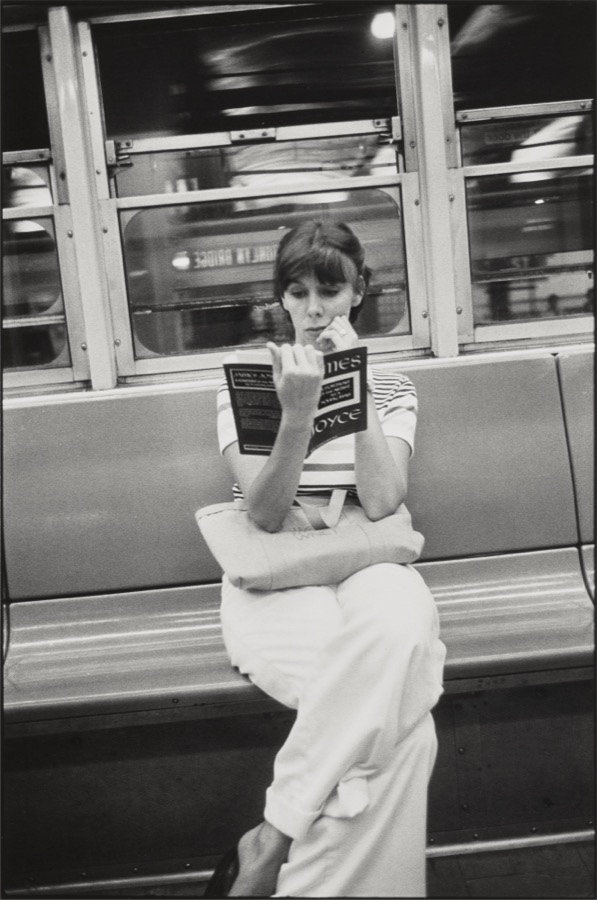 Louis FaurerUntitled, New York City, (woman reading on subway), 1973.White trousers, a striped top, a canvas tote settled across the lap like a small white pillow—Faurer dresses this 1973 subway car in soft, summer tones, and the whole picture turns on that pale calm.
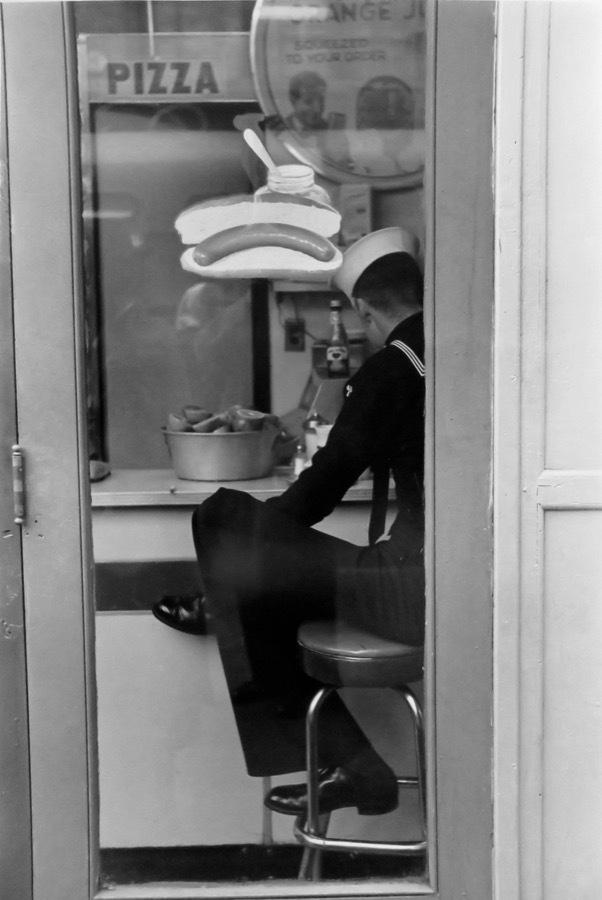 Louis StettnerSailor, Times Square. New York, 1951.A young sailor in dress blues sits at a lunch counter, and the photograph reaches him down a narrow slot: a doorway with pale jambs pressing in from both sides, and behind that the shop window.
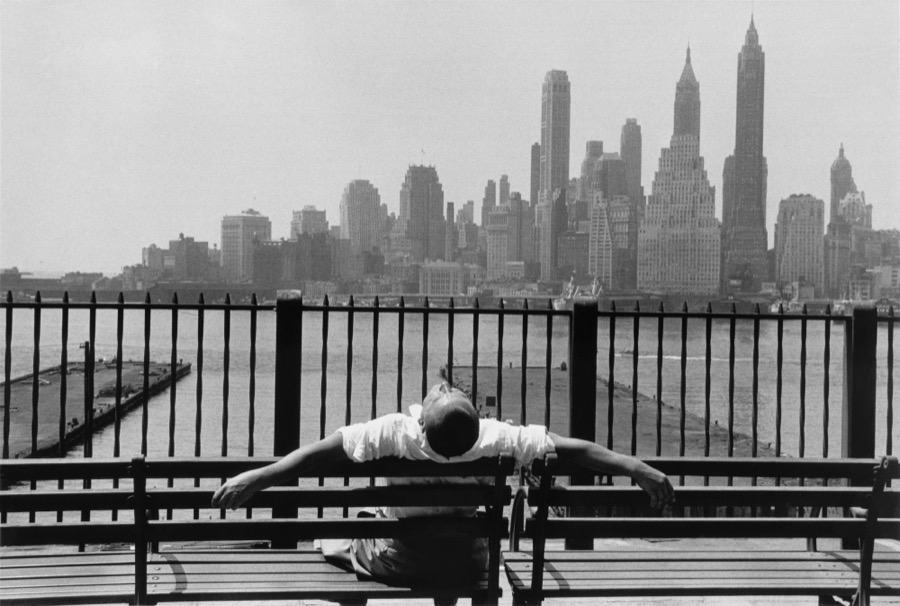 Louis StettnerBrooklyn Promenade, Brooklyn, New York, 1954.A bald man in a white short-sleeved shirt has surrendered to the bench, arms flung wide along its slatted backrest, head tipped back, eyes closed against the summer glare.
 Louis StettnerSaratoga Train Station, 1956-58.What gets you first is the wedge of light — a long slab of cracked concrete platform that runs the whole left edge and tapers toward a vanishing point somewhere near the front of the train.
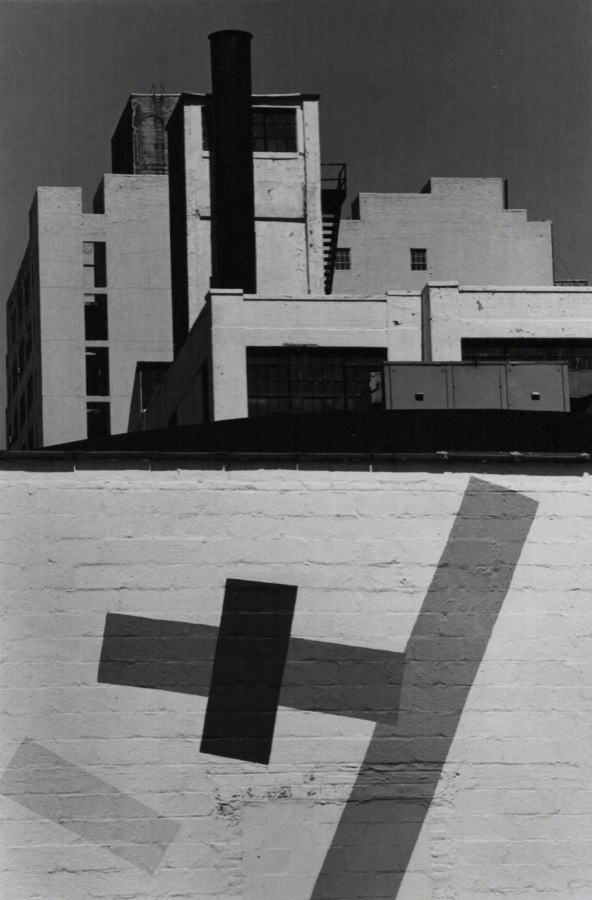 Louis StettnerDowntown, near Canal Street, New York, 1985.The picture splits in two, the seam a low parapet running clean across the frame.
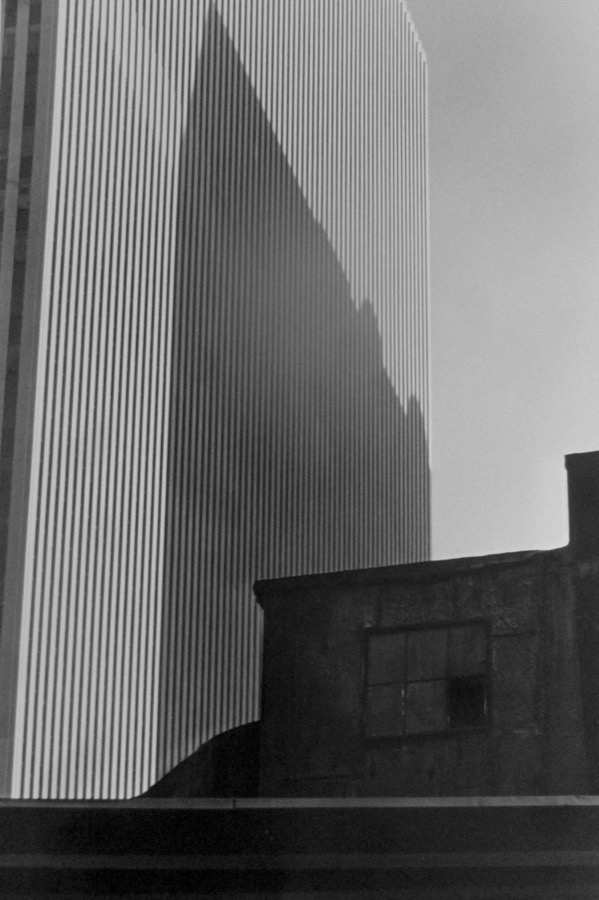 Louis StettnerOld rooftop and new building from Broadway, Midtown, New York, 1985.The picture is built almost entirely of one thing: the ribbed flank of a modern tower, a vertical screen of close-set aluminum mullions that fills the frame and runs out both sides.
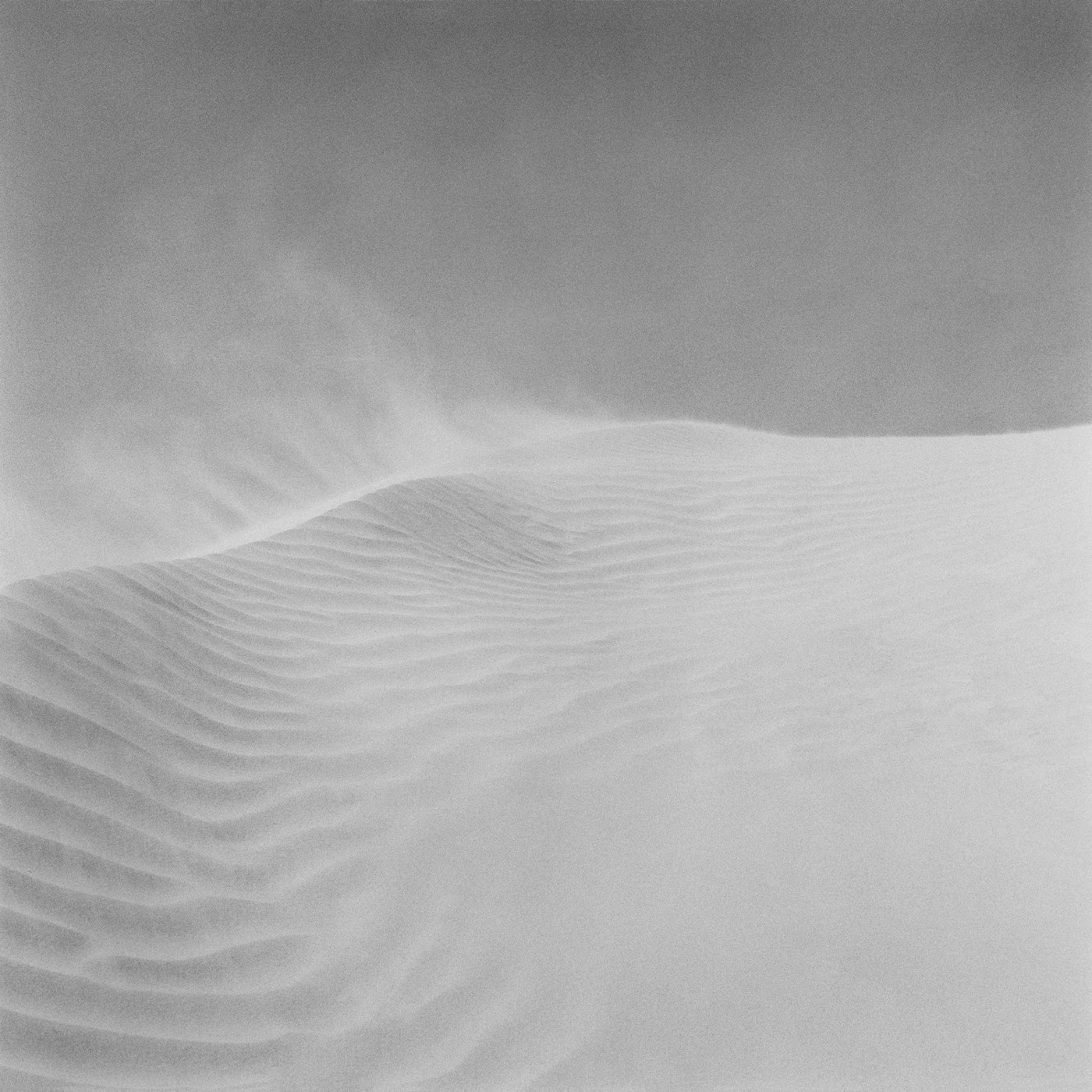 Pancho SaulaWind, 2017.How much of this picture is sand, and how much is air?
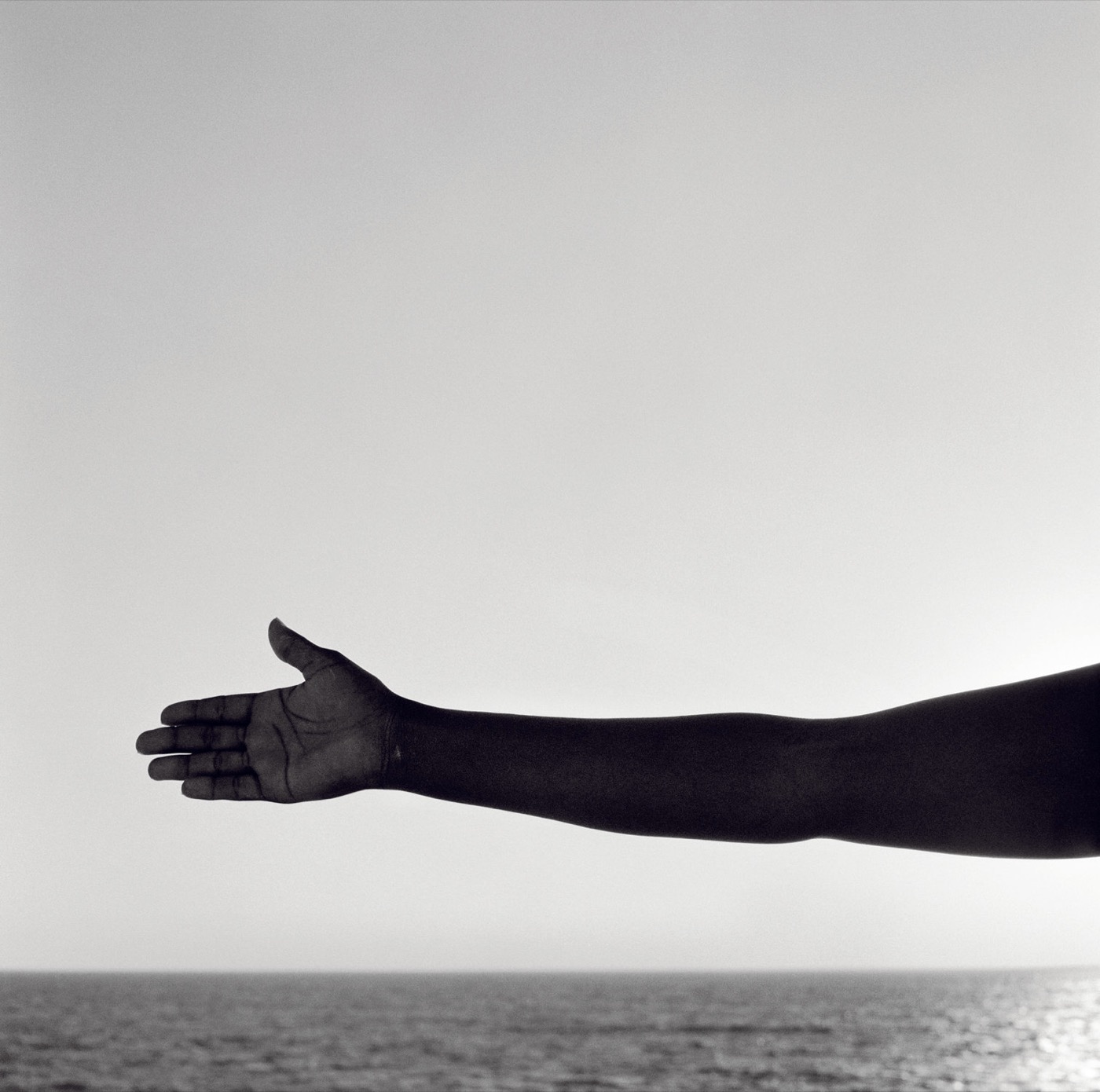 Pancho SaulaArm and Sea, 2017.Late, low light comes in from the right and settles the whole sky into a single pale grey wash, brightest where it grazes the edge of the frame and dimming softly toward the left.
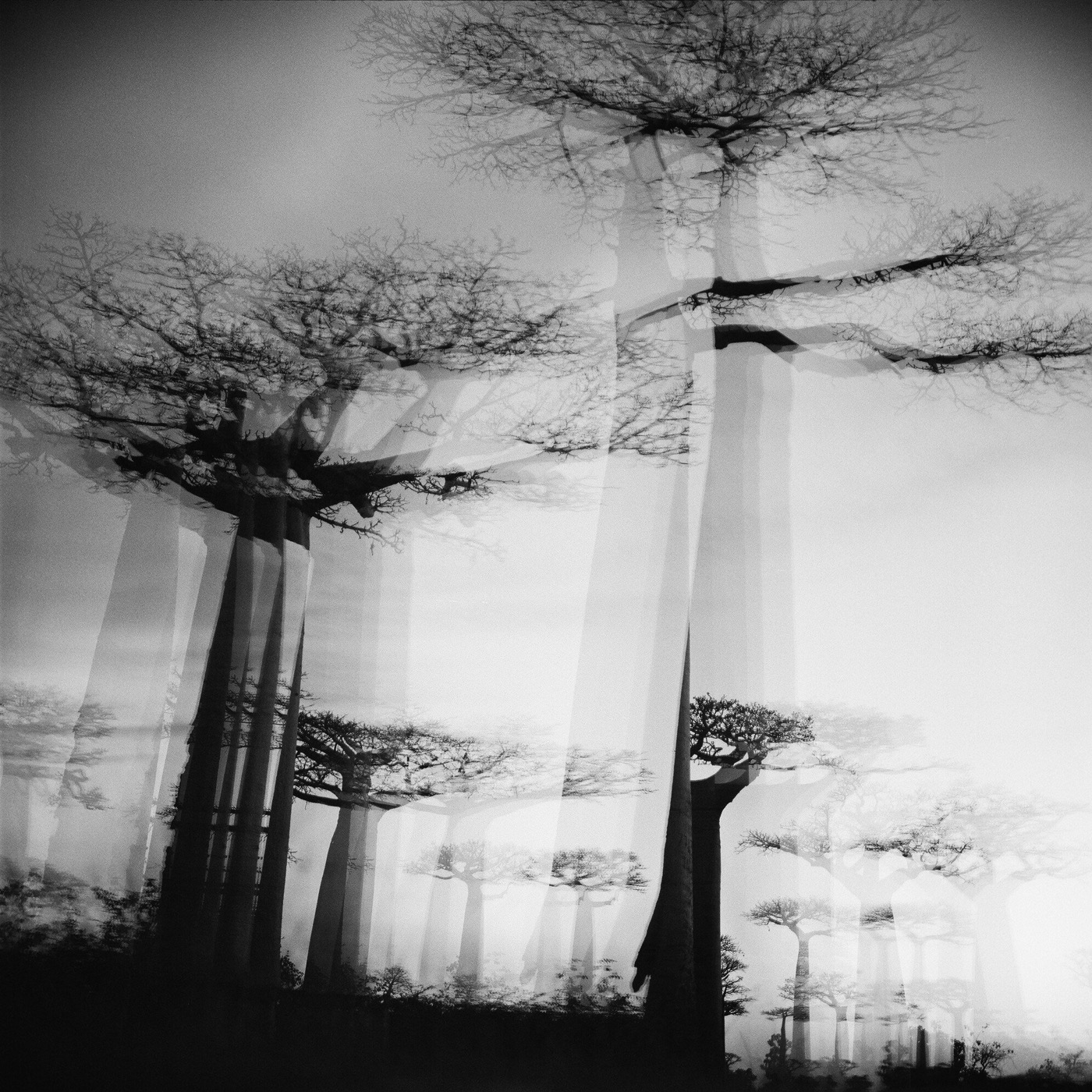 Pancho SaulaBaobab Poem, 2017.The trunks advance and then slip out of register, each baobab doubling, tripling, until one tree becomes a pale colonnade of itself.
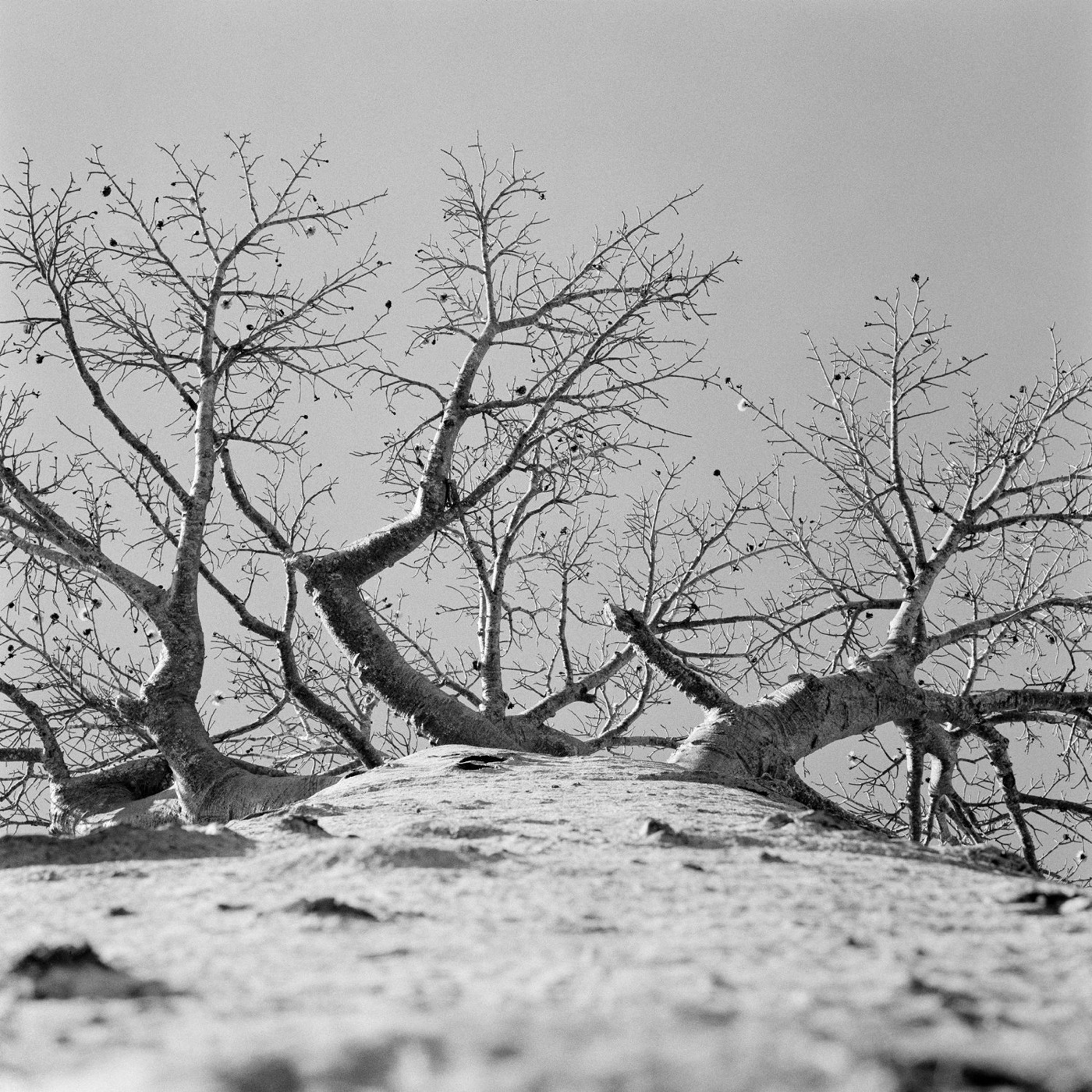 Pancho SaulaBaobab Road, 2017.They reach sideways rather than up, these pale baobab trunks flinging themselves low and horizontal across a mound of cracked earth as if caught mid-crawl toward the camera.
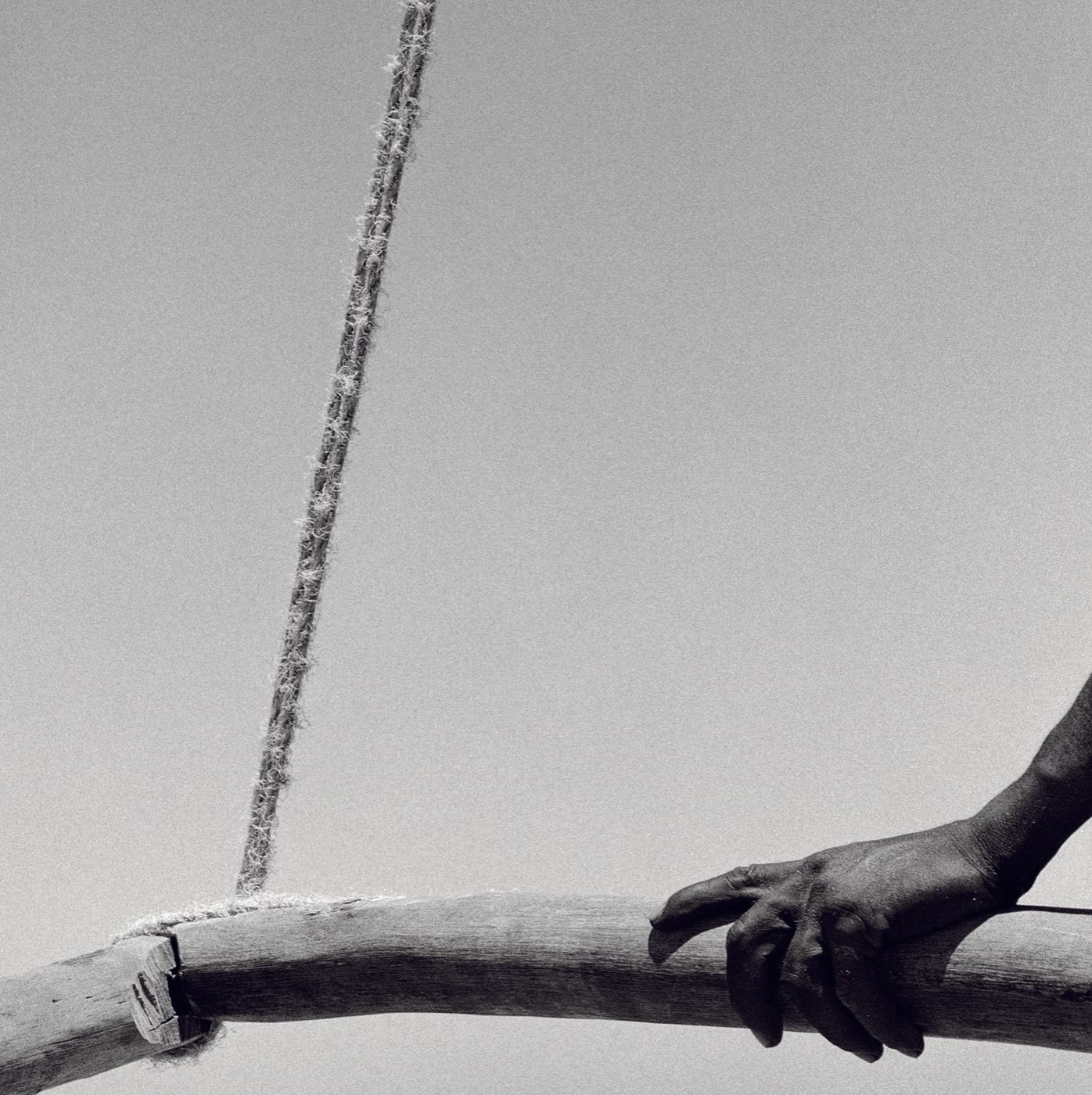 Pancho SaulaBird, 2017.Whose hand is this, laid over the weathered pole as lightly as a bird settling on a wire?
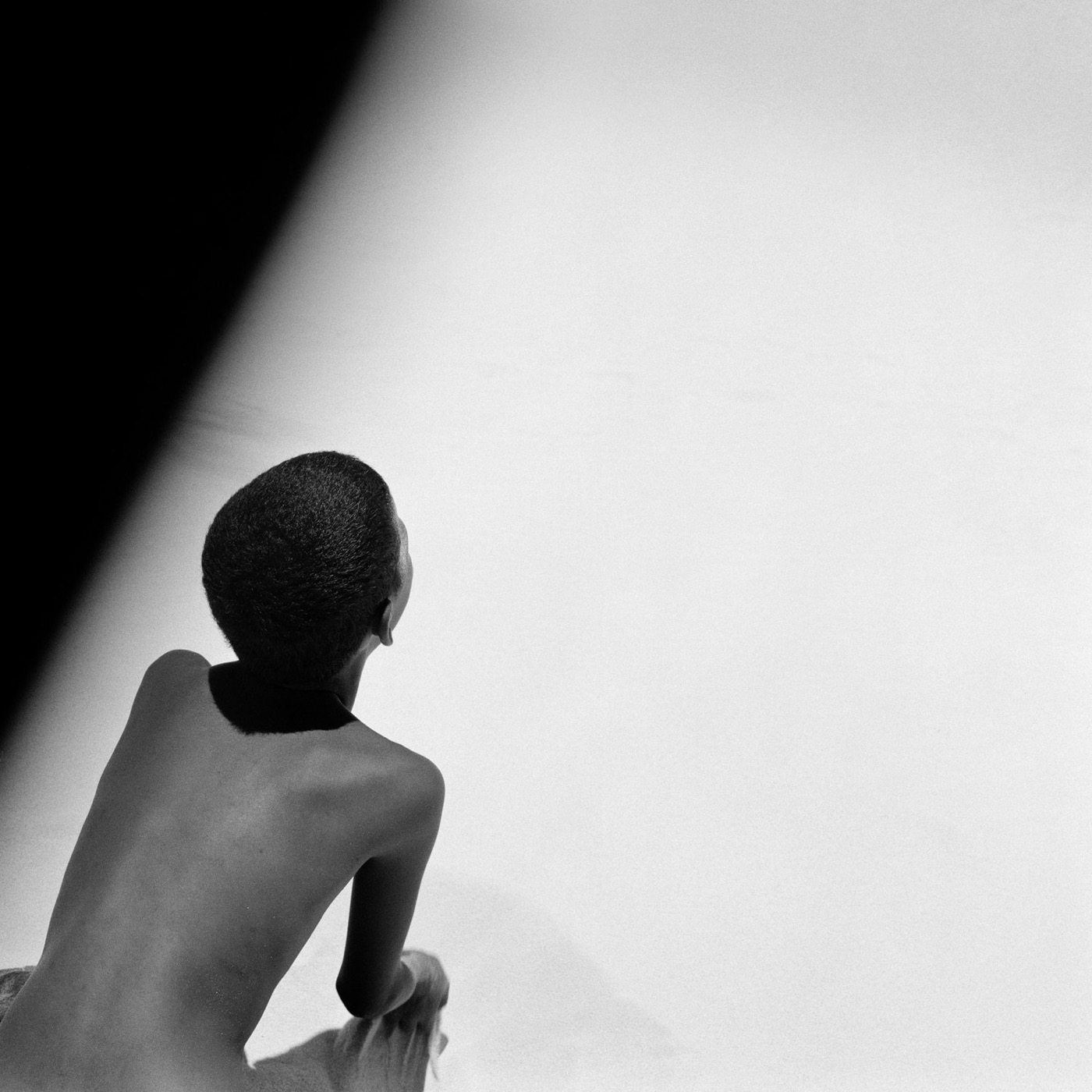 Pancho SaulaBoy, 2017.Roy DeCarava argued, in prints of great tenderness, that dark skin deserved to be printed dark — that shadow was not a problem to be corrected but a dwelling place.
 Pancho SaulaFamily, 2017.A torn edge runs down the middle of the frame, the deckled rip of paper or of light, and it divides the picture the way a wall divides a yard: on one side a child's face surfacing from shadow, on the…
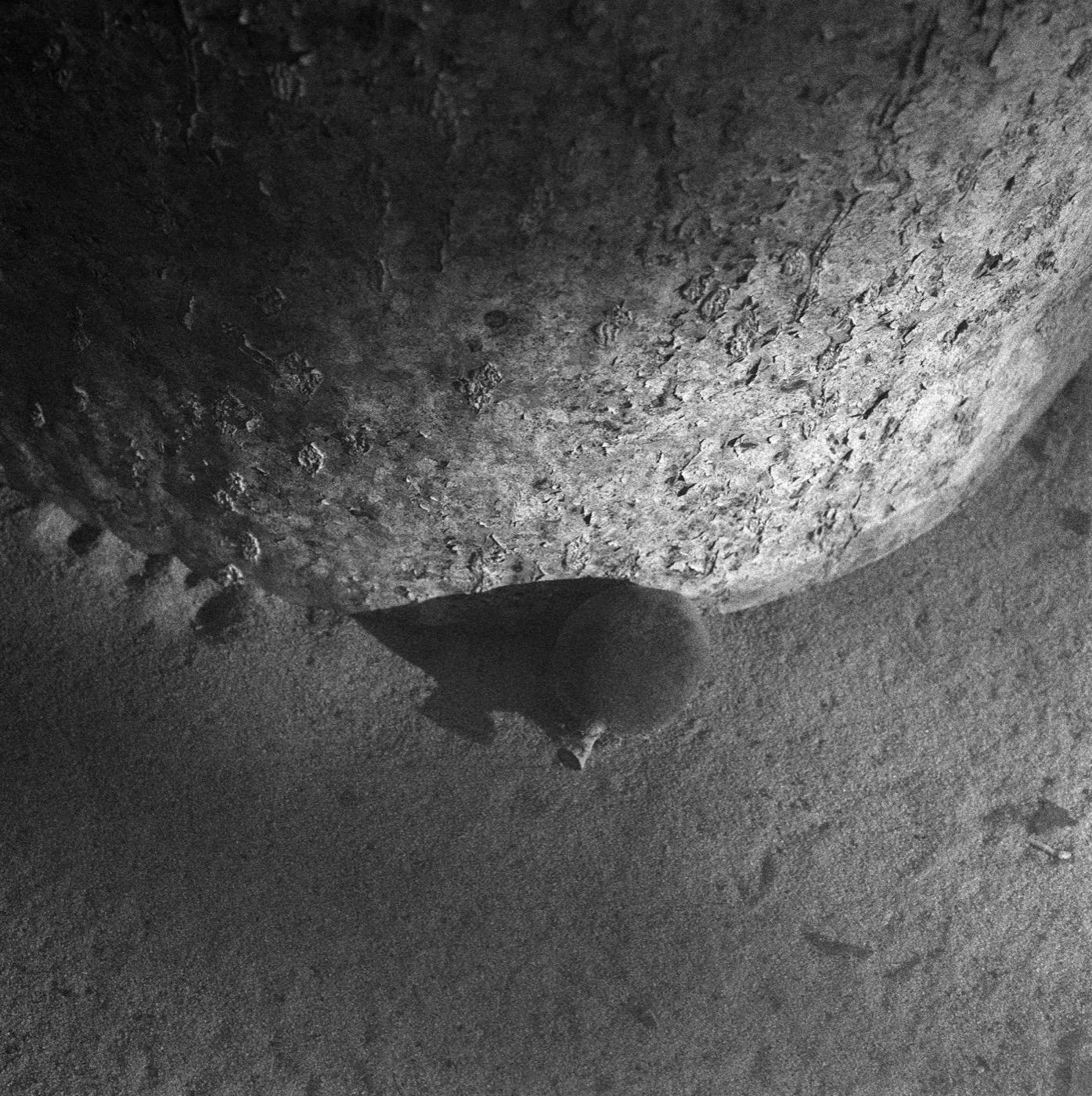 Pancho SaulaFruit, 2017.A shadow slips out from beneath the fruit and reaches across the sand, tapering to a dark point that seems still to be moving even as the shutter fixes it.
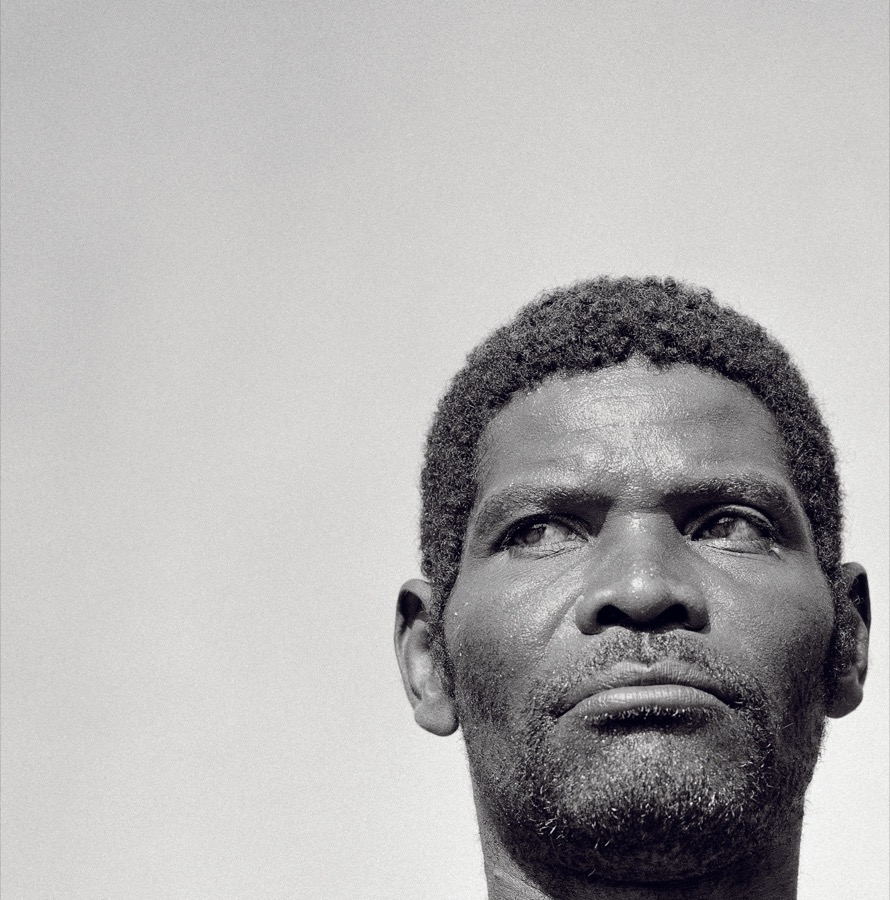 Pancho SaulaGiant, 2017.Small beads of sweat catch the sun across the bridge of the nose, and those bright specks, hardly larger than the film’s own grain, tell us the essential fact: this is a portrait made under real…
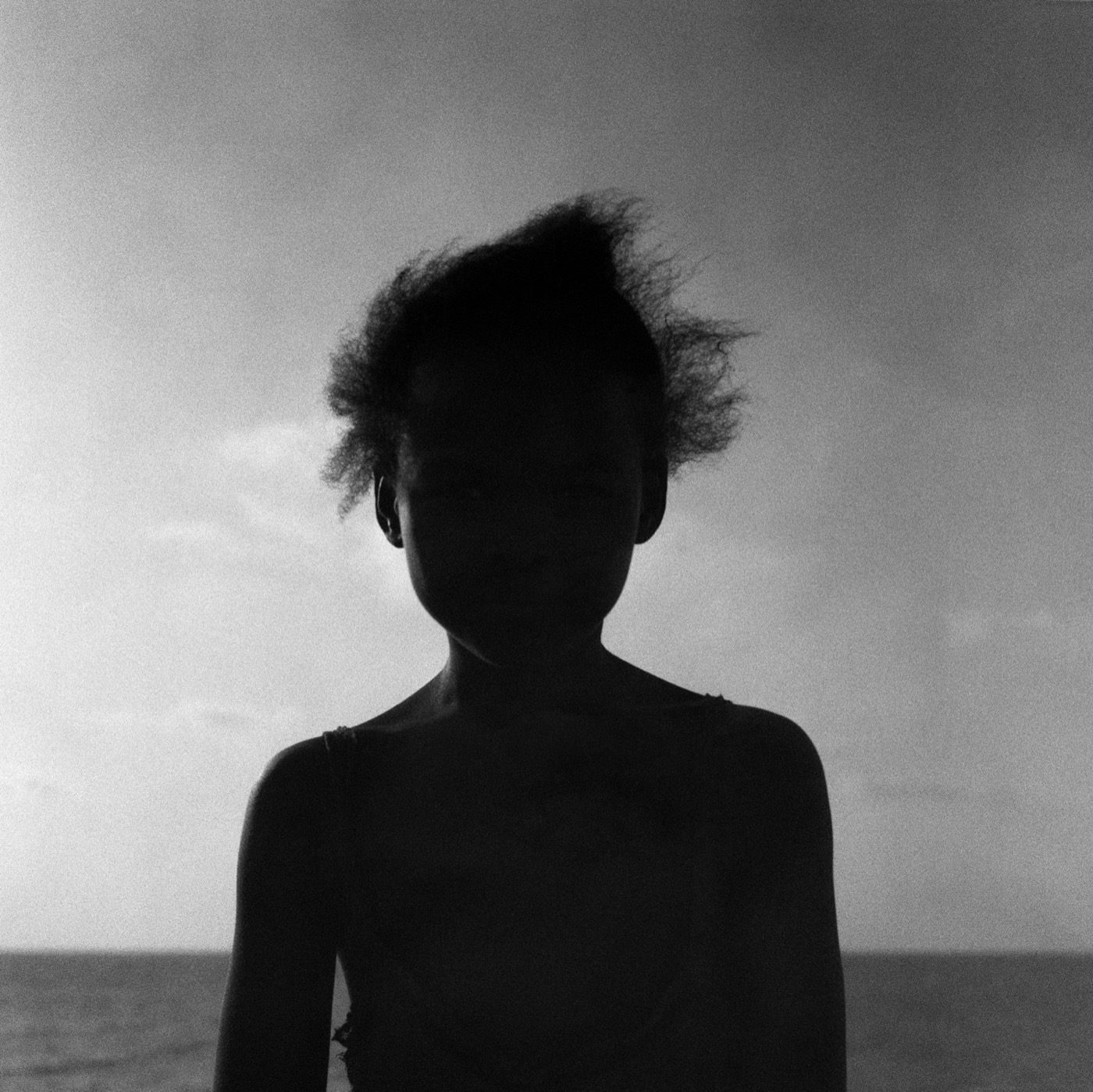 Pancho SaulaGirl, 2017.The flat marine light that hangs over this coast is the picture’s actual subject, a soft even grey that erases the sky’s seams and turns the far sea into a single dark ribbon along the base of the…
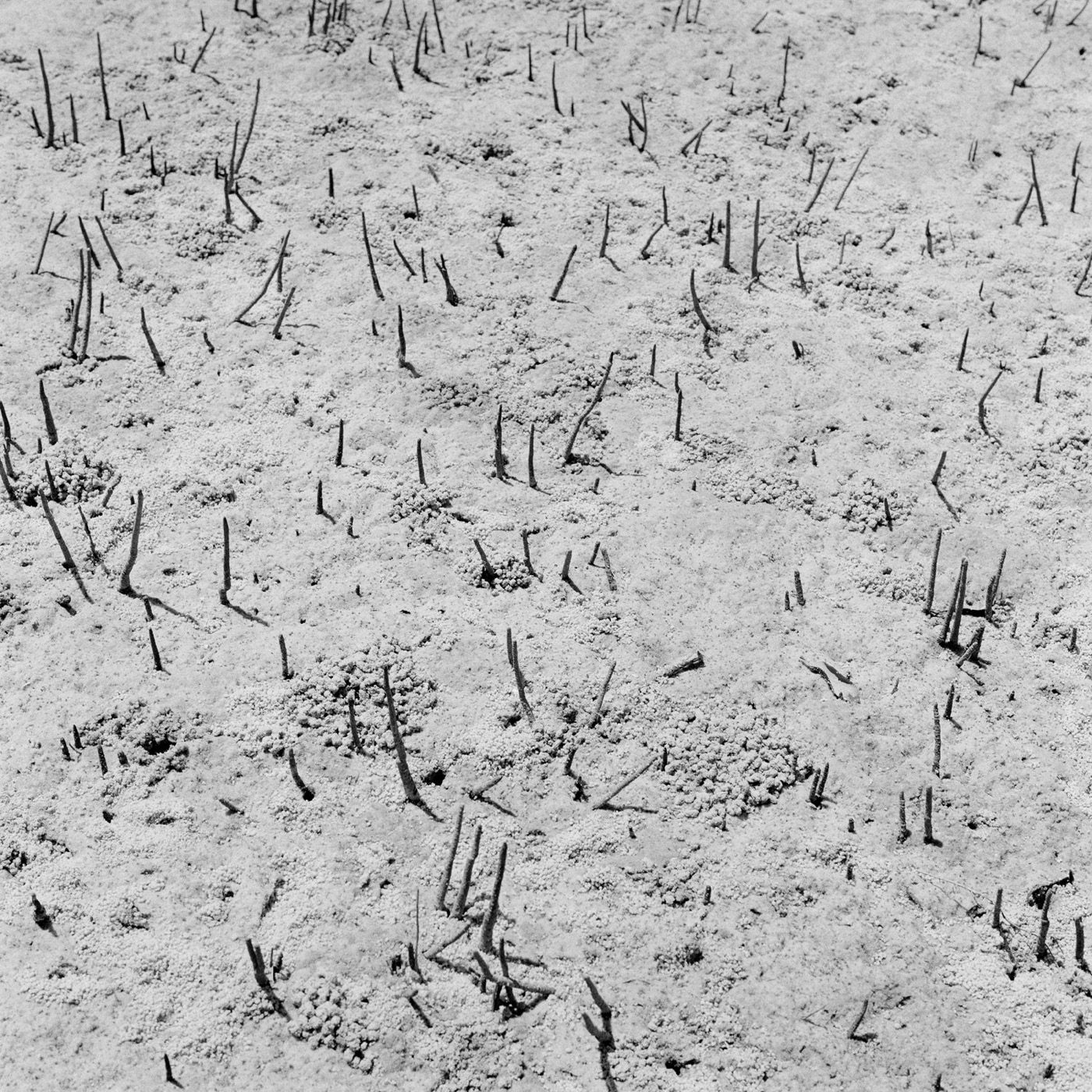 Pancho SaulaGrass, 2017.No sky, no horizon, no scale. The frame is taken up entirely by ground: a pale flat surface, chalk or salt or bleached sand, seen from just above and slightly to the side.
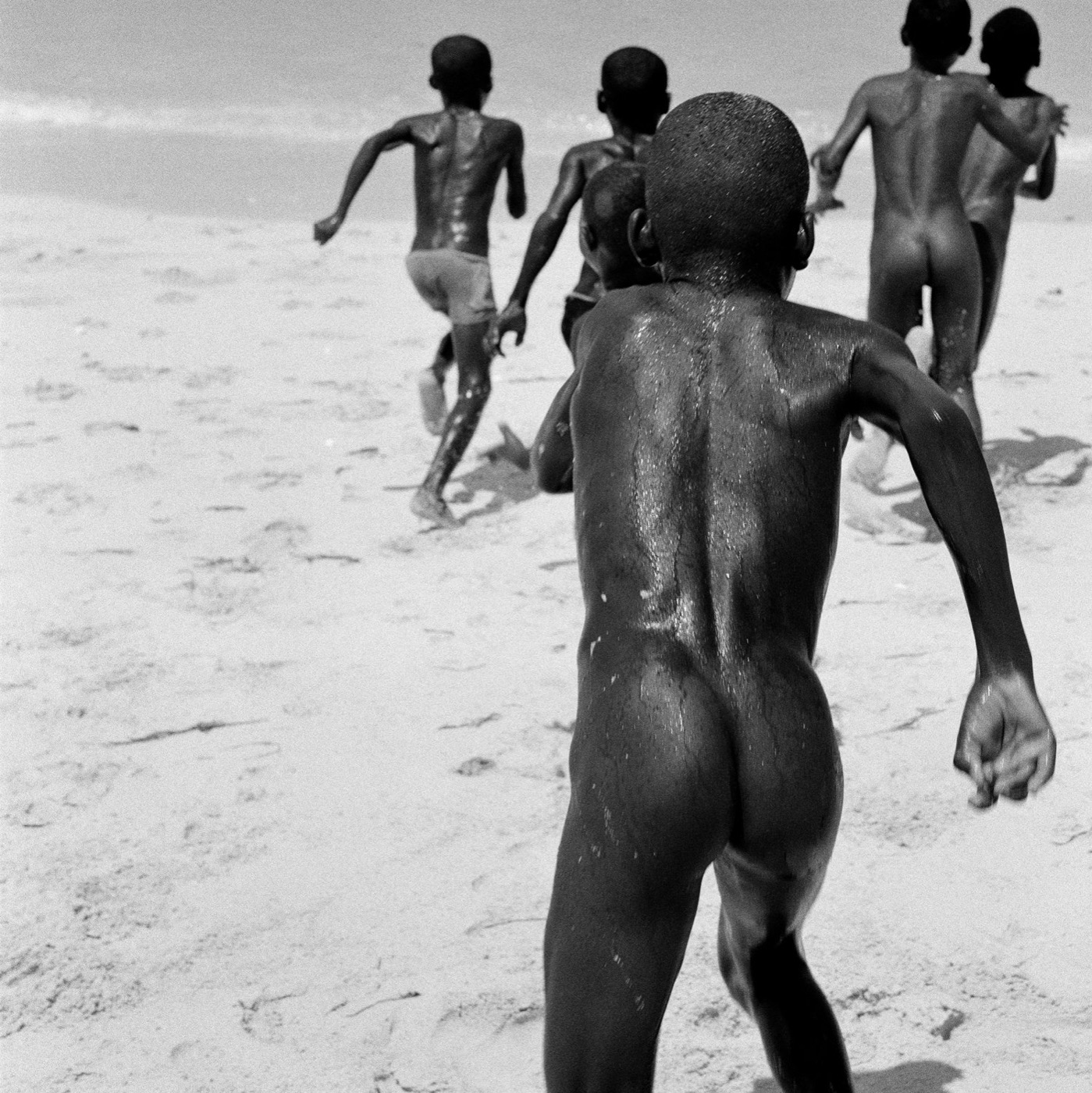 Pancho SaulaHomage, 2017.Not one face is offered here. The photograph gives us five children from behind, their wet backs beaded and gleaming as they run across bright sand toward a pale seam of surf, and it withholds every…
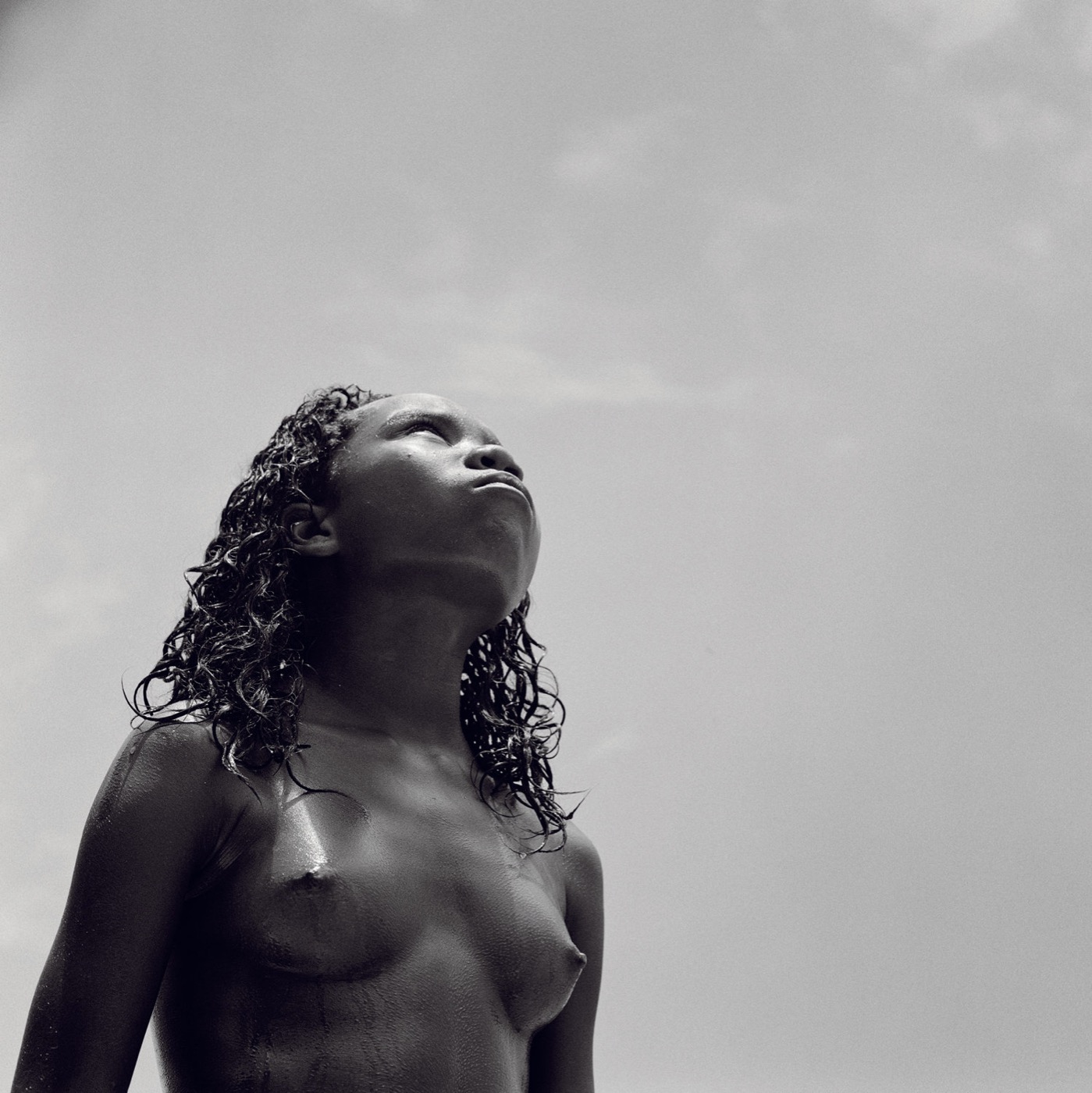 Pancho SaulaHope, 2017.What is she watching, so far above us that her chin lifts clear of the horizon and only sky will do for a backdrop?
 Pancho SaulaLove, 2017.Two figures, no taller than a fingernail, stand in the top right corner, and everything else is grey.
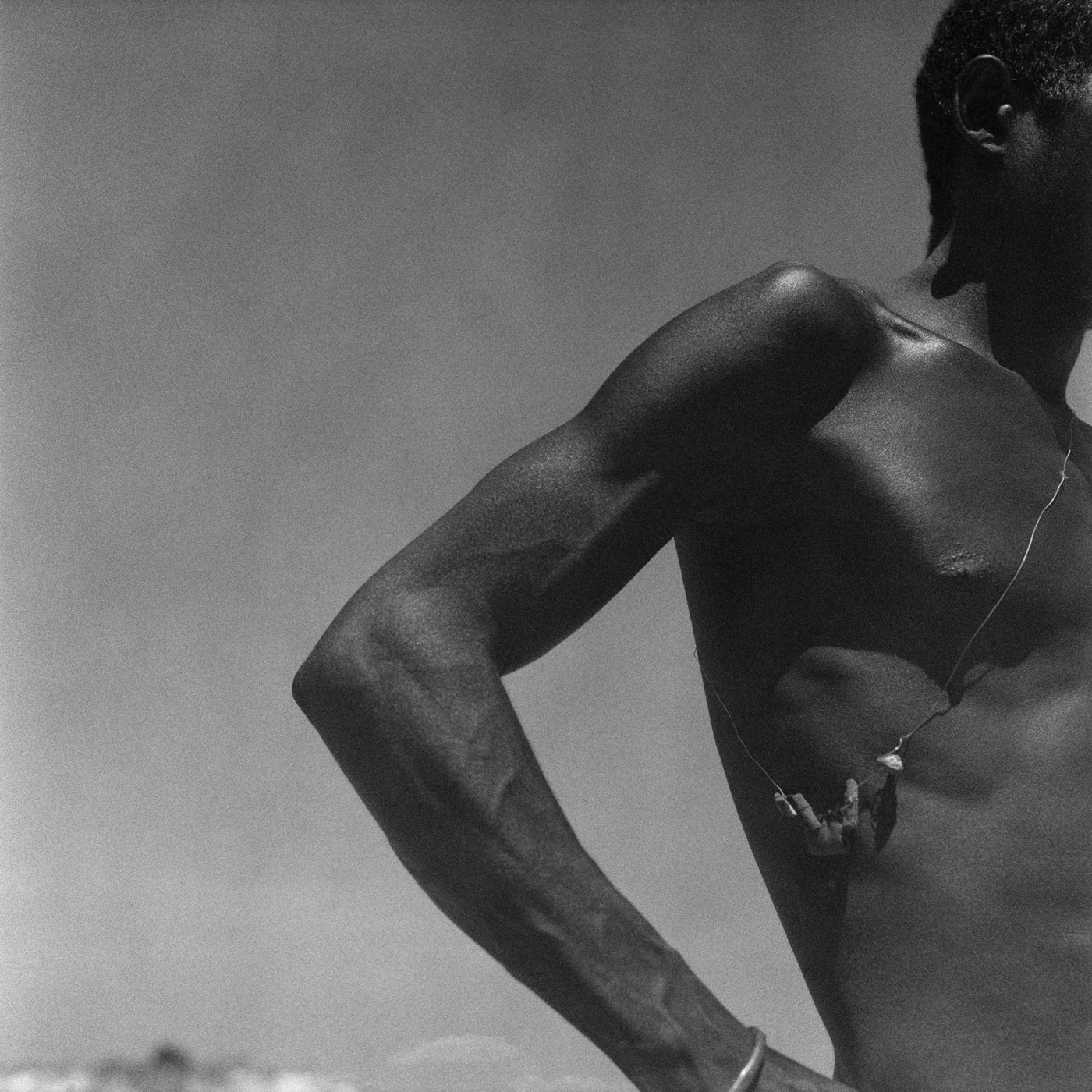 Pancho SaulaLucky Charm, 2017.A cord, a few small carved objects, a wrist of worn silver: the whole apparatus of protection in this photograph would fit inside a closed hand.
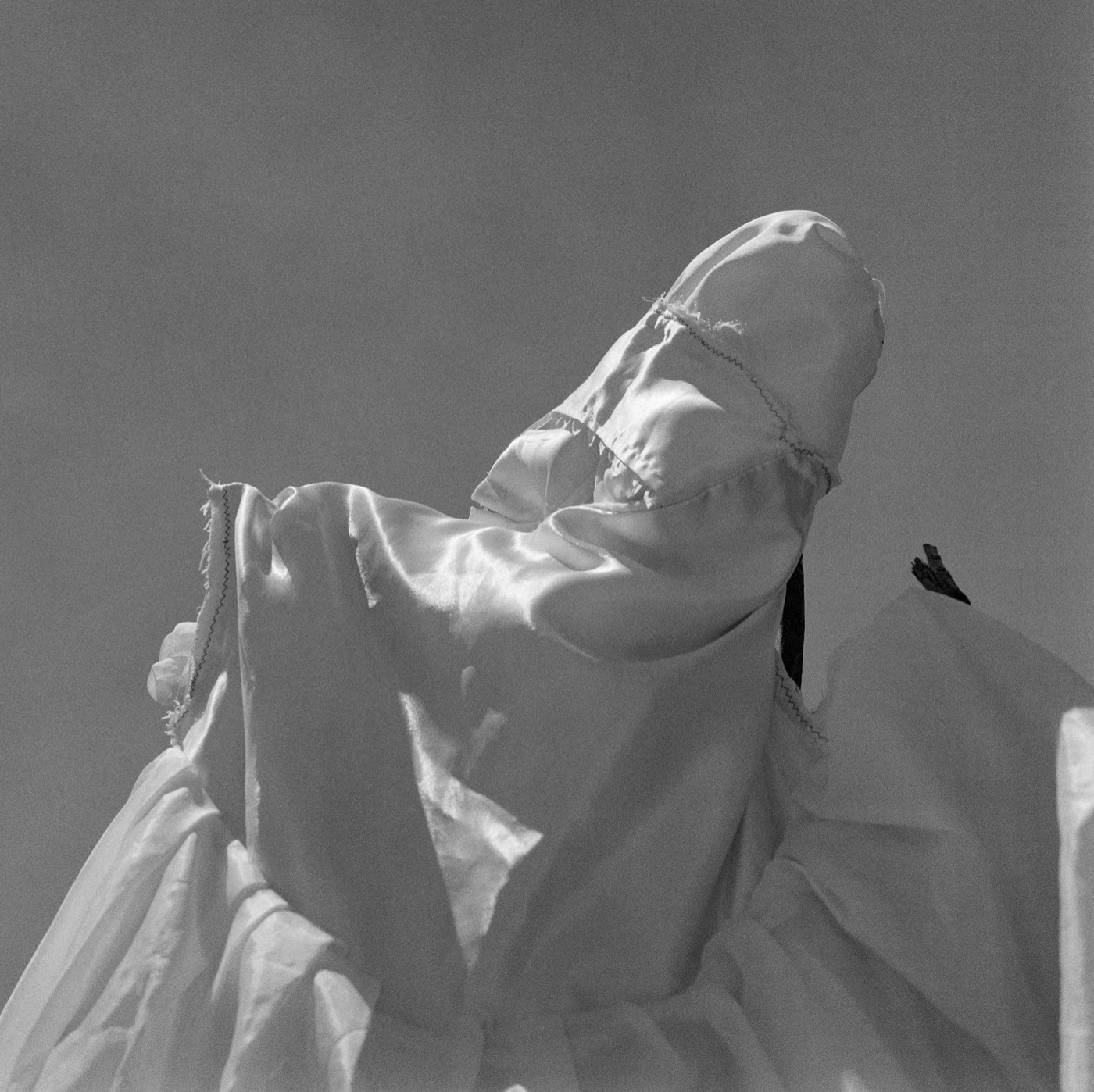 Pancho SaulaMirage, 2017.A mirage is geography’s most candid lie: the desert offering water, the summer road offering a lake that recedes exactly as fast as you approach.
 Pancho SaulaMorning Light, 2017.The sun is a celebrity: best met through an intermediary.
 Pancho SaulaMy Dream, 2017.A small building stands alone on flat pale sand.
 Pancho SaulaNude, 2017.The nude has spent centuries being displayed, arranged for a viewer’s pleasure and framed as availability; here almost nothing of that inheritance survives except a curve of bare back and a wet dark…
 Pancho SaulaOcean, 2017.We are set down at the water’s edge and given almost nothing to hold: a soft grey sky, a darker sea, and between them a horizon so dissolved in haze that it barely qualifies as a line.
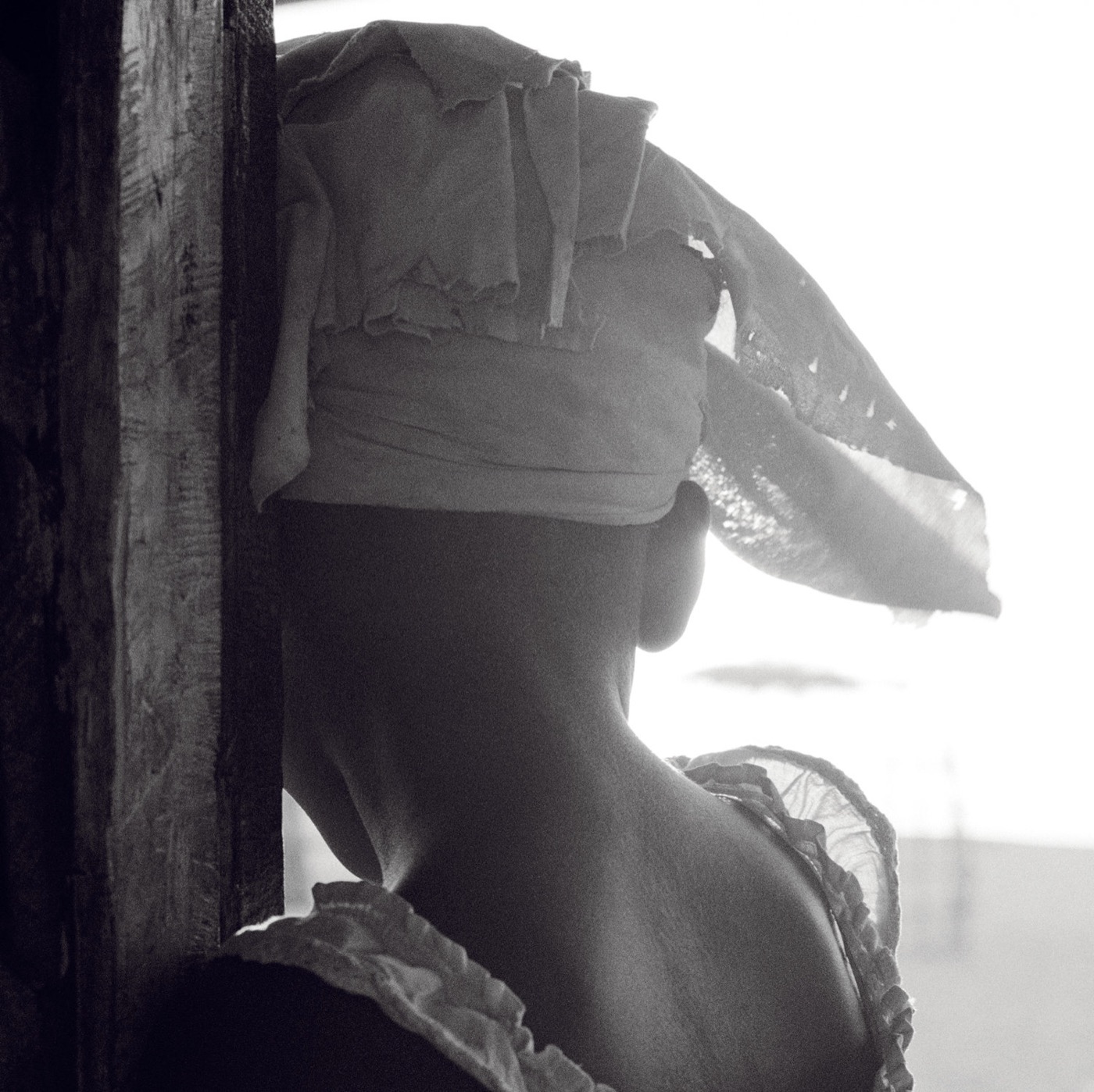 Pancho SaulaPure, 2017.Her face is exactly what the photograph withholds, and the withholding is the whole transaction.
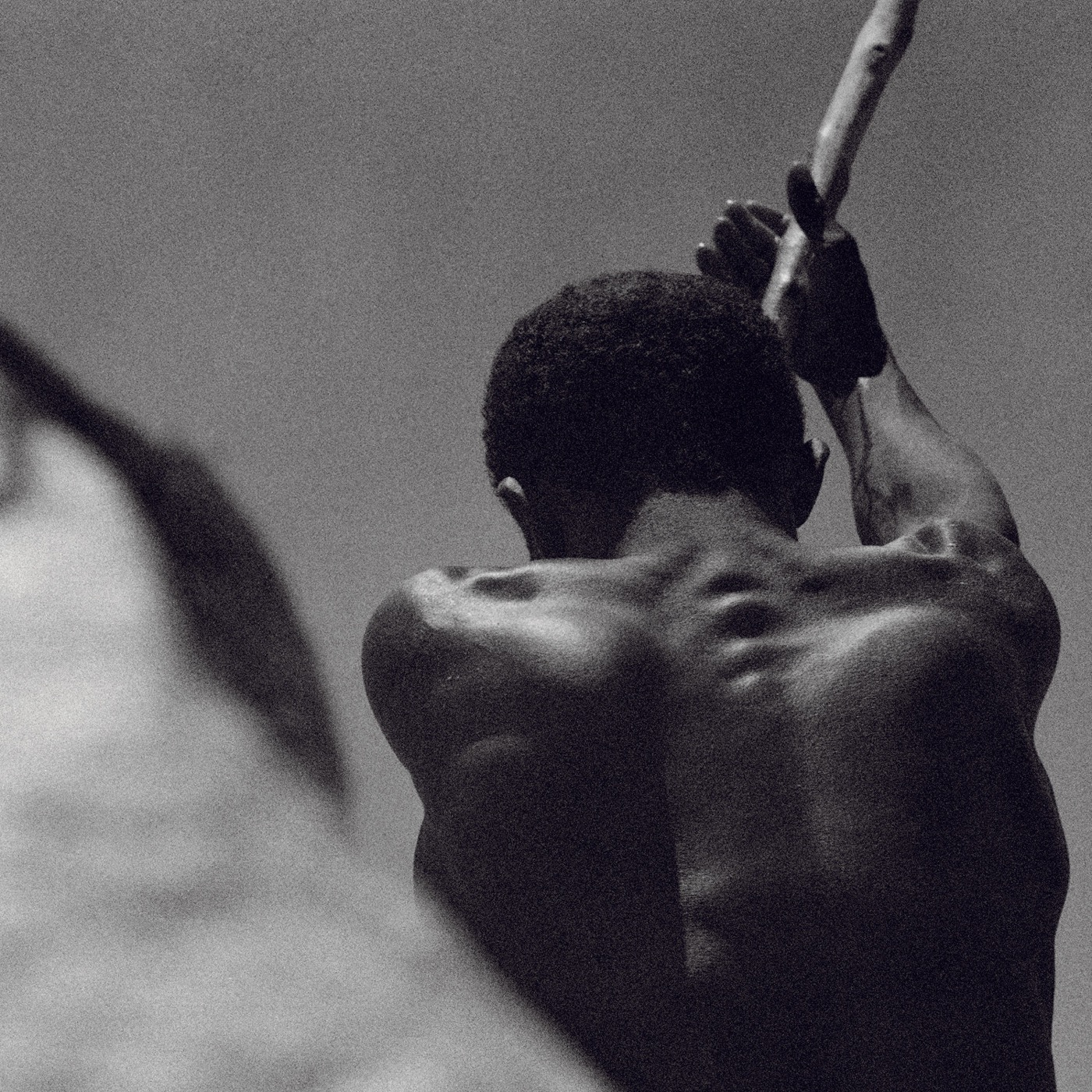 Pancho SaulaRow, 2017.The back tells the truth the face is busy hiding.
 Pancho SaulaSand Dune, 2017.Read the sand and it looks like cursive: long looping lines the wind has scored across the dune, parallel strokes that swell and taper like a signature repeated down a page.
 Pancho SaulaSand Flow, 2017.Edward Weston went to the dunes at Oceano and came back with sand that looked like flesh, like polished bone, like anything but sand.
 Pancho SaulaSand Hills, 2017.So fine-grained is the gray of this print, so evenly worked, that it keeps threatening to become a drawing: graphite rubbed into soft paper with the side of a thumb.
 Pancho SaulaSeabed, 2017.Begin with one small tuft, a single dark whisk of dried algae combed flat against the pale silt as if a brush had swept past and lifted.
 Pancho SaulaSettlement, 2017.The bottom two thirds of the square is a dune.
 Pancho SaulaThe Dance, 2017.A moment earlier the dog had not yet drawn level with the horns; a moment later it will have slipped past into the shadowed end of the alley, the encounter gone.
 Pancho SaulaThree, 2017.A moment before this, the wind was still working the ridge; now it has withdrawn, and the sand holds three bands of grey as if they had always been there.
 Pancho SaulaTime, 2017.Long before anyone thought to stand here, the sea was laying down this rock in patient horizontal bands, one thin layer at a time, and now a pair of sand-dusted feet has parked itself on top of the…
 Pancho SaulaWedding, 2017.Shot from low and into the light, so that the man is only a silhouette: a shoulder, an arm, a hand, the rest cut away by the top of the frame.
 Pancho SaulaWhite, 2017.The whitest thing in the frame is not the sky but the lather, a thick foam of soap sliding in bright rivulets down a dark bent head and pooling at the jaw.
 Pancho SaulaX, 2017.There came a point in photography’s long argument with abstraction when the medium realized it could make an X out of almost nothing, two feathered strands crossing against a white sky, and let that…
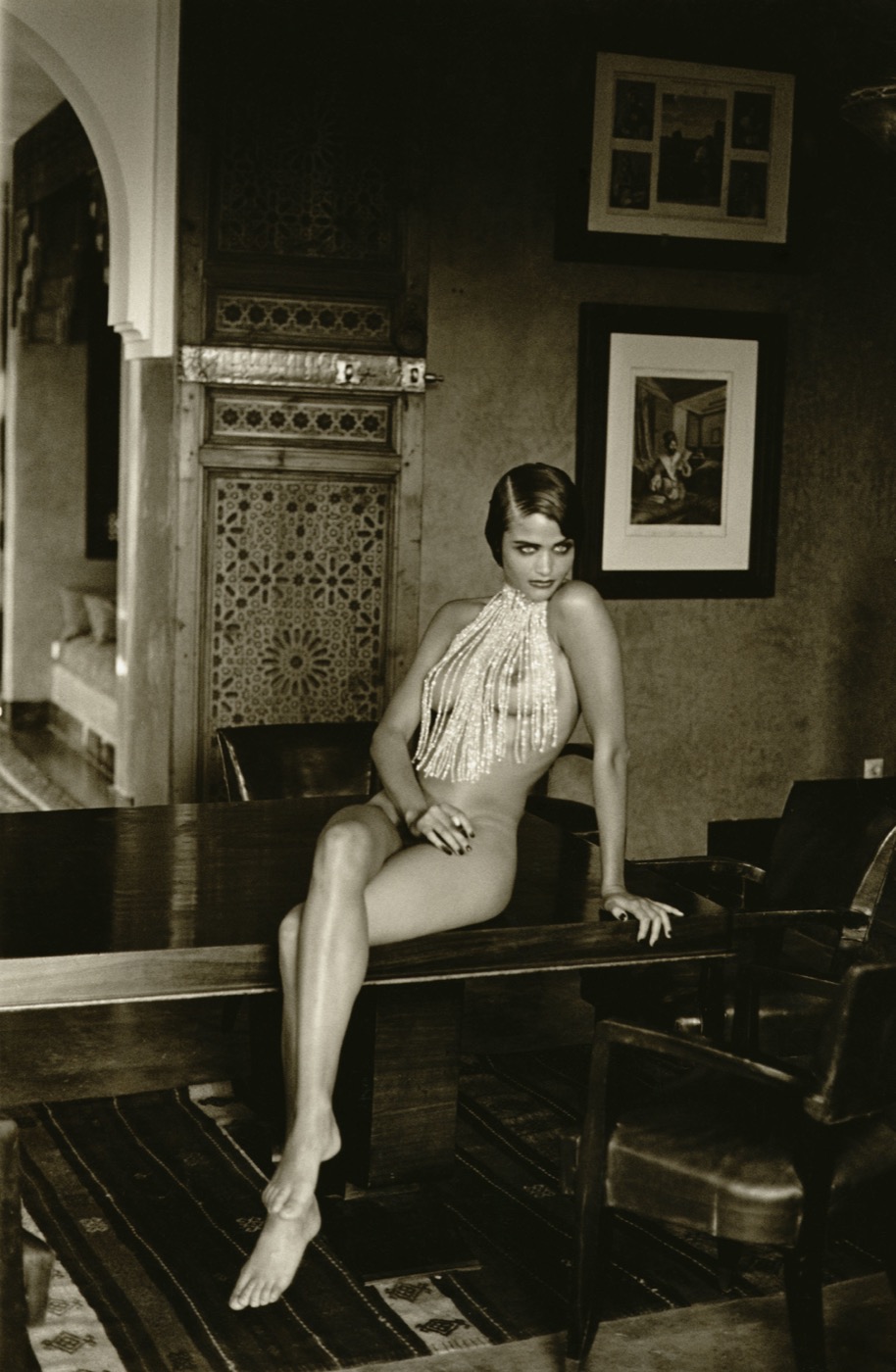 Peter LindberghHelena Christensen, Vogue Paris, Marrakech, 1990.The whole picture hangs from a single strand of beads.
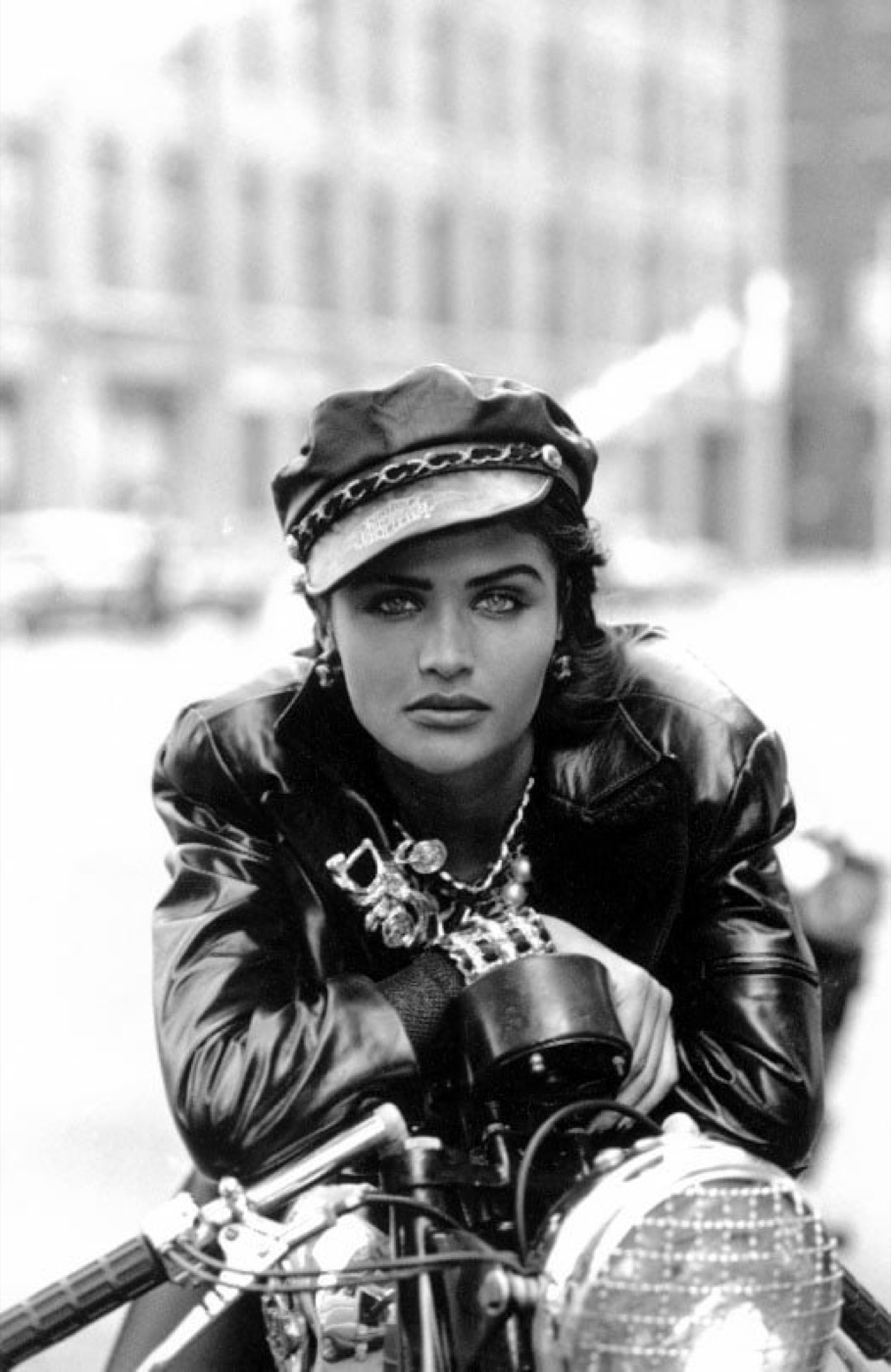 Peter LindberghHelena Christensen, Brooklyn, Vogue USA, 1991.Peter Lindbergh did not merely photograph the supermodels; he conjured them into being.
 Peter LindberghKate Moss, Vogue Italia, 2014.Kate Moss looks straight into the lens, hair pushed back, a cigarette between her fingers, a black shirt open at the collar, the window behind her beaded with rain.
 Ramón MasatsBarcelona, 1953.A greengrocer's stall in Barcelona, 1953, shot square and head-on like a shop window because that is what it is.
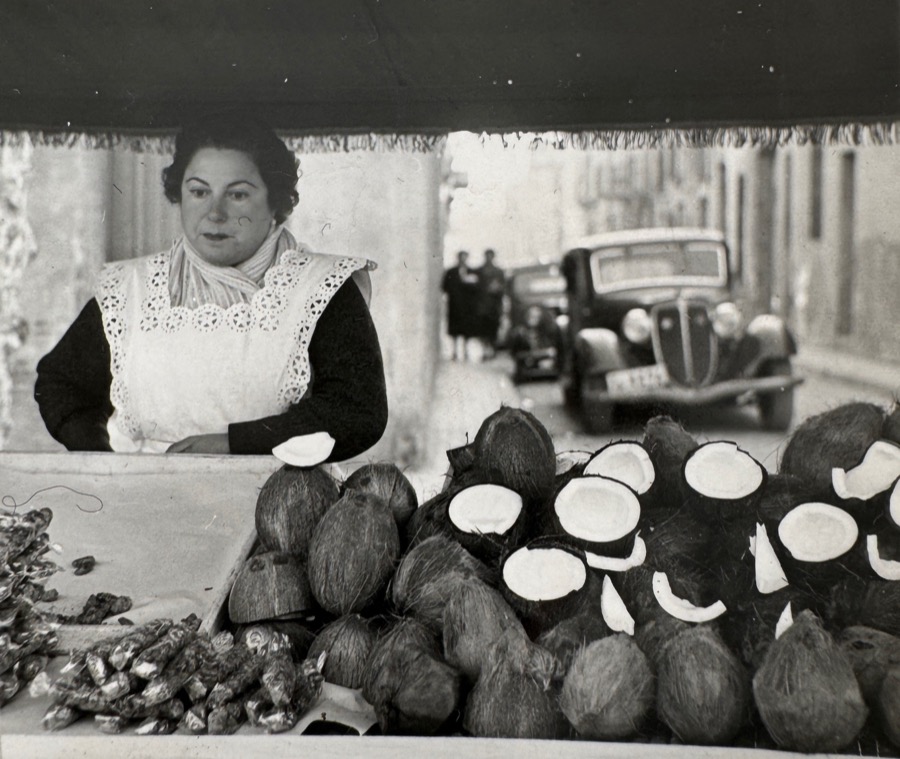 Ramón MasatsBarcelona, 1953.She stands under a fringed awning with her arms folded on the counter, a woman in a black dress and a white apron whose broad lace bib has been starched into a kind of armour.
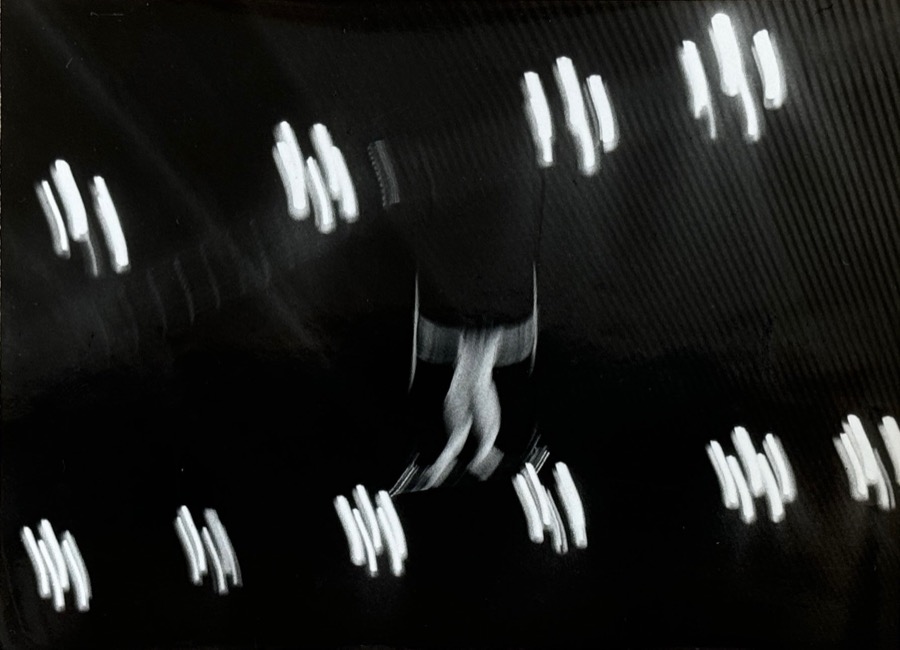 Ramón MasatsBarcelona, 1953.Nothing in this frame agrees to be identified.
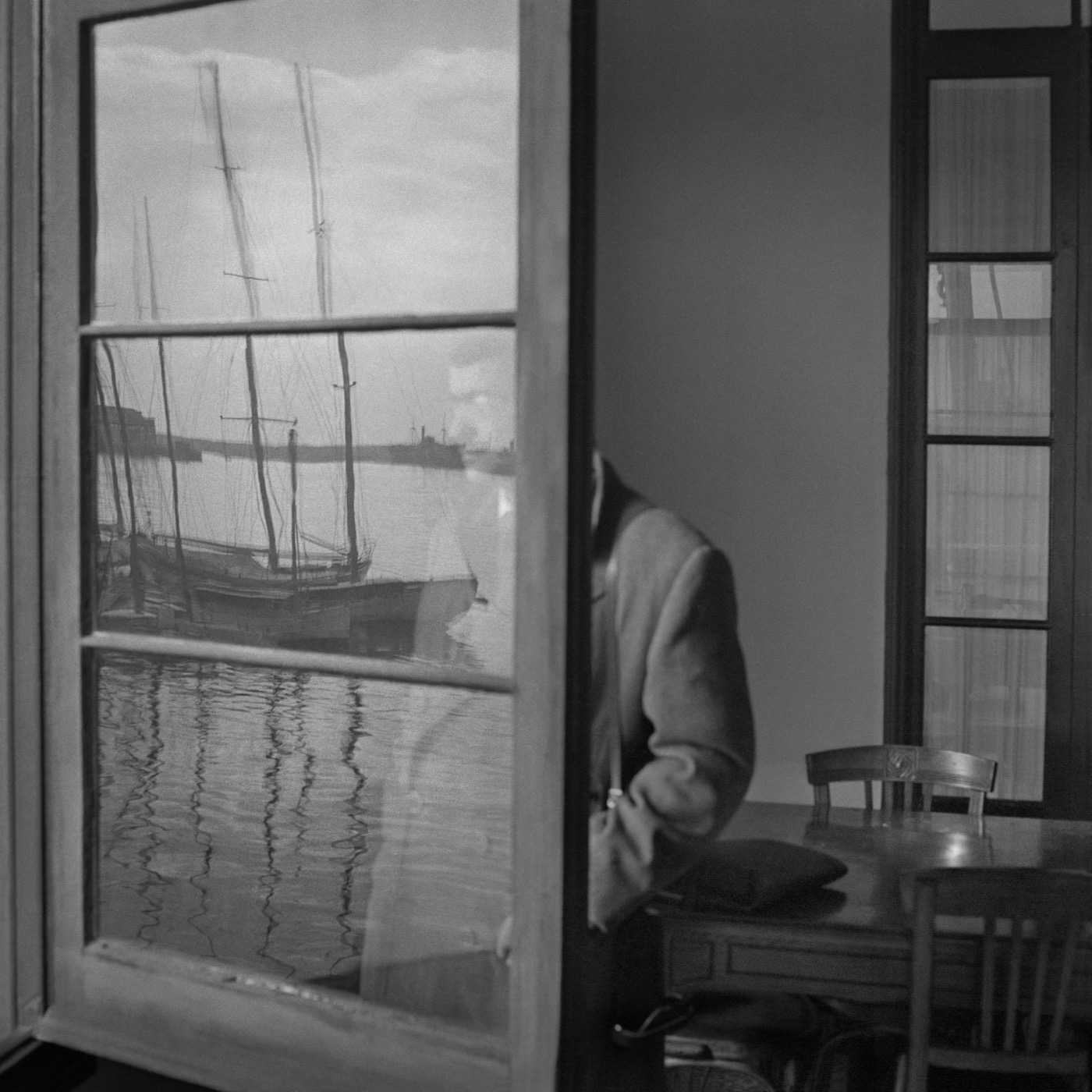 Ramón MasatsCataluña, 1953.He has turned toward the open window and given us his back, so that a grey overcoat and a bent arm stand in for a face the picture will not supply.
 Ramón MasatsPuerto de Barcelona, 1953.On a quay, a row of slatted wooden crates lashed with rope divides the frame.
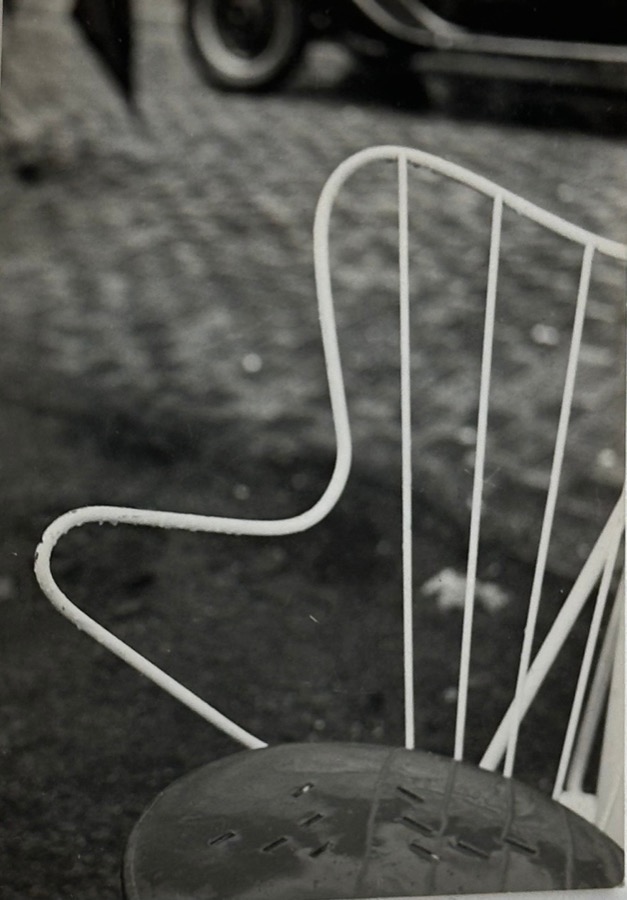 Ramón MasatsSitges, 1953.A white wire chair fills most of the frame, so close that its curved arm loops out of focus toward us.
 Ramón MasatsSomorrostro, Barcelona, 1953.A whitewashed end wall carries an enormous painted numeral 4, brushed by hand, its strokes running slightly, its edges chipping away with the render.
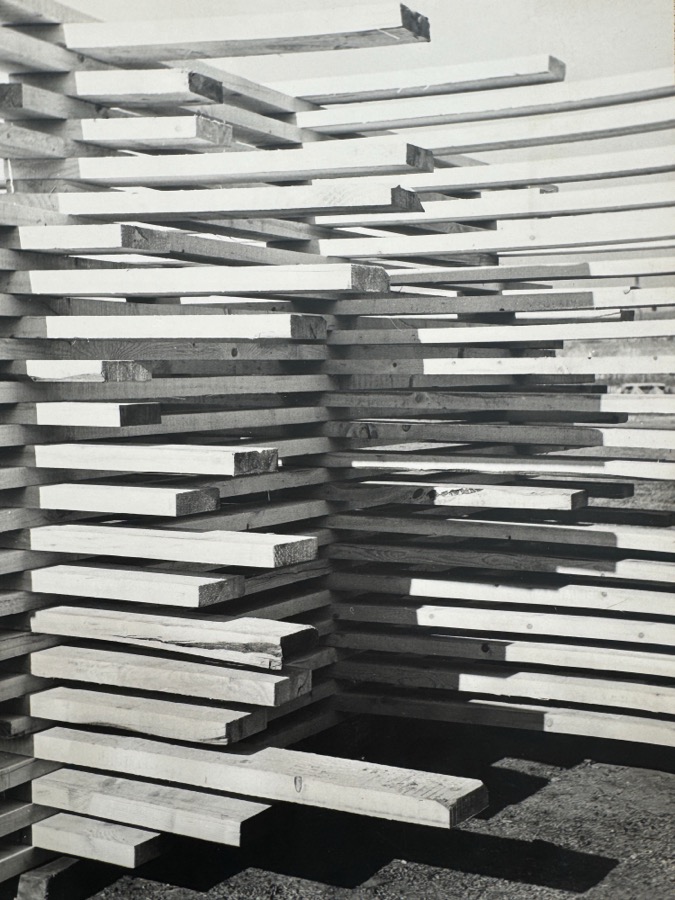 Ramón MasatsTerrassa, 1953.Sawn boards, hundreds of them, stacked in open crosshatch so the air can cure them, and the camera pushed so close that the yard, the sky and the low buildings at the right edge are reduced to…
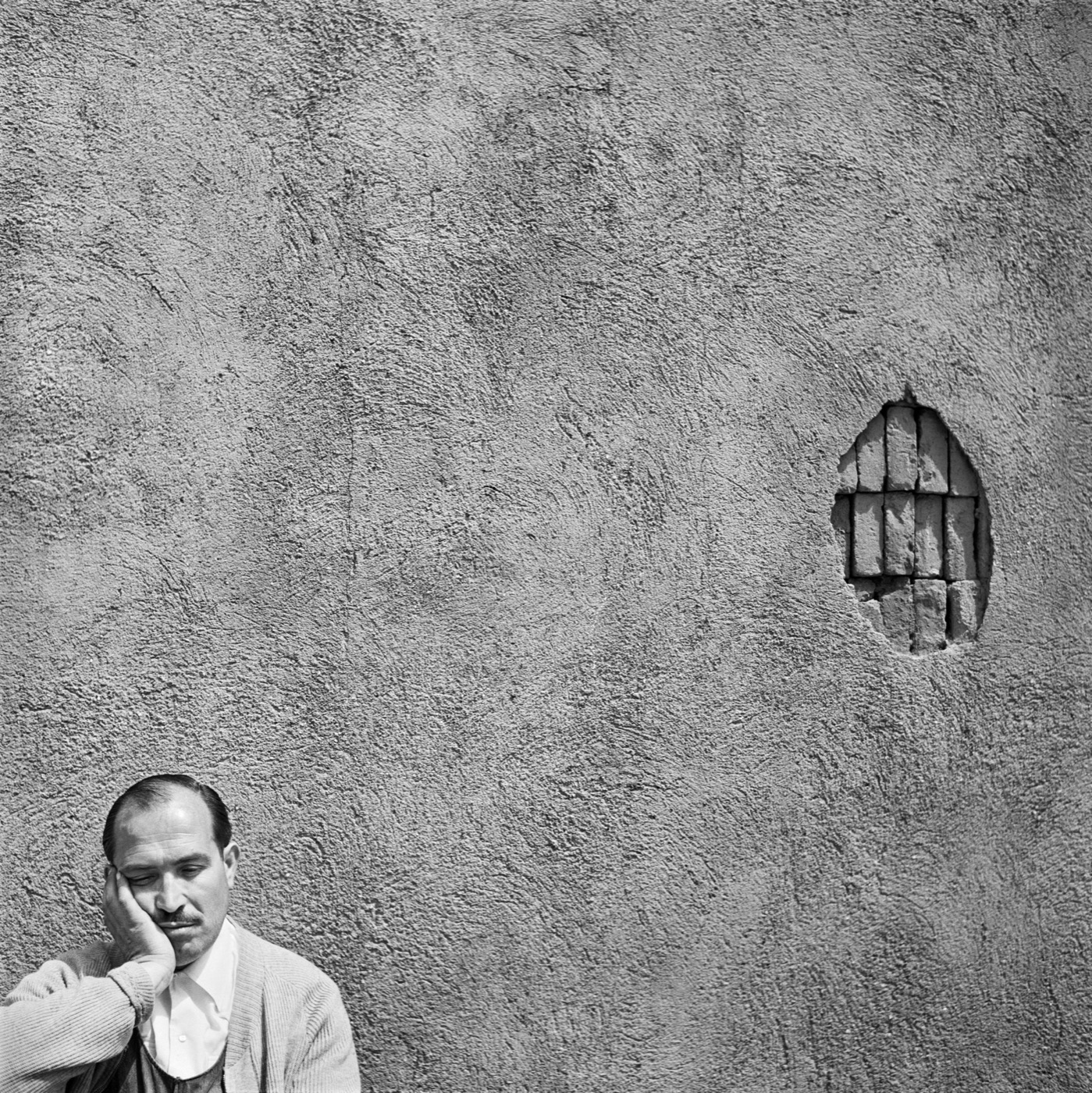 Ramón MasatsTerrassa, 1953.Most of this picture is wall. A great expanse of stucco, raked by light into a topography of nicks and trowel marks, fills nearly the whole square, and a photographer with ordinary instincts would…
 Ramón MasatsTerrassa, 1953.It's the gloves that get you, of course, but it took me a while to work out why.
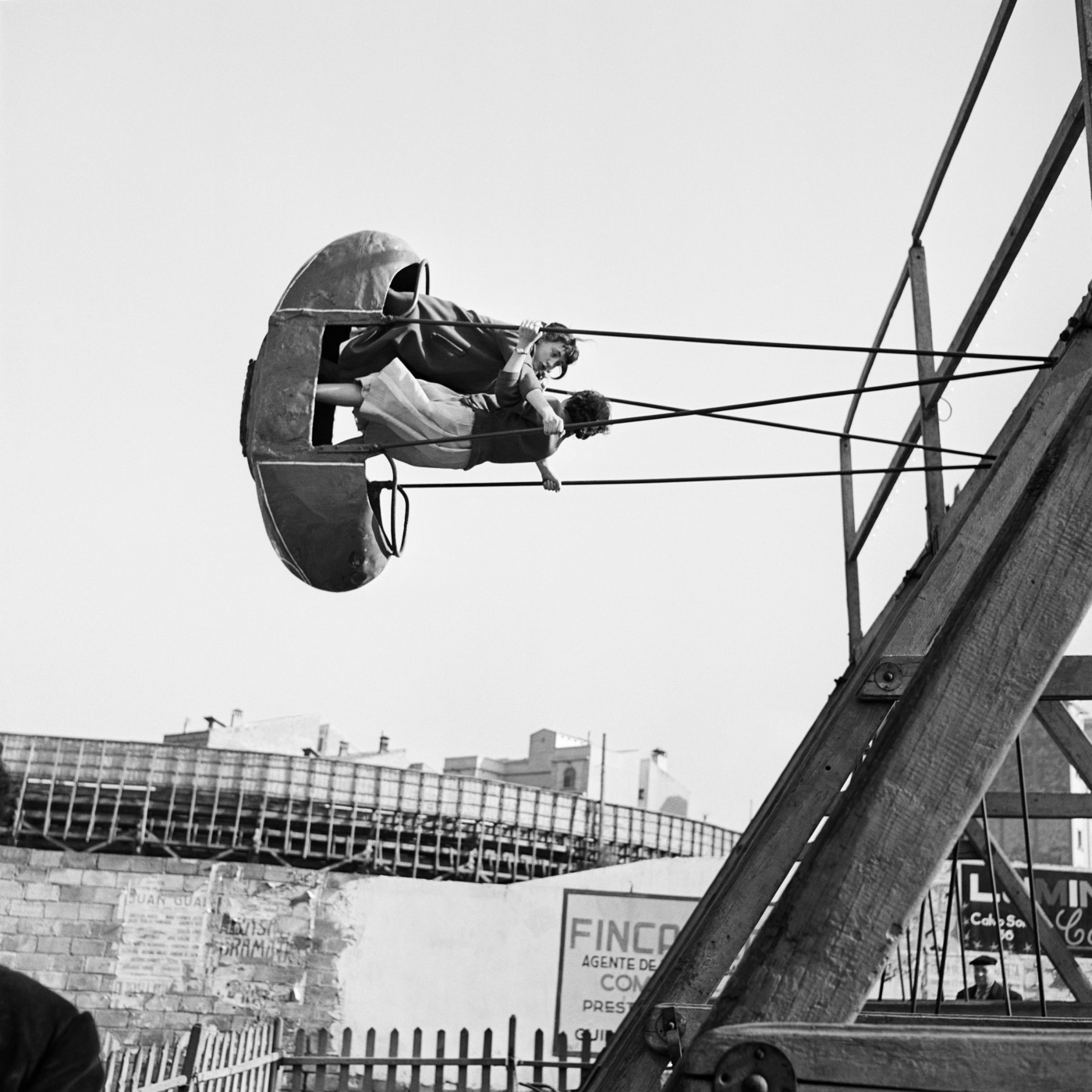 Ramón MasatsTerrassa, 1953.The sky is a blank field of light, so overexposed it reads as pure paper, and against it a swing-boat hangs at the very top of its arc.
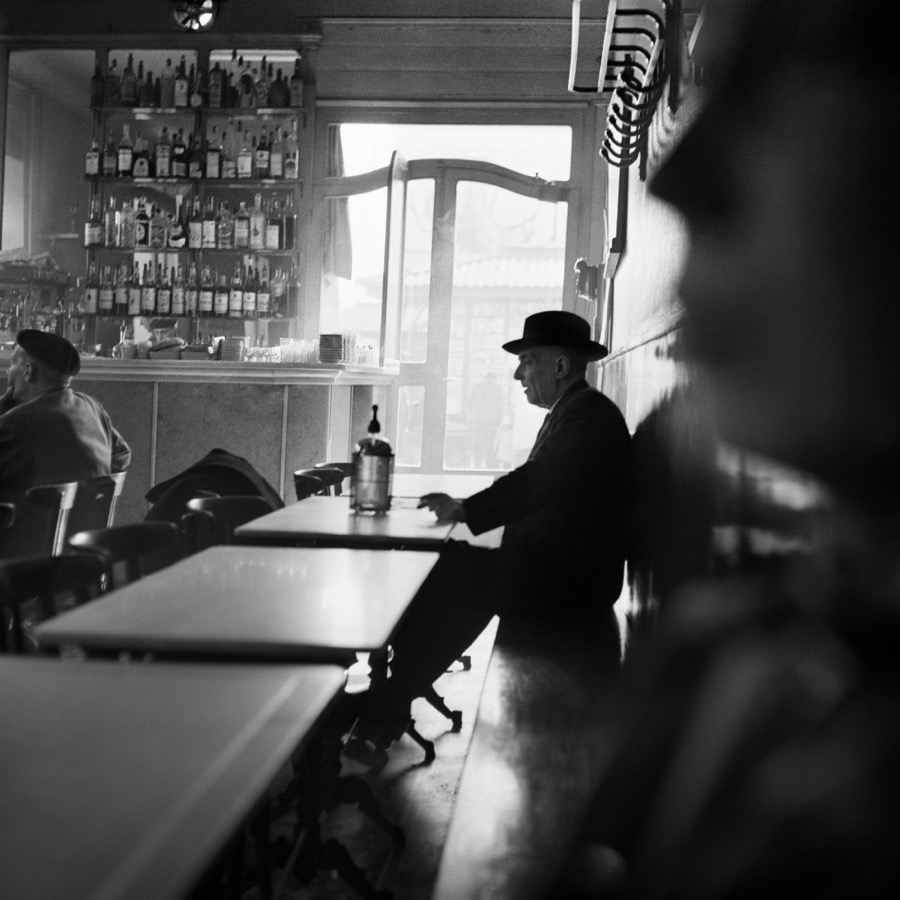 Ramón MasatsTerrassa, 1953.A bar in the middle of the morning, photographed from a table at the back.
 Ramón MasatsTerrassa, 1953.An art school in Terrassa in 1953, housed in a tall brick hall with a white iron staircase.
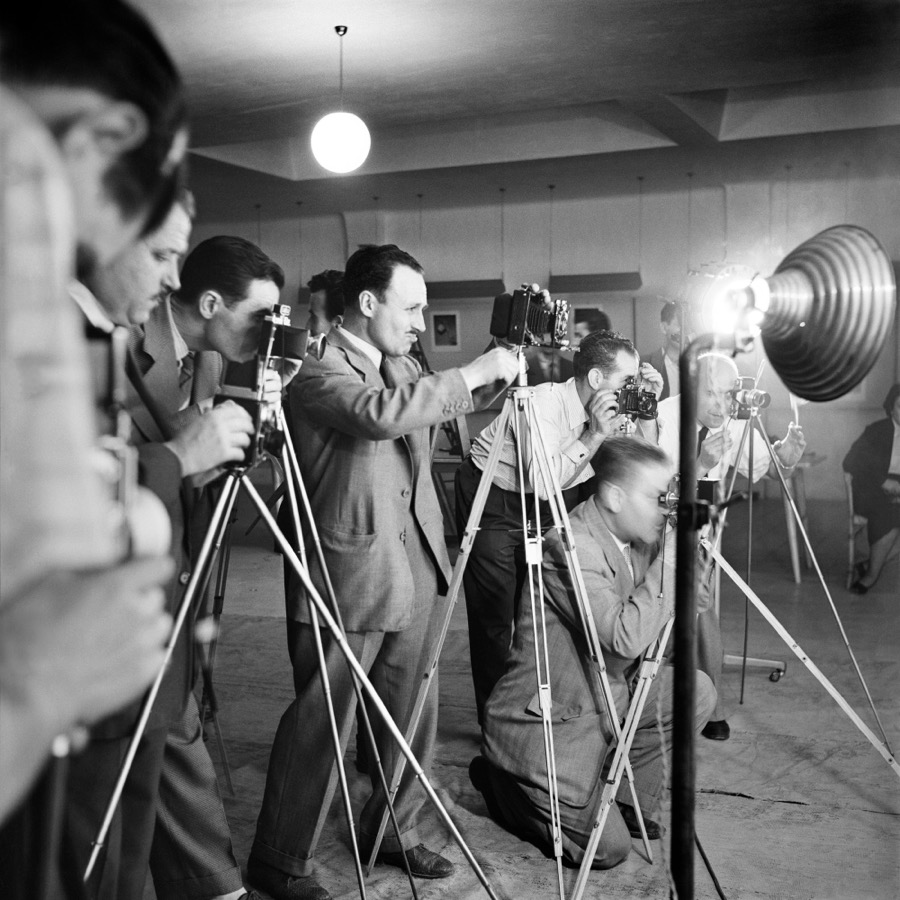 Ramón MasatsTerrassa, 1953.In 1953, Terrassa's photographic society gathered in a studio where young Ramón Masats discovered a visual language that would revolutionise Spanish documentary photography.
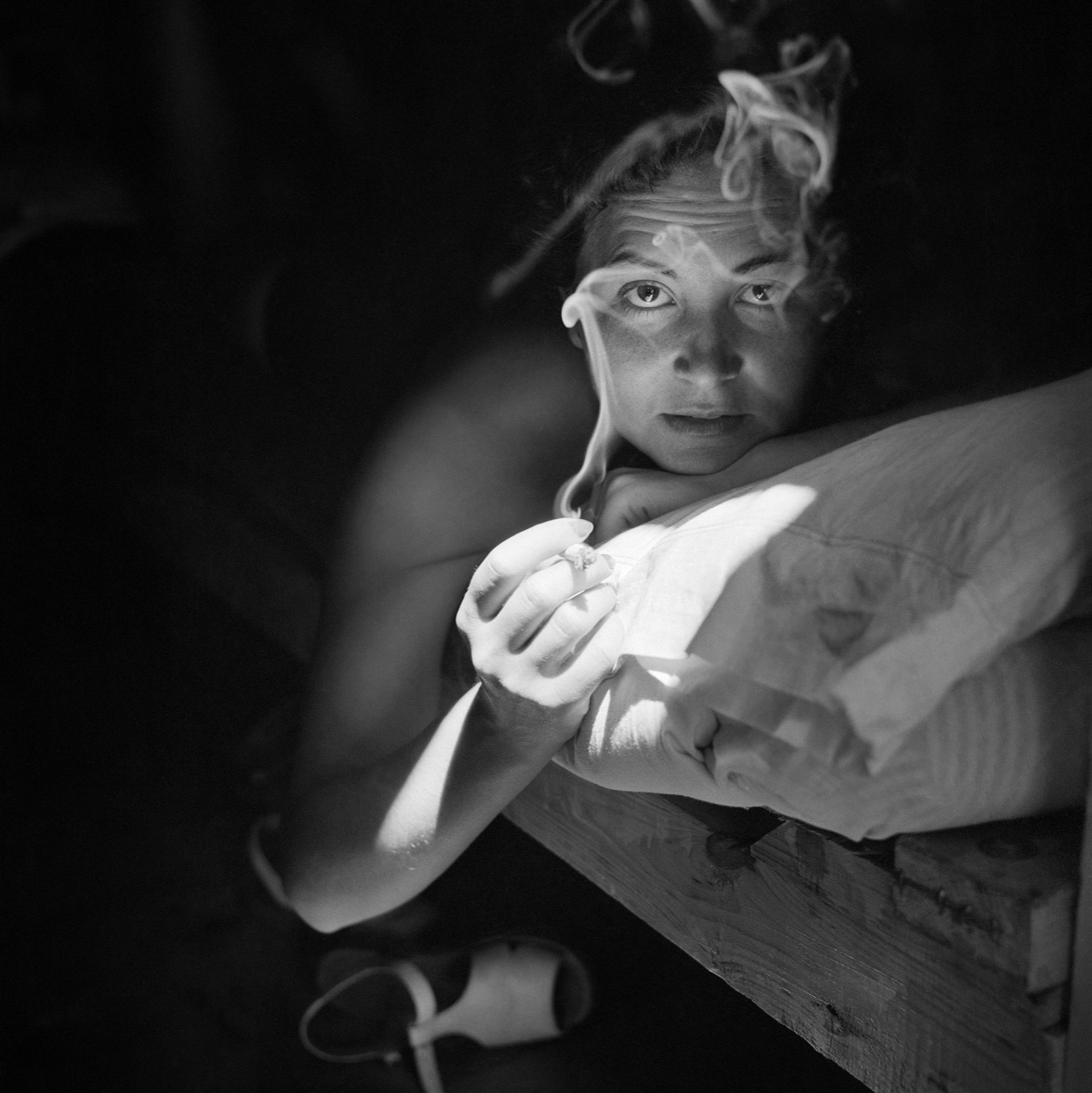 Ramón MasatsTerrassa, 1953.The face lifted from blackness by a single blade of light belongs to a lineage older than photography, running from Caravaggio’s tavern saints through the candlelit reveries of La Tour.
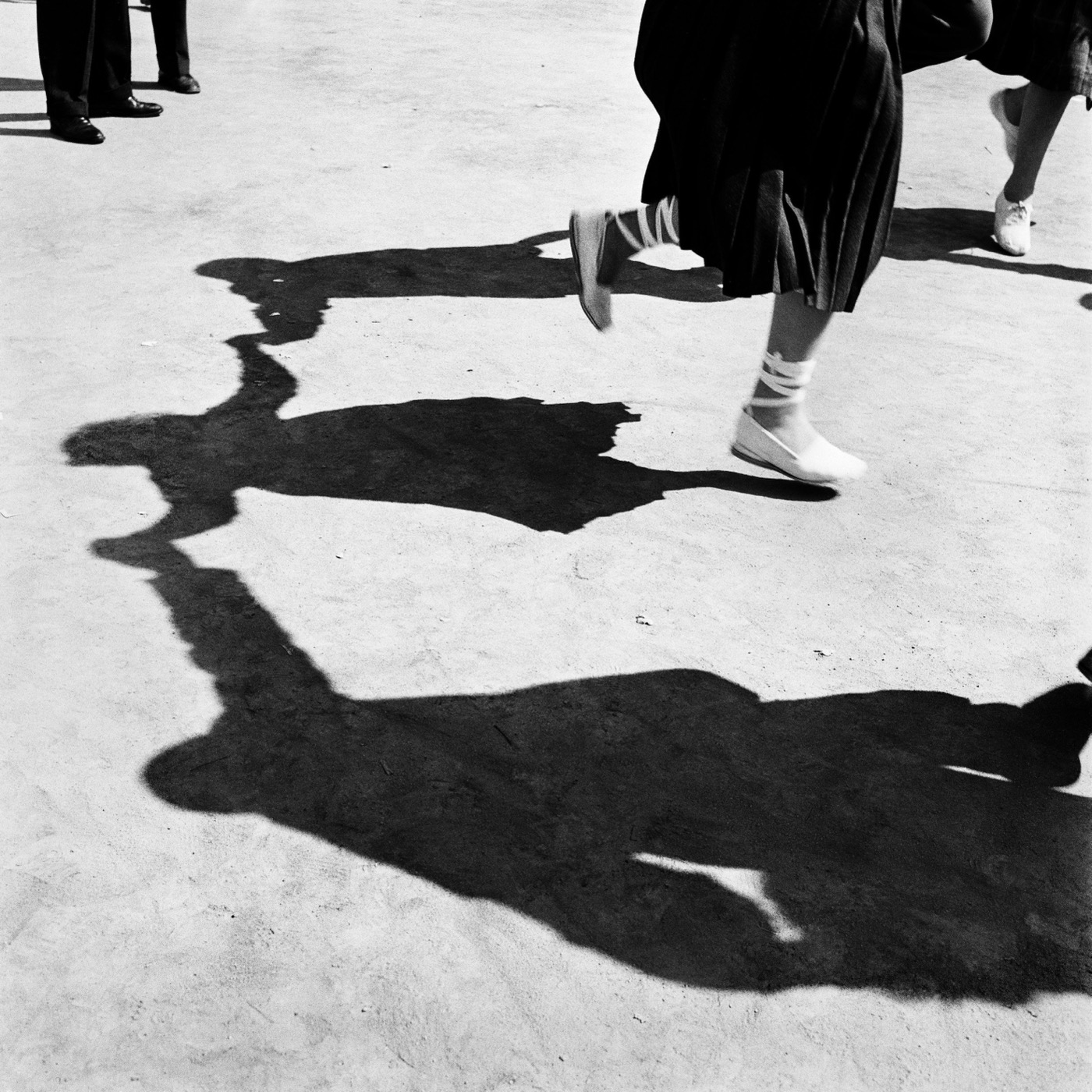 Ramón MasatsTerrassa, 1953.A half-second from now the raised white flat will come down on the sunlit concrete and the whole balance will shift; for now it hangs, toe pointed, mid-stride.
 Ramón MasatsTerrassa, 1953.The cow has almost disappeared. Brought this close, its flank turns into cartography: two dark continents pressing in from either side, a channel of white running between them, the nap of the hide…
 Ramón MasatsTerrassa, 1953.A sand yard, all mounds of pale grit and darker gravel, and standing in the middle of it a great circular wire sieve on a wooden frame: concentric rings, radiating spokes, a screen you could put a…
 Ramón MasatsTerrassa, 1953.Nine men eating their midday meal on a stack of perforated bricks, four along the top, against a tall grid of glass panes and a plain brick wall, five lower down on the ground and the rubble.
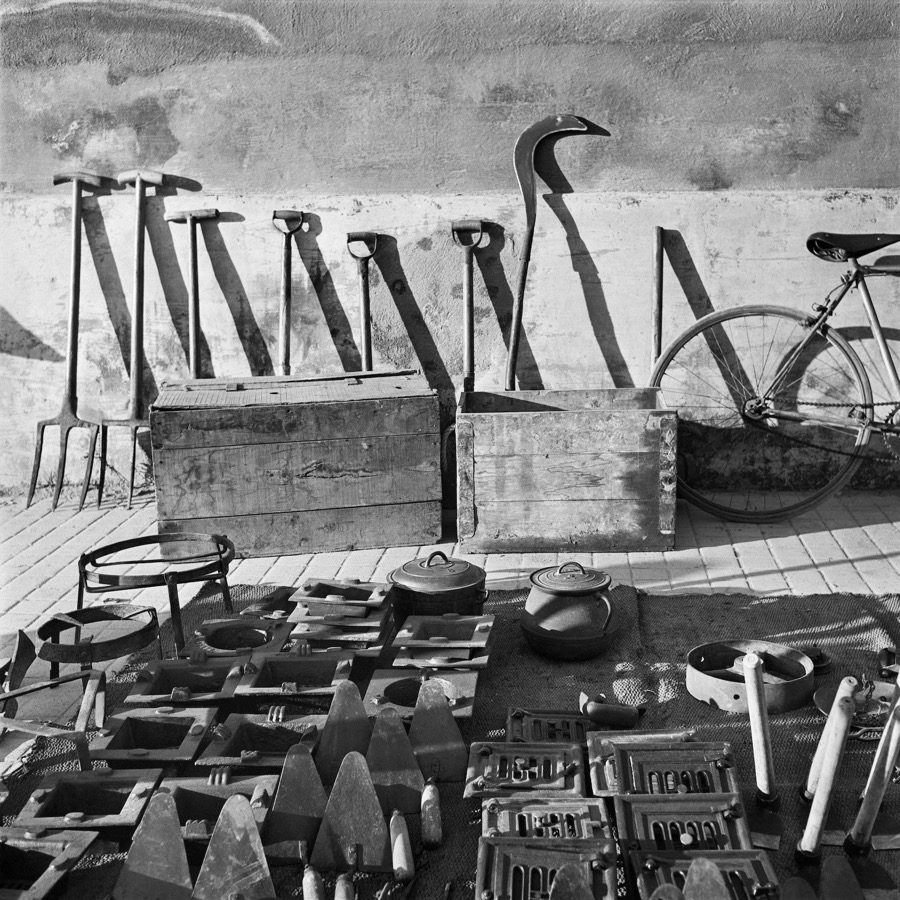 Ramón MasatsTerrassa, 1953.A shop laid out on the pavement, with nobody minding it.
 Ramón MasatsTerrassa, 1953.The only inscription on this wall is ornament: a narrow band of glazed tiles printed with a repeating lozenge motif, a geometric sentence running left to right across the middle of the frame.
 Ramón MasatsTerrassa, 1953.The wall takes almost the whole square. It is the flank of a building whose neighbour has been pulled down, and the demolition has left everything showing: plaster hanging off in scabs, a horizontal…
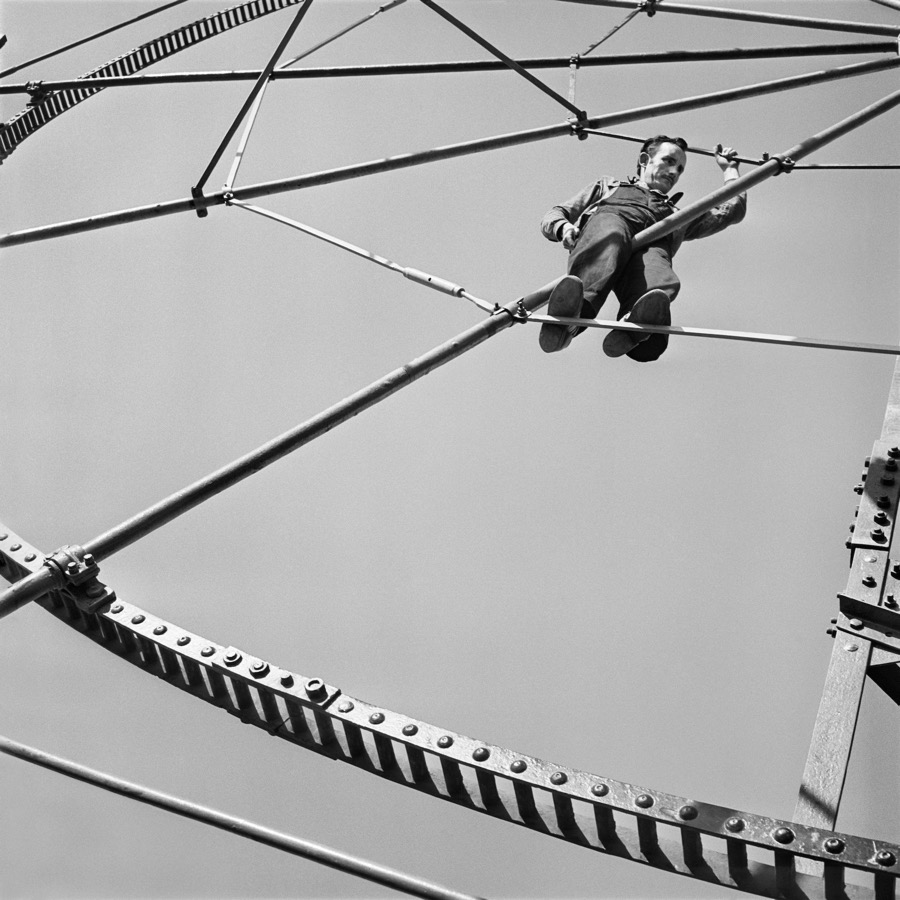 Ramón MasatsTerrassa, 1953.This photograph represents a defining moment from Ramón Masats' early work, made in Terrassa in 1953 when the artist was just 22 years old.
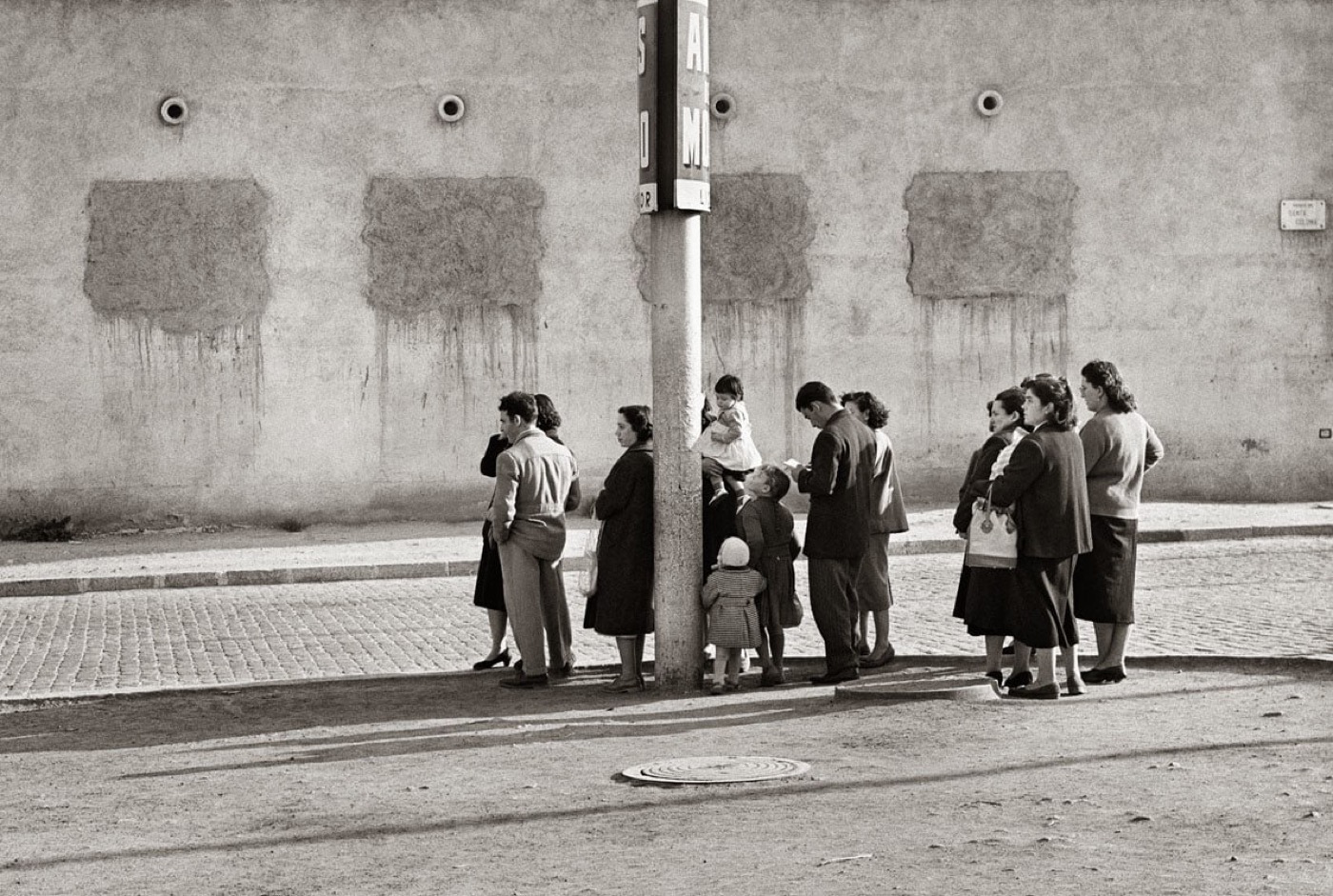 Ramón MasatsBarcelona, 1954.There is a famous wall in Cartier-Bresson’s Madrid, punctured by a confetti of tiny windows; the wall Masats found in Barcelona a generation later answers it with windows sealed, four cemented…
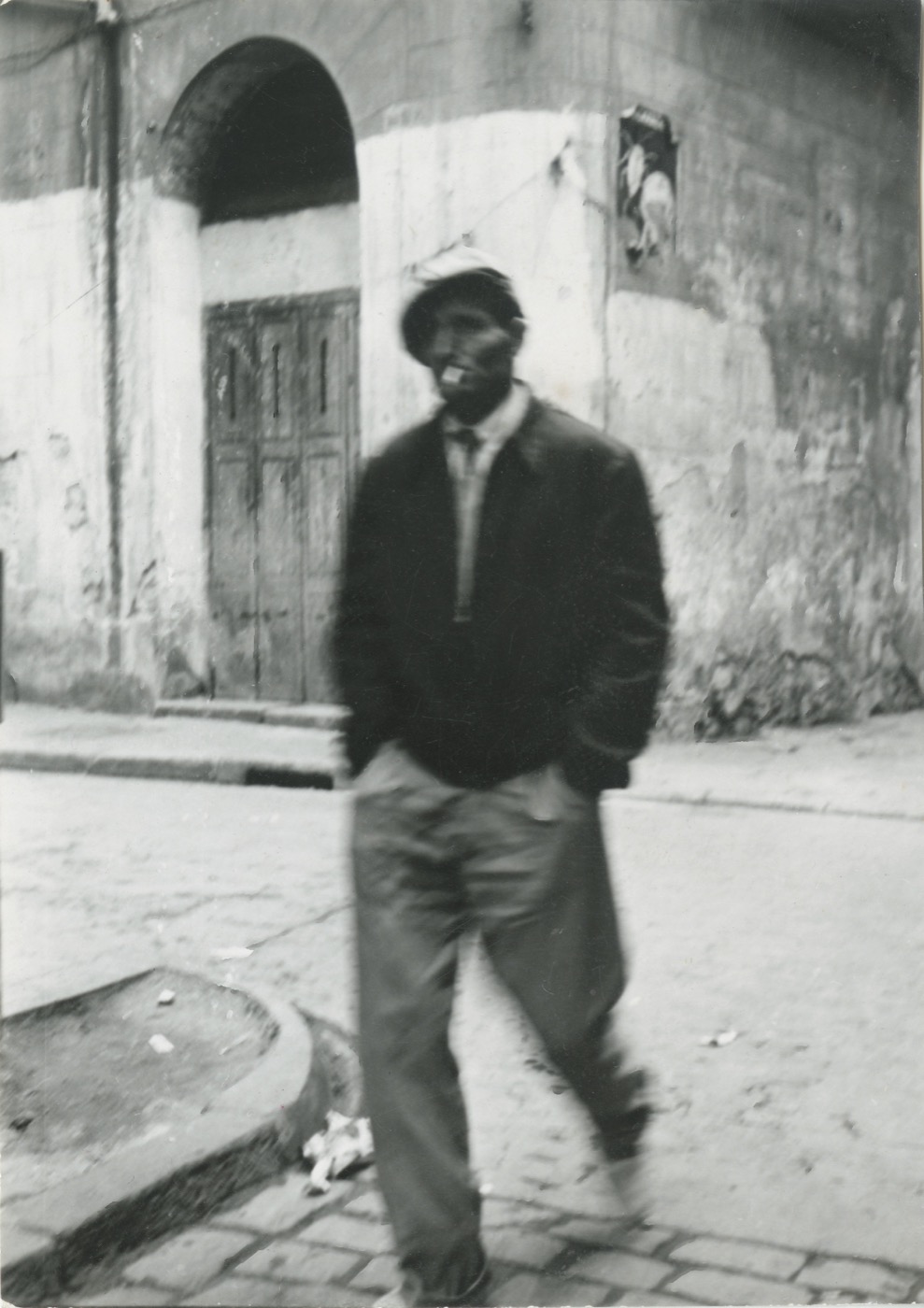 Ramón MasatsBarcelona, circa 1954.Halfway down a Barcelona back street, low sun somewhere, a man walks straight into the lens, close enough that the focus cannot quite hold him.
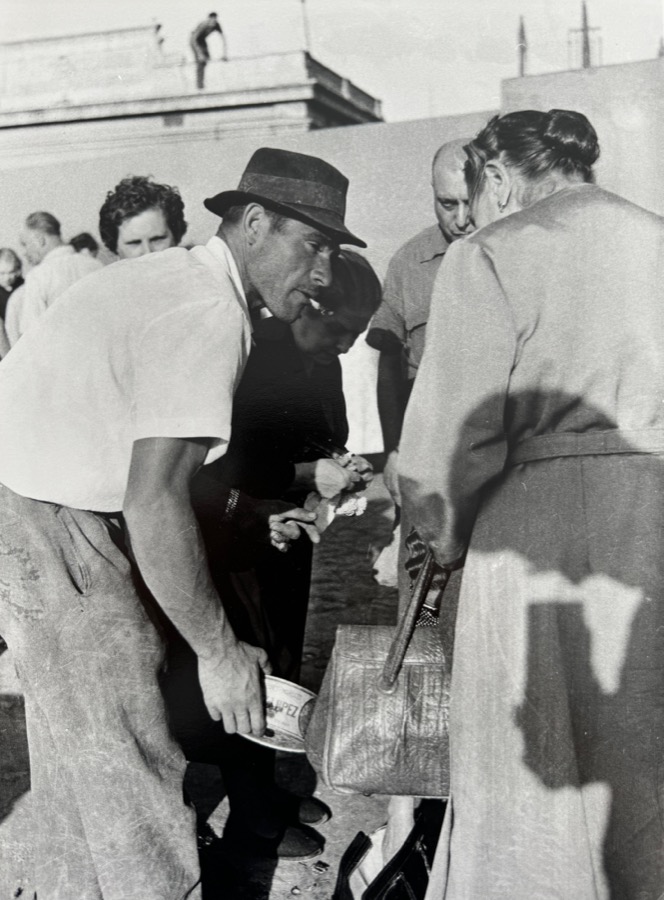 Ramón MasatsBarceloneta, 1954.A knot of bodies in bright sun, everyone bending toward something just below the frame.
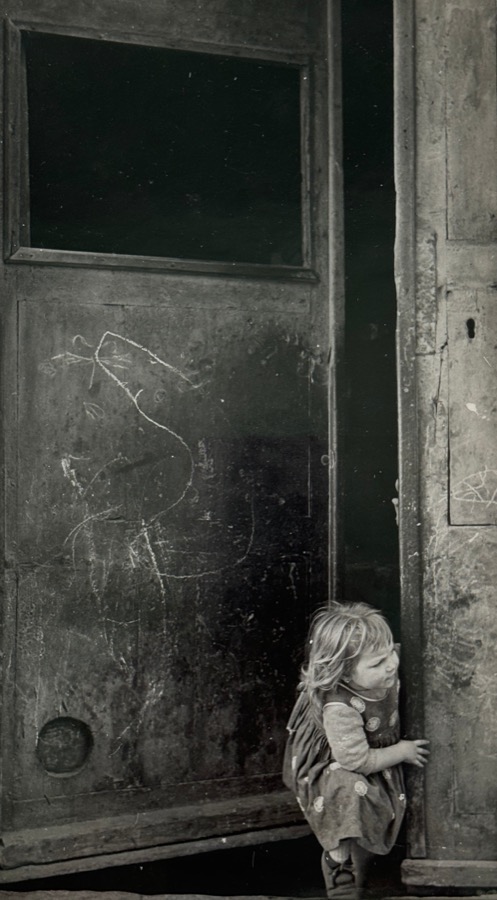 Ramón MasatsBarceloneta, 1954.A tall dark door, scarred and scuffed, with a small dark window set into its upper panel.
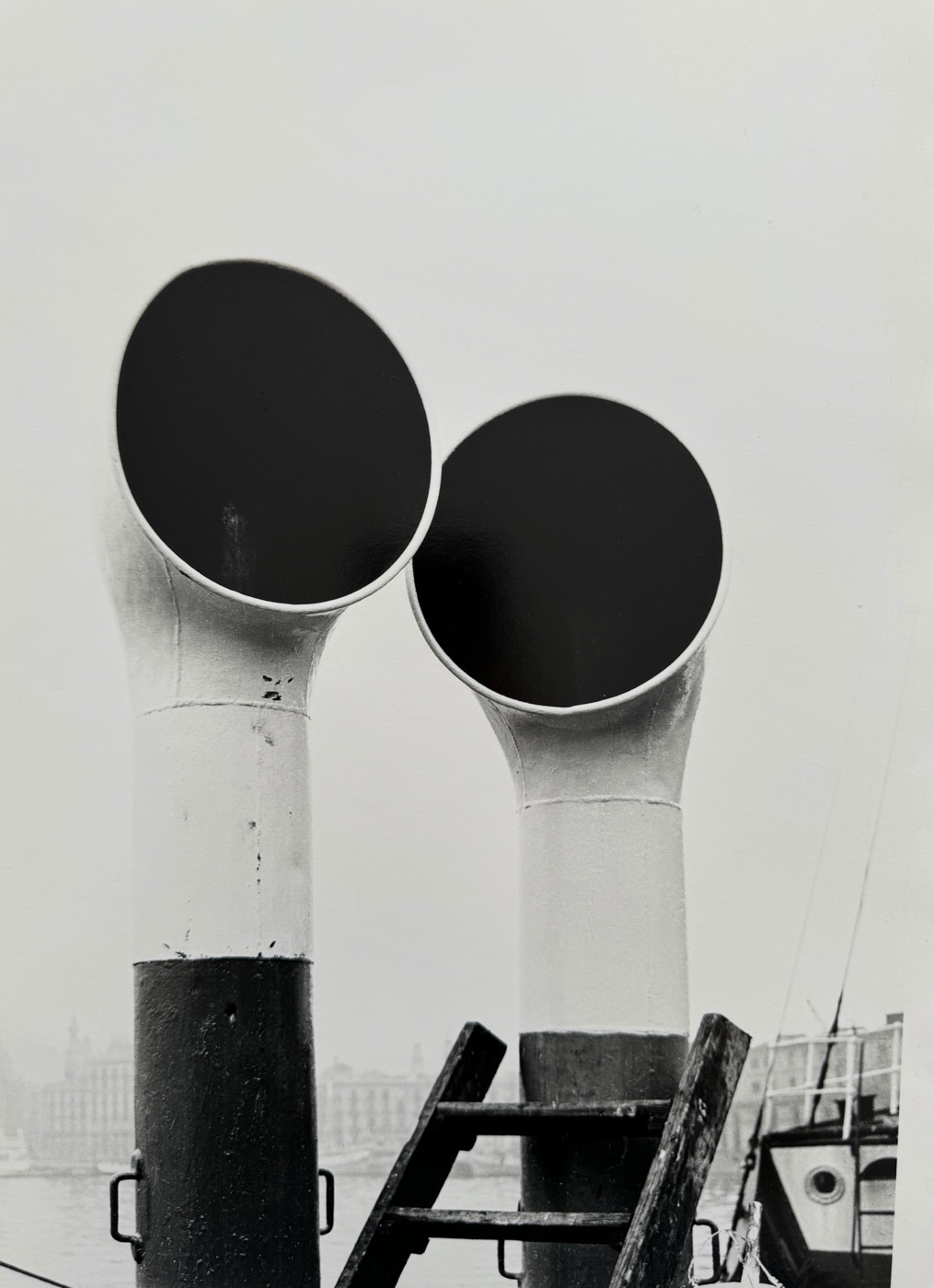 Ramón MasatsPuerto de Barcelona, 1954.The camera here has been pointed at a piece of marine plumbing and told to make a picture of it, which is the kind of dare a young photographer sets himself.
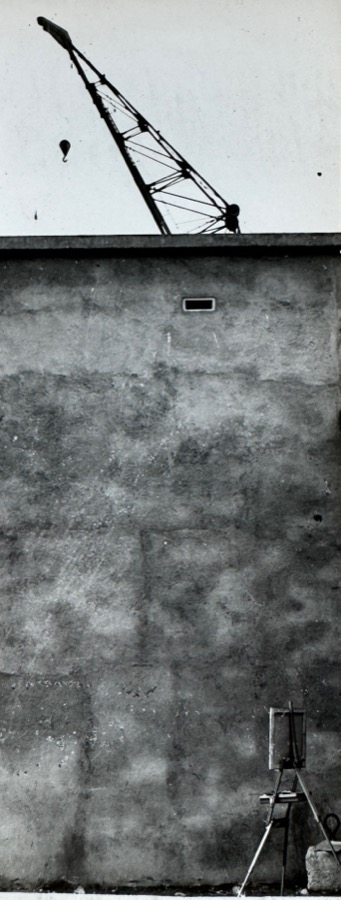 Ramón MasatsBarcelona, 1955.The print is a narrow upright strip, barely seven centimetres wide, and almost all of it is wall: a stretch of rendered concrete, mottled by damp and repair, with a single small vent set high in it…
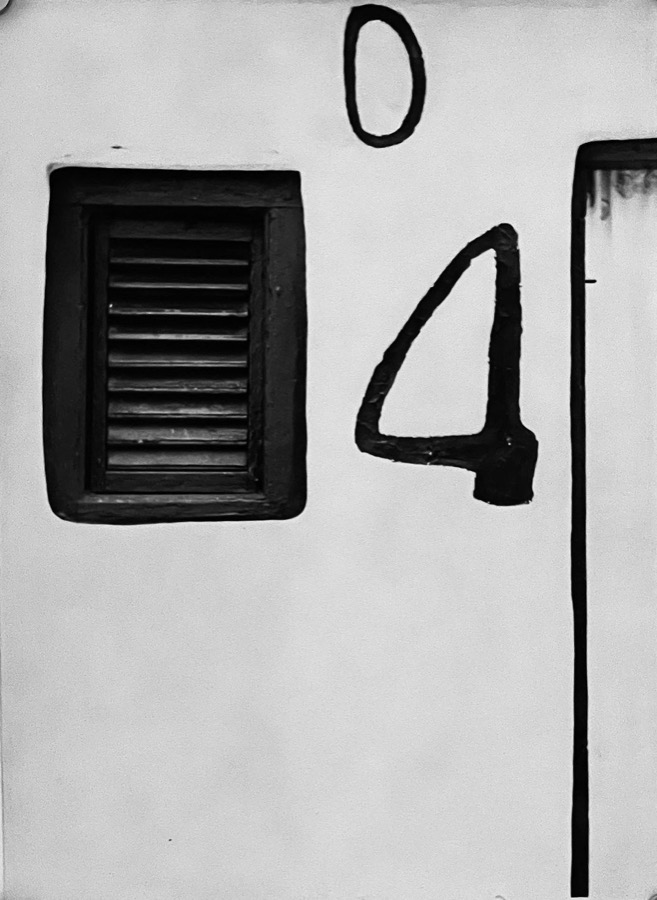 Ramón MasatsEl puerto, Barcelona, 1955.A whitewashed wall. A small louvered shutter, dark, set in a dark frame.
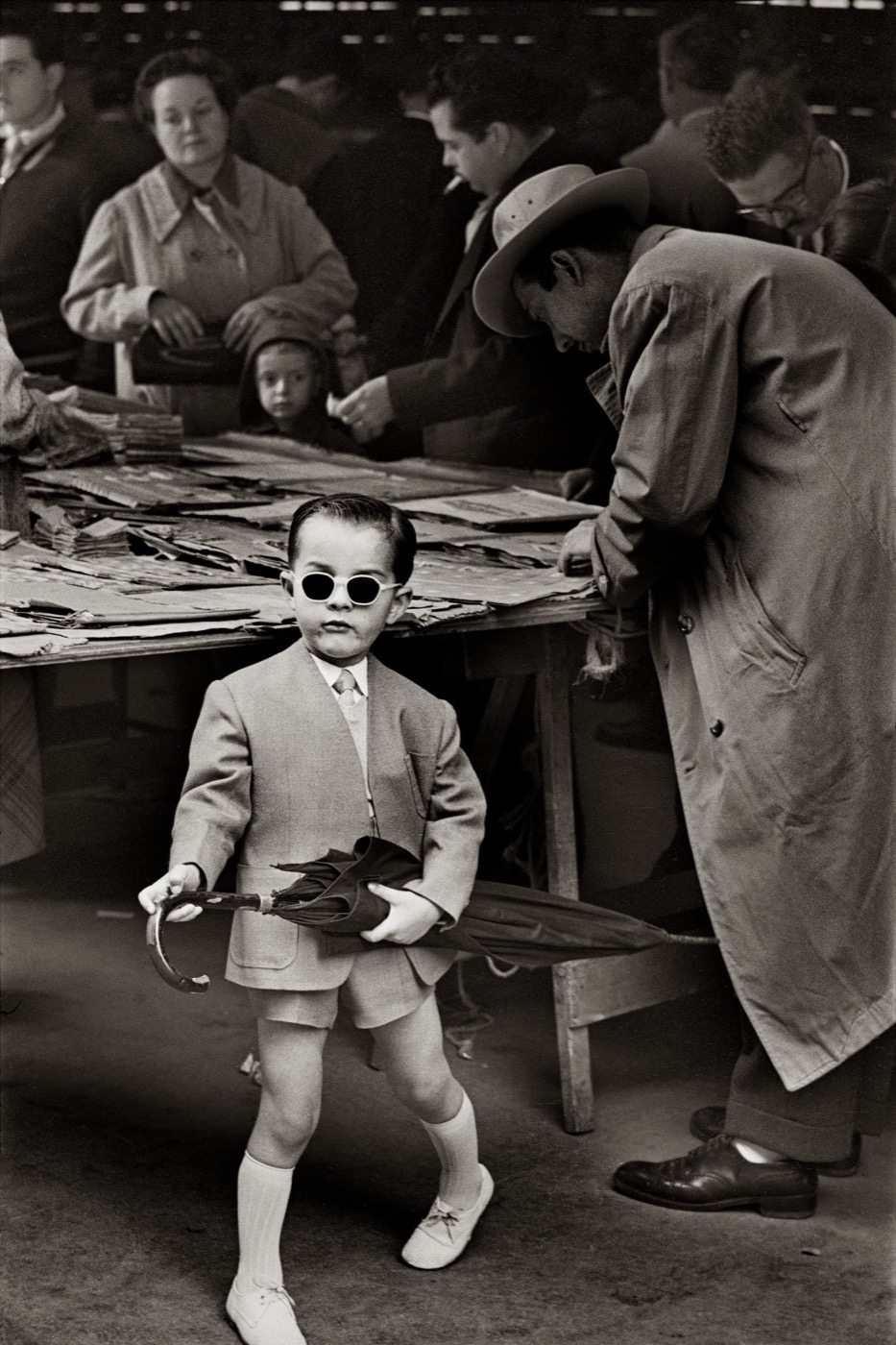 Ramón MasatsSant Antoni Market, Barcelona, 1955.The boy in the white sunglasses got there before you did.
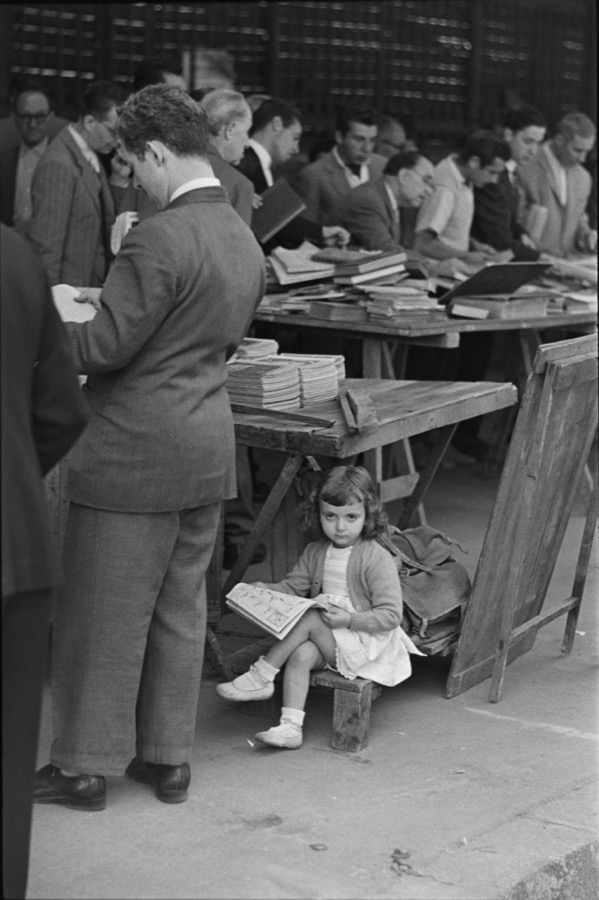 Ramón MasatsSant Antoni Market, Barcelona, 1955.The boy stands in the one clear patch of floor, and everything taller than him leans away.
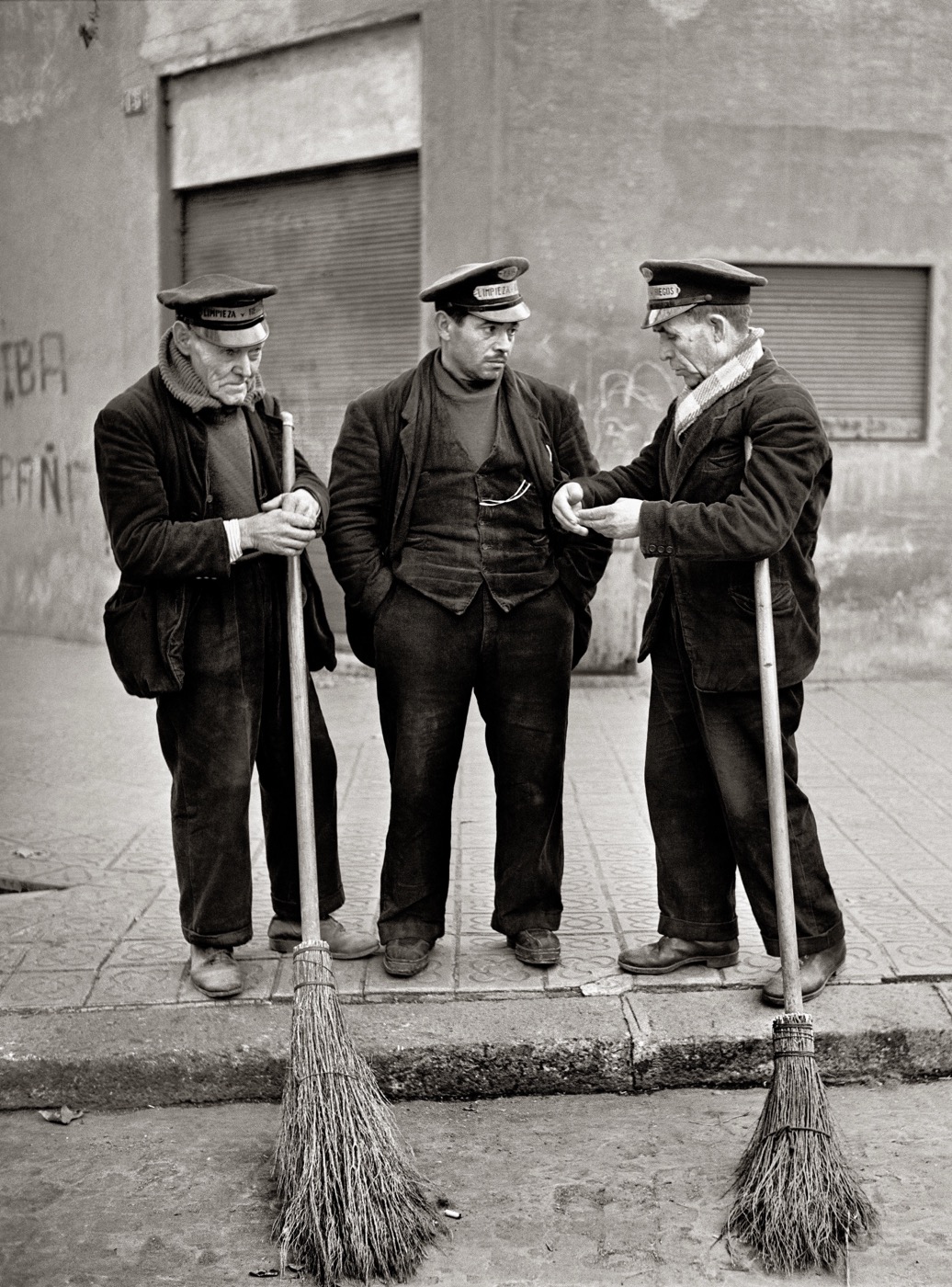 Ramón MasatsBarcelona, 1956.A photograph of three street sweepers is not necessarily about work, and this one is not.
 Ramón MasatsRambla, 1956.Words are the stock in trade at this stall, yet the one legible run of them across the awning isn’t words at all but a printed frieze of cypress trees, their black spires snipped into pale canvas…
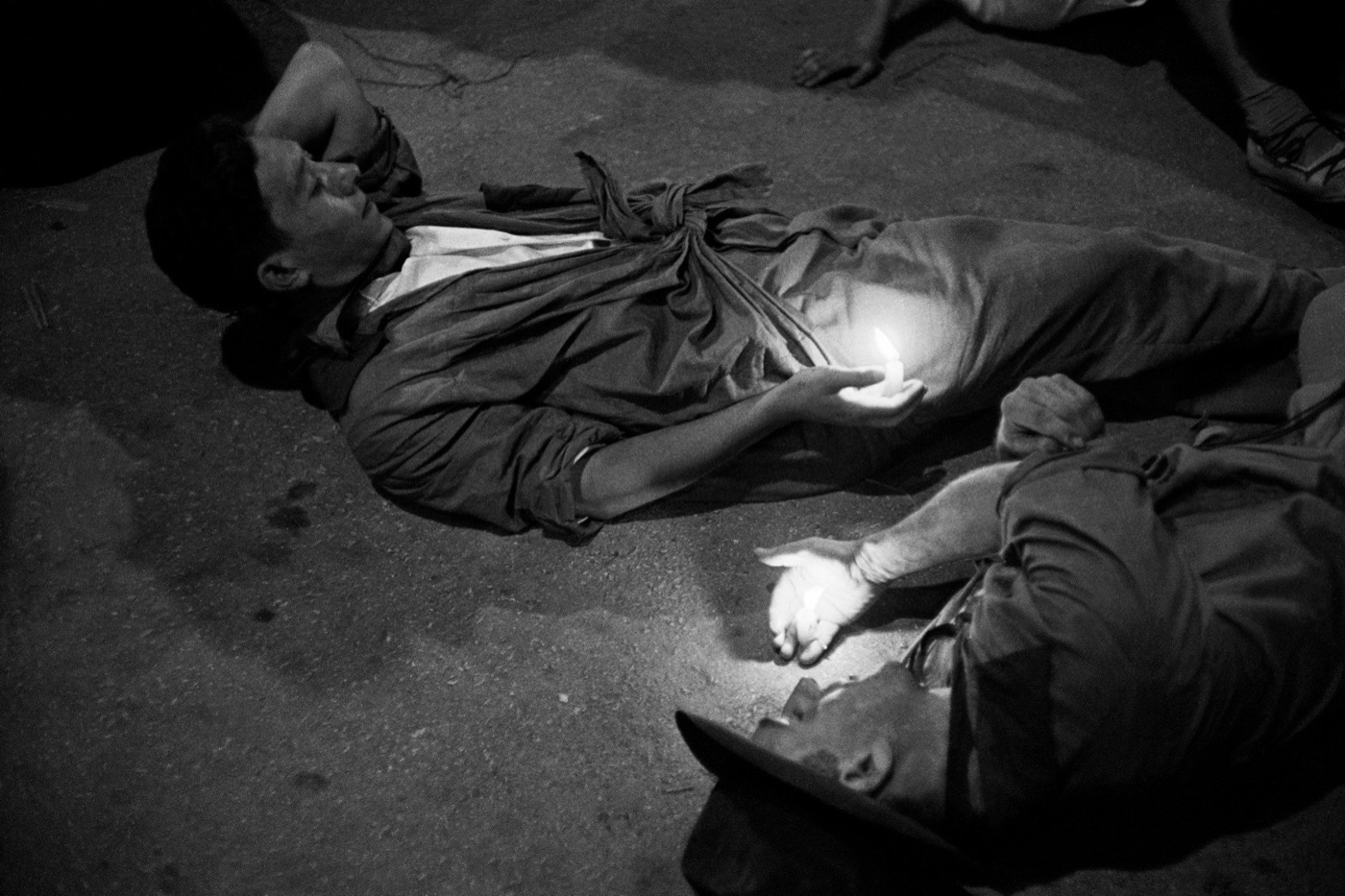 Ramón MasatsSanfermines, Pamplona, 1956-60.What the frame declines to explain is the reason these bodies lie flat on the dust: whether the men are sleeping off the fair, praying, or acting out some drink-thickened dare.
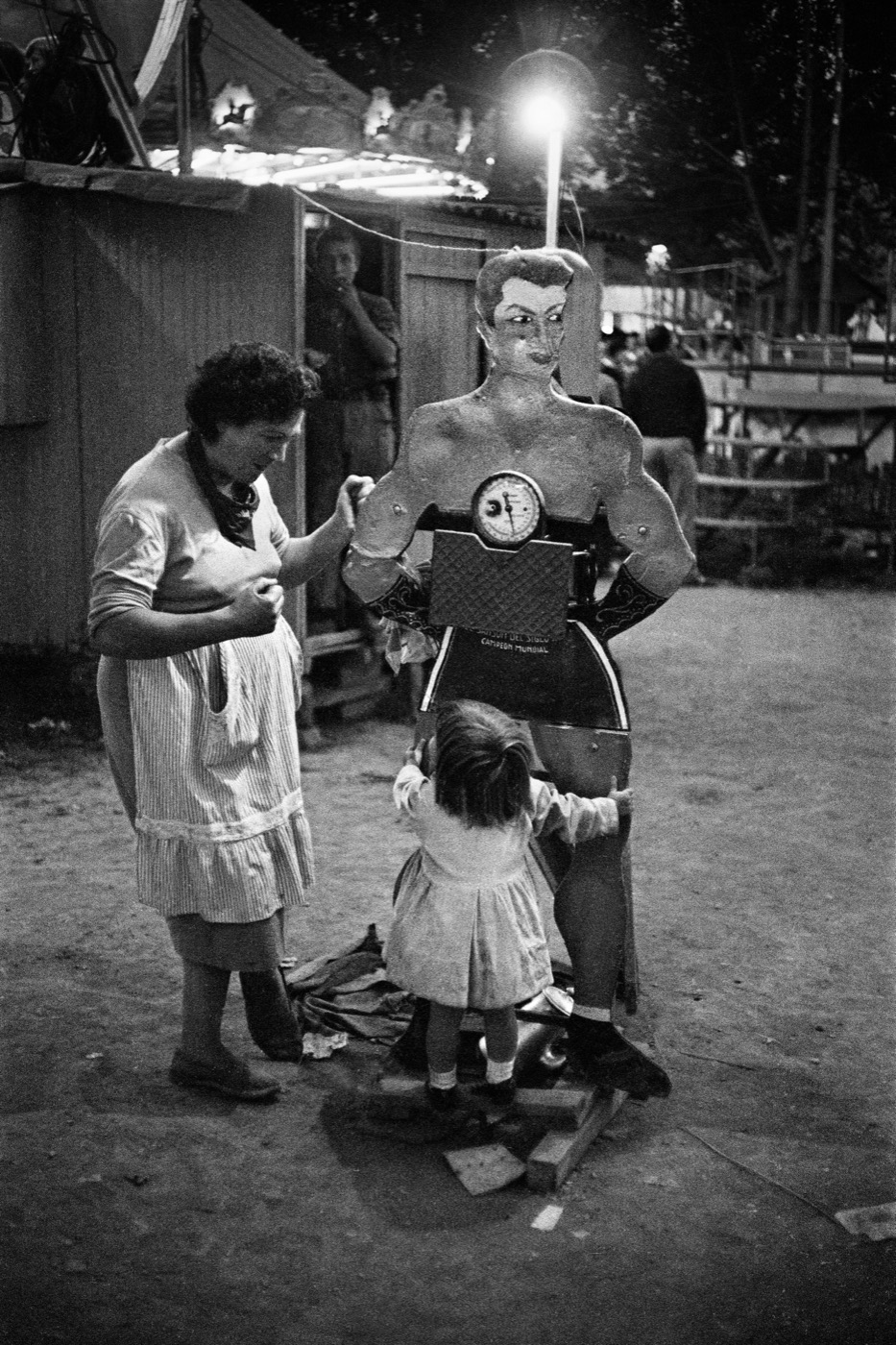 Ramón MasatsSanfermines, Pamplona, 1956-60.On the trampled dirt of a Pamplona fairground after dark, a bare bulb flares above the head of a cardboard strongman.
 Ramón MasatsSanfermines, Pamplona, 1956-60.Blur, at a fiesta, is not a photographic failure; it is fidelity.
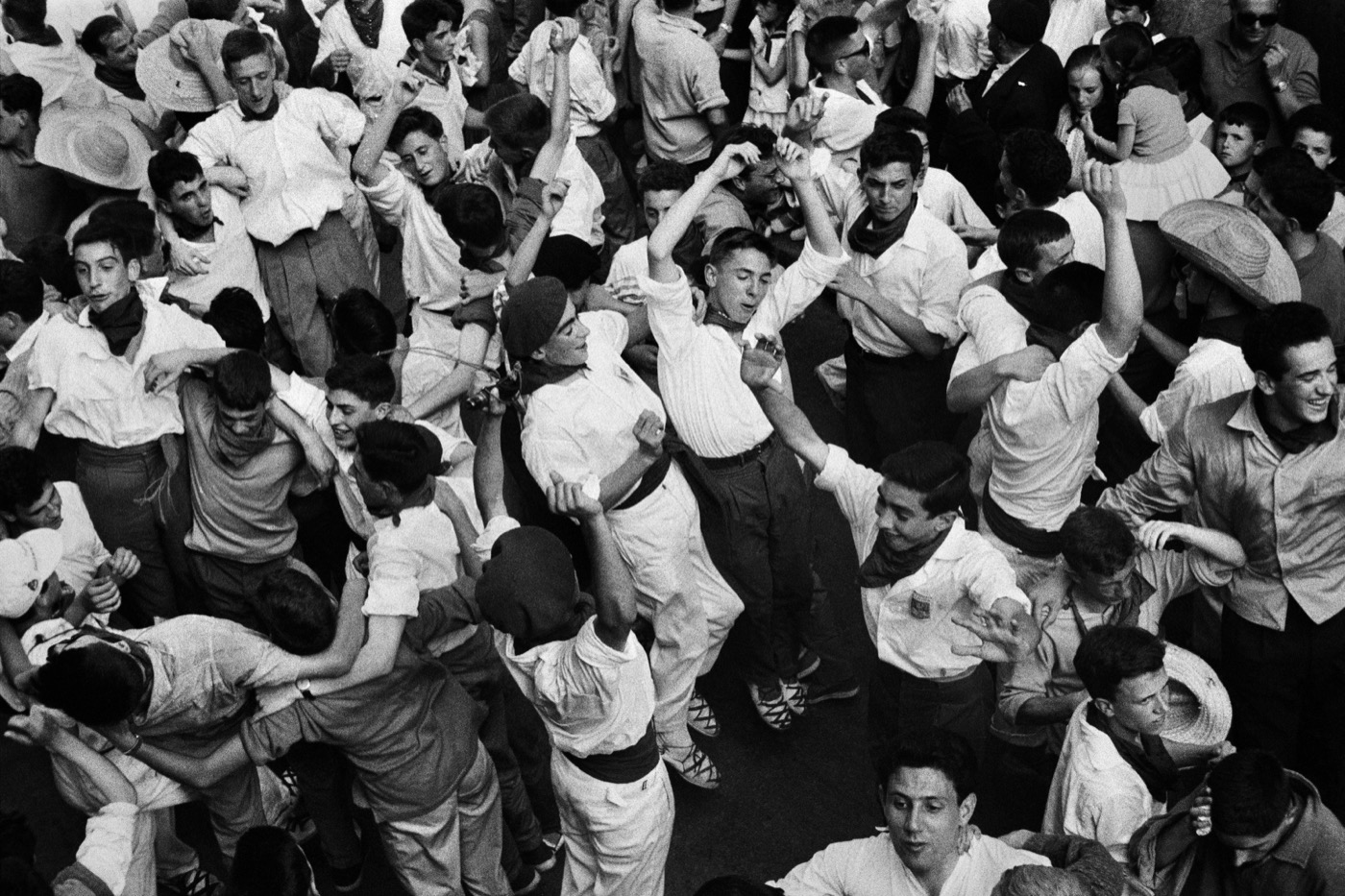 Ramón MasatsSanfermines, Pamplona, 1956-60.How many white shirts can one frame hold before the crowd stops being a gathering of individuals and becomes a kind of weather?
 Ramón MasatsSanfermines, Pamplona, 1956-60.It is the thumb I keep returning to: one blunt thumb pressed to the lower edge of a folded newspaper, the whole flimsy roof of print depending on that small pressure.
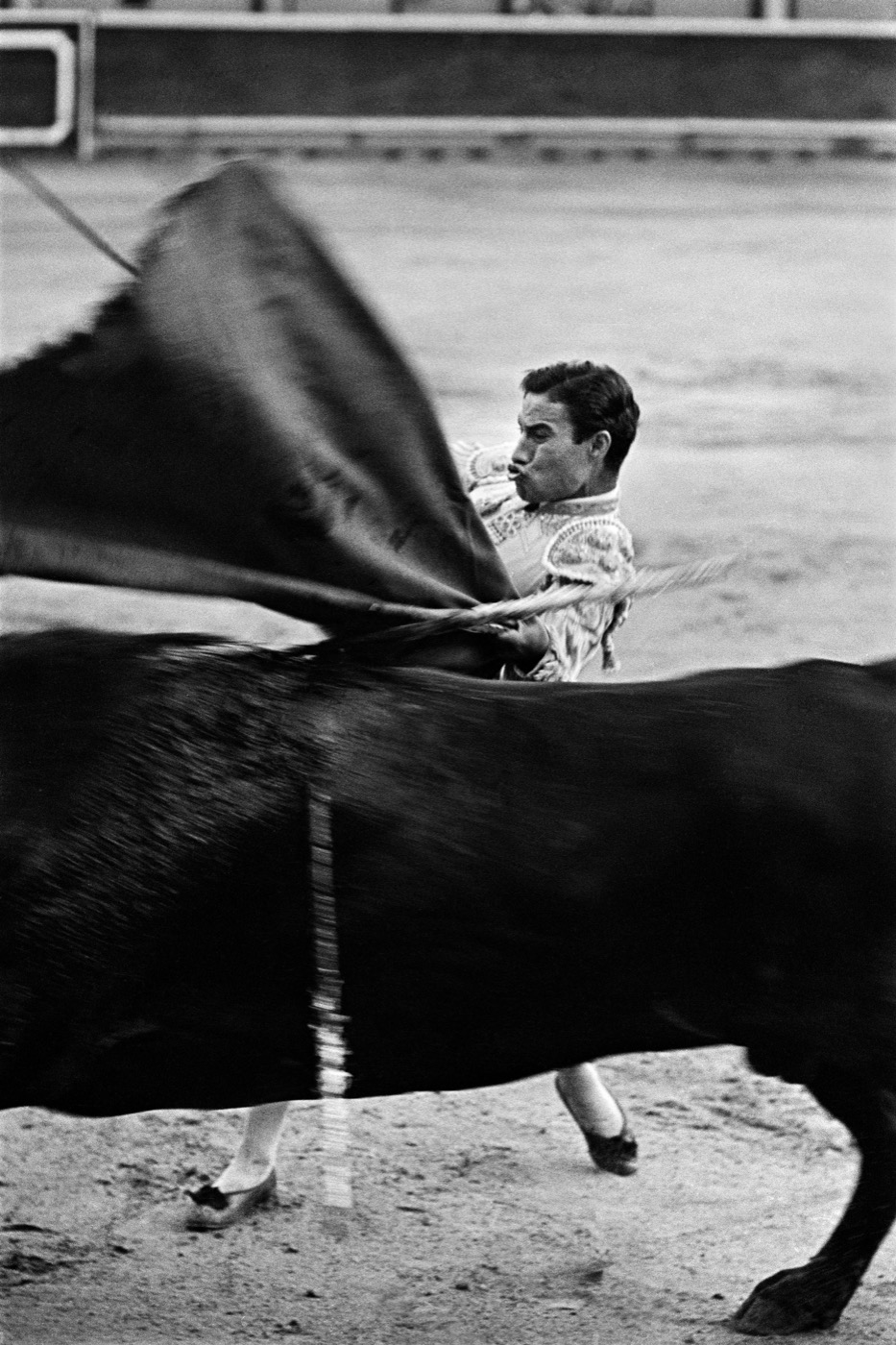 Ramón MasatsSanfermines, Pamplona, 1956-60.A flat, shadowless glare, the light of a covered afternoon, lies evenly over pale sand, so that nothing casts a shadow and everything depends instead on motion.
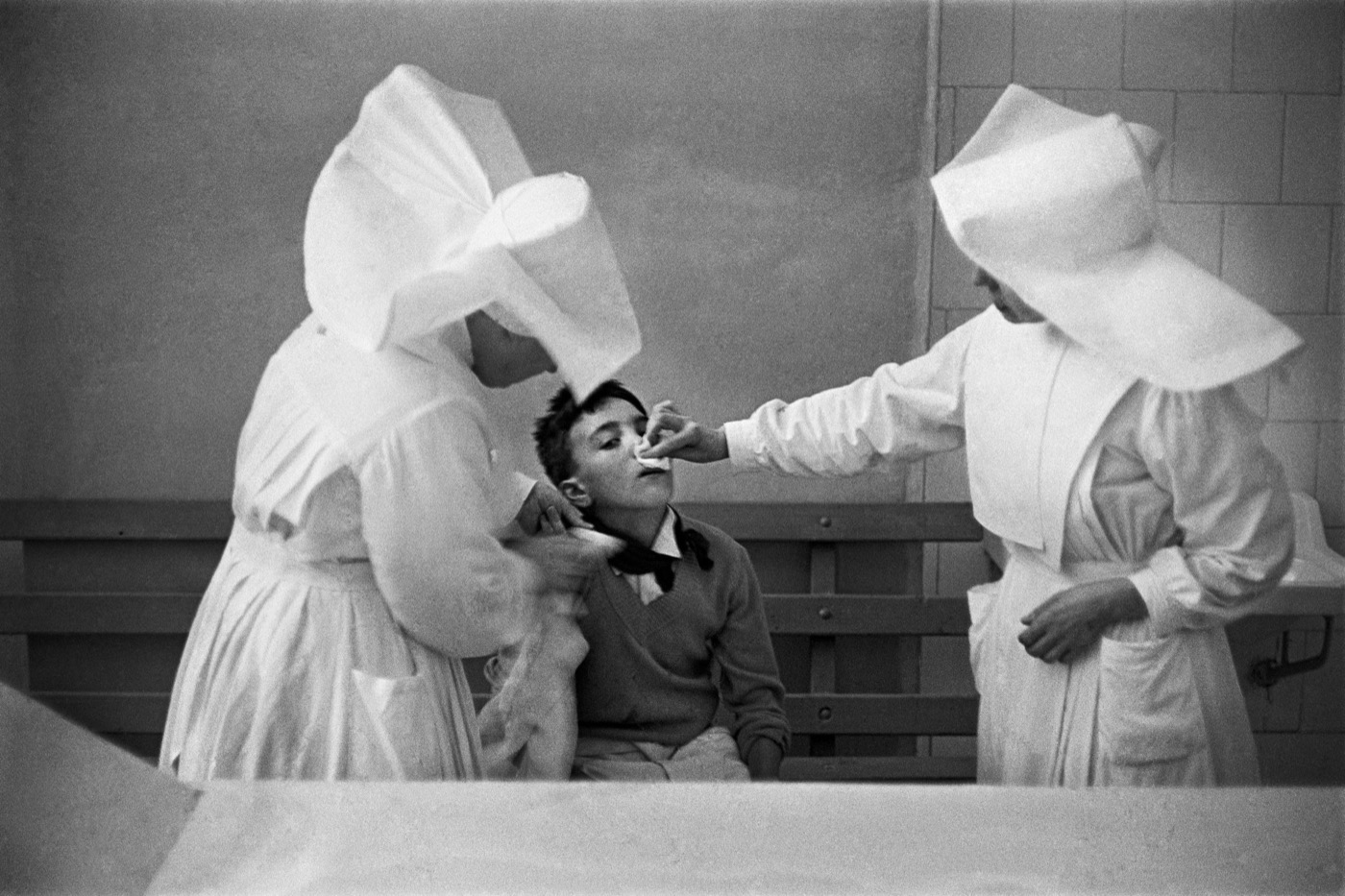 Ramón MasatsSanfermines, Pamplona, 1956-60.Two white cornettes rise into the frame like sails, the folded linen of the Daughters of Charity catching all the available light, and between them a boy sits on a wooden bench, tipped back, while a…
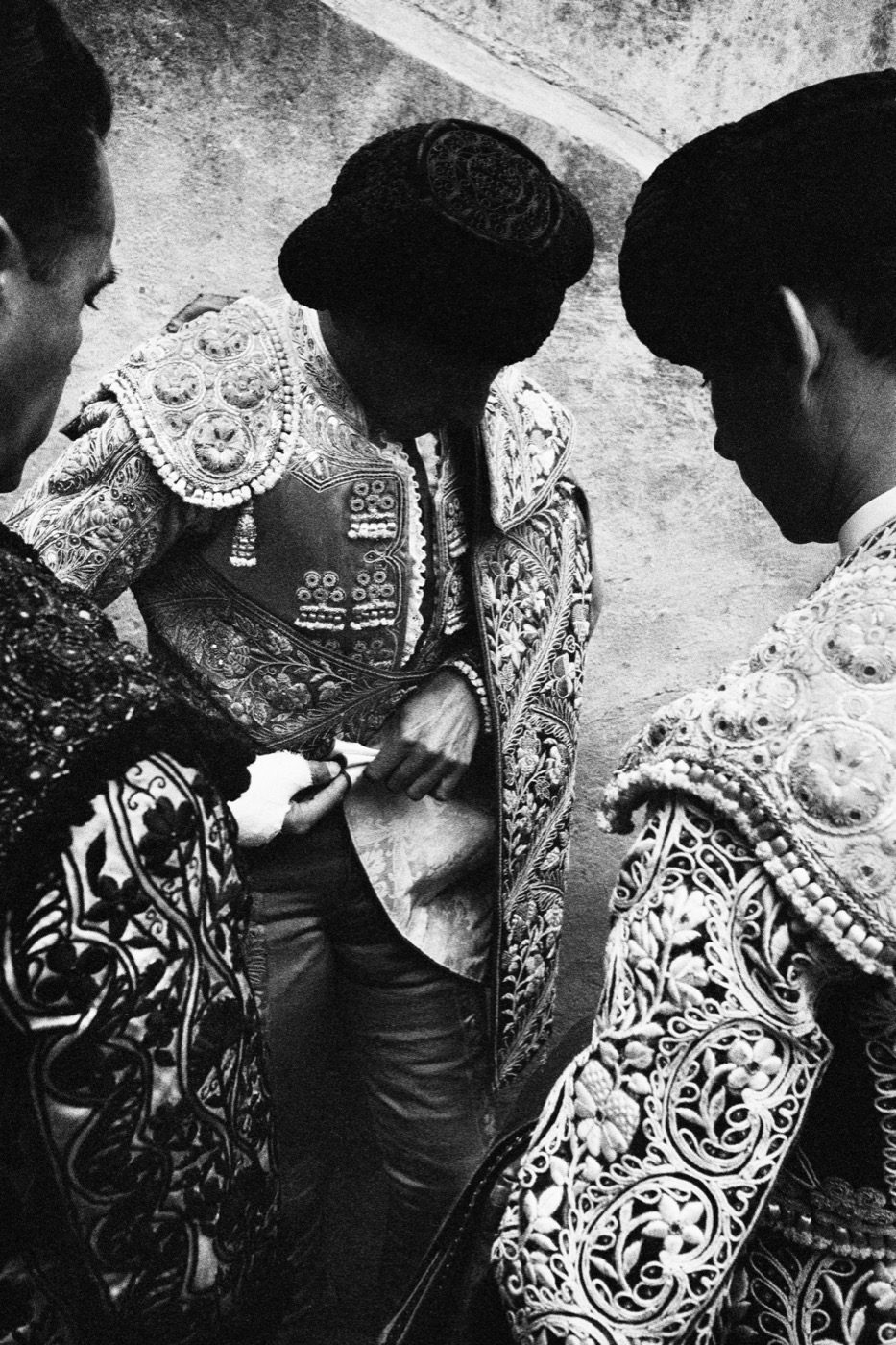 Ramón MasatsSanfermines, Pamplona, 1956-60.Seen from directly above, three bullfighters bowing their heads in their gold-and-silver suits fall into a lineage older than photography: the Spanish devotional painting of Zurbarán and Murillo…
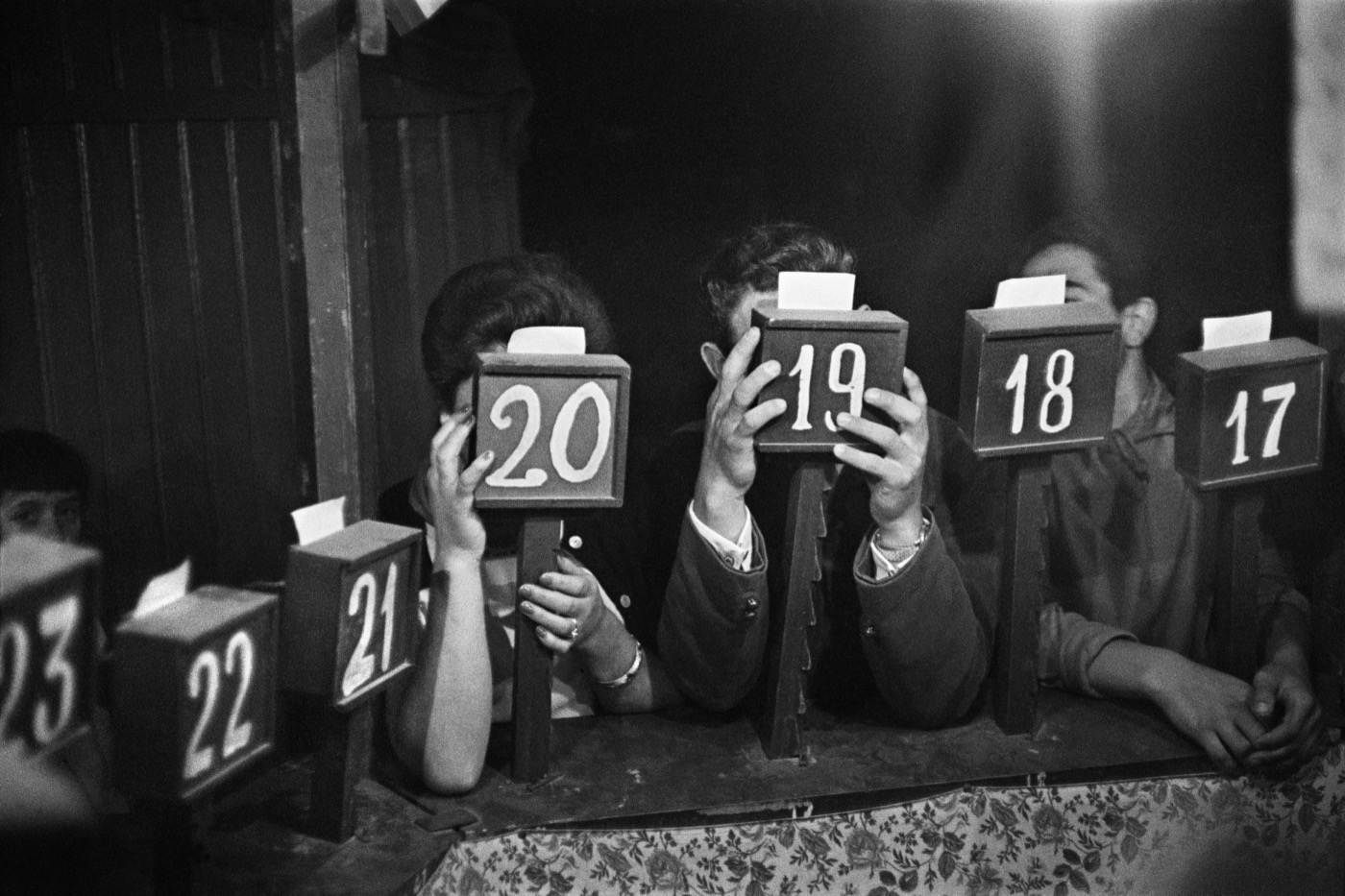 Ramón MasatsSanfermines, Pamplona, 1956-60.Up go the numbered boxes, hoisted on their wooden stems until each painted numeral sits exactly where a face should be.
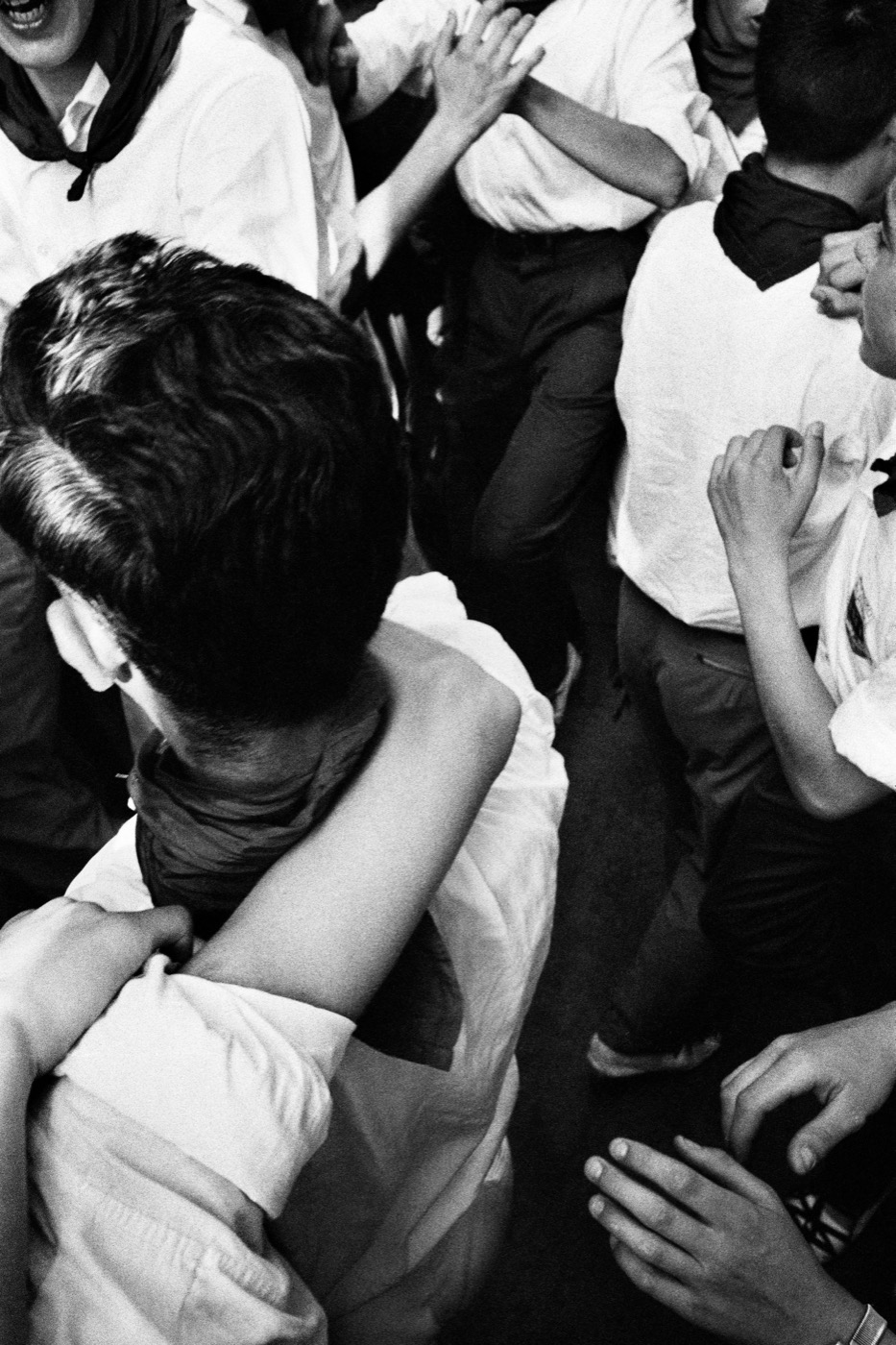 Ramón MasatsSanfermines, Pamplona, 1956-60.A second from now the shirt will be hitched back onto that bare shoulder, the clapping hands at the lower right will meet, and the whole knot of bodies will lurch a half step on.
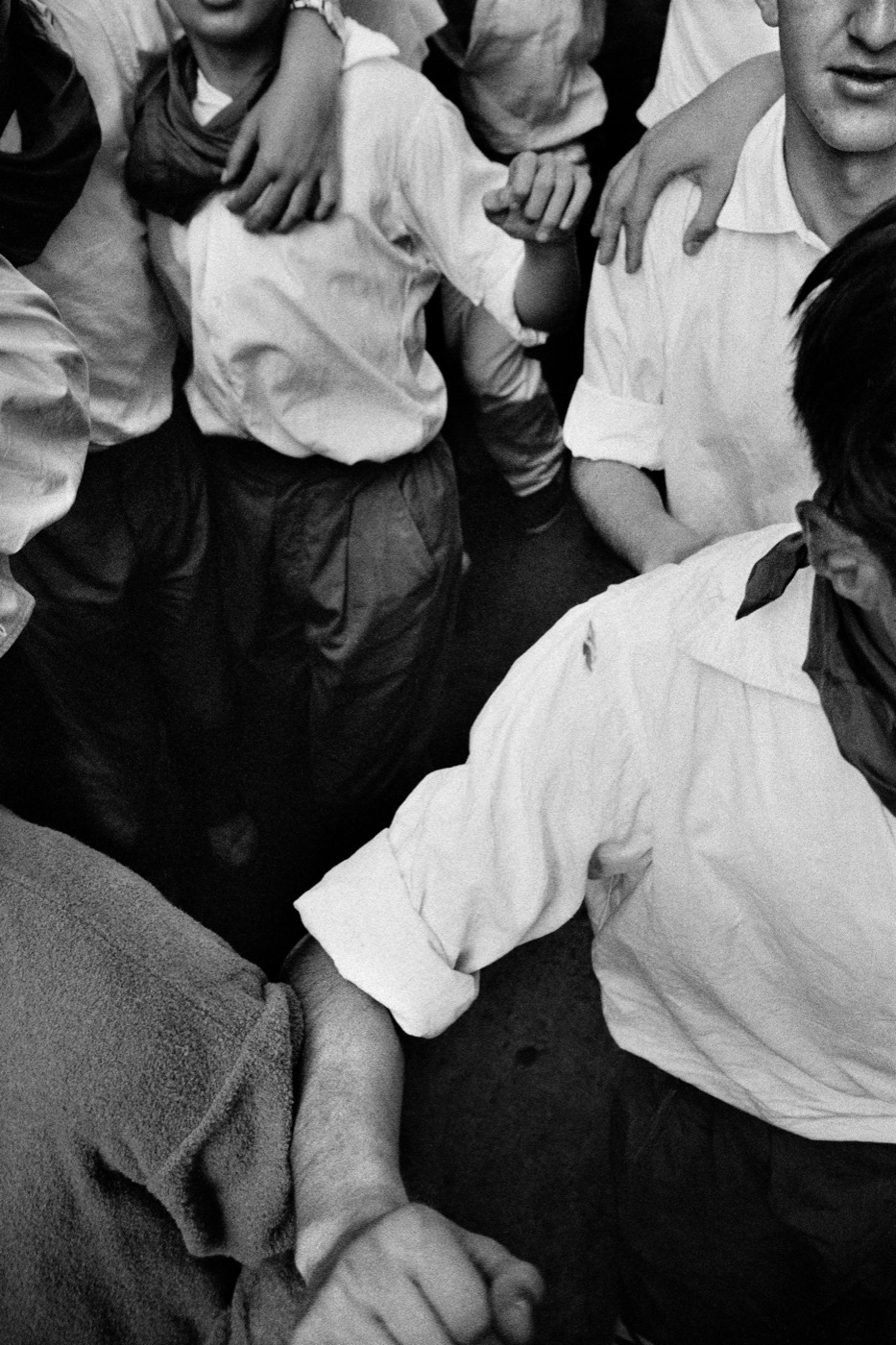 Ramón MasatsSanfermines, Pamplona, 1956-60.In the tight-managed Spain of the Franco decades, the fiesta was one of the licensed places where a young body could disappear into a crowd, and Masats went straight for the disappearance.
 Ramón MasatsSanfermines, Pamplona, 1956-60.A frayed white trouser hem, stained at the ankle, and beneath it a black cloth slipper laid against the rump of a small dog: this detail reaches me before the street does.
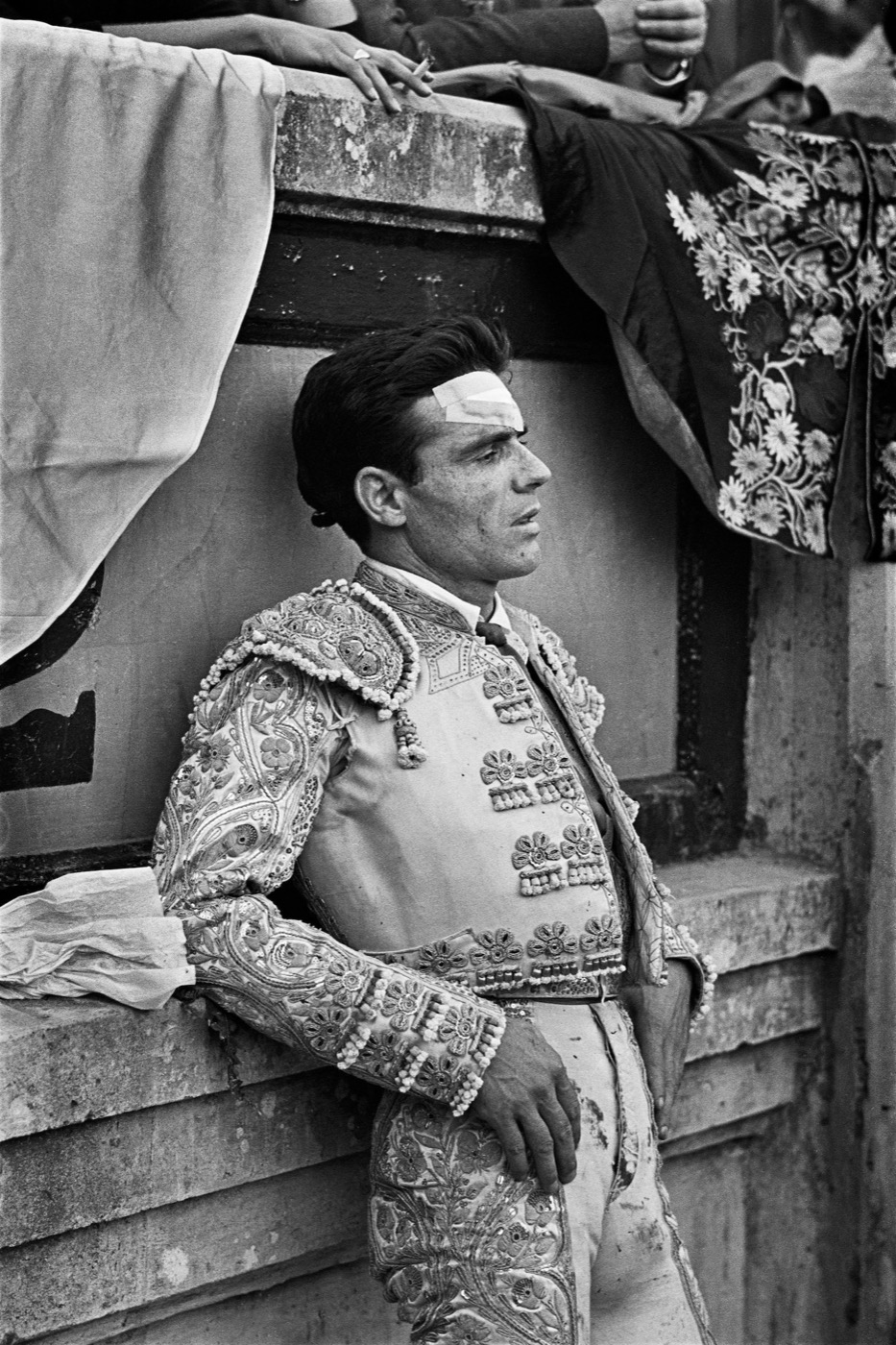 Ramón MasatsSanfermines, Pamplona, 1956-60.Whatever opened this man’s forehead happened outside the frame: all the photograph will surrender is the small white bandage above his brow, the flecked cheek, the distance in his stare.
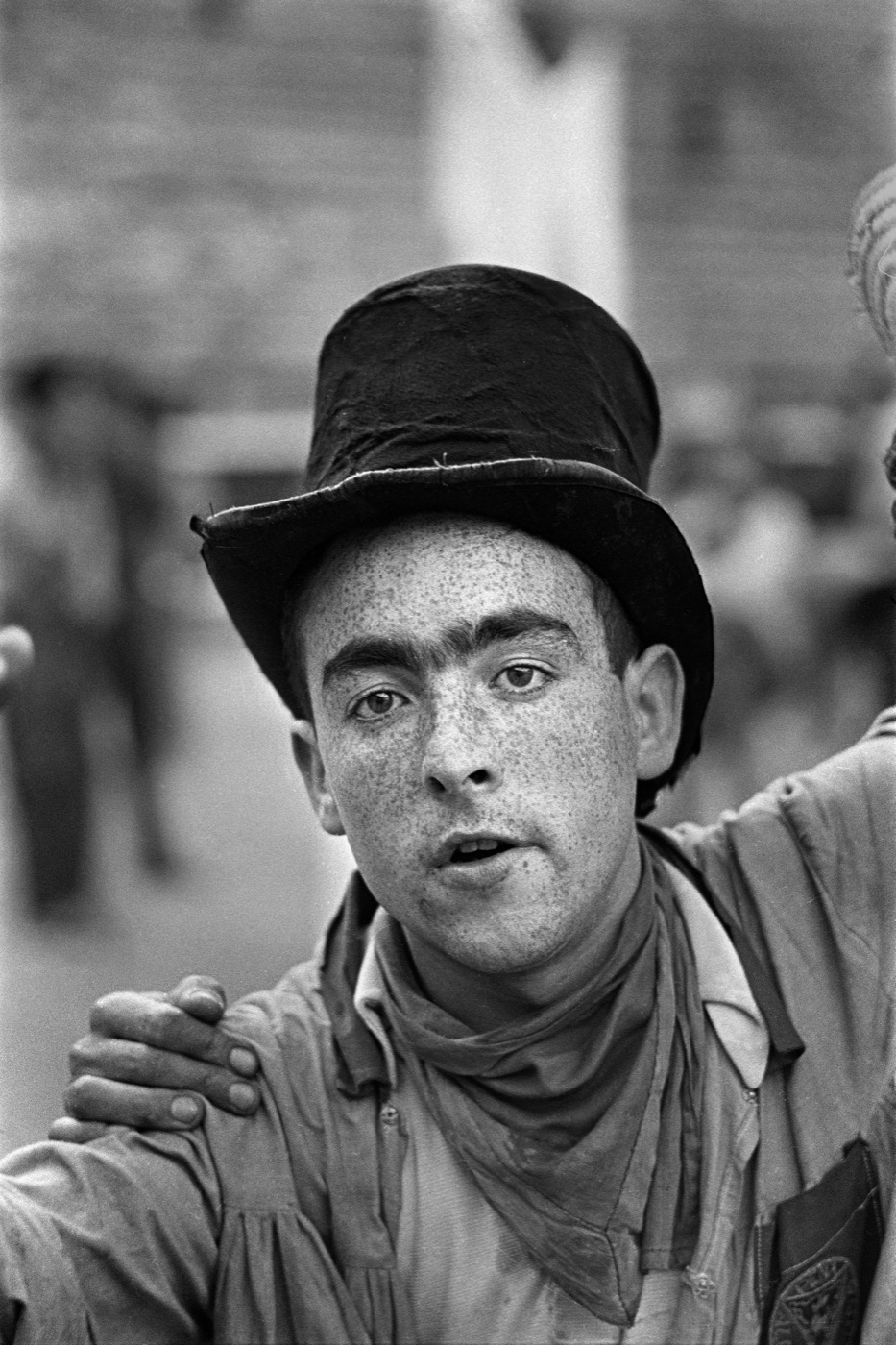 Ramón MasatsSanfermines, Pamplona, 1956-60.We stand close, near enough to count the freckles scattered across this young man’s face and to see the worn seams of the battered black top hat crushed down over his brow.
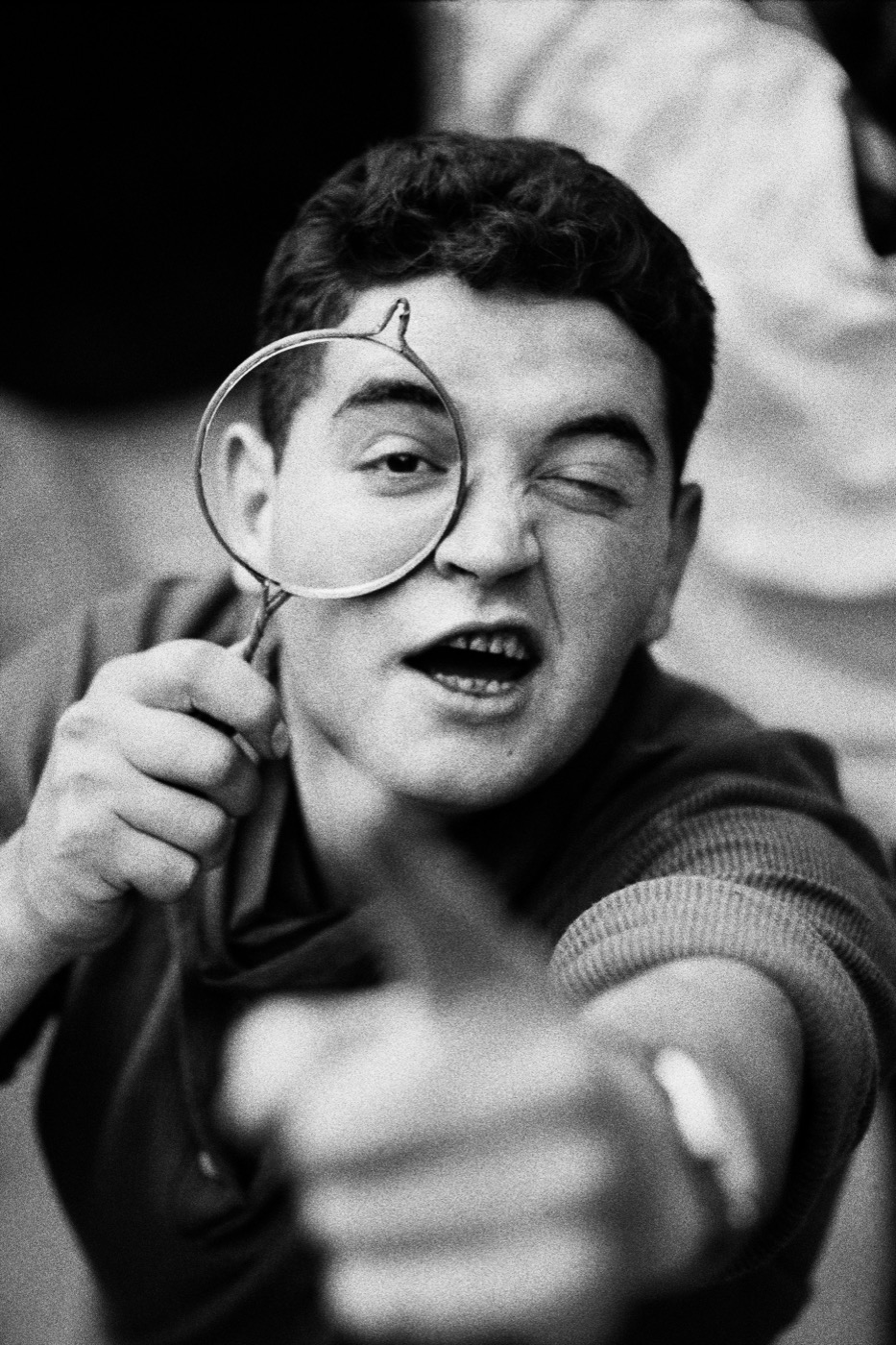 Ramón MasatsSanfermines, Pamplona, 1956-60.To look closely is always to magnify and to distort in the same motion, and this grinning young man has turned that truism into a joke aimed straight at the camera.
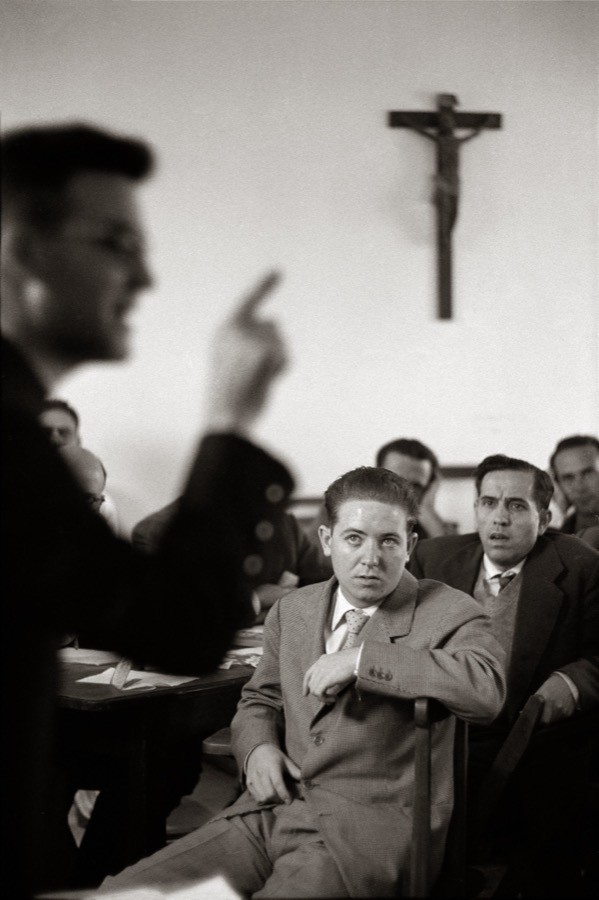 Ramón MasatsCursillos de cristiandad, Toledo, 1957.A man in a dark jacket, thrown out of focus in the left foreground, raises a finger as he speaks.
 Ramón MasatsMadres de la División Azul, Madrid, 1957.Devotional pictures have always been made from the front, all lifted faces and clasped hands; this one is made from the floor, and it gives us heels.
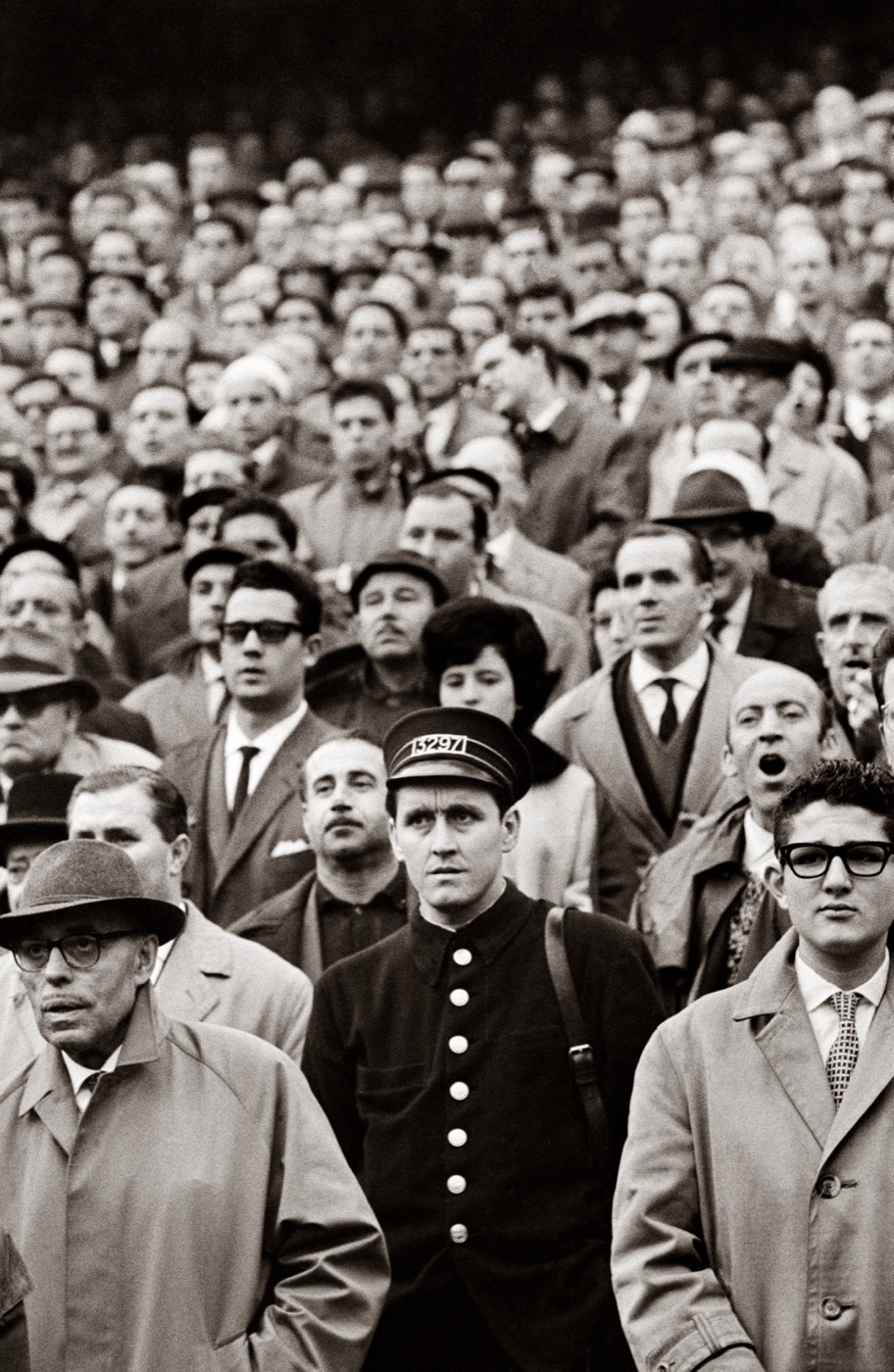 Ramón MasatsMadrid, 1957.Staring straight back at the lens, dead level, stands a uniformed usher whose peaked cap carries a stamped number — 3297 — and a double row of buttons running down a dark tunic that swallows the…
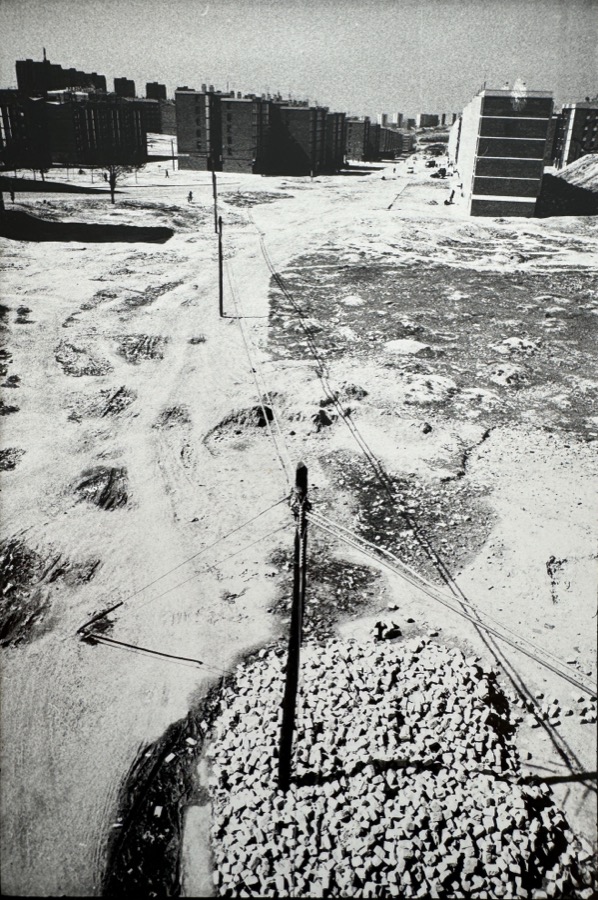 Ramón MasatsMadrid, 1957.The camera looks down from an upper floor, straight along a line of telegraph poles that runs from the bottom edge of the frame to the far end of a new street.
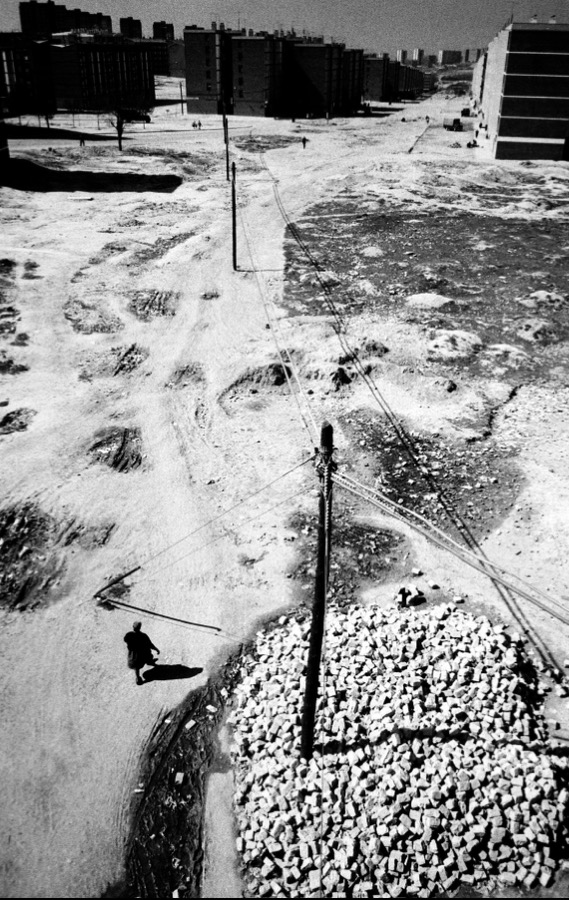 Ramón MasatsMadrid, 1957.From a height, Masats looks down on a field of raw earth at the edge of Madrid.
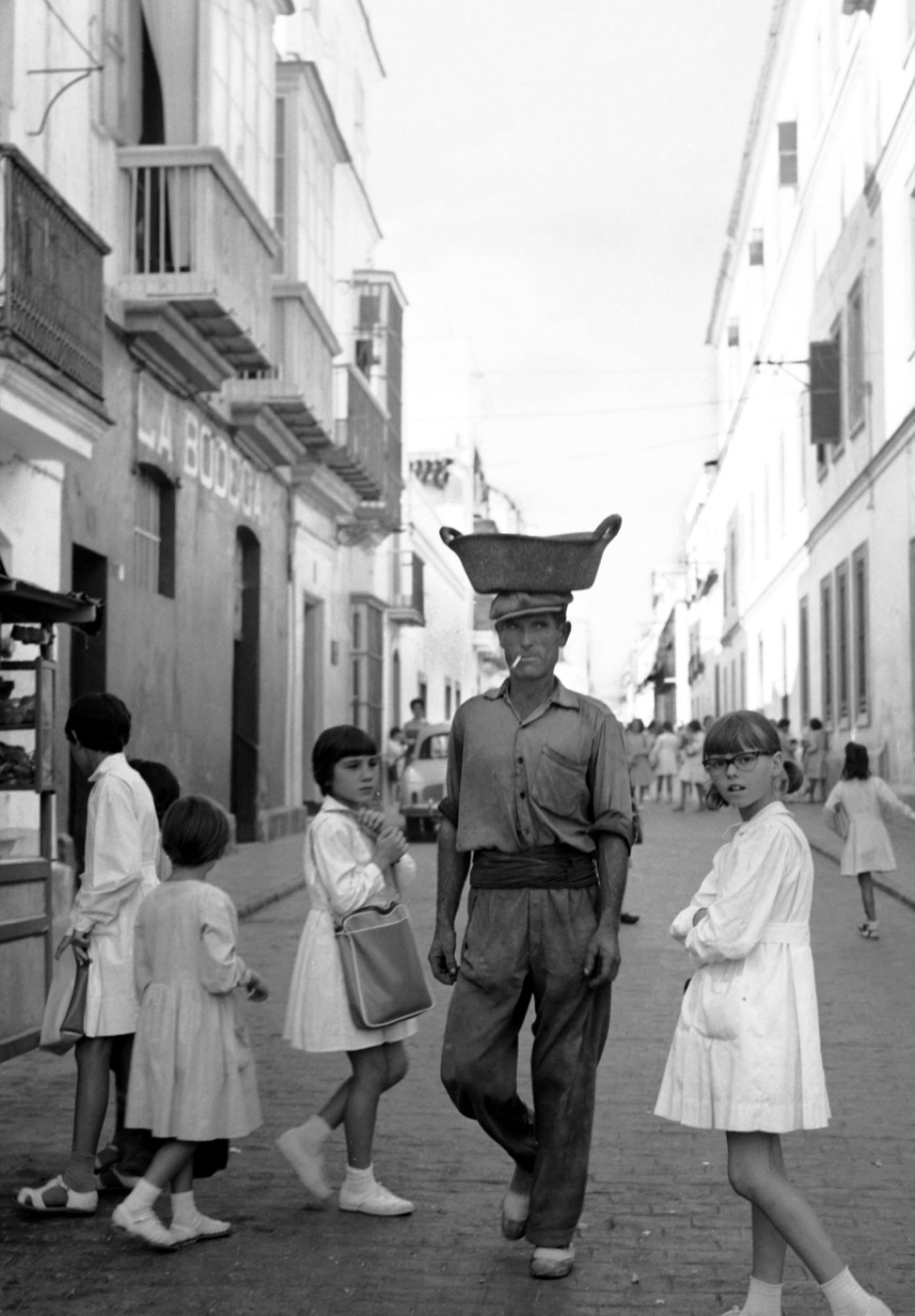 Ramón MasatsPuerto de Santa María, Cádiz, 1957.What is in the tub? That is what you want to know, and it is exactly what you are never going to be told.
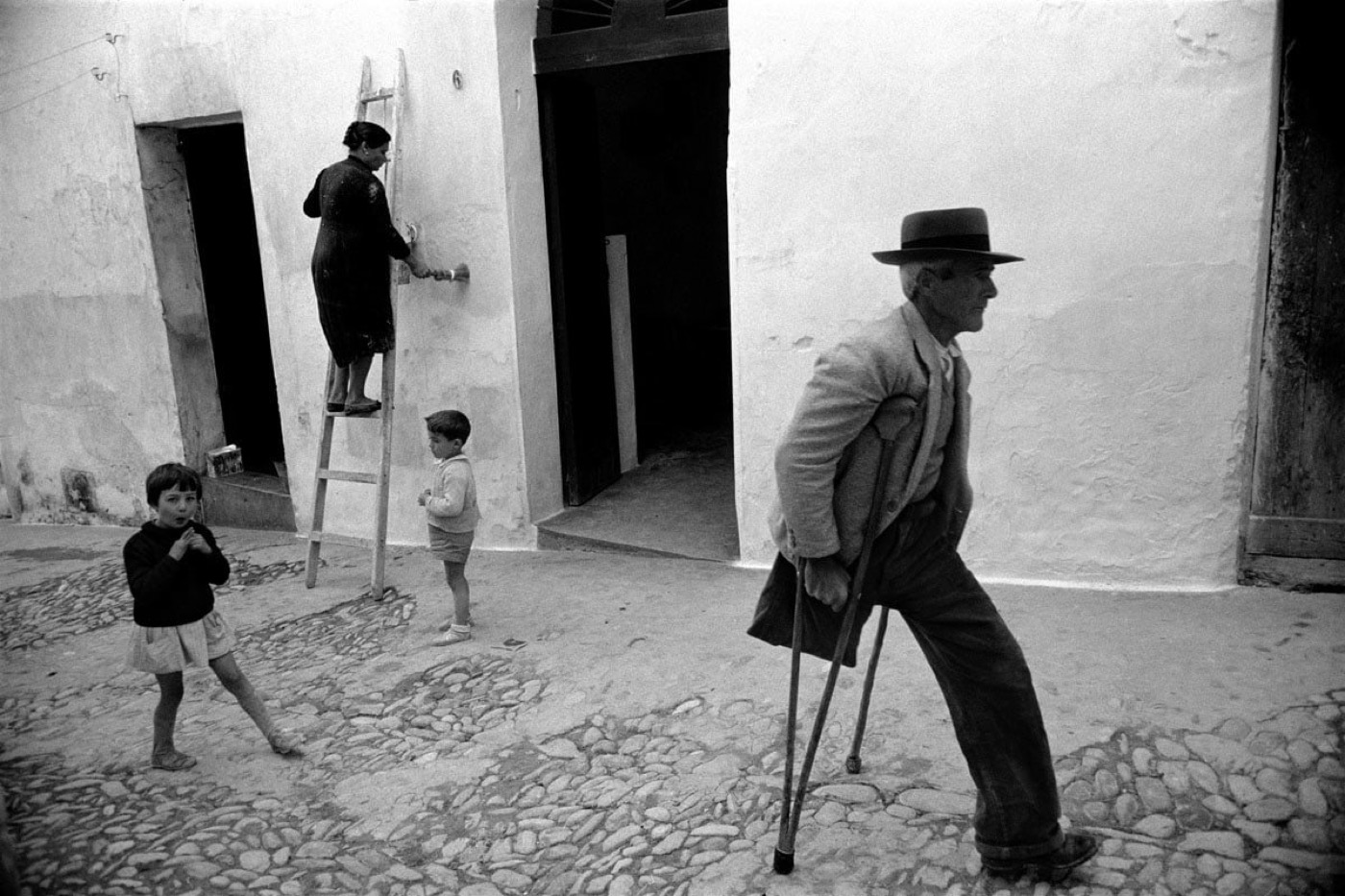 Ramón MasatsUbrique, Cádiz, 1957.Notice first what the man on crutches does to the frame.
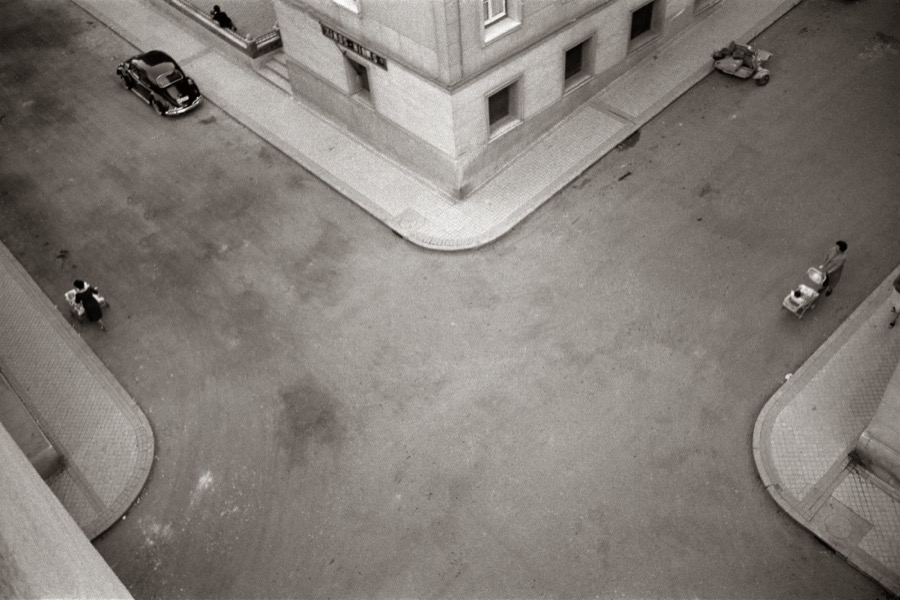 Ramón MasatsBarrio de la Concepción, Madrid, 1958.Masats is up on a roof or a high balcony, looking almost straight down at a street corner in the Barrio de la Concepción.
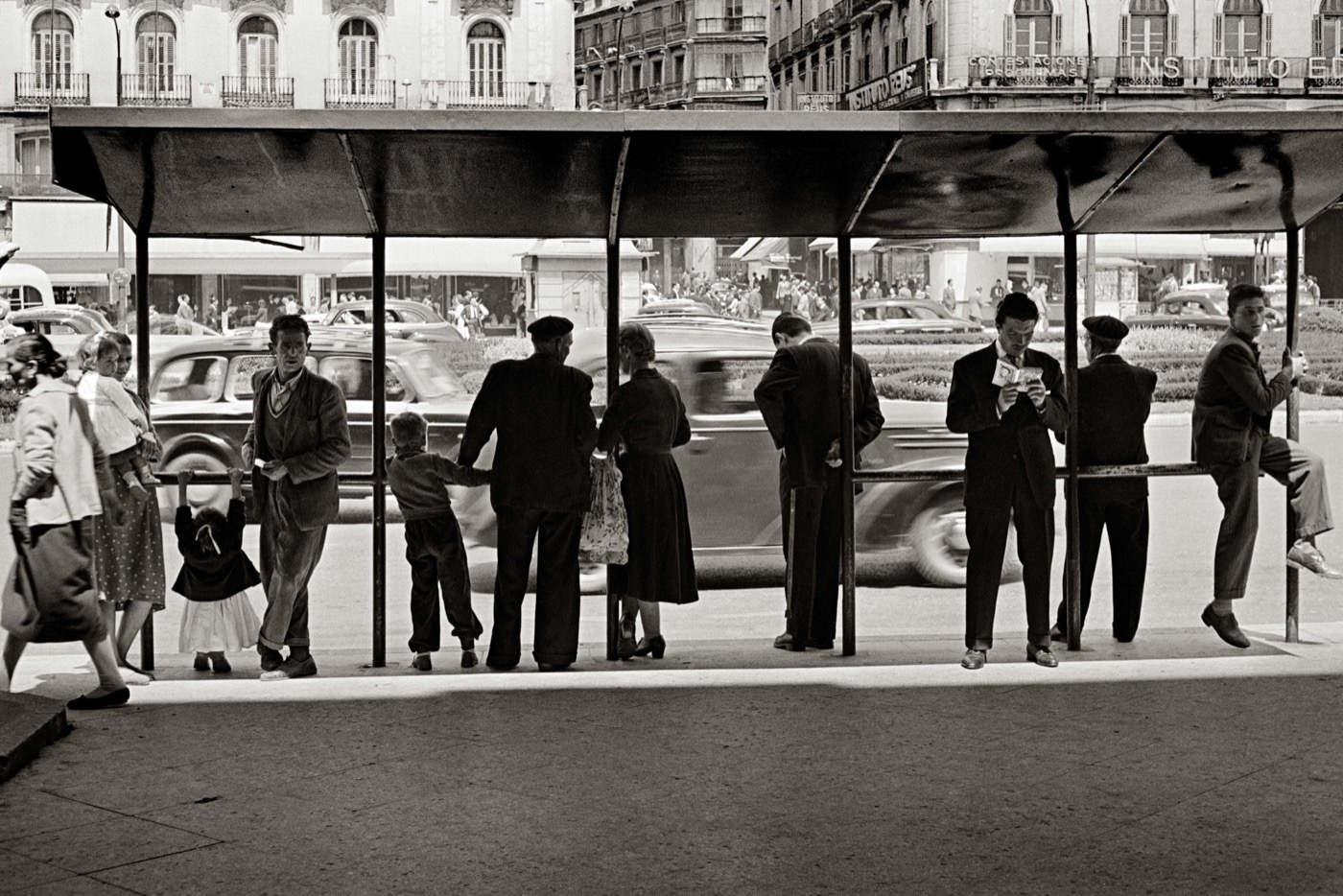 Ramón MasatsPuerta del Sol, Madrid, 1958.Hanging by both hands from the shelter's rail, a small girl lifts her feet clear of the pavement, converting the furniture of waiting into gymnastic apparatus.
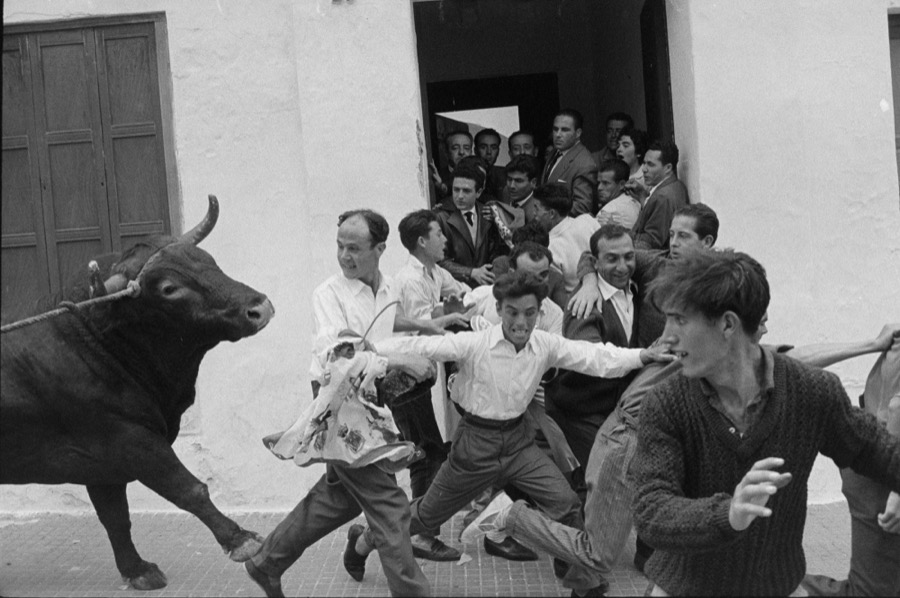 Ramón MasatsArcos de la Frontera, Cádiz, 1959.A young bull with a rope around its horns plunges along a whitewashed street, and a crowd of men spills out of a doorway behind it, laughing, grabbing each other's shirts, one of them holding out a…
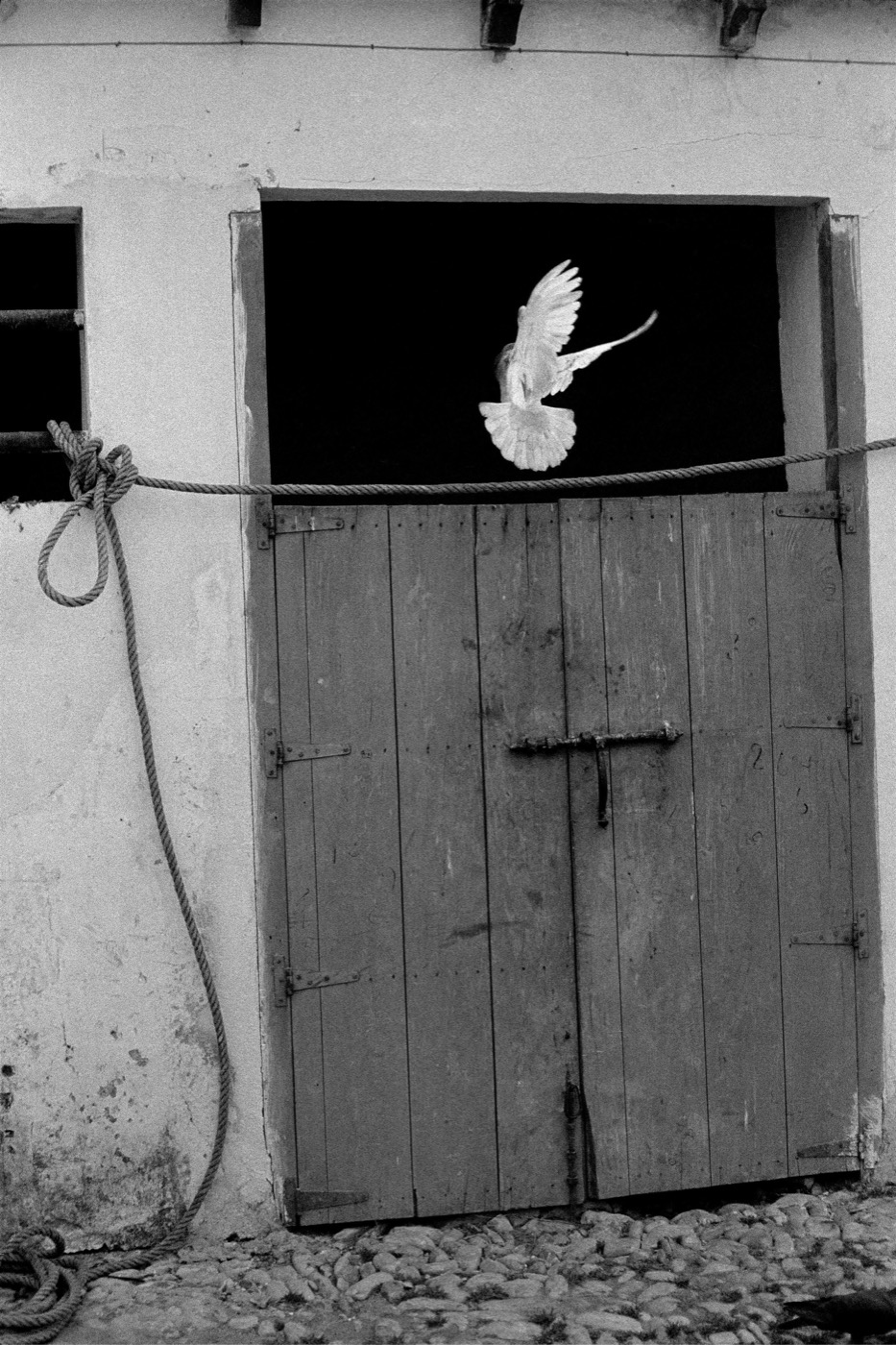 Ramón MasatsArcos de la Frontera, Cádiz, 1959.The doors are the whole tonal argument of the picture: weathered planks of a worked grey, dry and chalked over, their vertical seams and iron nailheads catching just enough sidelight to register as…
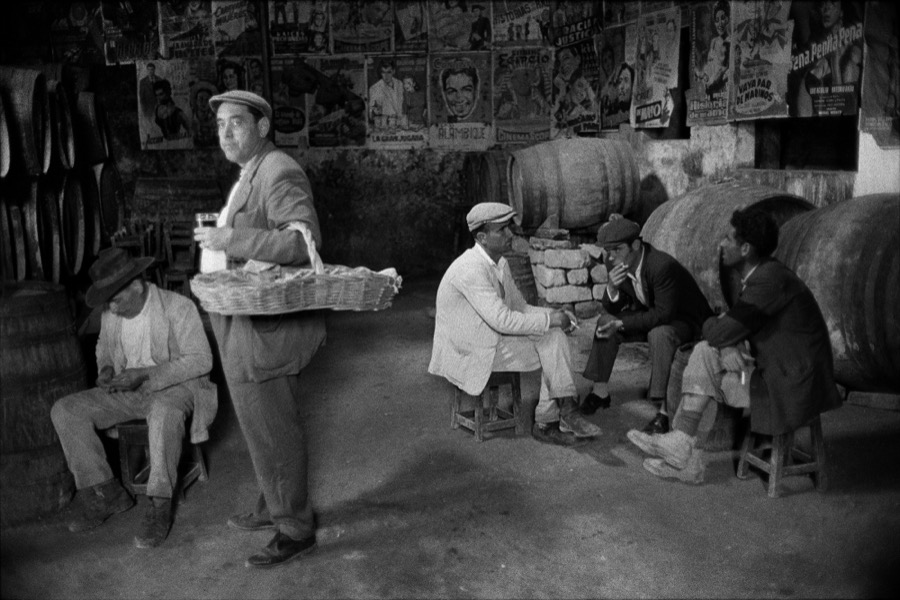 Ramón MasatsArcos de la Frontera, Cádiz, 1959.Five men in a bodega in Arcos de la Frontera, and above them a wall papered over and over with film posters, each one lapping the last.
 Ramón MasatsEl Rocío, Almonte, Huelva, 1959.It's the kind of whitewashed room you'd find behind any Andalusian house: a low ceiling, a wall scuffed where shoulders have leaned, daylight coming in flat and patient from the left.
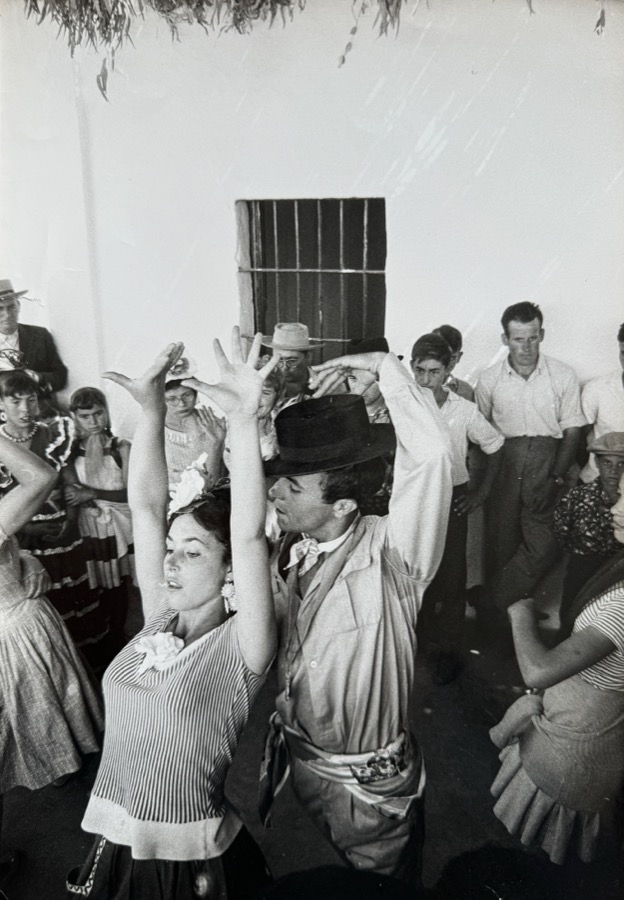 Ramón MasatsEl Rocío, Almonte, Huelva, 1959.Under a roof of cut branches, against a whitewashed wall with a barred window, a young woman dances with both arms thrown up.
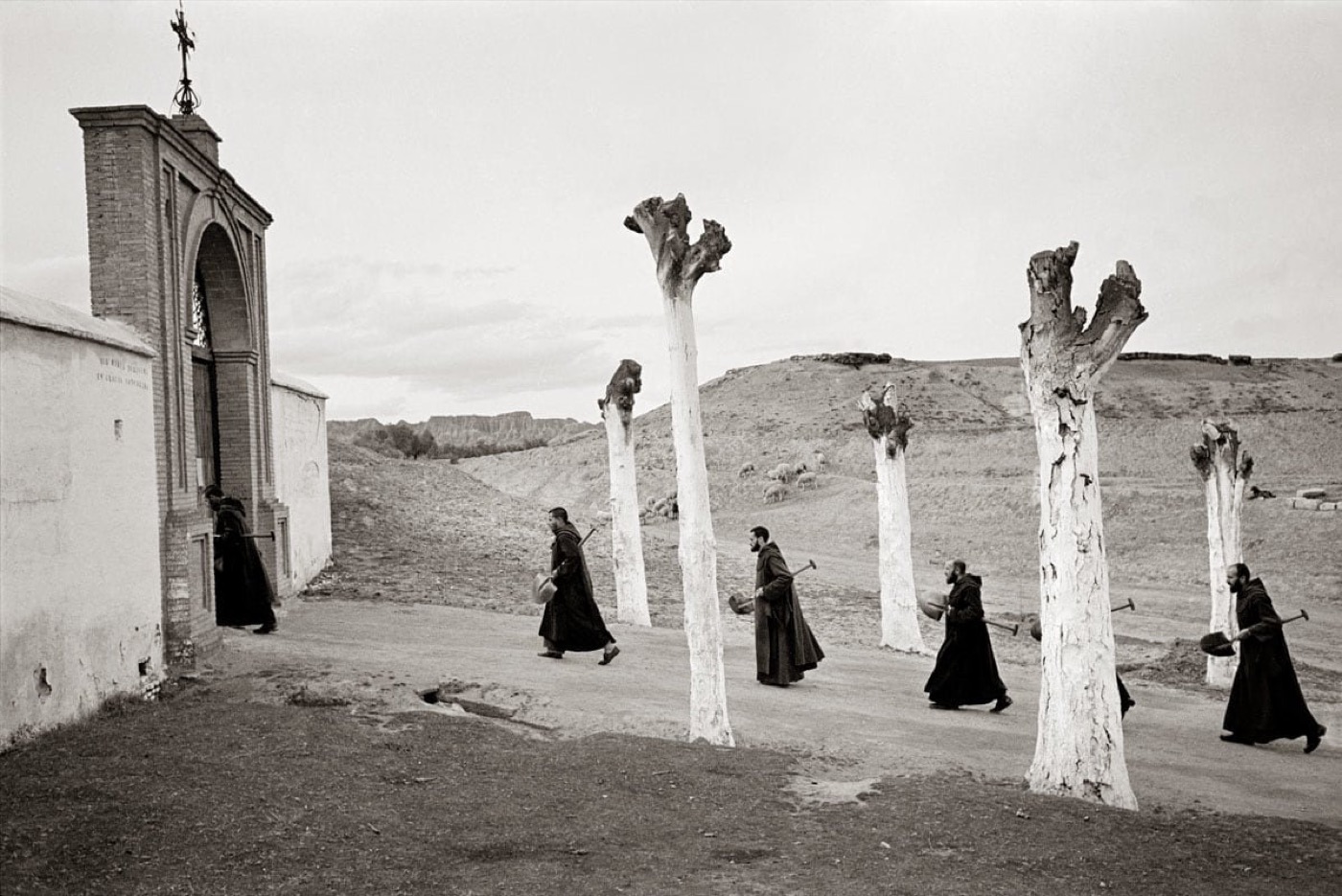 Ramón MasatsHermanos Fossores de la Misericordia, Guadix, Granada, 1959.In Hermanos Fossores de la Misericordia, Guadix, Granada, 1959, Ramón Masats transforms a scene of rural Spain into an image of extraordinary theatrical force.
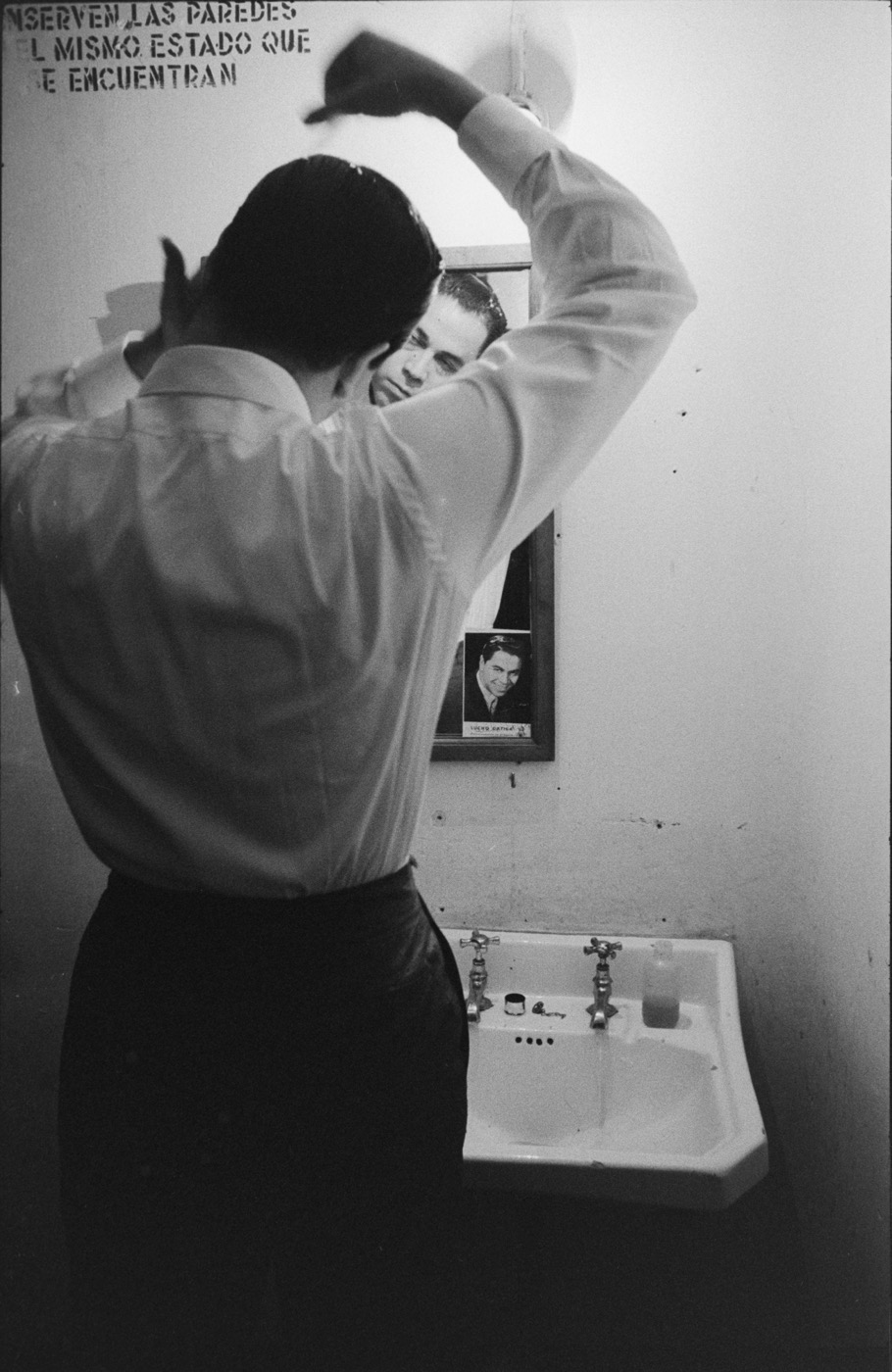 Ramón MasatsLucho Gatica, Madrid, 1959.A man in a white shirt stands at a washbasin with both arms raised, working a comb through his hair.
 Ramón MasatsLucho Gatica, Madrid, 1959.A thin band of white cuff, just visible where the singer’s wrist emerges from his dinner jacket, quietly reorganizes this picture.
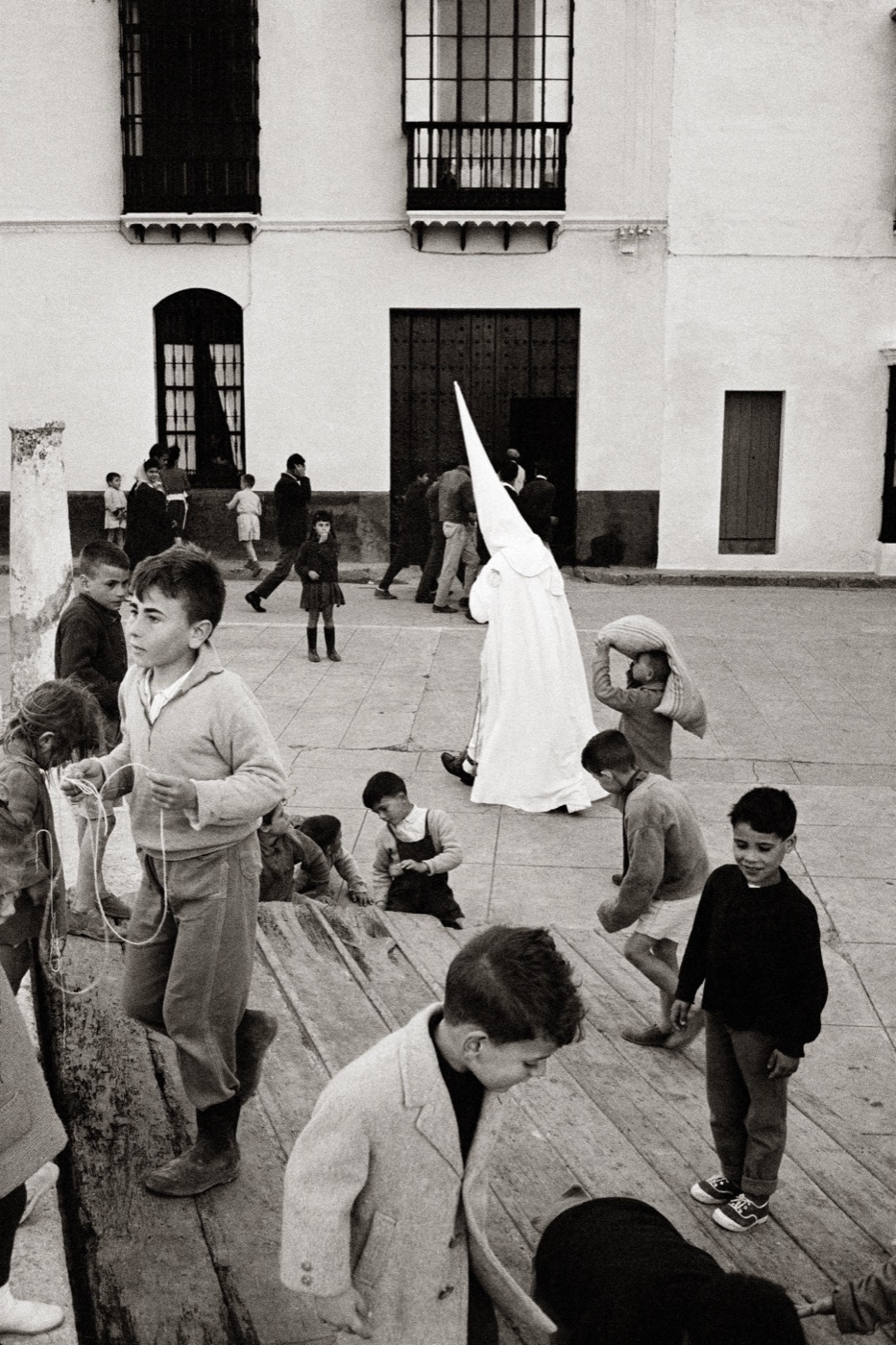 Ramón MasatsMedina Sidonia, Cadiz, 1959.In 1959, Ramón Masats was a young man from Caldes de Montbui making his way through a Spain that still preferred not to be looked at too closely, and he carried his camera into the white towns of…
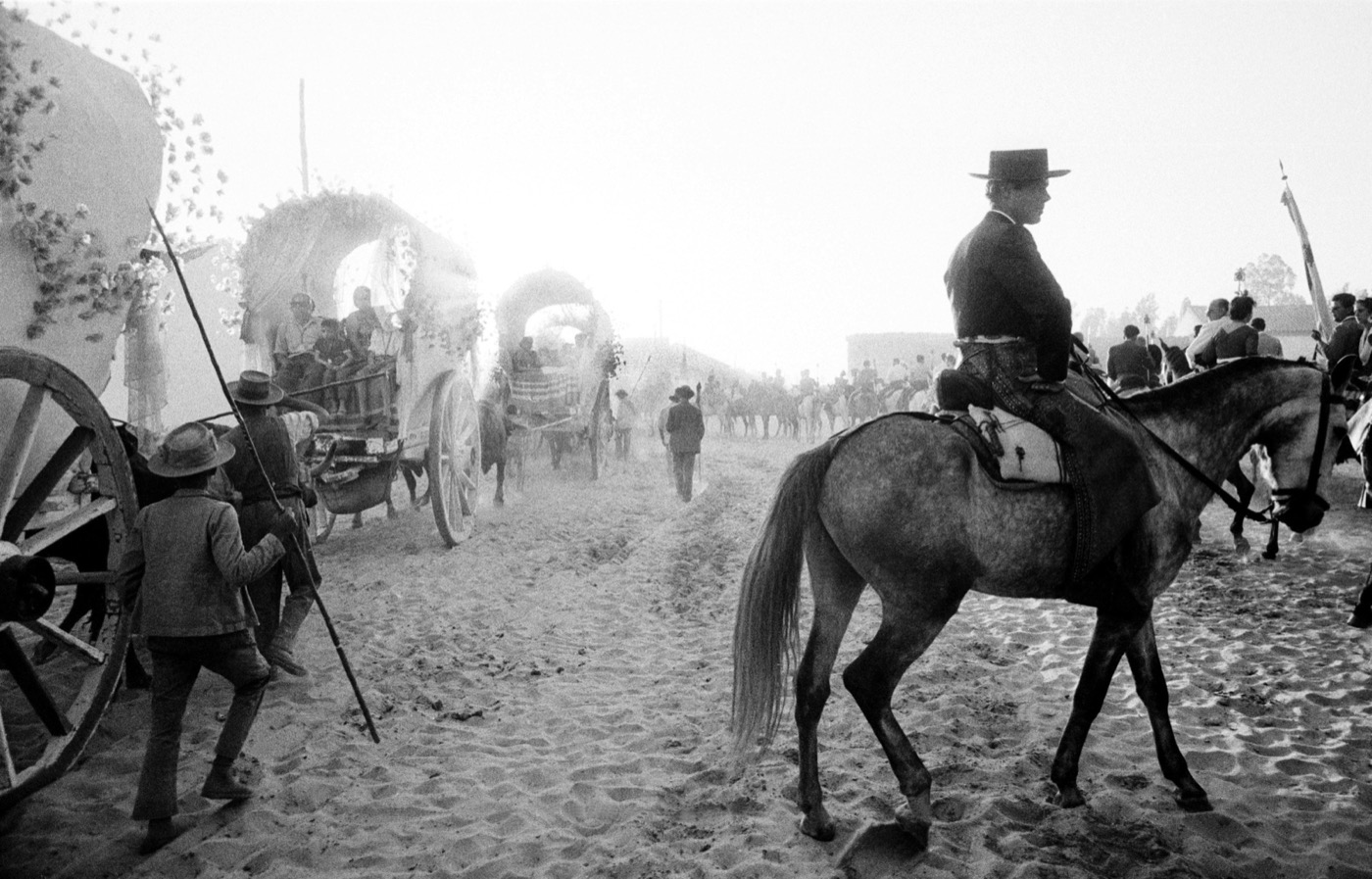 Ramón MasatsRomería del Rocío, Almonte, Huelva, 1959.The pilgrimage to El Rocío was already a centuries-old rite when Masats fell in with it, and what he found was less a spectacle than a slow machinery of devotion: flower-hung carts crawling across…
 Ramón MasatsYves Saint Laurent, Palacio de Liria, Madrid, 1959.Ramón Masats was one of the decisive figures of Spanish photography's mid-century renewal — a leading voice of the AFAL group whose lean, humane, neorealist eye dragged the medium in Spain out of…
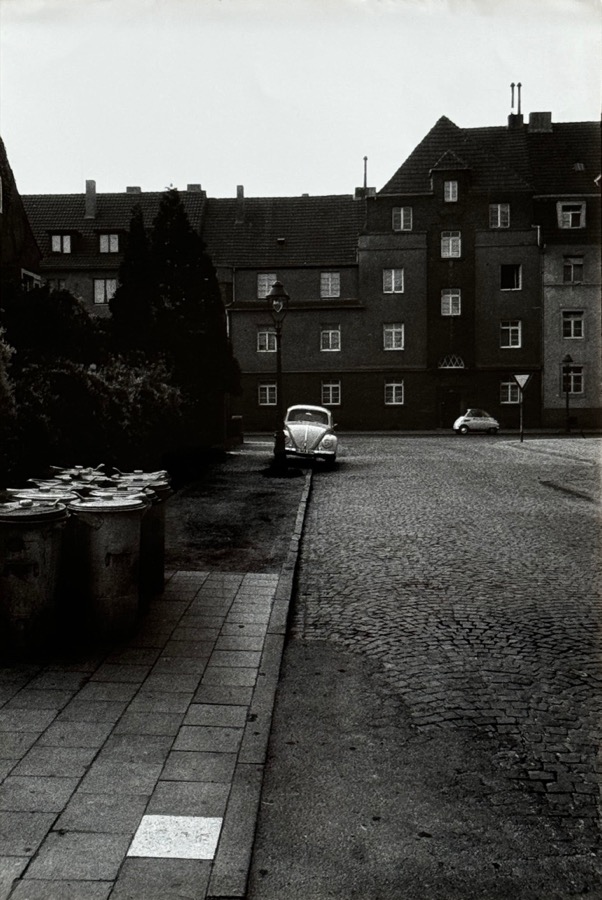 Ramón MasatsAmanecer en Colonia, Alemania, 1960.Dawn, Cologne, 1960: a cobbled street curves away toward a block of steep-roofed brick houses, their windows still dark.
 Ramón MasatsJane Russell, American actress, Spain, 1960.Snow has fallen on the bullring, and the ring no longer means what it was built to mean.
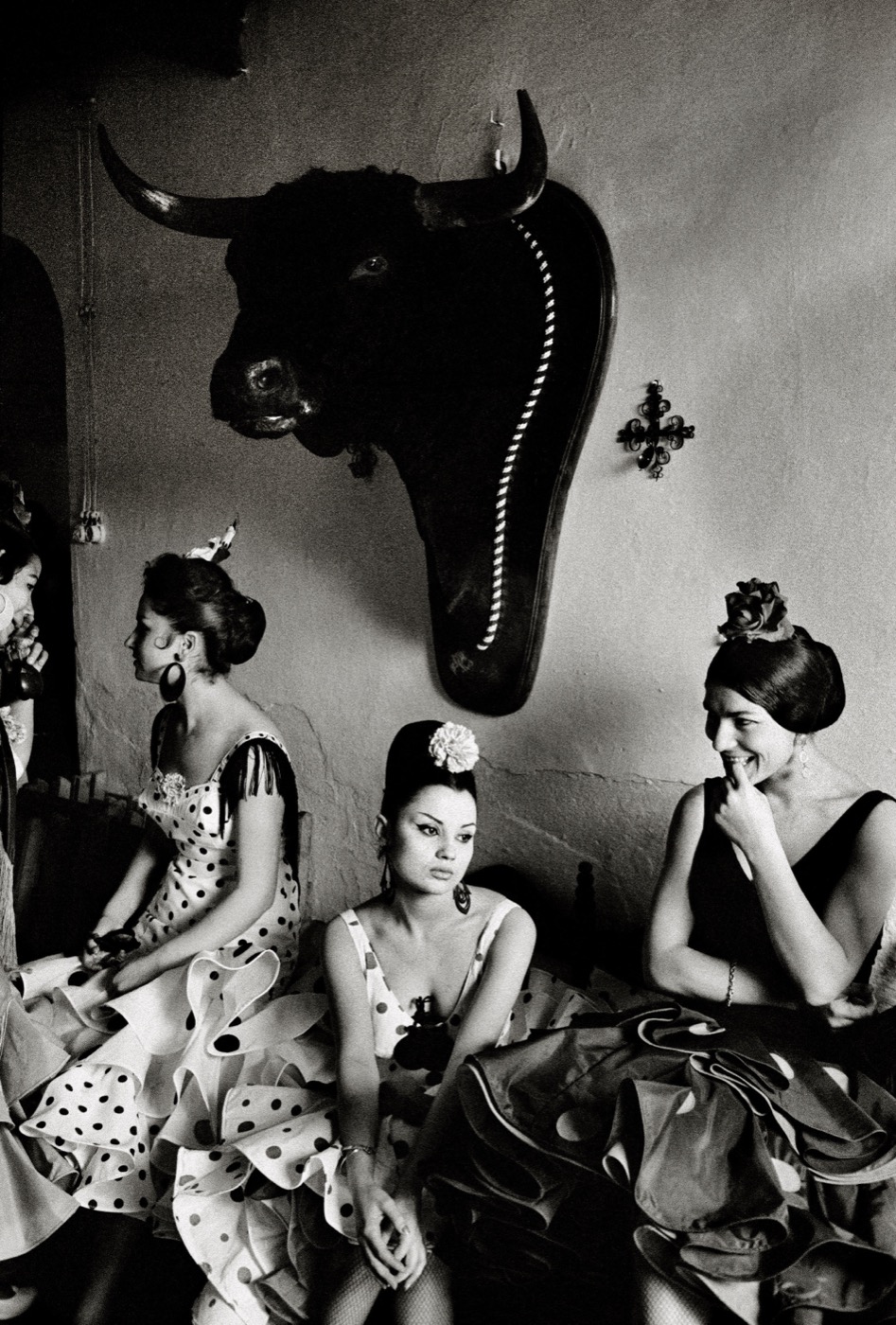 Ramón MasatsJerez de la Frontera, Cádiz, 1960.The dance is nowhere here; what the frame withholds is the very thing these women are dressed for.
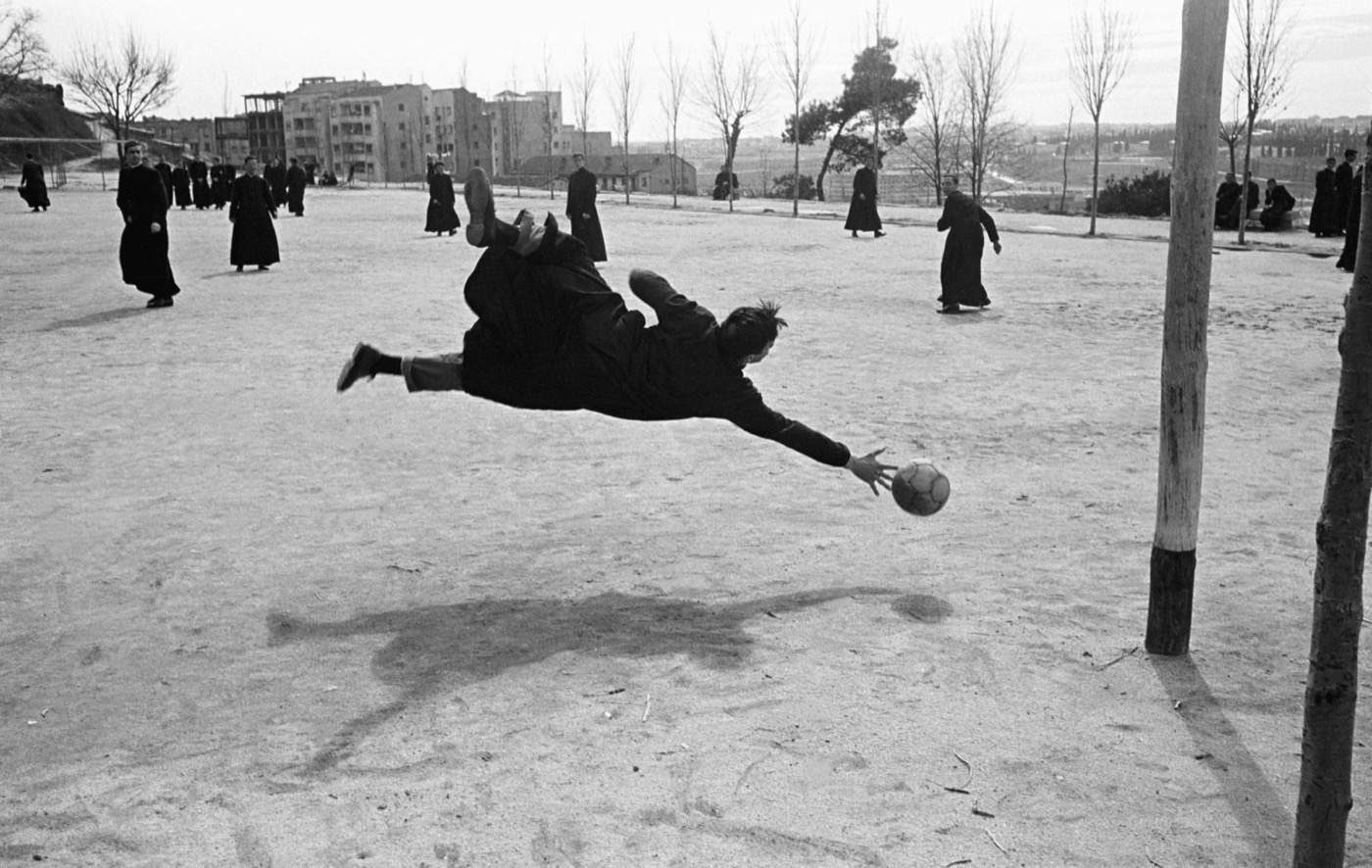 Ramón MasatsSeminario, Madrid, 1960.A seminarian in a full black cassock is horizontal in mid-air, arms outstretched, fingertips inches from a football, having thrown himself across a goalmouth marked by a rough wooden post.
 Ramón MasatsTomelloso, Ciudad Real, 1960.A whitewashed wall meets the ground in a long shallow V that runs from the left edge to the lower centre and back up to the right.
 Ramón MasatsCabo de Gata, Almería, 1961.A few minutes before this exposure, someone fed the long hose into the drum at the left and walked away; nothing since has moved.
 Ramón MasatsCarmen Amaya, Madrid, 1961.A rehearsal studio in Madrid, 1961: a wall of mirrors, a scuffed plank floor, towels slung over the barre, and, dead center in the clutter, Carmen Amaya — sitting down.
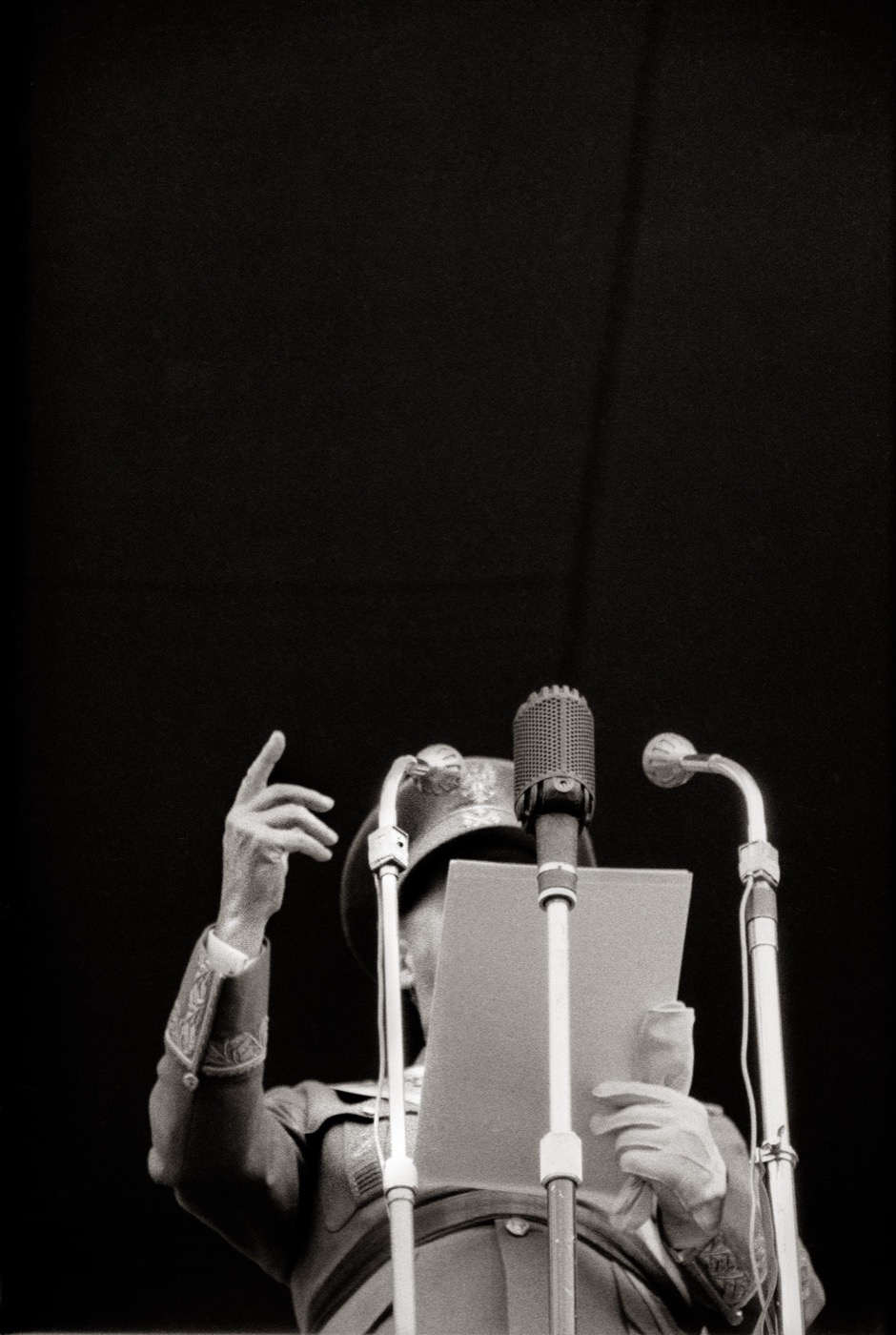 Ramón MasatsEl Dictador, Burgos, 1961.A dictator is a man who arranges for everyone to look at him, and here the looking has been quietly sabotaged.
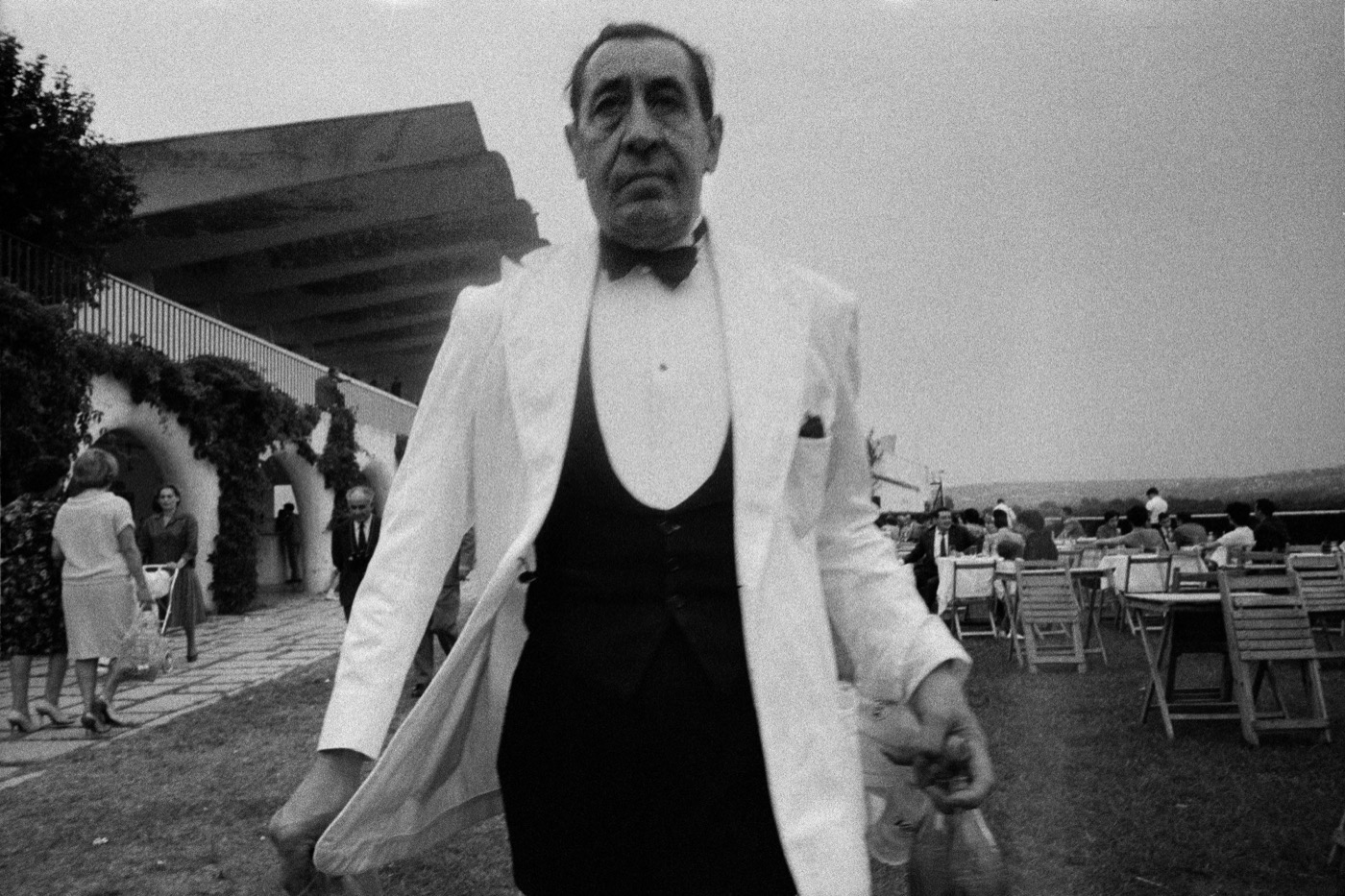 Ramón MasatsHipódromo de la Zarzuela, Madrid, 1961.He comes straight at us, and his hand is the thing I keep returning to: trailing low at his side, fingers hooked through the necks of two emptied bottles he is carrying off the lawn.
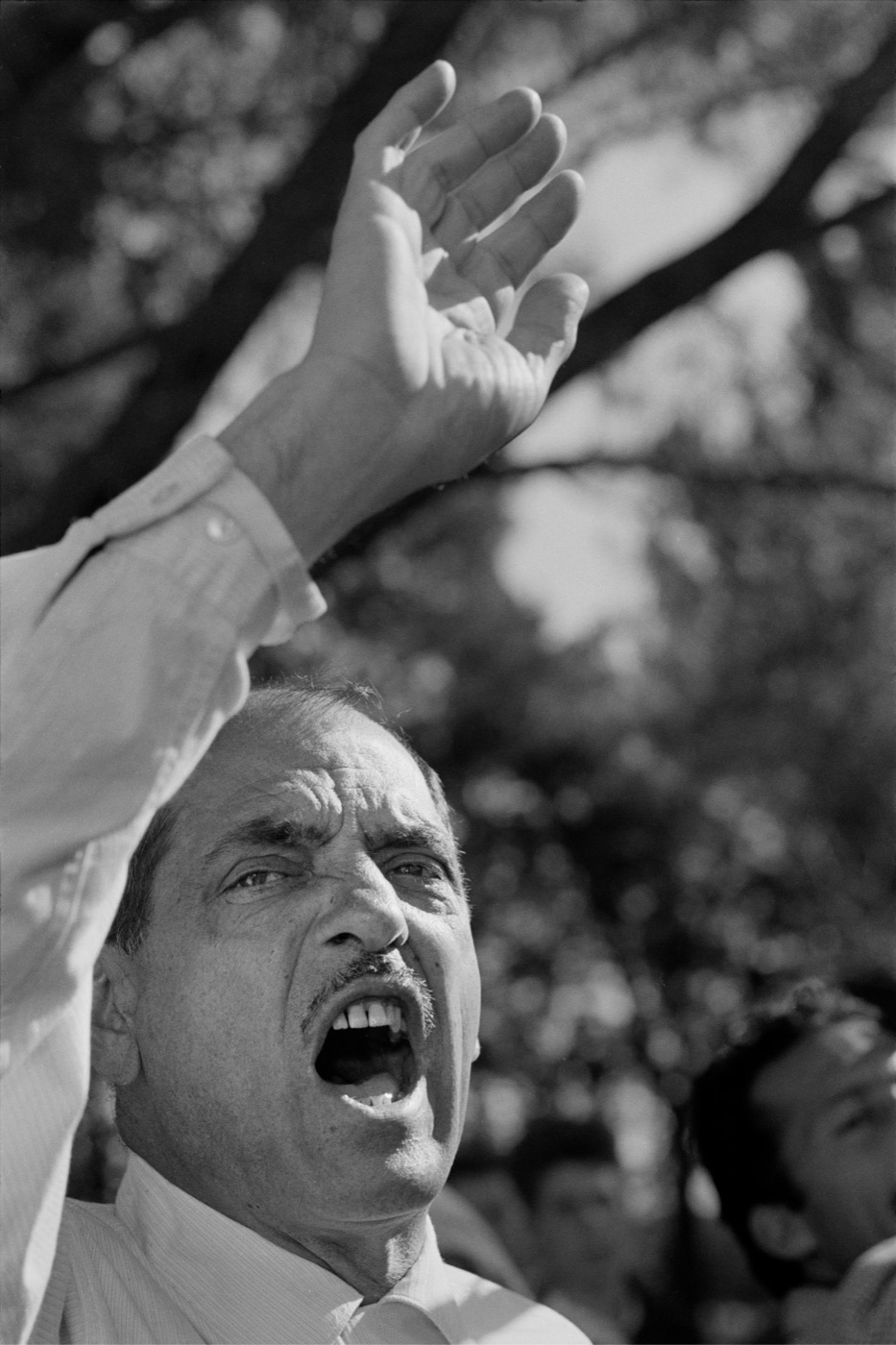 Ramón MasatsLuis Buñuel, Madrid, 1961.The arm has swung up over the head, palm open to the light, and the mouth is torn wide on a shout we will never hear.
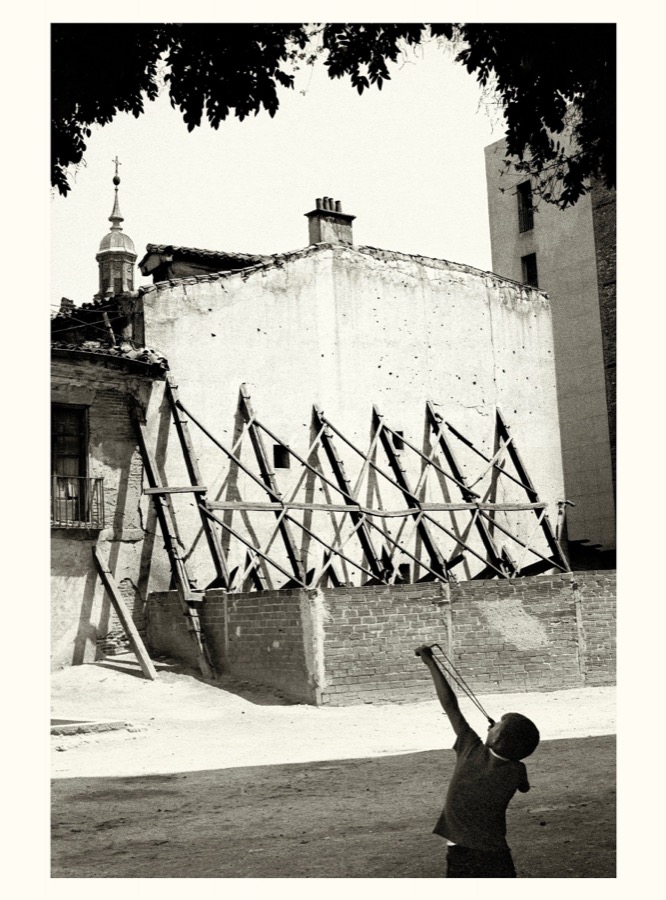 Ramón MasatsLas visitillas, Madrid, 1962.A boy stands in the shadow of a tree at the bottom right of the frame, arm raised, pulling back a slingshot at something above and out of sight.
 Ramón MasatsNeutral Corner, Madrid, 1962.The photograph from Ramón Masats’ Neutral Corner series distils boxing to its most abstract, visceral essence.
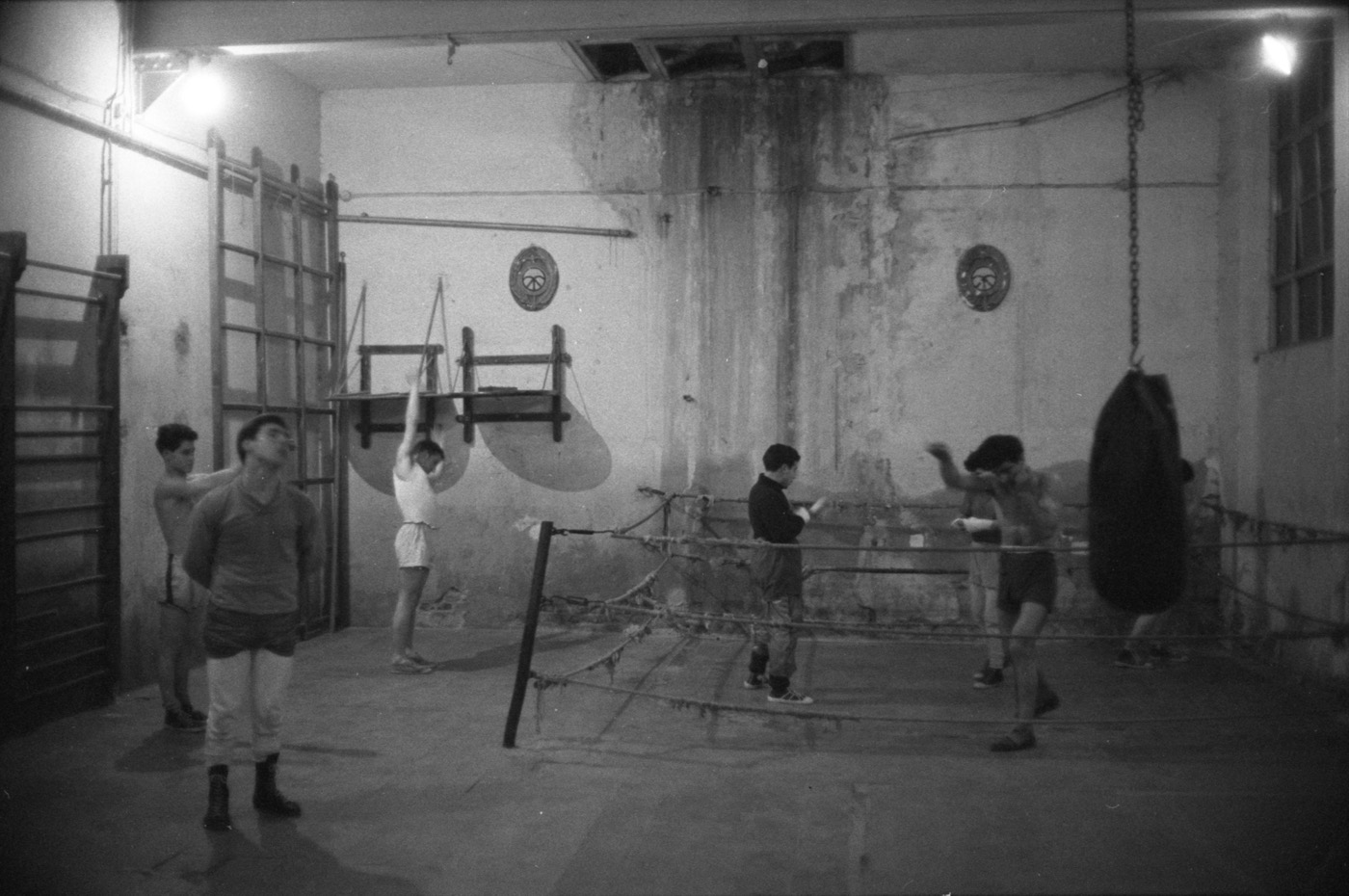 Ramón MasatsNeutral Corner, Madrid, 1962.Two round enamel medallions hang high on the flaking wall, official-looking badges whose emblems have gone illegible with distance and grime, and they are the only insignia in a room otherwise…
 Ramón MasatsNeutral Corner, Madrid, 1962.Almost nothing is given away in the foreground: three figures collapse into a single black mass, faces swallowed, the lower third of the frame gone to pure shadow so that we read the corner between…
 Ramón MasatsNeutral Corner, Madrid, 1962.We are down among them, wedged so close to the ring that a spectator’s blurred knee and shoe crowd the near edge of the frame, and from this low vantage the whole gym opens like a shallow stage.
 Ramón MasatsNeutral Corner, Madrid, 1962.Discipline photographed always risks looking like devotion, and the bowed spine at the center of this frame proves the point.
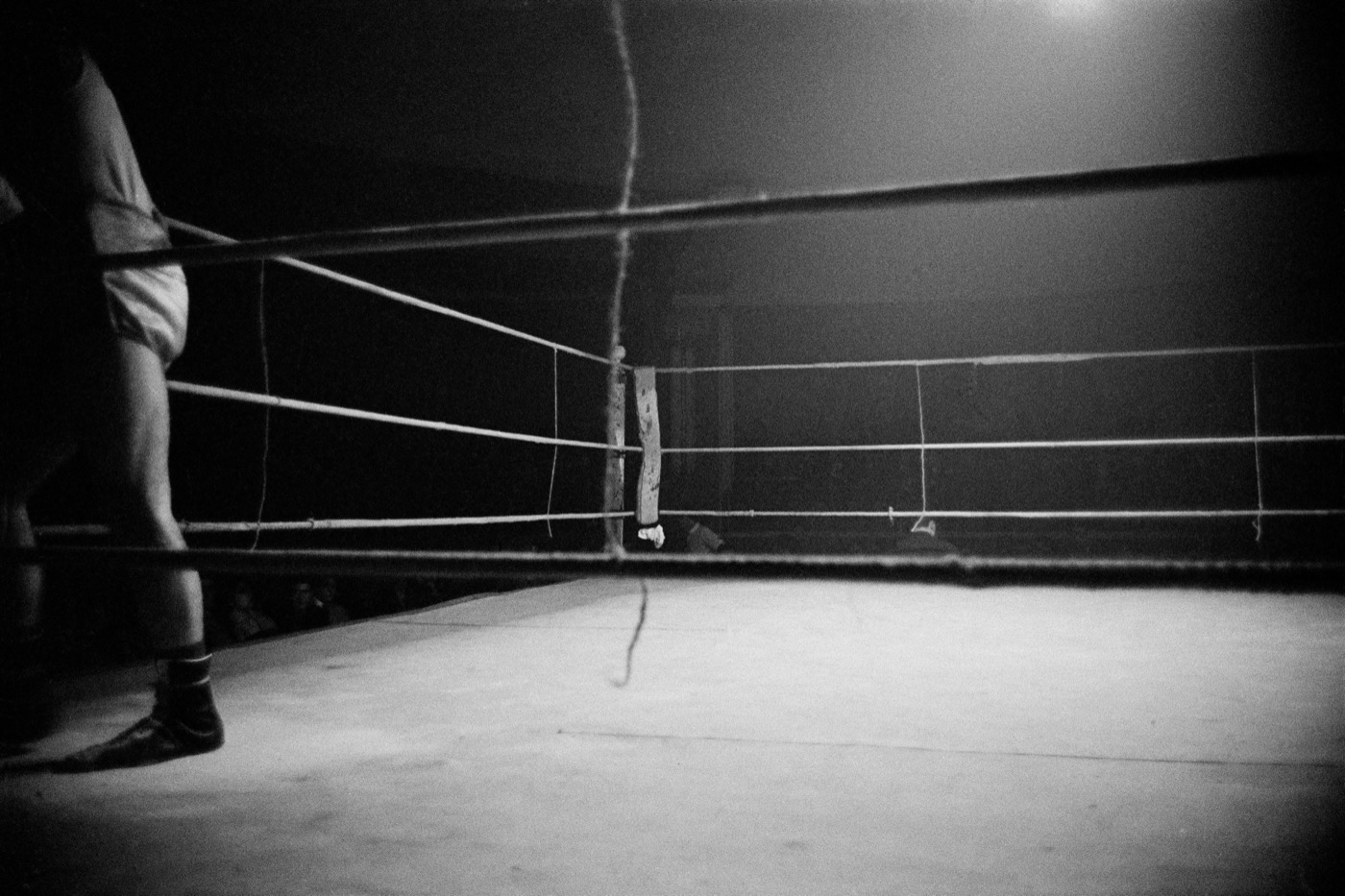 Ramón MasatsNeutral Corner, Madrid, 1962.Why does my attention slide past the waiting fighter, cropped at the frame’s left in his white trunks and dark boot, and fix instead on a scrap of pale cloth knotted to the rope near the corner post?
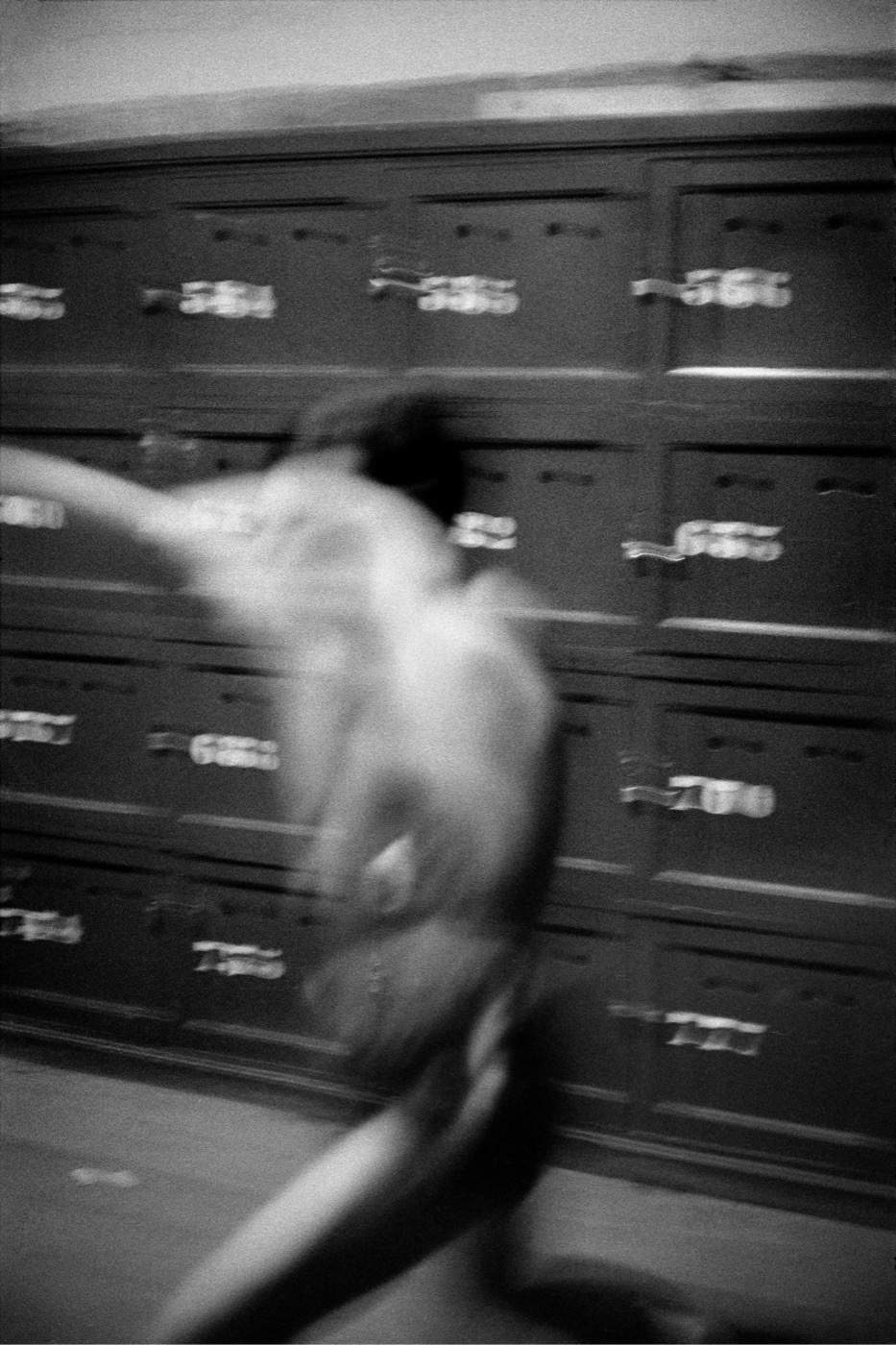 Ramón MasatsNeutral Corner, Madrid, 1962.The painted white numerals stenciled across the locker fronts smear into little comet-tails, blurred by the same motion that dissolves the figure before them, and they are the only fixed coordinates…
 Ramón MasatsNeutral Corner, Madrid, 1962.The blacks in this print are not emptiness but substance: silver laid on so thickly that the ring, wherever it was, has drowned in it, leaving a single diagonal of wet skin to carry the picture.
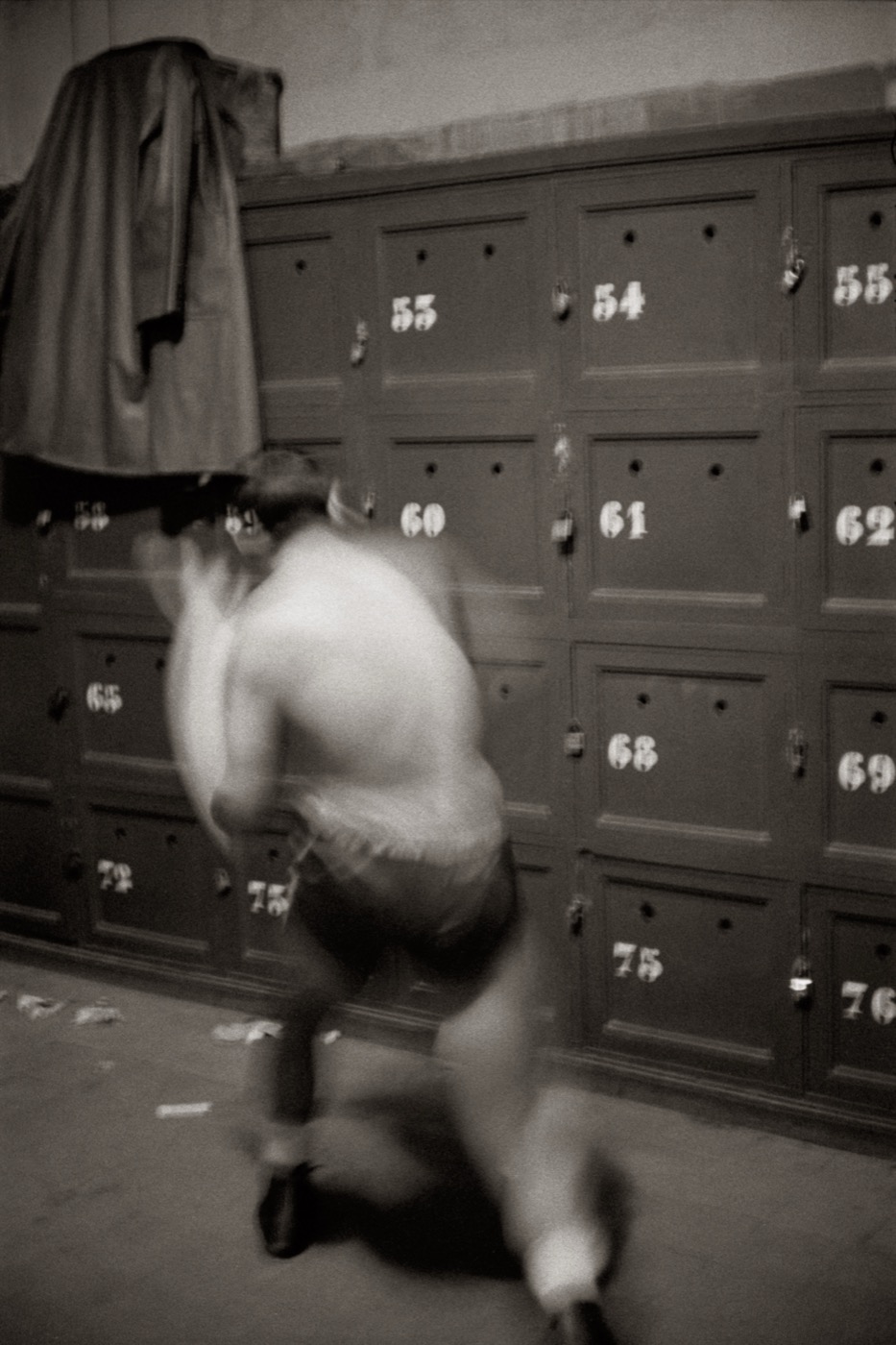 Ramón MasatsNeutral Corner, Madrid, 1962.Changing-room light is the weakest light in sport: dim, brownish, used up, and it sets the terms here.
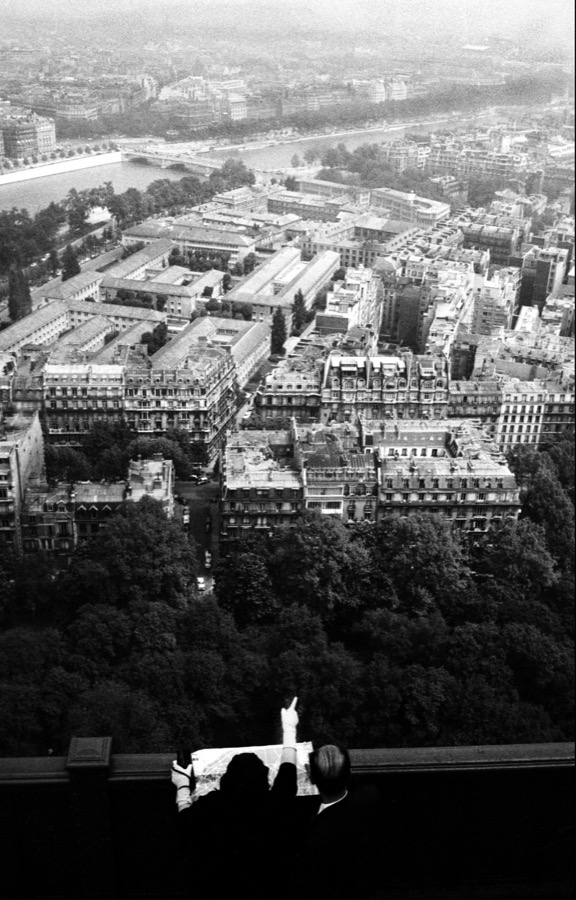 Ramón MasatsParis, 1962.Ramón Masats stands as one of Spain's most influential documentary photographers of the 20th century.
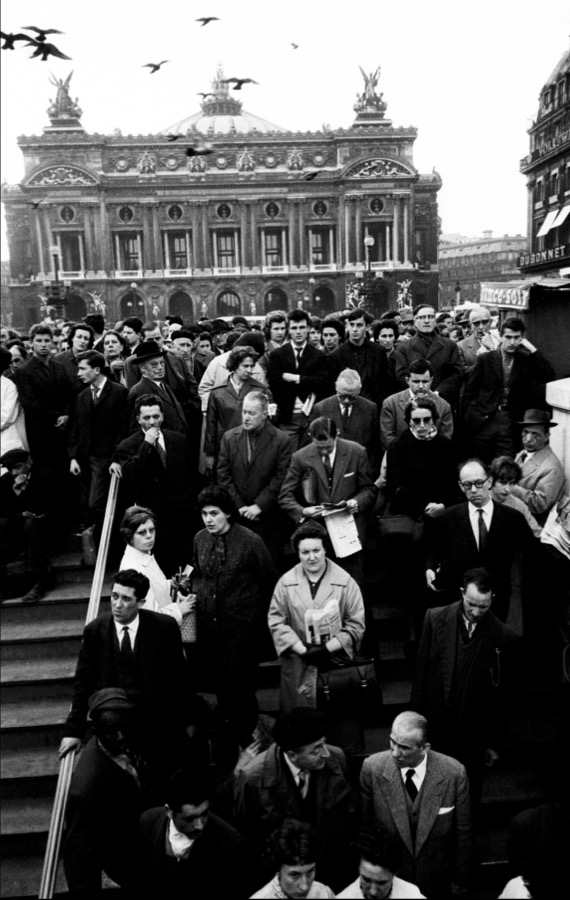 Ramón MasatsParis, Subway Strike, 1962.Paris, 1962. The subway is on strike, so the city has spilled onto these stairs in front of the Opéra like a great human river briefly held in place.
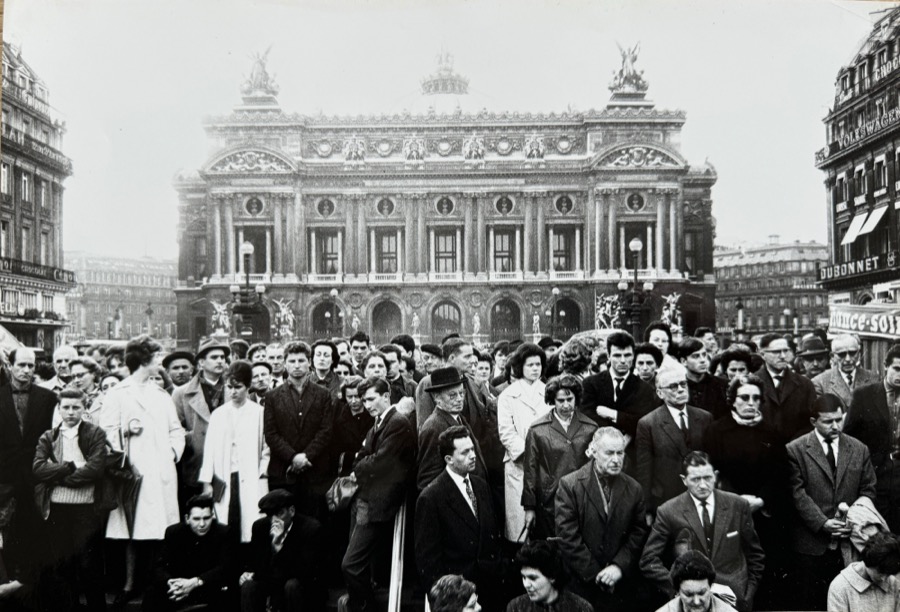 Ramón MasatsParis, Subway Strike, 1962.Nobody in this picture is looking at the Opéra, which, if you have ever tried to photograph the Opéra, you will recognise as a kind of achievement.
 Ramón MasatsPicadores en la Plaza de toros de las Ventas, Madrid, 1962.In Picadores en la Plaza de toros de las Ventas, Madrid, made in 1962, Ramón Masats turns the bullring into more than a setting for spectacle: a threshold between ritual and mystery, between the…
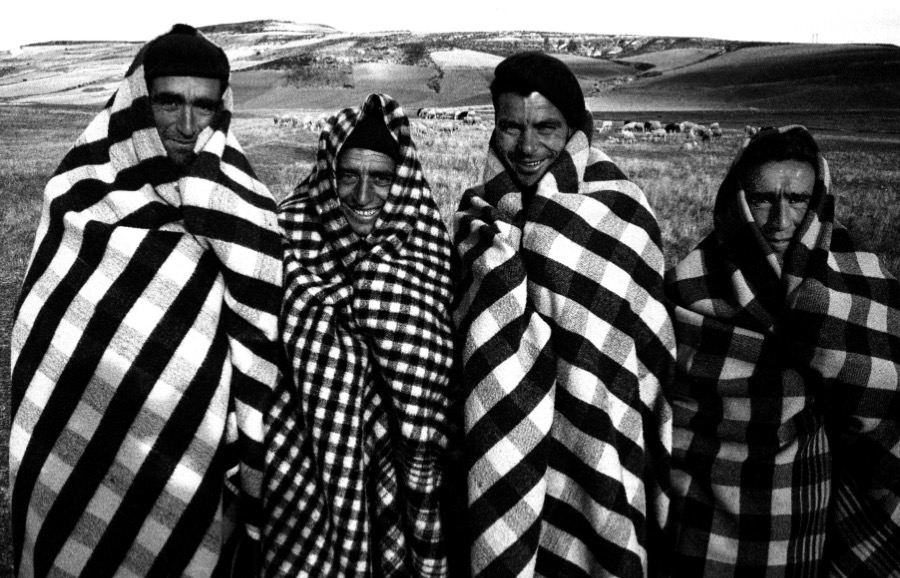 Ramón MasatsTierra de campos, Valladolid, 1962.Four men stand shoulder to shoulder in a field, each wrapped to the eyes in a checked woollen blanket.
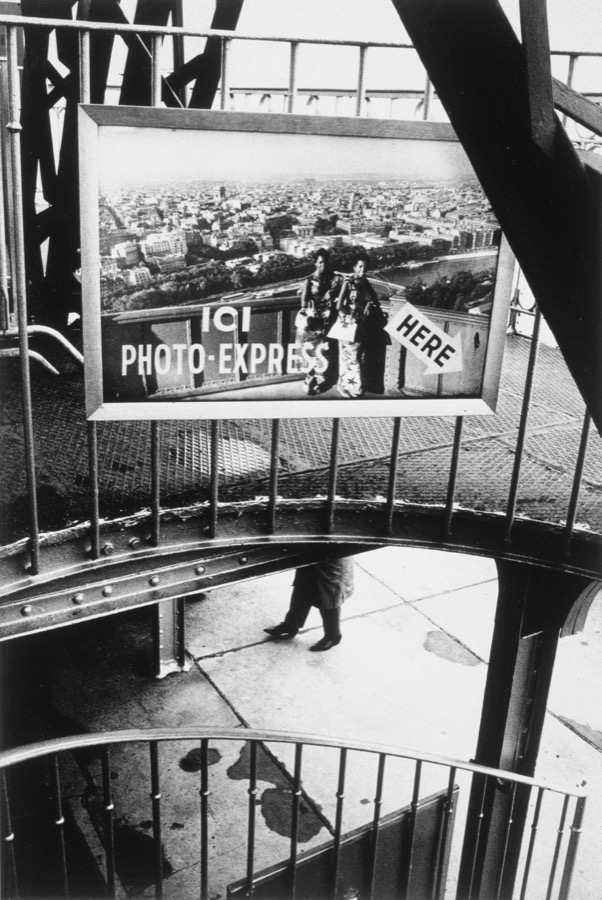 Ramón MasatsTour Eiffel, Paris, 1962.On a platform of the Eiffel Tower a framed photograph hangs from the ironwork: two women posing at the parapet with Paris spread out behind them, and across it, in white letters, ICI PHOTO-EXPRESS…
 Ramón MasatsTour Eiffel, Paris, 1962.The same sign, seen from a step further back.
 Ramón MasatsTour Eiffel, Paris, 1962.Almost all of this print is black. A band of white sky at the top, then the silhouette of a machine house with one long lit window and figures moving inside it around what looks like a lift cage.
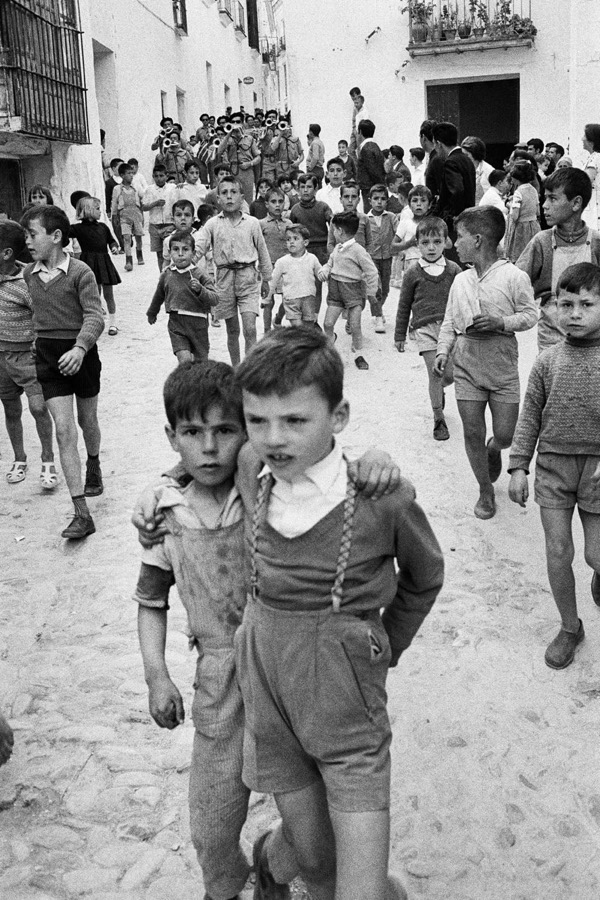 Ramón MasatsArcos de la Frontera, Cádiz, circa 1963.Ramón Masats captures a village street overflowing with children, their restless energy transforming the narrow slope into an improvised stage.
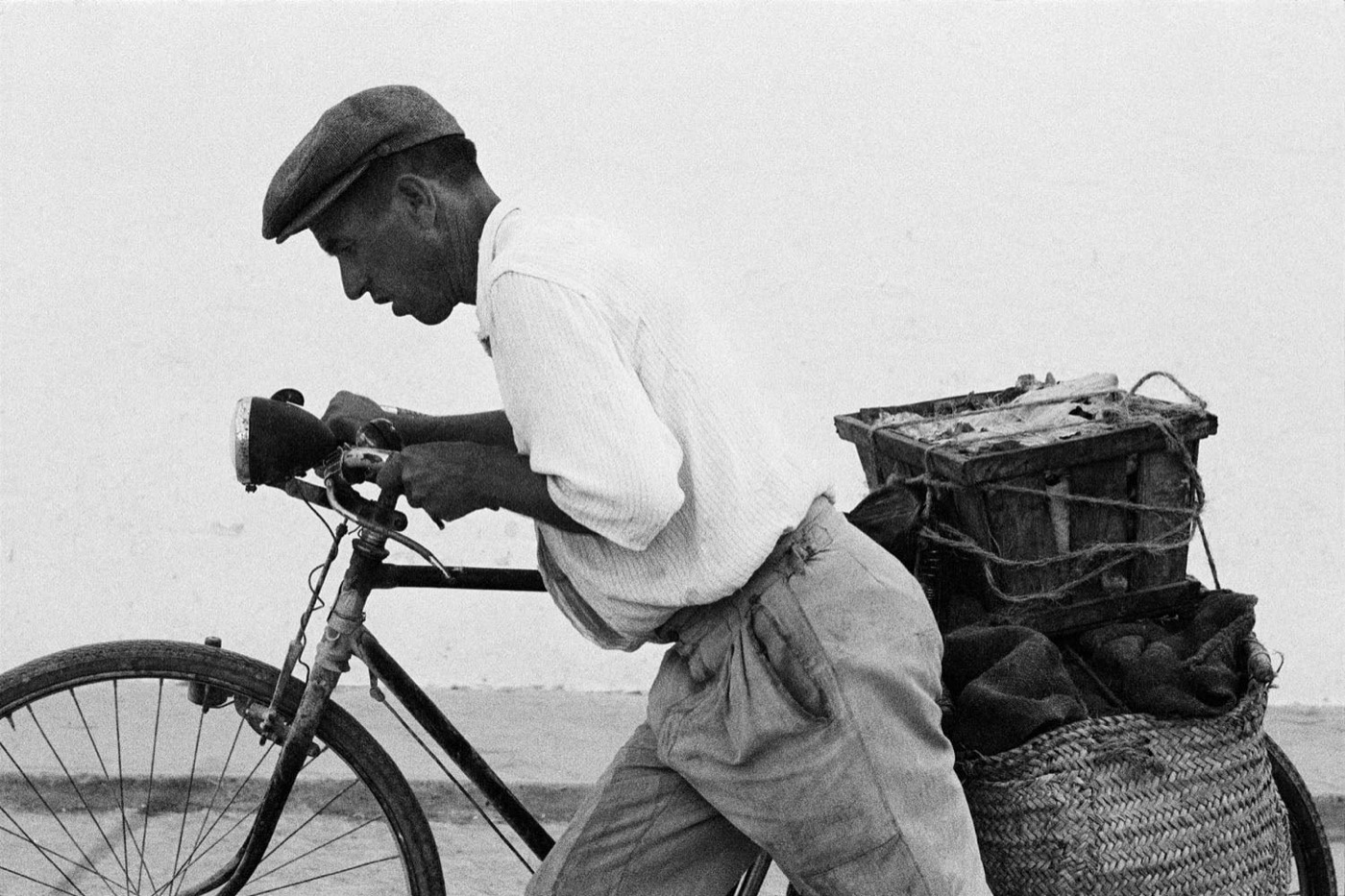 Ramón MasatsArcos de la Frontera, Cádiz, circa 1963.A photograph of labor rarely shows the weight of it; this loaded bicycle does nothing else.
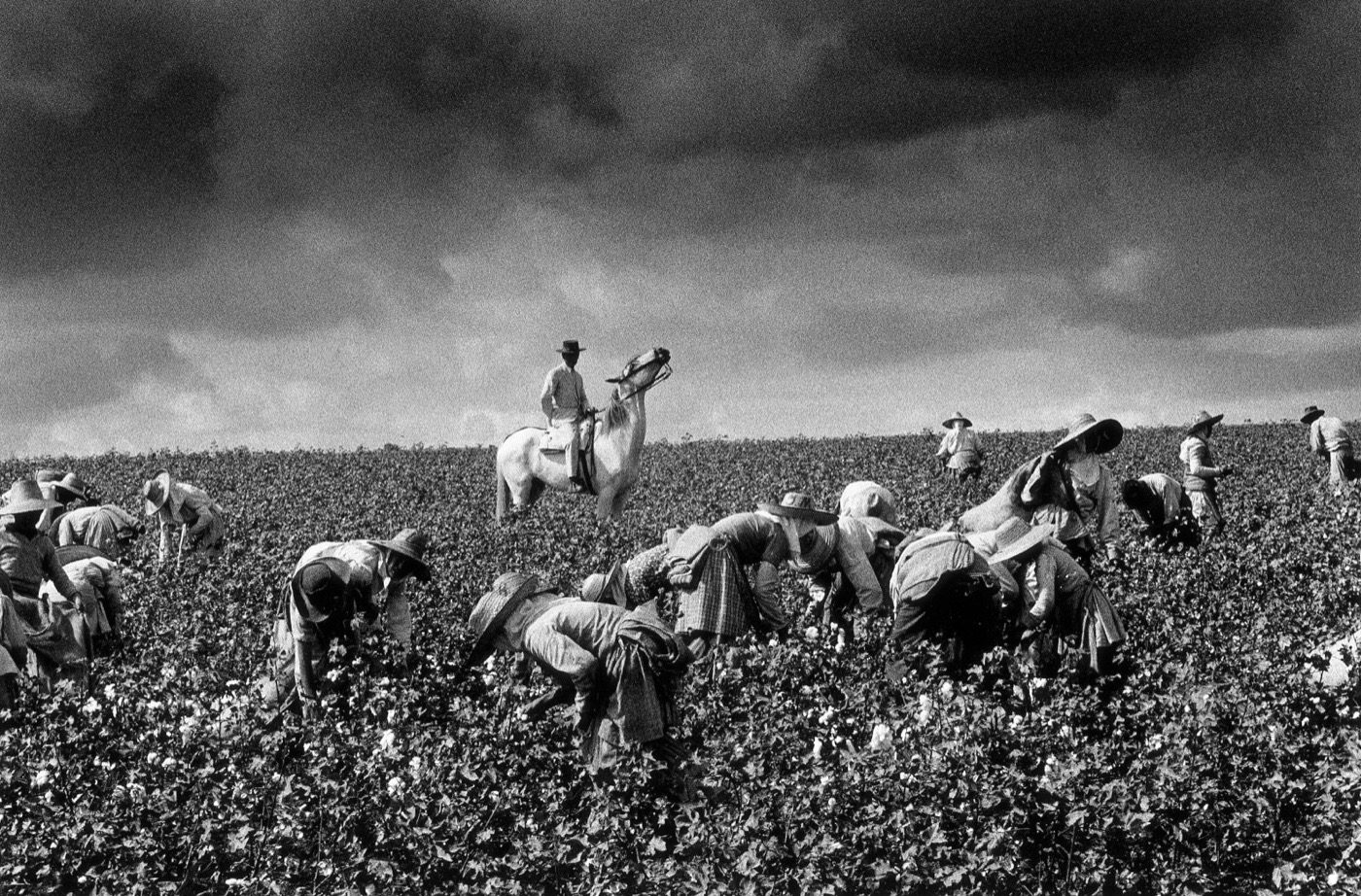 Ramón MasatsCotton Harvest, Jerez de la Frontera, Cádiz, 1963.In Ramón Masats’ “Cotton Harvest, Jerez de la Frontera, Cádiz, 1963”; time seems to pause in the white light of Andalusia.
 Ramón MasatsLas Ventas, Madrid, 1963.A torero fills the frame from the chest up, and he has closed the picture against us.
 Ramón MasatsLas Ventas, Madrid, 1963.A man has put both hands over his face, and the camera has come in close enough that the gesture fills almost the whole frame.
 Ramón MasatsAntonio Gades, 1964.A plain first: flat, treeless, running unbroken to a pale horizon — country that offers a face no shelter and no excuse.
 Ramón MasatsCoffin, Puerto Serrano, Cadiz, 1964.The doorway keeps its subject firmly out of sight.
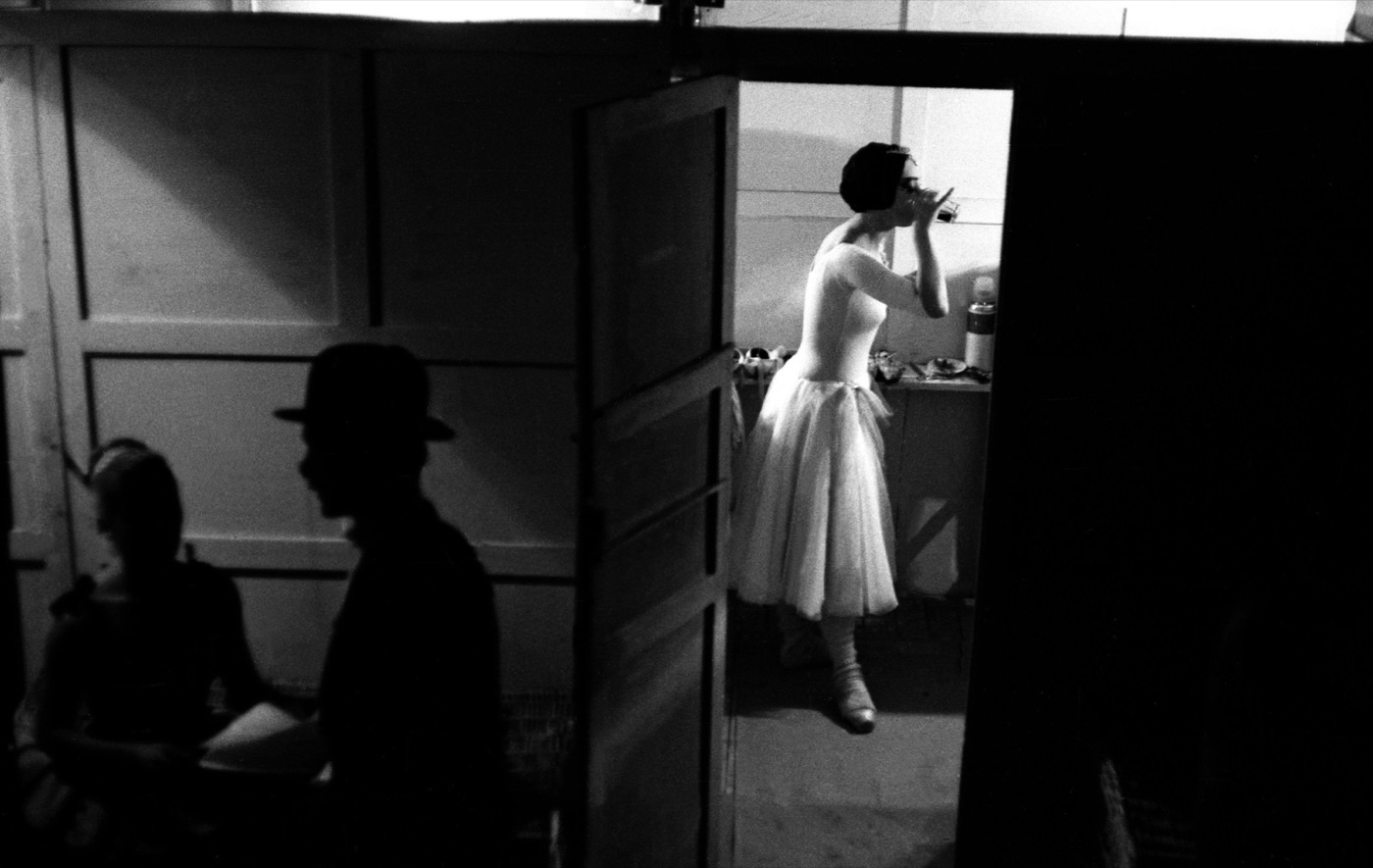 Ramón MasatsLudmilla Tchérina, Madrid, 1964.She tips her head back and drinks — mid-gulp, throat exposed, the bottle raised the way you'd raise it backstage between acts when nobody important is watching.
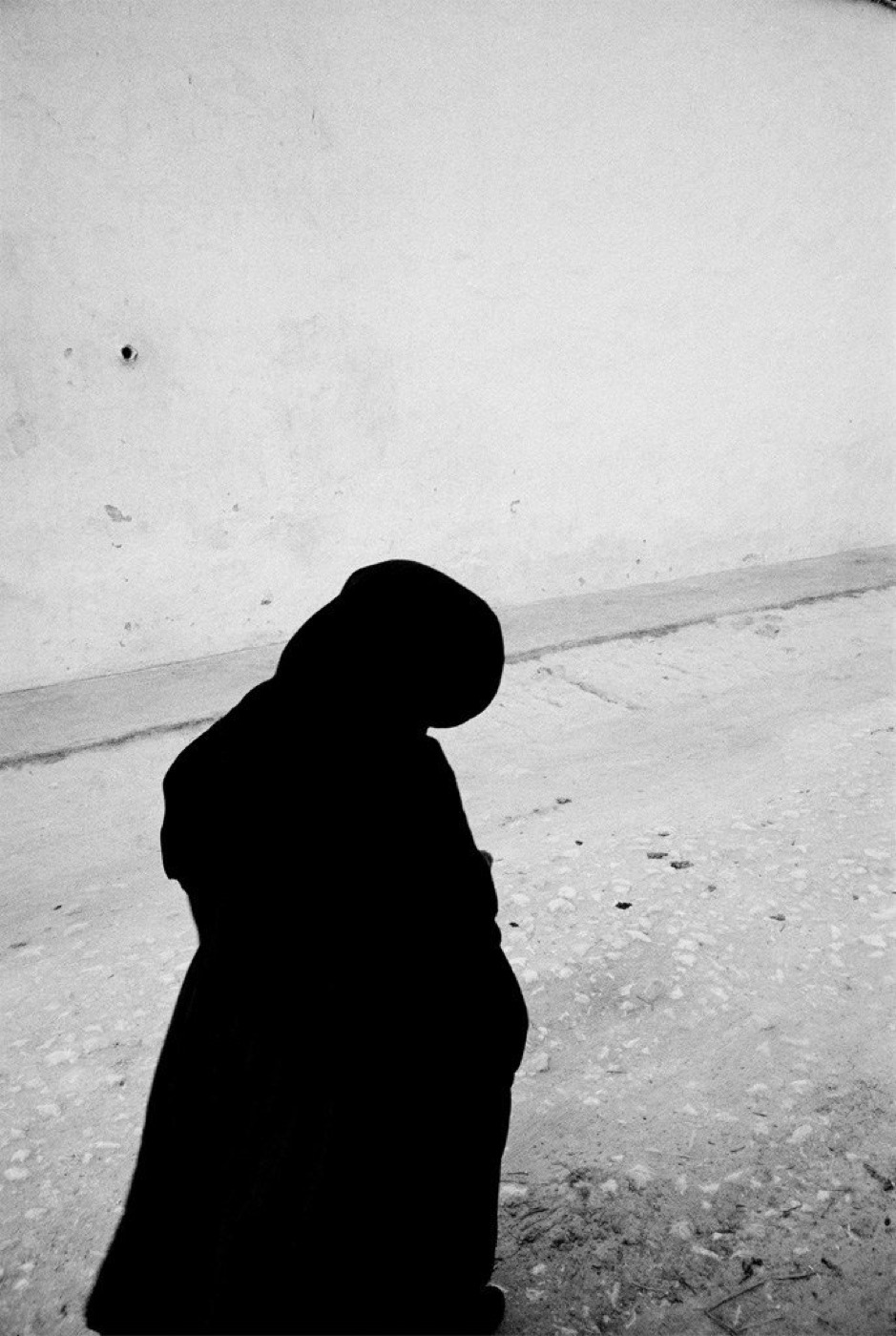 Ramón MasatsMoral de Calatrava, 1964.She lowers her head and moves along the white wall, and the movement is all we are given, for the woman herself has been reduced to a single black silhouette without a face.
 Ramón MasatsVerbena, Plaza Mayor, Madrid, 1964.Nineteen sixty-four was the year the Spanish state proclaimed twenty-five years of peace, and Madrid answered the way cities under such proclamations do: with a fair.
 Ramón MasatsExpotur, Madrid, 1965.A whitewashed wall with a bull's head mounted on it: black, curly-haired, horns curving up and out, the muzzle pushed forward off a shield-shaped plaque.
 Ramón MasatsMuseo Del Prado, 1965.A woman has sat down on a folding stool in a gallery of the Prado.
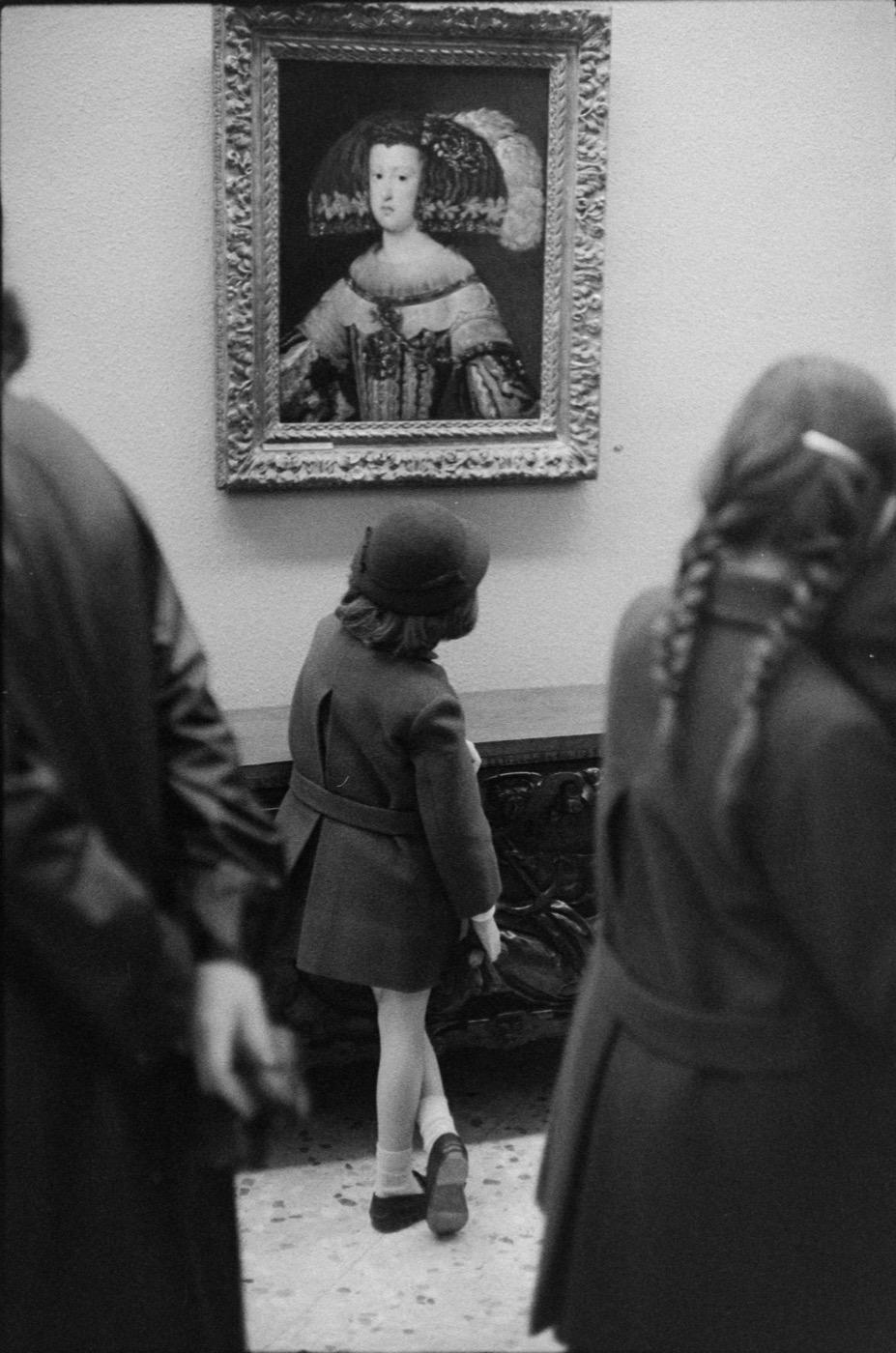 Ramón MasatsMuseo Del Prado, 1965.In the Spain of the mid-sixties, a family outing to the Prado was a way of touching a grandeur the present did not otherwise offer, and Masats found the encounter in its purest form: a small girl…
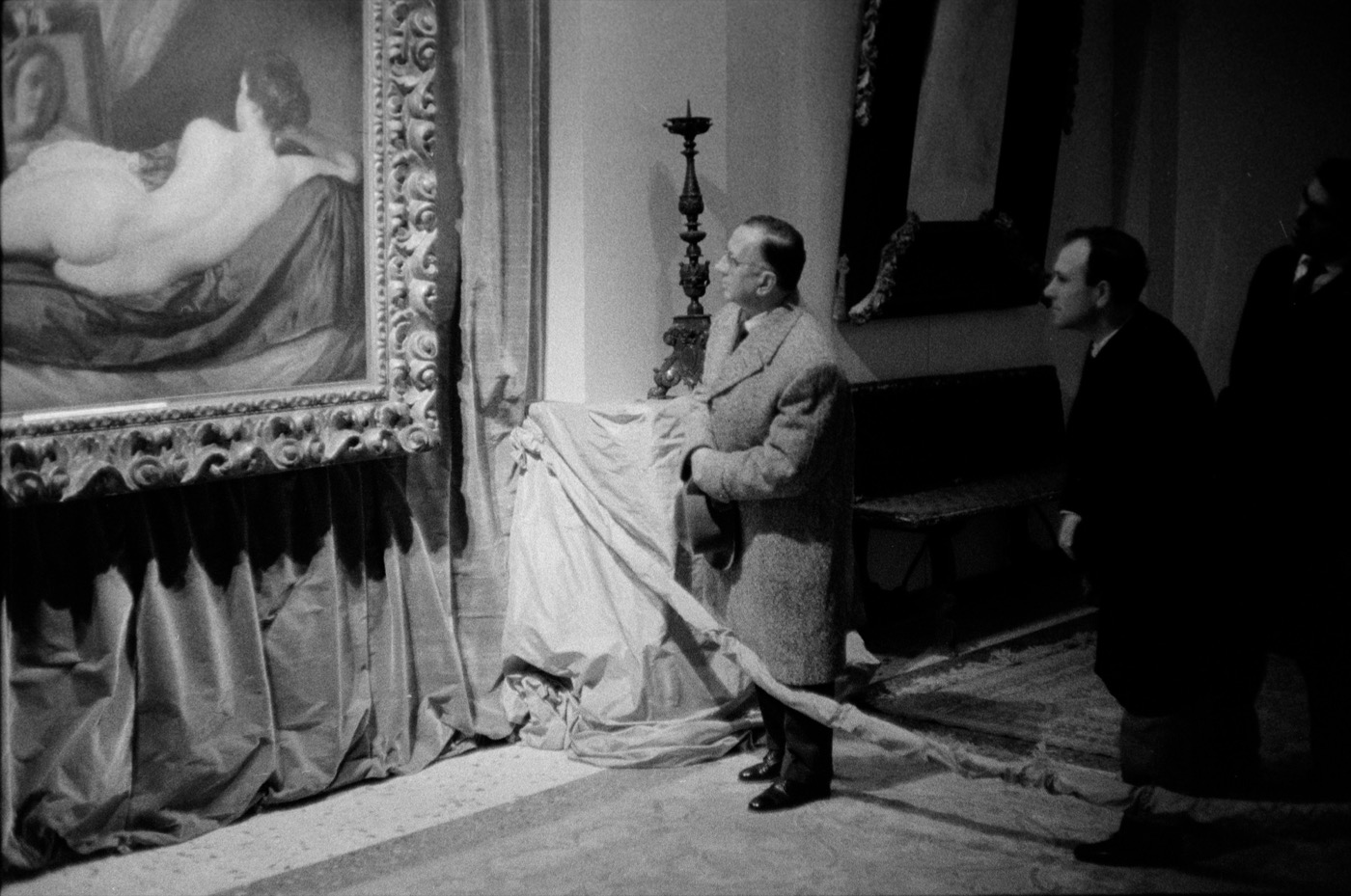 Ramón MasatsMuseo Del Prado, 1965.A man in a heavy tweed coat stands at the center of the Prado, and a pale cloth pools at his feet and spills toward us across the floor, as if he had only this moment let it fall.
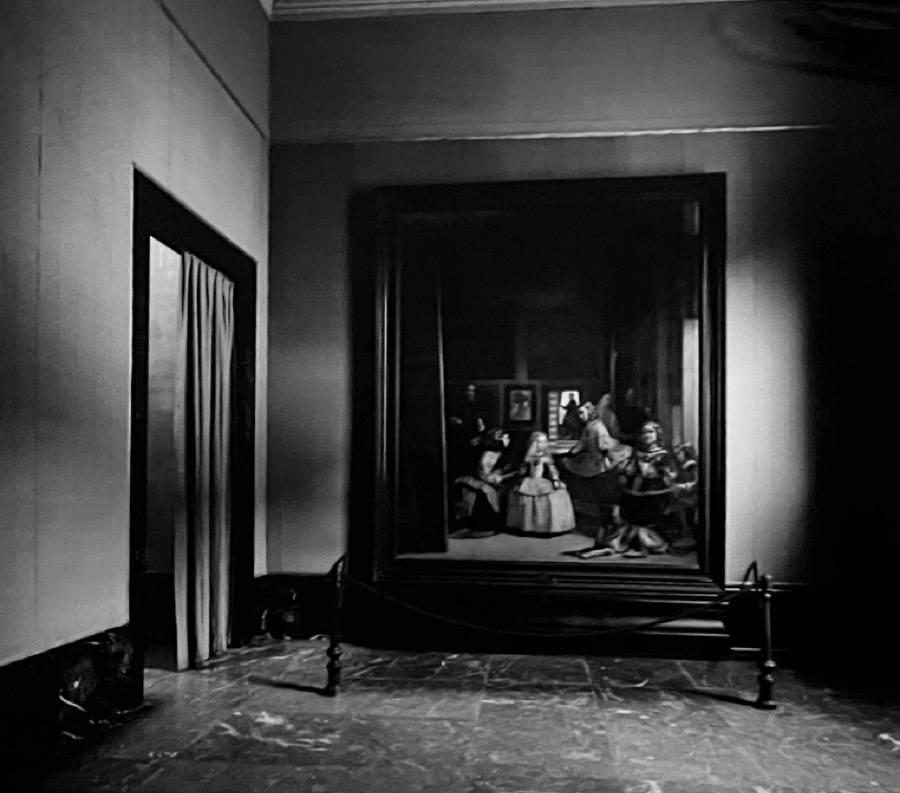 Ramón MasatsMuseo Del Prado, Madrid, 1965.A gallery of the Prado, empty. On the right-hand wall, in a heavy dark frame, Las Meninas, lit so that it glows out of a room that is otherwise almost dark.
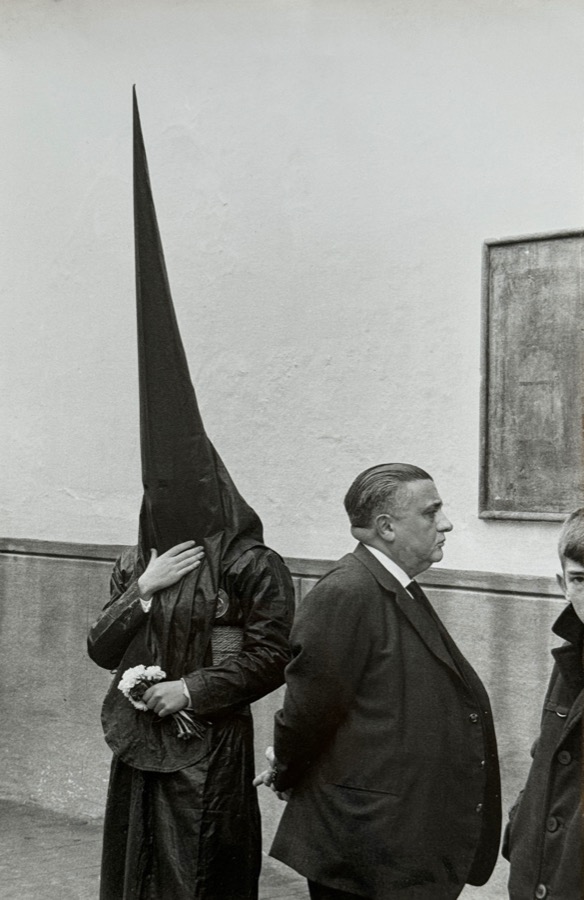 Ramón MasatsSemana Santa, Sevilla, 1965.This unique vintage gelatin silver print reveals Masats' genius for capturing decisive moments within sacred ritual.
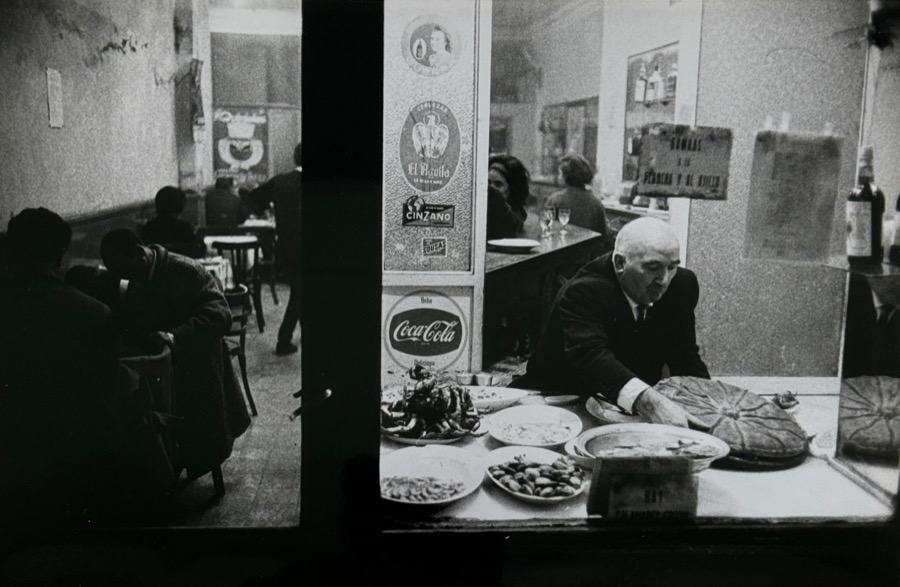 Ramón MasatsTasquero, La Coruña, 1965.A tavern window in La Coruña, photographed from the pavement at night.
 Ramón MasatsExcursión con la Real Sociedad FotográficaPhotography never travels alone; it moves in company, and the company casts shadows.
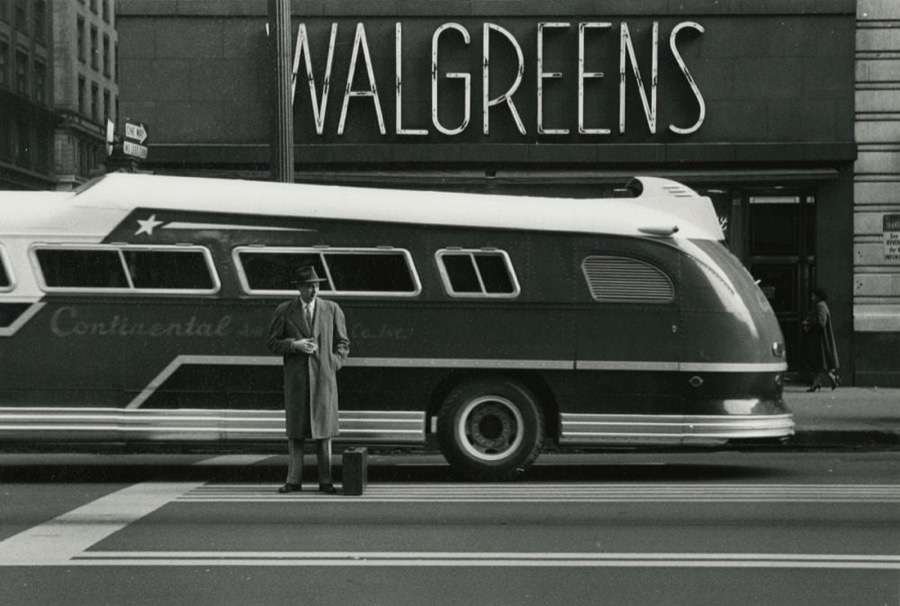 Ray K. Metzker57 JP-14, Chicago, 1957.Look first at how the picture is divided.
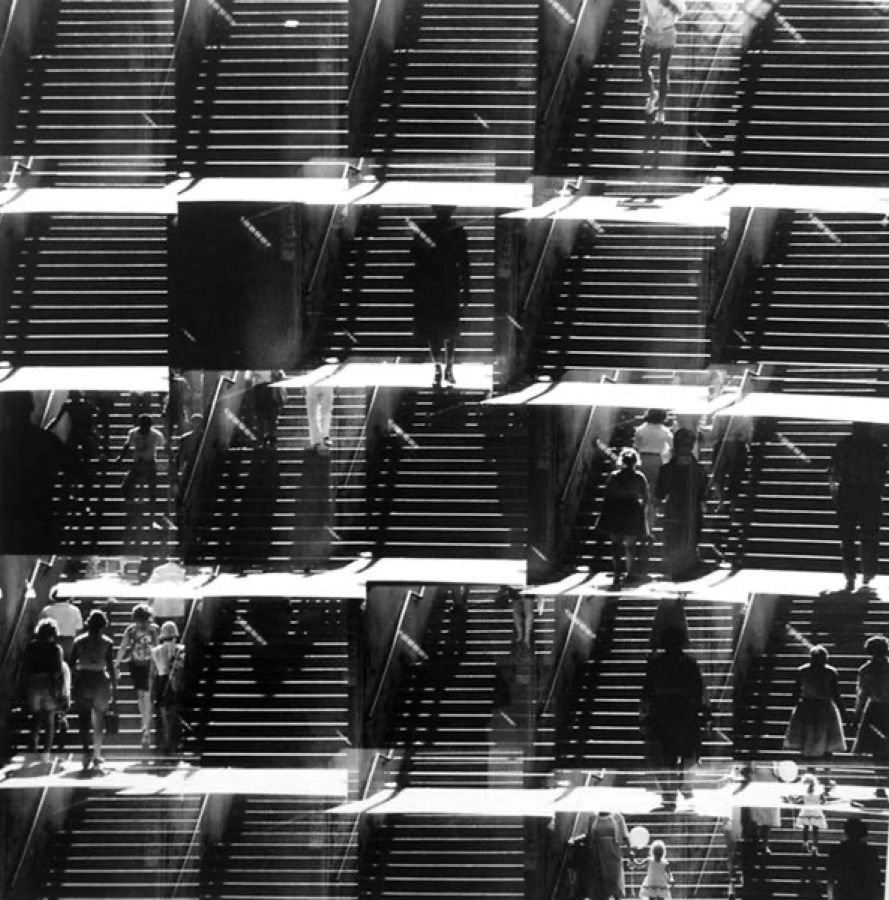 Ray K. Metzker59 AF-1, Chicago, 1959.A staircase, seen many times over, becomes a grid of descent.
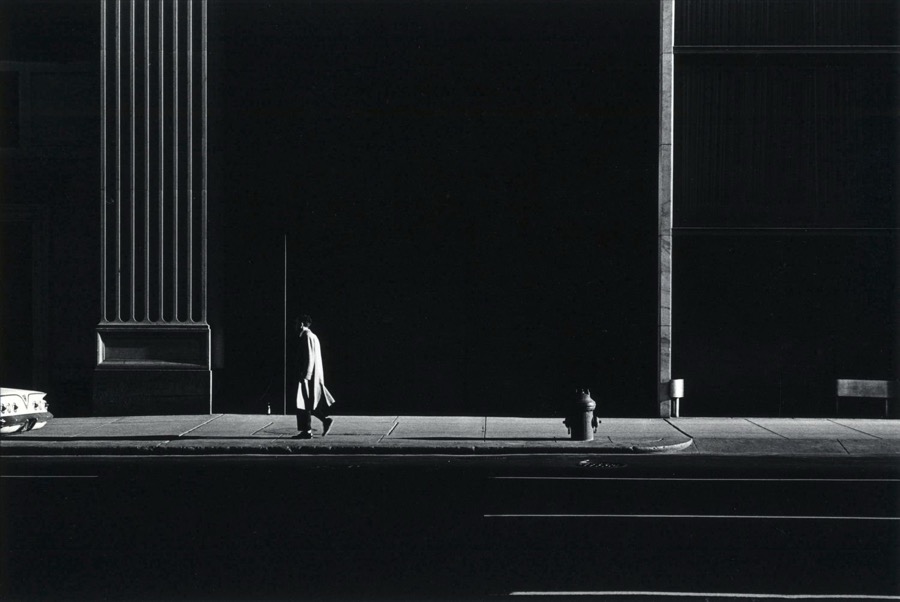 Ray K. Metzker63 DO-43, Philadelphia (Man and Impala), 1963.A single pedestrian crosses a vast field of black, and the city seems to hold its breath.
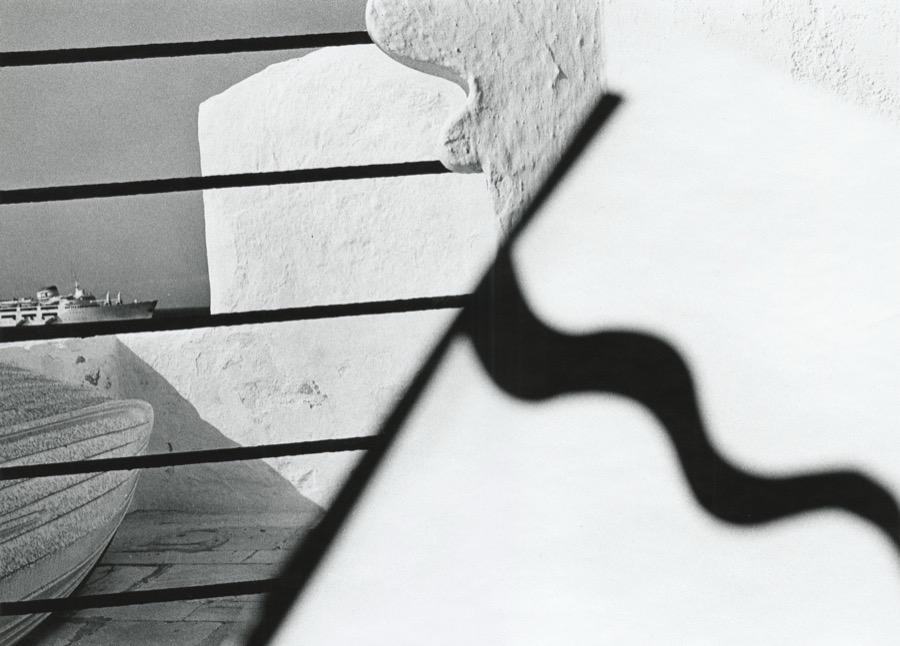 Ray K. Metzker79 DA-15, from "Pictus interruptus : Mykonos, Greece", 1979.A soft dark serpentine swings across the right of the frame, an object held too close for the lens to resolve, earning its place precisely by spoiling the view.
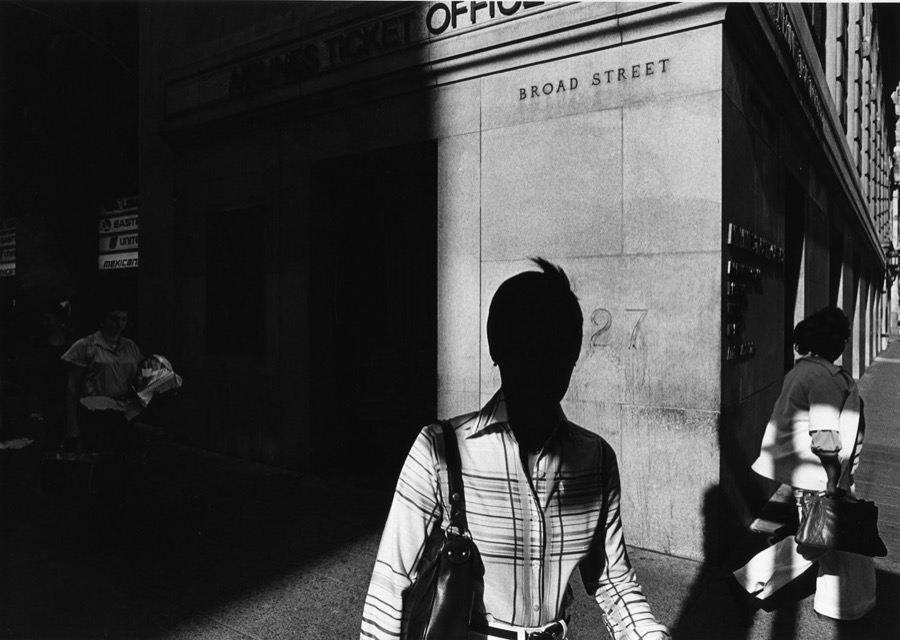 Ray K. Metzker80 DQ-27, City Whispers, Philadelphia, 1980.Begin with the title that isn't one — BROAD STREET, cut crisp into the granite cornerstone, and beneath it the ghost of a numeral, a soft 27 worn into the stone.
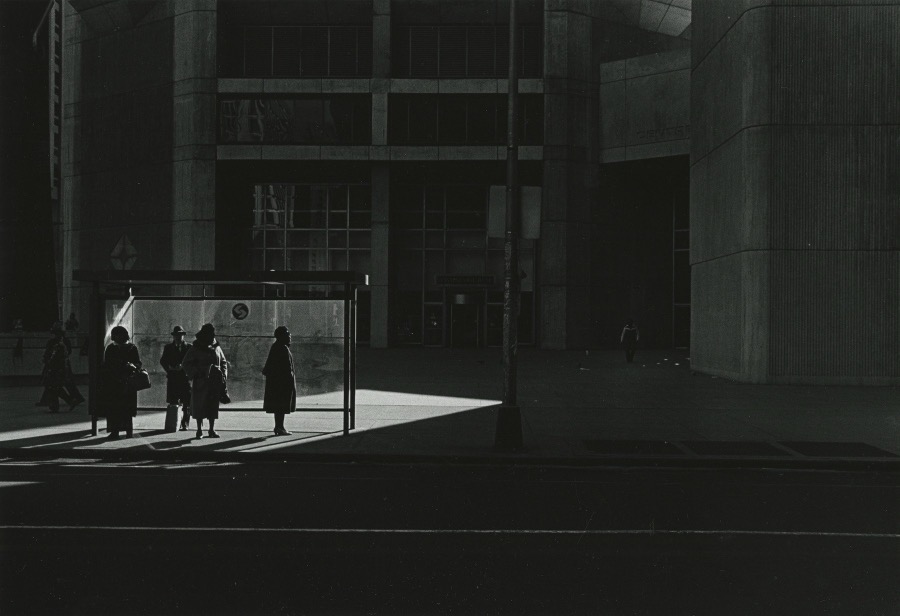 Ray K. Metzker81 DA-2, City Whispers, Philadelphia, 1981.Begin with the field, the readable surface: four figures clustered at a transit shelter, caught in a narrow blade of late sun that has slipped between the slabs of a brutalist plaza.
 Sarah MoonMorgan, 1985.A painted backdrop of a forest has been hung from a pole across a cobbled alley, sagging and creased, its lower edge weighted with stones and lengths of white cloth.
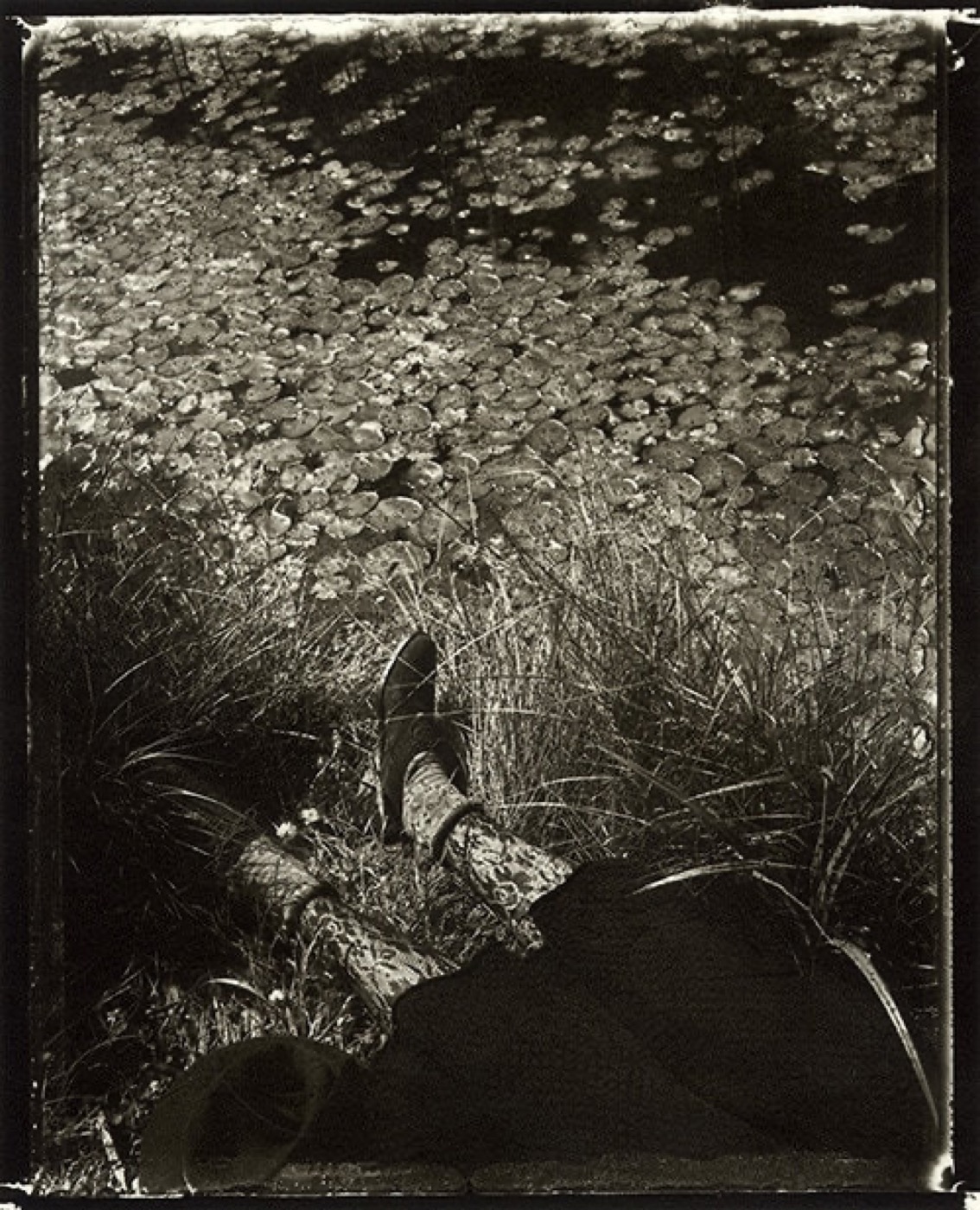 Sarah Moon18 juillet, 1989.Two thirds of this picture is a pond seen from so high and so steeply that the water stands up like a wall.
 Sarah MoonJulia Stouvenel, 1989.A face at very close range, and only part of it is holding.
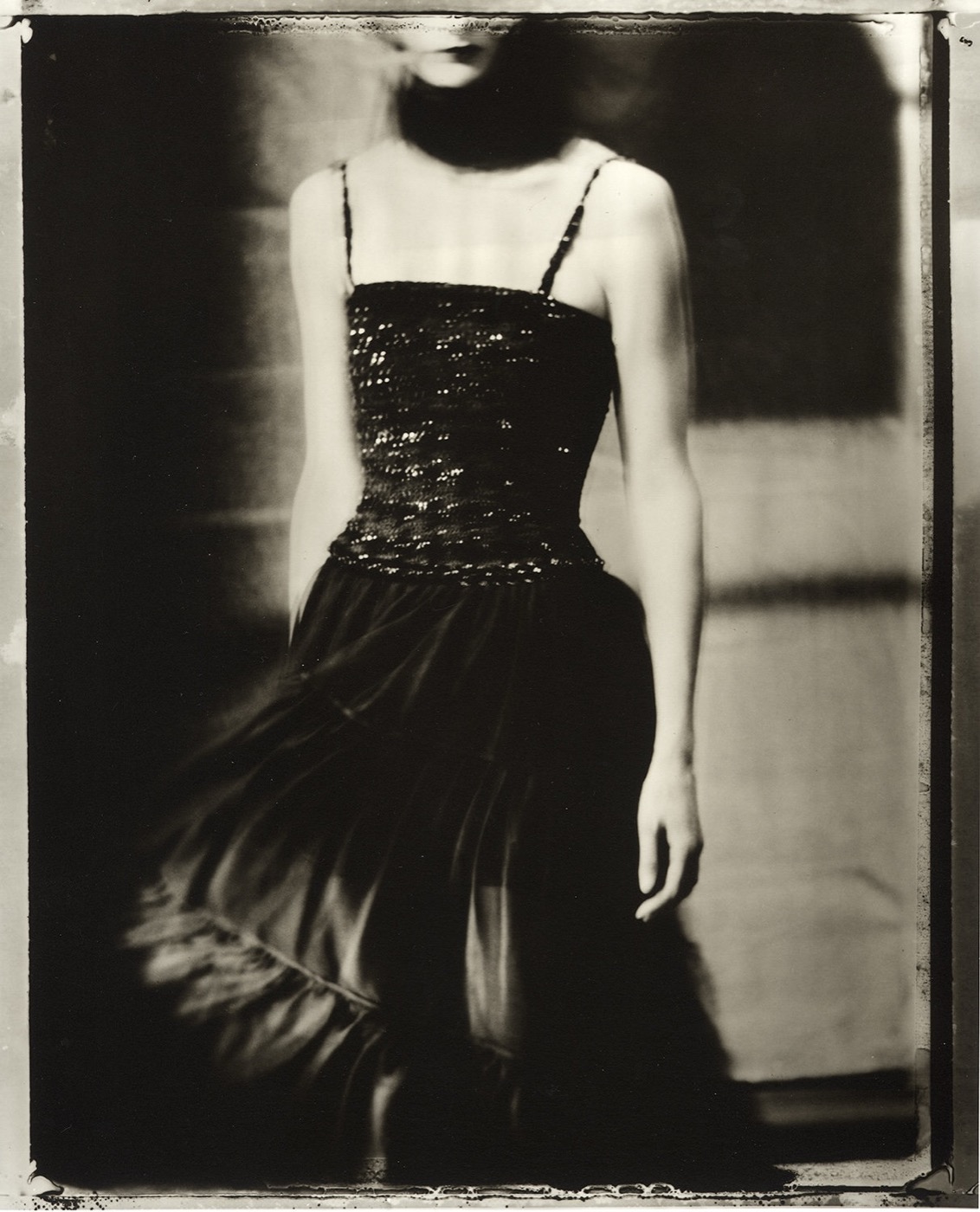 Sarah MoonChanel, 1993.A woman in a Chanel evening dress, and the picture has already let her head go.
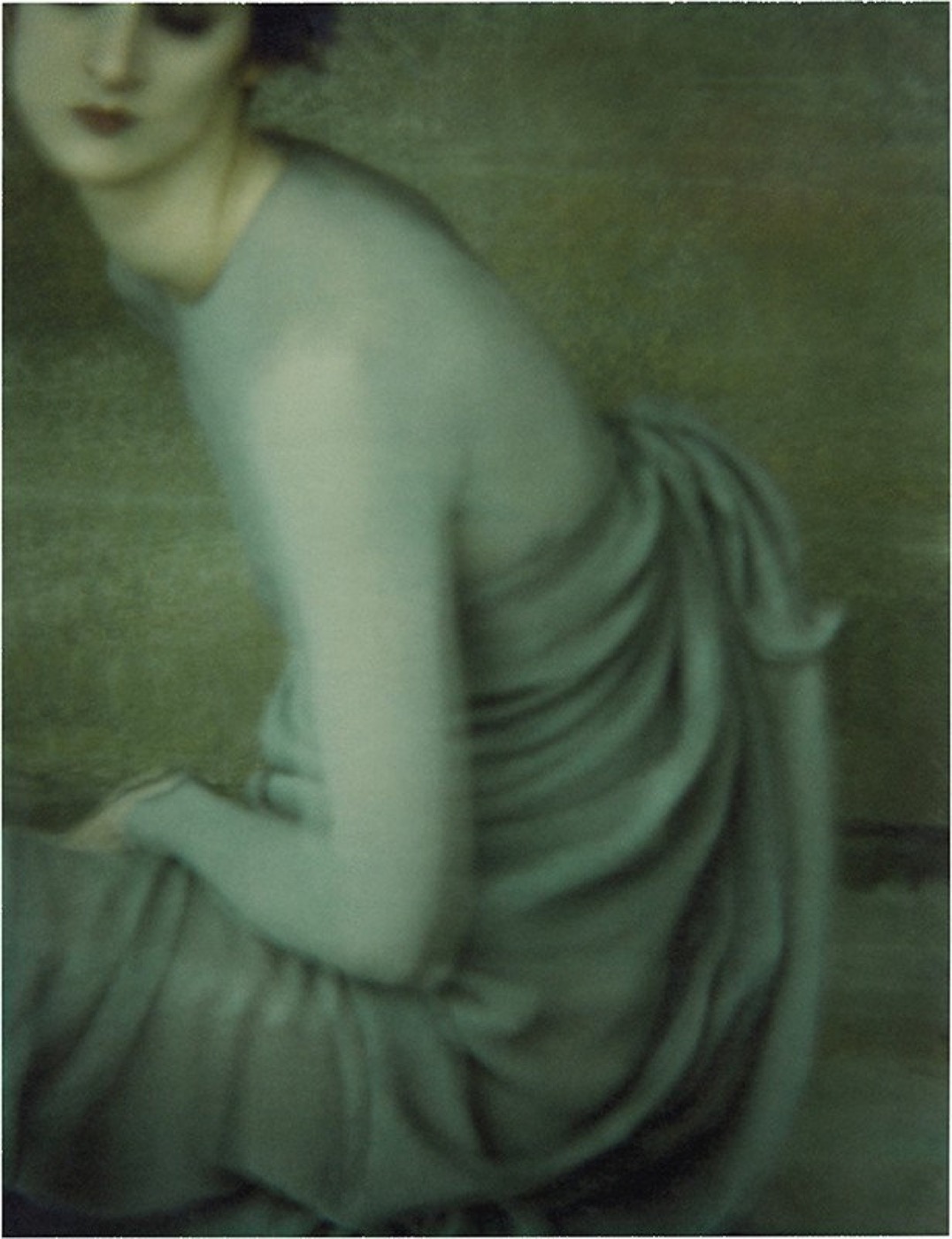 Sarah MoonSasha pour New York Times, 1994.Almost nothing here behaves like a photograph.
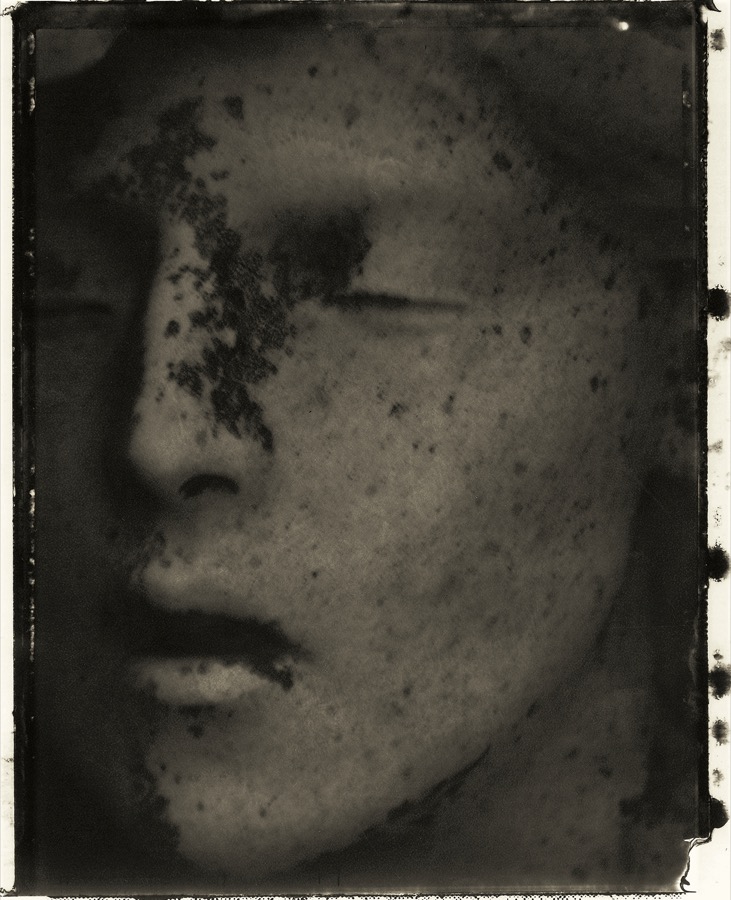 Sarah MoonLa Statue, 1995.The face is asleep, or was never awake. The eyes are closed beneath a single dark stroke of lash, the mouth slightly open, the nose held in profile against a blackness that presses in from every side.
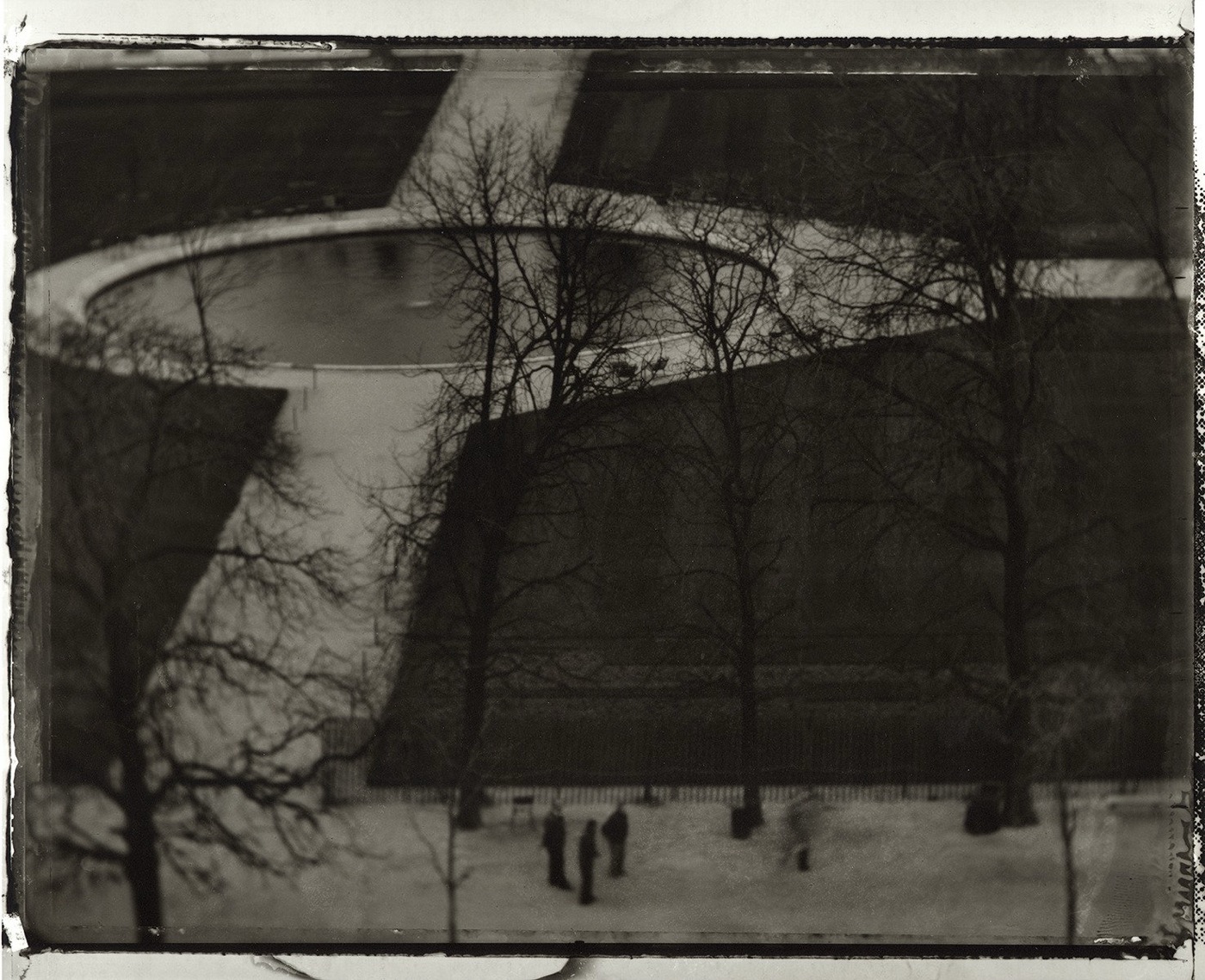 Sarah MoonLes Tuileries, 1995.You are looking down into the Tuileries in winter, from a window high enough to turn the garden into a diagram.
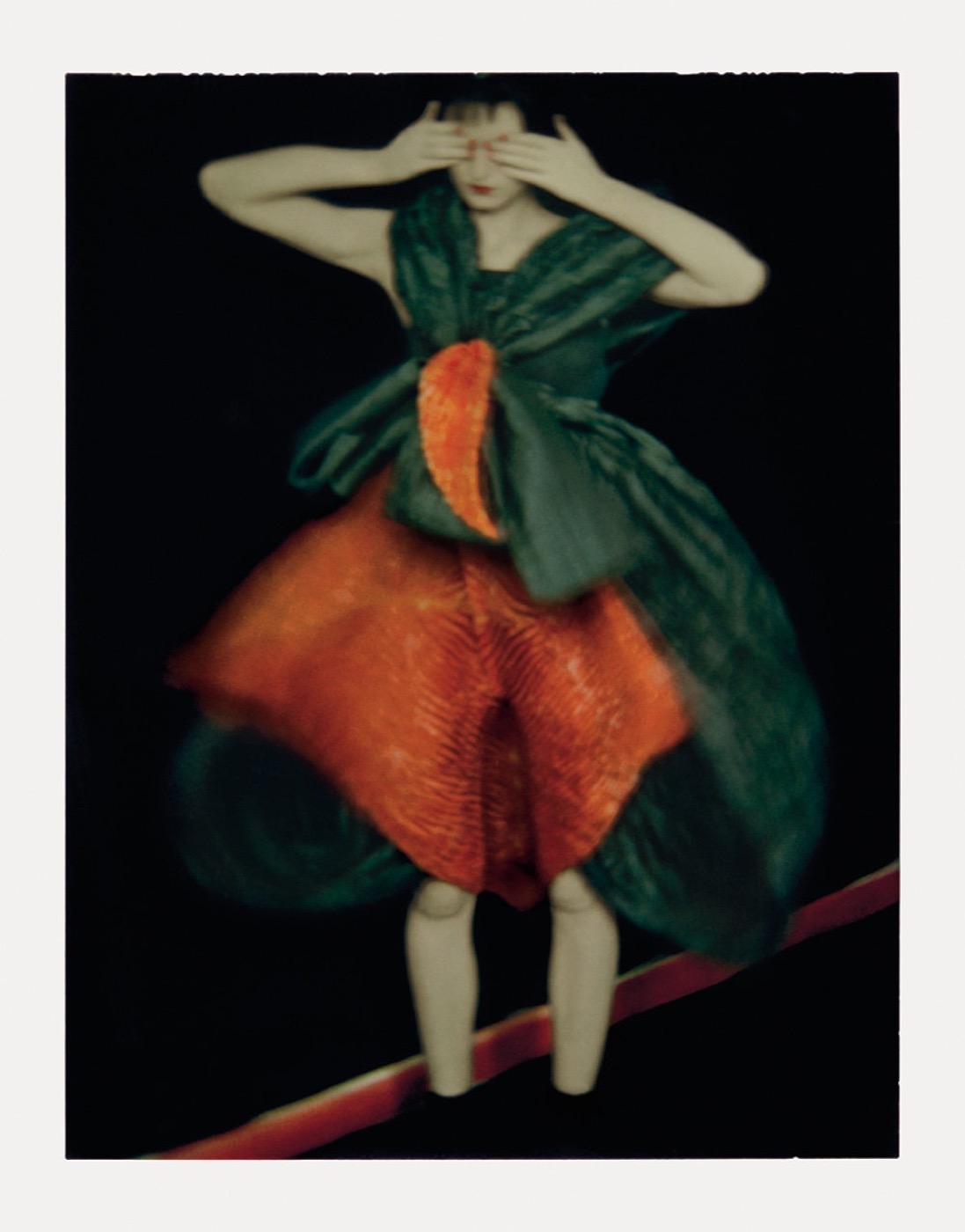 Sarah MoonTheresa Stewart pour "Issey Miyake", 1995.A figure stands against black in a dress of green and burnt orange, the skirt lifting and blurring at both sides as if caught turning.
 Sarah MoonLa Robe à Pois, 1996.A pale satin dress with enormous black spots, cut wide and stiff so that it stands away from the body like a bell.
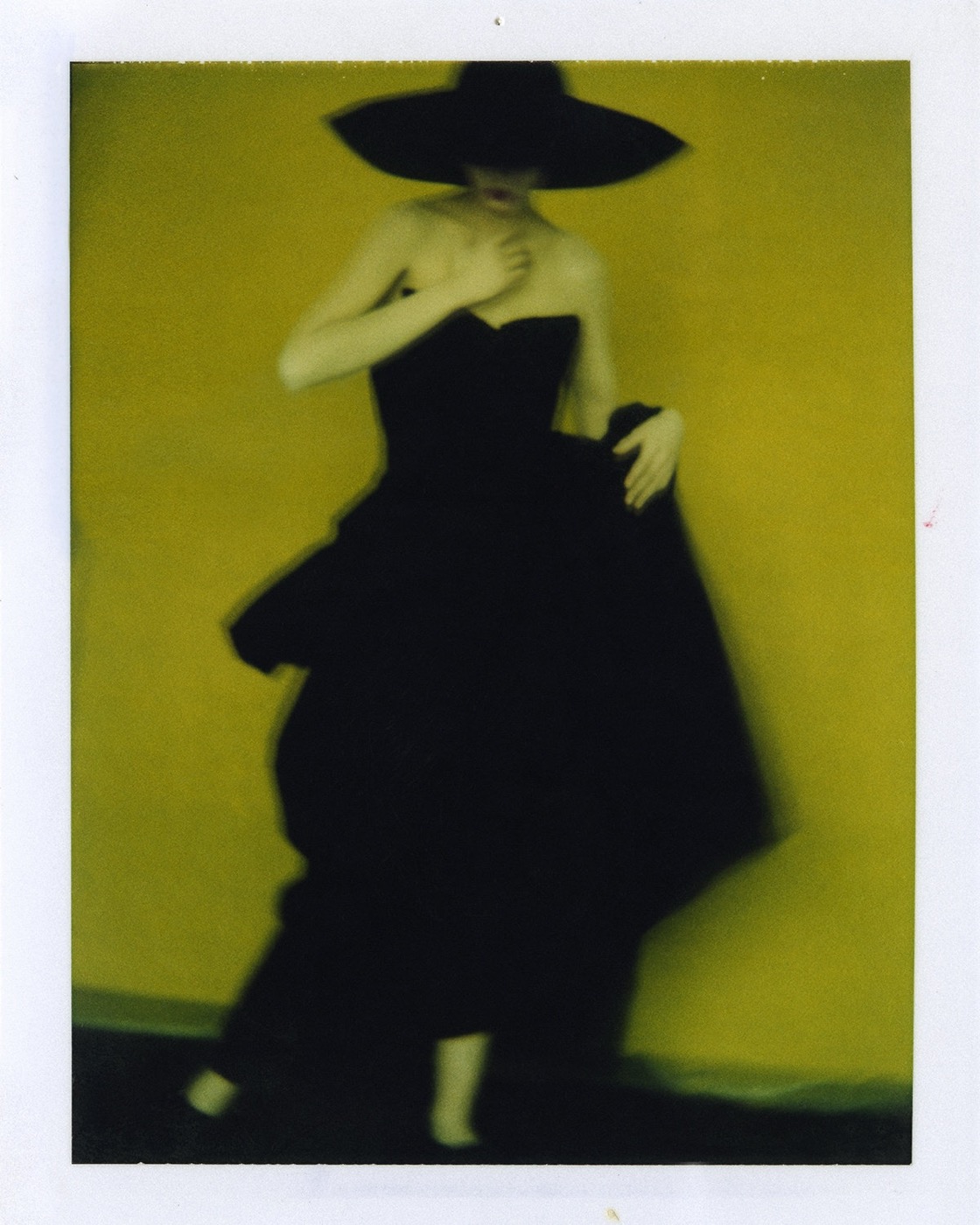 Sarah MoonYohji Yamamoto II, 1996.An acid yellow-green fills the frame, wall and floor together, and against it stands a figure in black.
 Sarah MoonAnatomie 1, 1997.The field is almost all darkness, a warm sepia gloom that the light enters from one side only, grazing the shoulder before it dies into the surrounding brown.
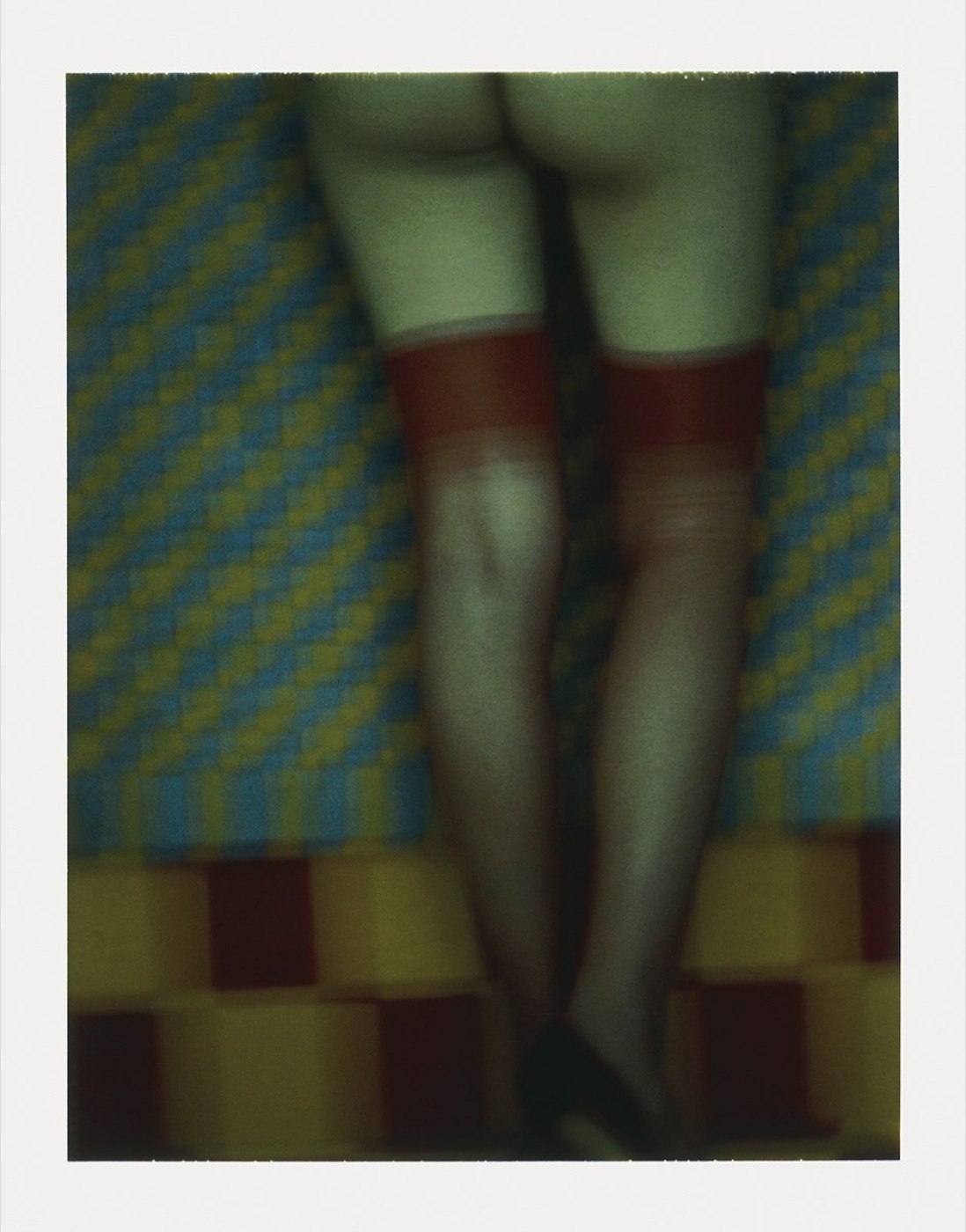 Sarah MoonFashion 07, Stockings, 1997.Two legs in stockings, cropped at the top of the thigh and again below the knee at the shoe, stand against a backdrop of blue and yellow checks that runs behind and beneath them in two different…
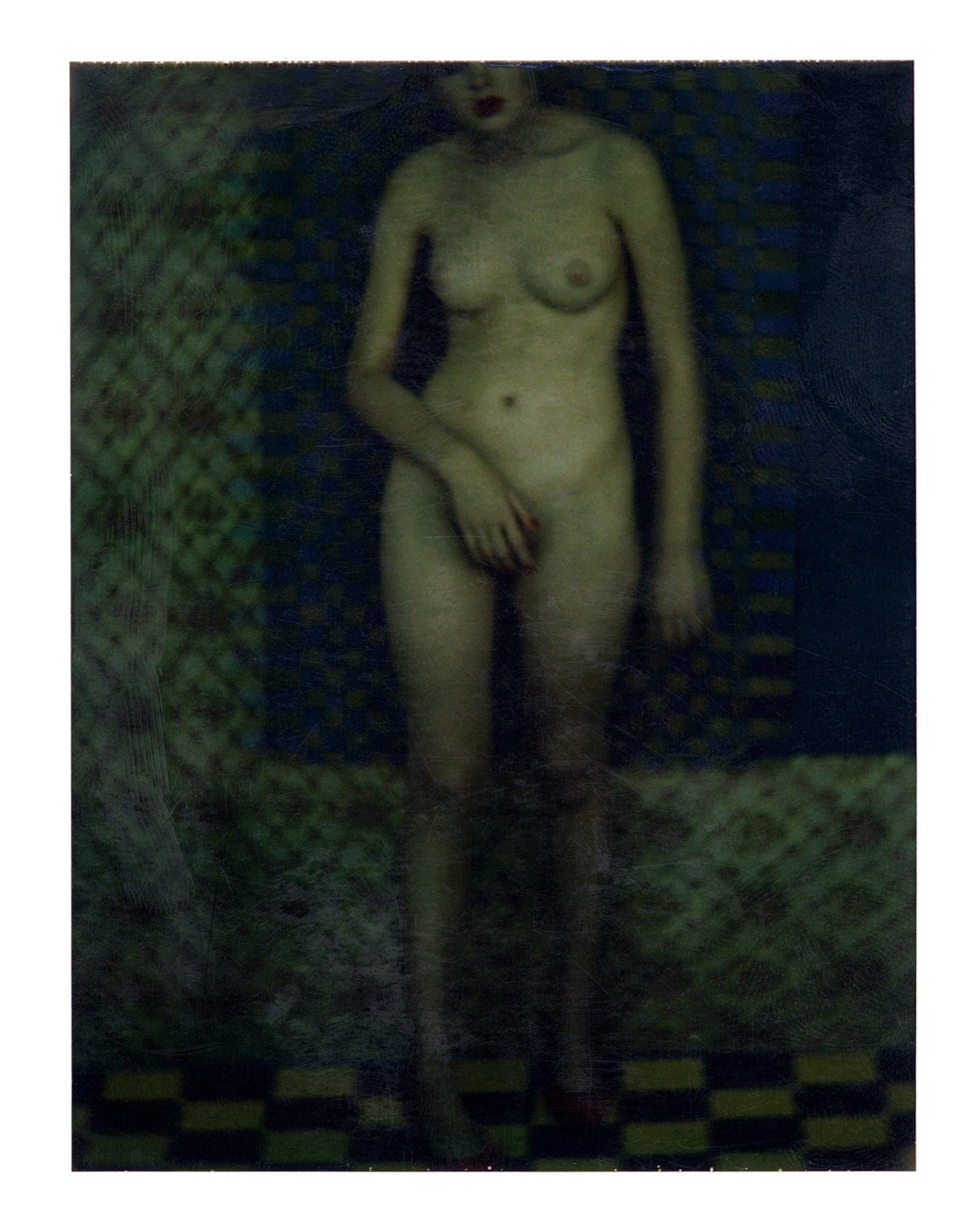 Sarah MoonMarthe, 1997.A body can be given to us and withheld in the same gesture.
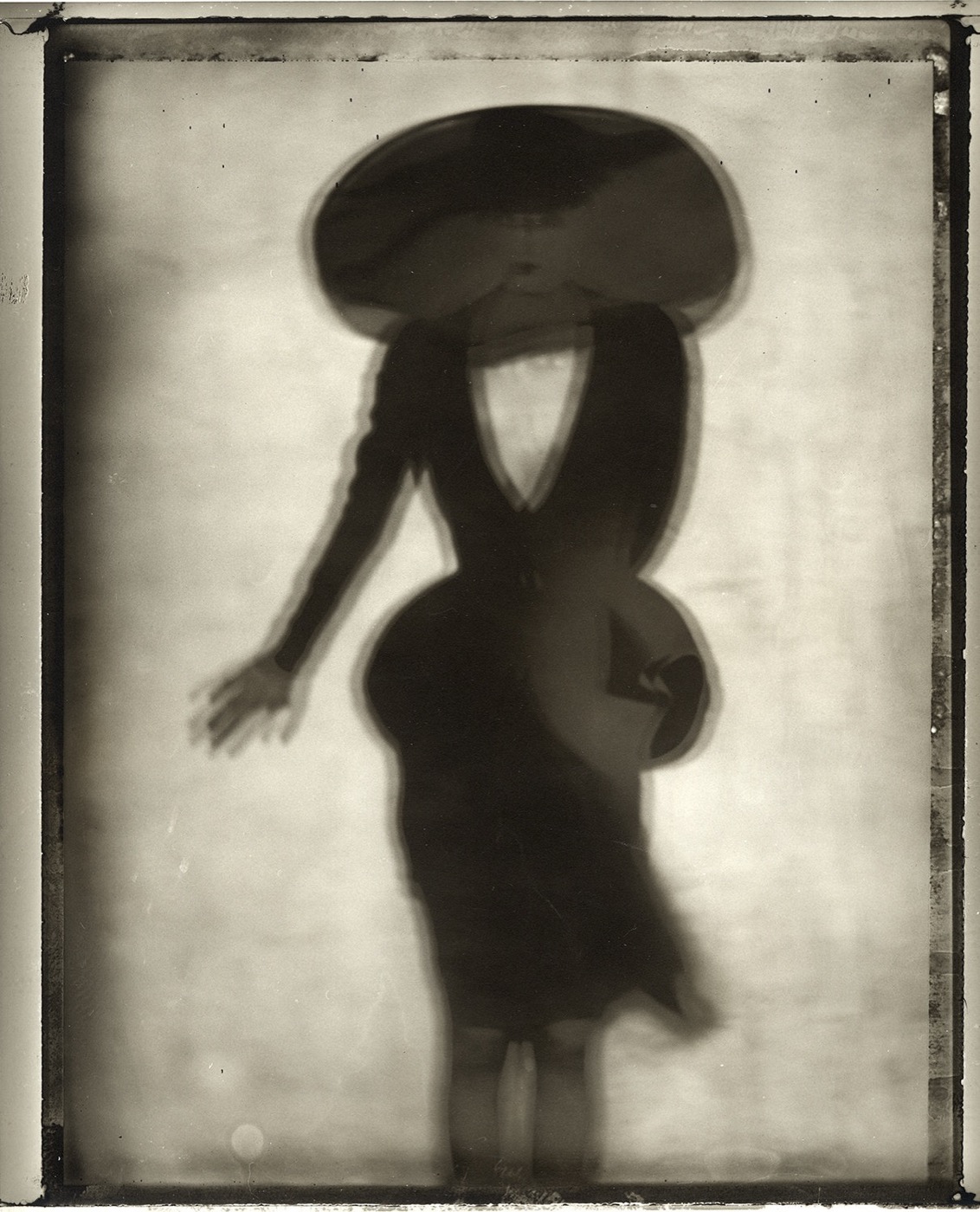 Sarah MoonThierry Mugler, 1997.Sarah Moon's 1997 photograph of Thierry Mugler emerges from shadow as pure form, a sculptural silhouette that transcends conventional portraiture.
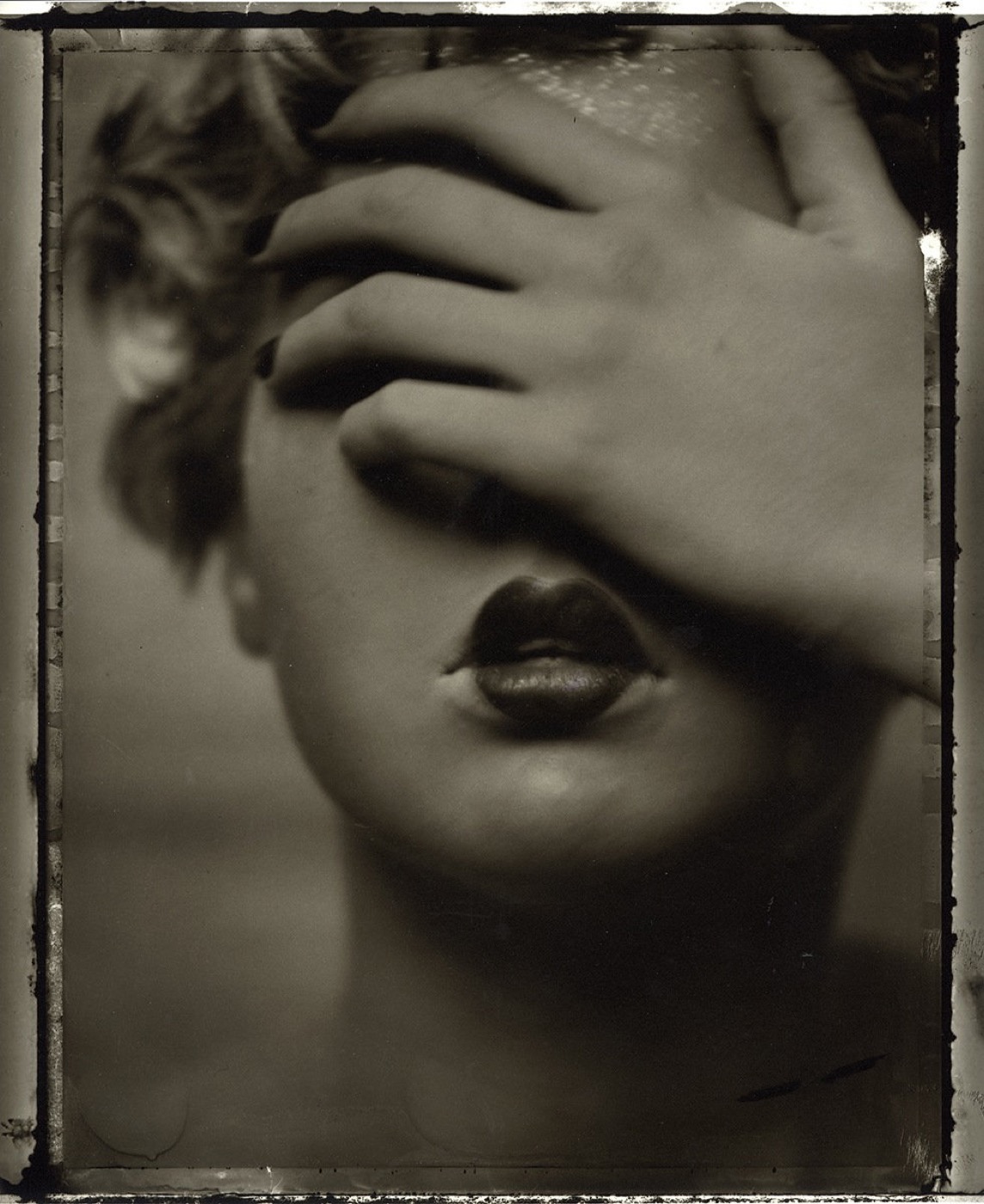 Sarah MoonGS, 1998.Where does the face end and the photograph begin?
 Sarah MoonKasia Pysiak, 1998.She emerges from the darkness like a half‑remembered dream, her face dissolving at the edges, her body barely anchored to the world.
 Sarah MoonLe bain des pieds, 1998.Bending double, hands dangling past her knees, the woman in Sarah Moon's carbon print is cropped to pure gesture: two pale legs, two loose hands, ten nails lacquered red.
 Sarah MoonLes roses, 1998.To photograph a flower at its peak is sentimental; to photograph it as it begins to fail is something else — an argument about what beauty is for.
 Sarah MoonJohn Galliano pour Christian Dior, 1999.Sarah Moon turned fashion photography into something closer to séance.
 Sarah MoonNoël au Portugal, 1999.Begin with the man, because the picture makes you hunt for him: a single dark upright on the lower beach, scarcely taller than the grain around him, fixed in place while the sea-stack offshore towers…
 Sarah MoonAdriana pour Watanabe, 2000.She turns away. That is the first thing, and almost the whole thing: Adriana gives us only her profile, eyes lowered, the dark hair pulled tight, while the dress does the speaking.
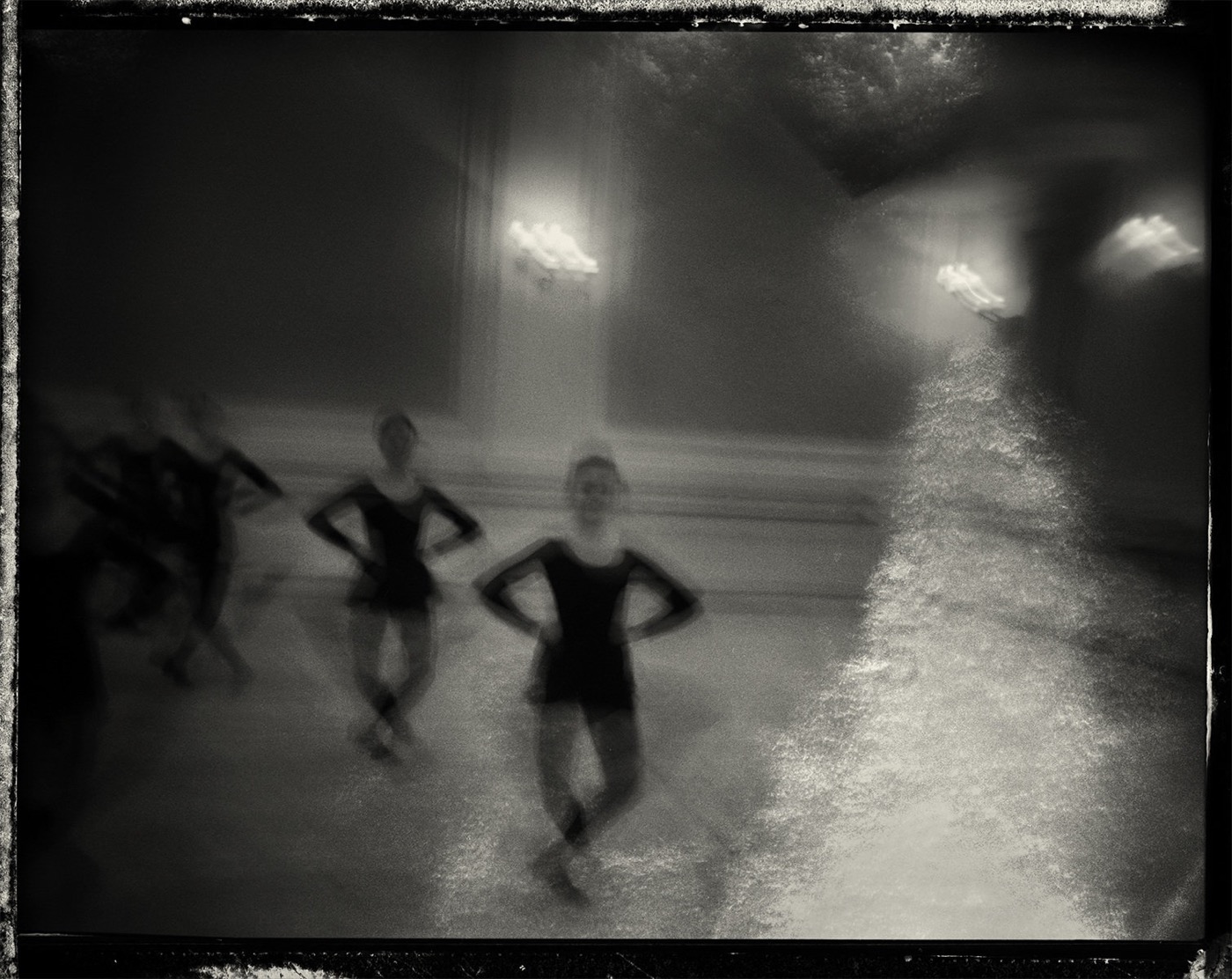 Sarah MoonAu Bolshoi, 2000.In 2000, at the century's turn, Sarah Moon carried her camera into the Bolshoi and came away with an image that might have surfaced from a hundred years earlier.
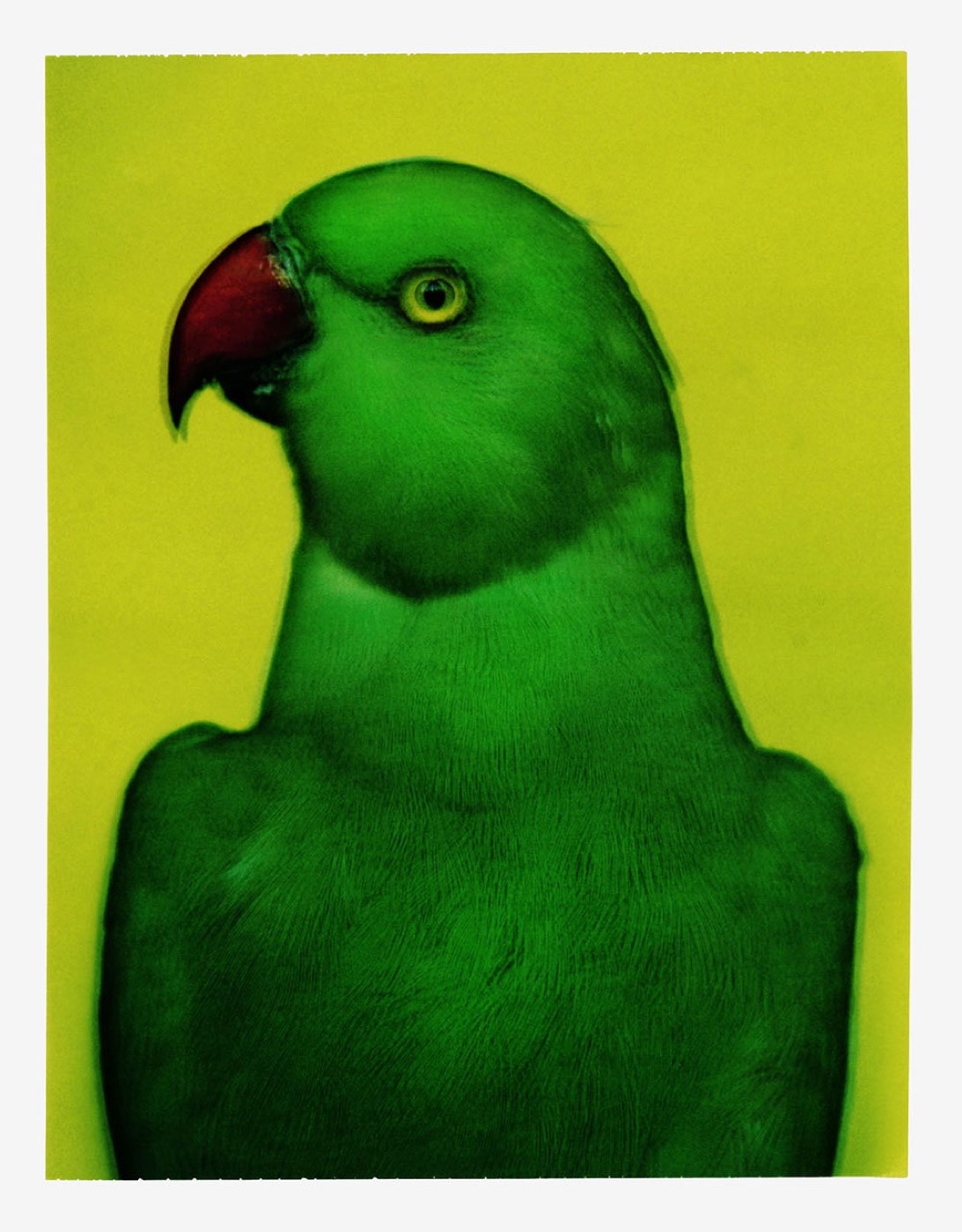 Sarah MoonL'oiseau 2, 2000.A bird turns its head and, for a moment, seems to consider us — wary, ancient, entirely at home in a world of pure colour.
 Sarah MoonÀ bouche perdue, 2000.The bird is the only one looking at us. Its eye, a small yellow coin set in that blue and green head, holds the camera with the flat attention birds have, while the woman — of whom we are given a…
 Sarah MoonLa camélia, 2001.Pink gone the color of a bruise; green gone chemical, like spring seen through closed eyelids.
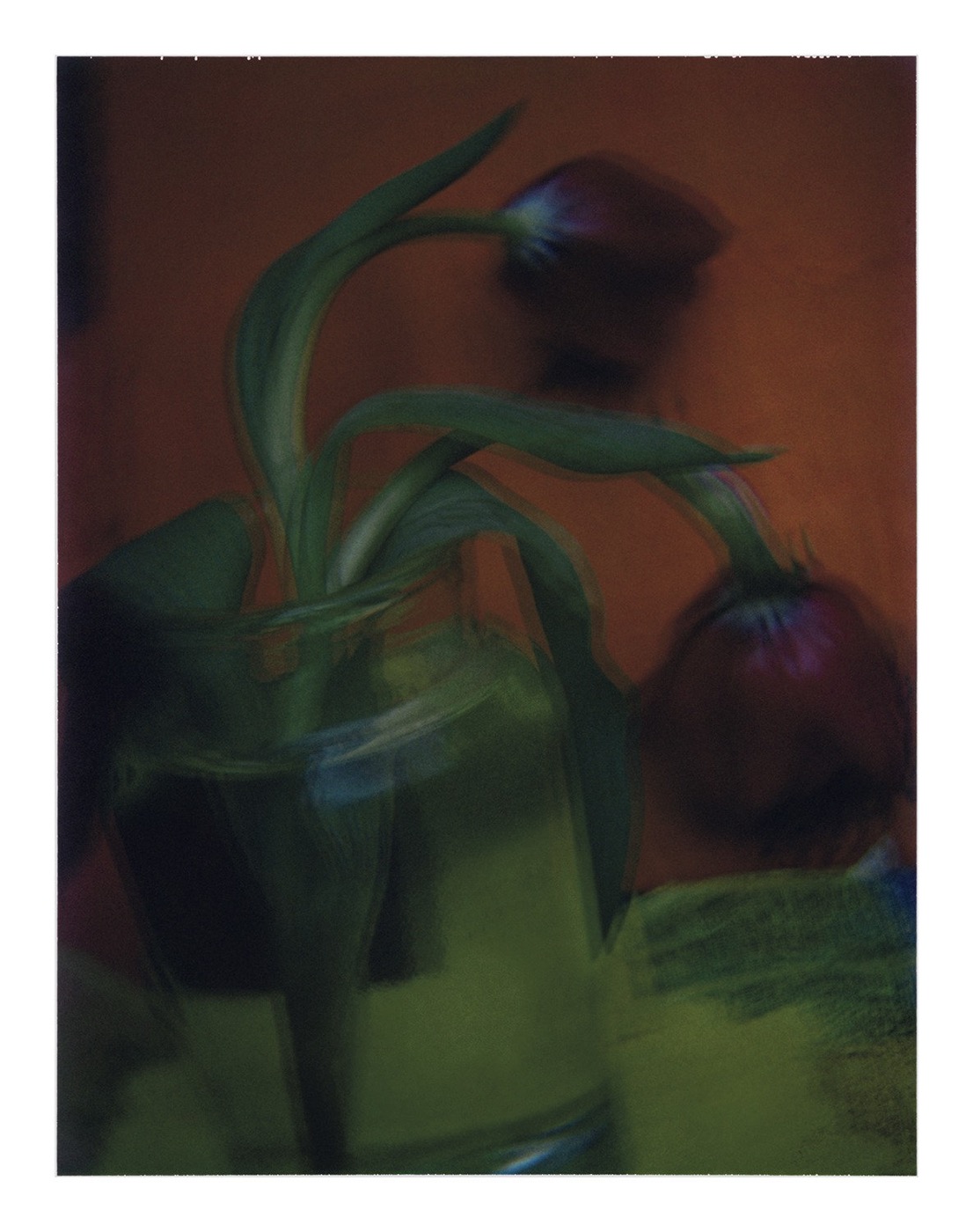 Sarah MoonLes tulipes, 2003.Two tulips lean into the frame like tired dancers, their stems bending under the quiet weight of time.
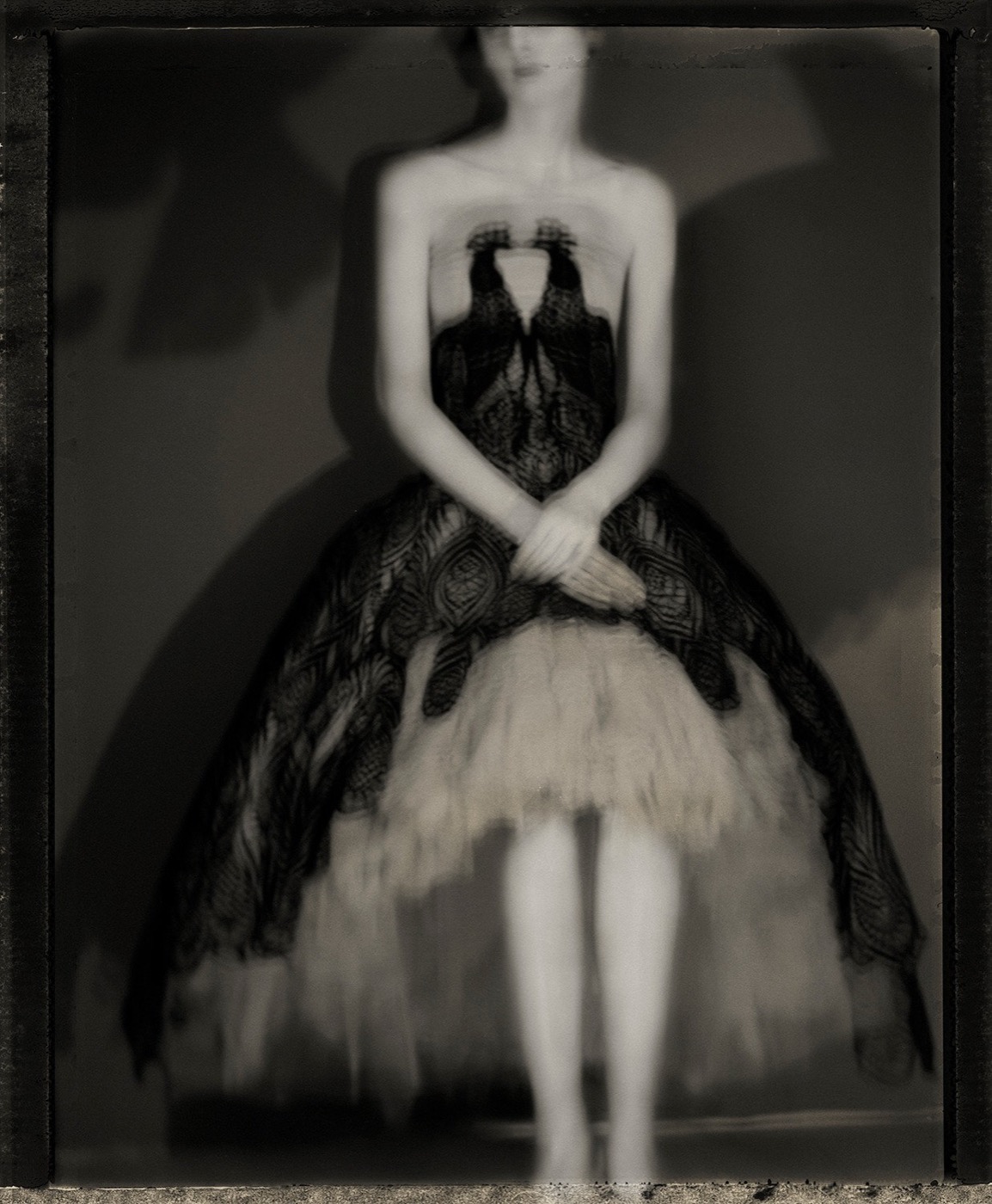 Sarah MoonL'avant dernière, 2008.Sarah Moon’s “L’avant dernière, 2008” radiates a dreamlike fragility, where the boundaries between presence and absence blur in soft monochrome.
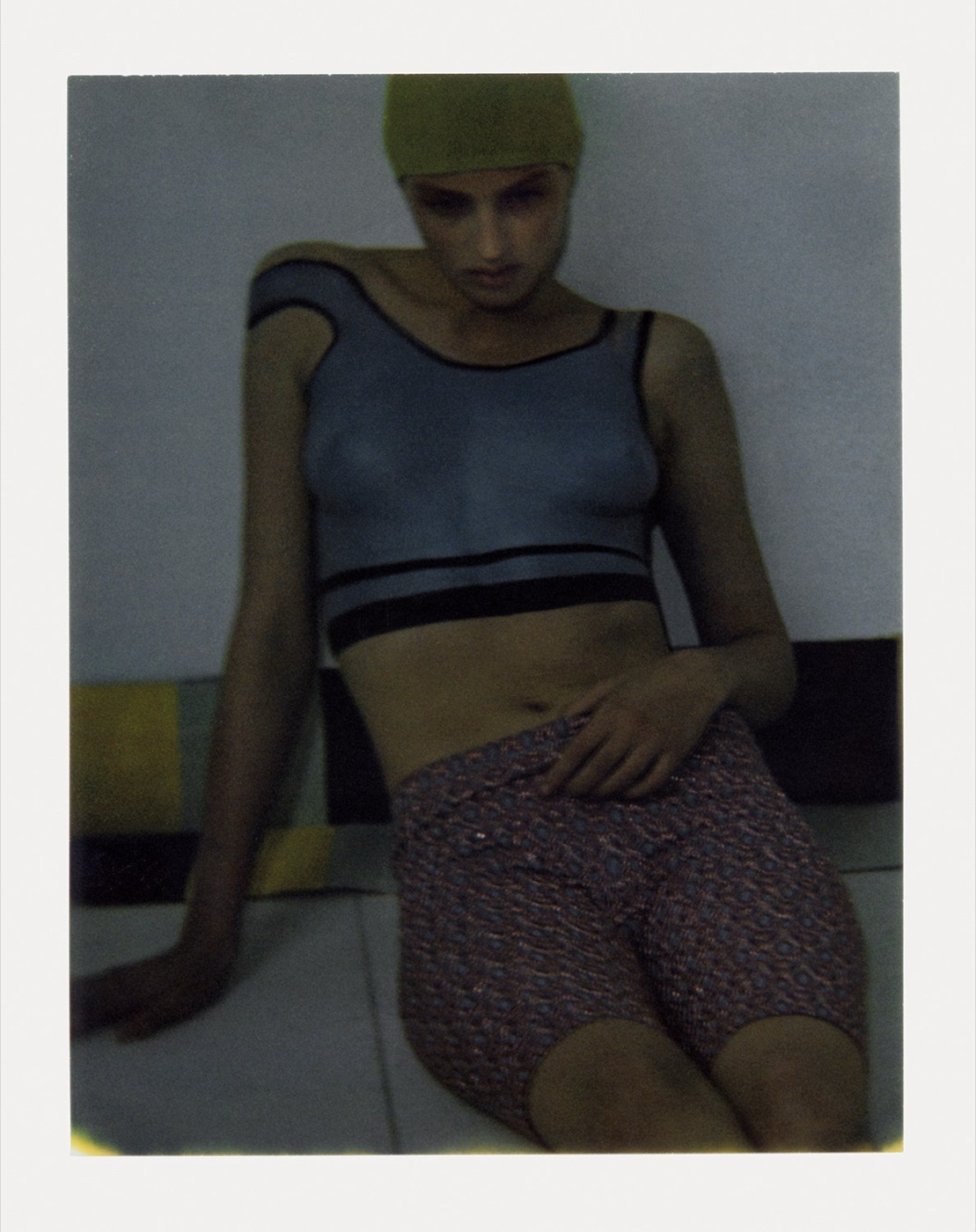 Sarah MoonLa Piscine, 2010.The swimming pool is one of architecture's stranger rooms, built for immersion yet here holding no water we can see and no one swimming in it.
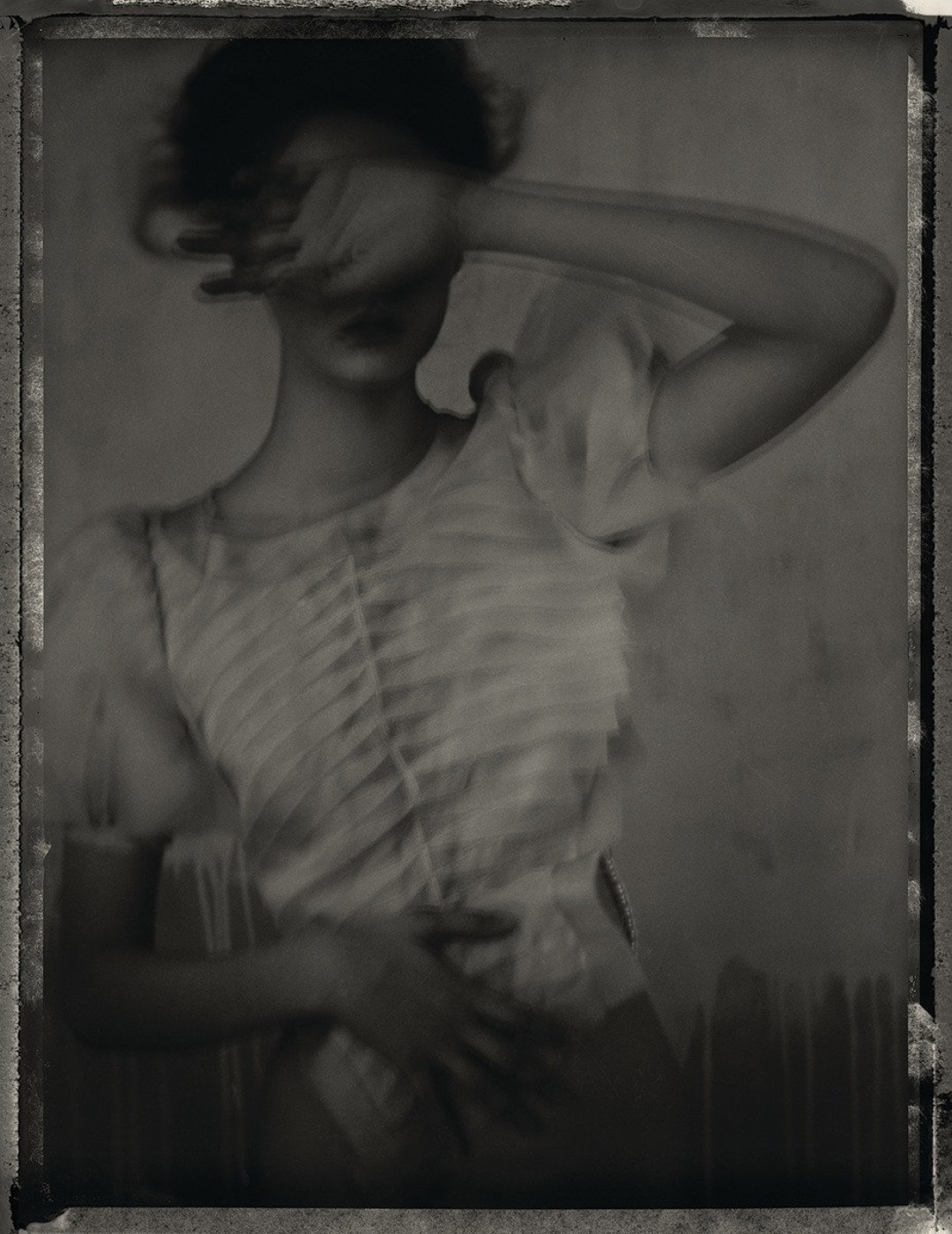 Sarah MoonCodie, 2011.Any second now the arm will come down and Codie will have to decide what to do with her face.
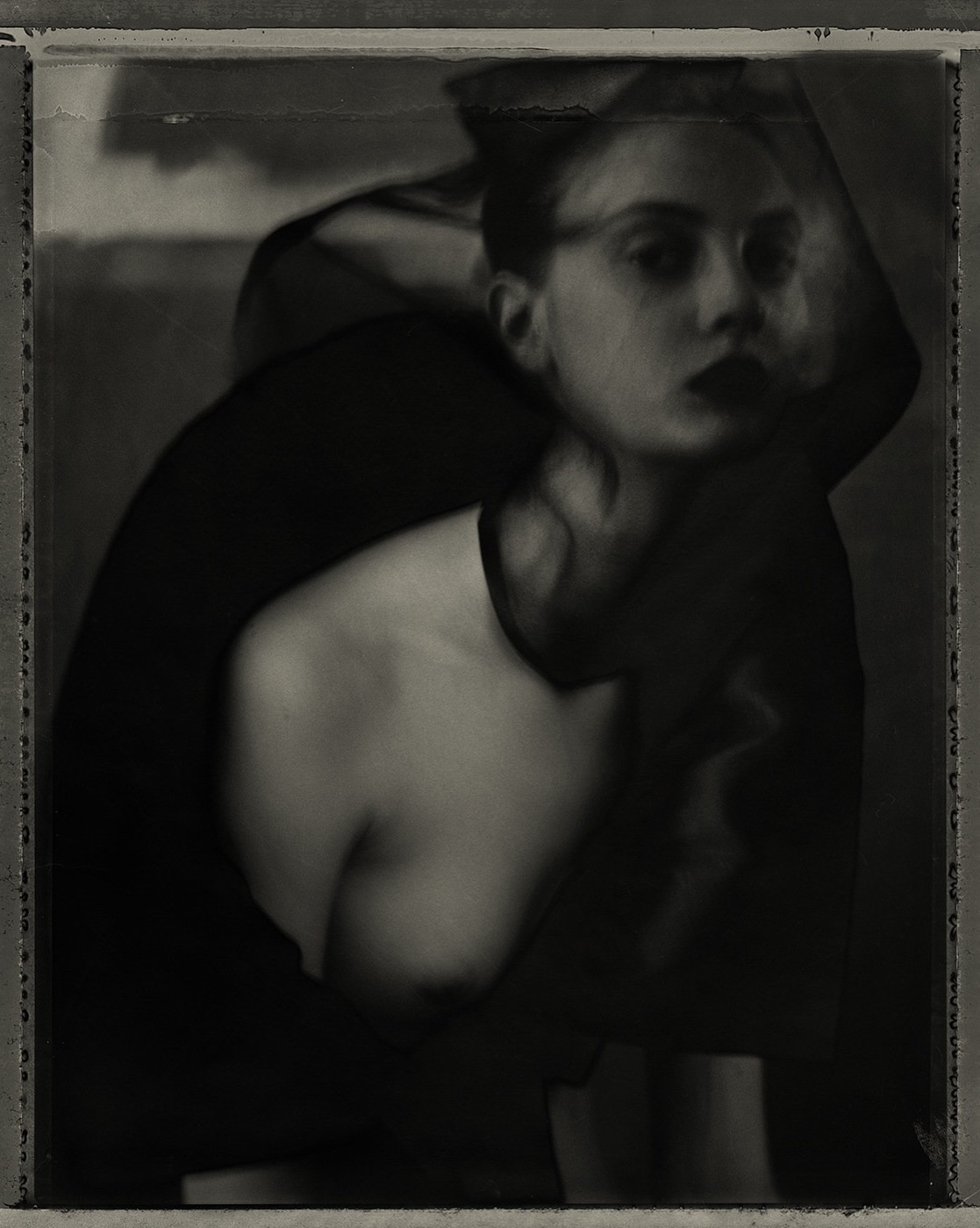 Sarah MoonFemme voilée I, 2011.What anchors Femme voilée I is the gesture: both arms lifted to crown the head with a black tulle that she holds rather than wears, so the veil reads less as costume than as a thing being arranged in…
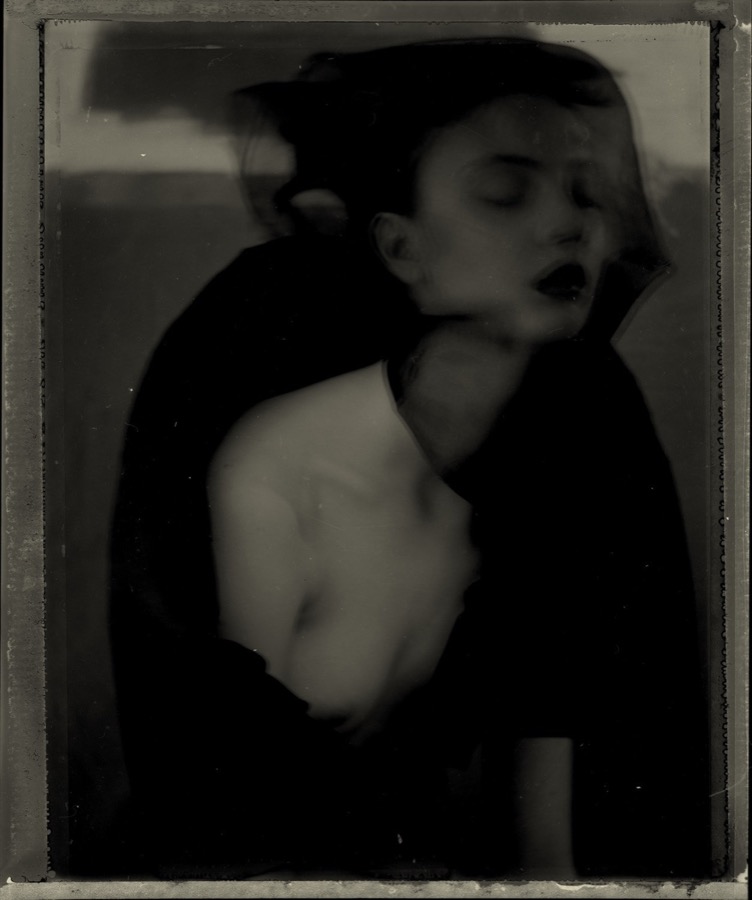 Sarah MoonFemme voilée II, (Les yeux fermés), 2011.Fashion photography had long since learned to prize the sharp and the seamless by the time this picture was made, yet here a woman’s upturned face is allowed to dissolve.
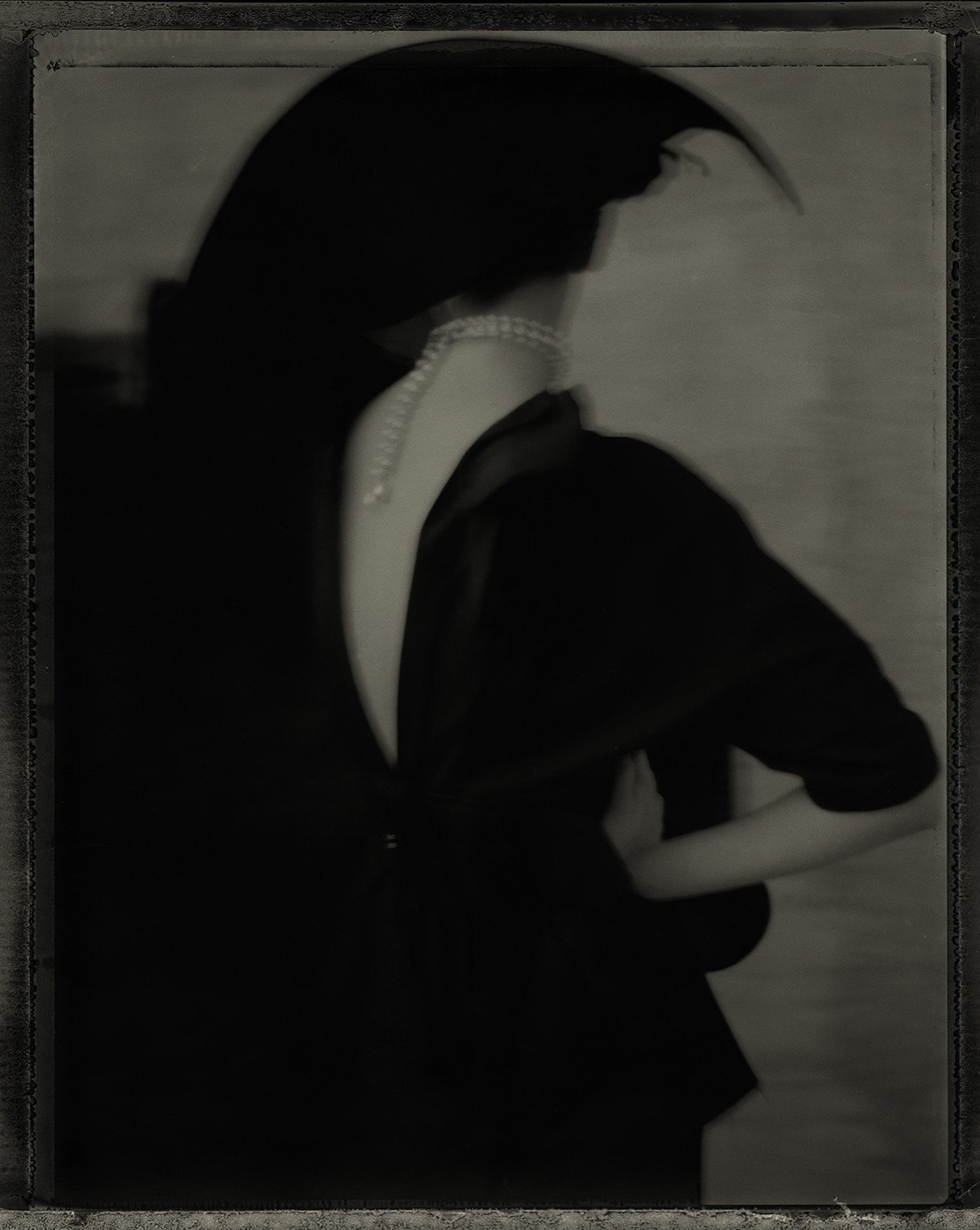 Sarah MoonL'inconnue, 2011.The pearls do not lie at the throat, where we expect them, but fall the wrong way, slipping down the bare channel of the spine into the open back of the dress.
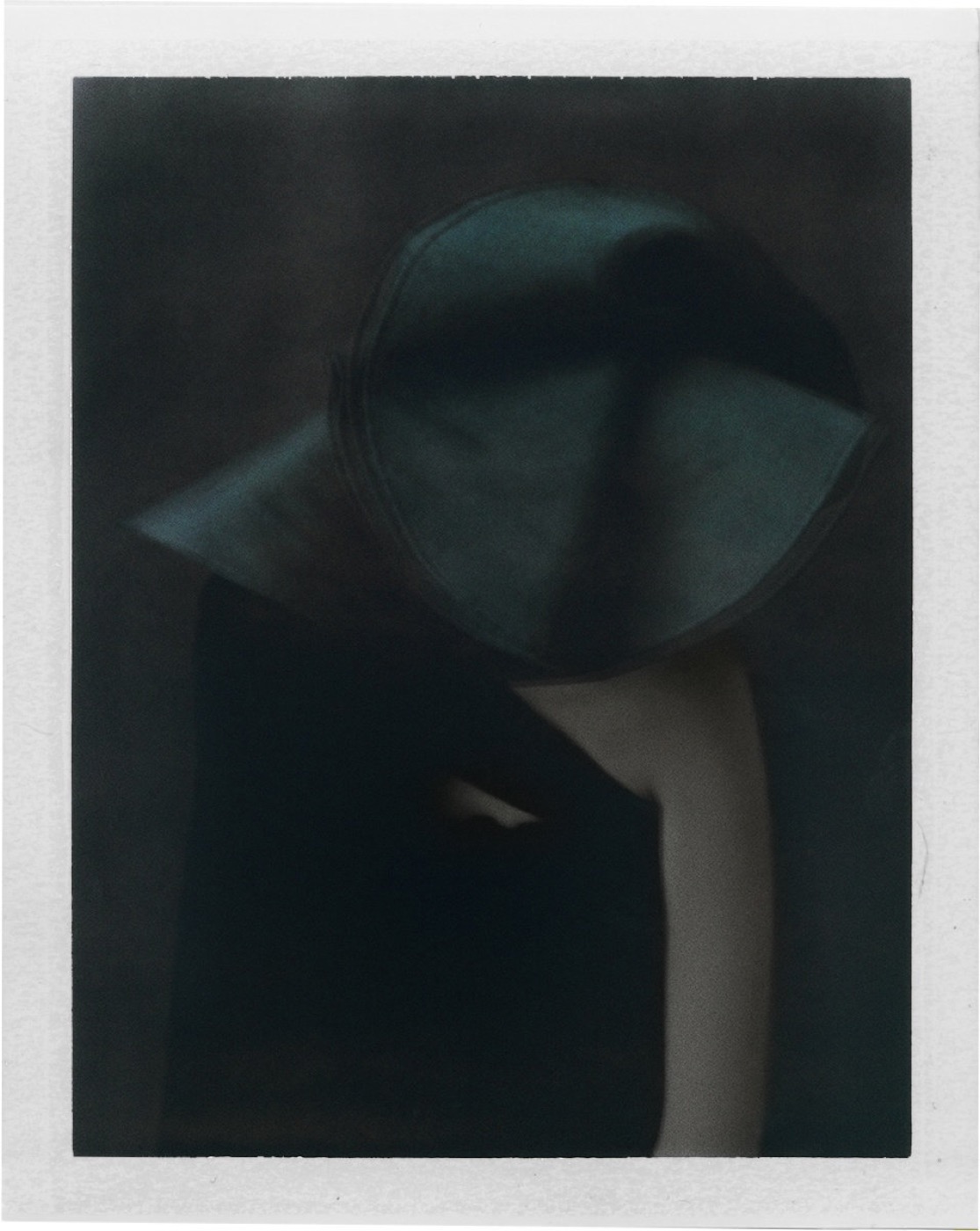 Sarah MoonAnonyme, 2013.Out of an almost total darkness a shape emerges: the broad disc of a hat, tilted to swallow the face beneath it.
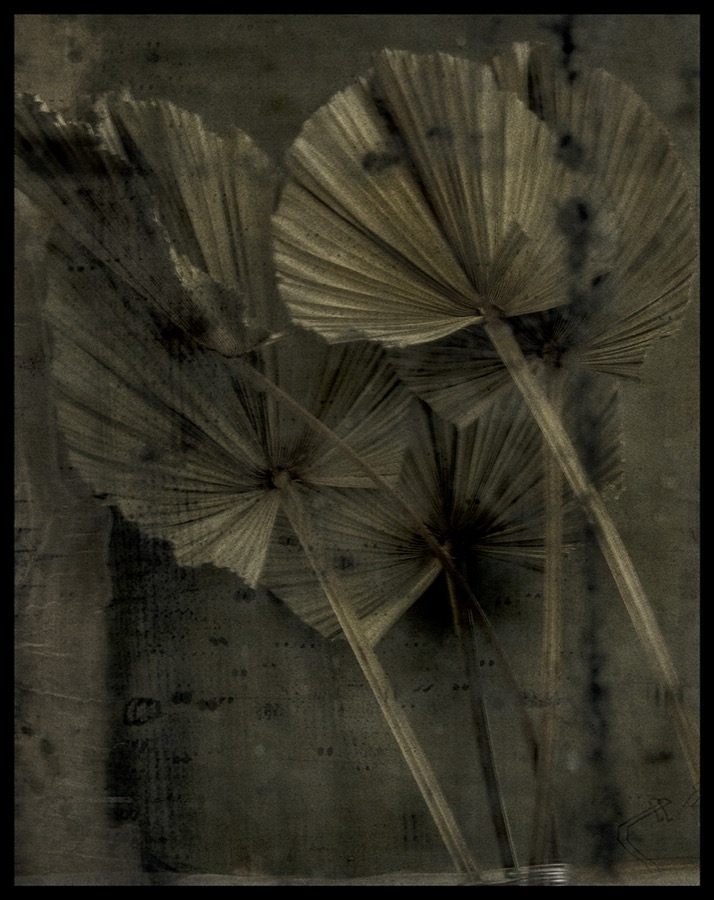 Sarah MoonLes Palmes, 2015.Dried to the colour of old paper, these fan palms have outlived whatever afternoon first cut them, and Sarah Moon photographs them the way one photographs the recently departed — with tenderness and…
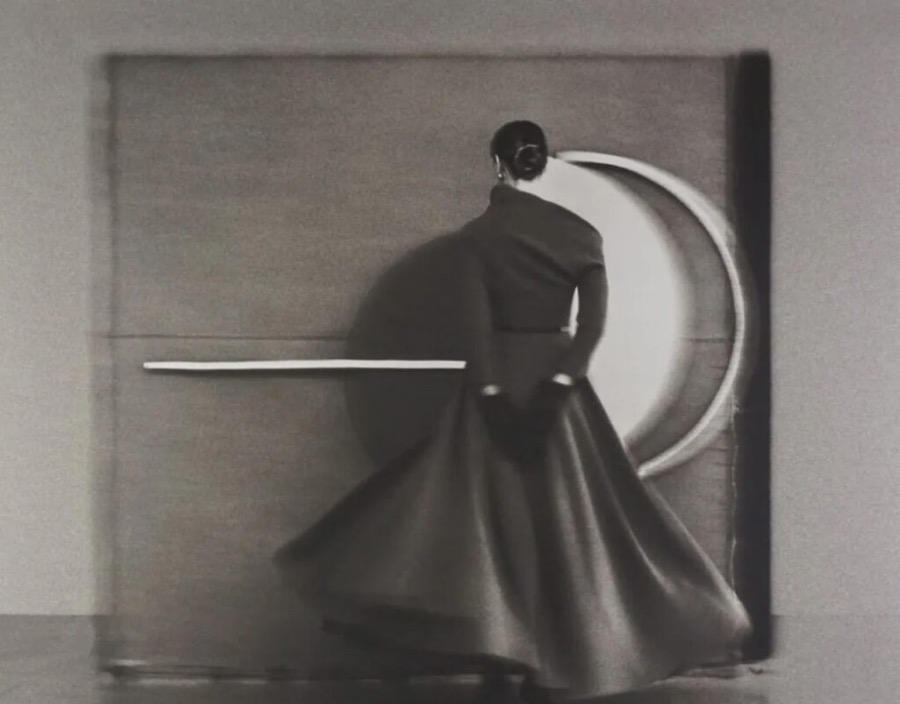 Sarah MoonMaria Grazia Chiuri pour Dior, 2017.A single white bar cuts straight across the picture at waist height, a horizontal that reads almost as a printed rule laid over the scene.
 Sarah MoonToucan russe, 2018.We are not told whether this bird is alive.
 Sarah MoonPour Yohji Yamamoto, 2019.A figure standing, mostly gone. Above the waist a pale jacket with a wide collar and wide sleeves, arms folded across the front, the cloth so bright it is losing its own edges.
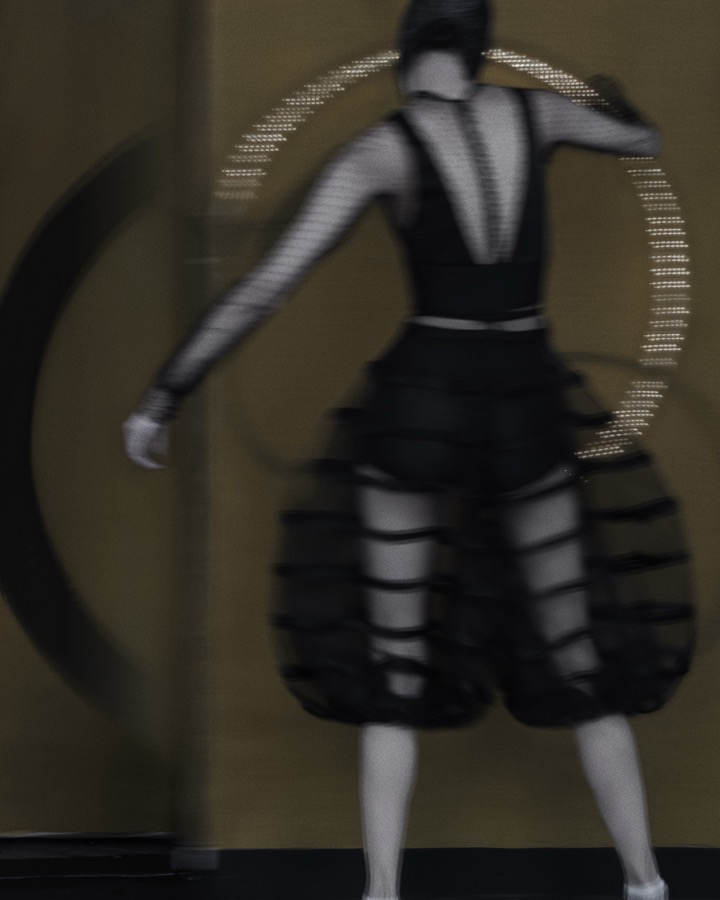 Sarah MoonYue pour Dior, 2019.She turns her back on us and steps into a halo of small lights, and the gesture is already half memory.
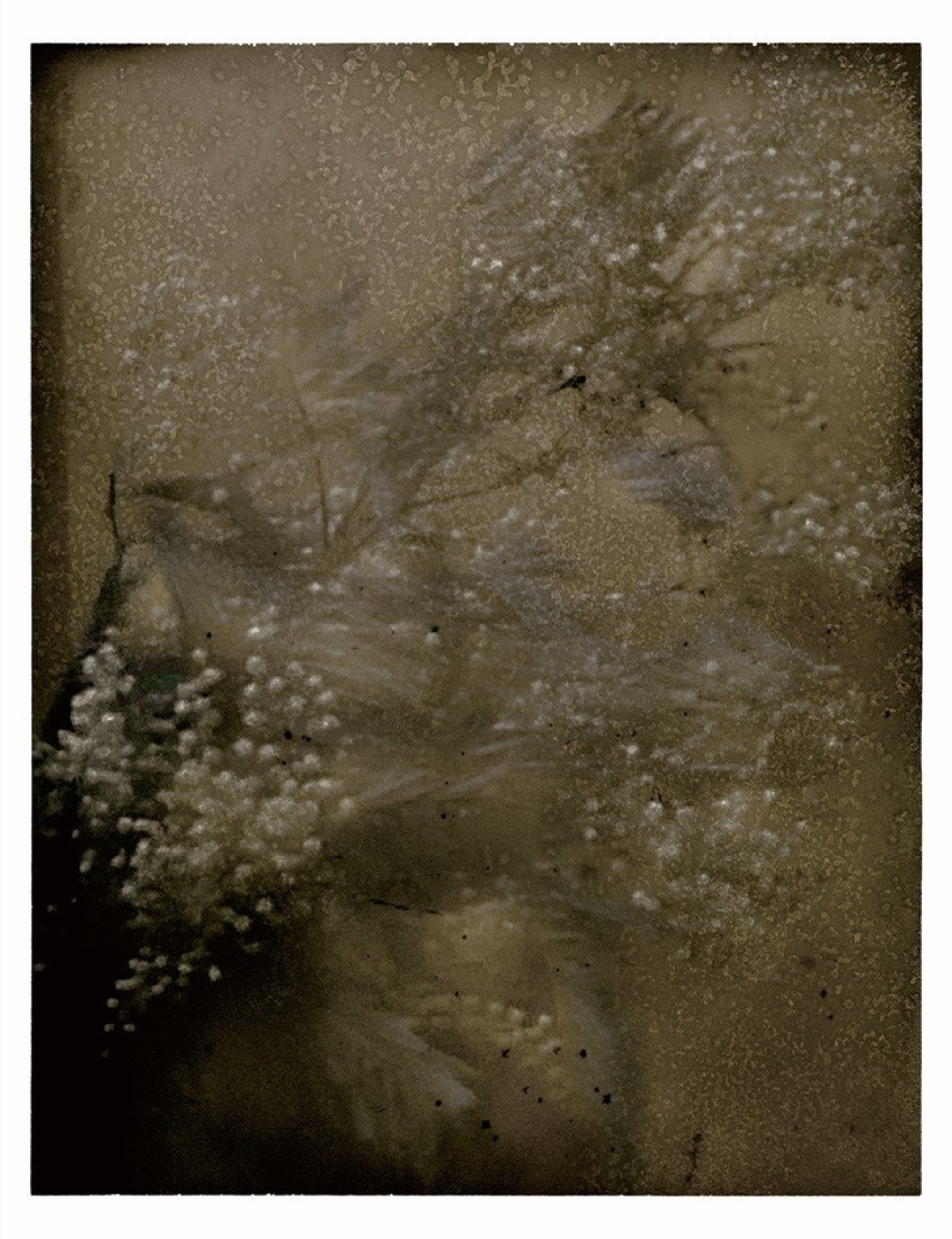 Sarah MoonMimosas, 2021.Mimosa, in sepia, coming apart. Sprays of small round blossoms lean in from the left and from the top, and each blossom is a pale dot in a haze of grain.
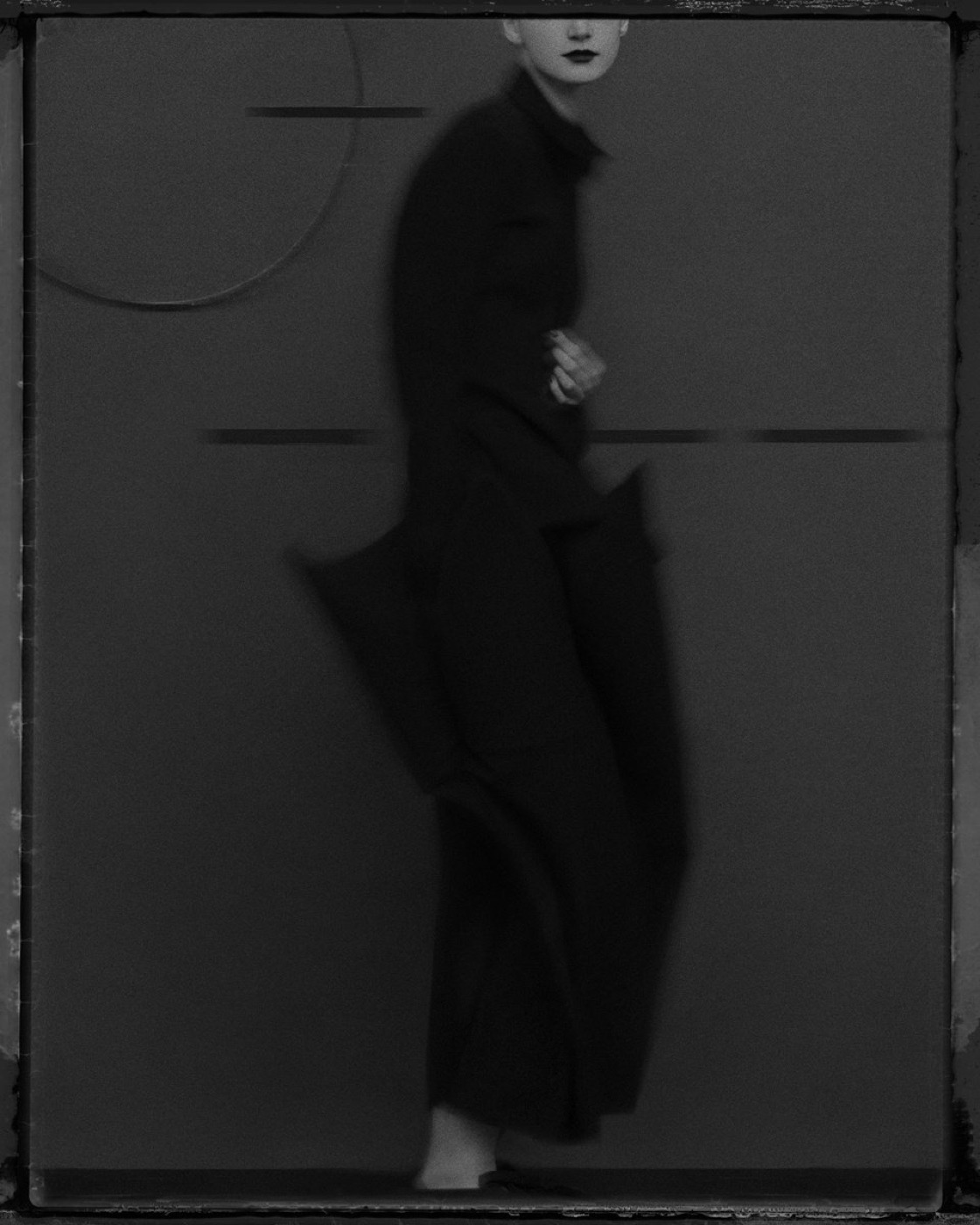 Sarah MoonAndréa pour Yohji Yamamoto (II), 2022.Sarah Moon’s "Andréa pour Yohji Yamamoto (II), 2022" is a visual reverie where fashion transcends its functional origins to become pure atmosphere.
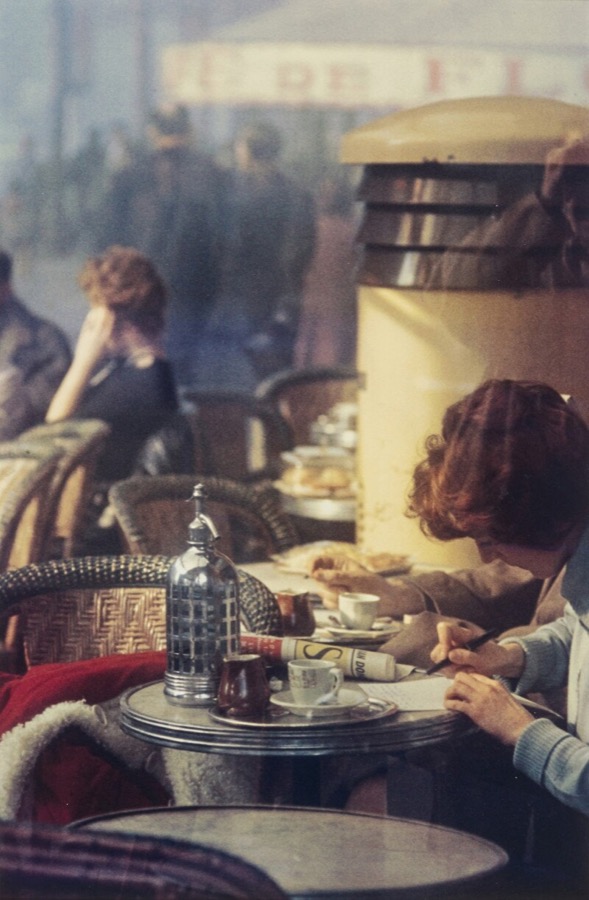 Saul LeiterCafé, Paris, 1959.A café table, shot from across it and slightly above.
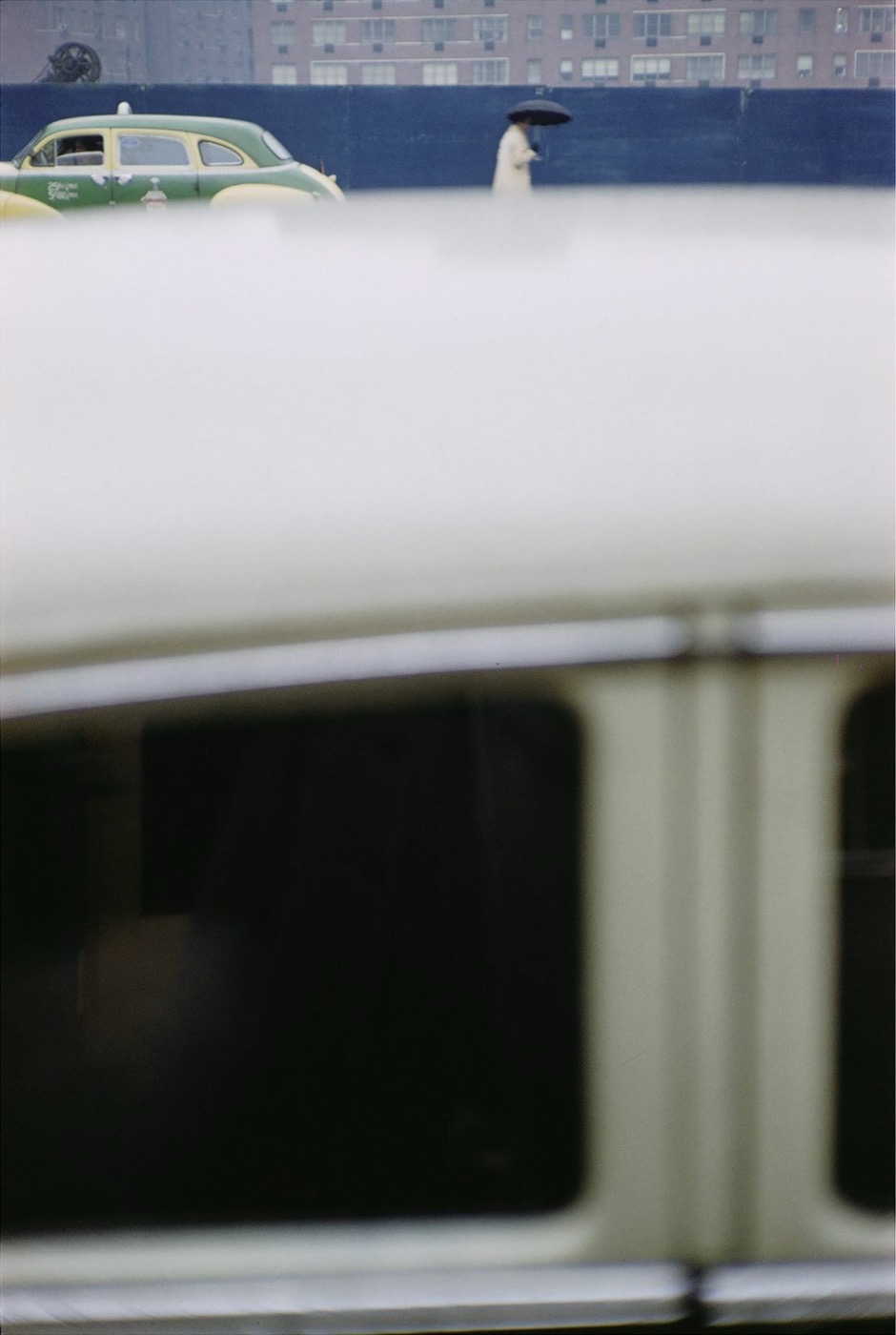 Saul LeiterUntitled (C-002373), 1959.Most of this photograph is given over to something you can't quite see: a soft, creamy slab of out-of-focus car that swells up from the bottom of the frame and takes the whole middle, a dark window…
 Saul LeiterUntitled (C-000744)You wait the longest time for the people to arrive, and when they do they're almost not there.
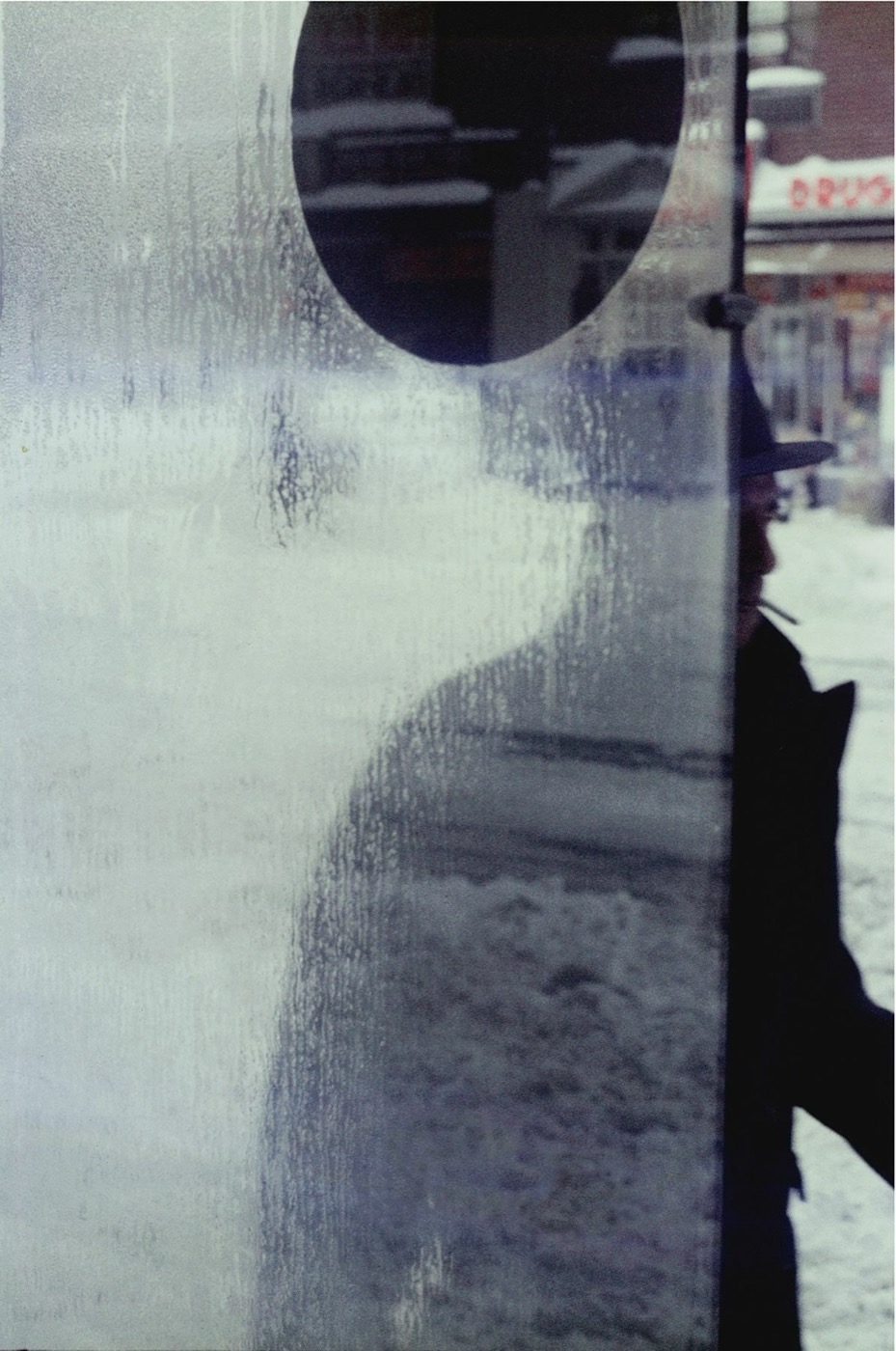 Saul LeiterUntitled (C-002405)Consider what this print actually is. A chromogenic photograph: an image born in the coupling of dyes within a gelatin emulsion, color summoned chemically out of light.
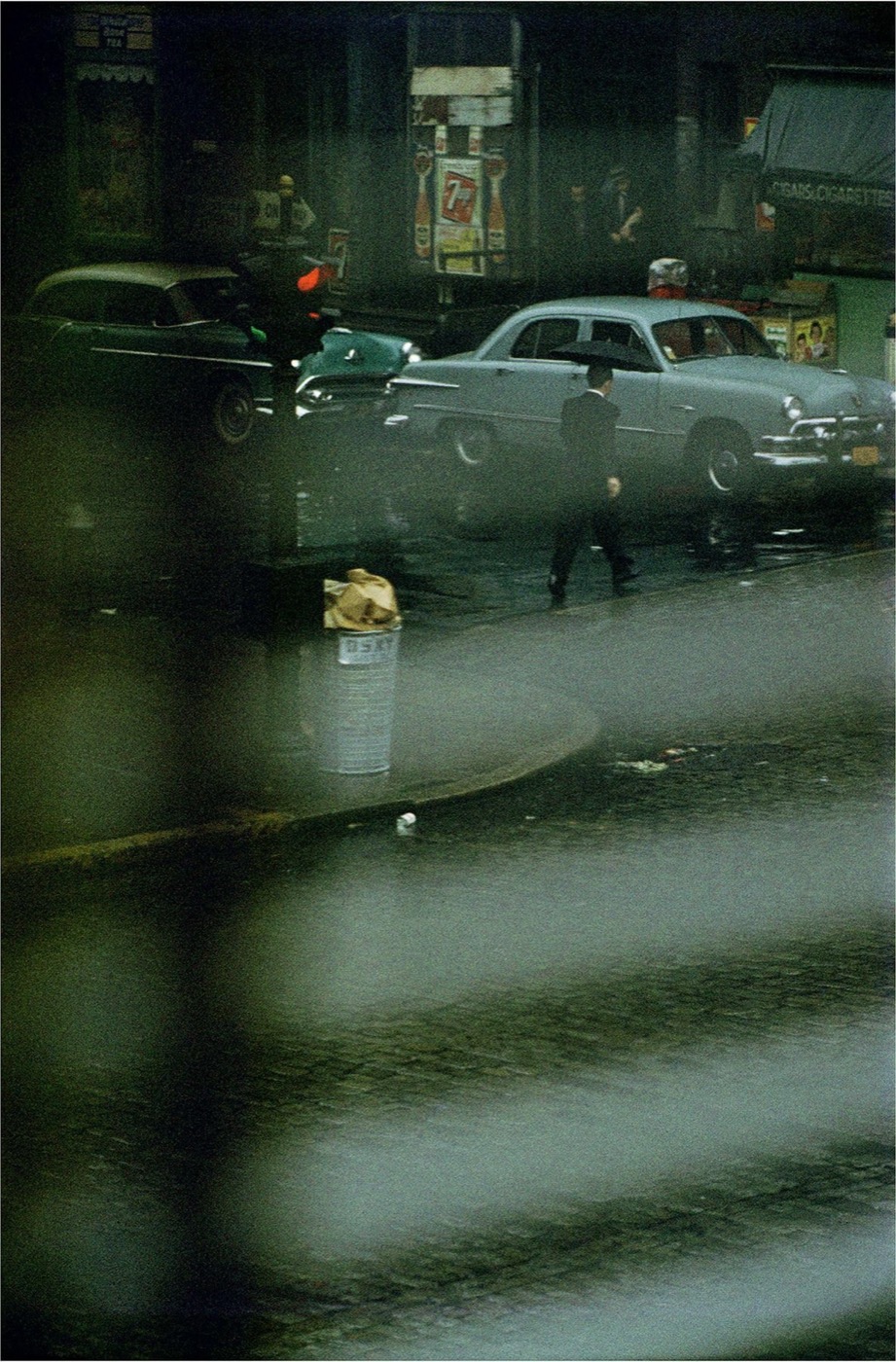 Saul LeiterUntitled (C-003061)Bleeding. The lower third of this chromogenic print is dissolving into a vertical smear of greens and bruised slate, the wet street and a near pane of glass collapsed into one another until the…
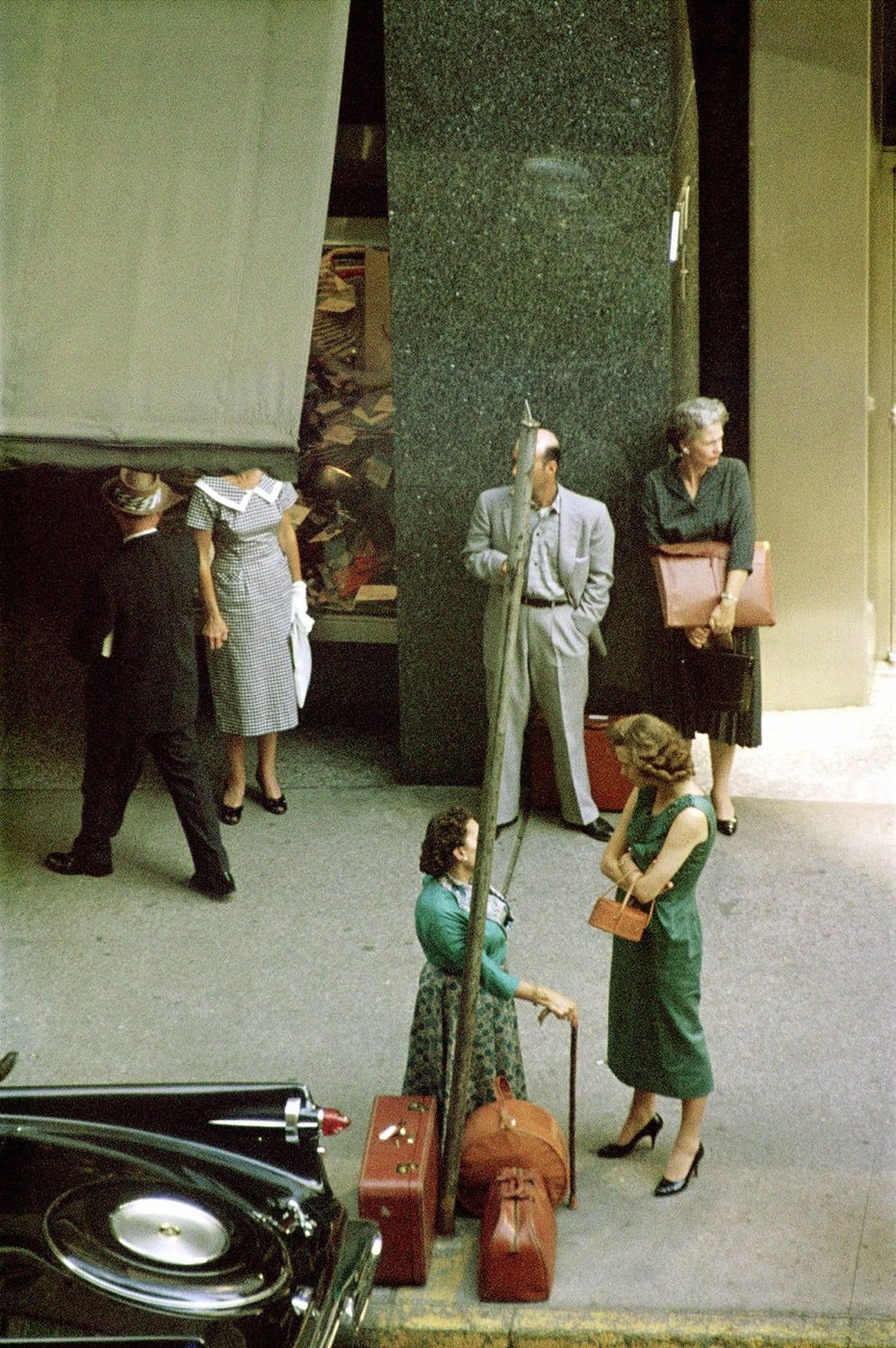 Saul LeiterUntitled (C-003063)A slab of dark polished stone runs straight down the centre of the frame and splits the picture in two.
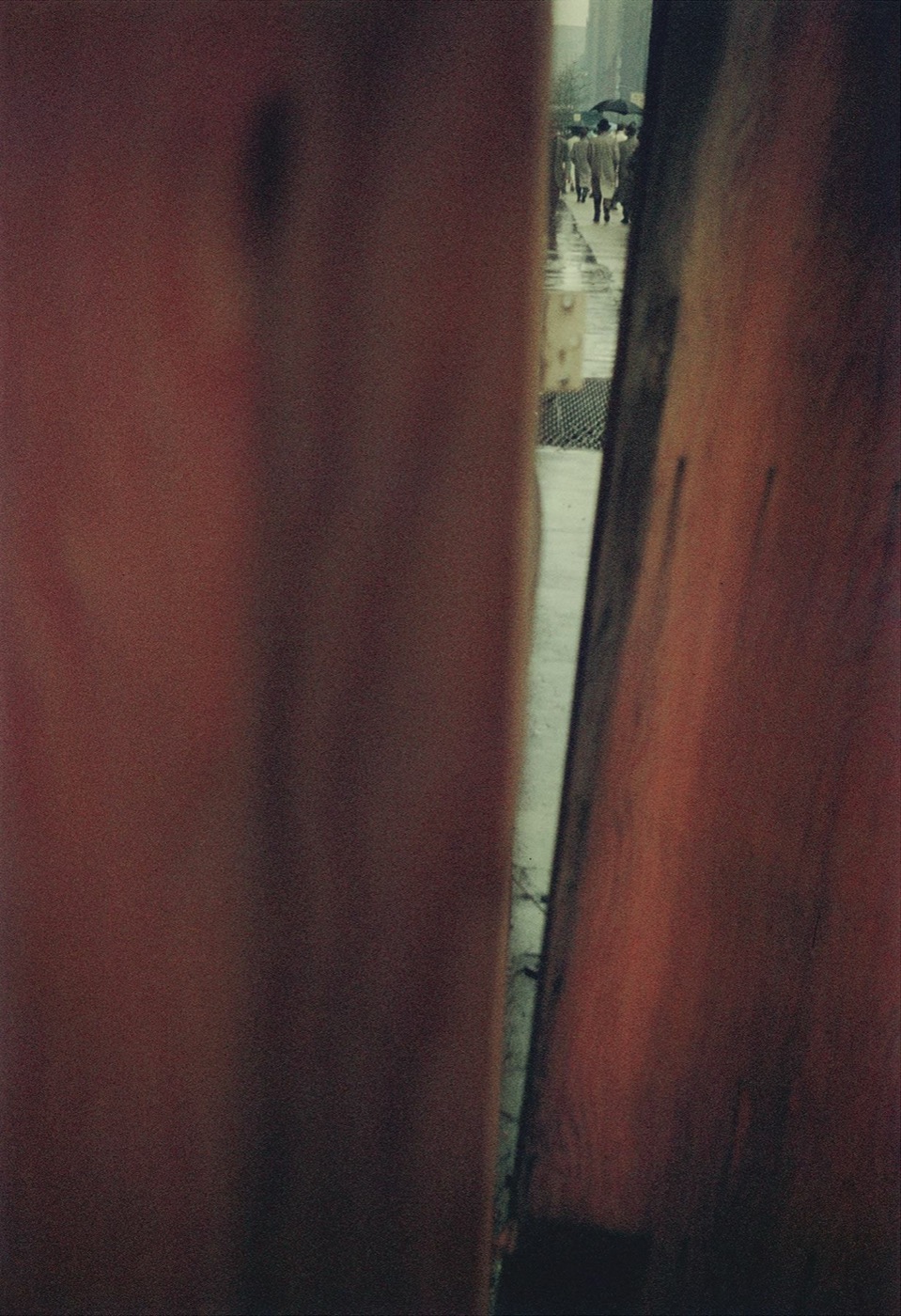 Saul LeiterUntitled (C-004310)Two planks of rust-red wood stand so close to the lens that they cease to be wood at all and become emulsion: grain dissolved into a wash of oxblood and bruise-brown, the right plank carrying a…
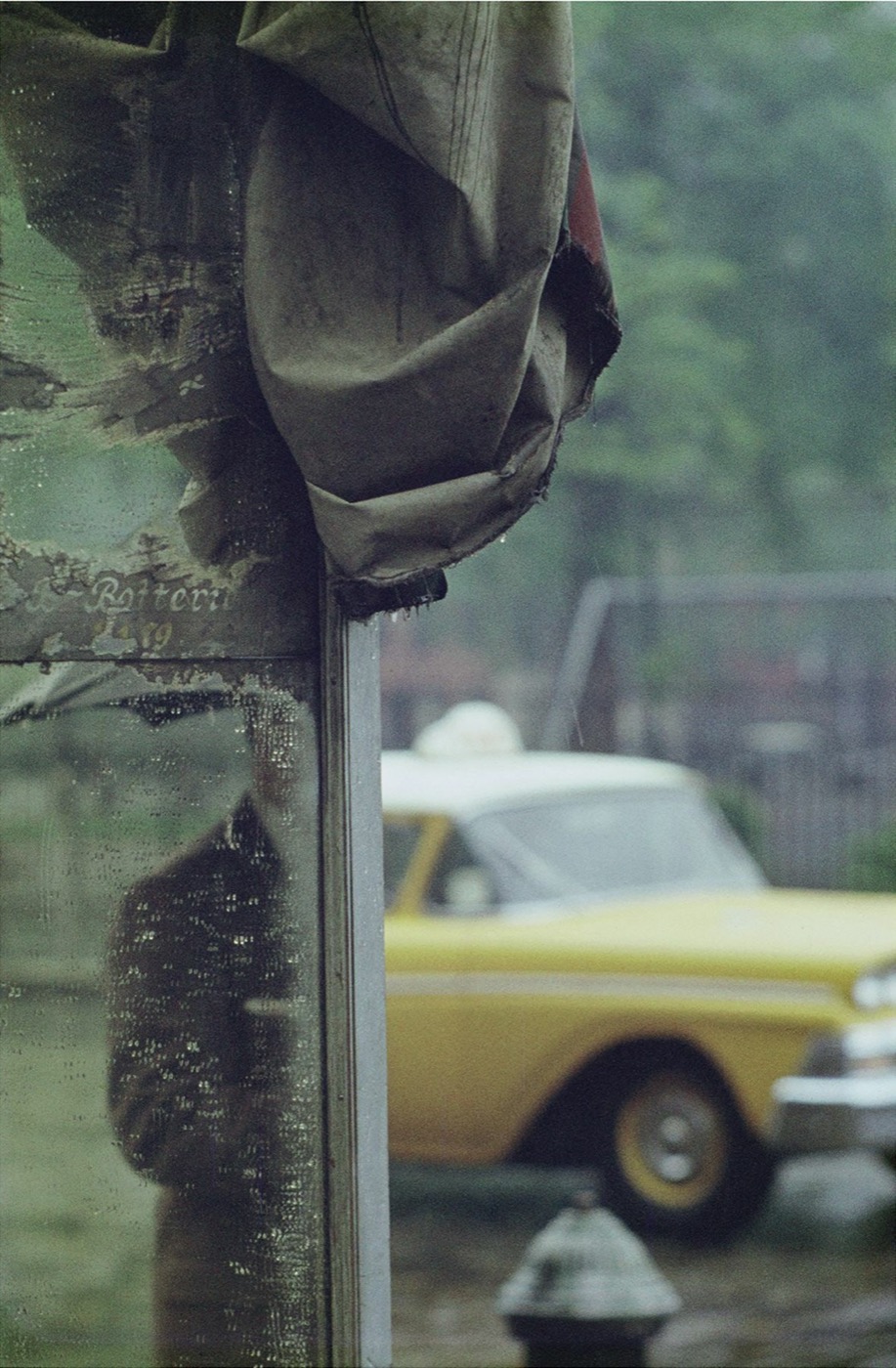 Saul LeiterUntitled (C-004607)Saul Leiter saw the city the way a painter sees a wet canvas, in veils and fragments, through glass and rain.
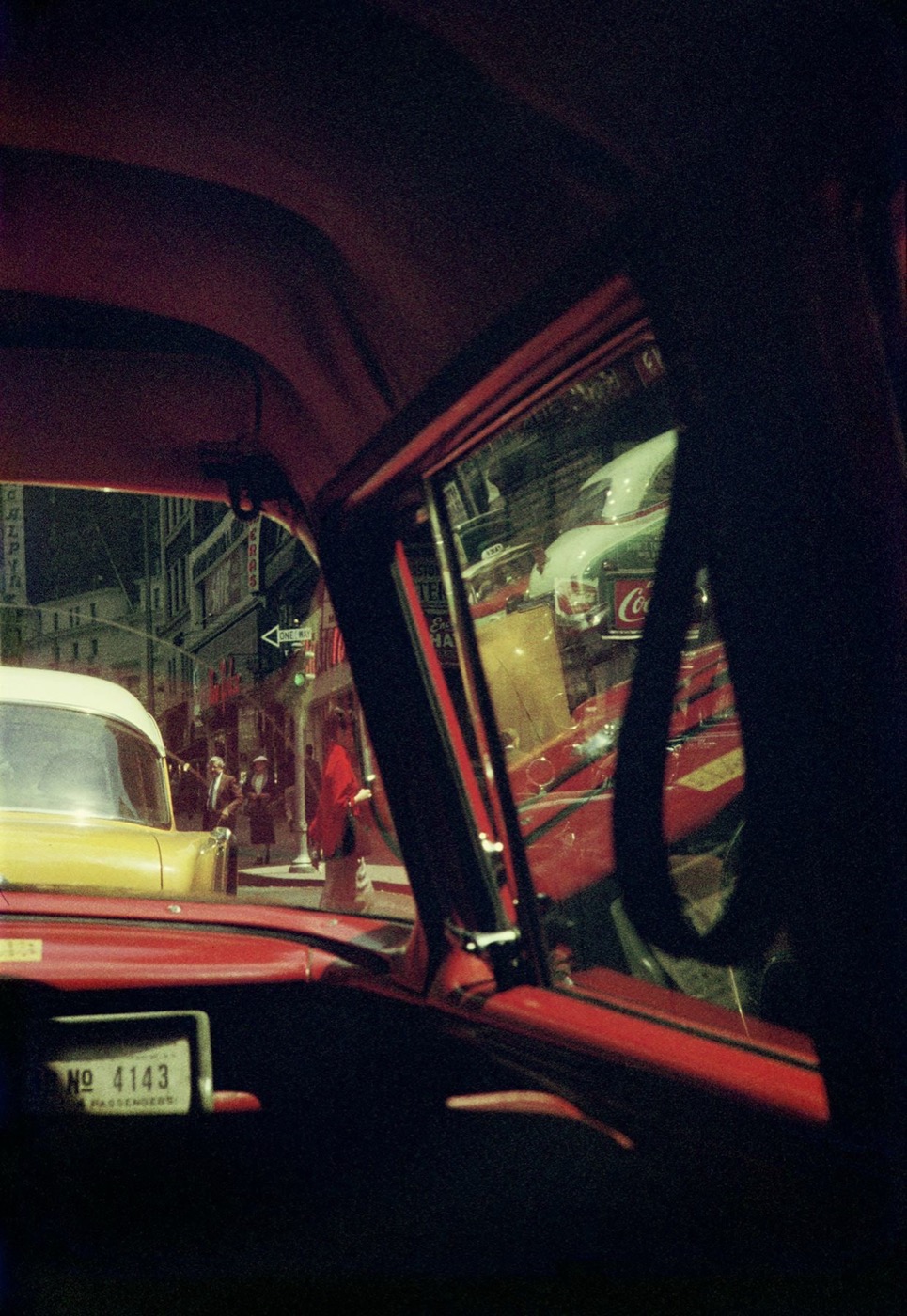 Saul LeiterUntitled (C-005678)A taxi is the one place in a city where you're moving and stuck at the same time.
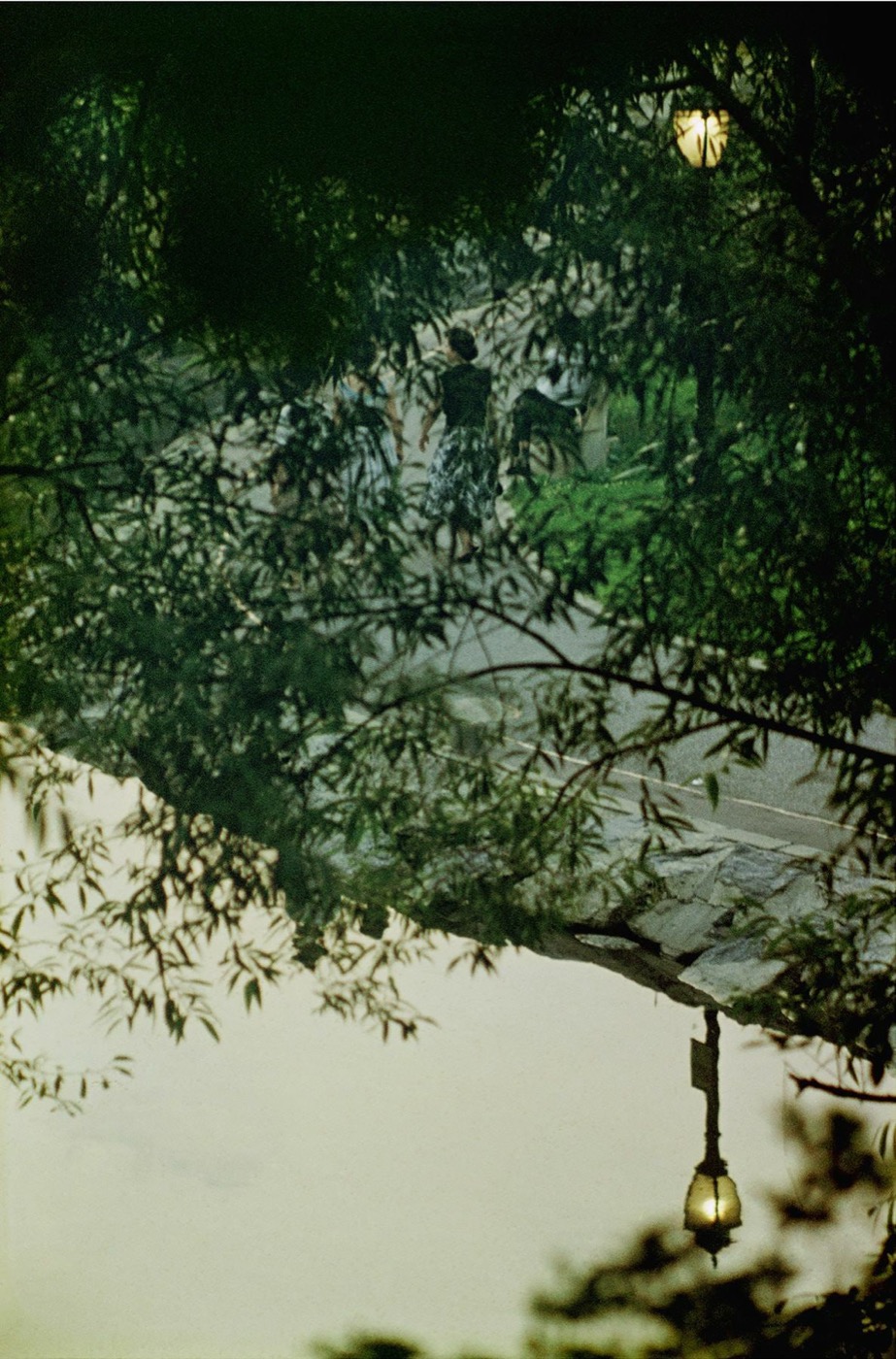 Saul LeiterUntitled (C-006255)For decades the colour stayed in the boxes.
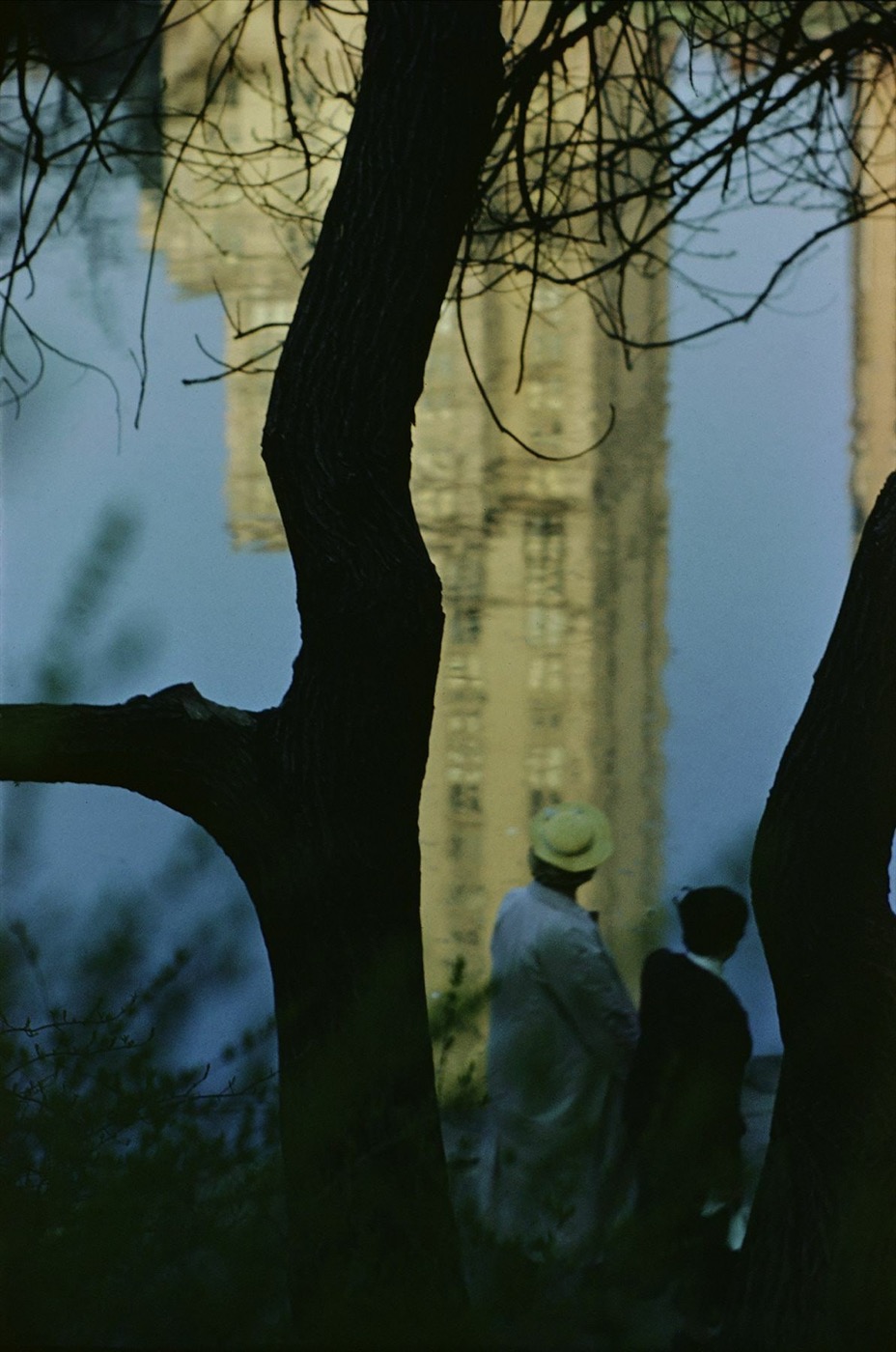 Saul LeiterUntitled (C-009100)Saul Leiter made some of the most beautiful colour photographs of the twentieth century while scarcely seeming to try, and for decades almost no one noticed.
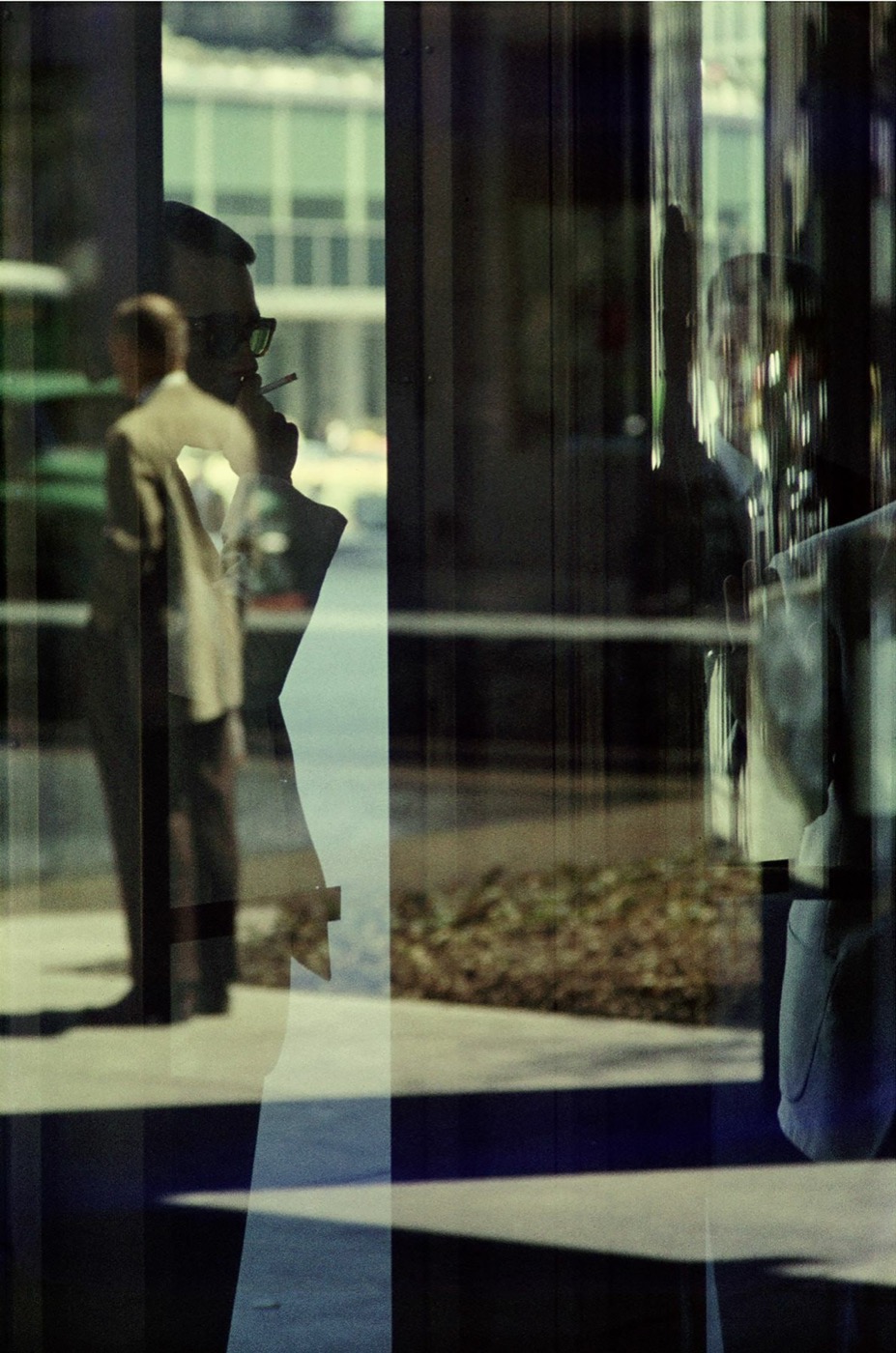 Saul LeiterUntitled C-008930)A man stands at the center — pale suit, dark glasses, soft cap pushed back, a cigarette lifted to the lips and held there — yet this is not, in the end, a portrait.
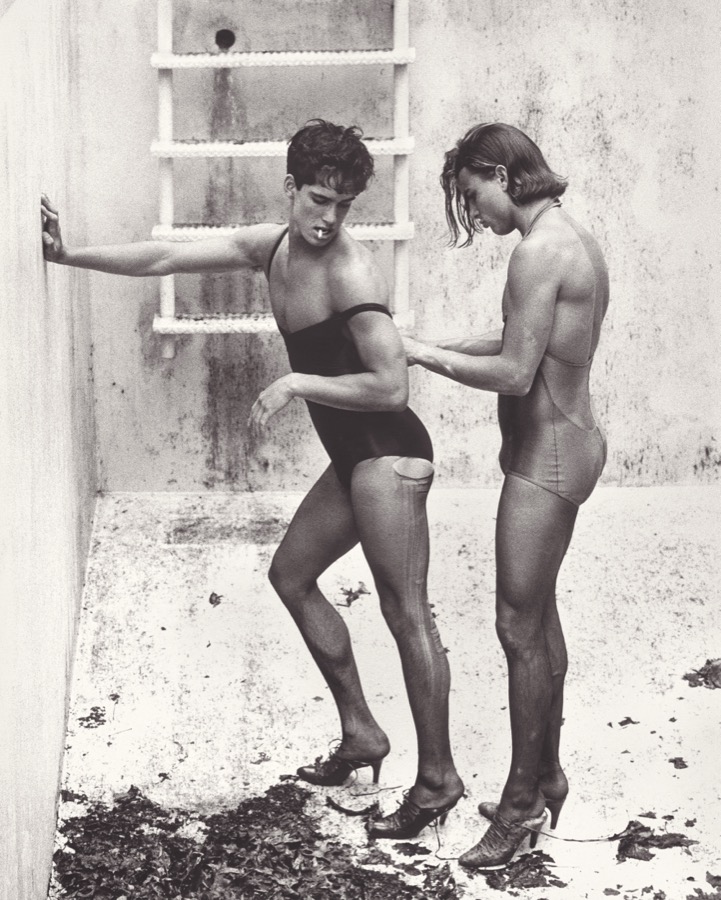 Steven MeiselCurt Butrum and David Moore, Brookville, New York, 1987.The pool has been drained for some time. Its walls are blotched with damp, a ladder with white rungs climbs the back wall towards an empty outlet, and dead leaves have gathered where the water used…
 Steven MeiselSean Bohary, Brookville, Long Island, for Azzedine Alaia, 1987.A rococo chaise longue, carved white and gilt, crested with roses, its striped mattress worn, has been carried out into a rough field and set down in the uncut grass.
 Steven MeiselChristy Turlington and Naomi Campbell, Los Angeles, 1989.Two faces in profile, so close to the lens and to each other that the frame holds almost nothing else.
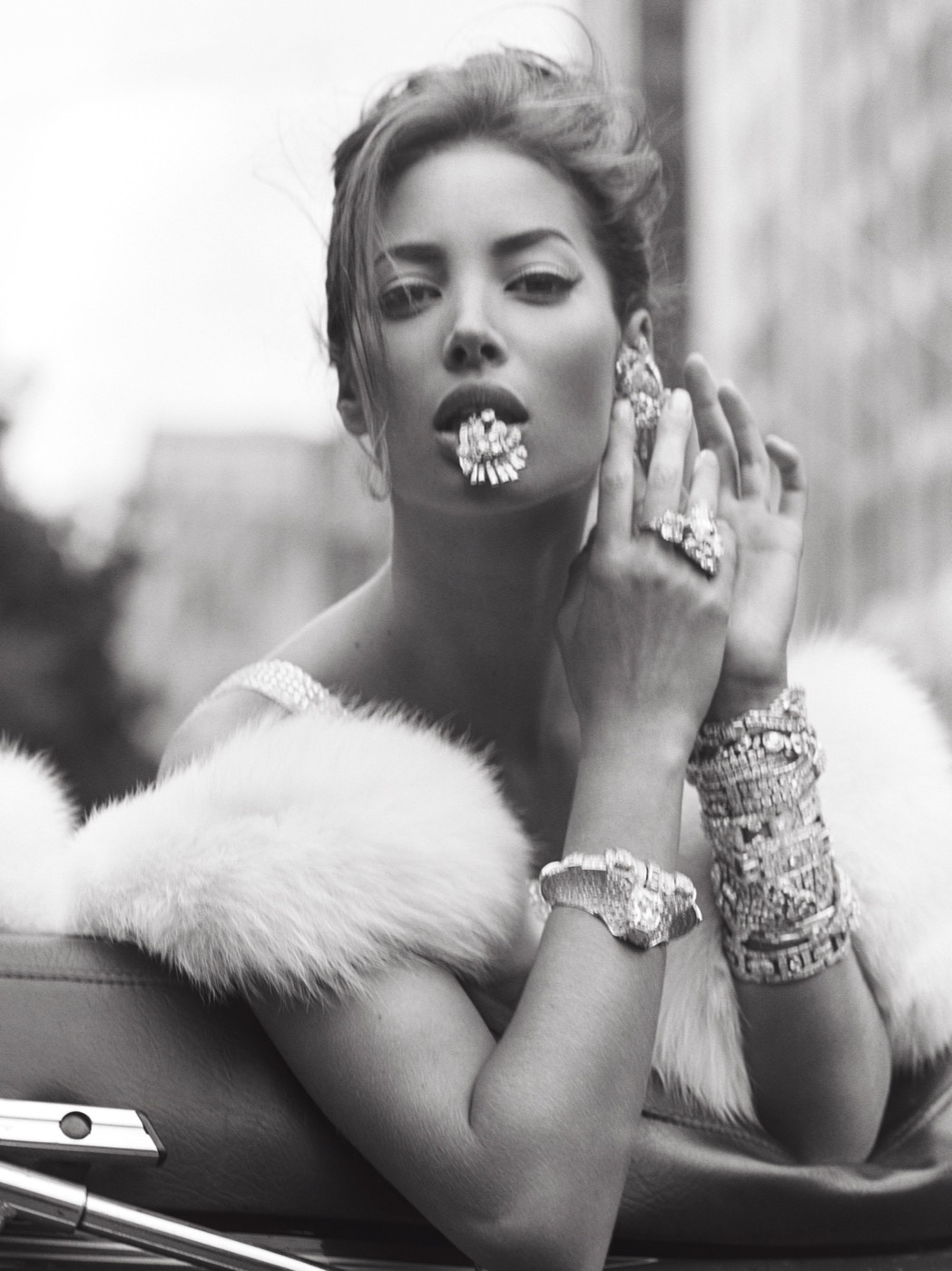 Steven MeiselChristy Turlington, New York, 1989.A diamond starburst clamped between her teeth, marquise stones biting back at her lower lip: Christy Turlington decides, in 1989, that jewelry is something you devour.
 Steven MeiselNaomi Campbell, Coney Island, 1989.Naomi Campbell, Coney Island is, before anything else, a photograph of a film being made.
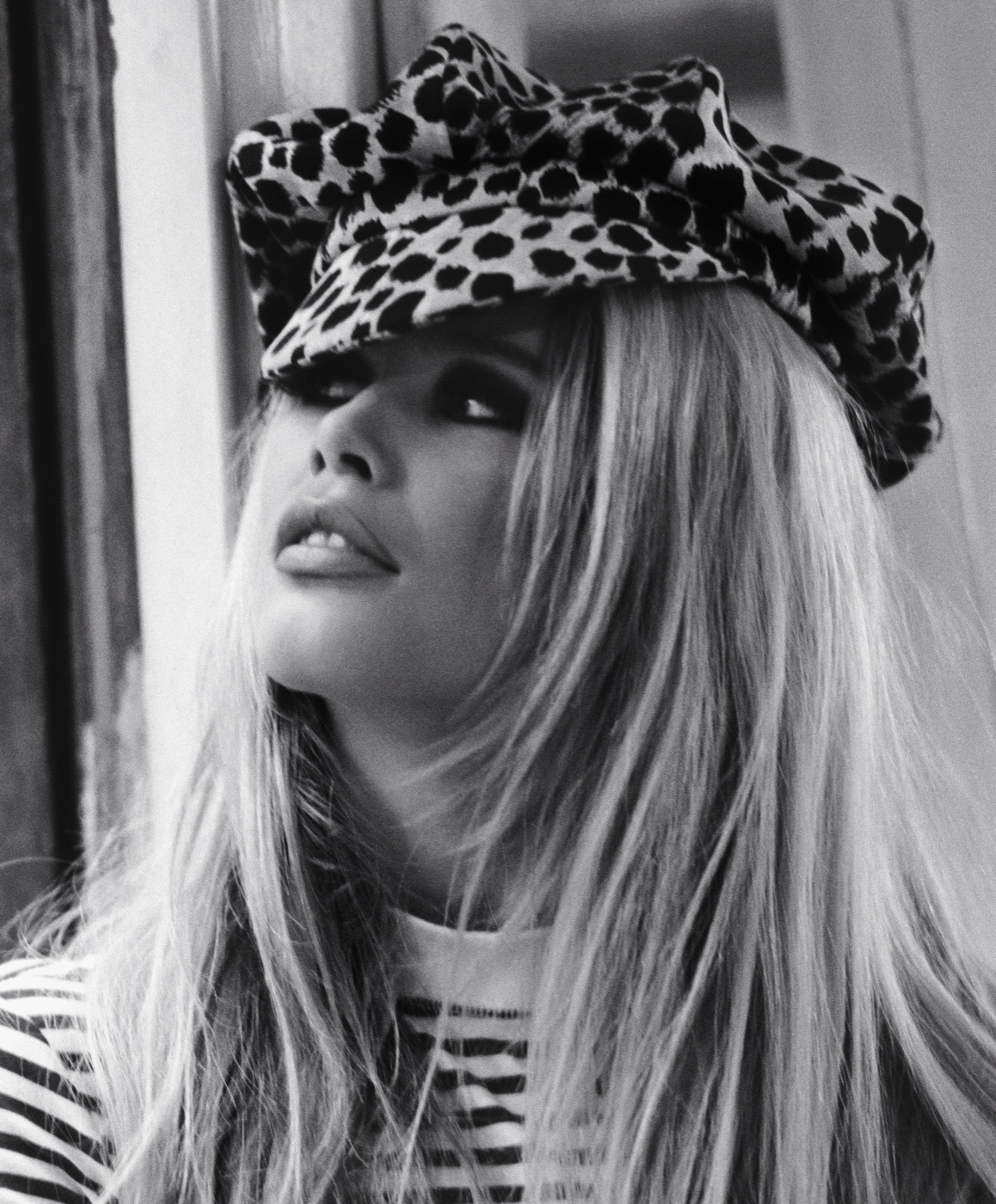 Steven MeiselClaudia Schiffer, New York, 1990.Steven Meisel shot this in 1990, dead center of the moment fashion stopped selling clothes and started minting goddesses — and Claudia Schiffer, all of twenty, was the face the decade wanted.
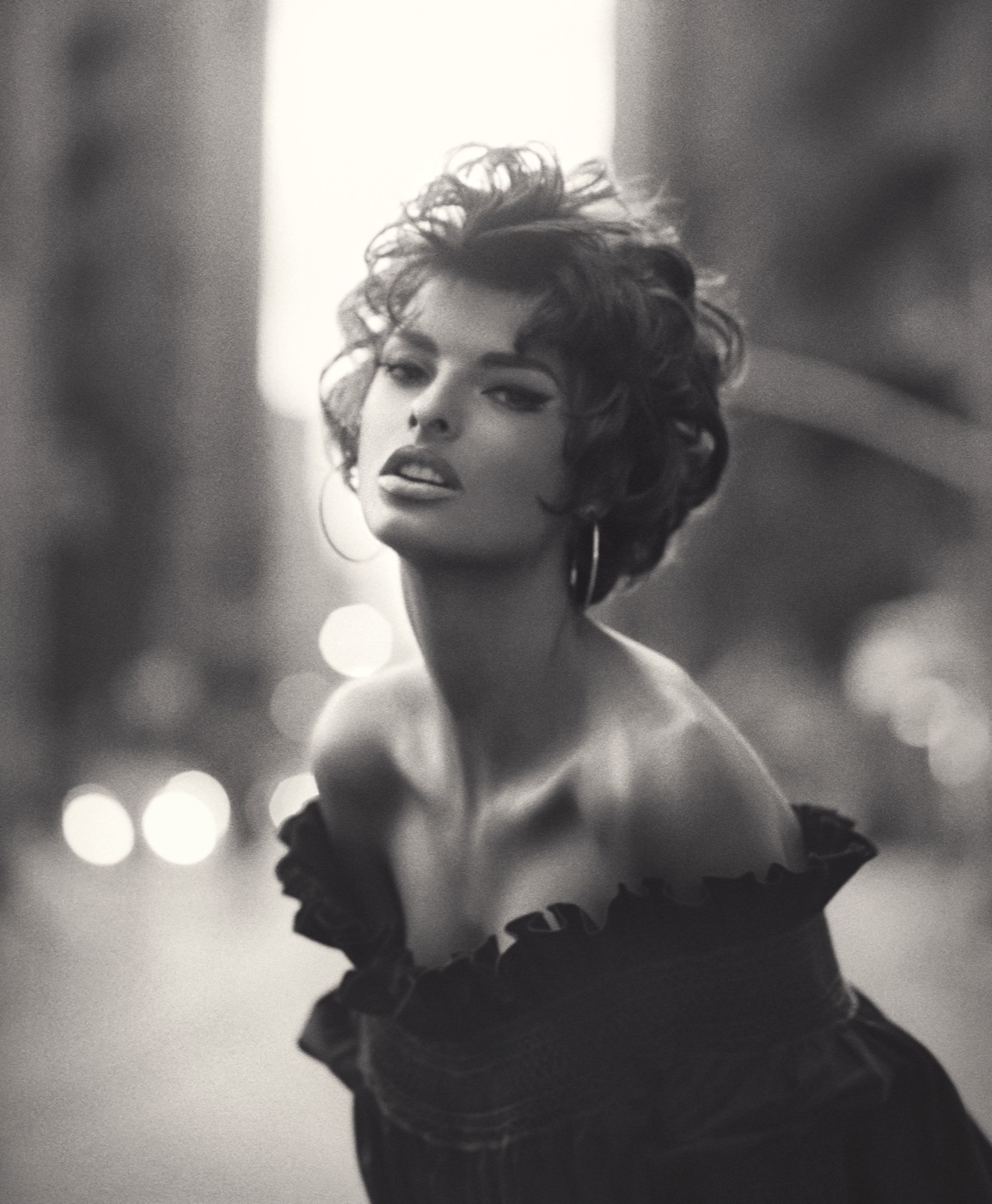 Steven MeiselLinda Evangelista, New York, 1990.She has her back half to the avenue and her chin thrown the other way, mouth parted, and the whole picture seems to swing on that single thin hoop swaying at her ear.
 Steven MeiselLinda Evangelista, New York, 1990.Wet wood, first of all — the deep lacquered grain of the surface goes slick and reflective where the water has run over it, the figured panel catching the light in long smeared streaks.
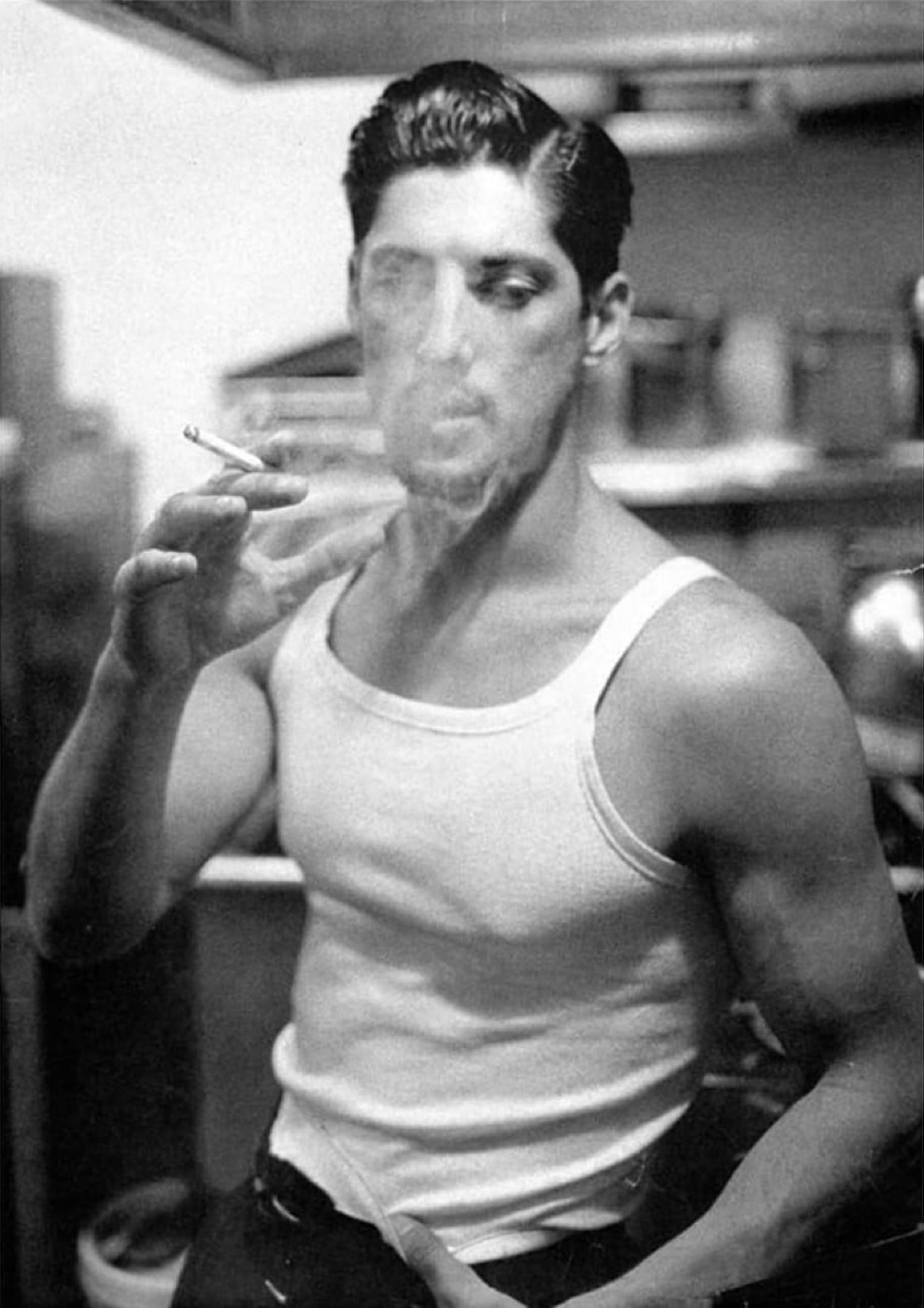 Steven MeiselTony Ward, New York, 1990.There's a whole genealogy of male poses folded into this 1990 picture, and Steven Meisel knew every one of them.
 Steven MeiselNaomi Campbell, Paris, 1991.Begin with the symmetry. Campbell stands frontal, legs driven apart into a wide inverted V, both arms folded behind her head so the elbows answer each other like the points of a compass.
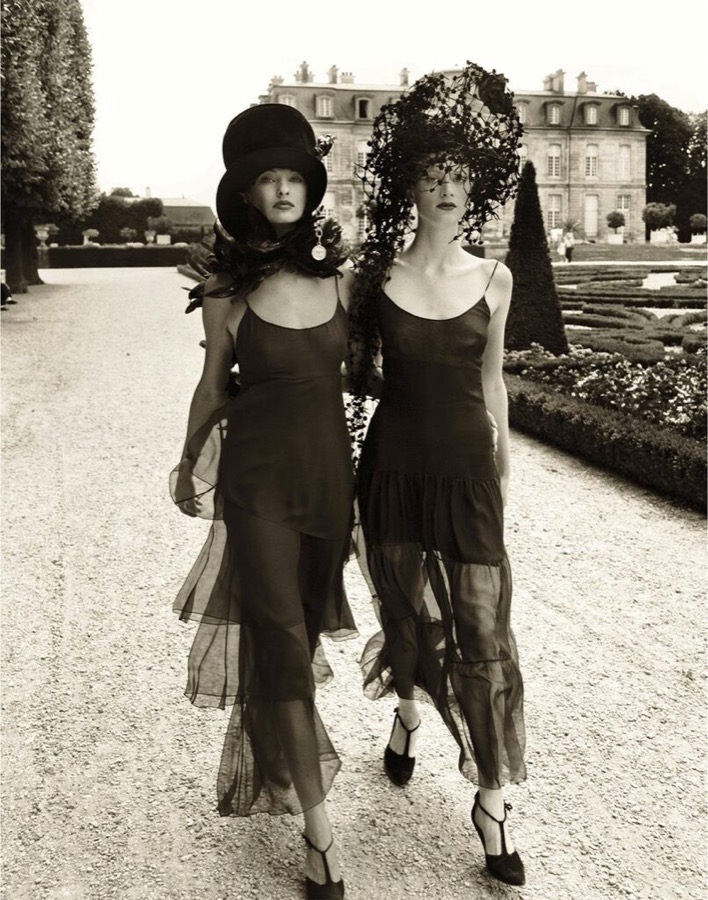 Steven MeiselLinda Evangelista and Kristen McMenamy, L'Haÿ-les-Roses, France, 1992.A gravel allée in a formal French garden, clipped box parterres and cone topiary ranged along one side, a great house closing the view at the end.
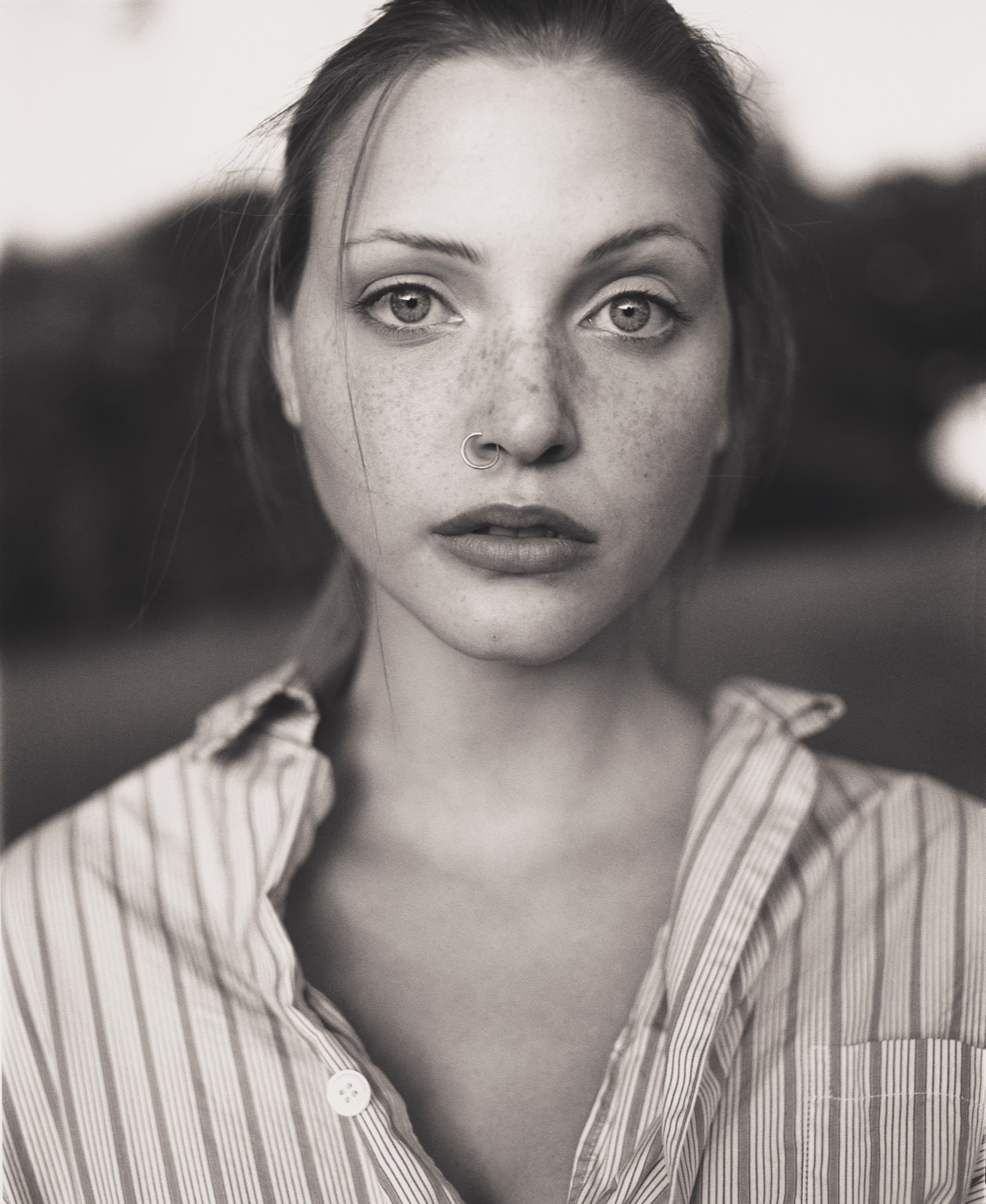 Steven MeiselNadja Auermann, Ward Pound Ridge, New York, 1992.She gives the camera everything and nothing.
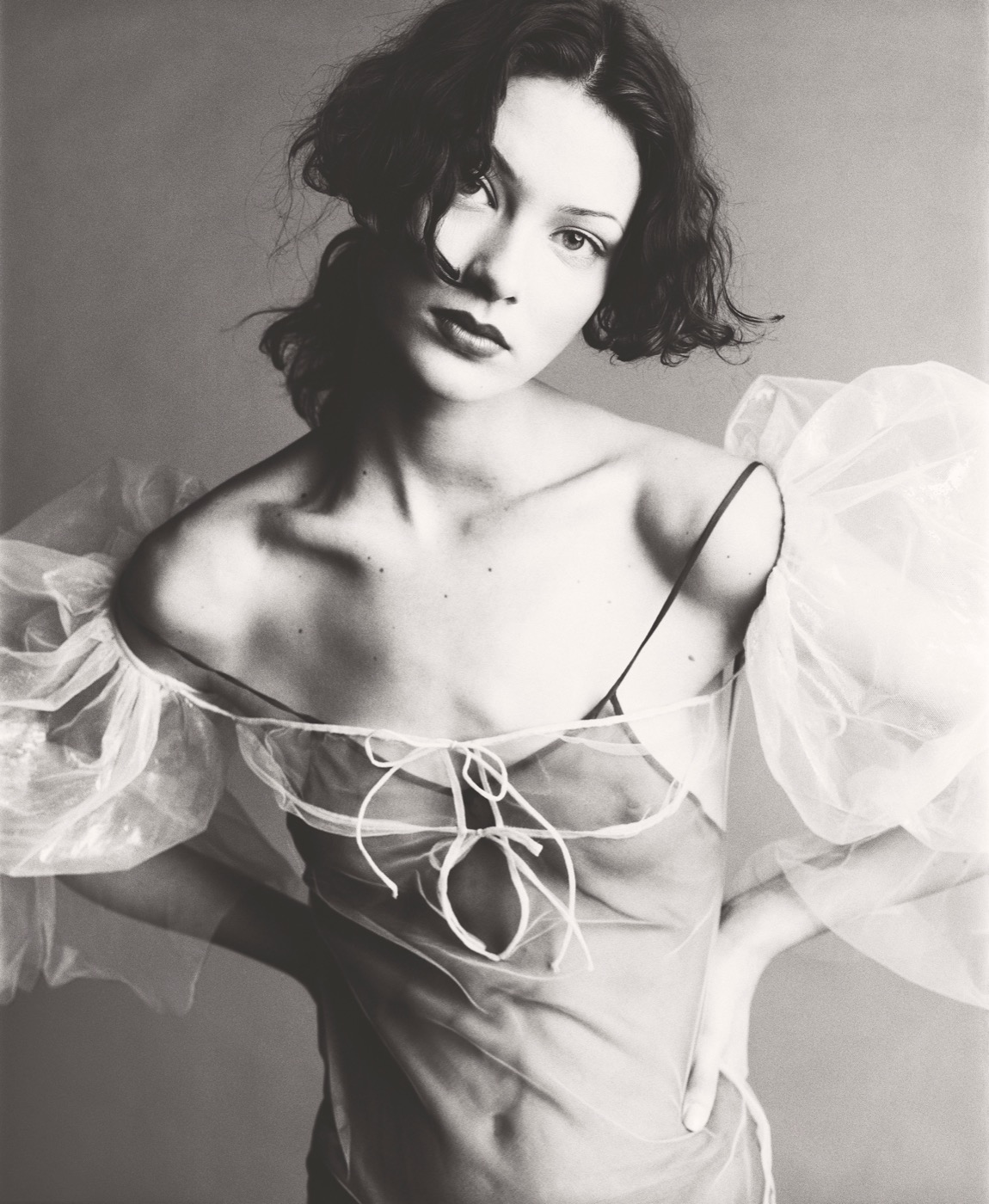 Steven MeiselShalom Harlow, New York, 1992.Shalom Harlow appears suspended between breath and stillness, a young woman caught in the quiet eye of New York’s early‑nineties storm.
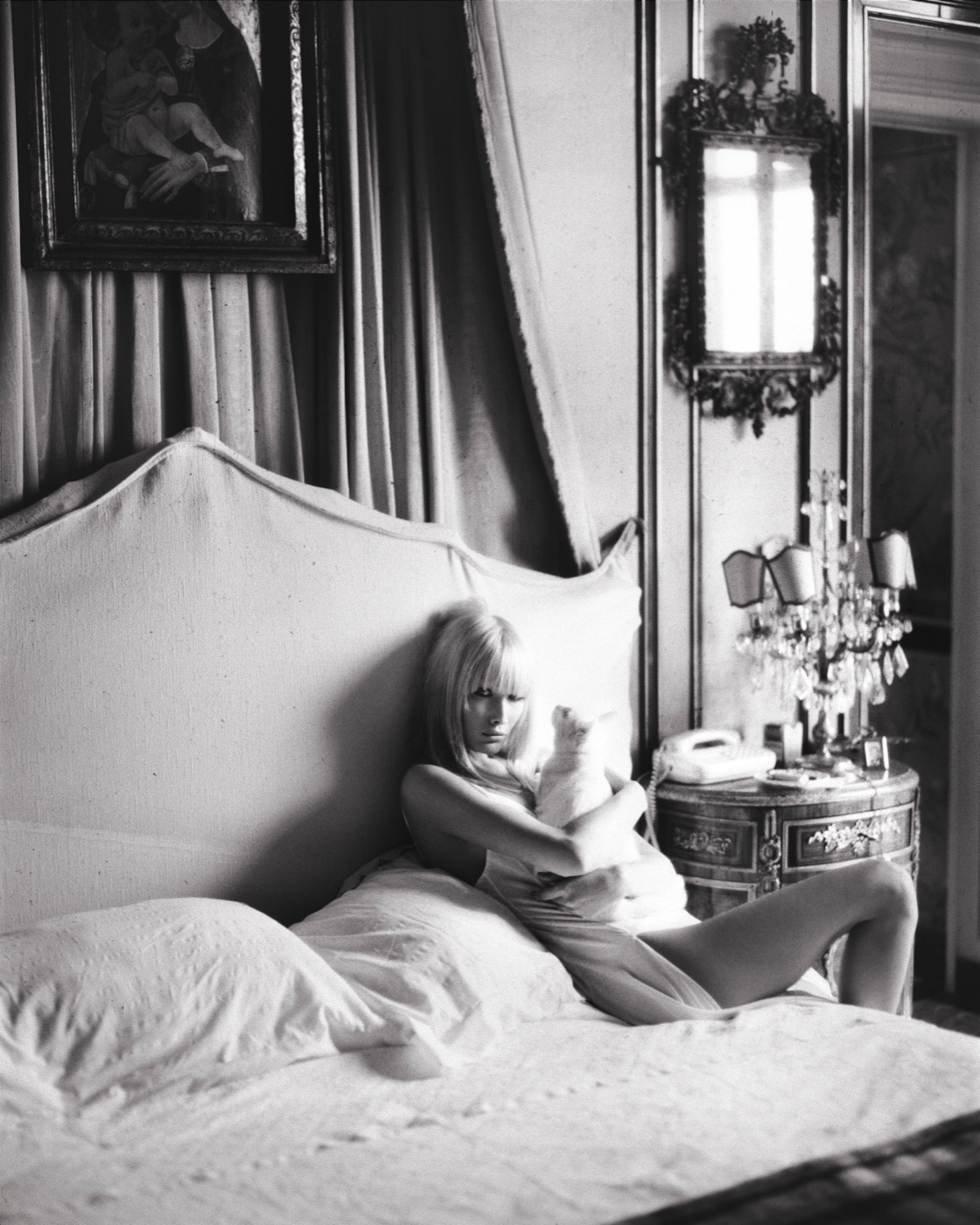 Steven MeiselCarla Bruni, Paris, 1993.Brigitte Bardot kept getting into the room before Carla Bruni did.
 Steven MeiselKristen McMenamy, Paris, 1993.A gilded salon at the Ritz, panelled in pale grey-blue boiserie, the kind of room that exists to confer status on whoever enters it.
 Steven MeiselStella Tennant, London, 1993.She has pulled the mohair sleeves all the way up over both hands, so that the sweater becomes a pair of soft paws cradling her own face — and the whole picture turns on that gesture, half…
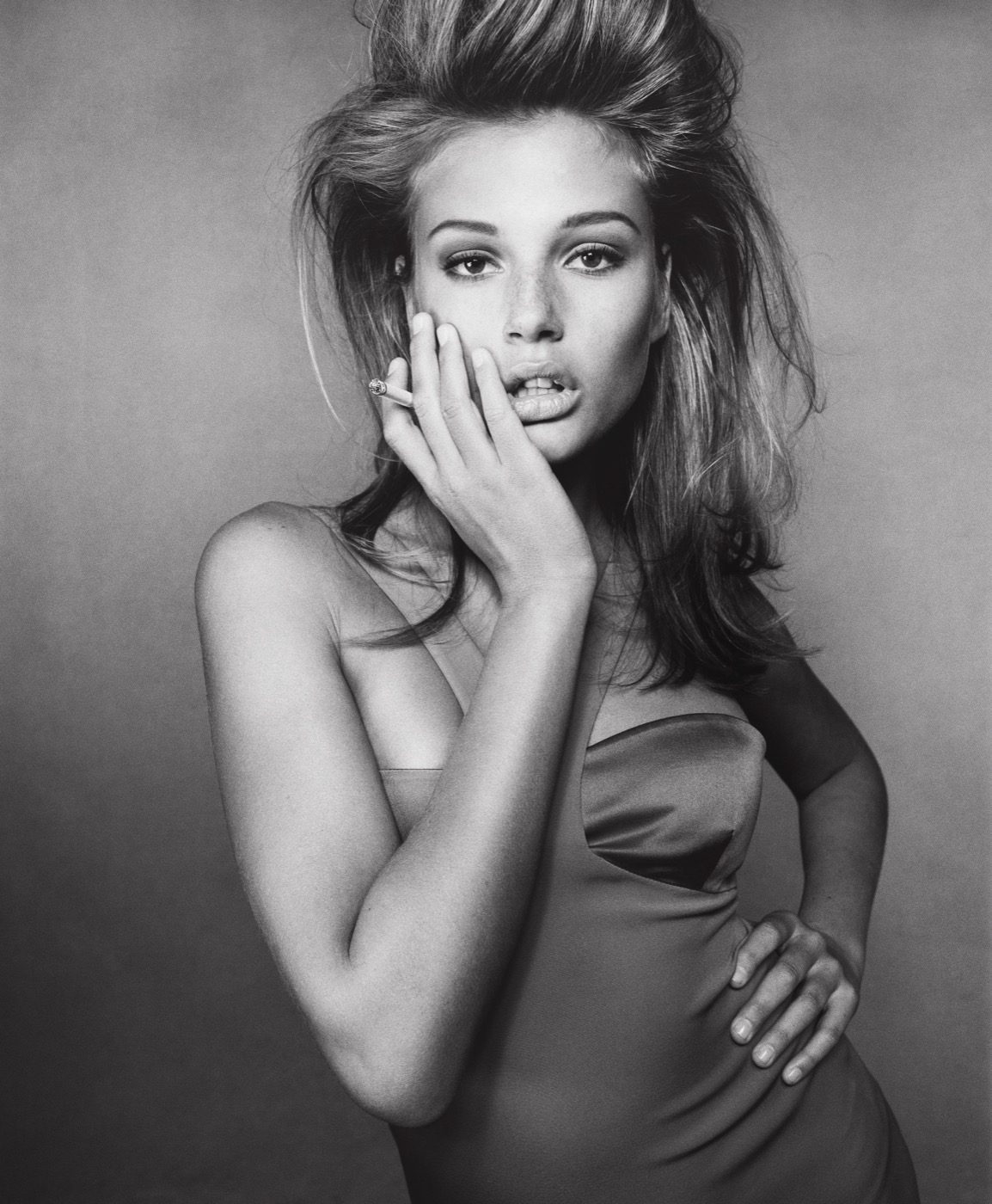 Steven MeiselBridget Hall, New York, 1994.There is no room here, only the studio's neutral grey, a seamless ground swept clean of incident so that nothing competes with the body it holds.
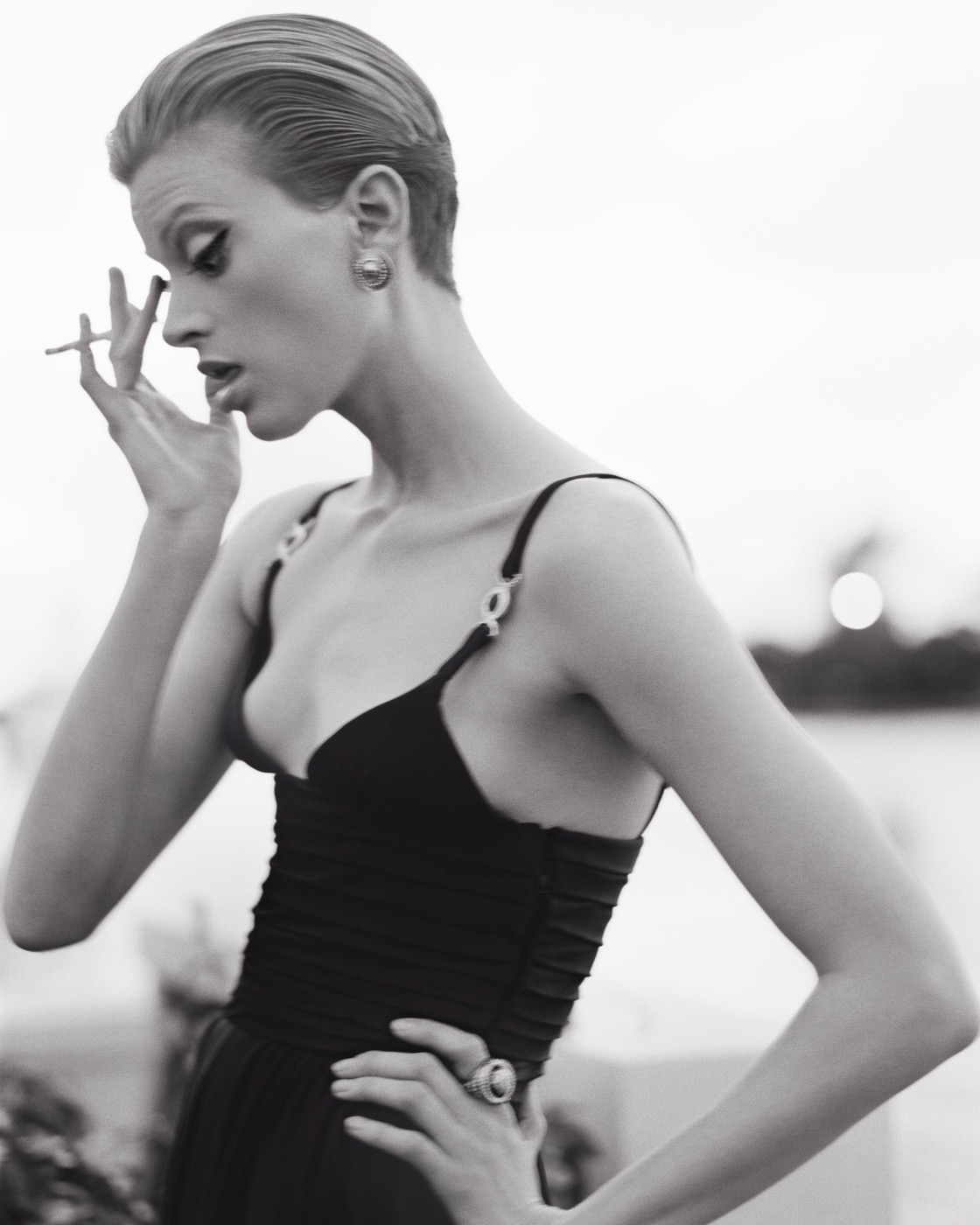 Steven MeiselKristen McMenamy, Palm Beach, 1994.A hand rises to the face, two fingers scissoring a slim cigarette, and the whole photograph arranges itself around that small deliberate act.
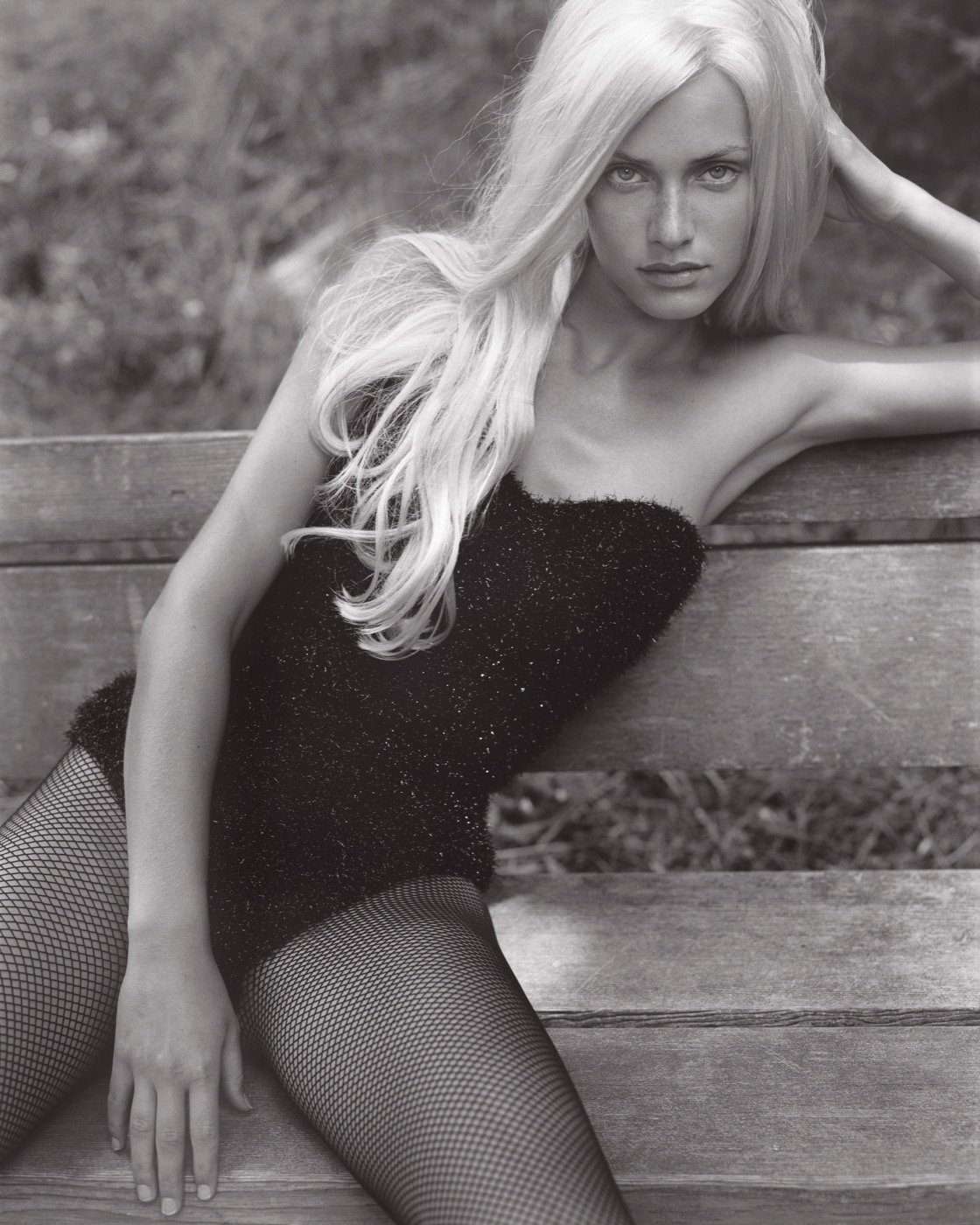 Steven MeiselAmber Valletta, Ward Pound Ridge, New York, 1995.Where does a bombshell go on her day off?
 Steven MeiselAmber Valletta, Alder Mansion, Yonkers, New York, 1999.She sits on the floor of a panelled room, leaning back against a low chair as though it were a throne she had decided not to use properly.
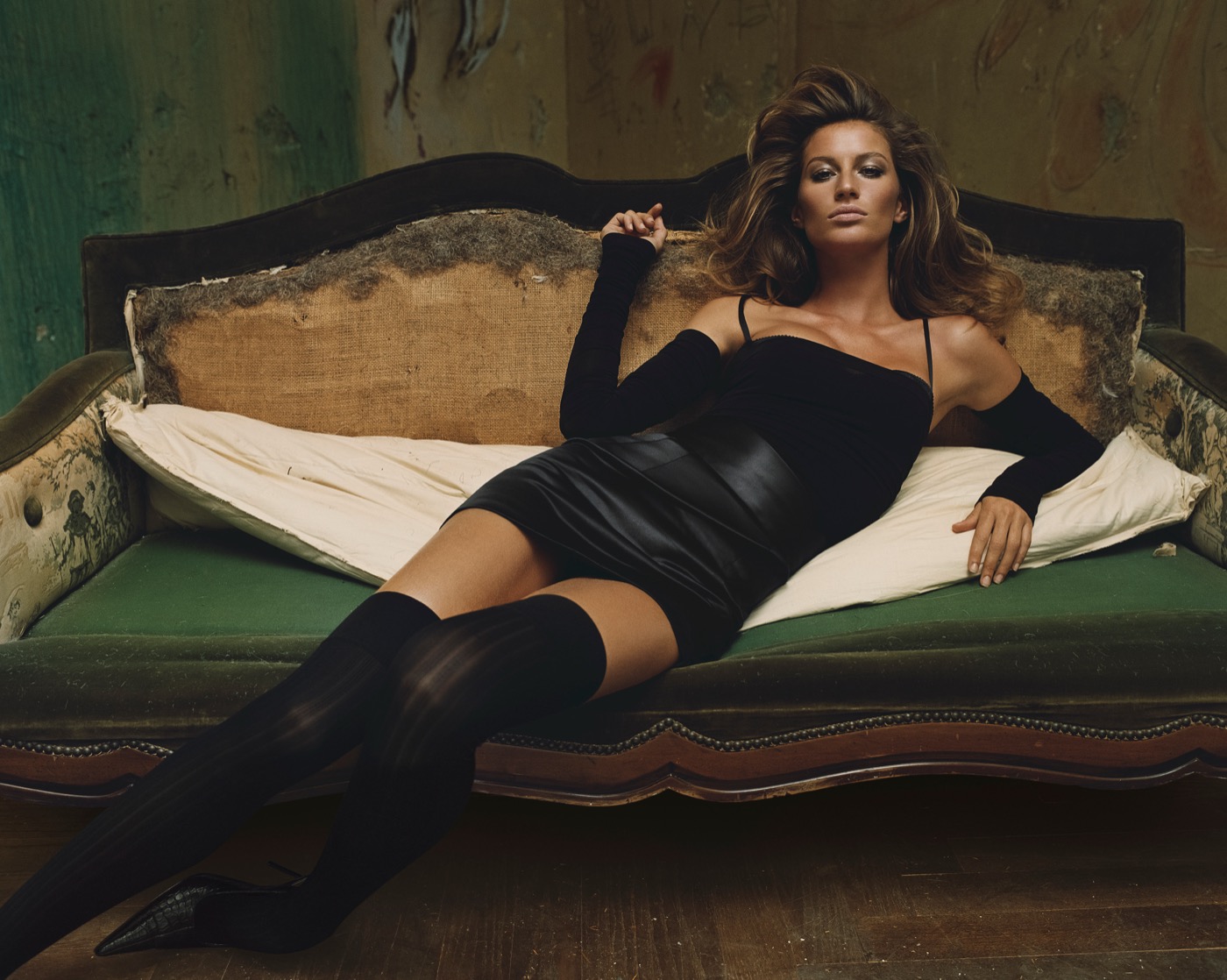 Steven MeiselGisele, New York, 2002.Green upon green: the mossy nap of a velvet sofa gone bald in patches, the oxidized green of scarred plaster, the dull gleam of a leather skirt taking what little light the room allows.
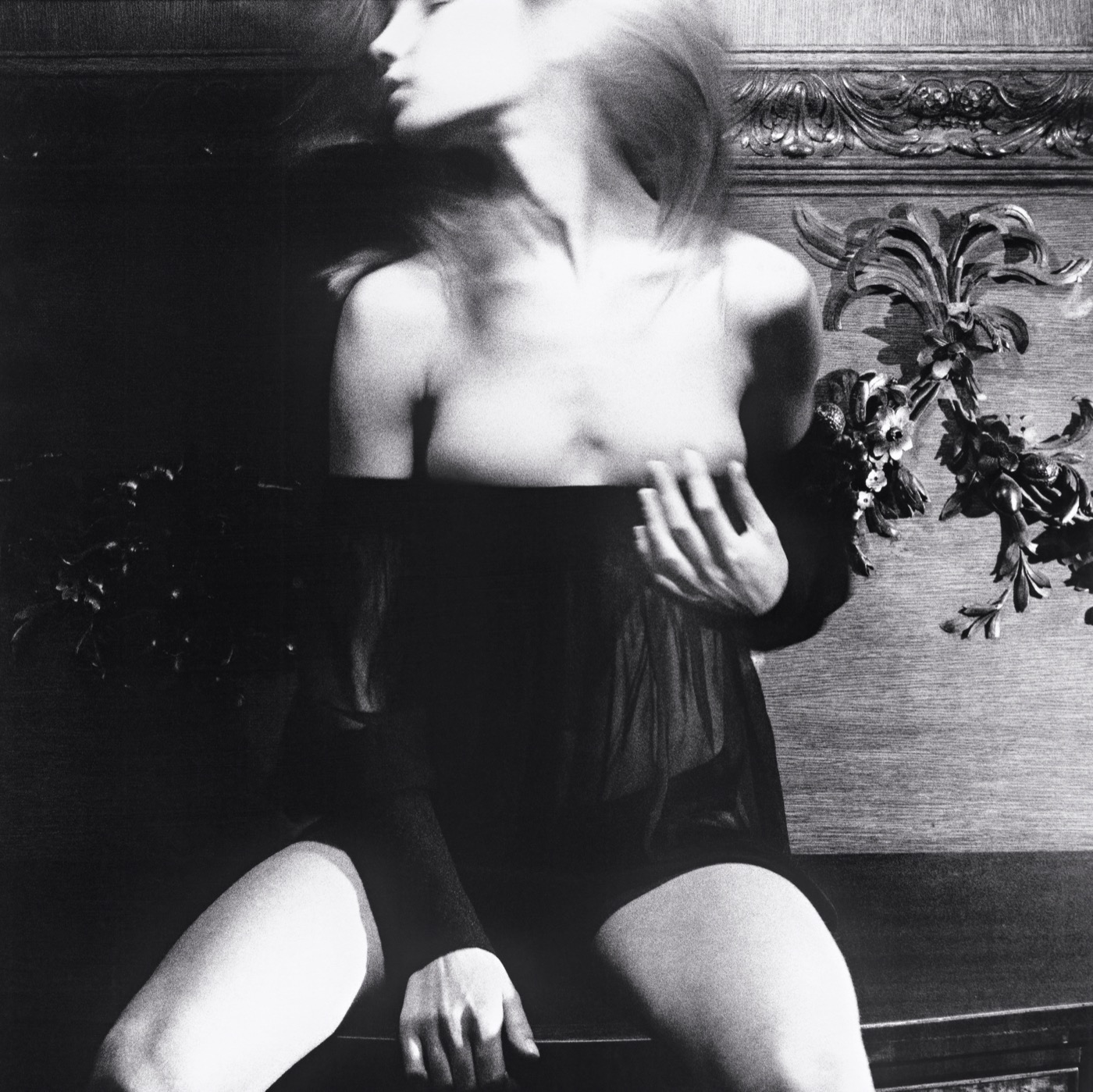 Steven MeiselNatalia Vodianova, Woolworth Estate, Glen Cove, Long Island, New York, 2002.No photographer has shaped the image of fashion over the past forty years more completely than Steven Meisel.
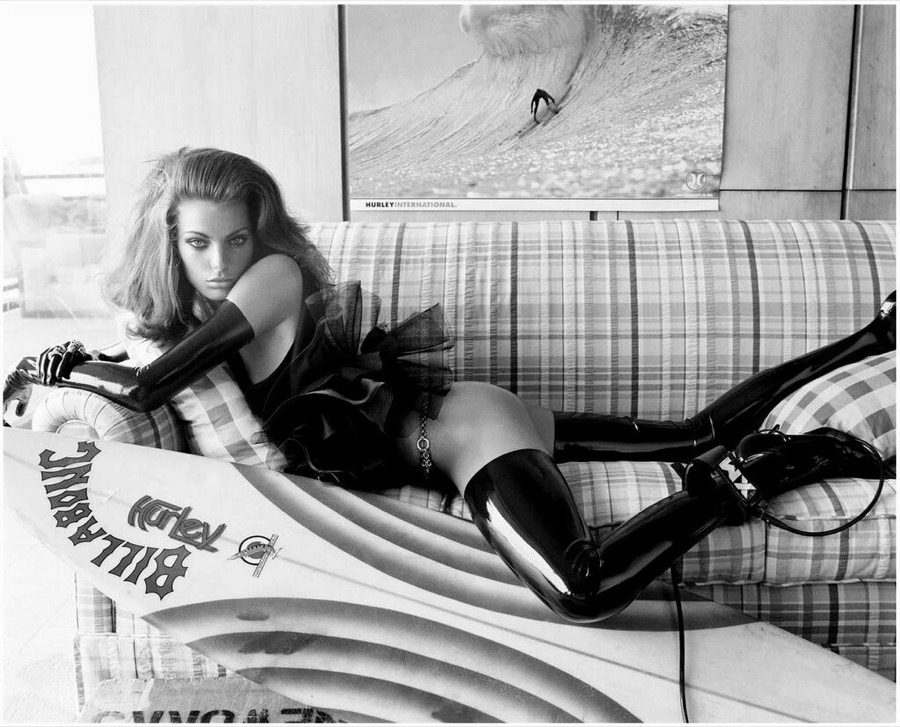 Steven MeiselDaria Werbowy, 2003.Two photographs share this room and only one of them is working.
 Steven MeiselLiya Kebede, New York, 2003.What Liya Kebede withholds is the face's ordinary work.
 Steven MeiselA Sexual Revolution, Elise Crombez + Stefan Forrester-Walker, 2004.An empty dock at night, an apron of asphalt ruled by a painted yellow line, and someone has set two black folding chairs down in the middle.
 Steven MeiselKaren Elson, New York, 2006.Photographers have posed their sitters against mirrors since the medium's first decades — nineteenth-century studios doubled a face to advertise the camera's cleverness, and the Hollywood…
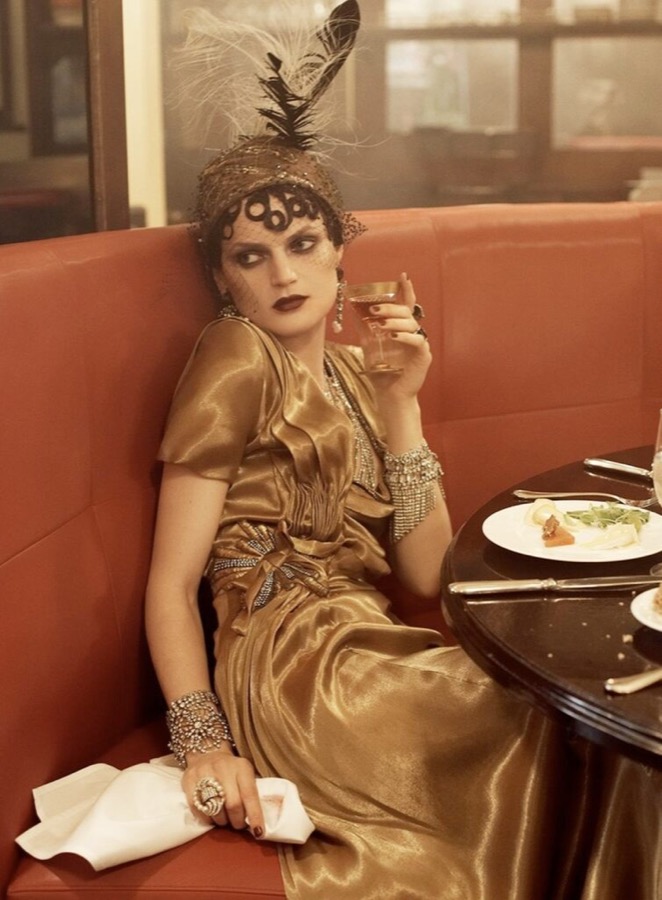 Steven MeiselParis, Je T'Aime, 2007.Gold here is less a colour than a tense. The satin pours down her body and gathers light in long liquid seams; the beaded cap sits low on the brow with its little veil of dark rings, and one pale…
 Steven MeiselKaren Elson, New York, 2009.Karen Elson is pulling a long cognac leather glove taut over her fingers, the private ritual of dressing caught at the moment touch becomes performance.
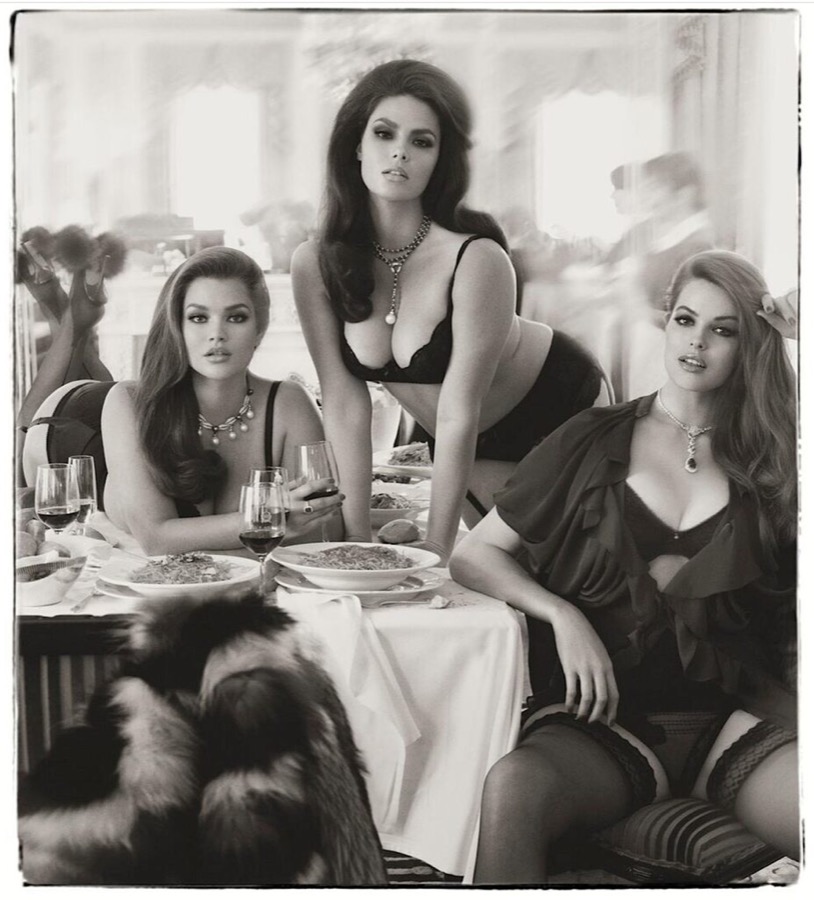 Steven MeiselBelle Vere, 2011.Three women at a restaurant table, and on the table — this is the part nobody forgets — plates of pasta.
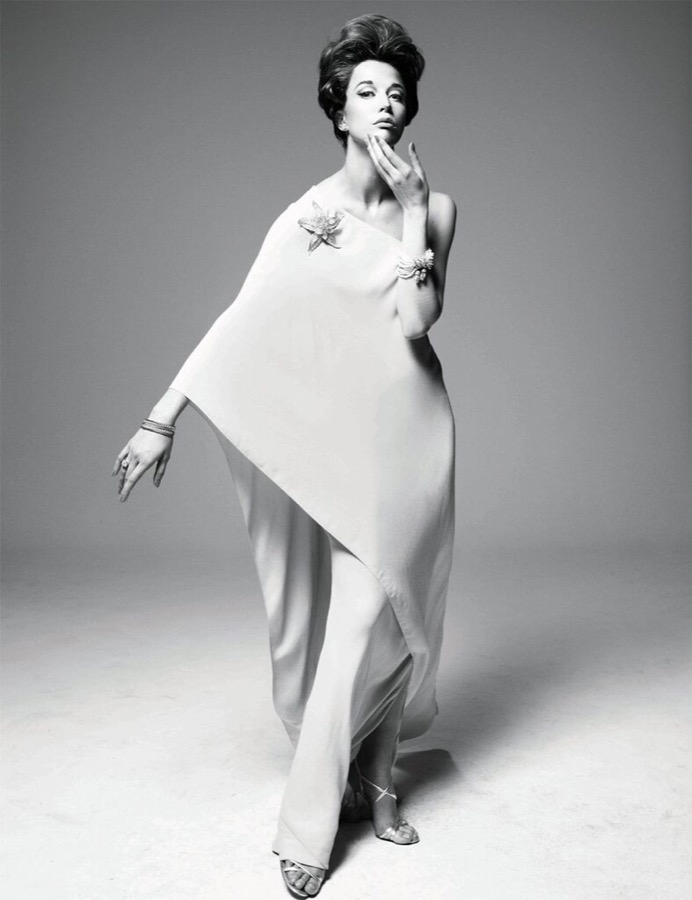 Steven MeiselRaquel Zimmermann, 2011.A woman stands full length against a plain pale ground, lit so evenly that the floor and the wall behind her have dissolved into one another.
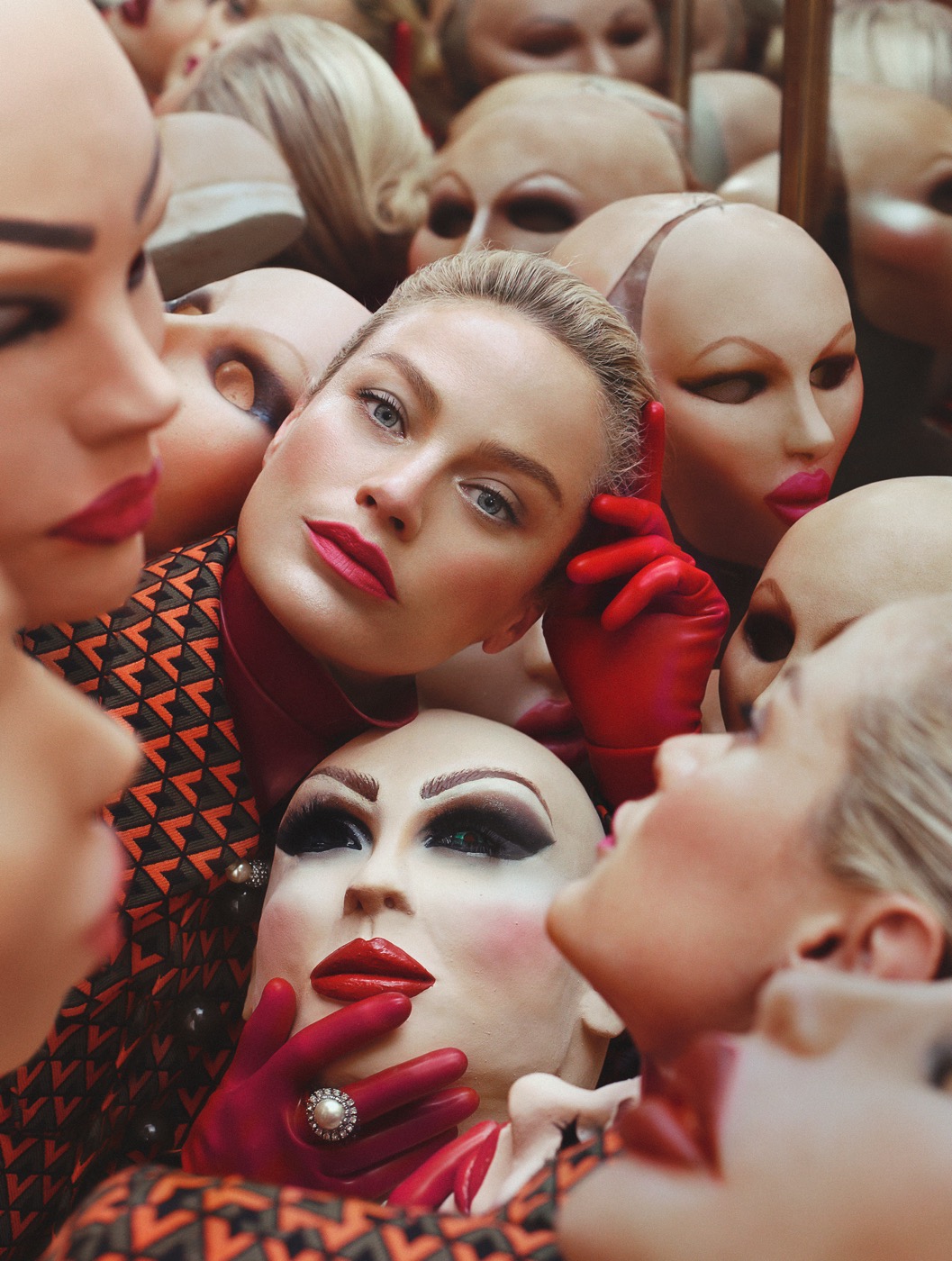 Steven MeiselCarolyn Murphy, Alpine, New Jersey, 2012.Glamour is a form of replication; the fashionable face is already a copy.
 Steven MeiselGigi Hadid, 2015.The image is drowning in light. A figure in three-quarter view, hair blowing loose and gold, holds a coral-red mohair sweater bunched around her upper body with both arms; below, a pale pink ruffled…
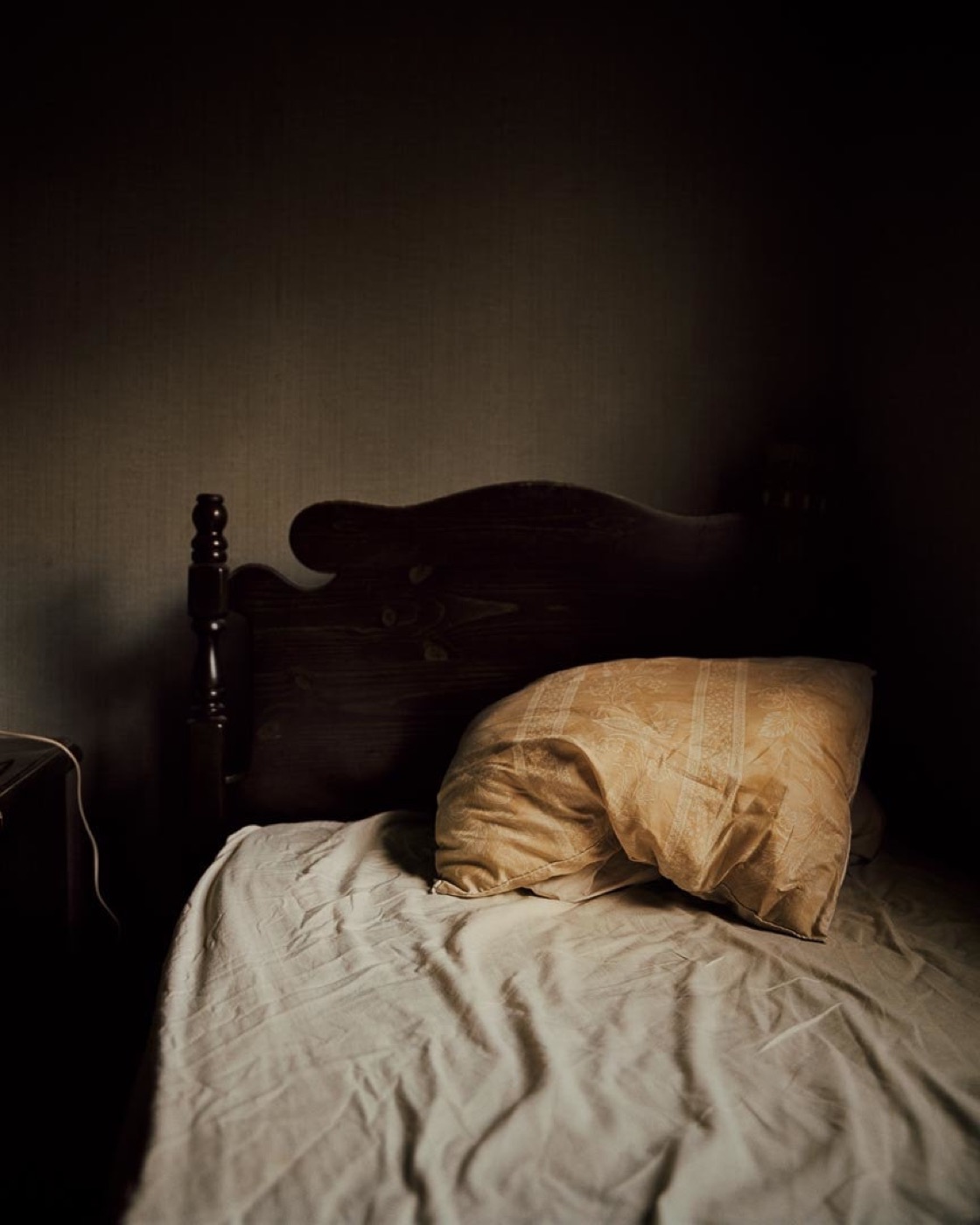 Todd Hido1447-a, 1994.A single bed stands in the corner of a room, its dark wooden headboard scrolled at the crest and finished with a turned post at the left.
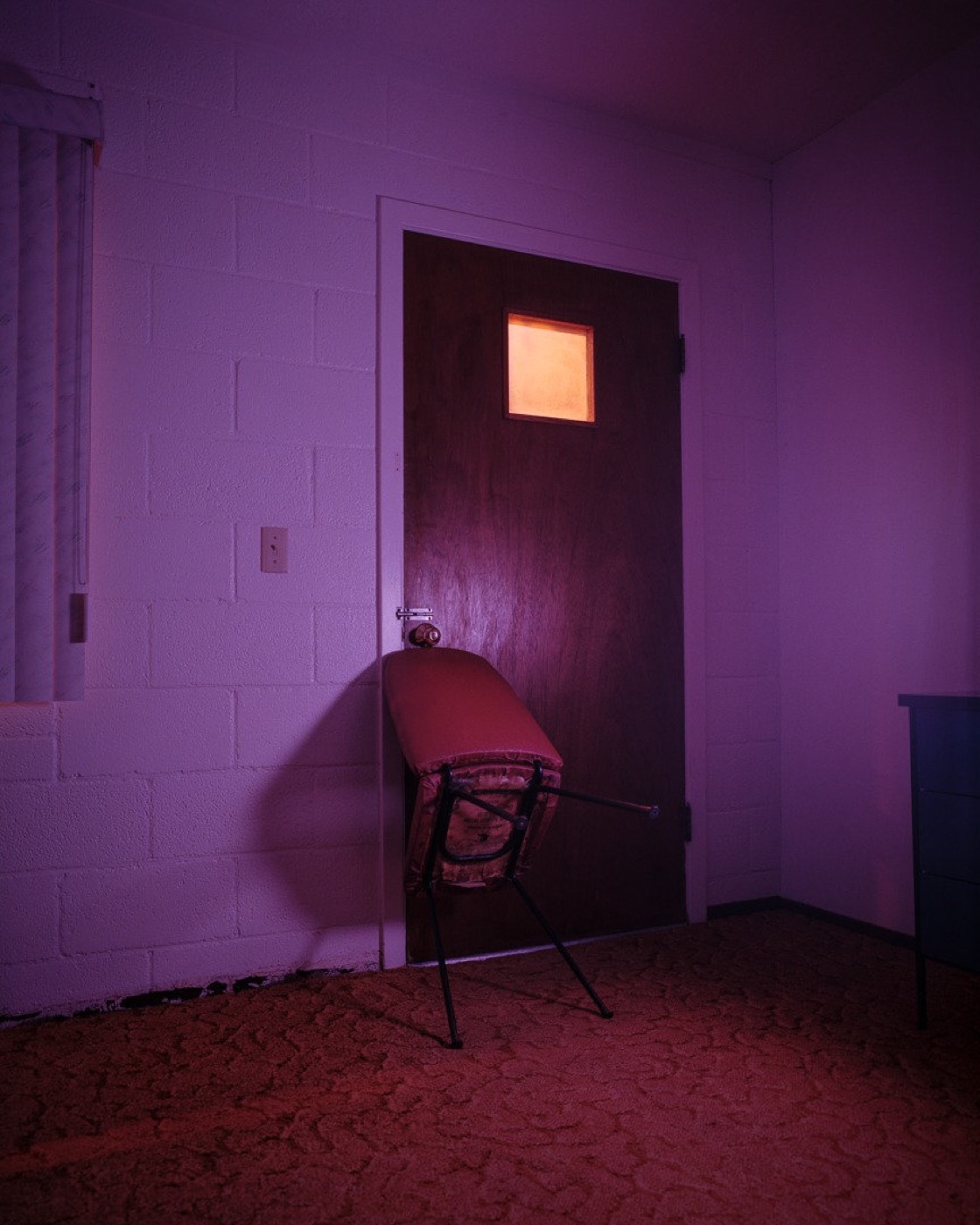 Todd Hido1601, 1995.It’s the chair that gets me. Not propped to sit on, not pulled up to anything — folded shut and tipped against the door, a padded folding chair laid down like something put away mid-thought.
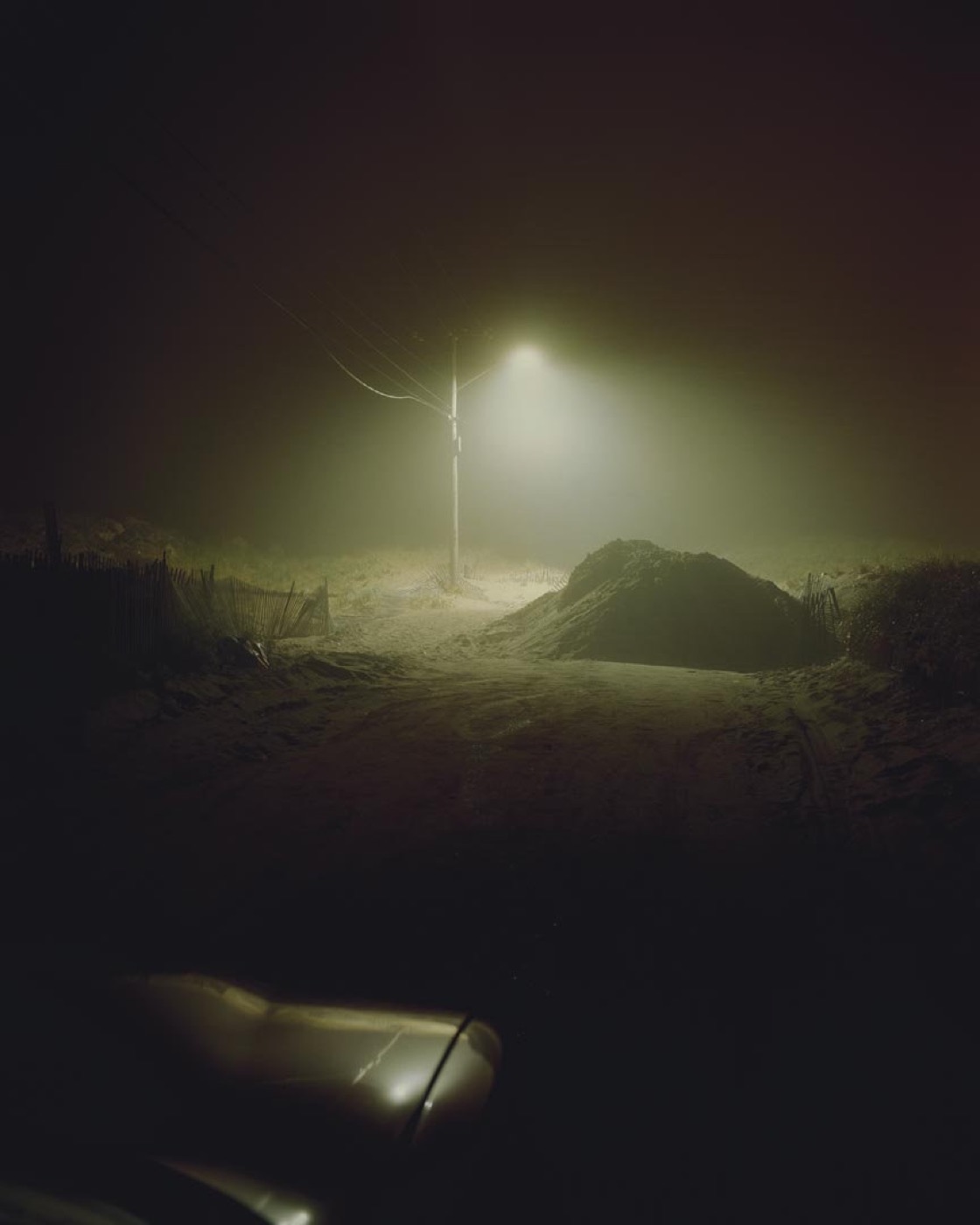 Todd Hido1726, 1996.I once spent an embarrassing amount of a holiday looking for the end of a road, convinced something waited there, and of course nothing did — just where the asphalt gave up.
 Todd Hido1731, 1996.A two-storey house sits at the top of its own driveway, upper floor clad in narrow vertical boards, and behind the wide upstairs window a curtain burns orange in vertical strips of light.
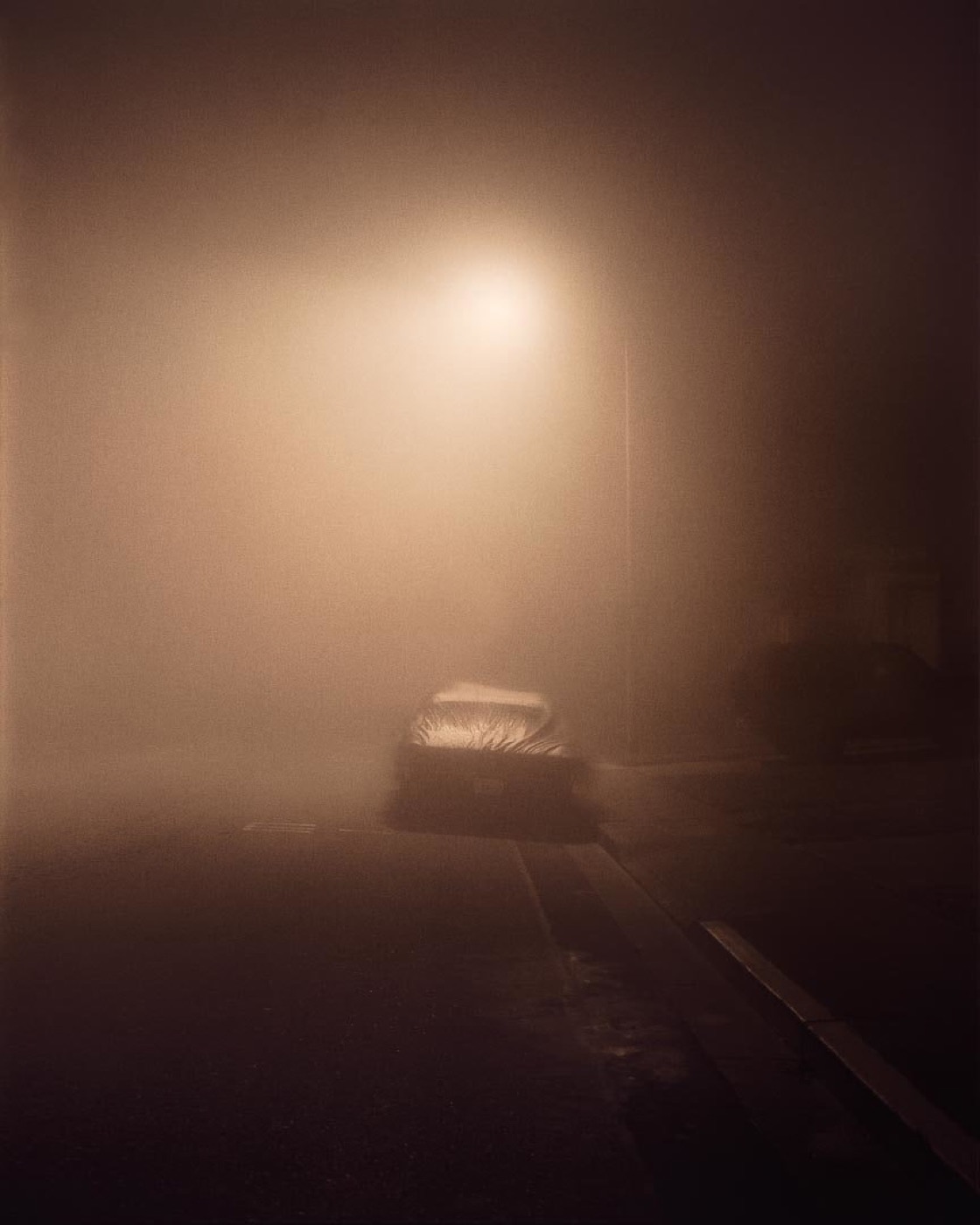 Todd Hido1738, 1996.Amber has soaked into everything here — the road, the curb, the fog itself — until colour stops describing objects and becomes the weather of the picture.
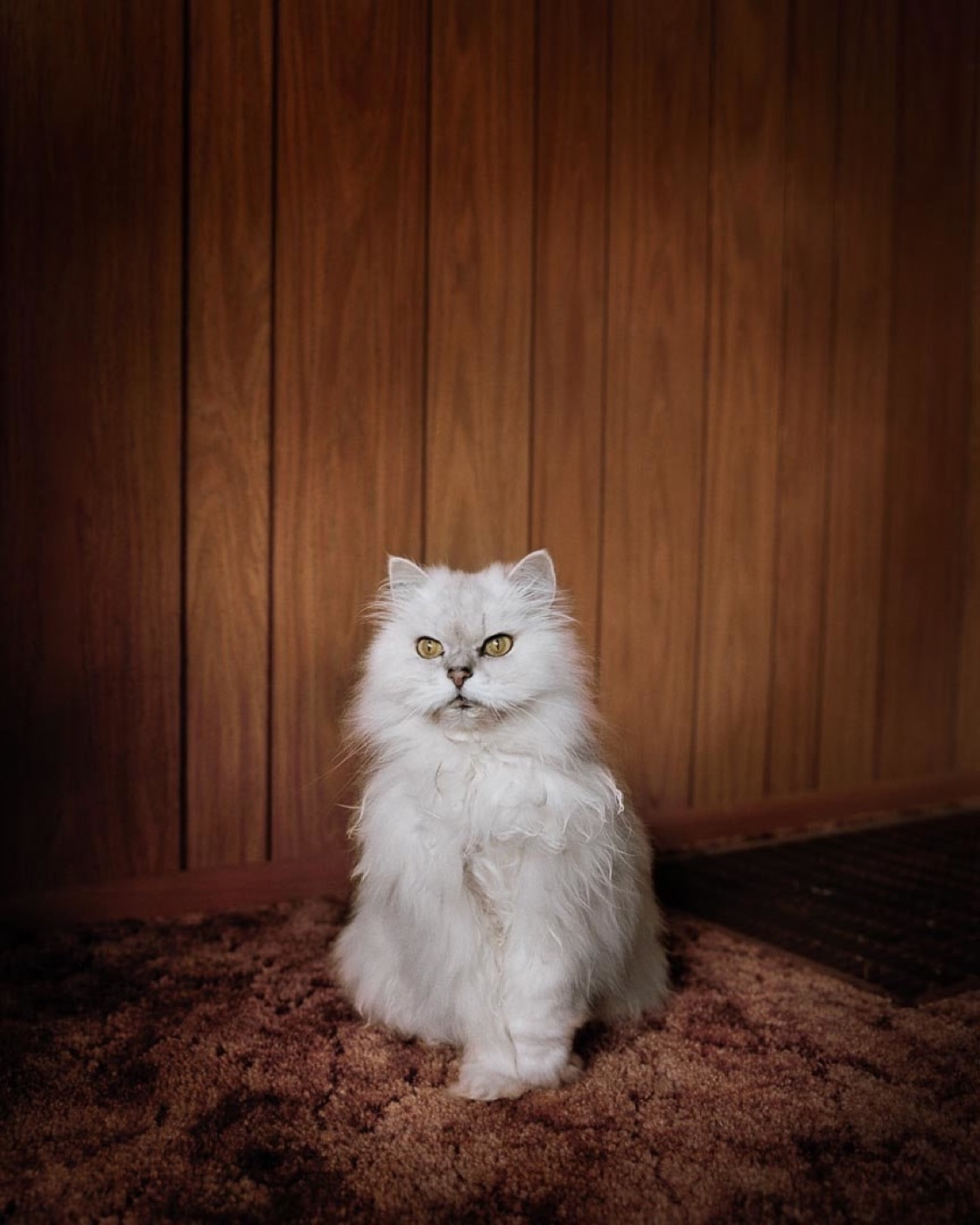 Todd Hido1843, 1996.A white Persian sits square in the middle of the frame on a shag carpet the colour of dried brick, its coat matted into loose points down the chest, its eyes a flat amber, looking just past the lens.
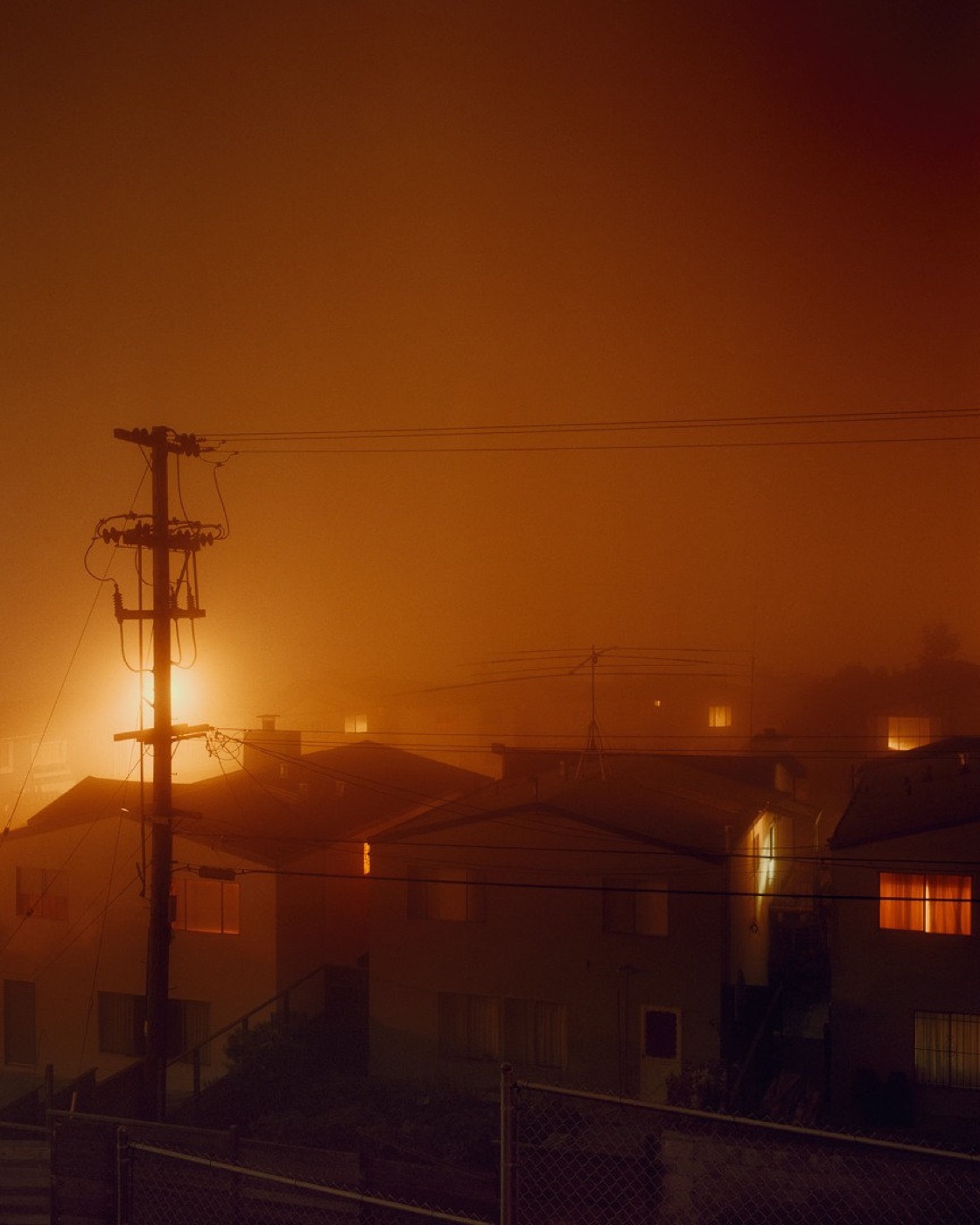 Todd Hido1941, 1996.A single streetlight burns through the fog behind the transformer pole, and the whole frame organizes itself around that one swollen point of light, as if the night were being lit from within rather…
 Todd Hido2027-a, 1997.A pale sedan is parked at the kerb, its flank dented above the rear wheel, one hubcap gone, the body flattened by a light that comes from somewhere off frame.
 Todd Hido2122, 1998.Fog has taken the street and turned every light in it to sodium.
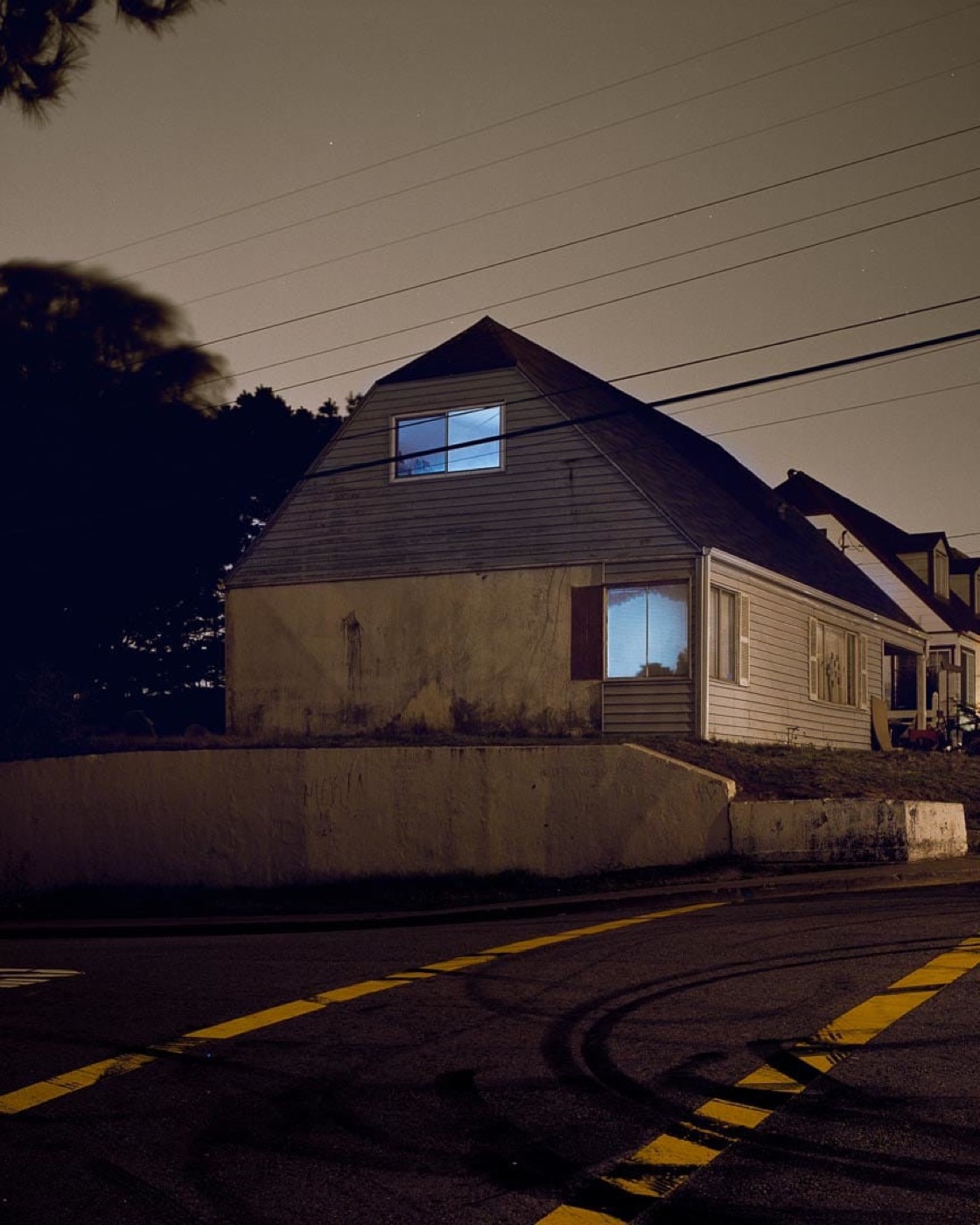 Todd Hido2133, 1998.A house sits back from the road like a held breath, its broad gable rising into a sky washed to a dull, electric brown.
 Todd Hido2154-a, 1998.Three cypress trunks rise straight through the middle of the frame and divide the house behind them into strips of white clapboard.
 Todd Hido2256-a, 1999.Some pictures want to be the still frame a film forgot to keep moving past.
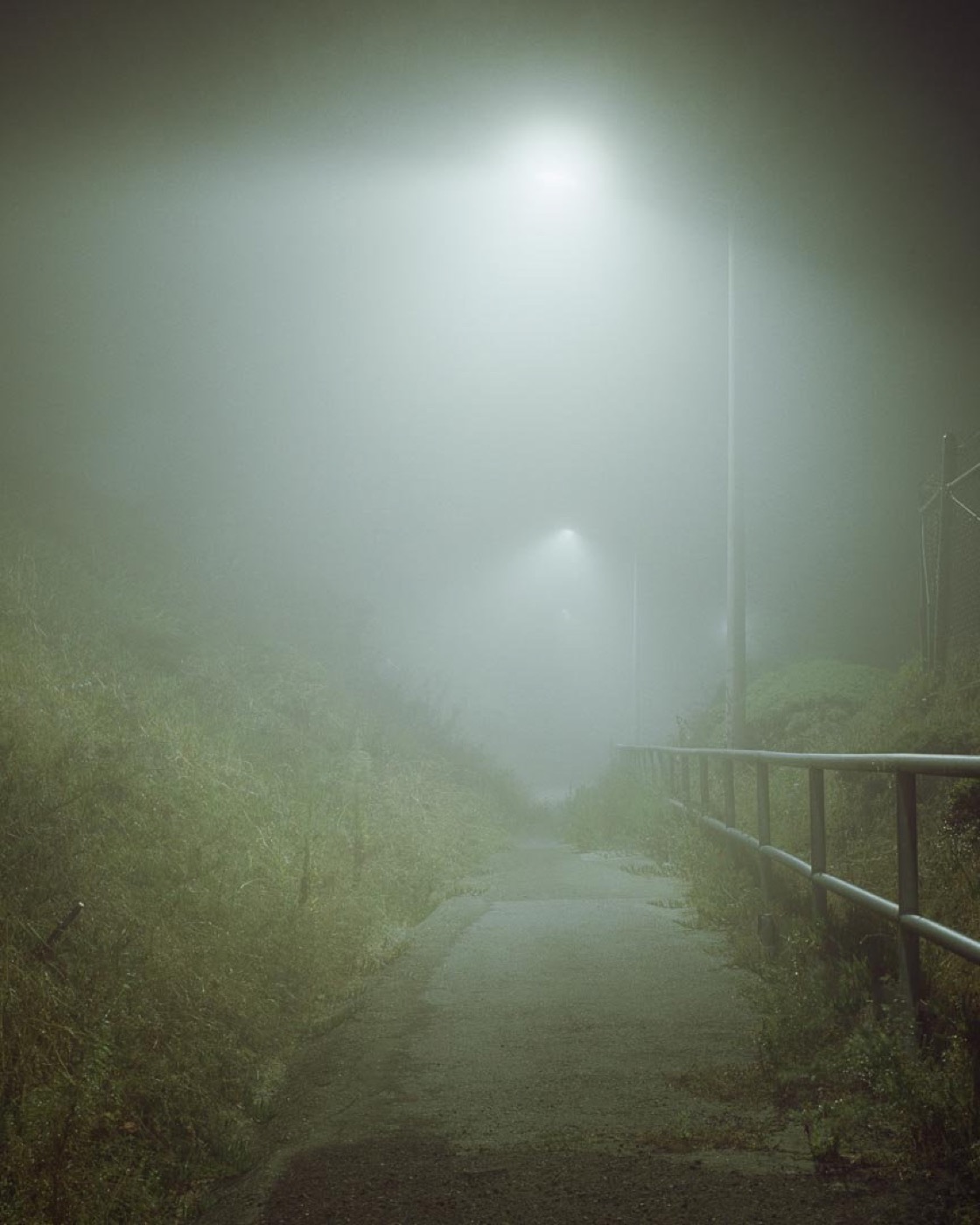 Todd Hido2256-b, 1999.There are two streetlamps in this picture, and the difference between them is the whole thing.
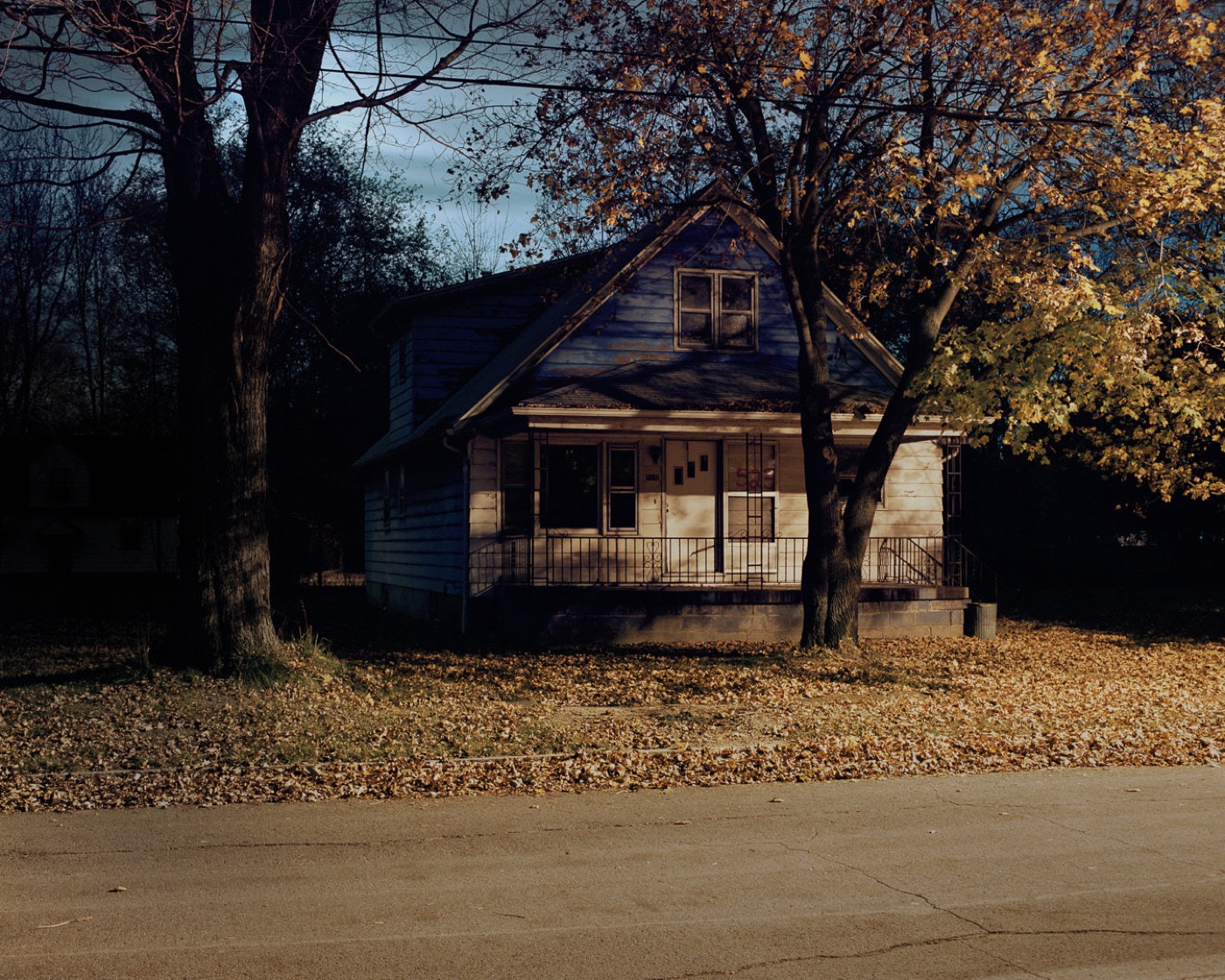 Todd Hido2312-a, 1999.I drive past houses like this all the time and never think a thing about them.
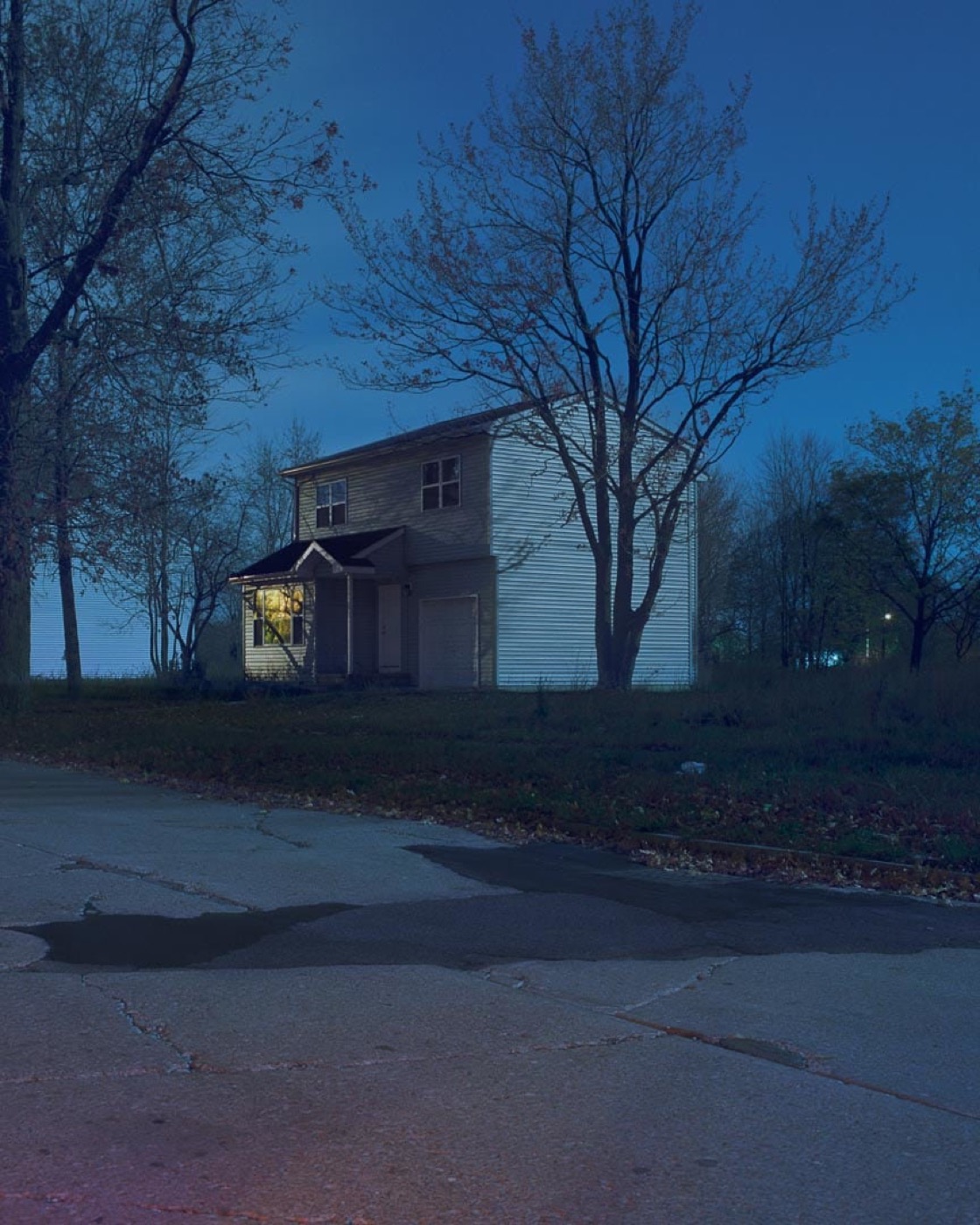 Todd Hido2319-b, 1999.A white two-storey house stands alone on a cleared lot, its siding pale against a sky still holding the last blue of the evening.
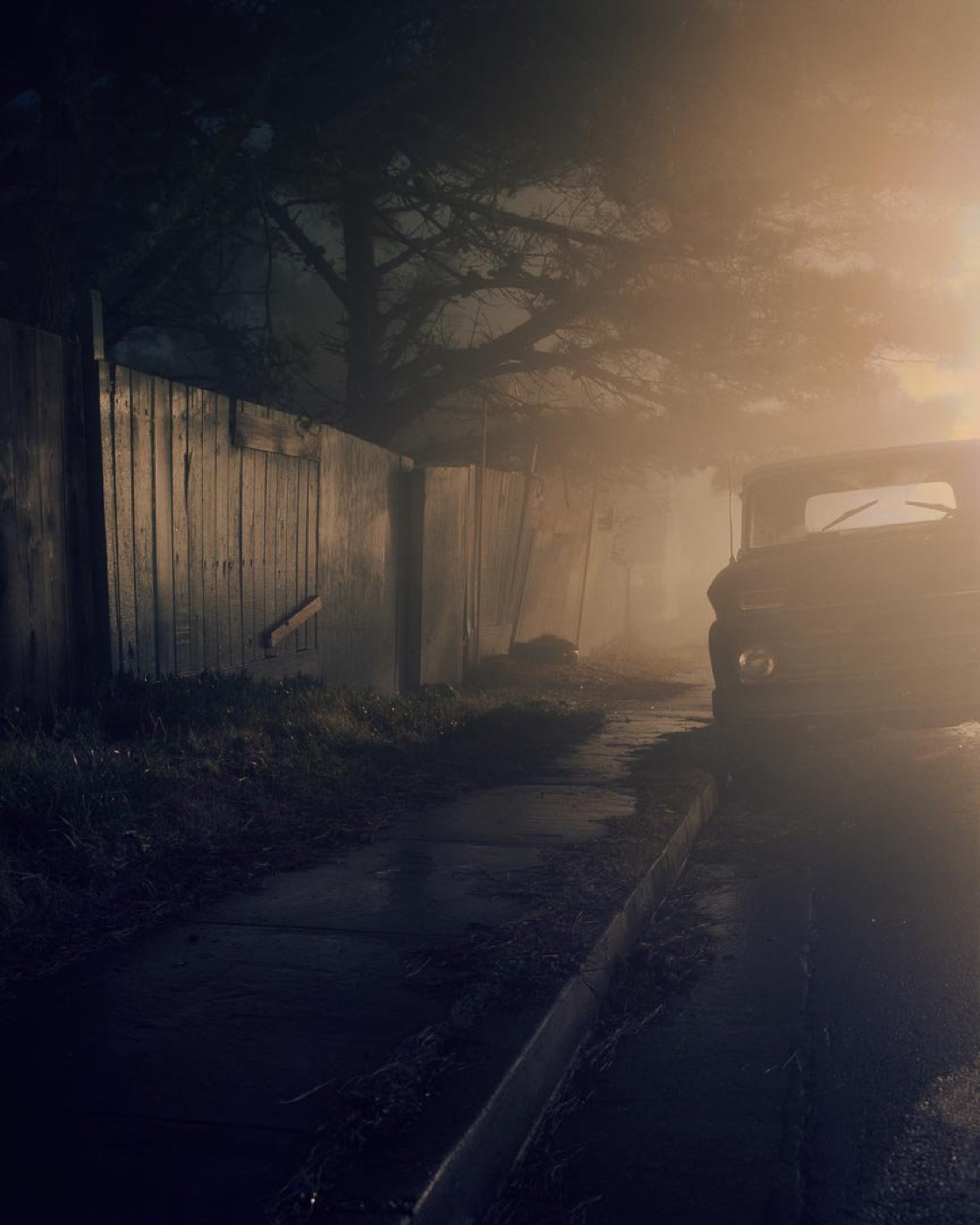 Todd Hido2419, 1999.A pavement runs from the bottom of the frame into fog that is lit gold from somewhere ahead.
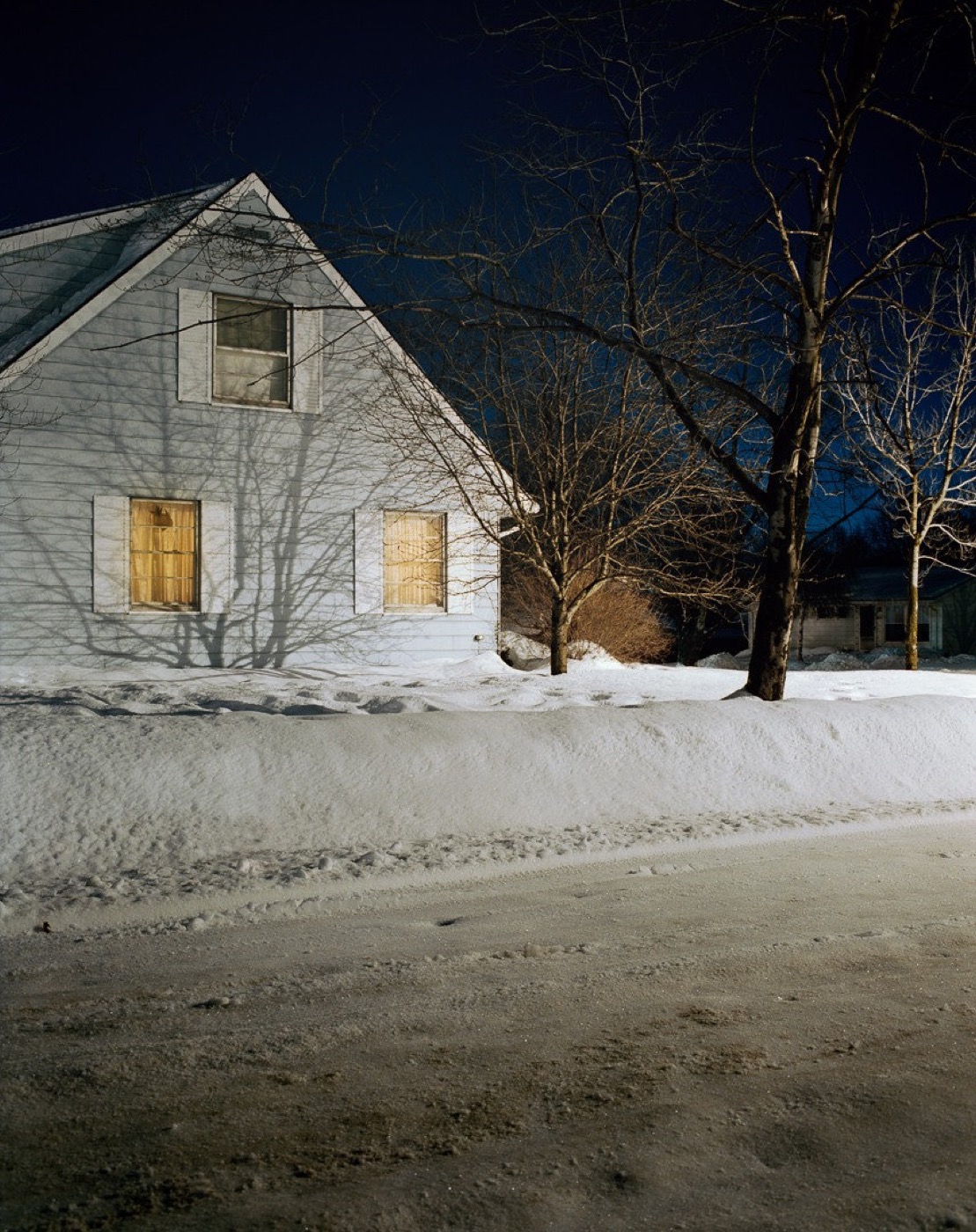 Todd Hido2421, 1999.Two windows are lit, and only two. On the gable end of a white clapboard house, a pair of ground-floor sashes burn a thick, sodium amber, while every other opening — the upstairs window under the…
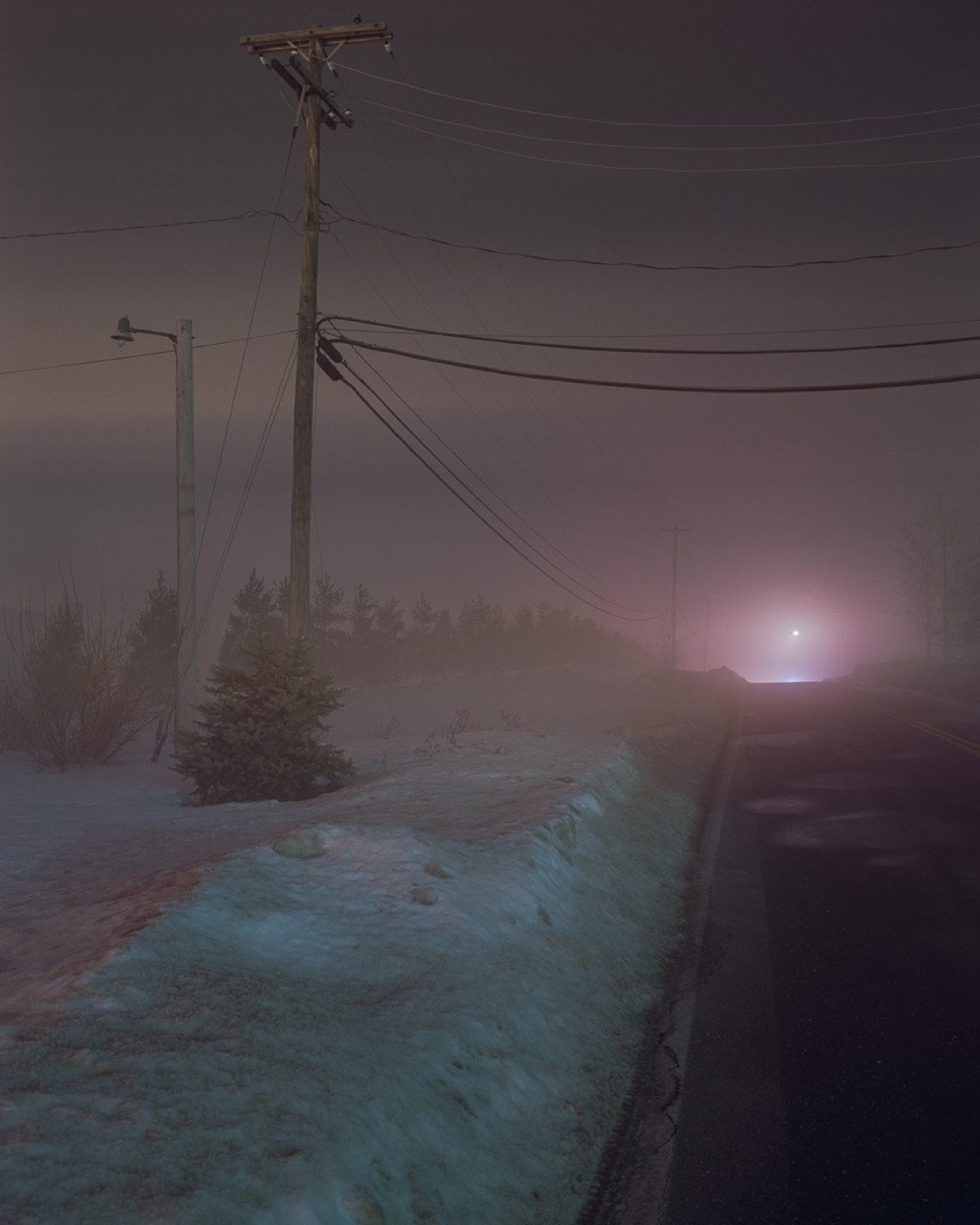 Todd Hido2424-a, 1999.A road runs down the right side of the frame, black and wet, its edge cut hard against a bank of dirty snow.
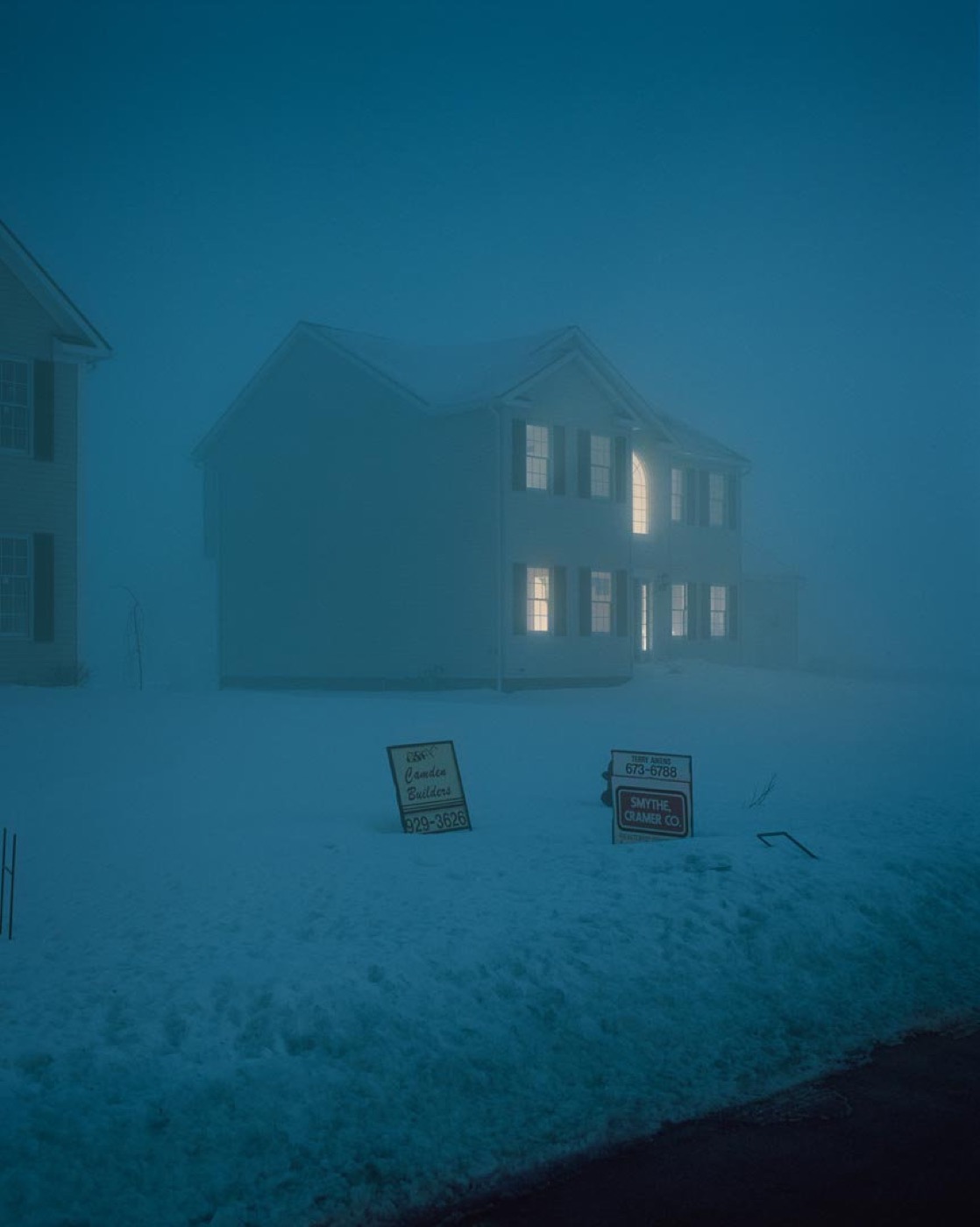 Todd Hido2424-b, 1999.Two real-estate signs stand in the snow, Camden Builders and Smythe, Cramer Co., each with its phone number, and they tell us what the lit windows would rather we forget: this house is for sale.
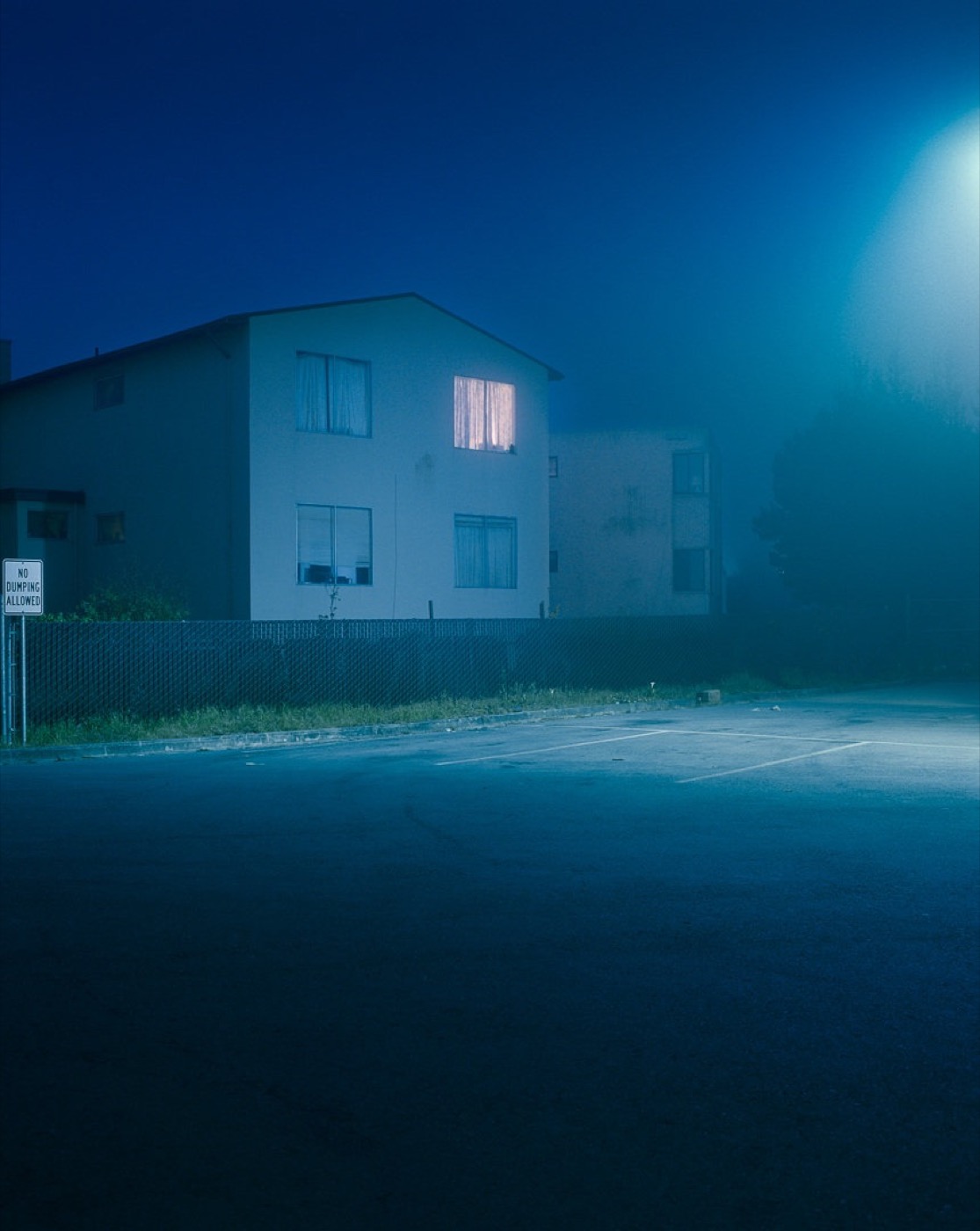 Todd Hido2522, 1999.A white apartment block sits behind a chainlink fence in heavy fog.
 Todd Hido2611-a, 2000.There's a One Way sign bolted to a post in the middle of this picture, pointing left, and the first thing I want to know is: one way to where?
 Todd Hido2621, 2000.A house photographed at dusk is always a house someone has just left, or is about to.
 Todd Hido2632, 2000.In the amber glow of a winter evening, Todd Hido captures the quiet poetry of suburban isolation in this haunting 2000 photograph.
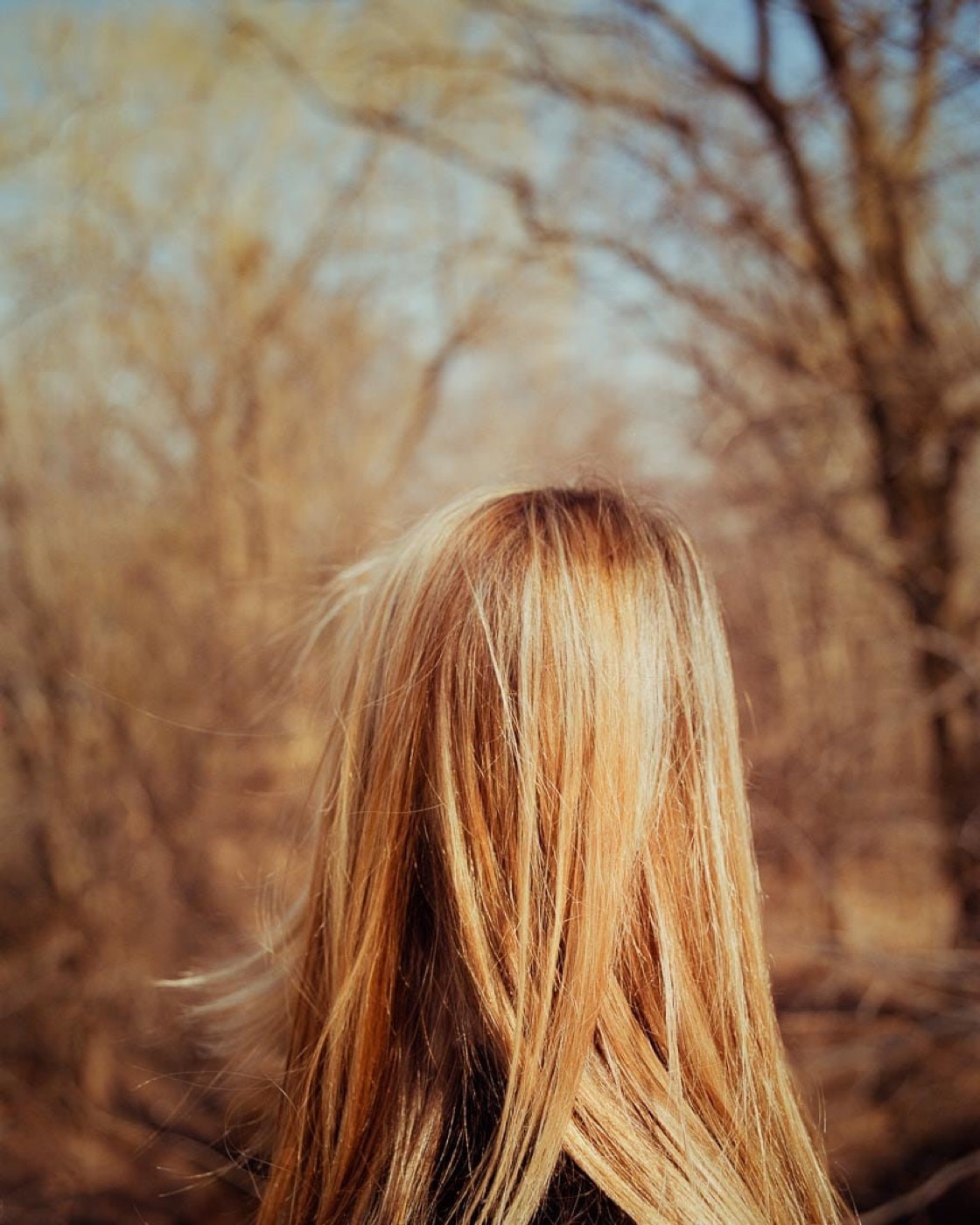 Todd Hido2653, 2000.A head, turned away, with no face to offer.
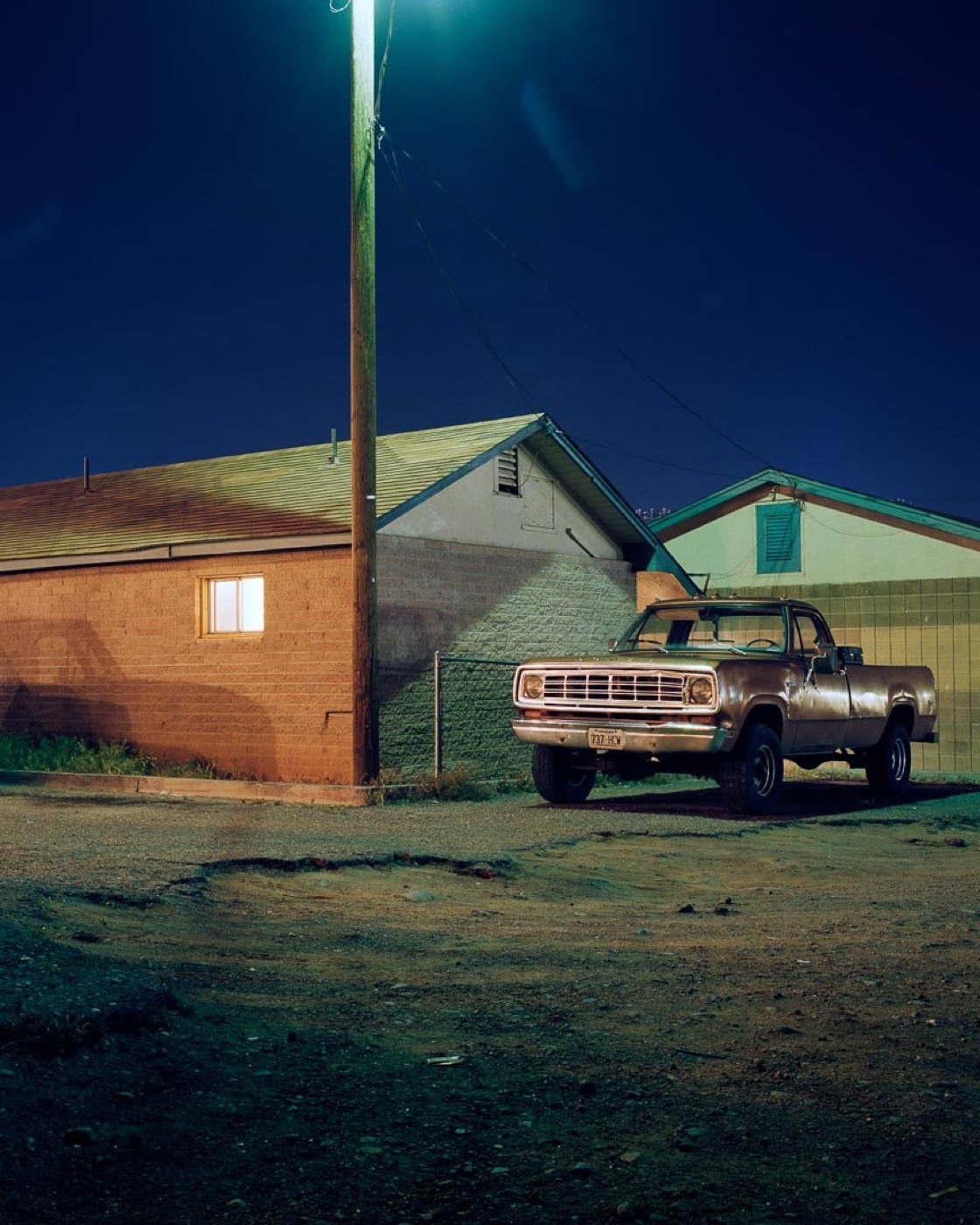 Todd Hido2676, 2000.The streetlight is doing all the work, buzzing away up on its pole, throwing down a hard cone of mercury-blue that the camera has simply stood under and accepted, the way you'd stand under it…
 Todd Hido2810, 2001.In the blue hush of dusk a small mobile home glows from within, its windows warm and gold against the cold dark, a single tall conifer rising behind it like a sentinel.
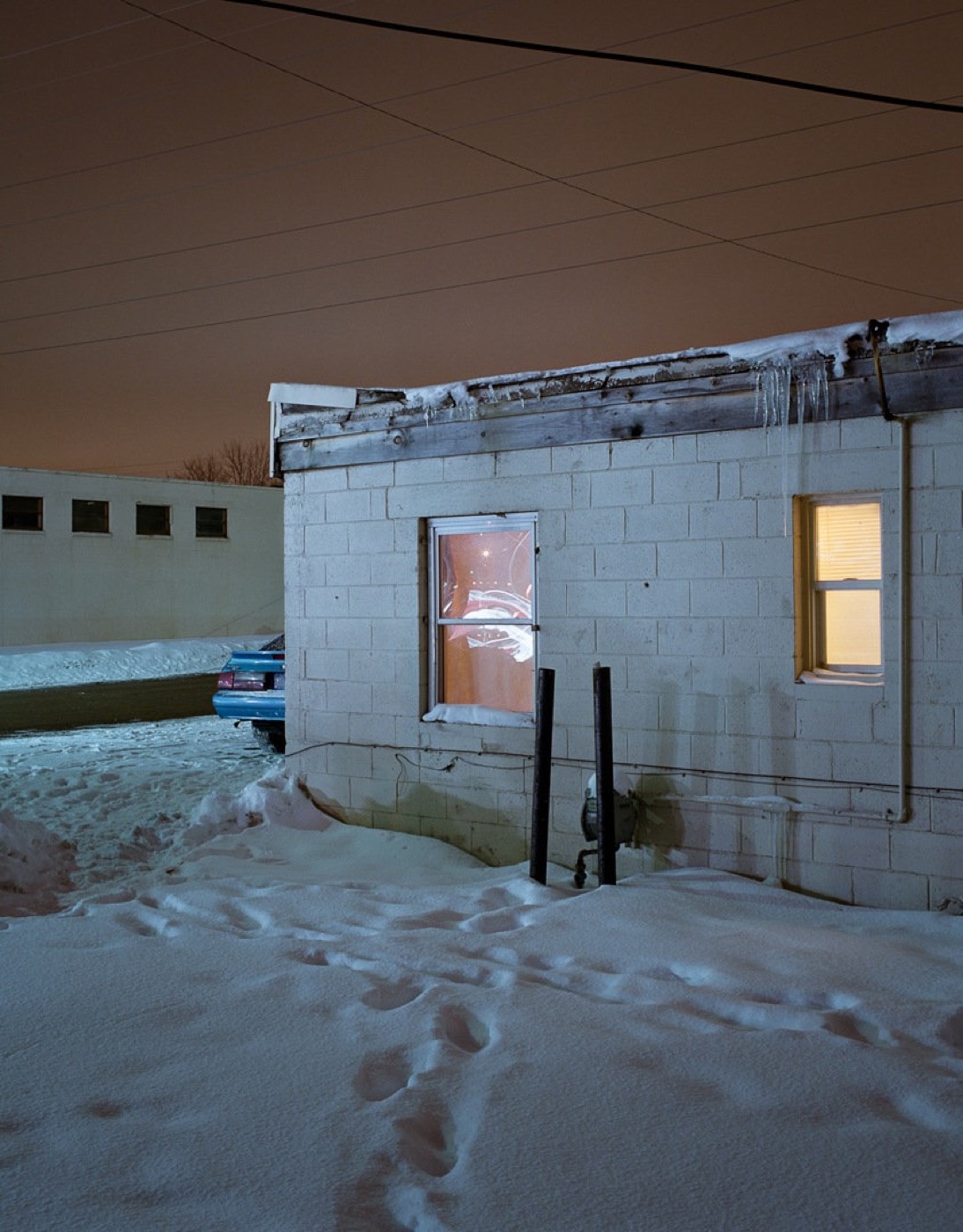 Todd Hido2844, 2001.Two windows, and a decision about how much we are permitted to know.
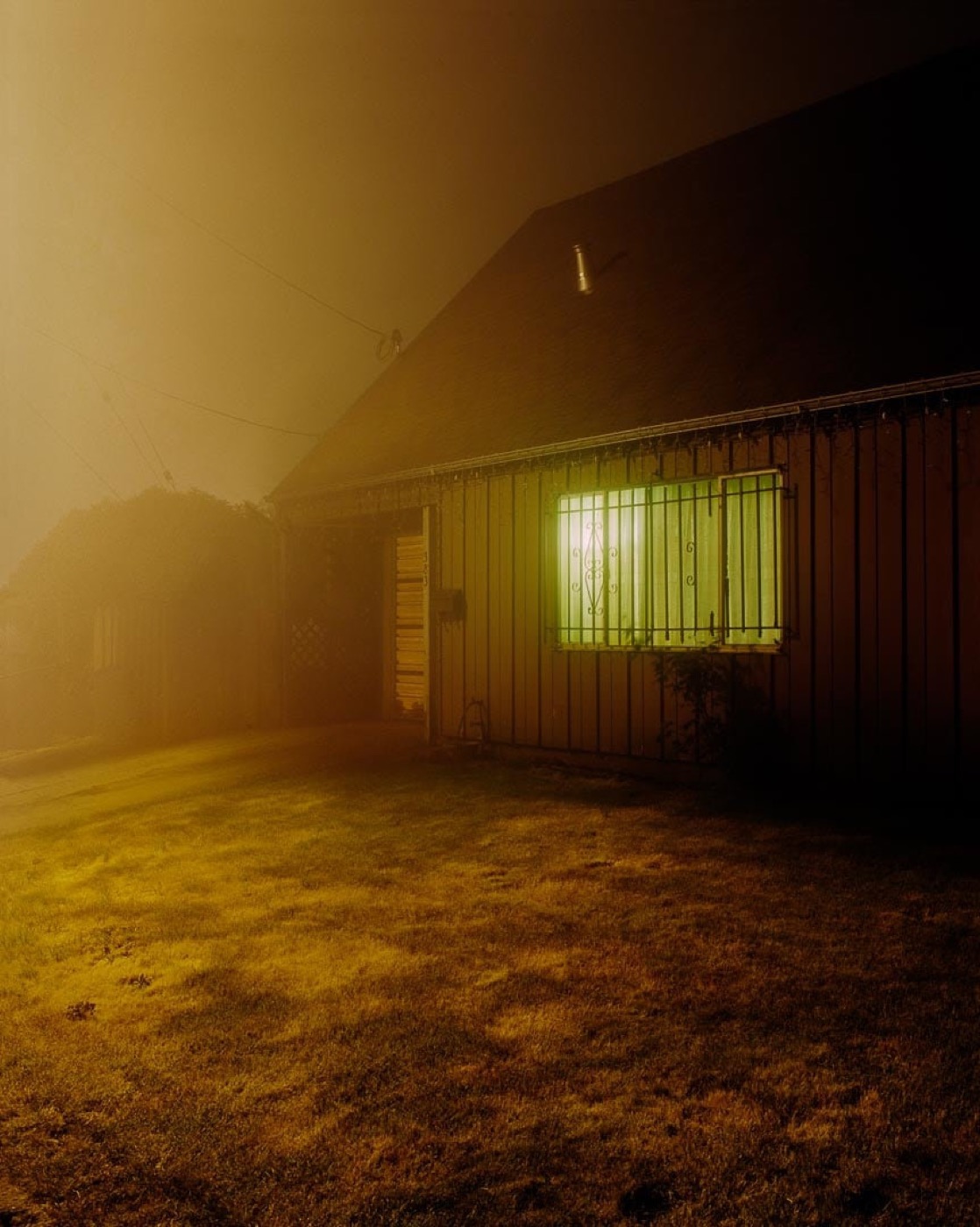 Todd Hido2904, 2001.Fog presses against a darkened house, and a single barred window burns an unearthly green, the only warmth in a drowned, sodium-stained night.
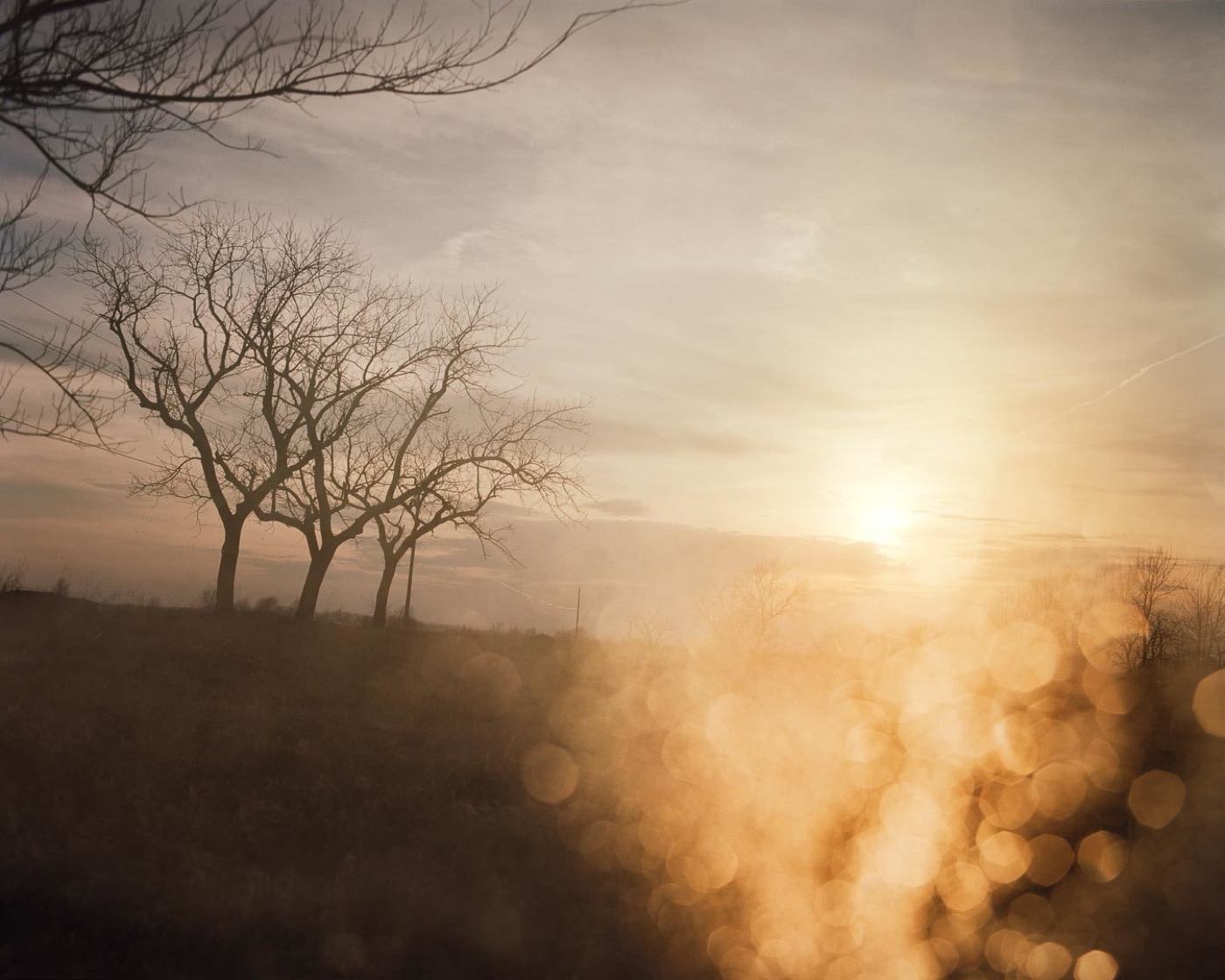 Todd Hido3114-b, 2002.What is in focus here? Not the sun, which has gone to a white blur; not the bare trees on the left ridge, which hold their edges only as silhouette; and certainly not the foreground, where the field…
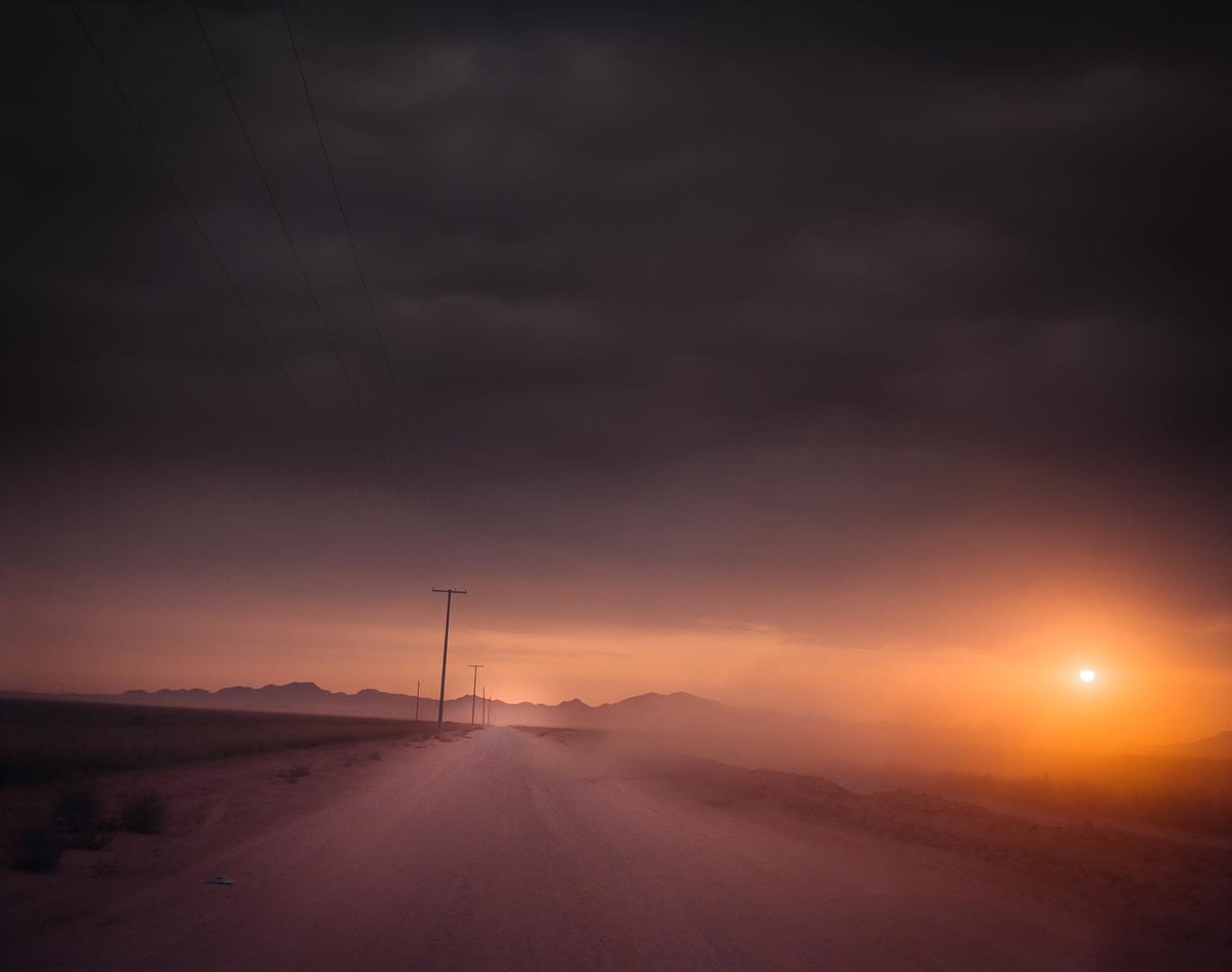 Todd Hido3333, 2004.There are two wires. That's the thing I keep coming back to.
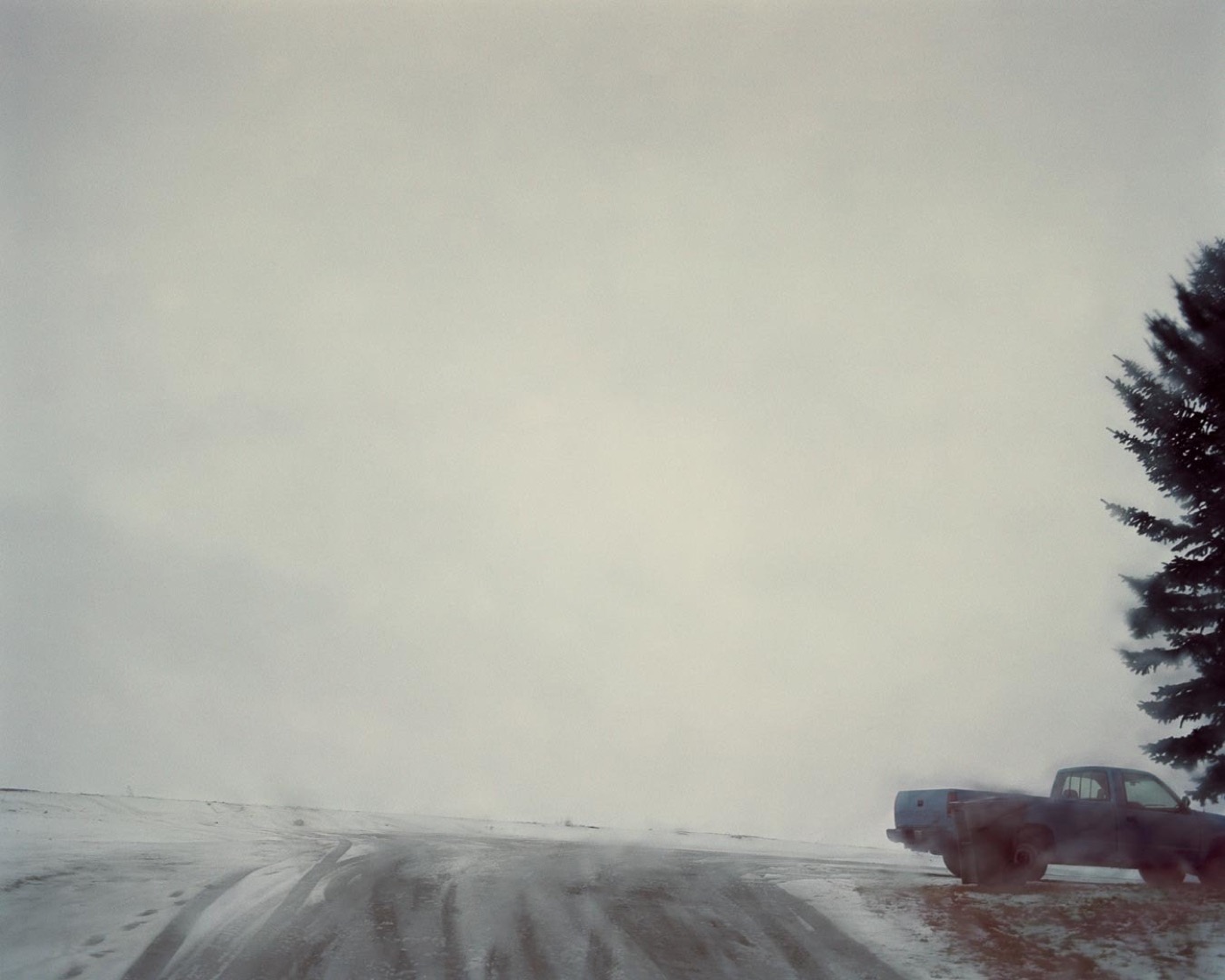 Todd Hido3515, 2005.By 2005 he had been driving these roads for years, going nowhere in particular, which is the only reliable way to find the kind of place you couldn't have looked for.
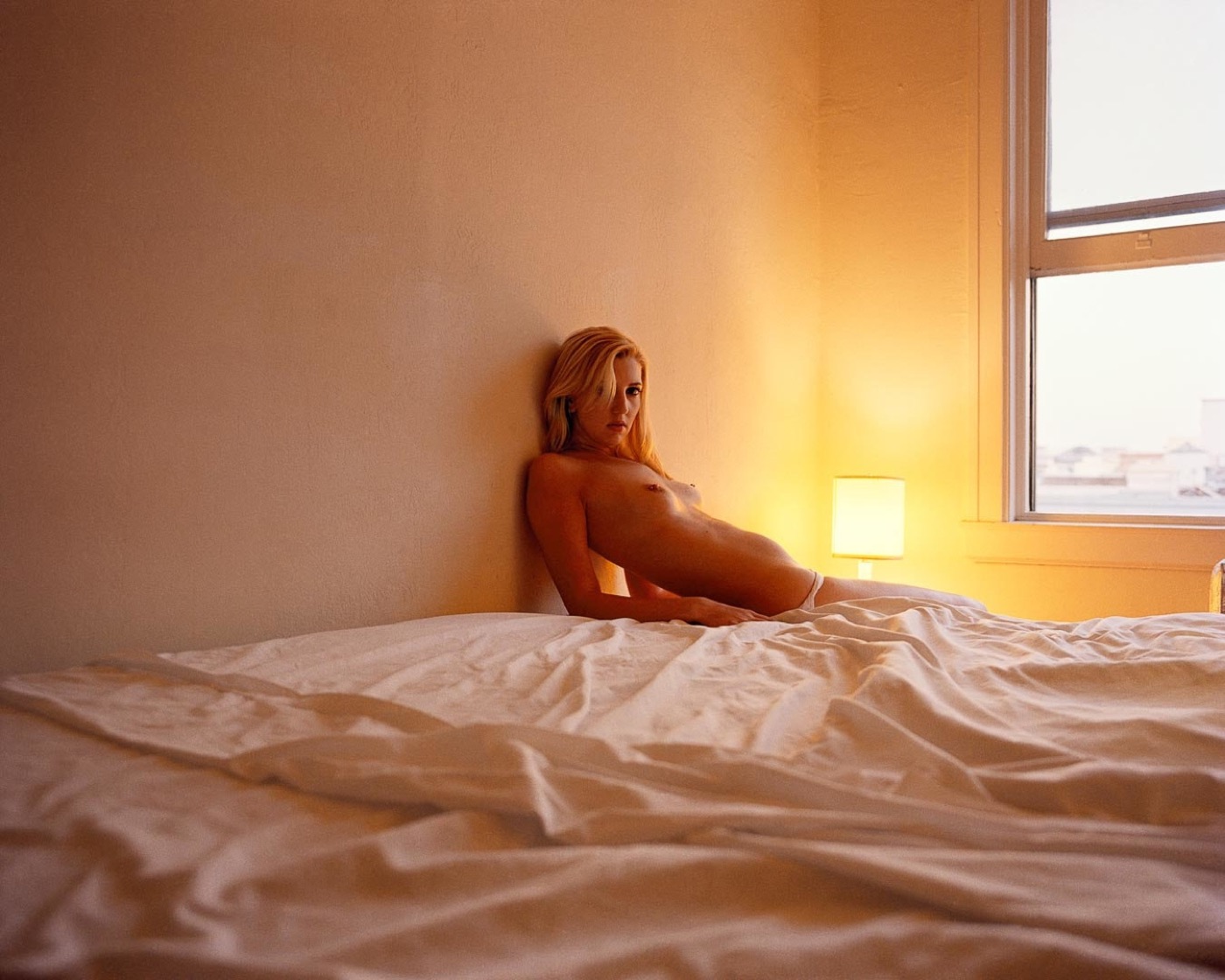 Todd Hido3680, 2005.Todd Hido came to the figure from the outside in.
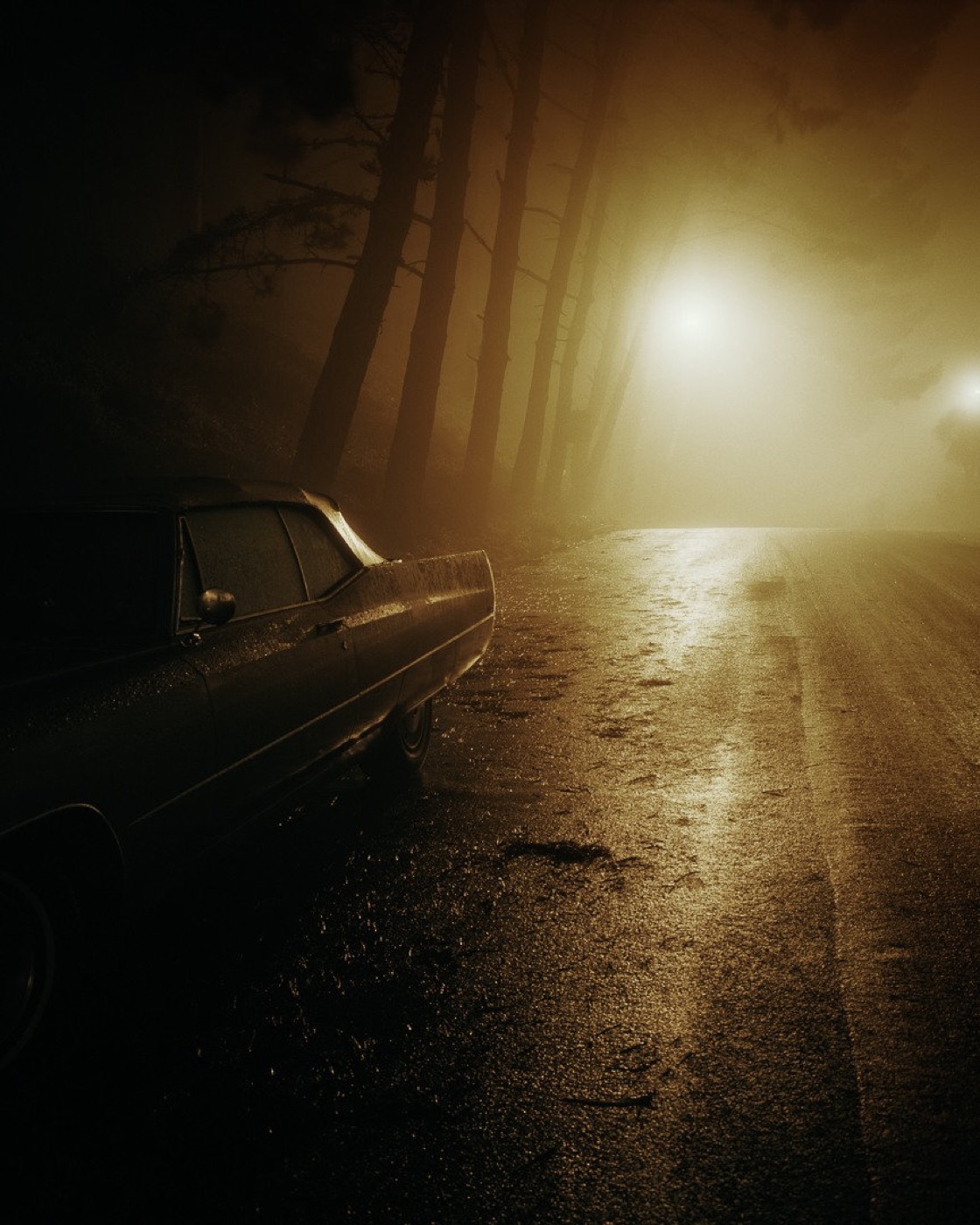 Todd Hido3737, 2005.A big American sedan is parked on the verge of a wet road at night, facing away, and the picture gives us its flank and rear quarter and nothing else.
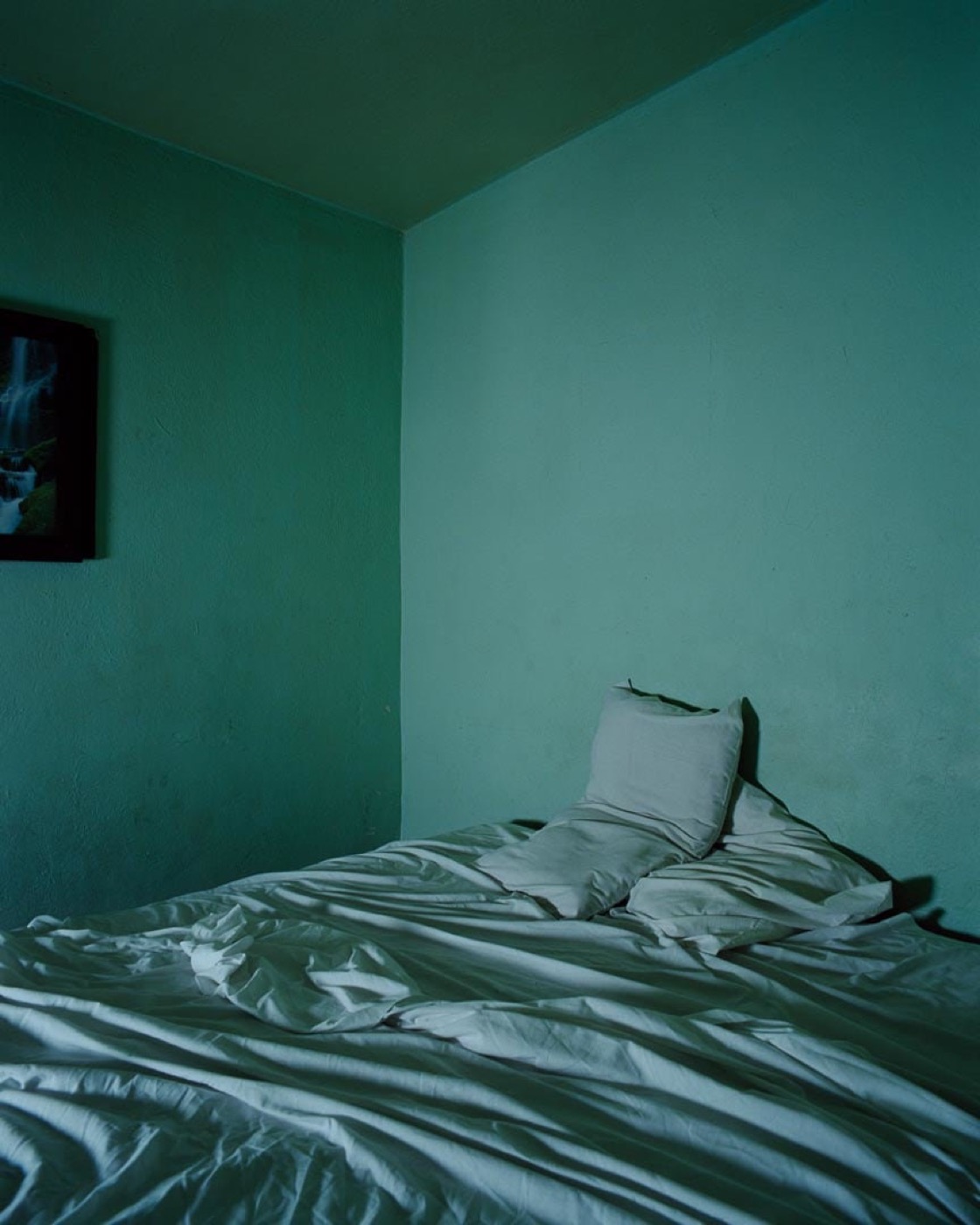 Todd Hido3878, 2005.An unmade bed is already a photograph: the impression of a body, fixed in cloth, developed by light.
 Todd Hido5115-12, 2006.A dirt lot behind an apartment building, deep in the night.
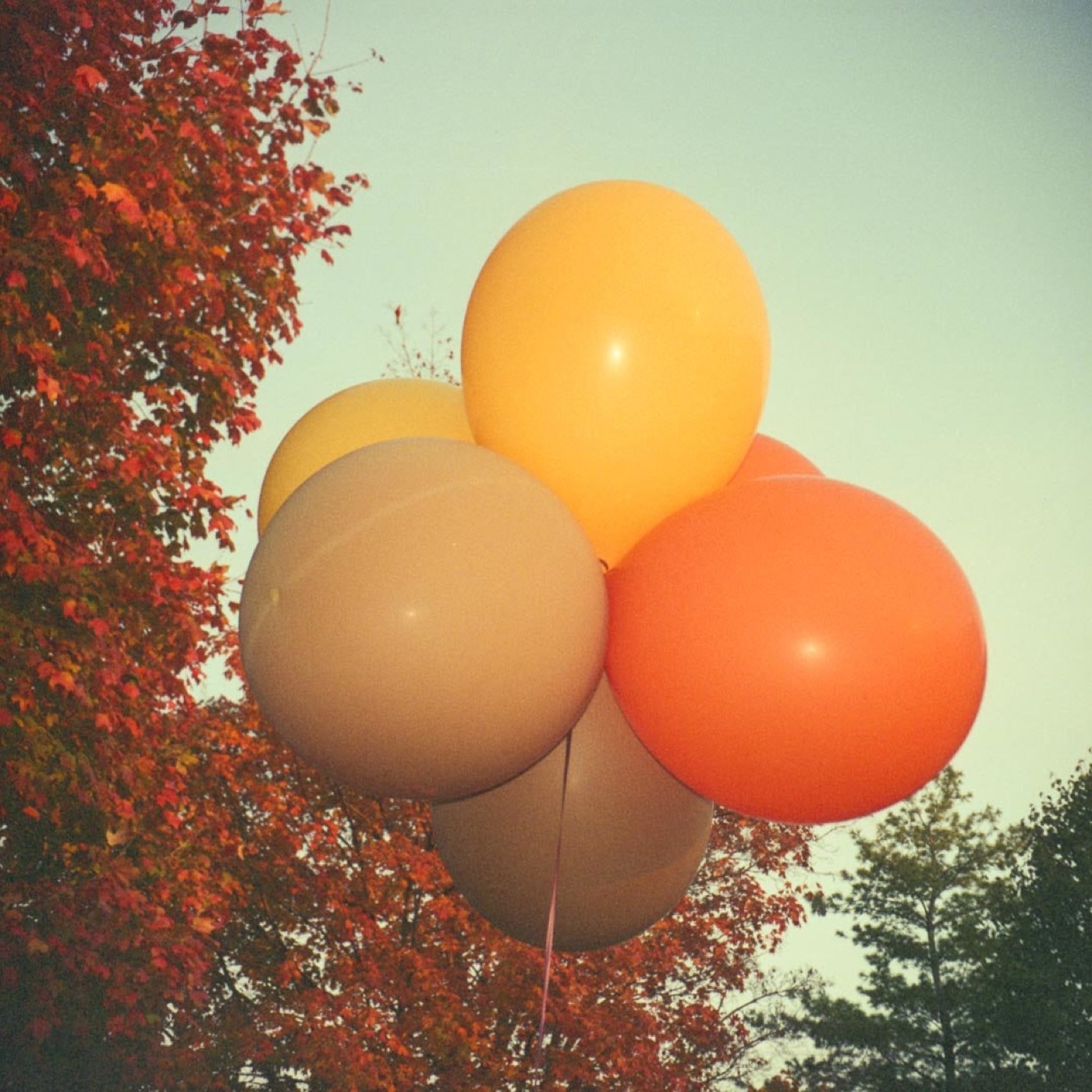 Todd Hido7210-a, 2008.Six balloons, tied together and floating up into a pale green sky.
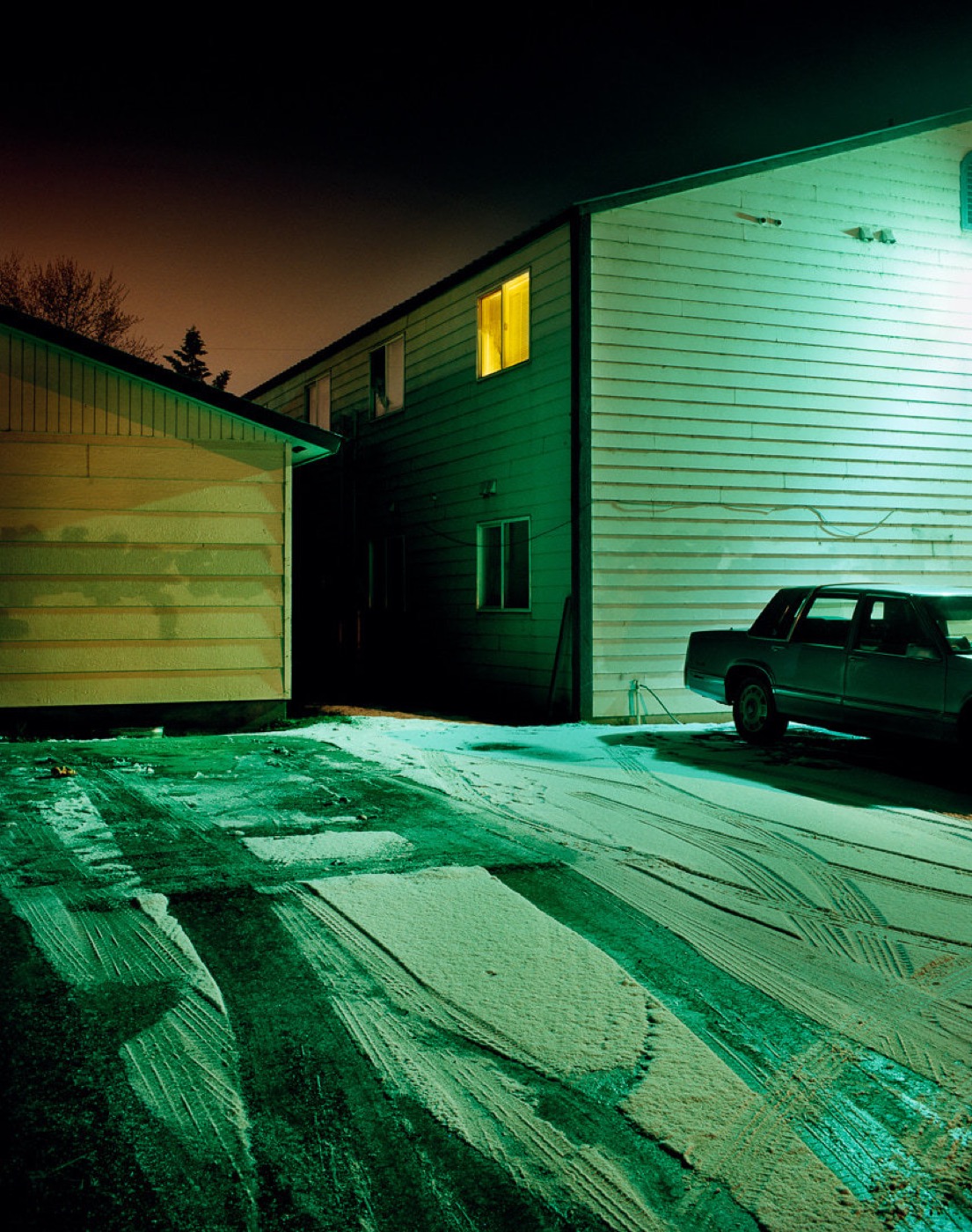 Todd Hido7373, 2008.A single yellow window burns in the side of a clapboard house, the only warm light in a world gone green.
 Todd Hido7851, 2008.A single-storey house at night with its garage door shut.
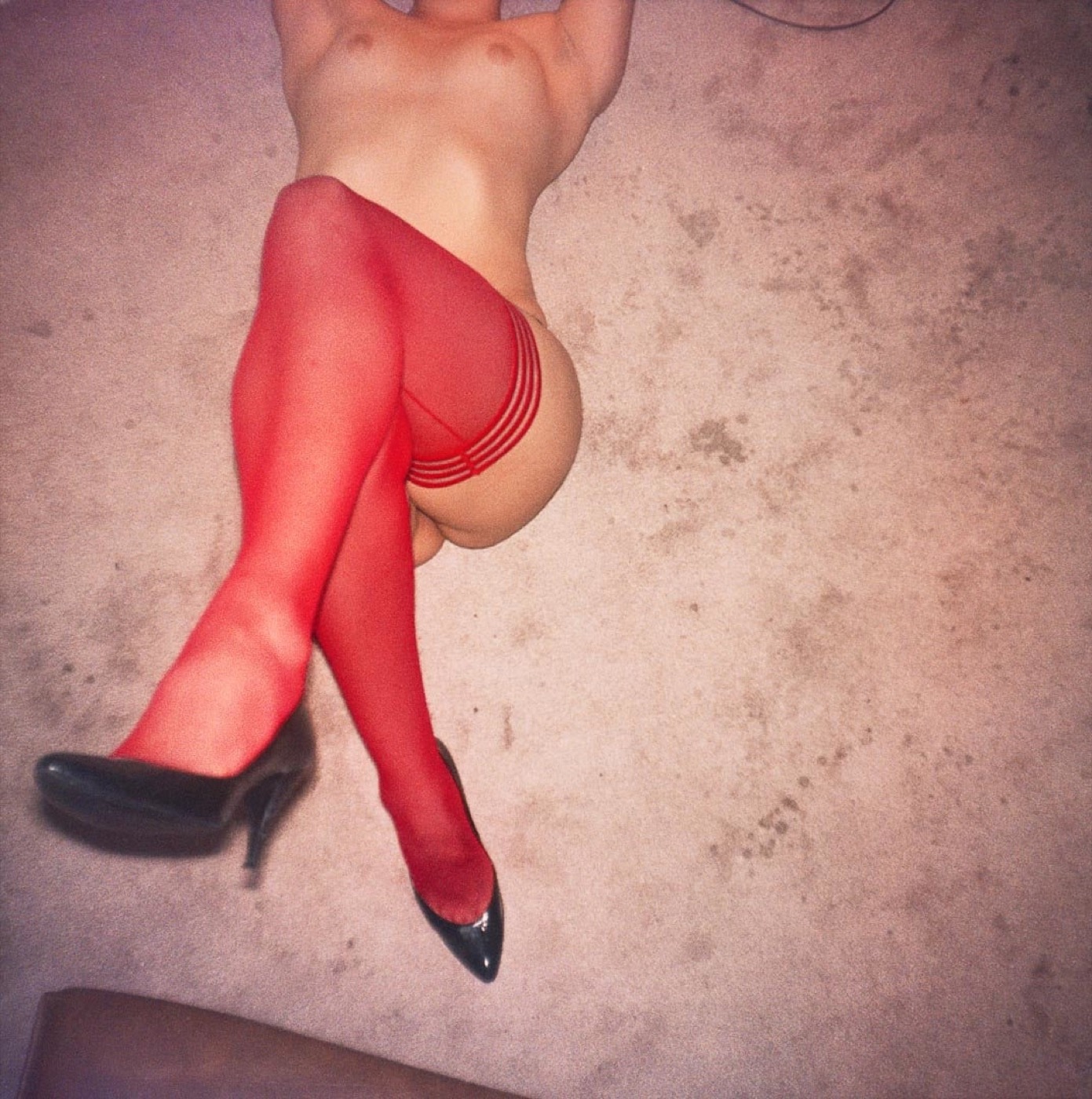 Todd Hido7987-a, 2008.What kind of document does a number make?
 Todd Hido8747-8, 2009.The picture's spine is a curve of road, in at the lower left, a swing to the right, and gone.
 Todd Hido9243, 2010.A beige telephone lies on the carpet near the baseboard, its cord trailing off toward a door left dark, and it is the only thing in the room that was ever meant to connect this space to anywhere else.
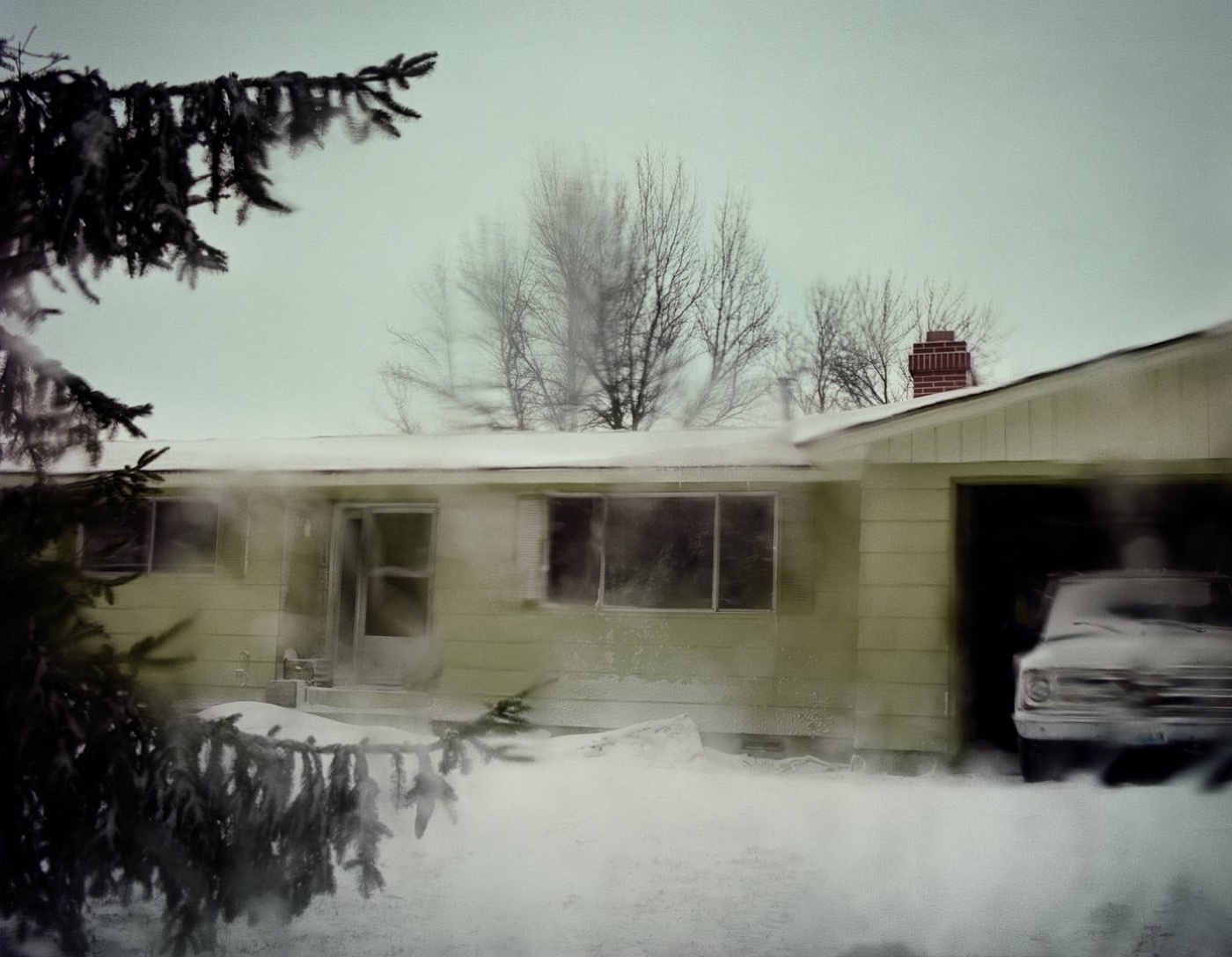 Todd Hido10096, 2011.The one warm thing in the picture is the brick chimney, red as a healed wound above a roofline buried in snow.
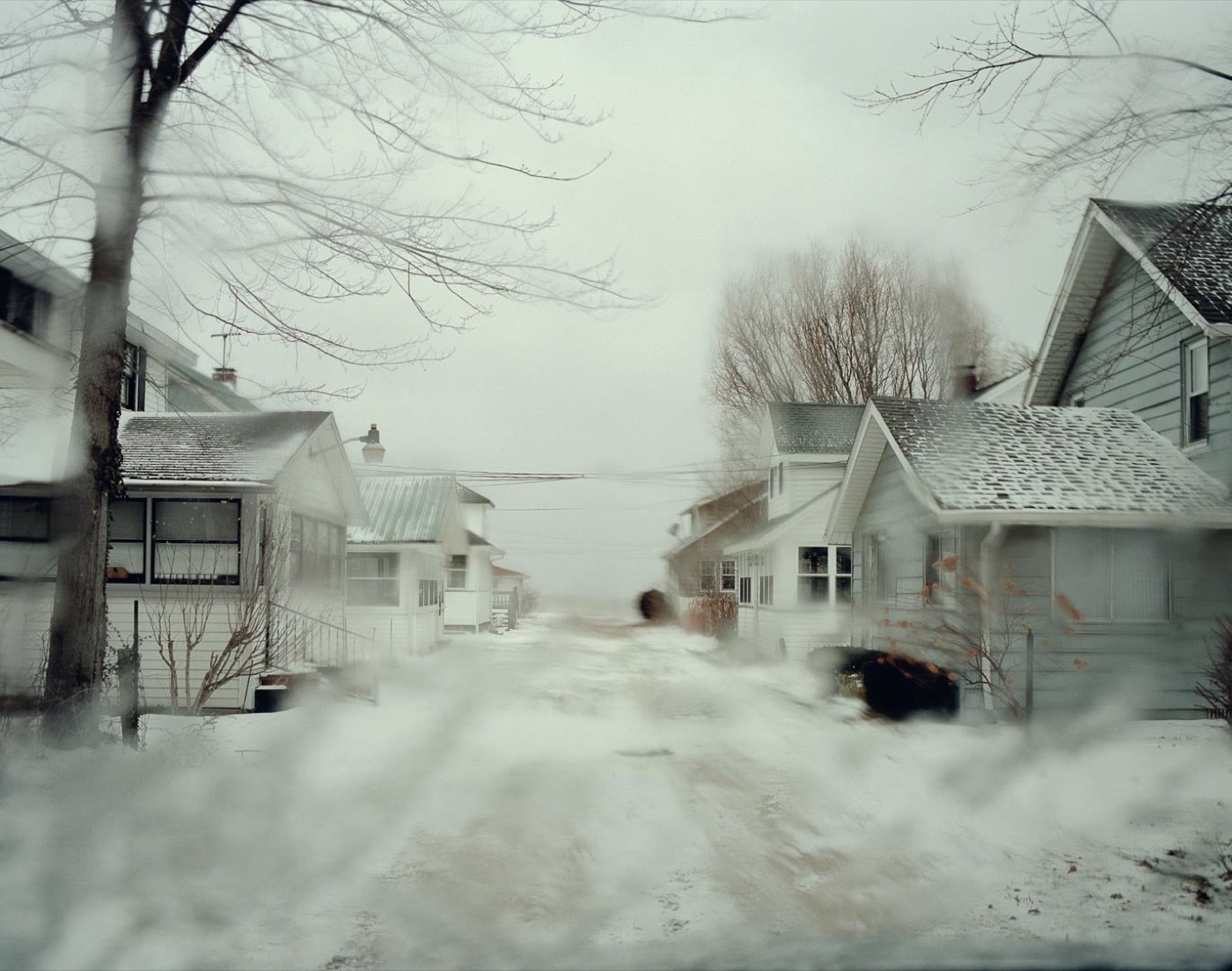 Todd Hido10106, 2011.A narrow street of clapboard houses under snow, photographed through a windscreen that has not been cleared.
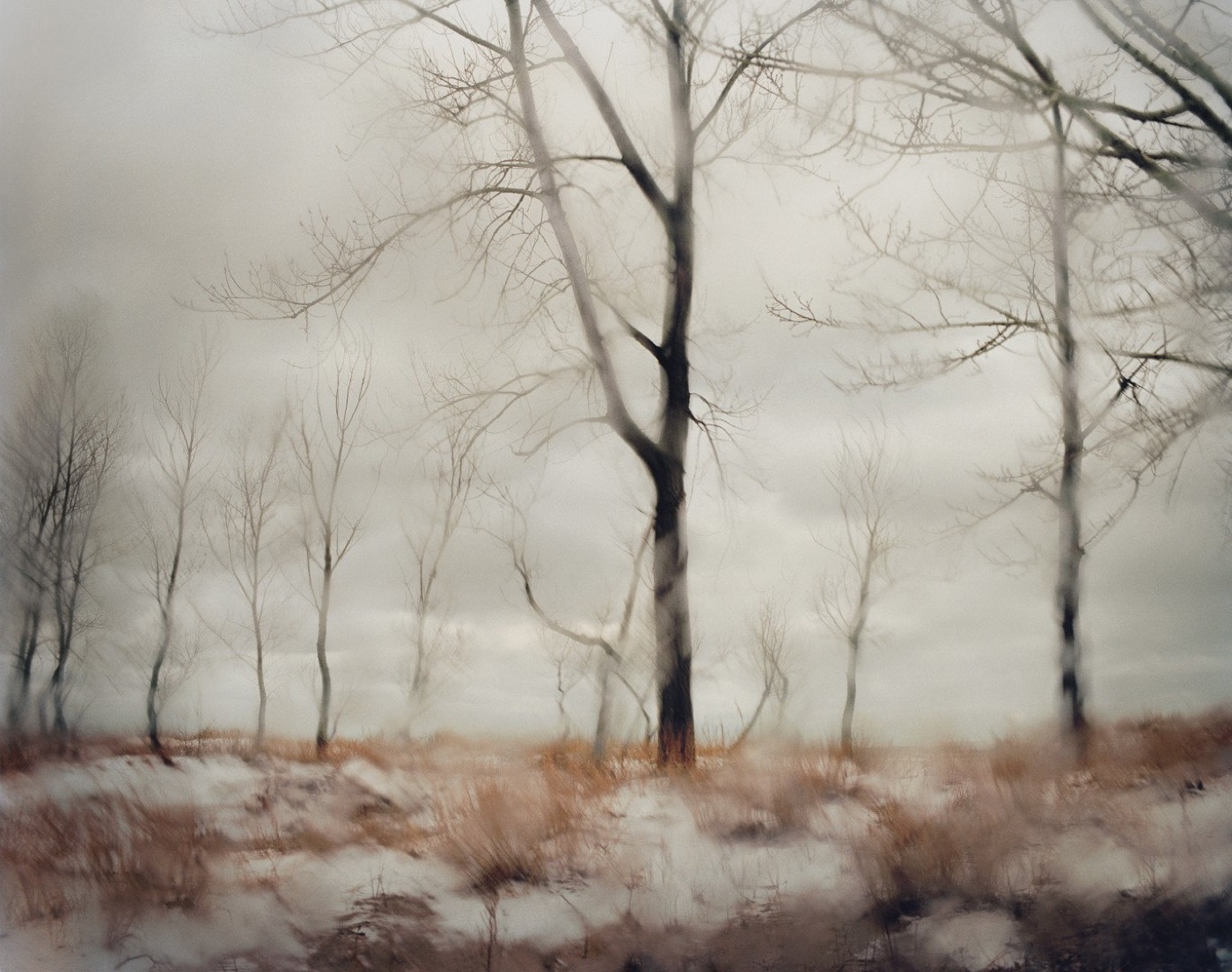 Todd Hido10132, 2011.In this ethereal 2011 photograph from Excerpts from Silver Meadows, Todd Hido abandons his signature suburban architecture for pure landscape meditation.
 Todd Hido10473-b, 2011.Around the middle of the last century, every family album held a picture like this one: a young woman in her good coat, posed before a tree, transfigured by a flash that loved her unevenly.
 Todd Hido10488-a, 2011.She's driven those patent heels so far into the white carpet that the toes have nowhere left to go, and they point inward, slightly pigeon-toed, the way a kid stands when asked a question they'd…
 Todd Hido10707-7, 2011.Todd Hido’s photograph offers a moment of charged stillness, poised between intimacy and distance.
 Todd Hido10715-7, 2011.The camera is directly above her, looking straight down, and that single decision governs everything else.
 Todd Hido10733-43, 2011.Where does a photographer have to stand to make a face tilt up like this?
 Todd Hido11250-09, 2014.What this photograph withholds is the reverse angle: whatever she was facing, sea or sun or director, before she turned.
 Todd Hido11506-3940, 2014.A woman stands with her back to us in a red dress, and the red is the only thing here that has been given any light.
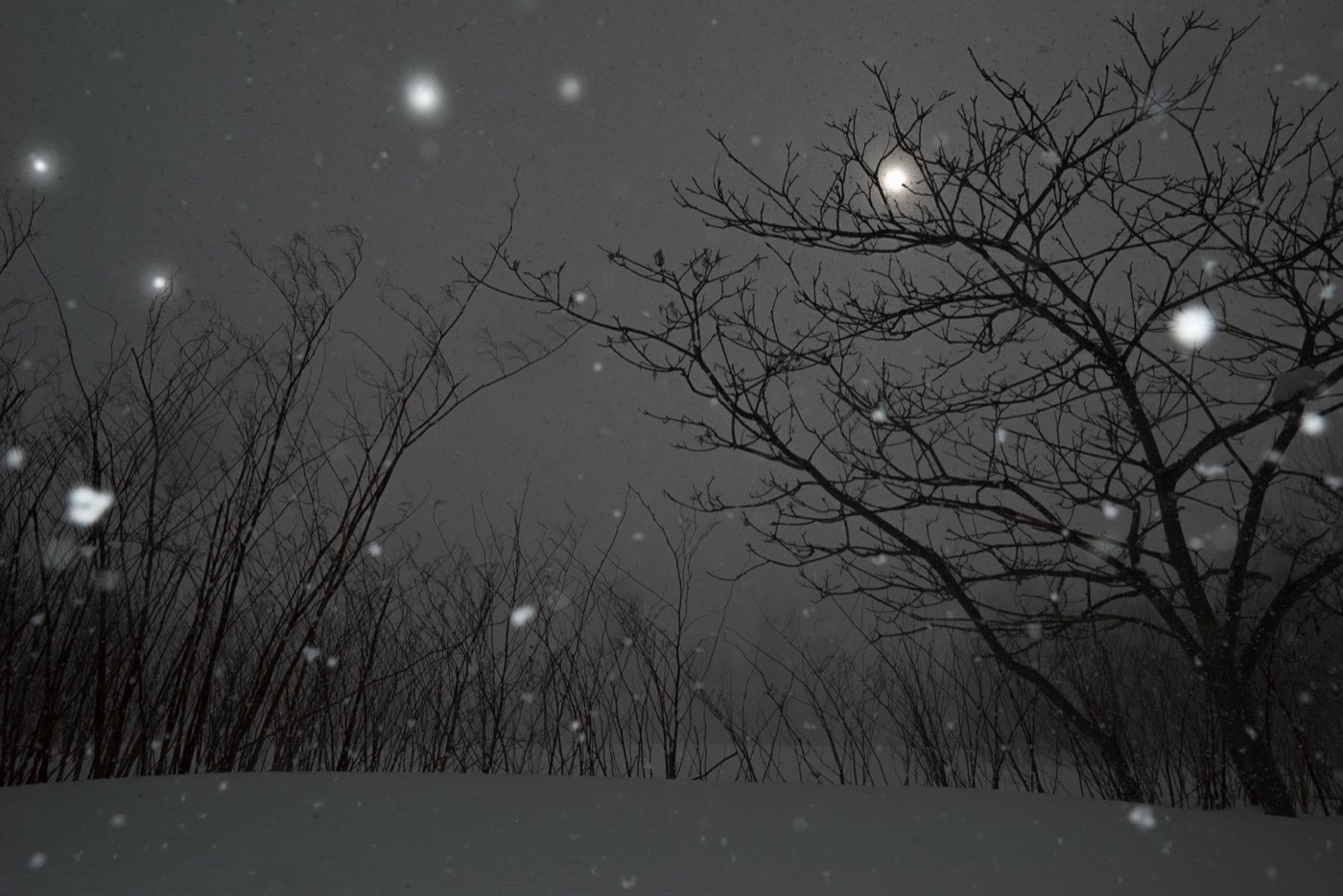 Todd Hido11682-5547, 2016.Night, snow falling, bare trees. A large tree fills the right of the frame with its branches spread against a grey sky; thin saplings and scrub run along the left.
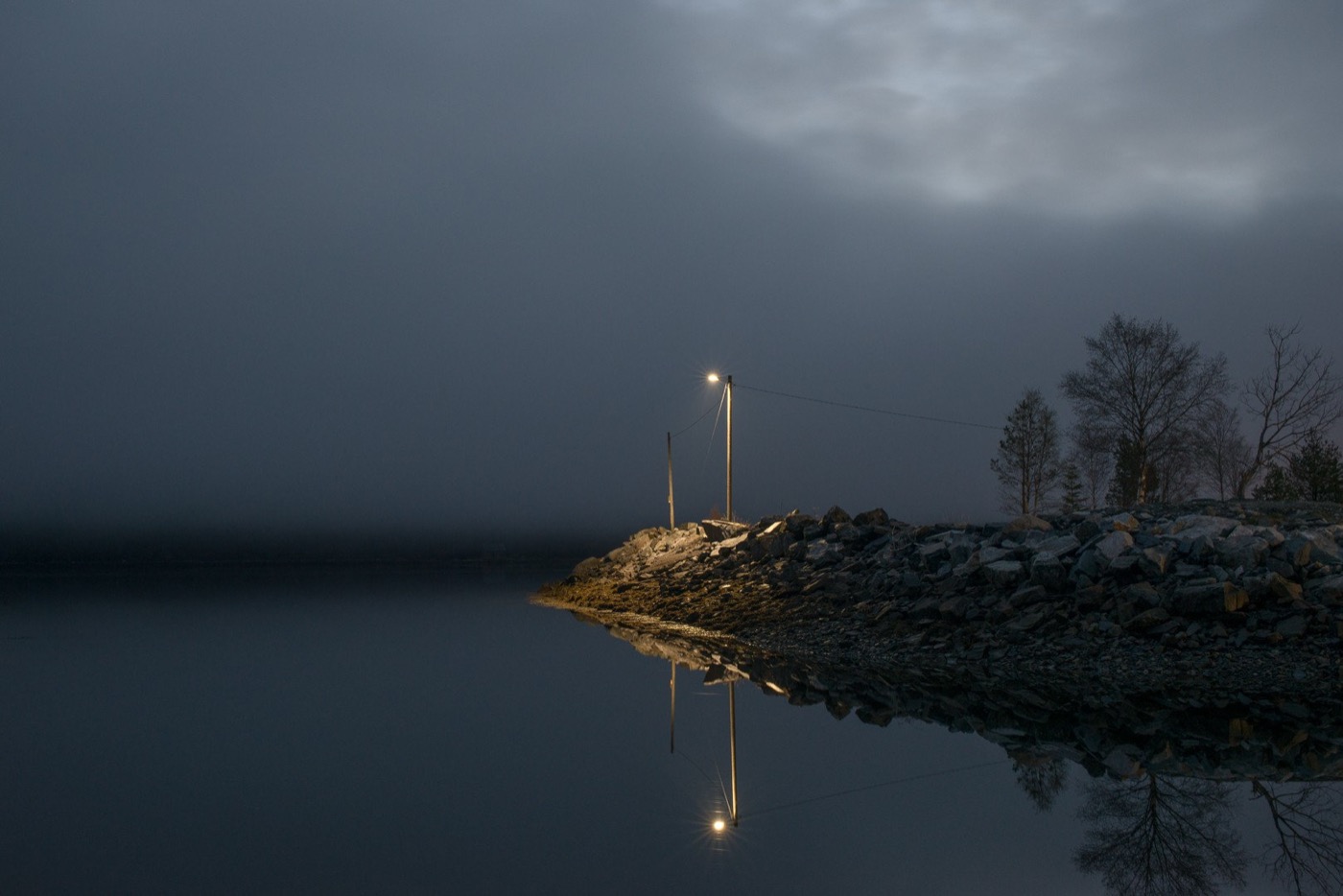 Todd Hido11797-3252, 2017.What is a streetlamp doing out here, at the tip of a spit of broken rock, lighting nothing but stones and still water?
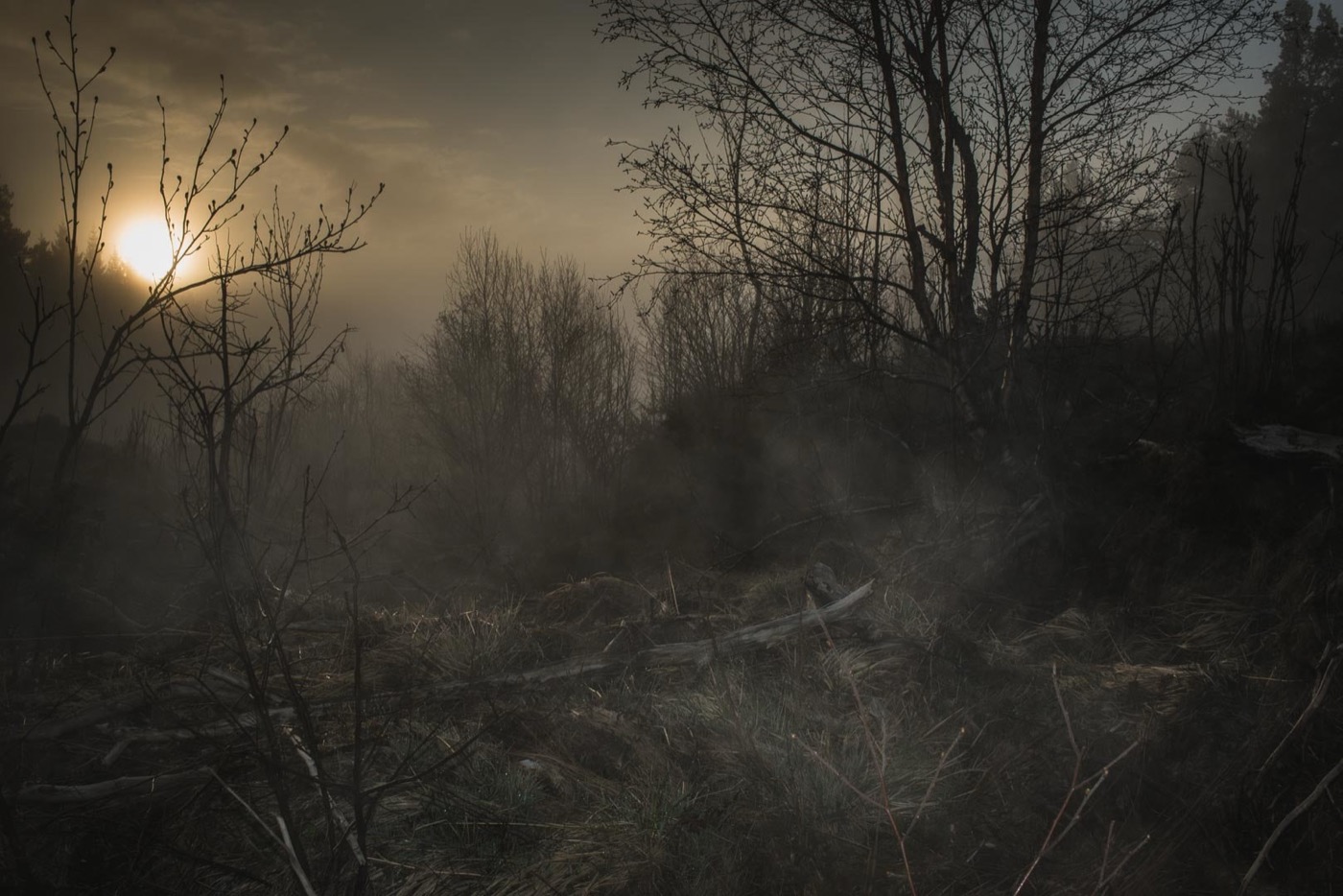 Todd Hido11798-4172, 2017.A low sun burns through fog at the upper left, a dull gold disc with no heat in it.
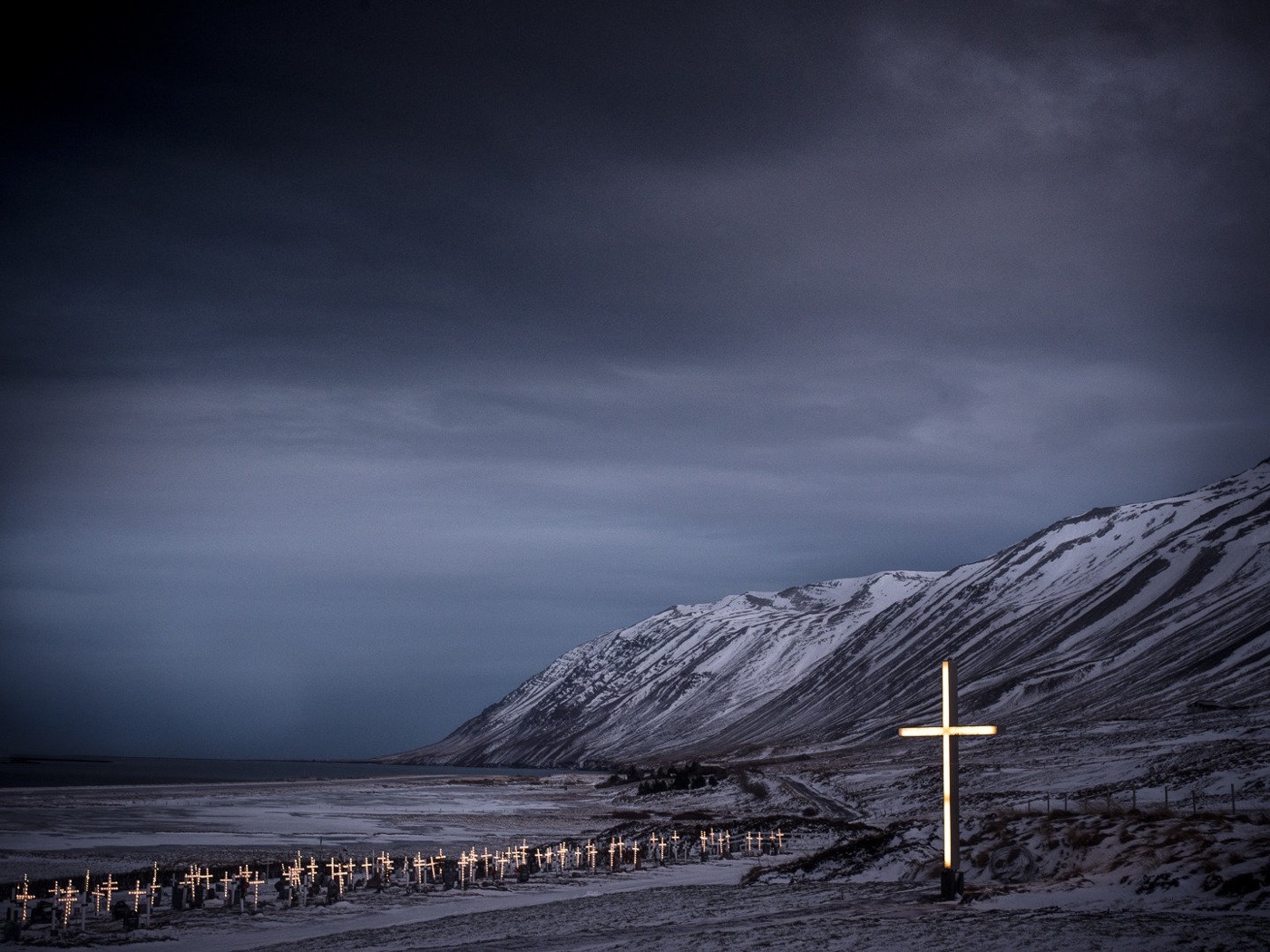 Todd Hido11799-3893, 2017.Someone, at some point, decided the dead in this fjord should be lit.
 Todd Hido11805-5737, 2017.Todd Hido's photograph captures a hauntingly atmospheric landscape, emblematic of his signature style.
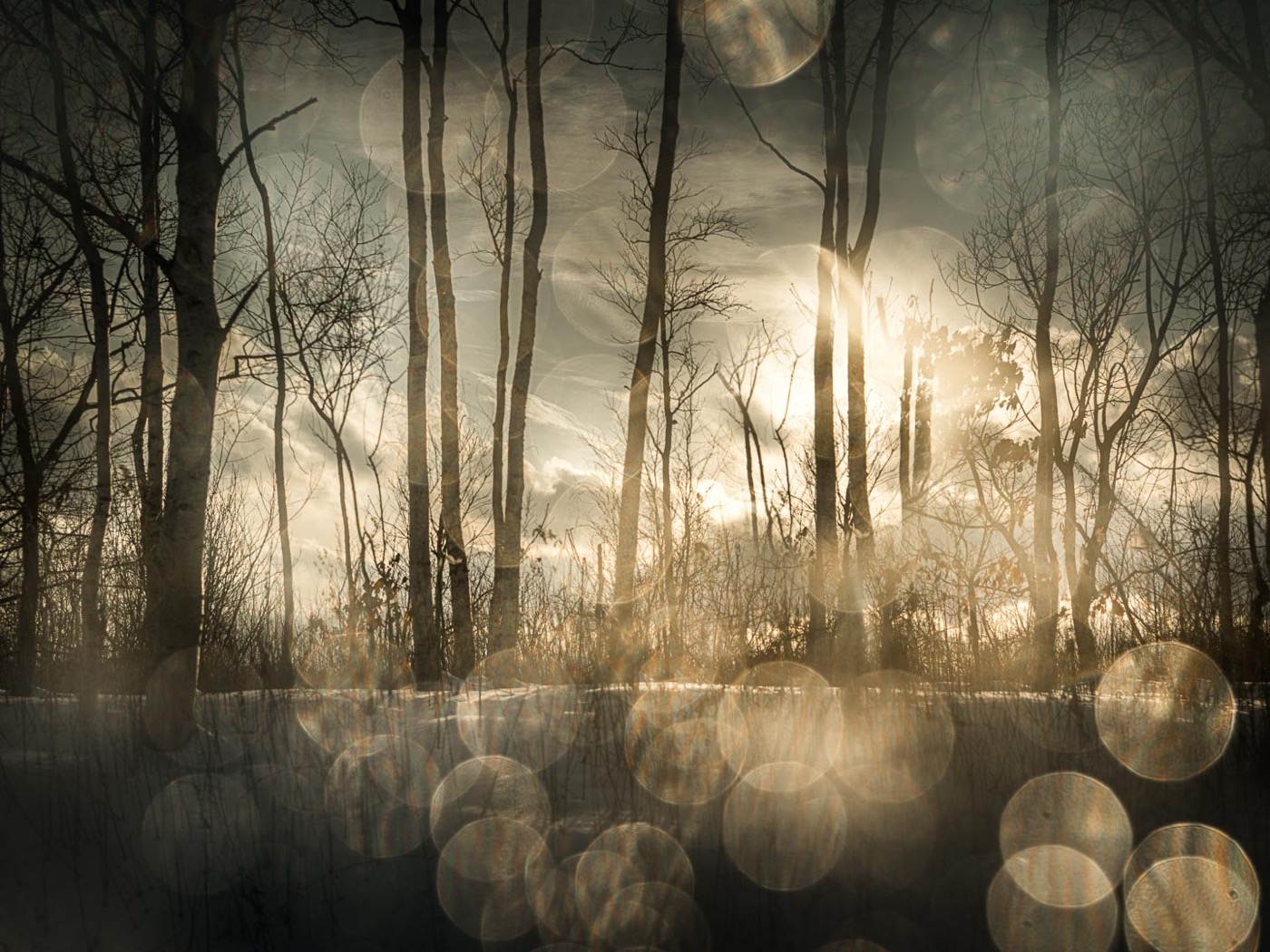 Todd Hido11685-2448, 2018.Ours is the era of the advance warning, and this winter wood belongs to it: bare trees over snow, a low gold sun straining through the trunks, and pale circles of flare drifting across everything…
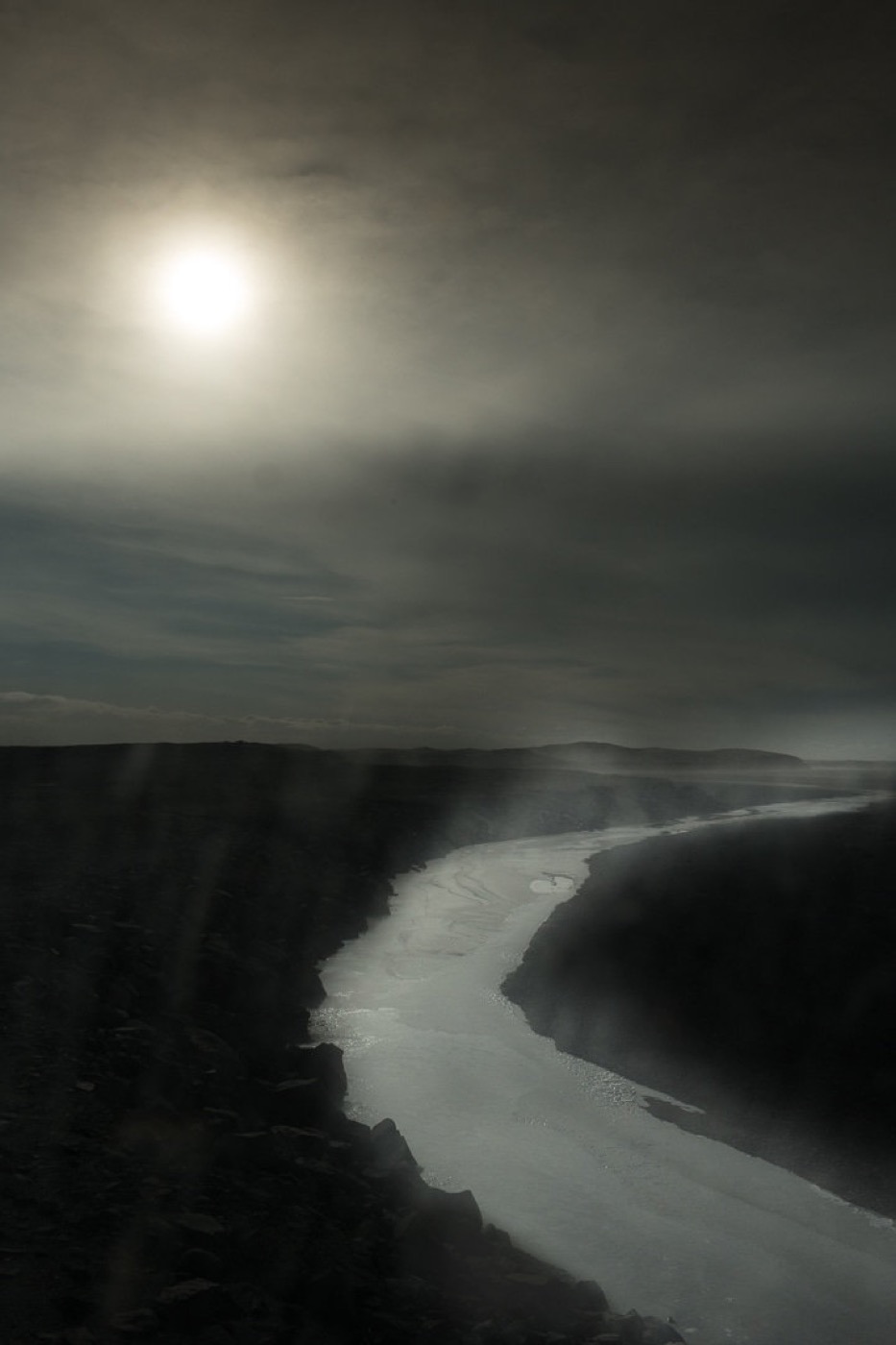 Todd Hido11857-5754, 2018.A river of pale light carves an S through black ground, and the eye follows it the way it would follow a tracking shot — drawn upstream toward the smeared sun that hangs, veiled, in the upper left.
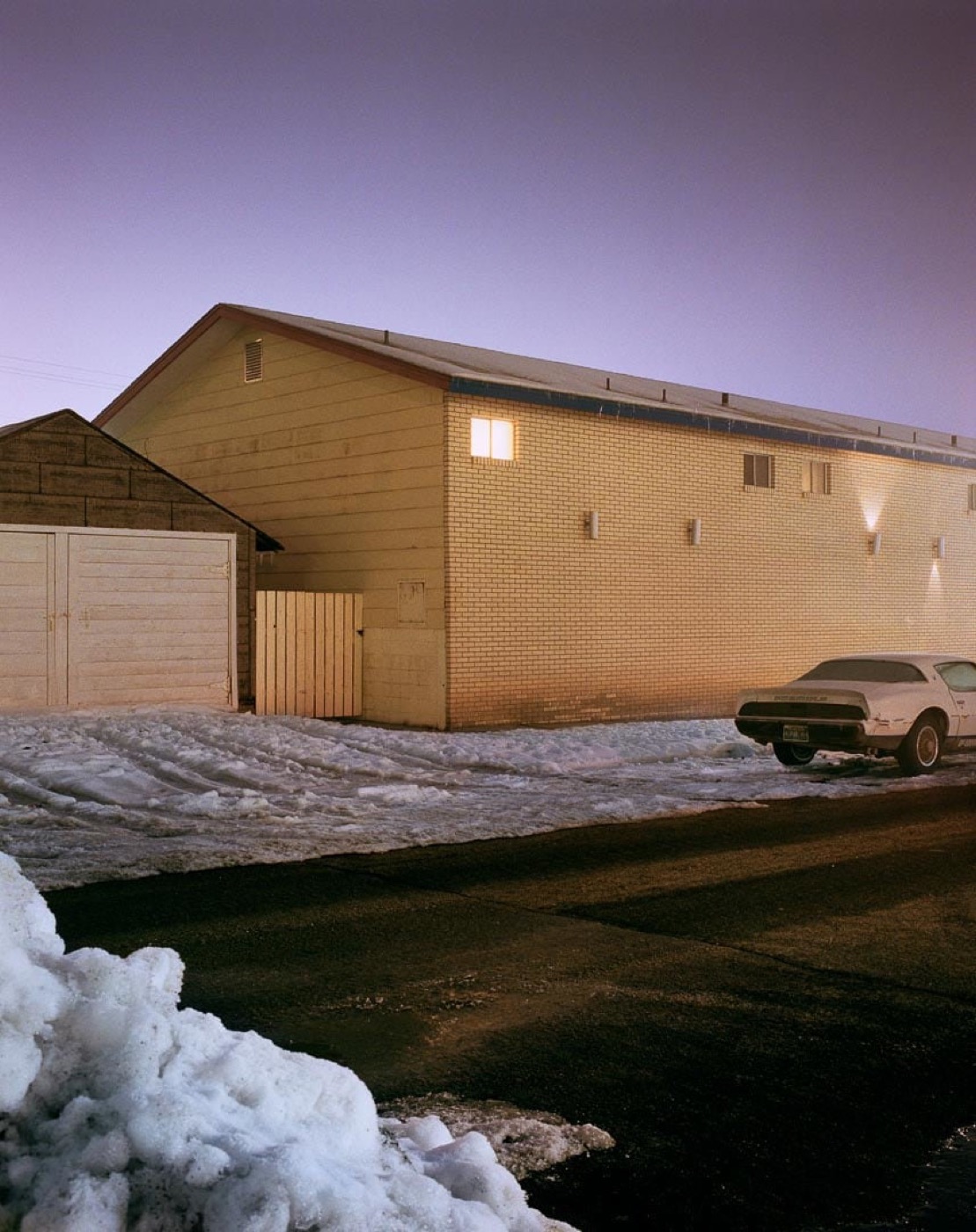 Todd Hido4124-c, 2018.One window is lit, and it is the wrong window.
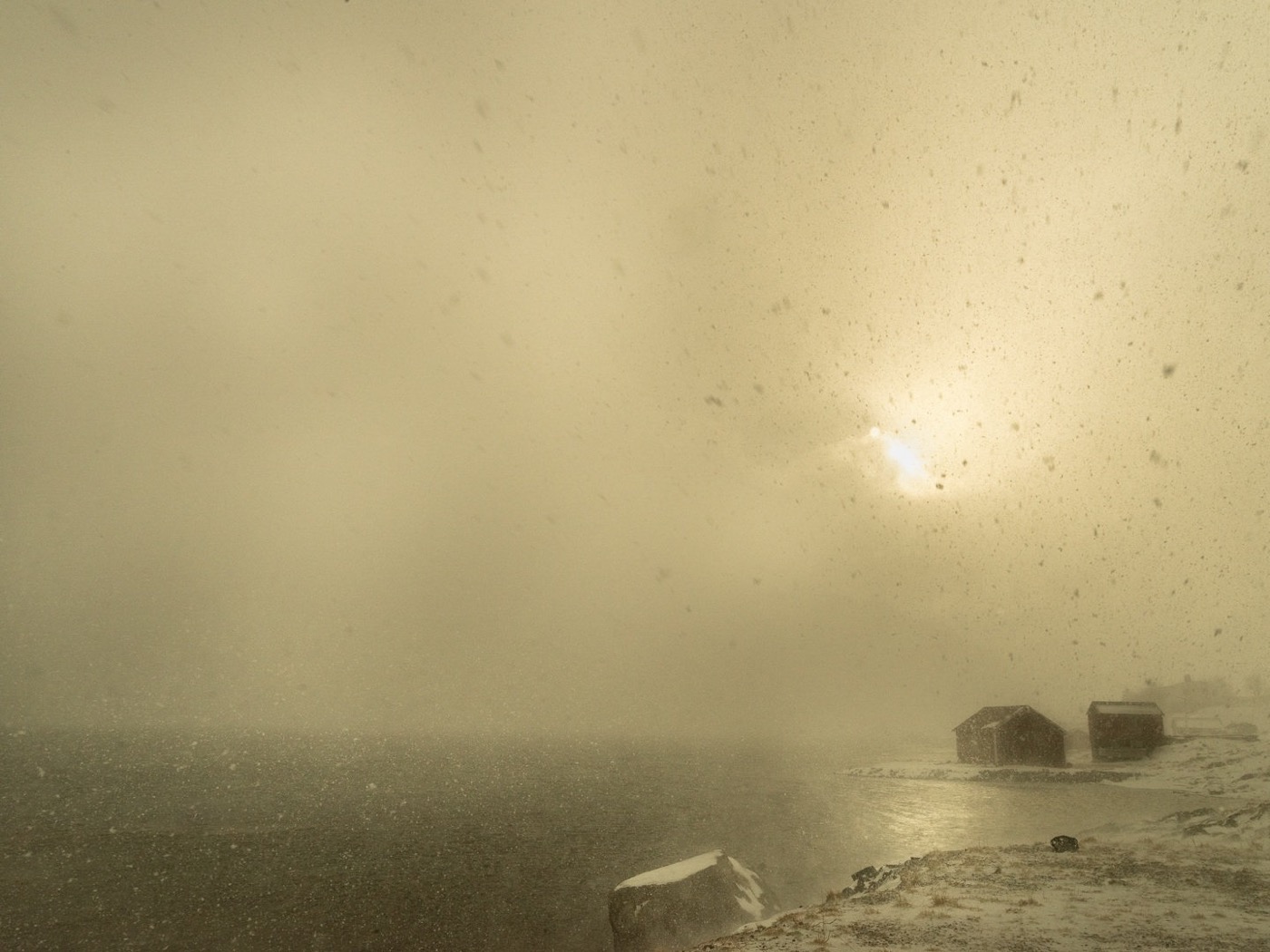 Todd Hido11940-3031, 2019.You can't actually see the snow falling, not as snow, but you can see what it does to the light, which comes to the same thing.
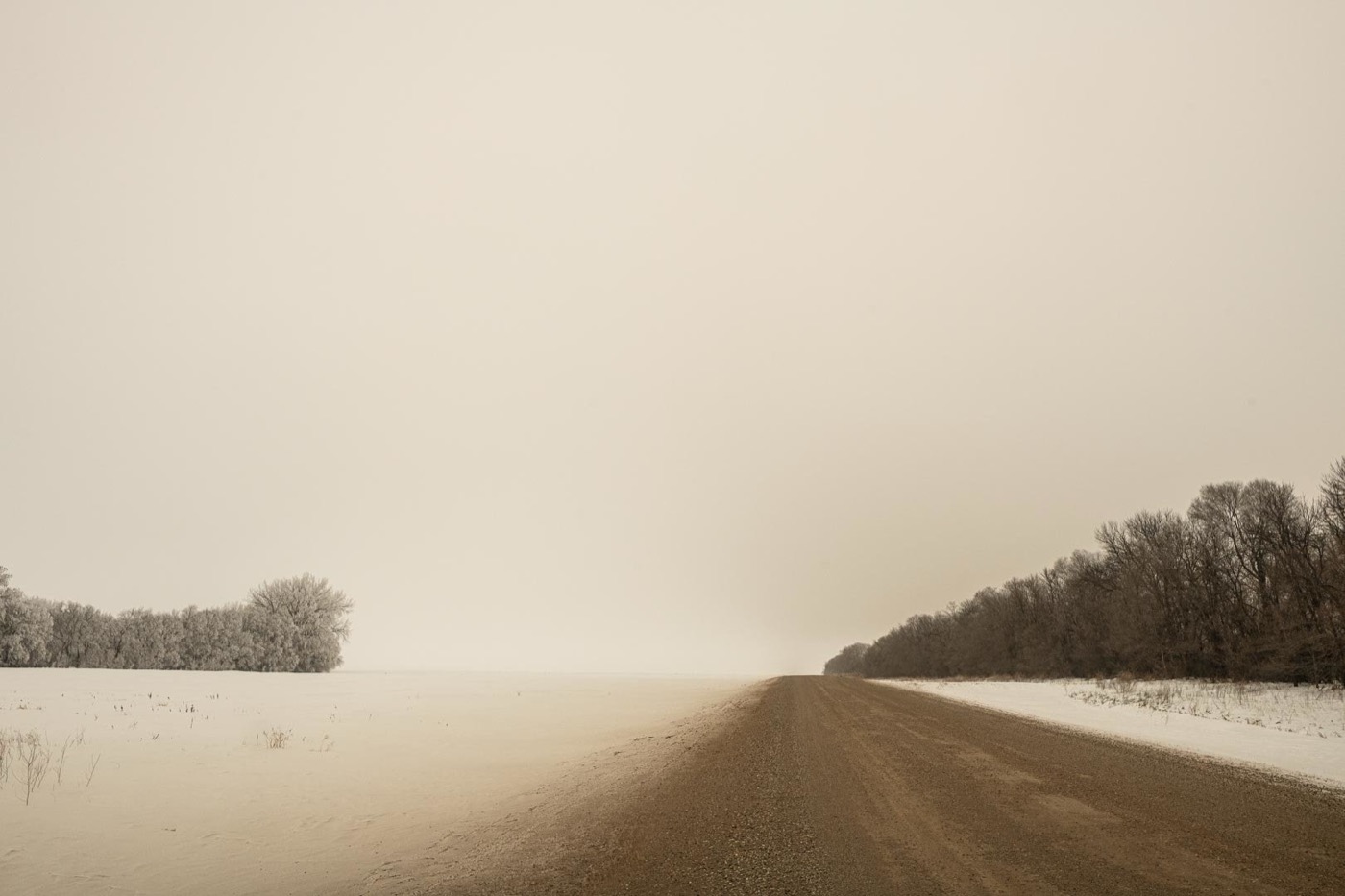 Todd Hido12005-4661, 2019.The gravel road enters at the lower right and angles toward a point that never quite resolves, dissolving instead into a band of frost where road, treeline and sky agree to stop being distinct.
 Todd Hido11927-6081, 2020.There's a smear in the bottom corner — a soft halo of bokeh where the lens caught something on the glass, a bead of condensation or a fleck of road grime — and once you've seen it you can't unsee…
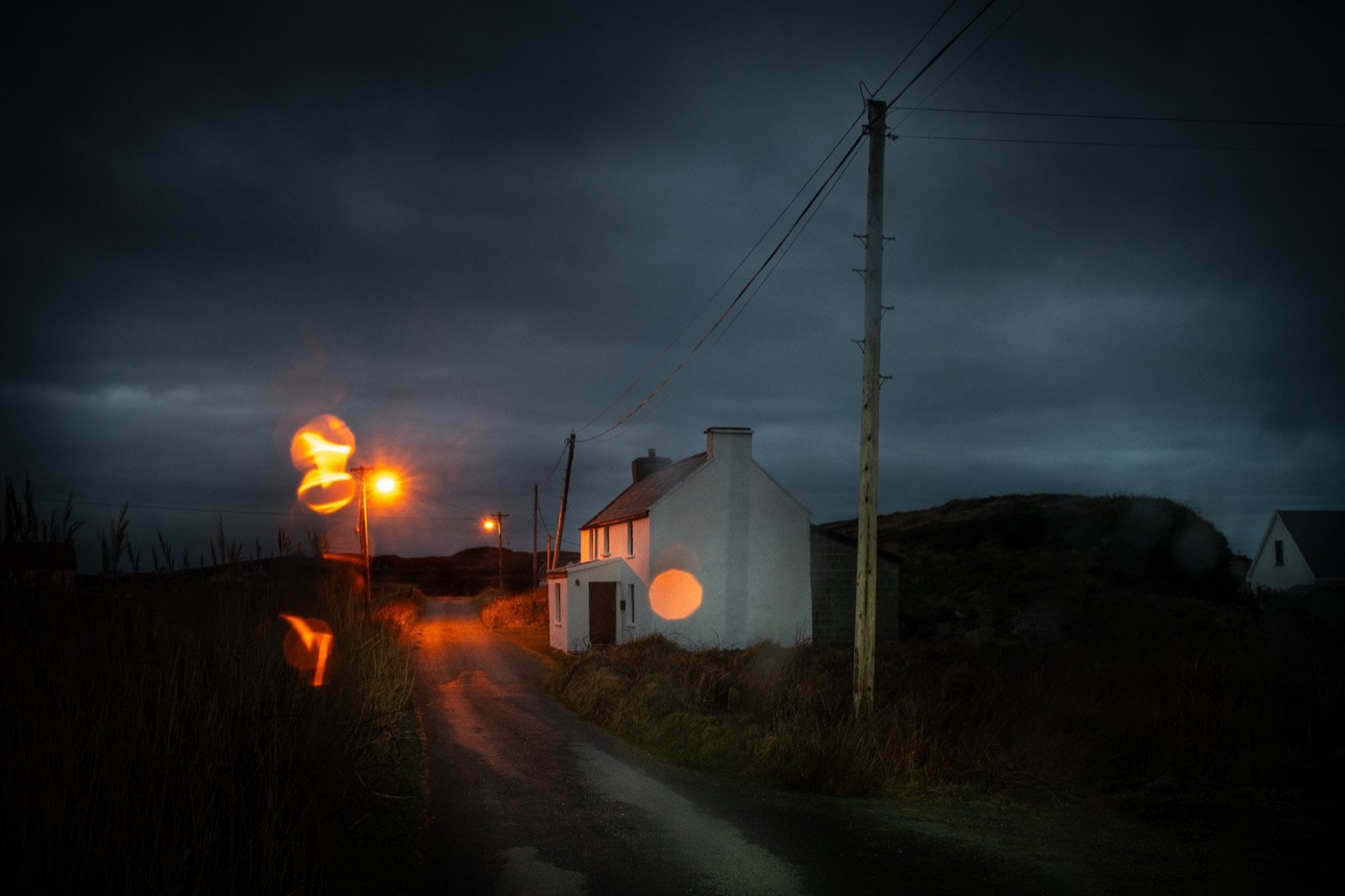 Todd Hido11929-6532, 2020.Storm light and sodium light divide this picture between them, and neither yields.
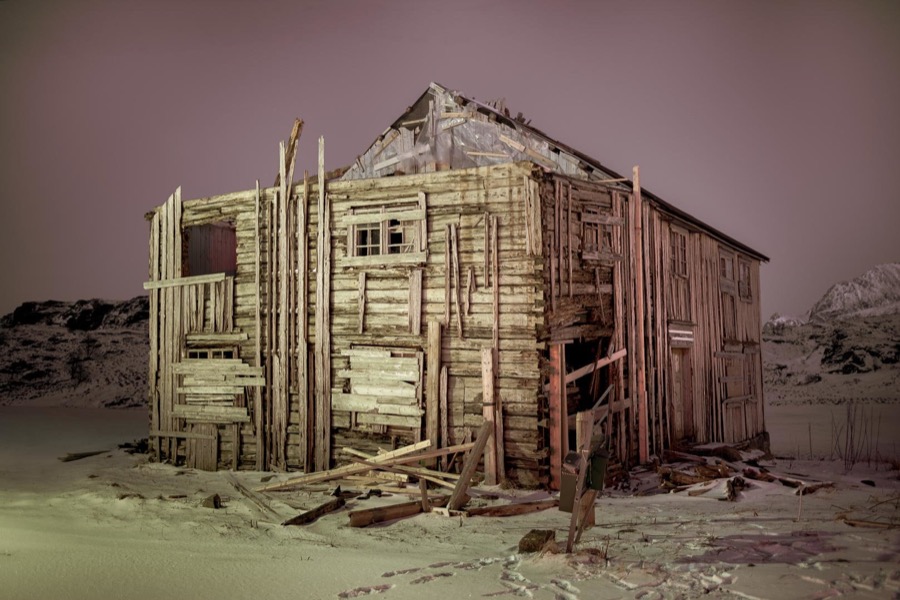 Todd Hido11939-2923, 2020.The footprints are the first thing I notice and then I can't stop noticing them.
 Todd Hido12076-9421, 2020.Minutes from now, none of this will be true.
 Todd Hido12011-5478, 2022.The last light of a winter day weighs nothing; photography’s oldest ambition has been to give it weight.
 Todd Hido12044-4795, 2022.A stand of bare trees at night, lit from behind and below by something bright and warm that is not in the picture.
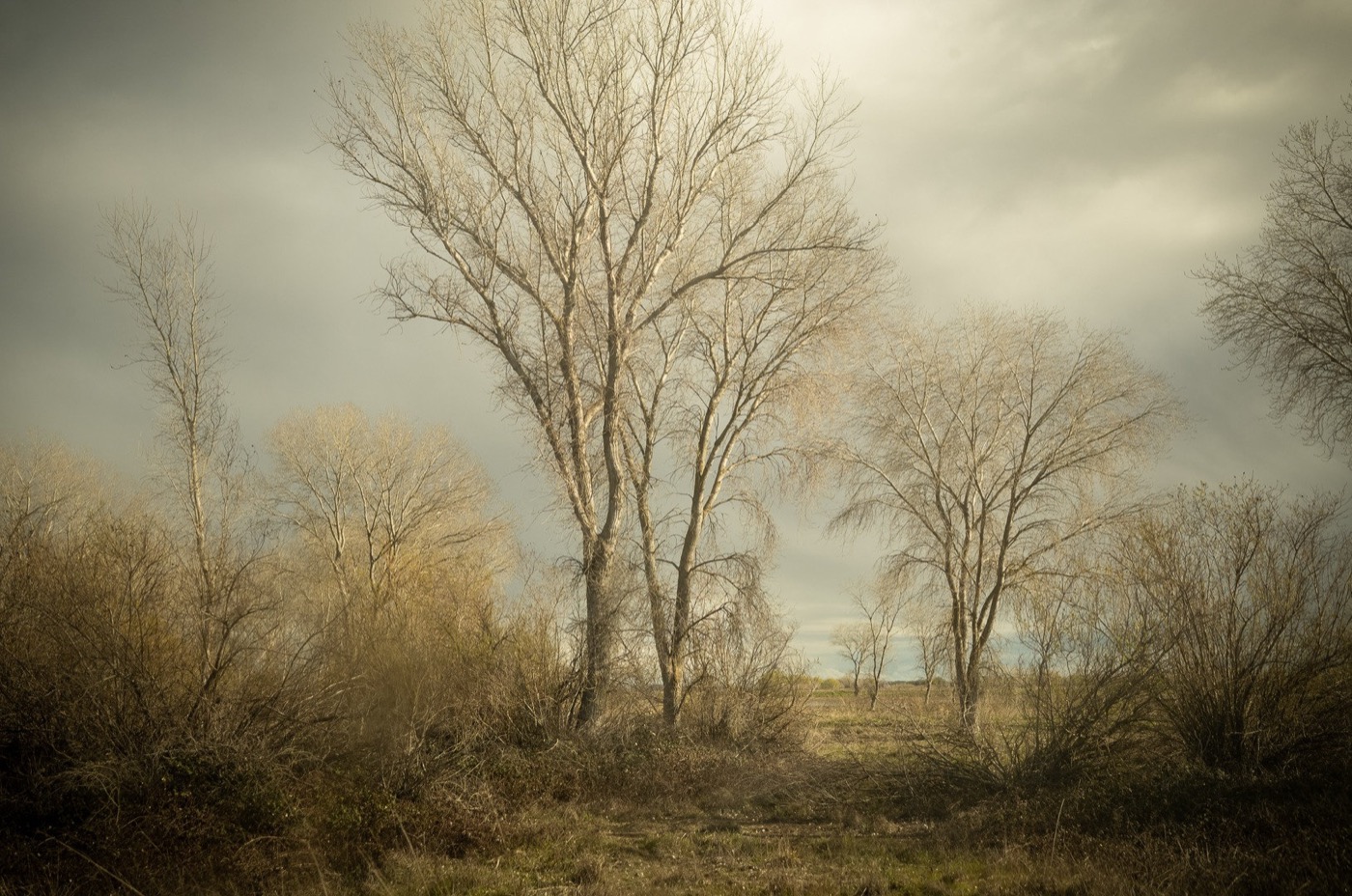 Todd Hido12161-1598, 2023.Low in the gap between the bare trees, a narrow band of pale blue opens at the horizon, the single cool note in a field of ochre and umber.
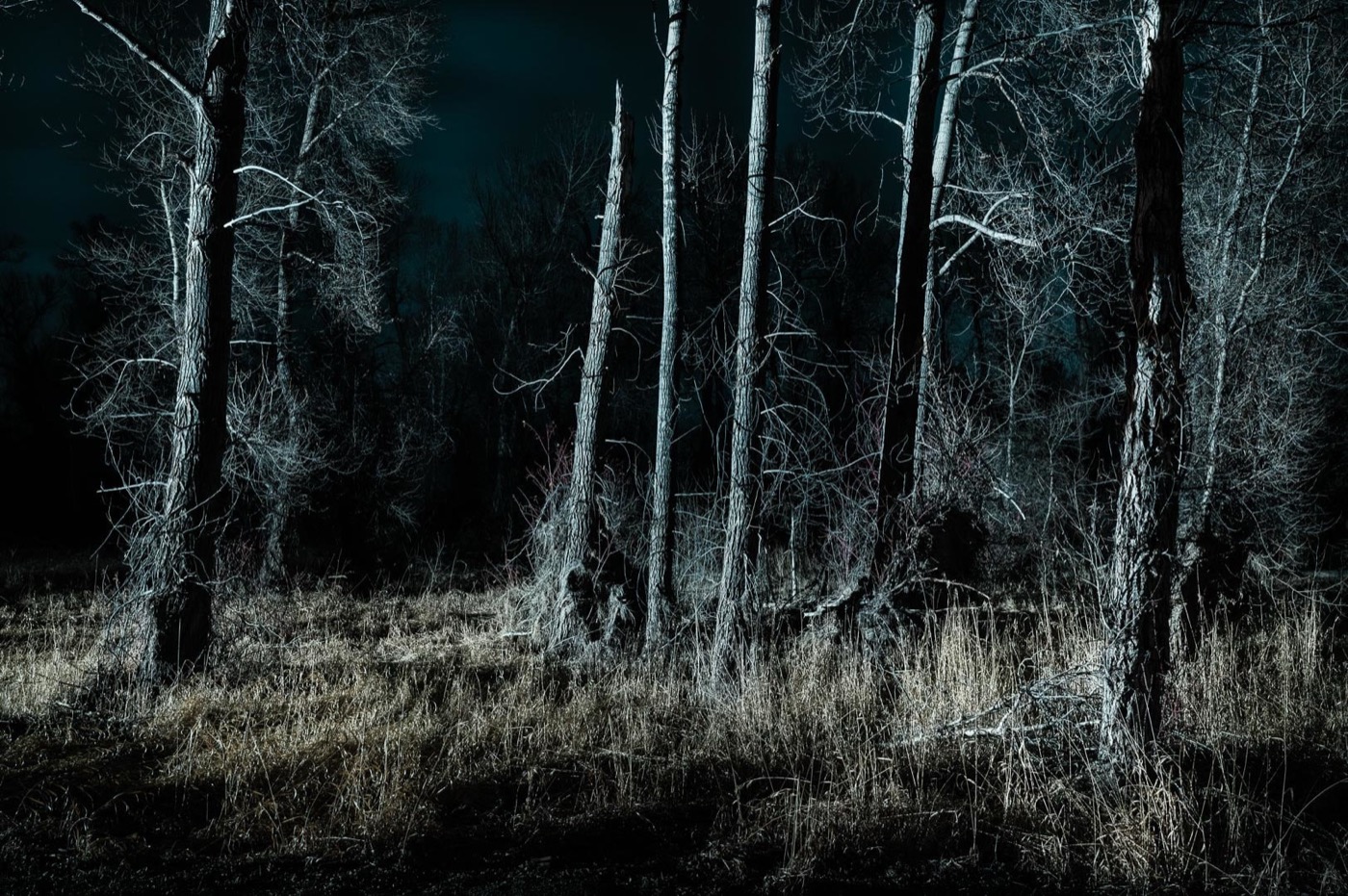 Todd Hido12187-295, 2024.A stand of bare trees at night, lit hard from the front.
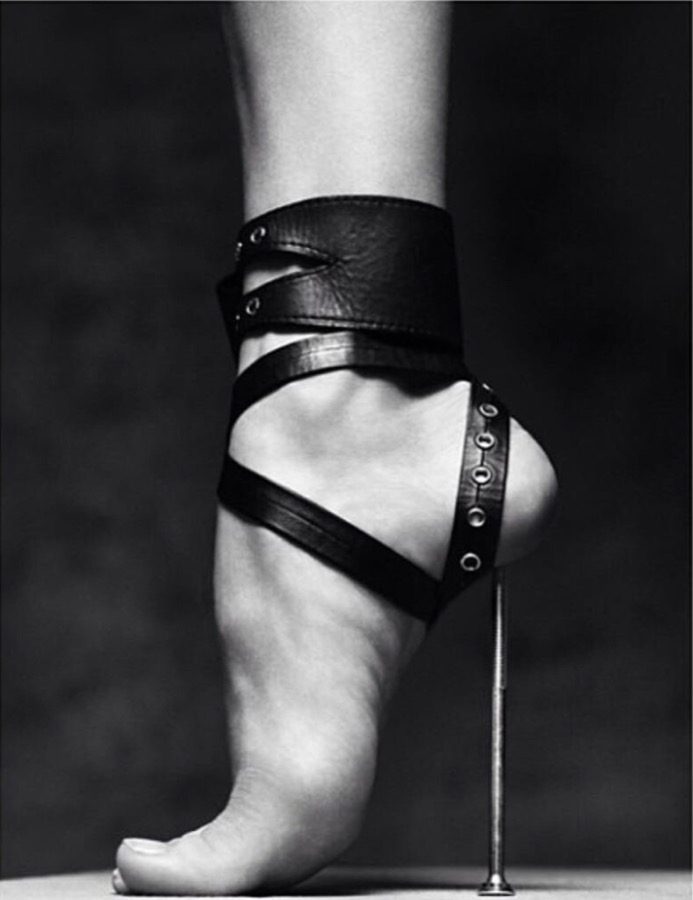 Txema YesteNail heel, 2010.A foot, photographed at its own level against a grey ground, arched so steeply that the heel rides high and the whole weight falls on the ball and the toes.
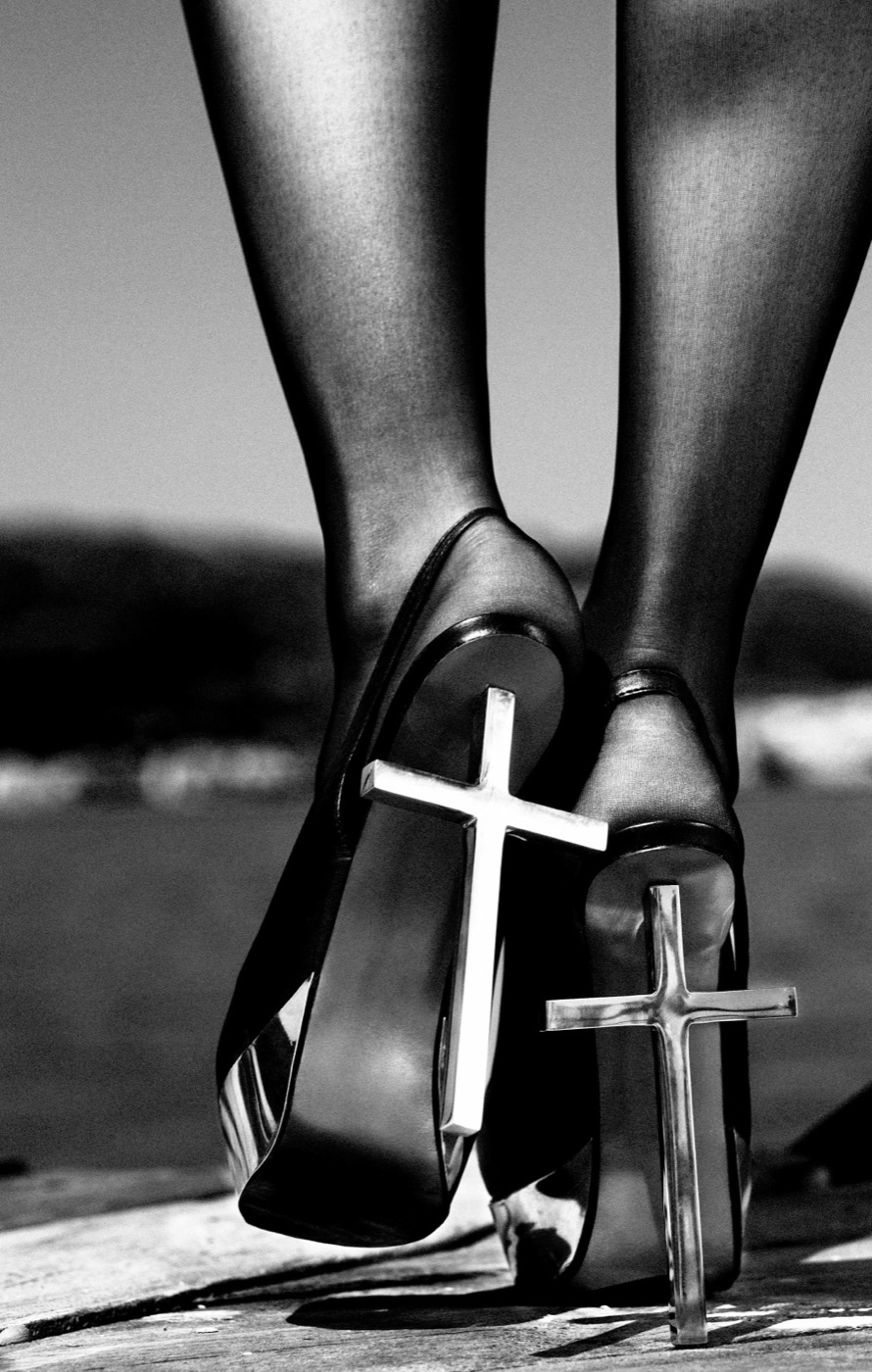 Txema YesteCrossroads, Barcelona, 2011.To photograph a woman's legs is to consign her to the long history of the fragment, the body delivered in pieces for the eye's convenience.
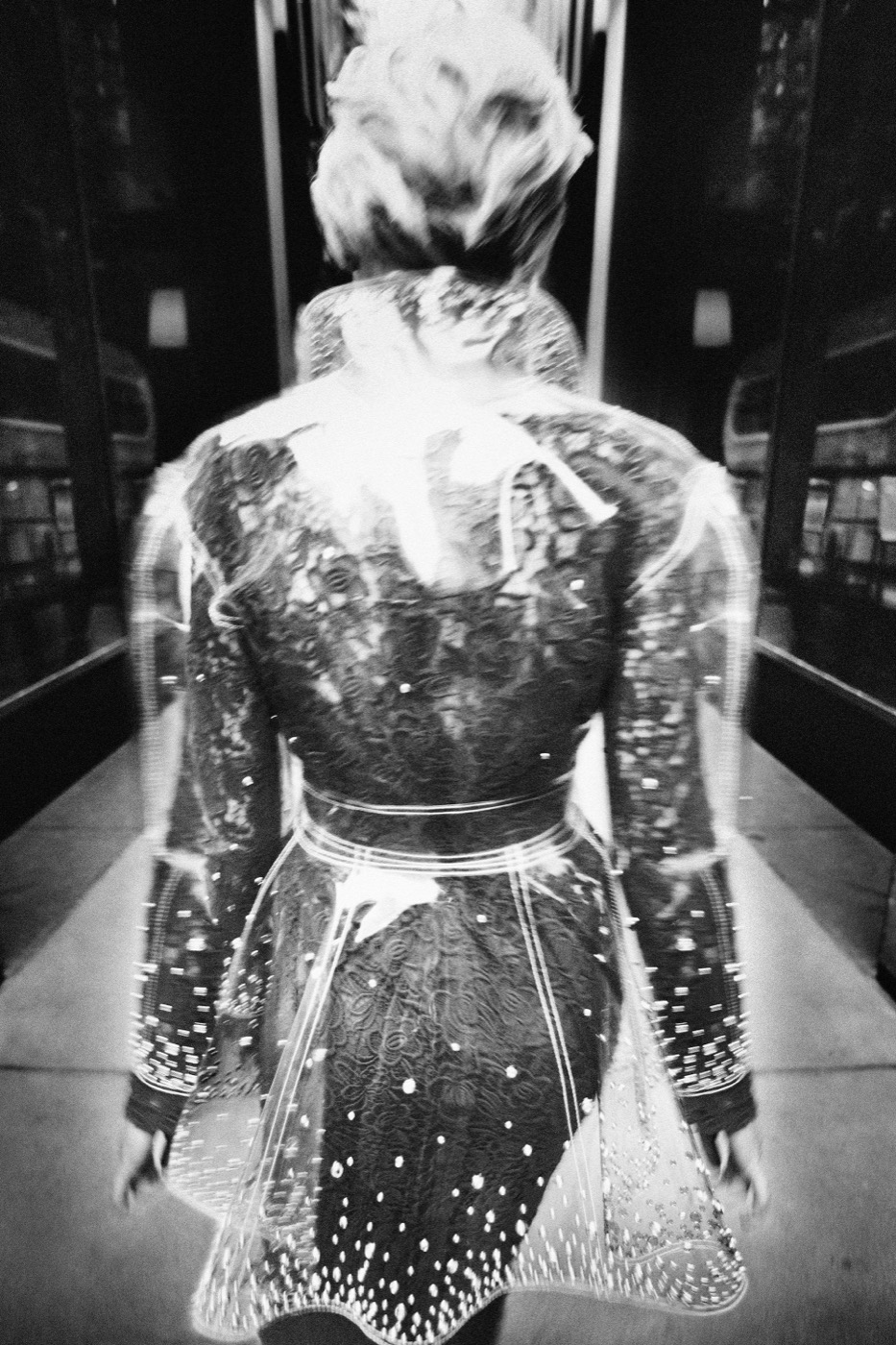 Txema YesteMonika, New York, 2011.This image places itself with deliberate care among the strategies of the staged photograph.
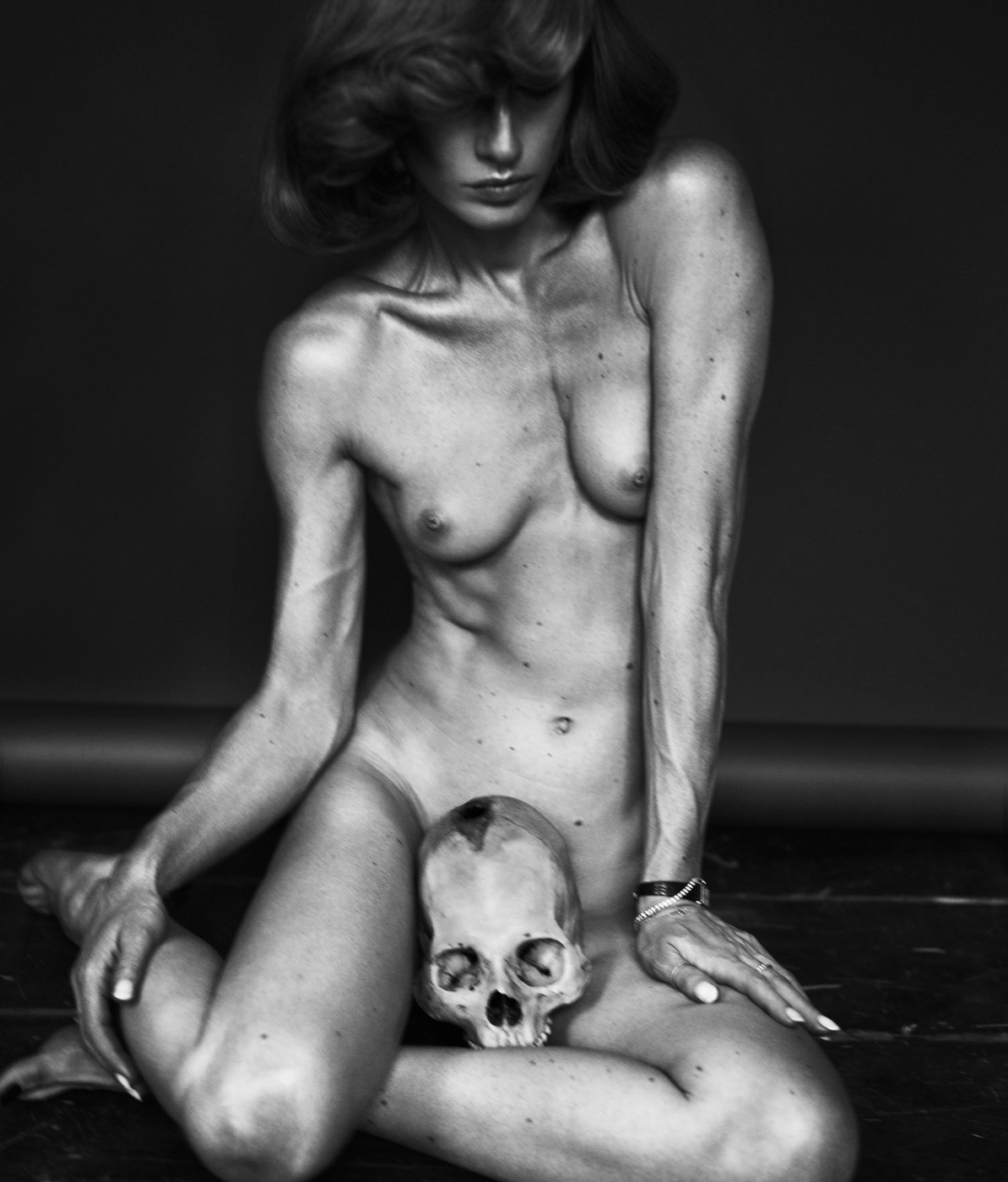 Txema YesteNatasa and Skull, 2011.A woman sits on a dark studio floor with her legs folded under her, naked, her hair swung forward across one side of her face.
 Txema YesteAline and Gloves, 2013.The sheen first: black leather pulled taut over knuckles, each finger a soft ridge catching a cold studio light, so that the gloves read less as clothing than as a second, lacquered skin laid over…
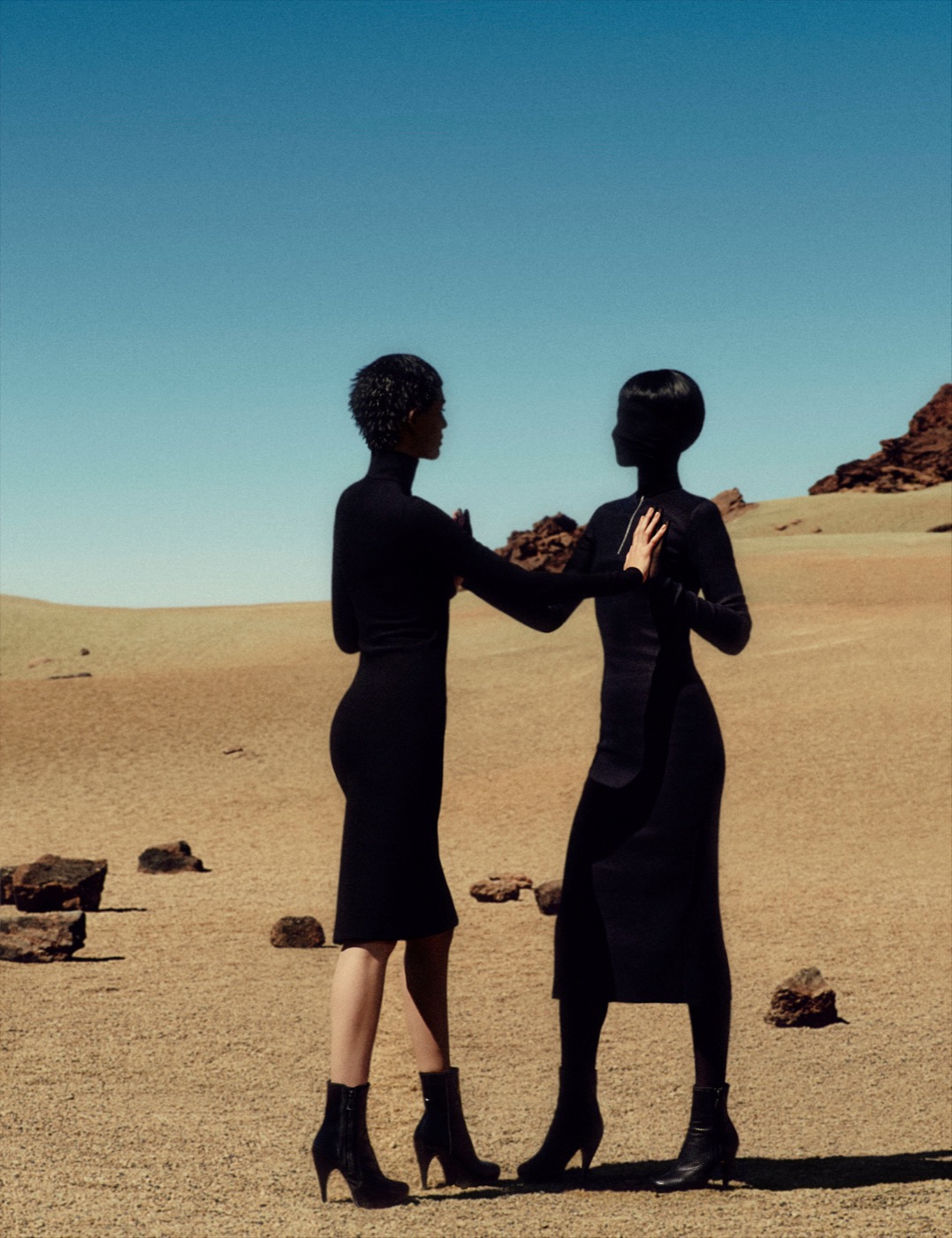 Txema YesteDuality, Tenerife, 2013.There's a line that runs from the great desert fashion stories — Avedon's Versailles couture dropped into nowhere, Newton stranding his women in hostile glamour — straight into this frame, and Yeste…
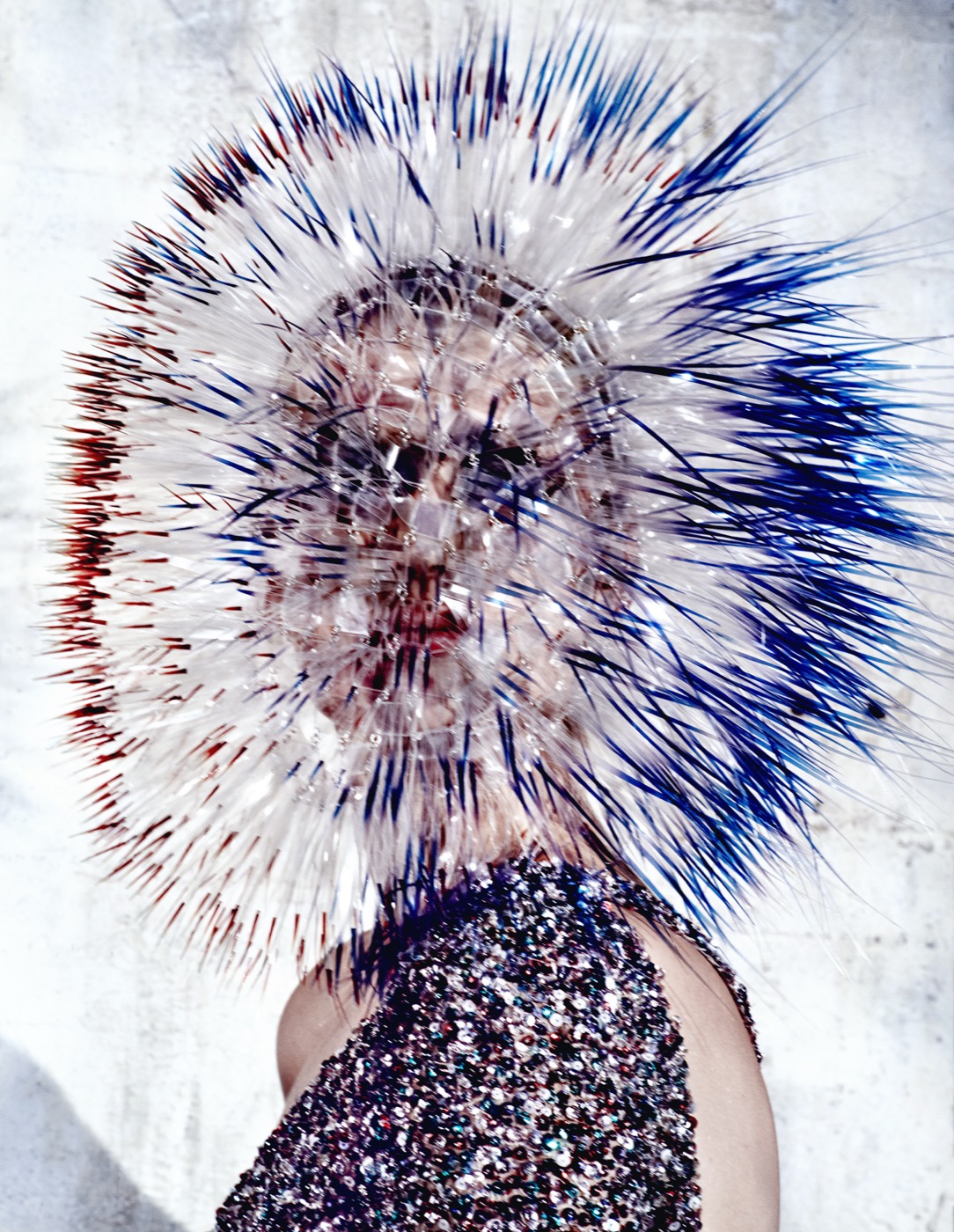 Txema YesteToni and Flower, 2013.In "Toni and Flower" from 2013, Spanish photographer Txema Yeste creates a visual symphony that transcends conventional fashion photography boundaries.
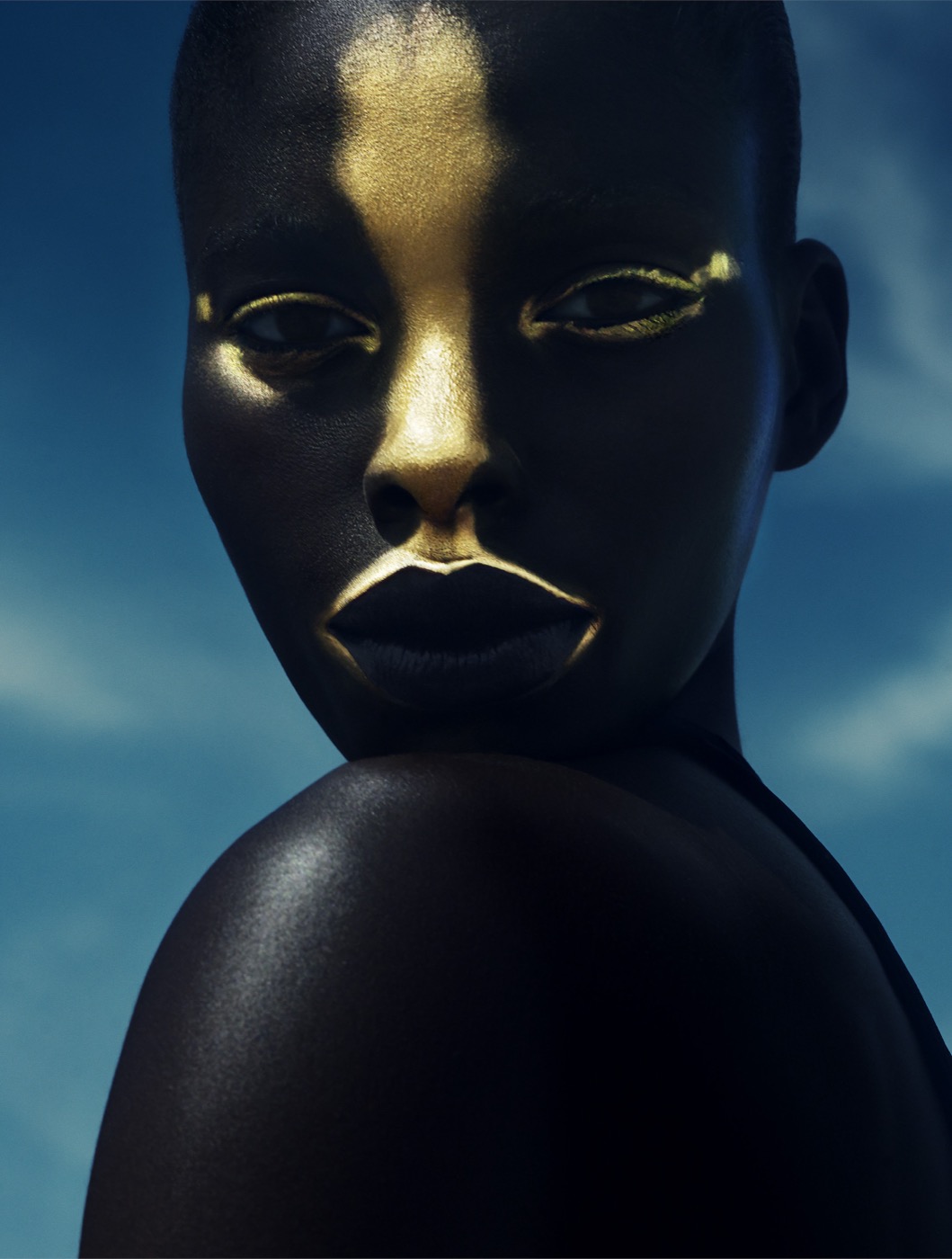 Txema YesteGolden Mask, Tenerife, 2014.The backdrop is sky — a deep, saturated dusk-blue scumbled with a few thin clouds, the kind of painted or photographed firmament that announces itself as a studio decision rather than a window onto…
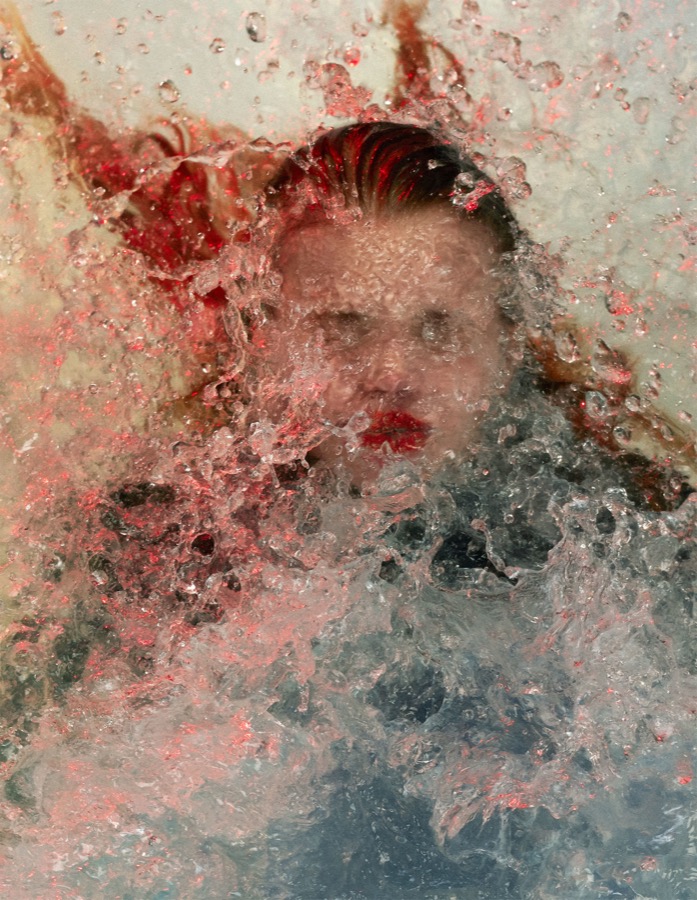 Txema YesteBreathless, Stella Lucia, 2016.The weather in this photograph is strictly local: a downpour maybe two feet wide, raging precisely where a face happens to be.
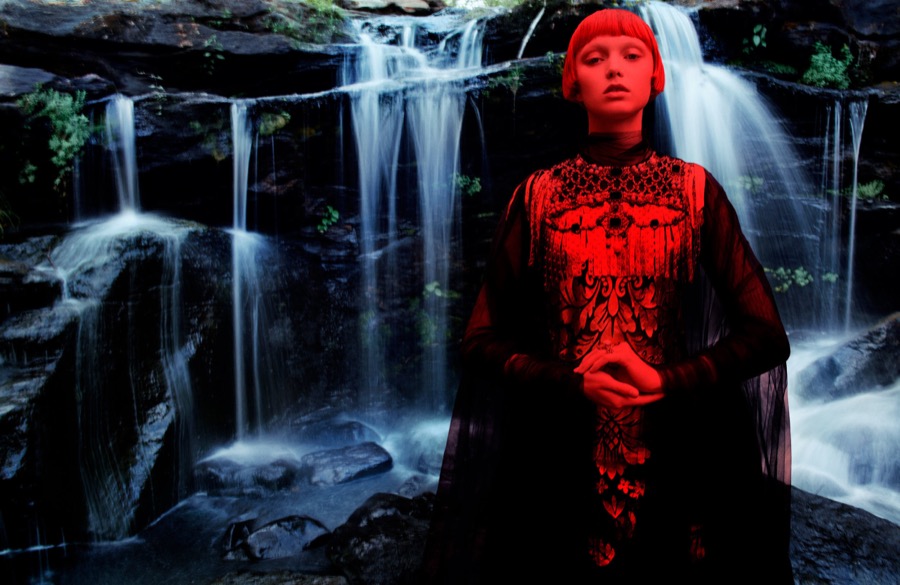 Txema YesteForce of Nature, New York, 2016.Color in a photograph is never innocent; it is always an argument.
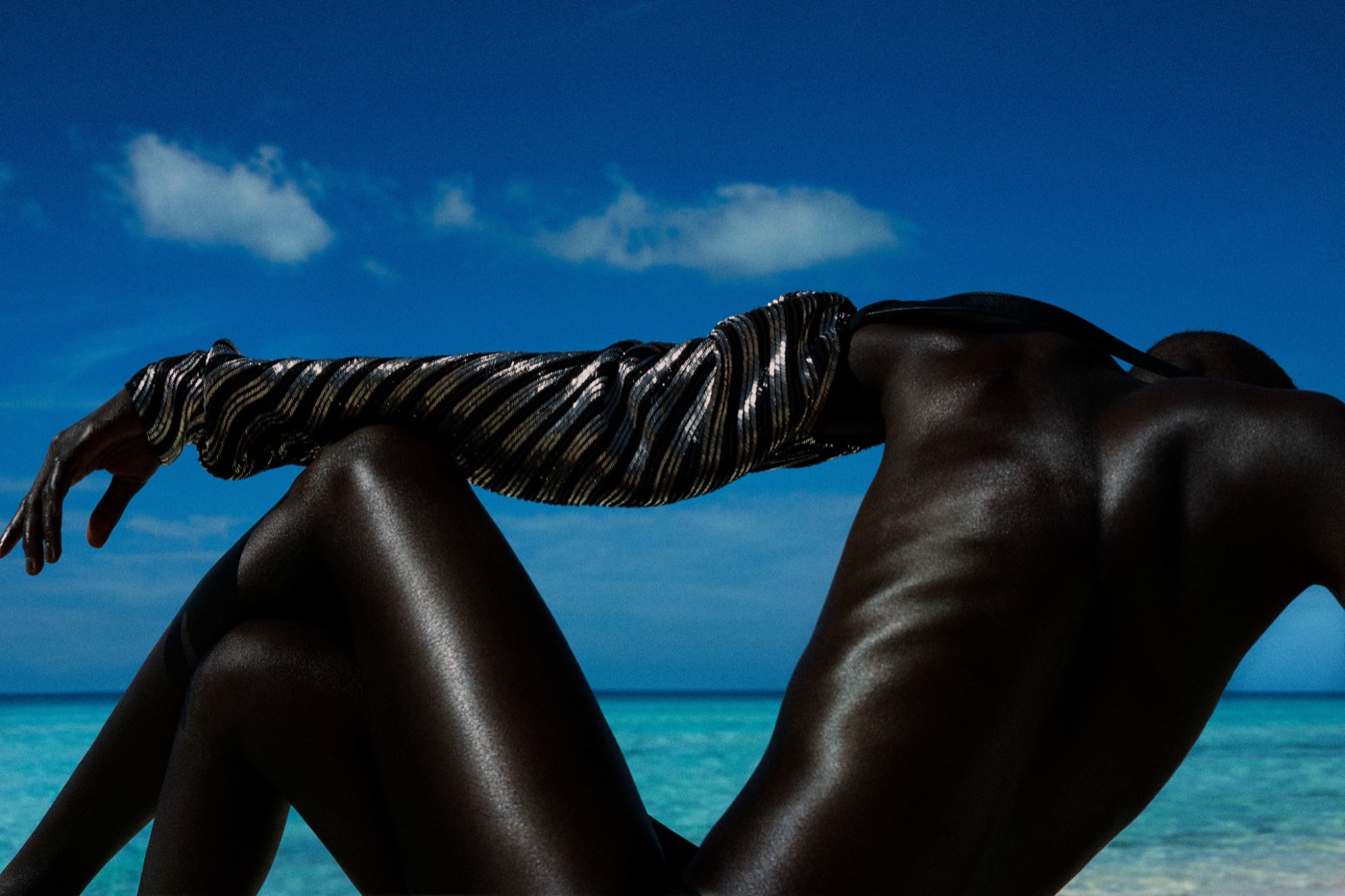 Txema YesteGrace, Bahamas, 2016.Twisting away, the body declines to be a portrait and becomes something else: a ridge, a headland, a dark architecture set between two blues.
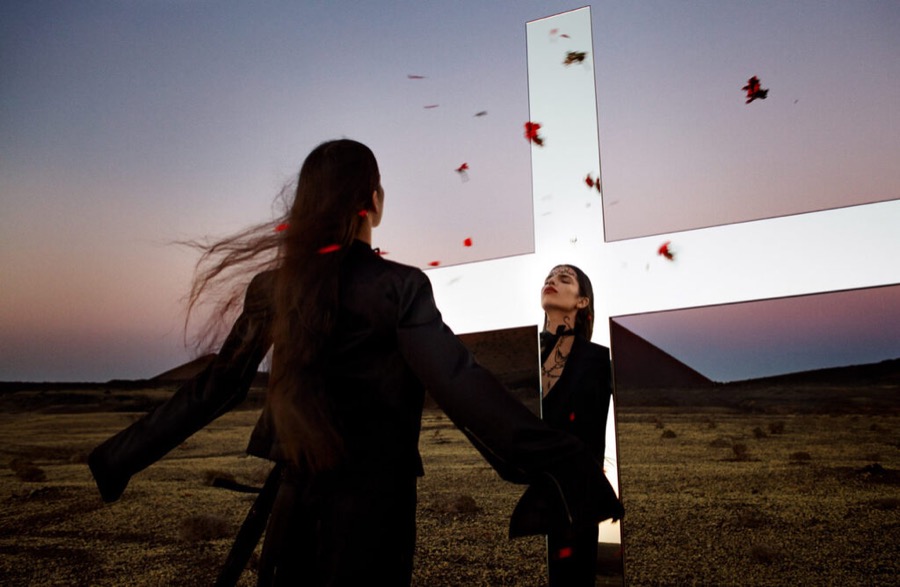 Txema YesteMatador, 2016.One moment earlier the petals were a closed handful; one moment later they will be scattered on the dry grass.
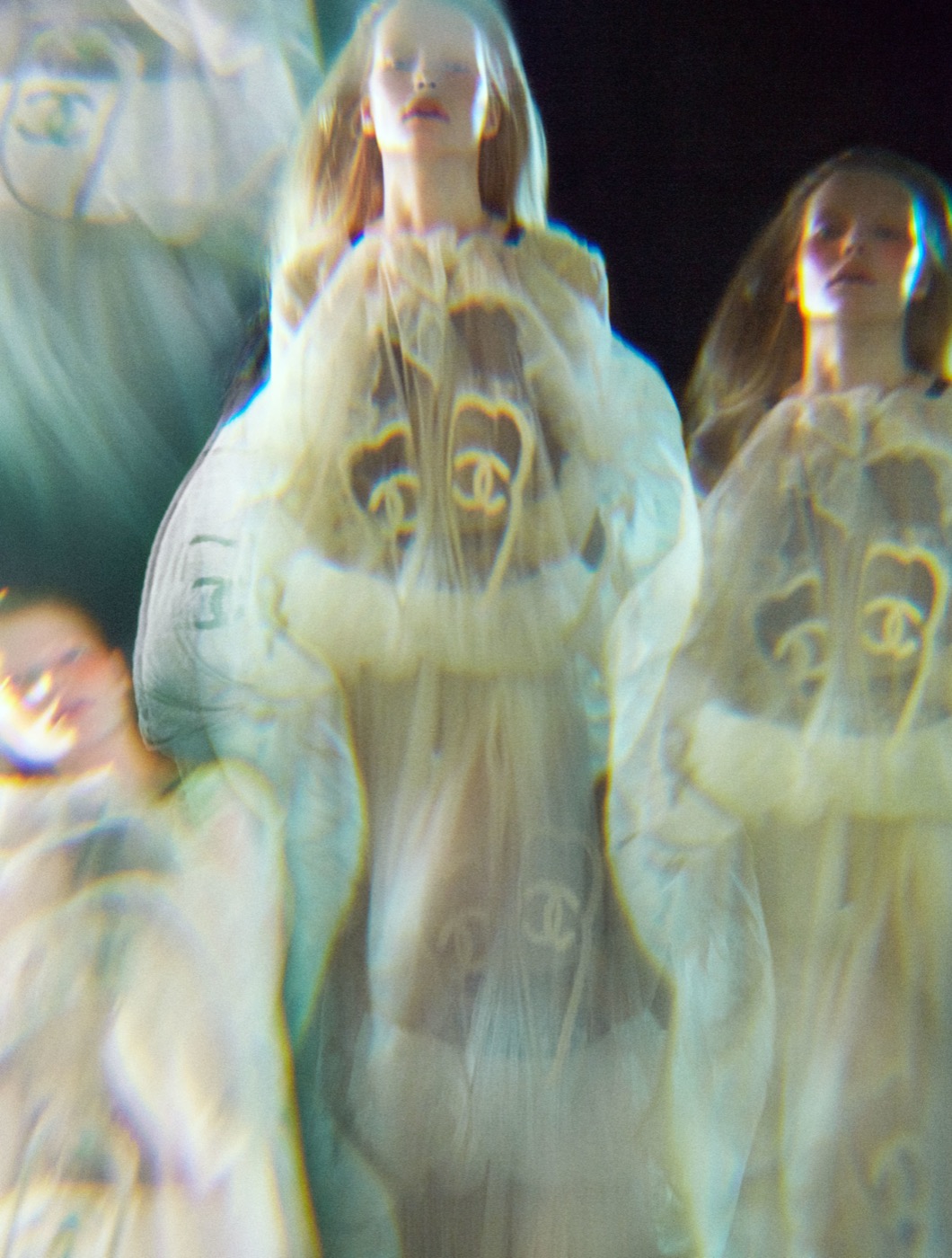 Txema YesteOnce Twice, Roos Abels, New York, 2016.Celadon and pale gold, steeped in black: the palette announces itself before any body does.
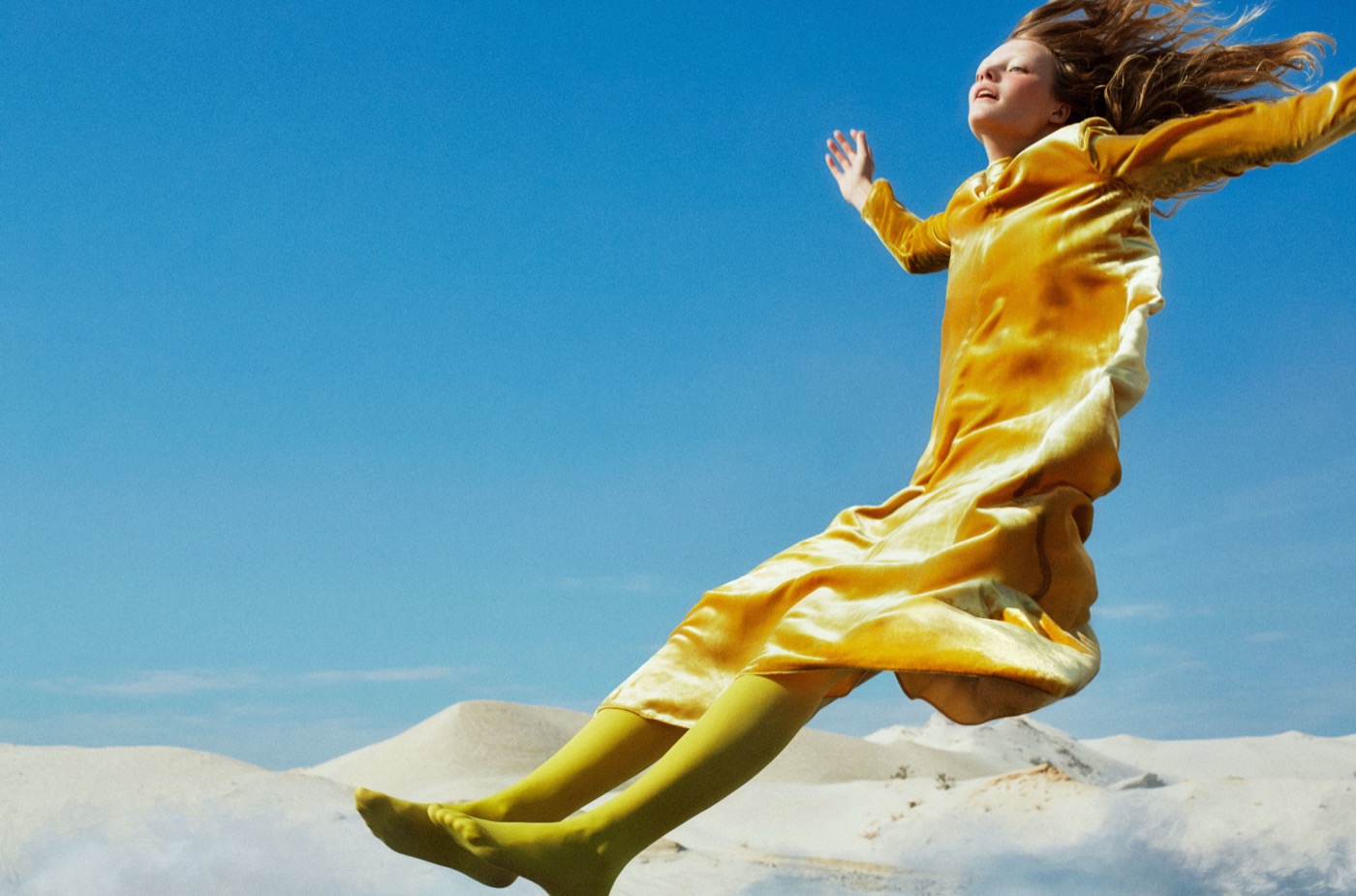 Txema YesteRoos Abels, New York, 2016.The bare feet are the tell: no shoes, only mustard tights, toes articulated against the nylon like a dancer’s.
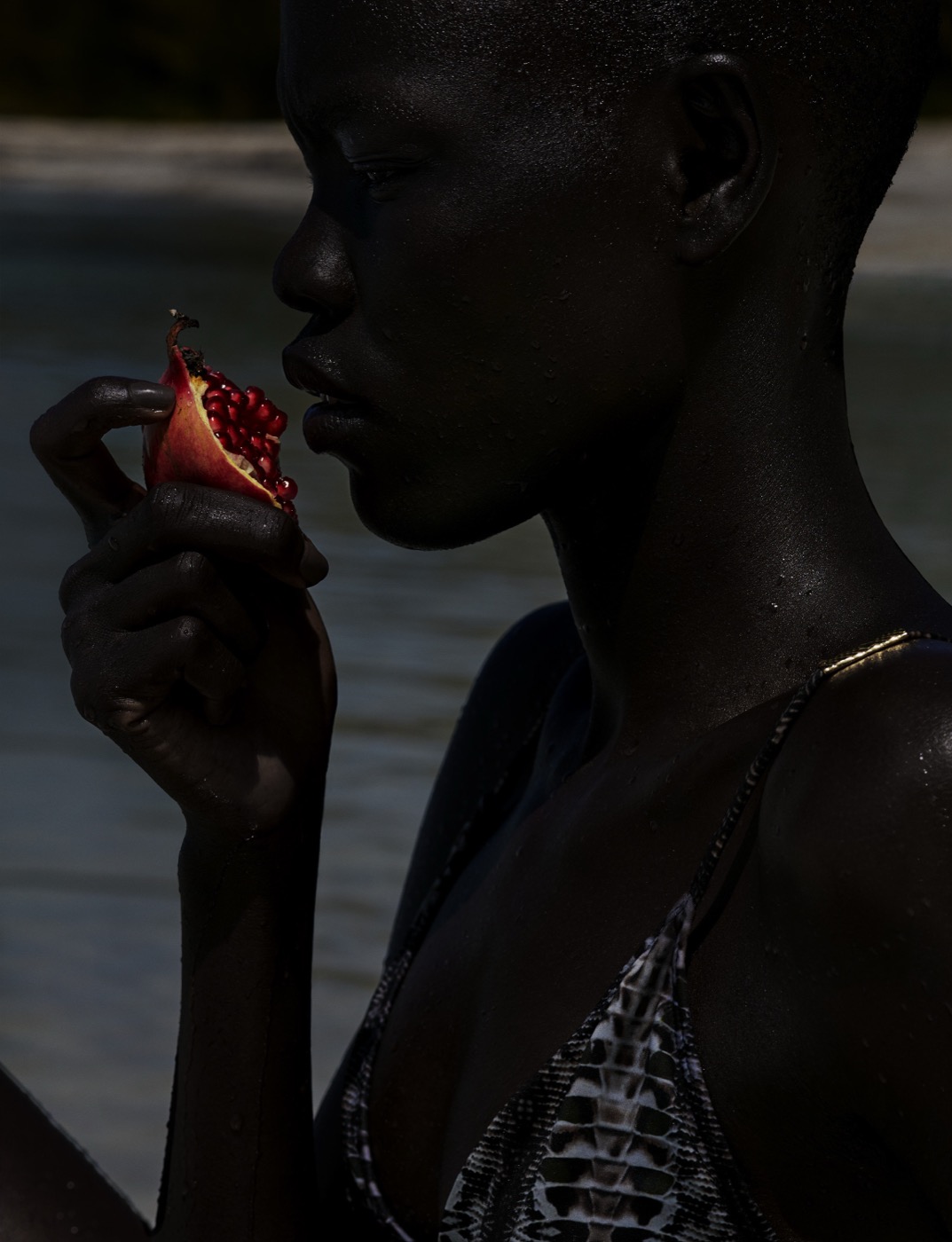 Txema YesteThe Fruit, 2016.She withholds nearly everything a portrait is expected to deliver.
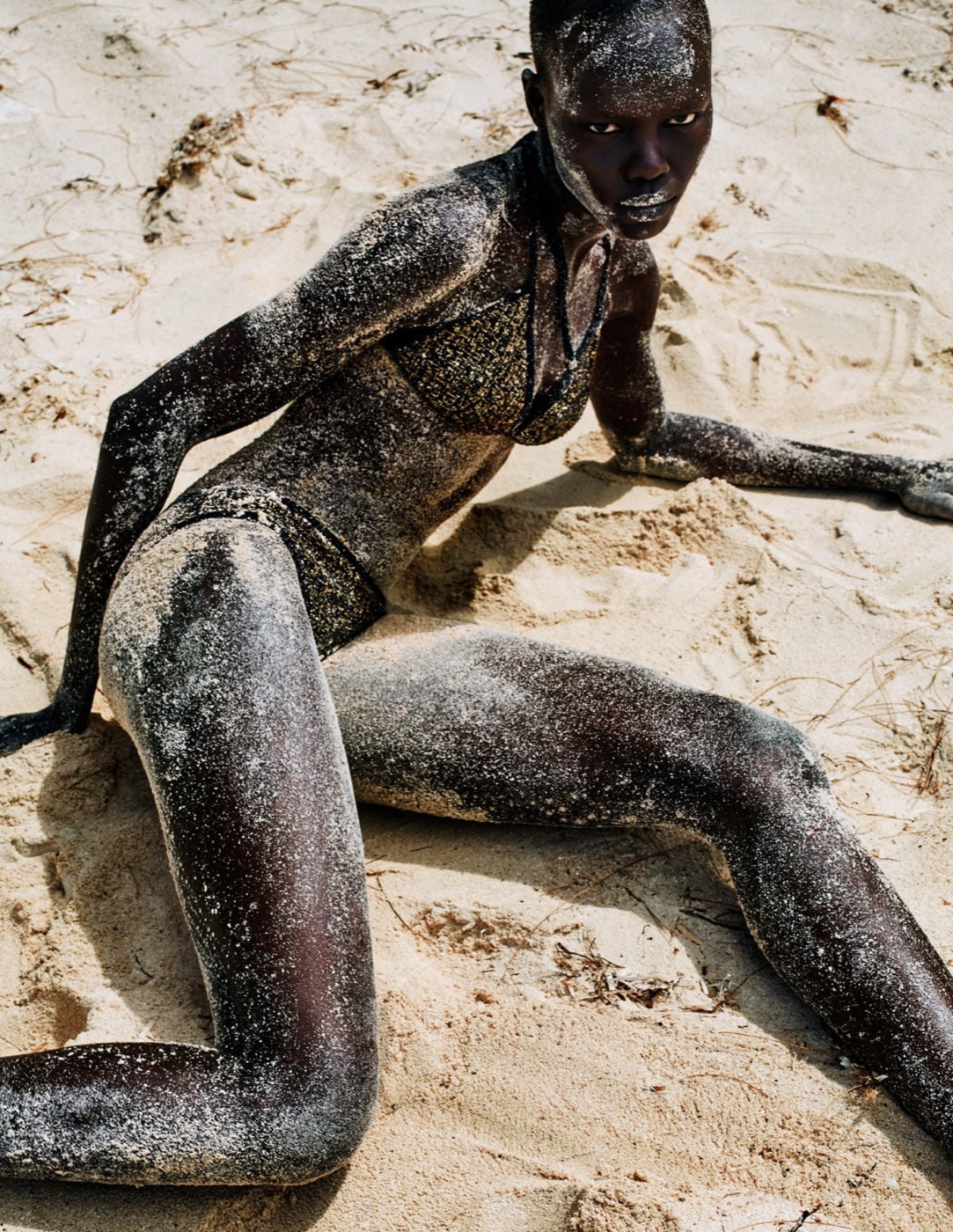 Txema YesteThe Sand, 2016.Sand, as anyone who has spent a day at the beach knows, gets everywhere, and photography has mostly treated this as a problem, something to be brushed off before the shutter clicks.
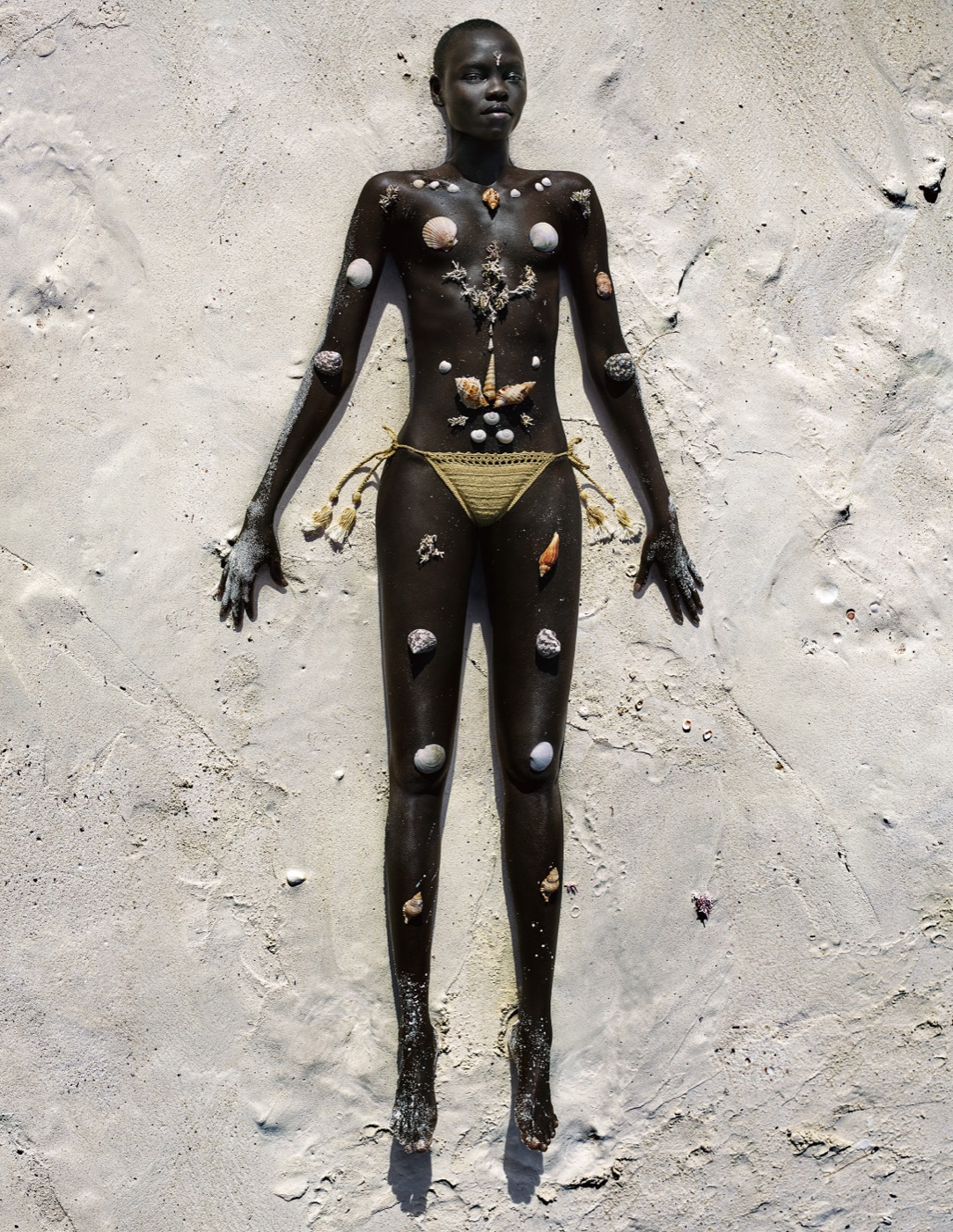 Txema YesteWomen in Shells, Bahamas, 2016.Photographed from directly overhead: a woman lying on white sand, arms out from her sides, palms down, feet together.
 Txema YesteBlue Aida, 2017.A breath before this, the dove was still climbing and the woman’s face was her own; a breath after, the water will have fallen back and the raised hands come down.
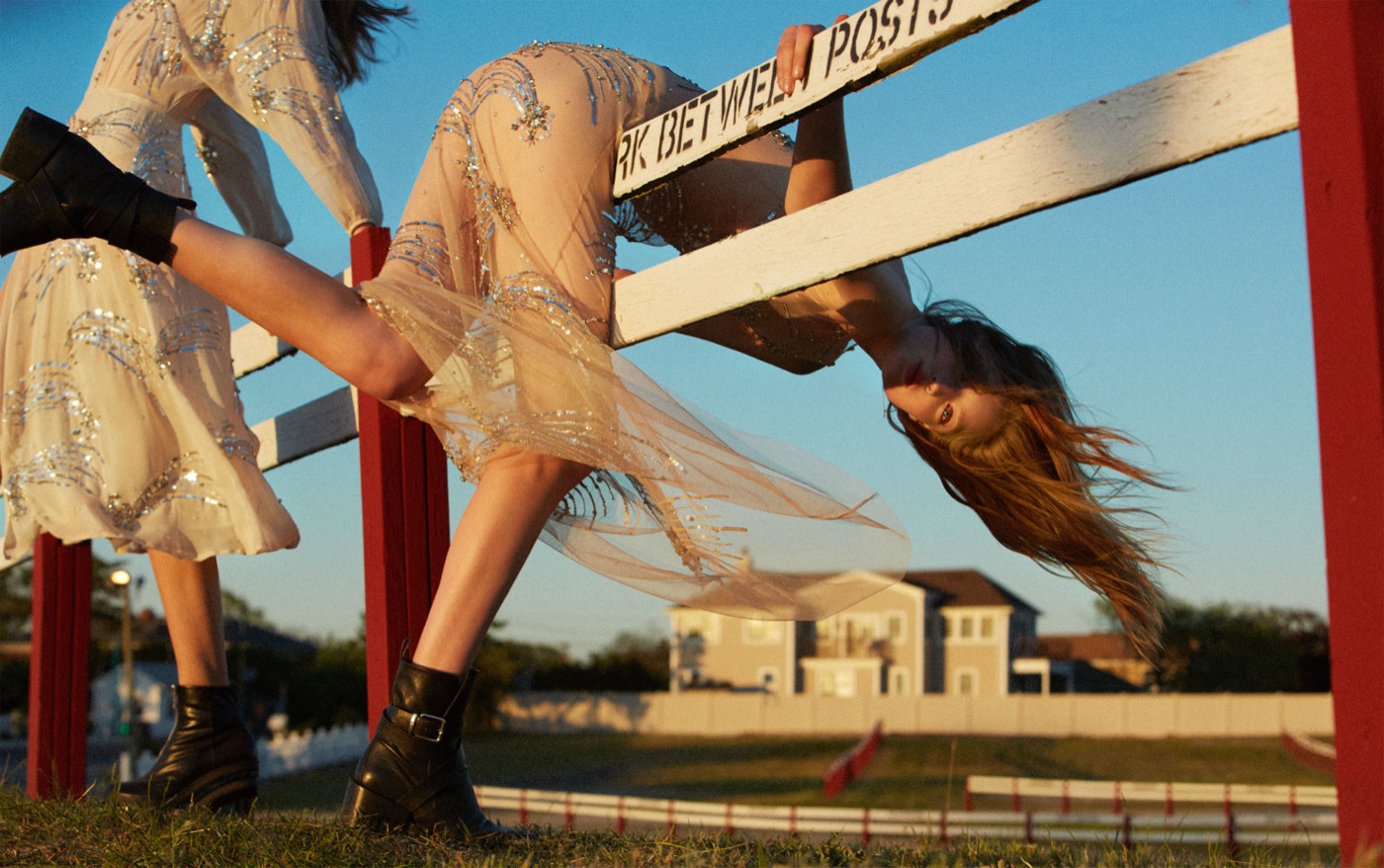 Txema YesteIn the Afternoon, New York, 2017.We are not shown the face. The head hangs back over a white rail, reddish hair streaming sideways in the afternoon wind, and where a gaze might have met ours there is instead a throat, a jaw, a…
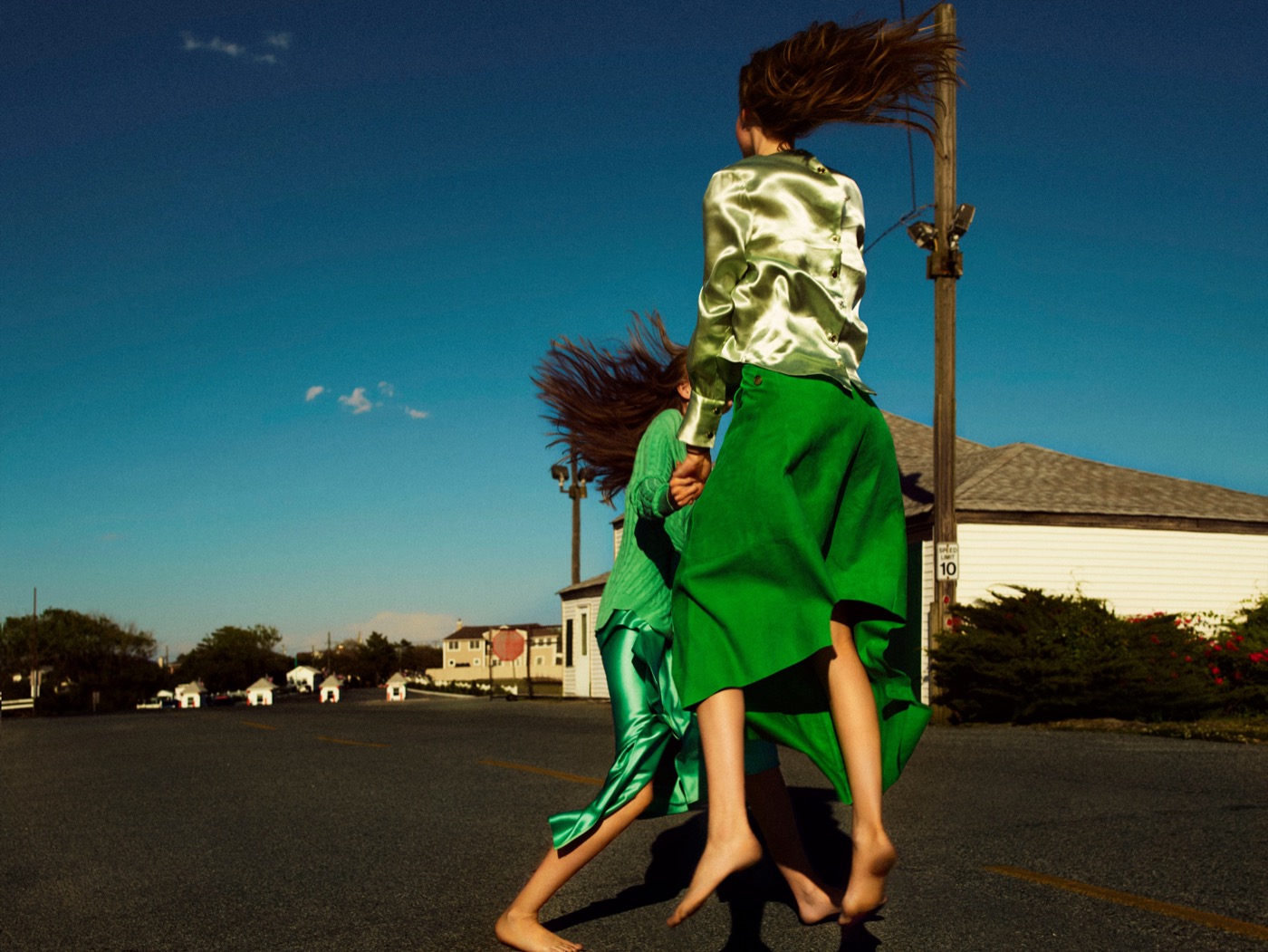 Txema YesteLia et Odette, New York, 2017.Two girls in head-to-toe green tear past us barefoot in the middle of a beach-town road, blacktop underfoot, holding hands, hair snapping upward like flags in a hard Atlantic gust.
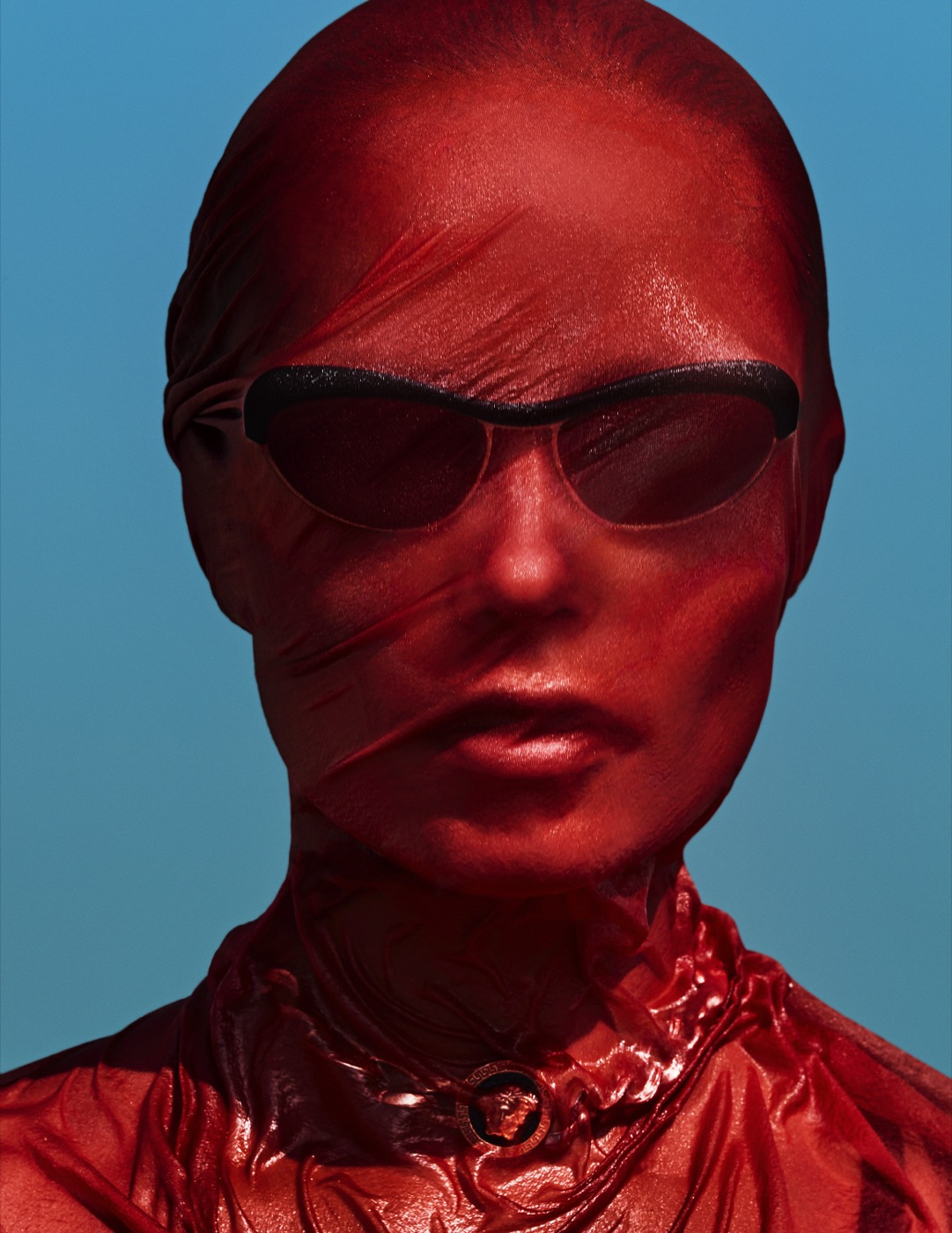 Txema YesteNatasha in Dubai, 2017.She is breathing through a stretched red veil.
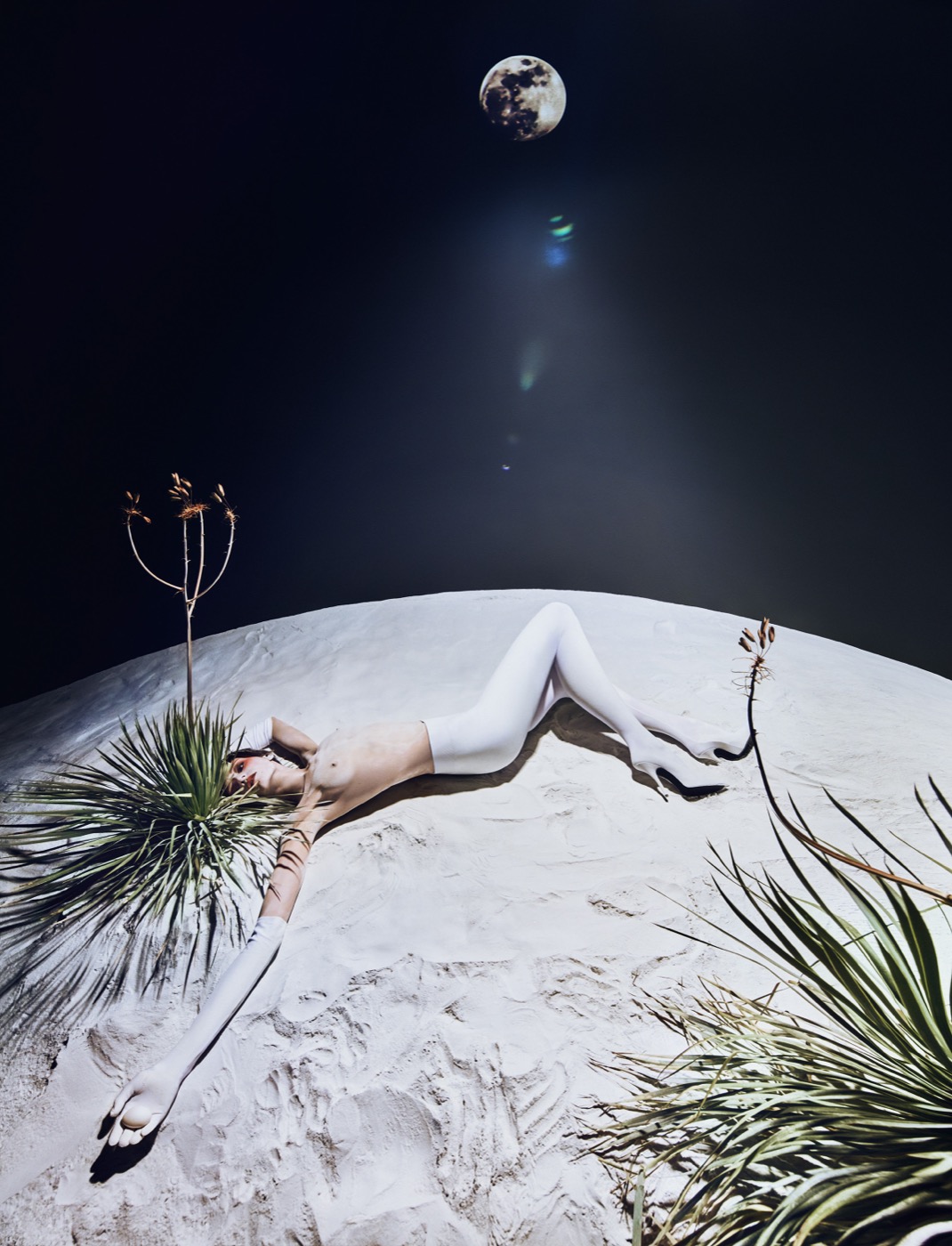 Txema YesteOver the Moon, 2017.Ever since the Space Age gave couture its taste for the lunar, photographers have staged the fashionable body as a traveler in orbit, and here a woman reclines along the curve of a white dune…
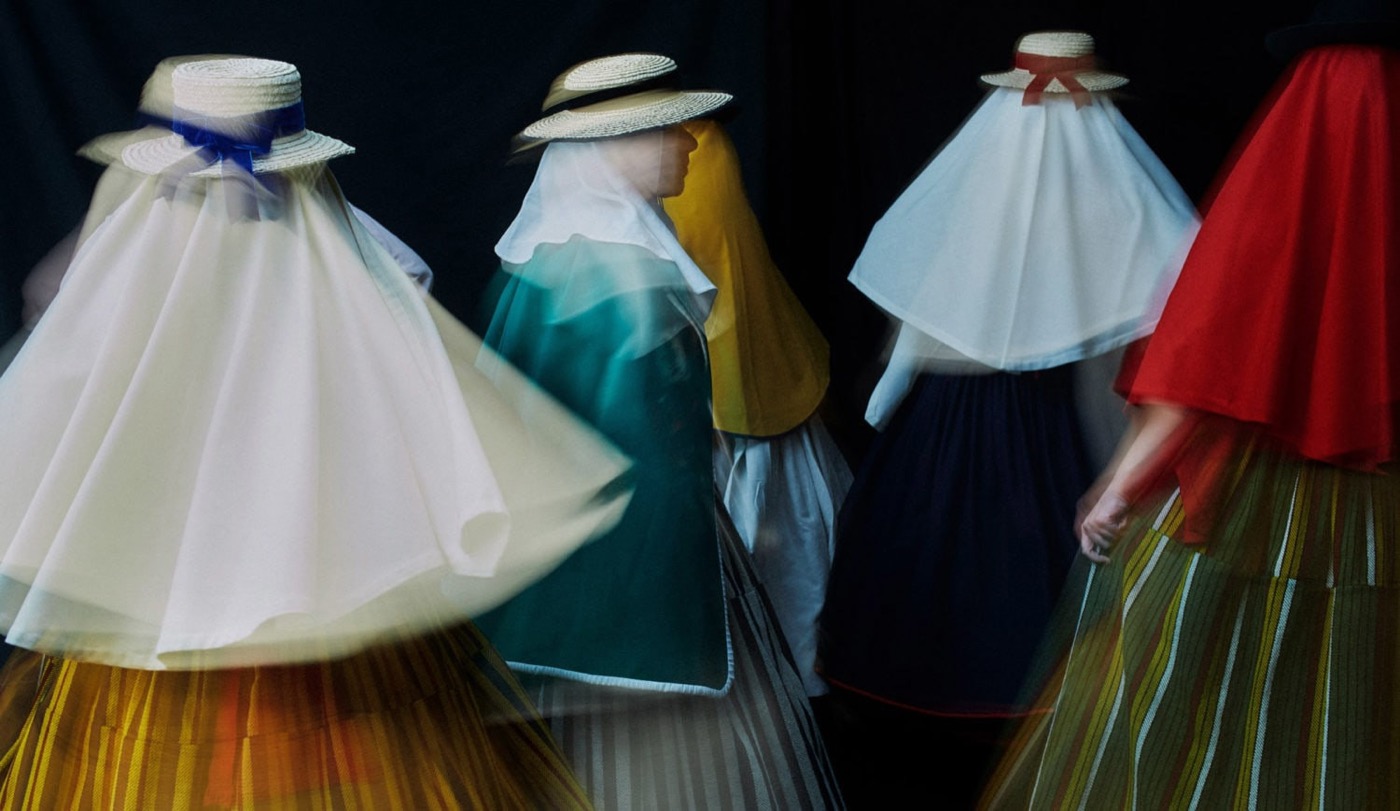 Txema YesteSombreros, Tenerife, 2017.A knot of blue ribbon, tied at the brim of a straw boater, holds a veil of sheer white cloth against the air; and once you have seen it, the same small fastening repeats down the line — a red bow…
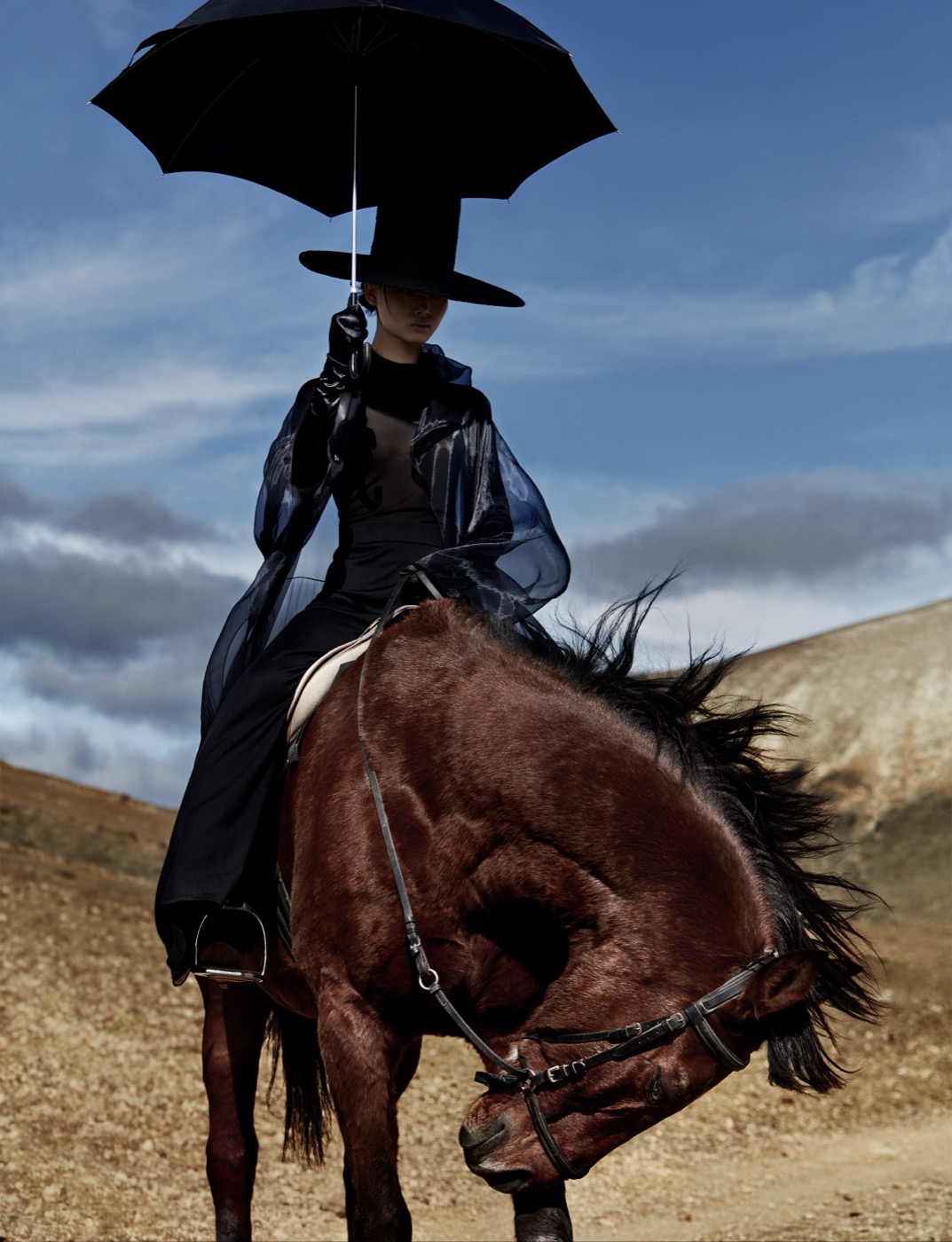 Txema YesteYoon Young Bae, Lanzarote, 2017.The picture is held together by two opposing gestures: the horse's head wrenched downward and sideways, nearly out of the frame, and the black umbrella raised at the very top of it.
 Txema Yeste& Boom, Fuerteventura, 2018.Fashion photography spent decades learning to run, from Munkácsi’s beach sprinters to Avedon’s airborne hems, and here, on a Fuerteventura dune, it graduates to detonation: a figure in red erupting…
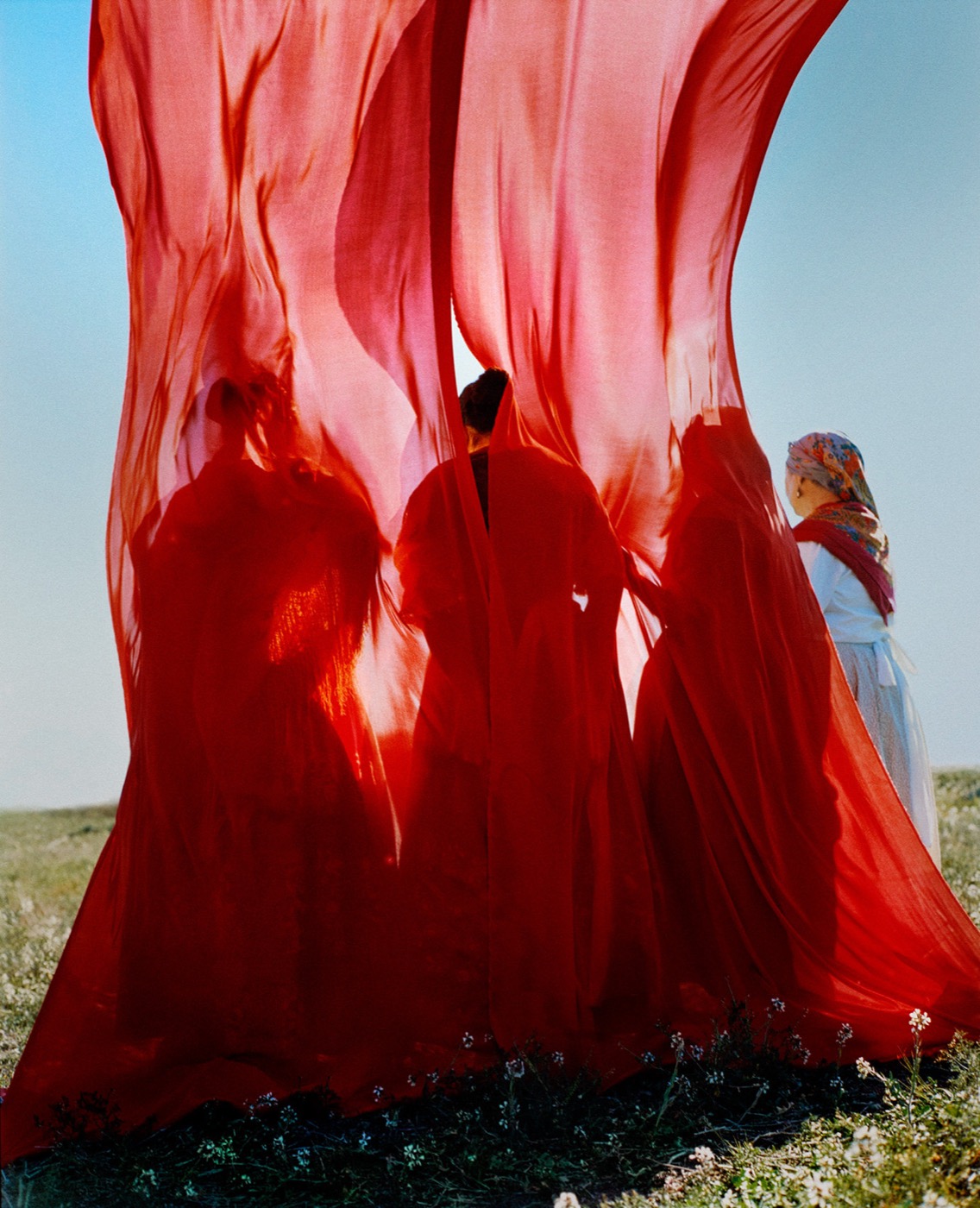 Txema YesteAdolescent in Sunday Best from 19th Century, Murcia, 2018.An instant more and the wind will drop the red silk back over her, and the girl at the right edge — floral kerchief, pale dress, a magenta sash — will vanish into the same glowing shadow as her…
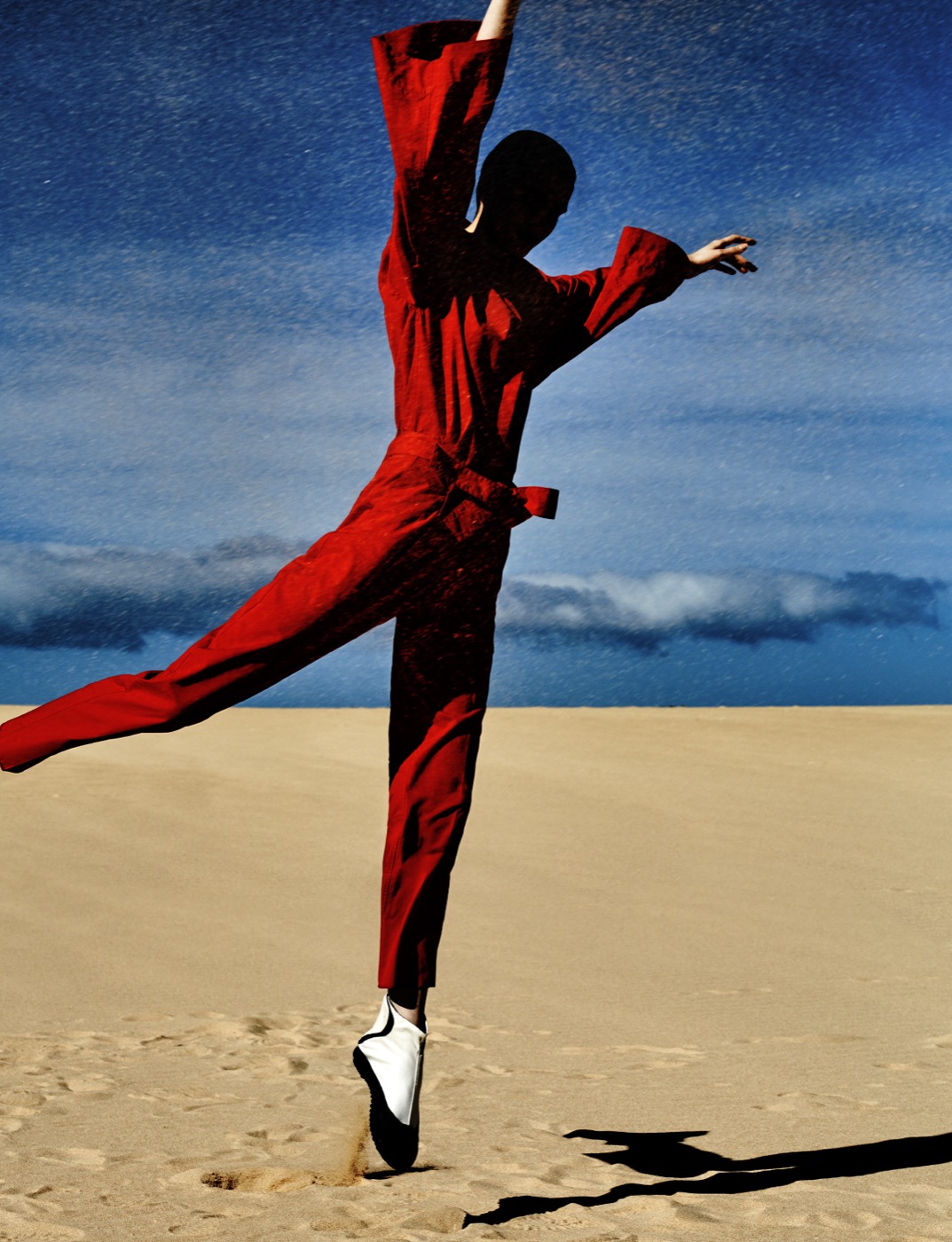 Txema YesteDance, Fuerteventura, 2018.The weather does the writing in this picture: a hard wind has lifted the dune into the air, and you can see it, grain by grain, speckling the blue like static.
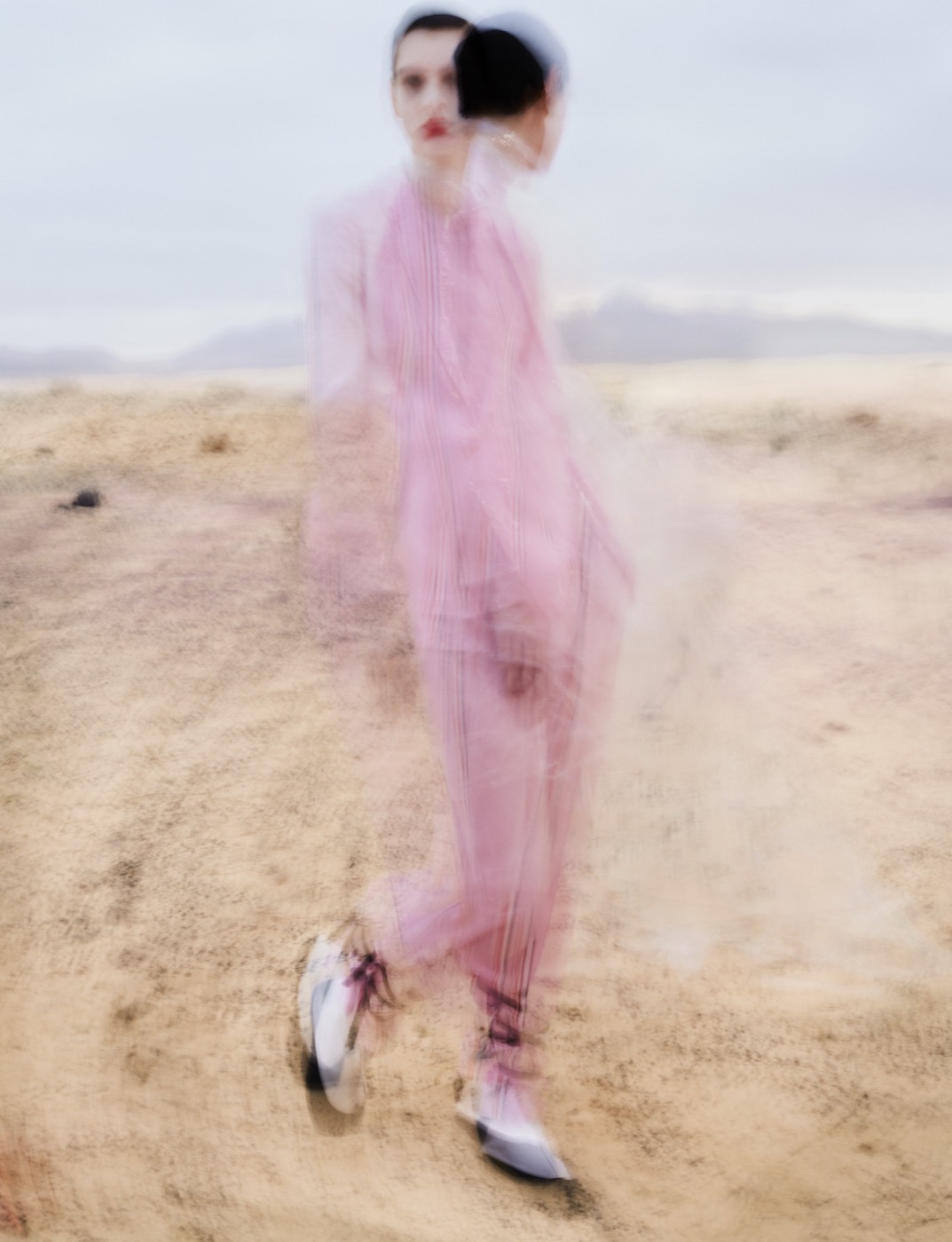 Txema YesteDirections, Fuerteventura, 2018.She walks straight at the camera across the pale plain, and the long exposure will not let her arrive: the pink suit smears into a column of blur, the head splits in two, one white shoe lifting clear…
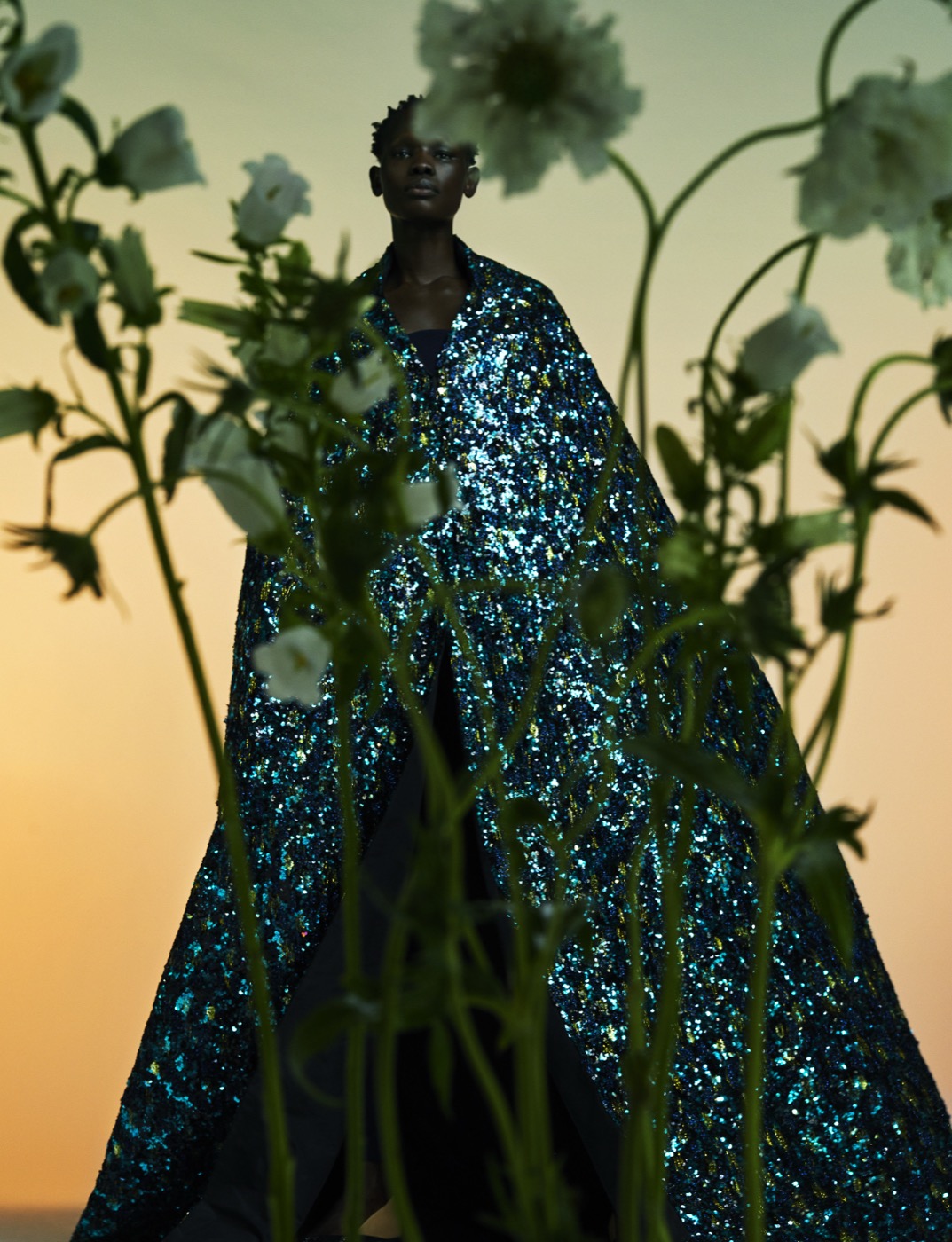 Txema YesteFlower Field, 2018.A single white bloom has taken up position directly above her head, more or less where a crown would sit, and although it is probably an accident of framing, nothing else in this picture behaves like…
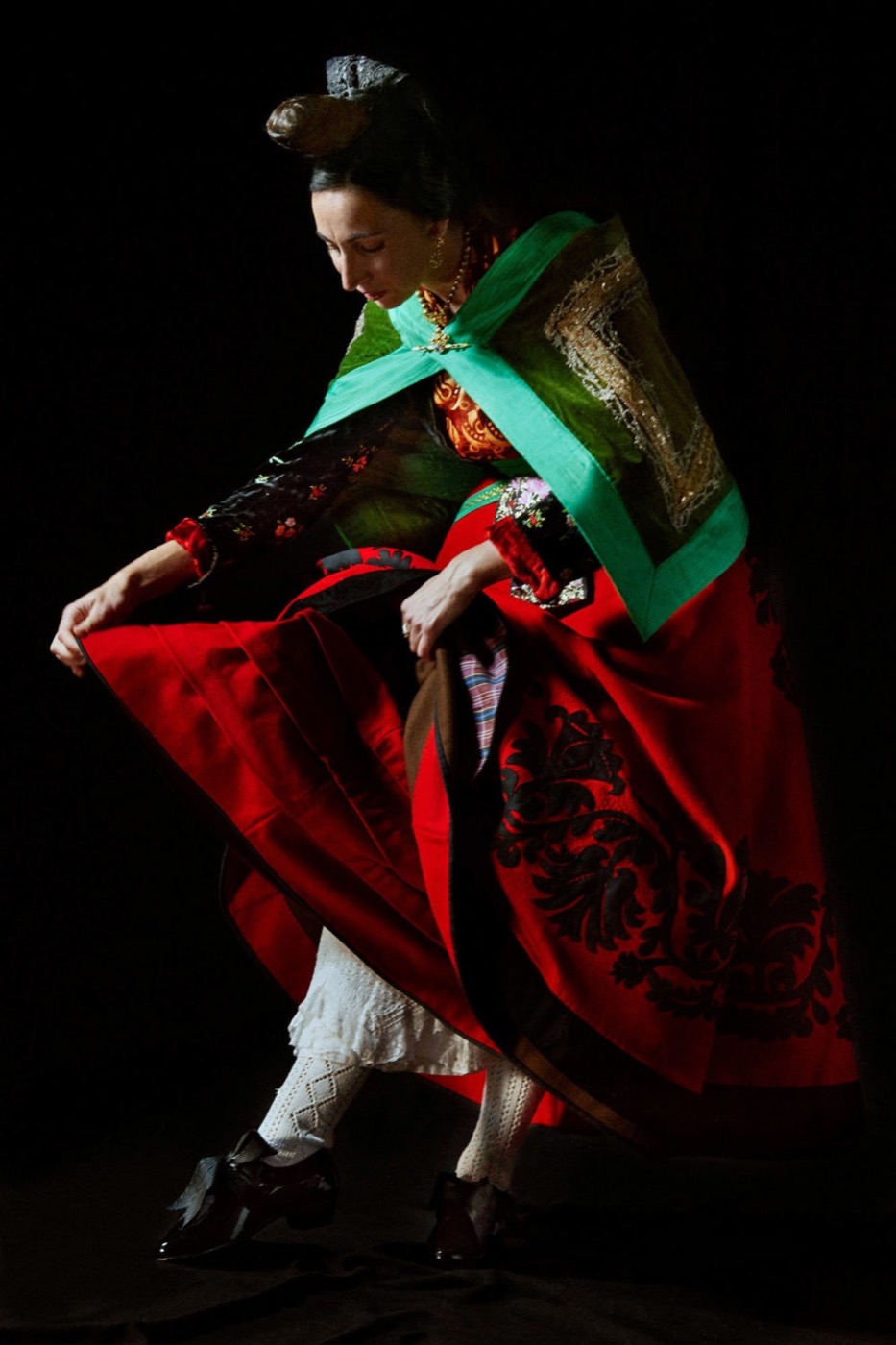 Txema YesteInvitación, Candelario, 2018.Long before fashion had a season, a mountain town like Candelario kept its finest dress for feast days and rites of invitation, and here a woman lifts exactly such a costume into the light — a heavy…
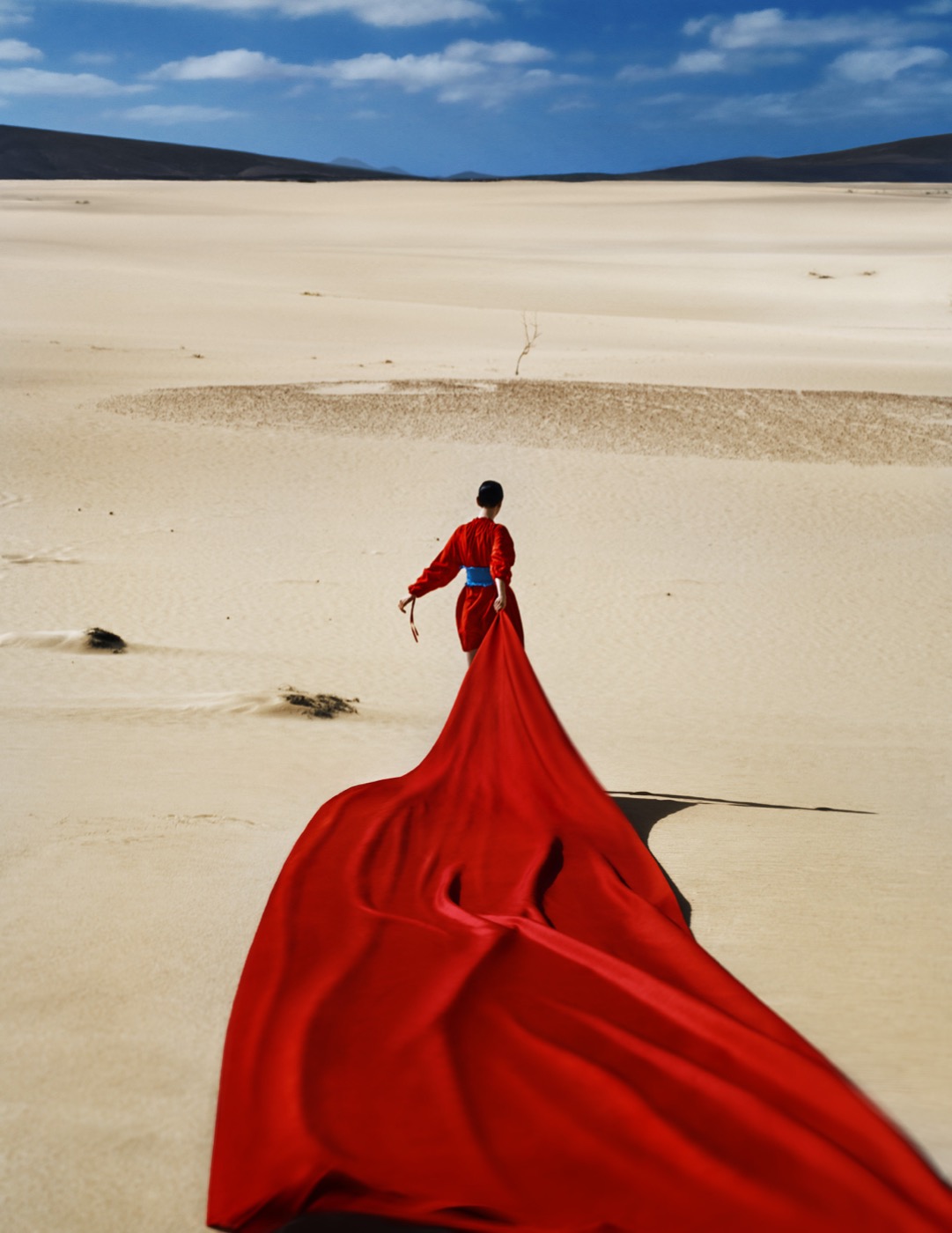 Txema YesteRed Tail Over Sand, Fuerteventura, 2018.The dress does not end. It pours from the woman's waist and runs for yards across the sand, a single river of red that is the only saturated thing in a bleached world.
 Txema YesteShanelle on Pont Neuf, Paris, 2018.She stands at the prow of a boat passing beneath a Paris bridge, in profile, a green gown breaking into ruffles that pour down to the deck and almost into the water.
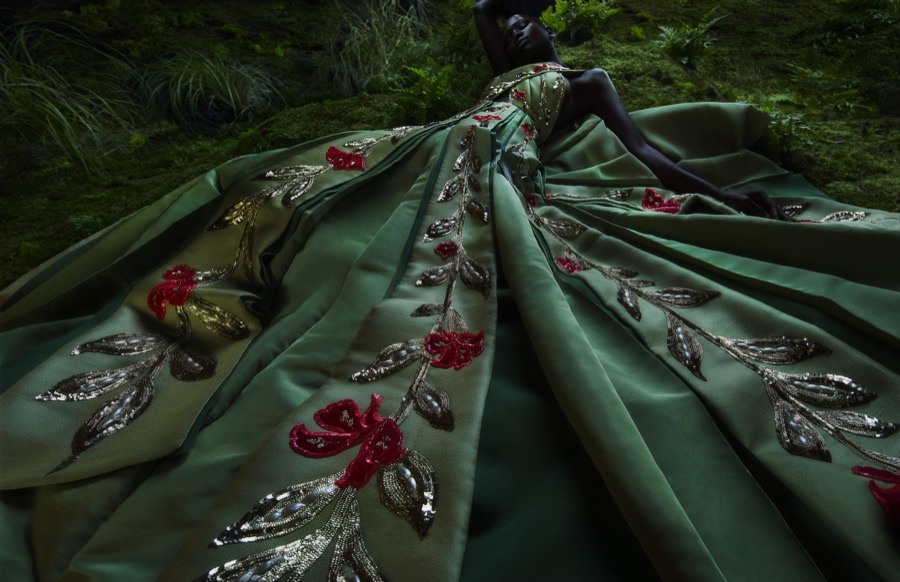 Txema YesteShanelle, Valentino, Vogue España, 2018.The dress takes almost the entire frame. Green silk, acres of it, spread across the forest floor in broad folds and embroidered with silver-sequinned leaves and small crimson flowers that climb the…
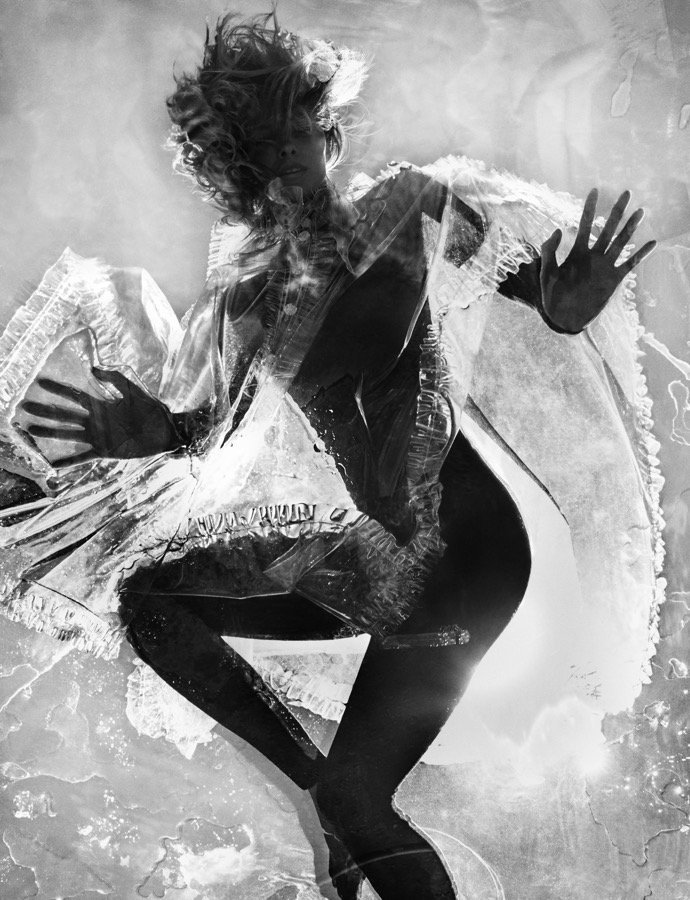 Txema YesteSilhouette, 2018.A woman fills the frame top to bottom, and almost everything solid about her has gone dark.
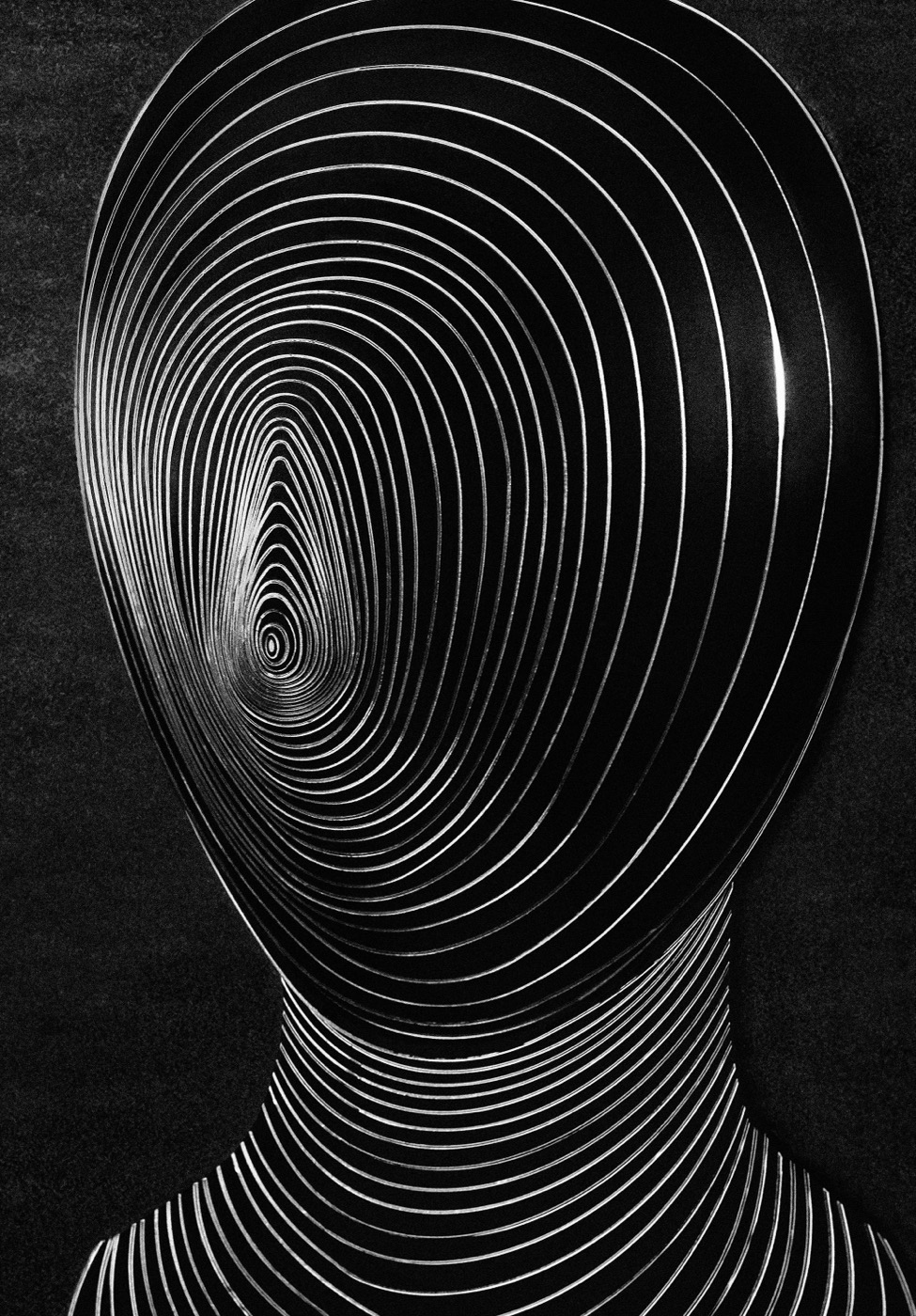 Txema YesteSilver Metal Over Black Methacrylate (Variation on a painting by Pavel Tchelitchew), 2018.A head and shoulders in black, with no features whatever.
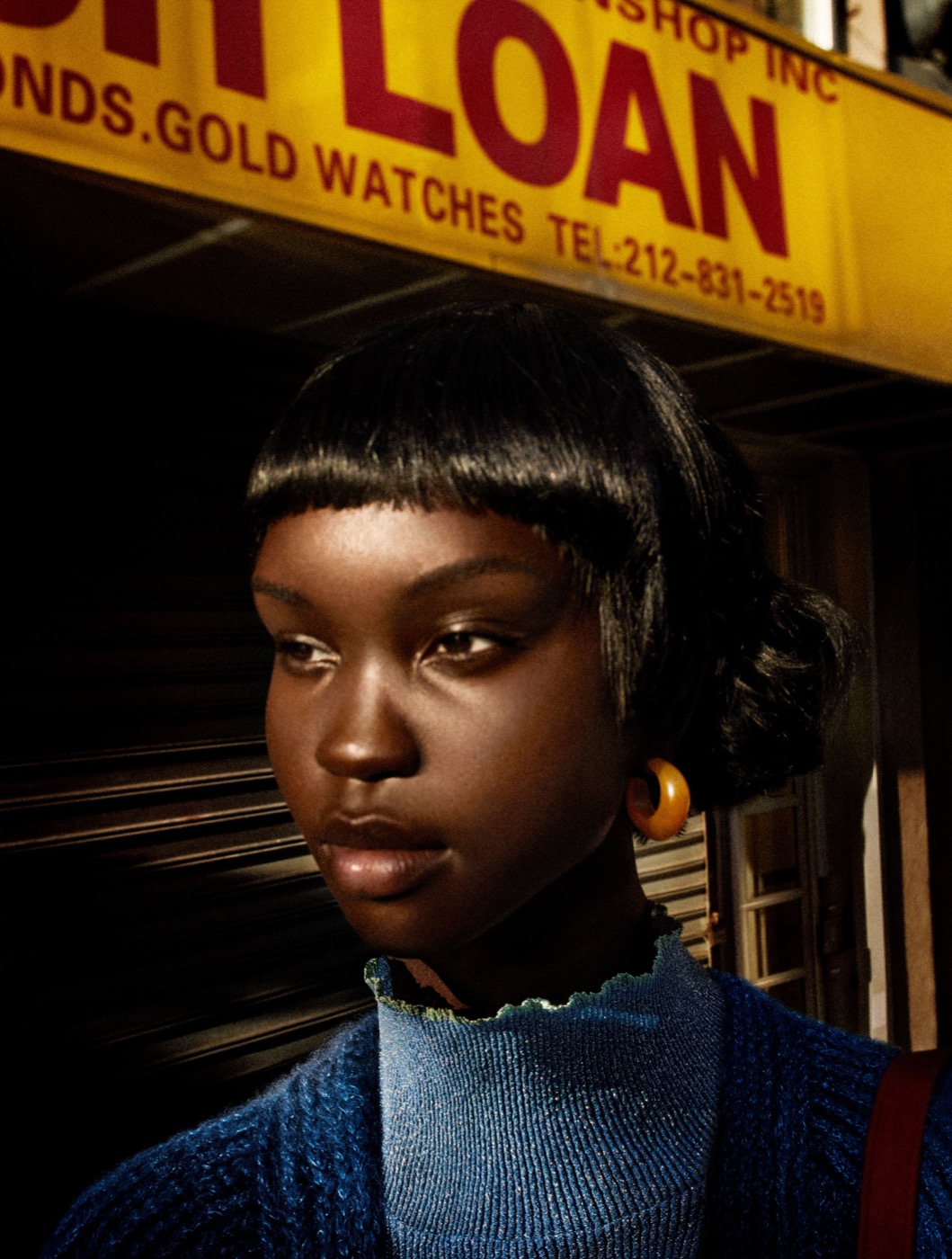 Txema YesteAchenrin in Harlem, 2019.A young woman holds the camera's gaze beneath a yellow pawnshop sign, GOLD WATCHES glowing above her like a halo of commerce, the small amber hoop at her ear quietly answering its promise of gold.
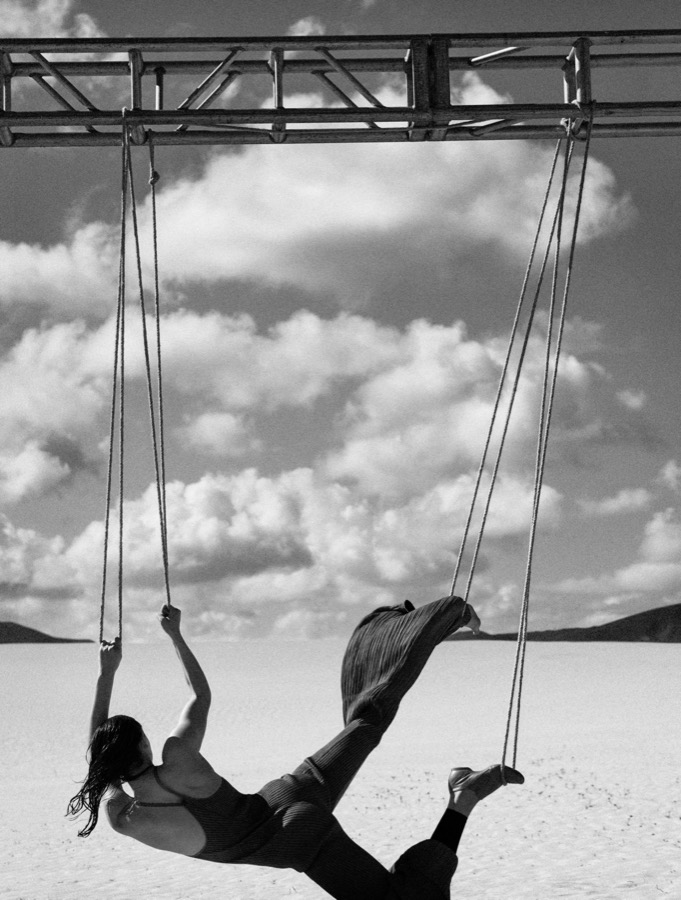 Txema YesteAnsley on Balance, Fuerteventura, 2019.She hangs almost level with the horizon, gripping two ropes that drop from a steel truss, her body a taut diagonal between hands and heels, dark hair streaming toward the ground.
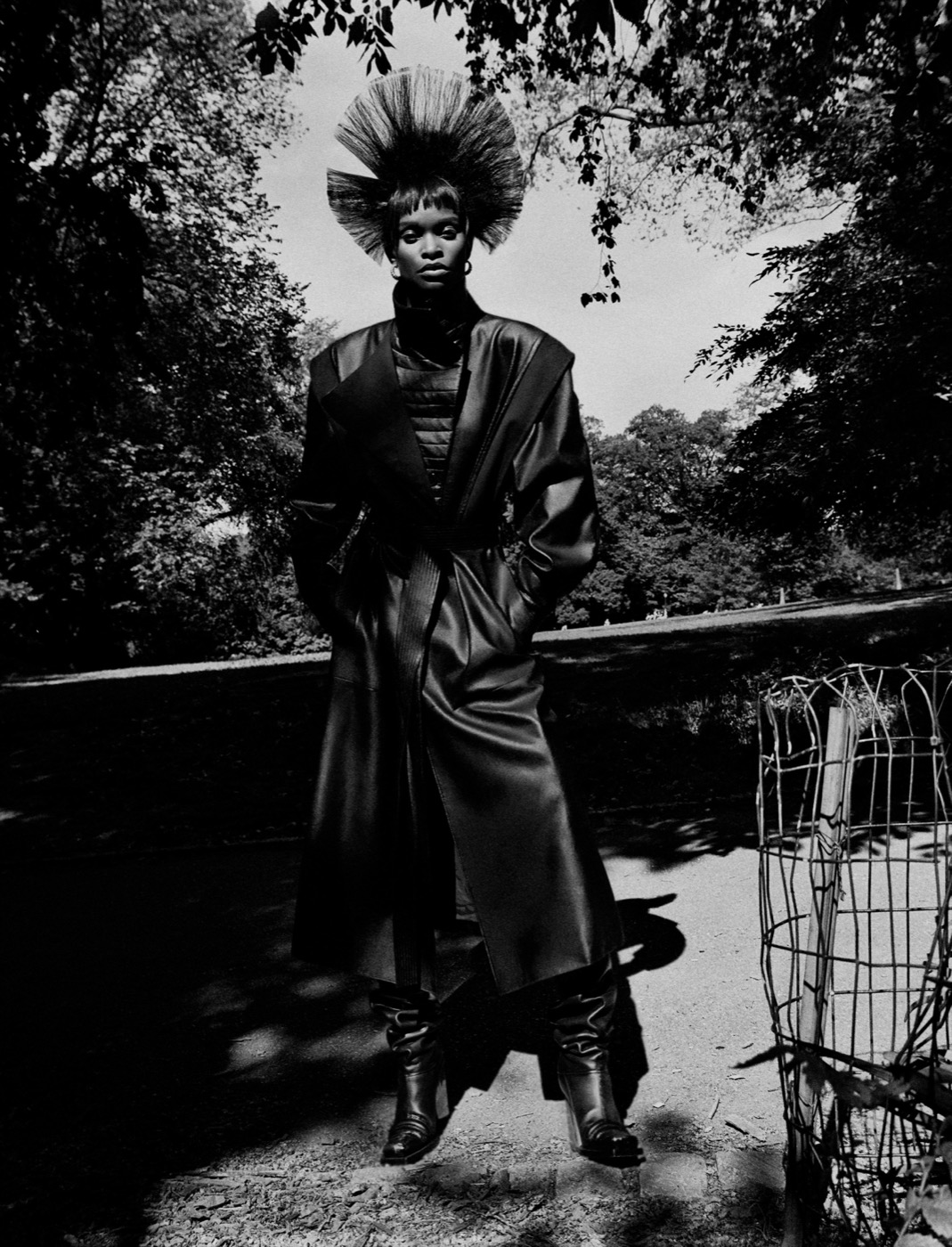 Txema YesteBarbra-Lee, Harlem, 2019.A woman stands on a park path in Harlem with her hands in the pockets of a long black leather coat.
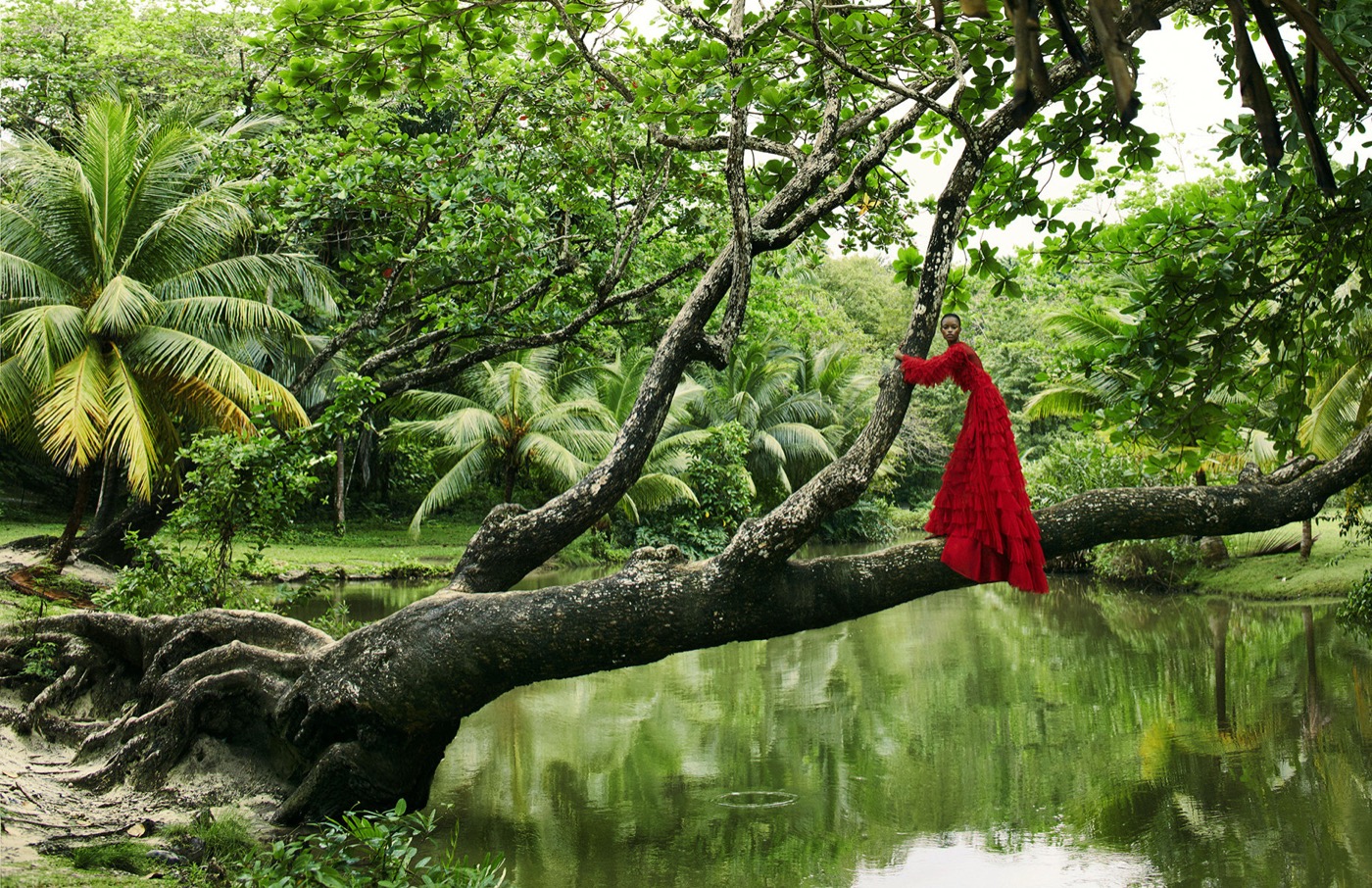 Txema YesteFruit of all greens, 2019.Count the greens: the grey-green of lichen crusting the bark, the acid green of young palm fronds, the bottle green of still water holding the whole forest upside down.
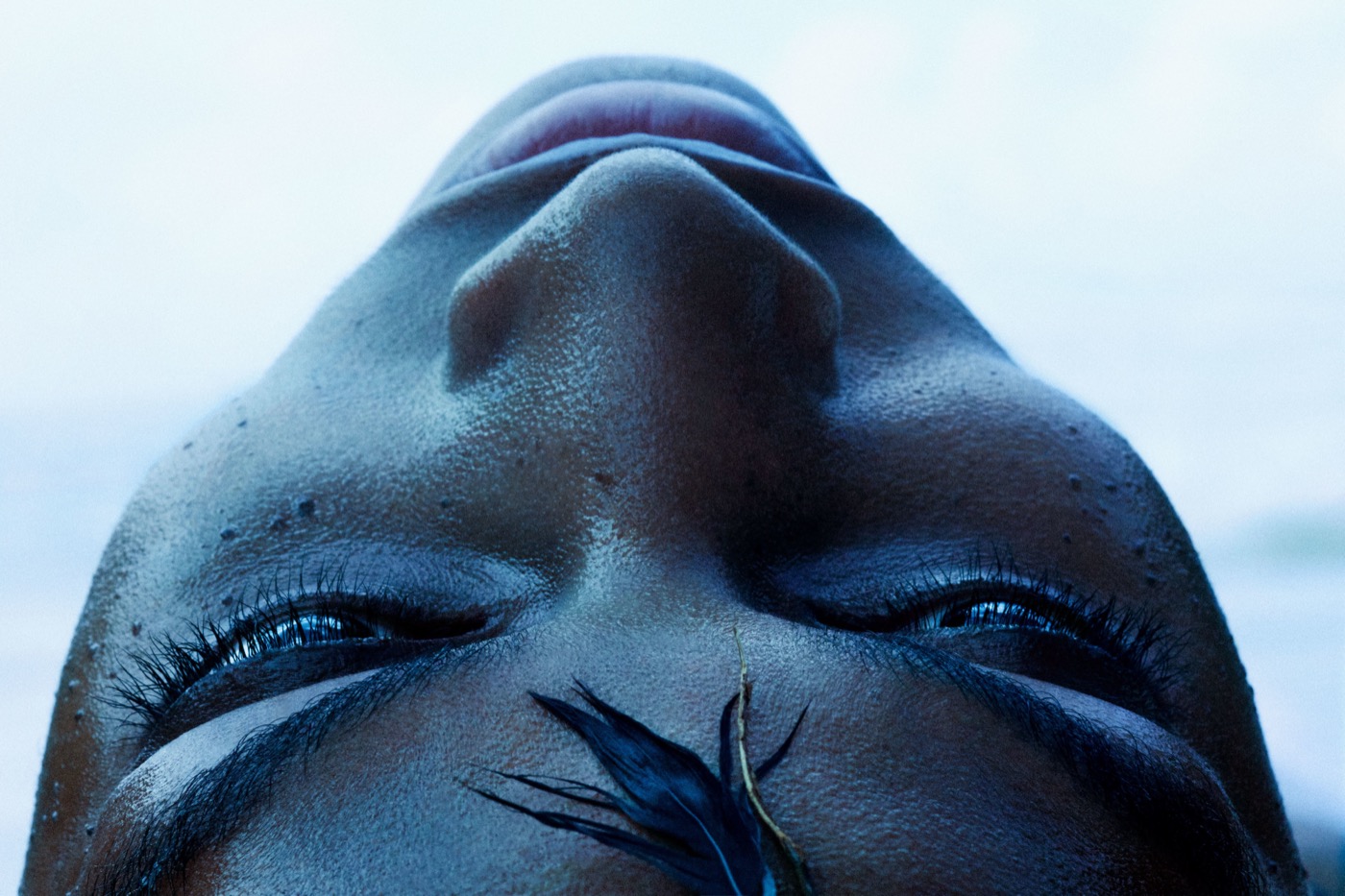 Txema YesteKarly, Jamaica, 2019.A face at very close range, upside down. The chin is at the top of the frame with the lips slightly parted, then the nose, then the closed eyes under heavy lashes, then the eyebrows along the bottom…
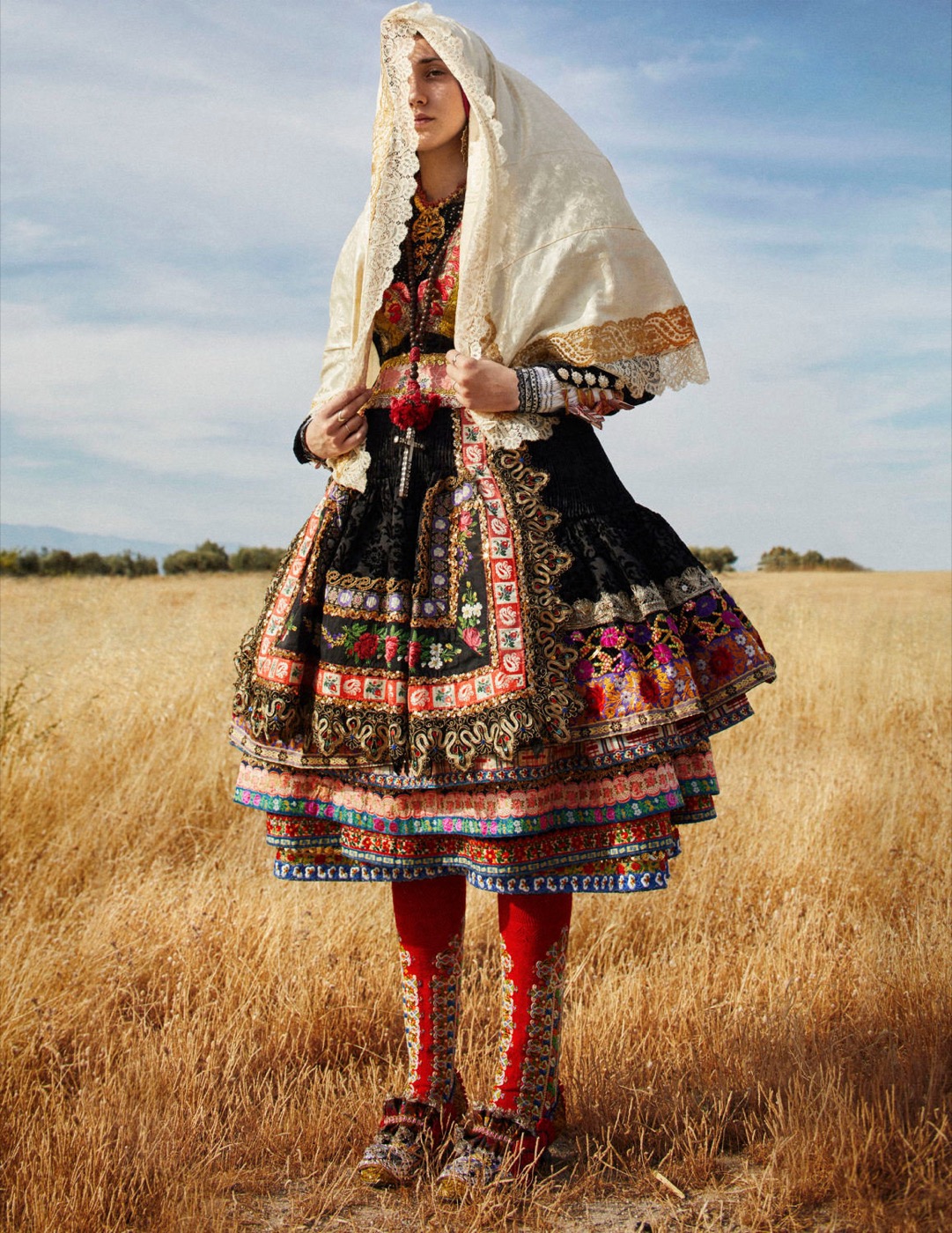 Txema YesteLagartera, 2019.A beat before this, she was still arranging herself: settling the cream shawl over her head, testing the weight of the coral beads at her throat.
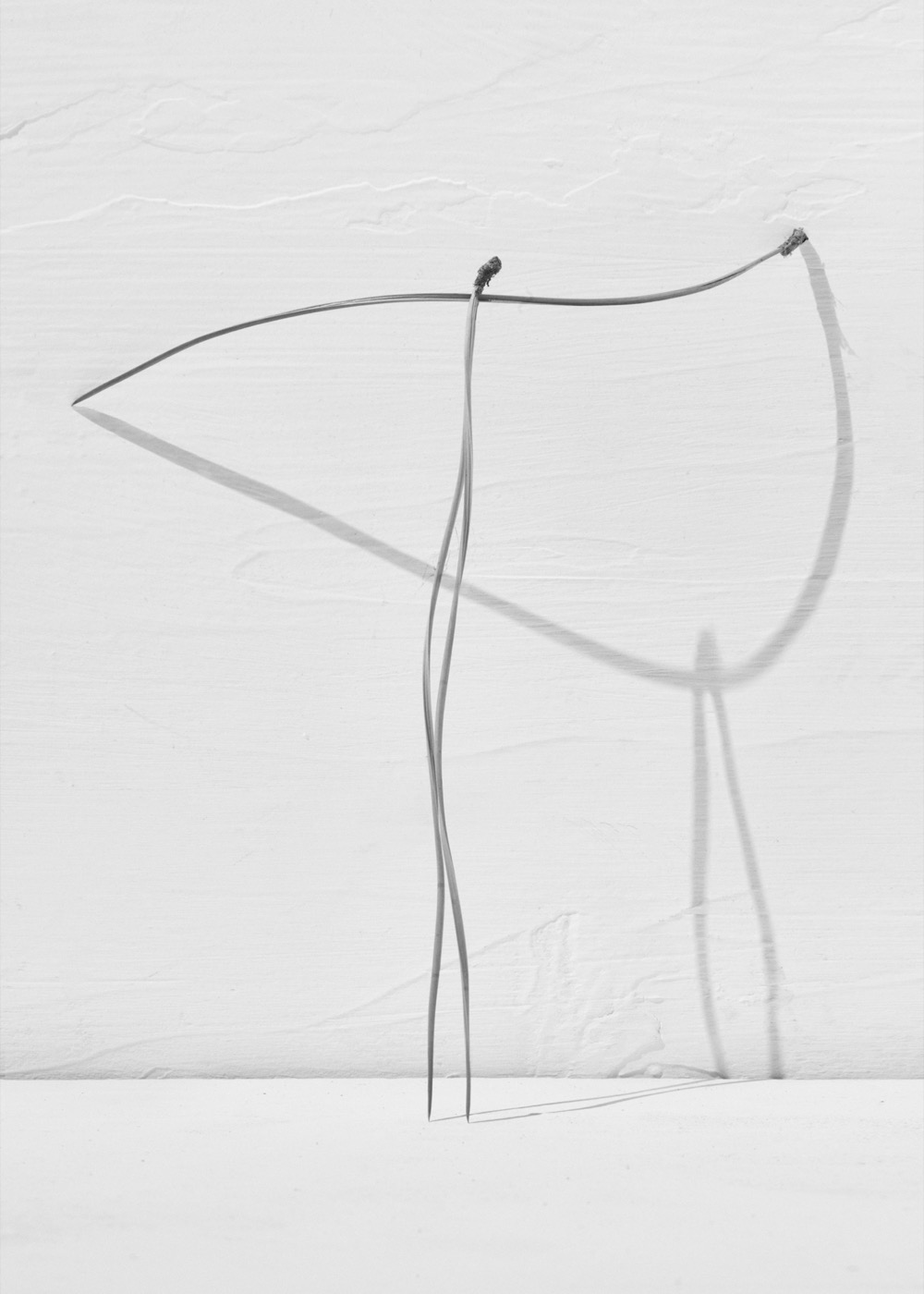 Txema YesteNeedles, 2019-24.A few millimetres of dark sheath, the little collar that once fastened these needles to their branch, is the only knot in the picture, and everything hangs from it.
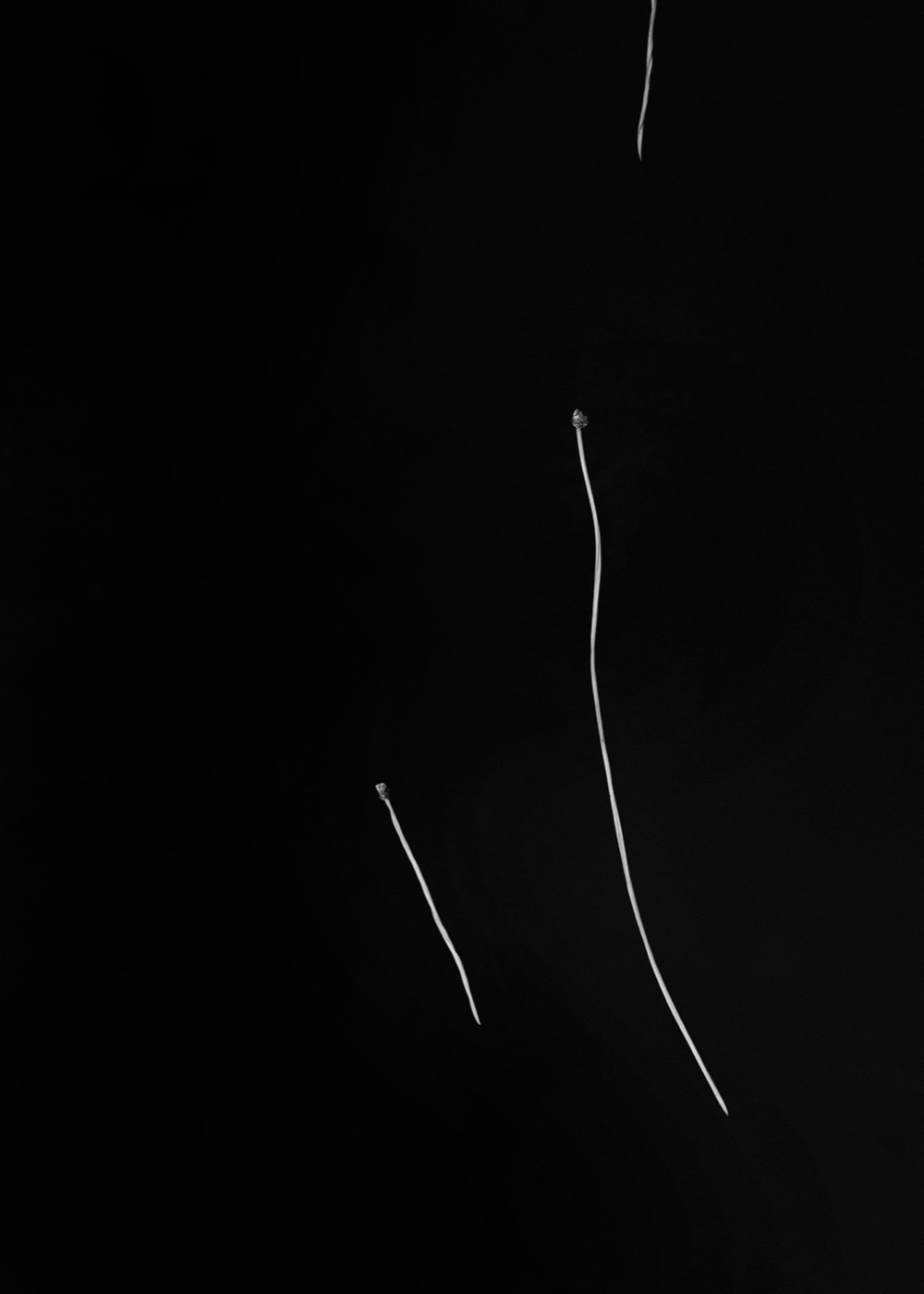 Txema YesteNeedles, 2019-24.Almost everything has been withheld. No horizon, no ground, no weather, no sense of how large or small any of this might be — only a black so complete it stops being a background and becomes a…
 Txema YesteNeedles, 2019-24.We stand very close to a whitewashed wall, close enough to read the trowel marks and the low ledge running along the bottom like a horizon.
 Txema YesteNeedles, 2019-24.Photography is forever confusing the near with the far, and this picture makes a whole method of the confusion.
 Txema YesteNeedles, 2019-24.How many hours of gathering does a heap like this cost, and who was meant to see the arithmetic?
 Txema YesteNeedles, 2019-24.A tiny knot of tangled fibres, where the needles leave the cone, is the thing I keep returning to.
 Txema YesteNeedles, 2019-24.The white here is not blank but handled: a skin of paint or plaster that has taken thumb-smears, drag marks, the grey ghosts of touches it could not refuse.
 Txema YesteNeedles, 2019-24.The lighting is pure after-hours: a stage swept black, one pale strip of floor along the bottom, and a silver edge tracing each long leaf as it moves.
 Txema YesteNeedles, 2019-24.Giacometti spent a lifetime whittling the human figure down toward nothing, and here two pine needles have gone and finished the job for him: joined at their little dark knot of a head, legs planted…
 Txema YesteNeedles, 2019-24.Balanced on its raft of melting ice, a single pine needle is going nowhere slowly.
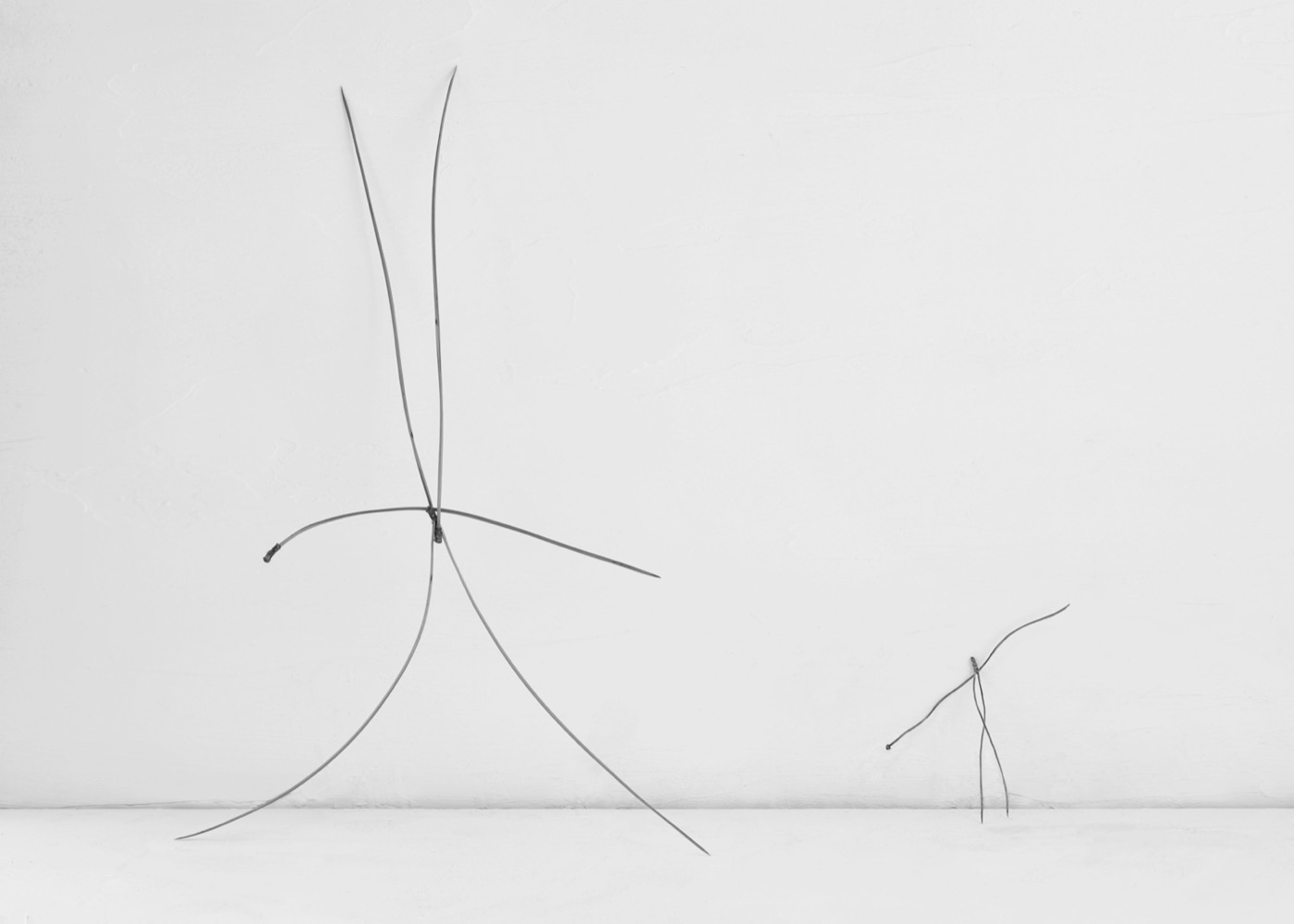 Txema YesteNeedles, 2019-24.One breath of air from now, both pine-needle figures will be flat on the white floor.
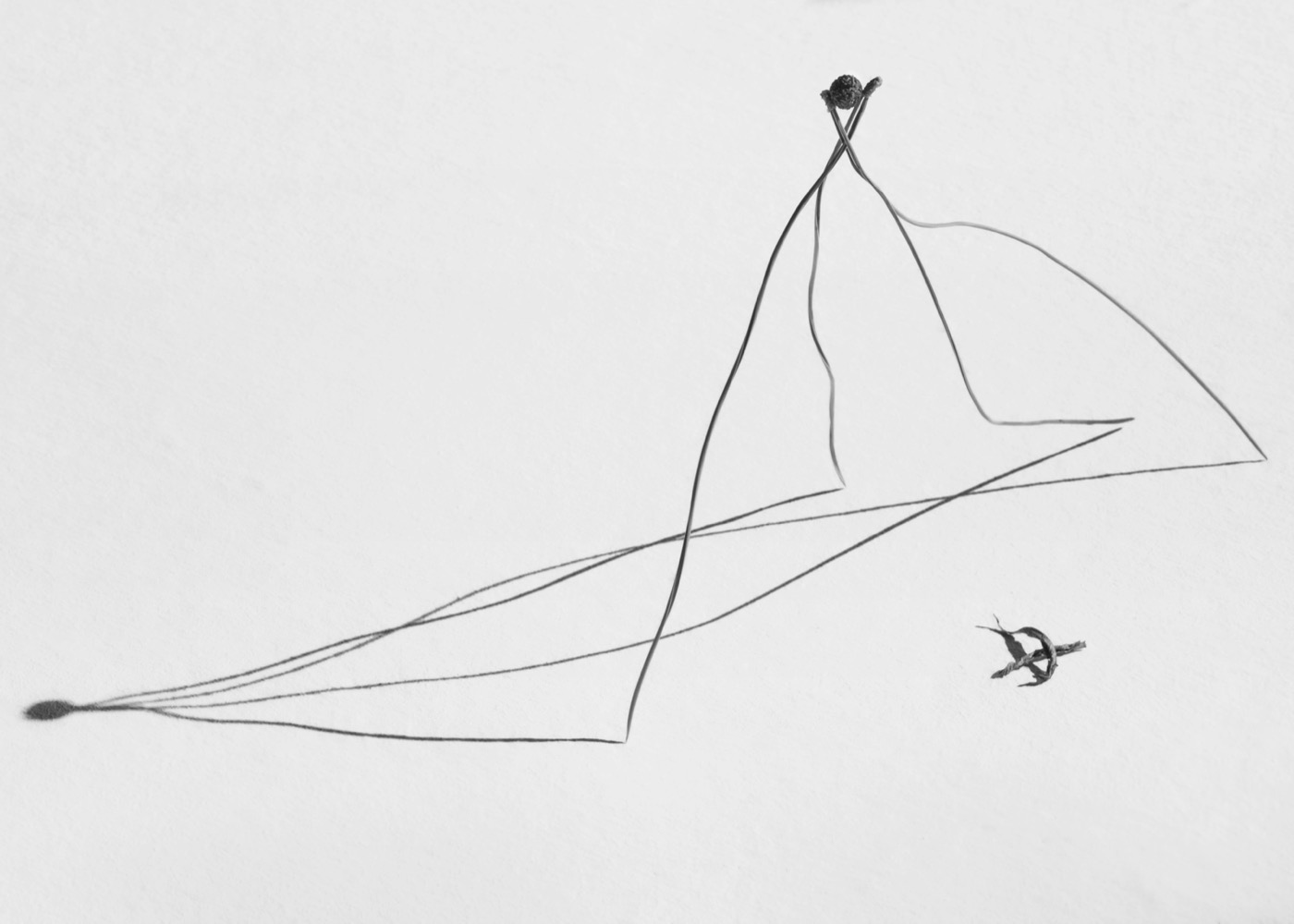 Txema YesteNeedles, 2019-24.When photography was still being invented, its pioneers laid plant specimens on sensitized paper, convinced that pine needles and ferns might be persuaded to draw themselves.
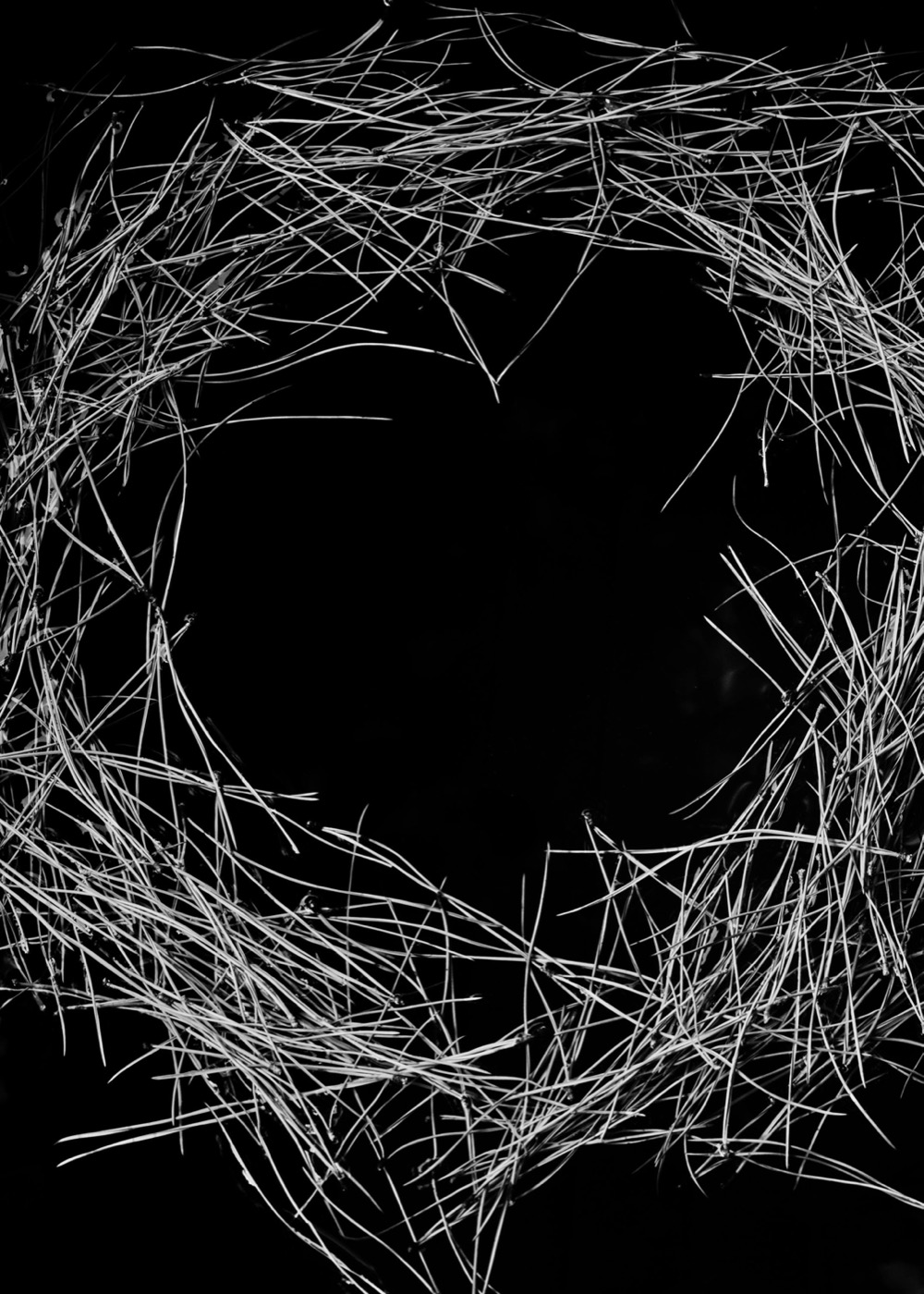 Txema YesteNeedles, 2019-24.Follow the one pair of needles that dips down into the dark middle, hanging like a dowser’s rod over nothing.
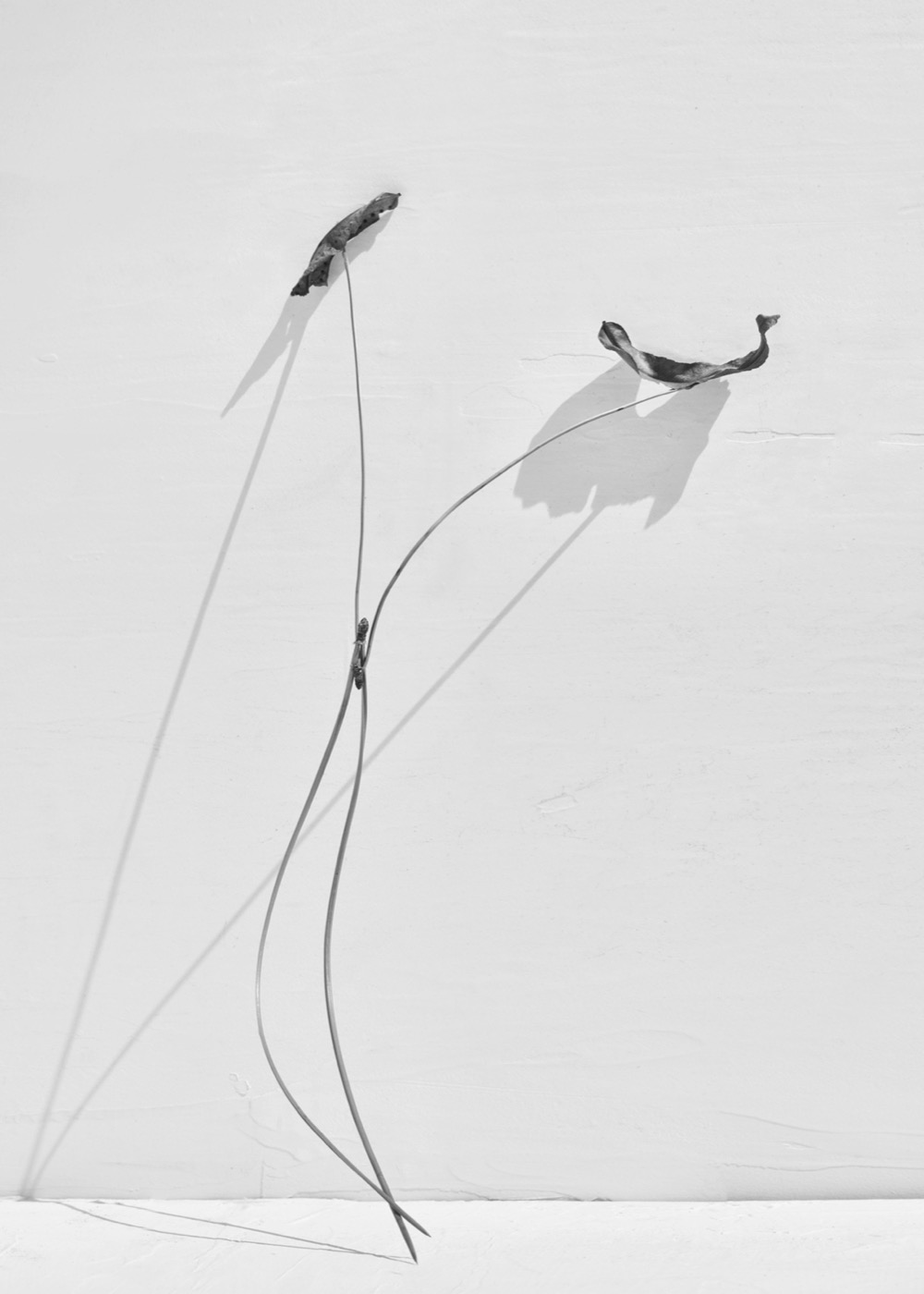 Txema YesteNeedles, 2019-24.The picture declines to tell us how big any of this is, or where it stood before someone set it against a plaster wall.
 Txema YesteNeedles, 2019-24.A handful of pine needles, knotted at the center into a black nest and unravelling toward the edges in single strayed lines—this is the whole drama.
 Txema YesteNeedles, 2019-24.We are down at floor level, close to a strip of white ledge that runs across the bottom of the frame, and above it a wall of pure black rises without a seam.
 Txema YesteNeedles, 2019-24.A shadow is not a copy but an argument the object cannot control.
 Txema YesteNeedles, 2019-24.How does a pine needle learn to stand en pointe?
 Txema YesteNeedles, 2019-24.Each dark mark on this white ground trails a shadow no thicker than a hair, and that shadow changes everything.
 Txema YesteNeedles, 2019-24.Charcoal on bone: the palette is that narrow, and somehow it is enough.
 Txema YesteNeedles, 2019-24.The light here is the light of a white morning fog, so even it barely commits to shadows, and it turns a field of pine needles into weather: a fine dark rain falling in slow, even columns down the…
 Txema YesteNeedles, 2019-24.Photography began with plants pressed flat: ferns and grasses laid on sensitized paper, printing themselves as pale silhouettes.
 Txema YesteNeedles, 2019-24.Parting is the whole drama here: two pale needles, joined at a small crown, curve away from each other as they descend into cloud.
 Txema YesteNeedles, 2019-24.The instant just past was precarious: a cross of pine needles, lashed at its dark joint, has only now come to rest, one long needle touching down like a landing insect, the others still swept back…
 Txema YesteNeedles, 2019-24.By the time a nest reaches a table like this, its season is finished and its tenants long gone.
 Txema YesteNeedles, 2019-24.Read it as a character in an alphabet no one has taught us: a thick black stroke rising from the floor, bending twice like the neck of a bird, then exploding at the top into a fine spray of needles…
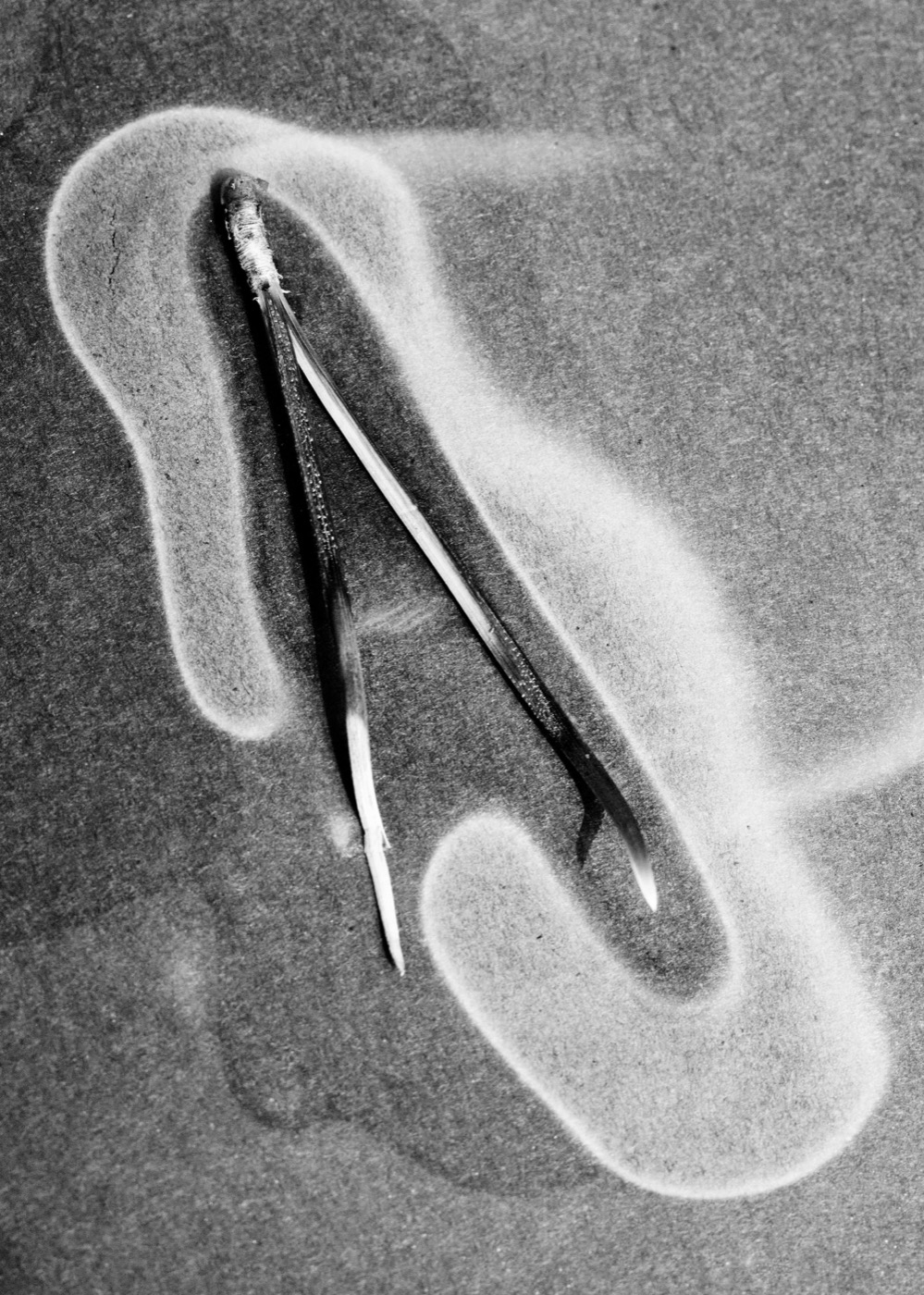 Txema YesteNeedles, 2019-24.The photograph withholds the one fact that would settle it: whether we are looking down from a great height or down at a table.
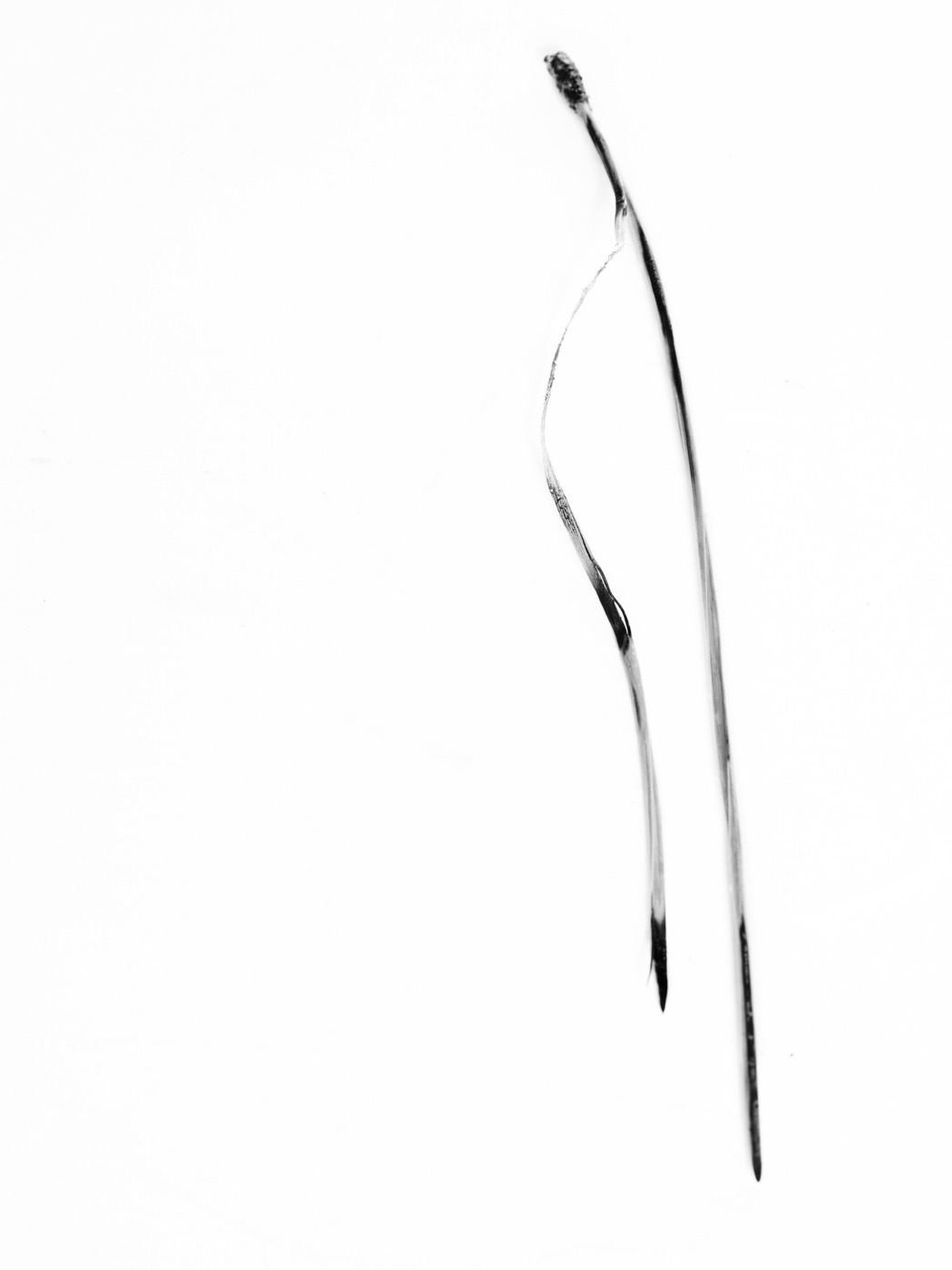 Txema YesteNeedles, 2019-24.There’s nowhere to stand in this picture, and that may be the source of its calm: white above, white below, white all the way through, and falling through that unlocated whiteness, two dark needles…
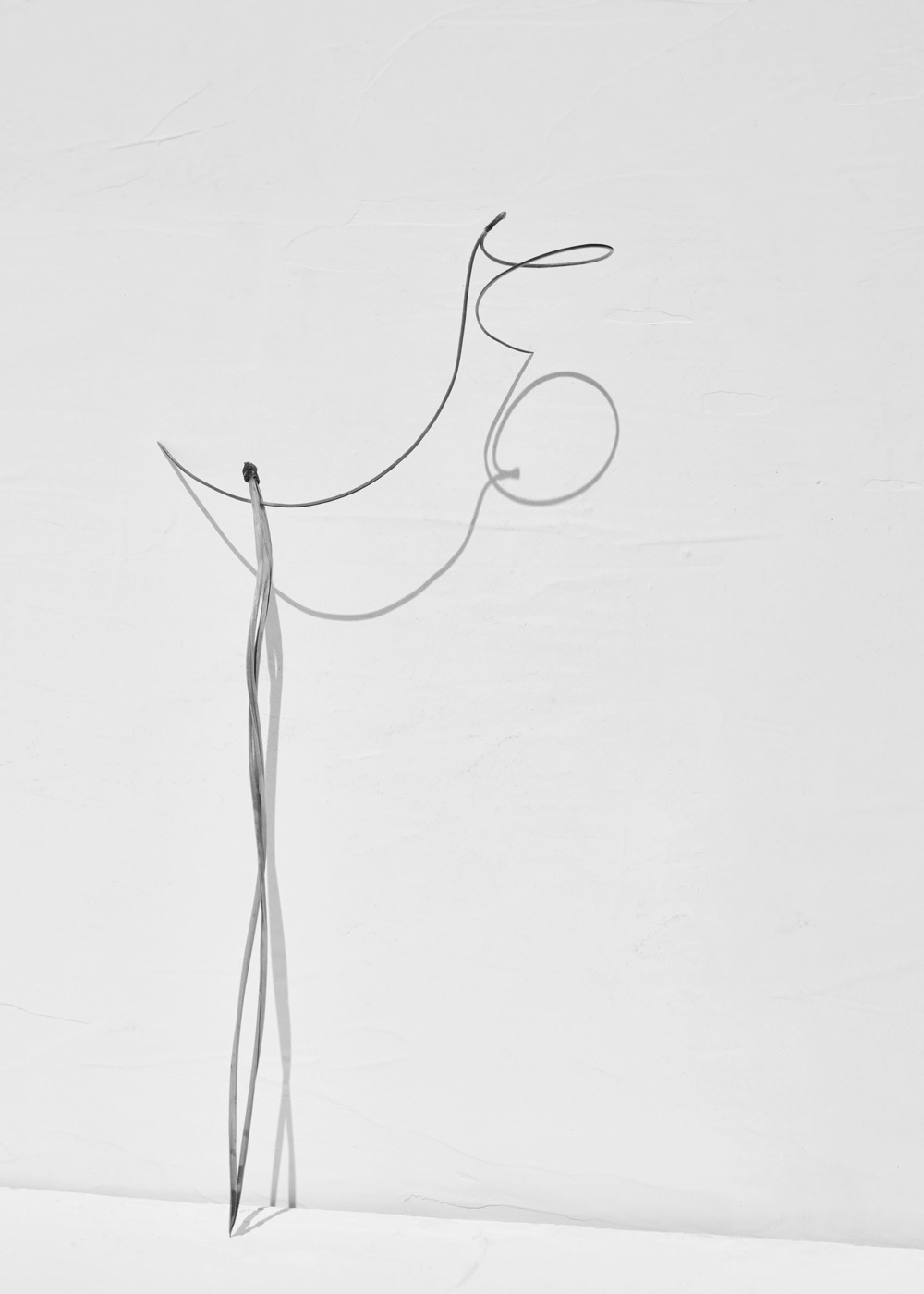 Txema YesteNeedles, 2019-24.The oldest photograph is a shadow on a wall, and every photograph since has been trying to live up to it.
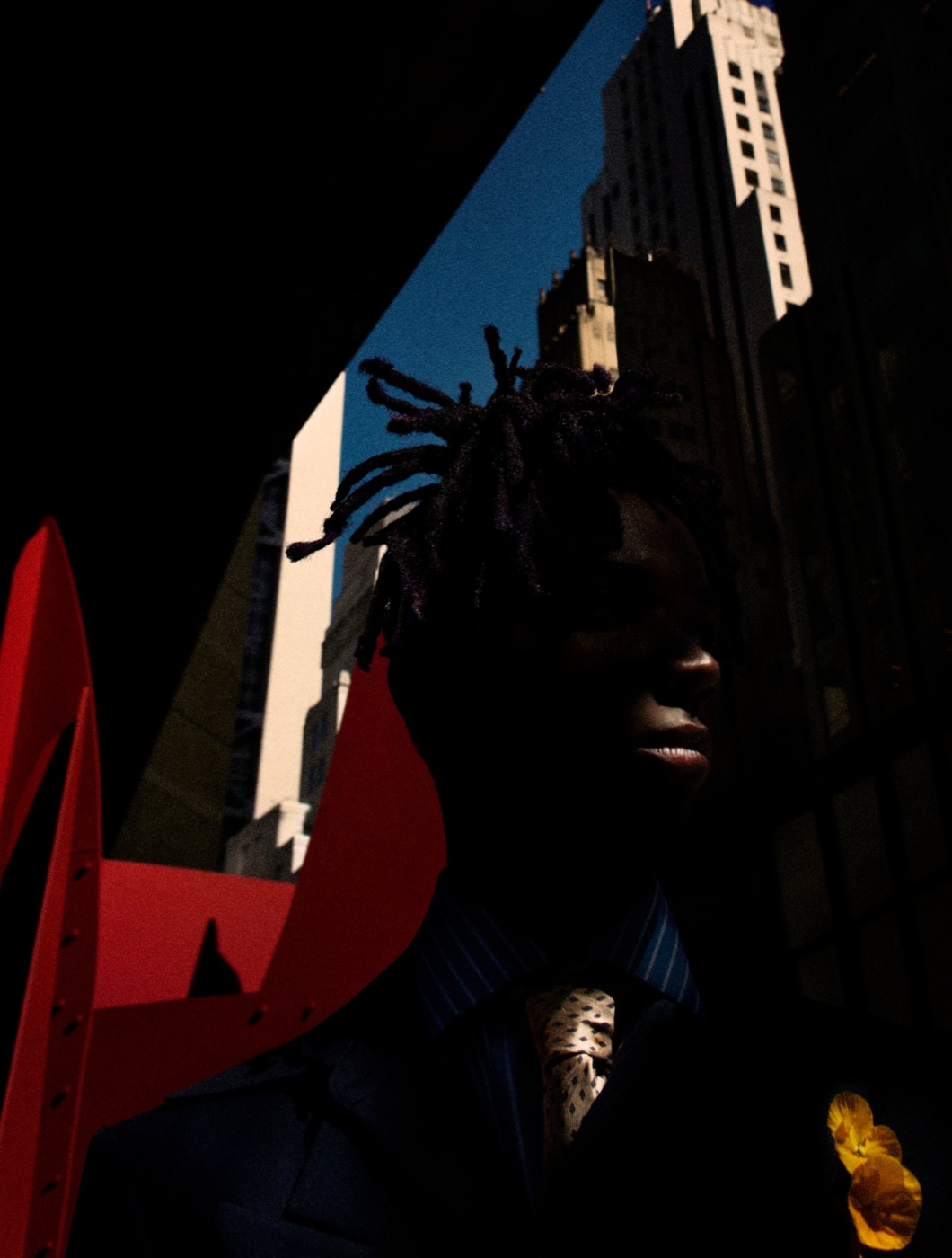 Txema YesteNY Sketches, 2019.From the bottom of a Manhattan canyon, deep in the kind of street shadow midtown manufactures all afternoon, we look up at a wedge of hard blue sky.
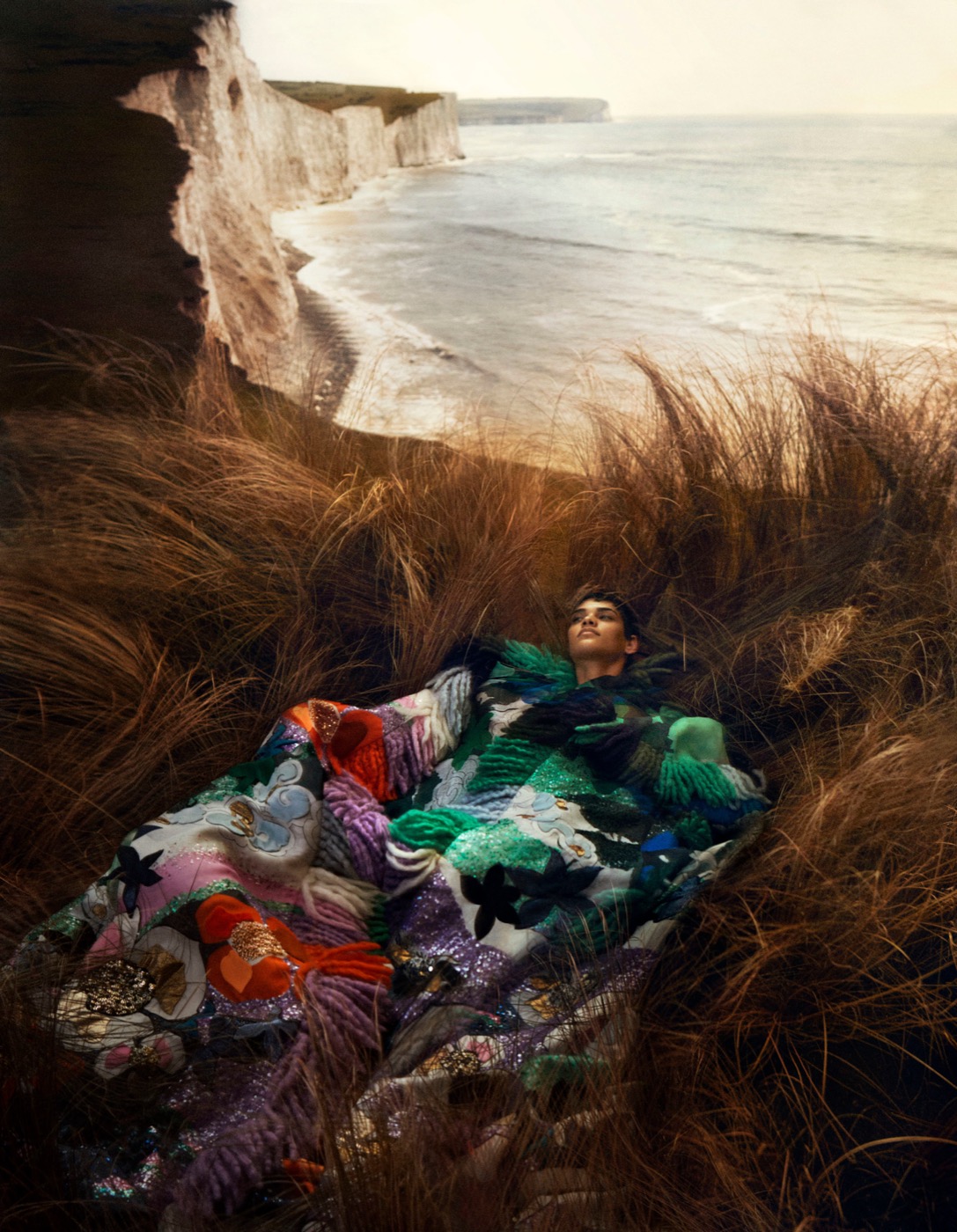 Txema YesteThe Cliff, Vogue Spain, 2019.Painting learned long ago to lay a beautiful body down in a landscape — Ophelia among her reeds, the odalisque on her couch — and this photograph joins that lineage, settling a reclining figure into…
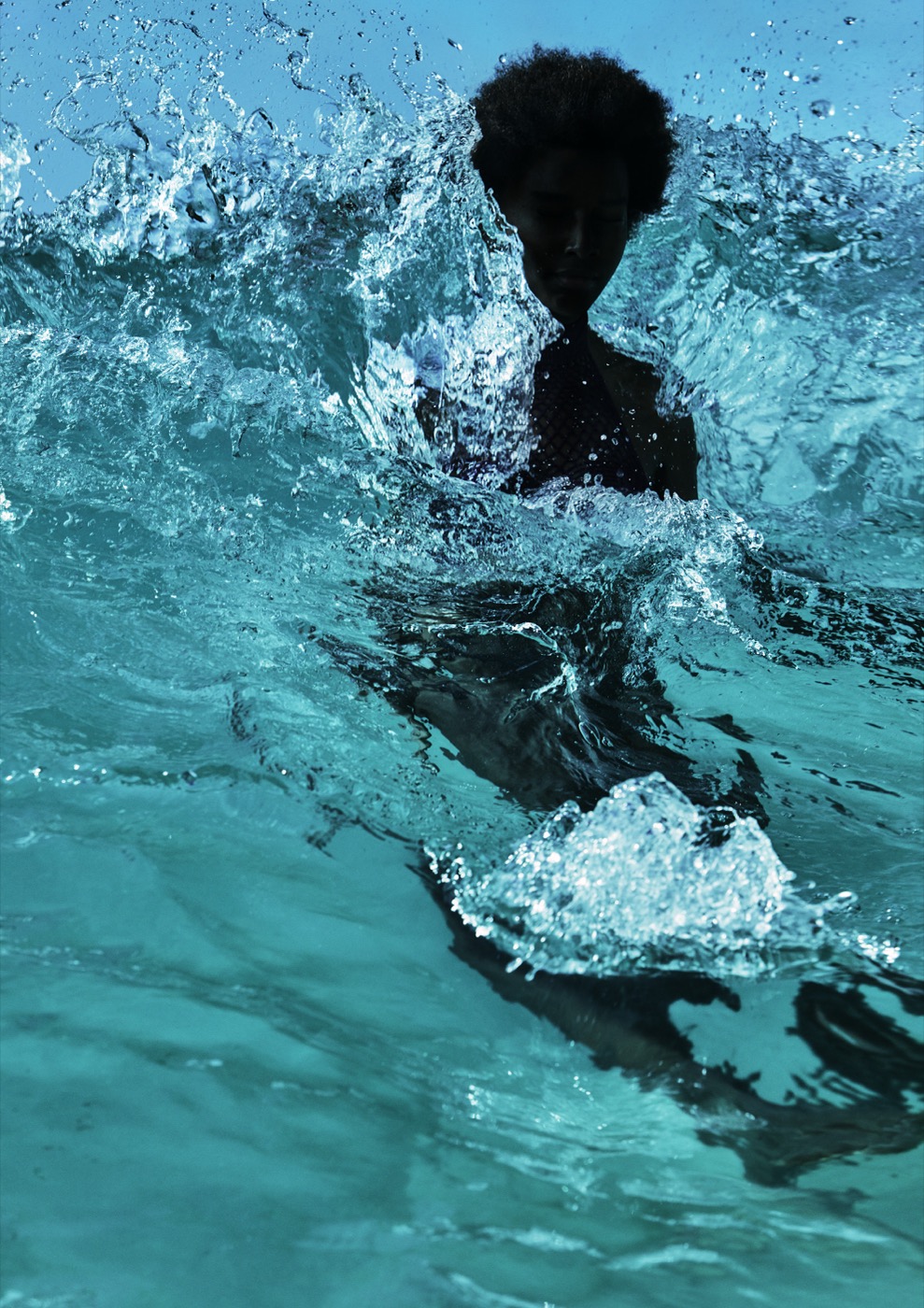 Txema YesteThe Wave, Jamaica, 2019.The real subject is the light in the water: a Caribbean turquoise lit from within, so clear that the breaking wave becomes a wall of glass around the swimmer’s shoulders.
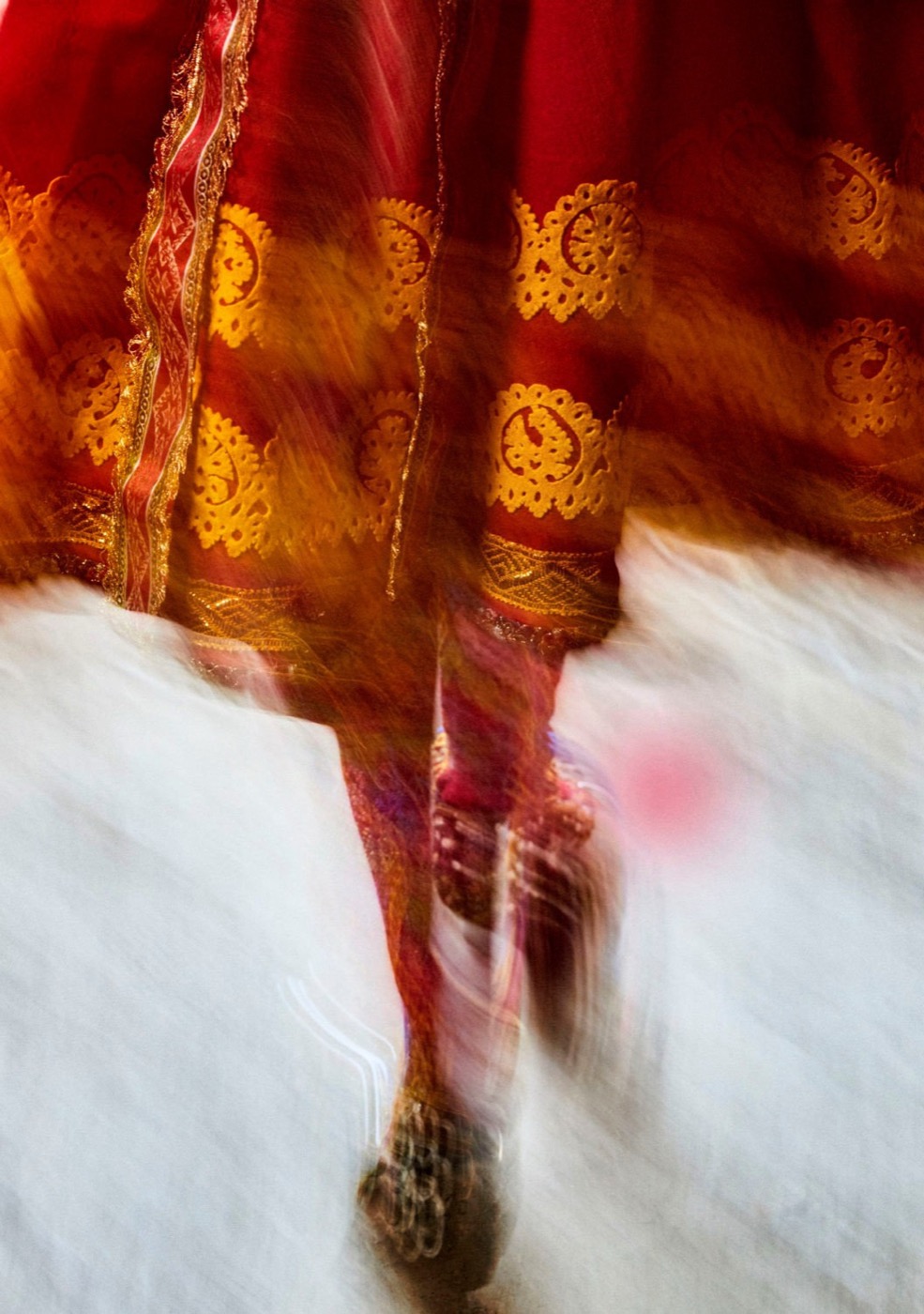 Txema YesteTorrico, 2019.There are villages where the feast-day wardrobe still outlasts every fashion that passes through: in Torrico the scarlet skirt with its bands of gold needlework comes out of the chest each year, and…
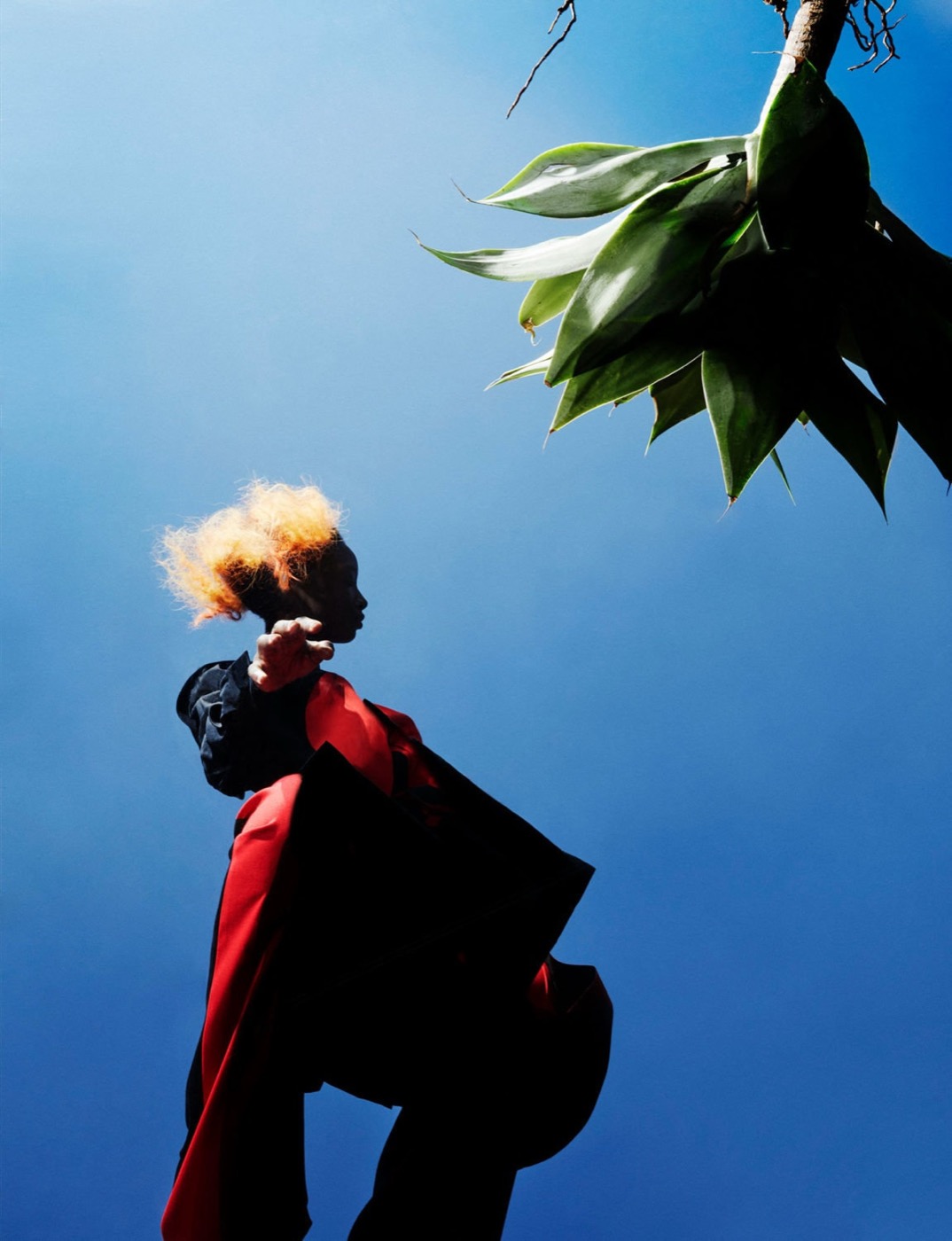 Txema YesteAssa in Ibiza, 2020.A hand comes hooking over the black ruff of the collar, five bare fingers arriving from somewhere the tailoring has not yet colonized.
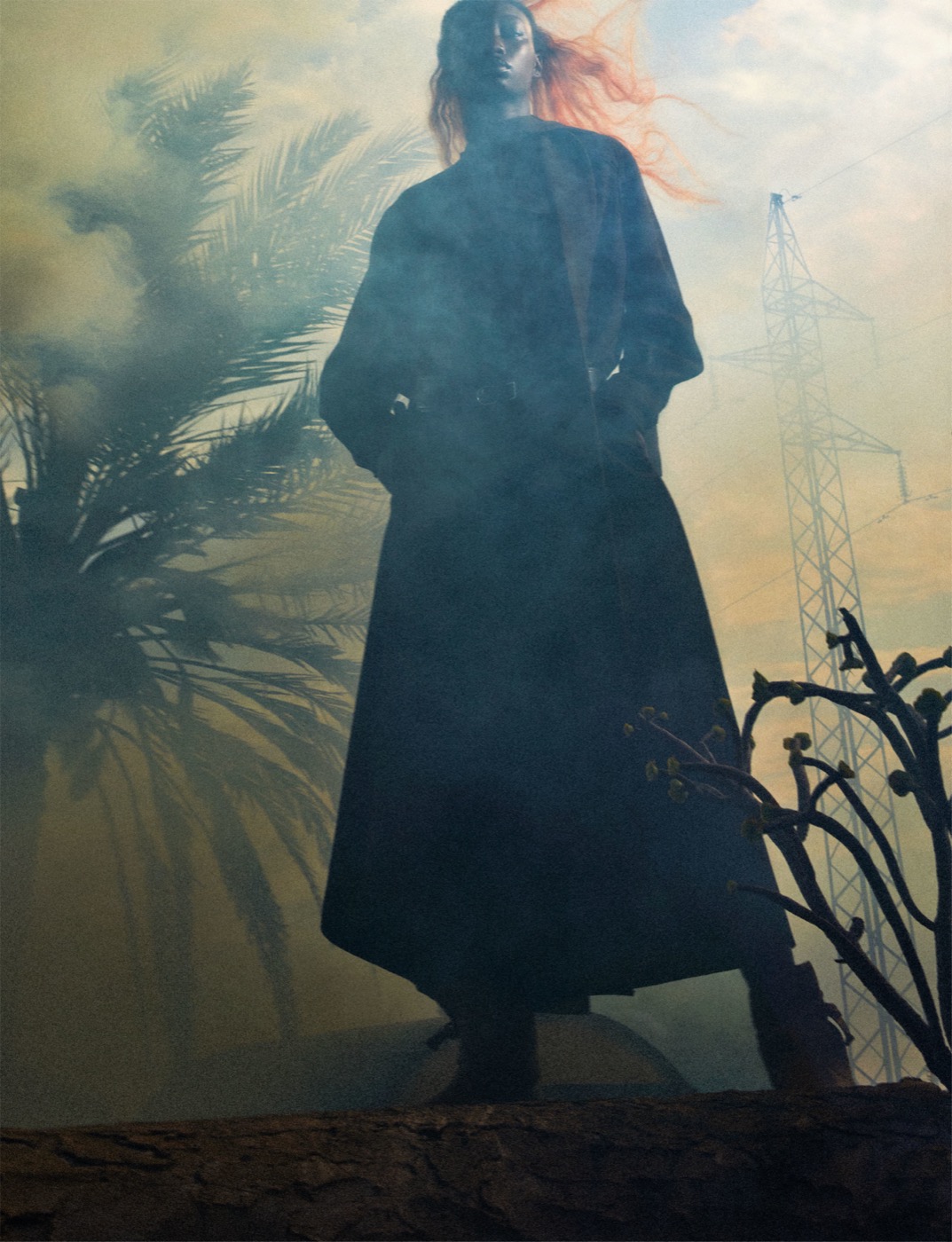 Txema YesteAssa, Ibiza, 2020.Whistler called his full-length portraits arrangements in black, as though a standing figure were above all a problem of tone.
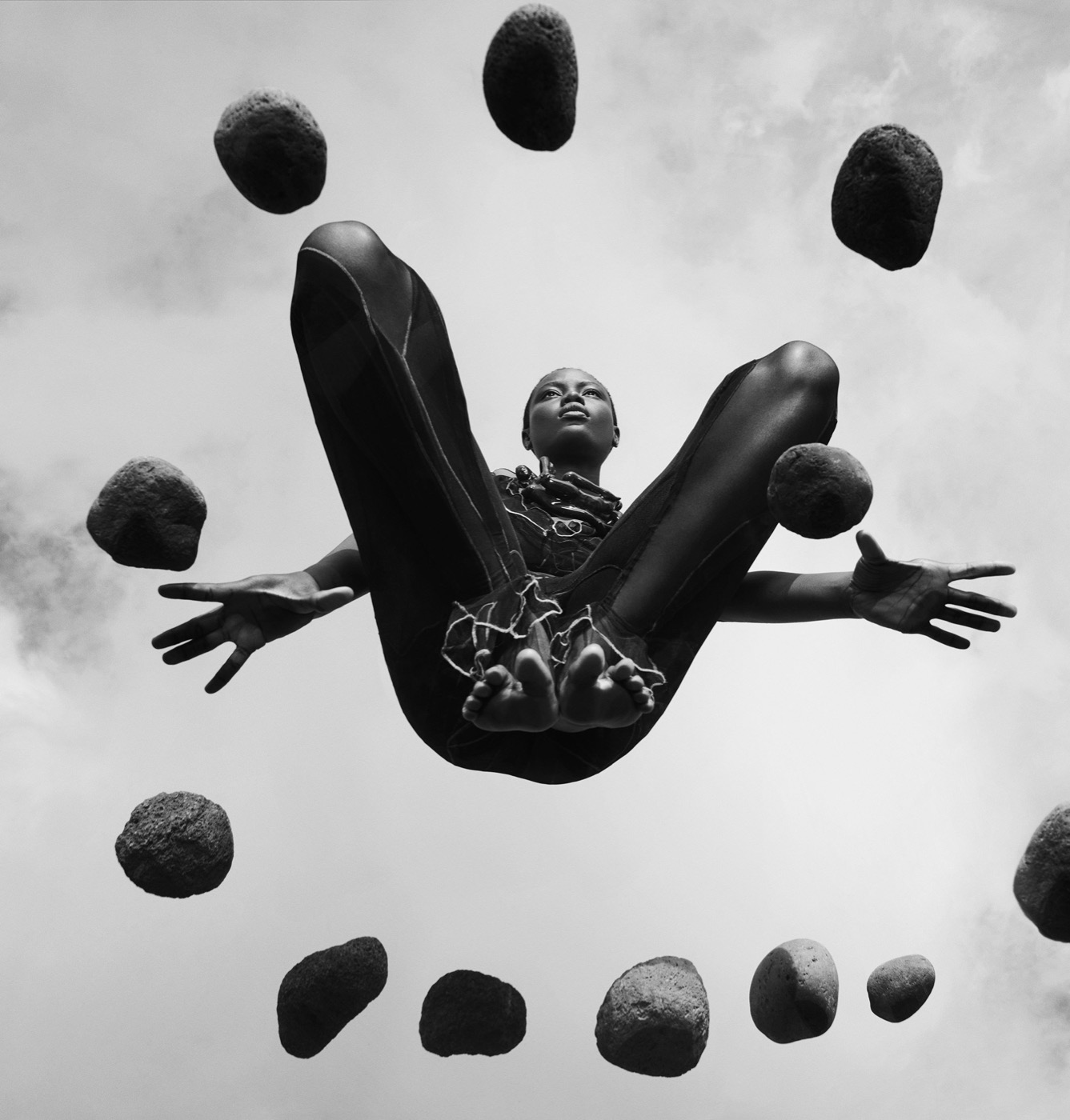 Txema YesteFull circle, Gomera, 2020.There is no ground in this photograph. A woman hangs in a pale curdled sky with her arms flung wide and her palms open, seen from directly beneath, so that the first thing you meet is the soles of…
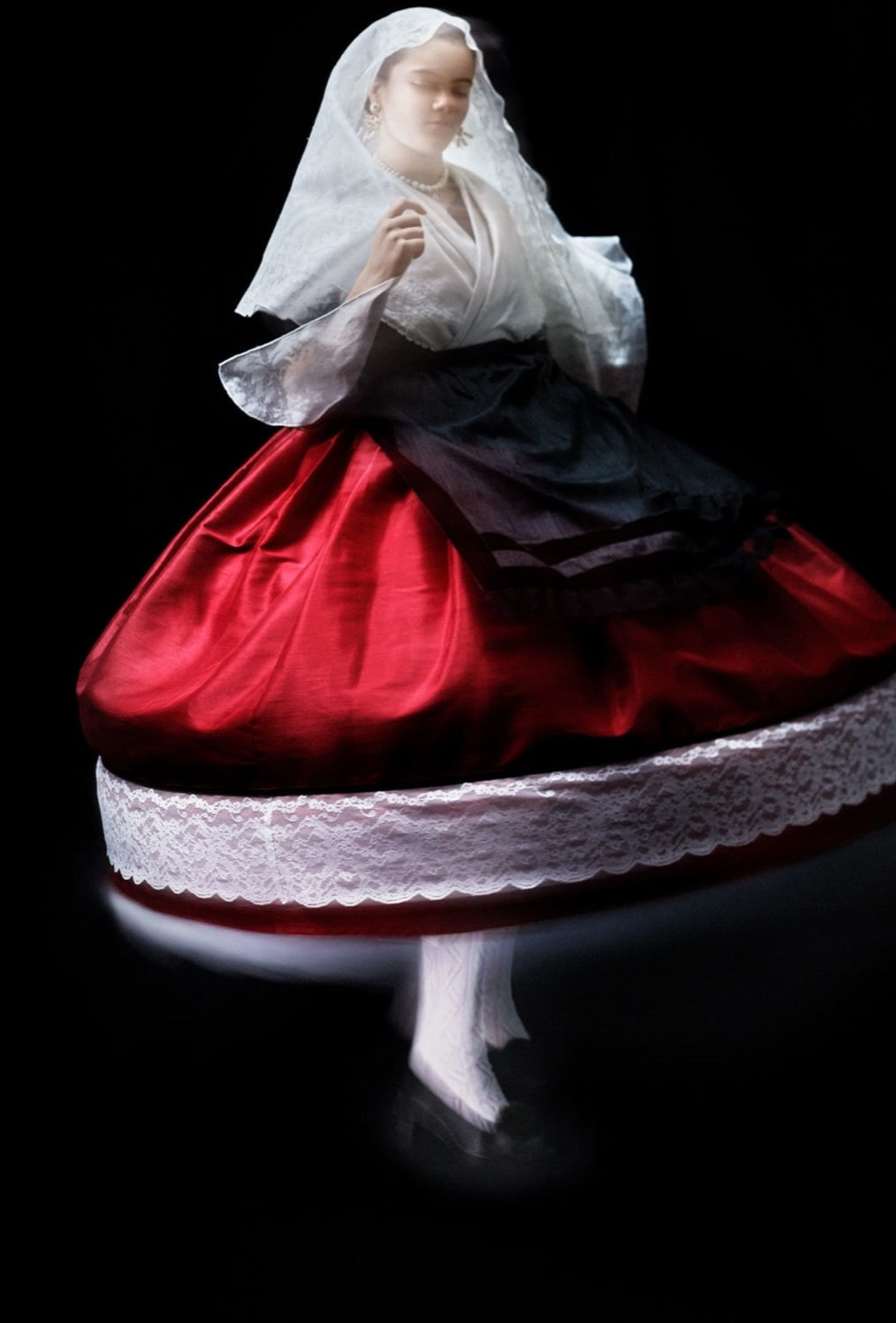 Txema YesteGiro, Vila Real, 2020.Cameras are machines for ending movement, which is why photographs of spinning are so often photographs of stopping.
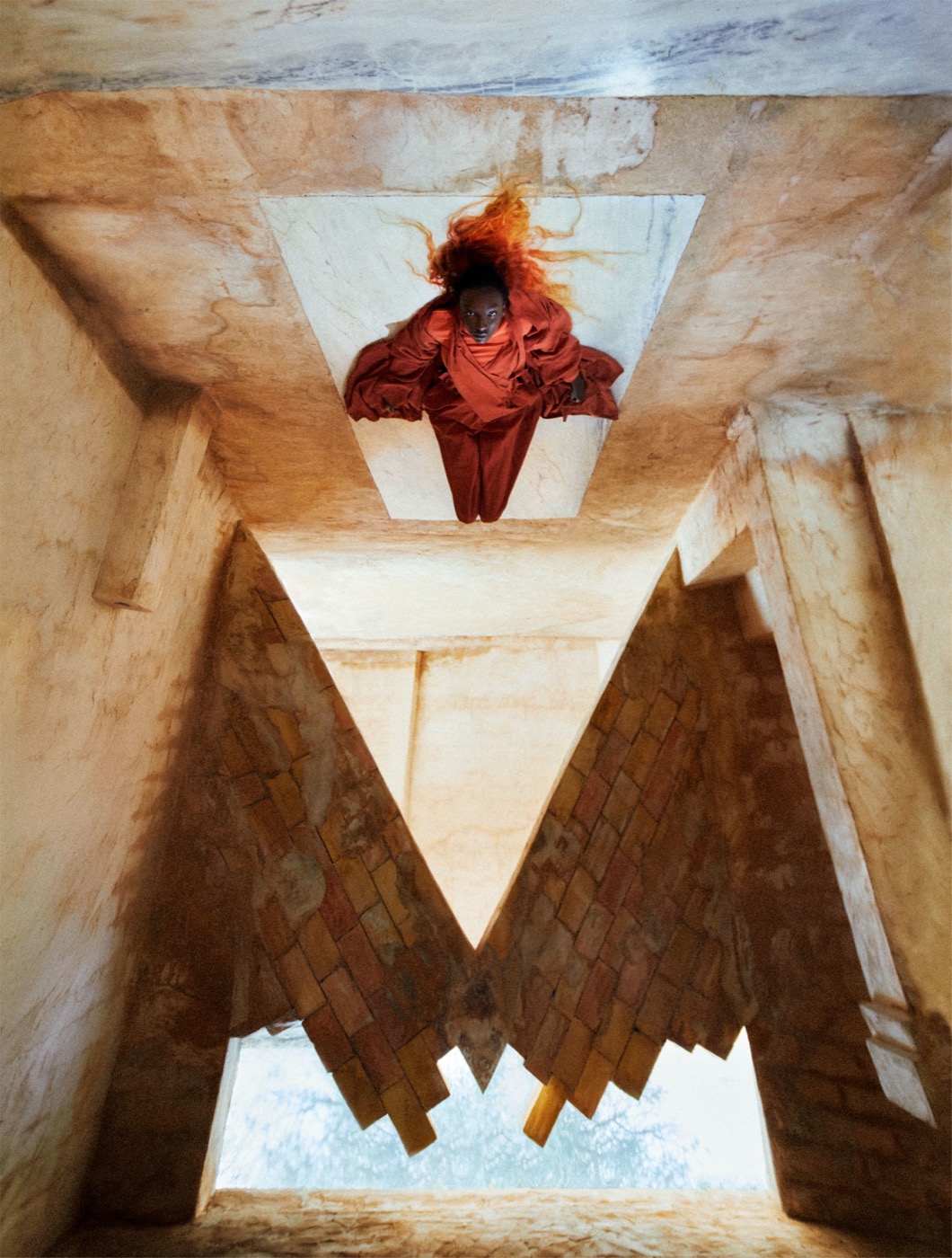 Txema YesteLevitation, Assa Baradji, Ibiza, 2020.The building is doing something strange with triangles.
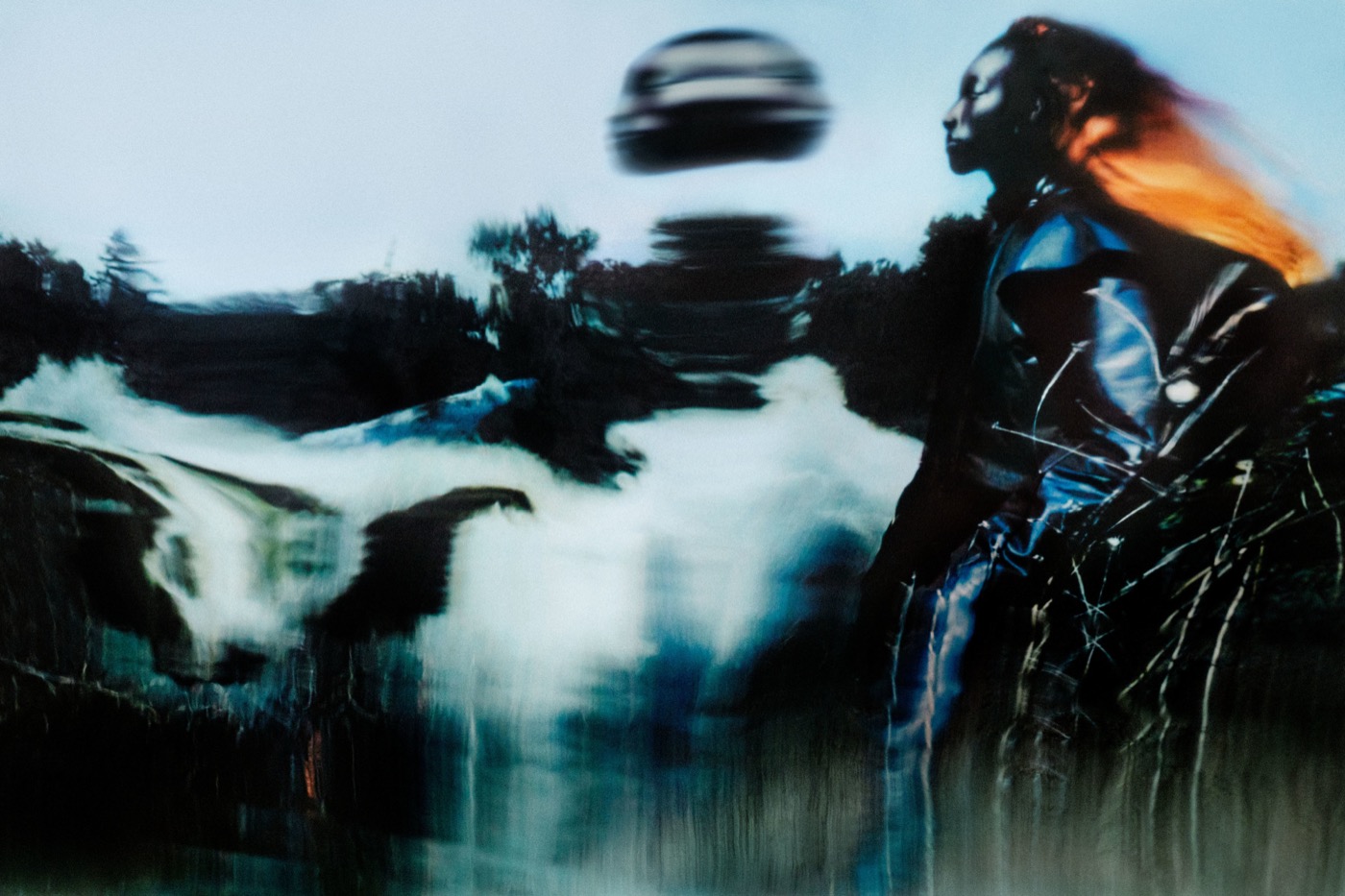 Txema YesteMelting, Ibiza, 2020.Halfway up the sky, a small striped sphere hangs in midair with no visible owner, no thrower, no game.
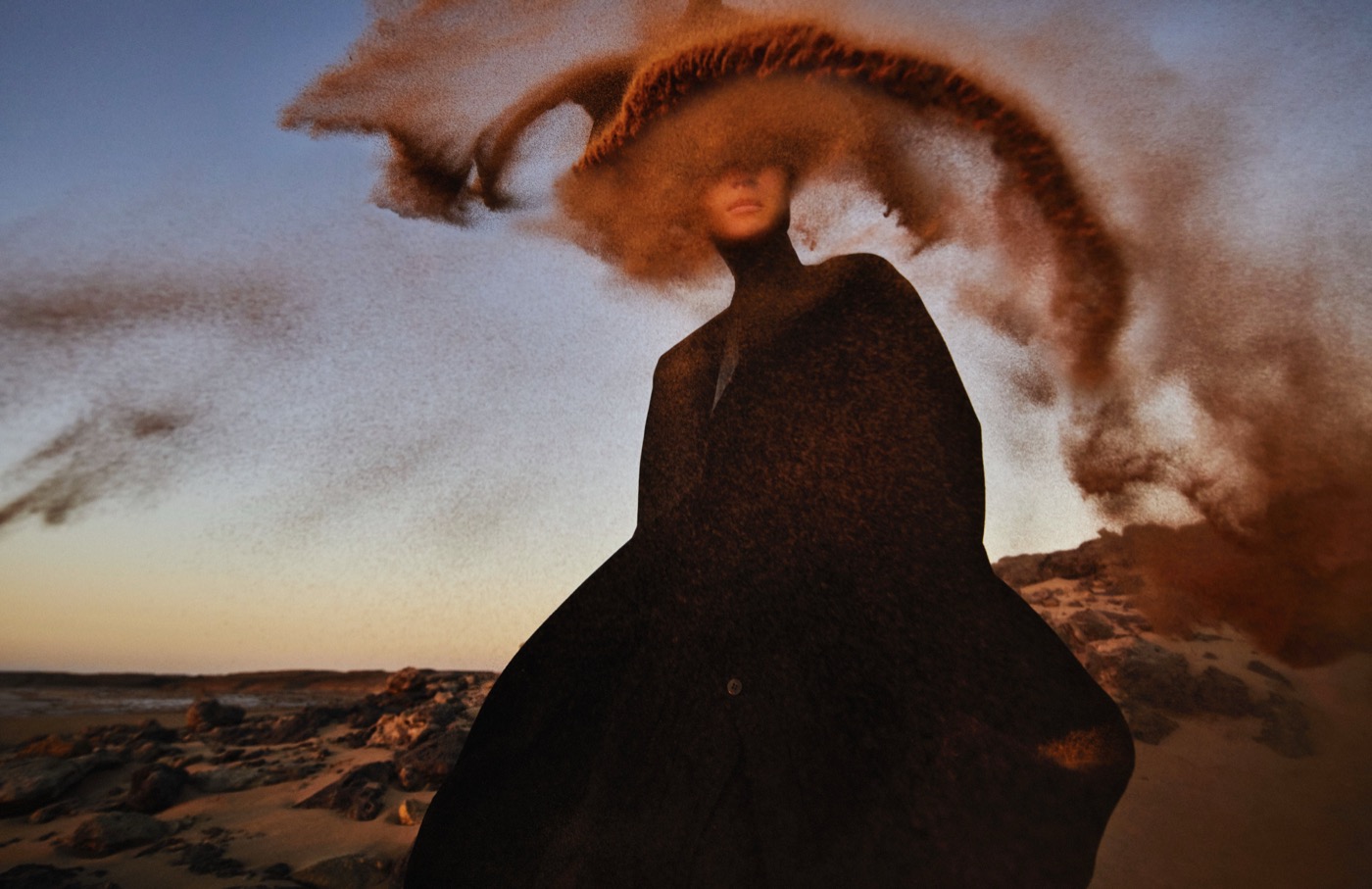 Txema YesteSand of Time, 2020.How long does a hat made of sand exist? A second, perhaps less: long enough to be thrown, to hover as a brim of ochre grains around a head at dusk, and to be photographed.
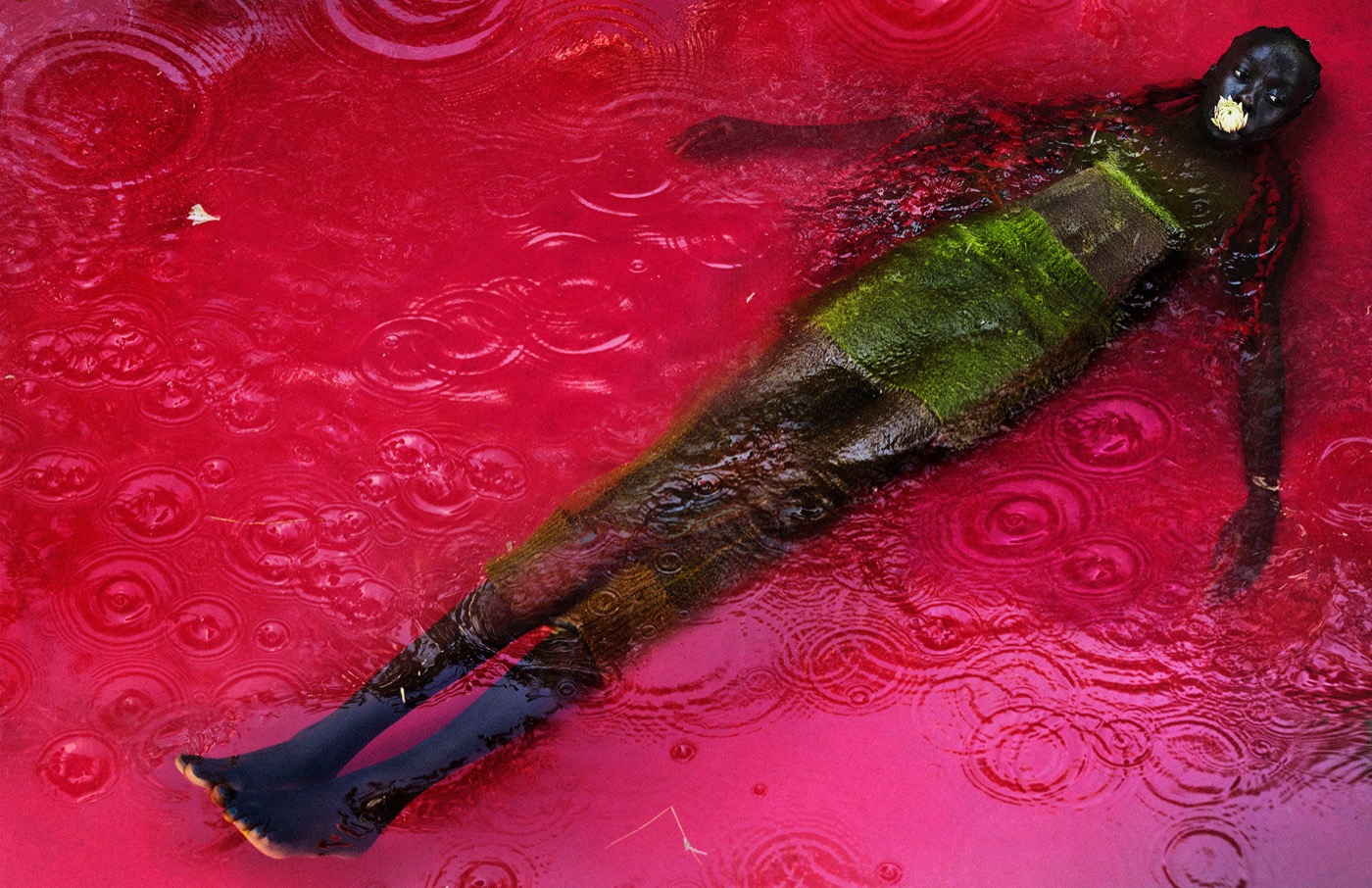 Txema YesteCircles, 2021.What the red water won’t tell you is how deep it goes.
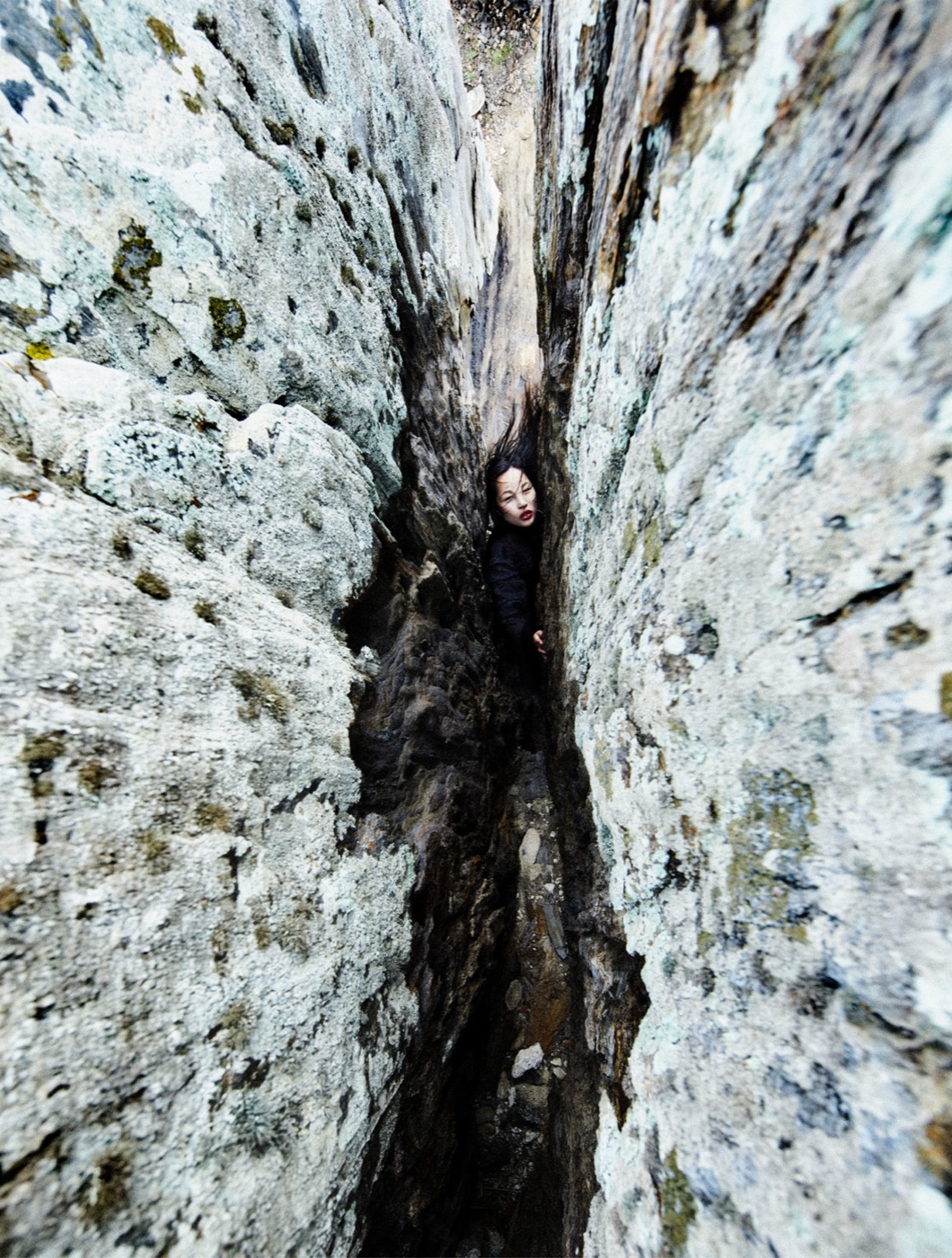 Txema YesteFading, Cadaqués, 2021.The red of her lipstick is the smallest fact in the frame and the one that runs the whole picture.
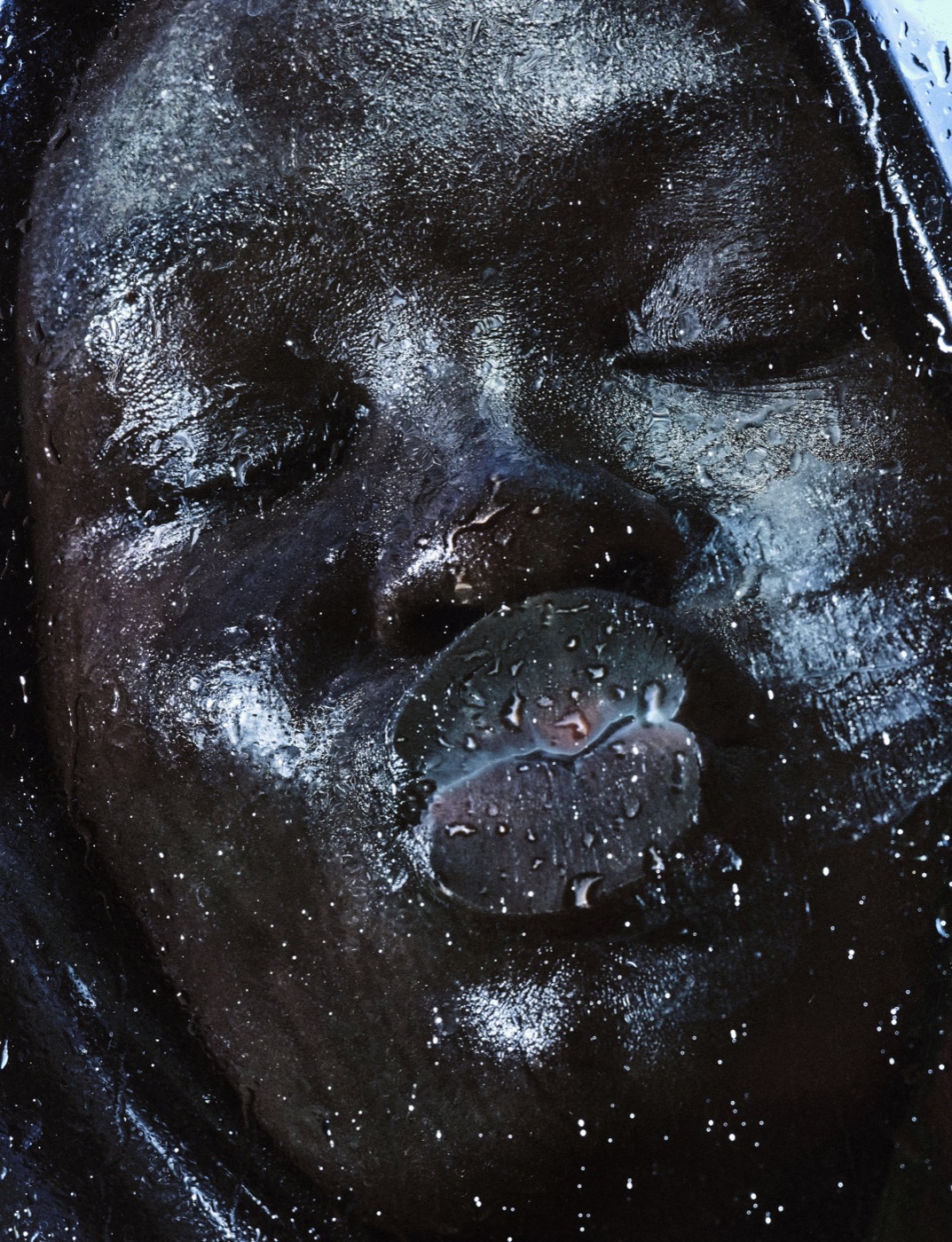 Txema YesteKindness, 2021.One patch of the face has gone pale, almost pink — the lower lip, flattened where it presses a pane of streaming glass, its color pushed out by the pressure.
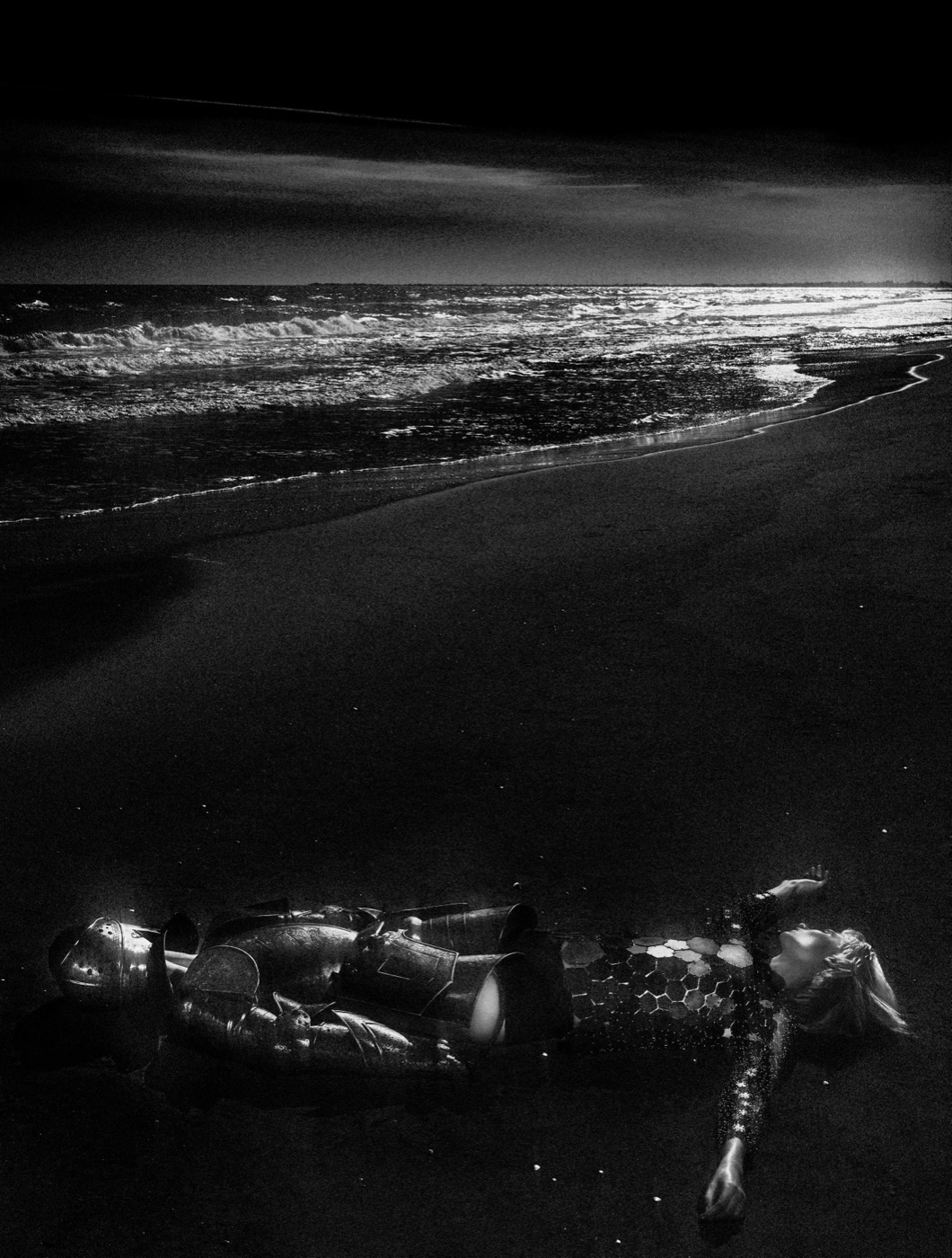 Txema YesteLe Chevalier, 2021.An instant before this, one imagines, the armor still held its knight and the sea had not yet finished with either of them.
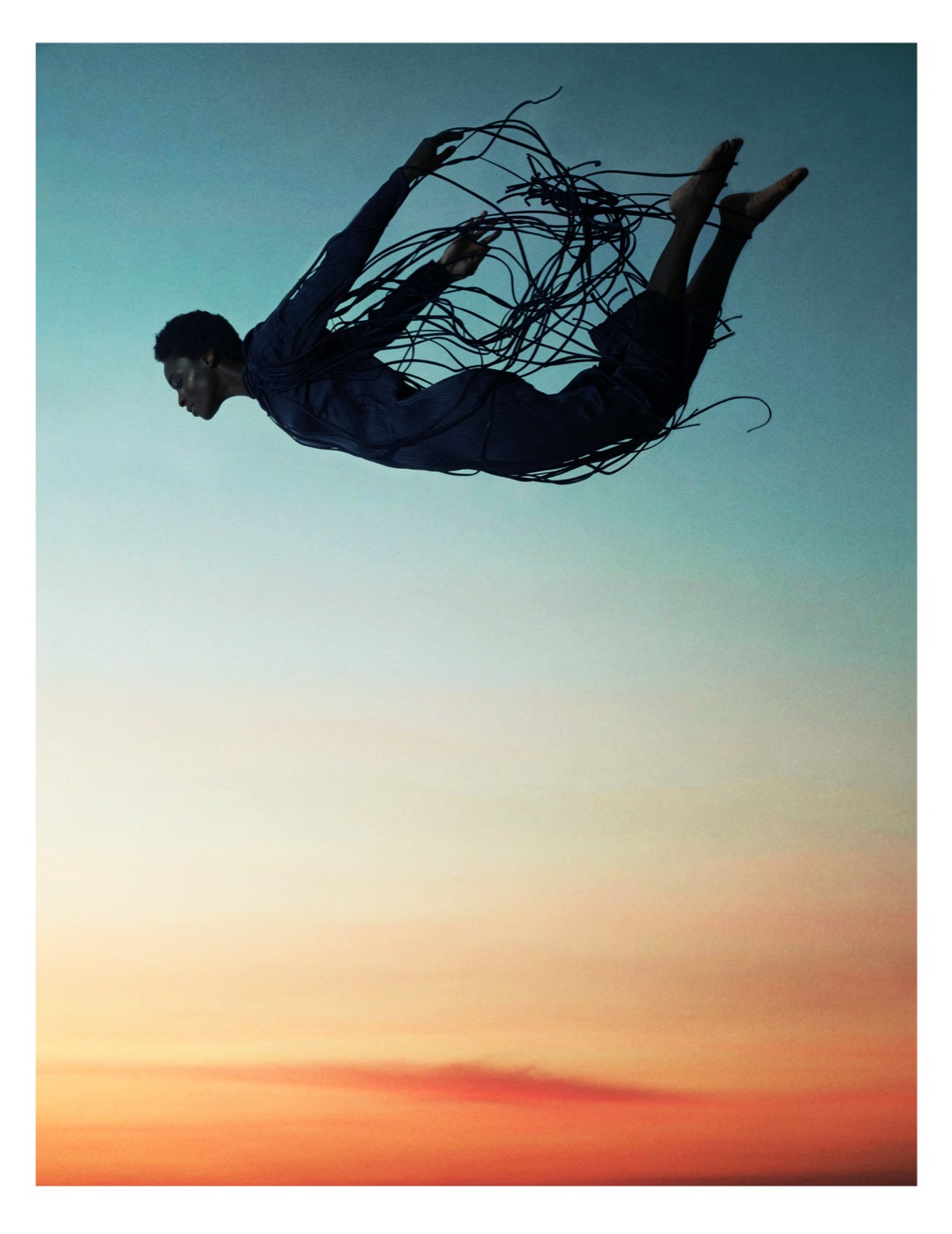 Txema YesteLosing the fear, 2021.A body suspended between sky and earth, caught in the fleeting geometry of a fall.
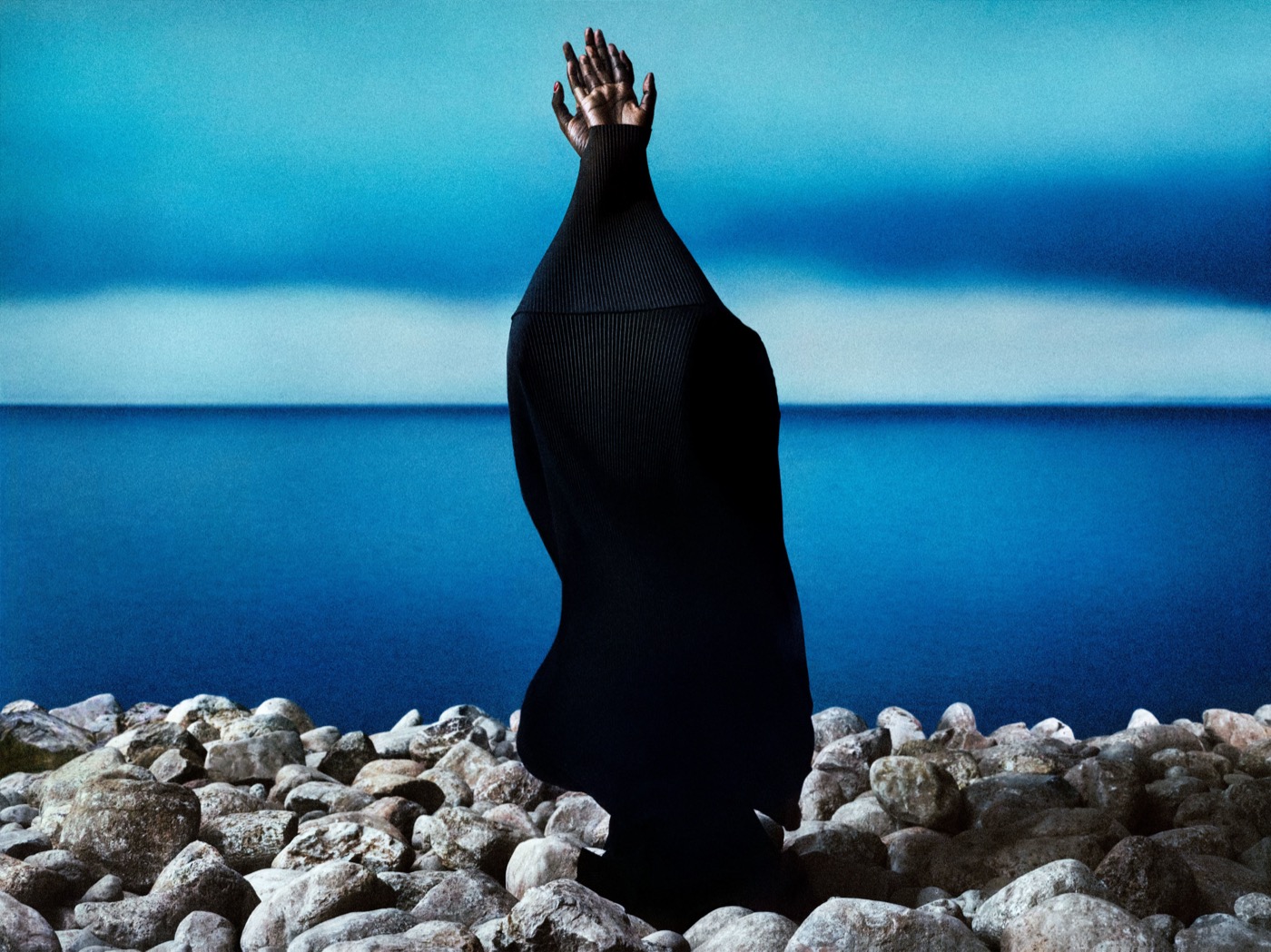 Txema YestePray, Barcelona, 2021.On a breakwater of sea-smoothed stones the color of ash, the Mediterranean lies flat behind.
 Txema YestePriscilla, 2021.Black is not the absence of light but its most exacting host.
 Txema YesteRide, 2021.A sky the color of brake lights, a sun half swallowed by the horizon, and a two-lane blacktop running straight into it: the light here is not setting the scene, it is the scene.
 Txema YesteSomewhere, 2021.Whose bed ended up out here, its wrought-iron scrolls curling against a red sky like question marks that never found their sentence?
 Txema YesteTaste, 2021.Notice the tongue first — just the tip of it, painted the same lacquer red as the apple it reaches for, so that fruit and flesh rhyme across a half-inch of blue air.
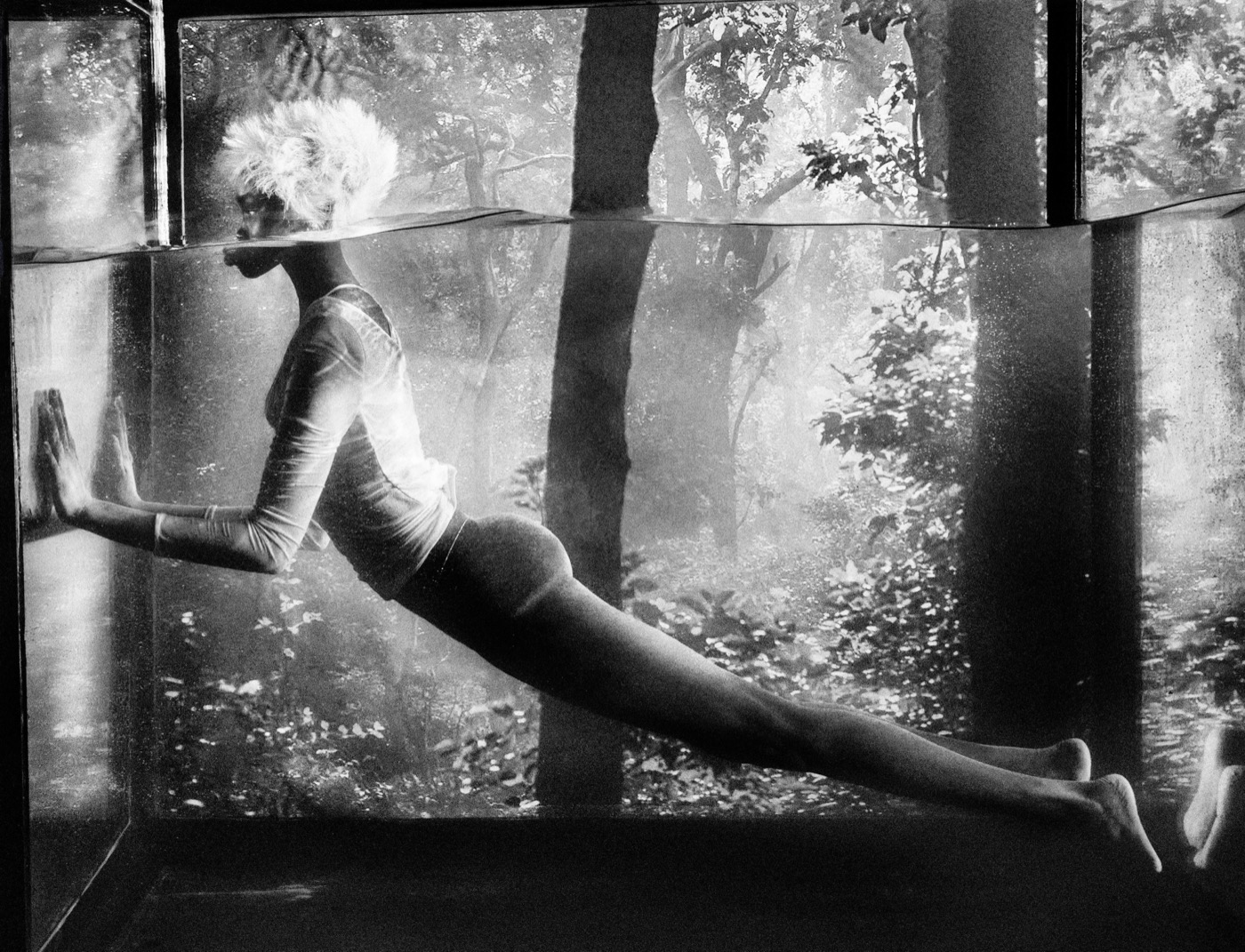 Txema YesteTropical Water, 2021.She pushes, both palms flat against the glass, and the whole body answers, stretching level under the waterline like a sentence held between two breaths.
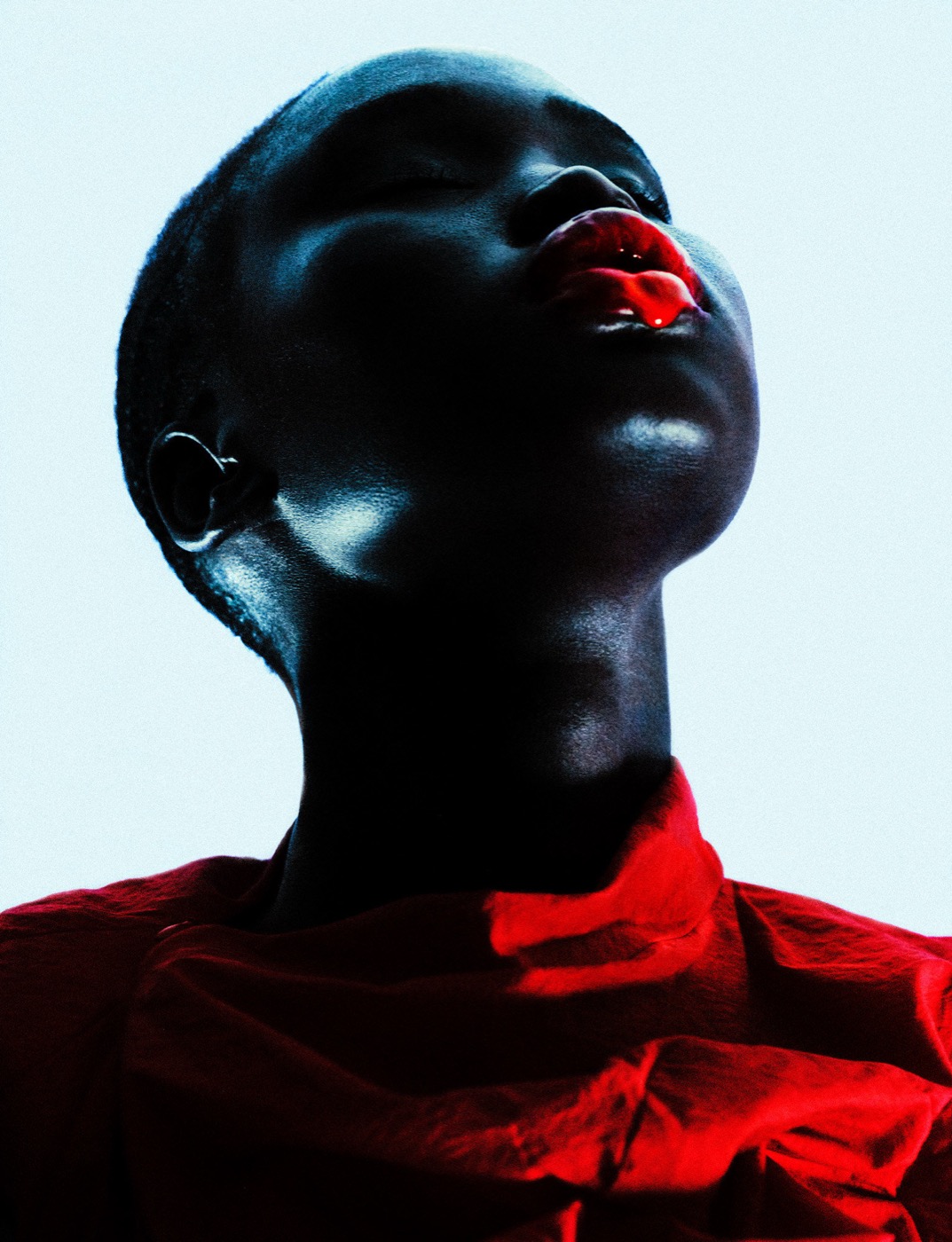 Txema YesteDripping, Adit, 2022.Beauty photography has been rouging the same mouth for a century.
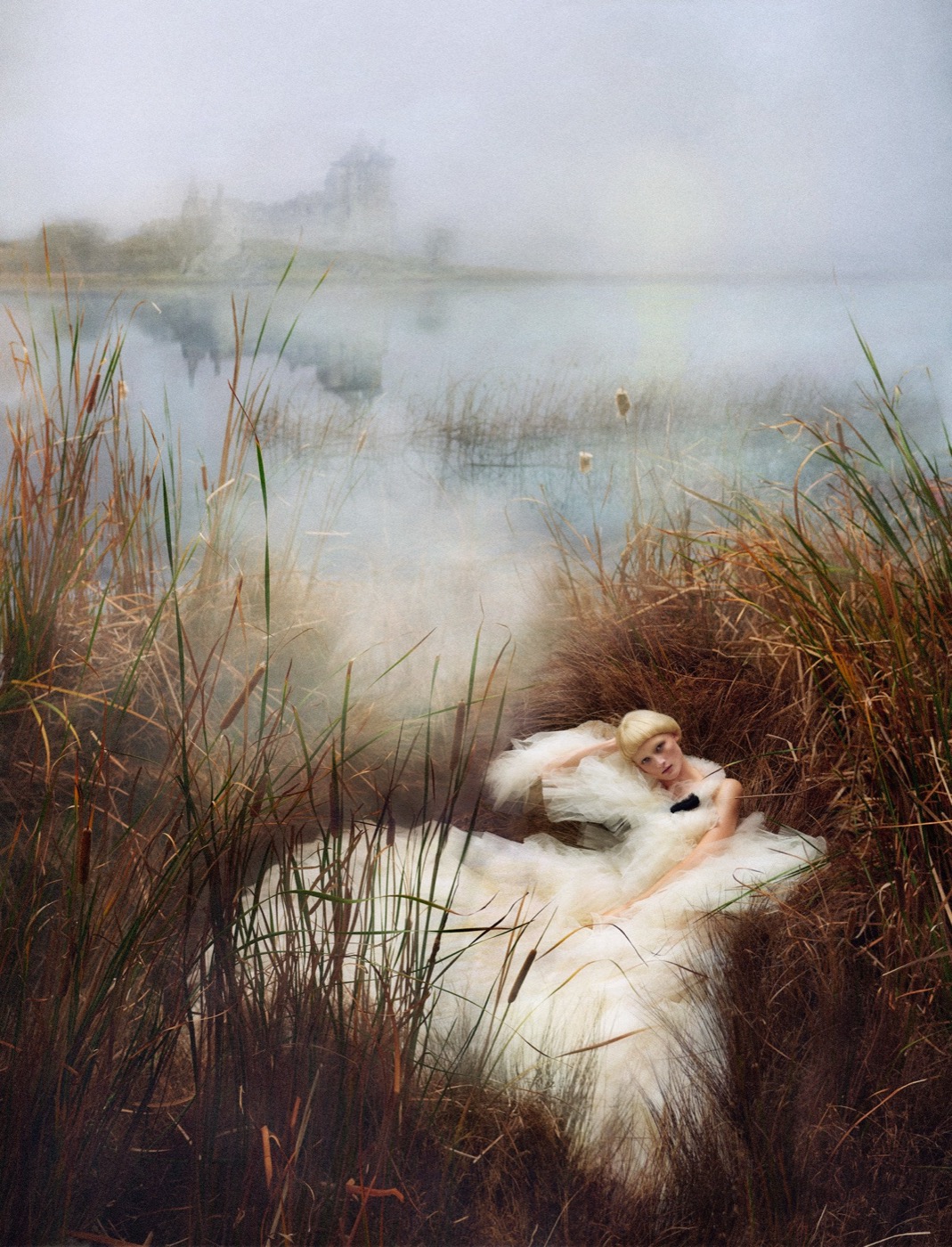 Txema YesteLara & The Swan, 2022.From the reed bank, through a screen of cattails and tawny grass, we look across a lake that the fog has all but erased.
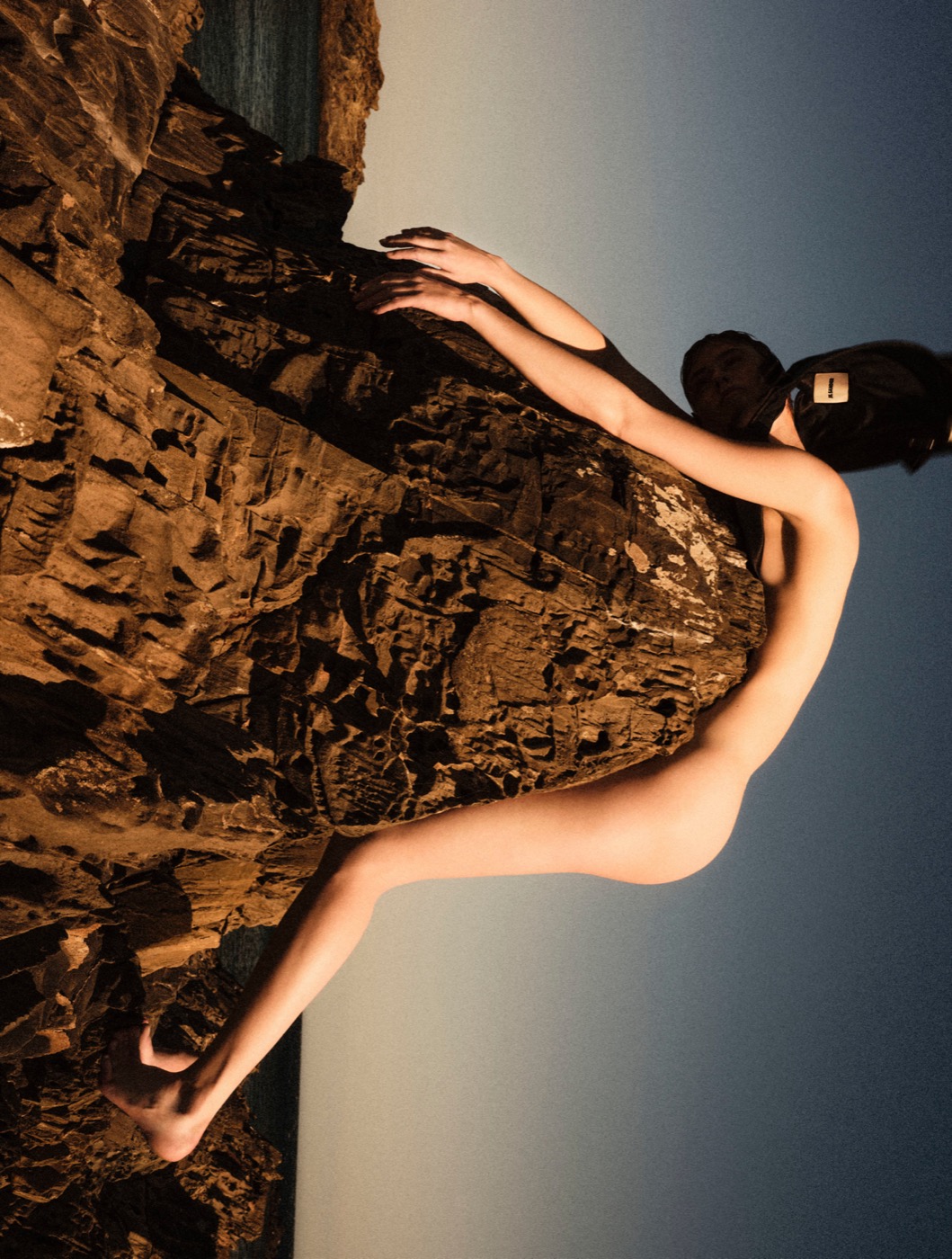 Txema YesteMelting Rock, Maike, Cadaqués, 2022.The day’s last sun is the real stylist here.
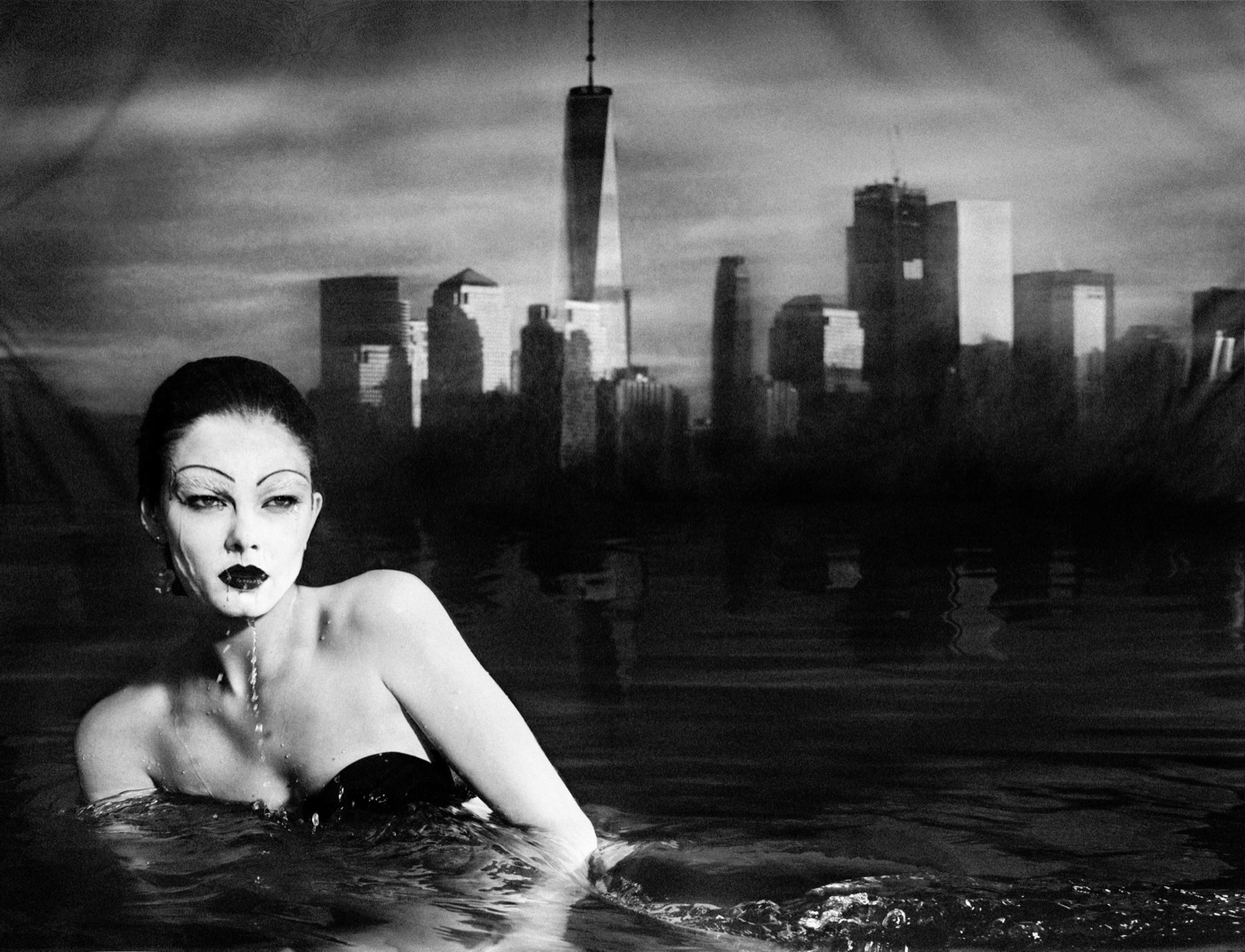 Txema YesteMerlijne, 2022.The decisive choice here is the seam: where the water meets the skyline, Yeste lets the two registers refuse to lock.
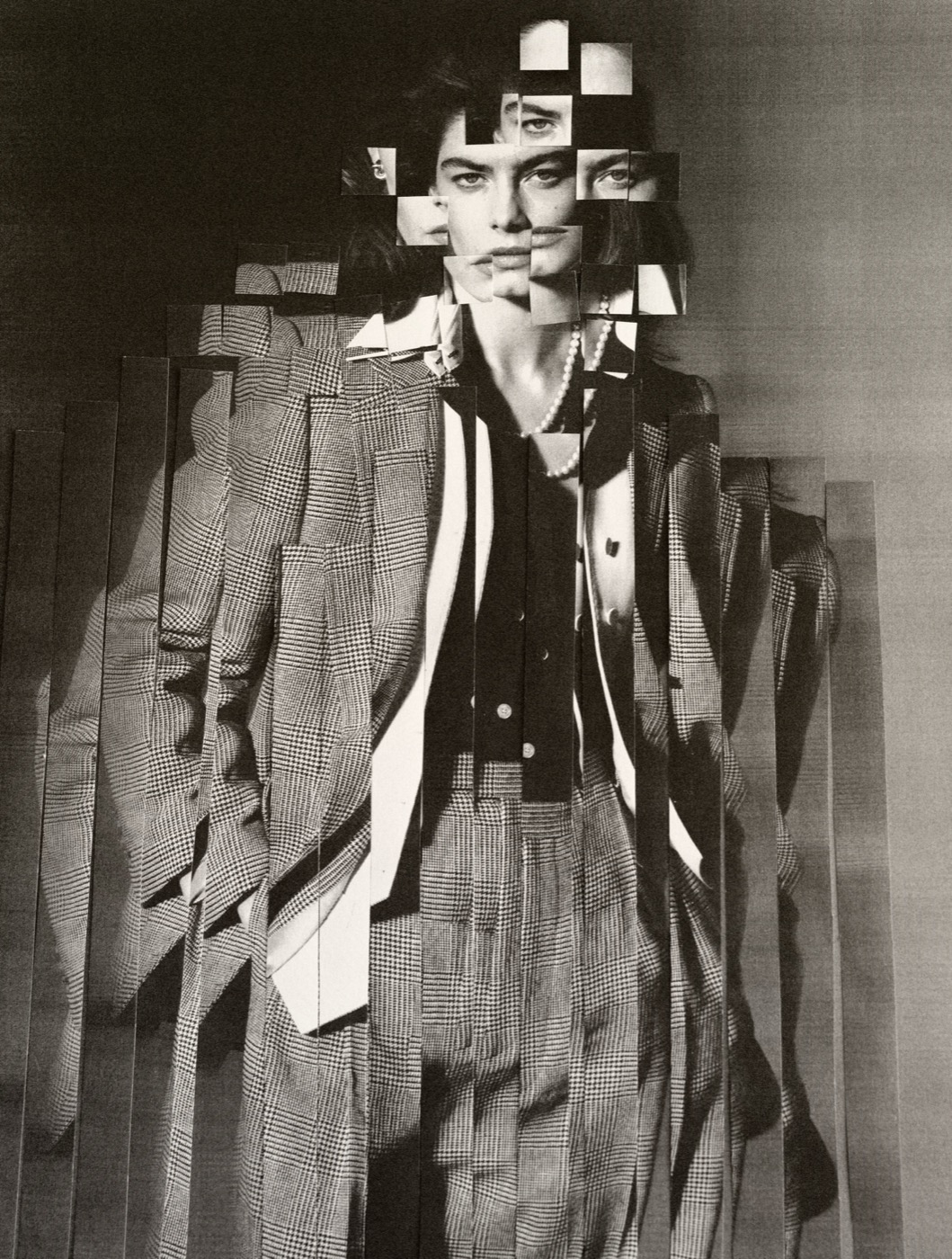 Txema YestePuzzle, 2022.How many photographs does it take to make one woman in a glen-check suit?
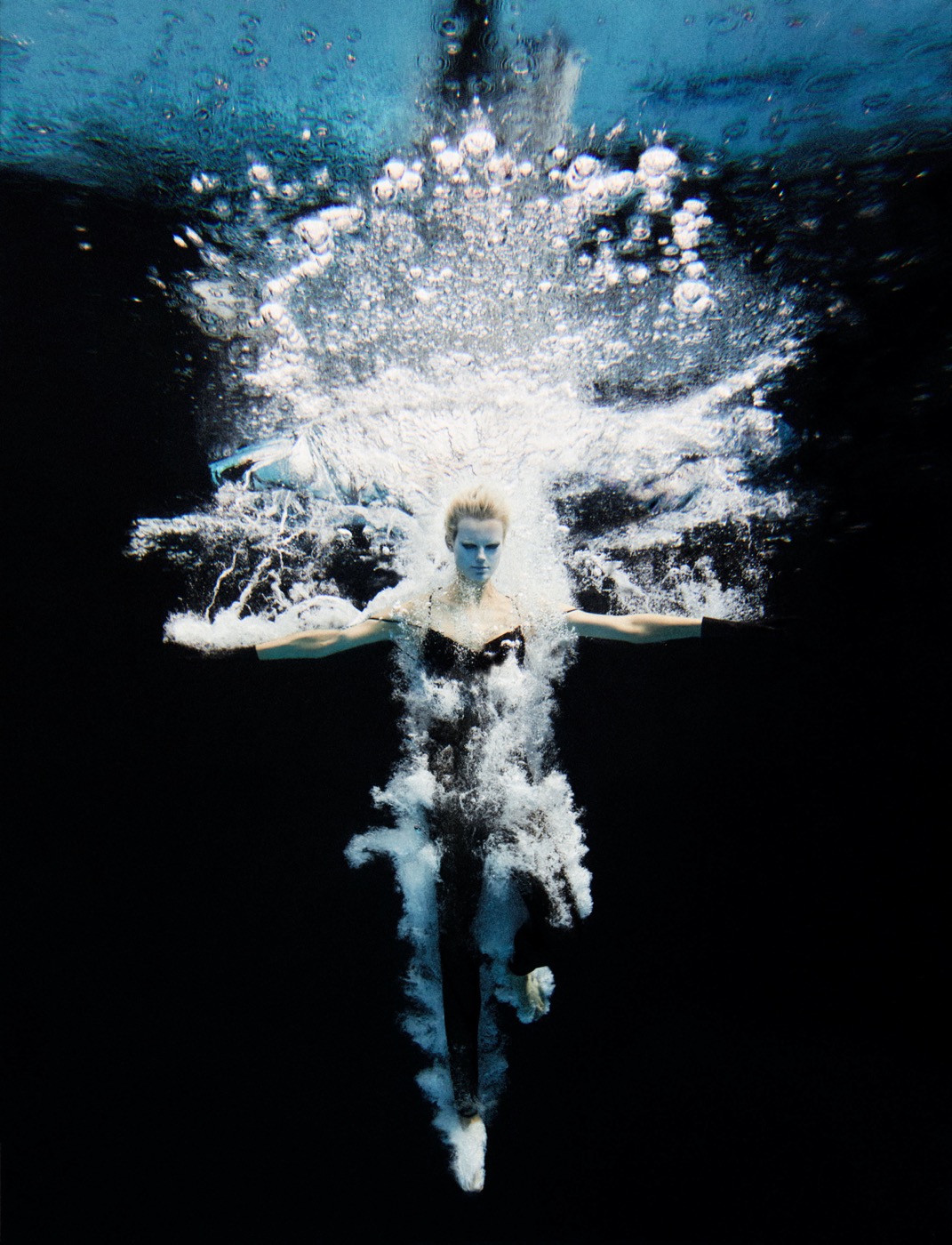 Txema YesteSplash, 2022.A body’s fall into water leaves a signature no one can forge: a rising column of white bubbles, drawn upward toward the light in the split second after the plunge.
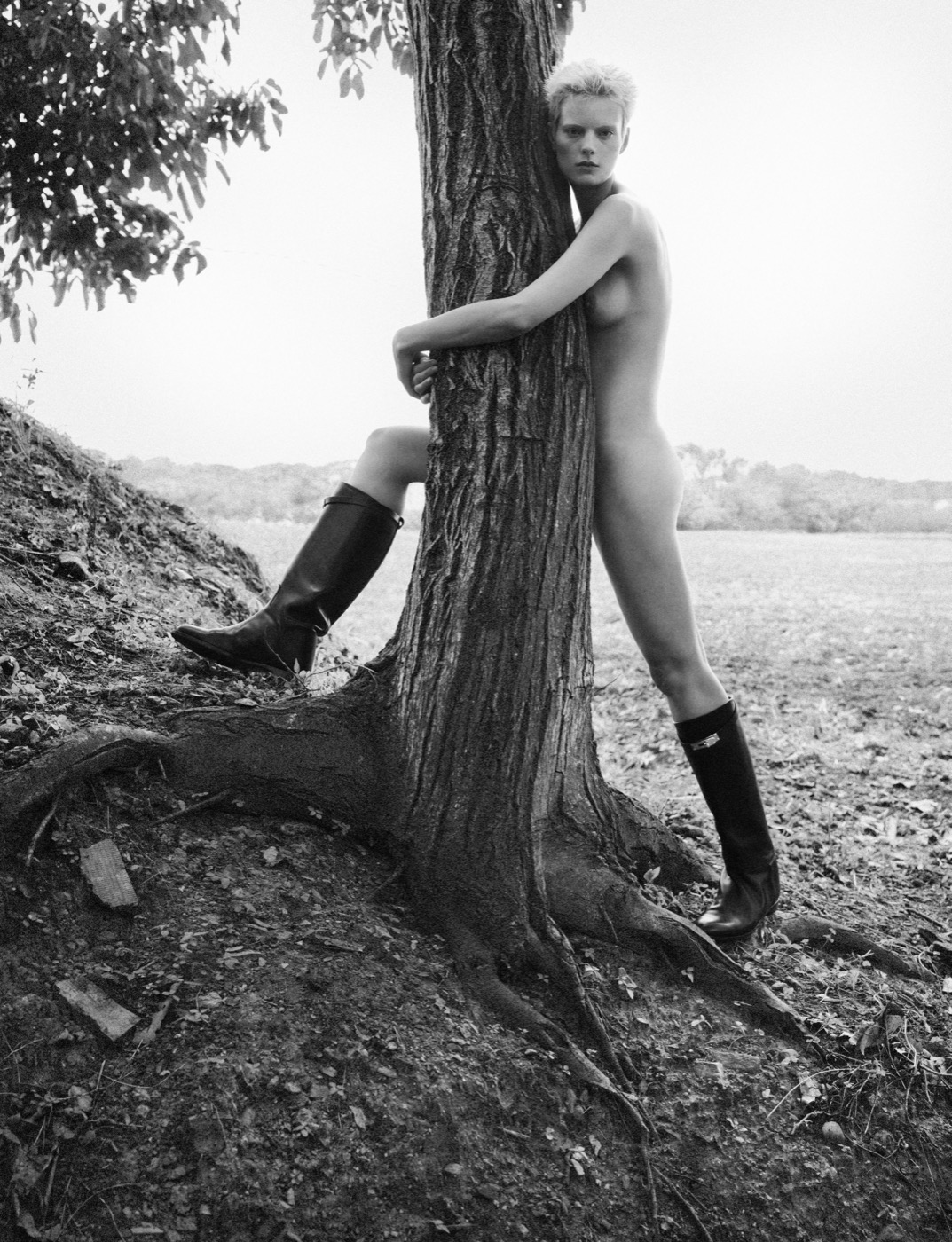 Txema Yeste(untitled), 2023.She clasps the tree the way you might hold onto a partner mid-dance, arms crossed over the rough bark, hands locked, one booted foot hooked onto a root.
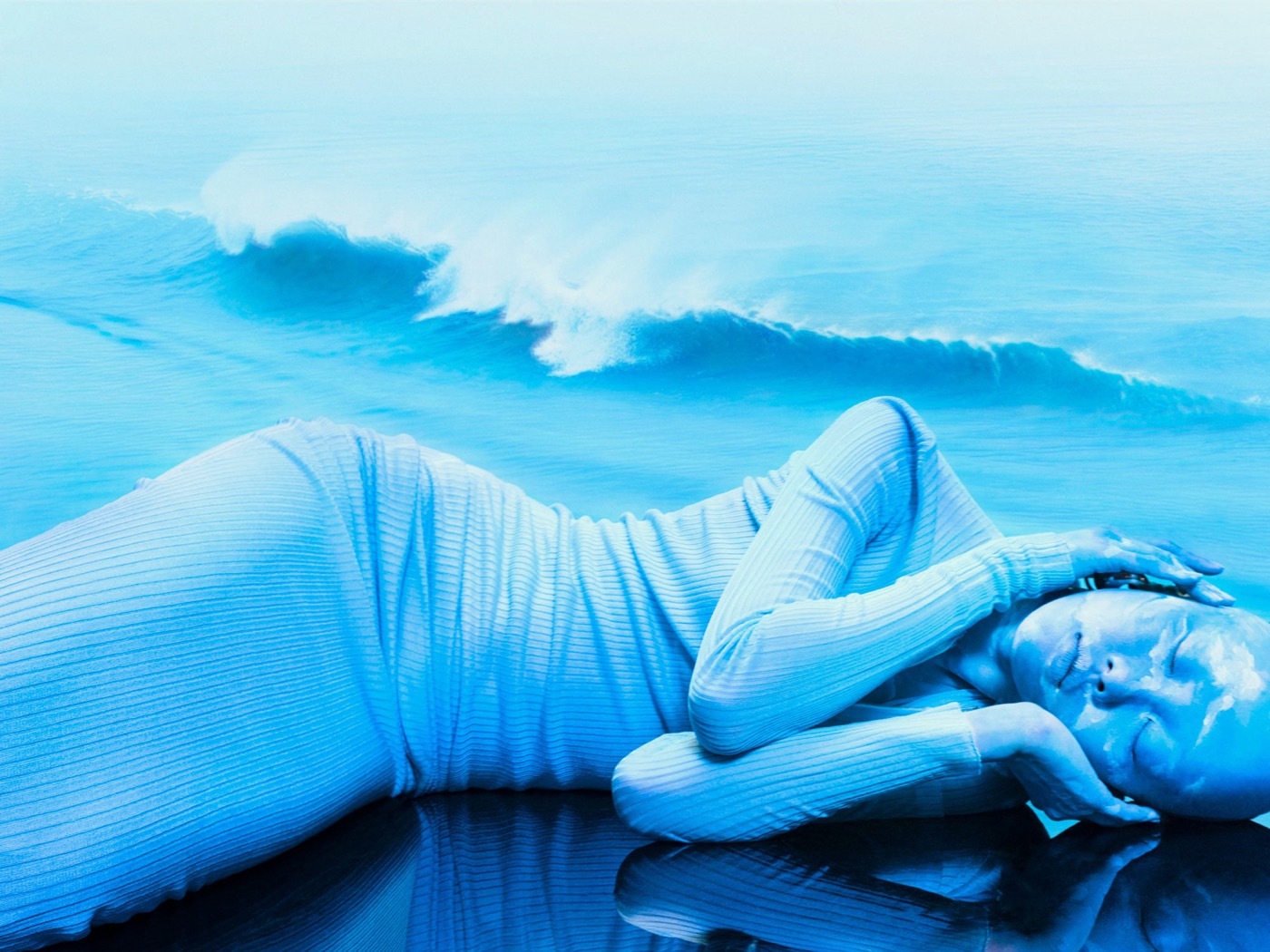 Txema YesteBlue Wishes, Jan Baiboon, 2023.A waterline behaves like a stage here. Underfoot, where wet sand should be, there is a black mirror; beyond it, two waves break in patient sequence like painted flats, and the sky has been sanded…
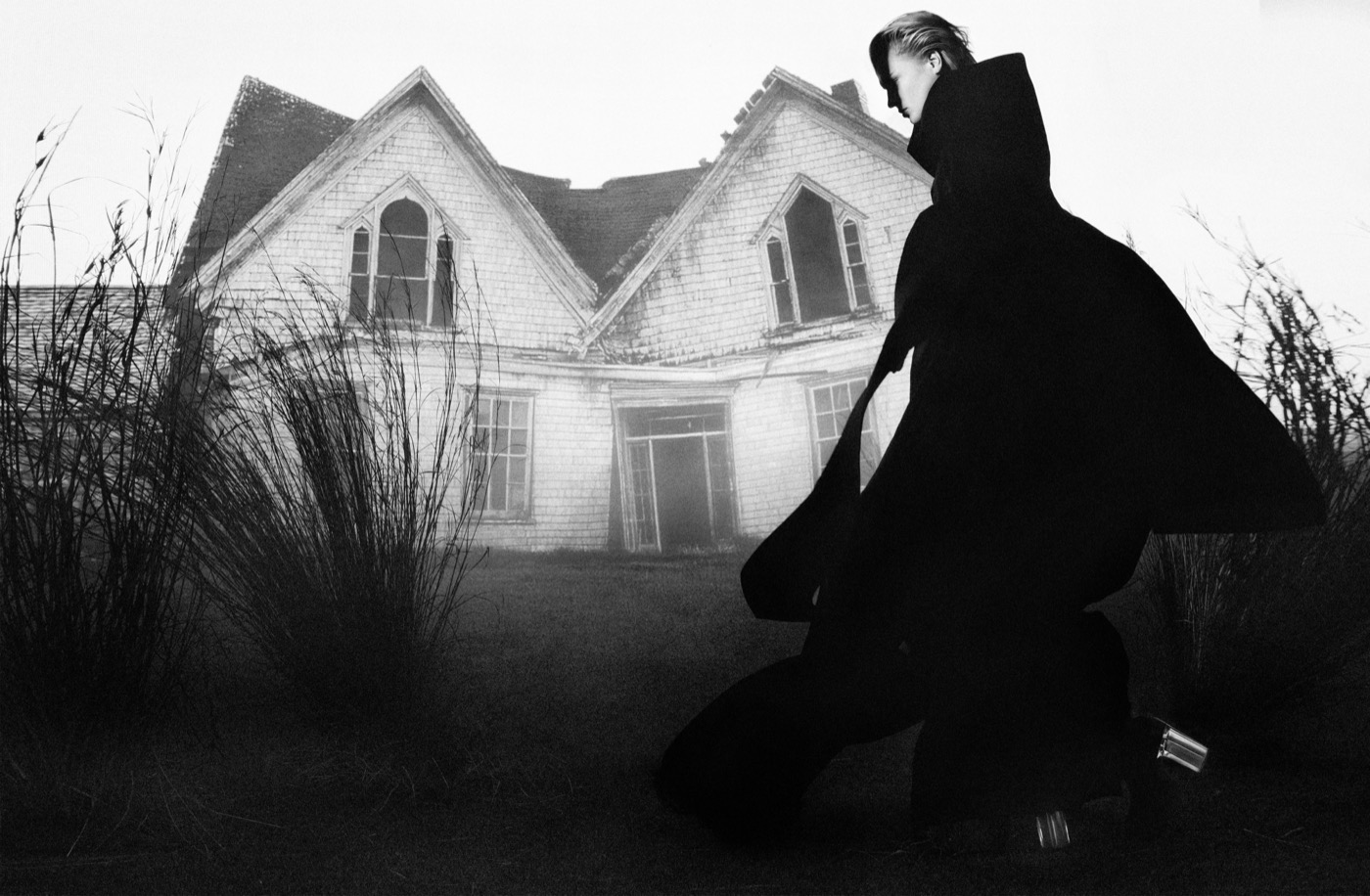 Txema YesteBorderlines, Michelle Laff, 2023.Fog is the real art director here. It has primed the sky to a blank white, half-dissolved a derelict shingled house, its twin gables sagging toward each other like the ruin of a fairy tale, and left…
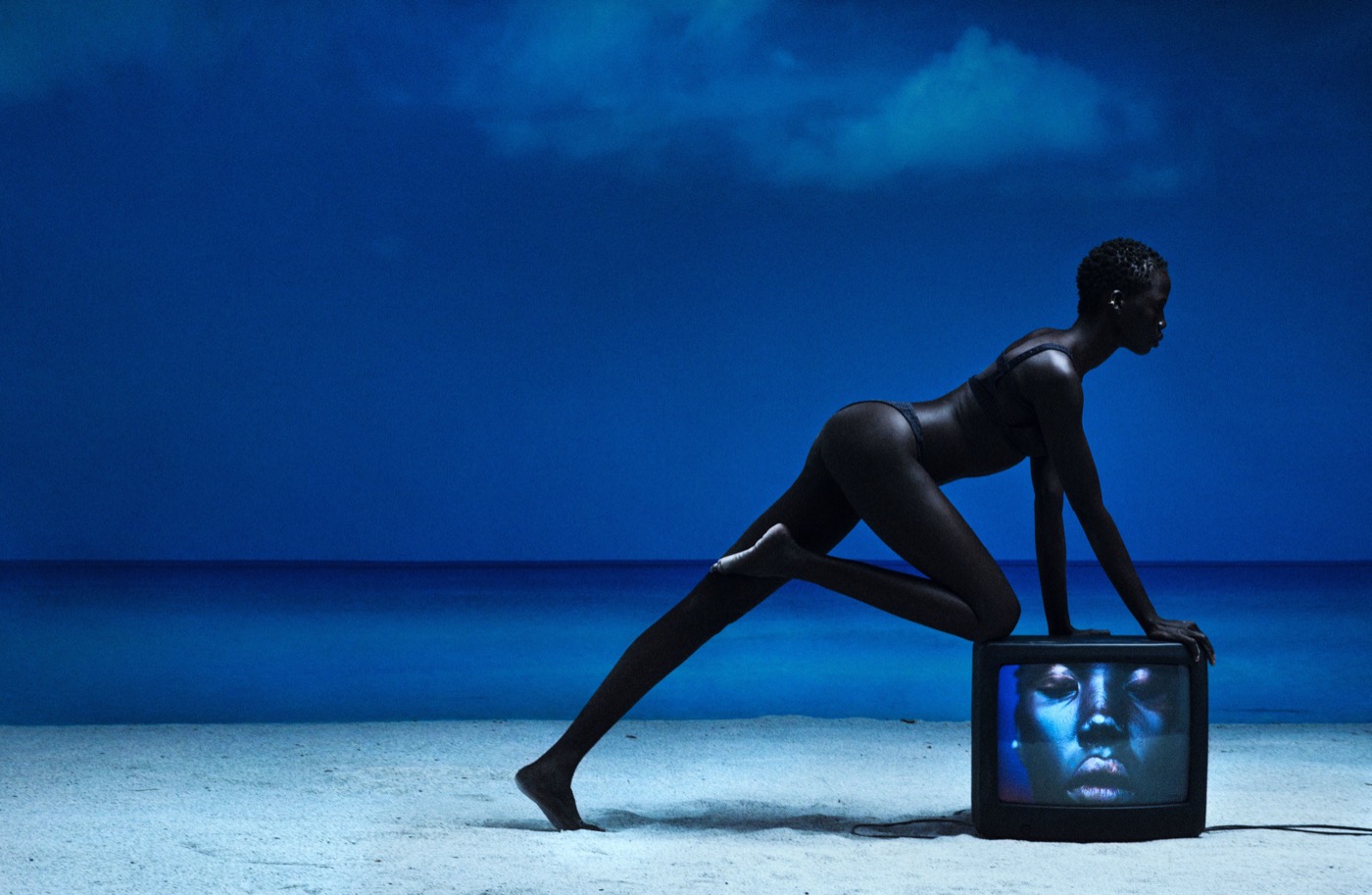 Txema YesteNaomi, Barbuda, 2023.A particular blue belongs to no hour of the day: the blue of a television playing in a dark room.
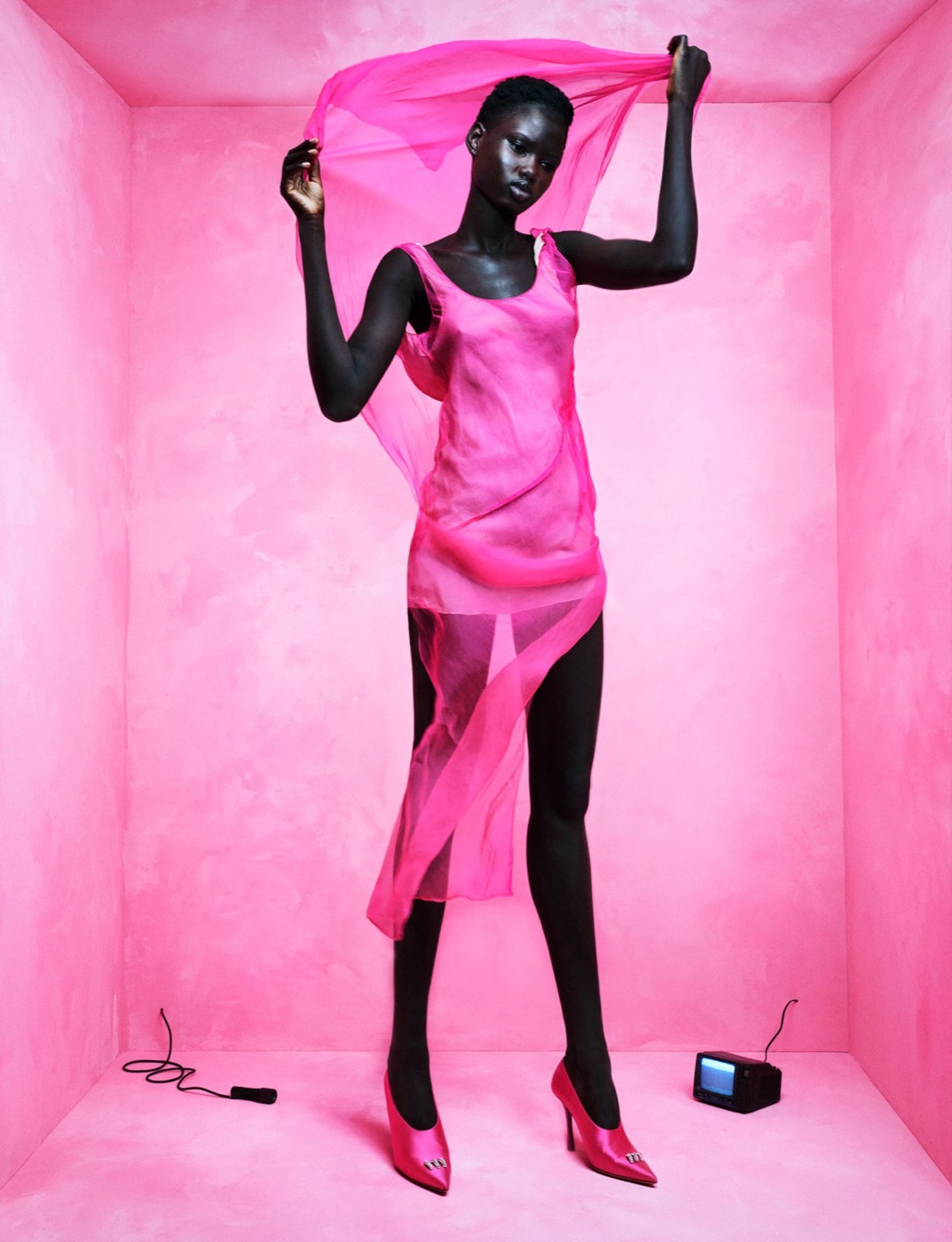 Txema YesteNyakong, 2023.We live now in the aftermath of the color photograph, when saturation itself has become a subject, and this fuchsia room is a monument to that fact.
 Txema YesteOrange Nest, Nyakong, 2023.Orange is the whole event here, an orange that does not sit on surfaces but seems to come from behind them, as if the light had been sewn inside the clothes.
 Txema YestePearl on Tongue, Valentina, Cadaqués, 2023.All the light in this picture has gathered into a single sphere, a pearl the size of the whole mouth, glowing as if it held a small overcast sky inside it.
 Txema YesteSea Song, Naomi, 2023.Profiles have always been the aristocrats of portraiture, minted on coins and cameos long before the camera, and here Yeste hands the convention a wet, contemporary jolt.
 Txema YesteTanya, Boumort, 2023.She steps out of the century of high collars and mourning cloth, the era when women in buttoned black stood for portraits they would wait days to see, and she does it under a blue that no such age…
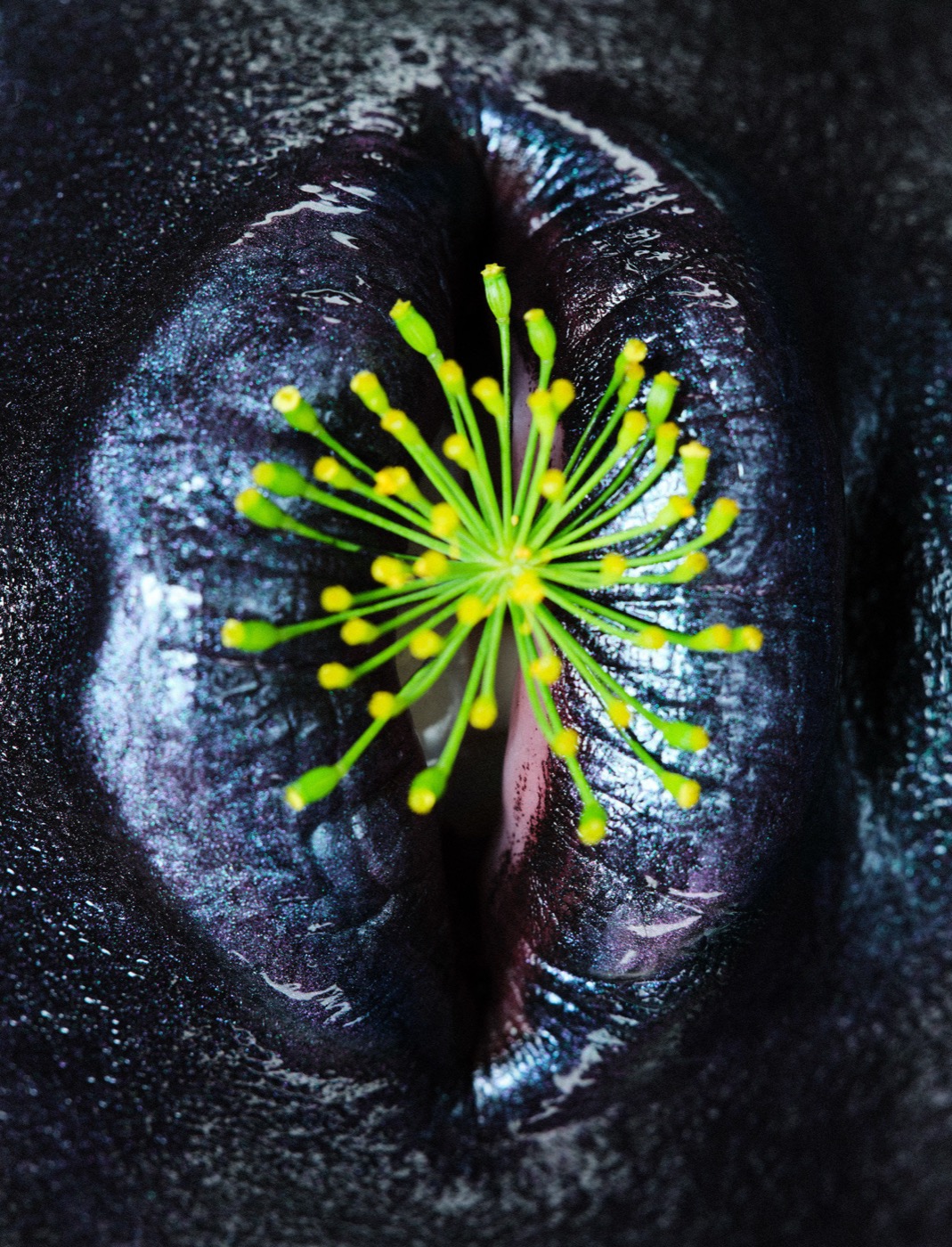 Txema YesteUntitled, 2023.An instant earlier the lips must have closed around the stem; an instant later a breath could scatter the whole green burst.
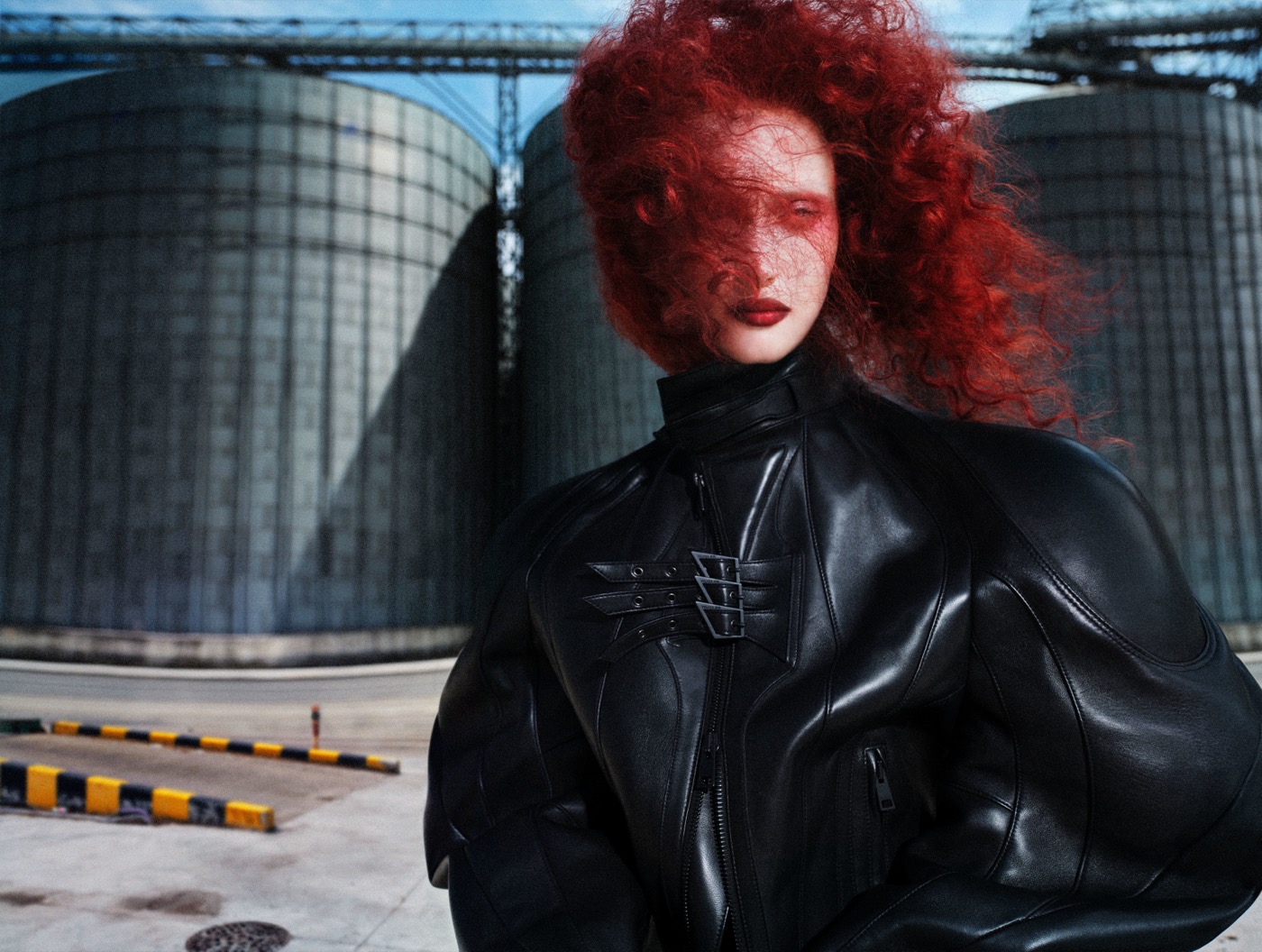 Txema YesteVika, 2023.Fashion has always coveted the factory — Newton beside a pool, Guy Bourdin against tiled walls — and this frame drops that lineage before two vast grain silos, their corrugated flanks curving away…
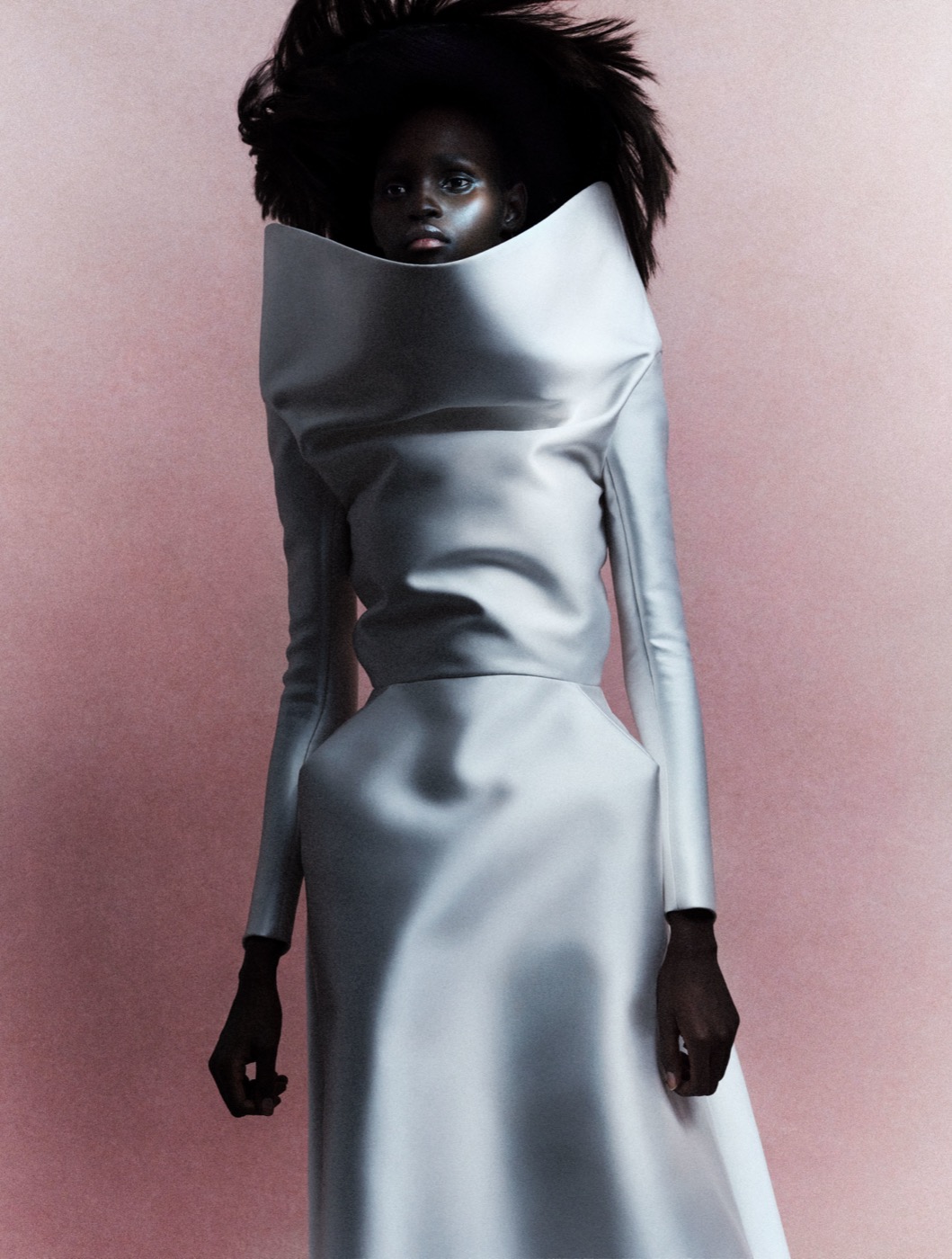 Txema YesteAgeer Ayuen, 2024.Three temperatures share the frame and refuse to blend: a cool pewter satin, a warm dusty-rose ground, and skin so deeply dark it reads almost blue in the shadows.
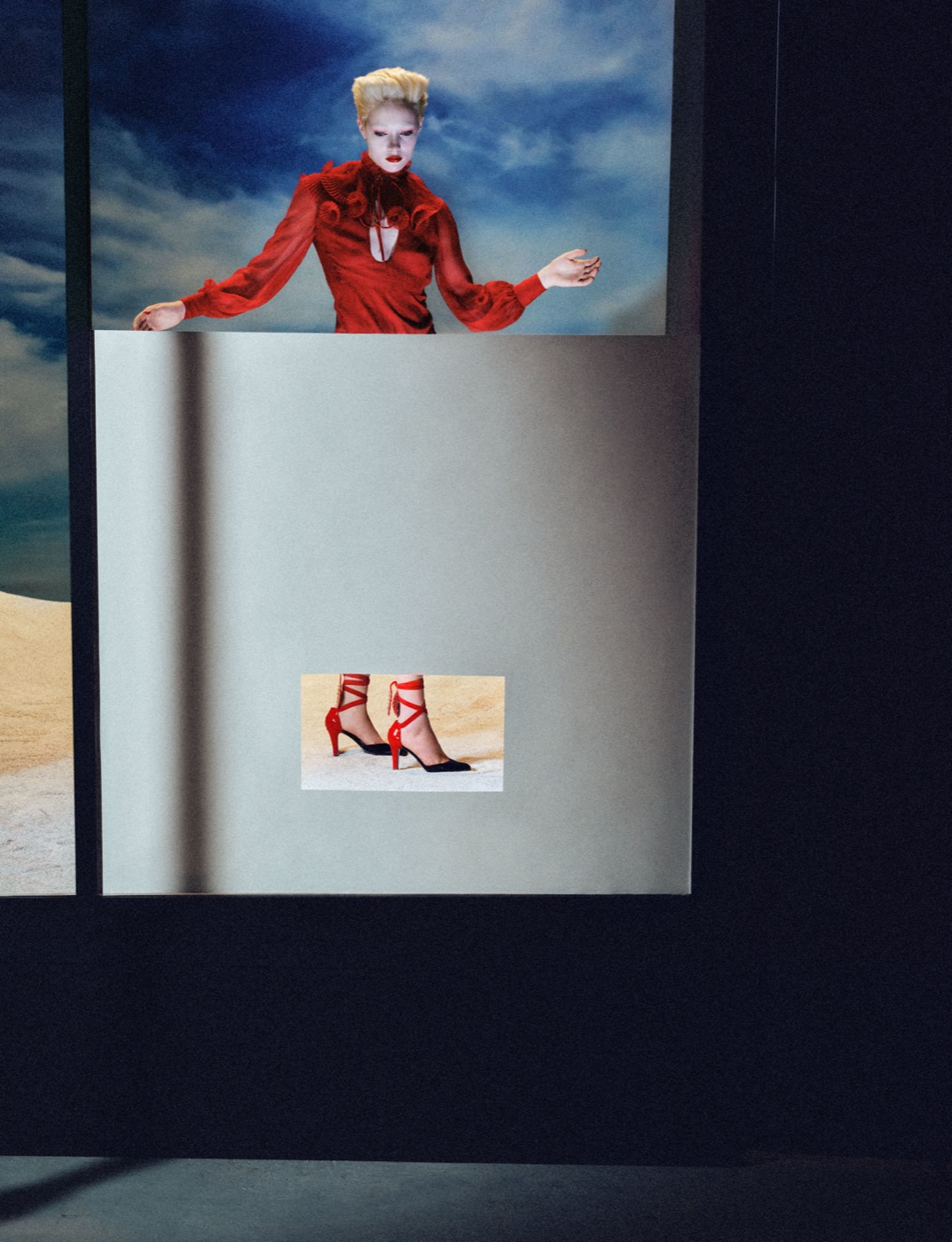 Txema YesteCeleste, 2024.Print was supposed to be finished by the time this scarlet blouse came to lean over its enormous grey page, and nobody told her, which is exactly the attitude the great magazines ran on.
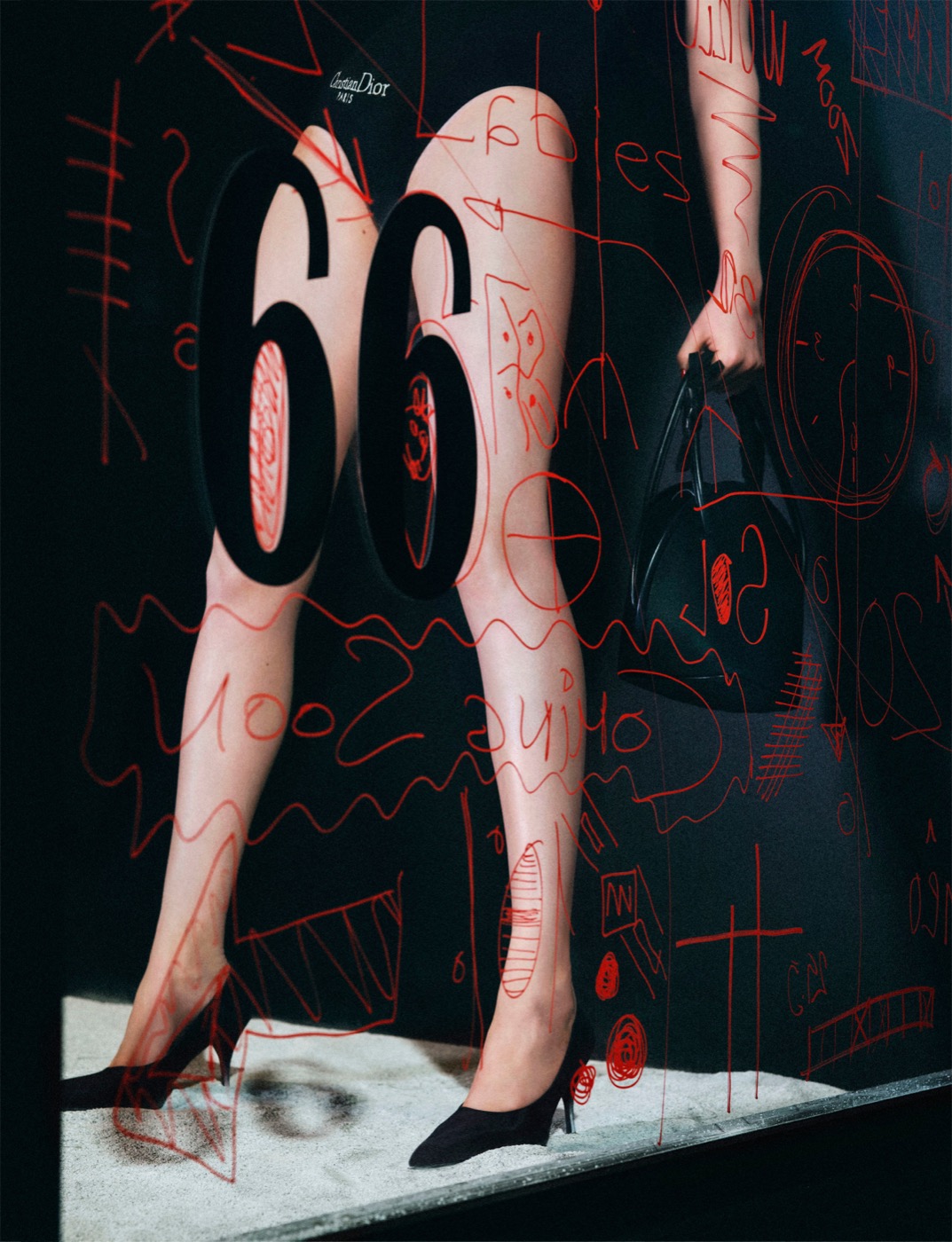 Txema YesteDoll, Barcelona, 2024.Coming soon, the window promises, and promises it backwards: the red words are scrawled on the far side of the glass, addressed to the interior, so the street receives its sales pitch as a spell in…
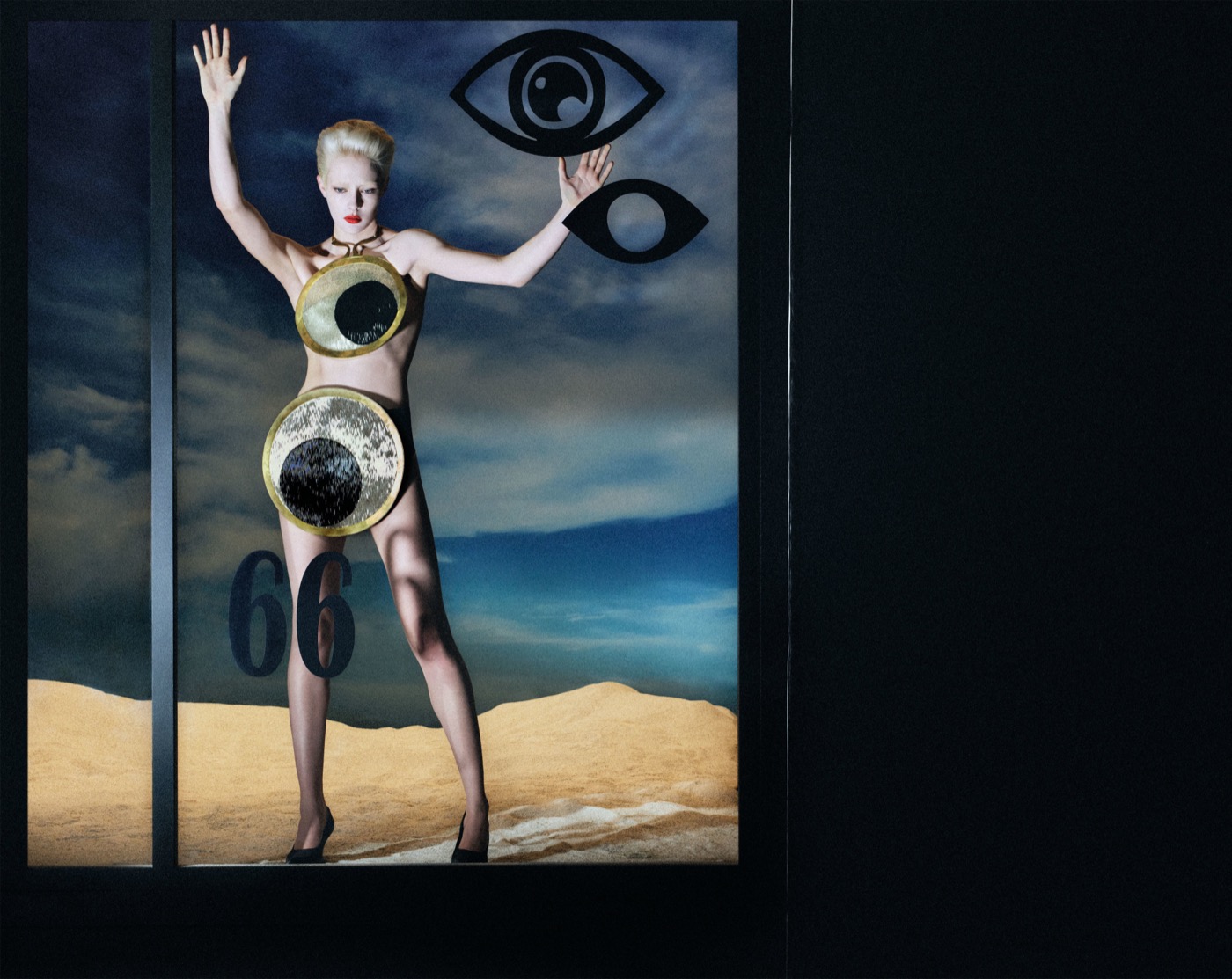 Txema YesteLucidity, Celeste, 2024.Both arms go up, palms open, as if she were stopping traffic on a road the desert mislaid, or conducting the storm gathering behind her, or signalling in a semaphore that spells nothing but O.
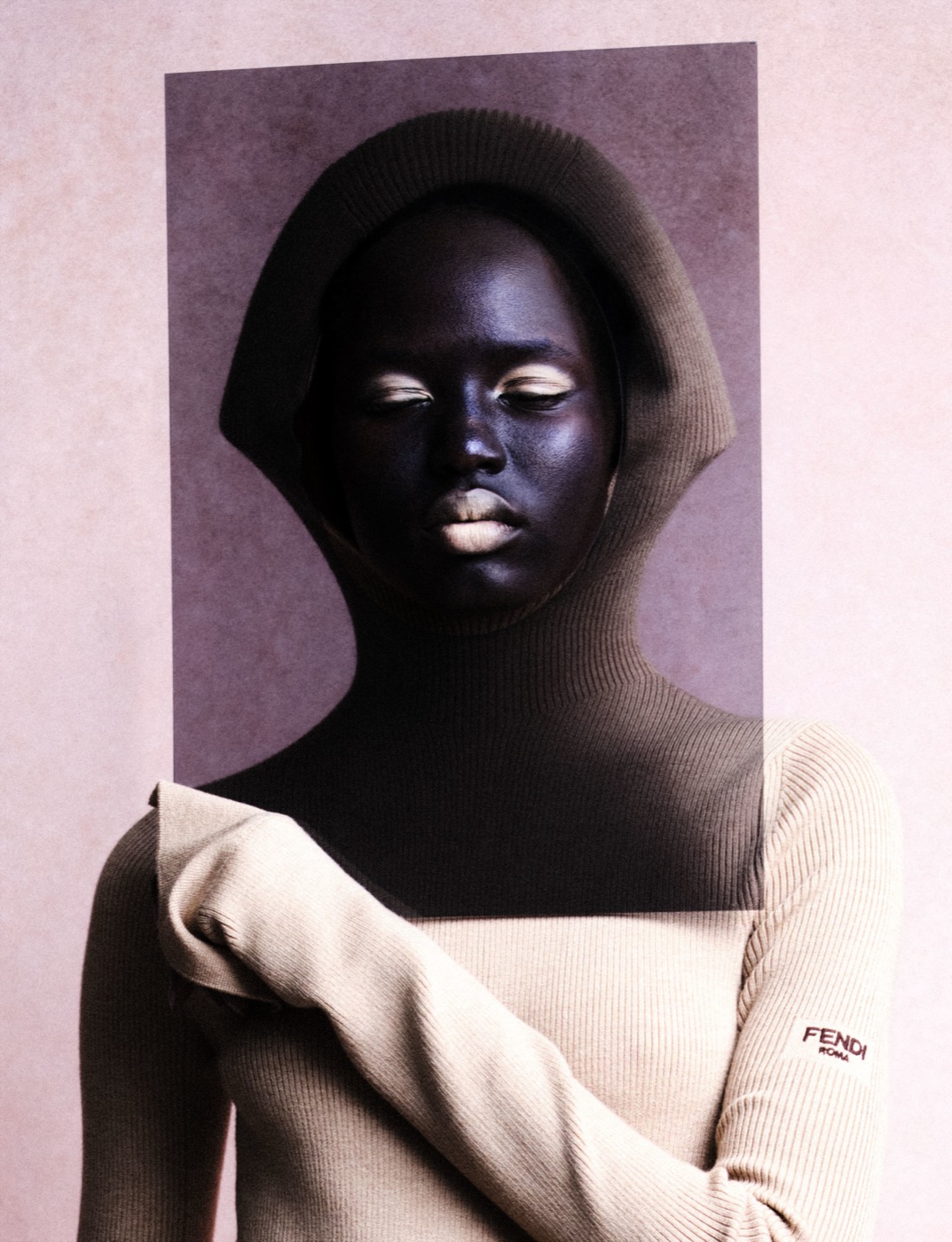 Txema YestePink square, Barcelona, 2024.The eyes have only just closed. Gold still sits on the lids, wet-bright, as though the last thing they saw had left its metal there, and the whole photograph holds itself in that suspended second…
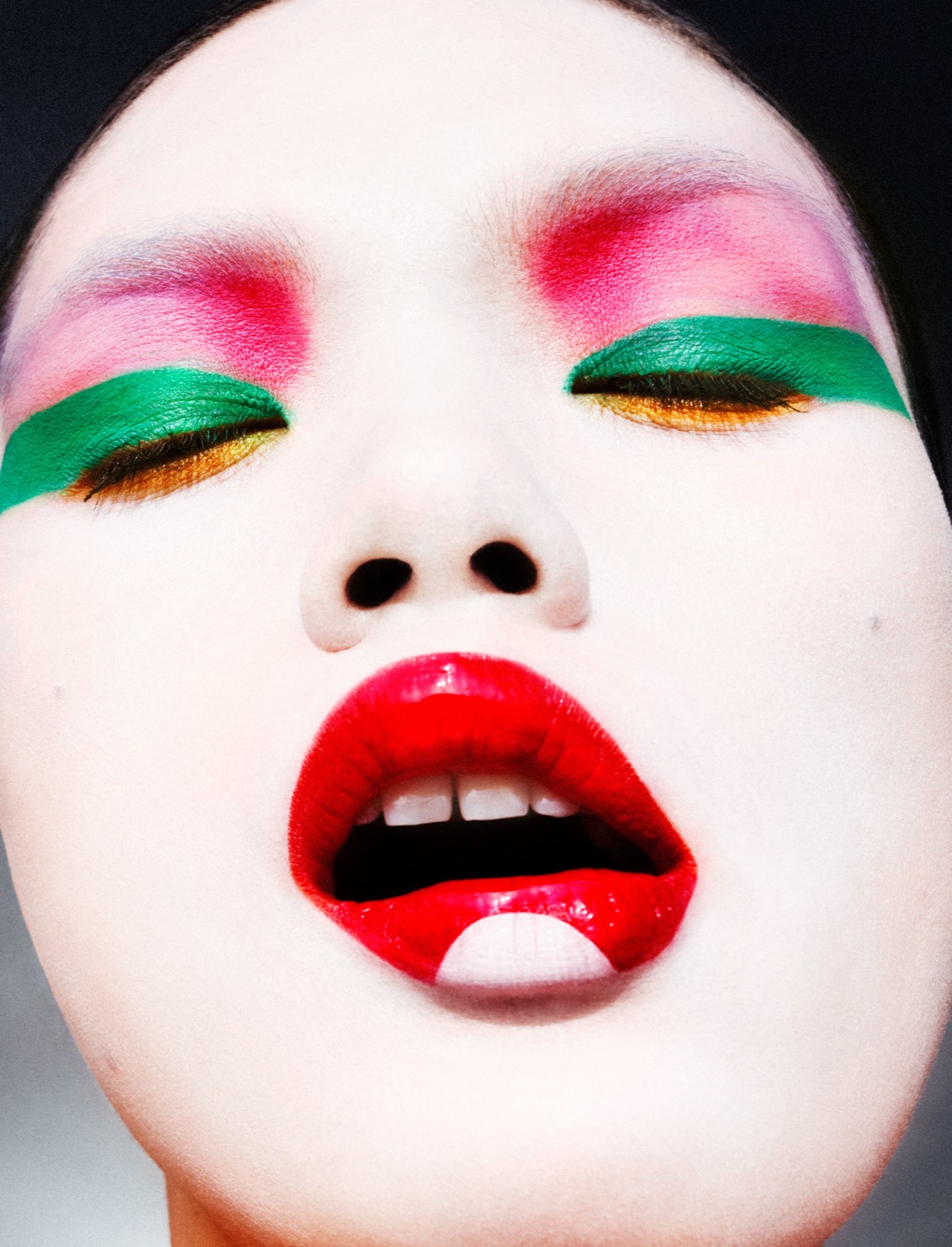 Txema YesteQun Ye, Fuerteventura, 2024.Nobody stands this close except lovers and dentists: an inch or two from a stranger’s face, so close that the face has stopped being a face and become terrain.
 Txema YesteQun Ye, Fuerteventura, 2024.Notice the small rectangle set into the umbrella’s dark hollow: a printed face, its eyes ringed in hot pink and red, pale hair falling past a reddened mouth, propped like a portrait in a doorway.
 Txema YesteQun Ye, Fuerteventura, 2024.Botticelli beached his Venus on a scallop shell; here the shell has been cast in black, strapped to the chest like a small piece of armor, and the goddess, instead of rising, folds herself in half…
 Txema YesteThe Parade, Barcelona, 2024.In “The Parade, Barcelona, 2024”, Txema Yeste turns the language of fashion into something closer to a dream, or a memory half seen through light.
 Txema YesteThe Wait, Qun Ye, Fuerteventura, 2024.A camera can make a leg forget it is a leg and behave as pure line.
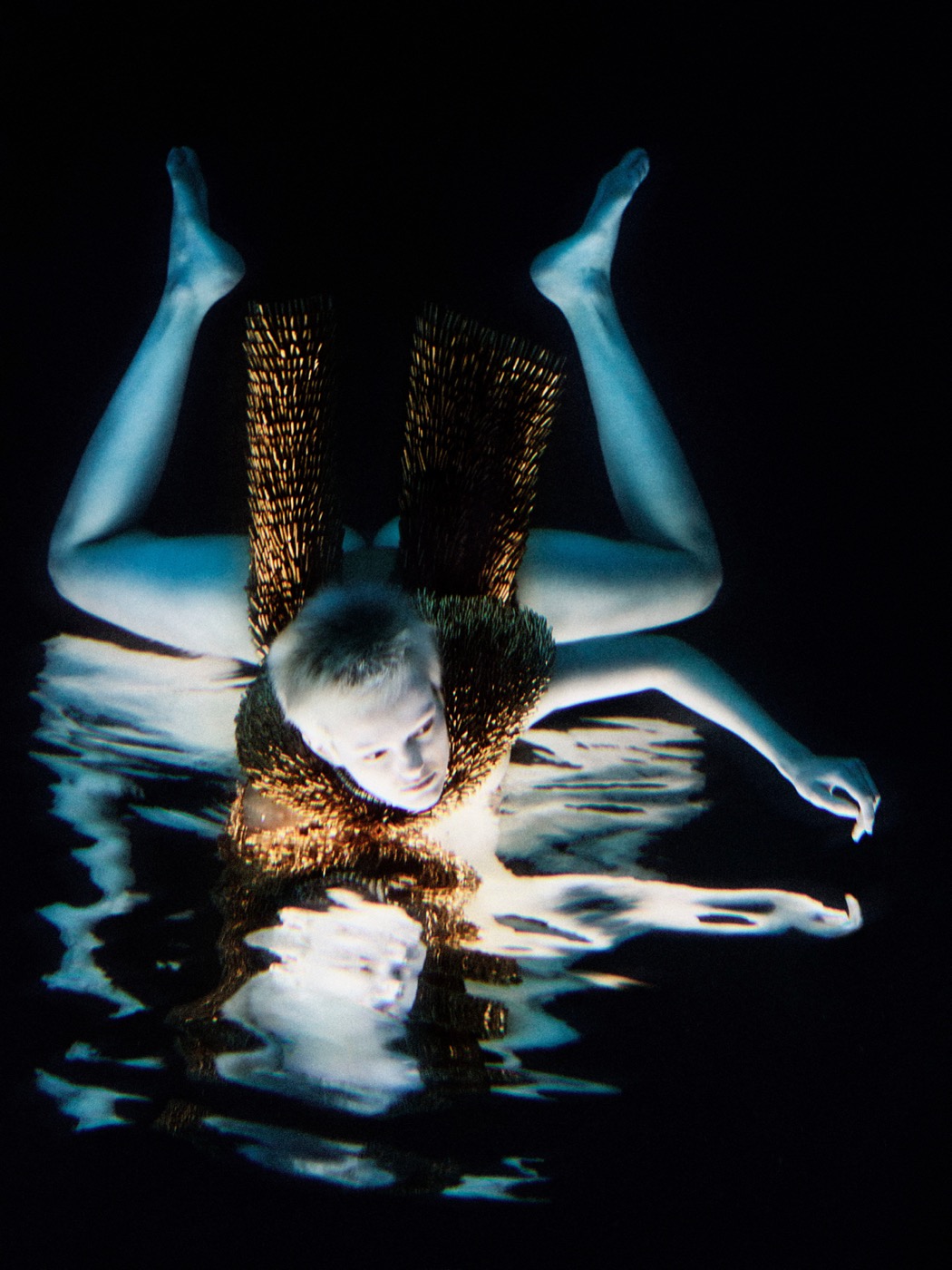 Txema YesteWater Soul, Maaike, 2024.The photograph withholds every coordinate a swimmer needs: no horizon, no pool edge, no bottom, not even a certainty about which way is up.
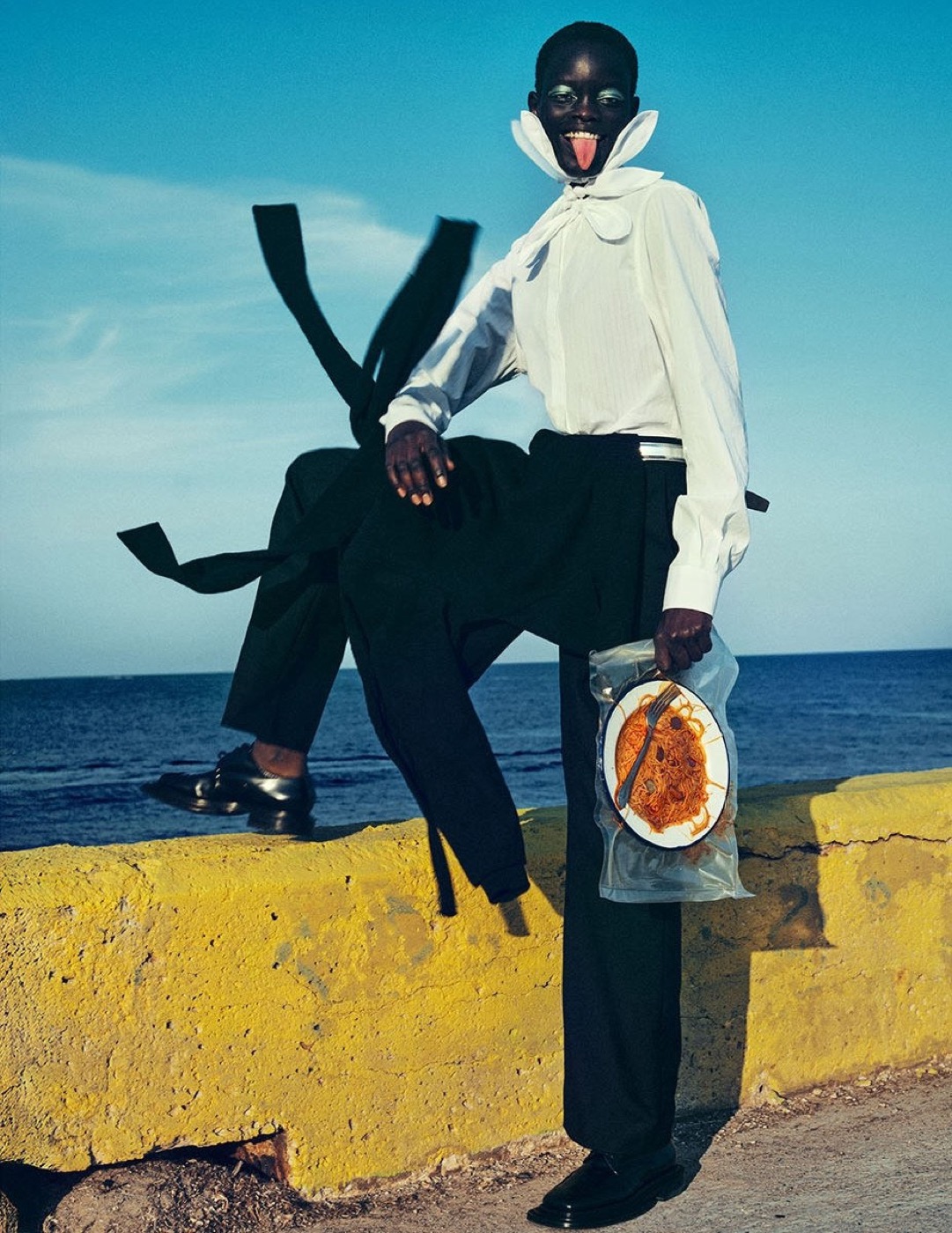 Txema Yeste1562, 2025.A Celebration of Joy, Irreverence, and Chromatic Delight.
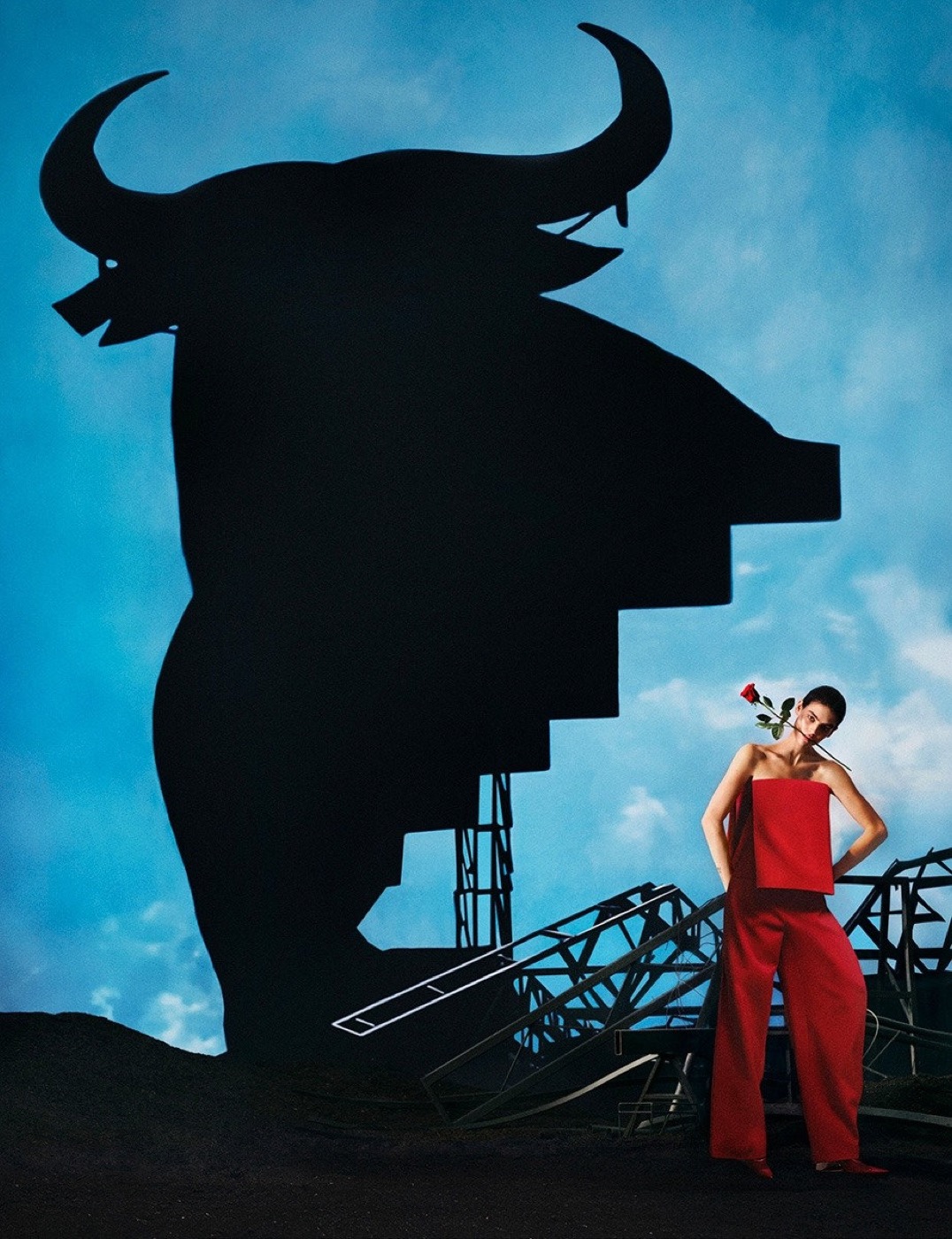 Txema Yeste1639, 2025.She bites the stem, not the bloom. That single red rose clamped sideways in her teeth is the whole picture's wit—a wink at every flamenco postcard ever sold, delivered with a model's deadpan and a…
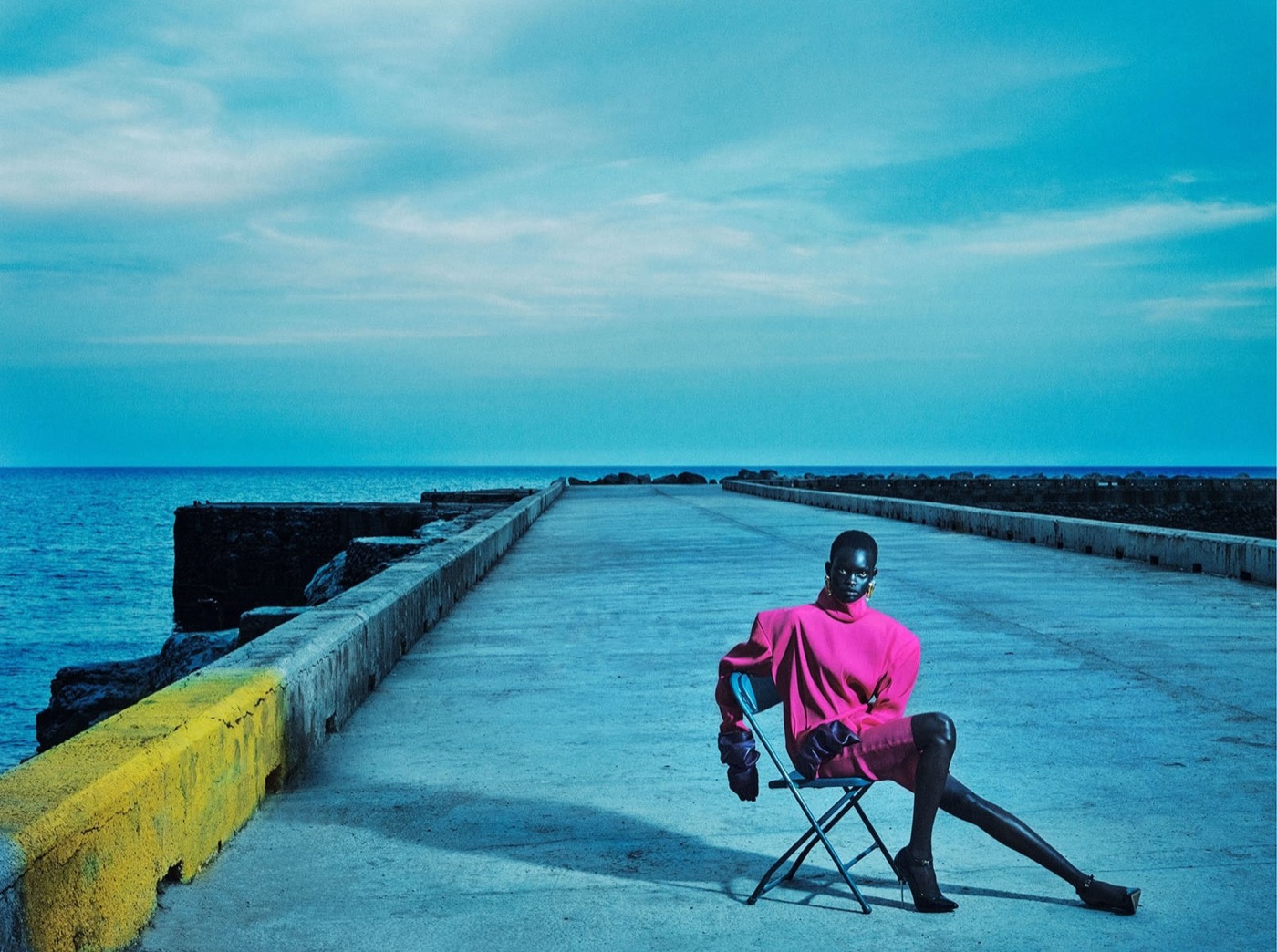 Txema Yeste1646, 2025.Shot by Txema Yeste, the photograph introduces Athiec Chol on a concrete jetty that drives like an arrow into the sea.
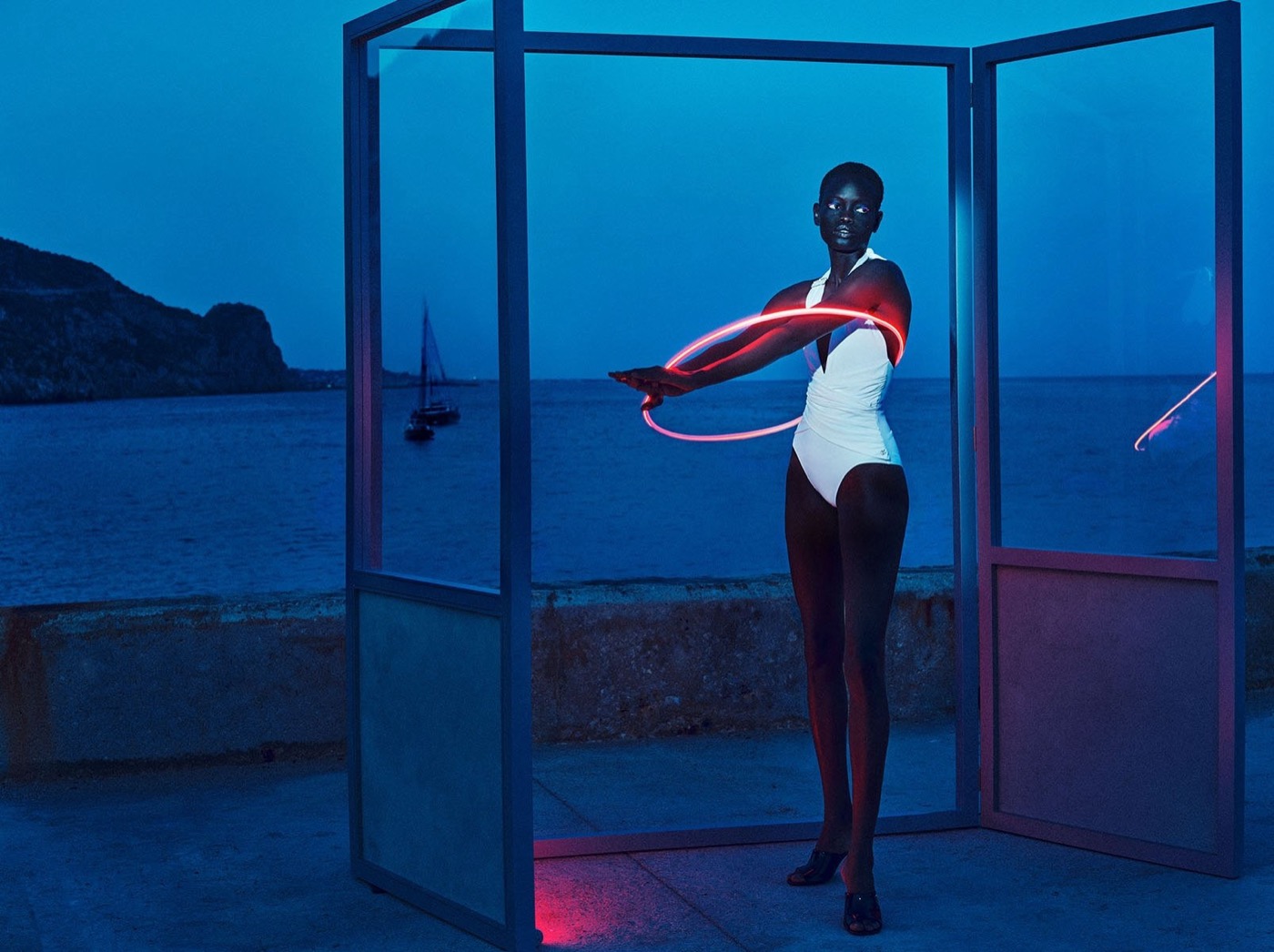 Txema Yeste1651, 2025.Why carry a folding glass screen to the edge of the sea?
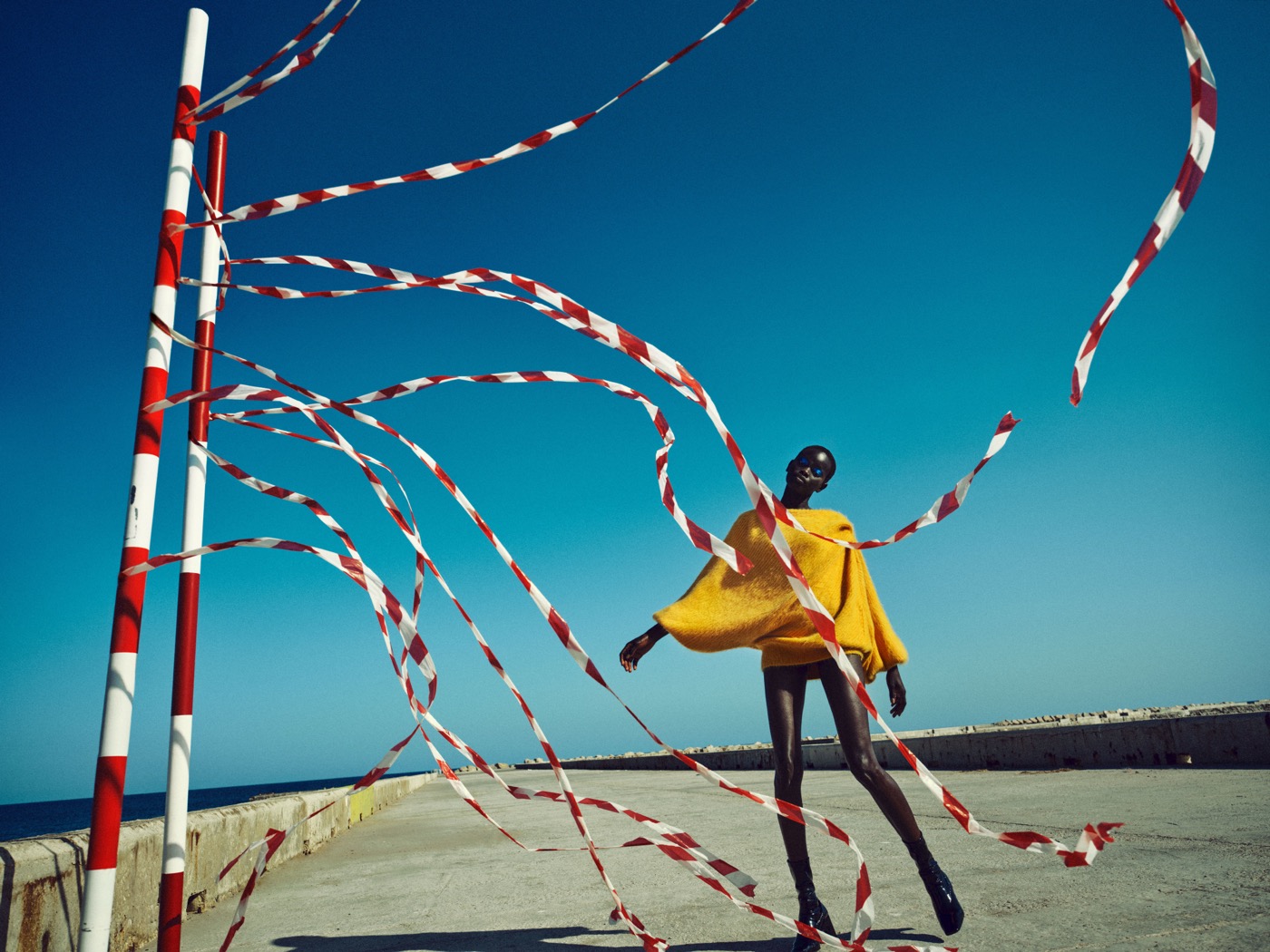 Txema Yeste1654, 2025.Two petals of blue on her eyelids, matched to the sky: the smallest touch in the picture, and the one in charge.
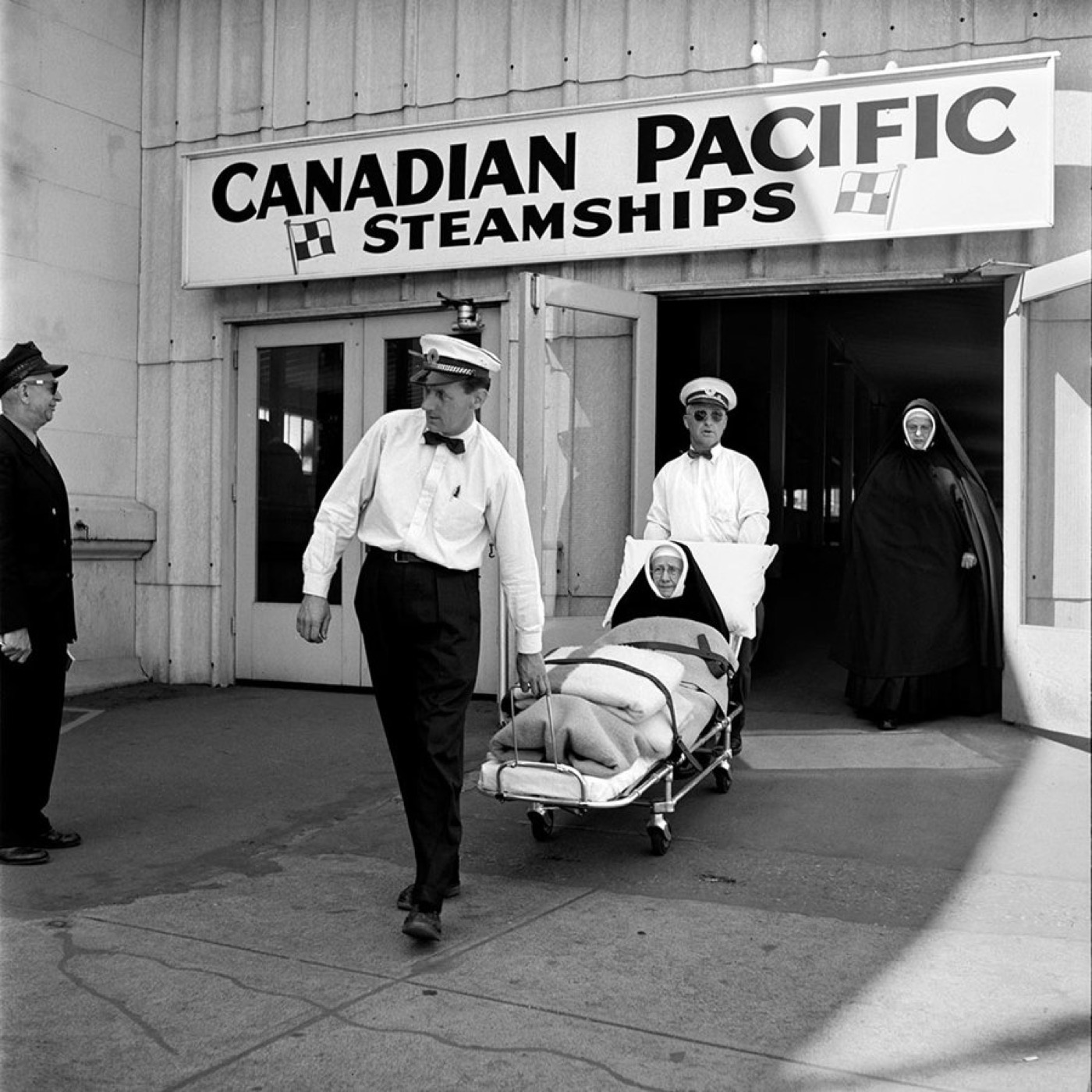 Vivian MaierCanada, 1950s.A picture is sometimes built on a coincidence that the photographer was quick enough to keep.
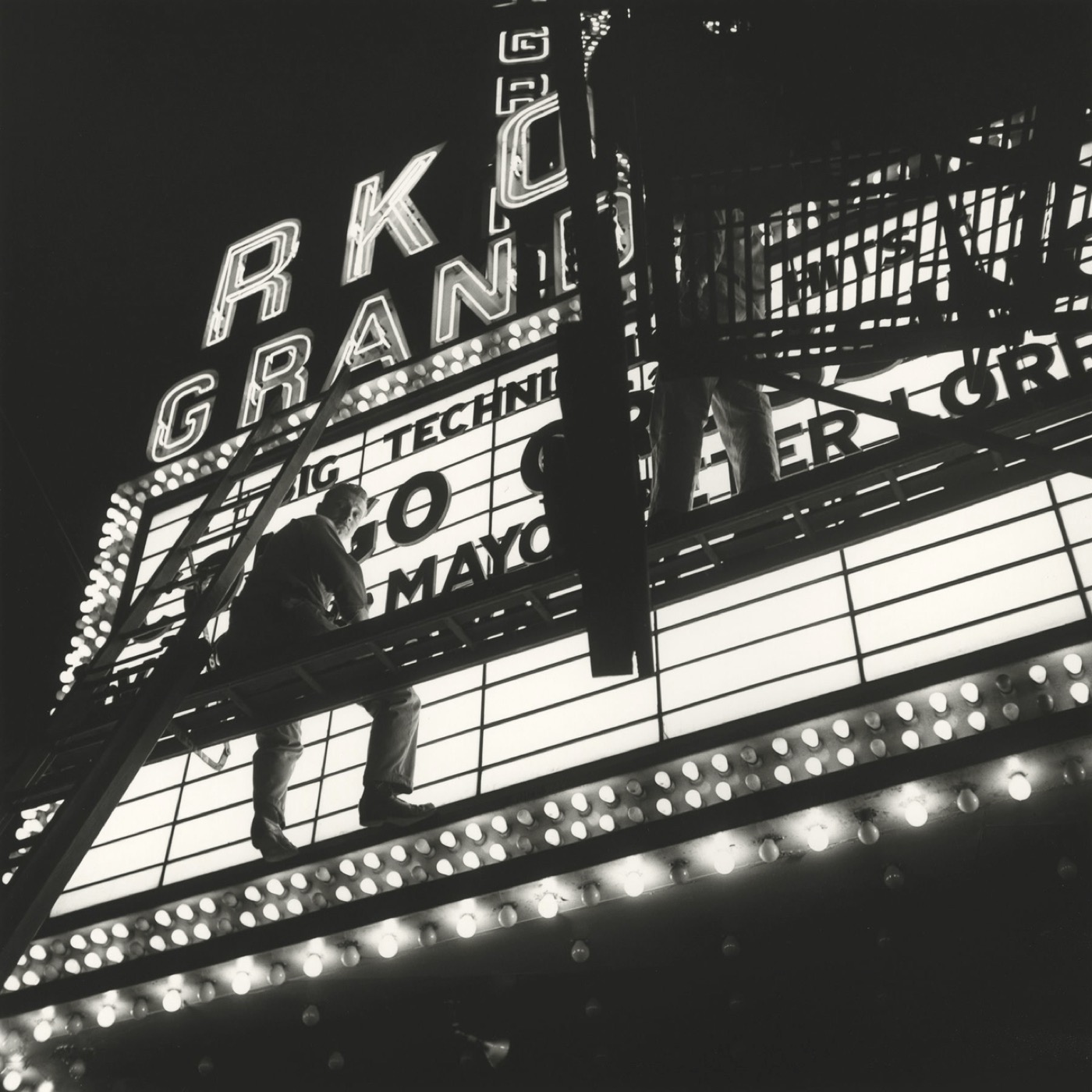 Vivian MaierChicago, IL, c. 1952.We are down on the pavement, necks tilted, looking up into the underside of the RKO Grand marquee, where the neon spells its name in hot cursive and a border of bare bulbs runs in bright dotted seams…
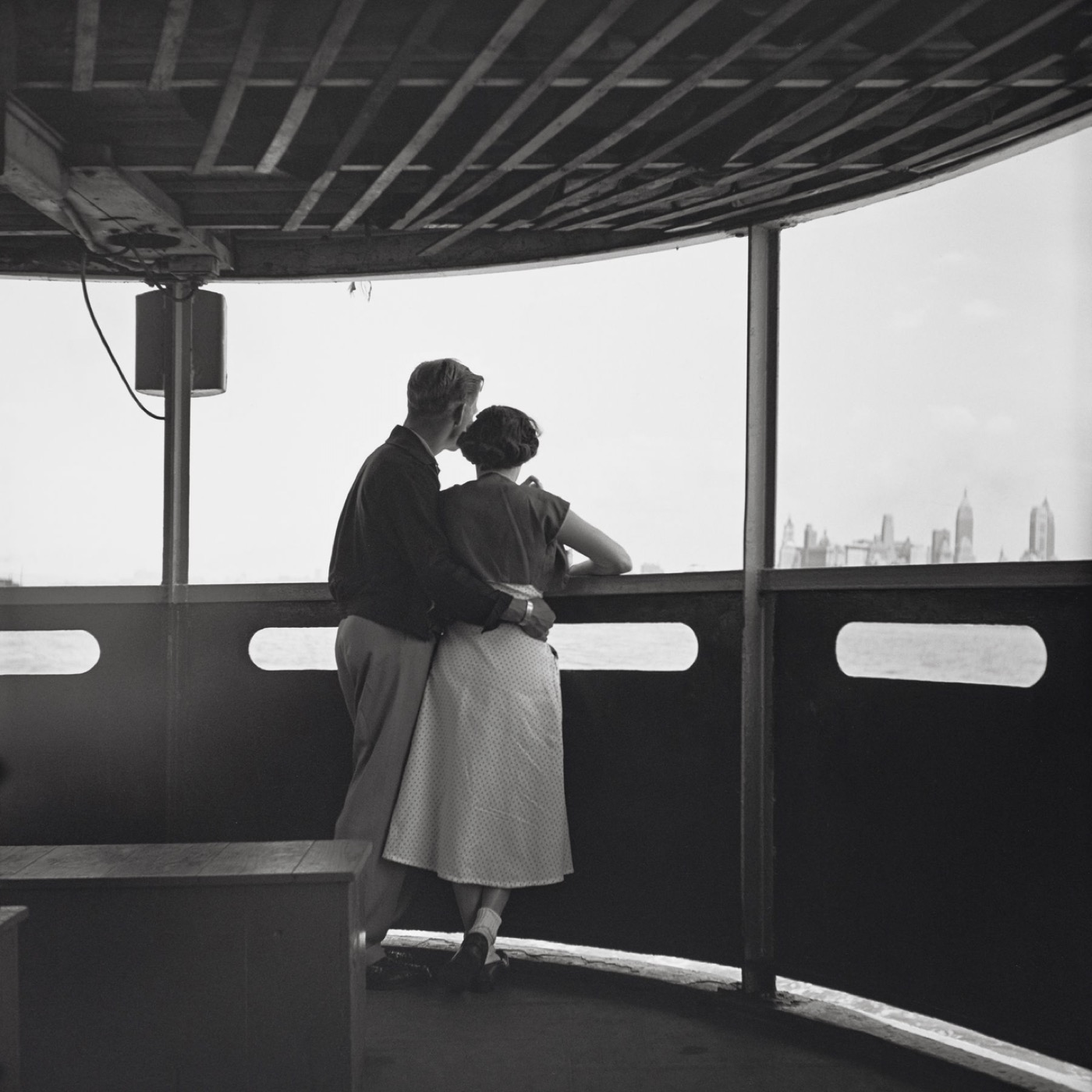 Vivian MaierNew York, 1953.A flat, overcast light pours off the harbor and floods the deck, bleaching the sky to blank white and thinning the distant Manhattan skyline to a row of pale, dissolving towers.
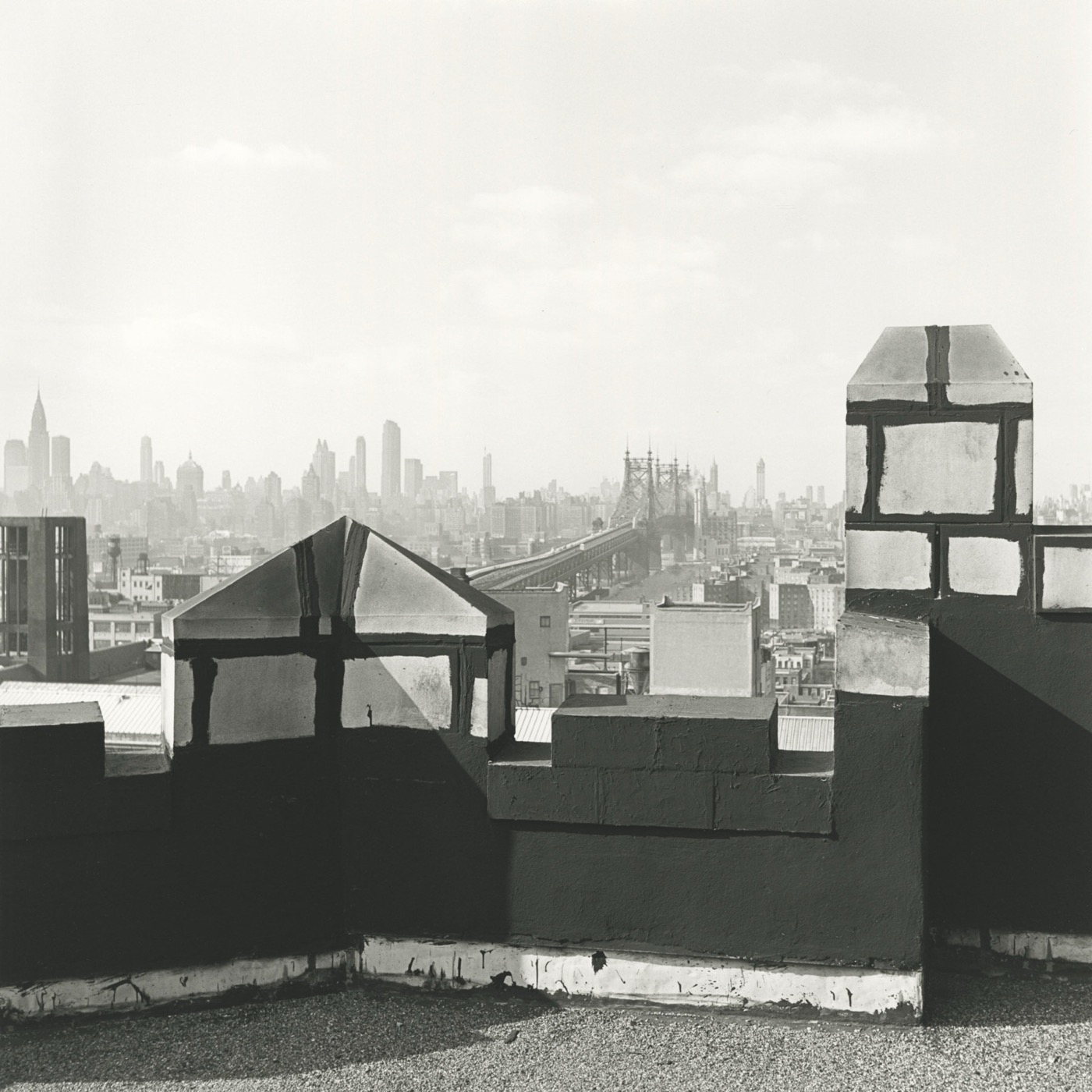 Vivian MaierNew York, NY, February 9, 1953.An hour from now this geometry will be gone: the low winter sun that cuts each bulkhead and coping into hard diagonals will have moved on, and the parapet will go back to being merely a wall.
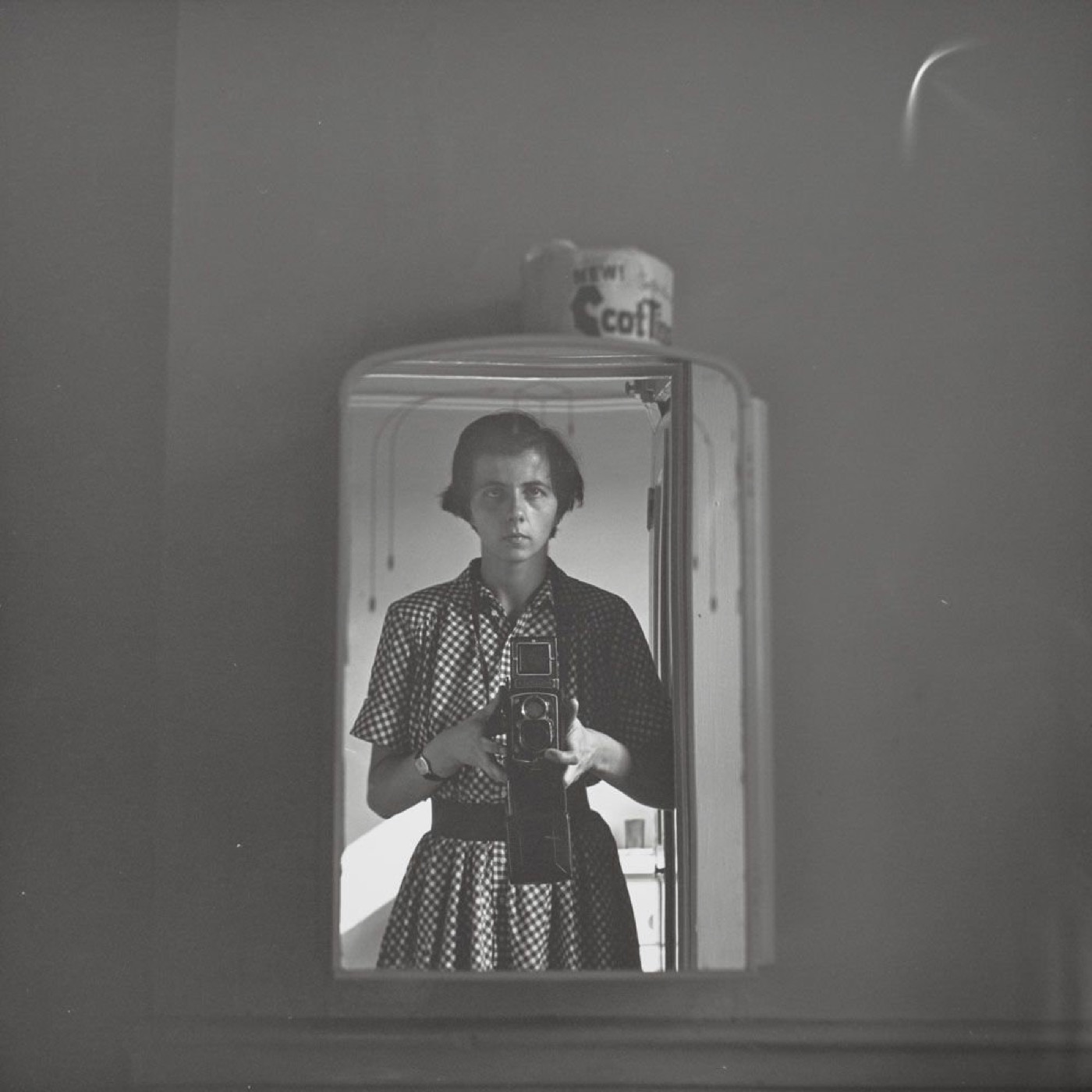 Vivian MaierSelf-portrait, New York, NY, 1954.How does a woman photograph herself without ever quite showing her face to the camera?
 Vivian MaierNew York, NY, 1955.What is he doing up there, the man in the suit?
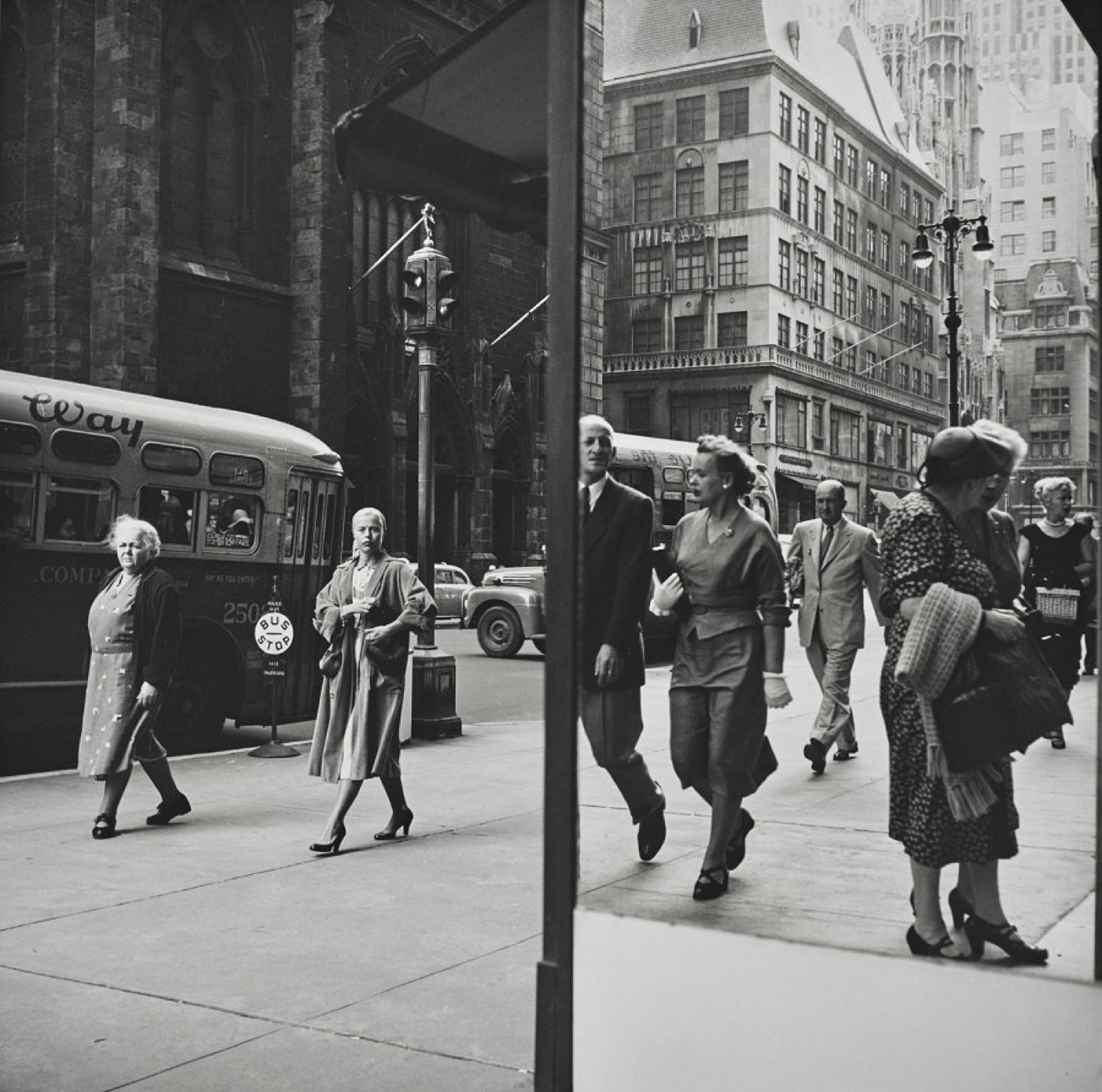 Vivian MaierNew York, NY, c. 1955.A single dark seam runs straight down the middle of the frame and cuts the street in two.
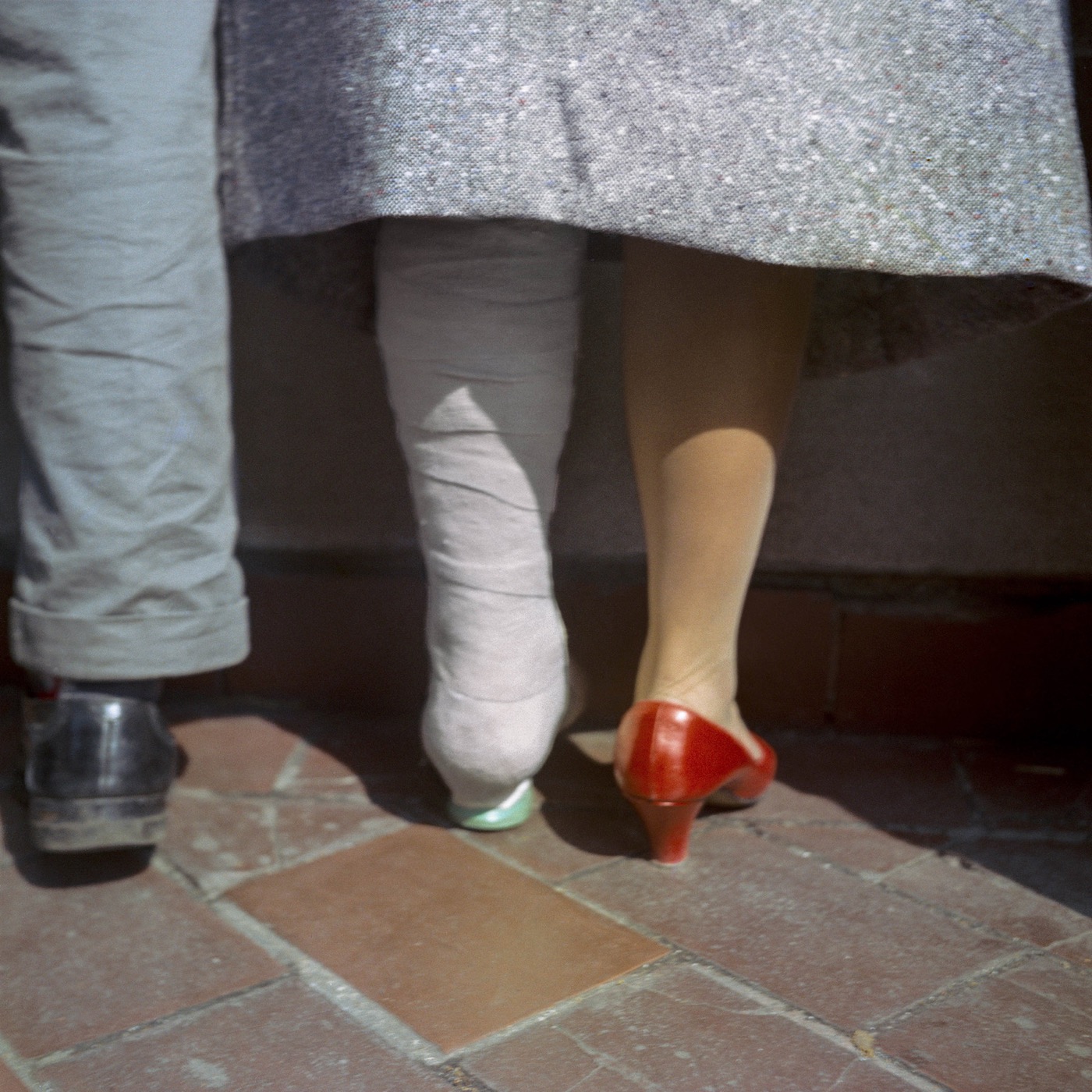 Vivian MaierChicago, 1956.A single red patent heel, glossy as a boiled sweet and tapered to a neat cone, plants itself on the terracotta tile and reorganizes everything around it.
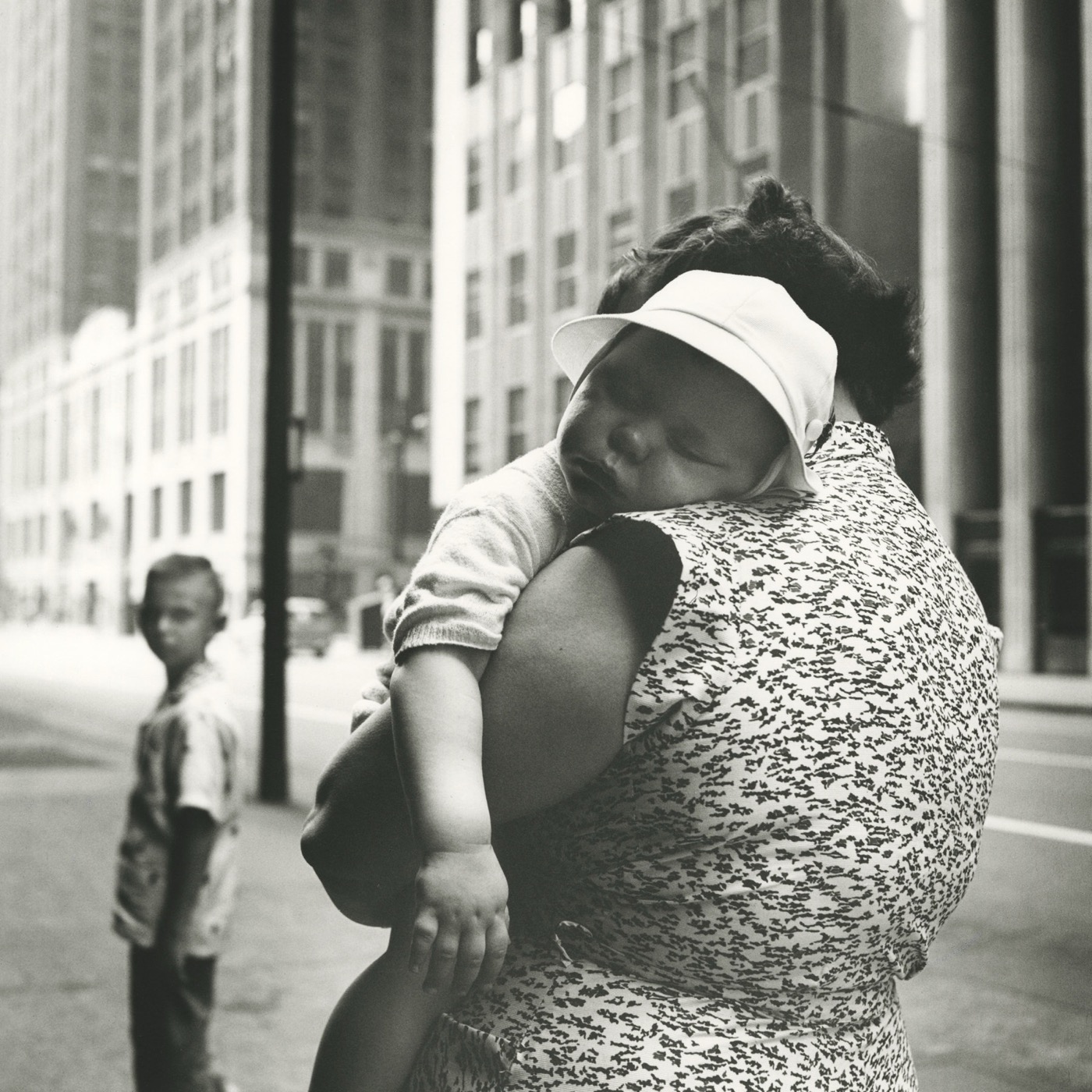 Vivian MaierChicago, IL, June 16, 1956.In June of 1956, on a Chicago sidewalk she would have walked as a nanny rather than as the artist no one yet knew her to be, Vivian Maier turned her Rolleiflex toward a woman she would never name.
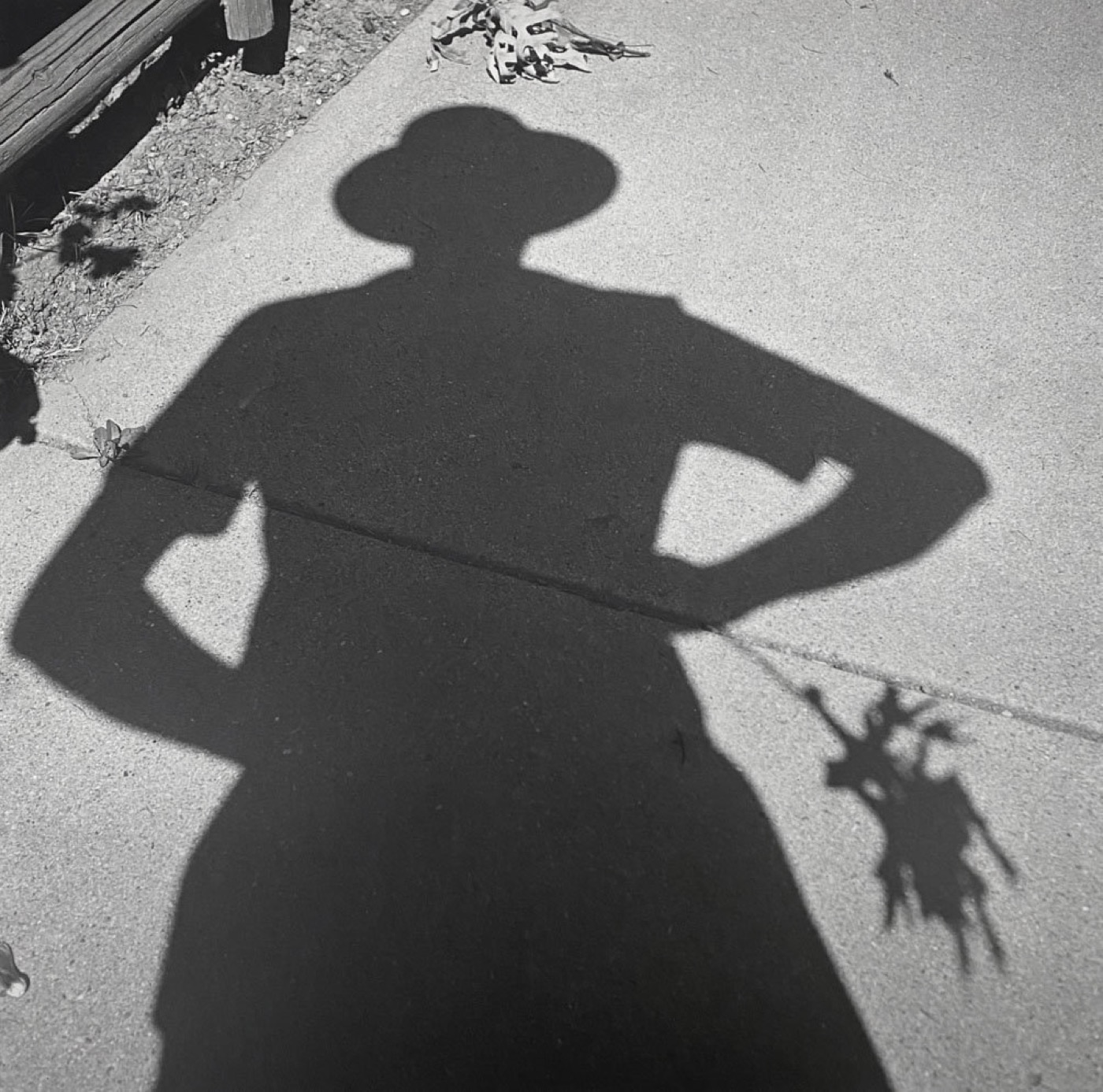 Vivian MaierUntitled, Self-portrait, 1956.A shadow is photography's first draft. Before lenses and chemistry there was simply a body interrupting light and a surface receiving its outline; every photograph since has been a scheme for keeping…
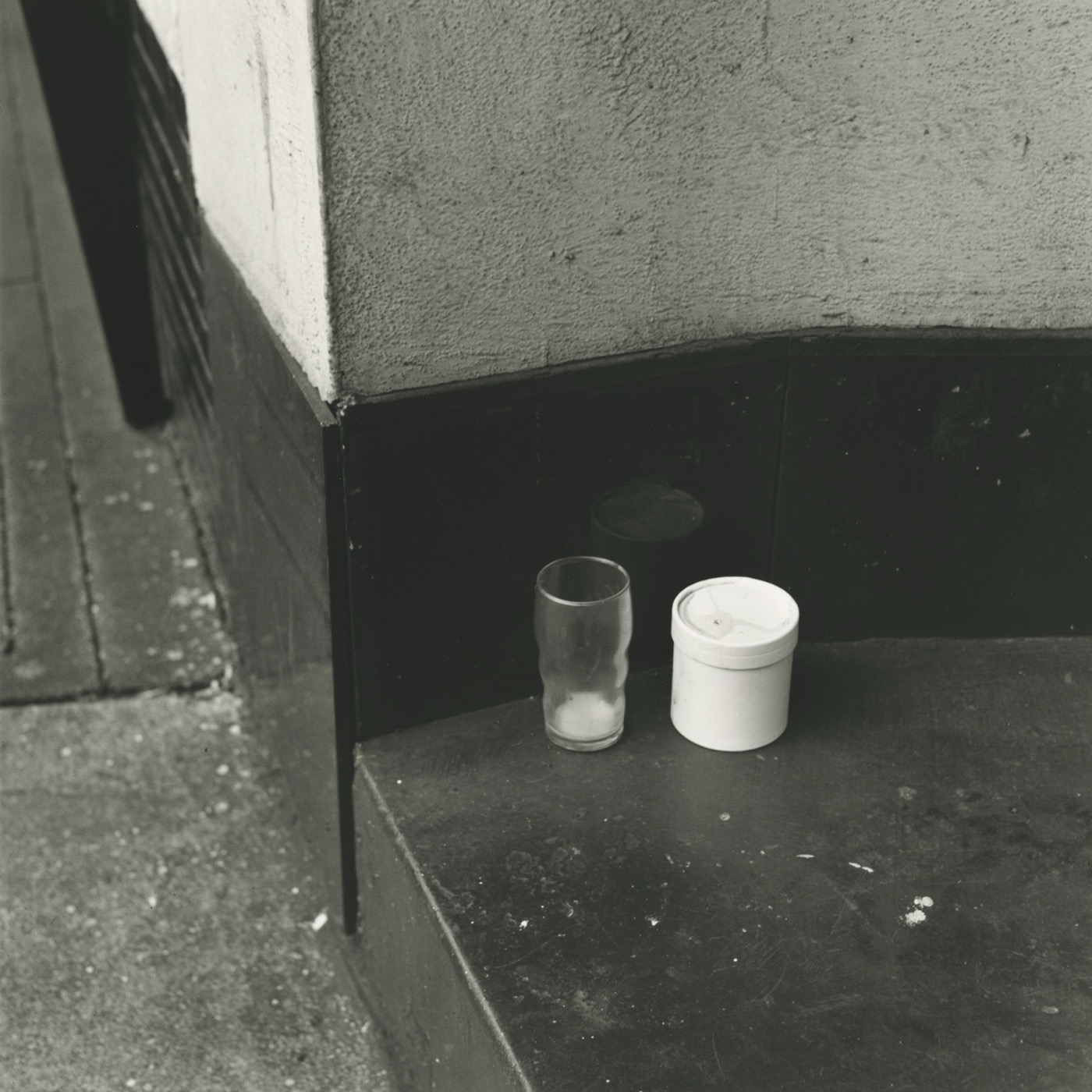 Vivian MaierChicago, IL, May, 1957.Who left them there, and why three? A glass half full of something pale, a white plastic tub with its lid set askew, and behind the pair a darker squat can keeping its own counsel.
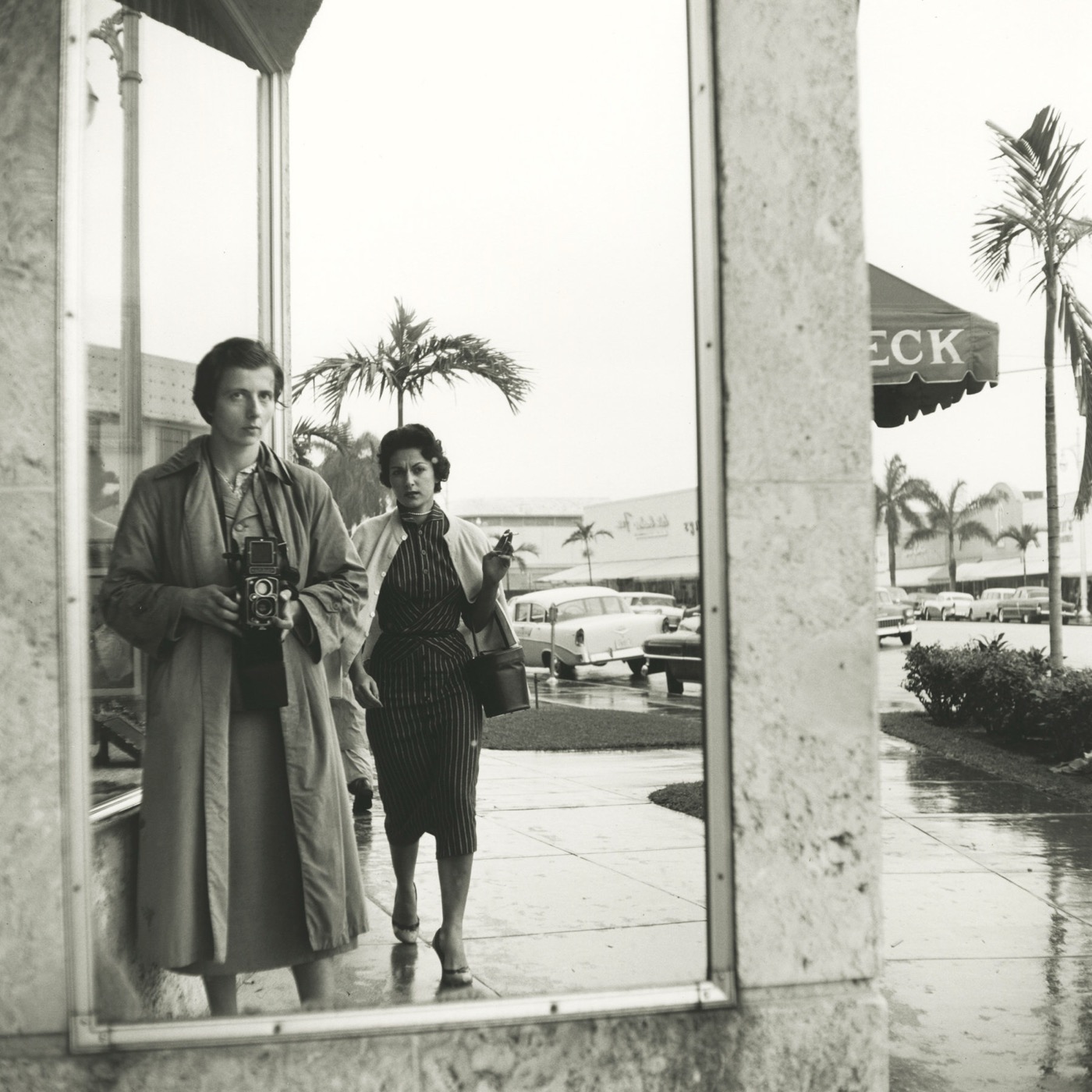 Vivian MaierSelf-portrait, 1957.Two women share a single frame, but only one of them knows a picture is being made.
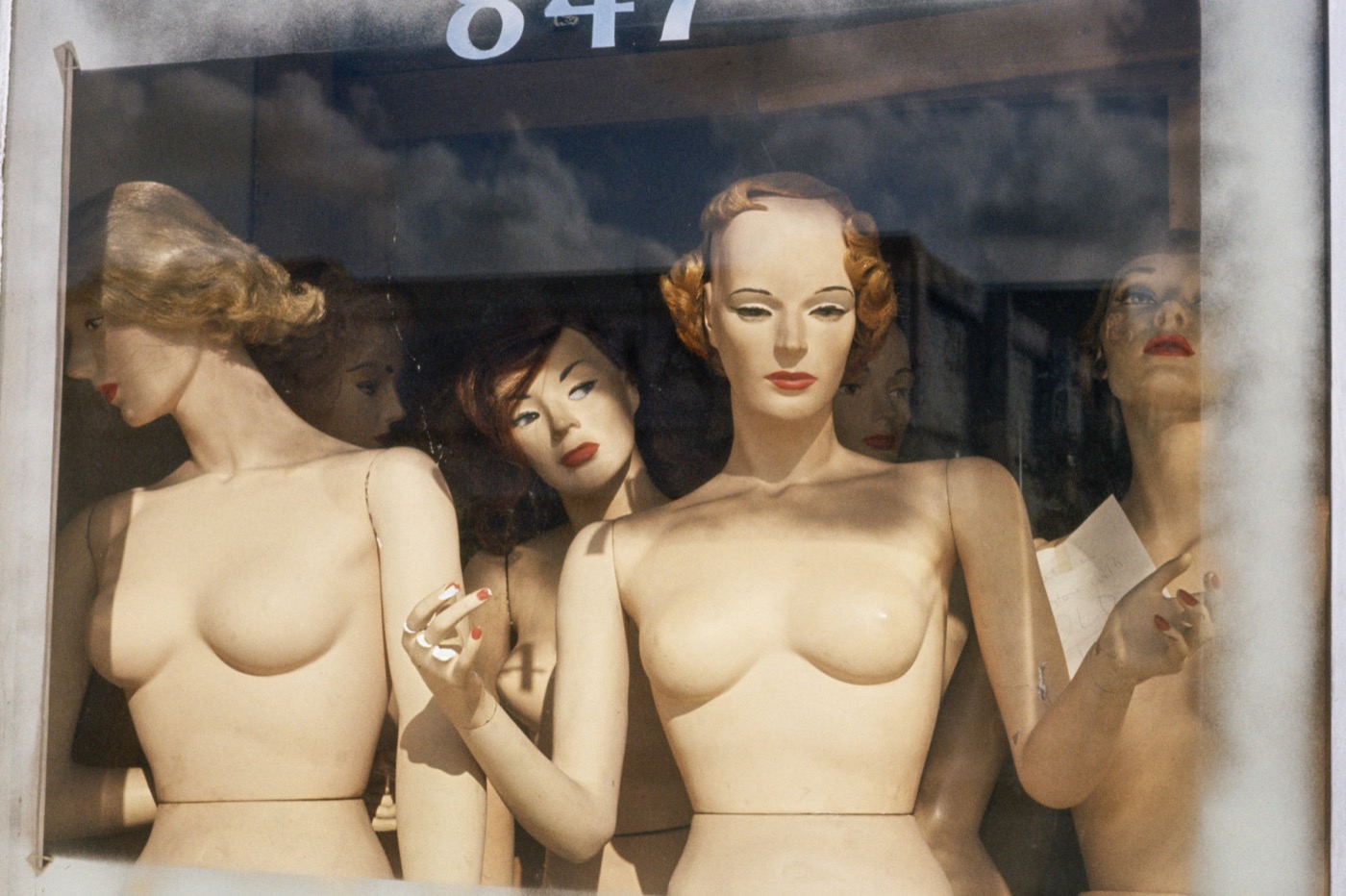 Vivian MaierChicago, 1960.Chicago, 1960. Behind the glass of a modest storefront, a small crowd of mannequins gathers into a silent chorus of bodies without voices.
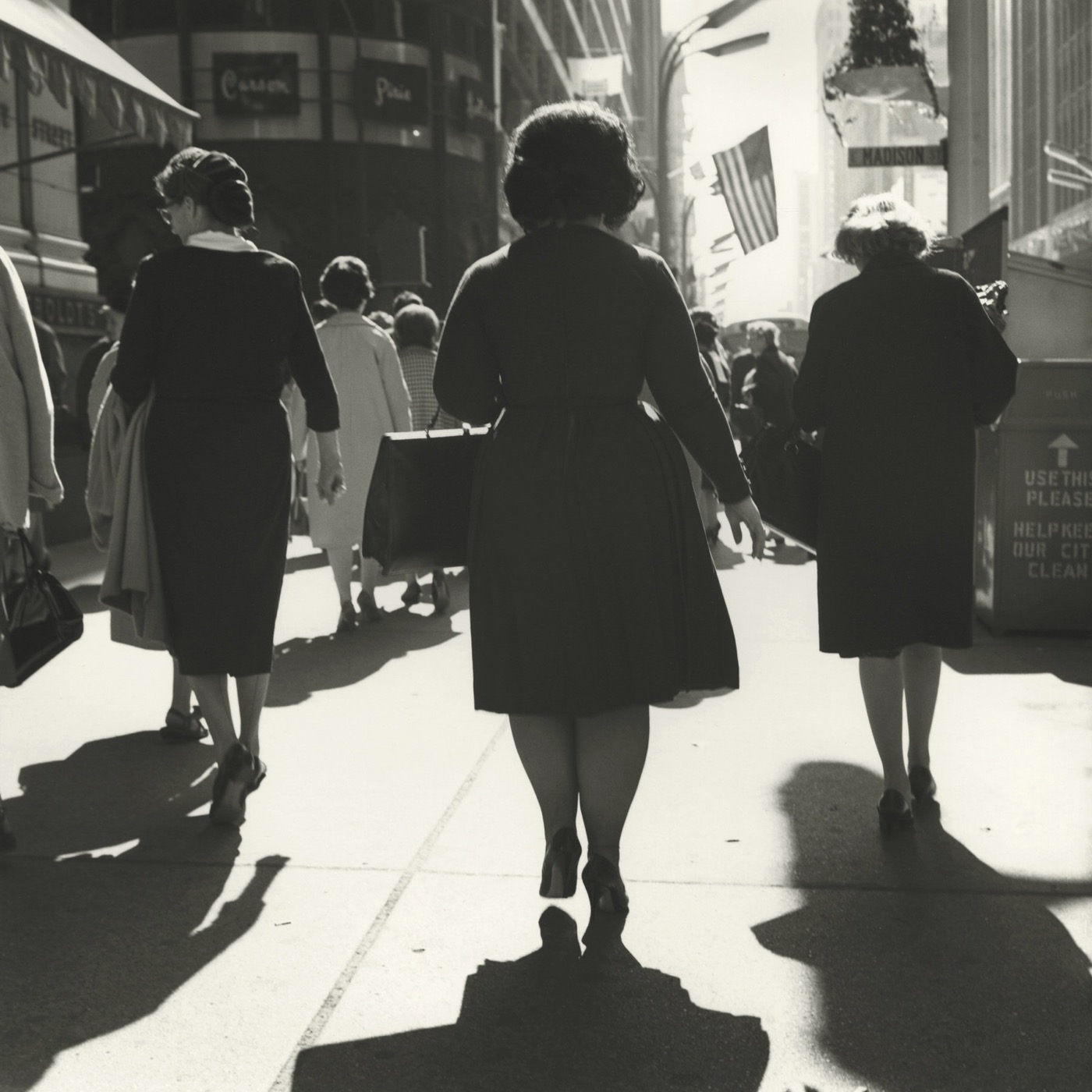 Vivian MaierChicago, IL, c. 1960.Photography has always been fascinated by the figure seen from behind, walking away, its face surrendered to the street; this picture joins that lineage and sharpens it.
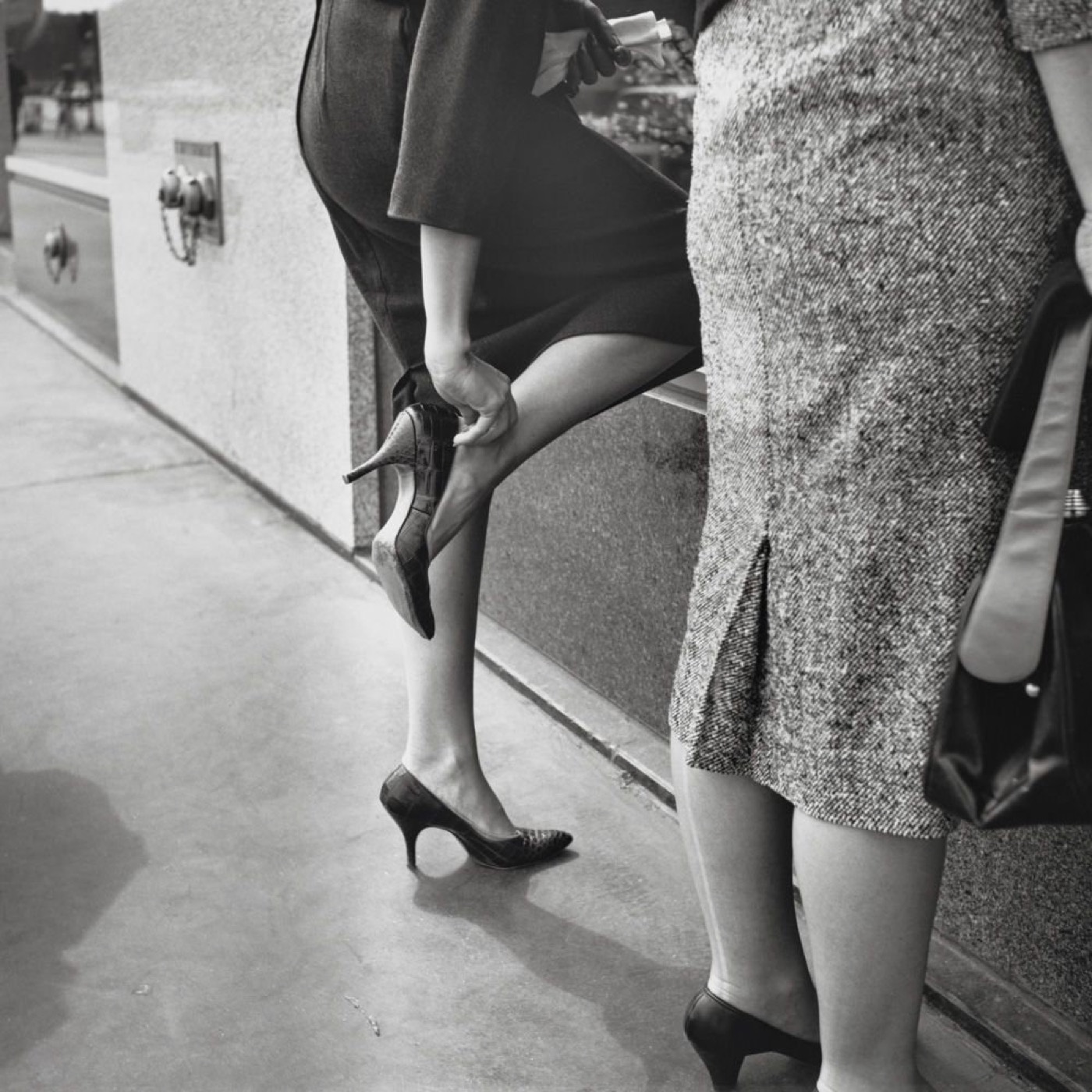 Vivian MaierChicago, 1961.A photograph can love a stranger’s ankle more honestly than any admirer.
 Vivian MaierChicago Area, 1961.The largest bubble will thin, wobble, and vanish against the brick any second now; a moment ago it was only breath and a filmed wire ring.
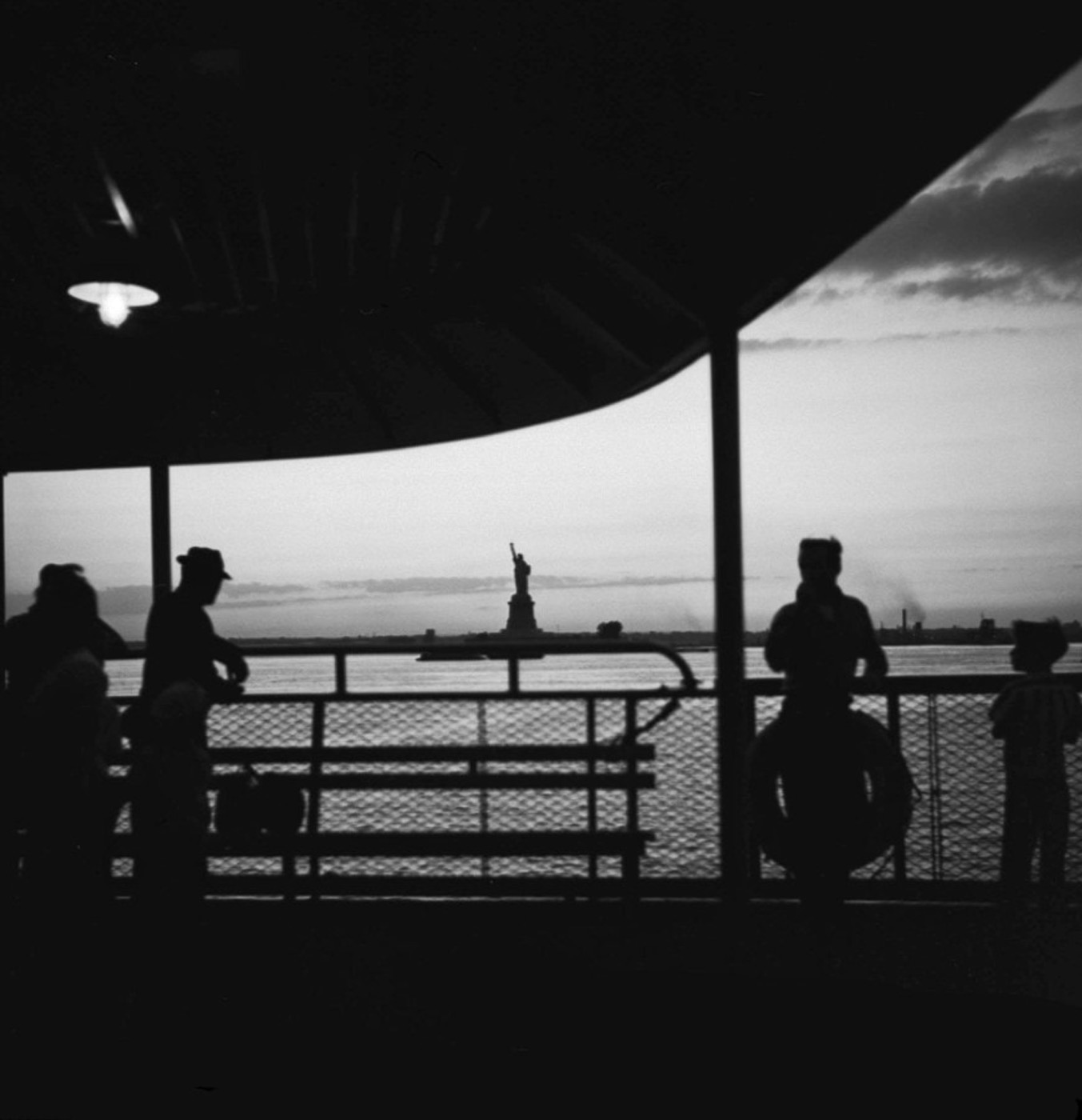 Vivian MaierNew York, New York, 1965.The picture withholds every face. Under the ferry’s curved canopy, backlit almost to pure black, a handful of passengers stand at the railing as silhouettes — a figure in a hat, a child, a man beside…
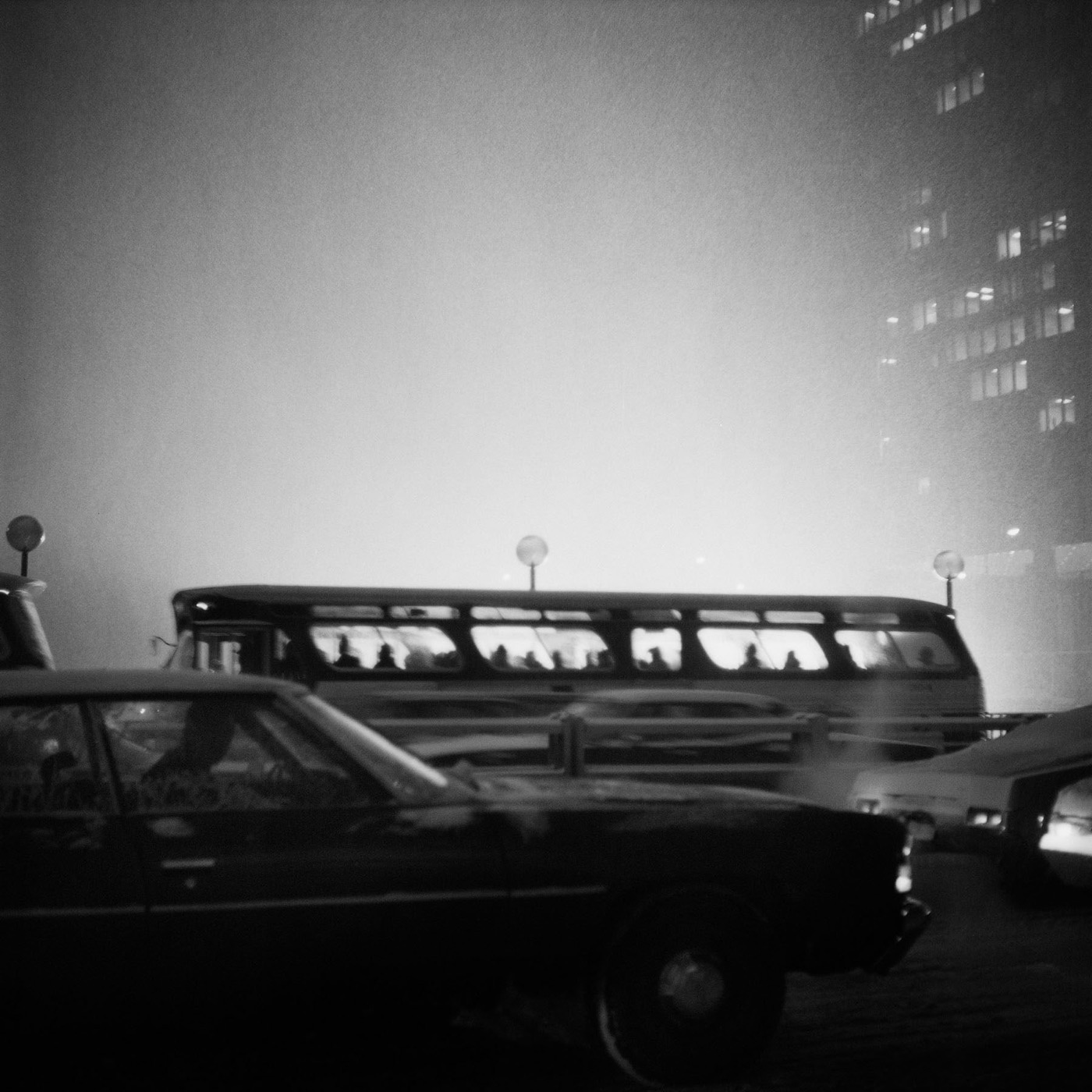 Vivian MaierBus at DuskPhotography has kept an appointment with the lit vehicle in falling snow at least since Stieglitz stood hours in a Fifth Avenue blizzard for his omnibus.
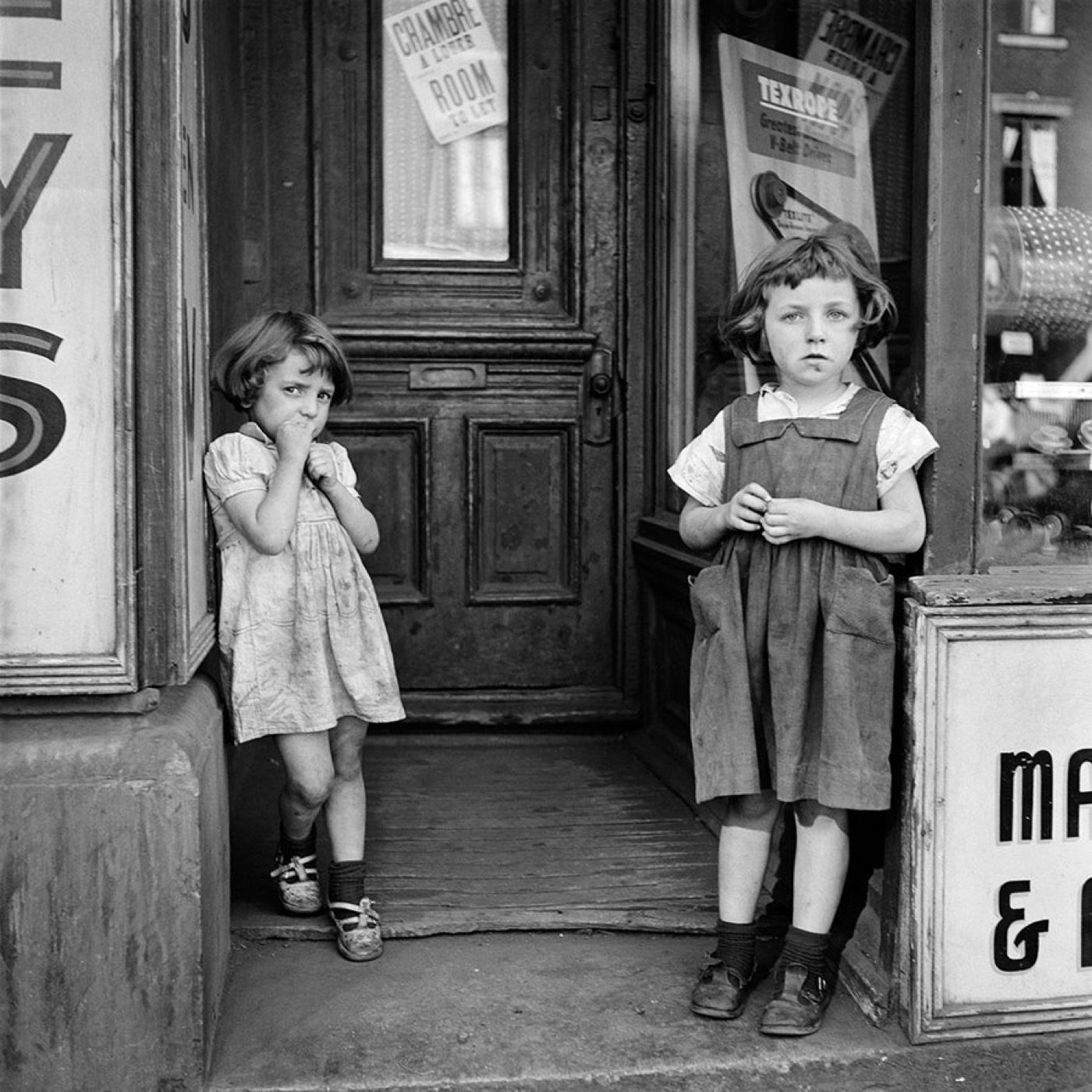 Vivian MaierCanadaTwo girls hold the doorway of a shop as if it were the edge of the known world.
 Vivian MaierUntitledSilver wire, looped and sprung, fills the frame edge to edge: the coiled guts of an old bed, stripped of its mattress and turned into a thicket of bright metal against black.
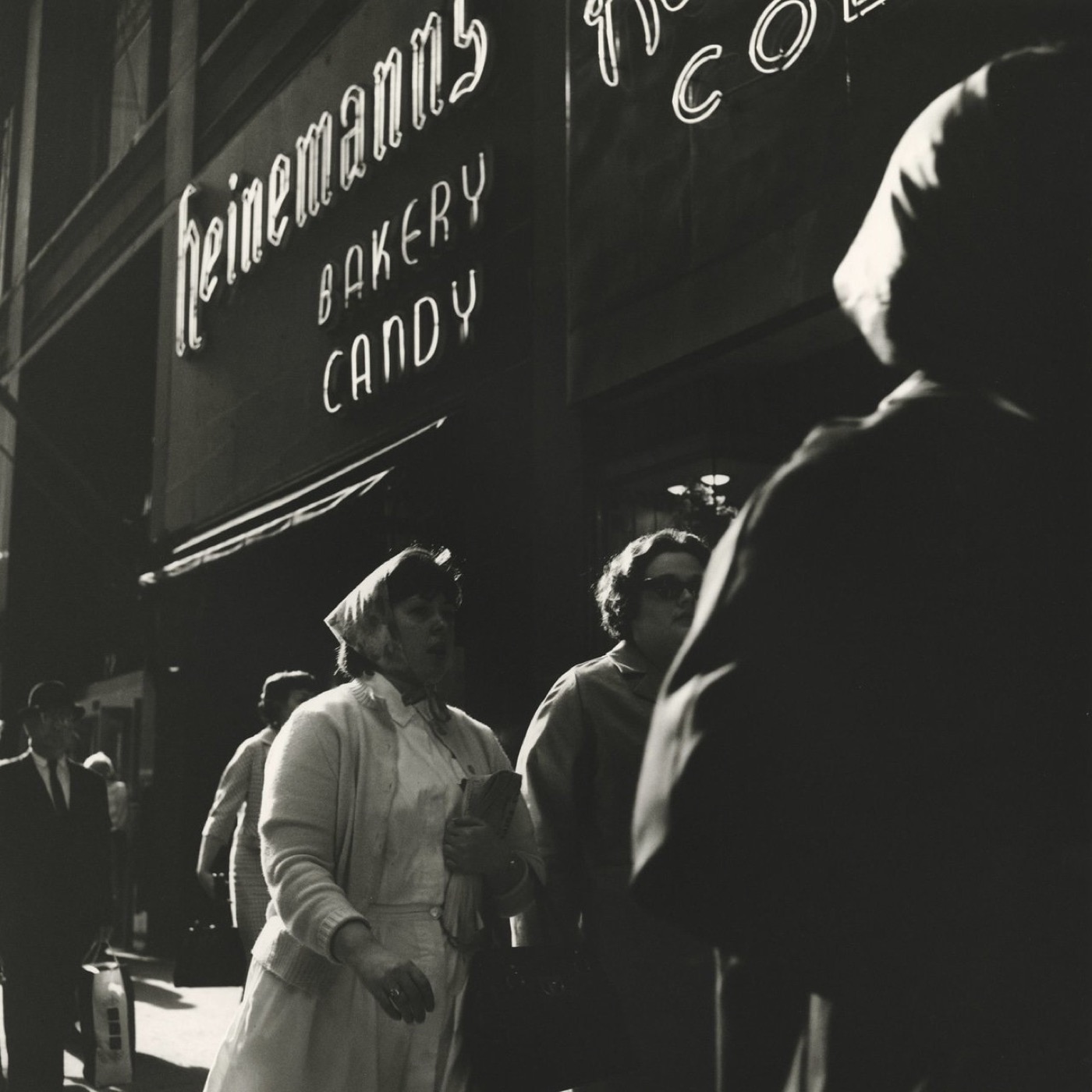 Vivian MaierUntitledA woman in white walks toward the camera on a city pavement with her mouth open on a word.
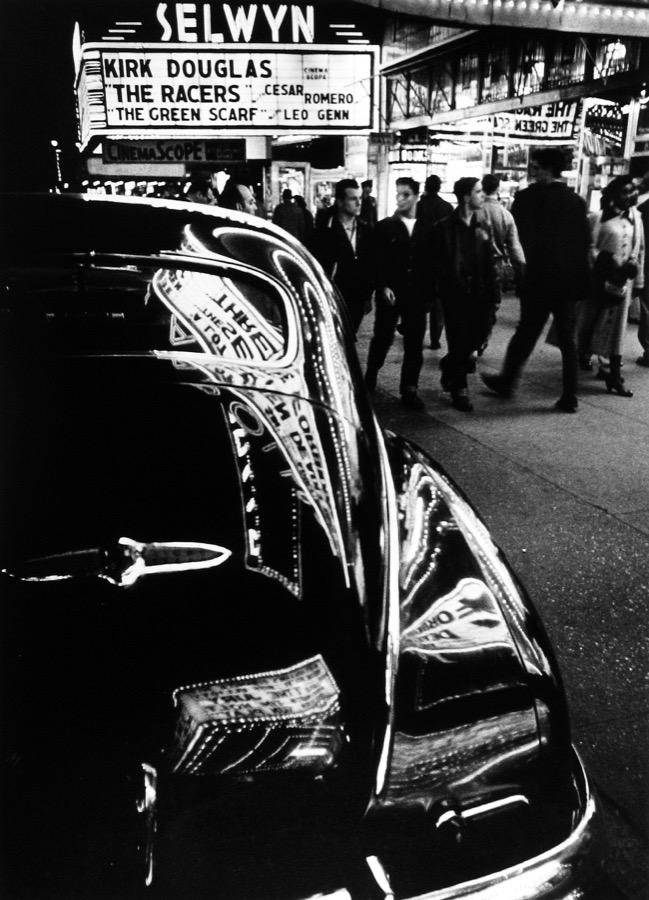 William KleinSelwyn, 42nd Street, New York, 1955.The first thing you notice isn't the people but the car — a vast black flank of bodywork swelling up from the lower left, hogging half the frame like a beached whale that has somehow swum onto 42nd…
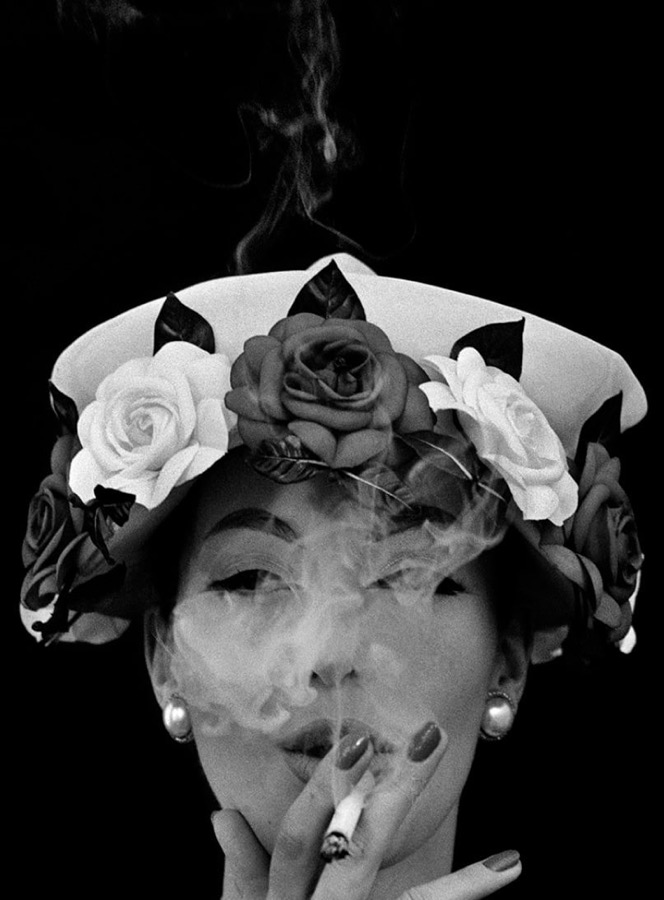 William KleinHat and Five Roses, Paris (Vogue), 1956.She wears the hat like a confession. A wide, upturned brim banded with roses—one creamy white blossom at the left, a fat dark bloom dead center, another pale one at the right, with smaller buds and…
 William KleinSmoke + Veil x 3, Paris (Vogue), 1958.Three takes of the same instant sit side by side, lifted straight from the strip of film: the perforations, the reversed "SUPER-XX" lettering, the "EASTMAN" rebate and the frame numbers 18 and 17 are…
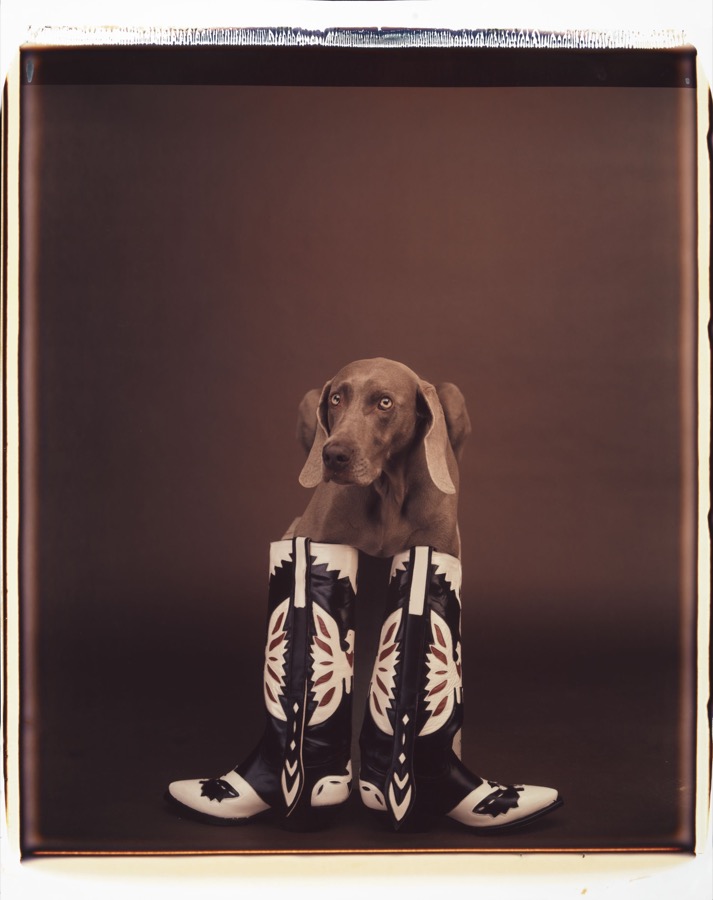 William WegmanUntitled, 1989.Consider what this thing actually is before you read its joke.
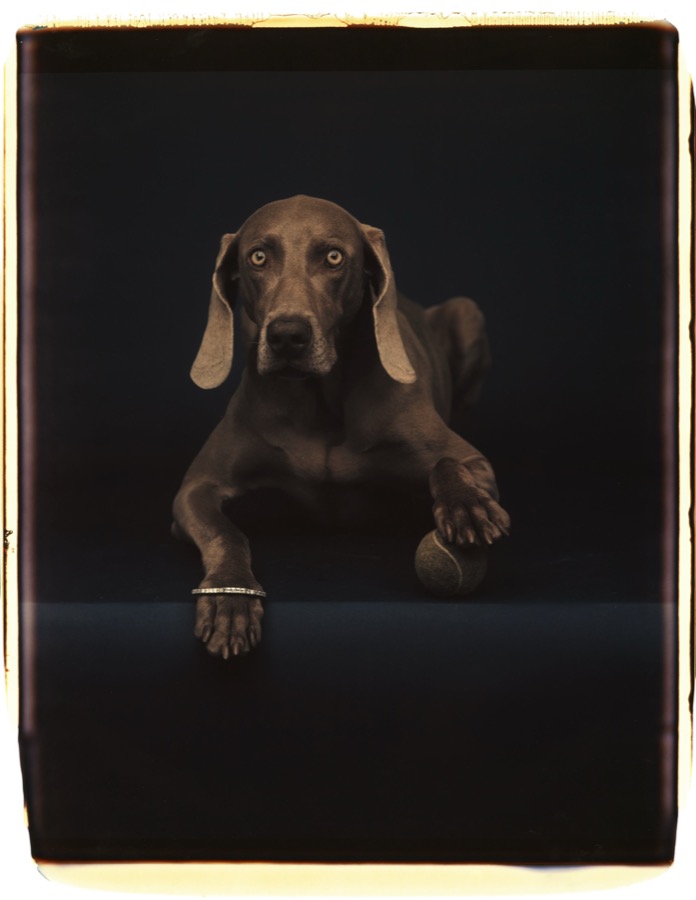 William WegmanBall base, 1990.What can a dog be said to own? This Polaroid proposes two answers.
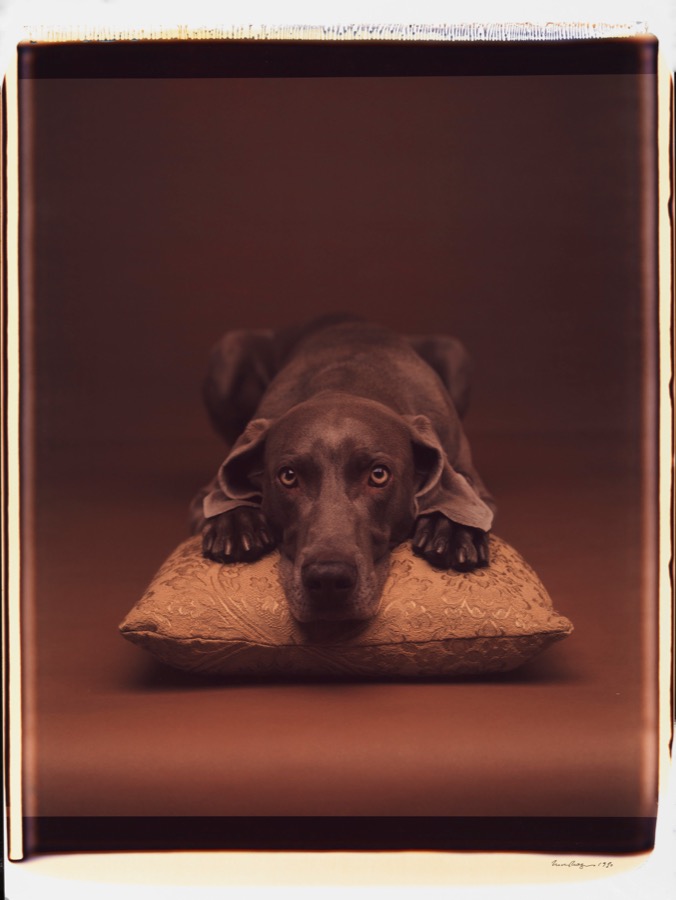 William WegmanUntitled, 1990.This 1990 William Wegman Polaroid captures instant photography at its artistic peak, when the revolutionary medium achieved full technical and creative potential.
 William WegmanUntitled, 1990.Two Weimaraners sit side by side on a warm brown studio ground, front legs straight, chests out, in the posture dogs adopt when somebody has told them to.
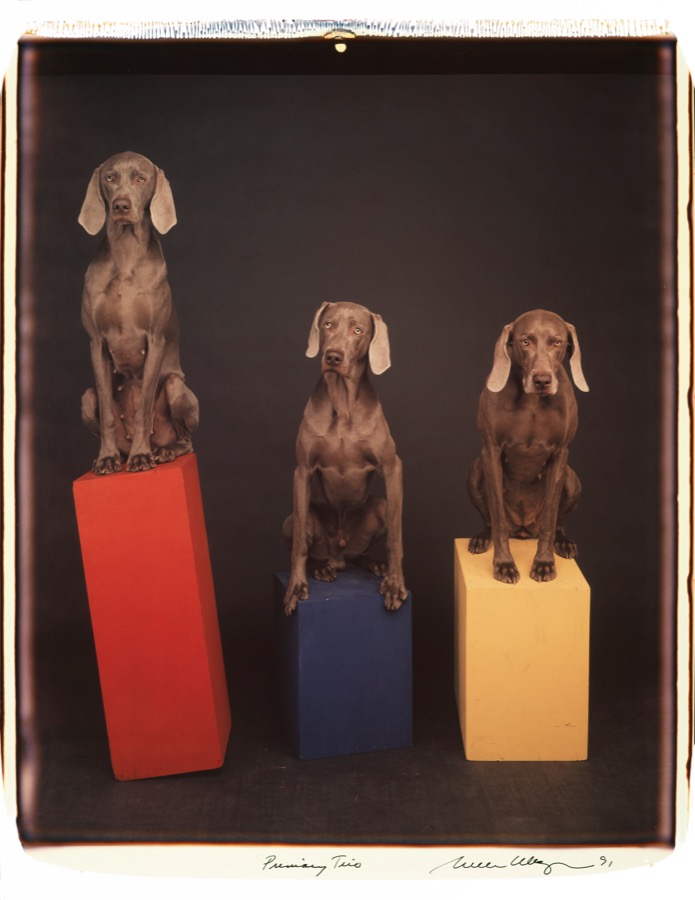 William WegmanPrimary Trio, 1991.The red plinth stands tallest, the blue a notch lower, the yellow lower still, so that the three Weimaraners step down across the frame like a chart of something — a podium, a bar graph, a colour…
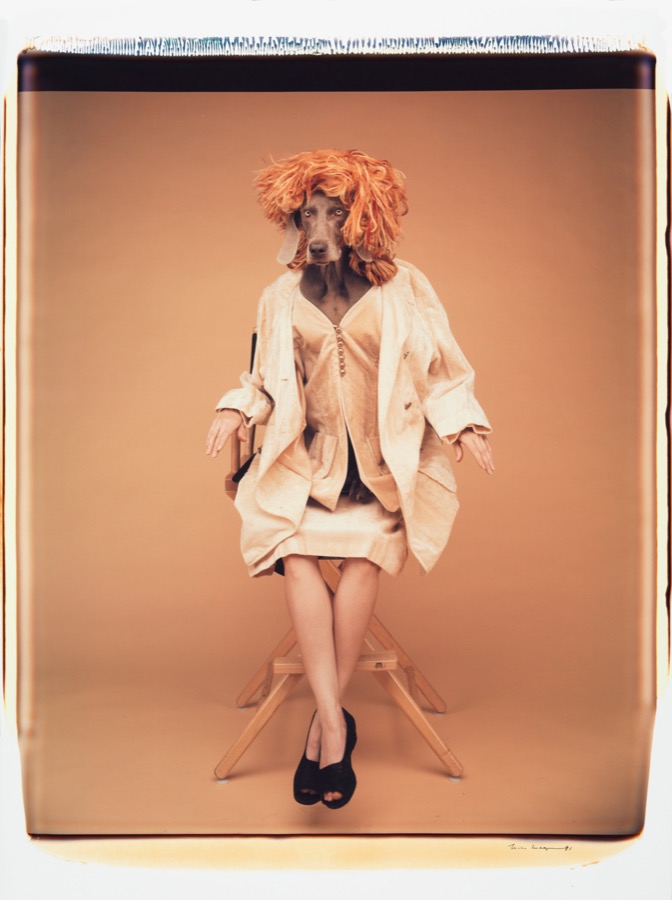 William WegmanSitting Tall, 1991.William Wegman’s Sitting Tall, 1991, captures a rare moment of composed stillness held within the luminous surface of a unique color Polaroid.
 William WegmanUntitled, 1991.Start at the ragged edge, where the emulsion lifted as the print was peeled.
 William WegmanUntitled, 1991.A Weimaraner balances on a child's bicycle at the edge of a painted sea, a patterned towel slung over one shoulder, gazing off down the empty beach with the calm dignity of a holidaymaker who has…
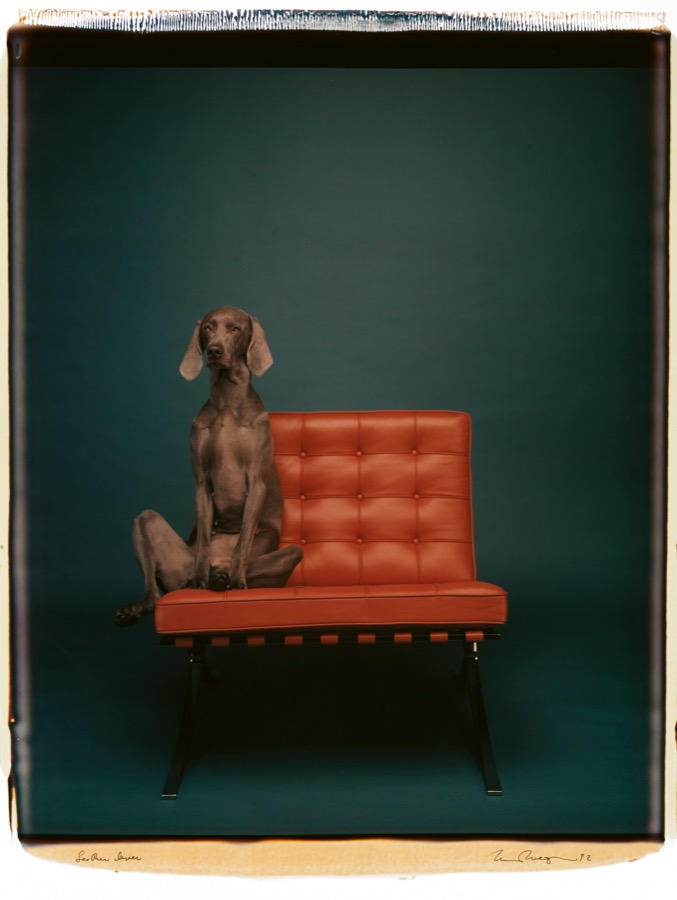 William WegmanLeather Lever, 1992.William Wegman’s Leather Lever, 1992, is a quietly theatrical image in which humor, control, and elegance meet with complete ease.
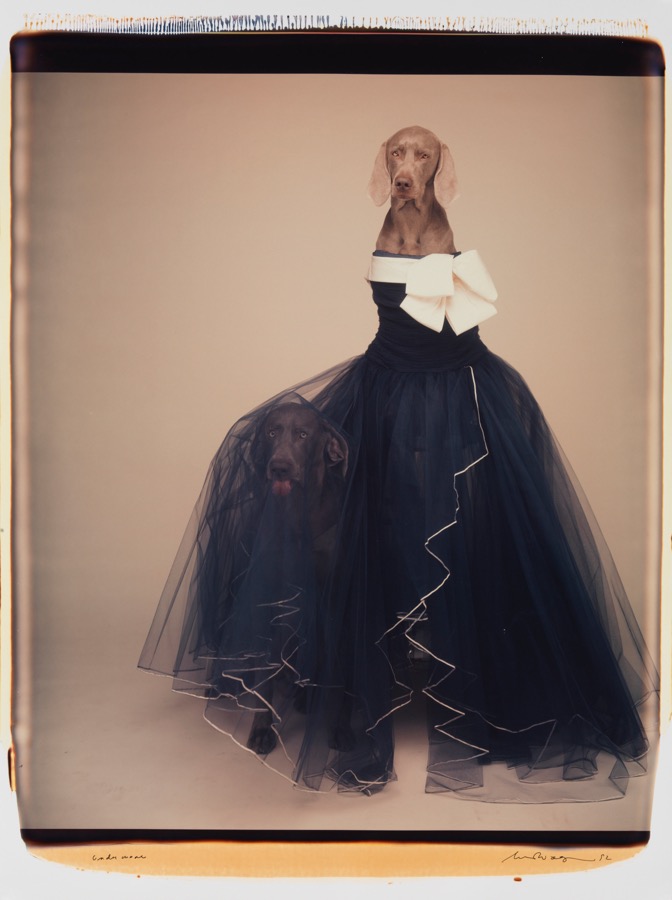 William WegmanUnderwear, 1992.It takes a second to find the second dog.
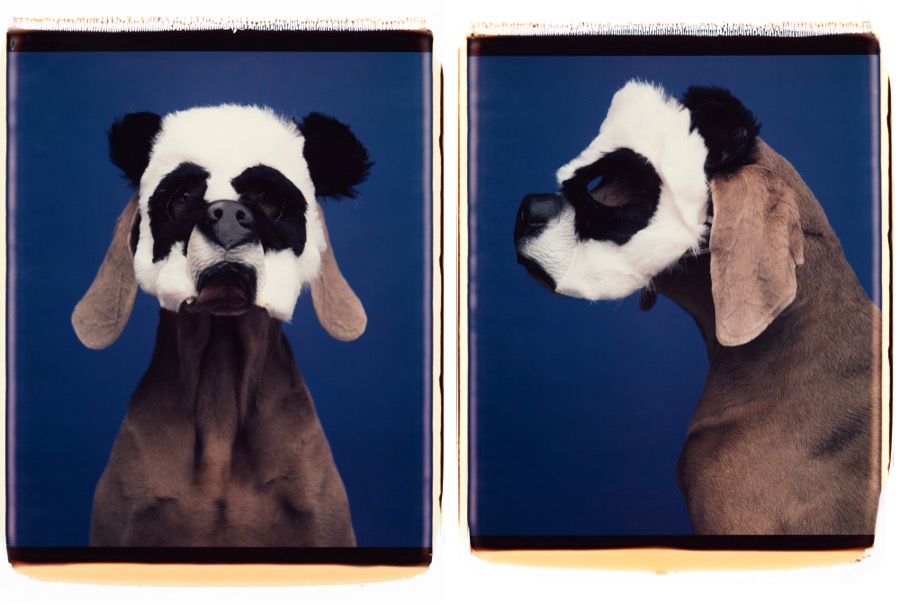 William WegmanAnimalque, 1994.What the dog will not give us is its face.
 William WegmanCharmer, 1994.Drape a head in a glittering veil against a field of black and the whole inheritance of devotional portraiture stirs: a Flemish Madonna, a saint emerging from gilded shadow, the haloed face out of…
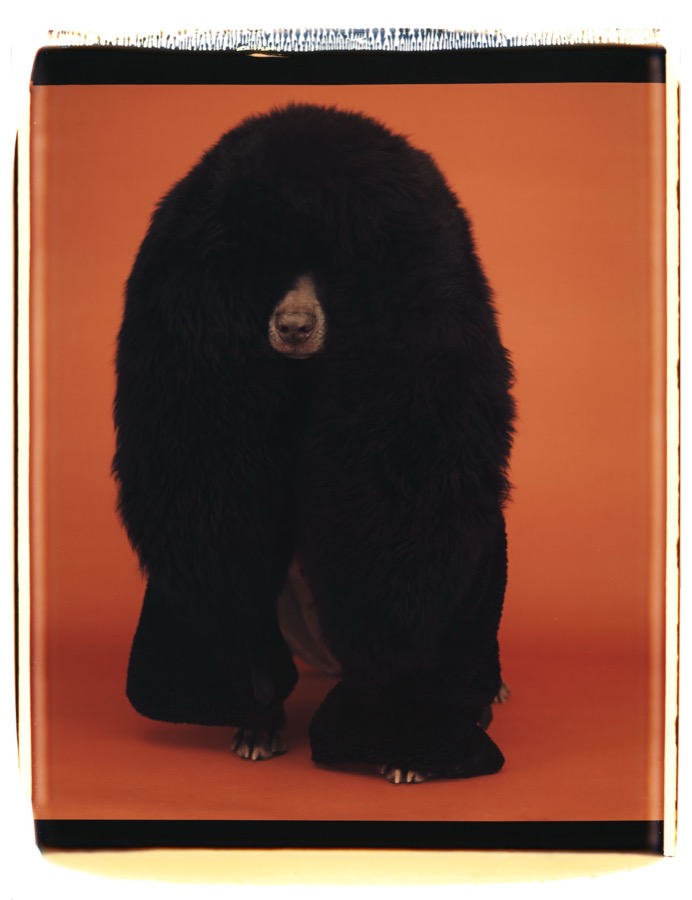 William WegmanChow, 1994.There is a lineage of pictures in which the figure vanishes beneath drapery and the cloth becomes the subject—the swallowing folds of a Zurbarán monk, the black sheen of a Sargent gown—and this…
 William WegmanComing About, 1994.The summer of 1994 belonged to the late analog century, when the grandest instrument of instant photography — the room-sized Polaroid with its twenty-by-twenty-four-inch sheets — could still be…
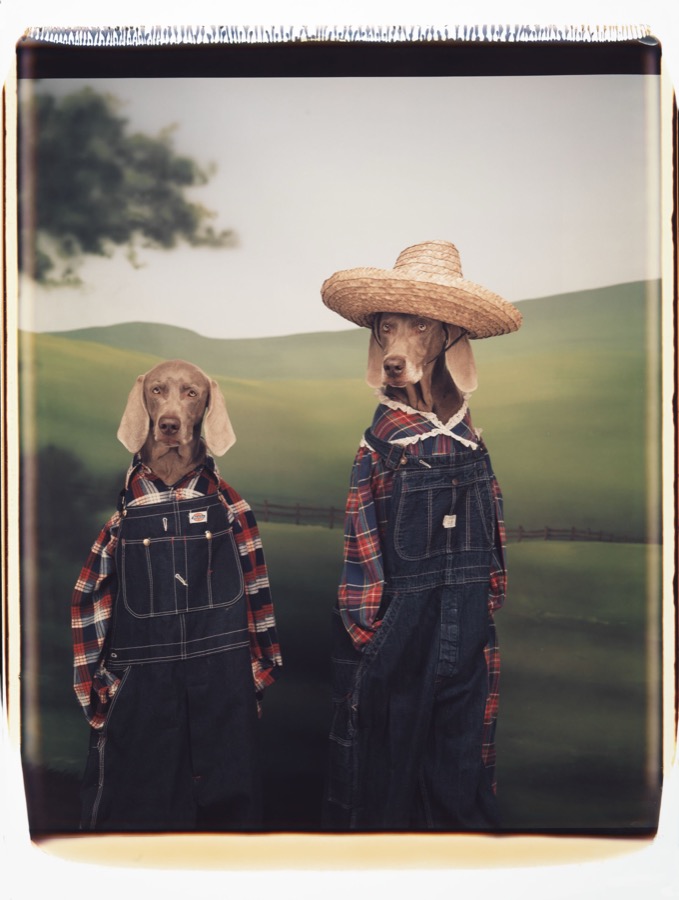 William WegmanFarm Hands, 1994.The hills behind them never existed as hills.
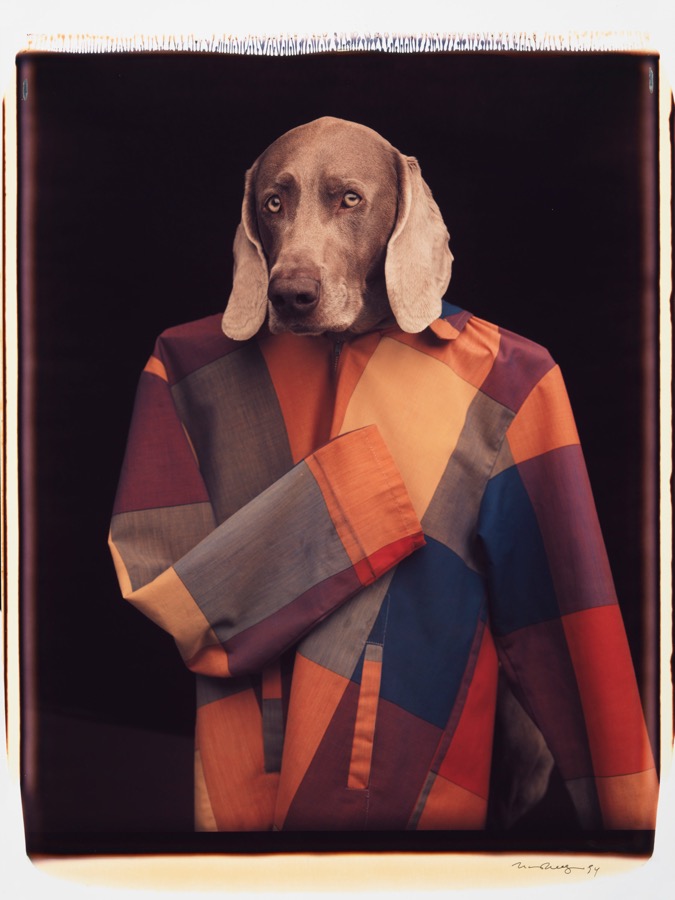 William WegmanUntitled, 1994.A costume is an argument about who someone is.
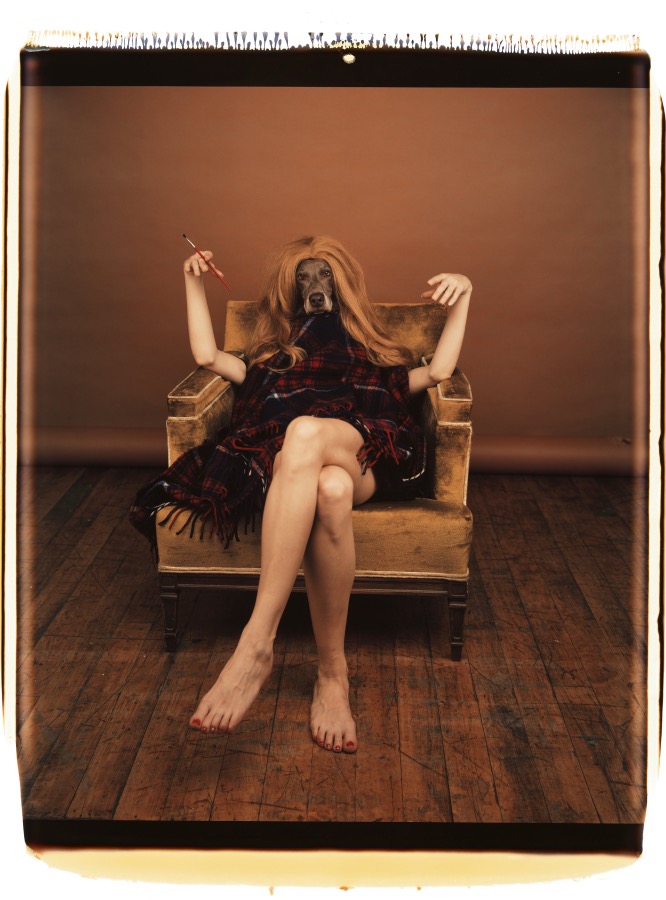 William WegmanUntitled, 1994.Gold velvet, worn to a sheen at the arms; red and black tartan, heavy with fringe; the auburn cascade of a long wig — these surfaces carry the picture before any reading of it begins.
 William WegmanBreak Out, 1995.Start with the color, because there is hardly any: a field of warm ivory, scorched at top and bottom where the Polaroid chemistry frays into a burnt fringe, and two Weimaraners in that expensive…
 William WegmanEntertainer, 1995.The microphone is the giveaway. Not the wig, though the wig is doing heroic work — a curtain of golden hair parted dead-centre, falling past the shoulders of a gown the colour of weak tea — and not…
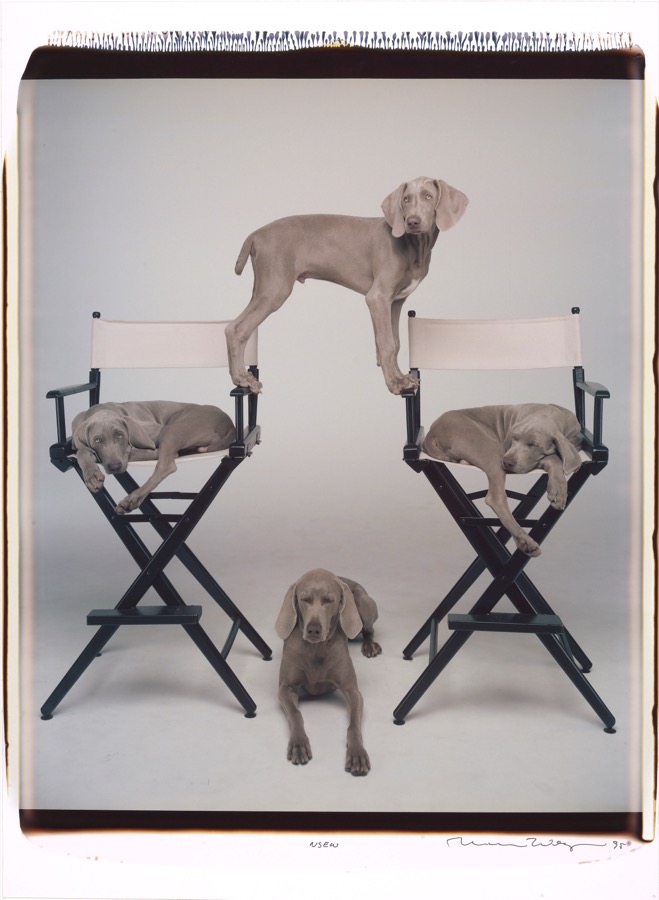 William WegmanNSEW, 1995.The director’s chair belongs to the iconography of command: canvas, black frame, the seat from which pictures are ordered into being.
 William WegmanMarlowe, 1996.William Wegman’s “Marlowe” (1996) exemplifies the artist’s mastery with the legendary Polaroid 20×24 camera, representing both technical innovation and conceptual depth in contemporary photography.
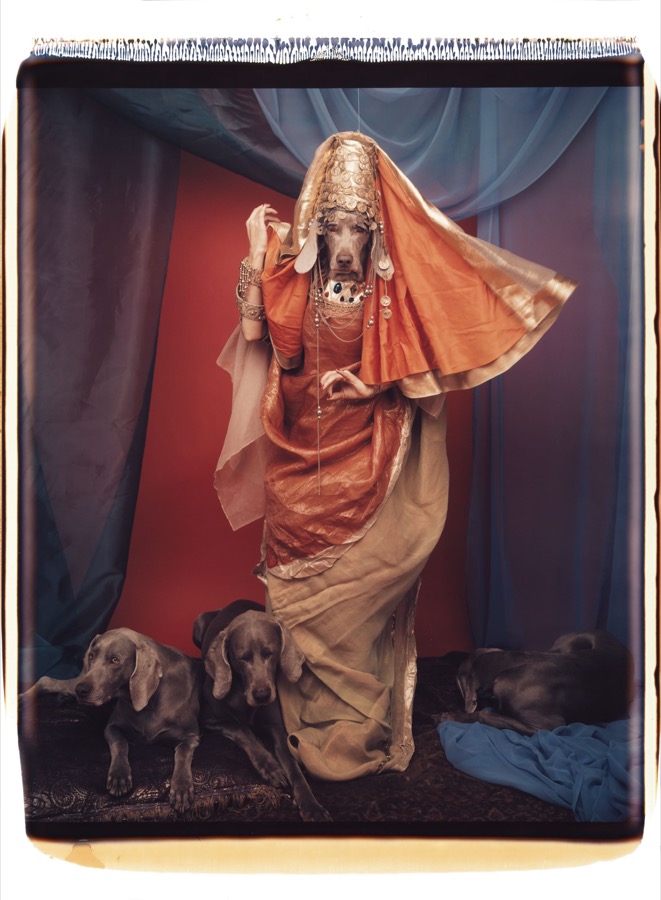 William WegmanSalome, 1996.Travesty, performed with enough conviction, becomes a form of devotion.
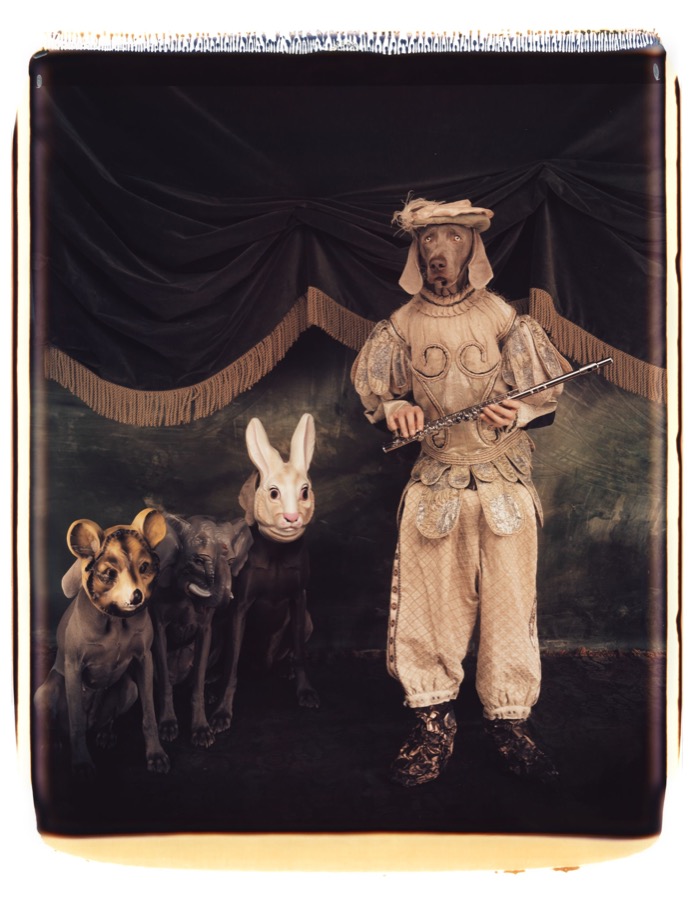 William WegmanTamino with Magic Flute, 1996.Long before he became beloved for his dogs, William Wegman was a conceptual artist of the 1970s, making deadpan videos and photographs that probed the absurdities of language and image.
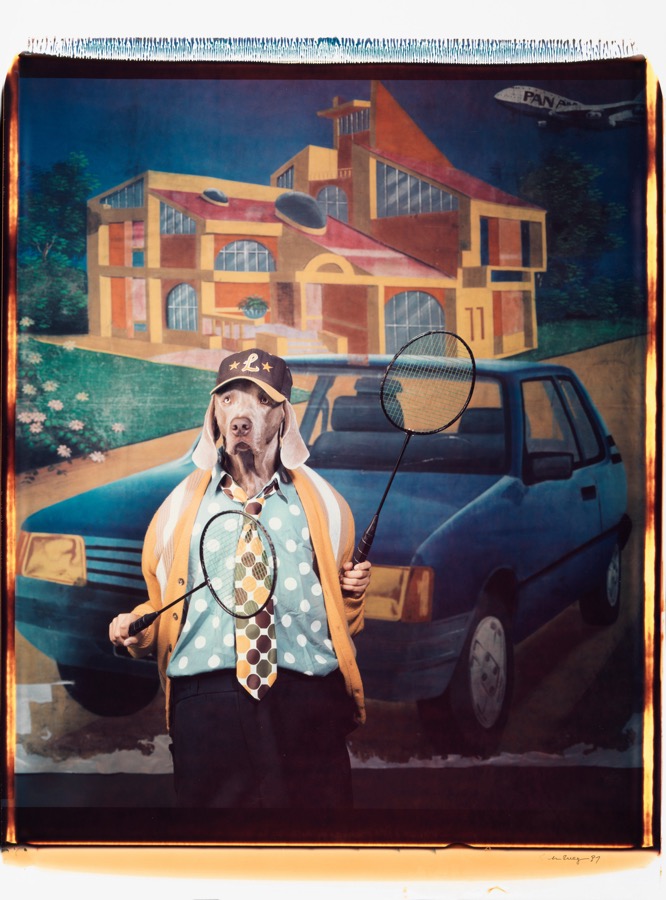 William WegmanUntitled, 1997.The backdrop belongs to an era already dissolving as the shutter opened: a Pan Am jumbo banking over a Memphis-pastel villa, a hatchback parked on a hand-painted lawn, the whole scene a postcard of…
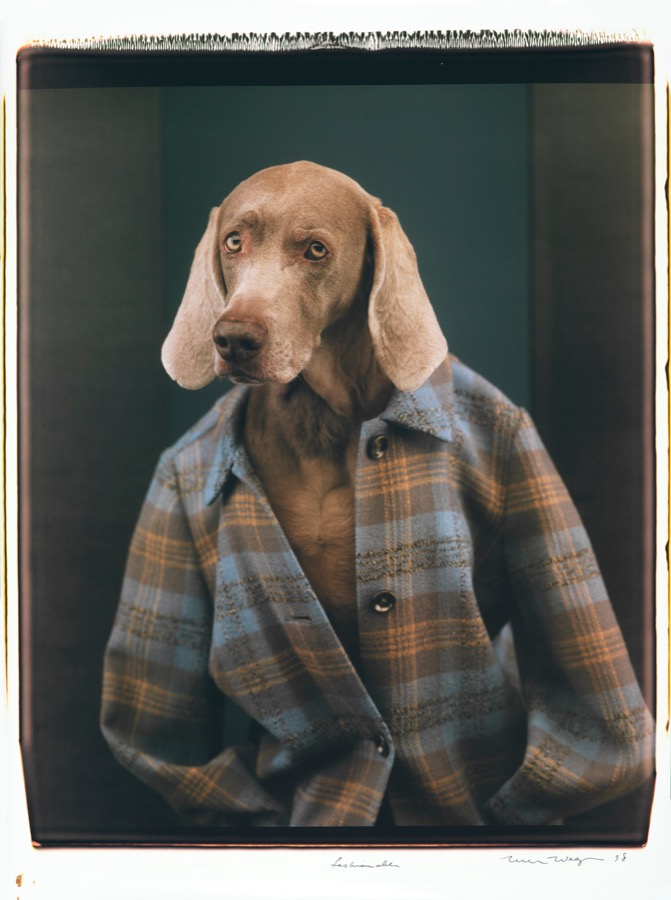 William WegmanFashionable, 1998.A Weimaraner sits facing us in a blue-grey and tan plaid jacket, collar open, buttons down the front, its forelegs inside the sleeves so that the whole garment hangs the way it would on a person.
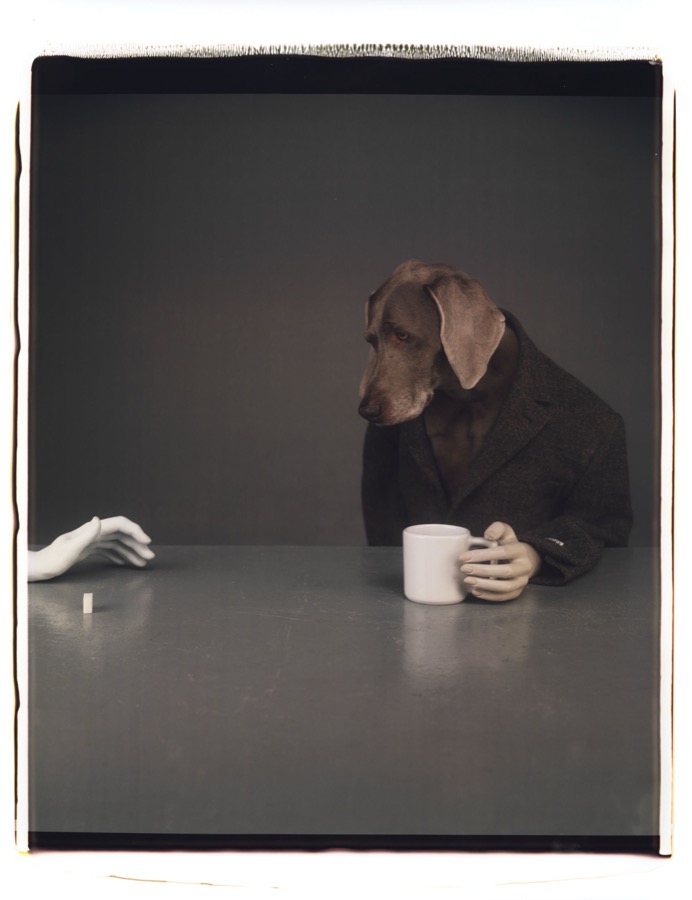 William WegmanOne Lump, 1999.Everything on this table has been arranged for a scene that never quite arrives.
 William WegmanUntitled, 1999.This unique 20 x 24 inch Polaroid from 1999 captures a brief, theatrical encounter between William Wegman’s camera and his beloved dog Battina, also known as Batty, transformed into an improbable…
 William WegmanUntitled, 1999.Look first not at the dog but at the ragged top edge of the picture, where the emulsion has bled into a torn fringe and the dye has run thin.
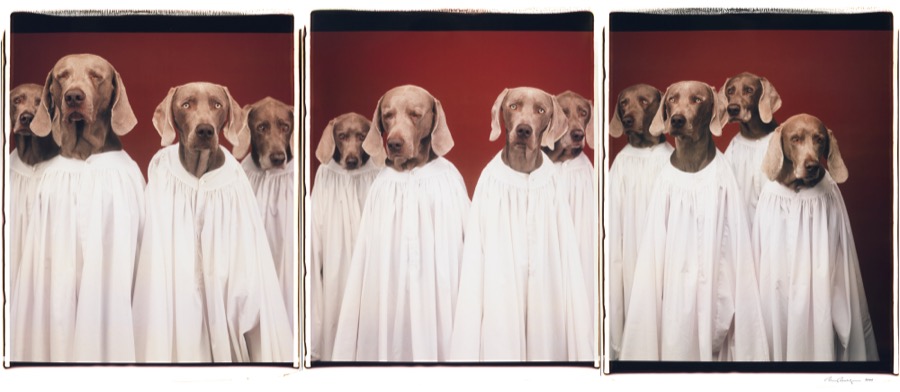 William WegmanChoristers II, 2000.You almost hear it before you understand it: a choir mid-anthem, mouths in various states of song, some heads tilted back with eyes closed in the rapture of a held note, others fixed wide and alert…
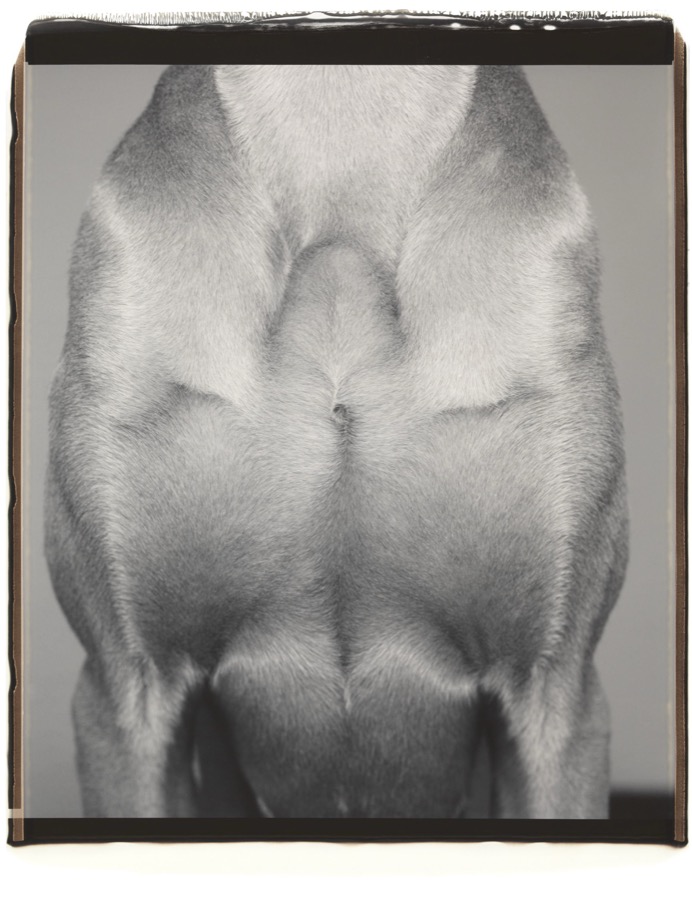 William WegmanFaçade, 2000.No face, no eyes, no famous mournful gaze: what the picture refuses is precisely the thing we came for, and in its place stands the broad grey back, the twin haunches meeting along a central seam…
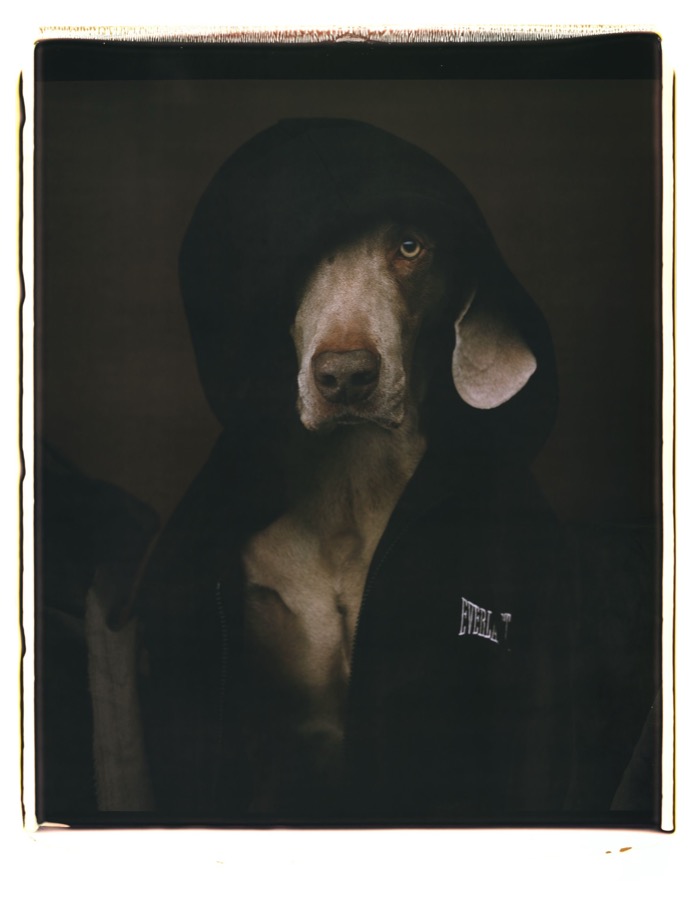 William WegmanEverlasting, 2001.A Weimaraner in a black hooded boxing robe, the hood up and pulled forward so that only the long muzzle and a single eye catch the light.
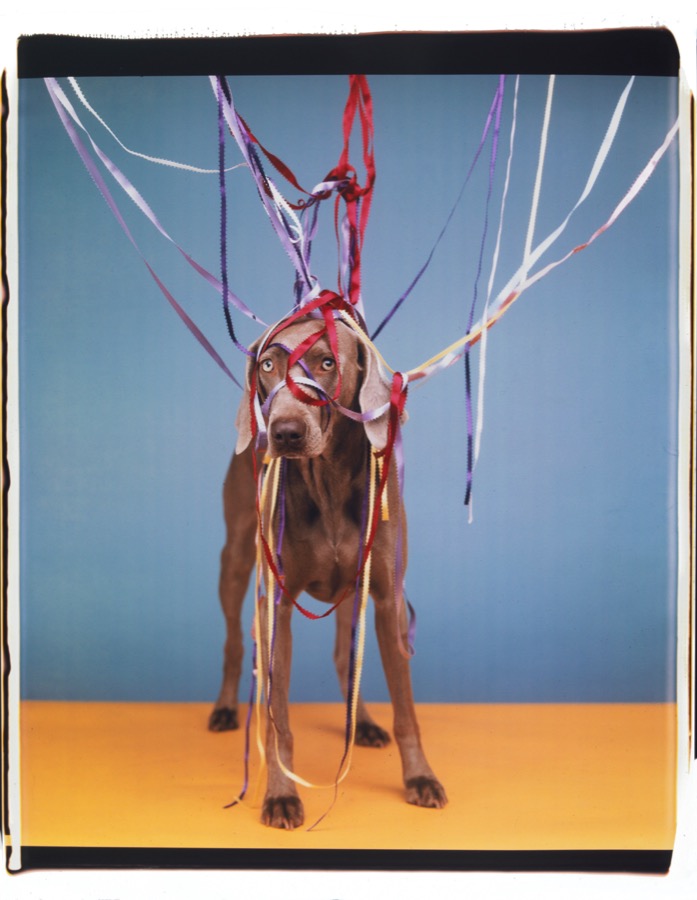 William WegmanMay pole, 2002.Back in the studio again, on that orange sweep of floor against a flat cornflower wall, we find the no-place where Wegman stages all his best theater.
 William WegmanRoom Tone, 2003.Photography is, before anything else, a negotiation with darkness, and this picture pushes the negotiation almost to its breaking point.
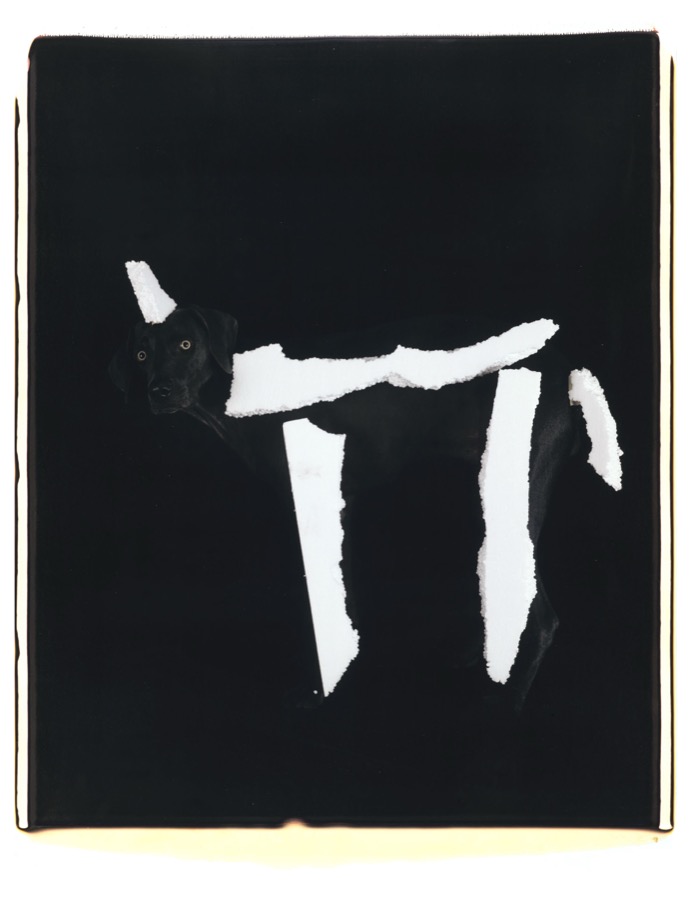 William WegmanEarly Dog, 2004.A dog reduced to a sign: that is what survives here.
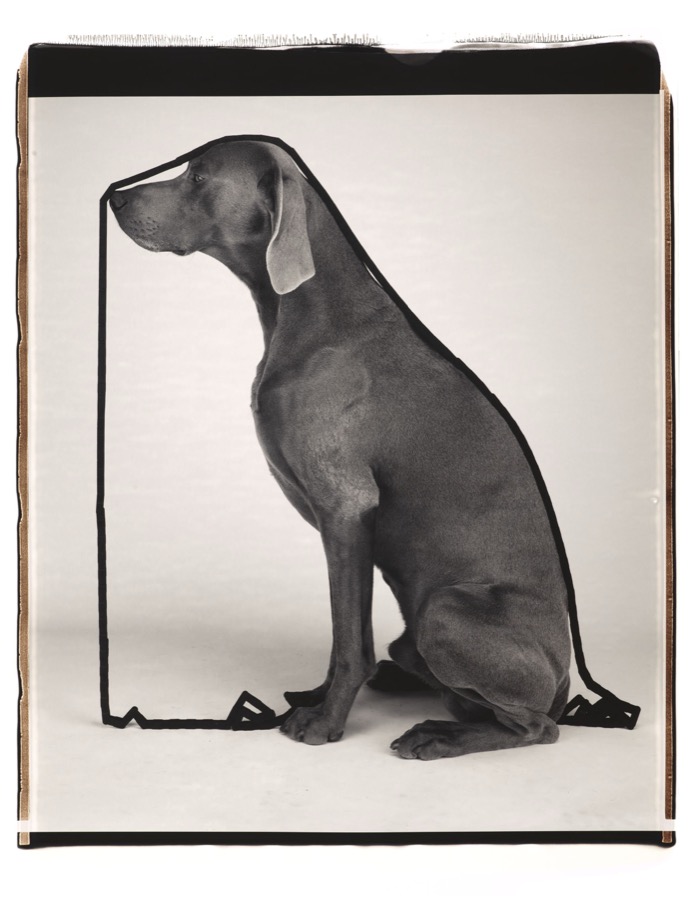 William WegmanThe Line About, 2004.Two dogs share this picture, and only one of them is alive.
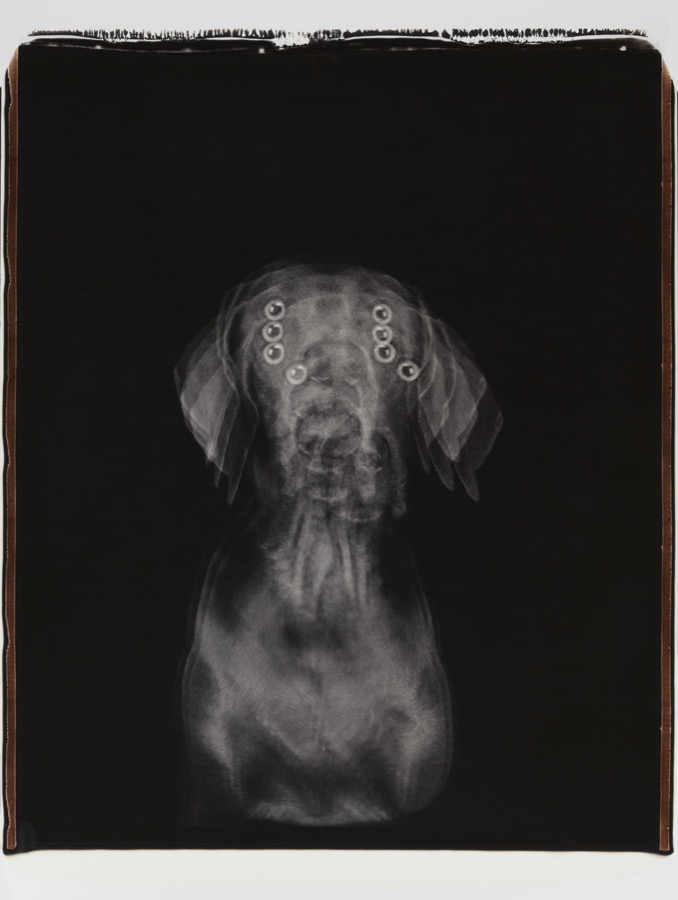 William WegmanUntitled, 2005.Count the eyes. There are more than two: small glass spheres, seven or eight of them, clustered in bright arcs across the muzzle and brow where a single pair belongs.
 William WegmanCatch, 2007.Who threw the hand? A gray dog sits wrapped in blush satin on a white plinth, gripping a plaster hand crosswise in its mouth with the settled pride of a retriever who has done exactly what was asked.
 William WegmanLucia de Lammermoor, 2007.It's the paws that get you. Not the veil, not the black wig sliding off the dome of that long Weimaraner skull, not even the bridal satin — but the two red latex hands, splayed open at the end of the…
 William WegmanPenny the Poodle, 2011.Two copper pom-poms cuff the front ankles, matched puffs set just above the slim grey paws, and it is these small flourishes, more than the enormous auburn mane, that name the fiction: this…
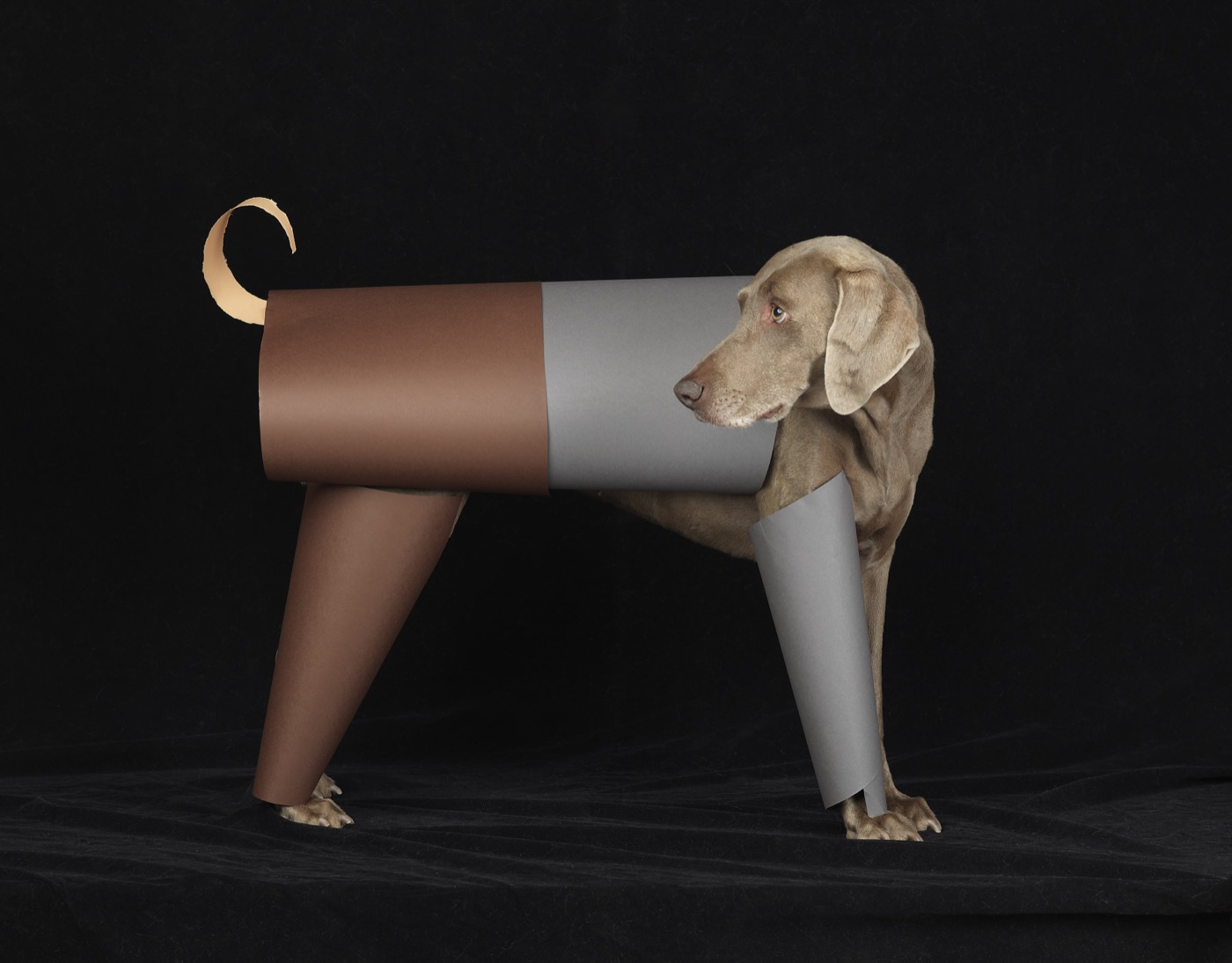 William WegmanThe Toy, 2011.In an era that stamps out its playthings by the million, identical and glowing, here is a toy built patiently by hand from rolled construction paper: a silver cylinder for the barrel, a rust-brown…
 William WegmanSki Patrol, 2017.We stand directly in front of a skier posed against a deep oxblood wall, close enough to count the stitches in the Fair Isle cap.
Scholia
From the Greek scholion: notes written in the margins of ancient texts. Here, notes on photographs.