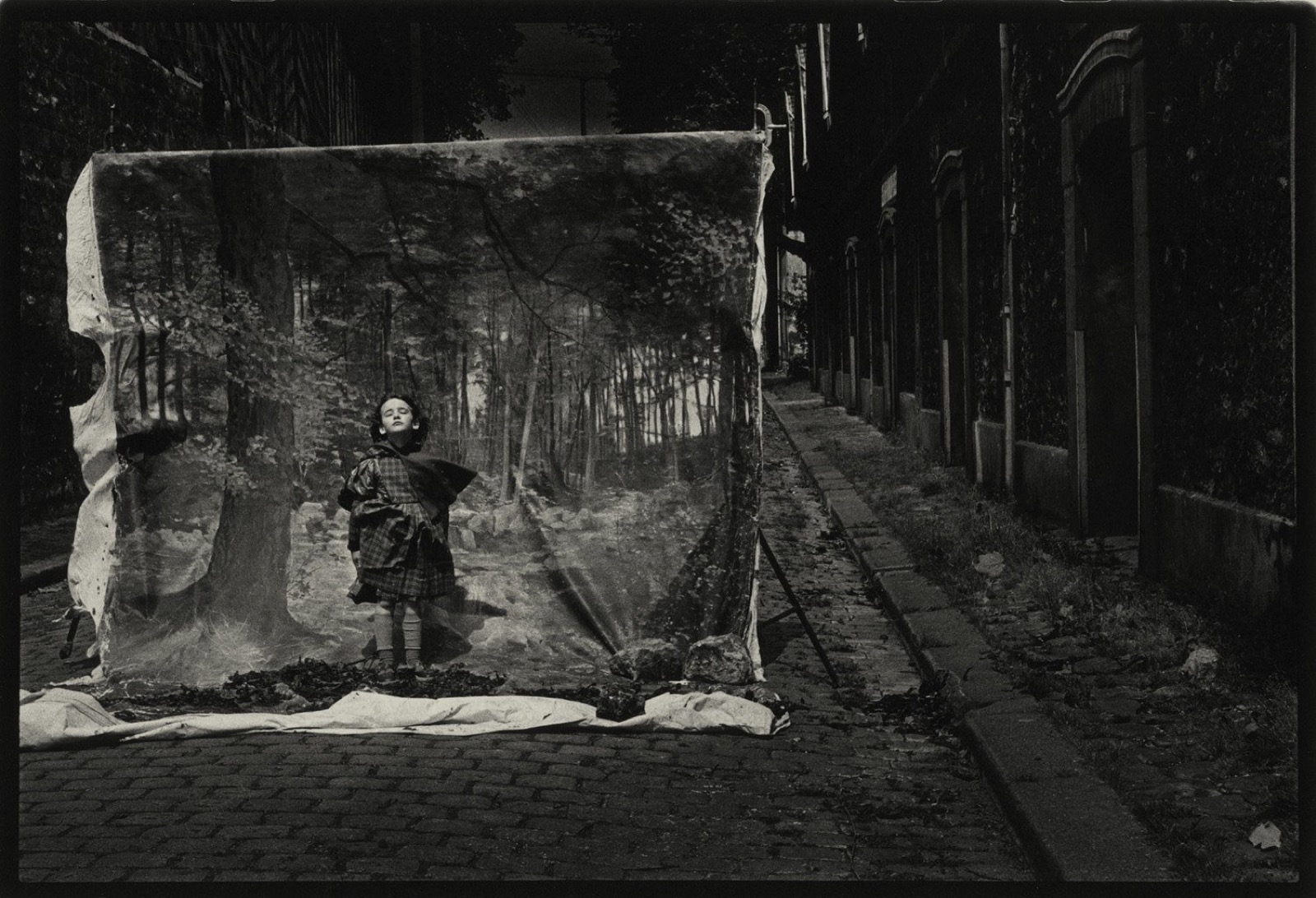
 Morgan, 1985.A painted backdrop of a forest has been hung from a pole across a cobbled alley, sagging and creased, its lower edge weighted with stones and lengths of white cloth.
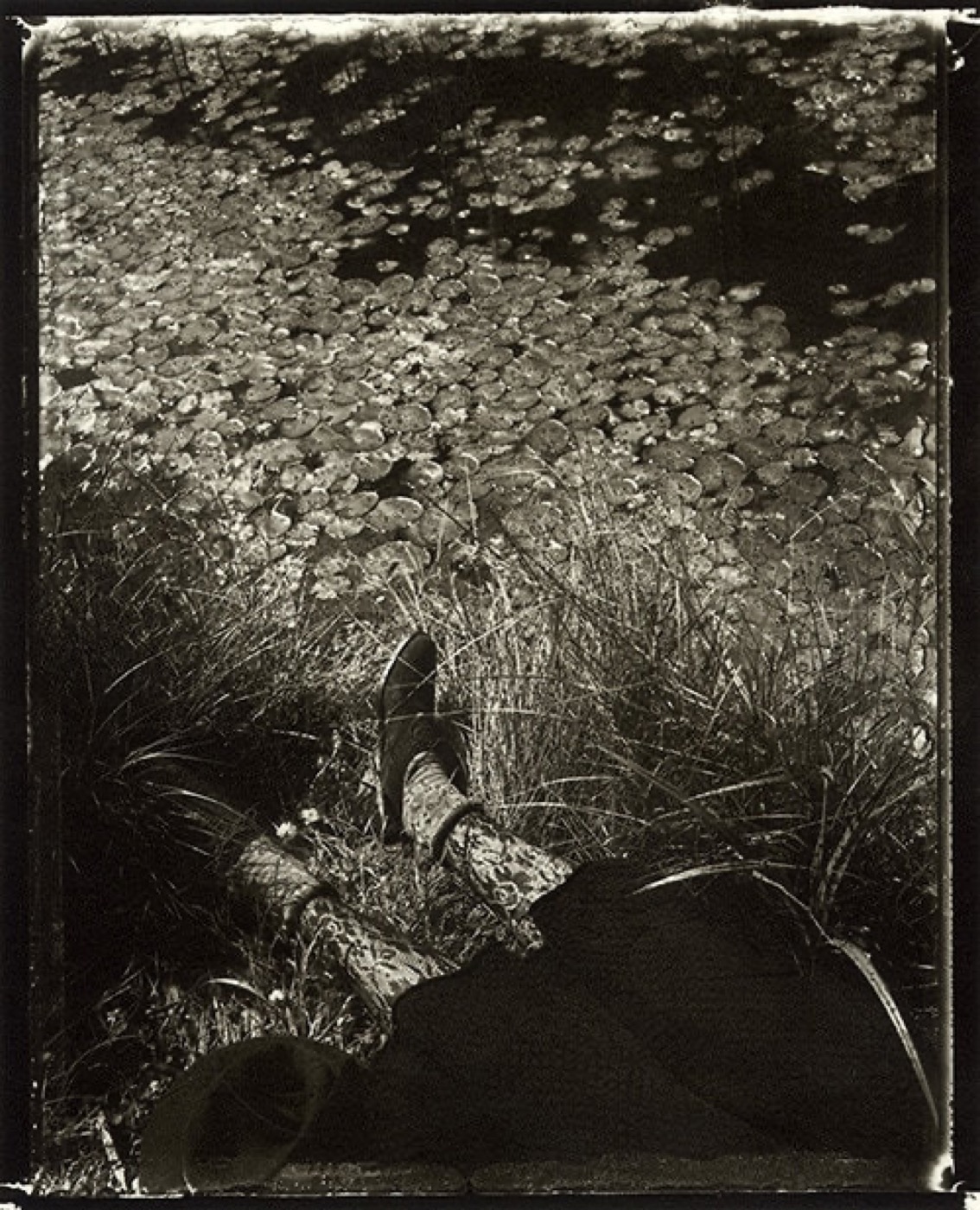 18 juillet, 1989.Two thirds of this picture is a pond seen from so high and so steeply that the water stands up like a wall.
 Julia Stouvenel, 1989.A face at very close range, and only part of it is holding.
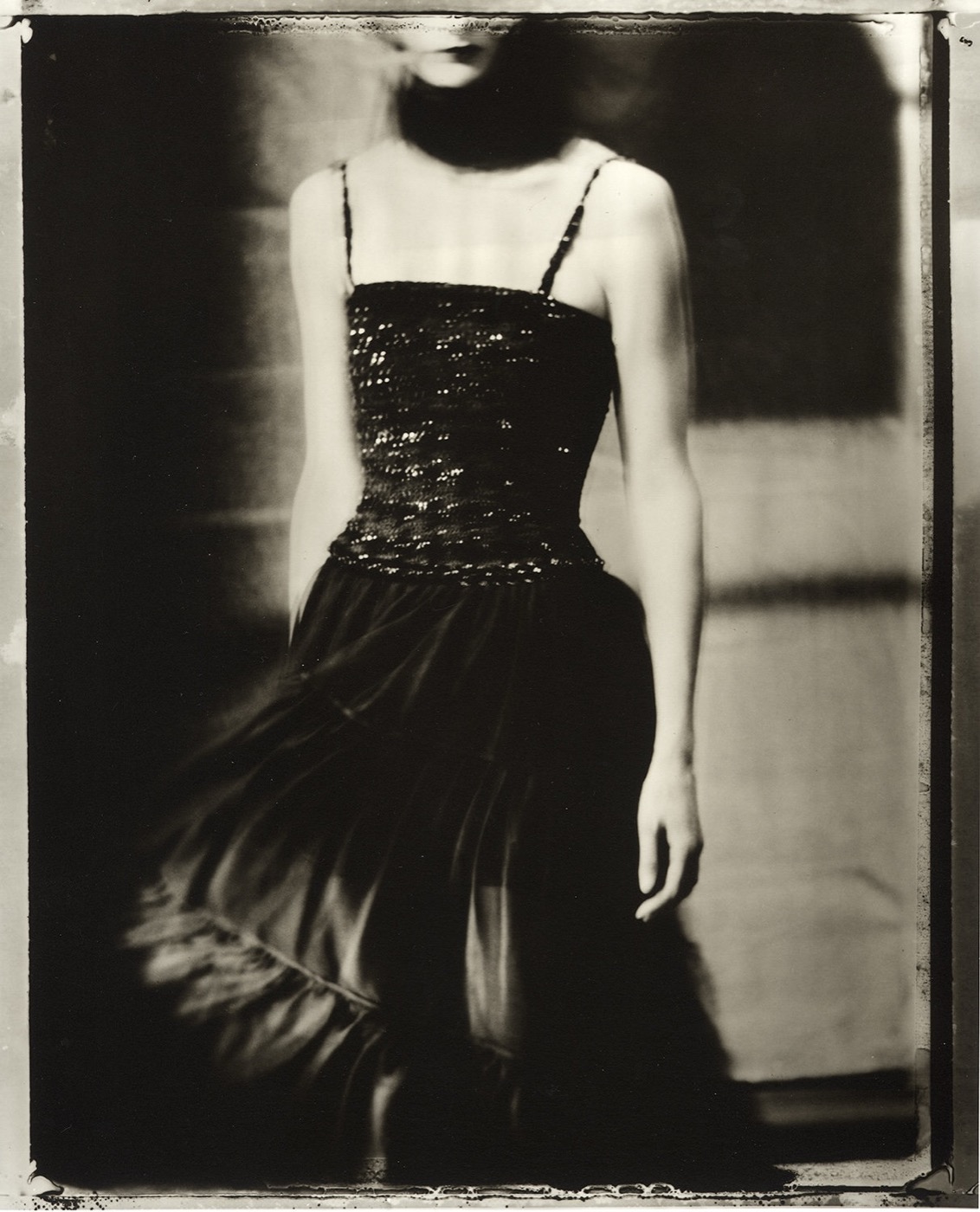 Chanel, 1993.A woman in a Chanel evening dress, and the picture has already let her head go.
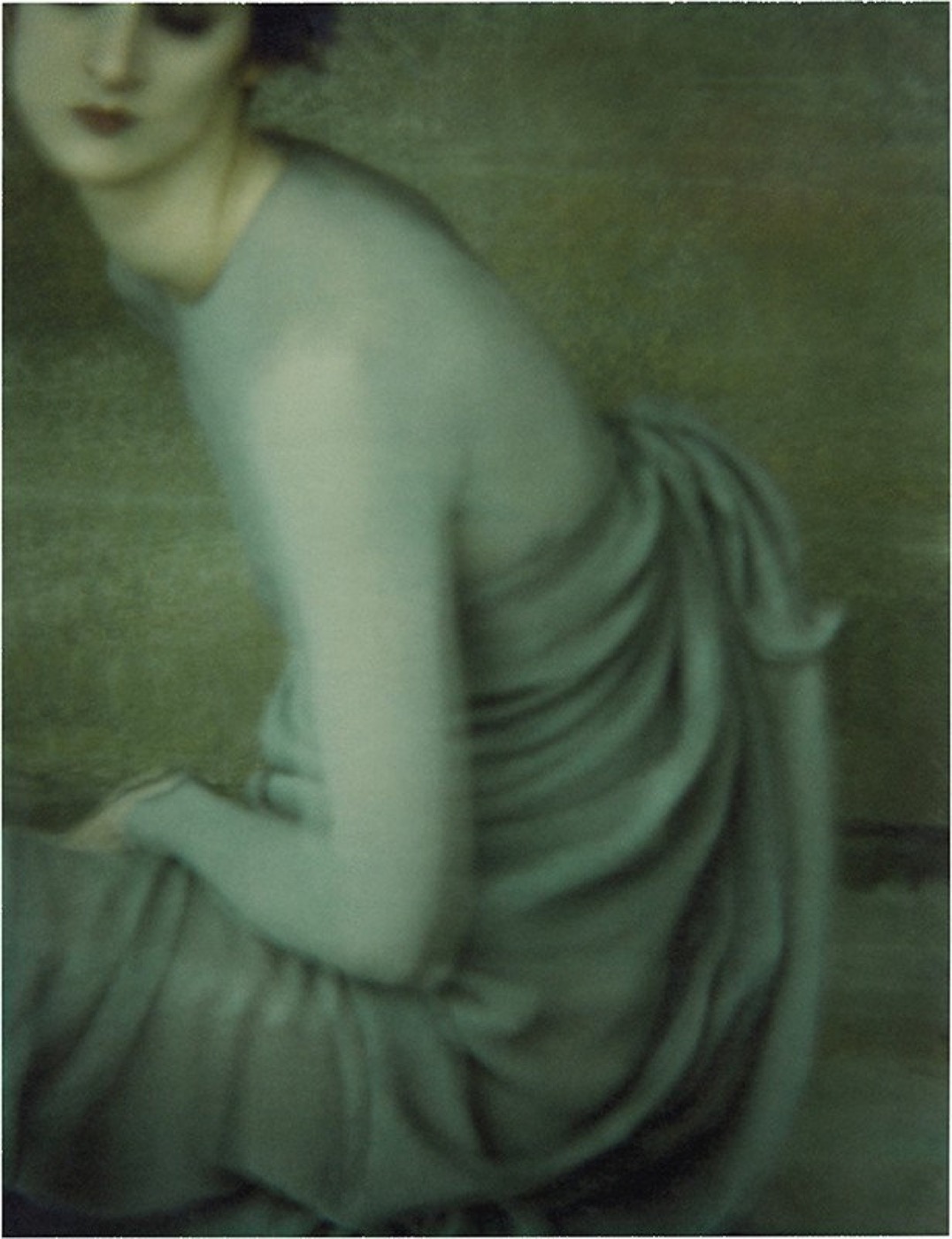 Sasha pour New York Times, 1994.Almost nothing here behaves like a photograph.
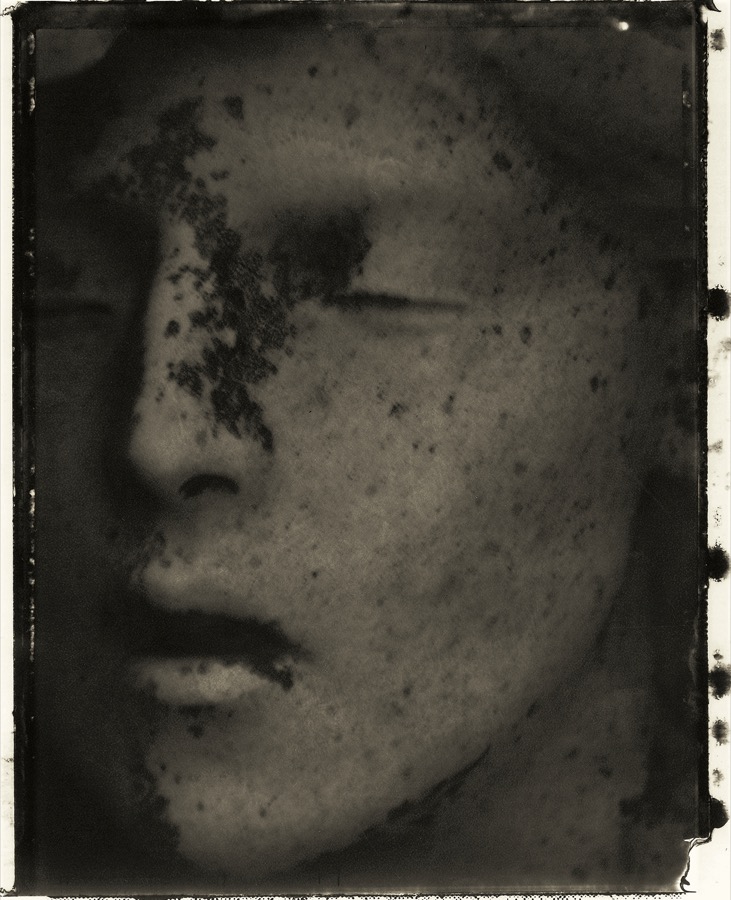 La Statue, 1995.The face is asleep, or was never awake. The eyes are closed beneath a single dark stroke of lash, the mouth slightly open, the nose held in profile against a blackness that presses in from every side.
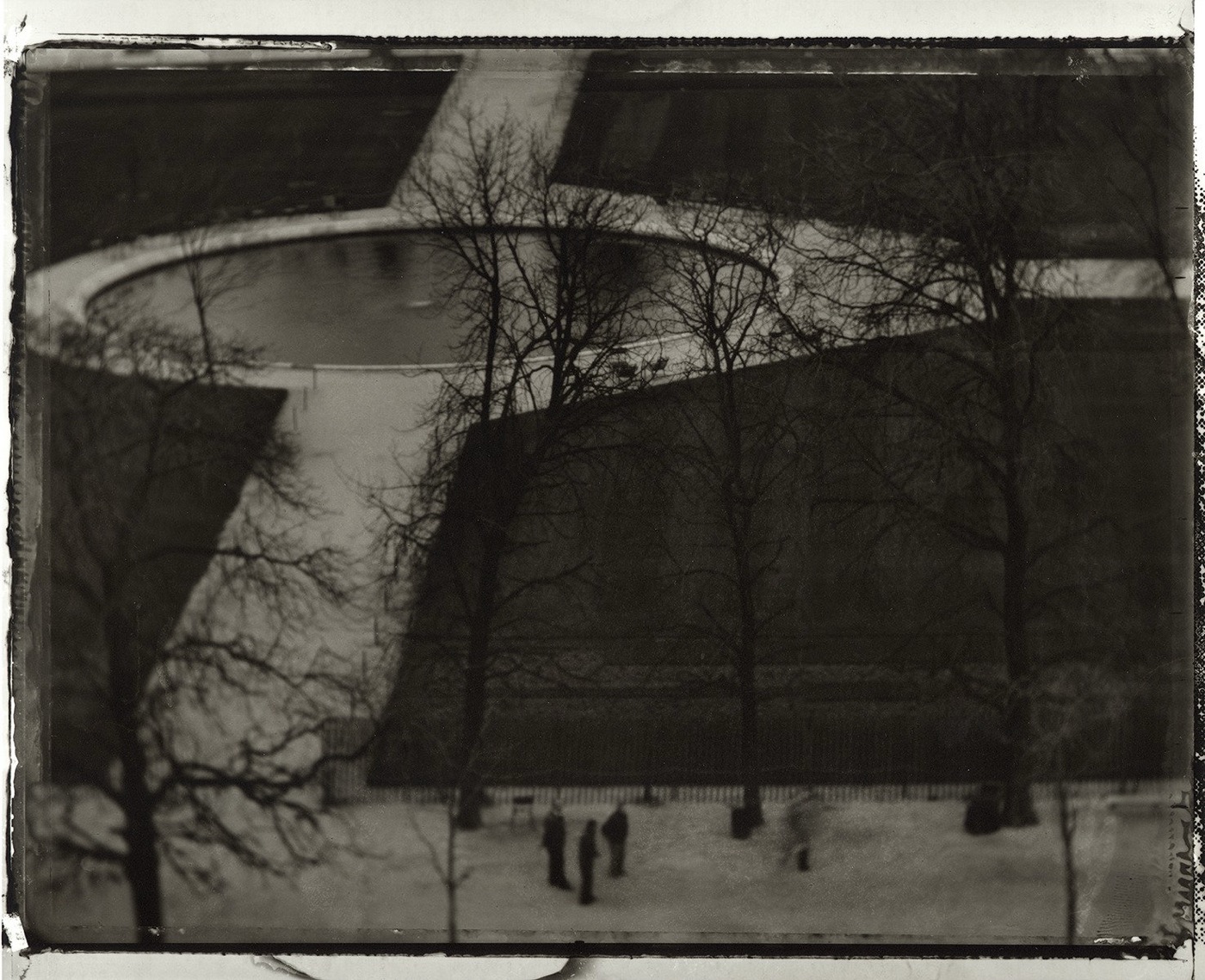 Les Tuileries, 1995.You are looking down into the Tuileries in winter, from a window high enough to turn the garden into a diagram.
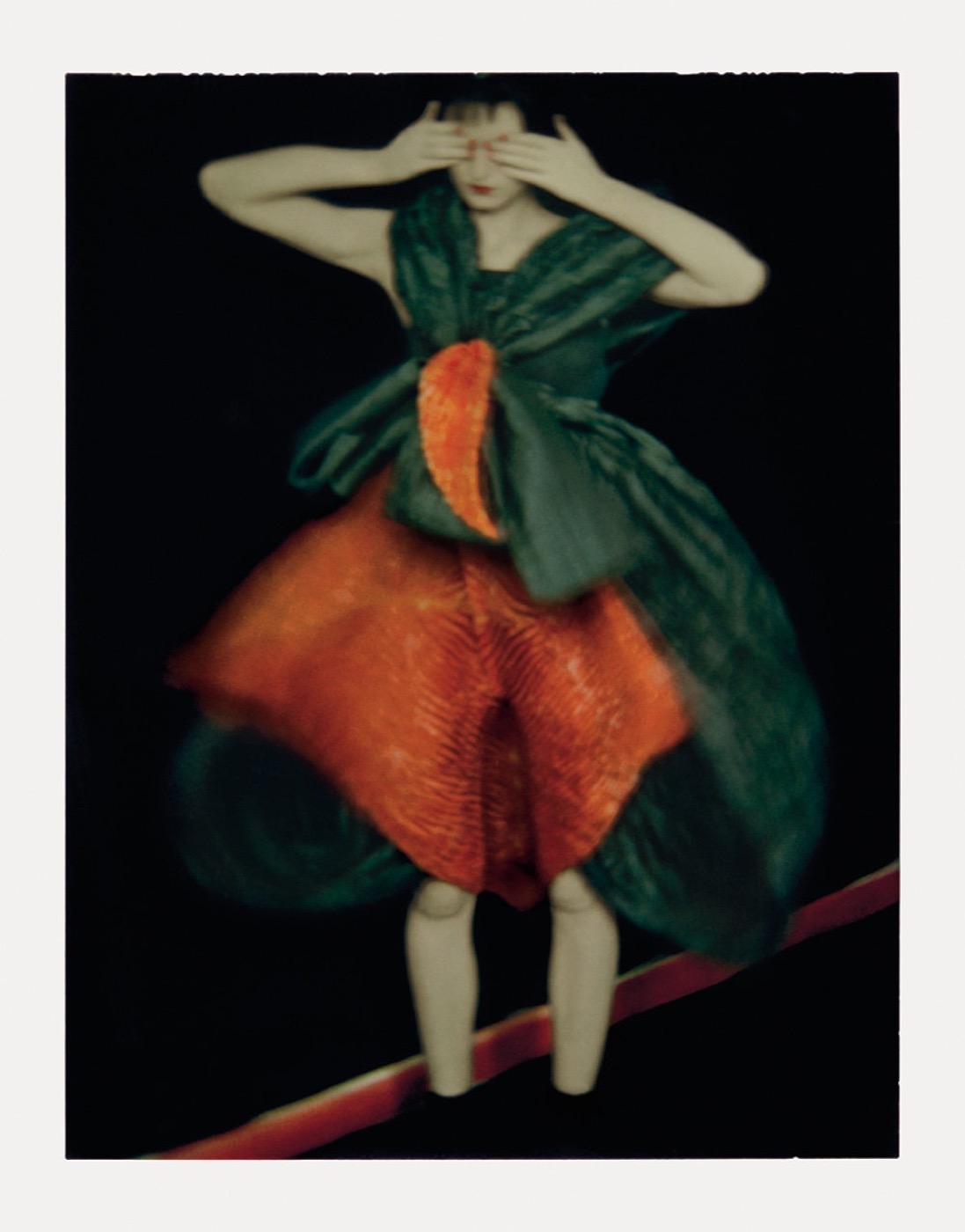 Theresa Stewart pour "Issey Miyake", 1995.A figure stands against black in a dress of green and burnt orange, the skirt lifting and blurring at both sides as if caught turning.
 La Robe à Pois, 1996.A pale satin dress with enormous black spots, cut wide and stiff so that it stands away from the body like a bell.
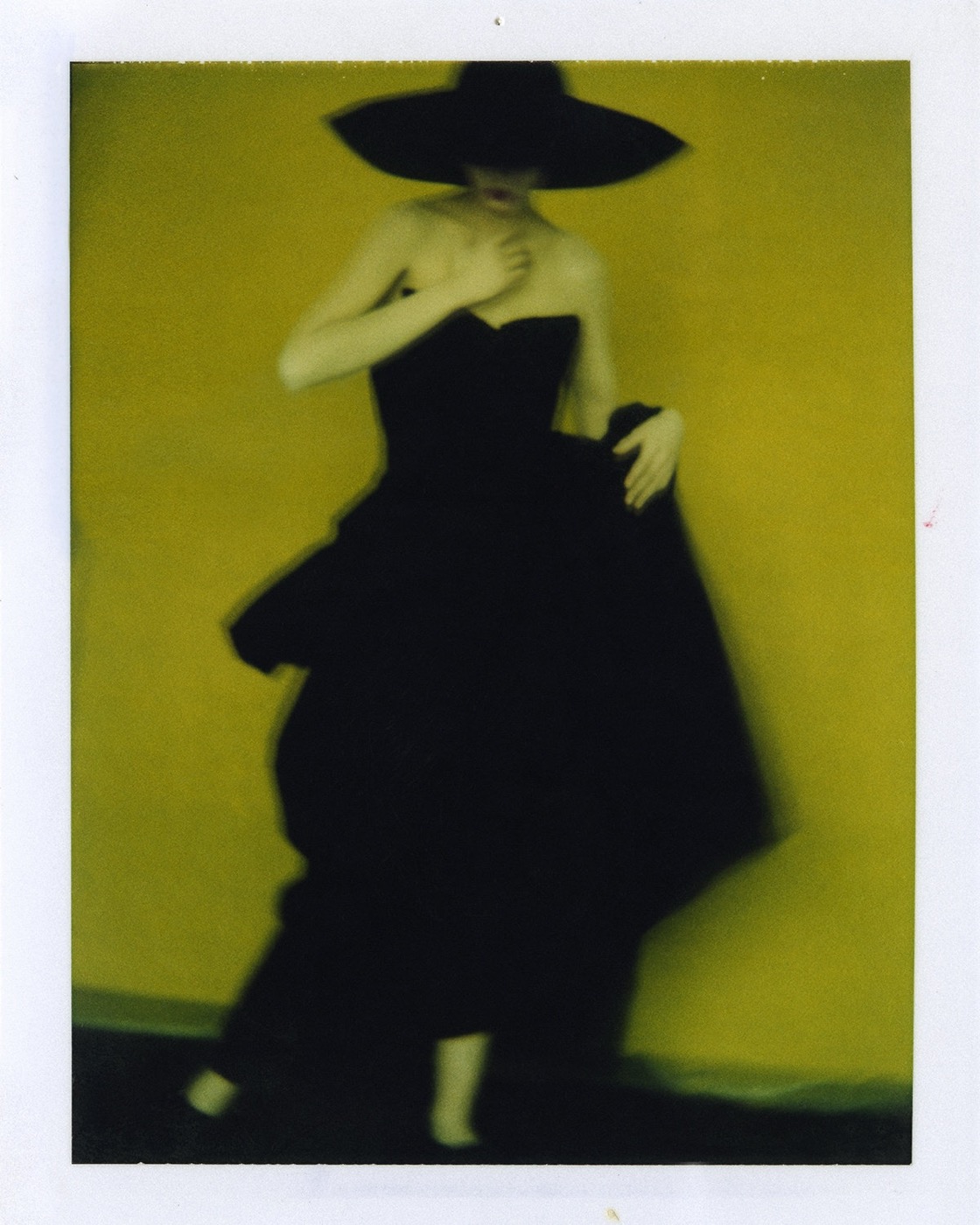 Yohji Yamamoto II, 1996.An acid yellow-green fills the frame, wall and floor together, and against it stands a figure in black.
 Anatomie 1, 1997.The field is almost all darkness, a warm sepia gloom that the light enters from one side only, grazing the shoulder before it dies into the surrounding brown.
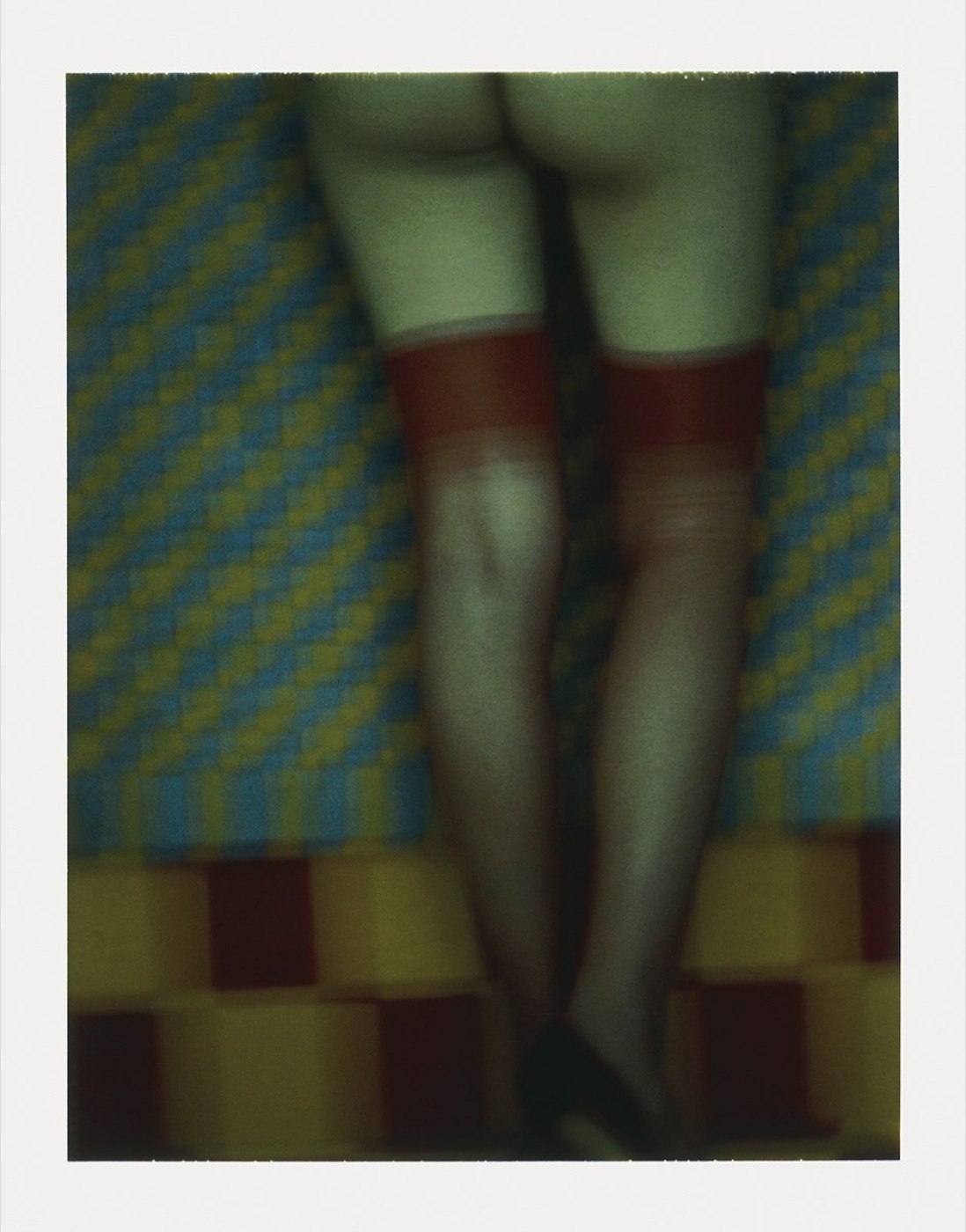 Fashion 07, Stockings, 1997.Two legs in stockings, cropped at the top of the thigh and again below the knee at the shoe, stand against a backdrop of blue and yellow checks that runs behind and beneath them in two different…
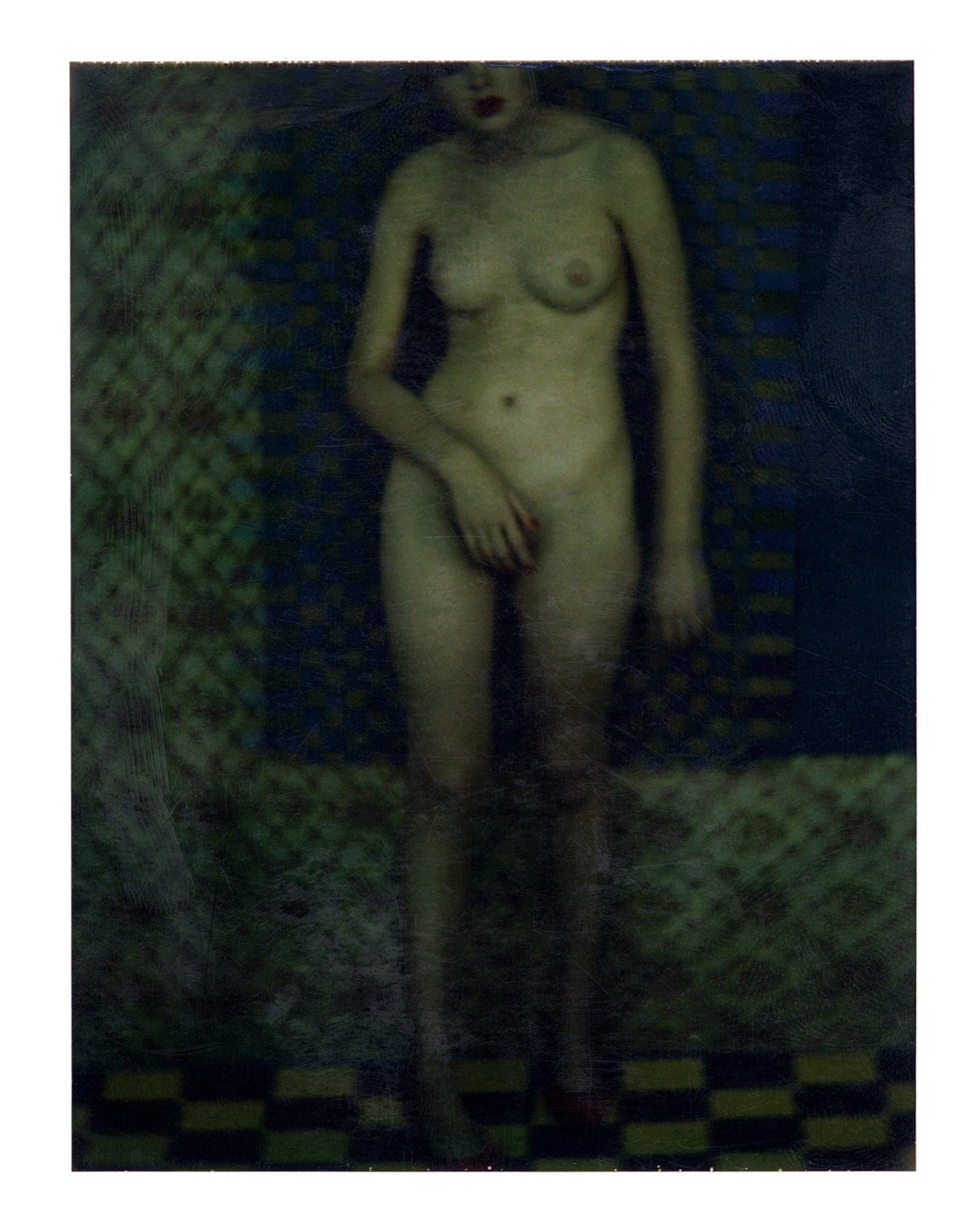 Marthe, 1997.A body can be given to us and withheld in the same gesture.
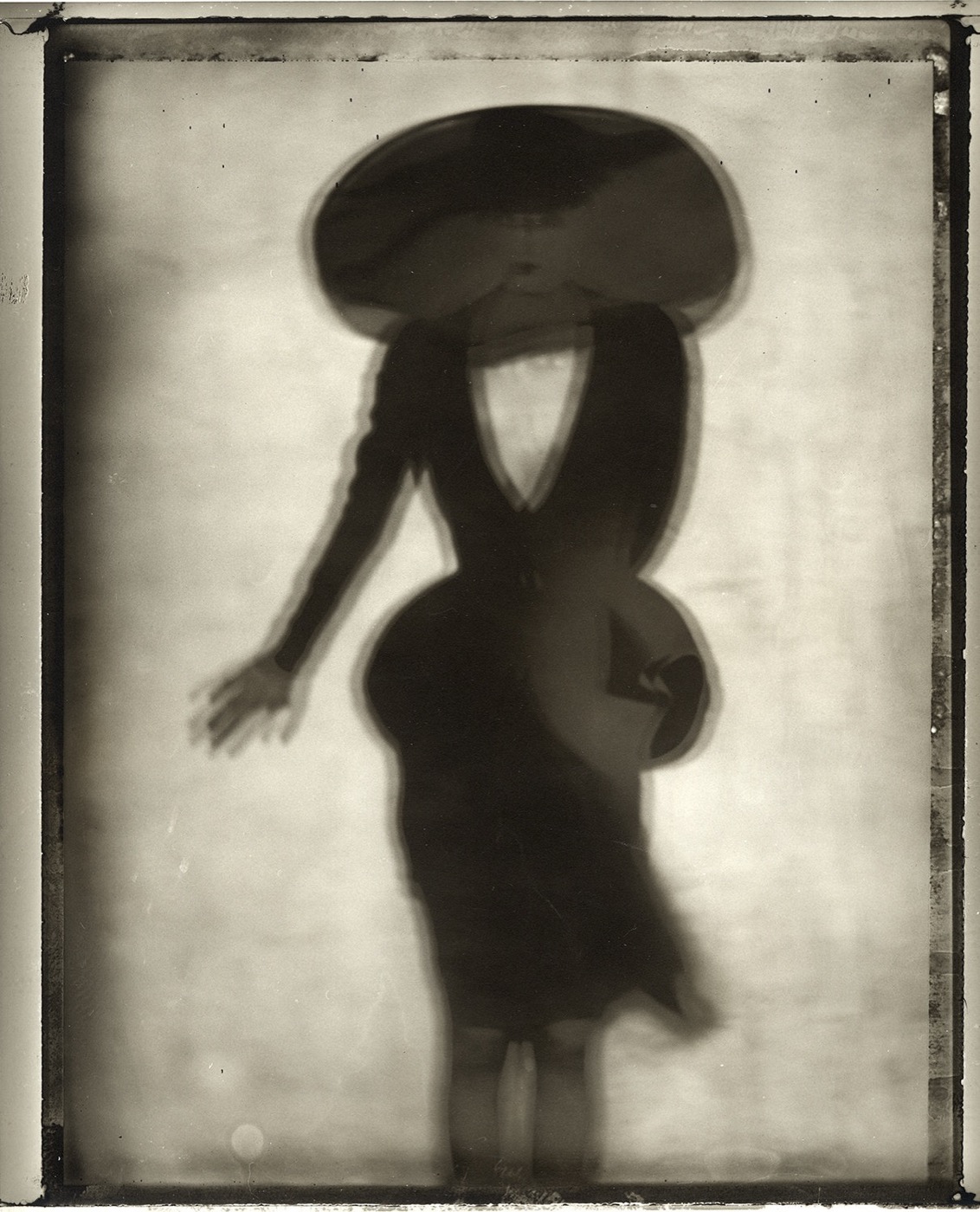 Thierry Mugler, 1997.Sarah Moon's 1997 photograph of Thierry Mugler emerges from shadow as pure form, a sculptural silhouette that transcends conventional portraiture.
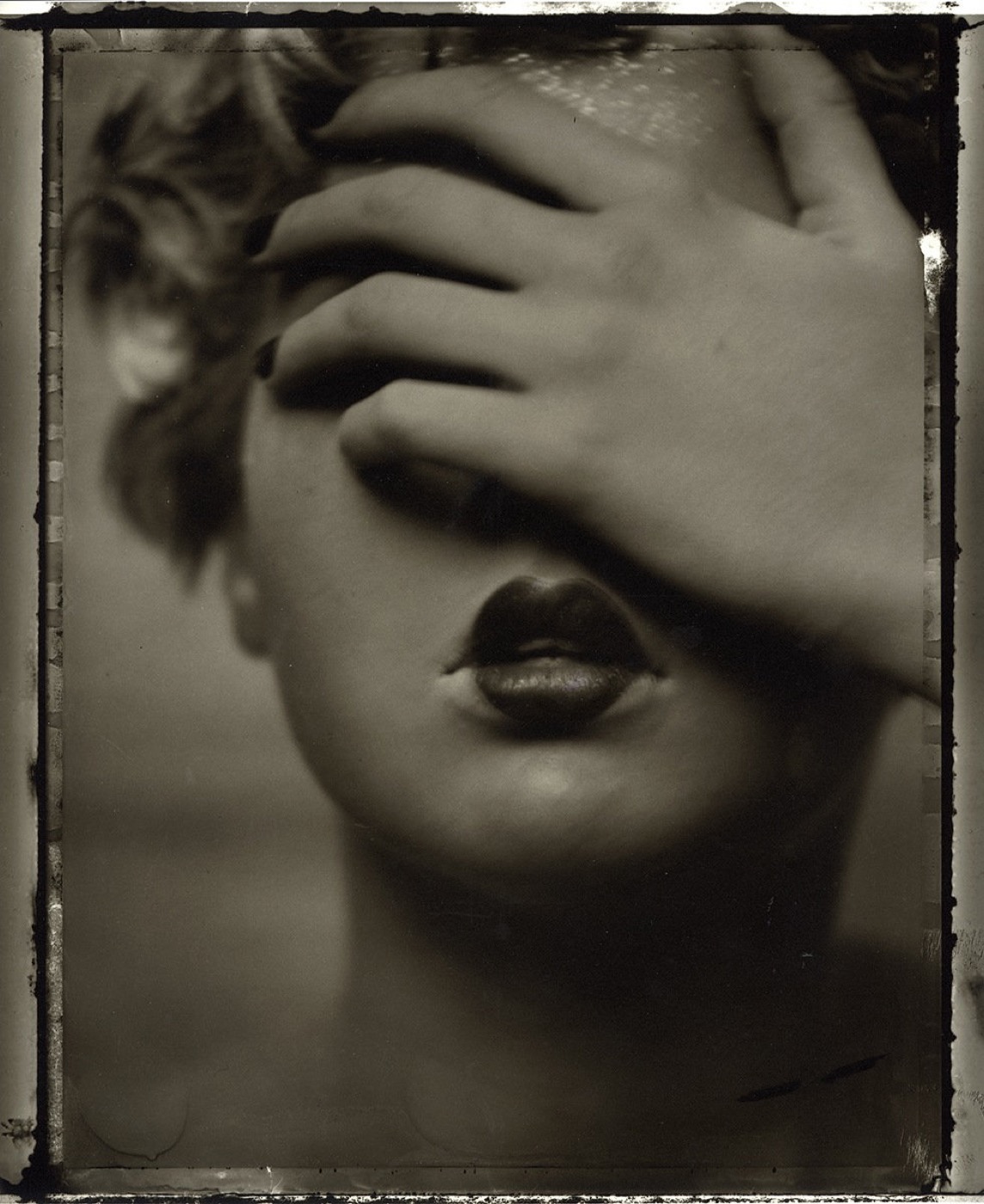 GS, 1998.Where does the face end and the photograph begin?
 Kasia Pysiak, 1998.She emerges from the darkness like a half‑remembered dream, her face dissolving at the edges, her body barely anchored to the world.
 Le bain des pieds, 1998.Bending double, hands dangling past her knees, the woman in Sarah Moon's carbon print is cropped to pure gesture: two pale legs, two loose hands, ten nails lacquered red.
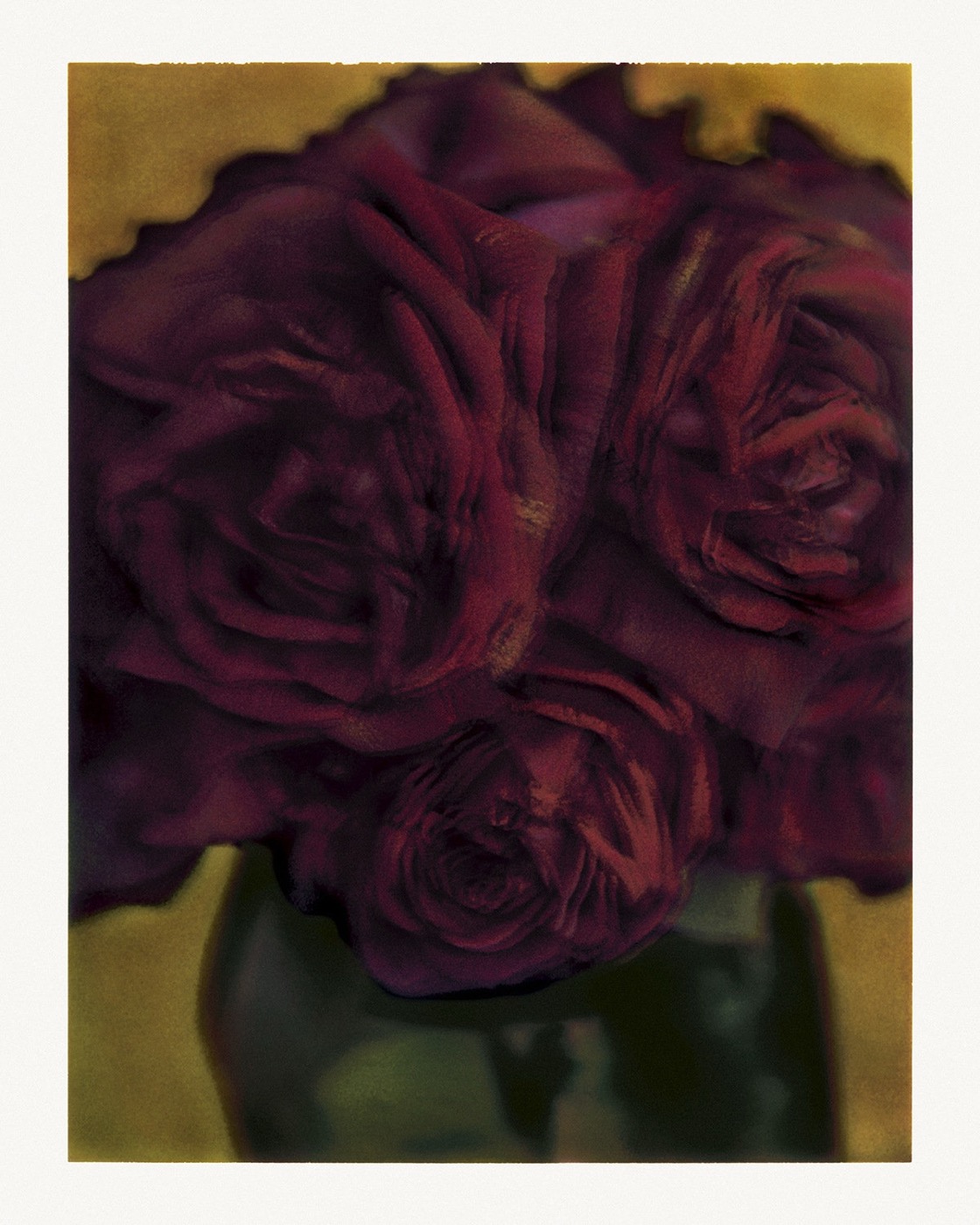 Les roses, 1998.To photograph a flower at its peak is sentimental; to photograph it as it begins to fail is something else — an argument about what beauty is for.
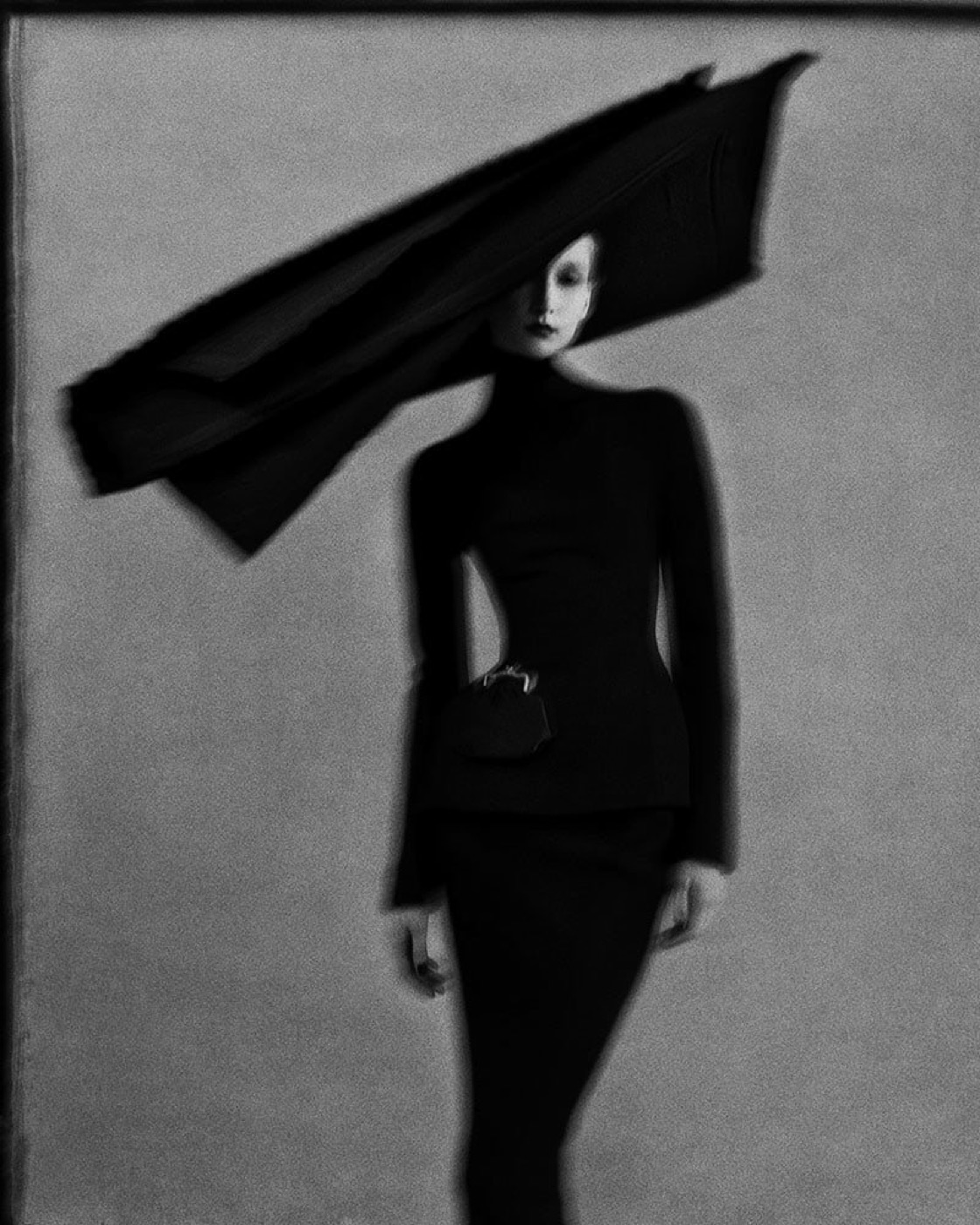 John Galliano pour Christian Dior, 1999.Sarah Moon turned fashion photography into something closer to séance.
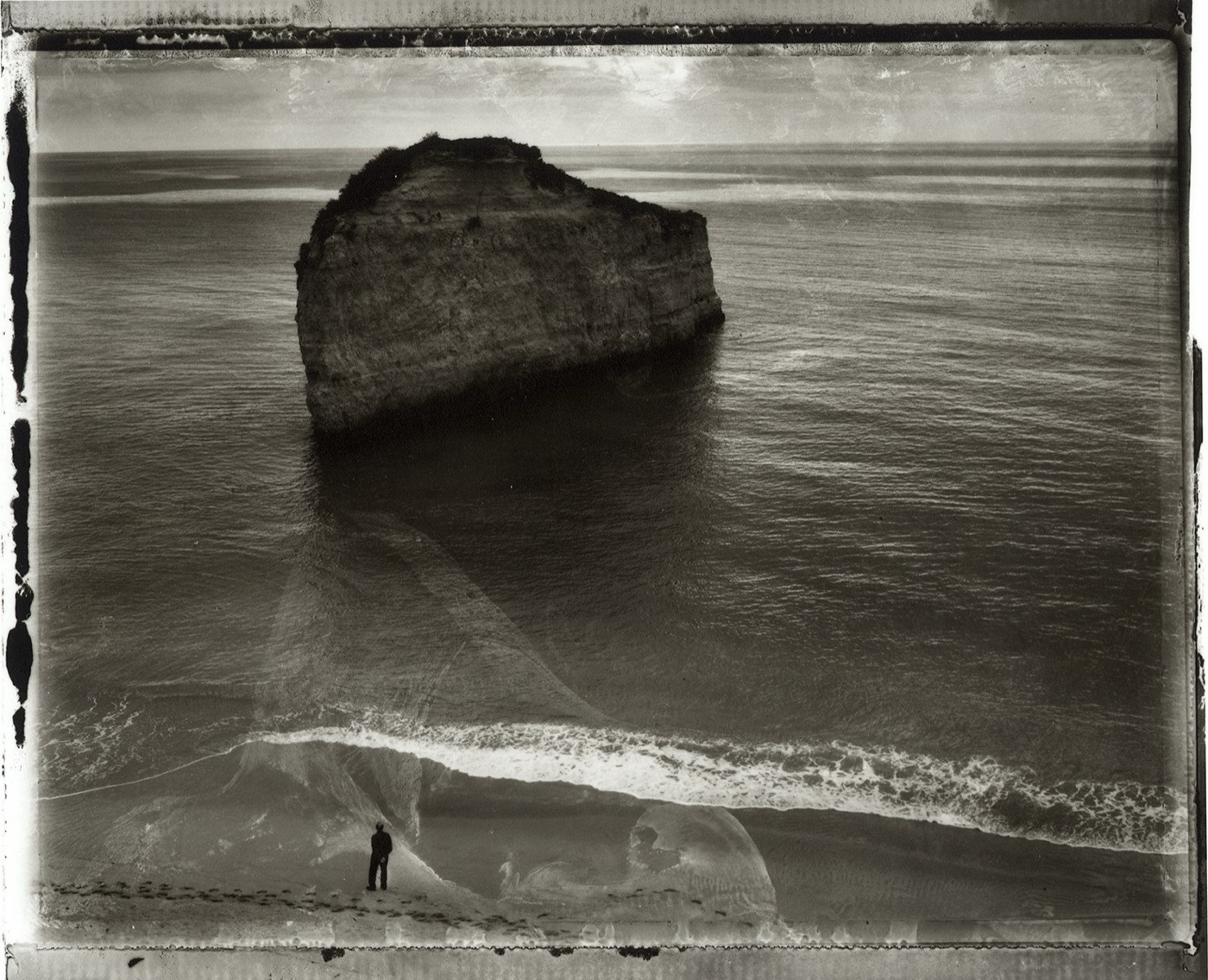 Noël au Portugal, 1999.Begin with the man, because the picture makes you hunt for him: a single dark upright on the lower beach, scarcely taller than the grain around him, fixed in place while the sea-stack offshore towers…
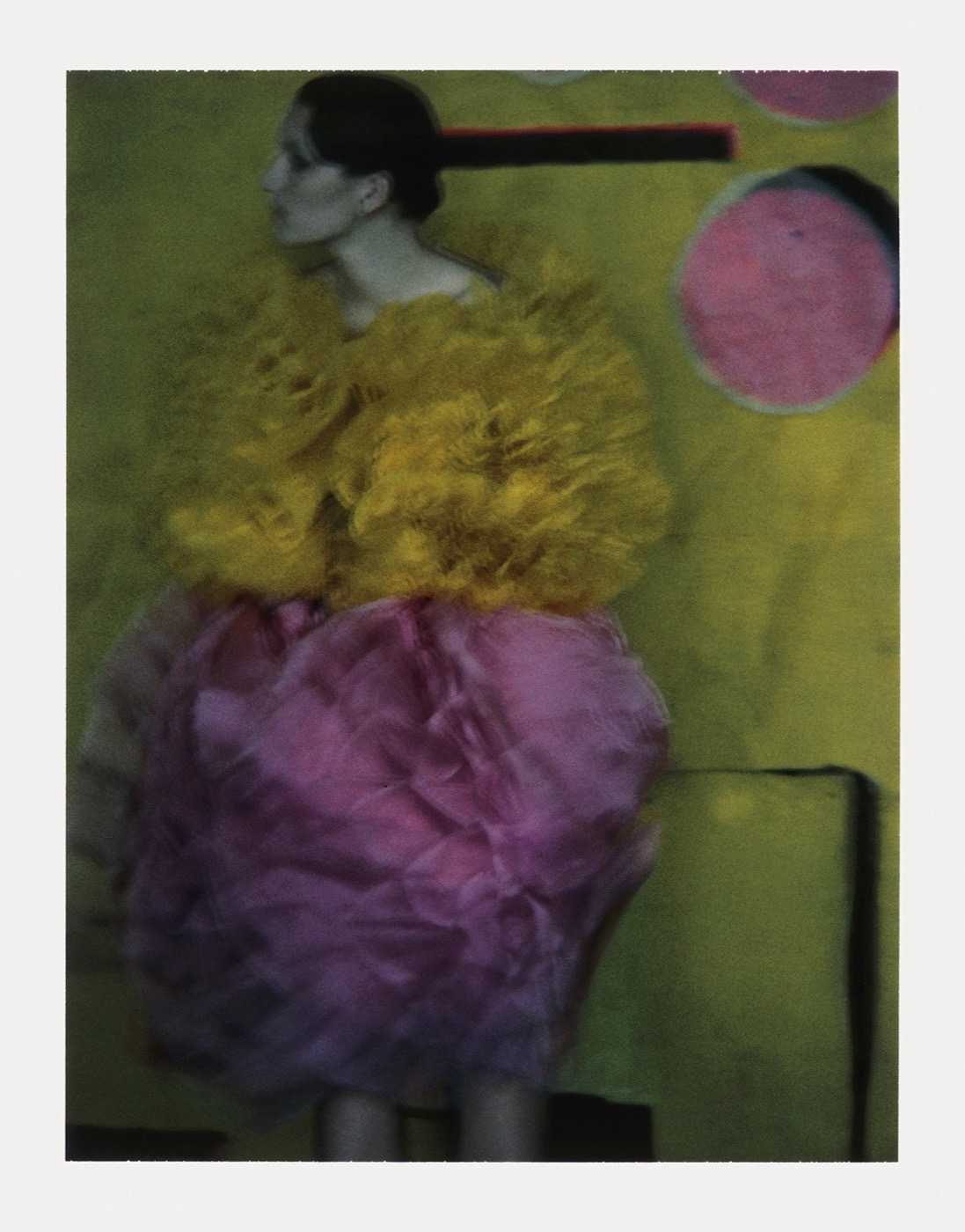 Adriana pour Watanabe, 2000.She turns away. That is the first thing, and almost the whole thing: Adriana gives us only her profile, eyes lowered, the dark hair pulled tight, while the dress does the speaking.
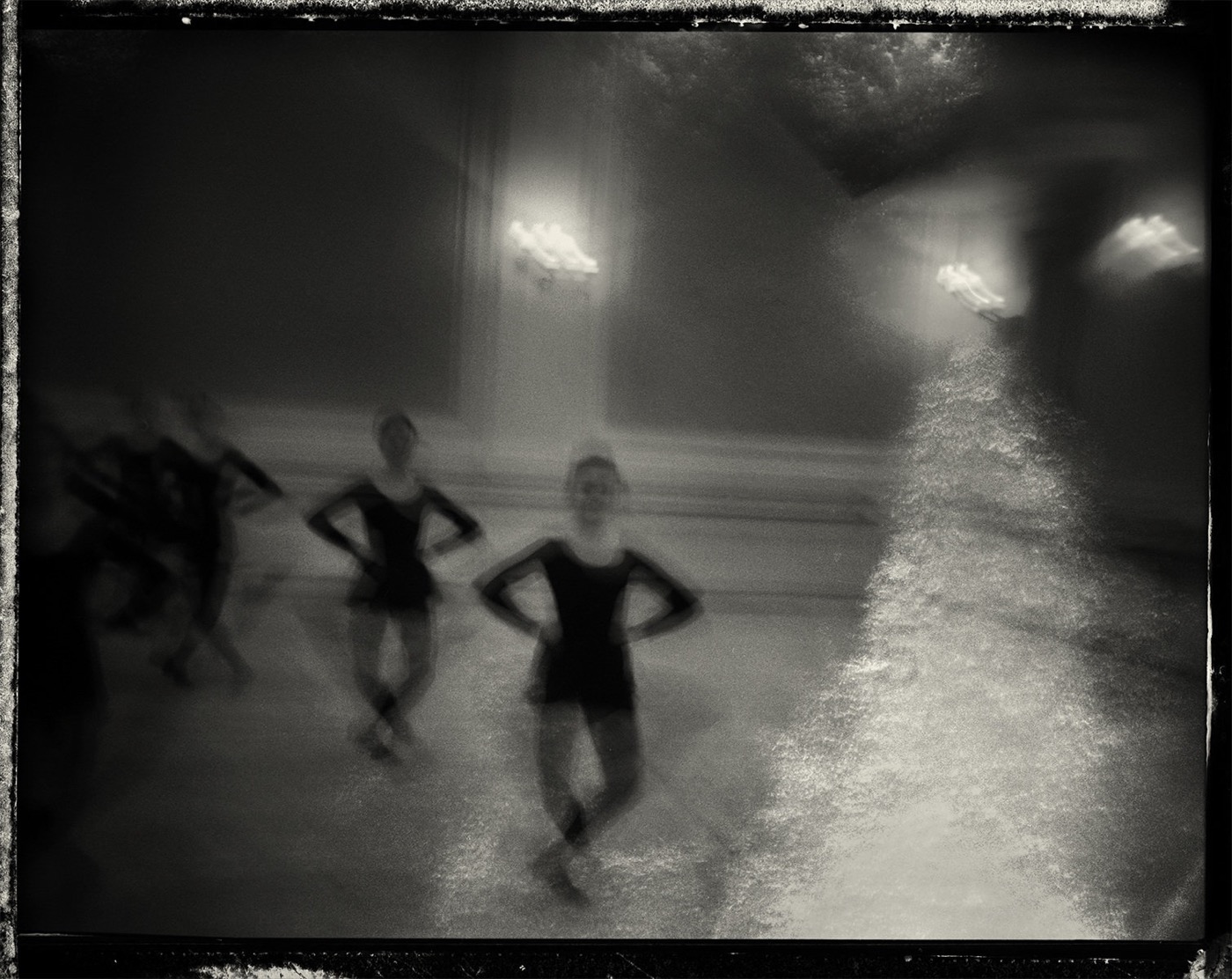 Au Bolshoi, 2000.In 2000, at the century's turn, Sarah Moon carried her camera into the Bolshoi and came away with an image that might have surfaced from a hundred years earlier.
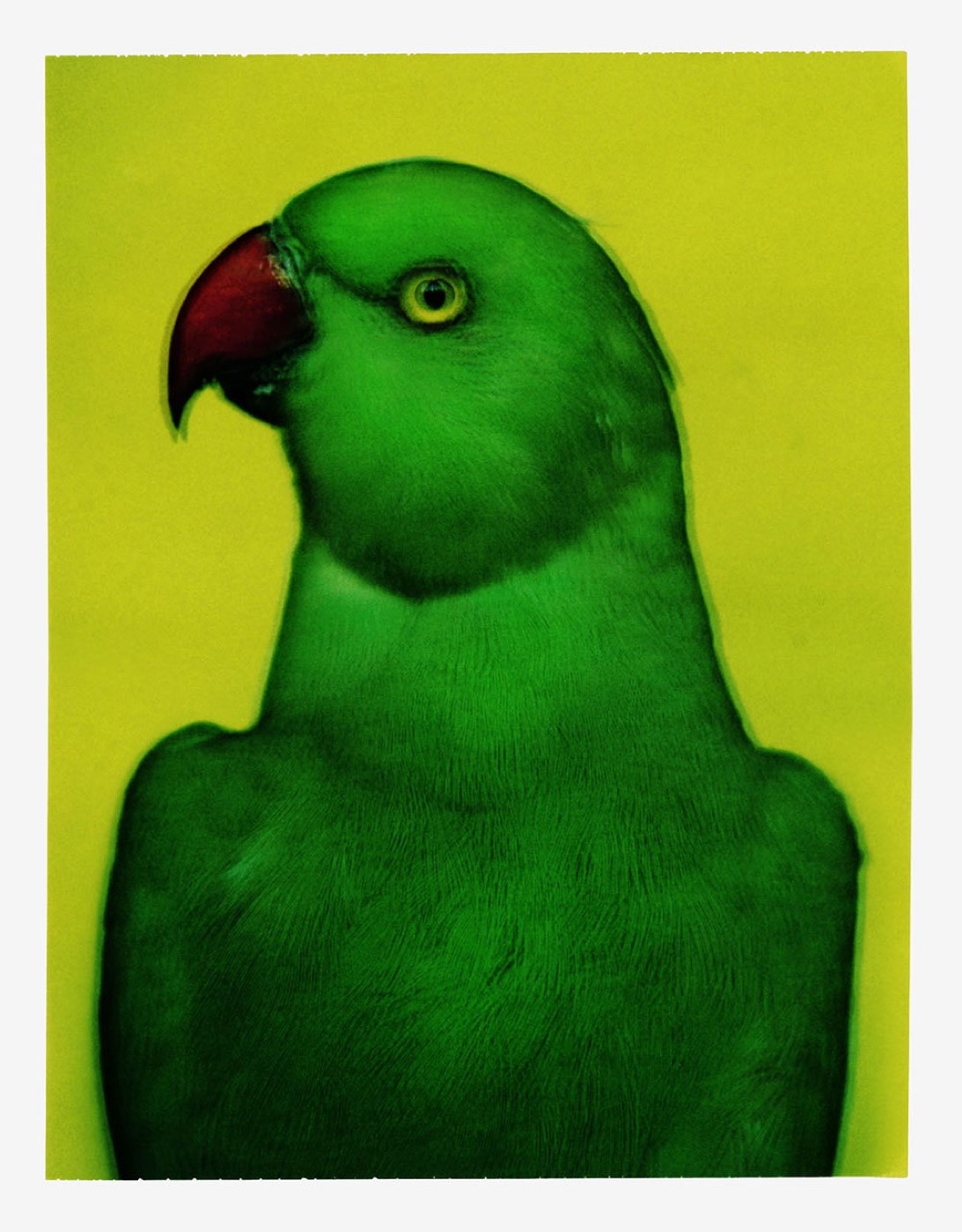 L'oiseau 2, 2000.A bird turns its head and, for a moment, seems to consider us — wary, ancient, entirely at home in a world of pure colour.
 À bouche perdue, 2000.The bird is the only one looking at us. Its eye, a small yellow coin set in that blue and green head, holds the camera with the flat attention birds have, while the woman — of whom we are given a…
 La camélia, 2001.Pink gone the color of a bruise; green gone chemical, like spring seen through closed eyelids.
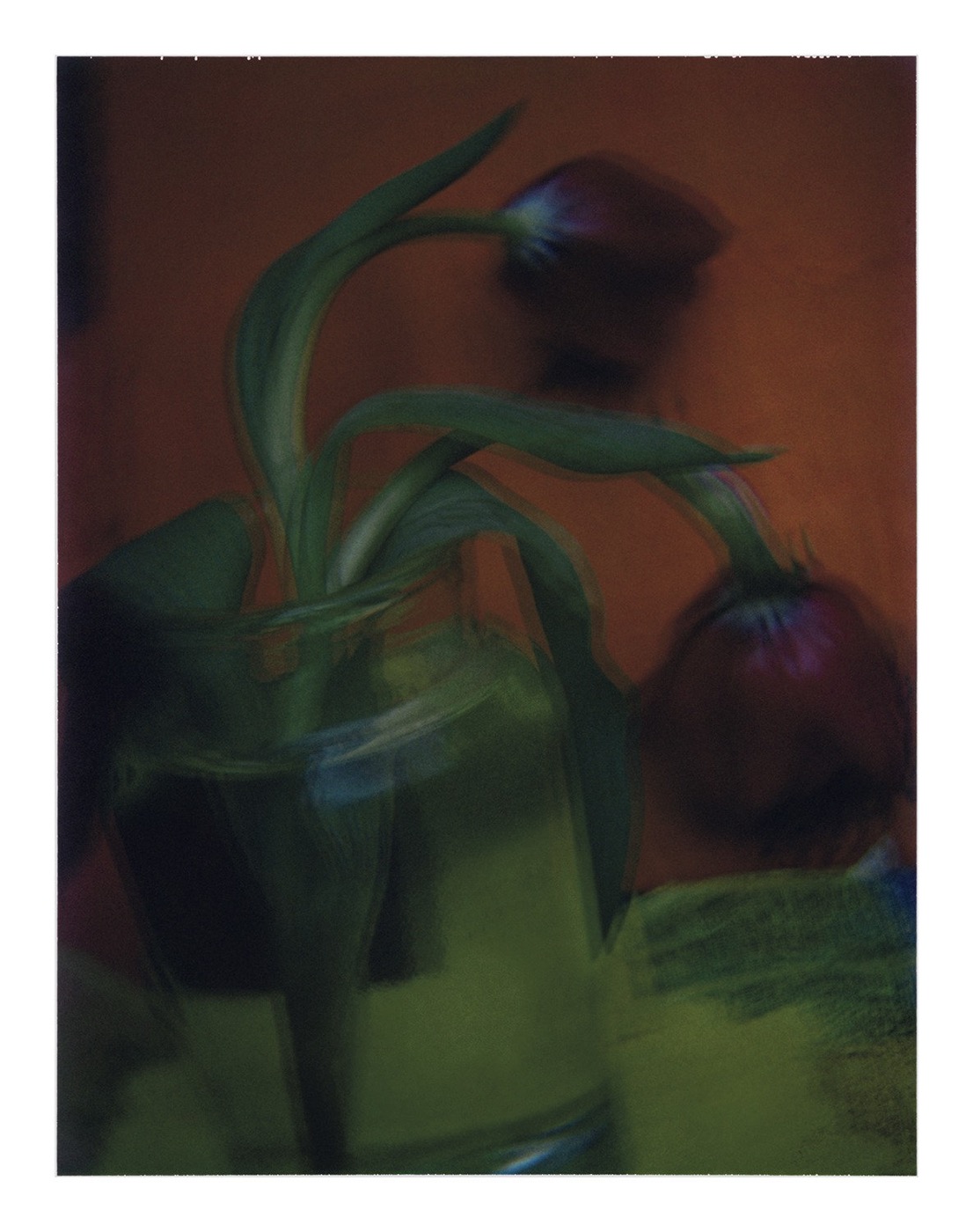 Les tulipes, 2003.Two tulips lean into the frame like tired dancers, their stems bending under the quiet weight of time.
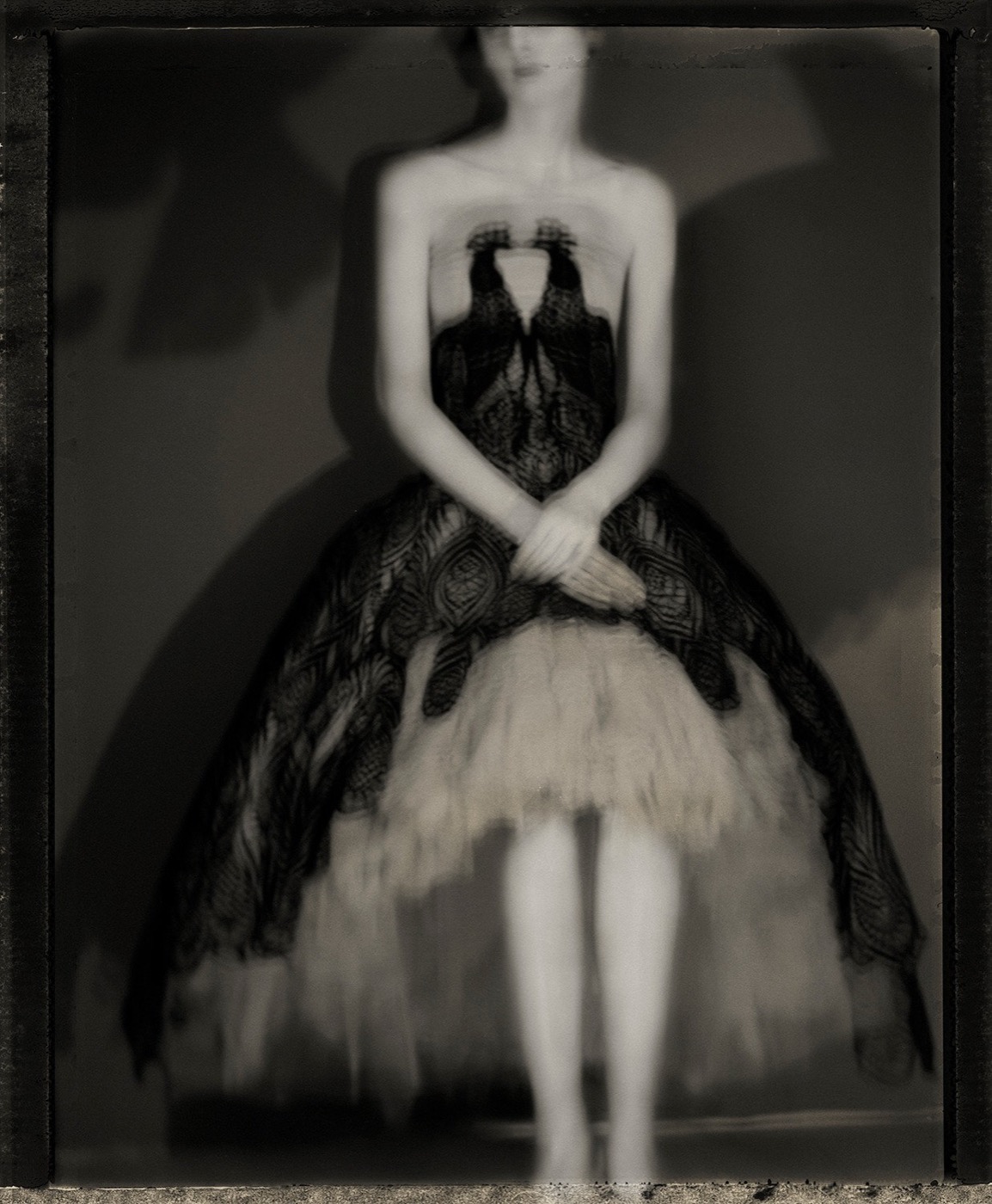 L'avant dernière, 2008.Sarah Moon’s “L’avant dernière, 2008” radiates a dreamlike fragility, where the boundaries between presence and absence blur in soft monochrome.
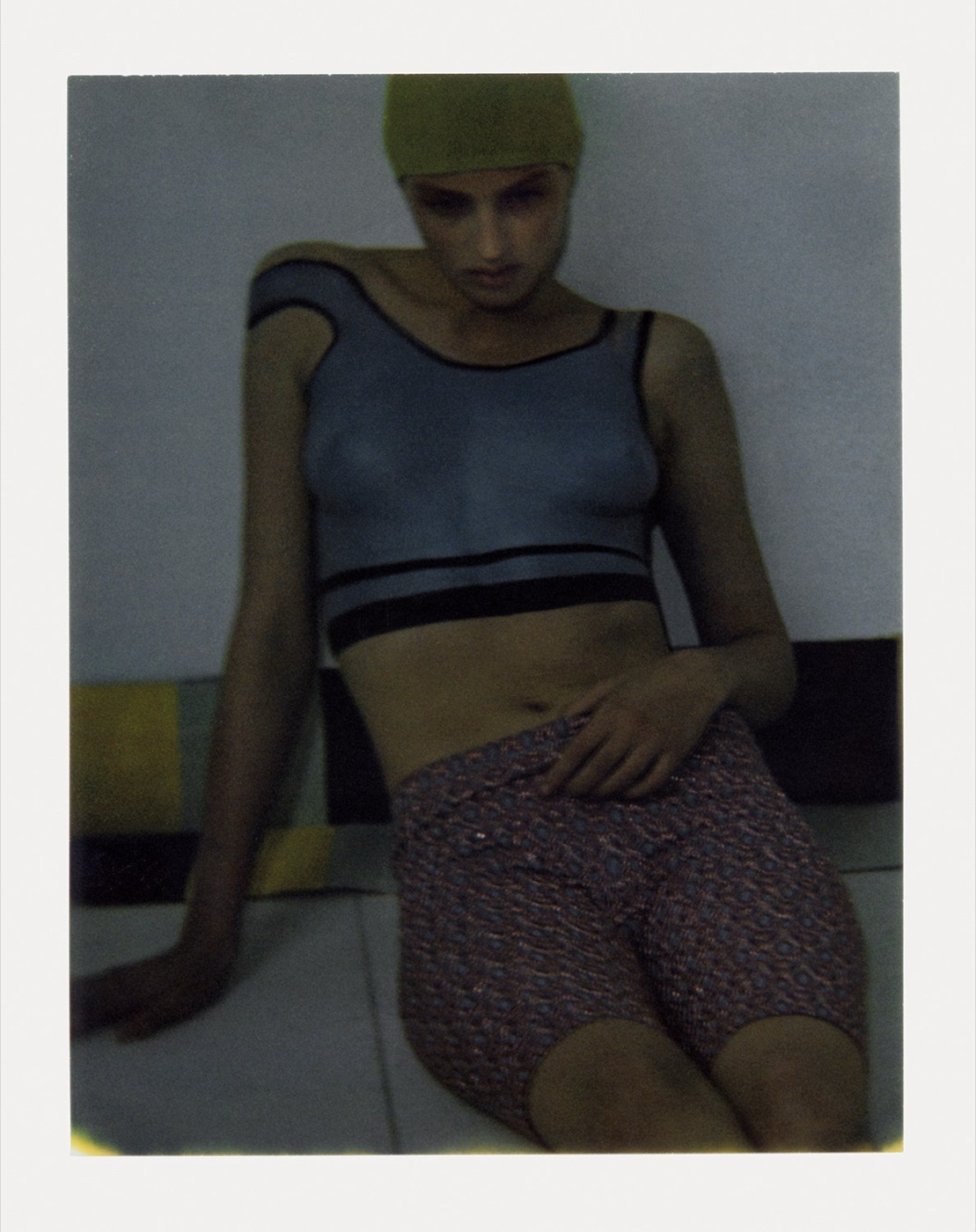 La Piscine, 2010.The swimming pool is one of architecture's stranger rooms, built for immersion yet here holding no water we can see and no one swimming in it.
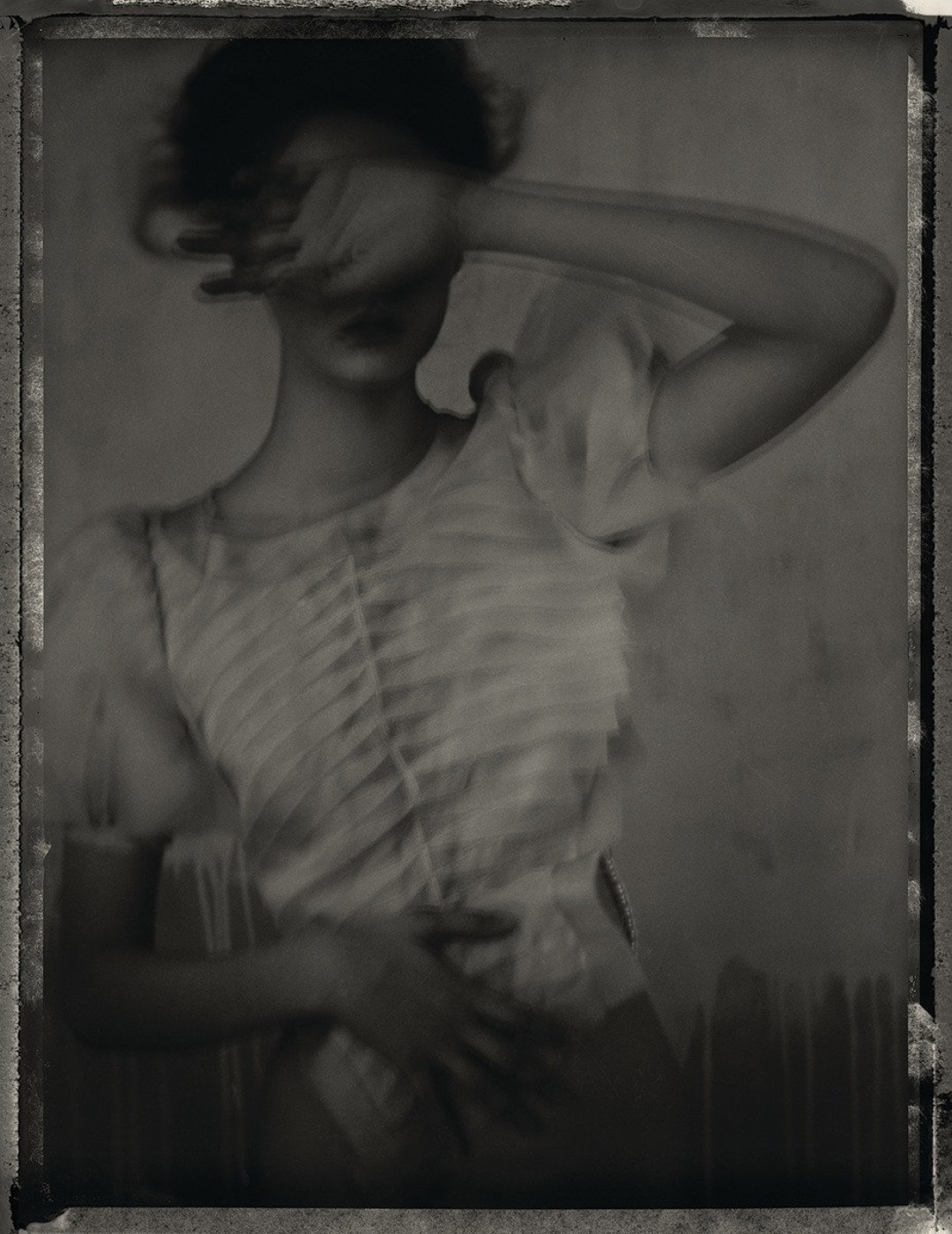 Codie, 2011.Any second now the arm will come down and Codie will have to decide what to do with her face.
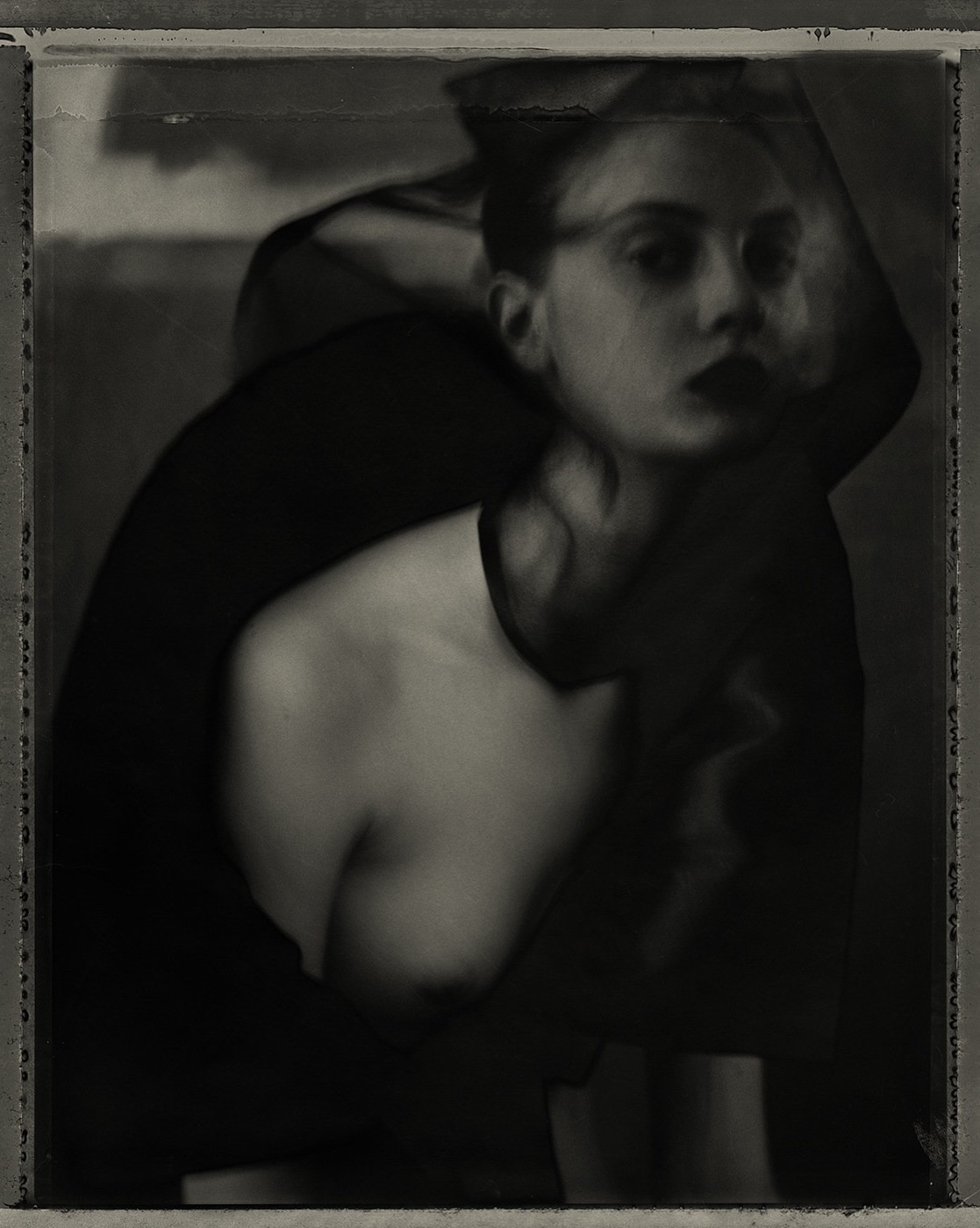 Femme voilée I, 2011.What anchors Femme voilée I is the gesture: both arms lifted to crown the head with a black tulle that she holds rather than wears, so the veil reads less as costume than as a thing being arranged in…
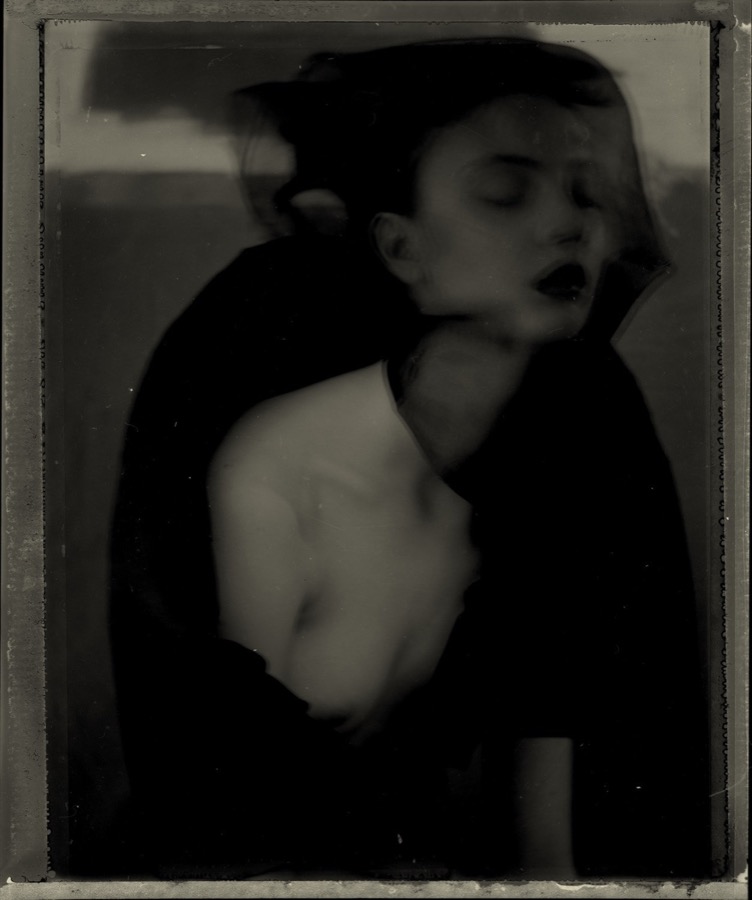 Femme voilée II, (Les yeux fermés), 2011.Fashion photography had long since learned to prize the sharp and the seamless by the time this picture was made, yet here a woman’s upturned face is allowed to dissolve.
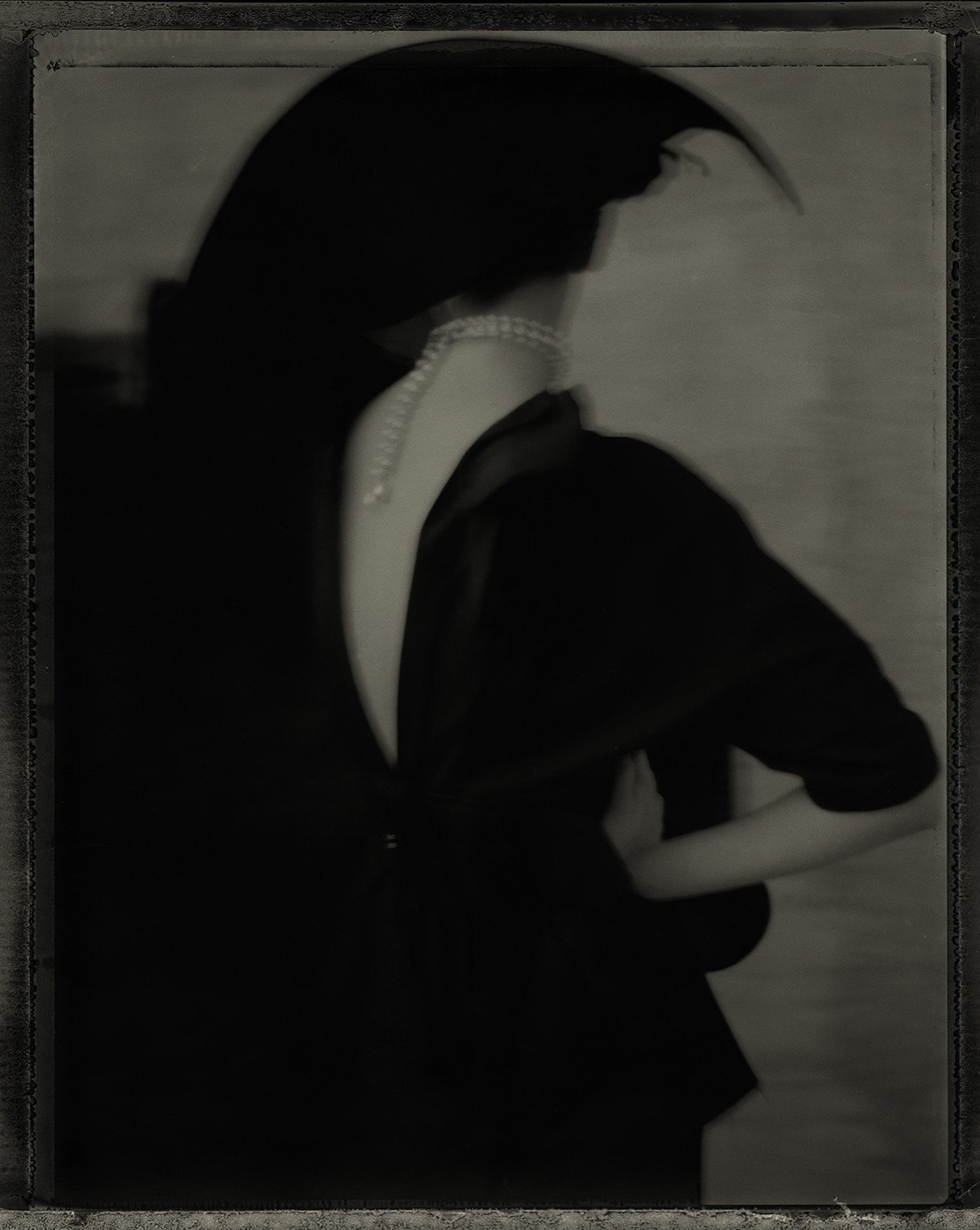 L'inconnue, 2011.The pearls do not lie at the throat, where we expect them, but fall the wrong way, slipping down the bare channel of the spine into the open back of the dress.
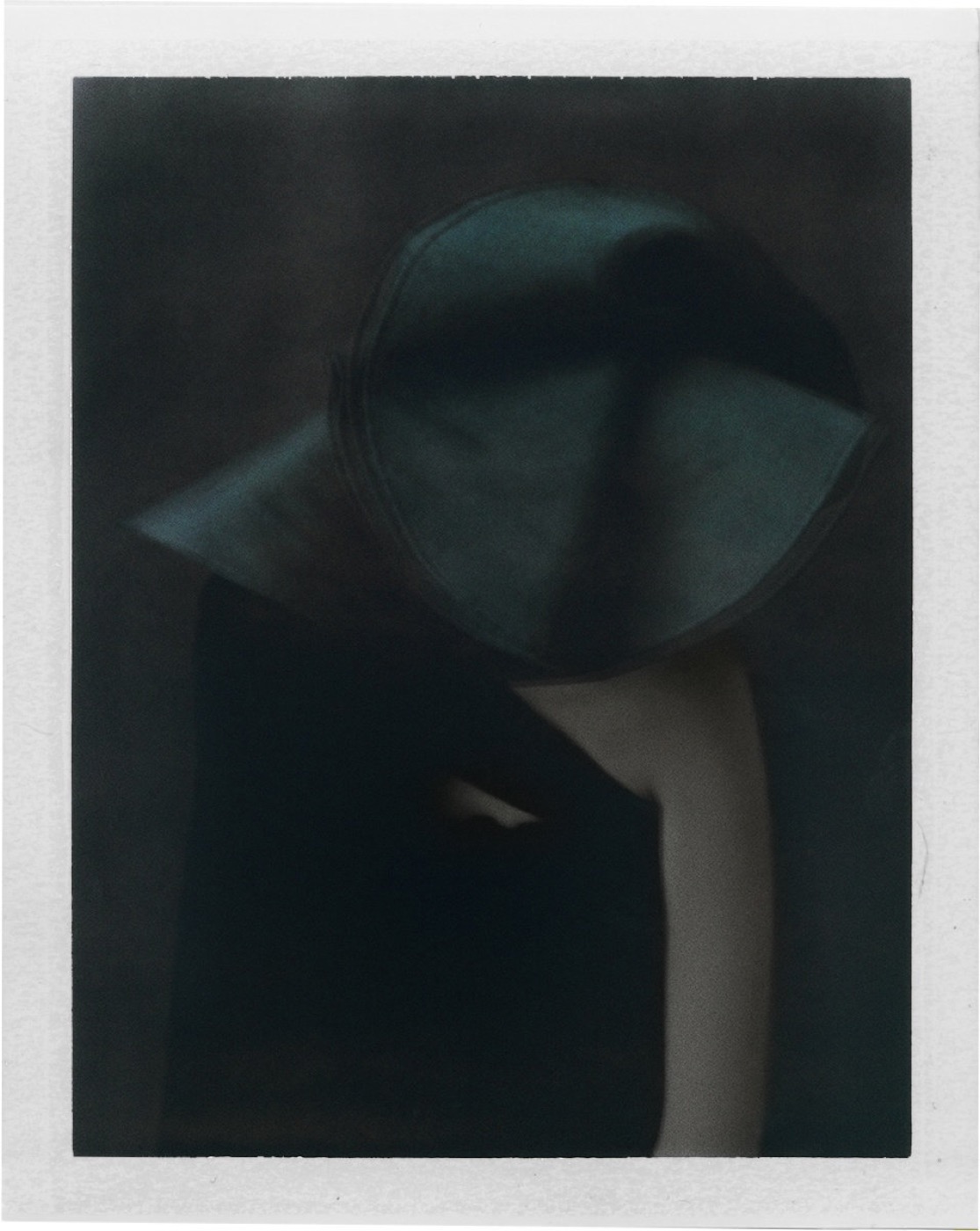 Anonyme, 2013.Out of an almost total darkness a shape emerges: the broad disc of a hat, tilted to swallow the face beneath it.
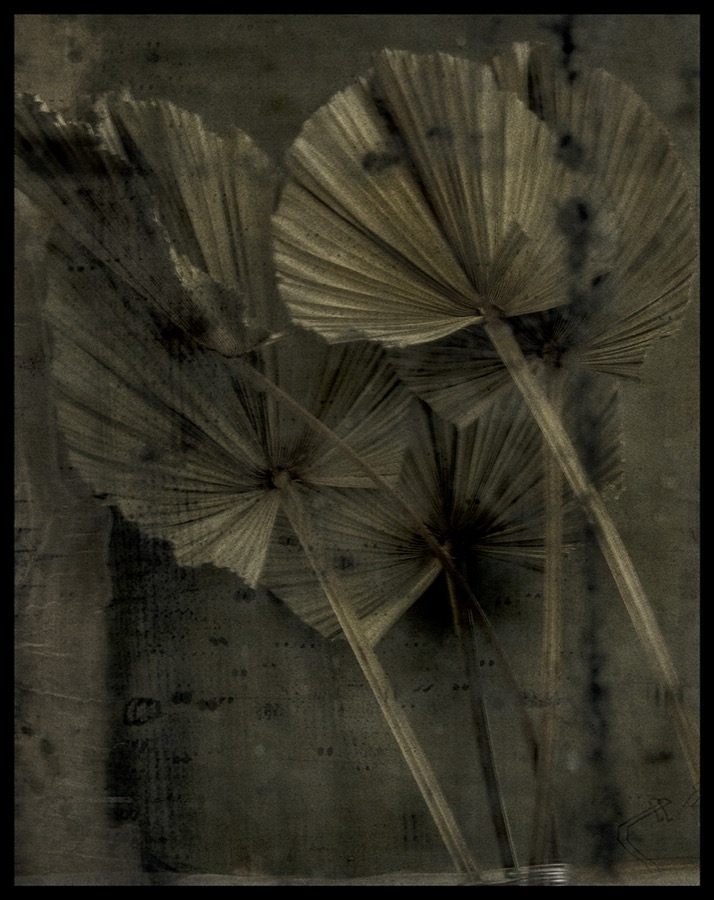 Les Palmes, 2015.Dried to the colour of old paper, these fan palms have outlived whatever afternoon first cut them, and Sarah Moon photographs them the way one photographs the recently departed — with tenderness and…
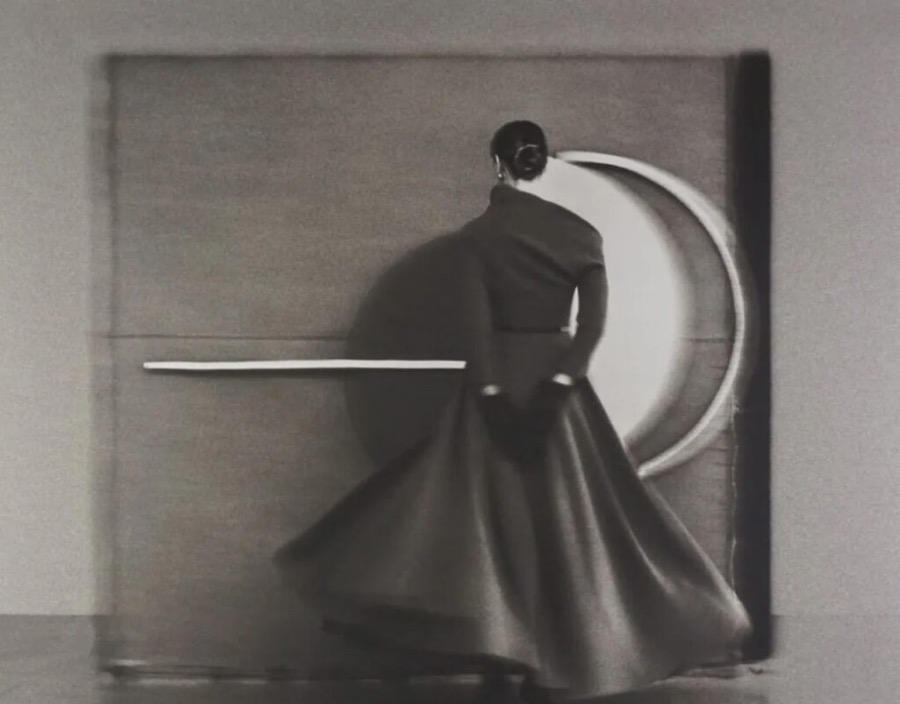 Maria Grazia Chiuri pour Dior, 2017.A single white bar cuts straight across the picture at waist height, a horizontal that reads almost as a printed rule laid over the scene.
 Toucan russe, 2018.We are not told whether this bird is alive.
 Pour Yohji Yamamoto, 2019.A figure standing, mostly gone. Above the waist a pale jacket with a wide collar and wide sleeves, arms folded across the front, the cloth so bright it is losing its own edges.
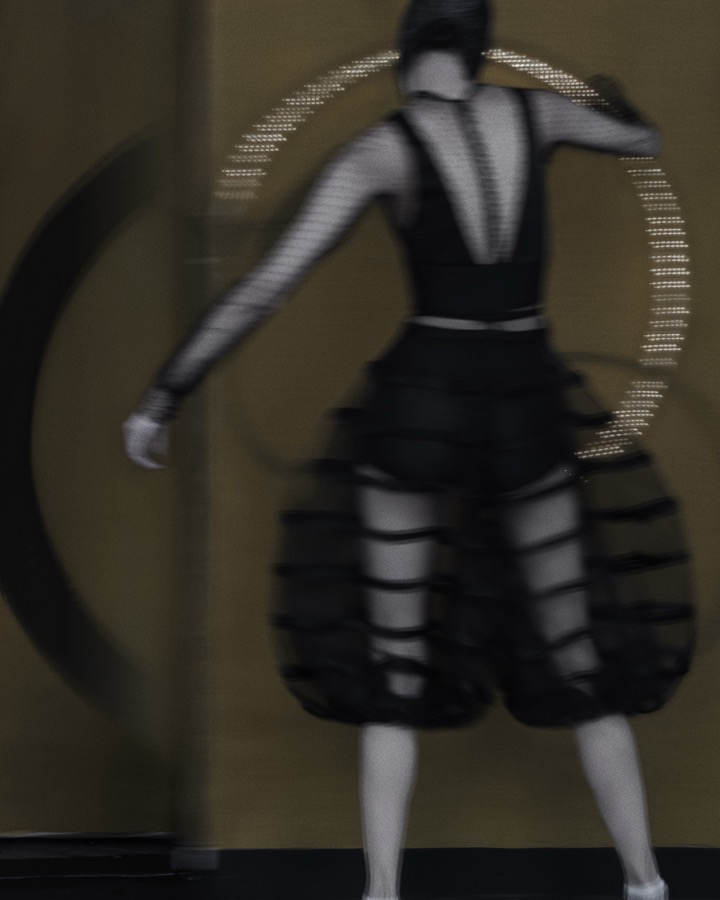 Yue pour Dior, 2019.She turns her back on us and steps into a halo of small lights, and the gesture is already half memory.
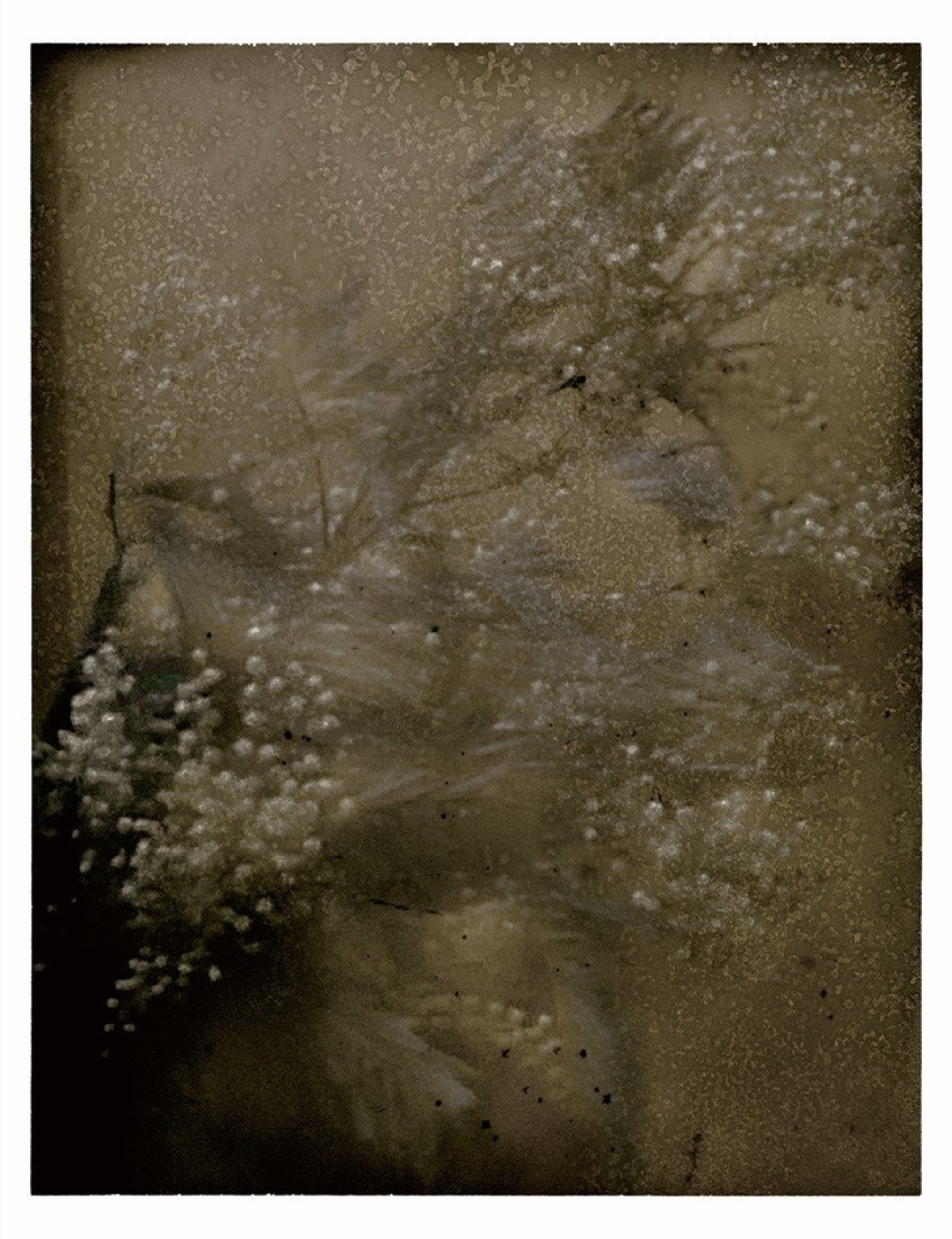 Mimosas, 2021.Mimosa, in sepia, coming apart. Sprays of small round blossoms lean in from the left and from the top, and each blossom is a pale dot in a haze of grain.
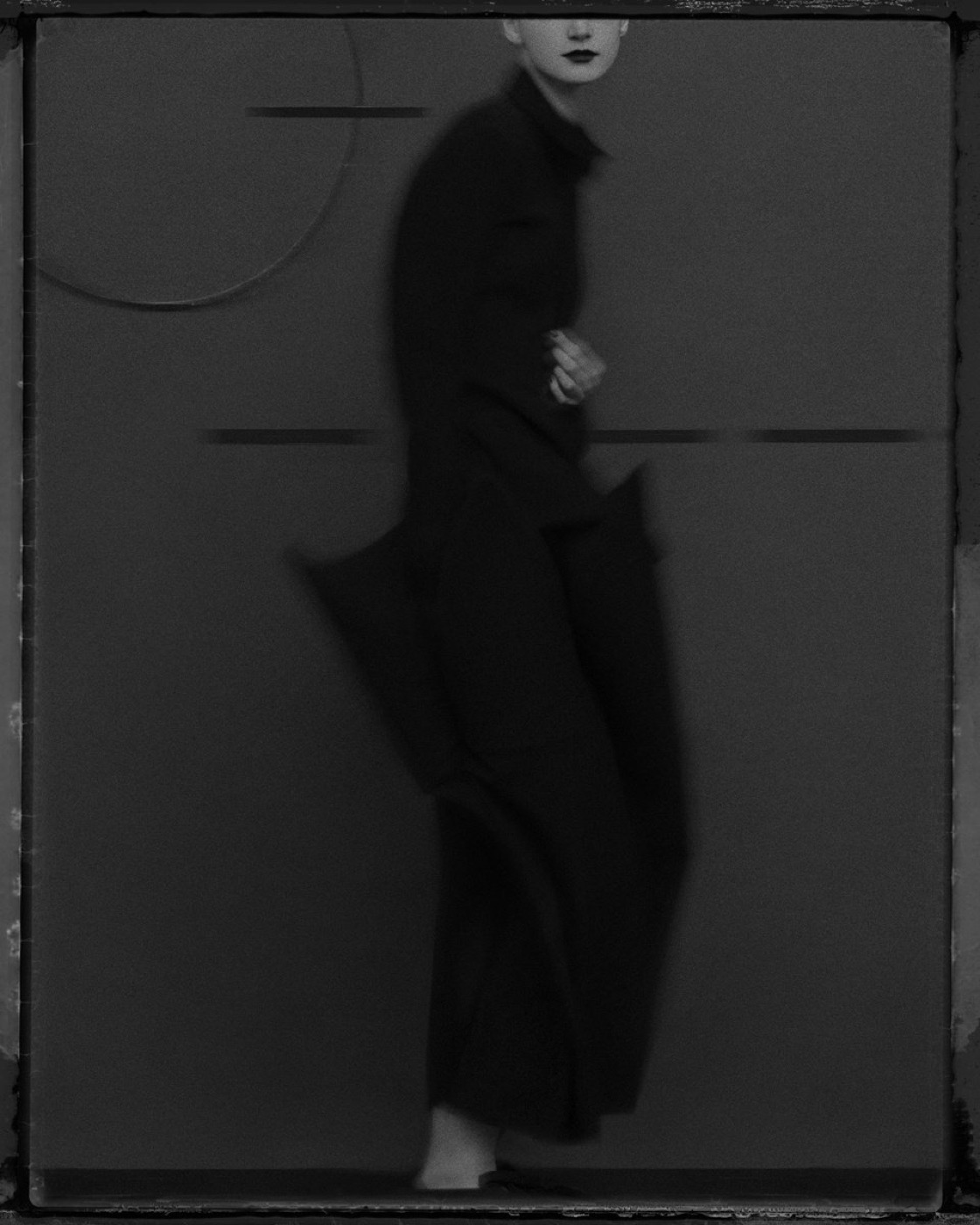 Andréa pour Yohji Yamamoto (II), 2022.Sarah Moon’s "Andréa pour Yohji Yamamoto (II), 2022" is a visual reverie where fashion transcends its functional origins to become pure atmosphere.