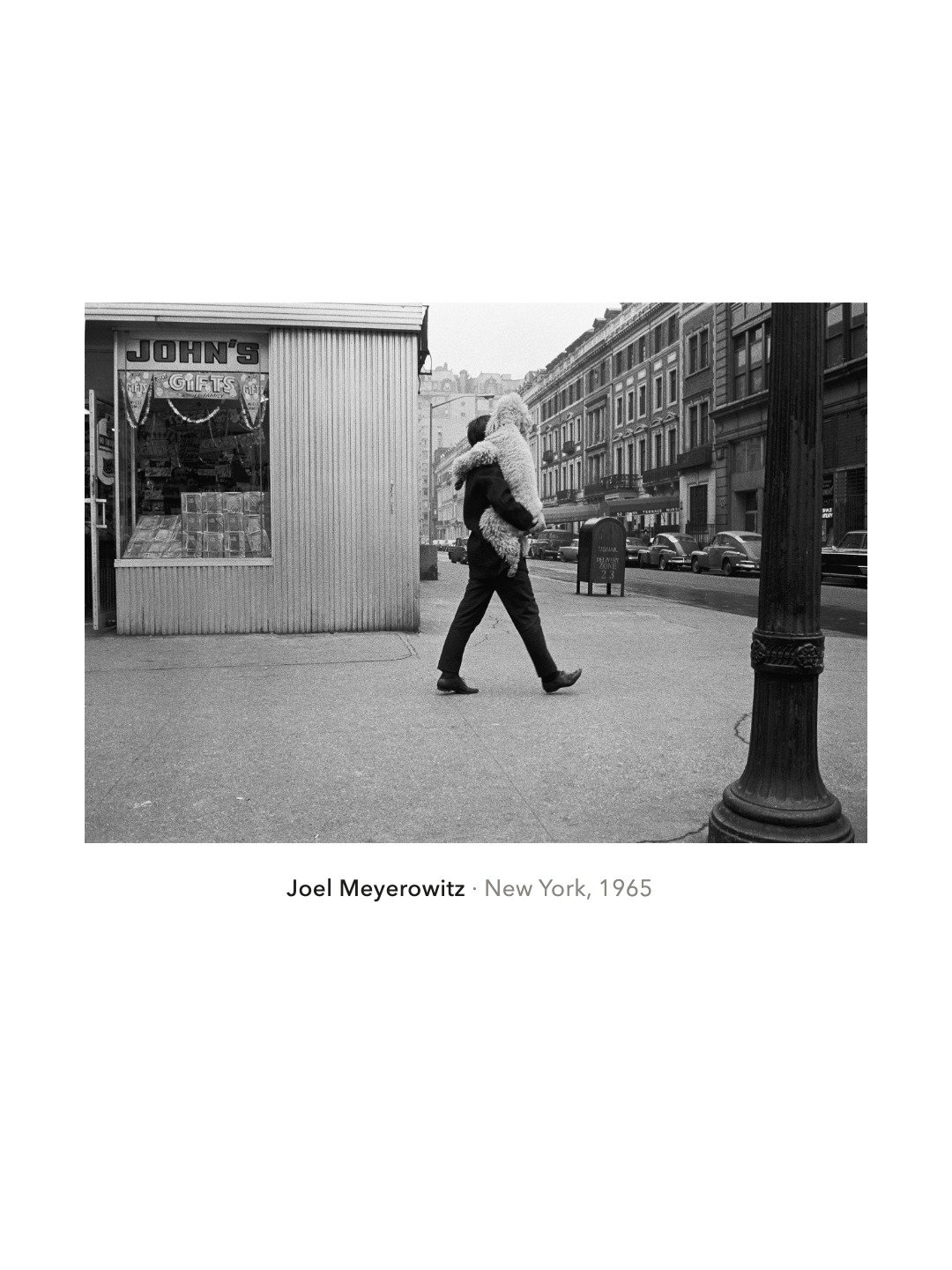
This journey begins in New York, in 1962, when a young man in advertising discovered Robert Frank, left his job and took to the street with a camera.
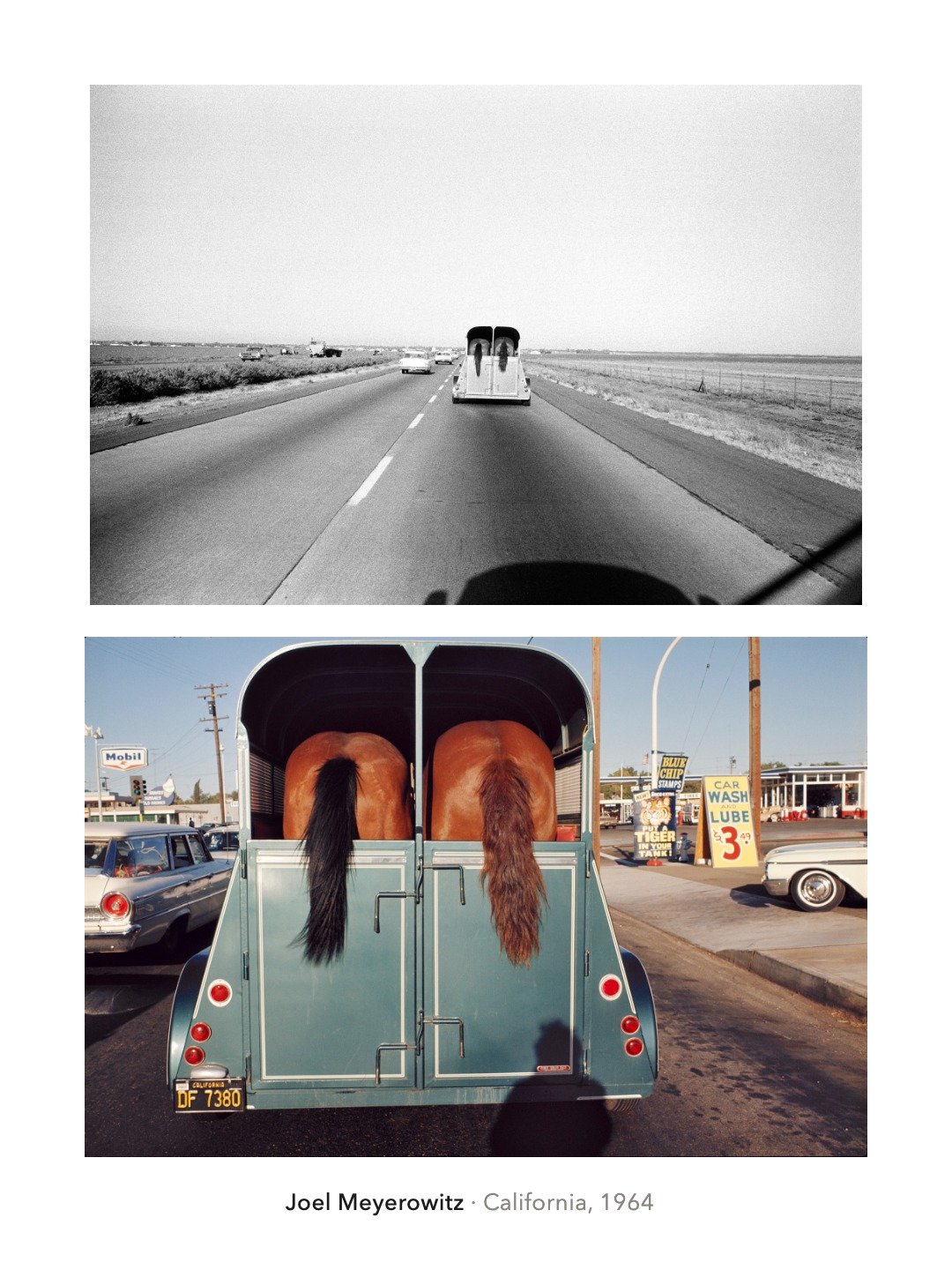
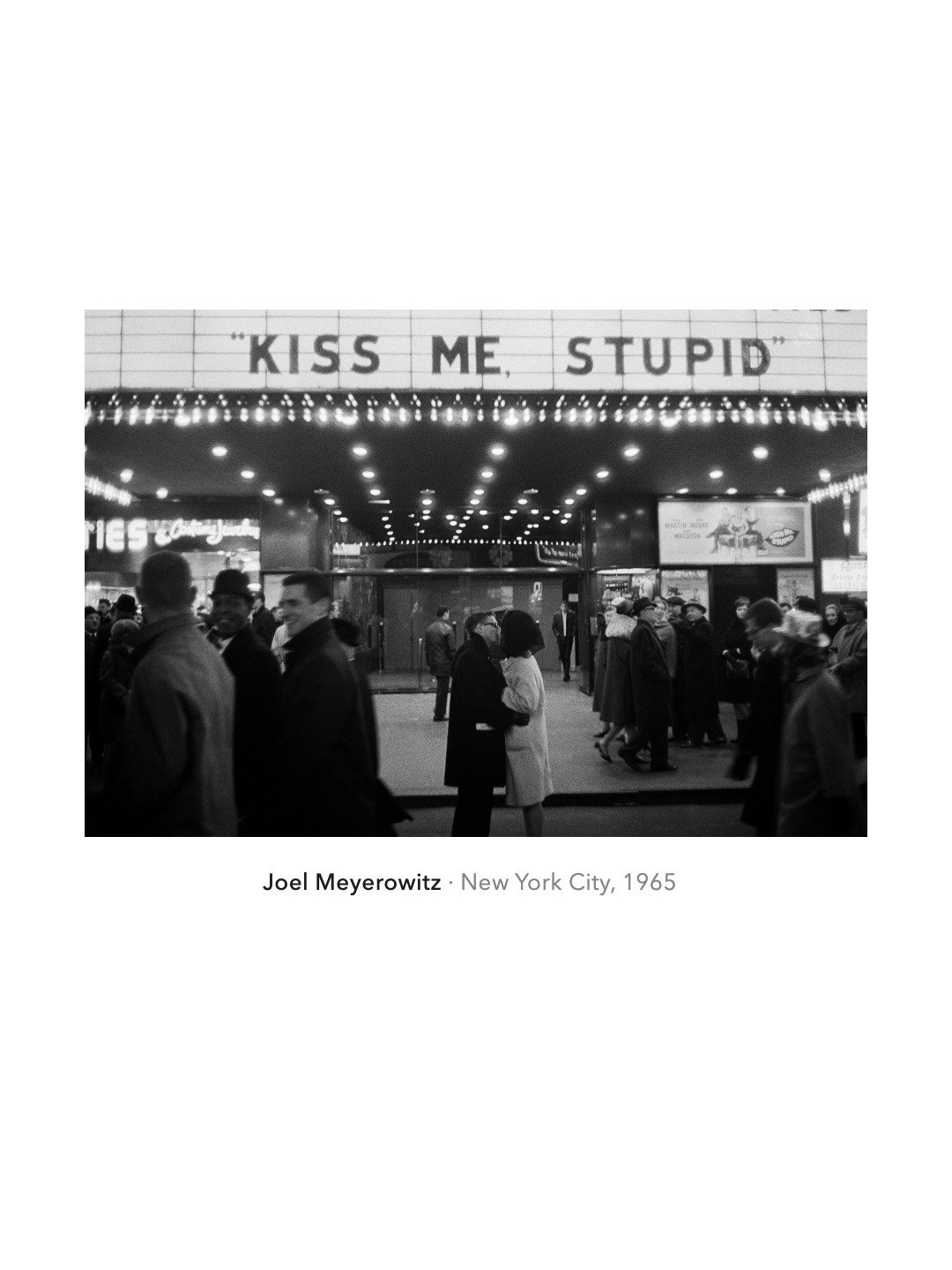
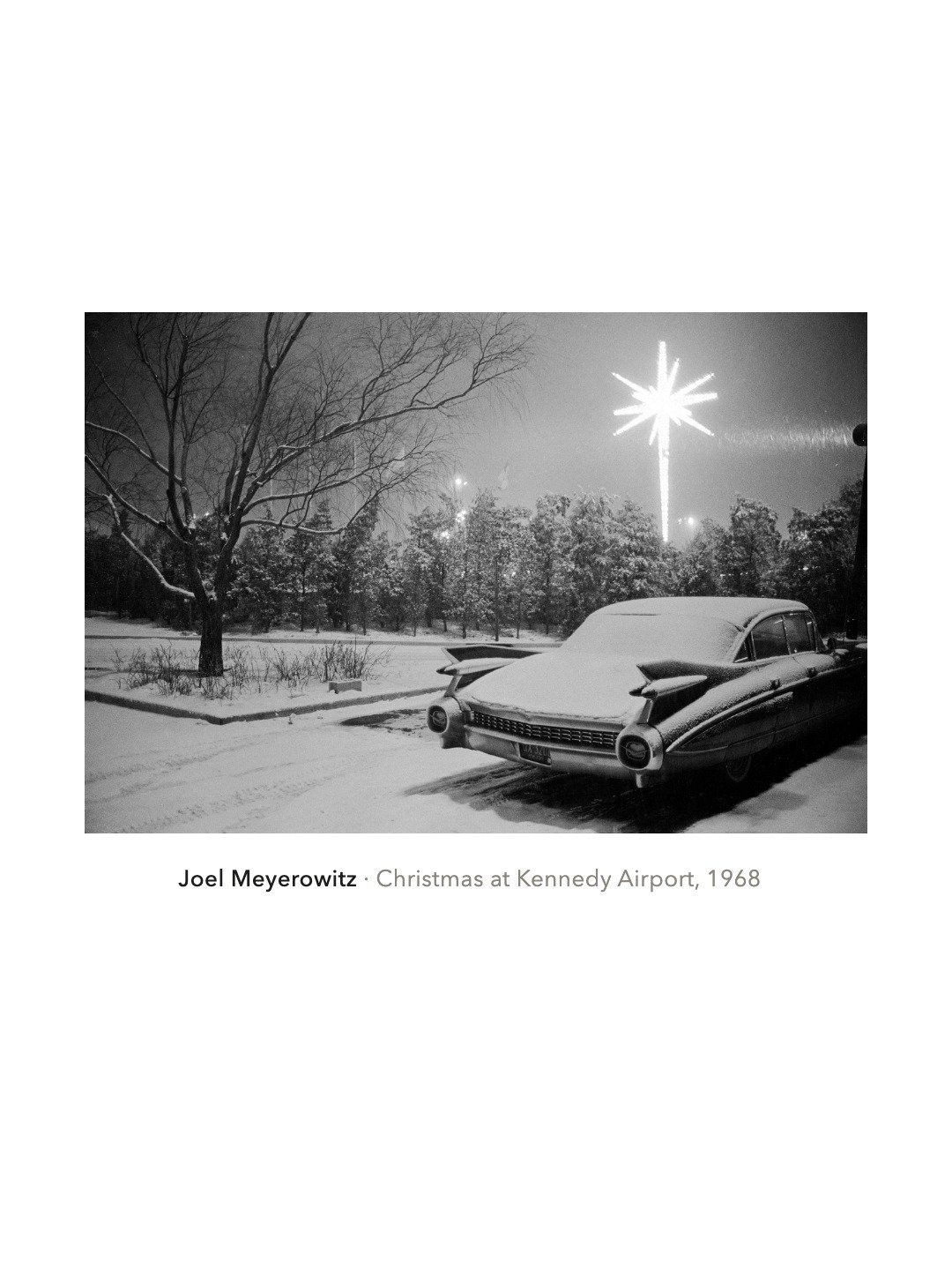
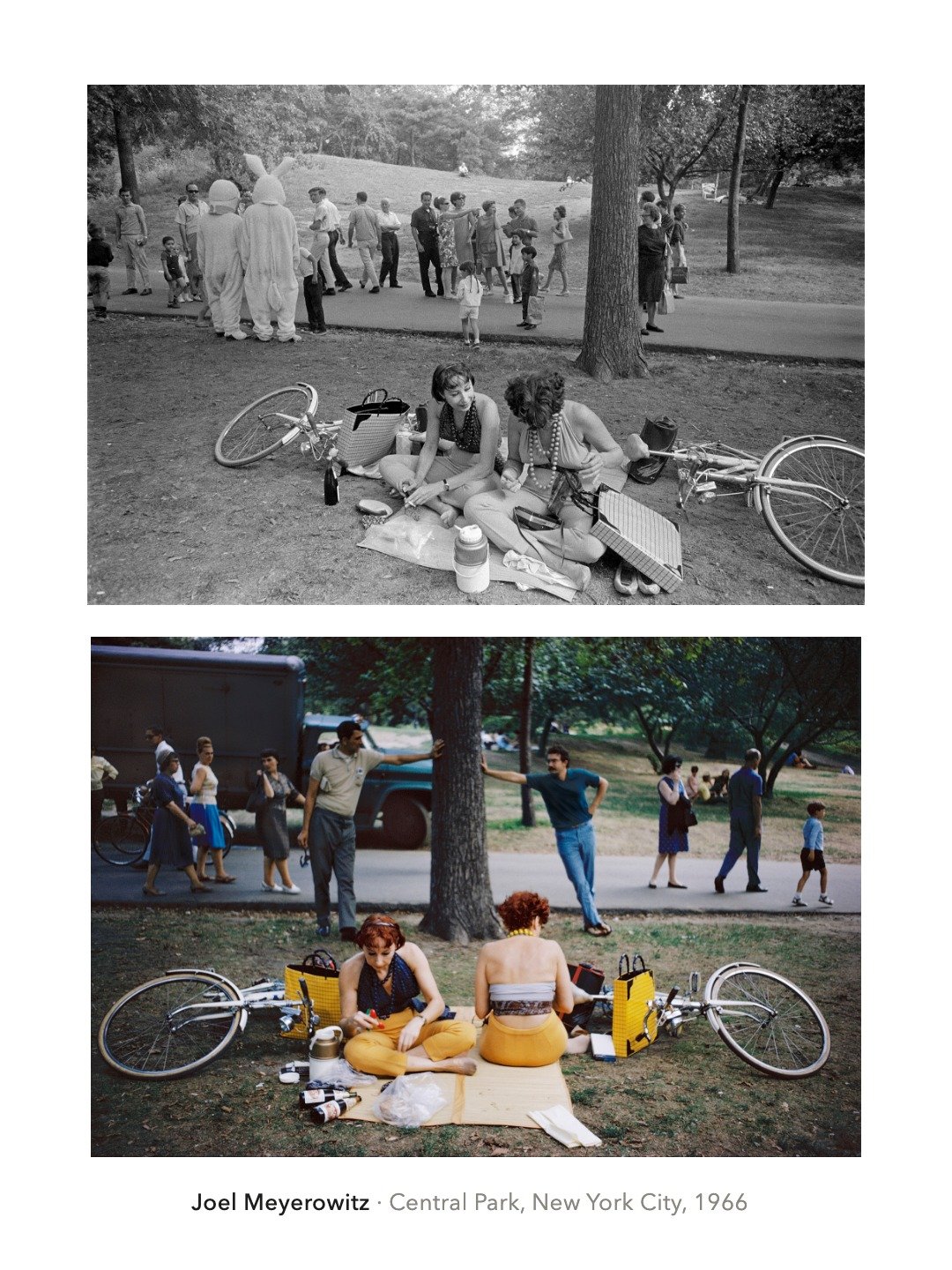
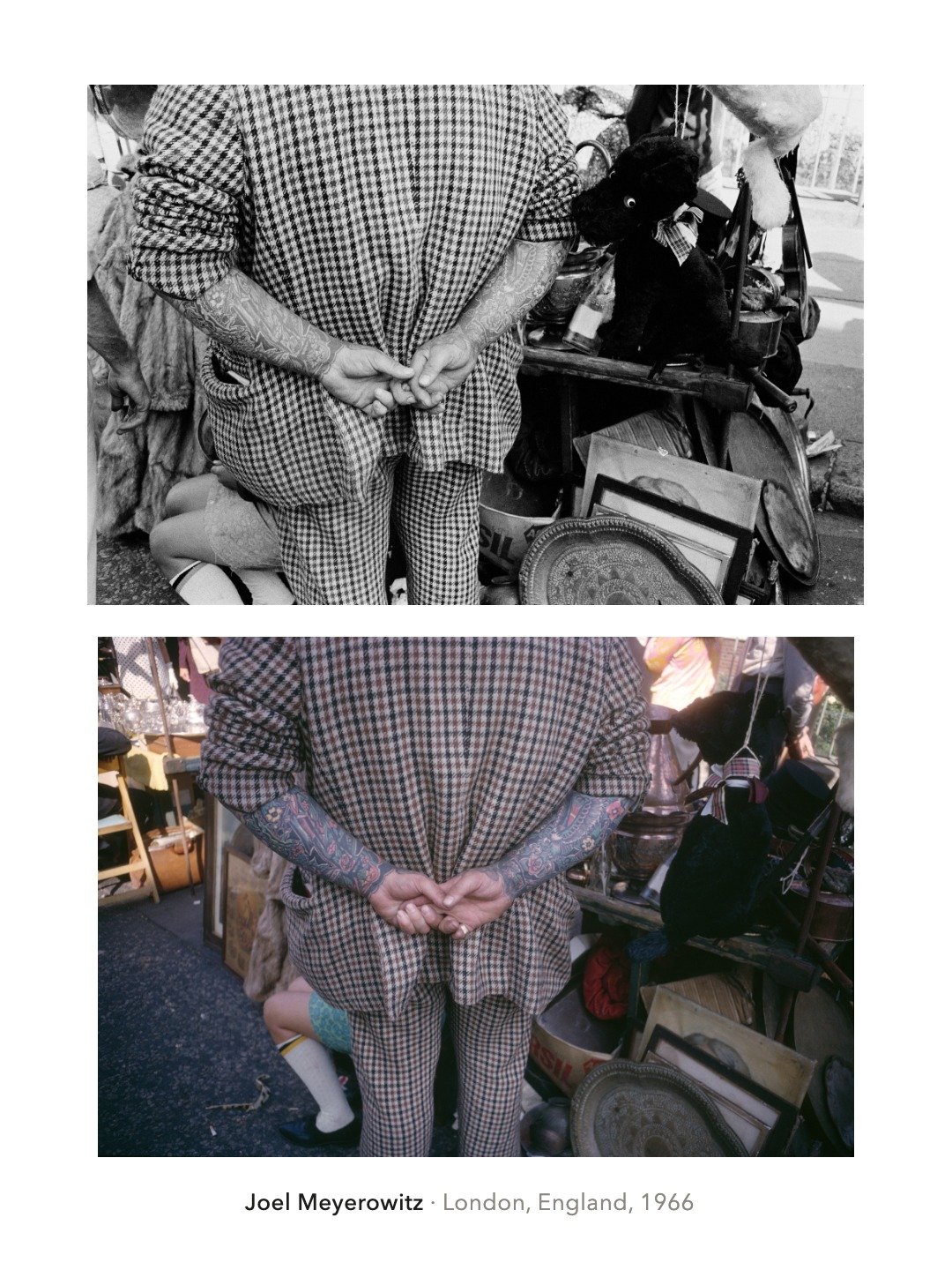
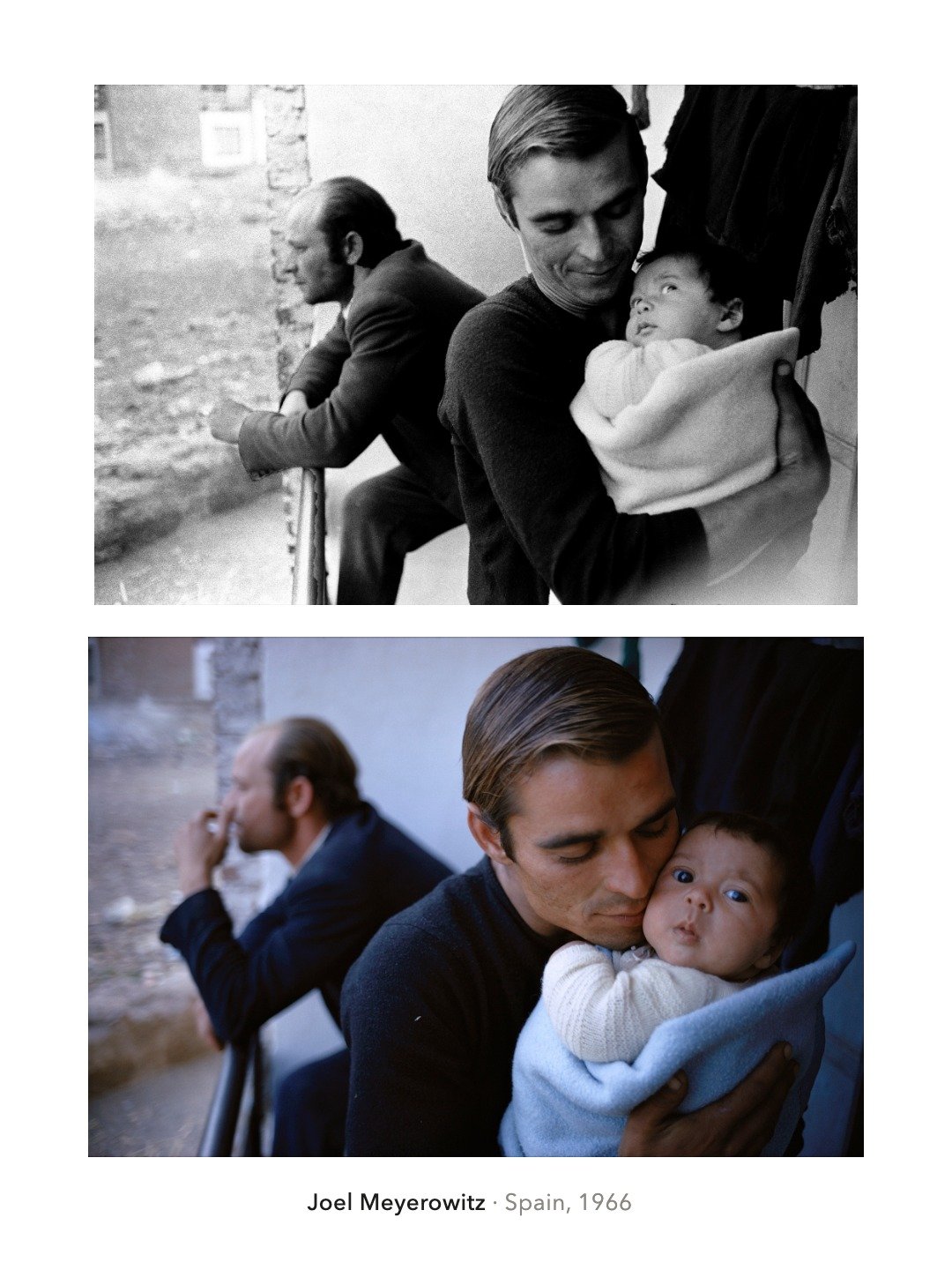
On the street he carried two Leicas at once, one loaded with colour and one with black and white, to find out which of them said more. He worked the city on foot, often beside Garry Winogrand, and in 1966 and 1967 he crossed the Atlantic and kept walking: London, Paris, the south.
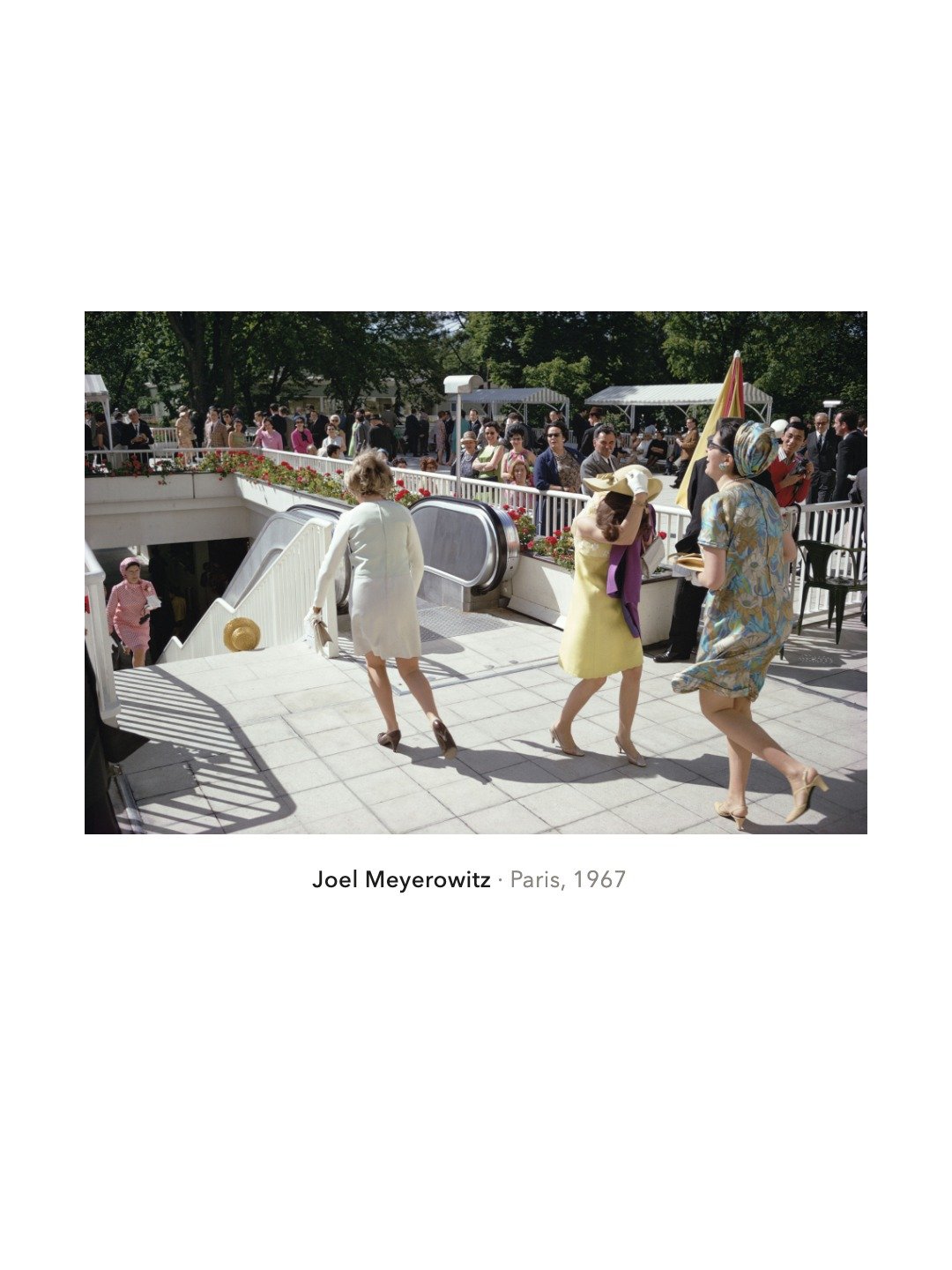
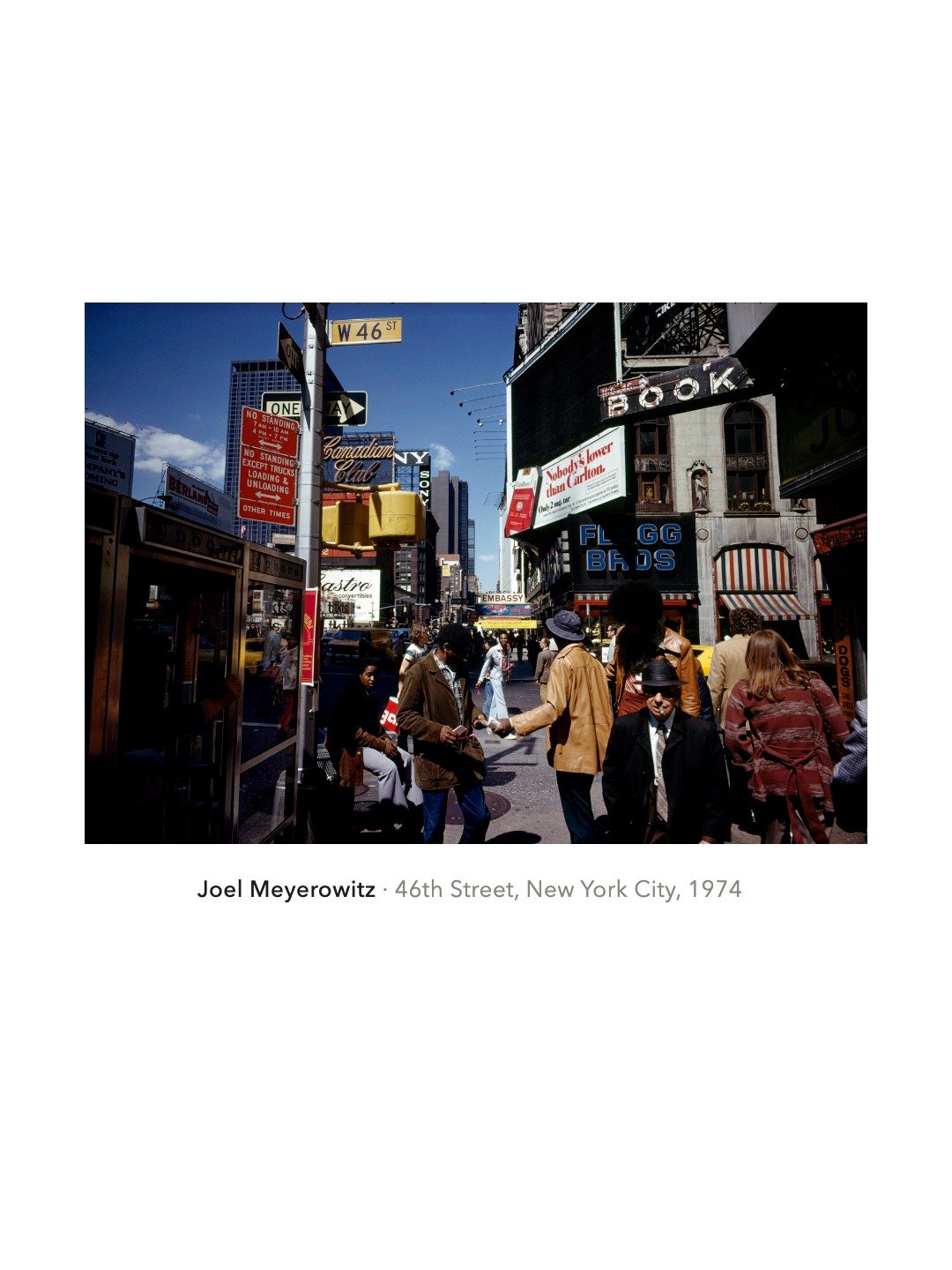
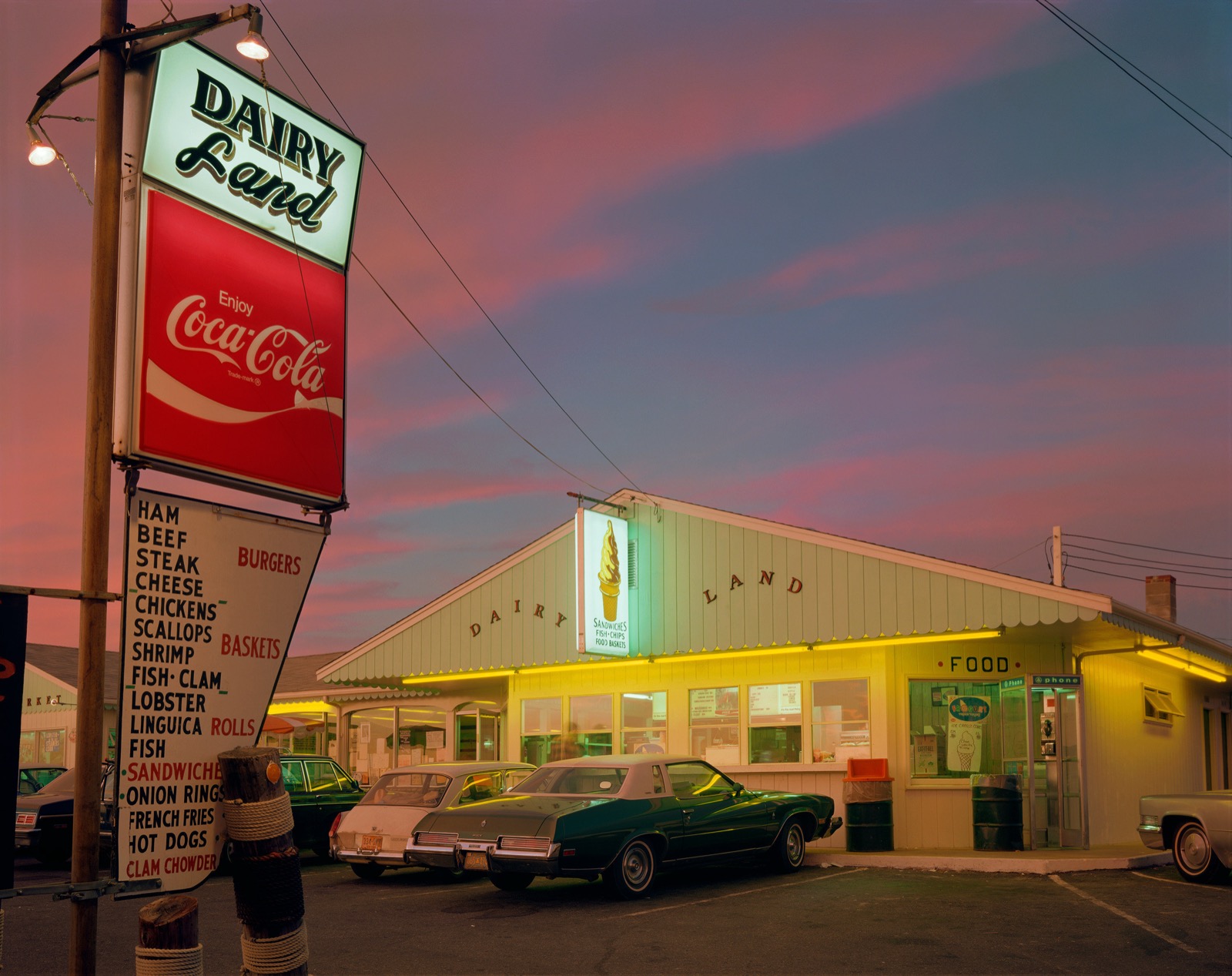
At the time, serious photography was black and white, and colour belonged to advertising. He loaded Kodachrome anyway, and by the middle of the 1970s he had given his work almost entirely to colour. For fifteen years he carried a Leica through the streets of New York. Then, in 1976, he set it down for a large camera, a change he called "moving from jazz to classical music."
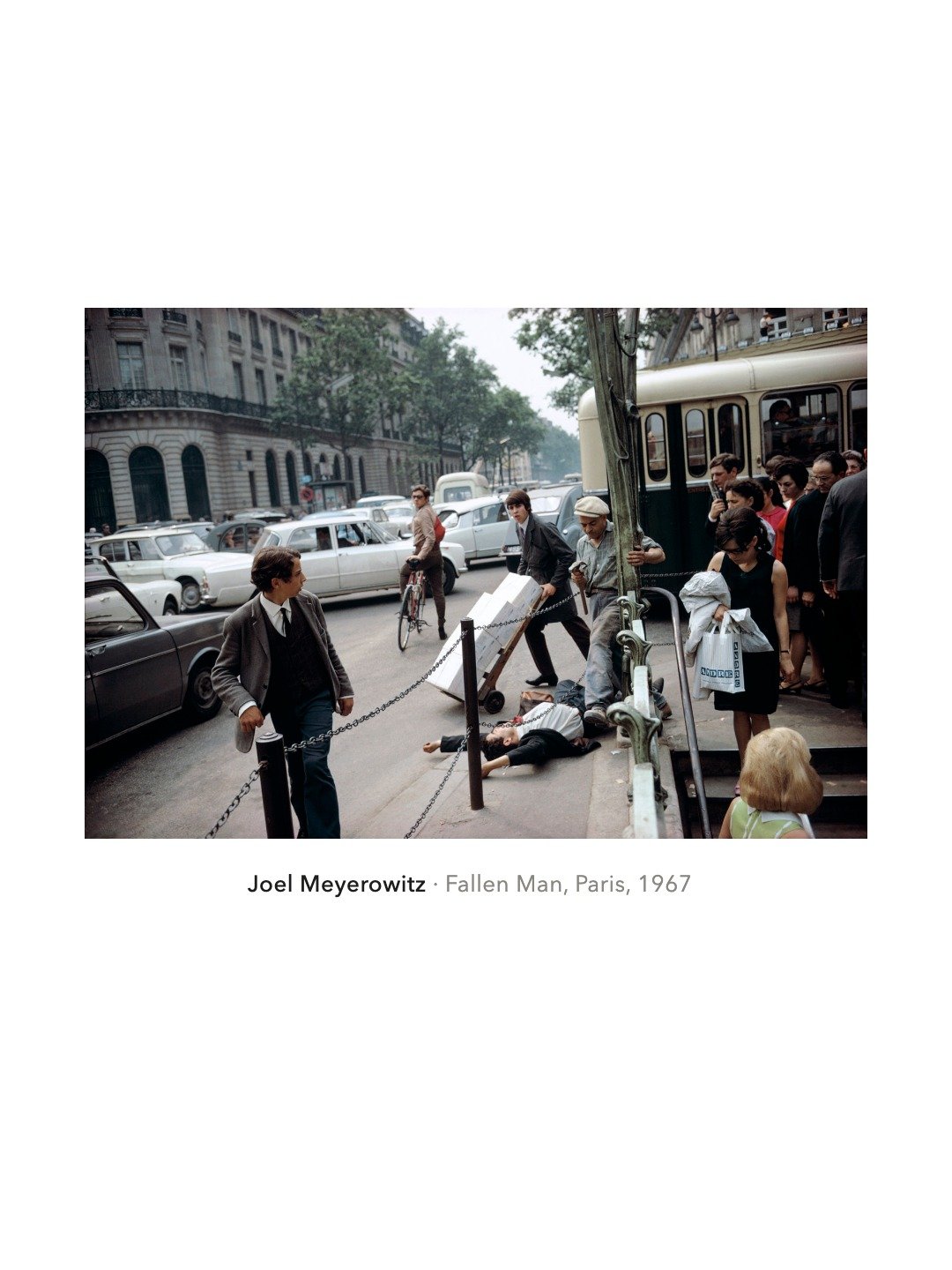
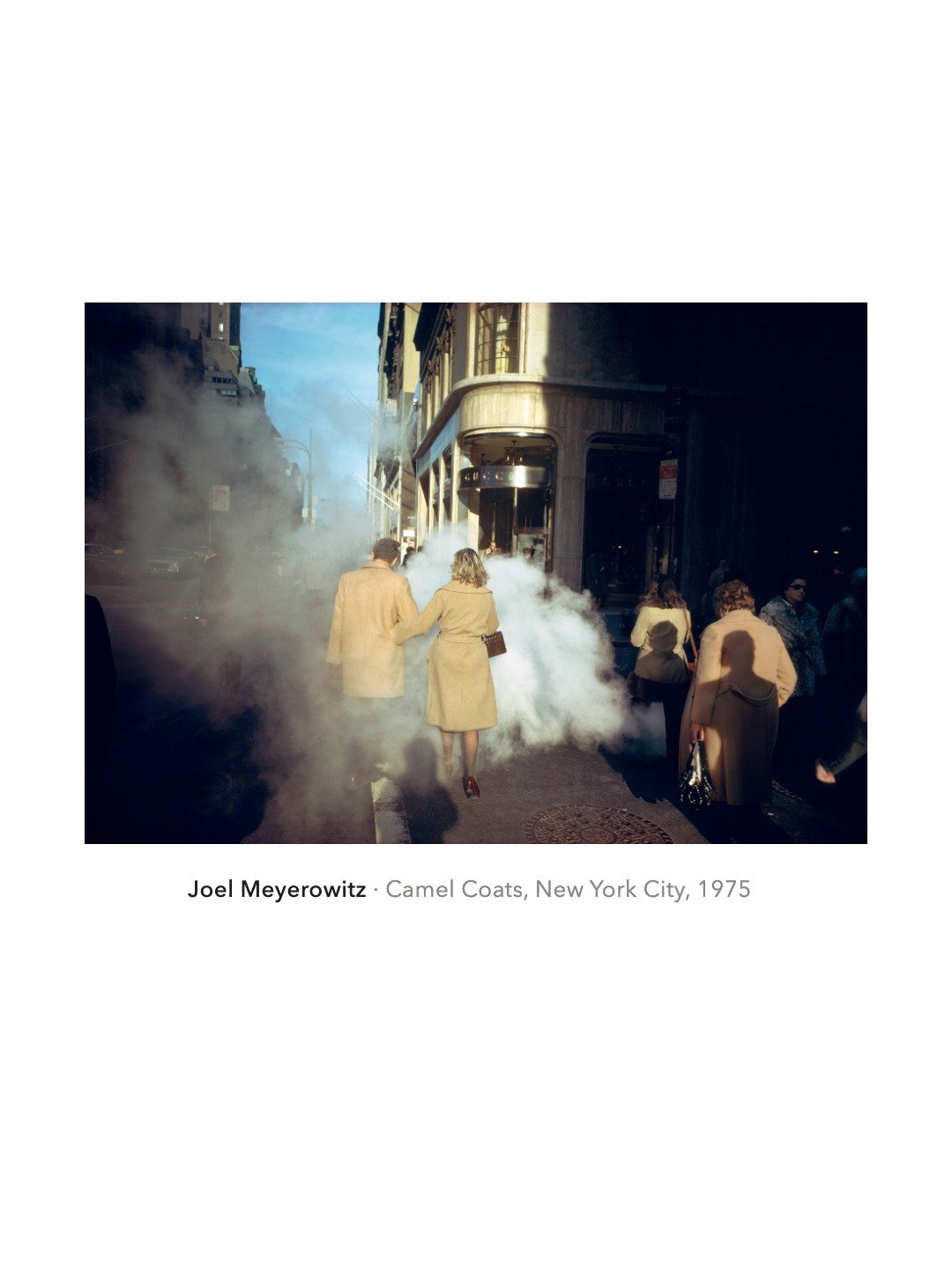
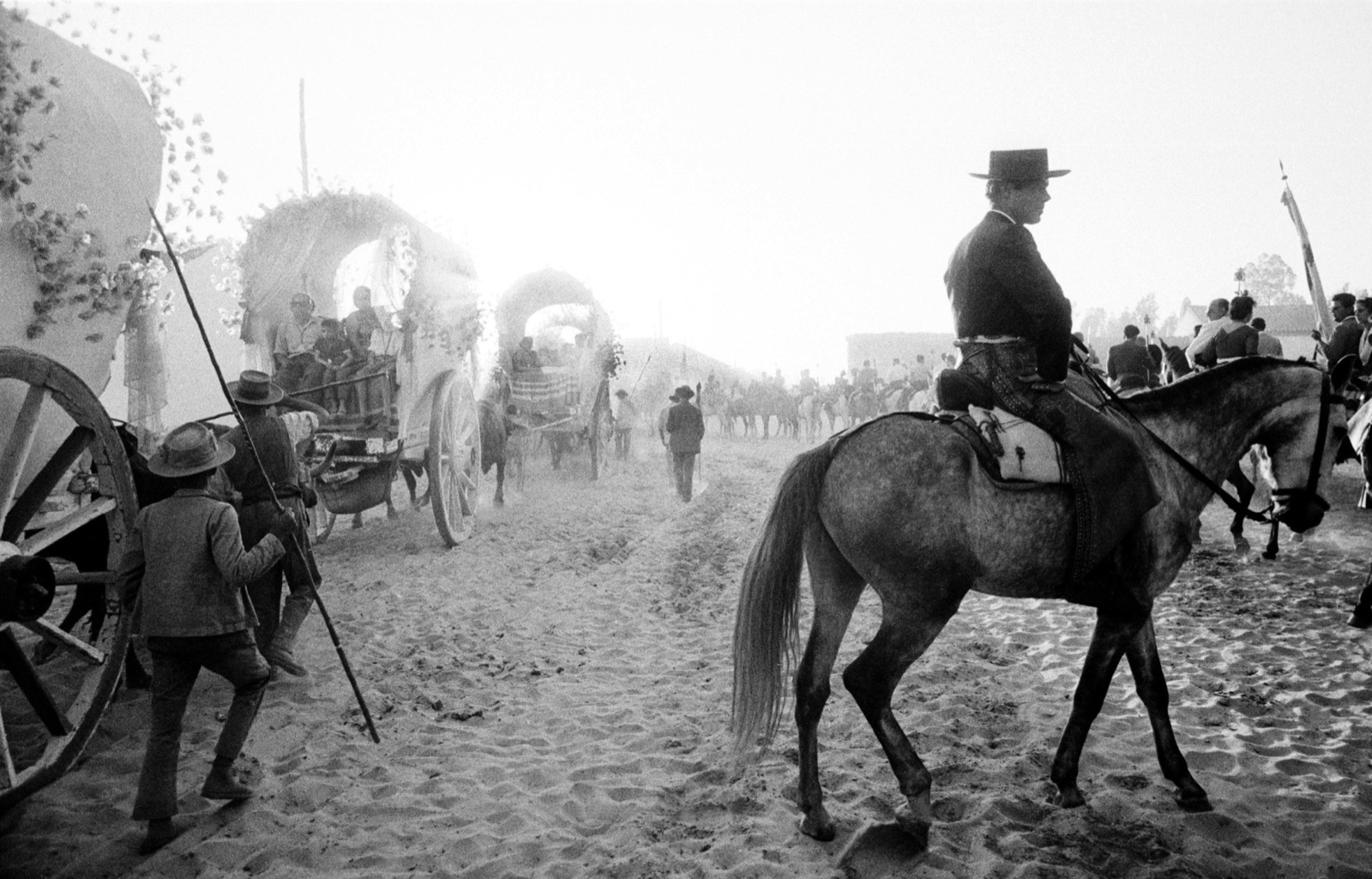
Works, in order of appearance: New York, 1965 · California, 1964, in black and white and in colour · New York City, 1965 · Christmas at Kennedy Airport, 1968 · Central Park, New York City, 1966, in black and white and in colour · London, England, 1966, in black and white and in colour · Spain, 1966, in black and white and in colour · Paris, France, 1967, in black and white and in colour · Fallen Man, Paris, 1967 · Paris, 1967 · 46th Street, 1974 · Camel Coats, 1975.
Click on any photograph to see its technical details and availability.