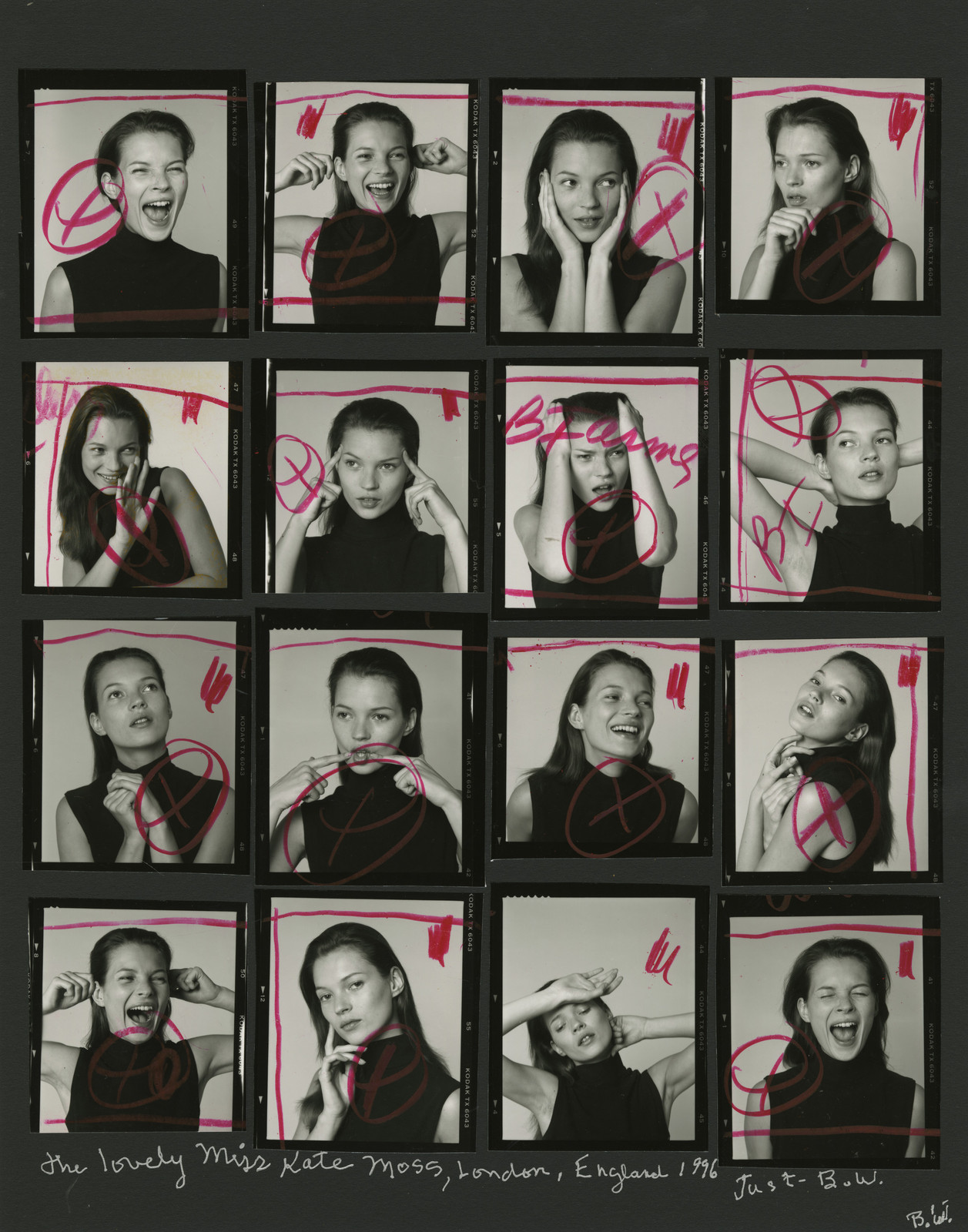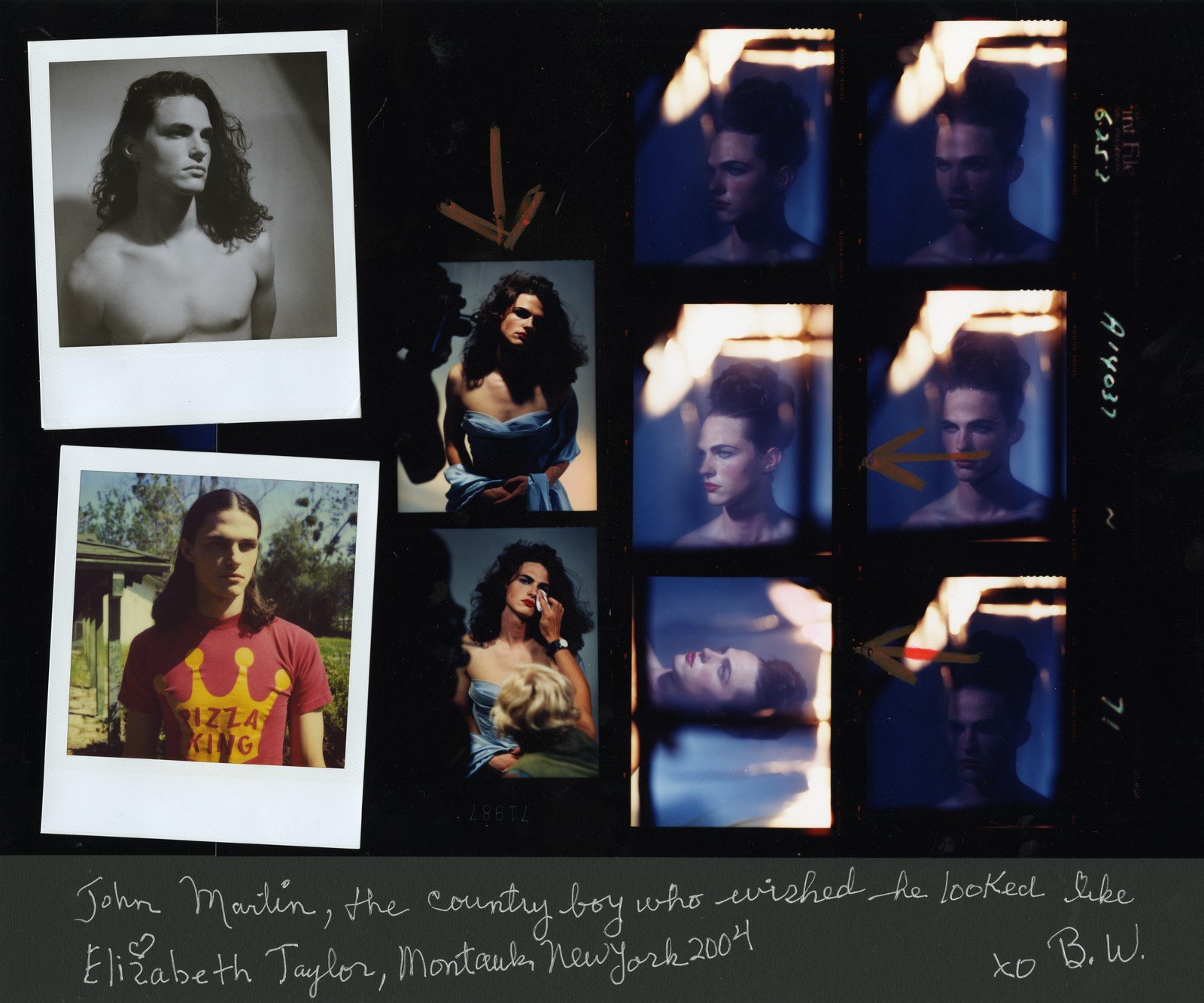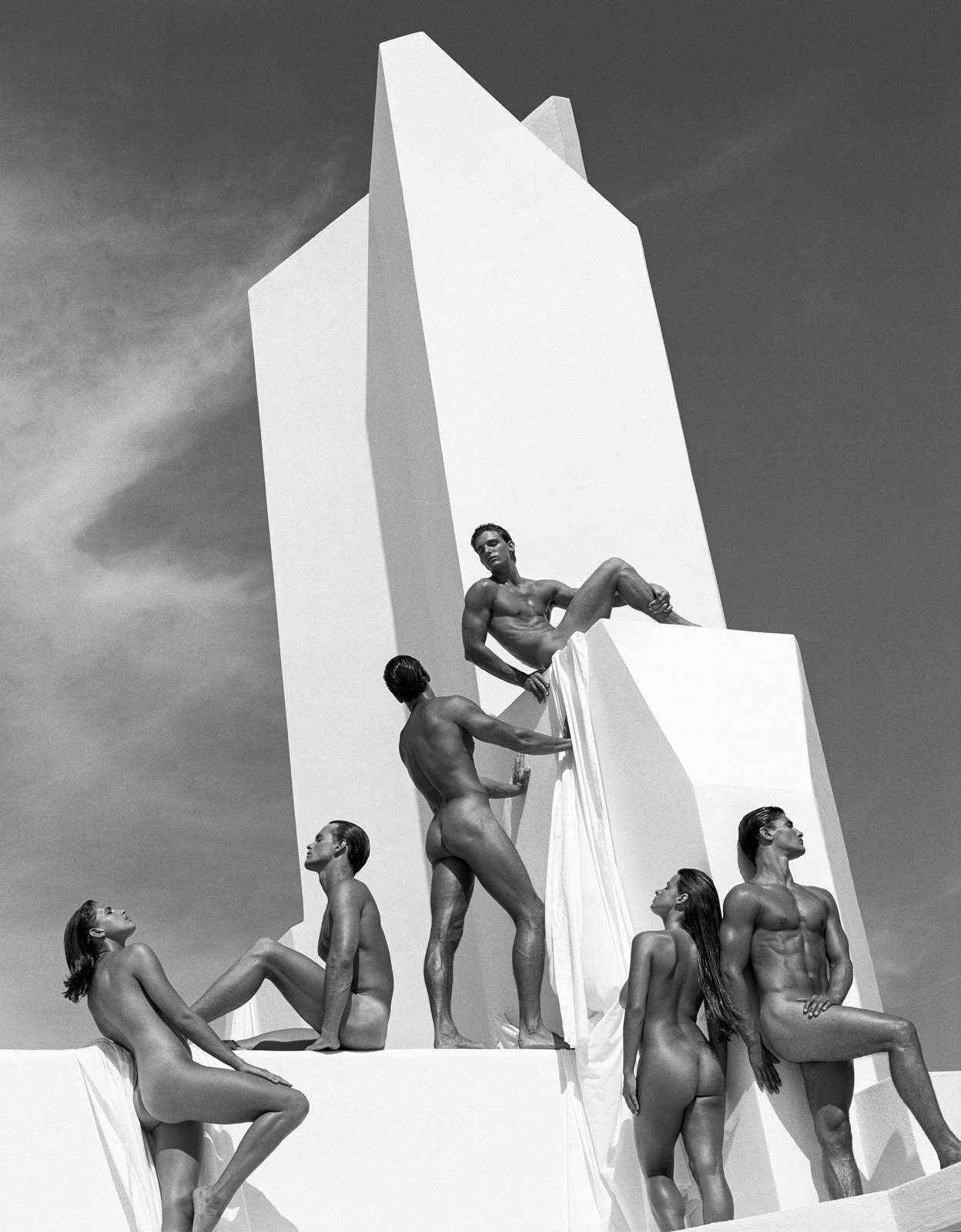
For the Bicentennial of Photography, Bruce Weber has created a suite of 69 unique works for Paris Photo 2026 at the Grand Palais, in an exhibition curated by Pancho Saula and Nathaniel Kilcer.
The works can only be acquired as a set.
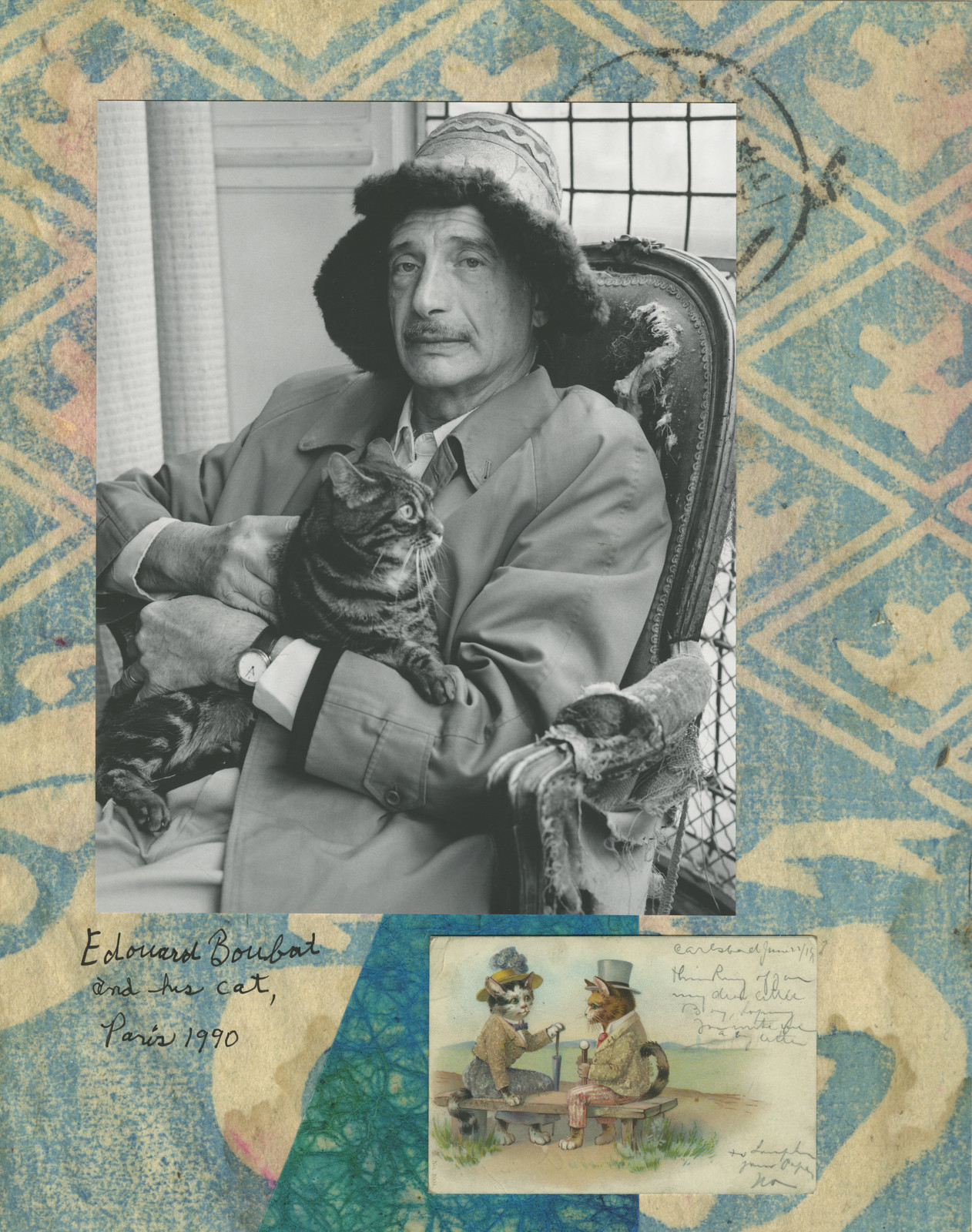
Every work in the suite is his own. The inspiration comes from the collection he and Nan Bush have built over fifty years, the photographs that fill their homes, and from the artists he counts among his heroes: the photographers Edward Weston, Lisette Model, Cecil Beaton, Diane Arbus, Richard Avedon, Édouard Boubat, William Gedney, Danny Lyon, Larry Clark and Robert Mapplethorpe; the painter Paul Cadmus and his circle, including George Platt Lynes; the writer James Baldwin; and two poets of cinema, Jean Cocteau and Pier Paolo Pasolini.
The suite unfolds in chapters built around these figures. Each opens with a new photograph in which Weber stages pieces from the collection in the rooms and gardens where they live: the Weston prints along a mantelpiece above a brick fireplace, Beaton's on a garden bench among the vines, the Cadmus circle heaped on a daybed where a cat has settled, an Avedon portrait under a magnifying glass. The collection enters the work through his lens. Around these still lifes he gathers his own images of fashion, nudes, portraits, friends, dogs, beaches, film sets and music, chosen for what they share with each hero.
Sometimes the echo is a way of looking, a quality of light, a tenderness towards the person in front of the camera; sometimes it is a subject, and not always the expected one.
Mapplethorpe calls up Weber's portraits of artists and the male nude; Arbus, Lyon and Clark, the documentary work he has pursued since his earliest days; Avedon, boxers and the formal portrait; Beaton, style and society; Cadmus, circles of artists and dancers; Pasolini, the Italian cinema that shaped his eye. Boubat, more surprisingly, meets Weber's most lyrical pictures: romance and portraiture, often in the open air.
For Weber, one of the great photographers of his generation and a lifelong lover of the medium, the project has been a way of falling in love with it again. Revisiting these pictures, he rediscovered why photography is his life, and found answers to questions he had never thought to ask.
It is a deeply personal work, combining gelatin silver prints with pigment prints, Polaroids and found materials: not just the photographs, but every object in it has passed through his hands. Most pieces share one format and identical black frames, so that each reads as a page. Others break that rhythm: some bring in antique papers from his scrapbooks or reproductions of old notebook and album pages, some are mounted on other papers, and larger collages gather whole stories. One gathers the pictures of a 1982 shoot for British Vogue that Weston had inspired, some of them never published. His photographs from South Africa in 1995, the year after Mandela's election, of Iman and David Bowie and of the couple with Mandela himself, answer the civil rights photographs in the collection. On the wall, the ensemble reads less as a group hang than as a book unfolded into space.
His handwriting runs through the pages, and typed texts join it on some of them: notes to a younger self, memories of sitters and friends, dates, dedications, fragments of dialogue from his shoots, snatches of lyrics, reflections on why certain pictures have stayed with him. A notebook kept with the works takes these thoughts further. Image and voice move side by side, intimate and public at once, like an artist's diary left open.