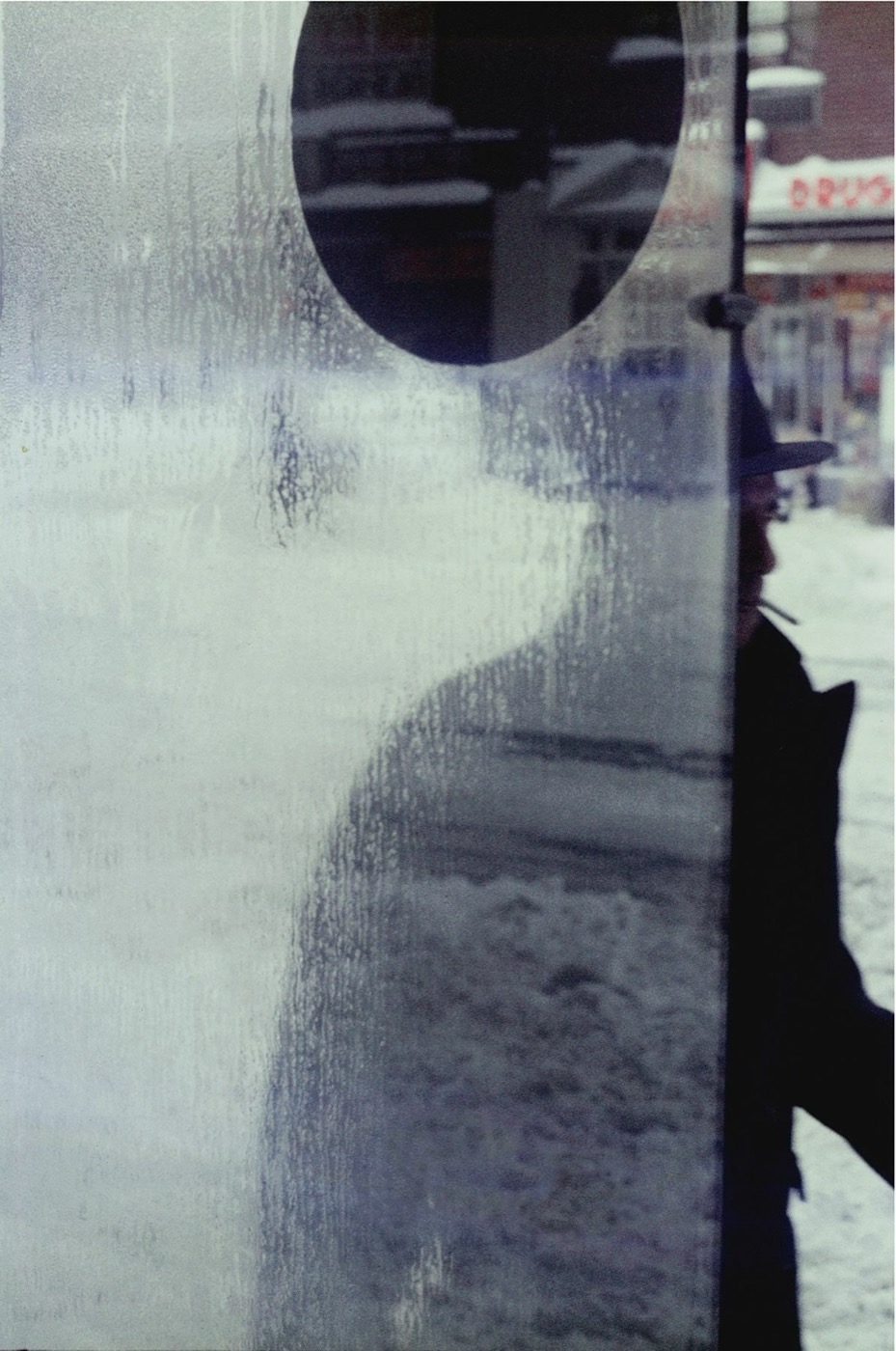
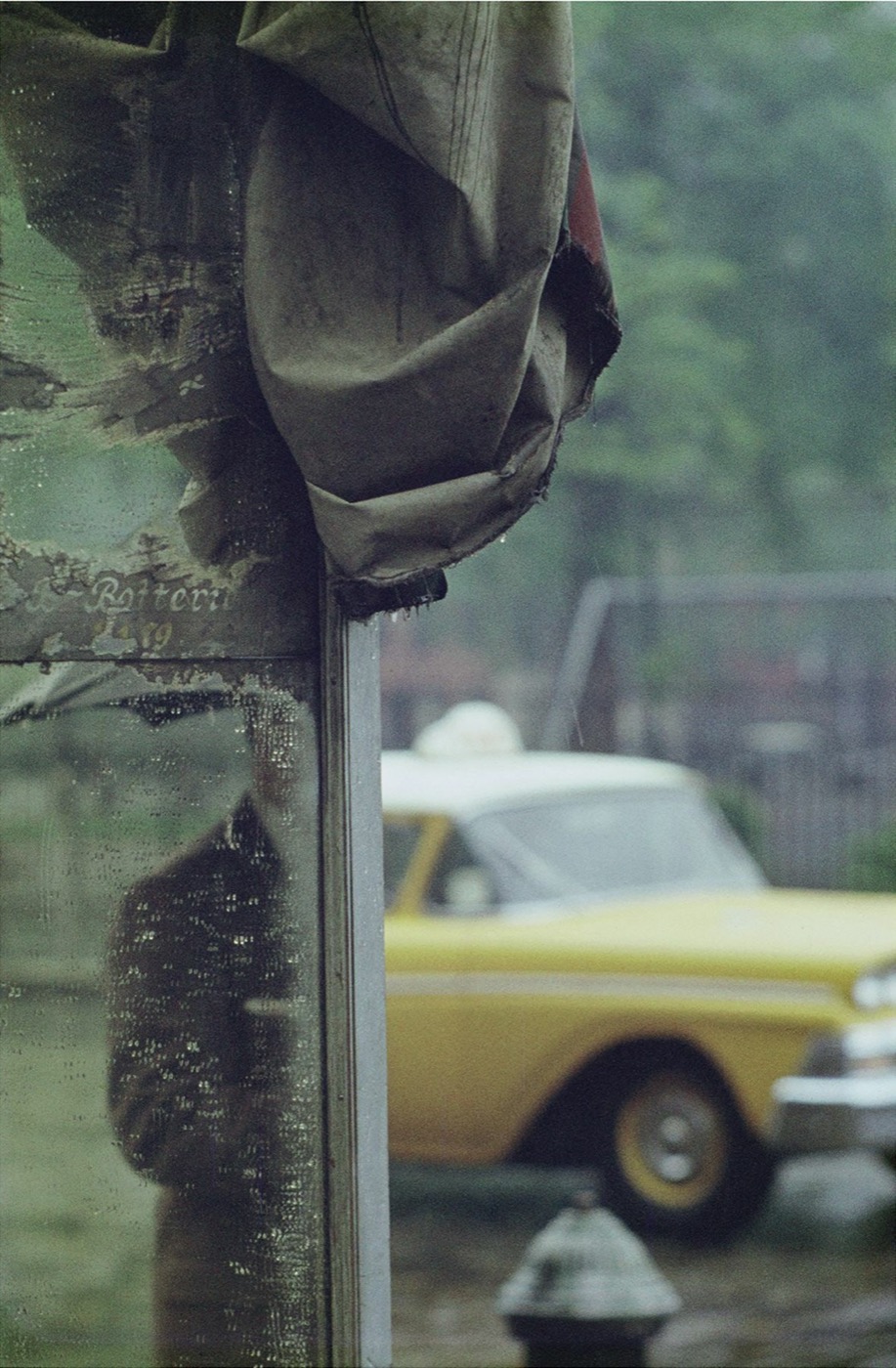
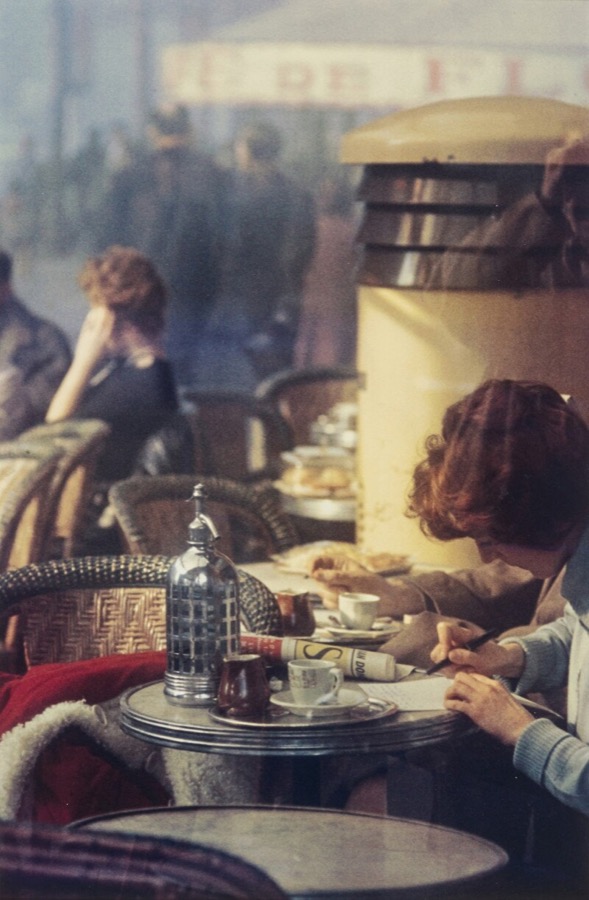
 Café, Paris, 1959.A café table, shot from across it and slightly above.
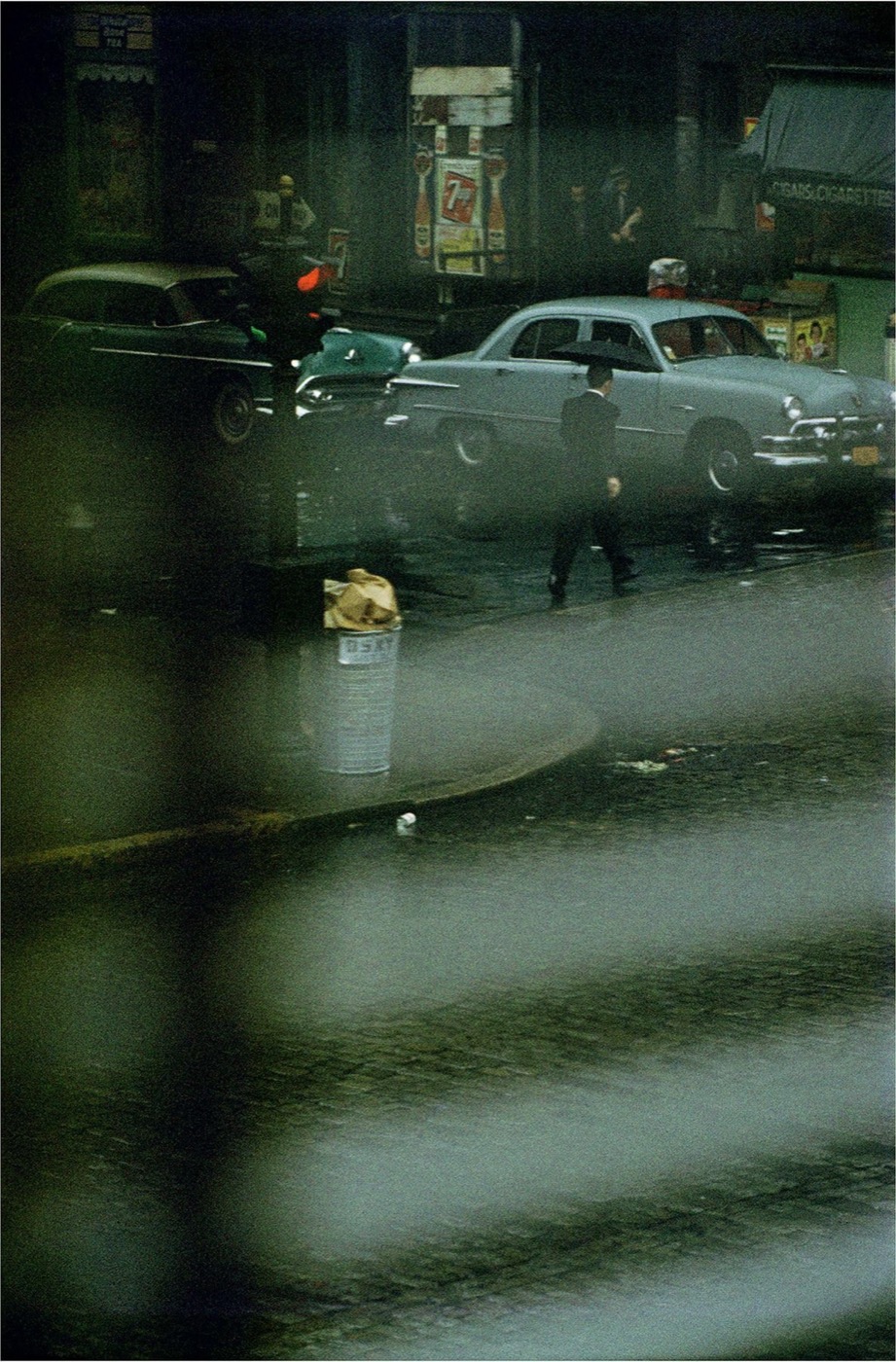
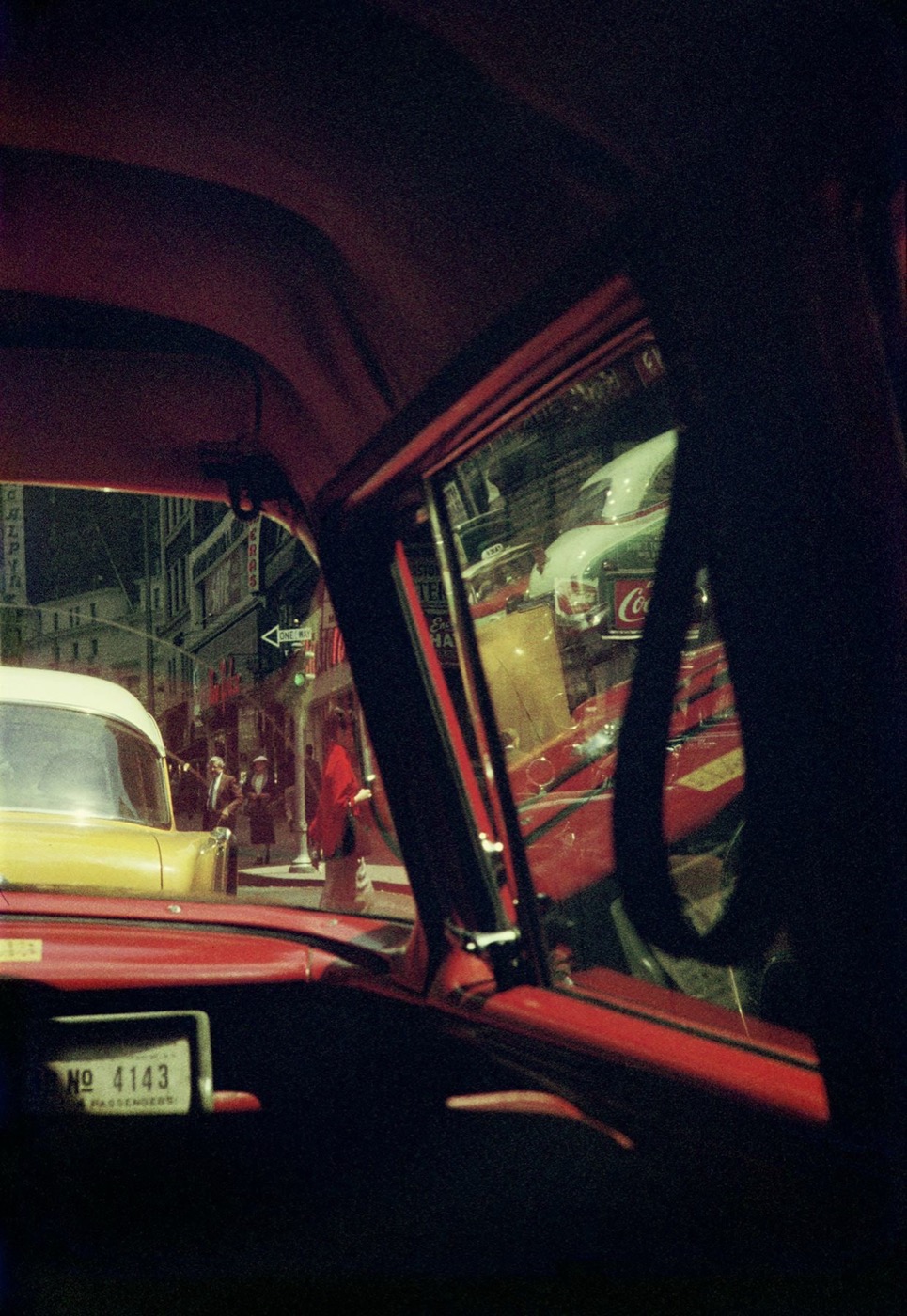
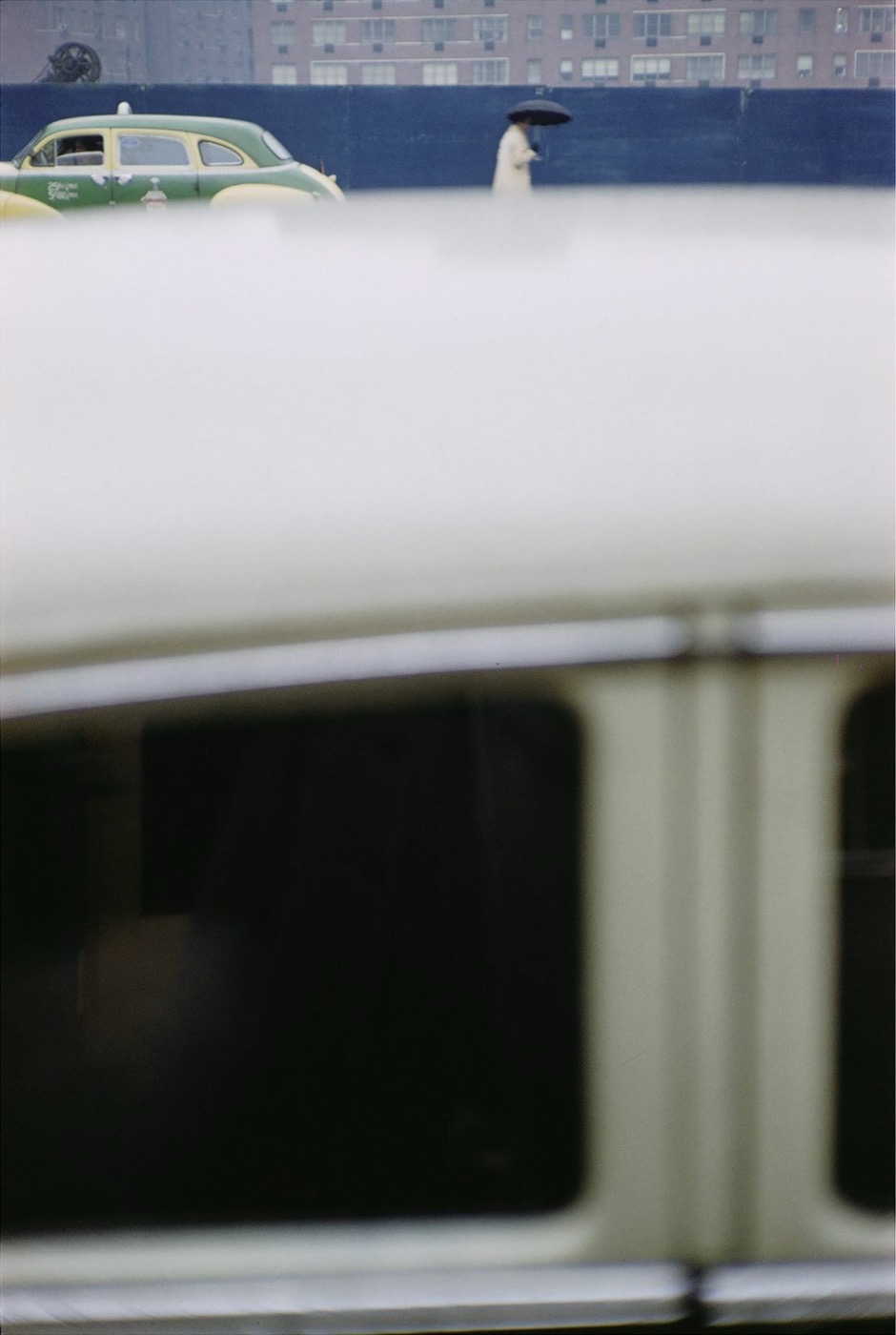 Untitled (C-002373), 1959.Most of this photograph is given over to something you can't quite see: a soft, creamy slab of out-of-focus car that swells up from the bottom of the frame and takes the whole middle, a dark window…
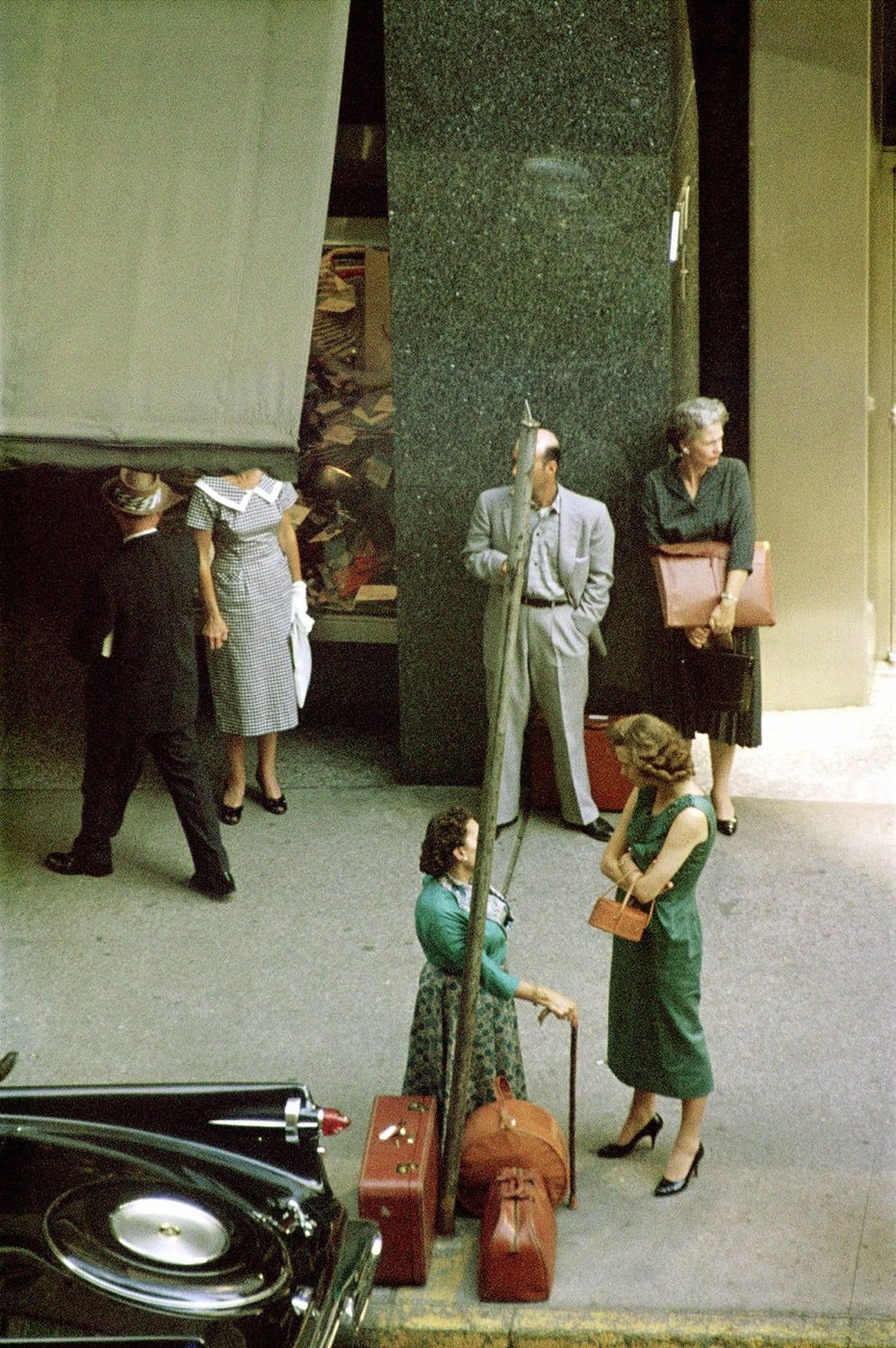
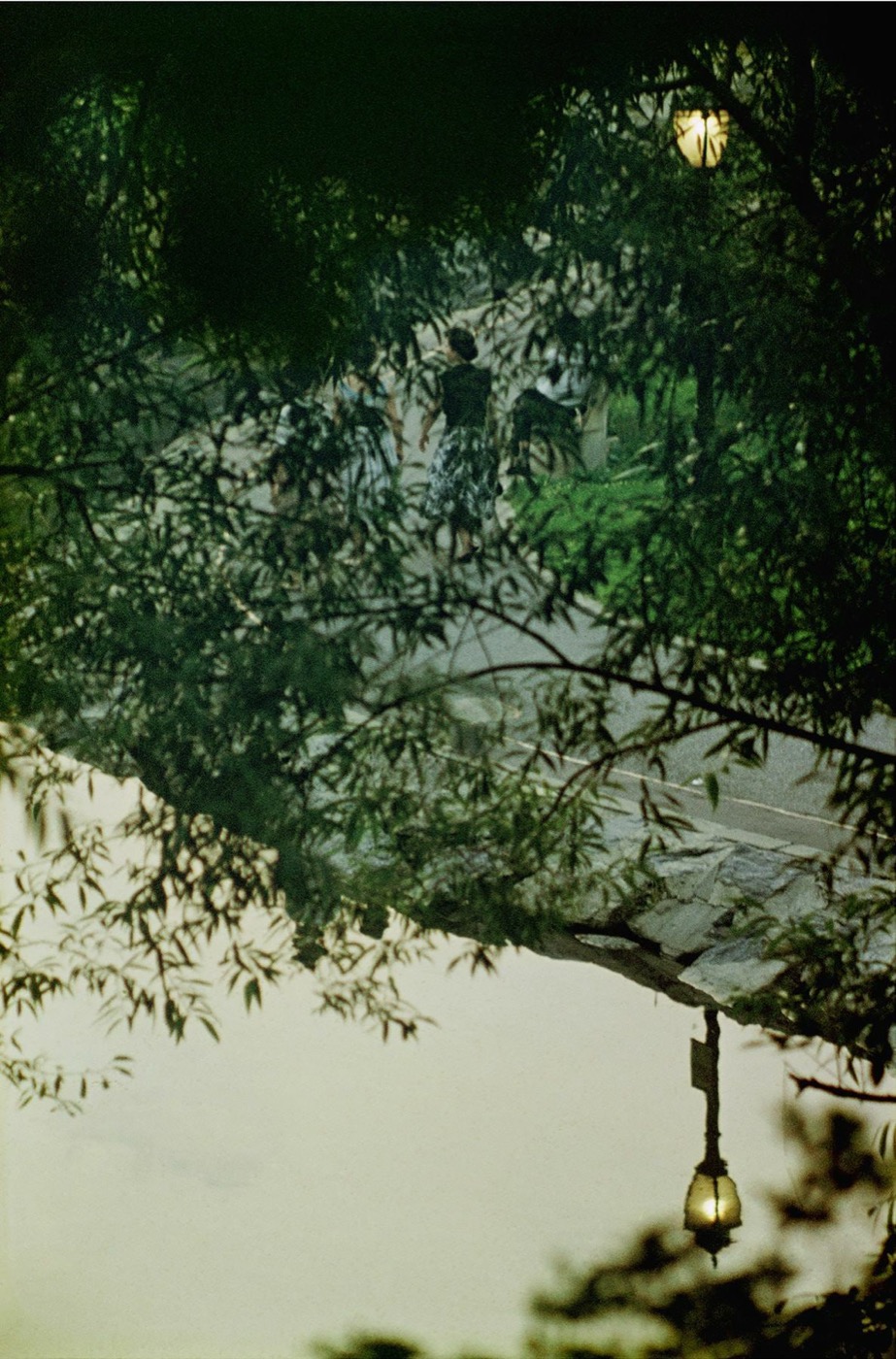
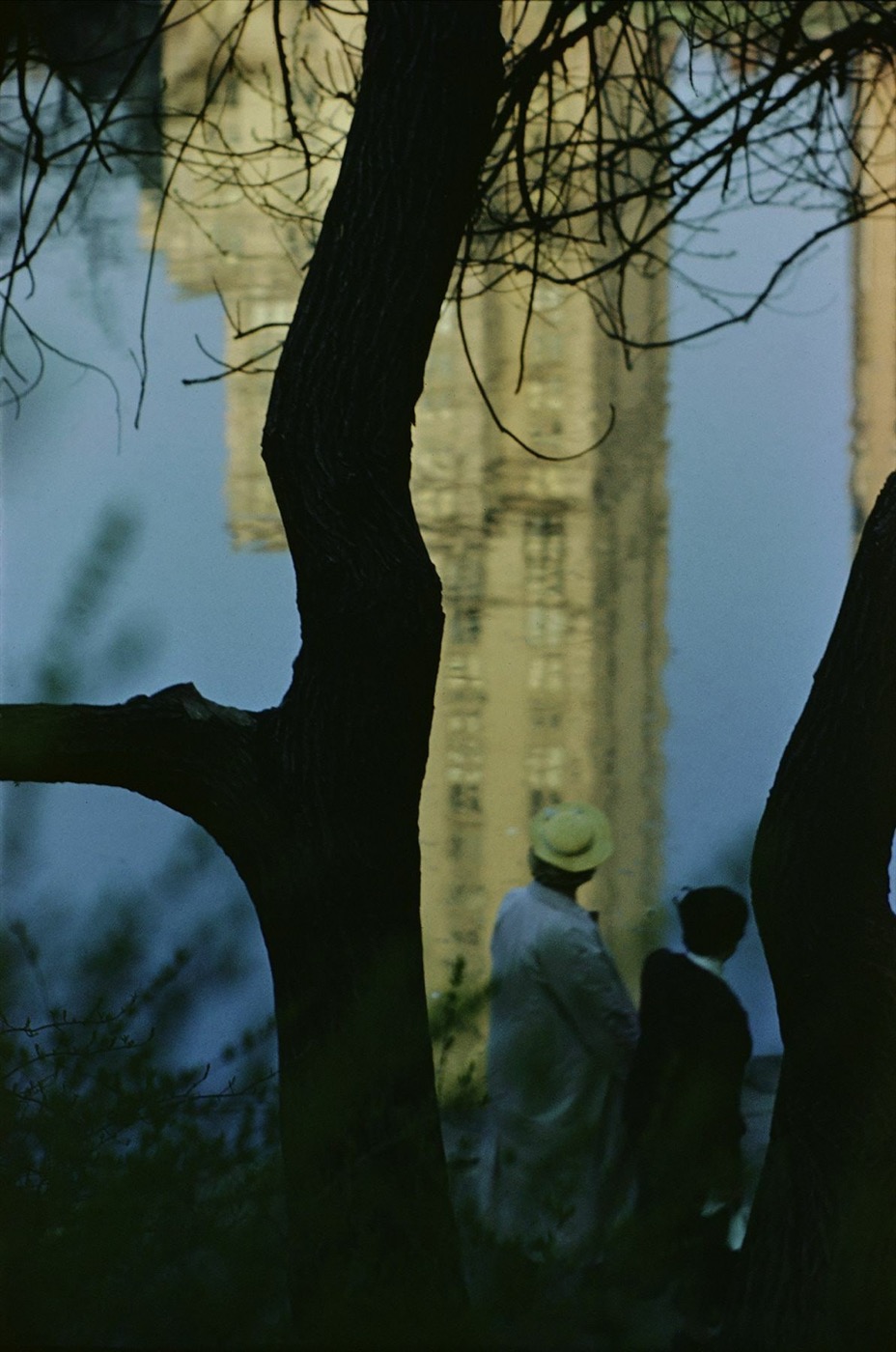
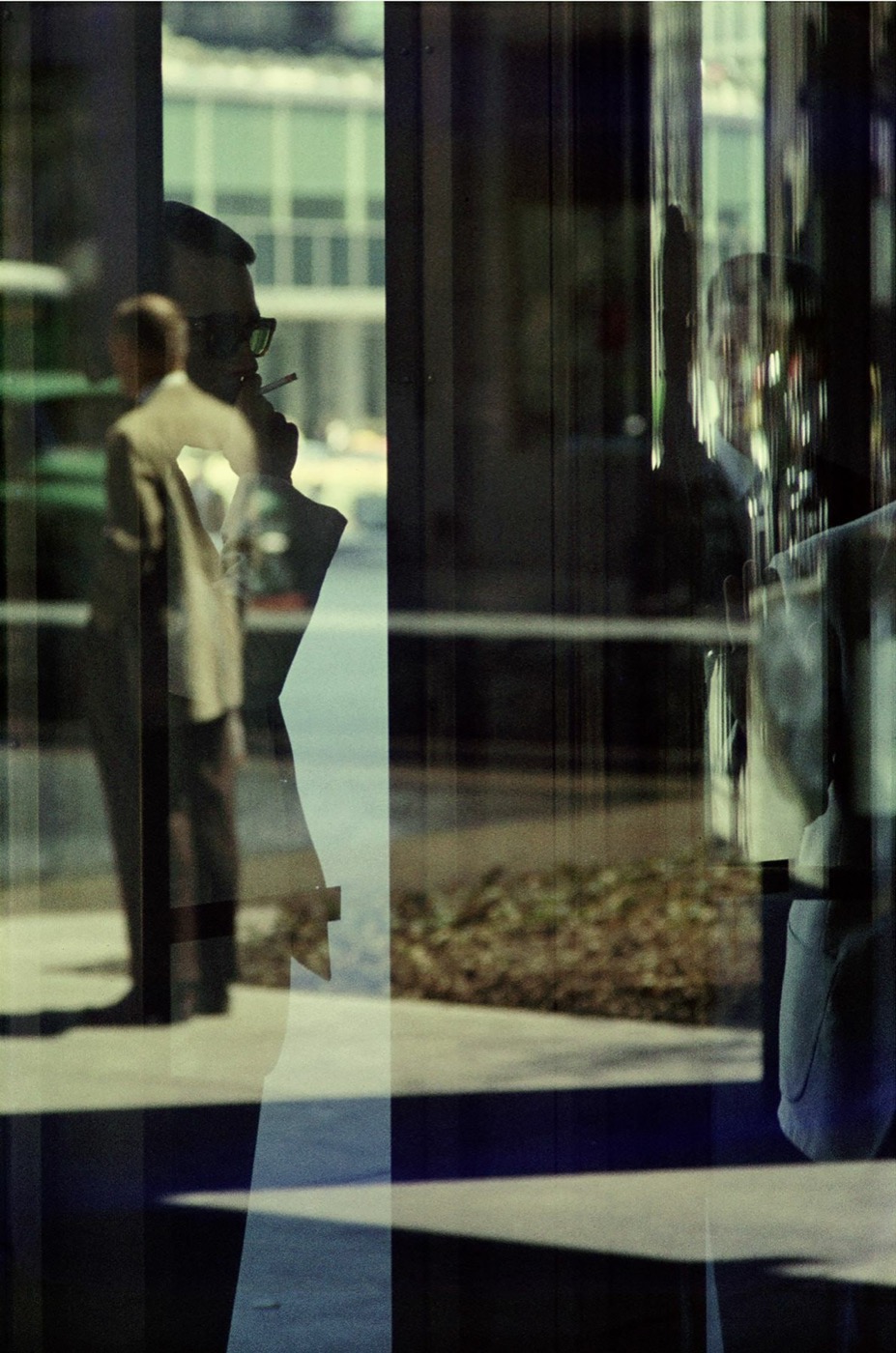
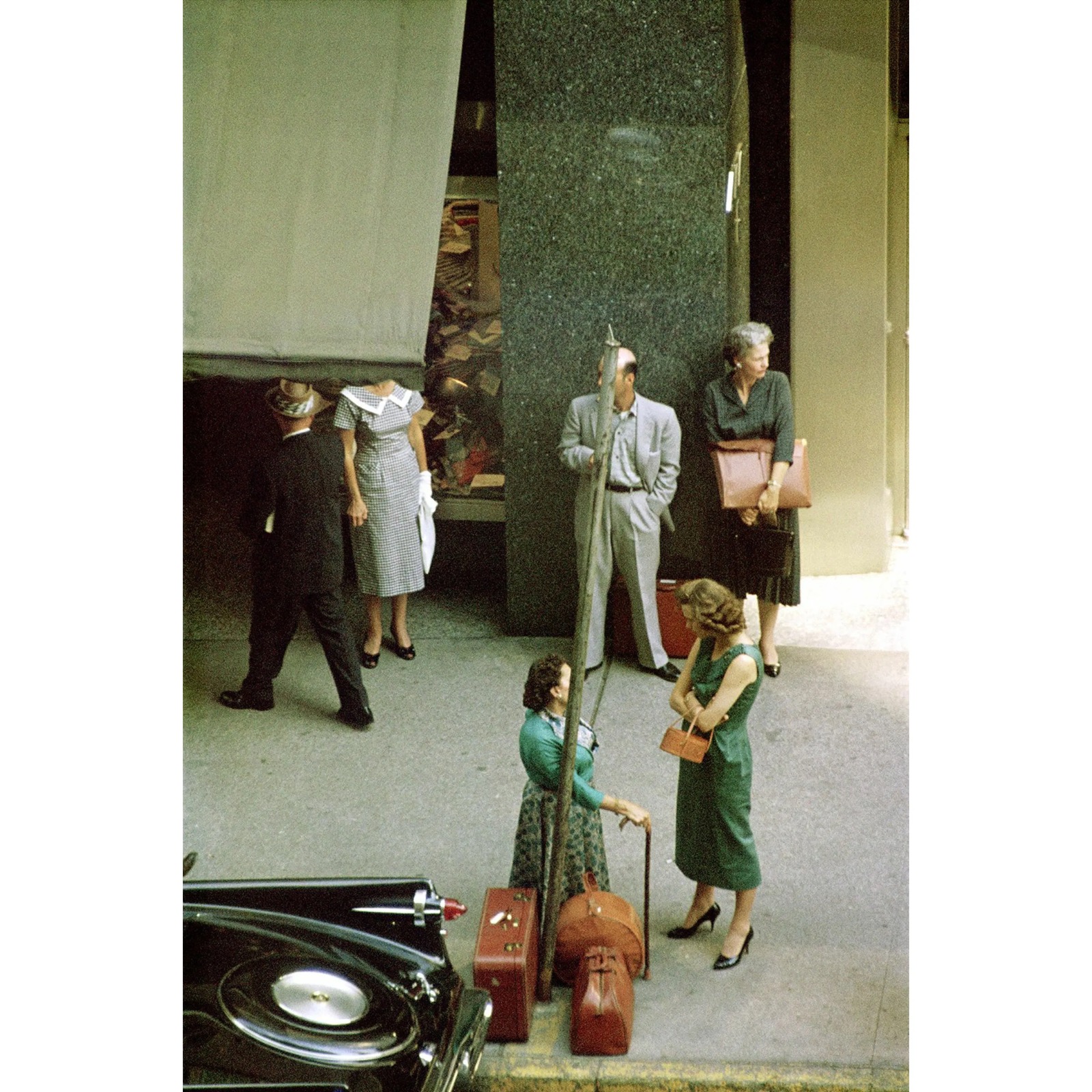
 Untitled (C-000744)You wait the longest time for the people to arrive, and when they do they're almost not there.
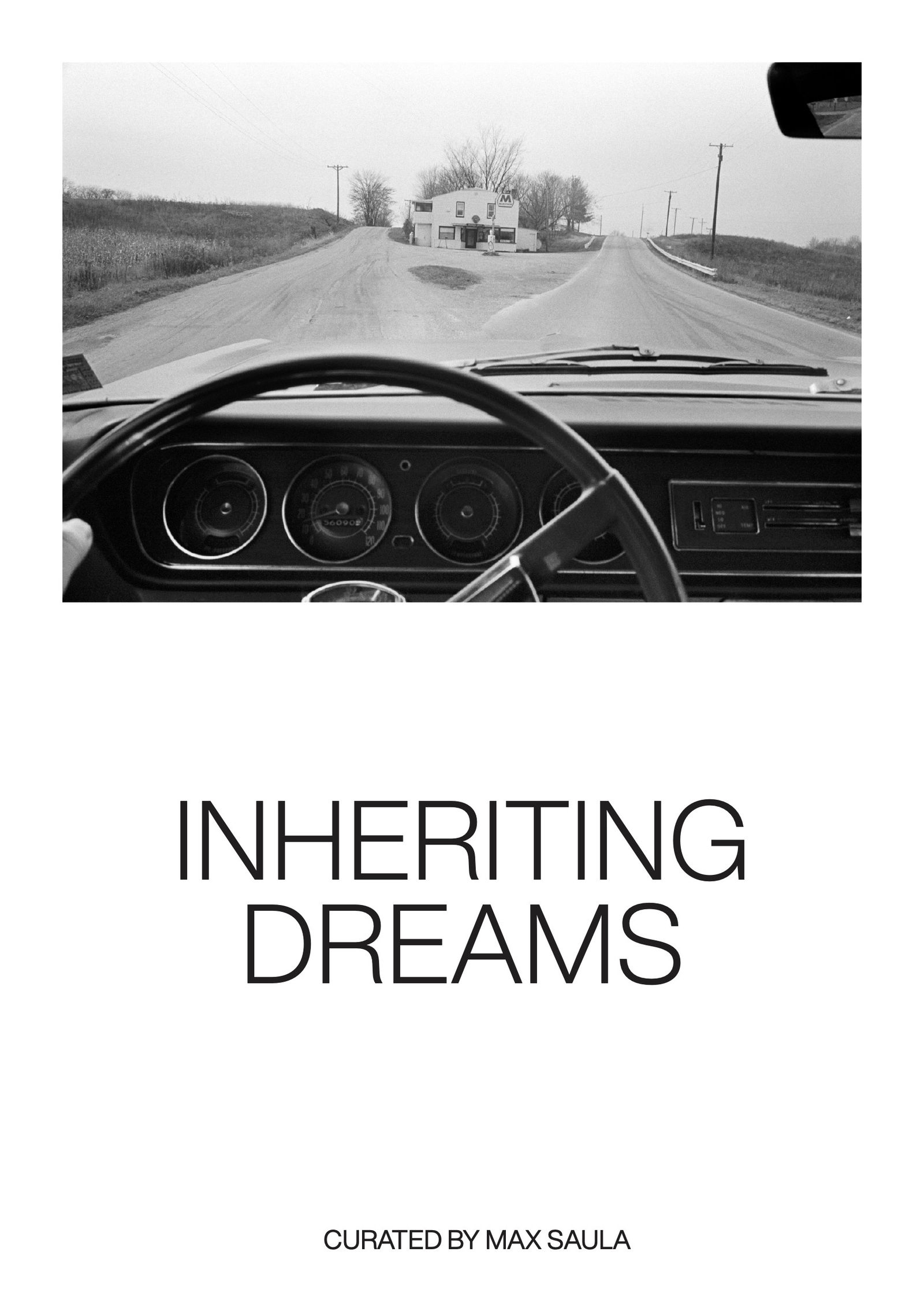
Inheriting Dreams: Curated by Max Saula
Essay by Christian Caujolle11 September – 7 November 2025We are delighted to announce our upcoming exhibition: "Inheriting Dreams", curated by Max Saula, the nineteen-year-old son of the gallery's founders.Read moreOn Tour in Barcelona 2025
Inheriting Dreams: Curated by Max Saula24 – 26 September 2025It is our great pleasure to invite you to a three-day private exhibition in Barcelona, Inheriting Dreams , curated by our son, Max Saula. On view will be a selection...Read more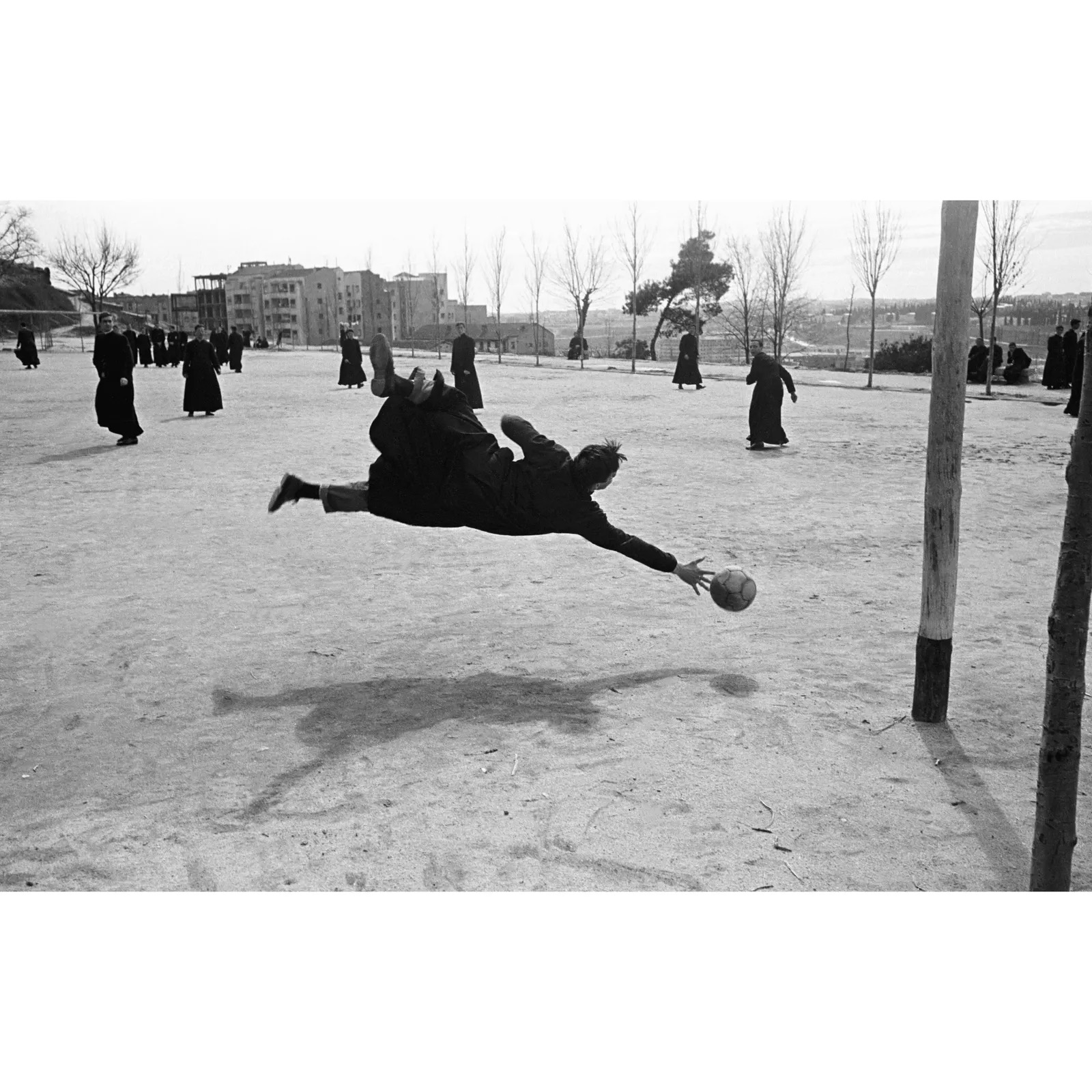
On Tour in Barcelona 2024
Spring 20249 – 12 April 2024On view will be a selection of works by Berenice Abbott, William Klein, Jessica Lange, Saul Leiter, Ramón Masats, Robert Mapplethorpe, Vivian Maier, Steven Meisel, Ray K. Metzker, Joel Meyerowitz,...Read more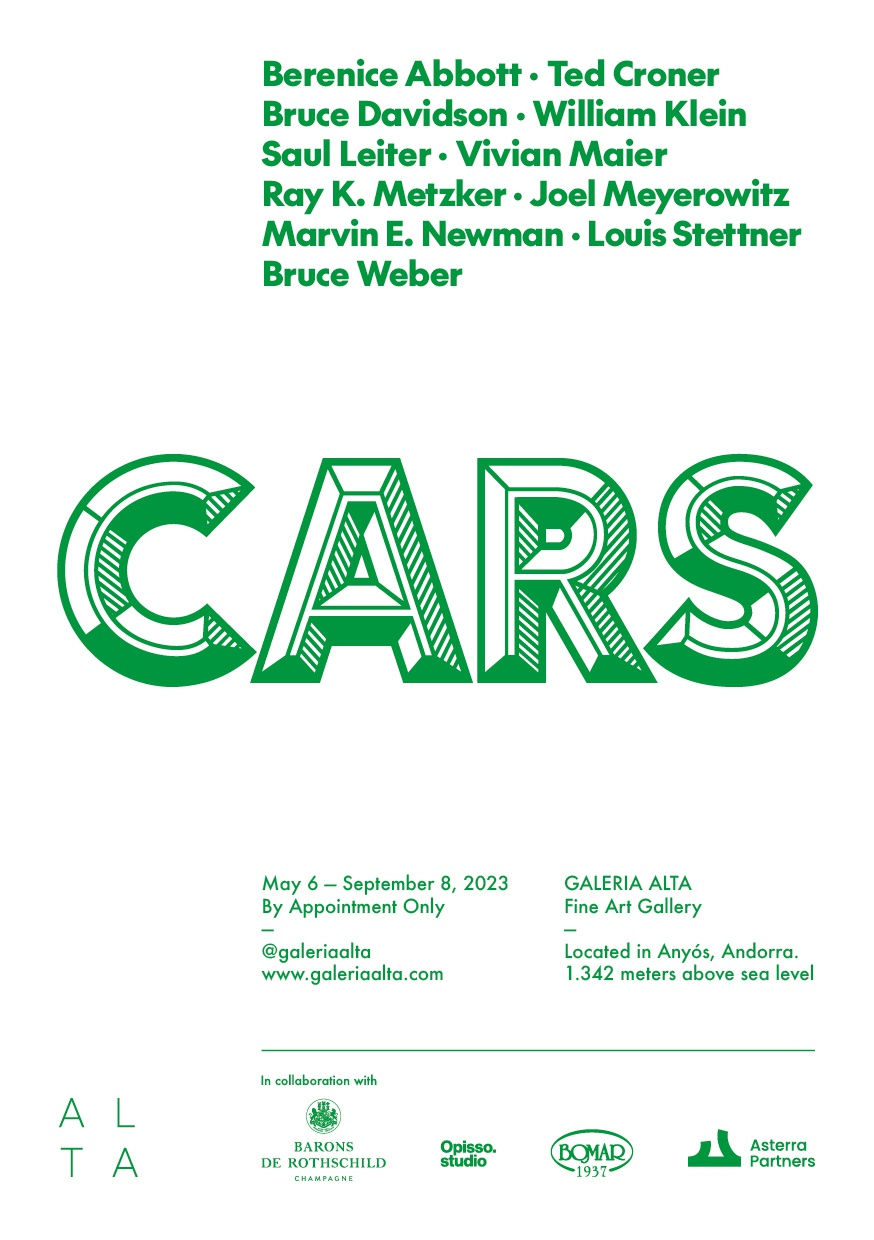
Cars and Photography
6 May – 26 September 2023Galería Alta is pleased to present a collective exhibition around the theme “Cars” and Photography.Read more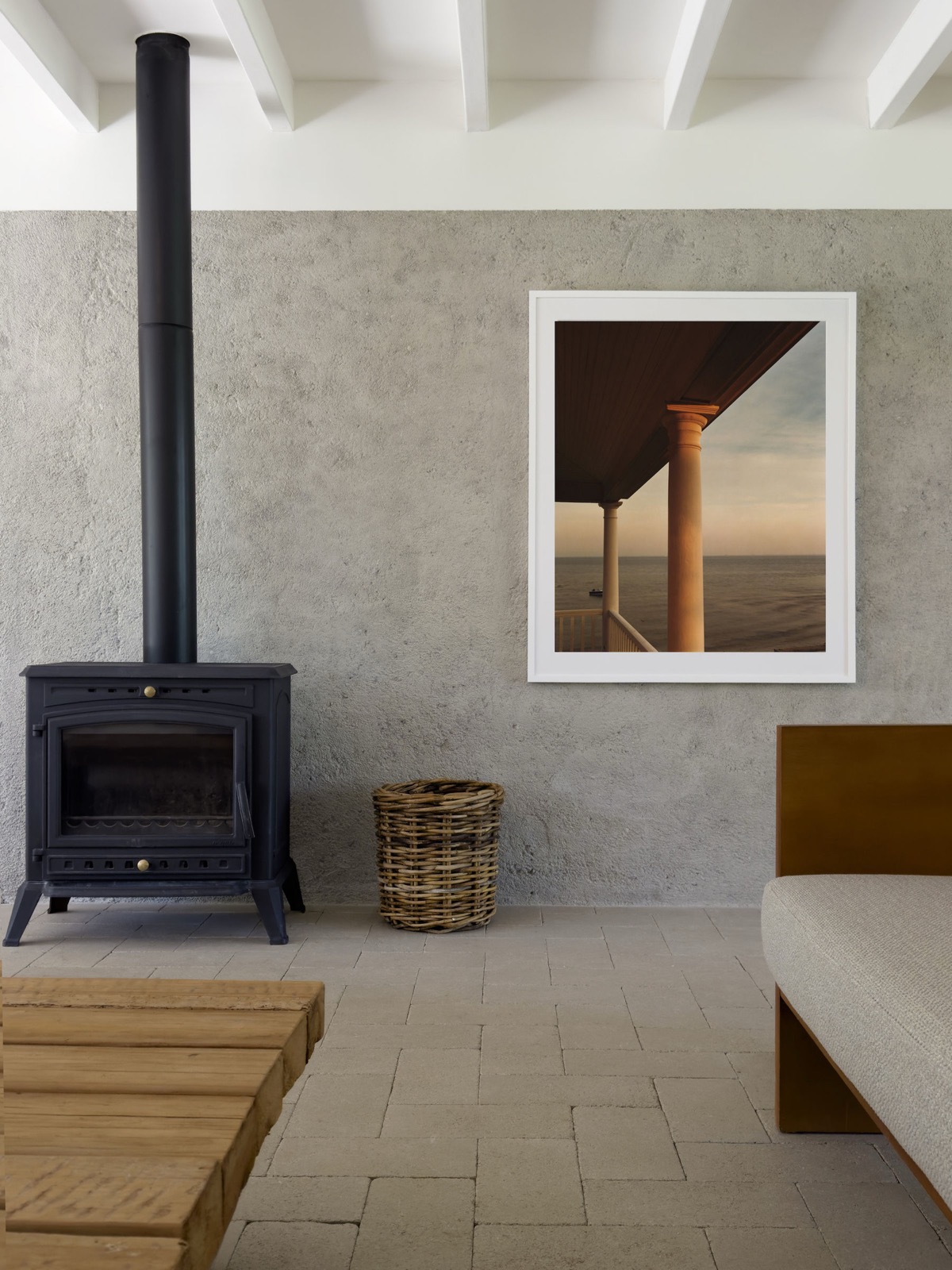
On Tour in Ibiza 2023
Summer 20237 August 2023We are delighted to invite you to our first private exhibition this summer in Ibiza . Our friends and art lovers, Paul Surridge , fashion designer, and Rodrigo Izquierdo ,...Read more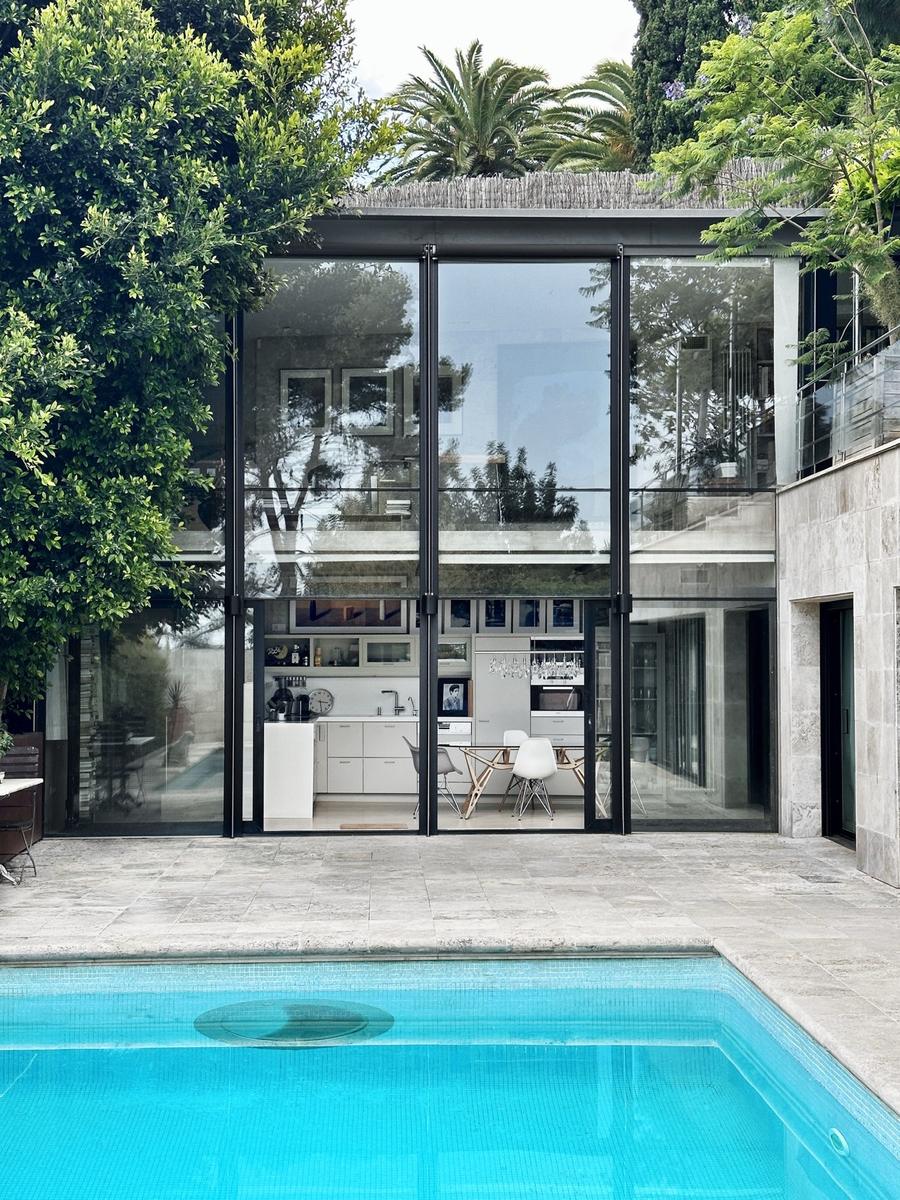
On Tour in Barcelona 2023
Spring 20236 – 9 June 2023You are cordially invited to our upcoming private exhibition in Barcelona: Tuesday, June 6 - Friday, June 9, 2023. 12 p.m. - 8 p.m. On view will be a selection...Read more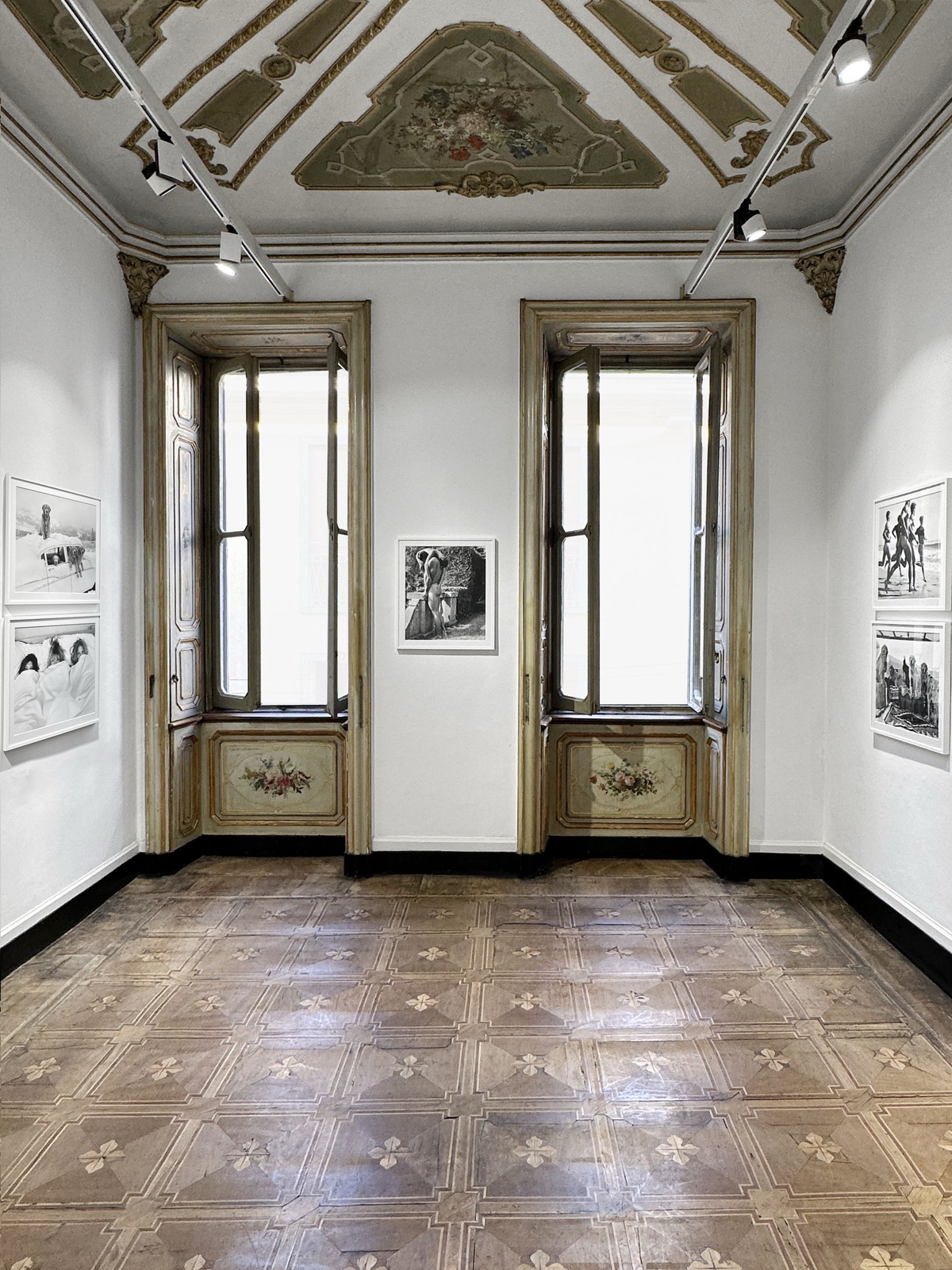
On Tour in Milano 2023
Spring 20239 – 12 May 2023You are cordially invited to our first private exhibition in Milano. We will welcome you at our italian home, the headquarters of Doppiaa: Via della Spiga 1 - 20121 Milano.Read more
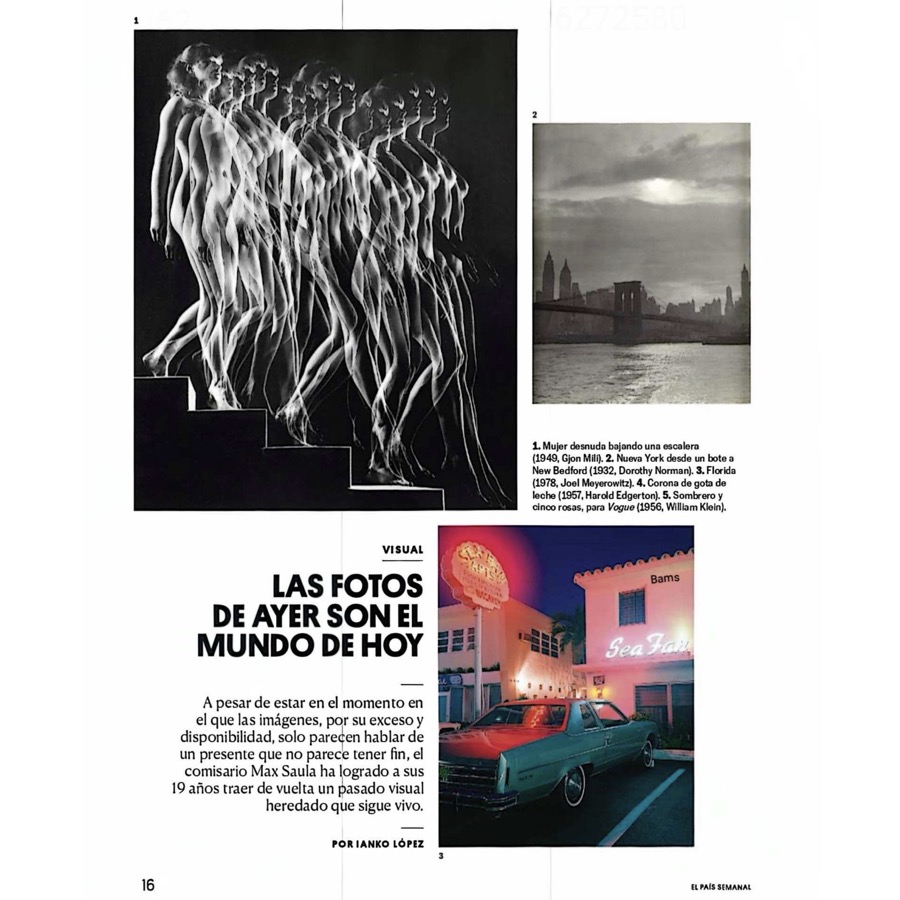
Yesterday's photographs are today's world
Ianko López, El País SemanalSeptember 2025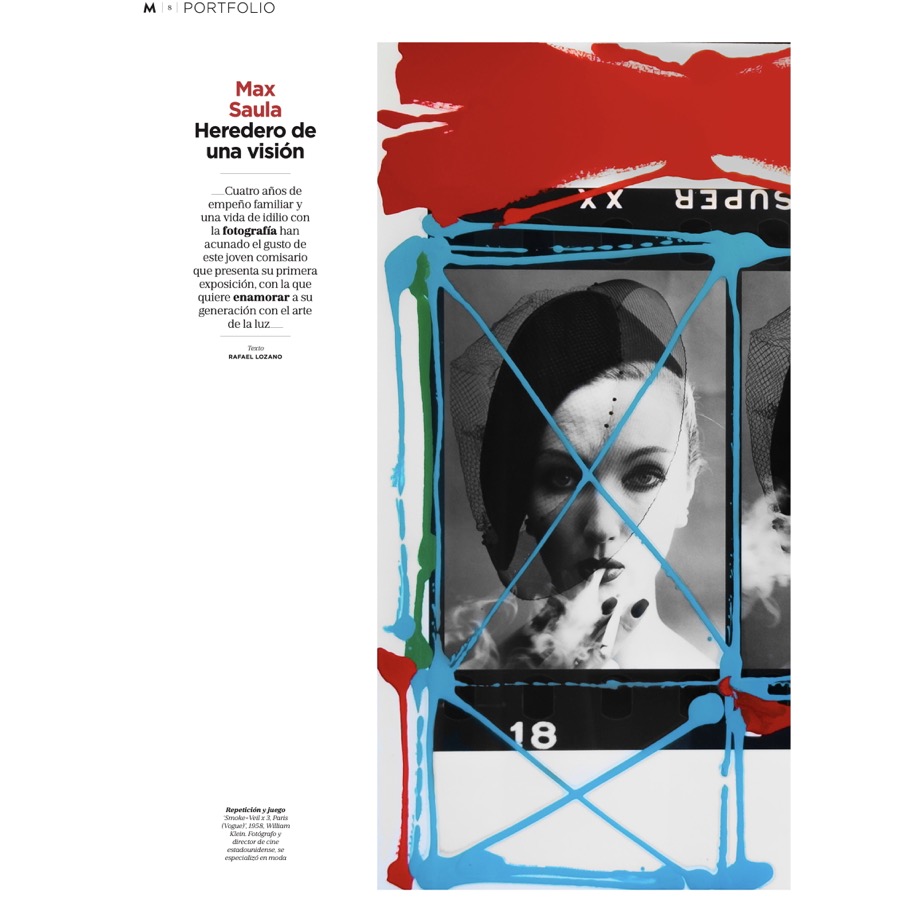
Max Saula: Heir to a vision
Rafael Lozano, La VanguardiaSeptember 2025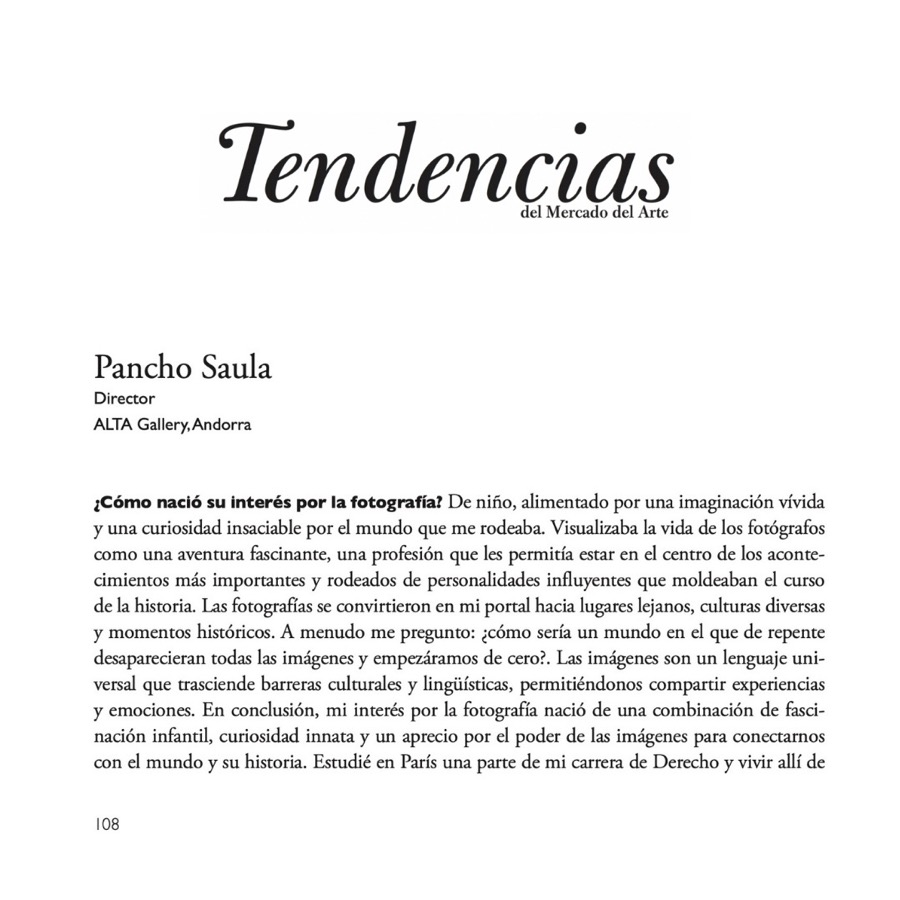
Coleccionar Arte Contemporáneo - Fotografía
Vanessa García-Osuna, Tendencias del ArteMarch 2025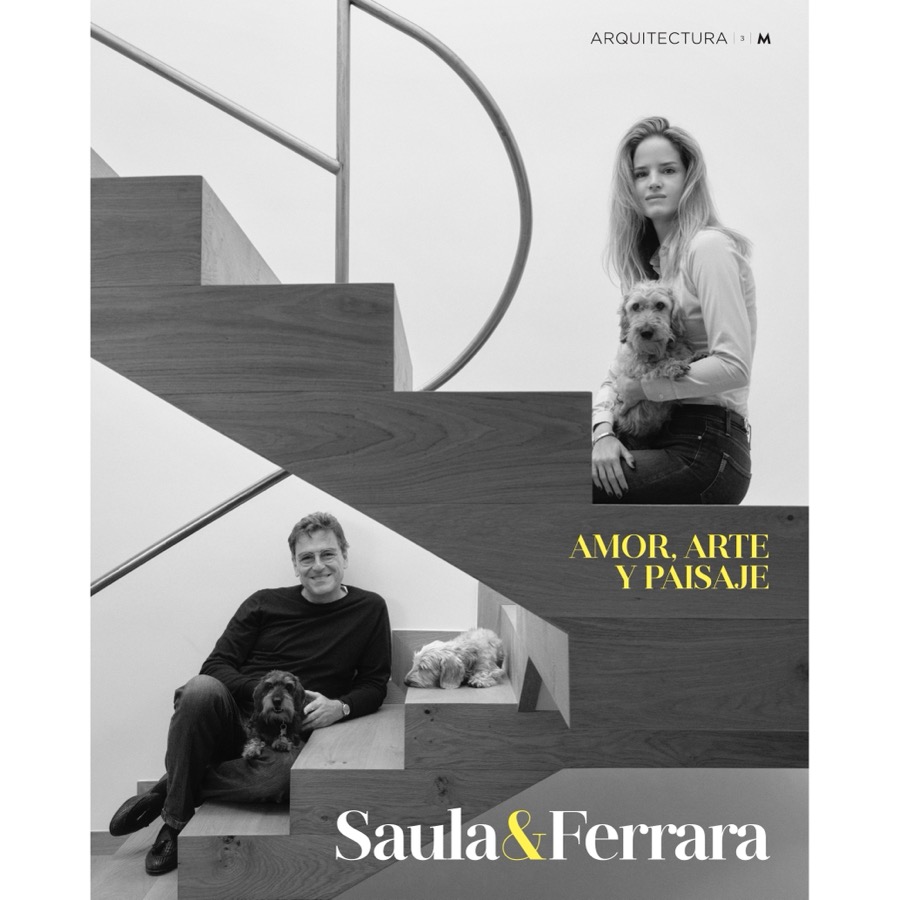
Saula & Ferrara
Felip Vivanco, photographs by Txema Yeste, La Vanguardia MagazineNovember 2024
Automóviles, naves espaciales, obras de arte
Felip Vivanco, La VanguardiaSeptember 2023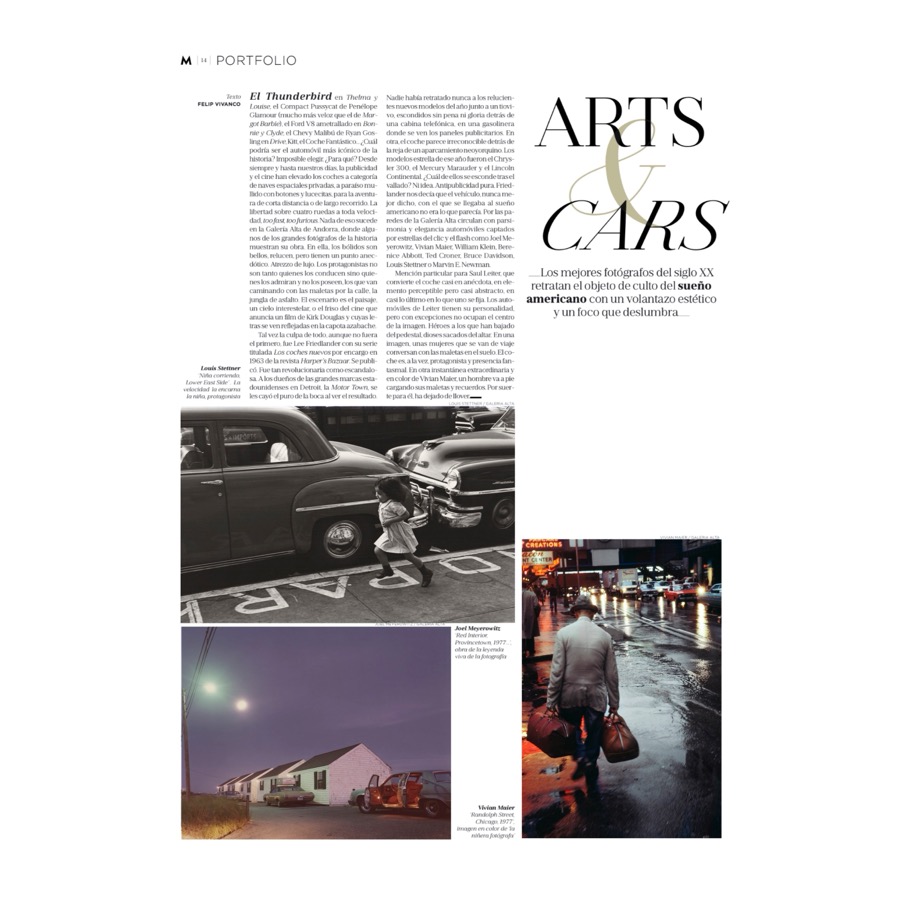
Arts & Cars
Felip Vivanco, La VanguardiaSeptember 2023
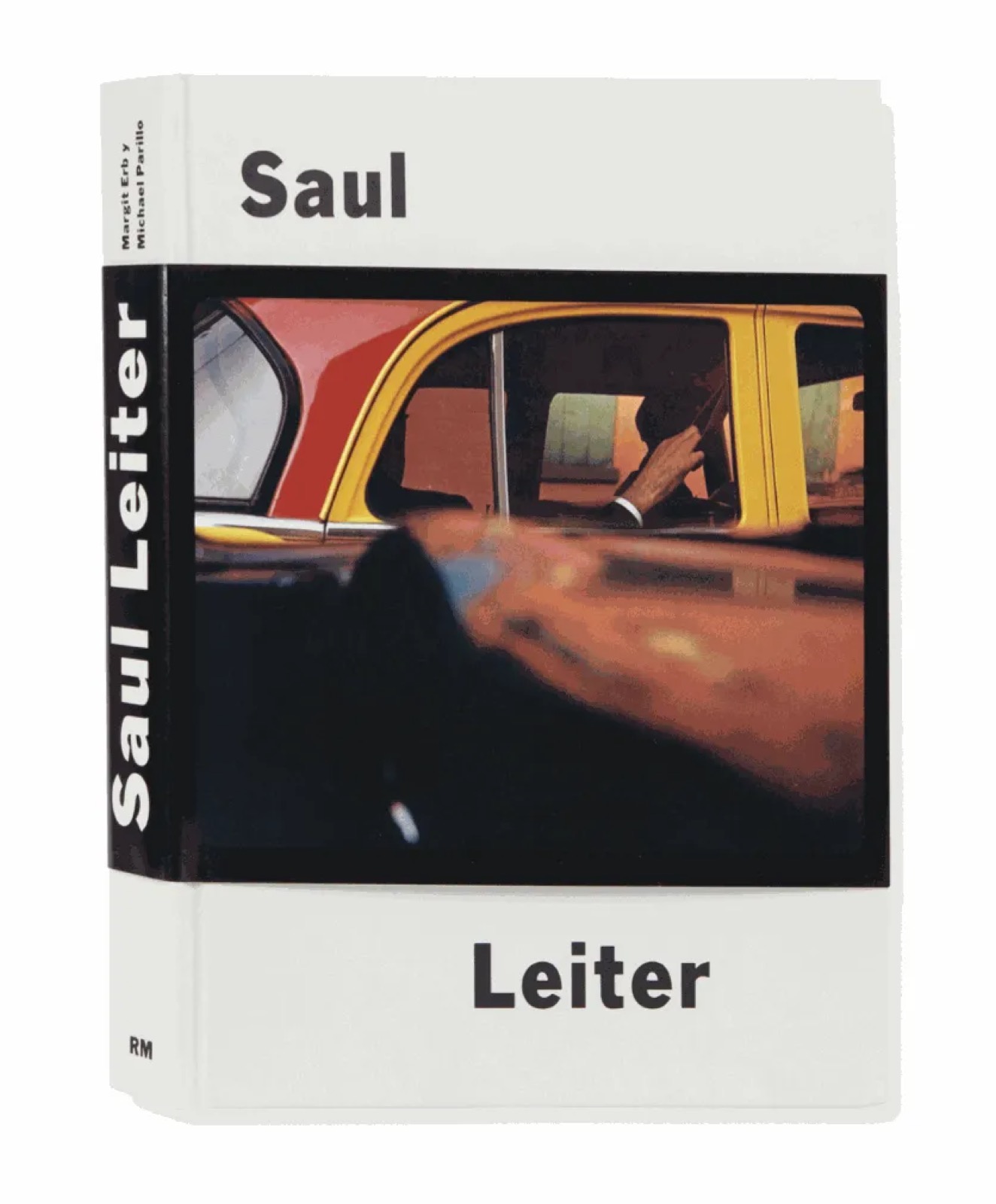
Saul Leiter 100 años
Saul LeiterTo mark the centenary of Saul Leiter’s birth, a comprehensive retrospective has been produced that traces the life and work of Saul Leiter.Read more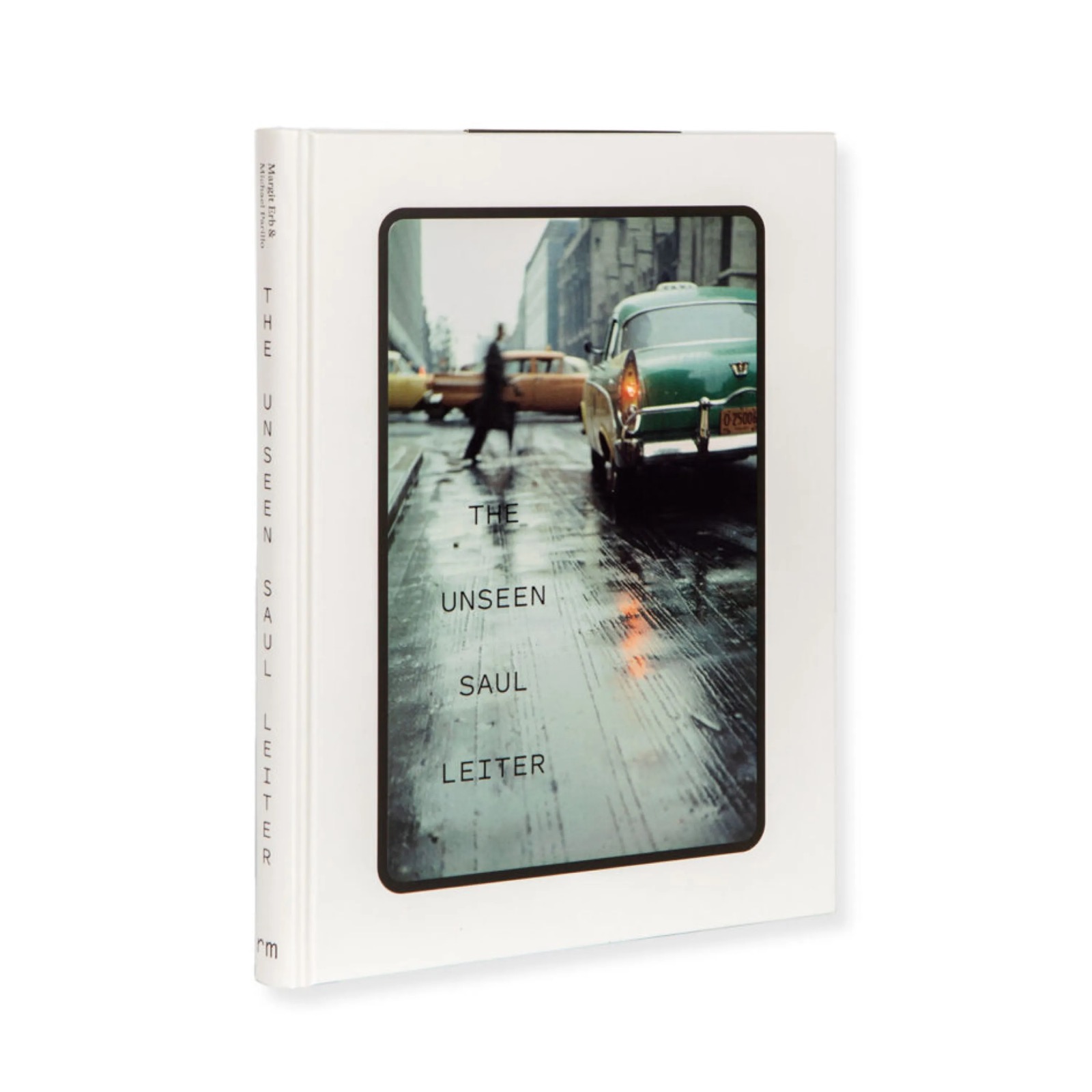
The Unseen Saul Leiter
Saul LeiterOn his death in 2013, he left behind a collection of more than 40,000 colour slides, only a fraction of which had seen the light of day.Read more
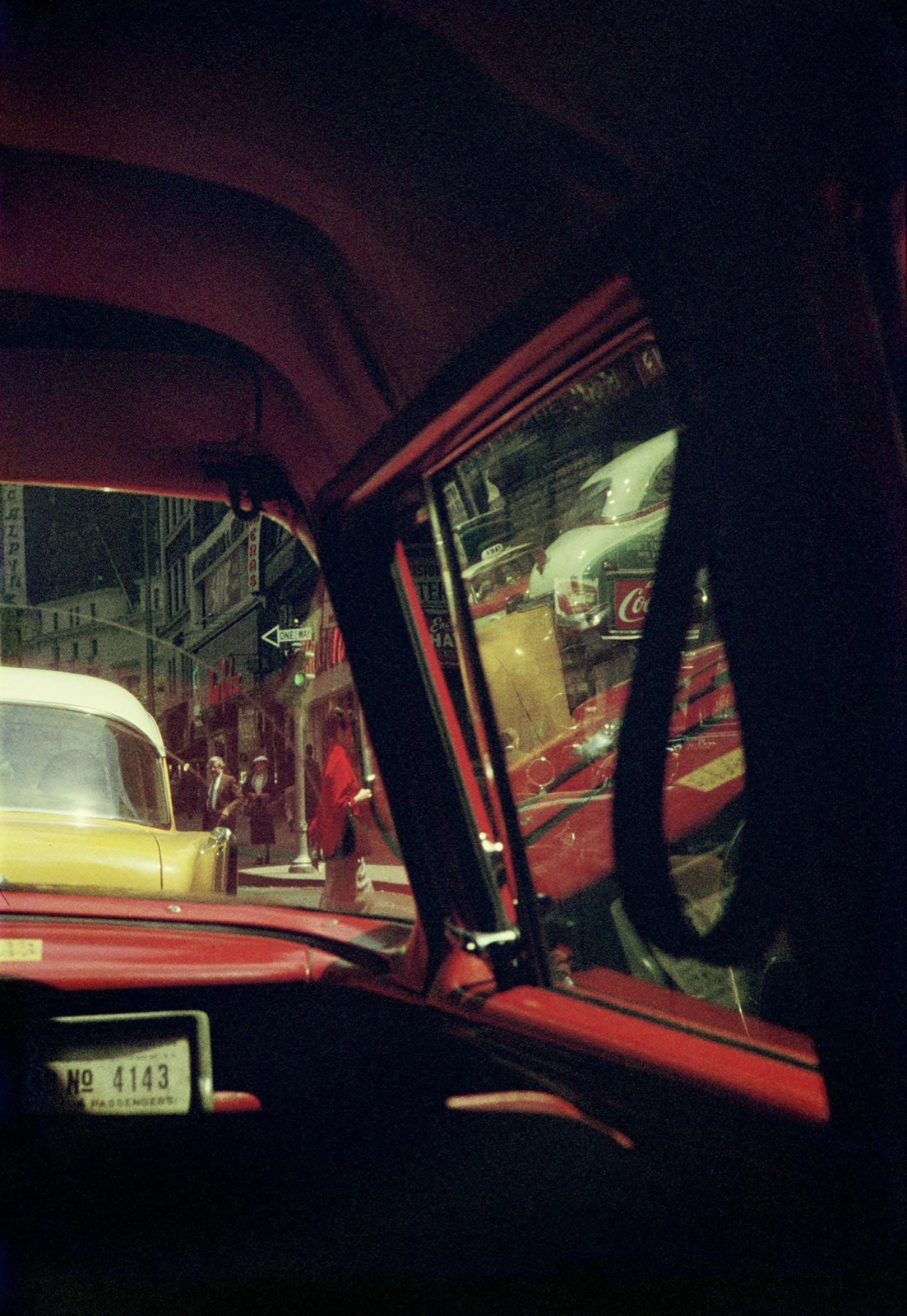
Saul Leiter (1923-2013) was born in Pittsburgh, the son of an internationally renowned Talmudic scholar. Leiter's interest in art began in his late teens, and though he was encouraged to become a Rabbi like his father, he left theology school and moved to New York to pursue painting at age 23. In New York, he befriended the Abstract Expressionist painter Richard Pousette-Dart, who was experimenting with photography. His friendship with Pousette-Dart and soon after, with W. Eugene Smith, expanded his interest in photography. Leiter's earliest black and white photographs show an extraordinary affinity for the medium. By the 1950s, he began to work in color as well, compiling an extensive and significant body of work during the medium's infancy. His distinctively subdued color often has a painterly quality that stood out among the work of his contemporaries.
Leiter's first exhibition of color photography was held in the 1950s at the Artist's Club, a meeting place for many of the Abstract Expressionist painters of that time. Edward Steichen included twenty-three of Leiter's black and white photographs in the seminal 1953 exhibition "Always the Young Stranger" at the Museum of Modern Art; he also included twenty of Leiter's color images in the 1957 MoMA conference "Experimental Photography in Color." In the late 1950s, the art director Henry Wolf published Leiter's color fashion work in Esquire and later in Harper's Bazaar. However, over the next four decades, Leiter's noncommercial work remained virtually unknown to the wider art world. He continued to work as a fashion photographer through the 1970s, contributing to such publications as in Show, Elle, British Vogue, Queen, and Nova.
Leiter is now held to be a pioneer of early color photography, and is noted as one of the outstanding figures in post-war photography. After several exhibitions at Howard Greenberg Gallery throughout the 1990s, Leiter's work experienced a surge of popularity after a monograph, Early Color, was published by Steidl in 2006. Early Color was followed by a series of monographs and international exhibitions highlighting the depth and scope of his work in photography and painting, beginning with "In Living Color" (2006), his first major retrospective at the Milwaukee Museum of Art. Leiter was the subject of several solo shows thereafter, including the Fondation Henri Cartier-Bresson, Paris; the Jewish Historical Museum, Amsterdam; Musée de l'Elysée, Lausanne; and Diechtorhallen, Hamburg.
Recent monographs include Early Black and White (2014), Painted Nudes (2015), In My Room (2017), All about Saul Leiter (2017), Fashion Eye: Saul Leiter New York (2017). Leiter's work is included in the permanent collections of The Museum of Modern Art, New York; The National Gallery of Art, Washington, D. C.; The Whitney Museum of American Art, New York; Museum of Fine Arts, Houston; The Art Institute of Chicago, Chicago; Stedelijk Museum, Amsterdam; The Museum of Fine Arts, Houston; Victoria and Albert Museum, London and many other public and private collections. Leiter was the subject of an award-winning documentary by Tomas Leach, titled "In No Great Hurry: 13 Lessons in Life with Saul Leiter" (2012).
Saul Leiter continued to paint and photograph through the end of his life.