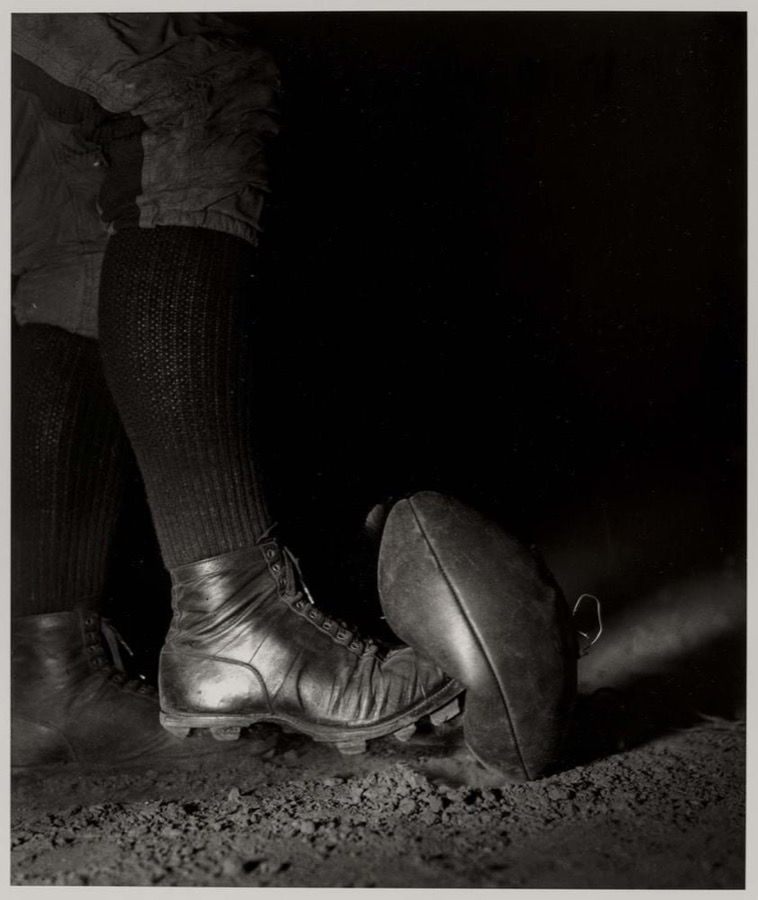
 Football Placement Kick, 1934.
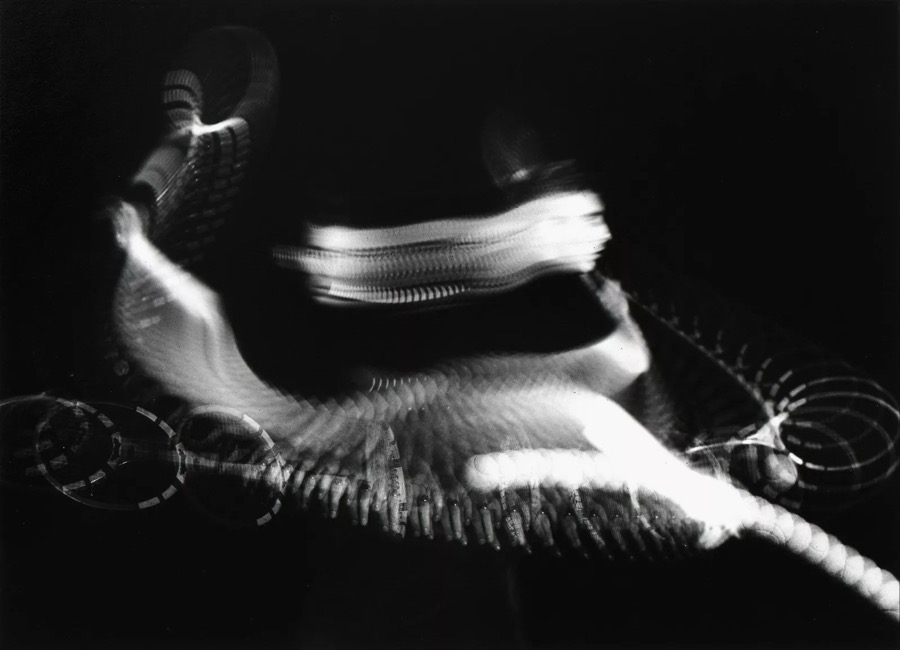 Swirls and eddies of a tennis stroke, 1939.
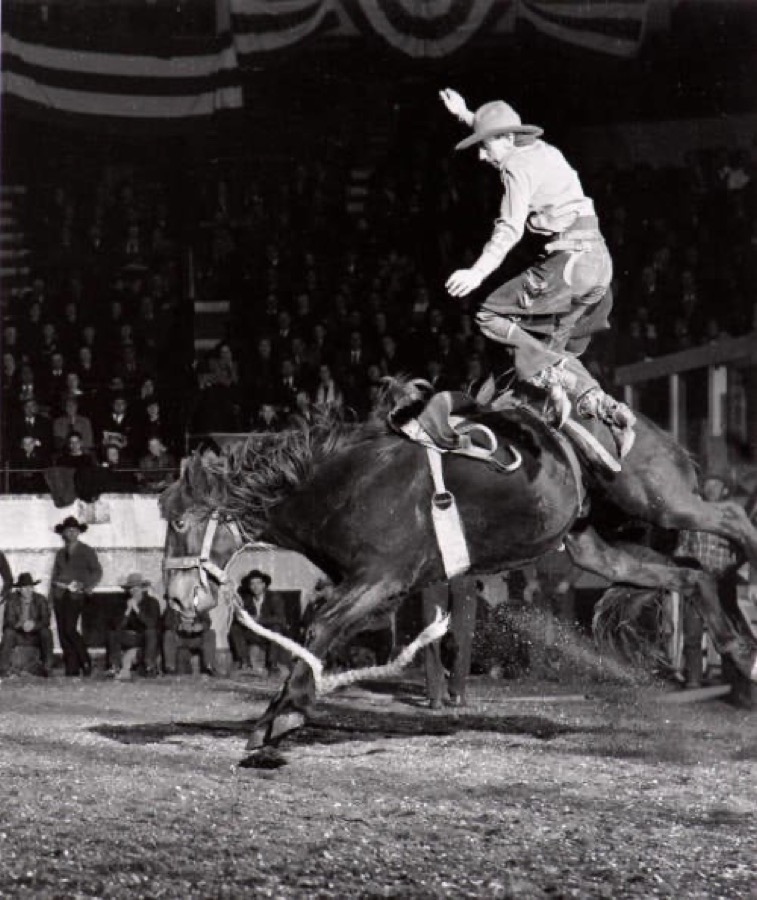 Action at the Rodeo, 1940.
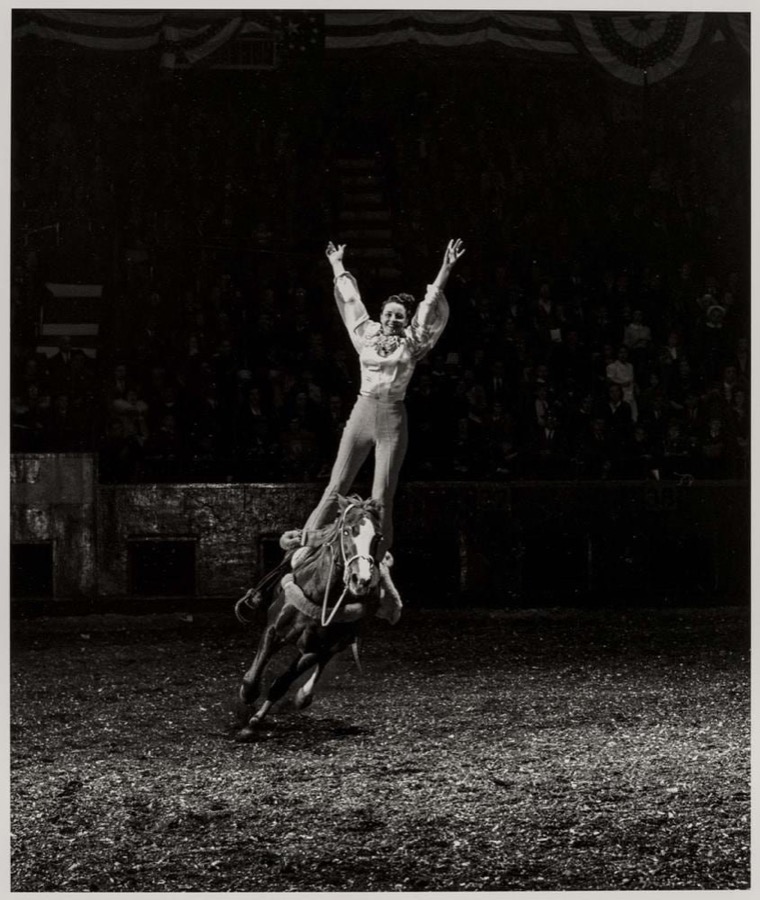 A Girl and her Horse, 1941.
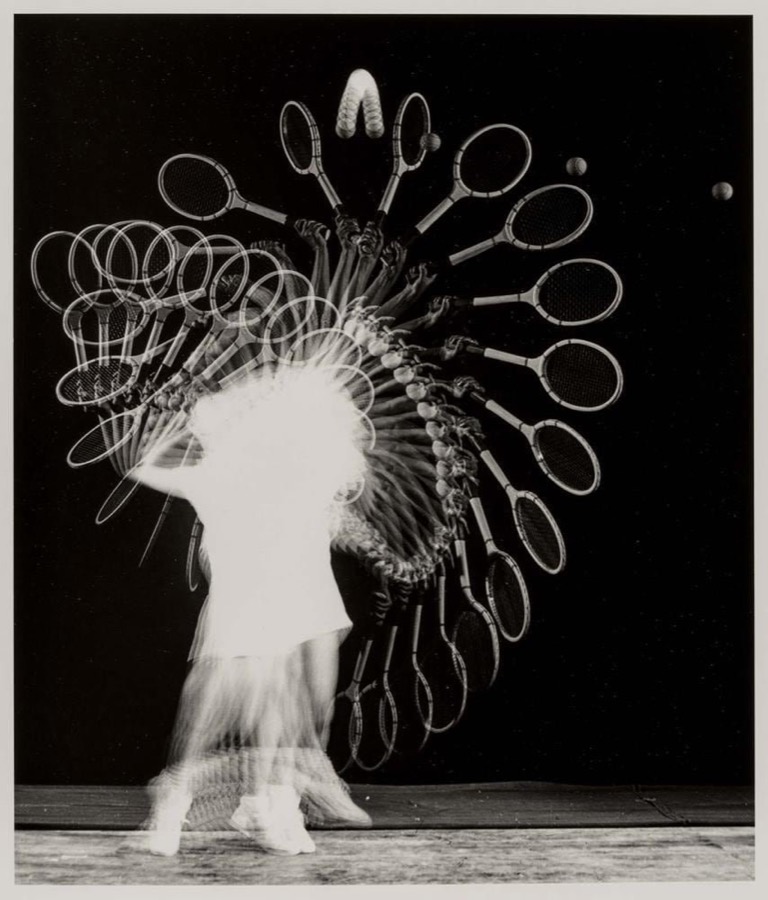 Tennis Serve, 1952.
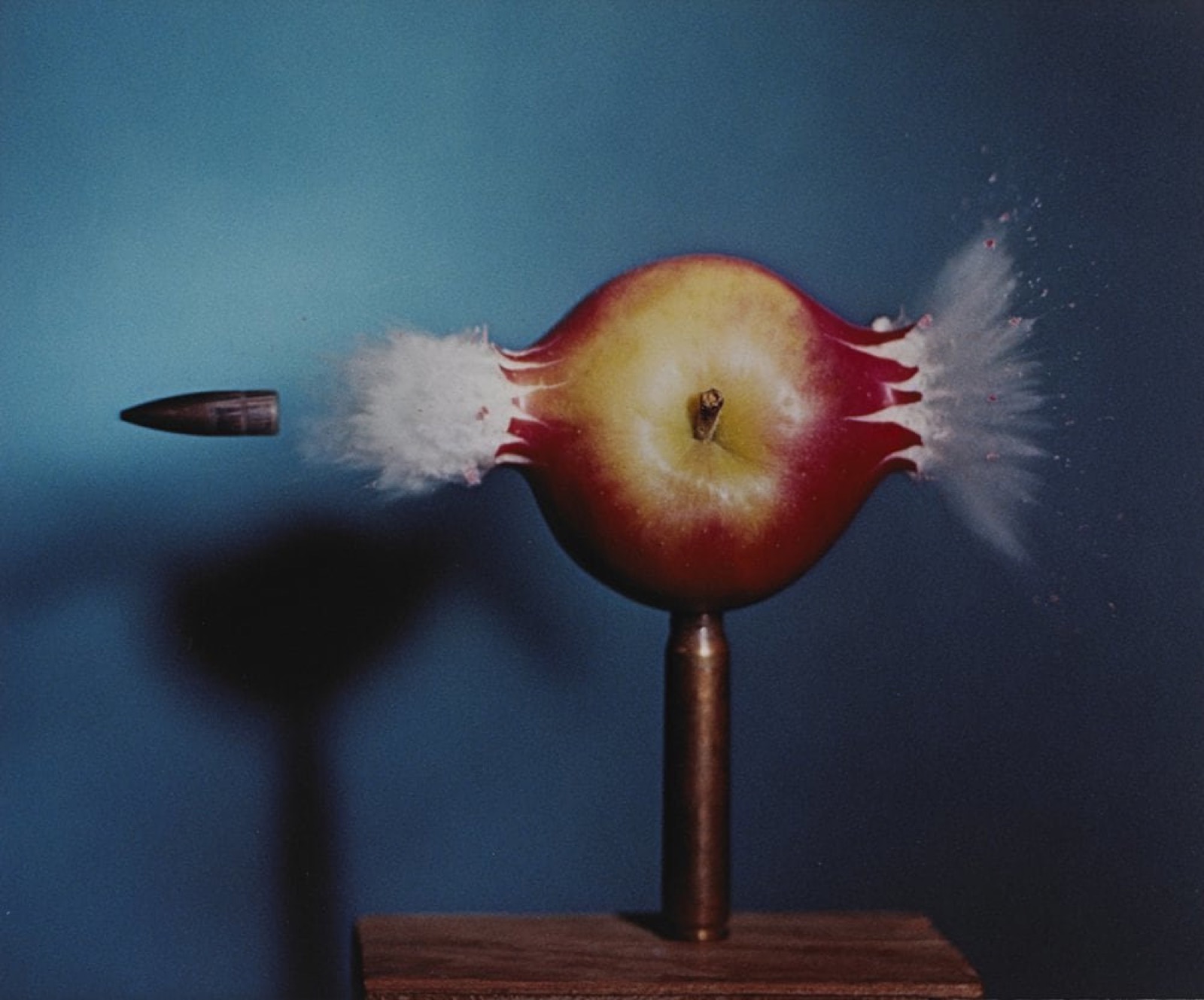
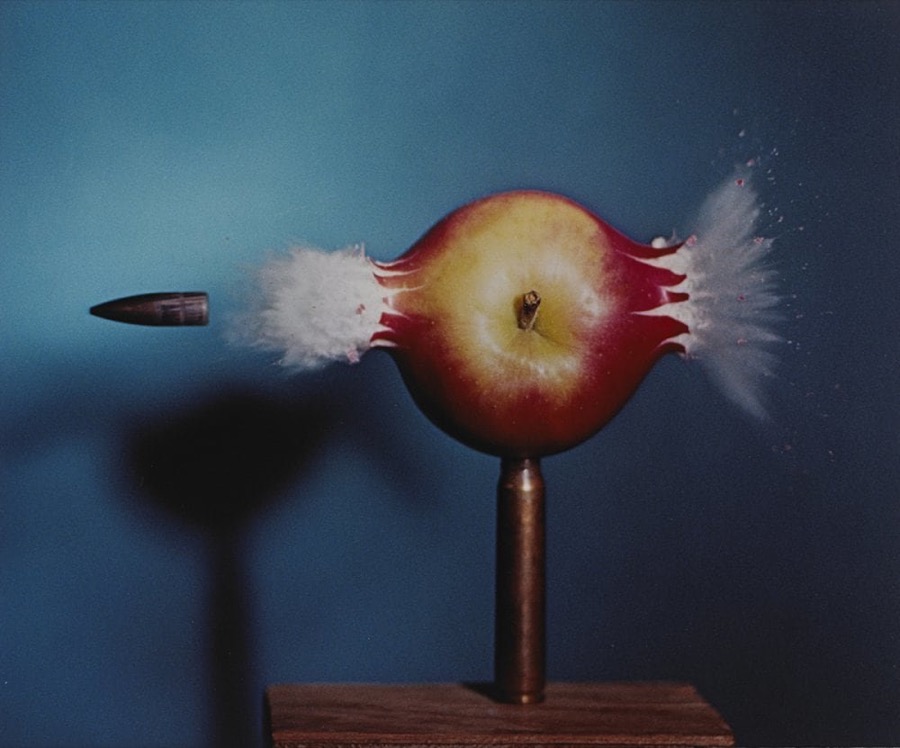 30 Caliber Bullet Piercing an Apple, 1964.
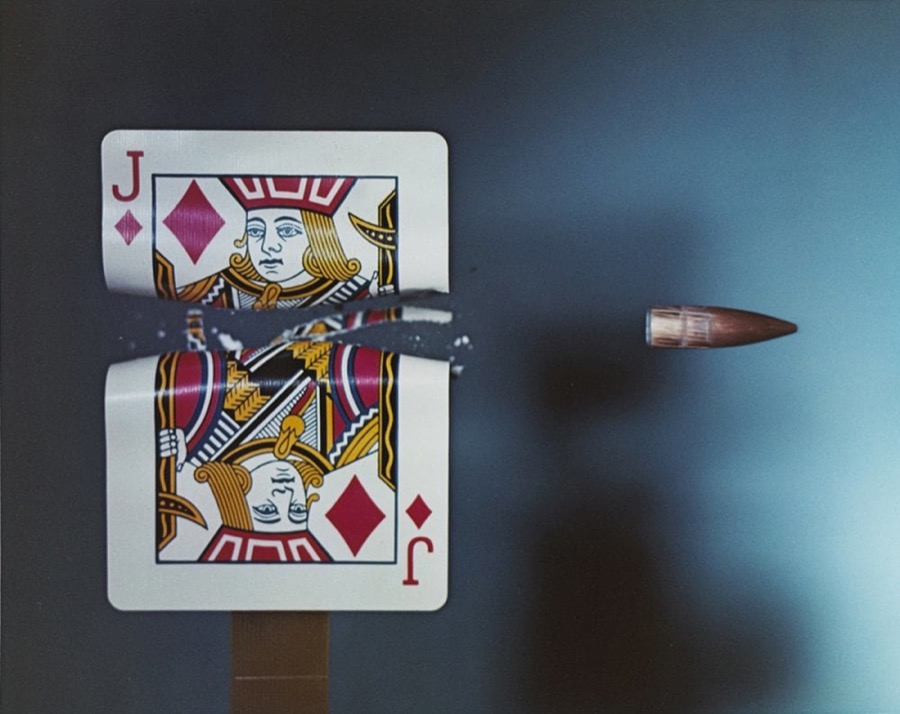 Cutting the Playing Card Quickly, 1964.
 Pole vaulter, David Tork, 1964.
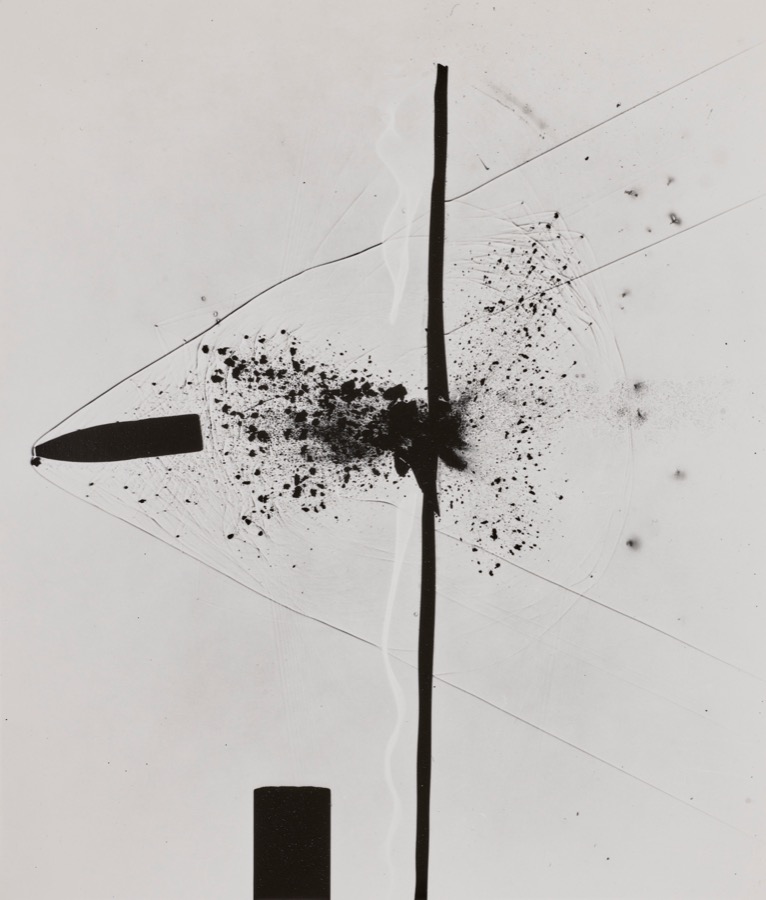 Shock Waves from Impact, 1965.
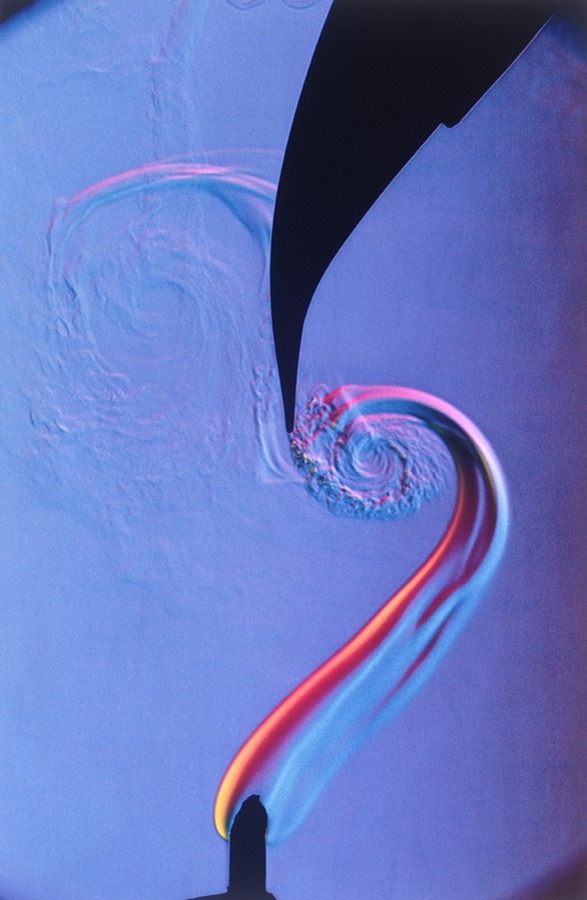 Vortex at a fan blade tip with Kim Vandiver, 1973.
- Football Placement Kick, 1934.The picture is built from the ground up, and almost nothing in it stands above the knee.
- Swirls and eddies of a tennis stroke, 1939.The frame is almost entirely black, and that blackness is not absence but method.
- Action at the Rodeo, 1940.A bronc twists at the height of its buck, all four legs wrenched off the dirt, mane flying, while the rider rises clear of the saddle with one arm flung overhead and the other braced low.
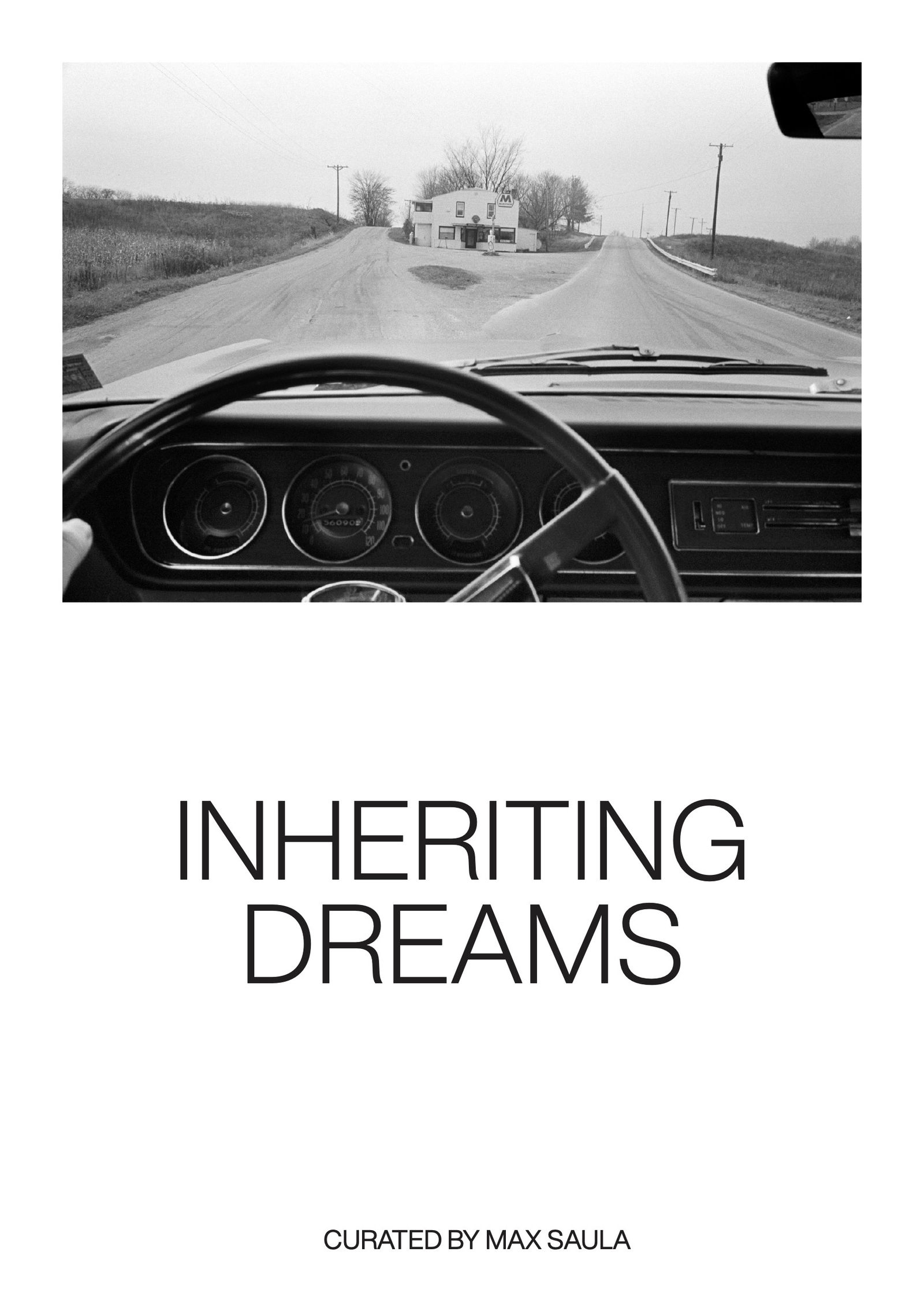
Inheriting Dreams: Curated by Max Saula
Essay by Christian Caujolle11 September – 7 November 2025We are delighted to announce our upcoming exhibition: "Inheriting Dreams", curated by Max Saula, the nineteen-year-old son of the gallery's founders.Read moreOn Tour in Barcelona 2025
Inheriting Dreams: Curated by Max Saula24 – 26 September 2025It is our great pleasure to invite you to a three-day private exhibition in Barcelona, Inheriting Dreams , curated by our son, Max Saula. On view will be a selection...Read more
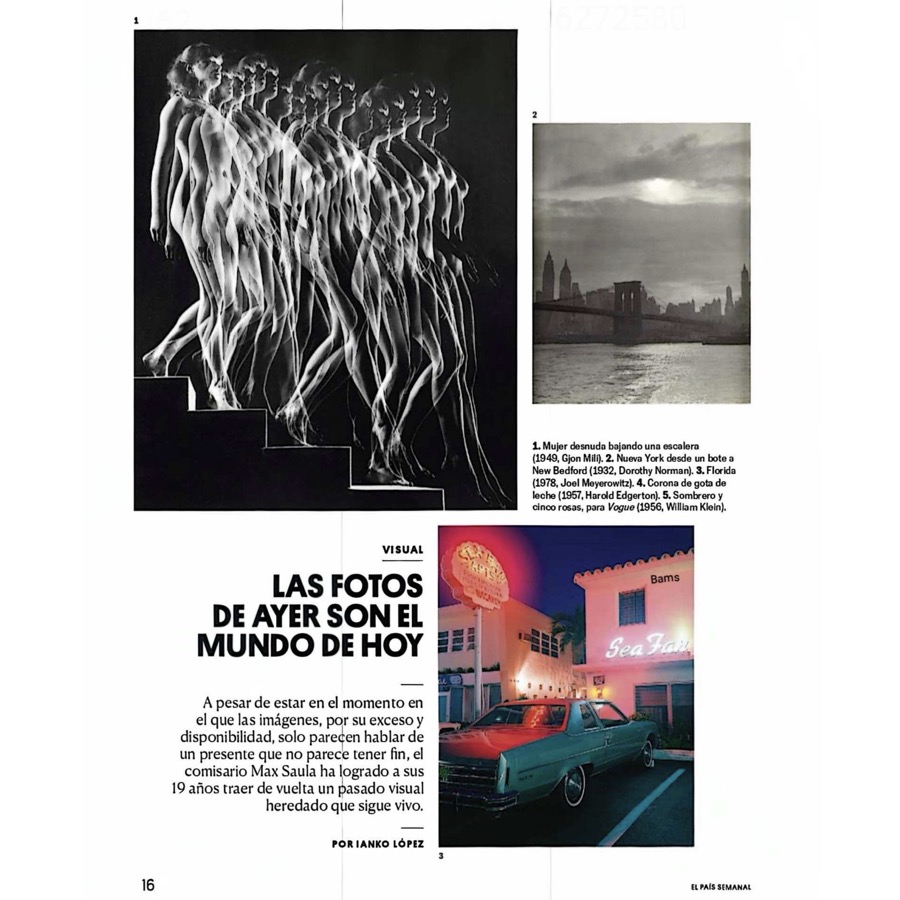
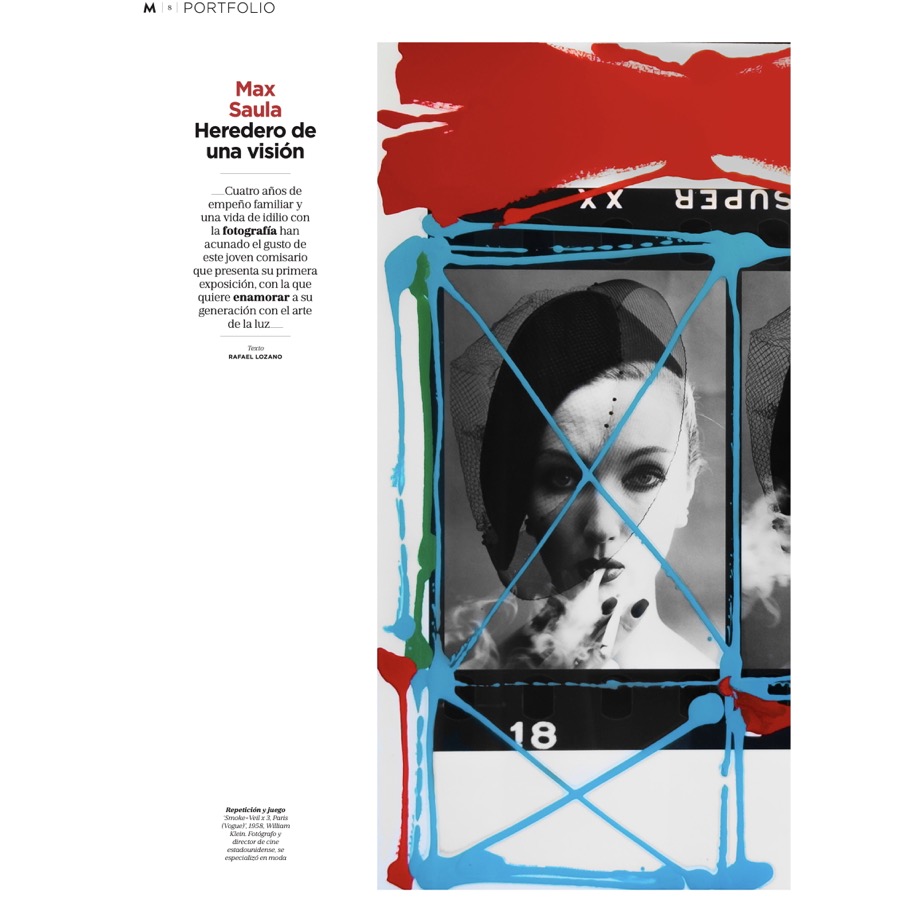
Harold "Doc" Edgerton, born on April 6, 1903, and died on January 4, 1990, was an American scientist, electrical engineer, and inventor.
He was a professor at the Massachusetts Institute of Technology (MIT) and is best known for his invention of the strobe light, which revolutionized photography, science, military surveillance, and filmmaking.
Edgerton's work was the subject of a retrospective at the International Center of Photography, and he was given ICP's Infinity Award for Lifetime Achievement in 1987.
He also performed the first-ever underwater time-lapse photography in 1968 and invented various sonar devices. Edgerton's innovative work has had a lasting impact on various fields, and he is celebrated for his philosophy of "Work hard. Tell everyone everything you know. Close a deal with a handshake. Have fun!"
His photographs were exhibited for the first time in 1933, at the Royal Photographic Society in London, and Beaumont Newhall included his work in the first exhibition of photography at the Museum of Modern Art in 1937.
The photographs that resulted from his scientific experiments were championed in the 1930s as representative of the New Objectivity, the American counterpart to the German Neue Sachlichkeit.
Edgerton's photography of split-second motion may be seen as an expansion beyond the nineteenth-century locomotion studies of by Eadweard Muybridge and Étienne-Jules Marey.