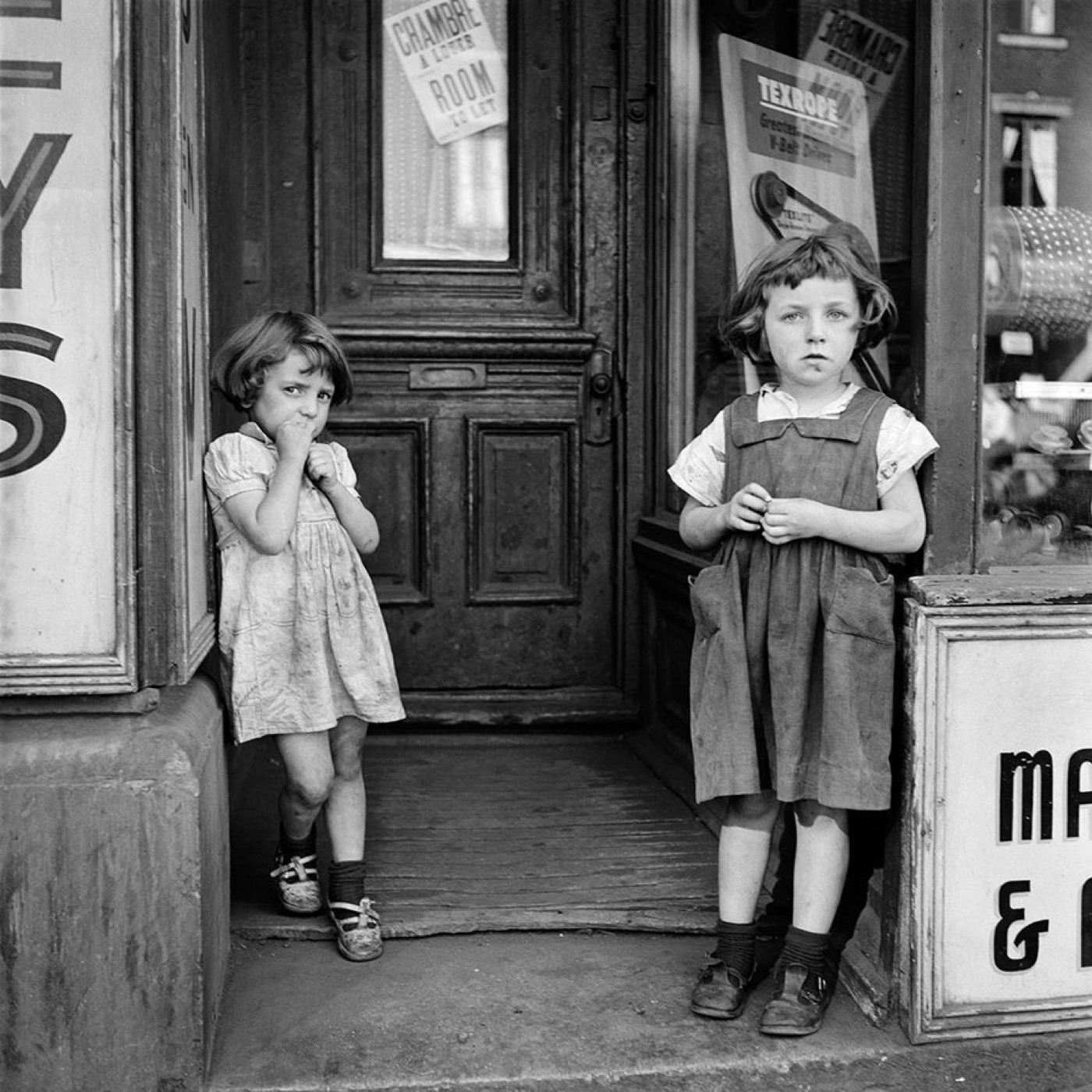
 Canada ND.
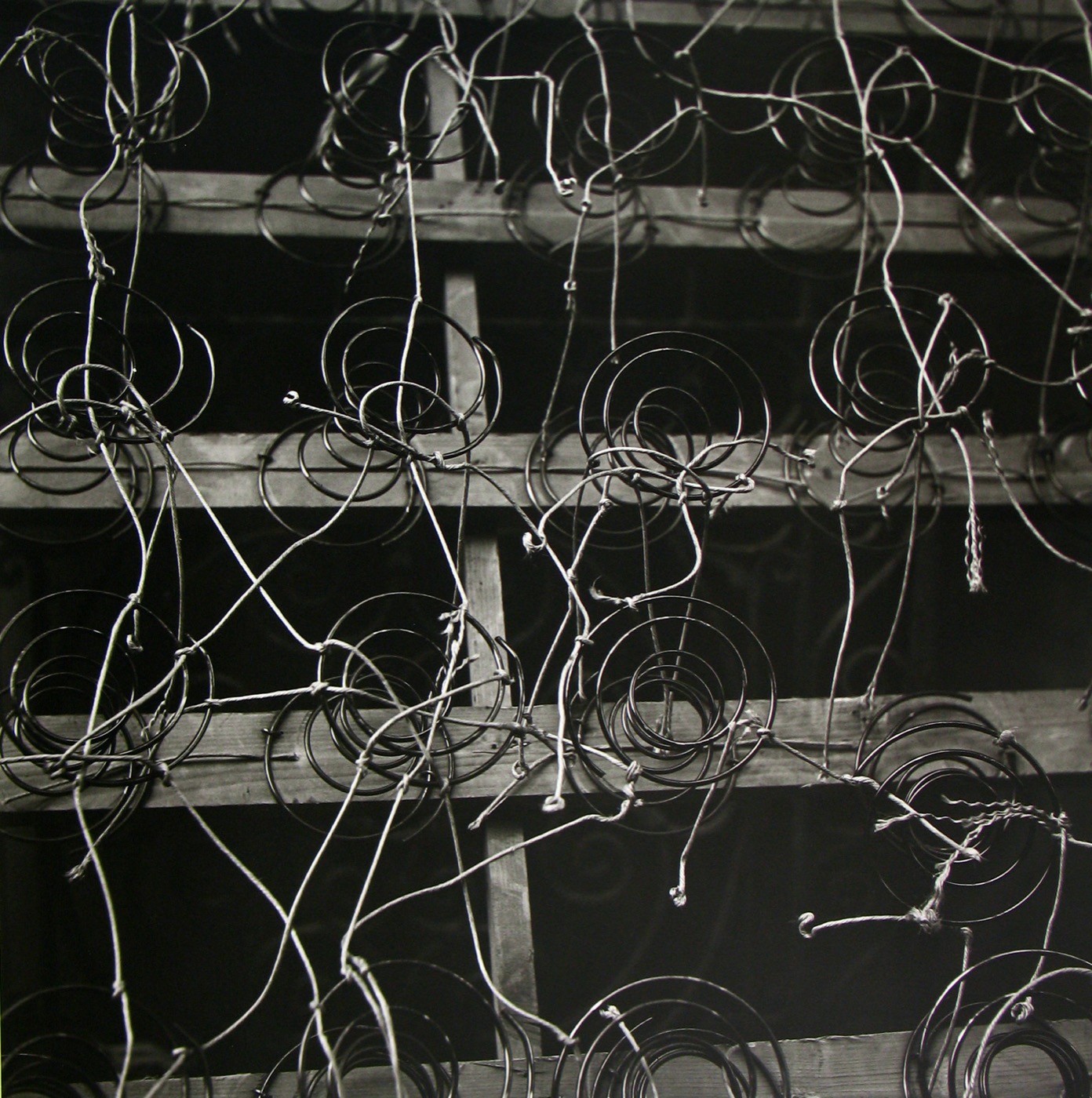 Untitled ND.
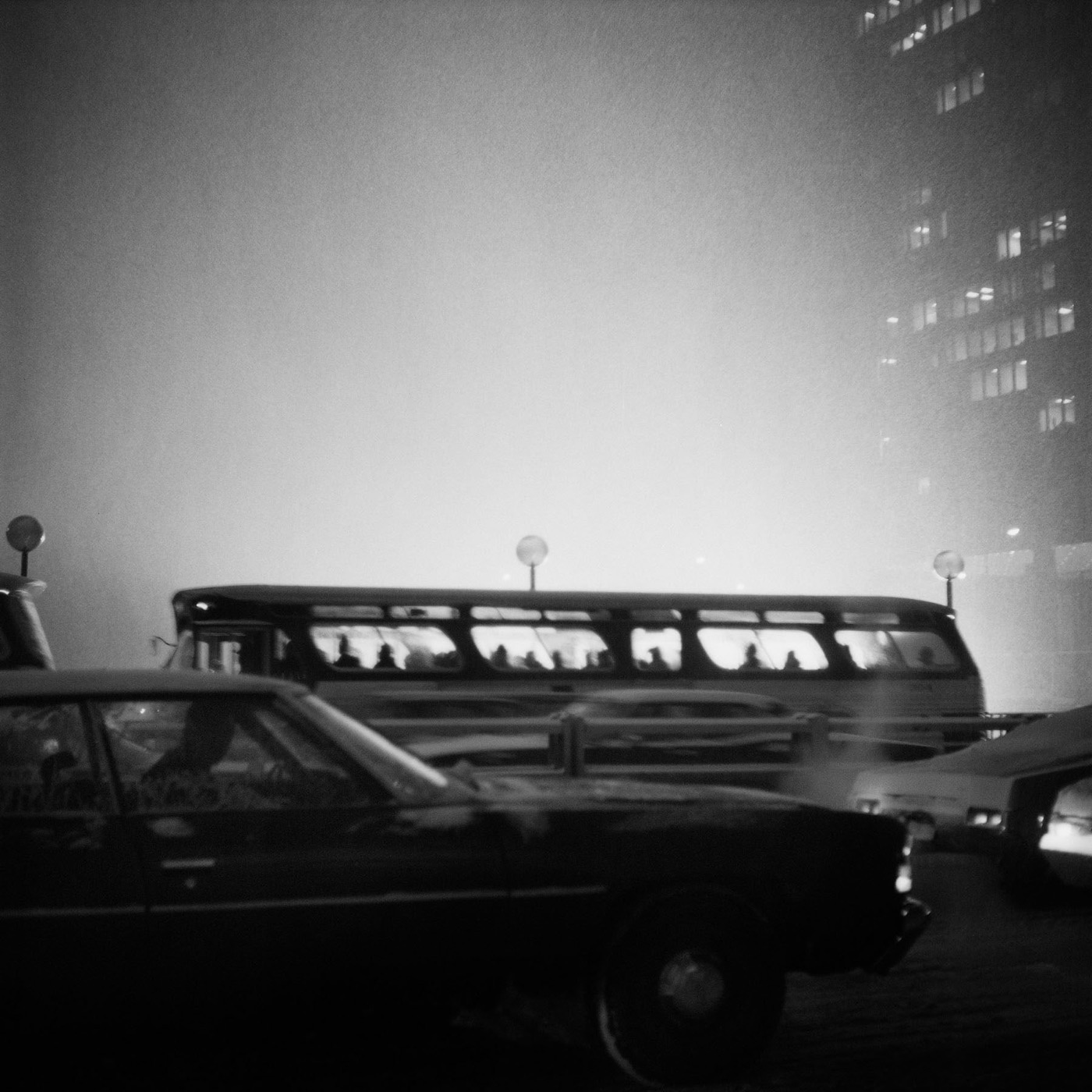 Bus at Dusk ND.
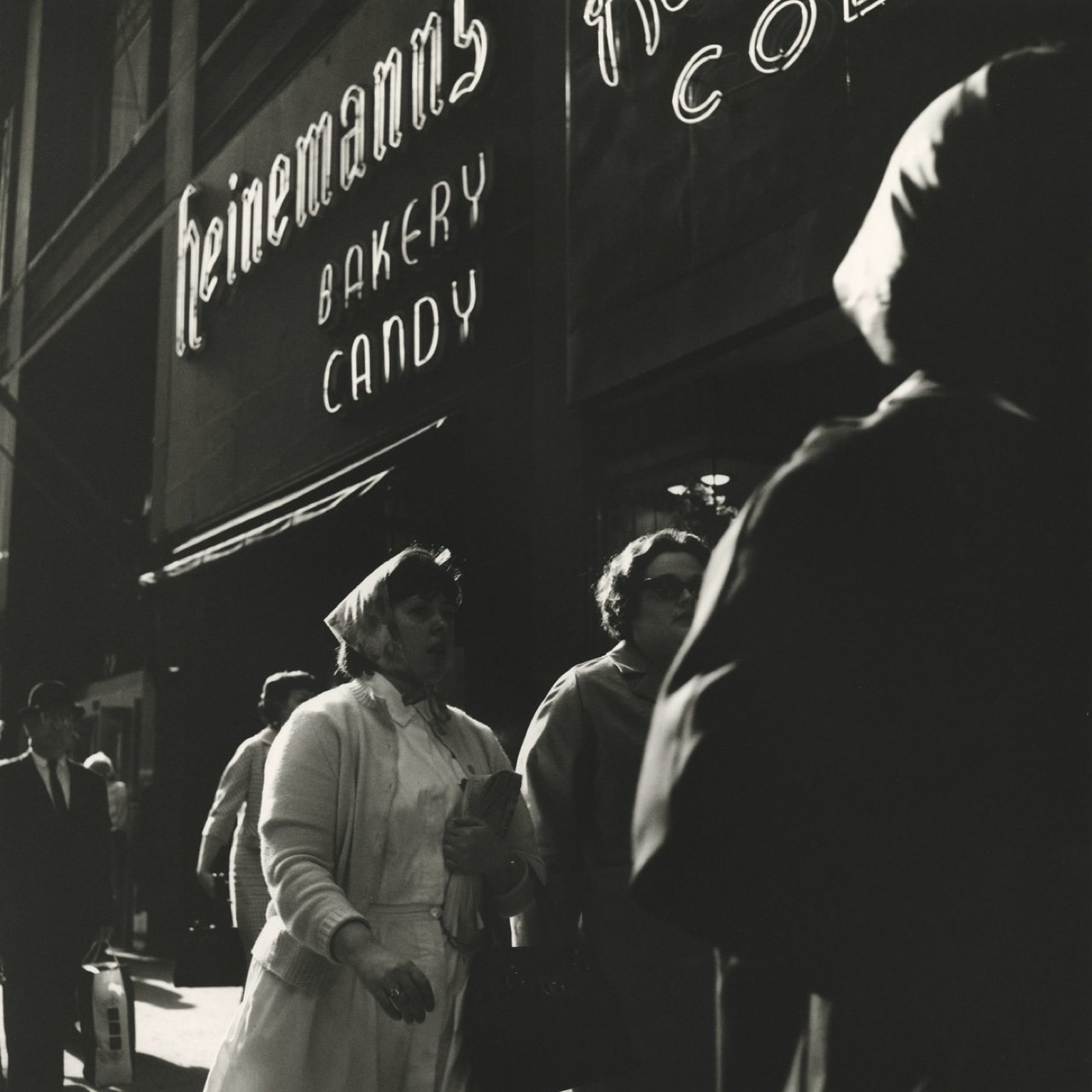 Untitled ND.
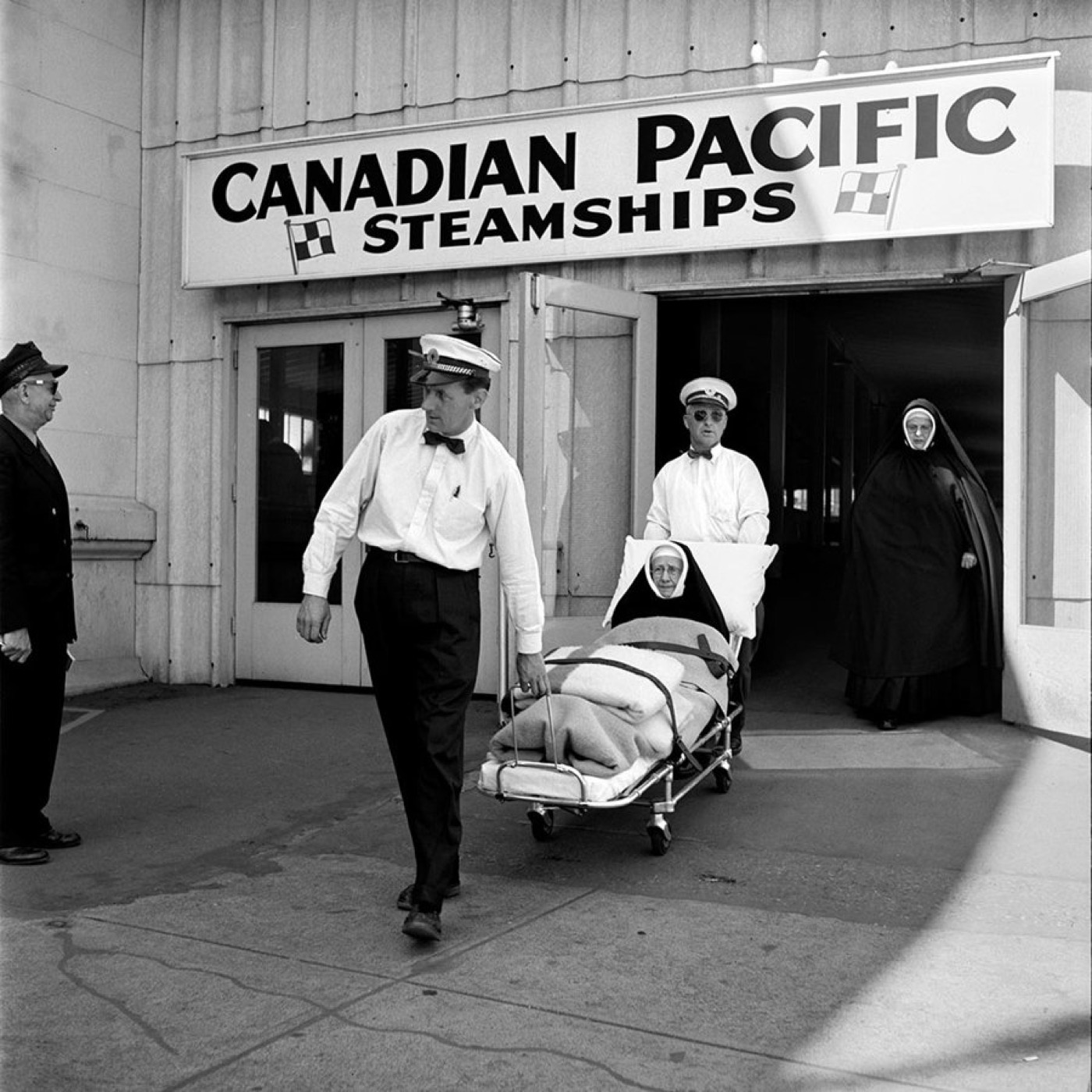 Canada 1950s.
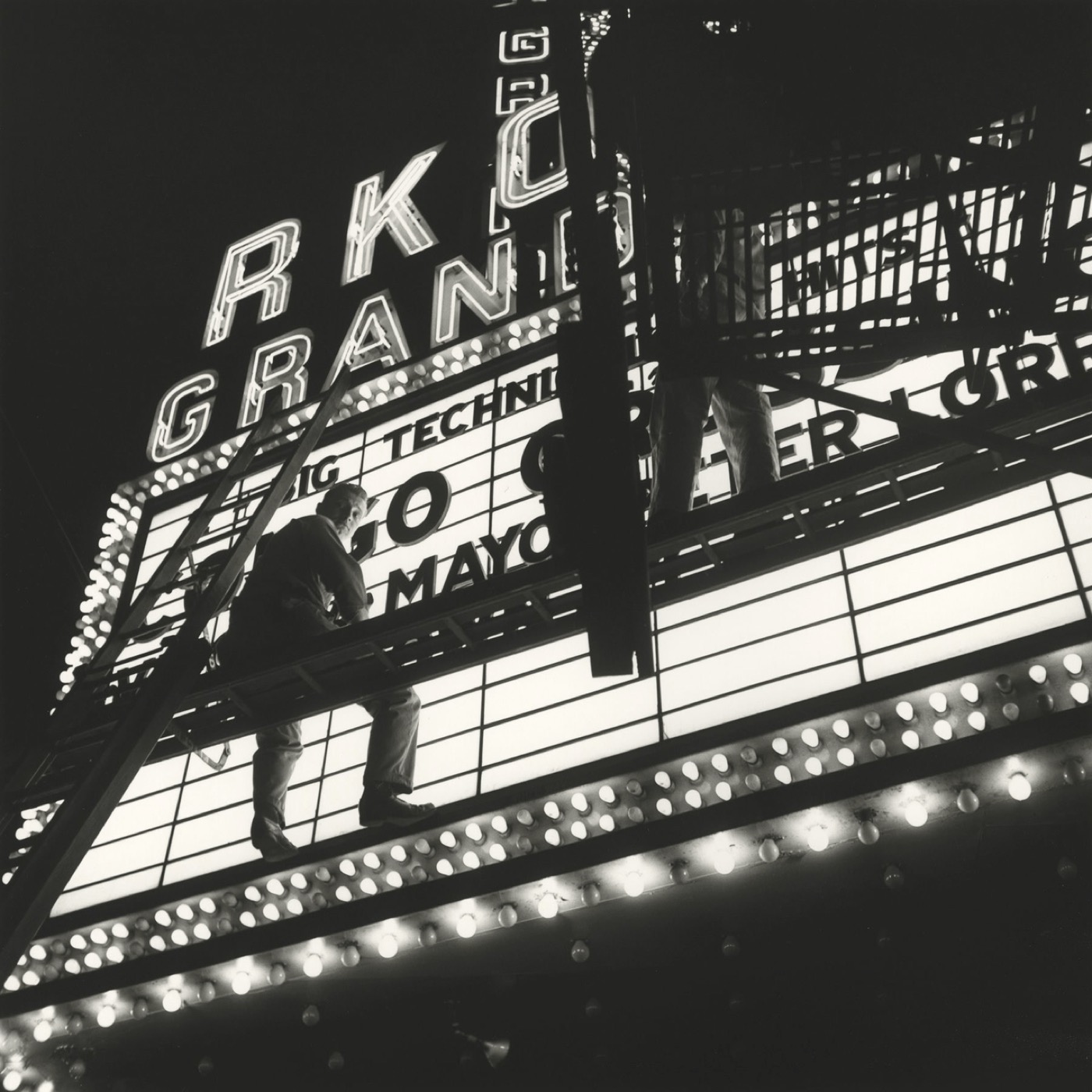 Chicago, IL c. 1952.
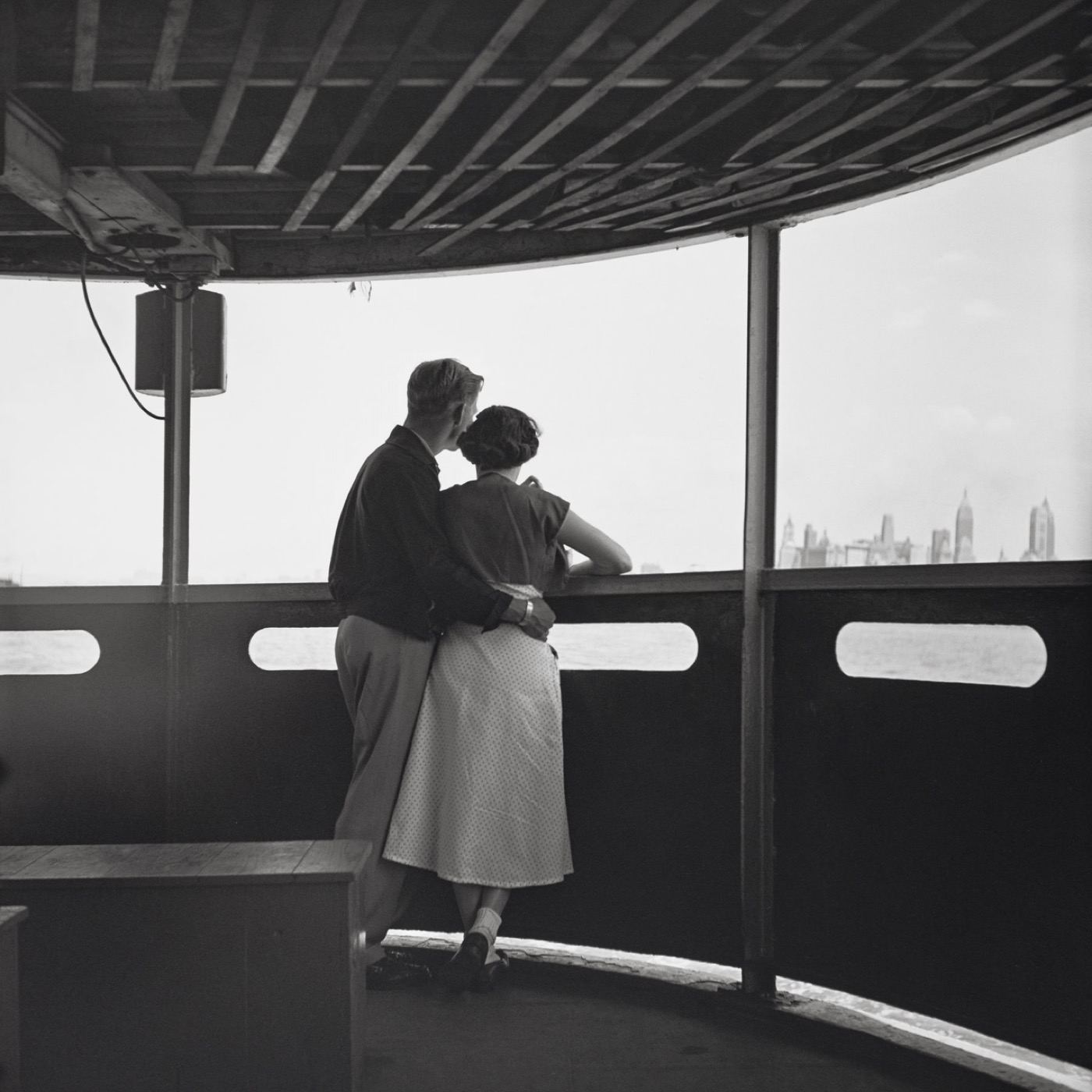 New York 1953.
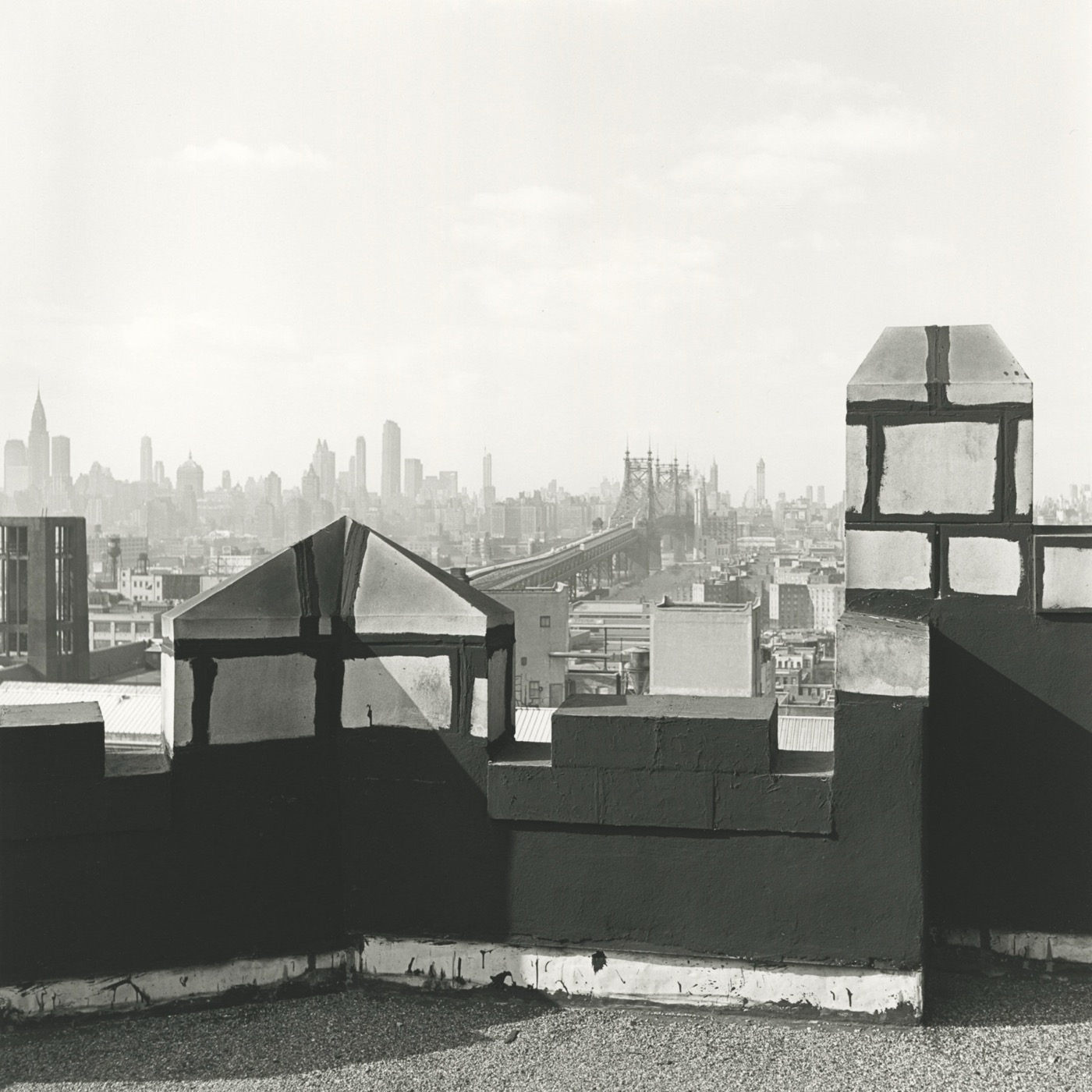 New York, NY, February 9 1953.
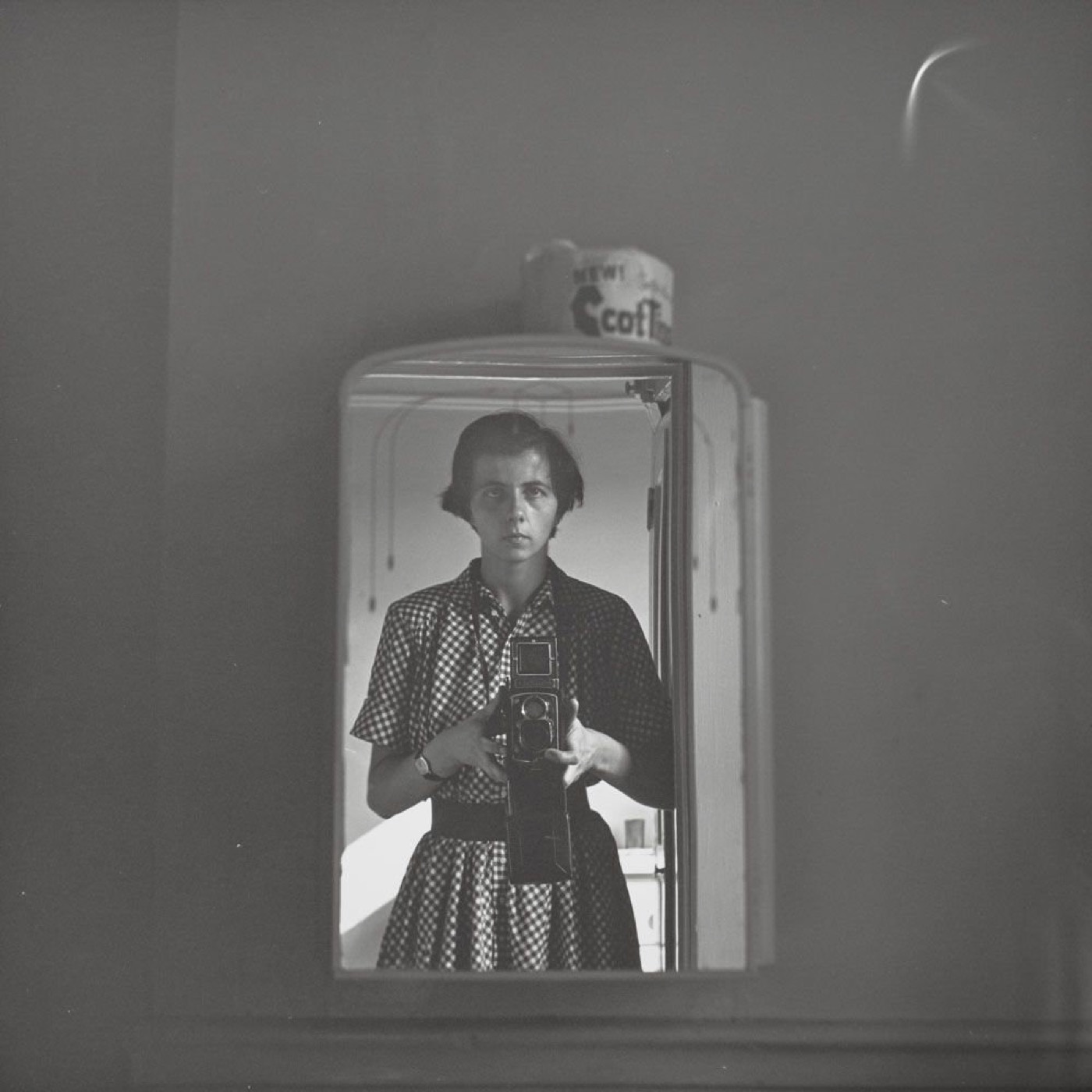 Self-portrait, New York, NY 1954.
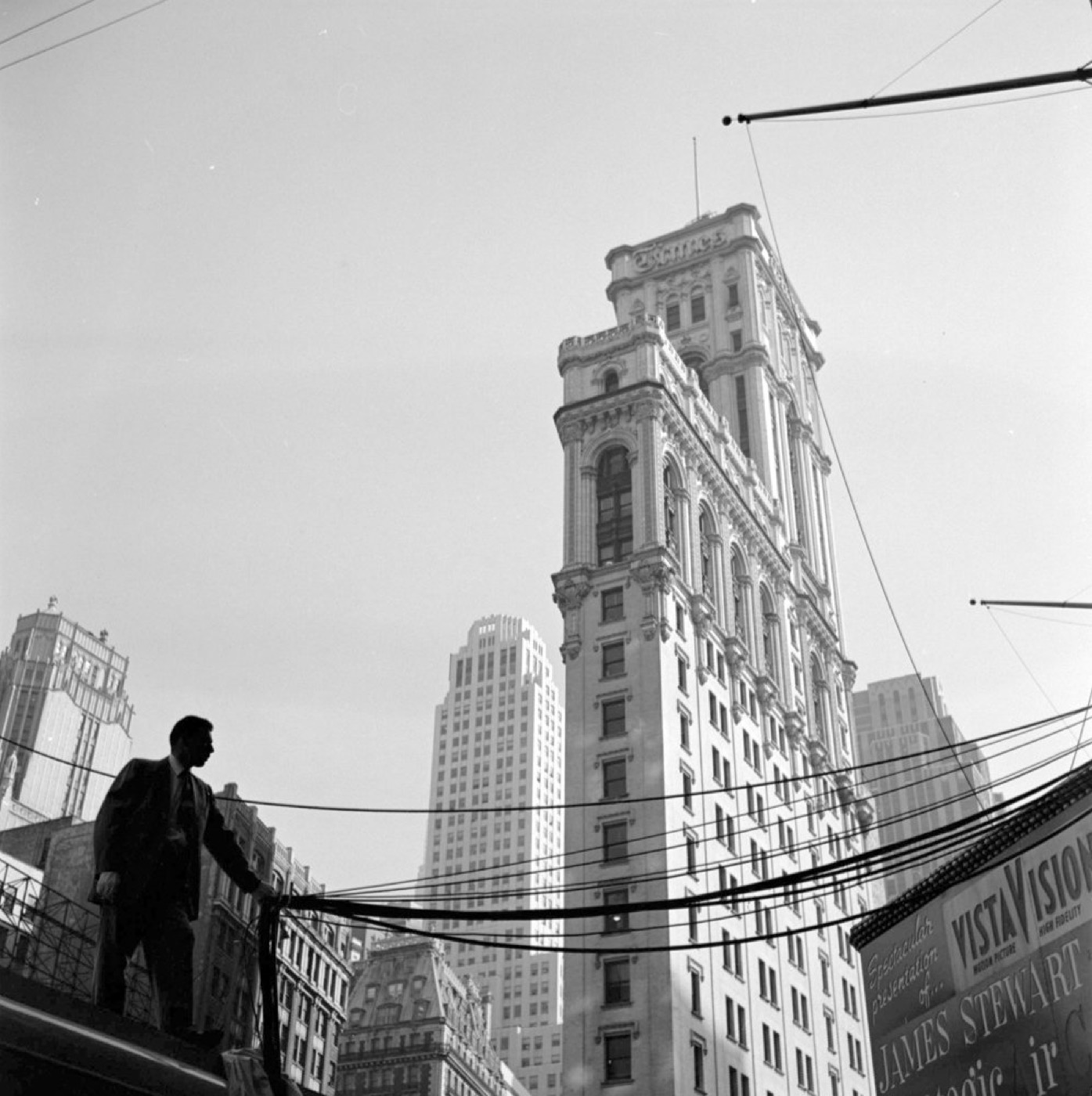 New York, NY 1955.
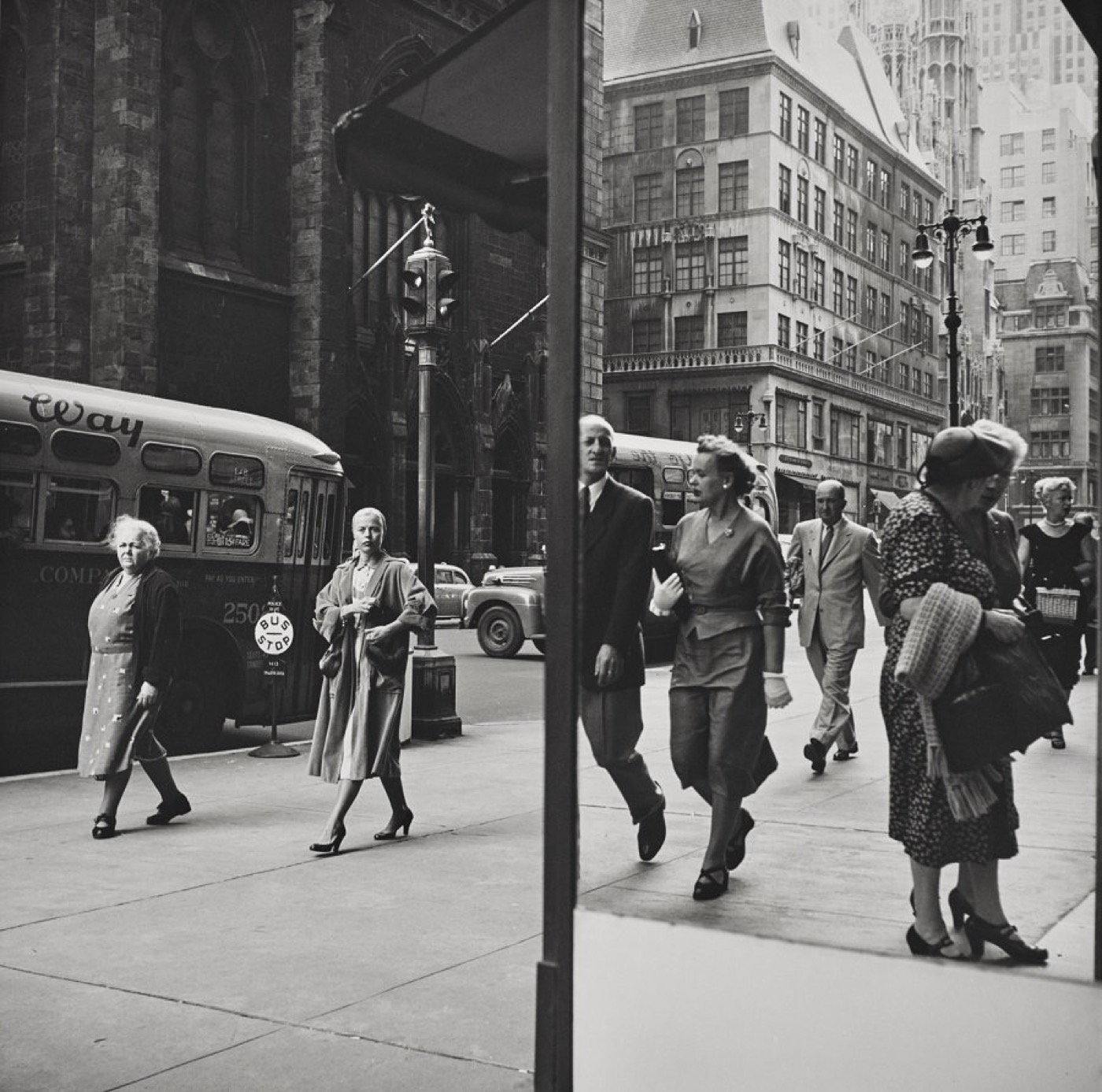 New York, NY c. 1955.
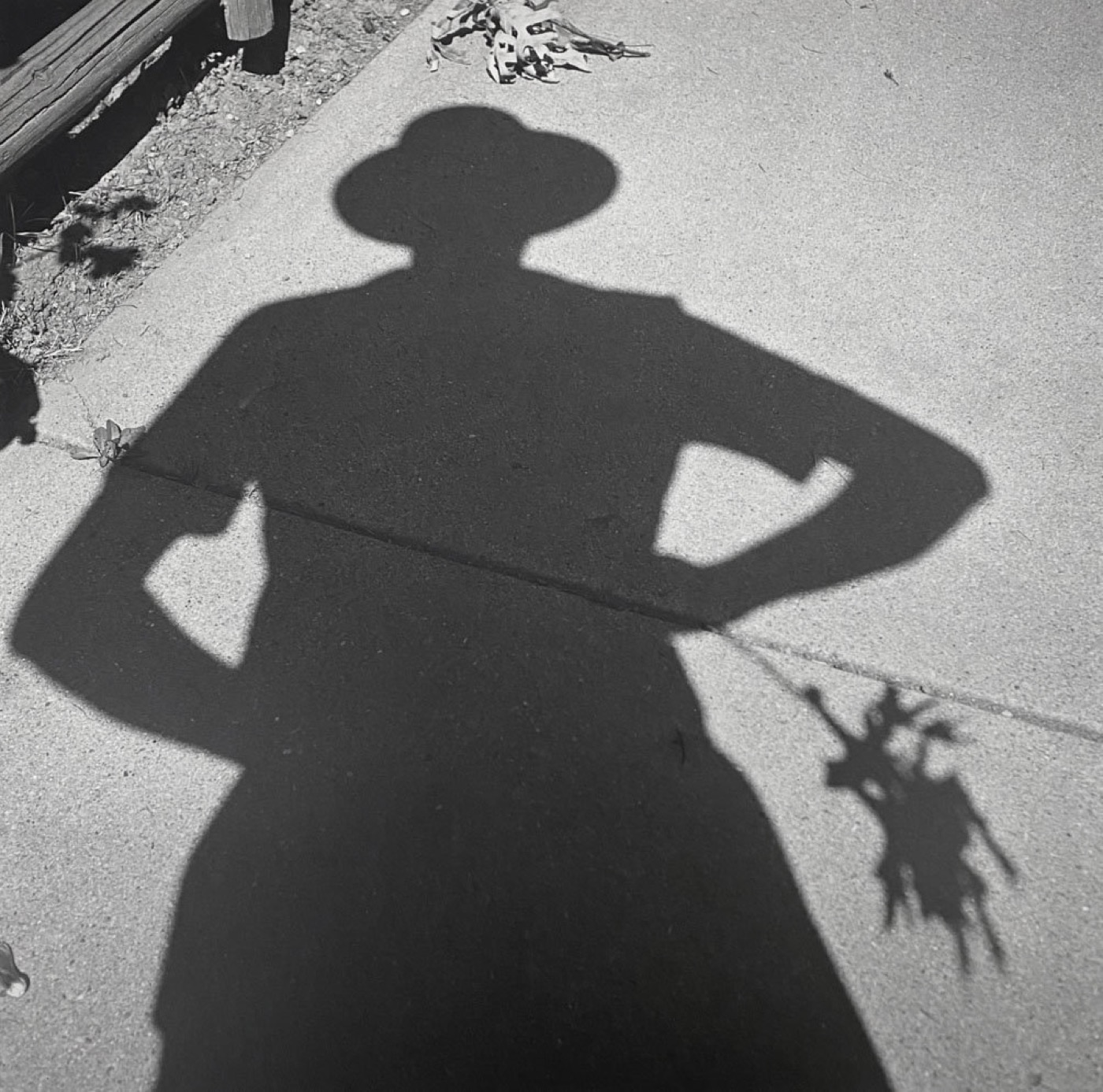 Untitled, Self-portrait 1956.
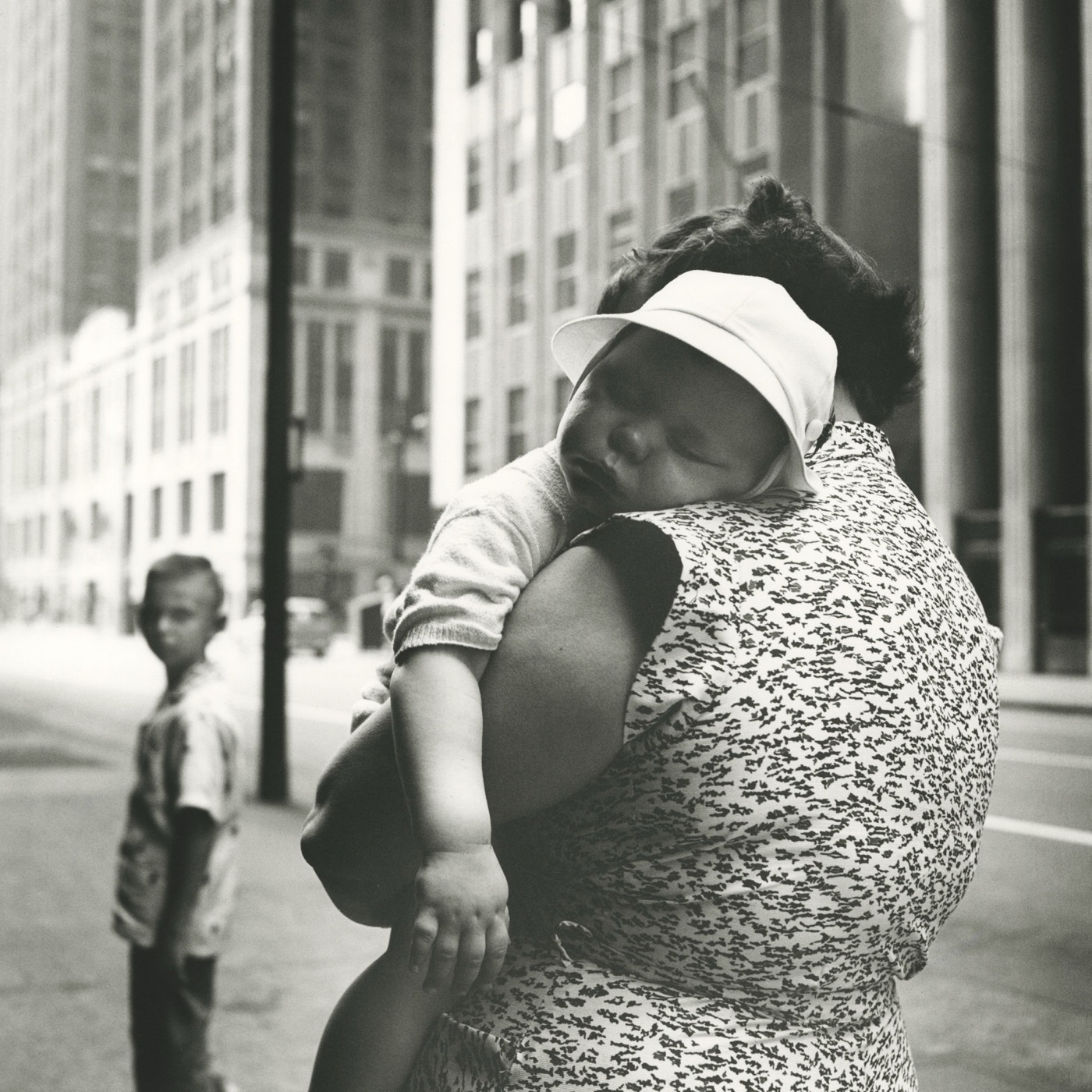 Chicago, IL, June 16 1956.
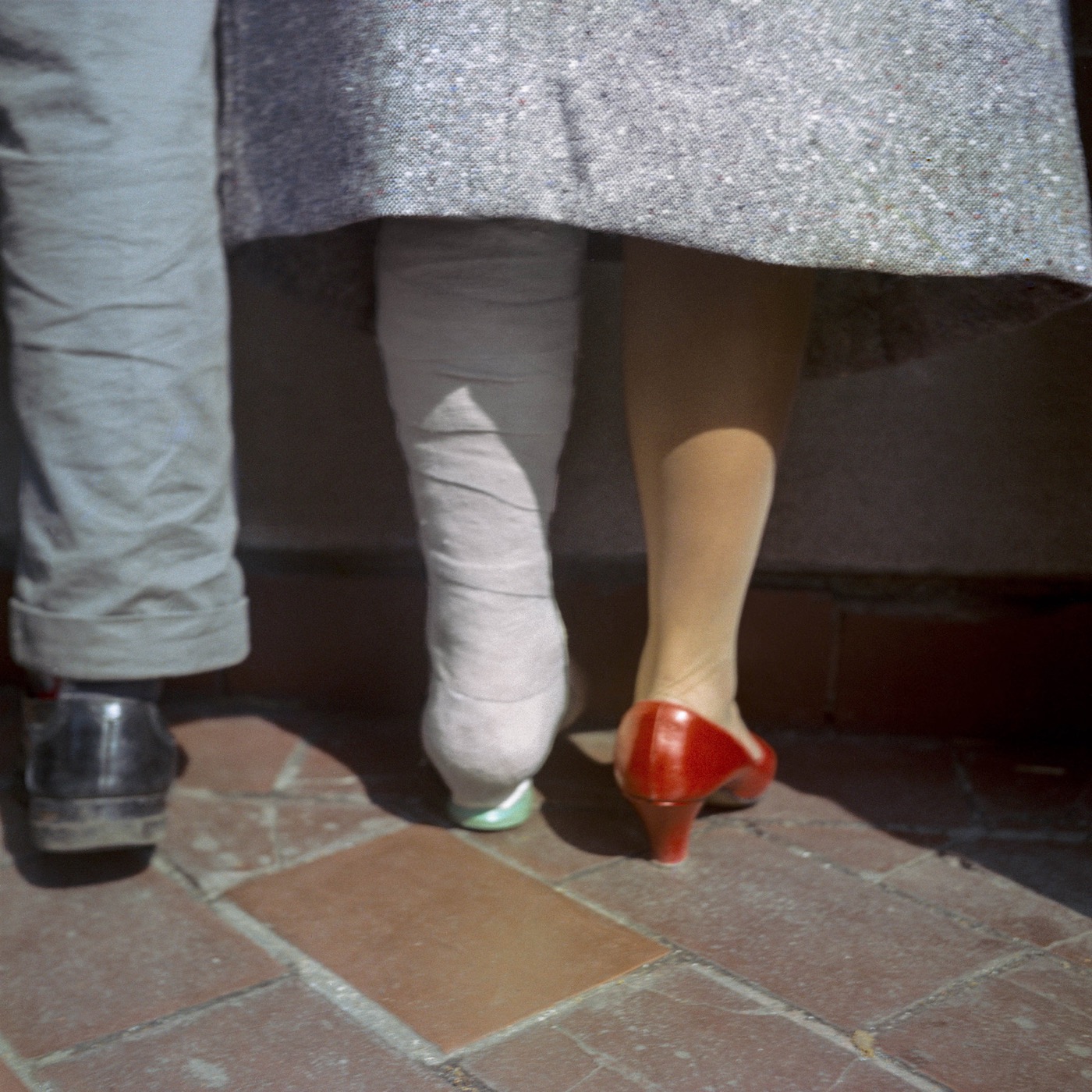 Chicago 1956.
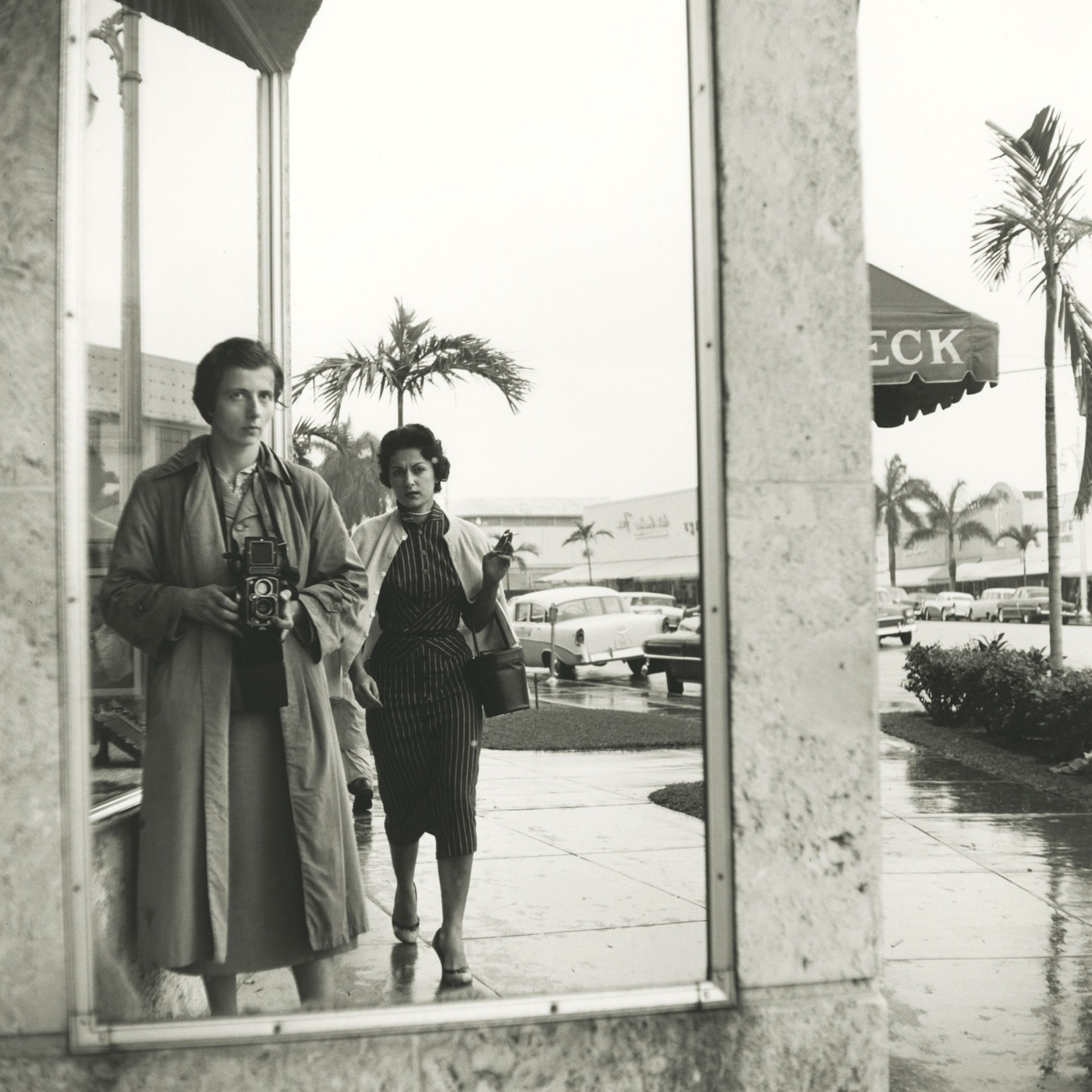 Self-portrait 1957.
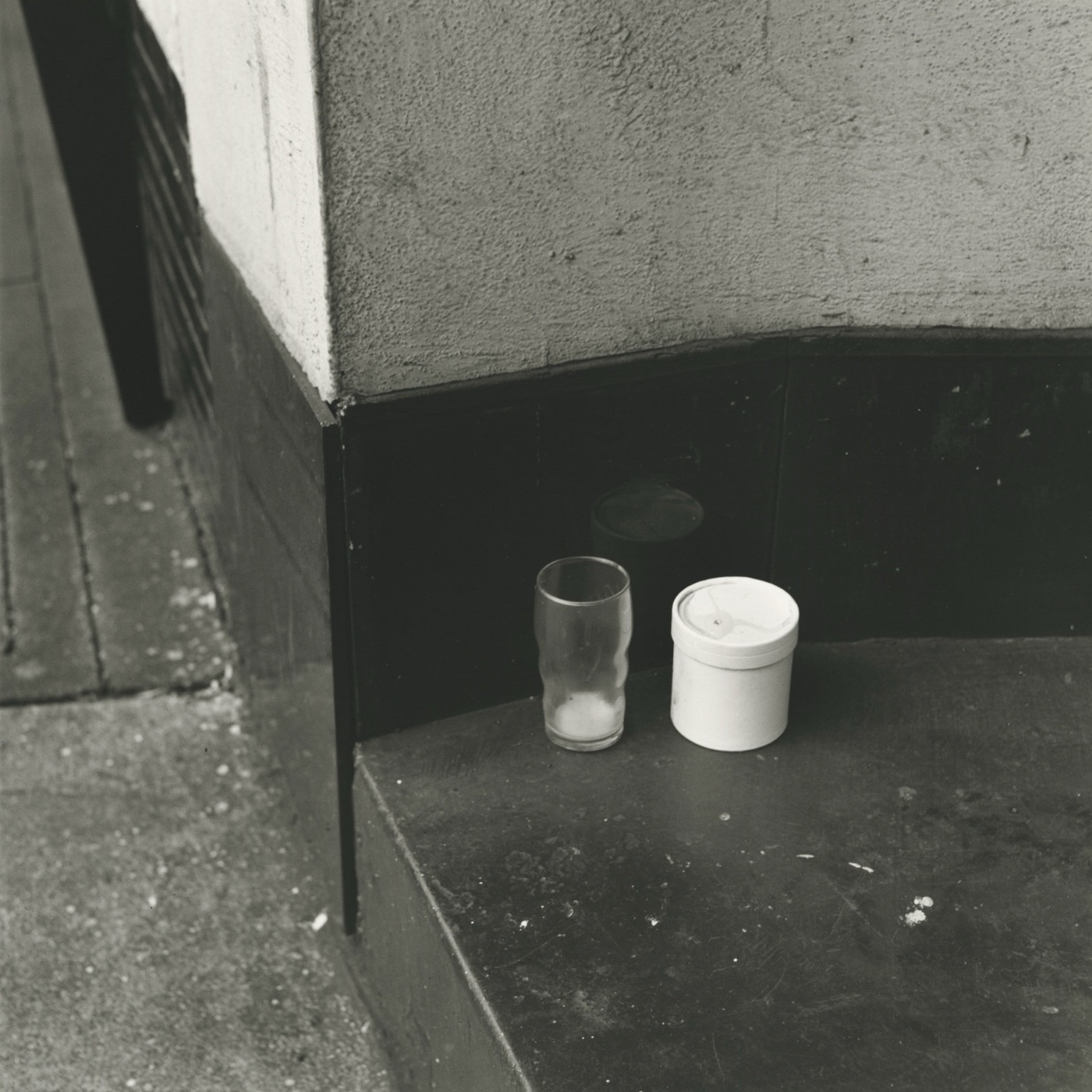 Chicago, IL, May 1957.
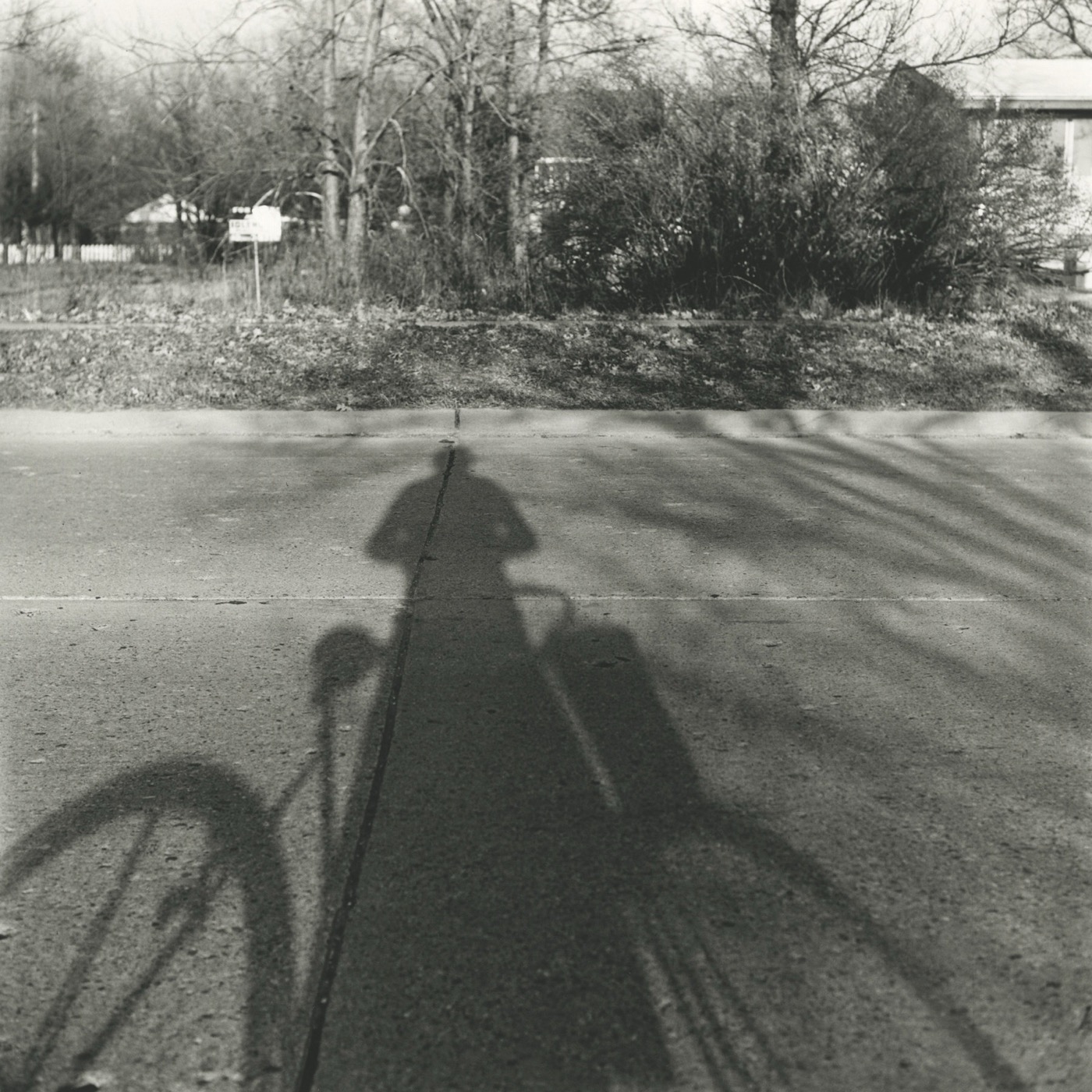 Self-portrait, Chicago area 1959.
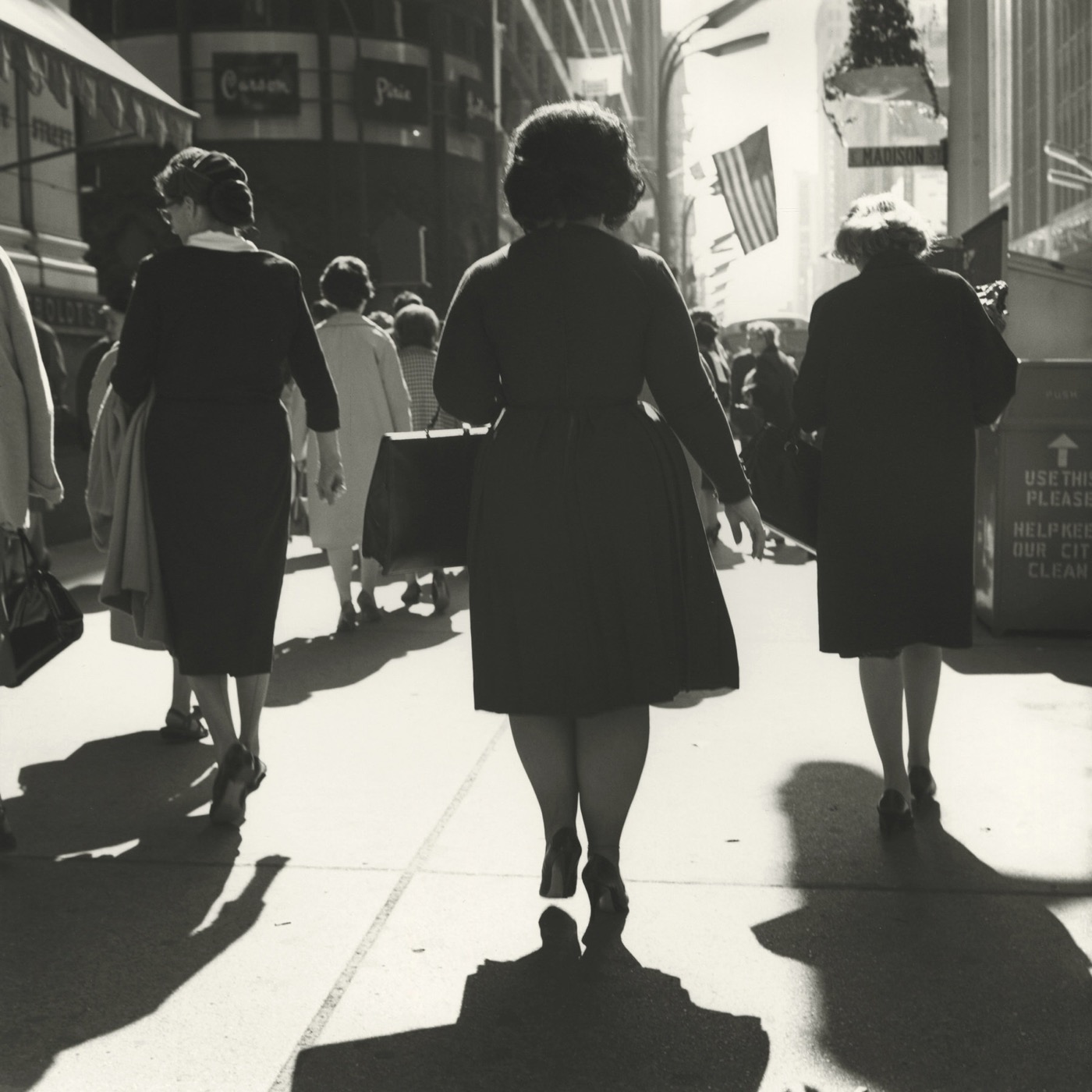 Chicago, IL c. 1960.
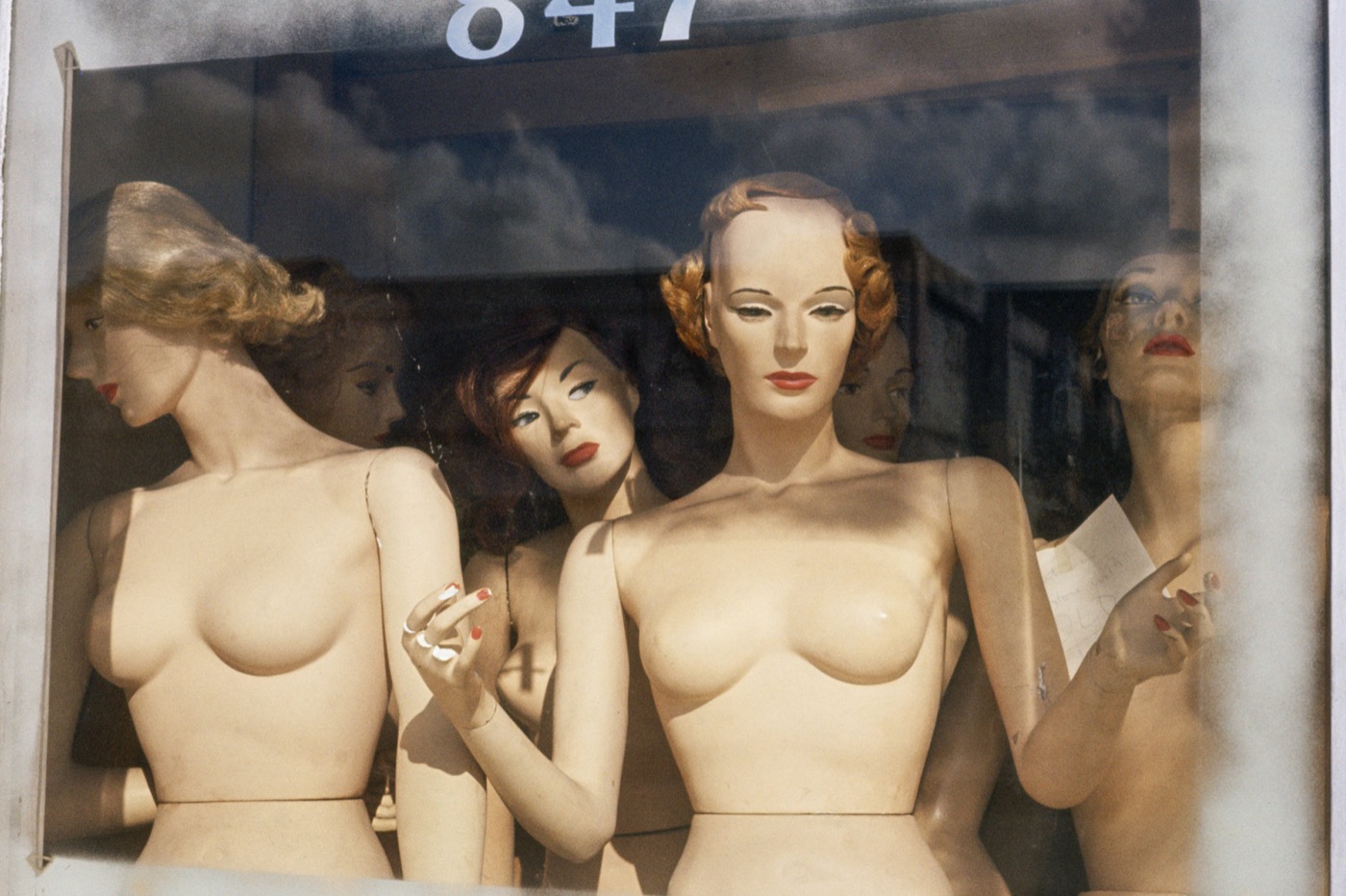 Chicago 1960.
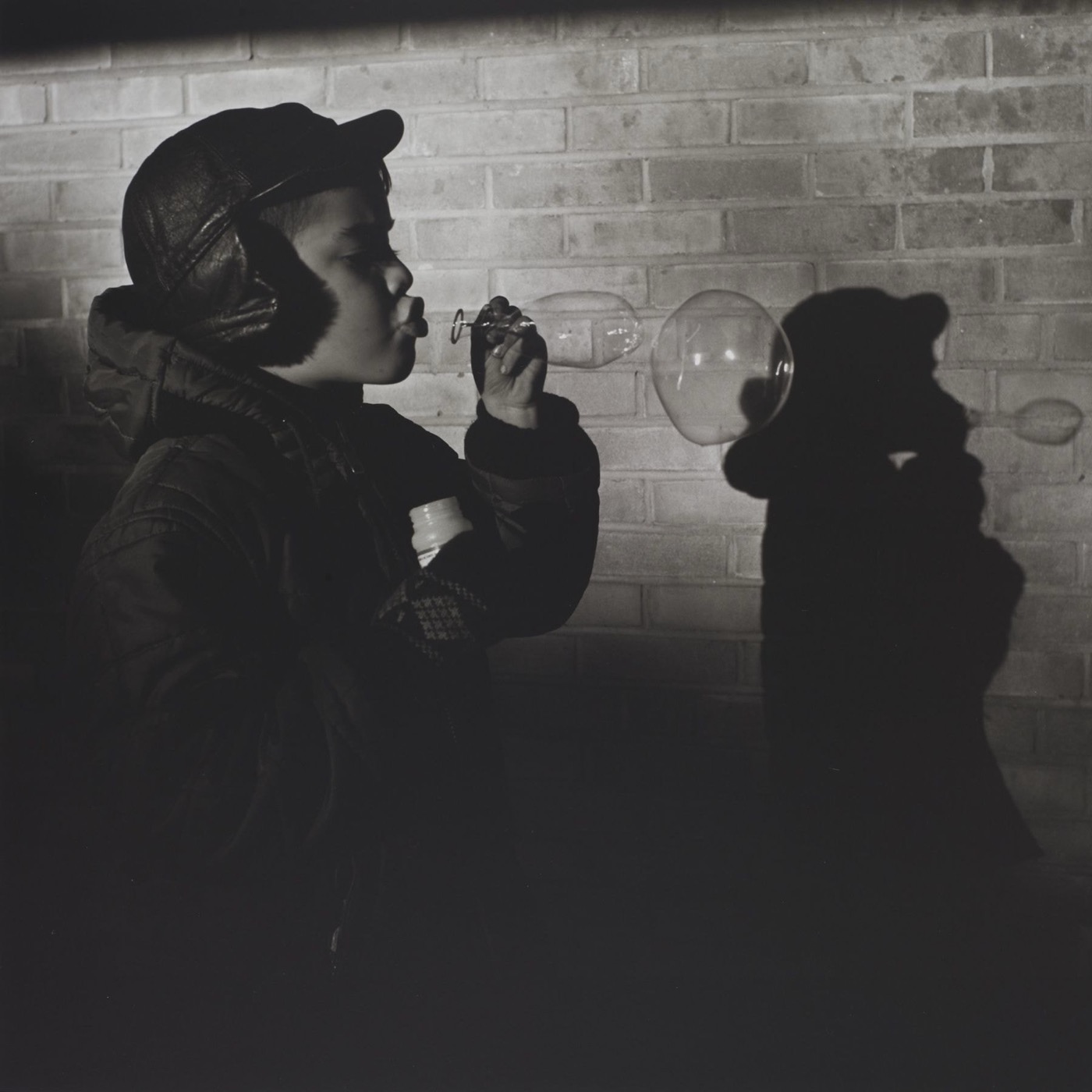 Chicago Area 1961.
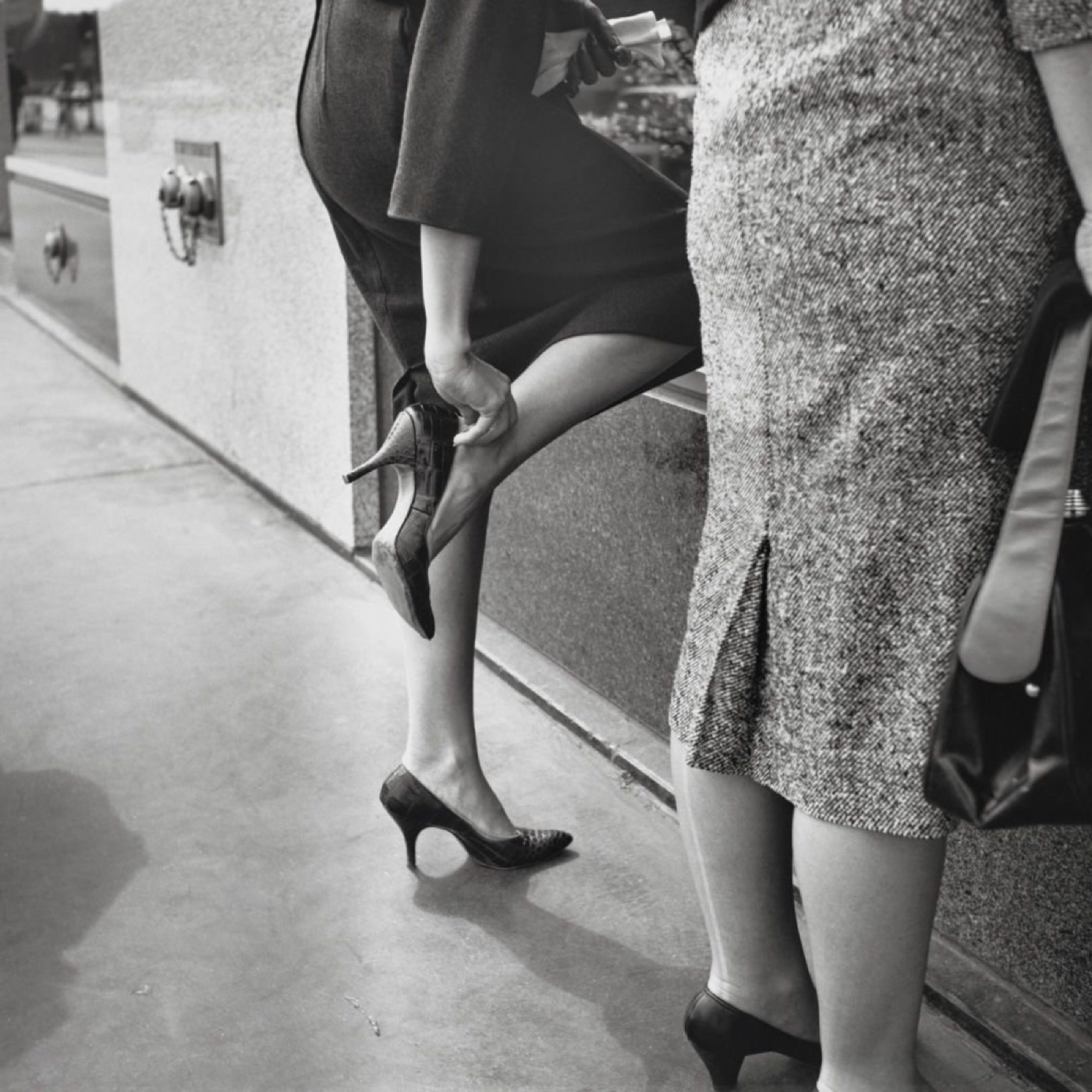 Chicago 1961.
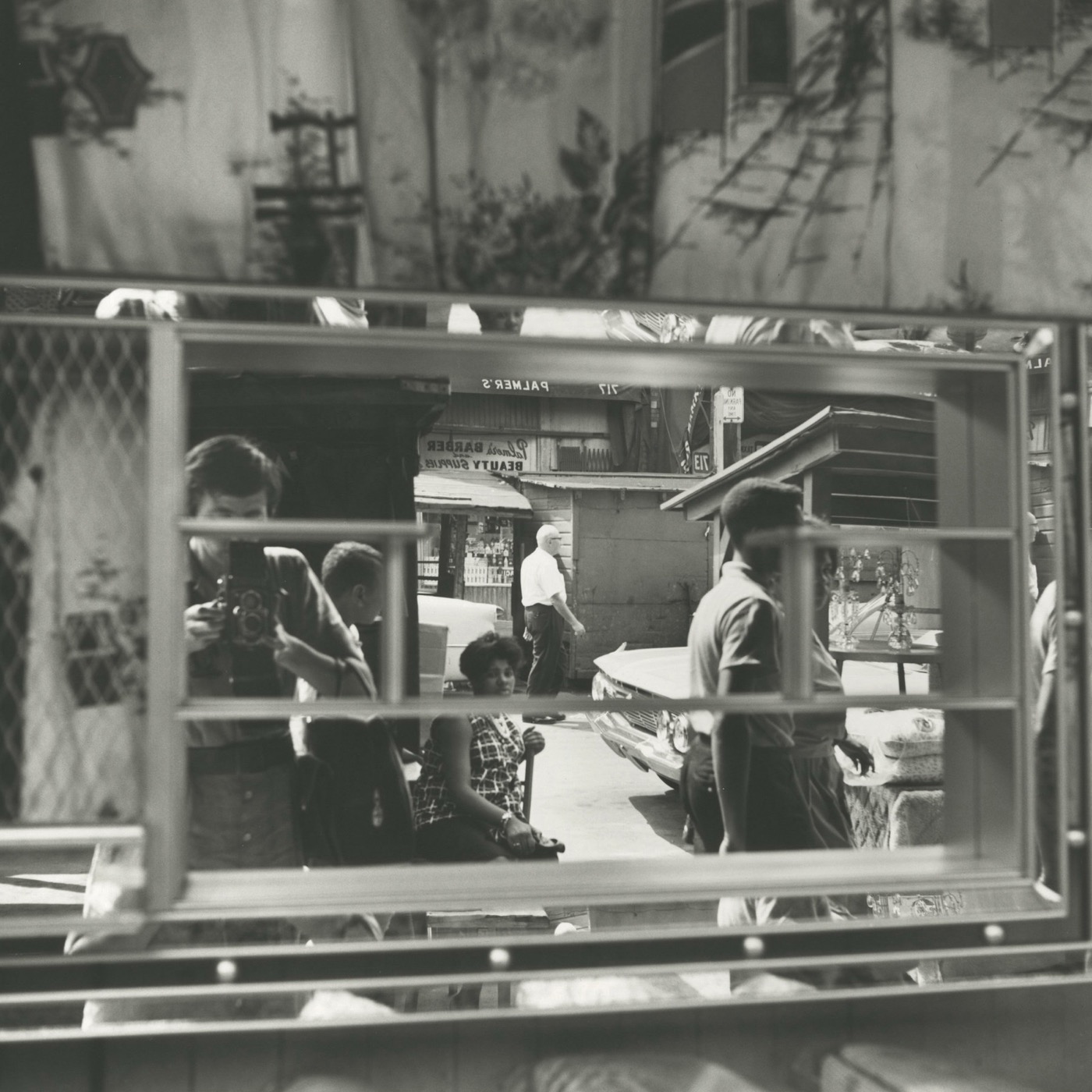 Self-portrait, Halsted Street, Chicago, August 25 1961.
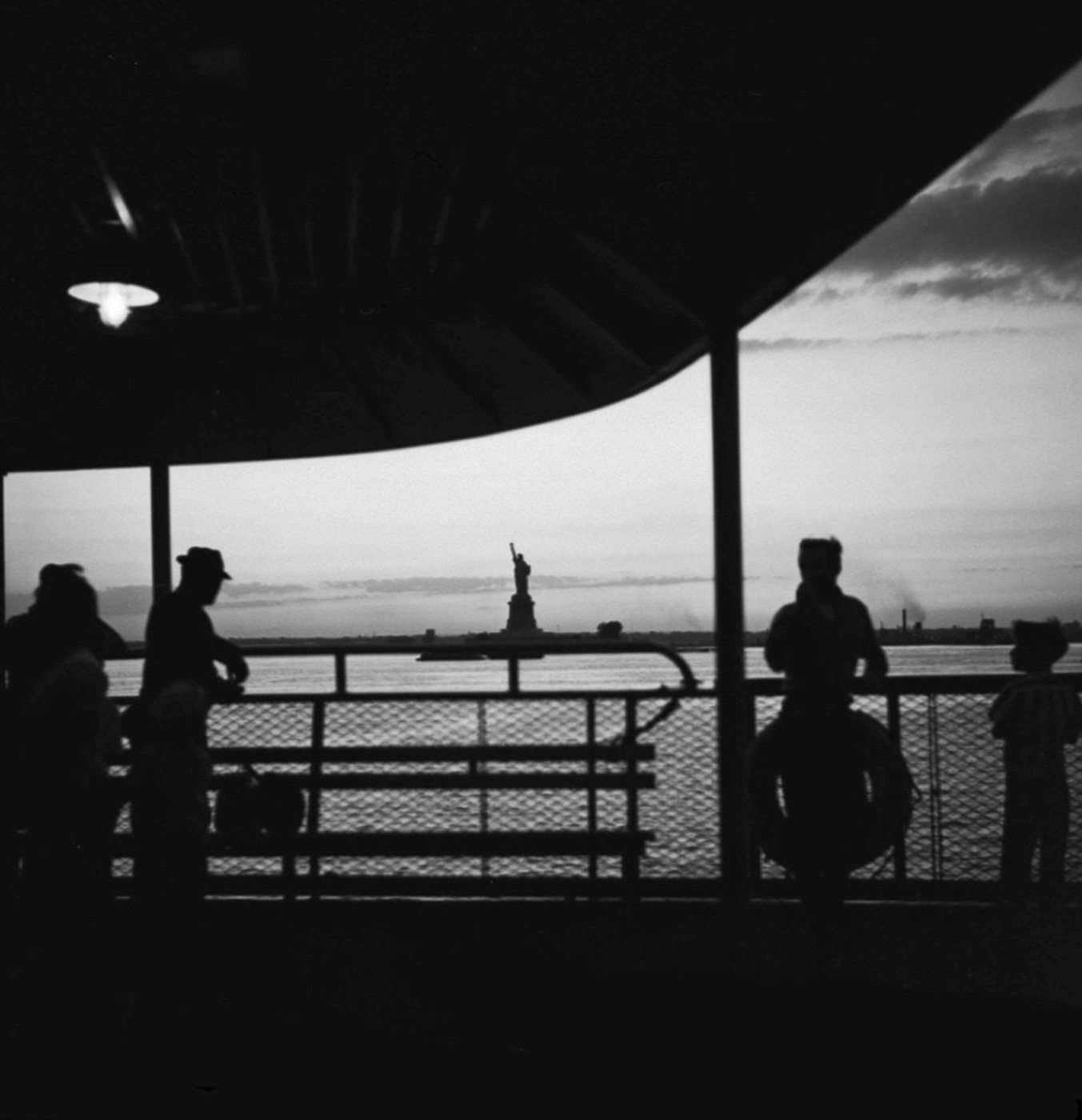 New York, New York 1965.
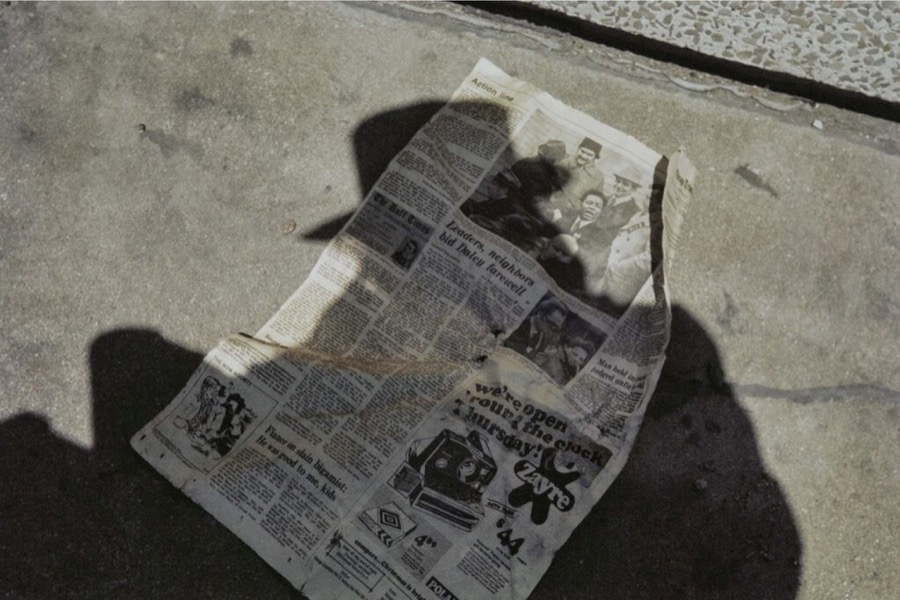 Self-portrait, May 1977.
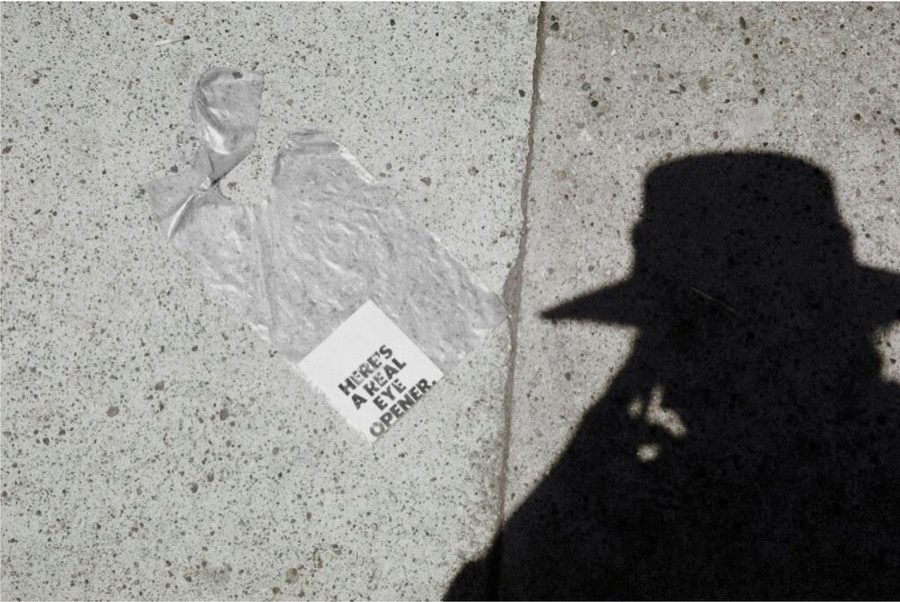 Self-portrait, Chicago, June 1976.
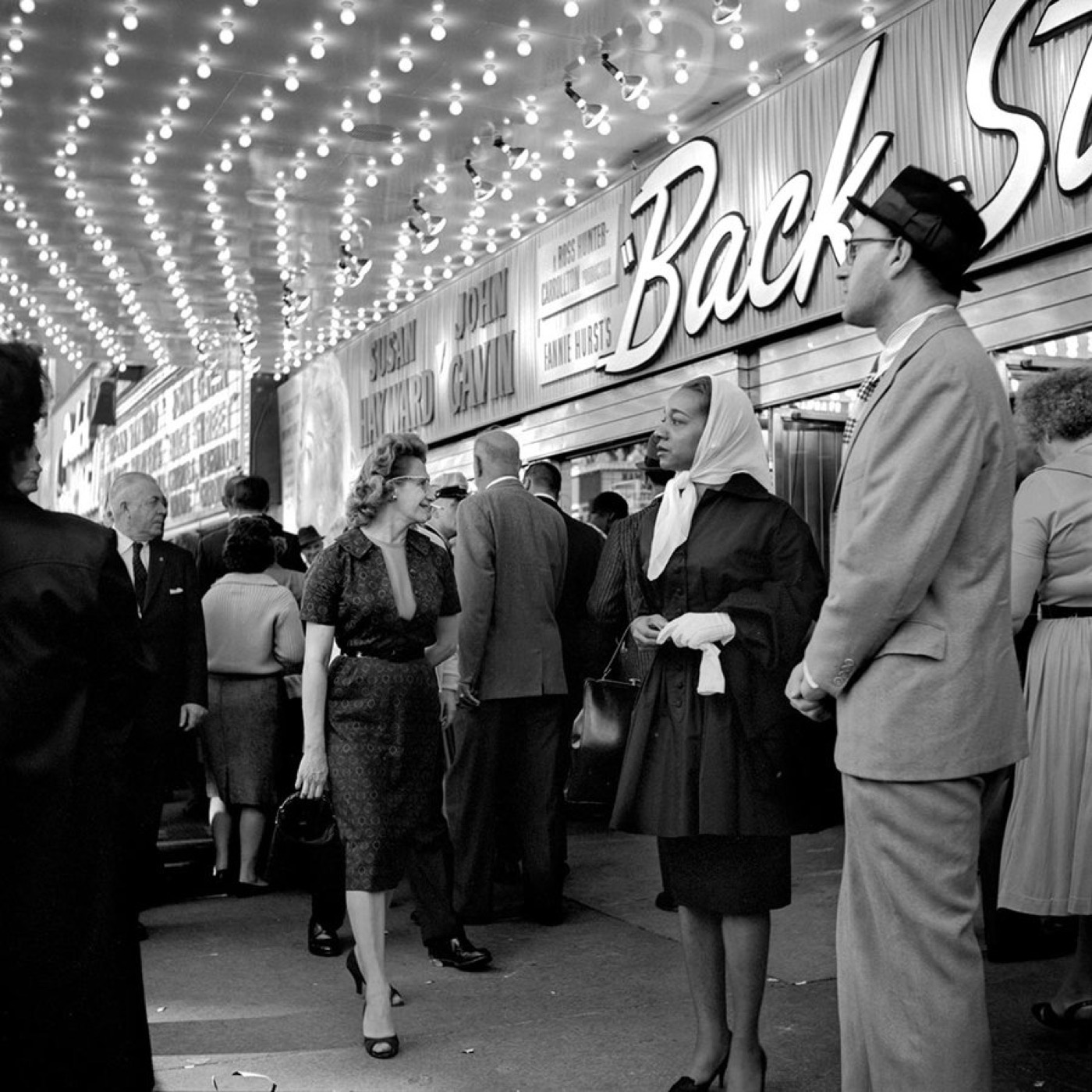 At the Babalan & Katz United Artists Theater, Chicago, IL 1961.
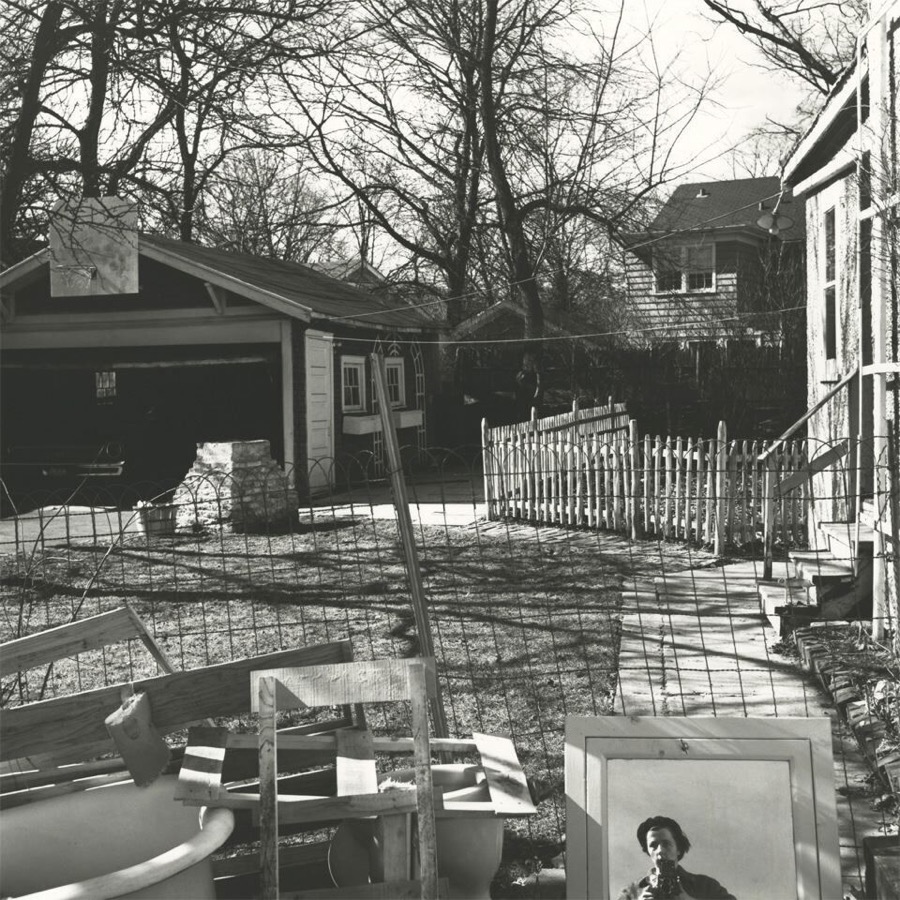 Self-portrait, Chicago area, March 2 1961.
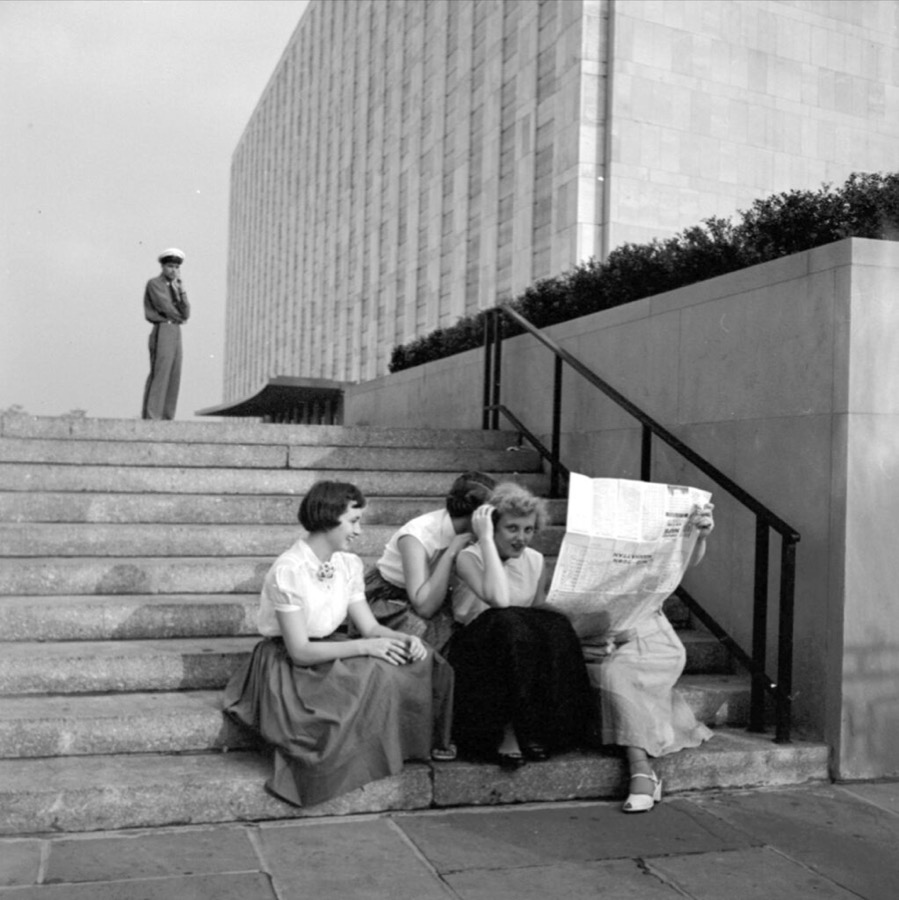 New York, NY (United Nations) 1954.
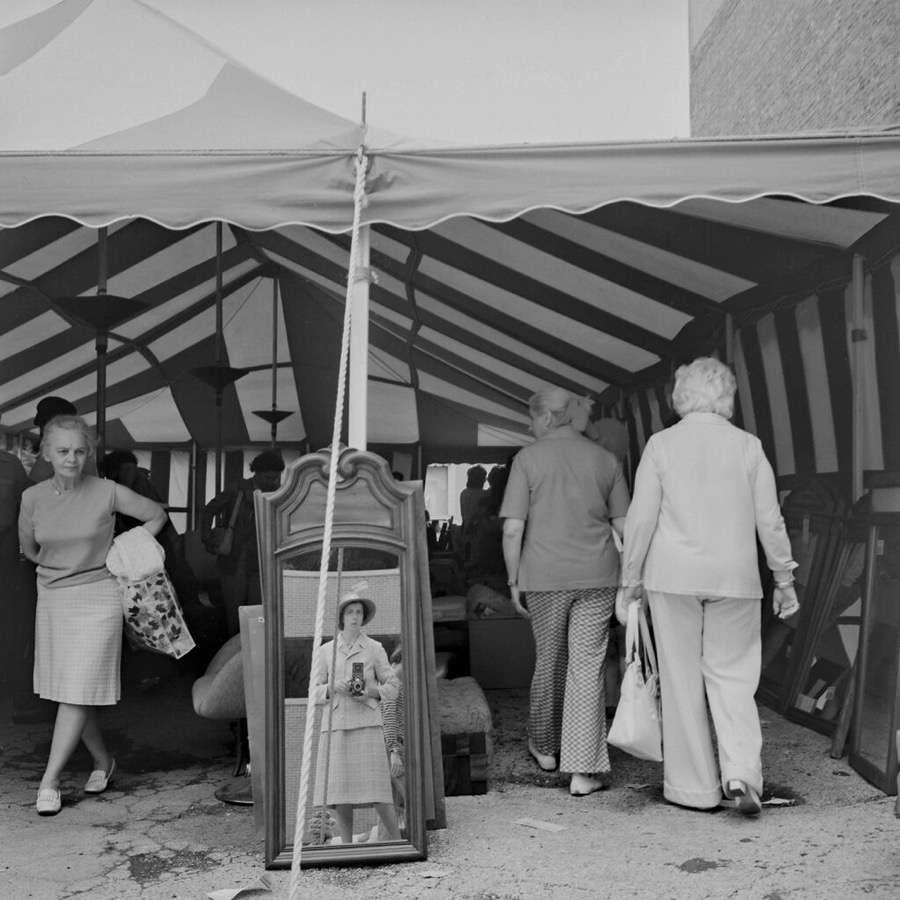 Self-portrait, Chicago ND.
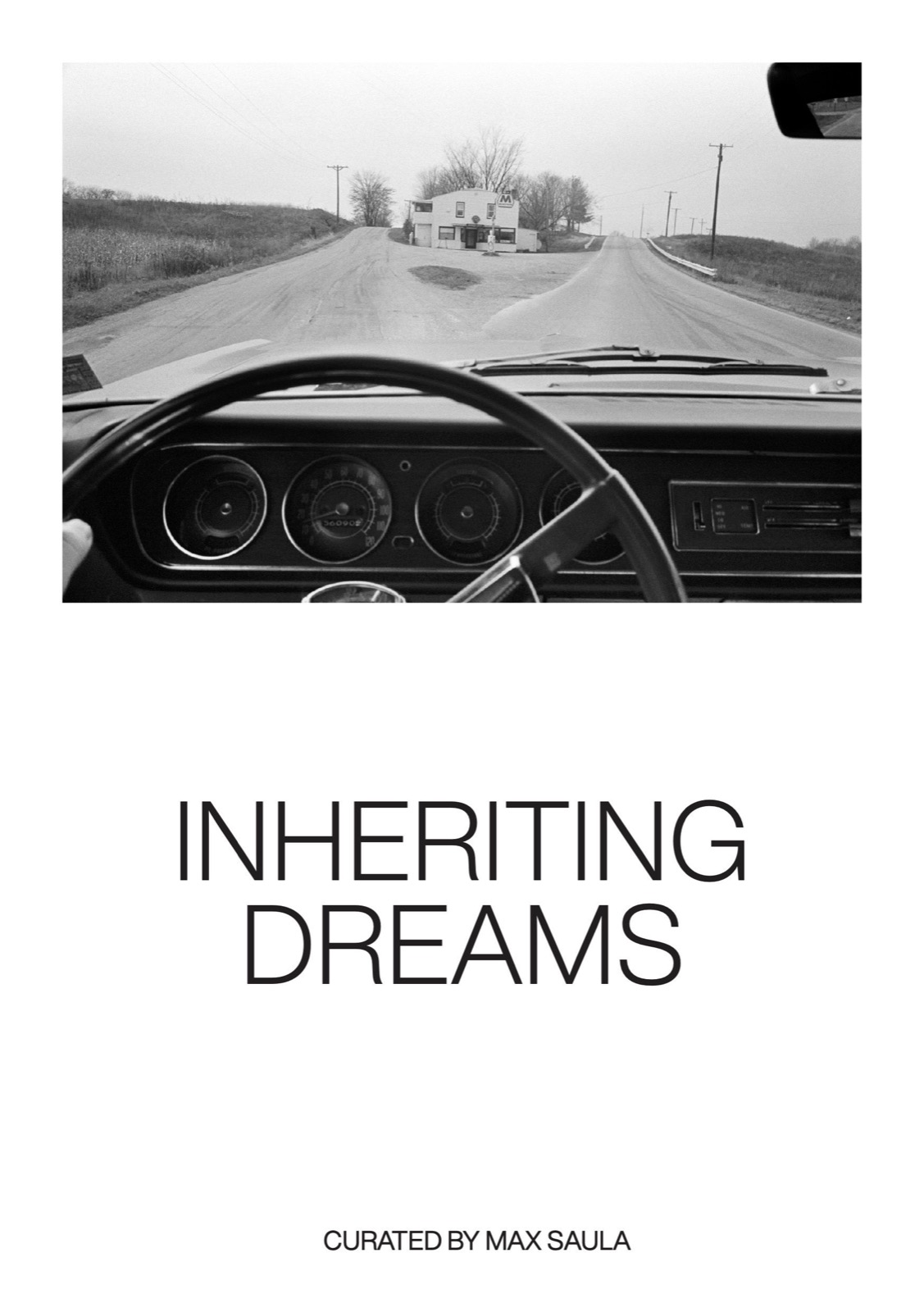

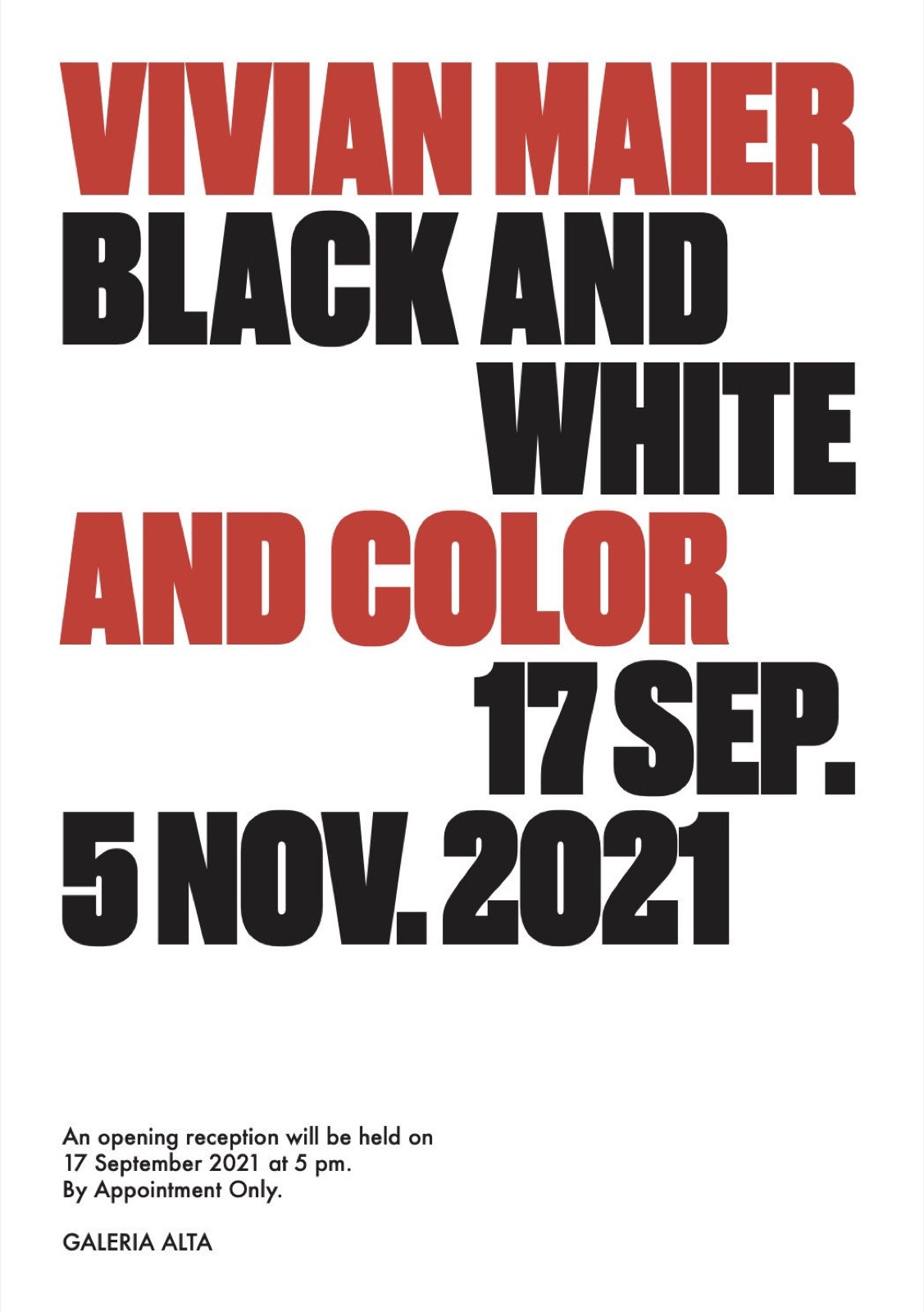
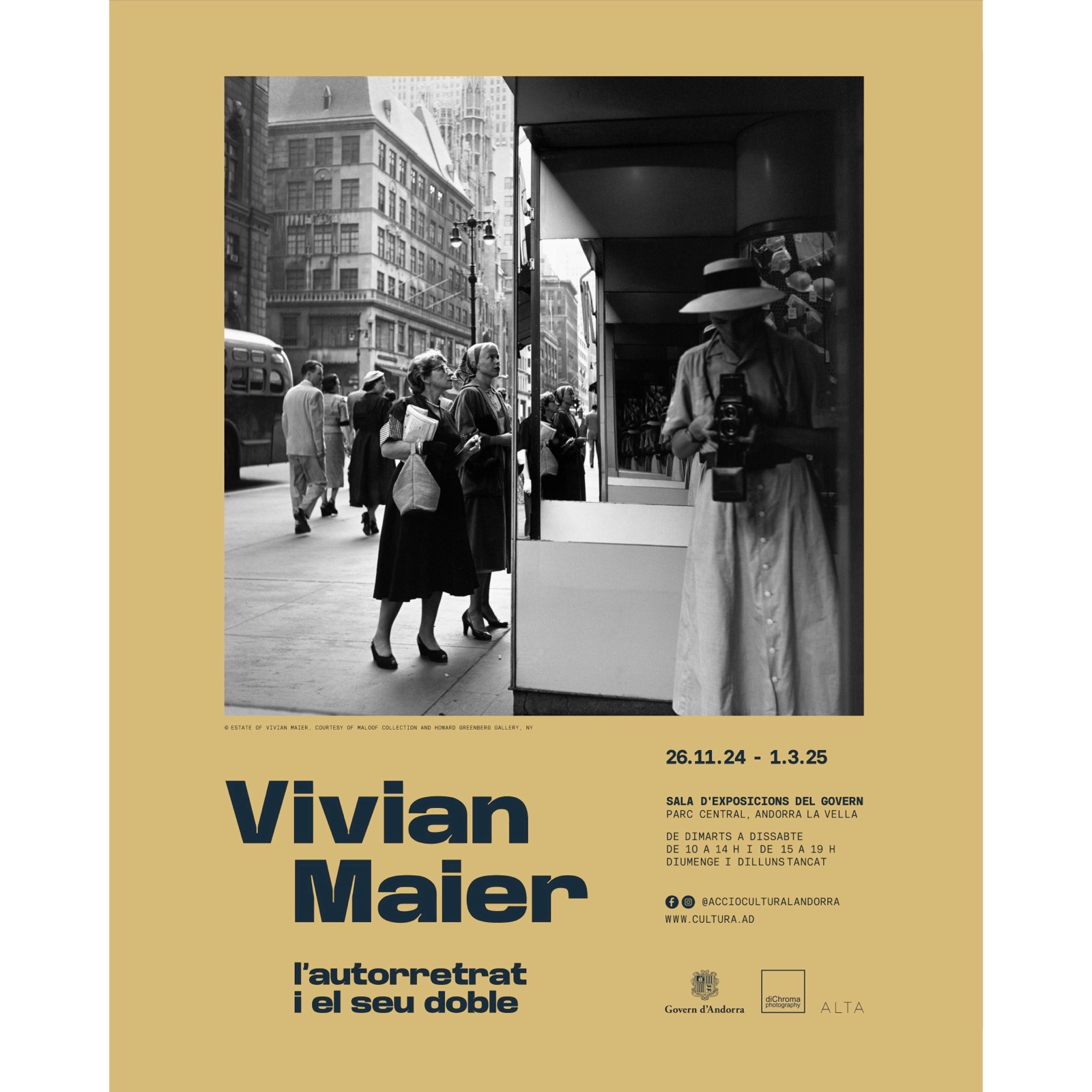
Inheriting Dreams: the living legacy of photography
Gaspar Keri, PunktOctober 2025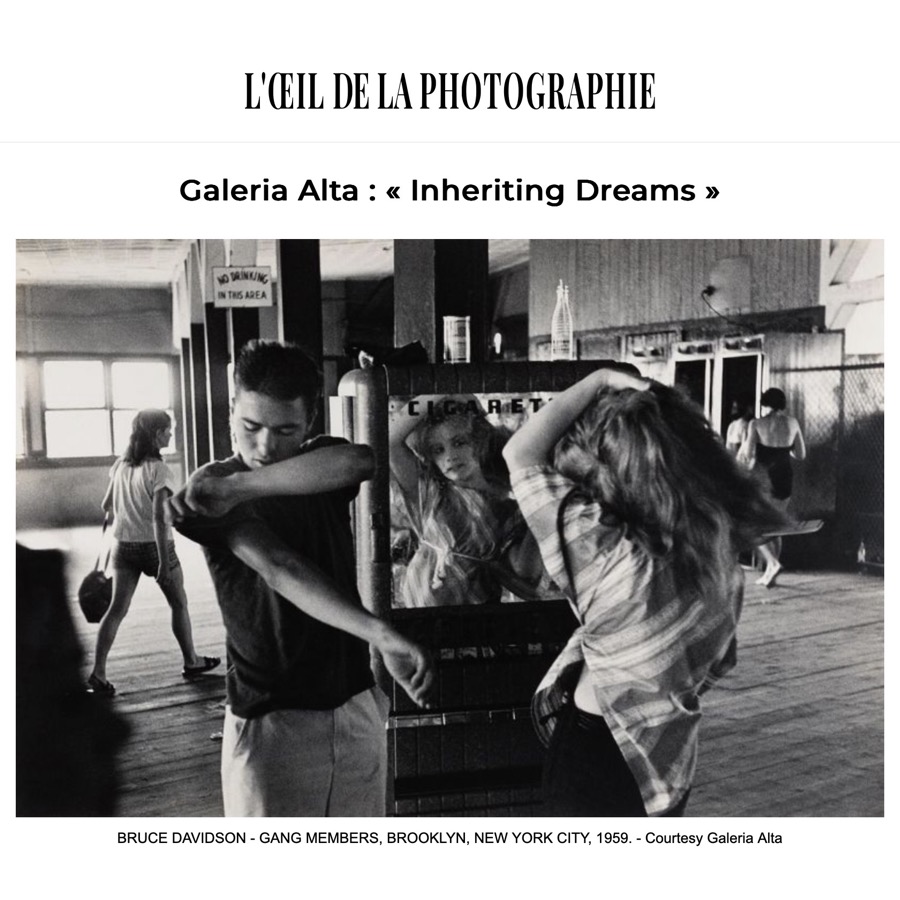
Inheriting Dreams
Christian Caujolle, The Eye of PhotographySeptember 2025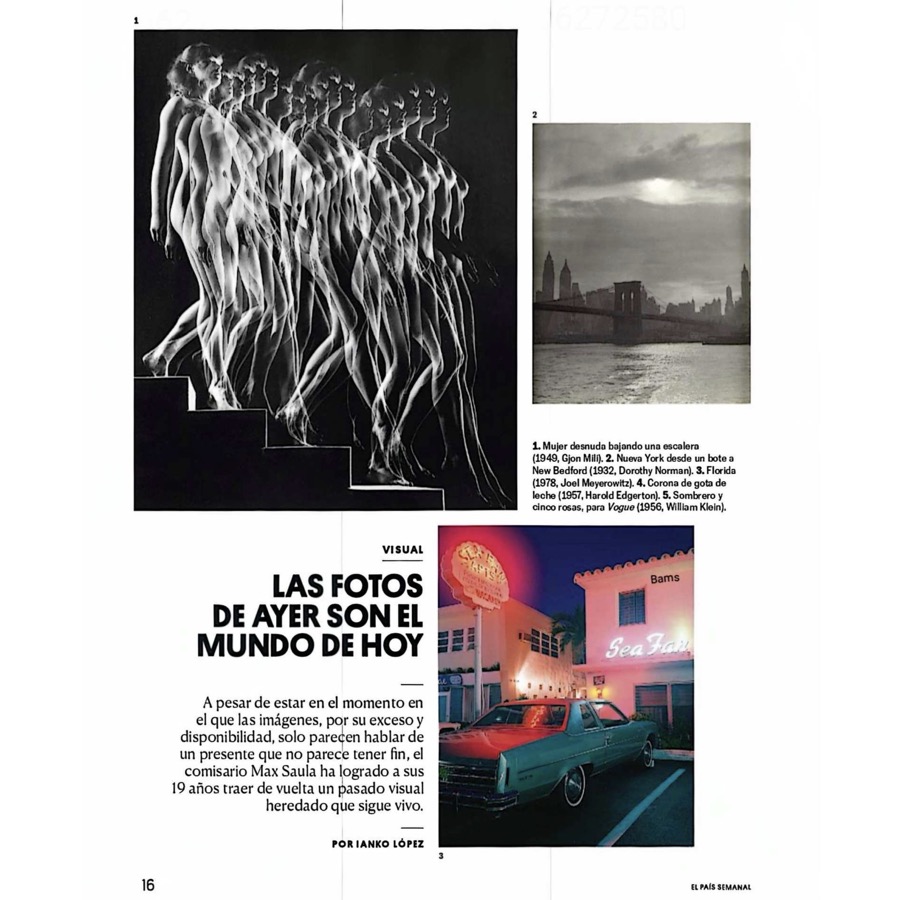
Yesterday's photographs are today's world
Ianko López, El País SemanalSeptember 2025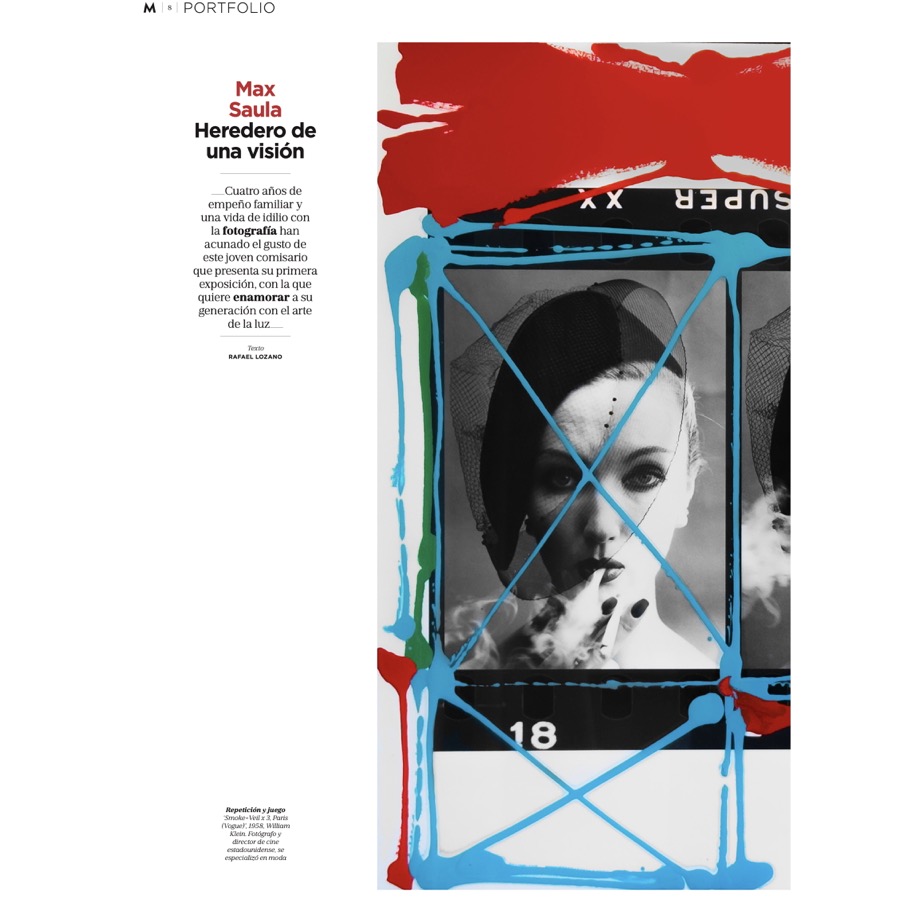
Max Saula: Heir to a vision
Rafael Lozano, La VanguardiaSeptember 2025
Coleccionar Arte Contemporáneo - Fotografía
Vanessa García-Osuna, Tendencias del ArteMarch 2025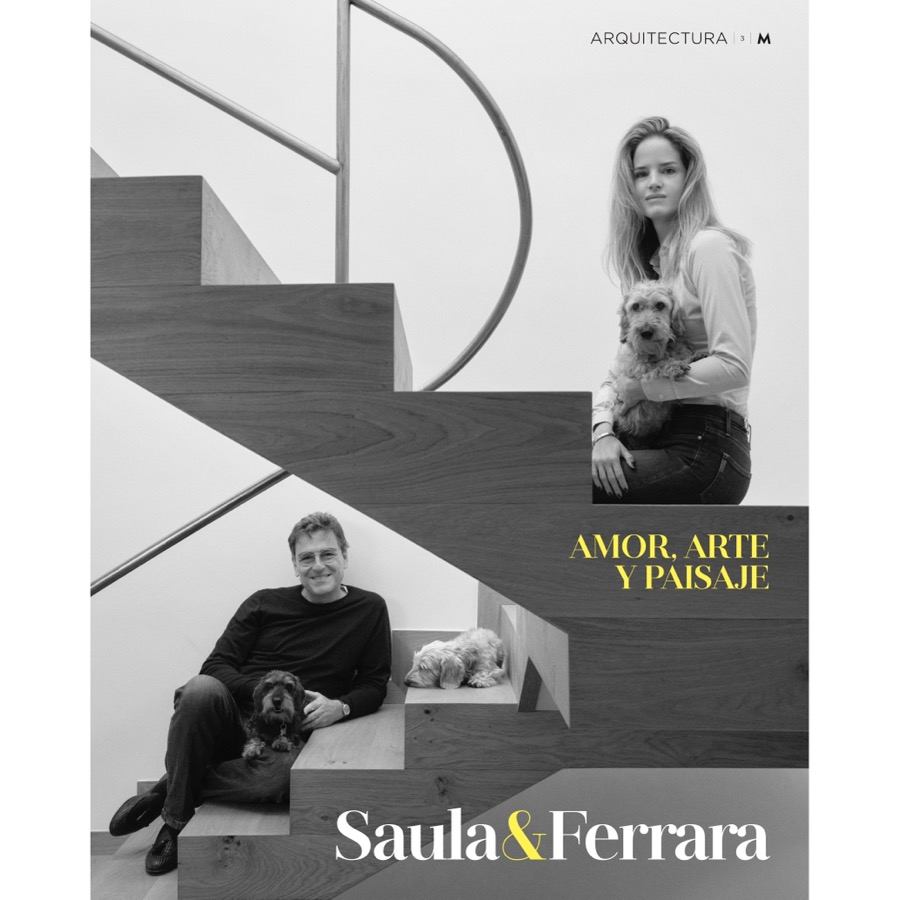
Saula & Ferrara
Writer: Felip Vivanco. Photographer : Txema Yeste, La Vanguardia MagazineNovember 2024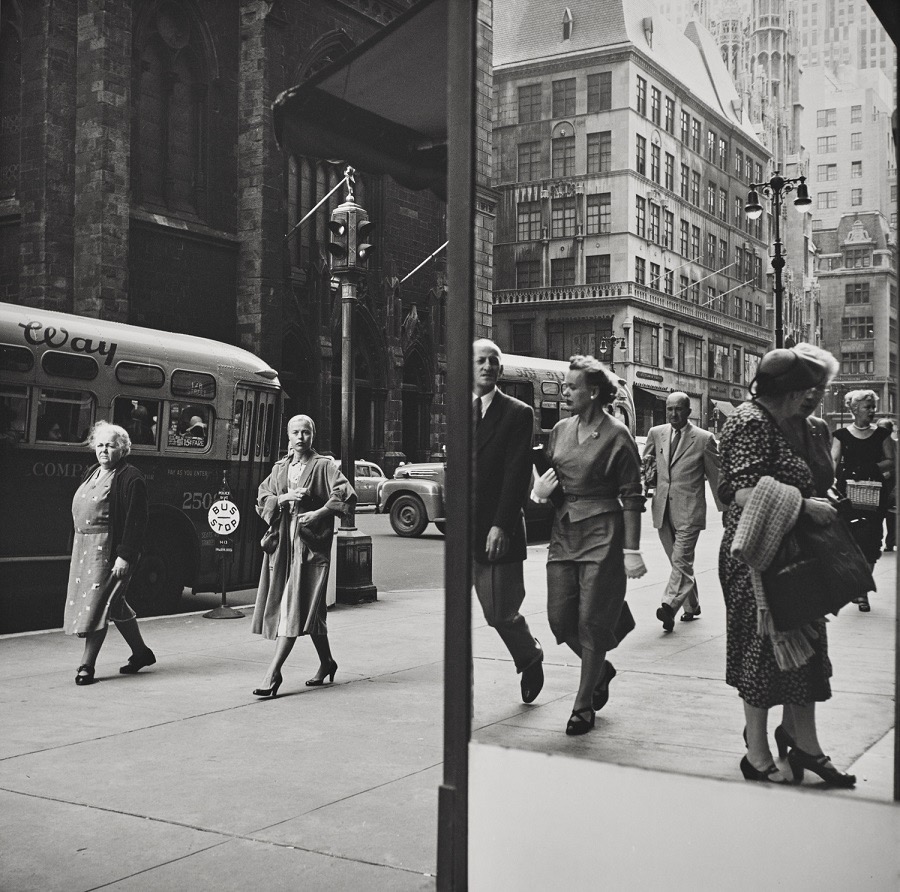
Vivian Maier: Unseen Work
Arthur Lubow, New York TimesJune 2024
Automóviles, naves espaciales, obras de arte
Felip Vivanco, La VanguardiaSeptember 2023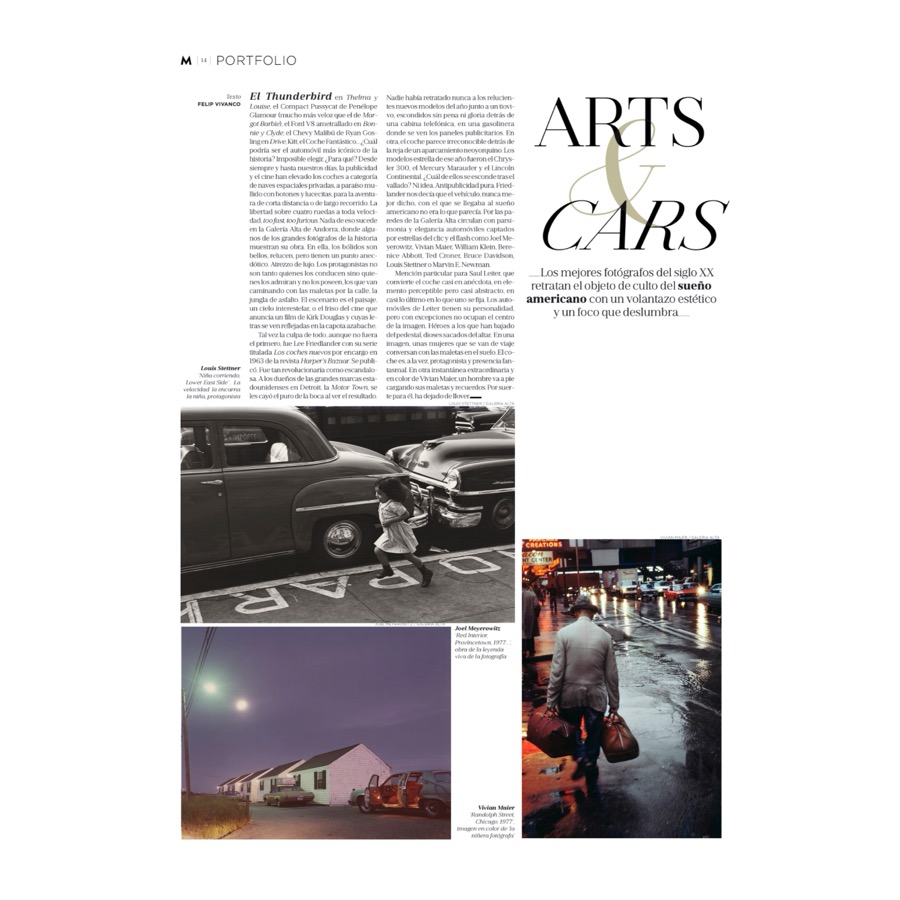
Arts & Cars
Felip Vivanco, La VanguardiaSeptember 2023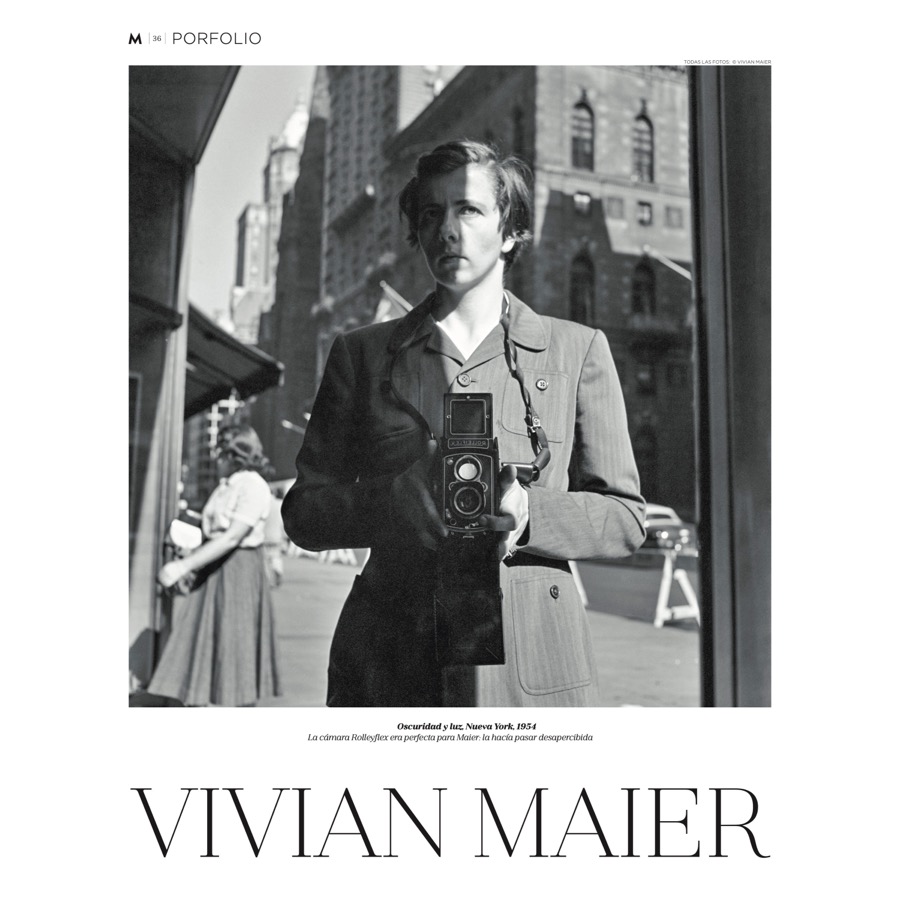
Vivian Maier
Felip Vivanco, La VanguardiaMarch 2023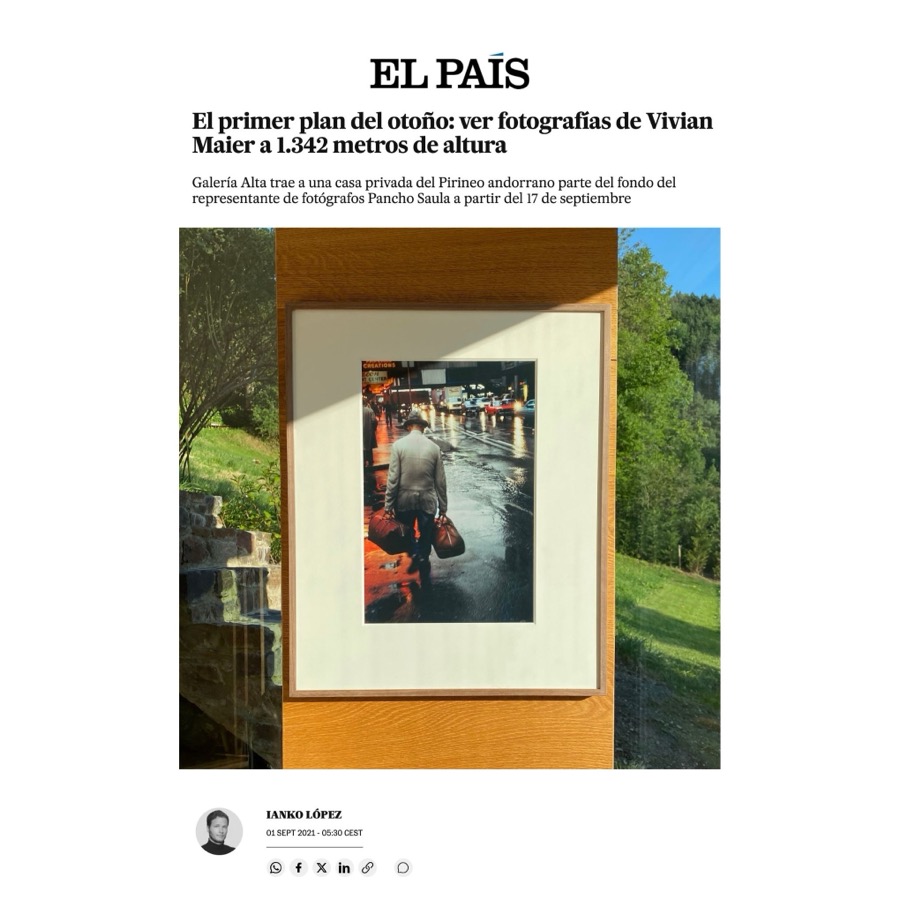
El primer plan del otoño: ver fotografías de Vivian Maier a 1342 metros de altura
Ianko López, Icon / El PaísSeptember 2021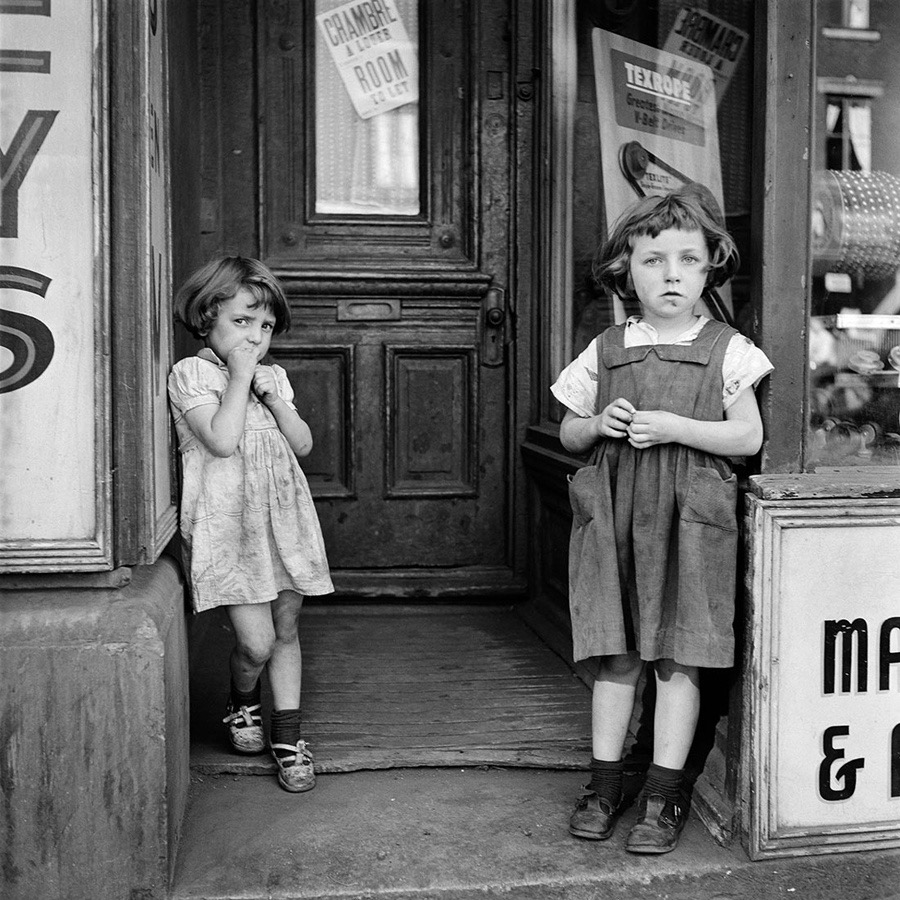
Vivian Maier expuesta a 1342 metros sobre el mar
Manuela Sanoja, Forbes EspañaJuly 2021
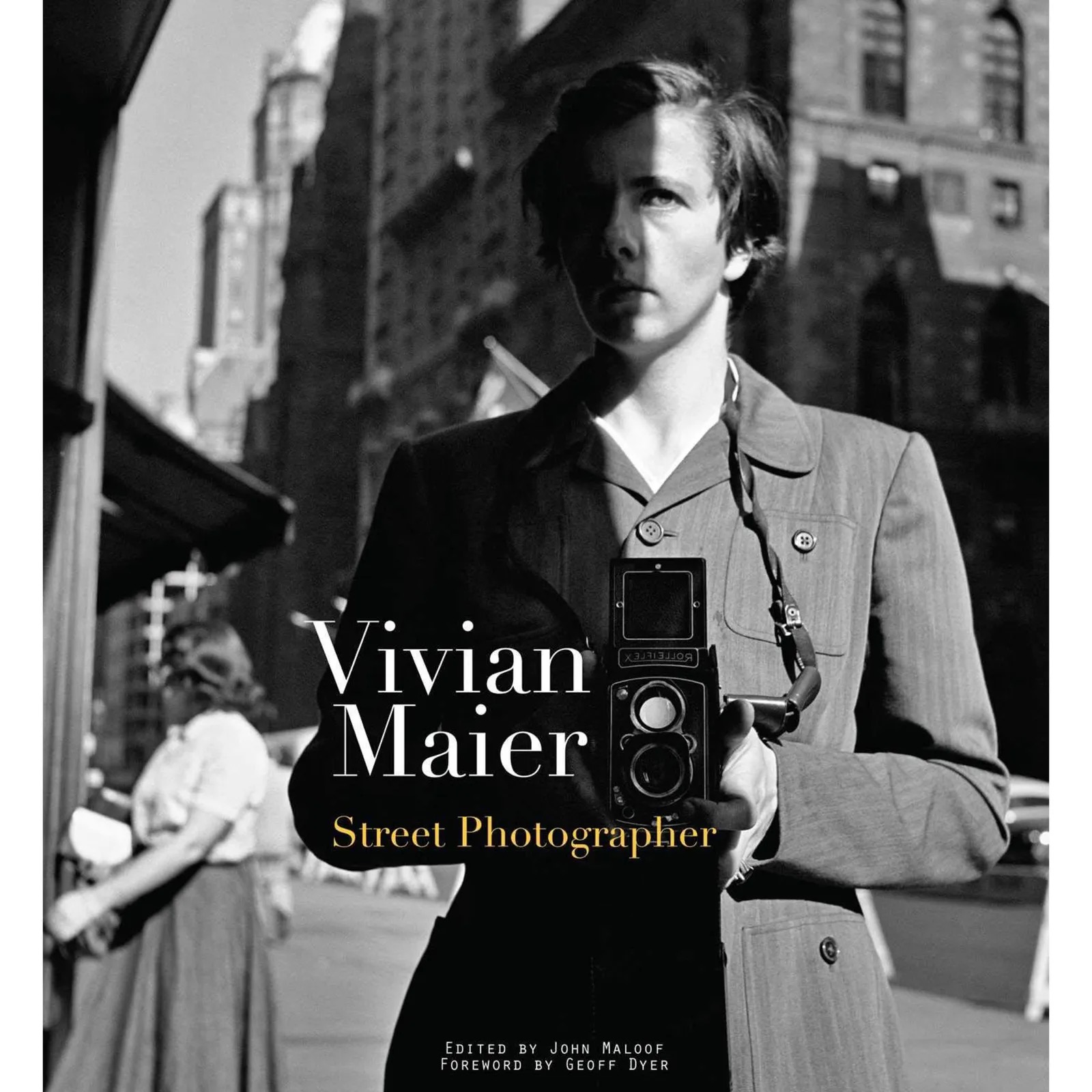
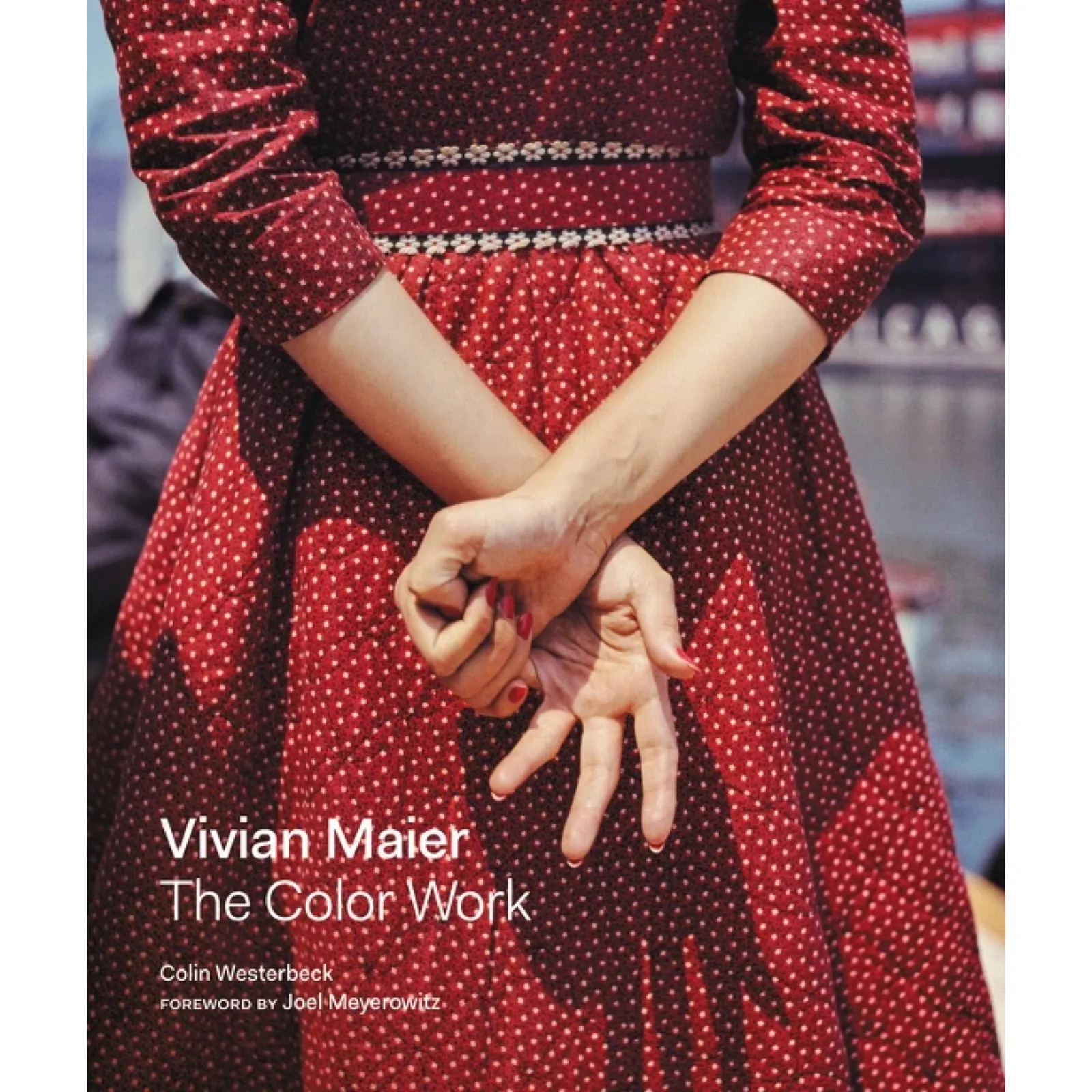
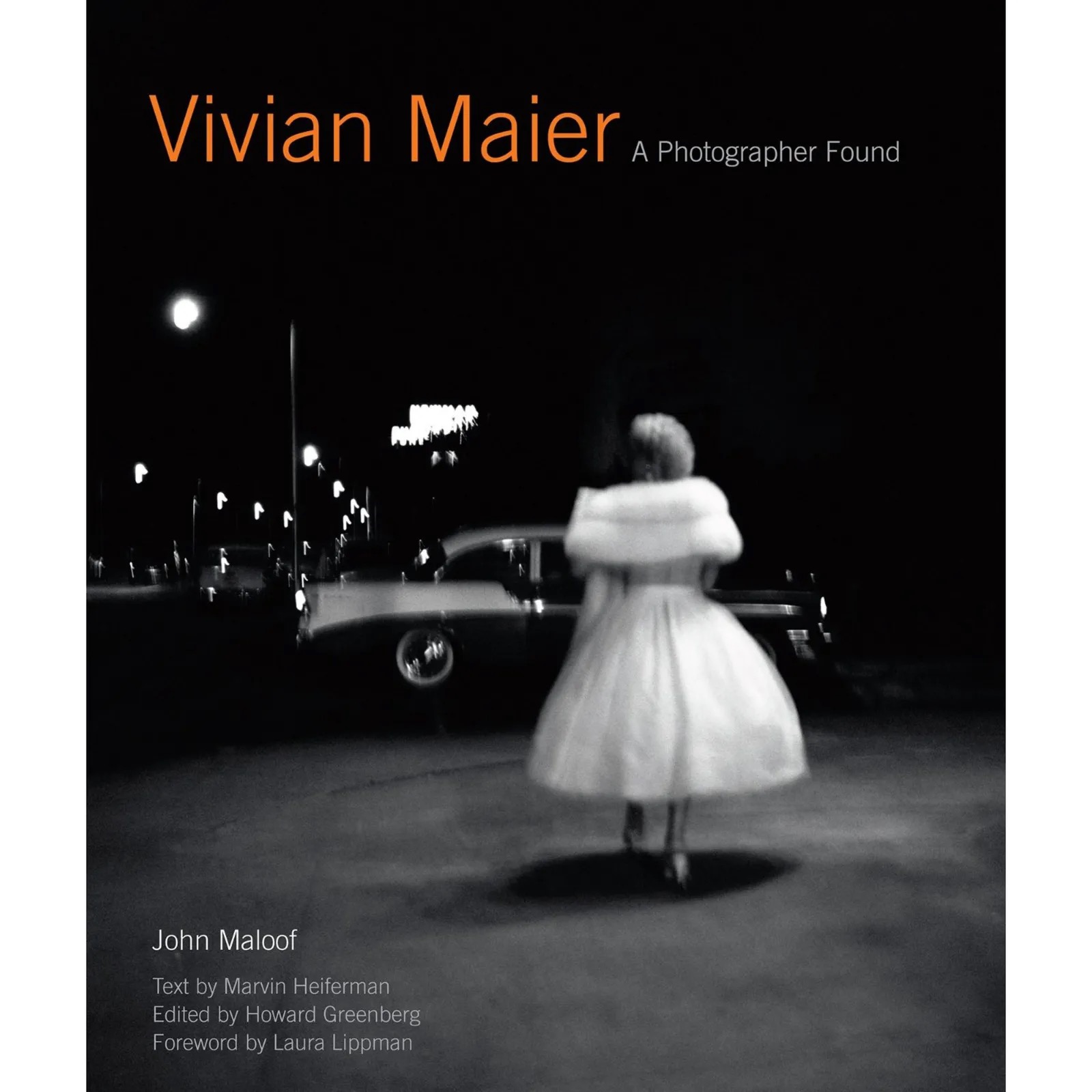
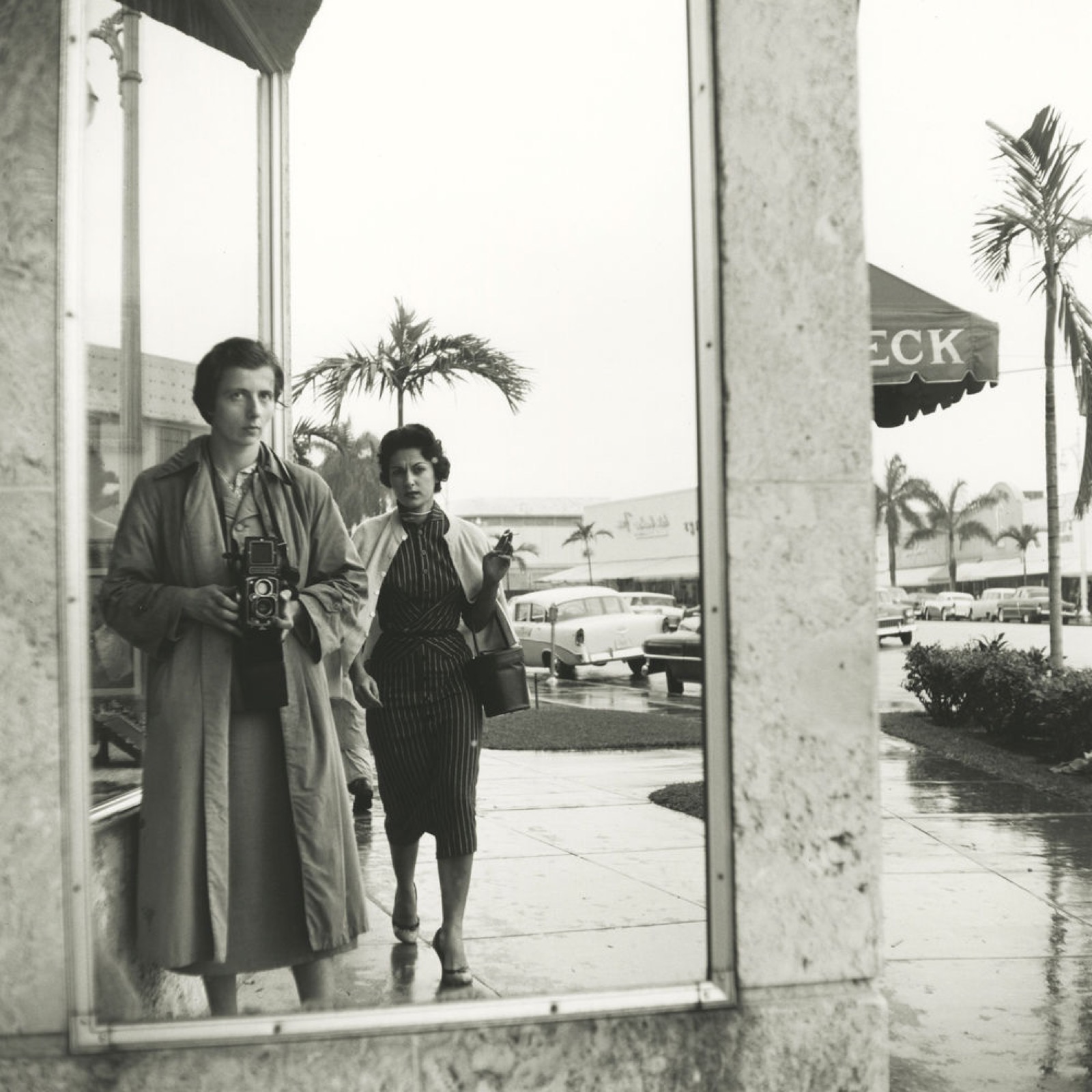
Vivian Maier (1926 - 2009) was an American street photographer whose massive, unseen body of work came to light when it was purchased from an auction in Chicago in 2007. Born in New York City, Maier spent some of her youth in France and then worked in Chicago as a nanny and caregiver for most of her life. In her leisure, however, Maier ventured into the art of photography. Consistently taking photographs over the course of five decades, she would ultimately leave behind over 100,000 negatives. While her photographs have compelled viewers around the world since being brought to the public eye there is much that remains unknown about the enigmatic woman behind the lens.
Sometime in 1949, while still in France, Maier began making her first photographs with a modest Kodak Brownie- an amateur camera with only one shutter speed, no focus control, and no aperture dial. In 1951, she returned from France alone and purchased a Rolleiflex camera the following year. In 1956, she moved to the North Shore suburbs of Chicago, where a family employed her as a nanny for their three boys. She enjoyed the luxury of a darkroom as well as a private bathroom, enabling her to process prints and develop her own rolls of black and white film. As the children entered adulthood, Maier had to seek other employment, forcing her to abandon developing her own film. Moving from family to family thereafter, her rolls of undeveloped, unprinted work began to collect.
It was around this time that Maier decided to switch to color photography. Her subject matter shifted away from people to found objects, newspapers, and graffiti. In the 1980s, financial stress and lack of stability once again put Maier's processing on hold, and the undeveloped color rolls began to accumulate. Sometime between the late 1990s and the first years of the new millennium, Maier put down her camera and stored her belongings while she tried to stay afloat. She bounced from homelessness to a small studio apartment, which a family she used to work for helped pay the rent. With meager means, the photographs in storage became lost memories until 2007, when they were sold off due to non-payment of rent. In 2008, Maier's health began to deteriorate after she fell on a patch of ice, forcing her into a nursing home. She never made a full recovery, leaving behind an immense archive of work when she died in 2009.
In 2007, the contents of Maier's storage space were purchased by several buyers at auction, including John Maloof, who has since dedicated himself to establishing her legacy. While he was unable to connect with Maier in her lifetime, Maloof shared a selection of Maier's photographs online in 2009 and was met with "viral" interest. Compelled to learn more about the woman behind the lens, Maloof began to investigate the life and work of Maier, culminating in the Oscar-nominated documentary Finding Vivian Maier (2014). Since the discovery of her work, Maier's photographs have the subject of several publications and have been exhibited at major institutions throughout the world.